PRESENTE CONTINUO: the intimate ties between then&now

Starting May 30, PRESENTE CONTINUO will be available to purchase on presentecontinuo.com, cpcompany.com, and at the C.P. Company flagship store in Milan, Corso Matteotti 7.
Stay informed on our latest news!

Starting May 30, PRESENTE CONTINUO will be available to purchase on presentecontinuo.com, cpcompany.com, and at the C.P. Company flagship store in Milan, Corso Matteotti 7.

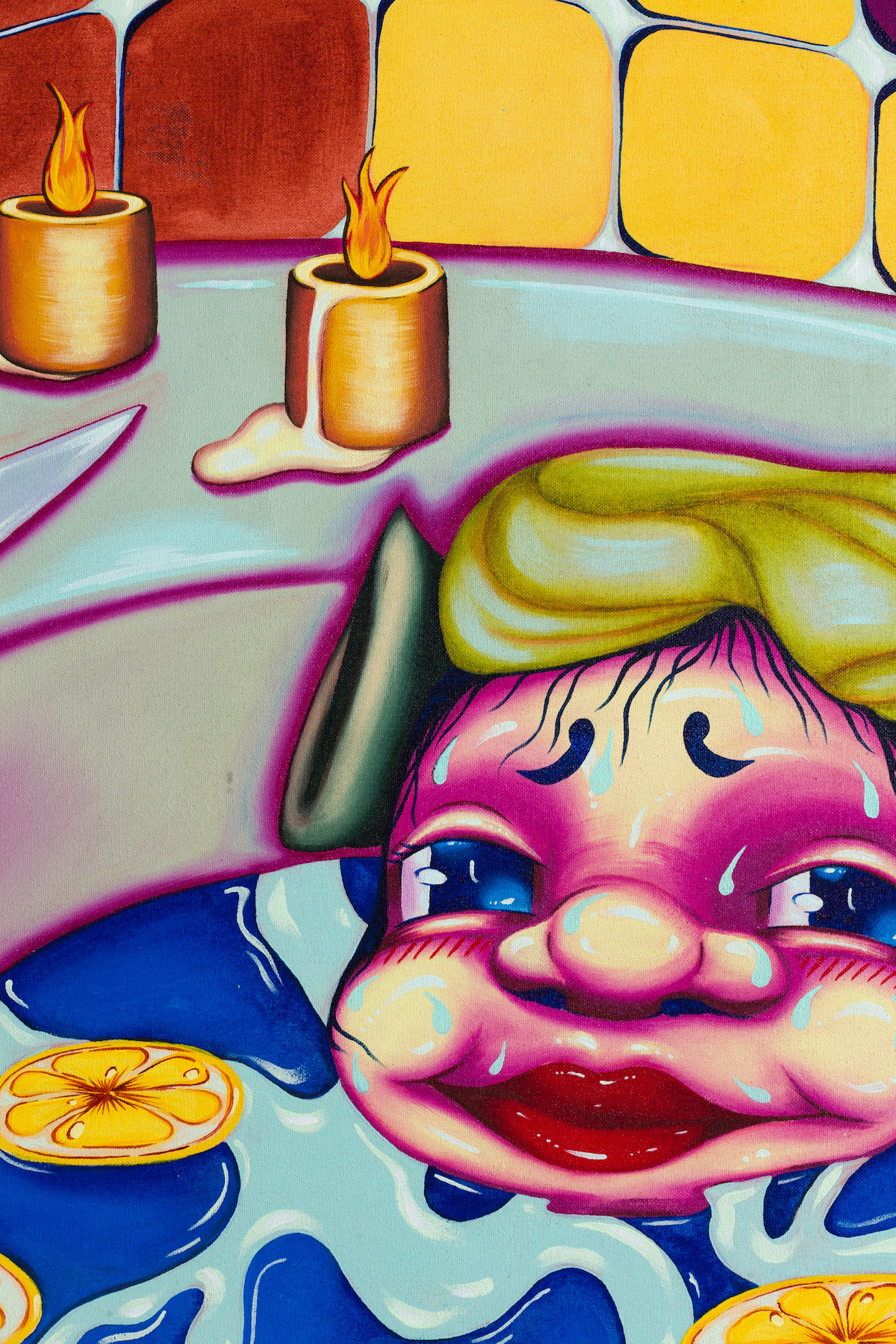
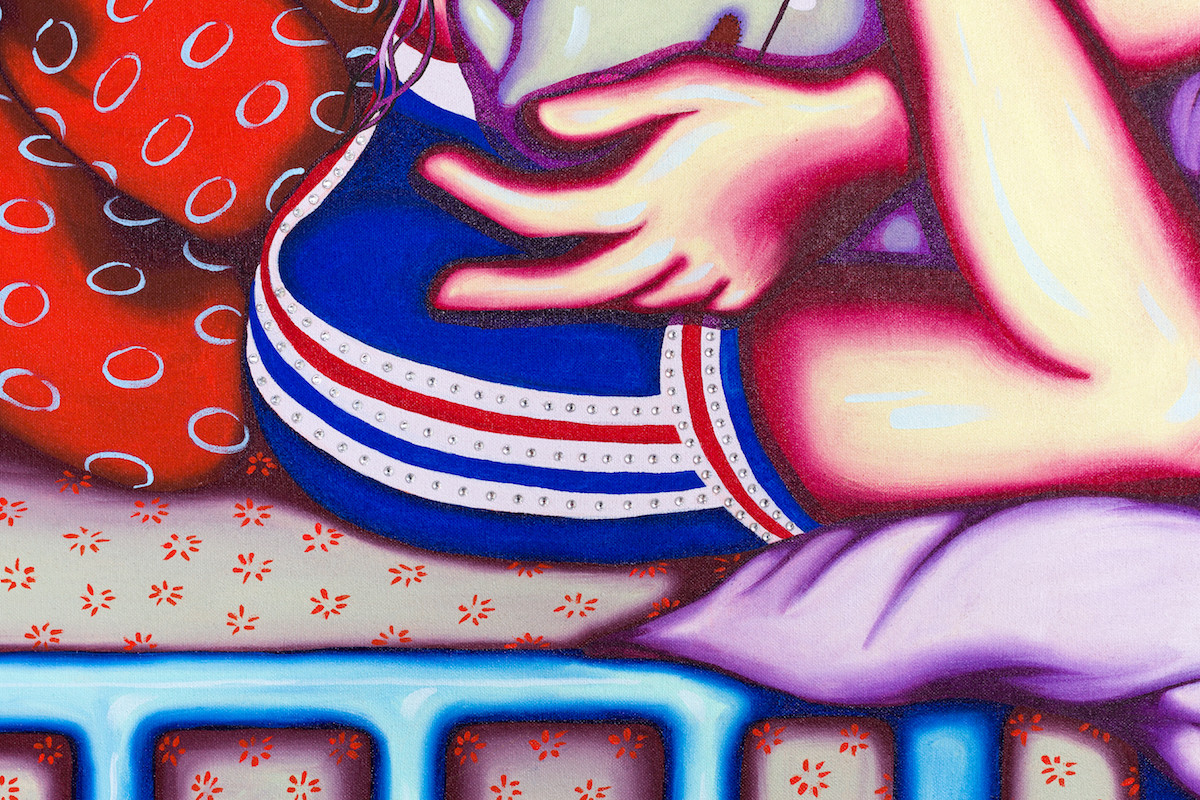
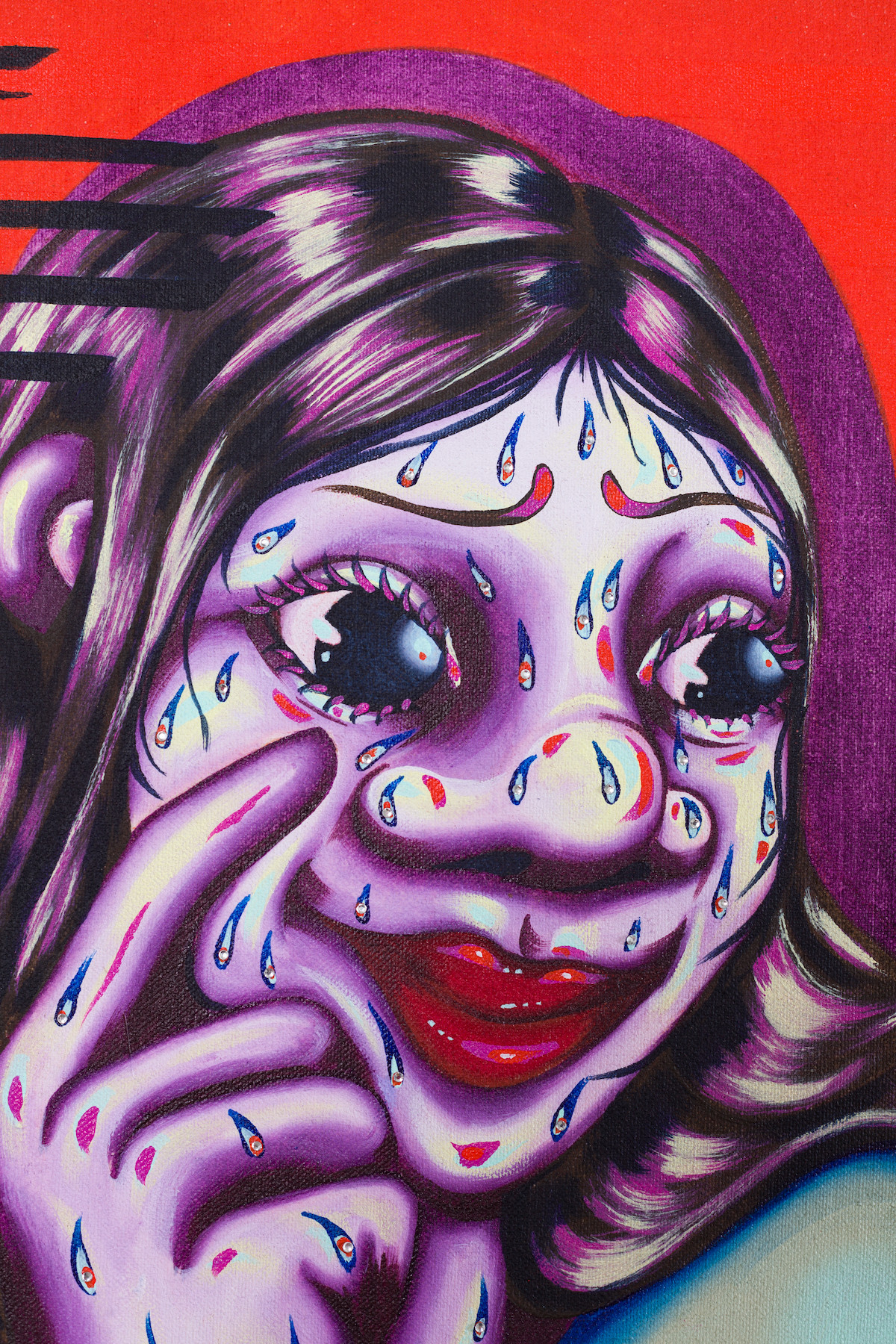
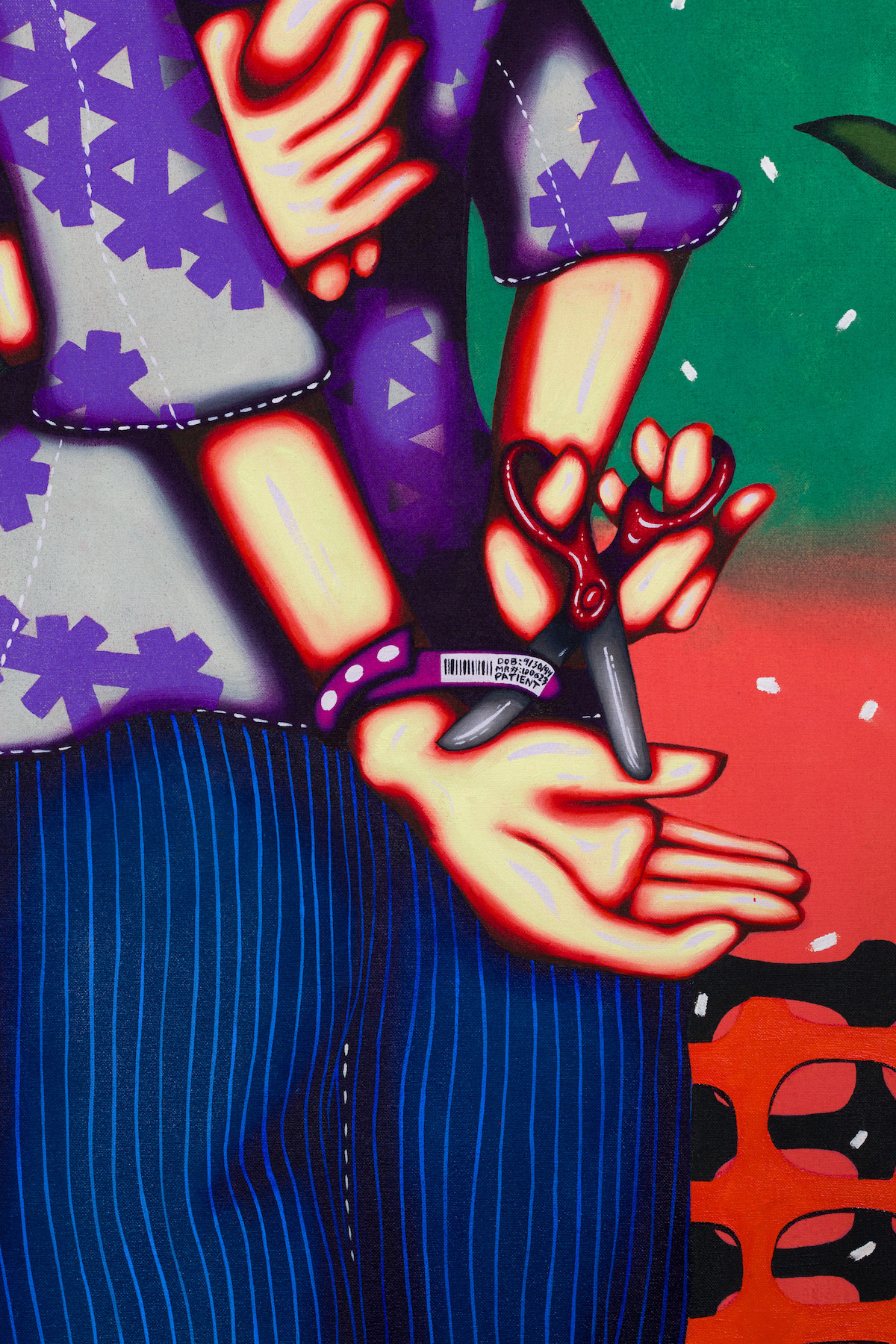
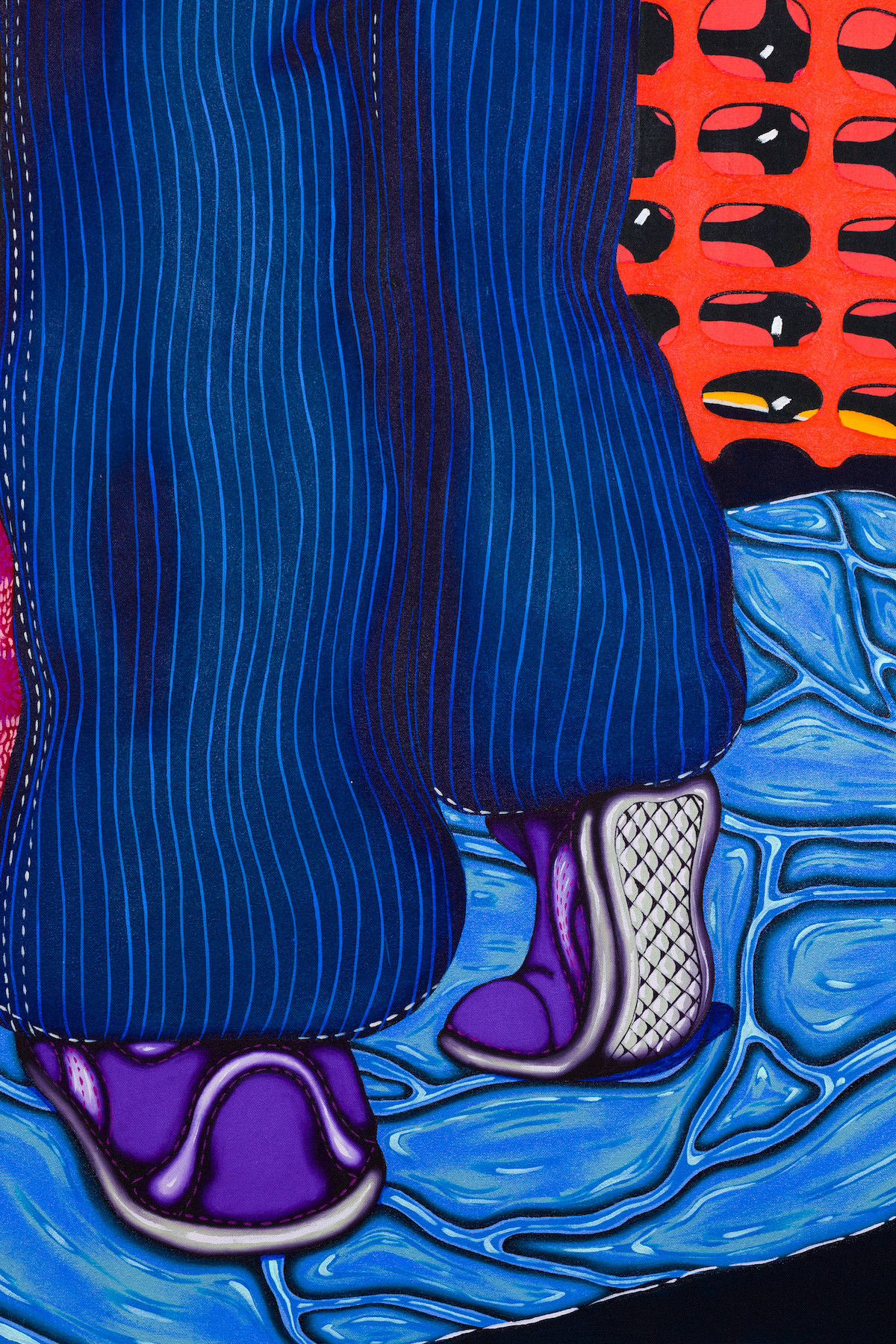
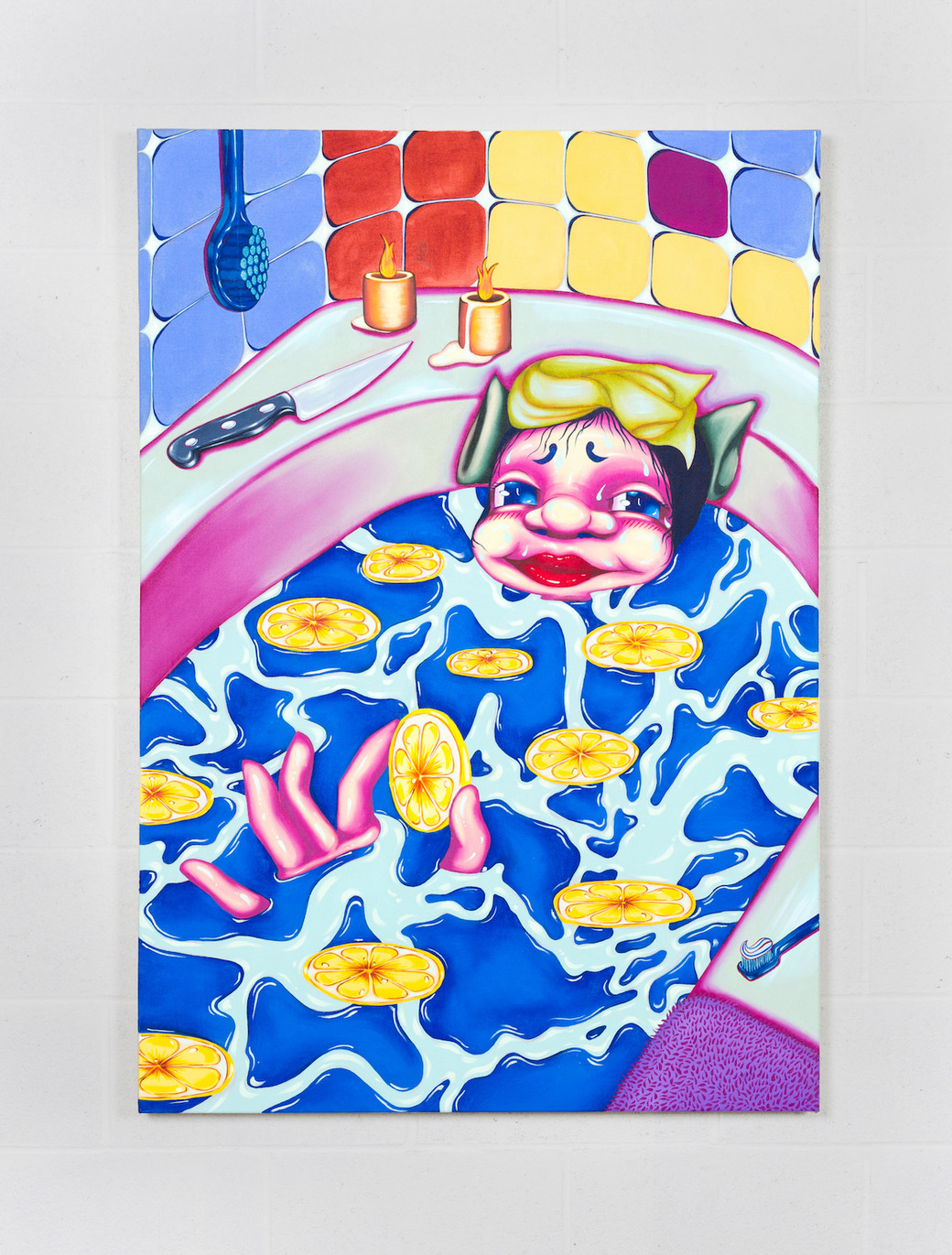
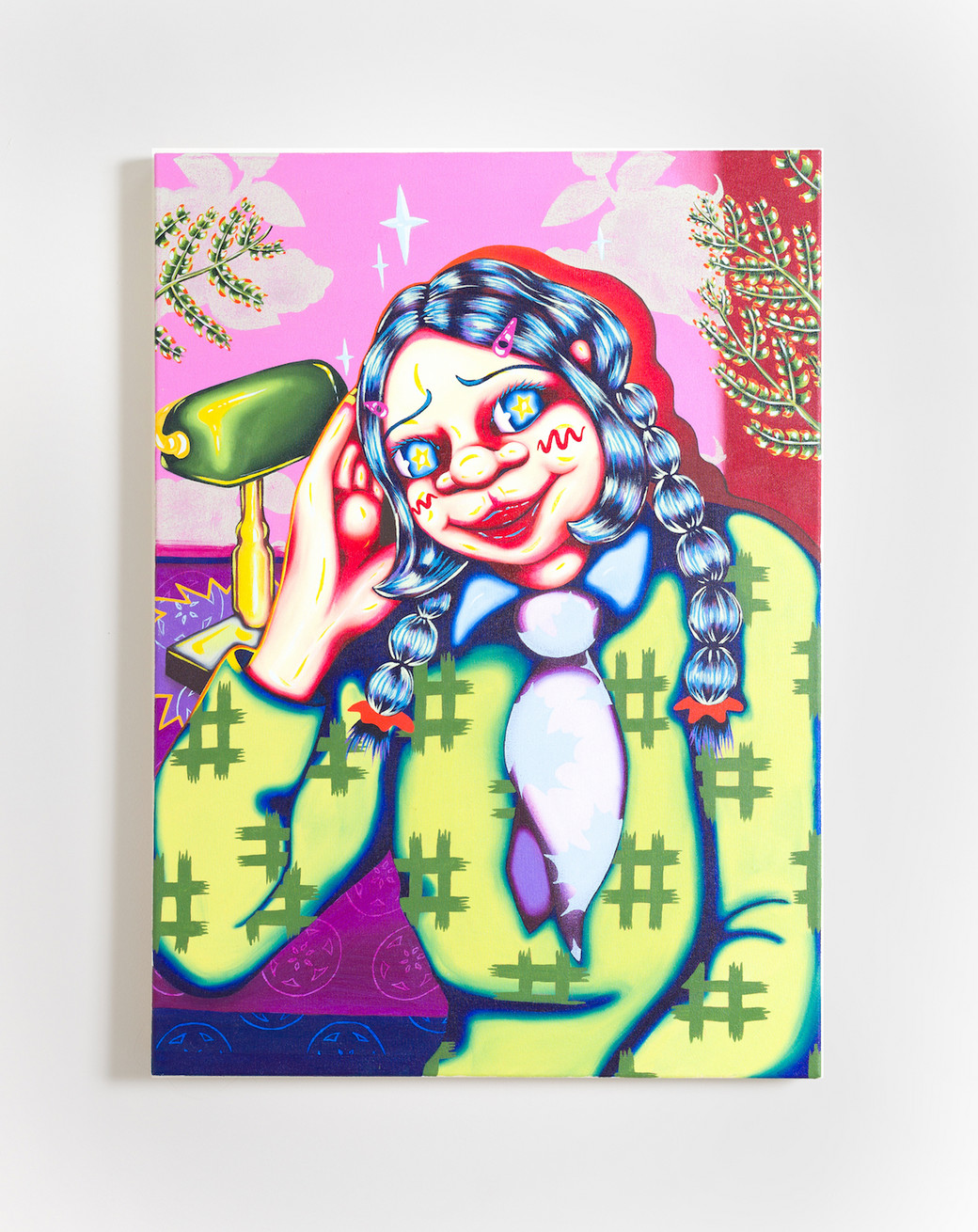
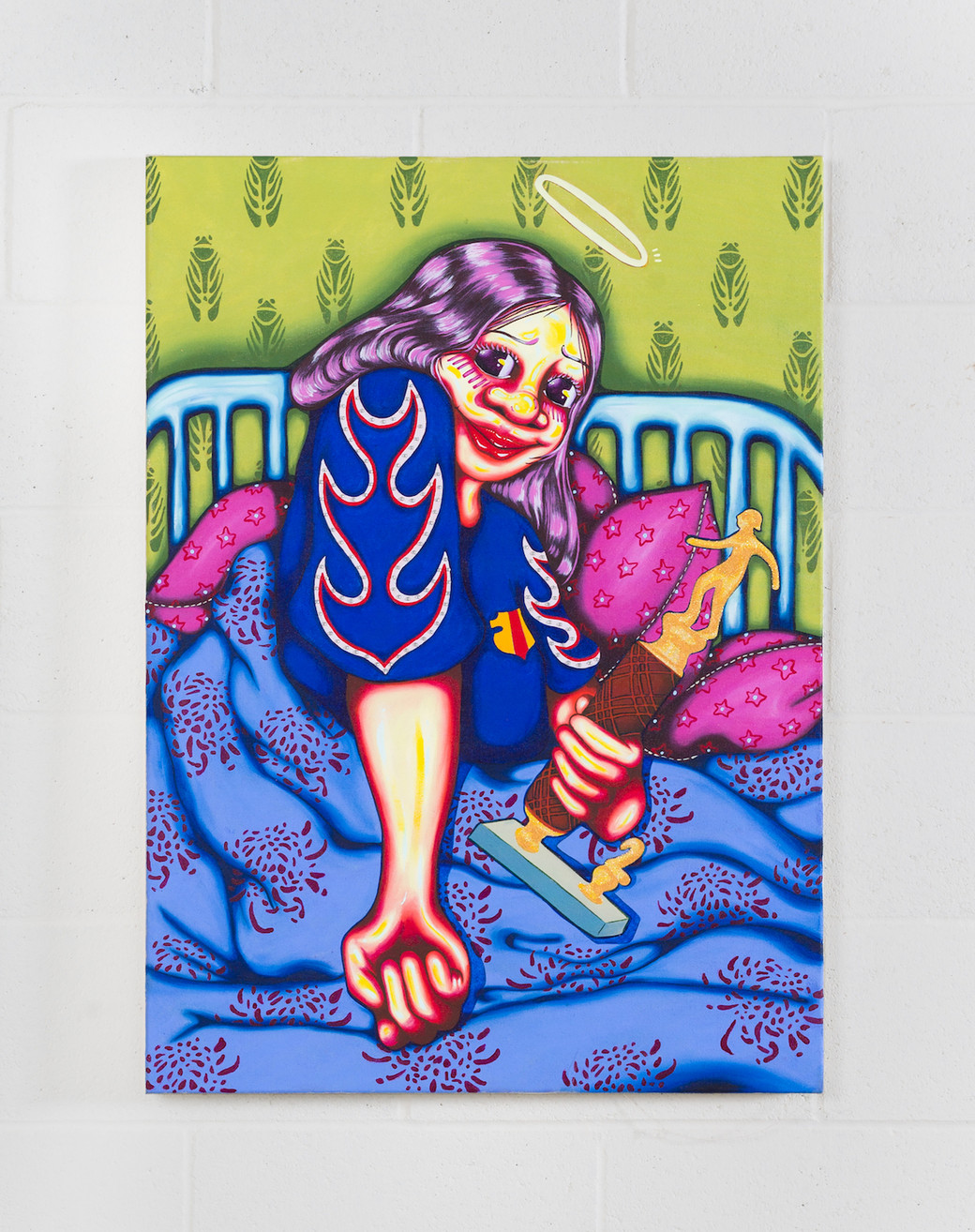
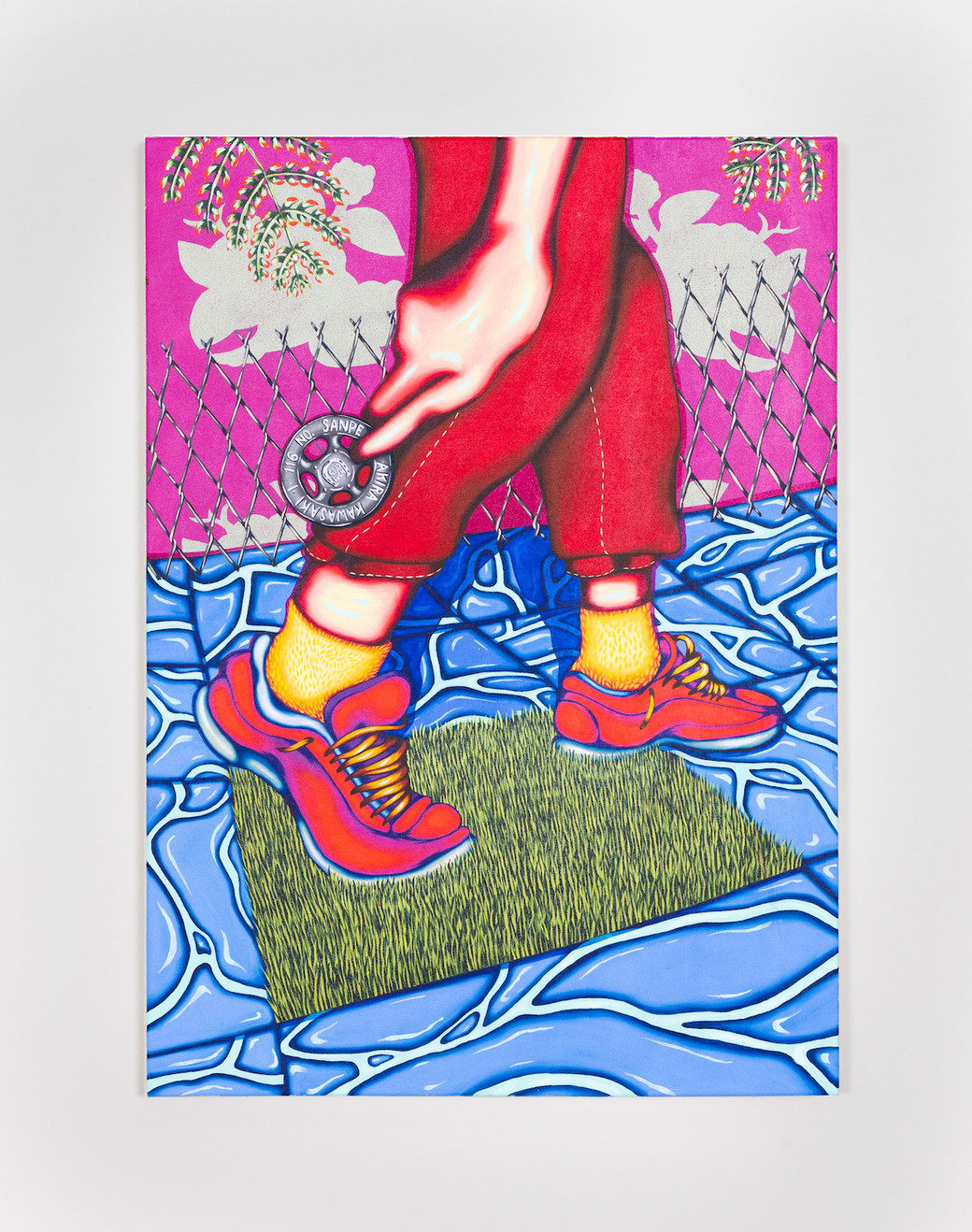
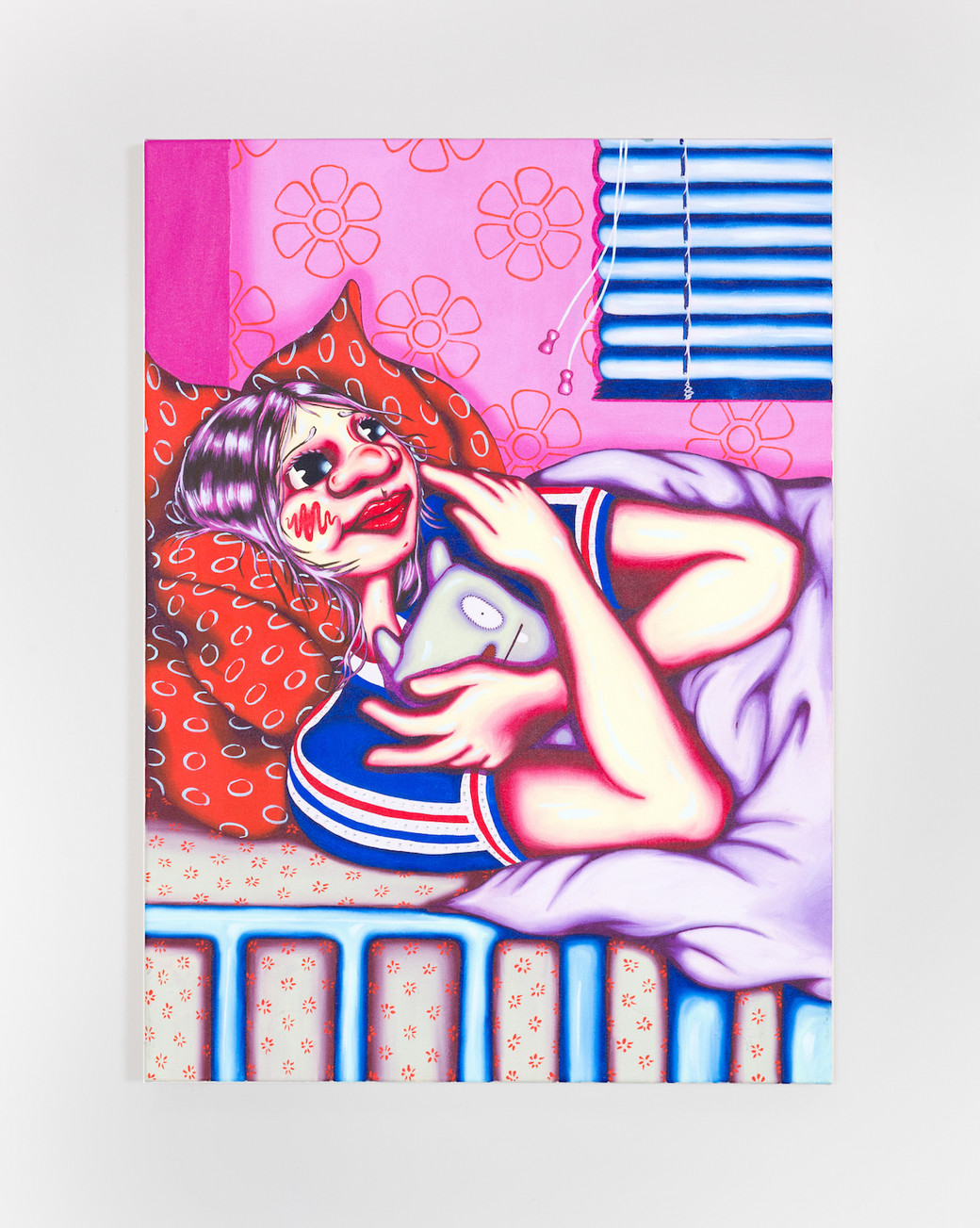
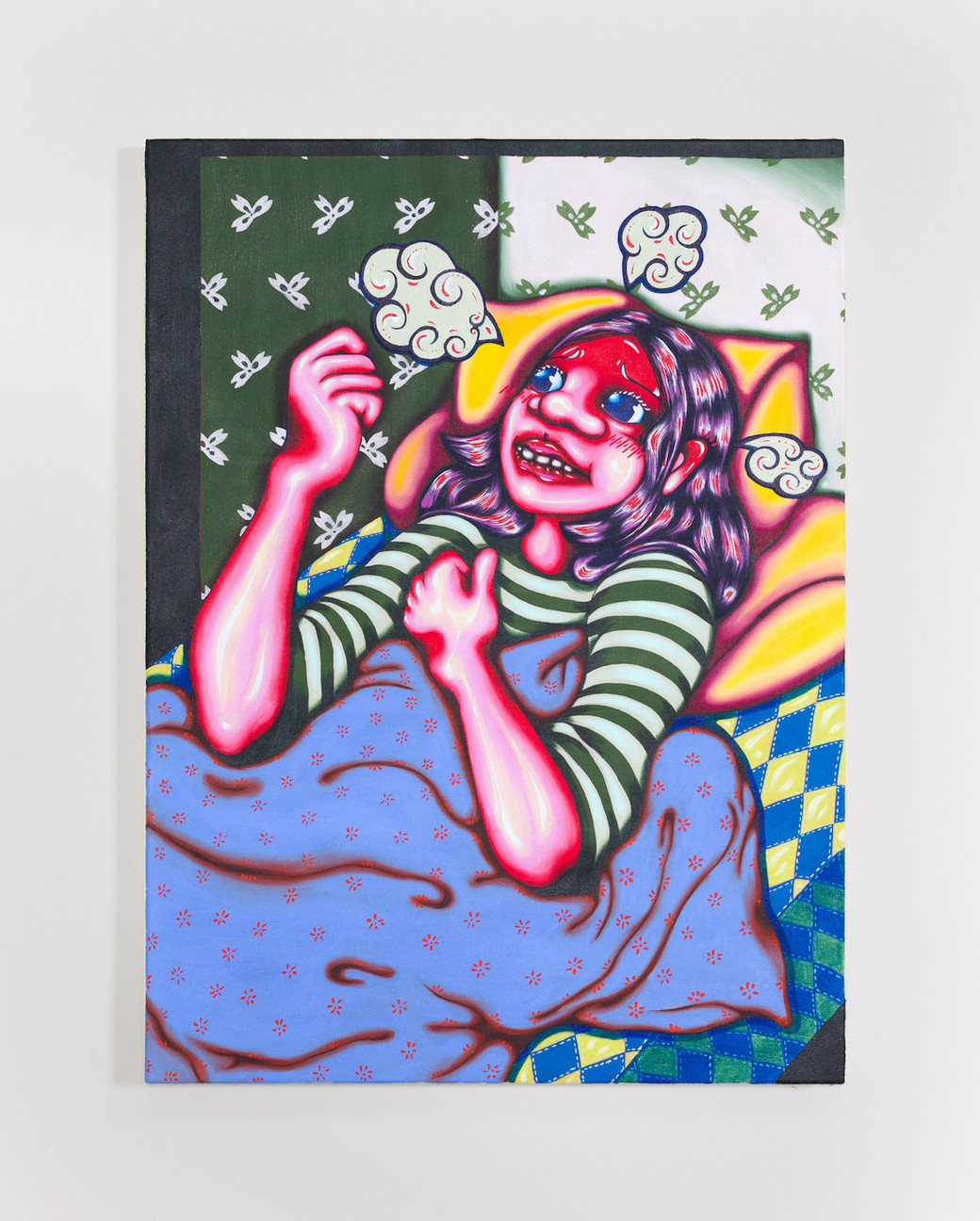
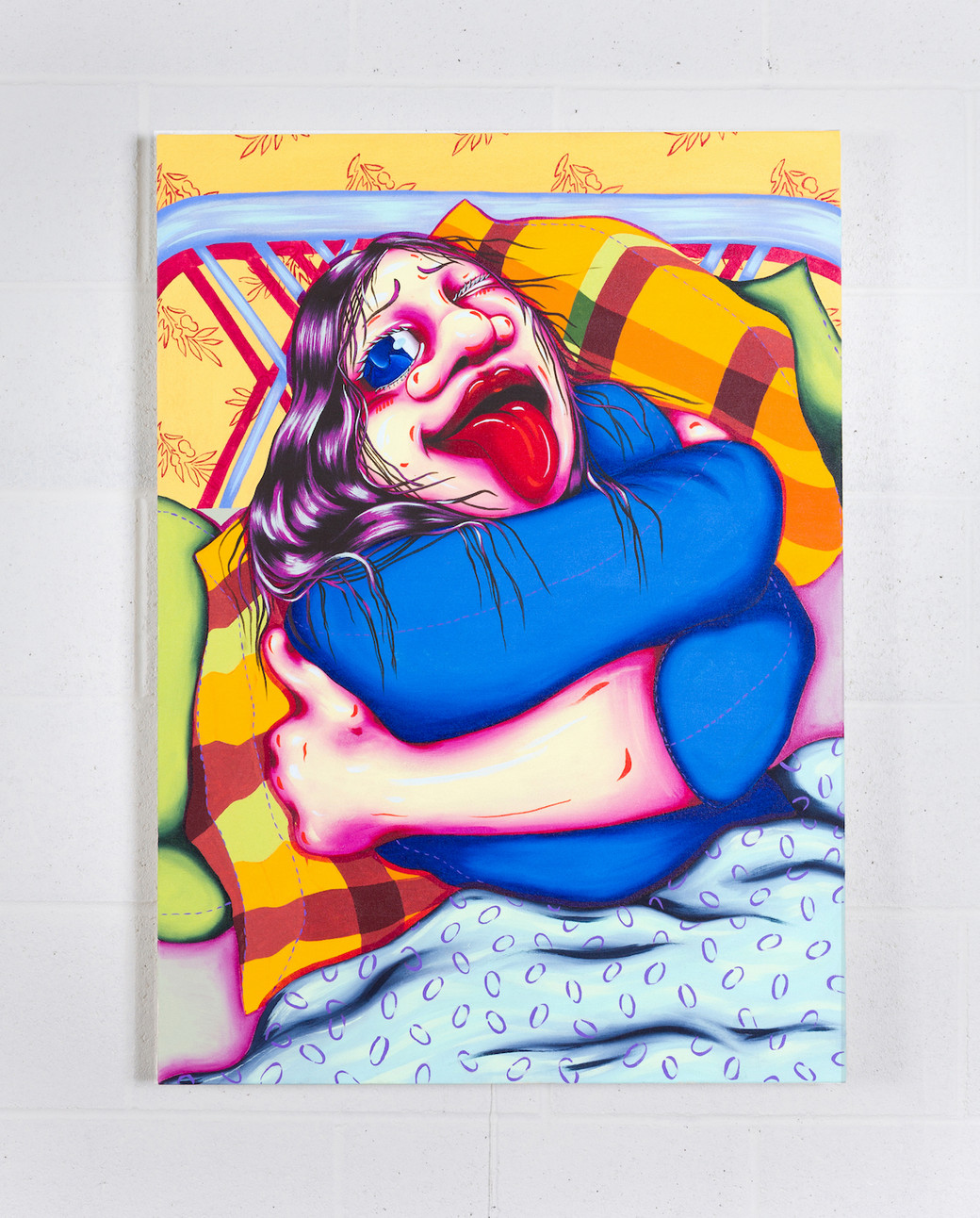
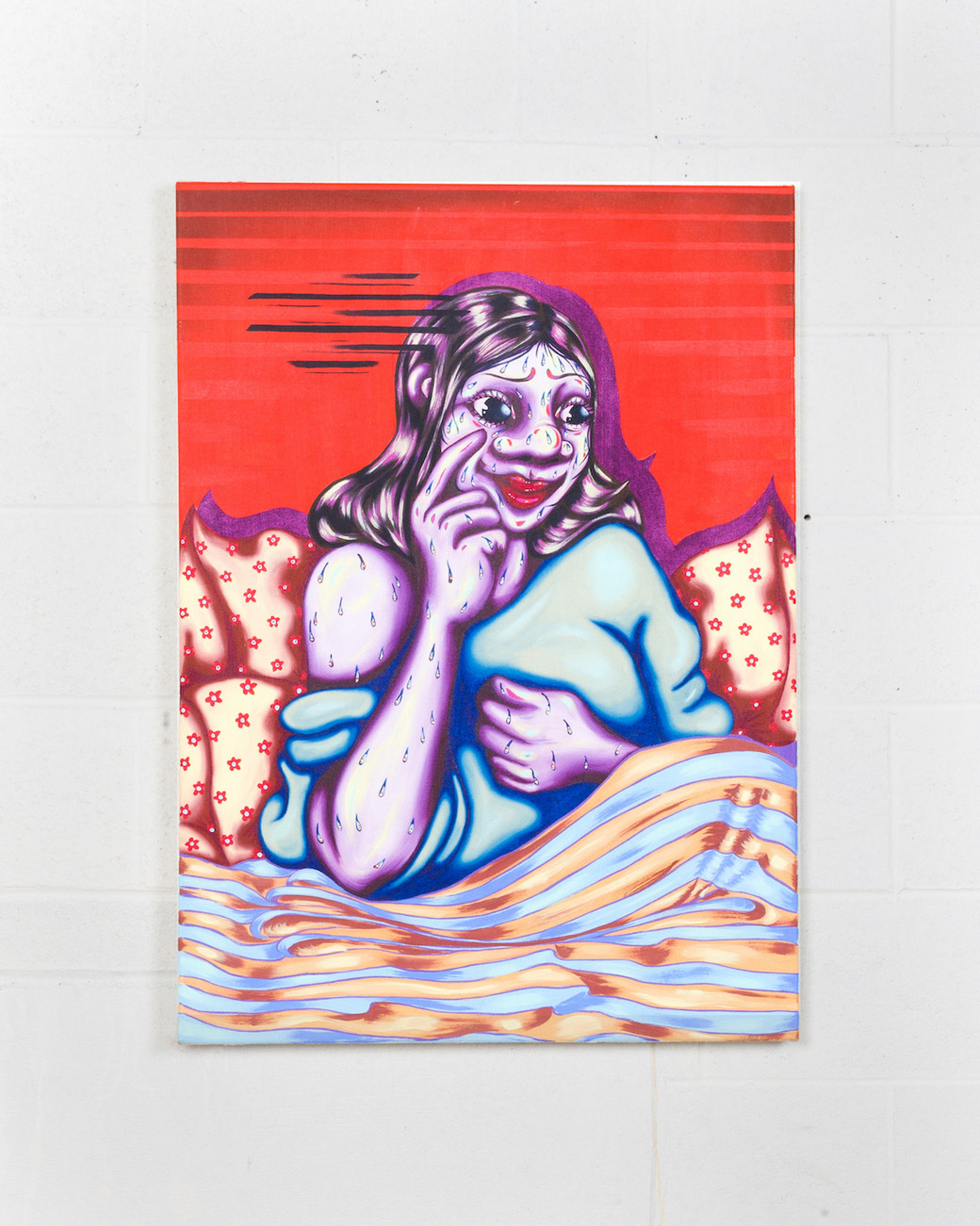
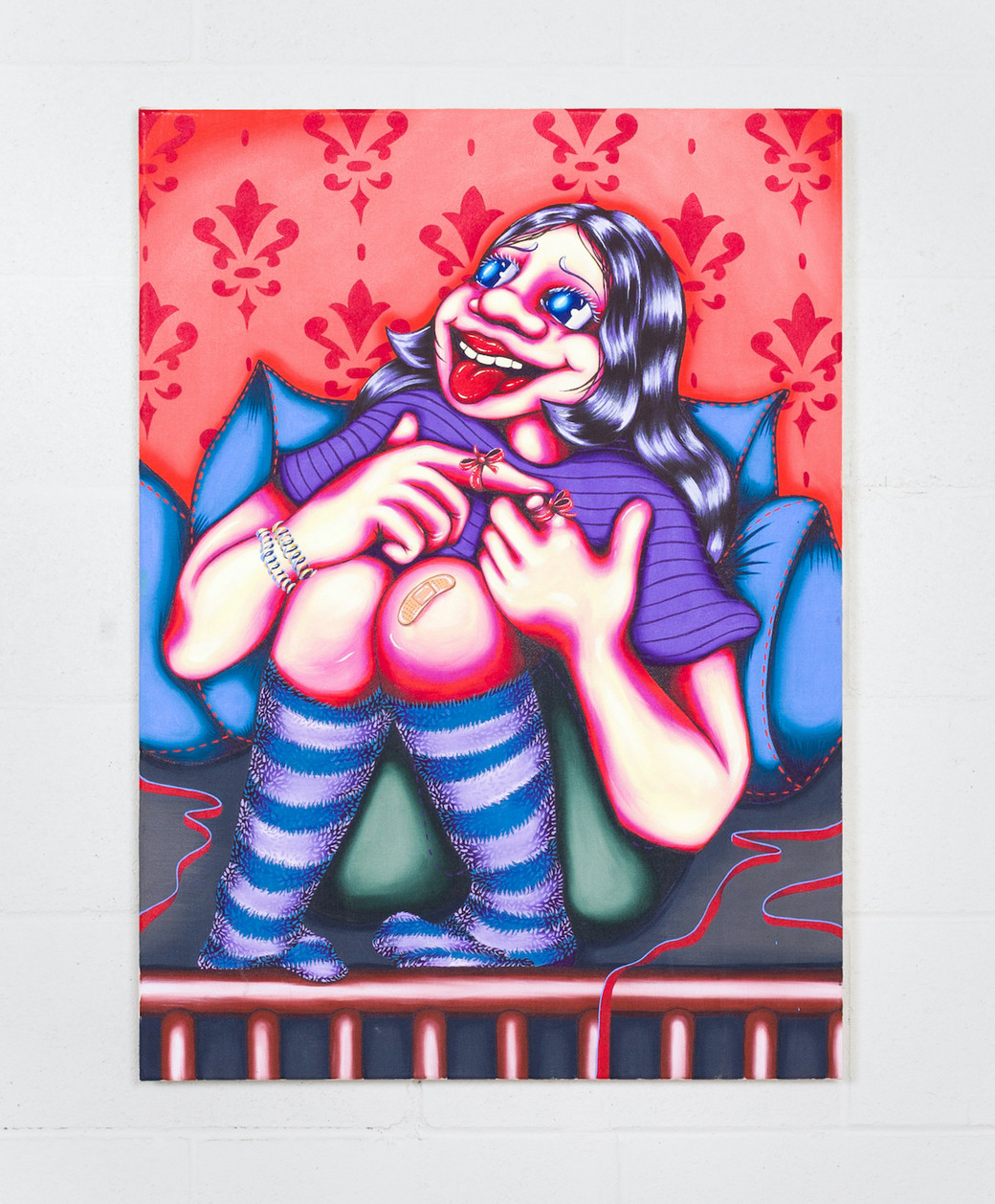
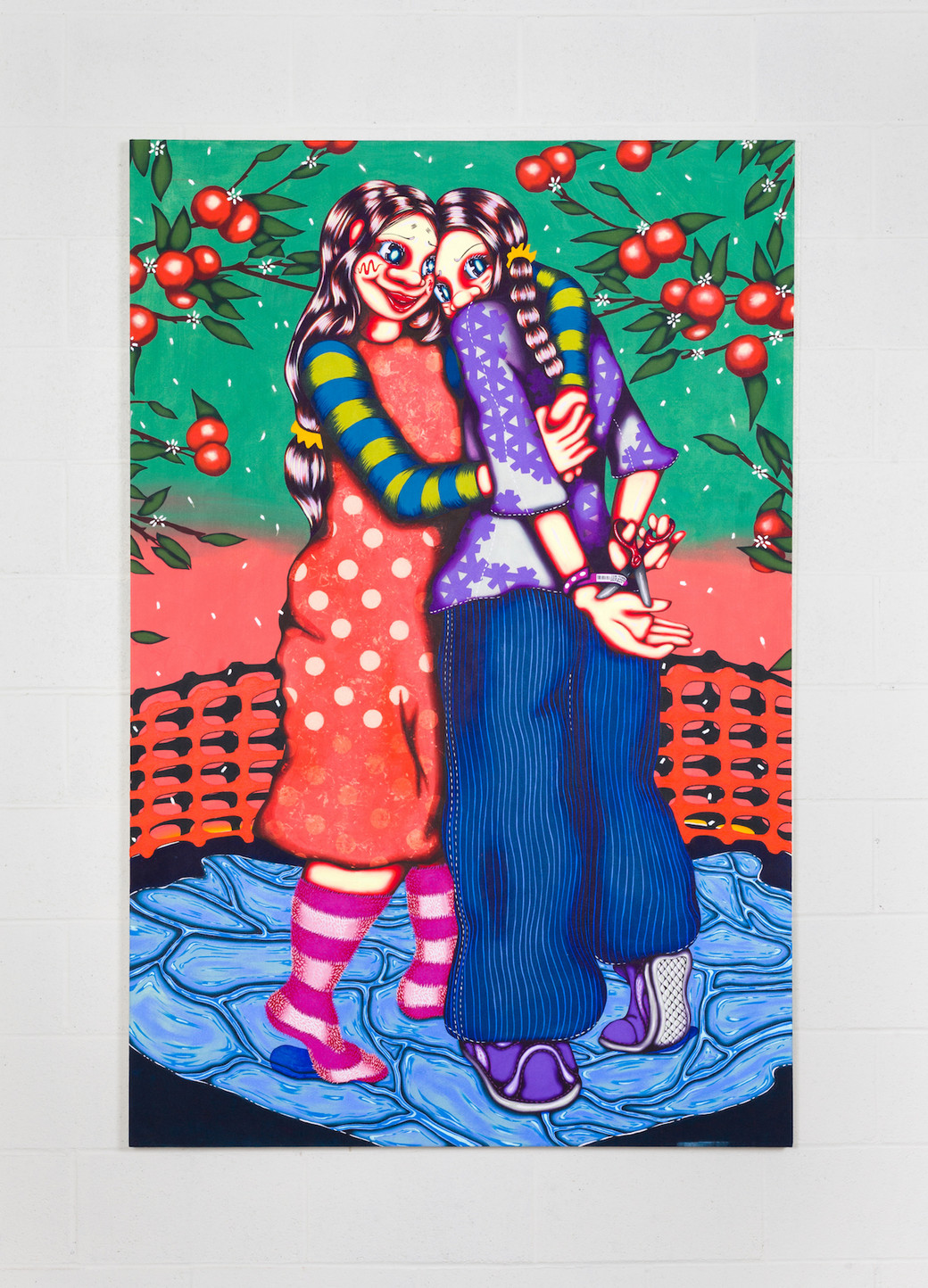
With the sentimentality of a venus fly trap, "Passionate Attitudes" lures you into its kaleidoscope vision before snapping you shut in a disjointed world of nightmarish saturation and frayed psyches. This discomfort is intentional.
“I wanted these inviting colors and glitters to beckon you into this really eerie space," she tells us. "A space that feels the way manic laughter sounds.” Zoé’s heroines are a hyperpop funhouse mirror of the photographs taken by 19th century French neurologist, Jean-Martin Charcot. Attempting to document and dissect female hysteria, Charcot’s series was published in the medical journal La Nature as pseudo-scientific, soft-core pornography fetishizing and intellectualizing the feminine other. To Zoé, Charcot’s series is a prototype for the sexualization of hysteria that “has now manifested itself as the manic pixie dream girl trope. You know, the whole, ‘she’s crazy but she’s hot’ trope.”


"Passionate Attitudes" directly mimics the posturing of Charcot’s eerie photographs, and recontextualizes them within the familiarity of contemporary bedroom spaces. The intimate details of each portrait—Ugly Dolls, incense burning, embroidered pillows, bic lighters and sneakers—instill the personal into the larger question of the hysteric’s place in modern times. Part of the mission of "Passionate Attitudes" is to imagine new ways of integrating the phenomenon into this context. For Zoé, hysteria is an important and healthy pressure valve: "Hysteria can keep you afloat through its catharsis."
Zoé draws inspiration from her upbringing in Los Angeles. “Being exposed to billboards and movie posters at such an early age, created a strong relationship with cinema in general.” The kitschy dramatism of "Passionate Attitudes" finds roots in Zoé's diverse cultural repertoire: comic books, Manga, Anime, and a love for old horror films. “I’m really inspired by old horror movies and their use of old VFX where everything looks collaged and things don't necessarily line up.”


In line with her heritage, the artist integrates different aspects of traditional Japanese culture into this series. “I'm really taken by theatrics and performance. A lot of my research involves traditional Noh theatre. It’s inspired a lot of my research about hysteria. Especially the subset of Noh theatre that surrounds the supernatural, where women who are dealing with overpowering emotions are turned into a literal demon. That definitely launched into these paintings, and how they relate to the quotidian.”
Her artistic process mirrors the mania present in "Passionate Attitudes": ”I find so much catharsis in my work. I feel like a crazy psychopath making these works. It’s such a full body experience. And it's so solitary at the same time. Entertaining yourself, frustrating yourself, reacting by yourself. It's psychotic. Totally psychotic. It’s a total release and it’s totally oppression at the same time.”

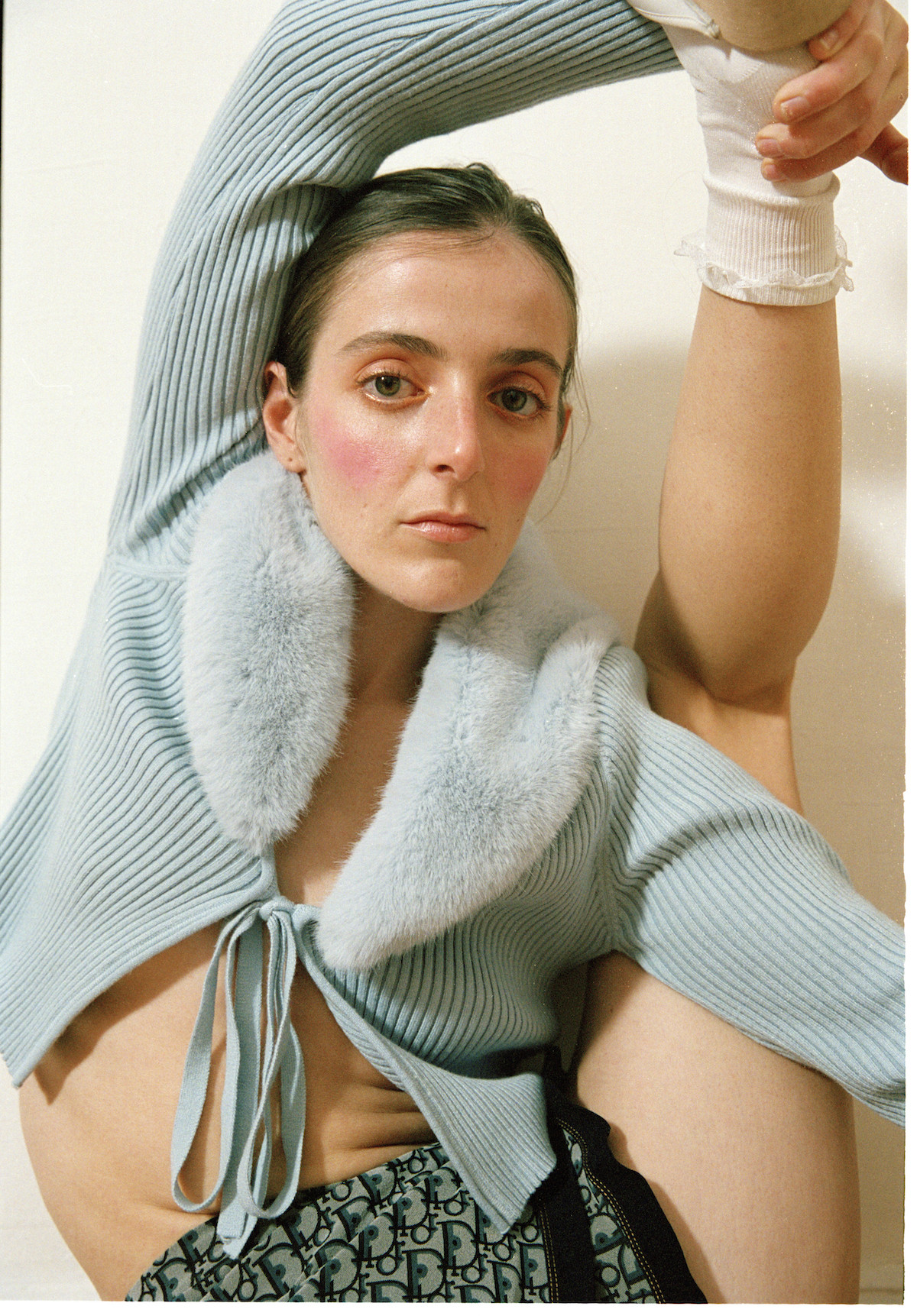
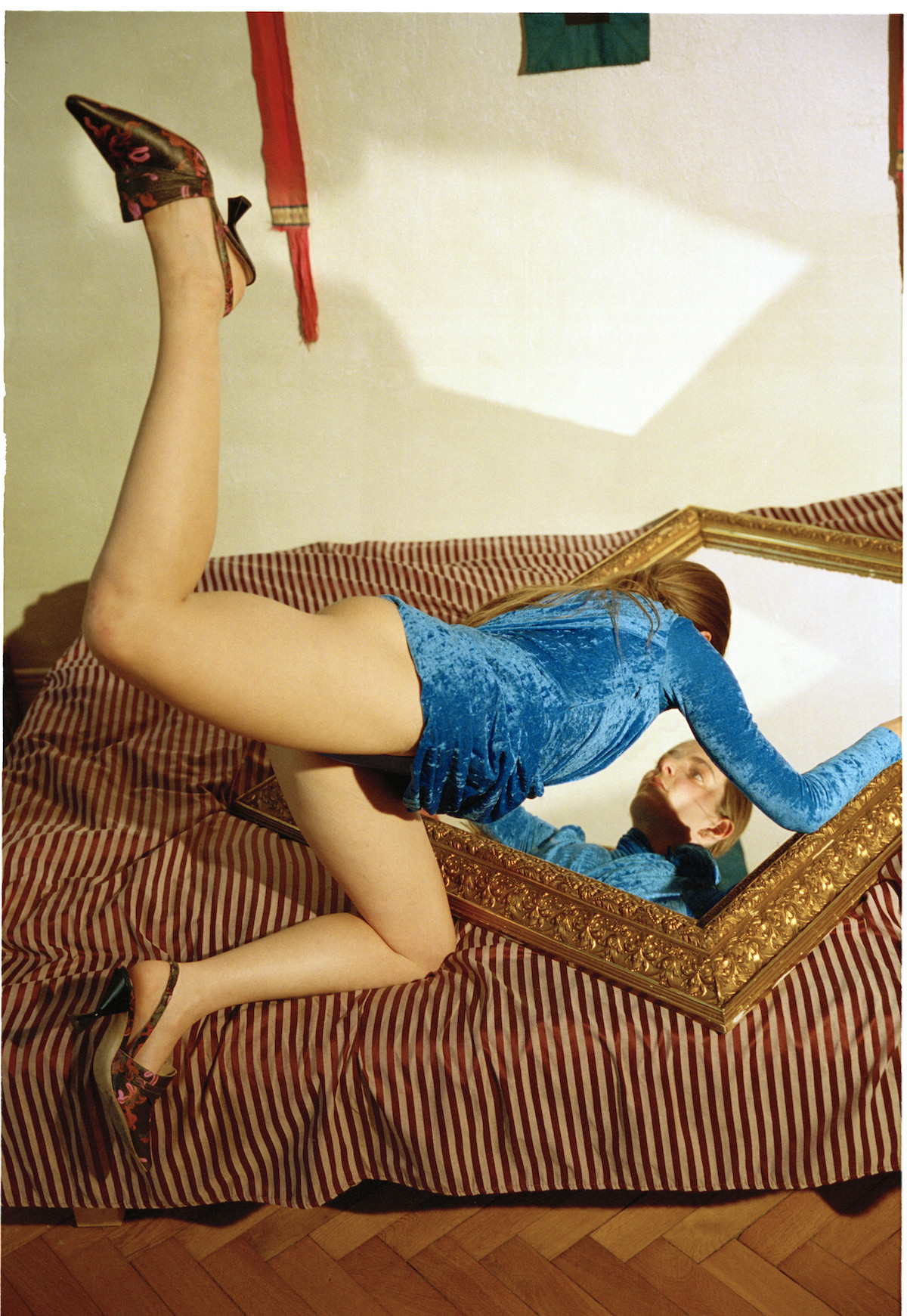
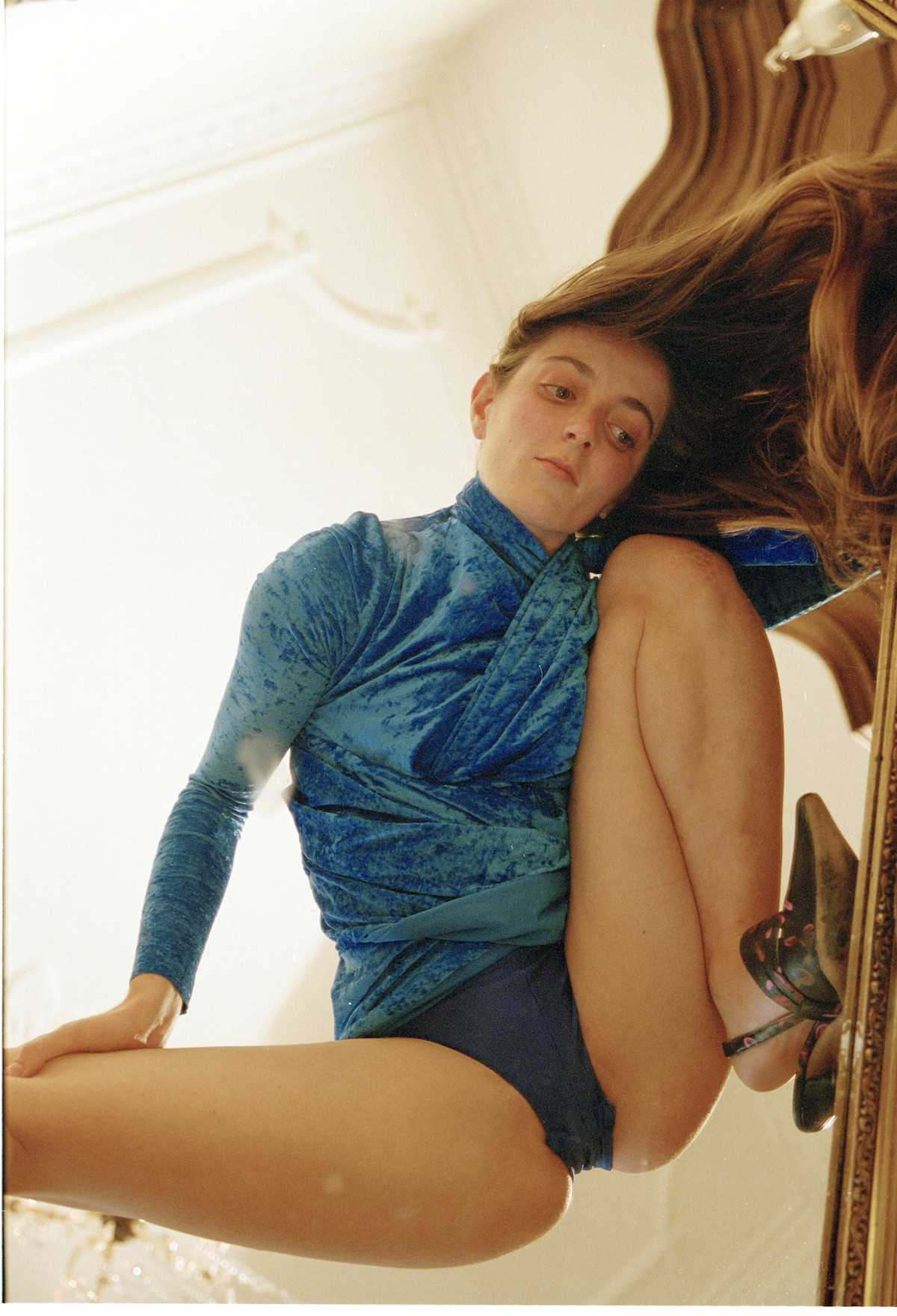
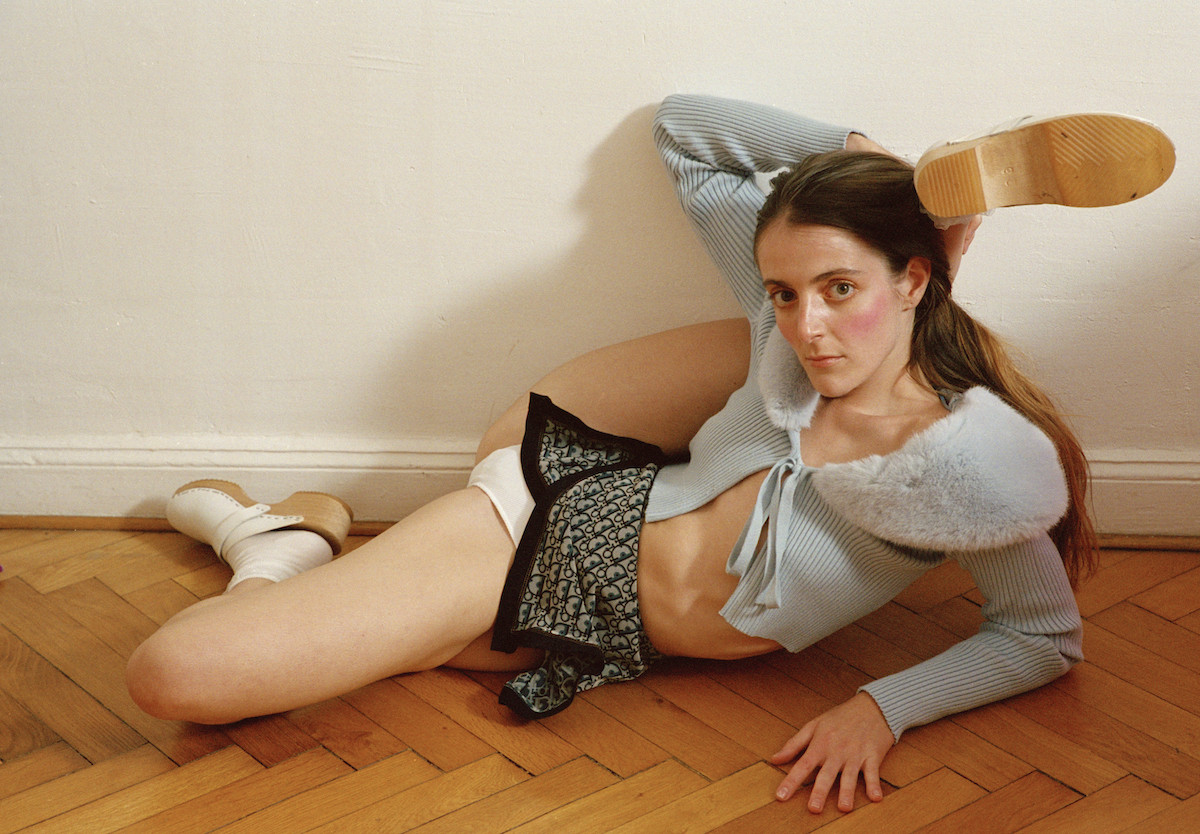
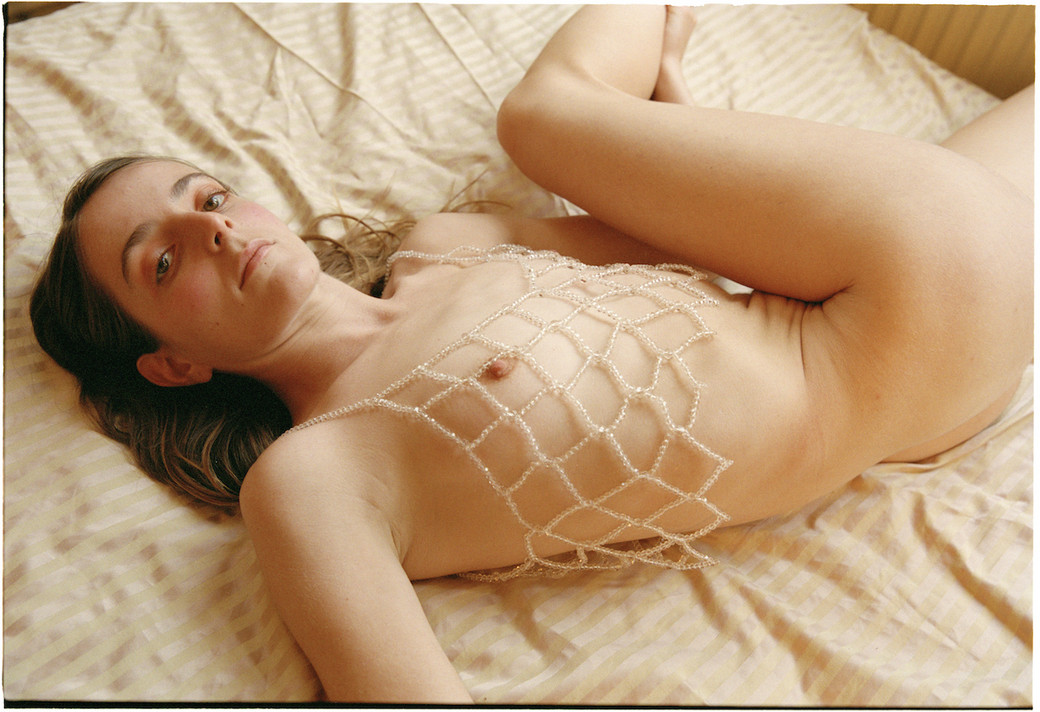
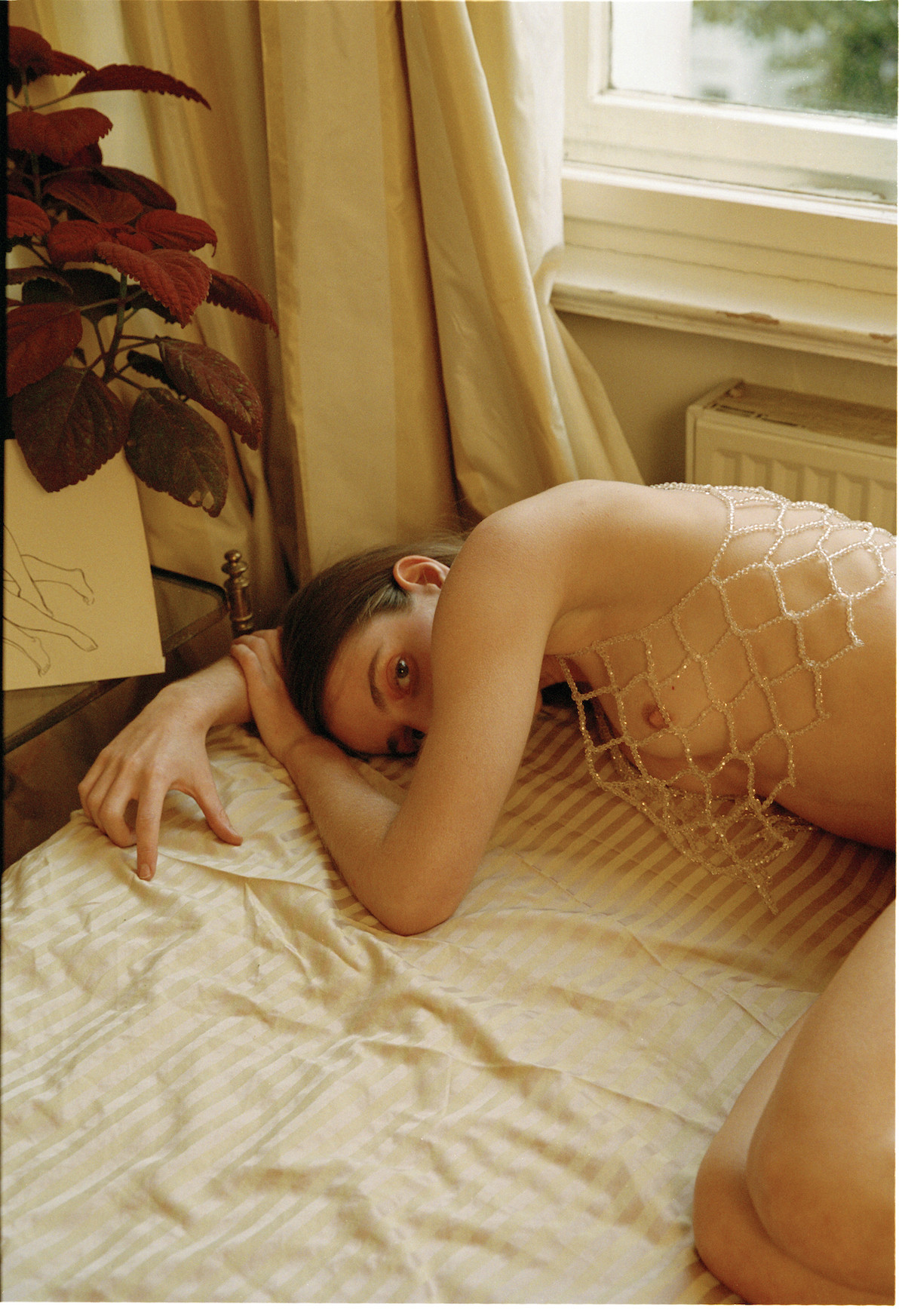
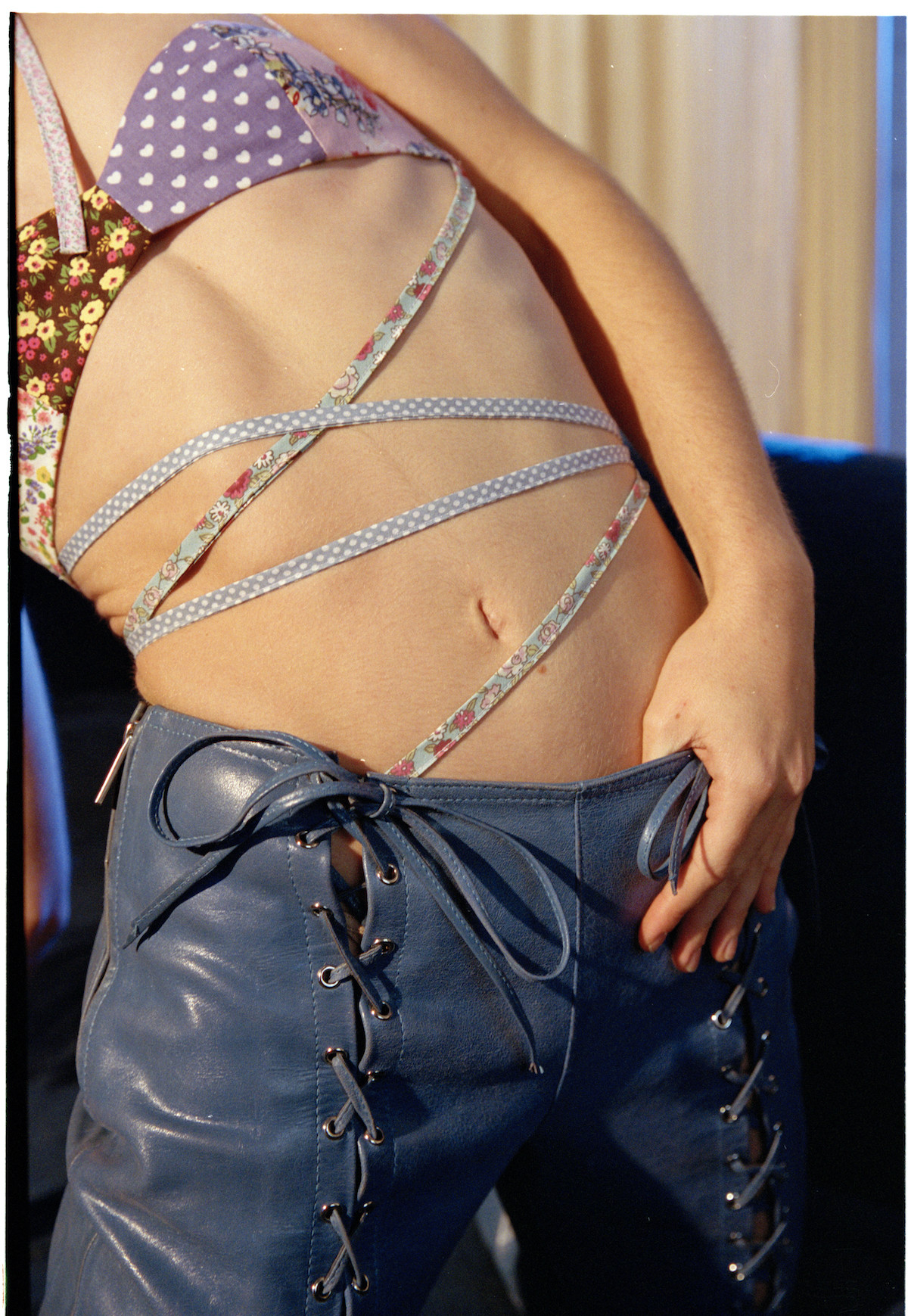
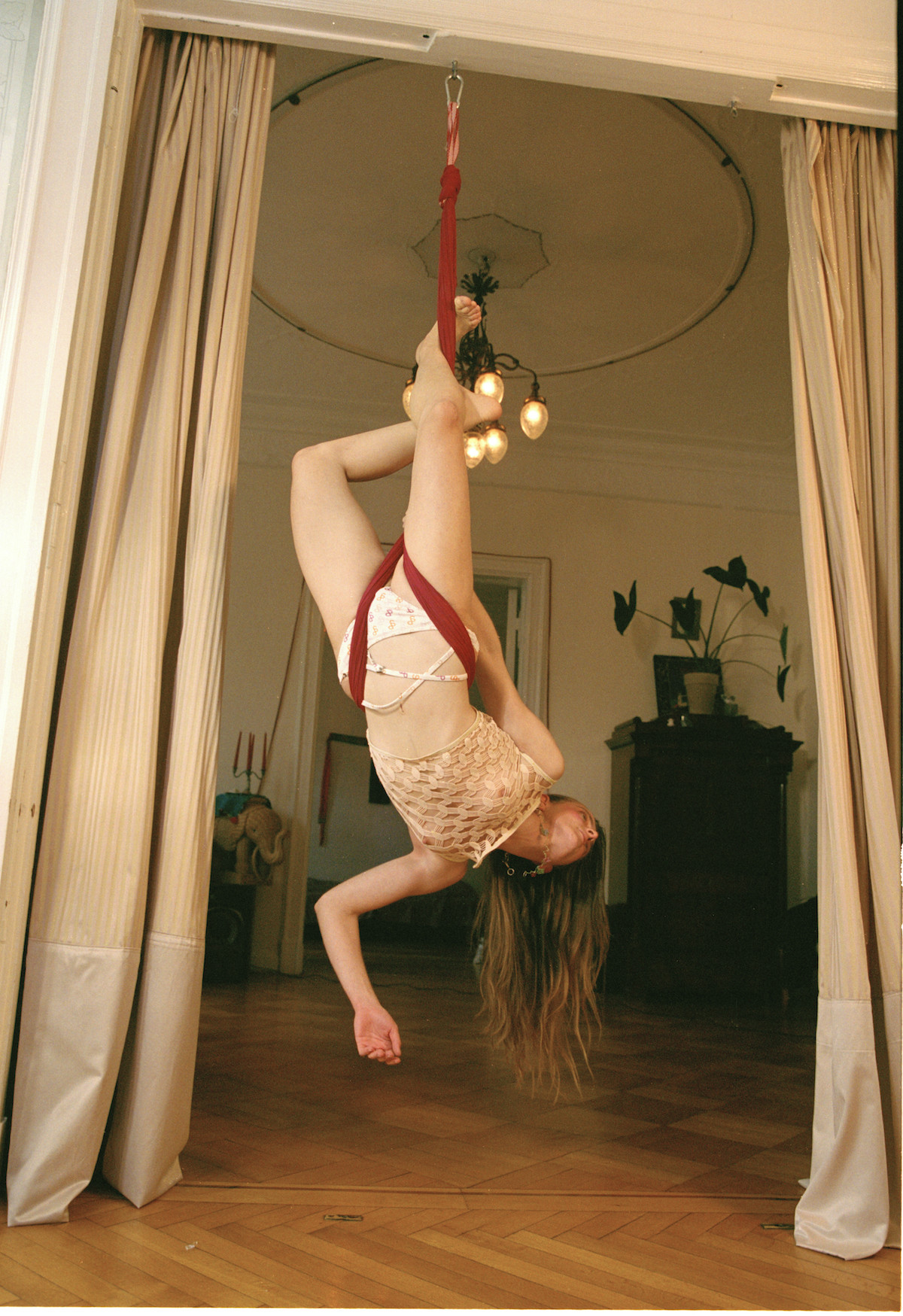
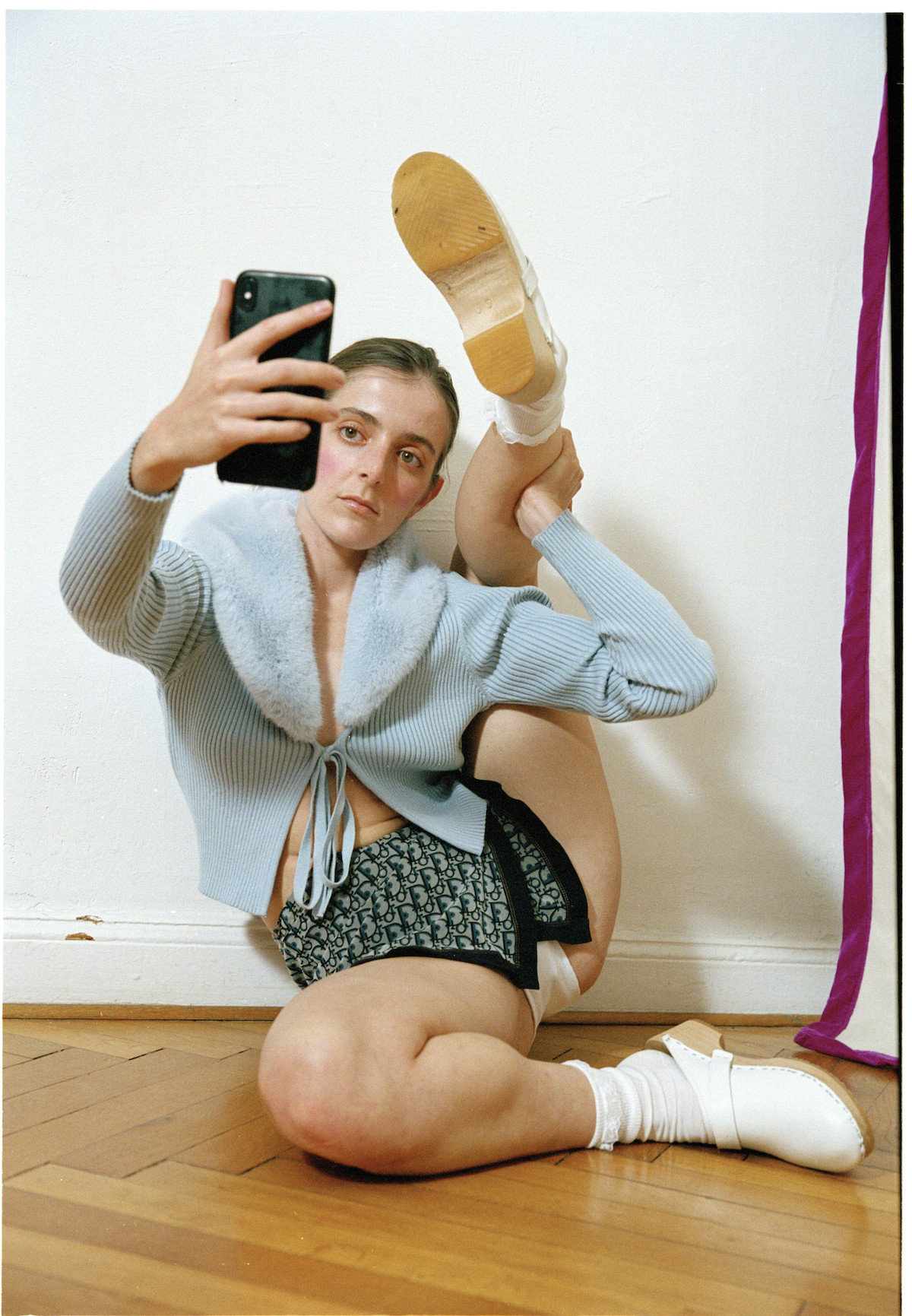
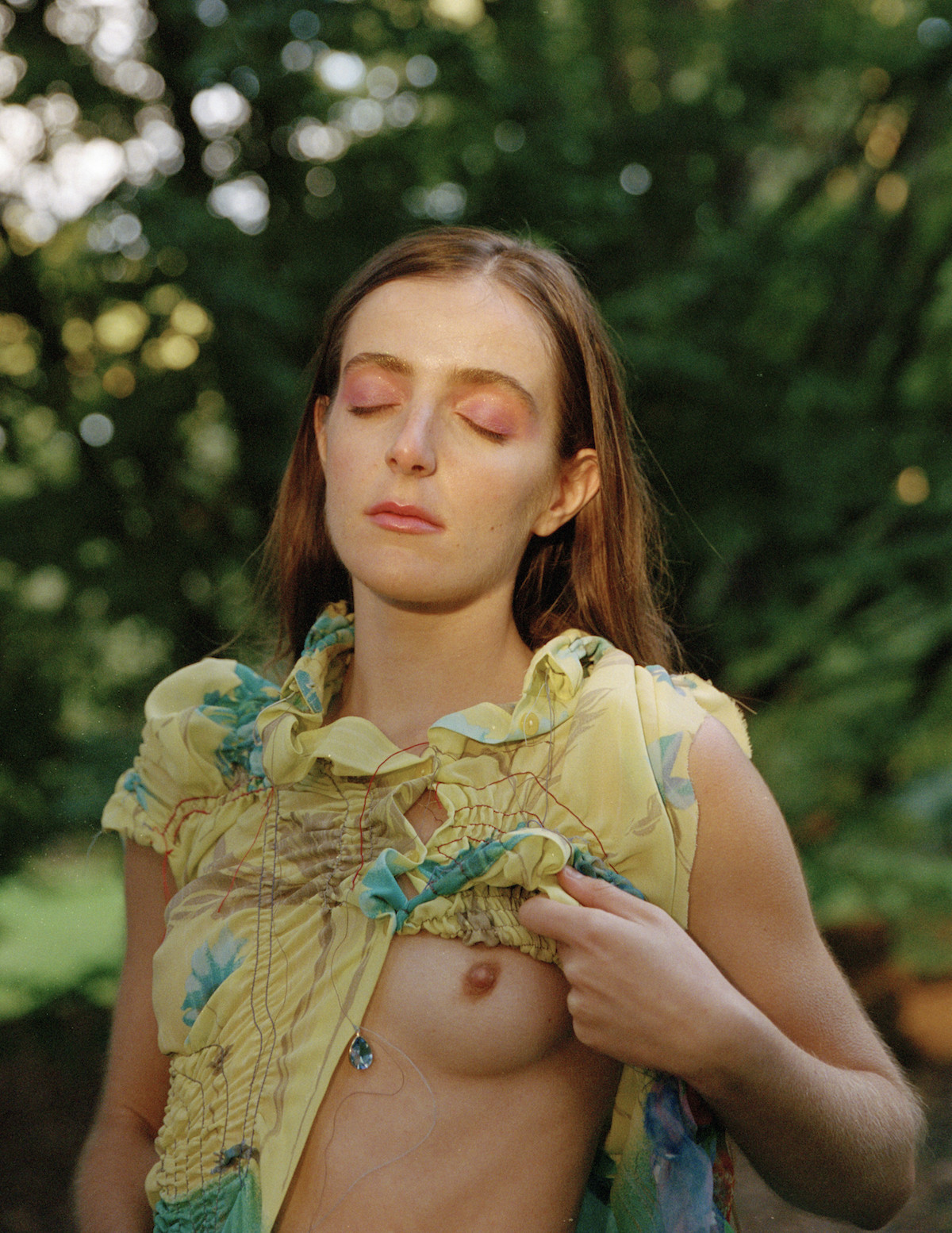
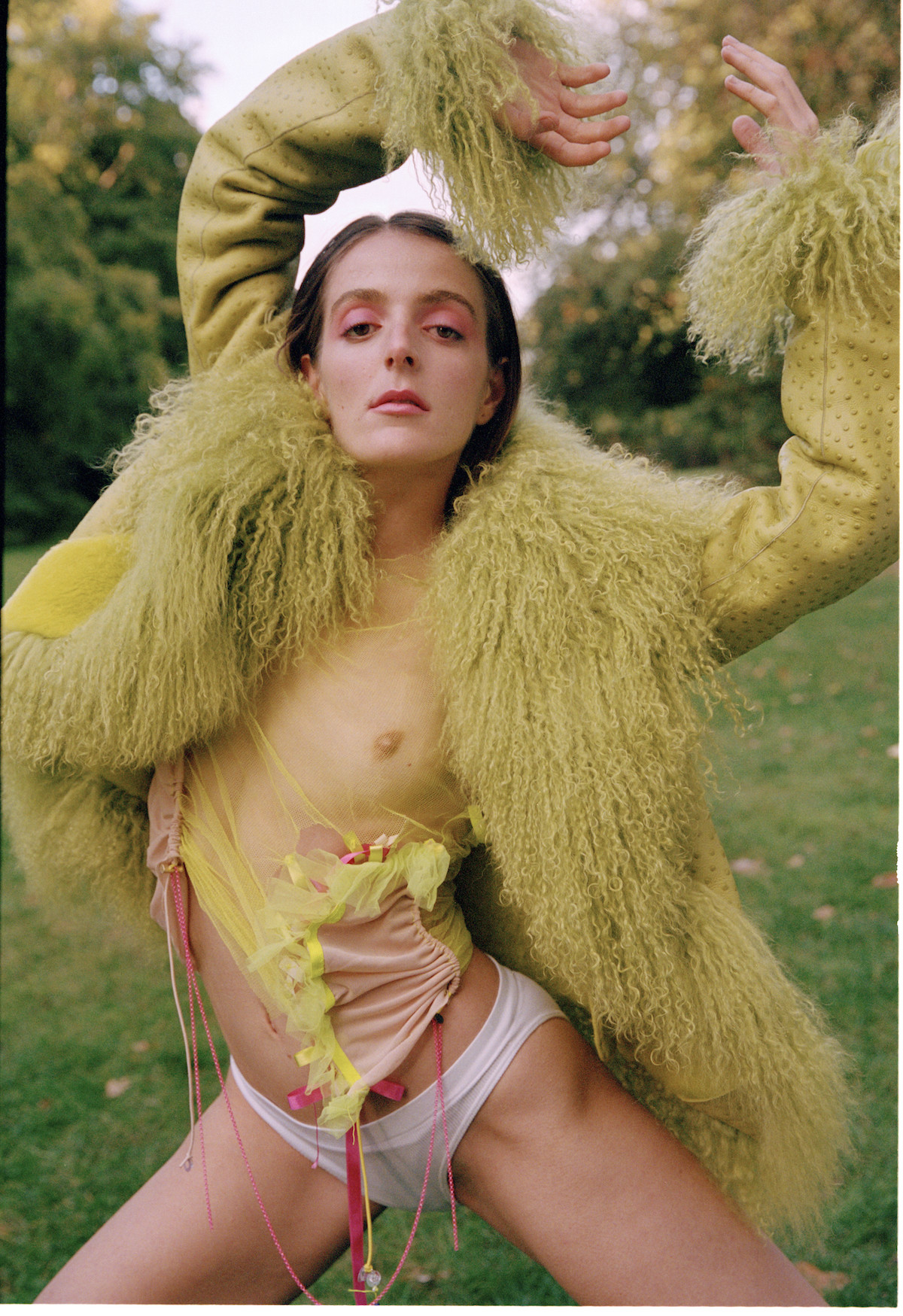
Inspired by how Candela puts her body on display to examine these themes through movement, South African born Mackintosh recognized the dancer’s undeniable force and chose to capture it for office.
The Spanish contemporary dancer is capable of evoking nature and poetry with her body, and has bridged the fashion industry and contemporary dance without even trying. She is studying to become a choreographer and is interested in the ways in which dance connects to other disciplines. Of course, dance informs everything she does in her life.
Read our conversation below.


Where do you live?
Barcelona.
How would you describe yourself and what you do?
So, sorry my English is not so good… So, I’m especially more focused in dance, and my trajectory is about dance, ballet and contemporary dance. Right now I’m studying choreography in my school… El Instituto de Teatro de Barcelona. But I always love to work with other disciplines. Dance in more special ways, like find choreography in another, like, campus… Like, I always work with fashion and photography because I always had a lot of friends from other disciplines. Since I was super young, I worked with movement directors…
How did you find dance?
I started at four years old, studying ballet. I never was super comfortable with ballet, but in my city we didn’t have contemporary dance. When I was, like, 15, I moved to another small city, Andalucia, I’m from the south of Spain, from Cadiz, and I moved to Sevilla and then I moved to London to study contemporary dance. When I finished the medium studies of dance, I came here to Barcelona to study a degree. It’s super interesting because the university of dance usually is more focused on being a dancer and here we have the degree of choreographer that is not super usual to study this.


Has being a choreographer changed how you dance?
Yes, of course, but I always had this thought about dance, like, I never wanted to be a normal dancer. I never wanted to be in a normal company. I’ve always had this connection, like, the dancer’s life is so difficult. They spend a lot of time doing what the choreographers say, and they don’t have… for me it's so mathematical. They don’t have the “art” part. Of course, yes, but it’s not the same because you are not doing your own thing.
Like, they are executing someone else’s vision.
Yes.
What story are you telling with your body in this series of photos taken by Caroline?
I think Caroline wanted to express the same life that I have with my dance and my vocabulary, especially on Instagram. Because I use Instagram, like… My usual life, you know, like my photos usually don’t… como que mis fotos estan en espacios muy caseros. (My photos are in very home-made spaces) And it’s like… el espectador (the viewer) can see my private life, and I’m not in a theatre or… I’m not shooting what I’m doing in a theatre or in a museum. I usually focus on site specifics, we call it. I usually use Instagram like site specific because Instagram is for the instant—to shoot your private life, and I portray this concept through art.
So this series of photos is referencing that; your life on social media and how you choose to share your art and private life simultaneously?
It’s not about my private life, but I use Instagram in not the dancer’s way… I put my concept in a more common manner. I think Caroline wanted to represent the same in her photos and all the references were about me. She took the same poses and the same directions as my Instagram. In my photos, in my art, I usually work with the feminine, sexuality, and… how you say... voyeur…
Voyeurism?
Yes.
So what was it like creating these photos?
It was super nice, I feel super comfortable with them. She took my world in art and she, I don’t know, she represented my art with her photos.
Do you feel like there was an understanding between the two of you of what that looked like?
Yes, of course. I don’t know, I love the photos. They’re so good, it’s like a professional way of doing things. I care about quality, and the photos, in movement and my concepts, and she took everything and put them in a professional way and with great quality. Also, it’s super interesting because I usually use my camera for my performance. I have a performance in a web forum called Chaturbate, and I talk about voyeurism. It’s super interesting when you have another [spectator], because I’m usually alone and it’s so difficult to... como, configurar una conversación (create a conversation), with the screen, you know?


On Chaturbate, you can’t see your viewers. So, does this feel as if you were alone?
I wanted to say that it’s interesting, what the conversation that I have with my screen, but with Caroline, we also played with a mirror that I use a lot, also. I… como que no tengo que estar pendiente (like, I don’t have to be aware)... When I work alone, I need to pay a lot of attention to a lot of things, so with Caroline, I don’t have to. I just was thinking about my movement and the form of my body, and she was taking care of the visual things.
Do you consider yourself a model?
Now we have the name of talents, but I don’t like it. I don’t know, I work with my body, and at this time, we have the opportunity to work… Fashion is not super comfortable with models anymore, they want something else… I don’t consider myself a model, but I work like a model a lot of times.
What about a performance artist?
Yeah, performance art is a big concept, and the configuration of my pieces is closer to performance art than dance, but I come from dance, and my vision of the body is more connected with dance. These meanings are super confusing, like, it’s so difficult and it’s not so important but it’s interesting for me because my thoughts are that dance is a lot of things and we cannot put it in a form, a technique… For me it’s more interesting to think that I’m a dancer because I have studied dance for twenty years. But I’ve also studied performance art, and I’m closer with performing dance.


Can you talk a little bit more about the exploration of voyeurism in your work?
I used to work with new technologies and social media and how it’s connected with art, that sometimes it's like the opposite when you are super millennial, the system is not so comfortable with millennials and social media. And I love to create a connection in these two worlds. I work with voyeurism more in how the body connects with the platform and with the screen, and how you can say the same with a screen than in live performance. This is more or less… like, in a sexual way, voyeurism is not my specialty. I love the naturality and the nudes, but it’s not in a sexual… my language is not about this. It’s more like, como, la naturaleza?
Nature?
Yeah, el cuerpo (the body), and how this connects with the new age.
So bridging nature and technology?
Yes, and when you put your body in social media you are doing voyeurism. You put your body on a screen and everyone can see it and you are not como no… no puedes ser consciente cuando la gente te está viendo.
Like, you don’t know when someone else is looking at you?
Yes, this is voyeurism.
That’s so interesting. So you’re drawing attention to the fact that we all partake in voyeurism, whether we are aware of it or not, when we participate in social media?
But I’m saying that you always, like when you have your page open for everyone, you are doing voyeurism because you cannot… a lot of people are watching you and you cannot control it.
How does dancing on the internet change the art itself?
I don’t know, it’s another language. You can edit your body, your video, and the timing, and the space. In dance, we work with space, time, composition. You can change everything and you can connect with wherever you want. Also, you lose a lot of things because you are not feeling the same energy. Dancers usually are not so comfortable with social media, but I think you need to be present and to take in the things about everything… With technology you can make a lot of things that you cannot do with live performance. Also the opposite… I don’t like... como quitar, echar, nada.
Quitar is, like, remove, right?
Yeah.
Ok, I get it. What music most inspires you?
I love a lot of different music. I like classical, electronic, and… sorry when I’m speaking English I forget a lot.
It’s okay, I’m the same with Spanish.
Like, experimental. Now I love Lucrecia Dalt. I did two videos with her. She is from South America, but she lives in Berlin.
What is your favorite song to dance to?
I don’t know… I like Jean Jacques Perrey.
What about him do you like?
He is, like, the first electronic music…
Is there anything else you want to add about the photos with Caroline?
It was super nice, like, we created a nice atmosphere because she has this feeling that she wanted to be super close with me and my work and this was super nice. I’m not always super comfortable with shooting because it’s not my work, but I work because I need money, but I don’t know, it’s not my favorite thing. I was super comfortable because she wanted to create my thing and also we created a super nice atmosphere and connection. I don’t know, it was so nice.
That’s lovely. Where can people find your work?
So, I have my millennial work, and my social media work on Instagram, but it’s super different from my live performance. I have my live performances in Vimeo. I’m creating my own website now but it’s not finished.

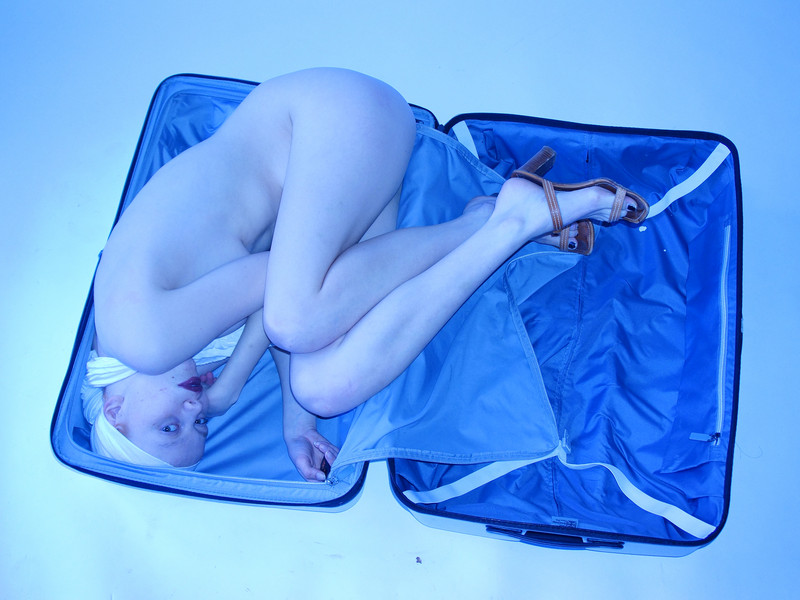
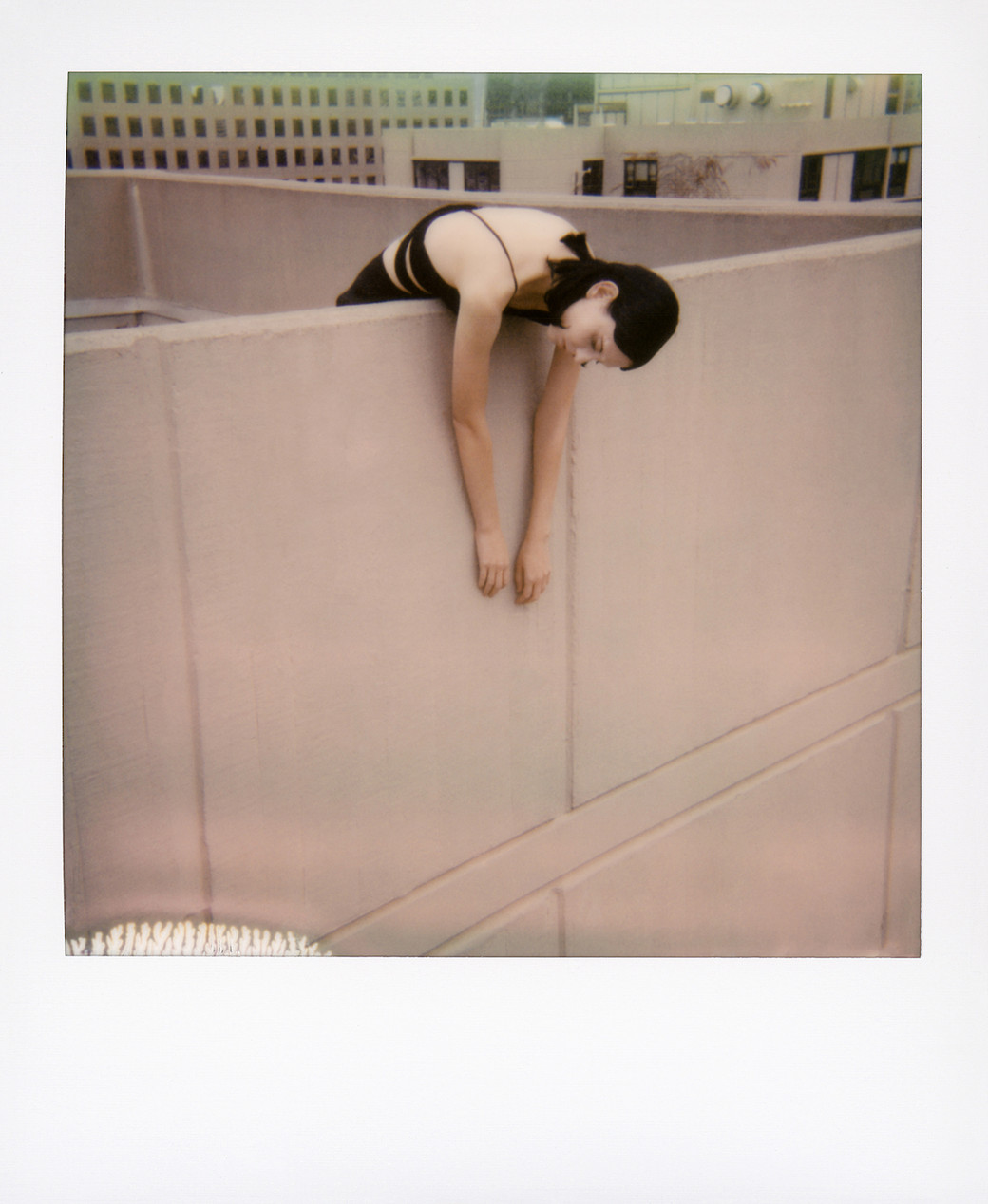
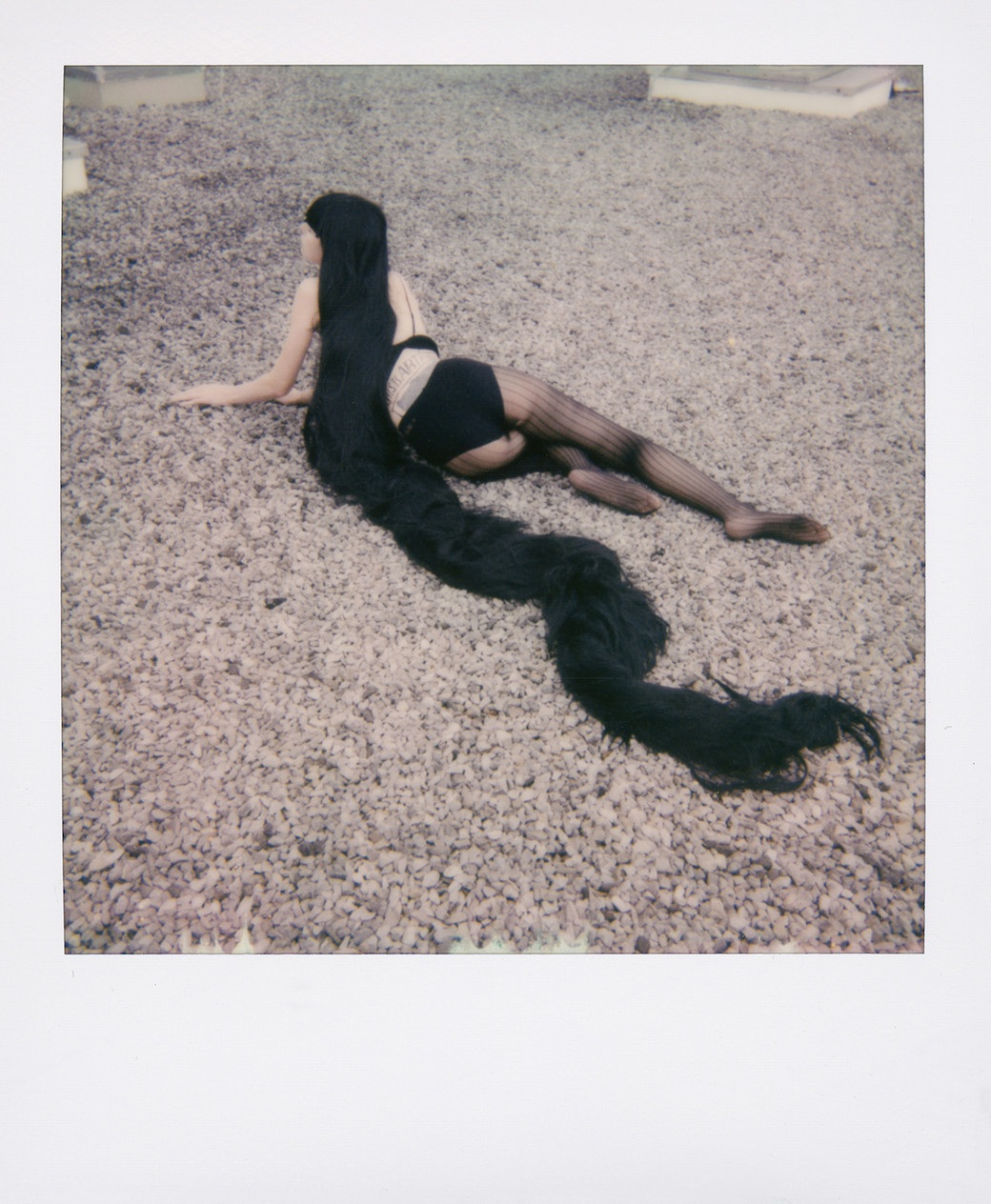
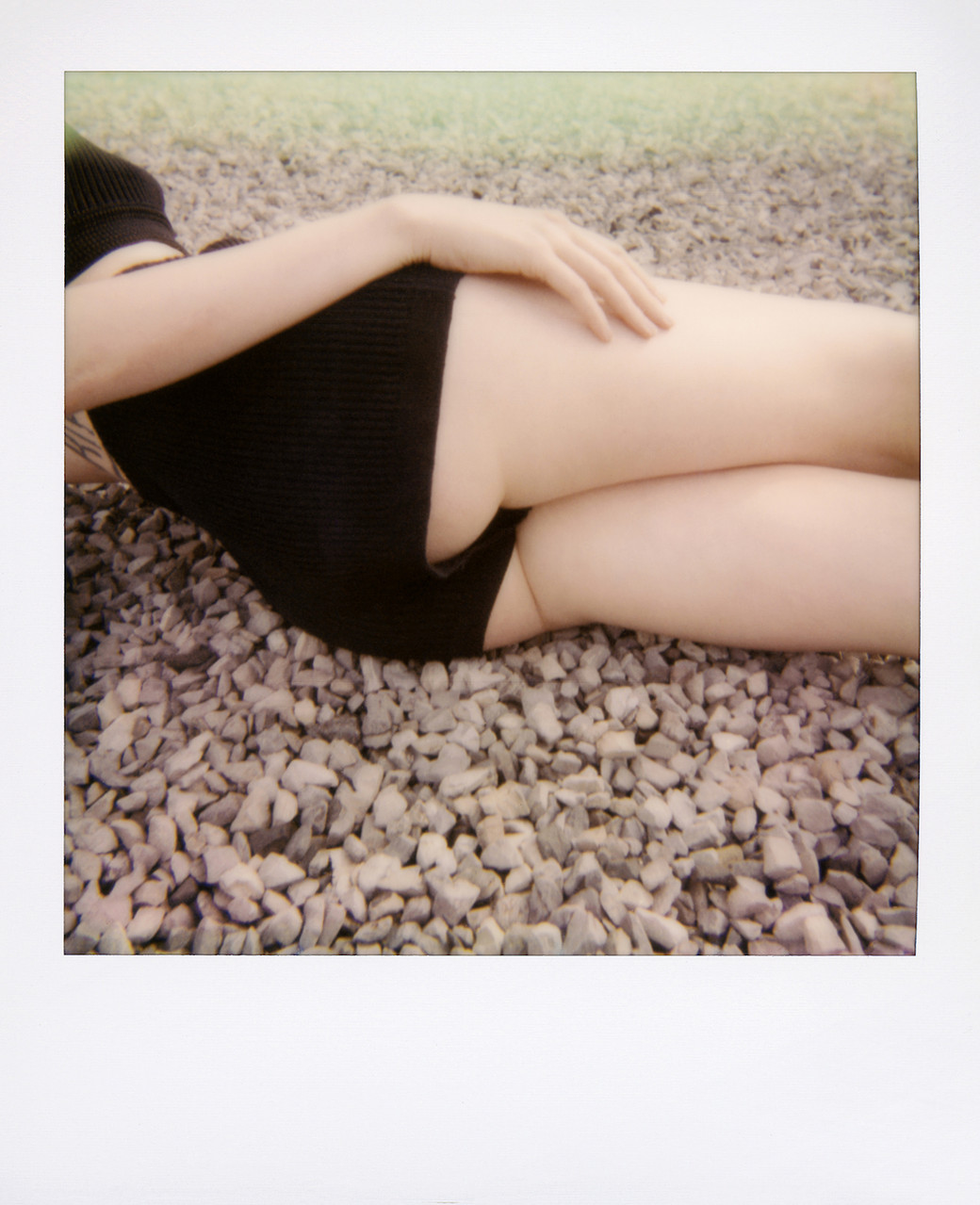
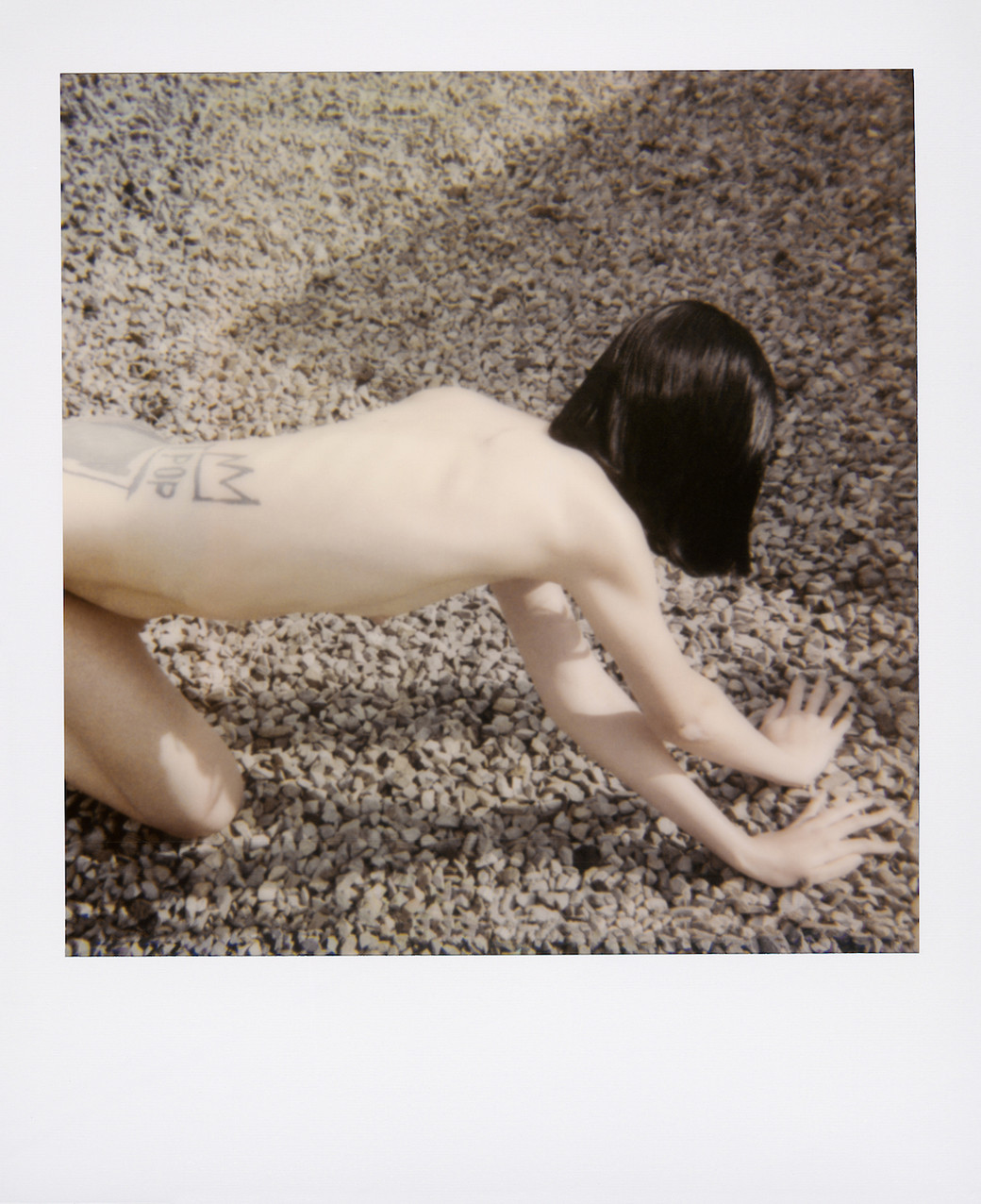
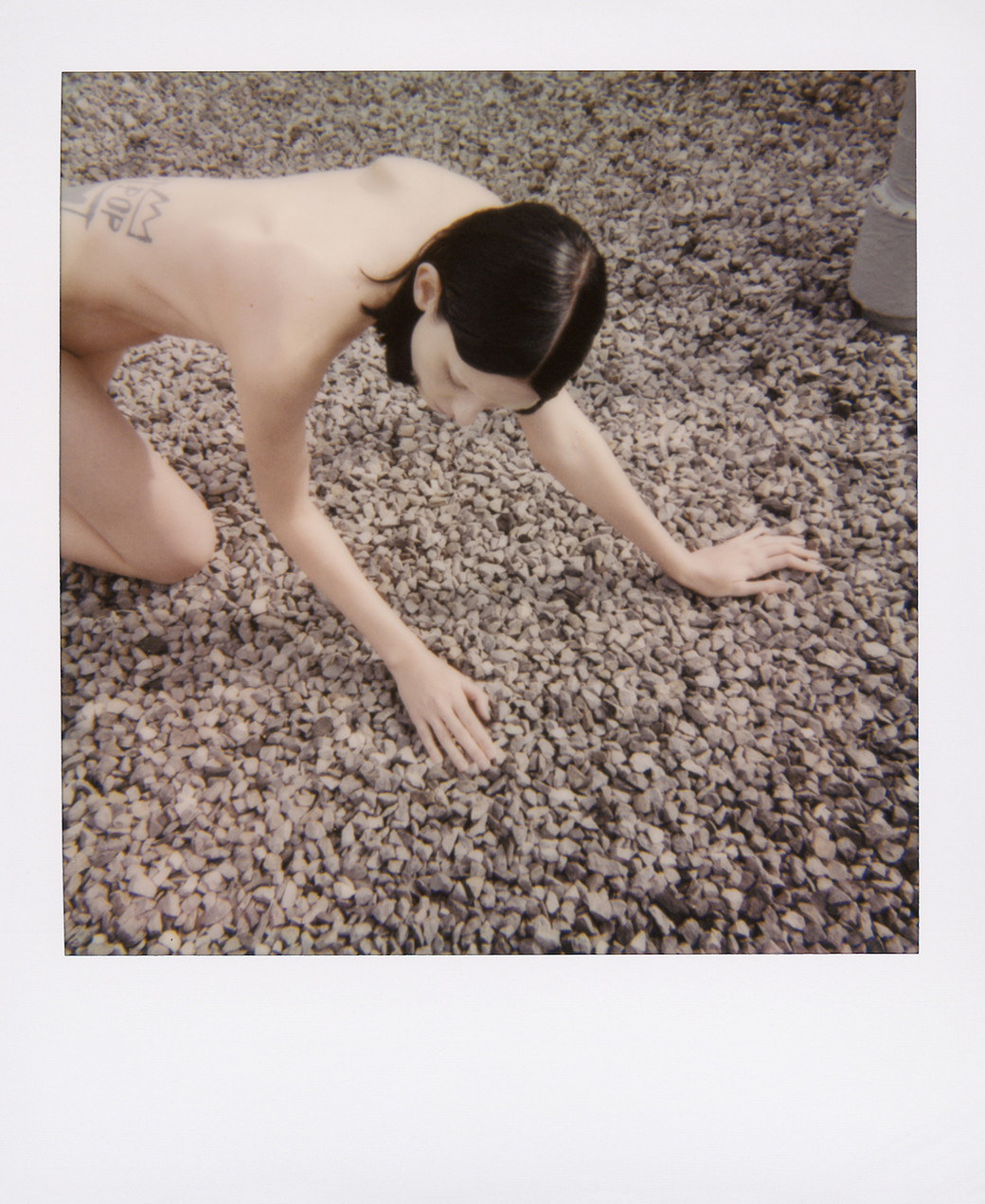
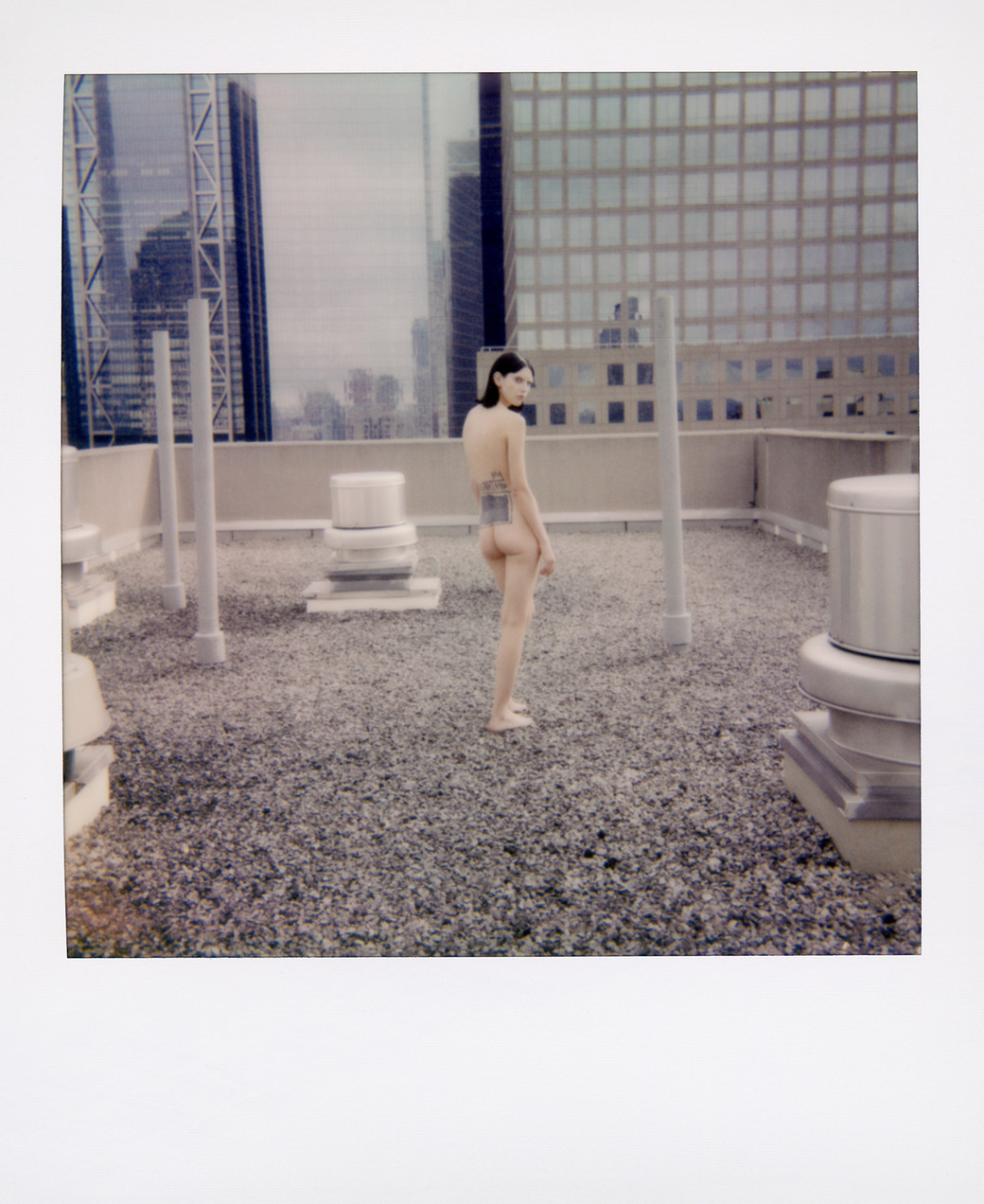
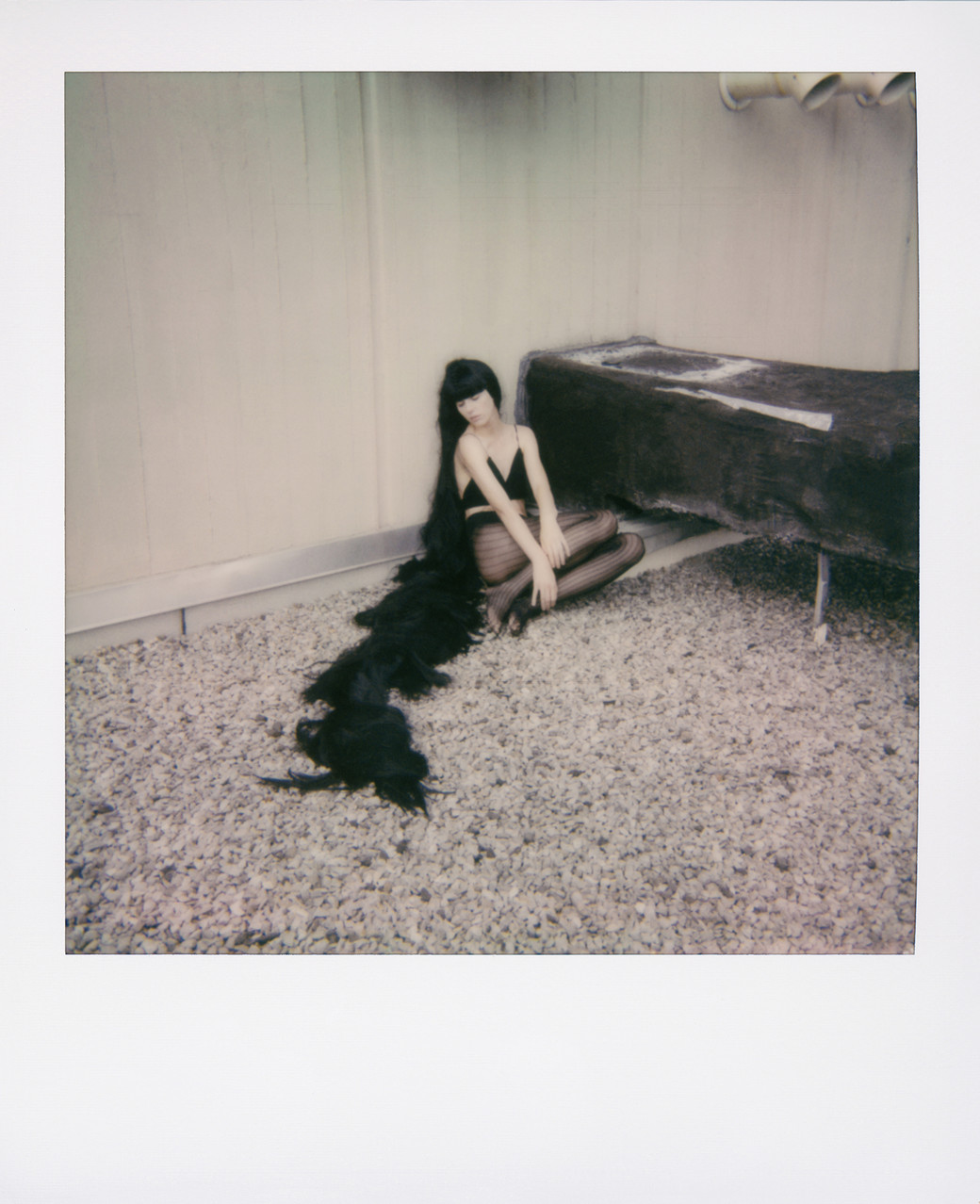
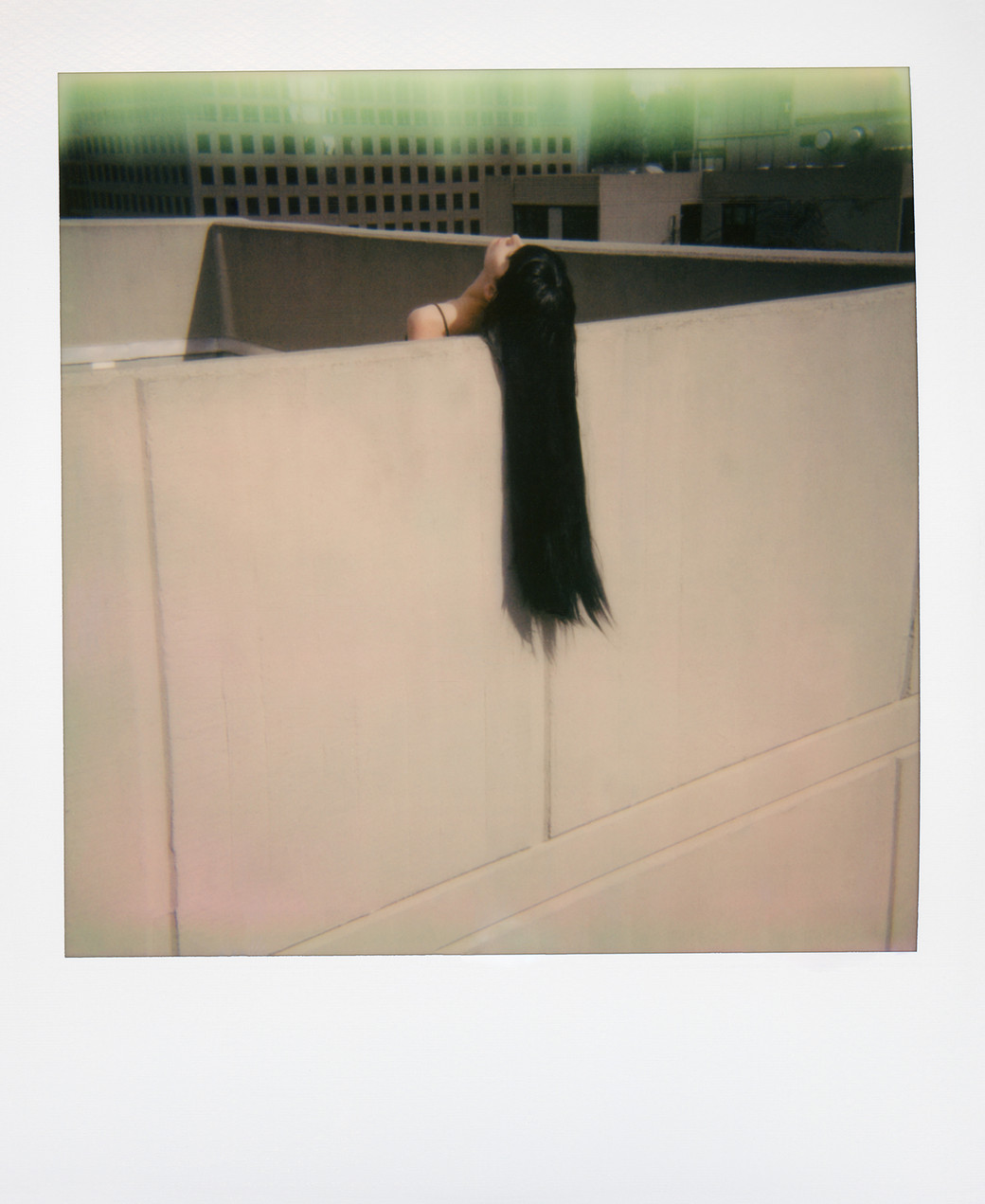
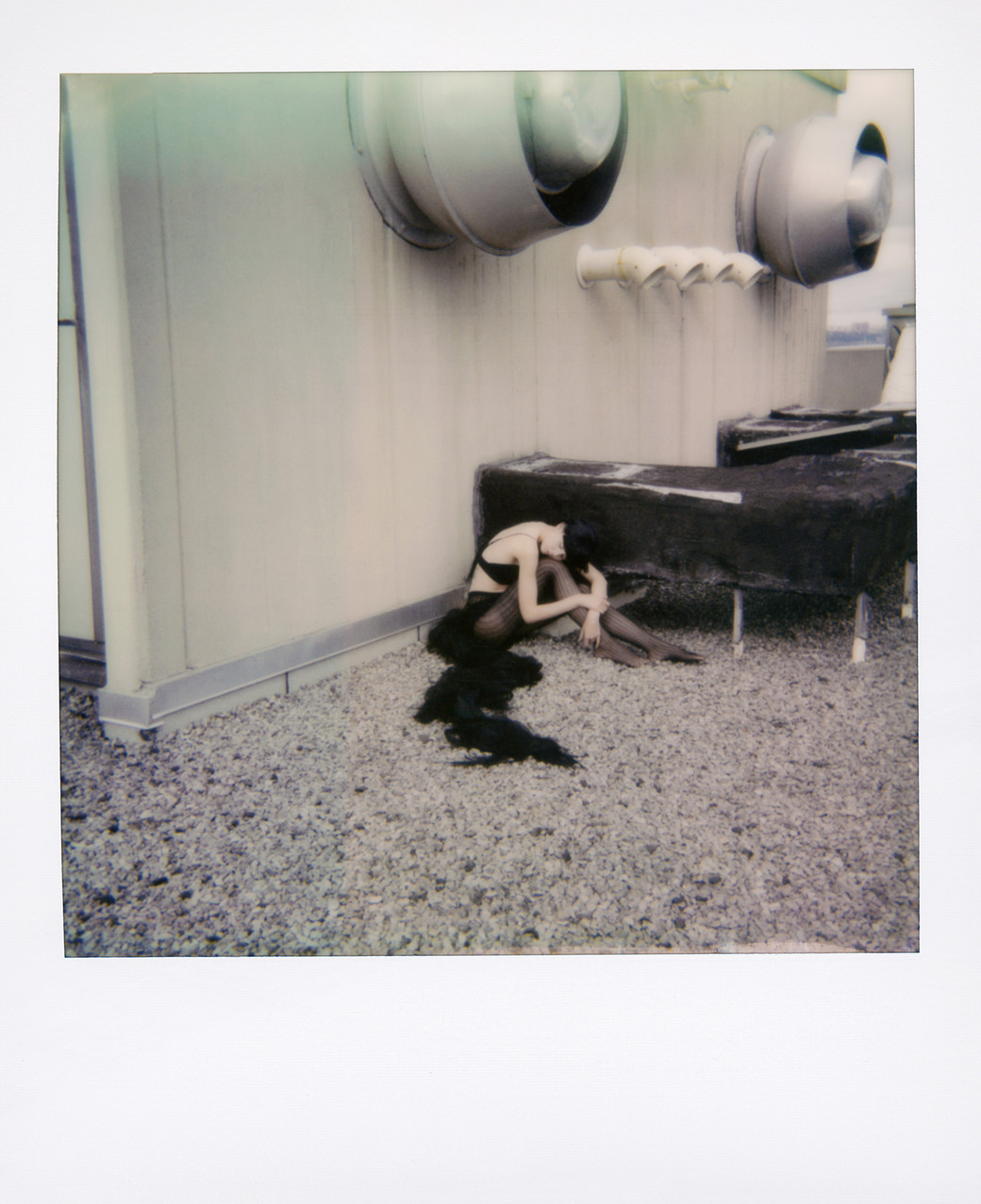
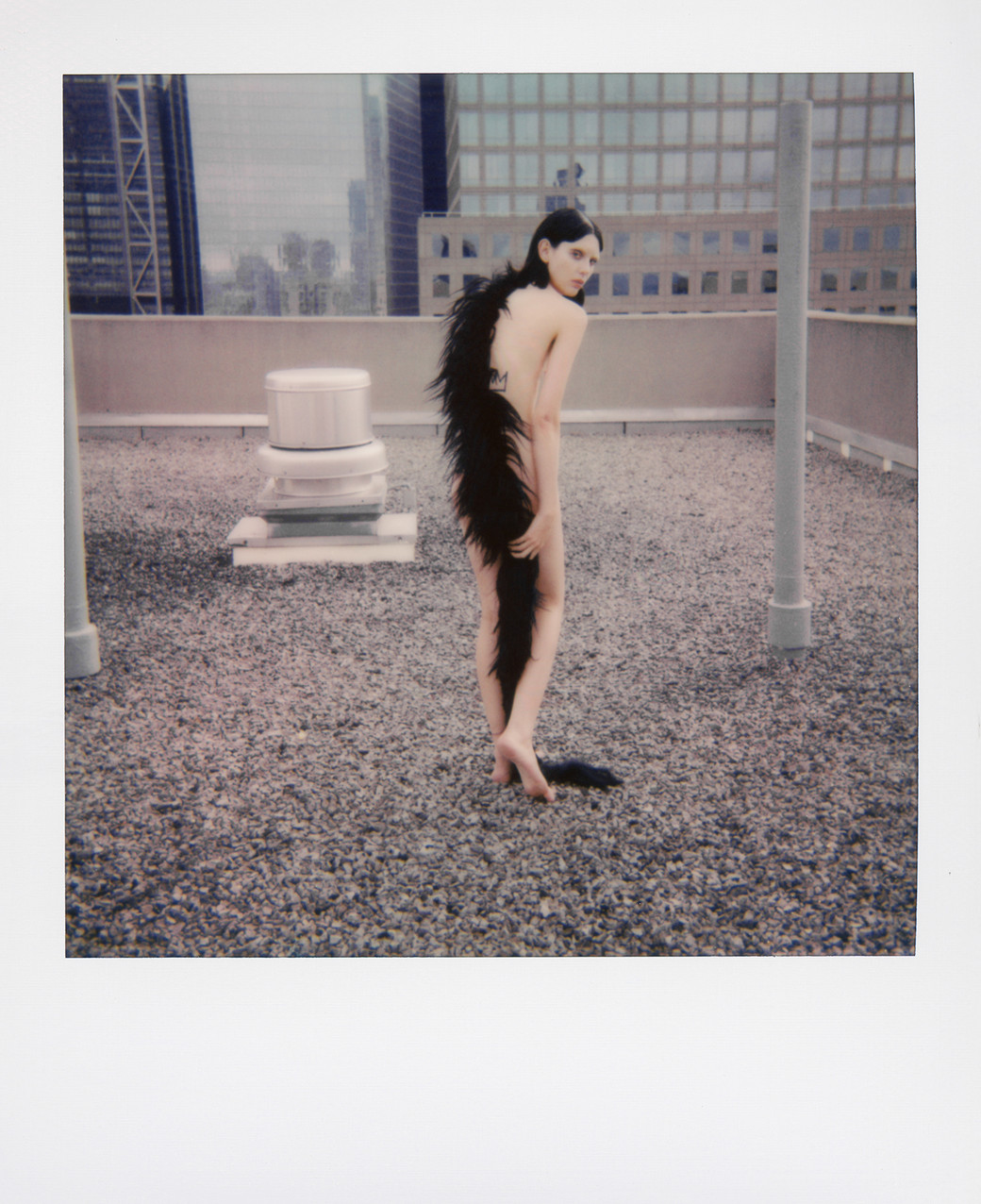
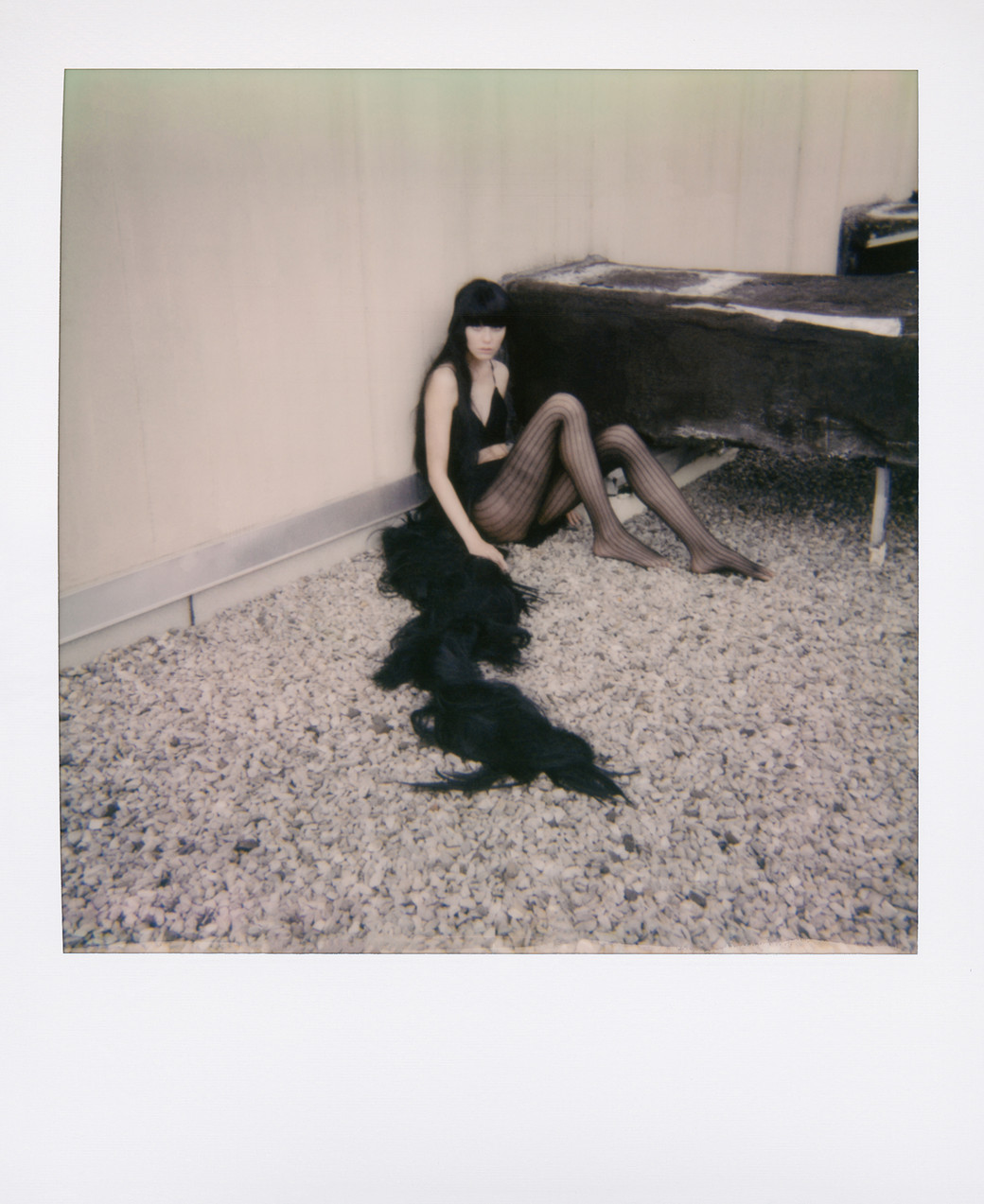
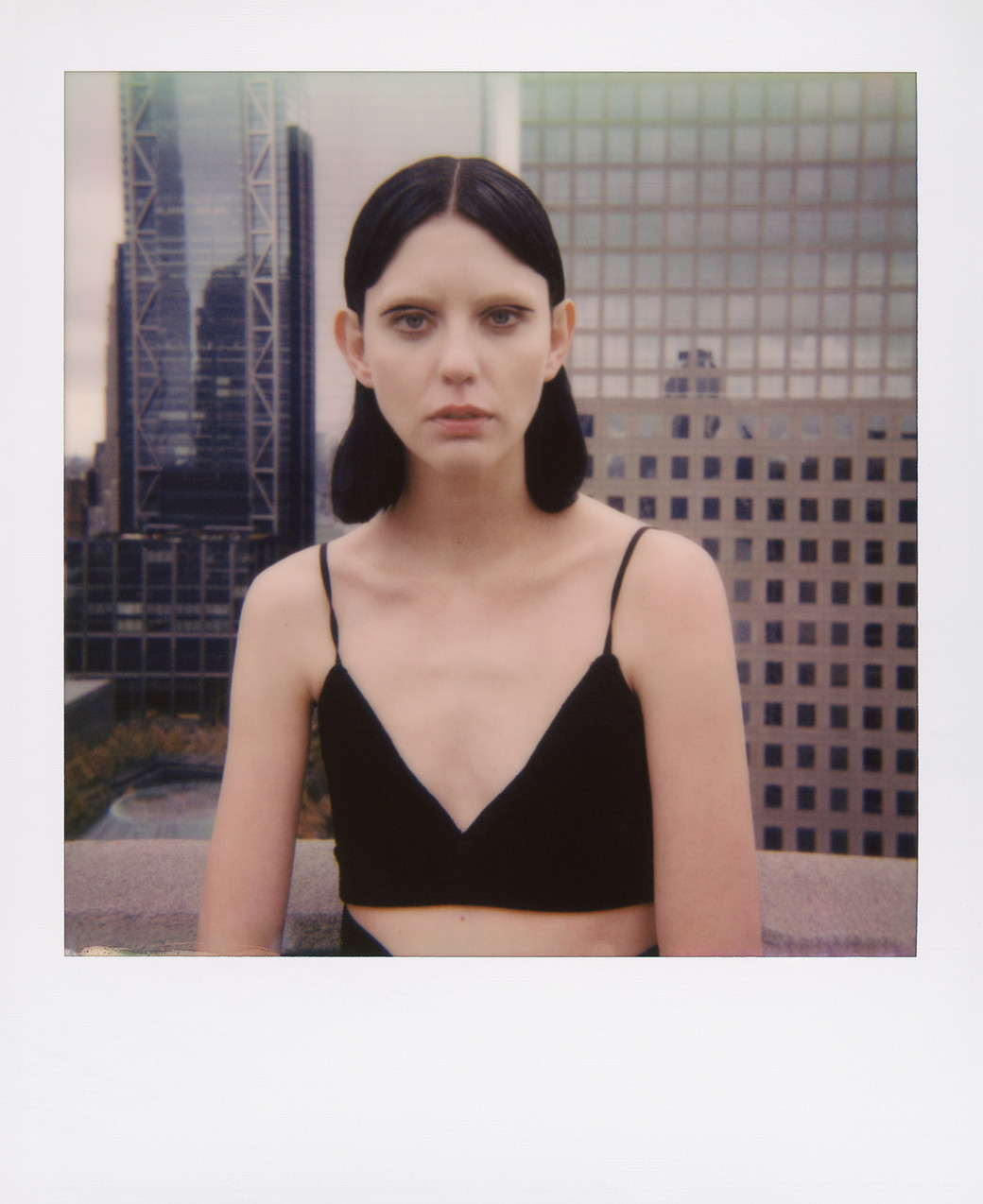
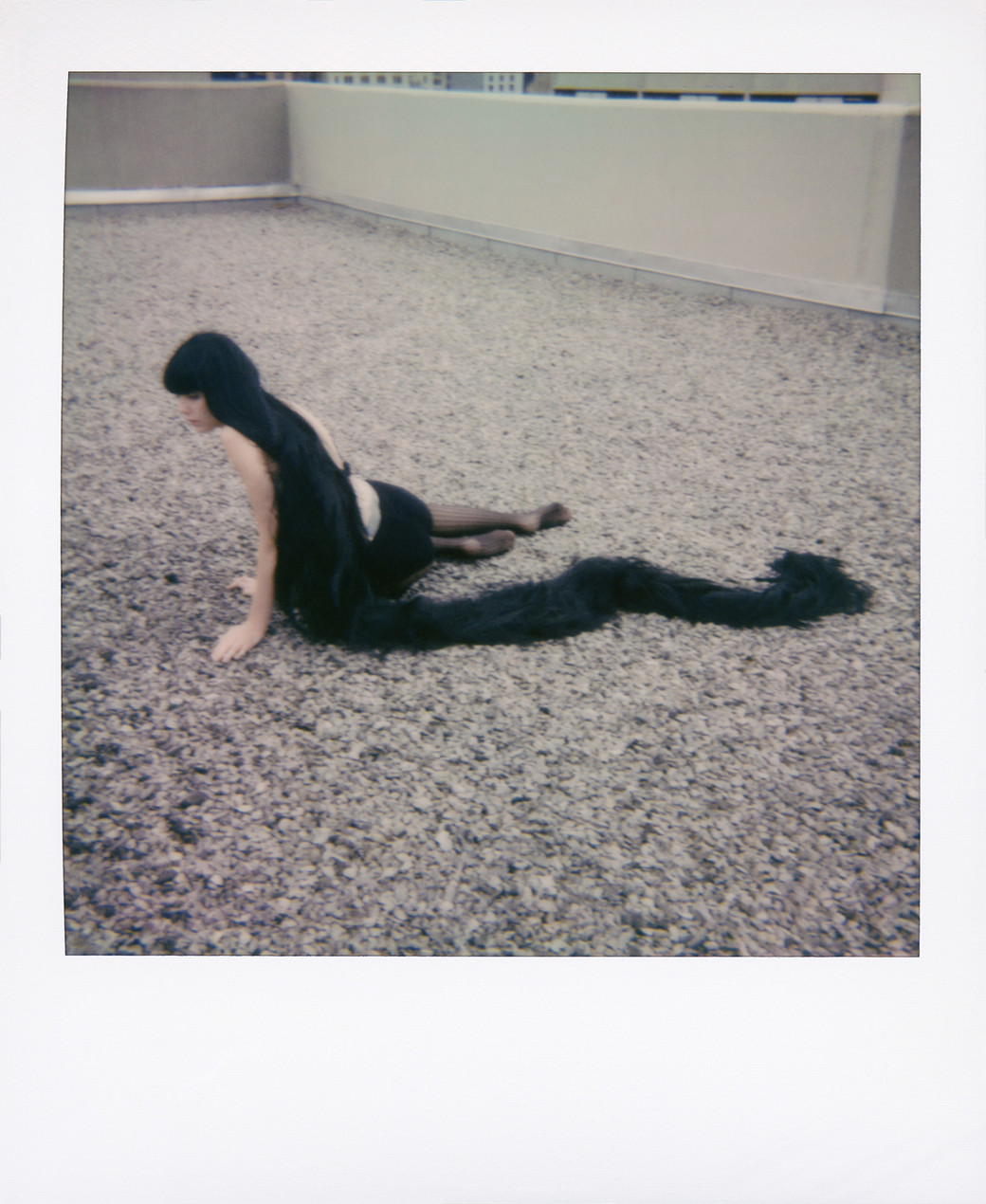
Coming from what Shakht named a homophobic and racist home country, she always looked up to American and European art and fashion. The influence fashion photography has had on her is evident even while this series is really not about fashion or focused on it in any way. There is an elegant and eerie quality to the polaroids in this series, really driving home the emotions we all were feeling (maybe still are feeling) since the pandemic halted life as we knew it.
The New York newcomer from Saint-Petersburg has shot for i-D, New York Times, WRPD, and Phosphenes. This series marks a kind of new chapter for her work, one that she came upon only after having her typical practice stripped away by COVID. Either naked or in one of two simplistic monochromatic looks, the model in “Intimacy of Loneliness” is shown with multiple different hair lengths, crawling tentatively across a New York City rooftop or even hanging off the side of it. Her changing appearance suggests a non-linear timeline as she traverses the pebbly surface of the roof. About the title of the series, Shakht says, “I just wanted to take that ugly feeling, that nice feeling, that everything, and capture it and see it from the perspective of accepting it and being intimate with it. That’s why it’s intimacy.”
Check it out below.