Can you tell us a little bit about the "SEE/SAW" exhibition?
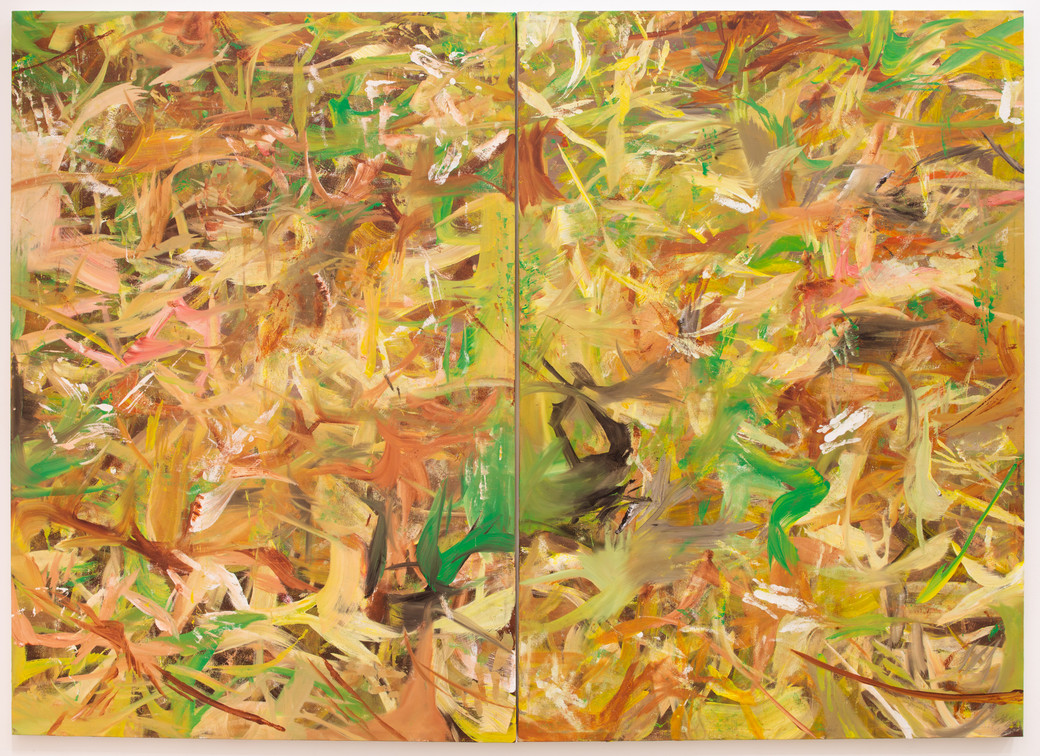
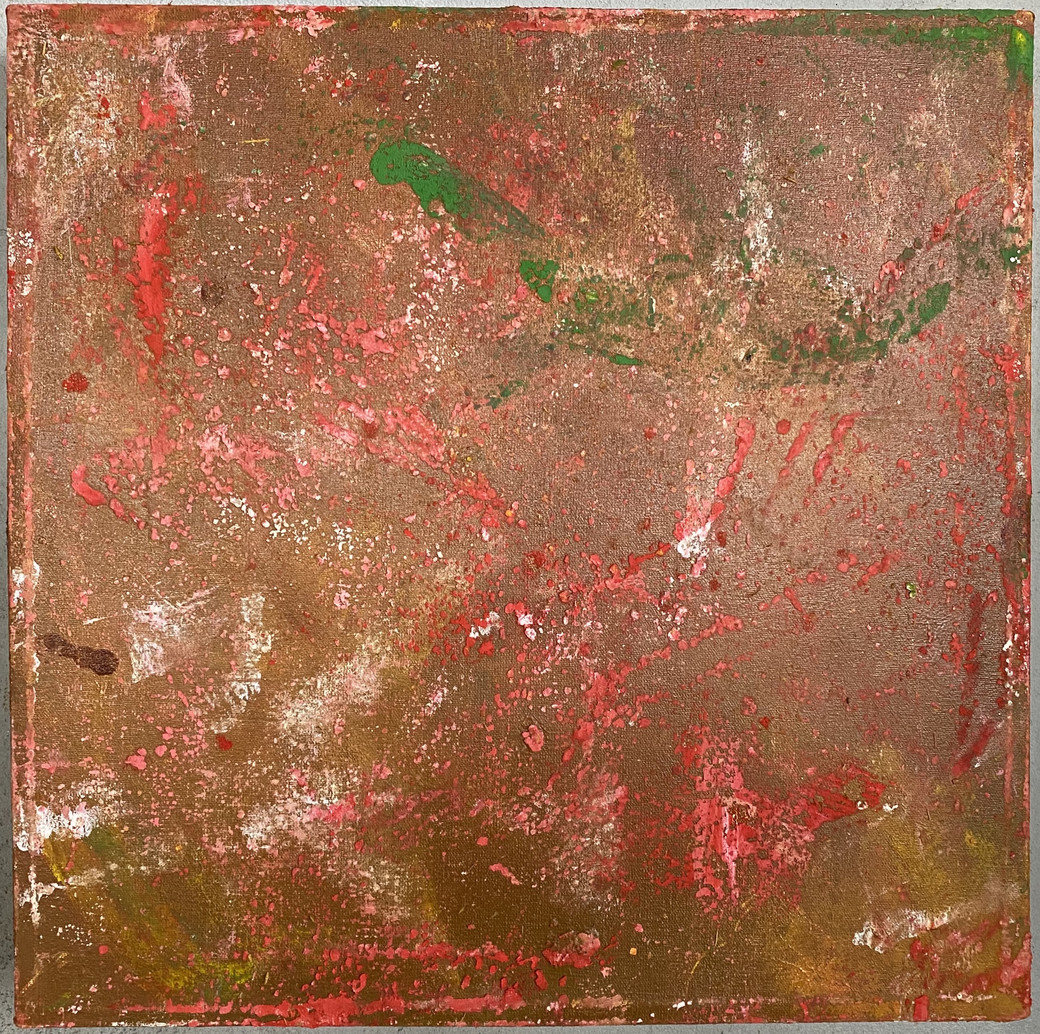
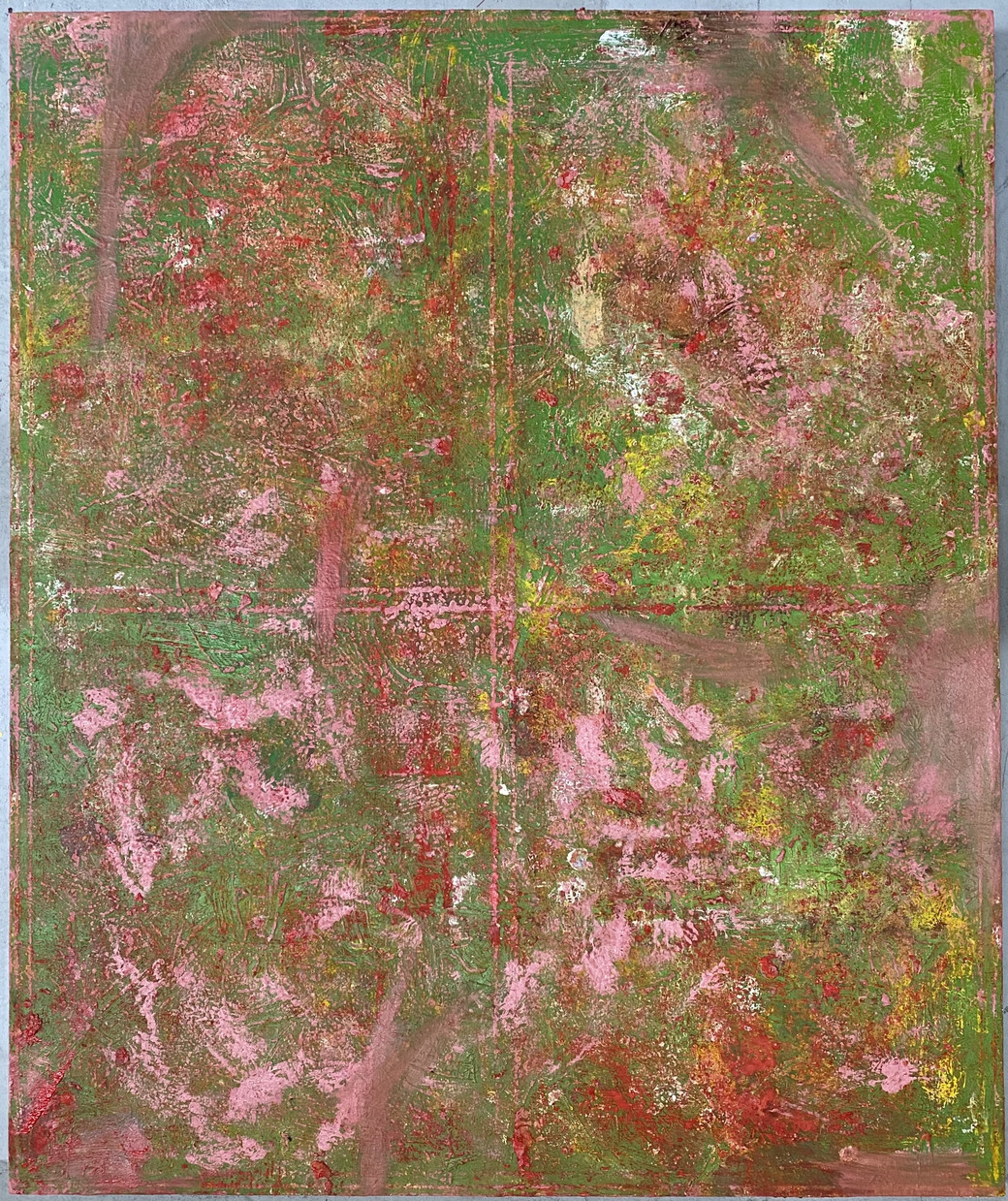
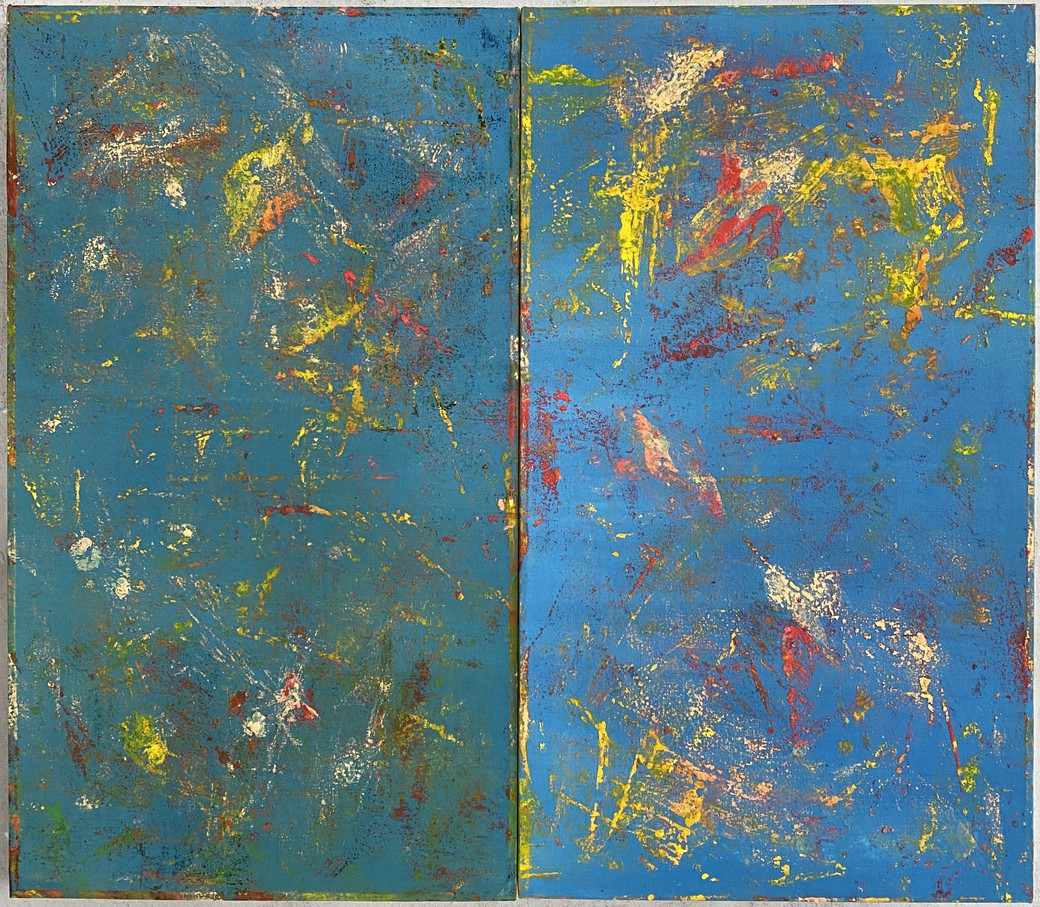
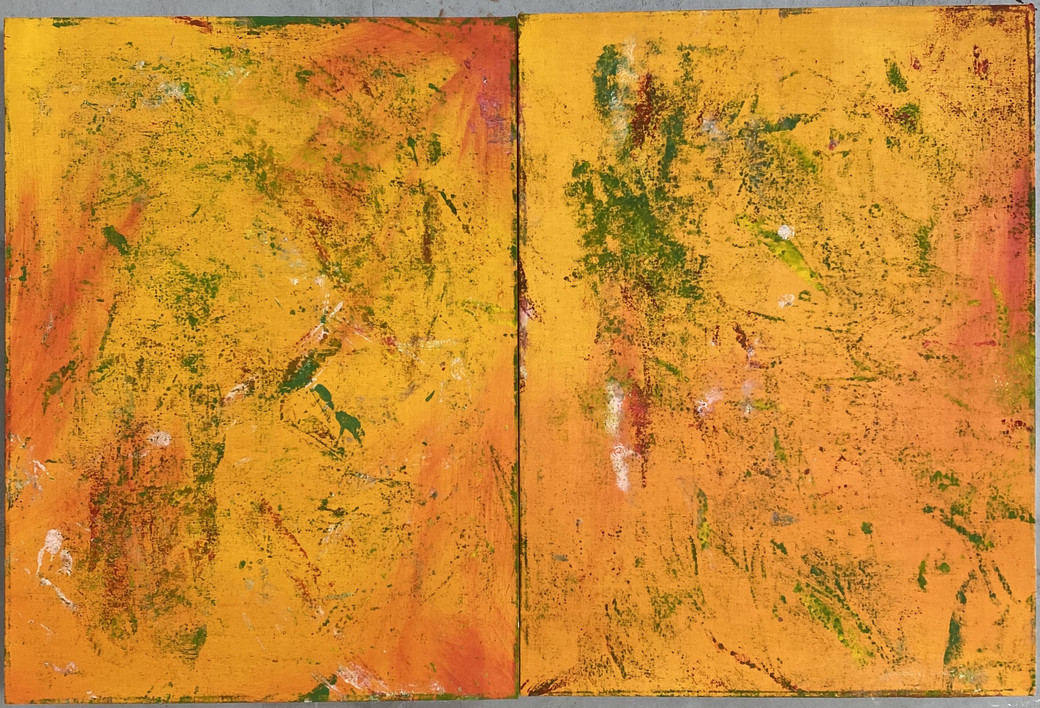
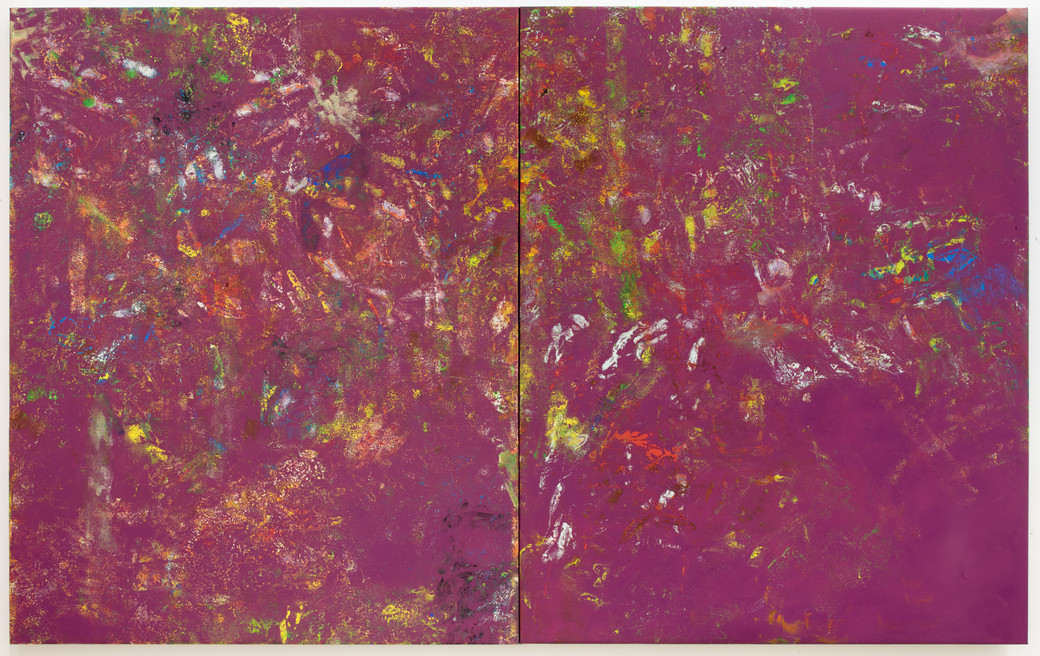
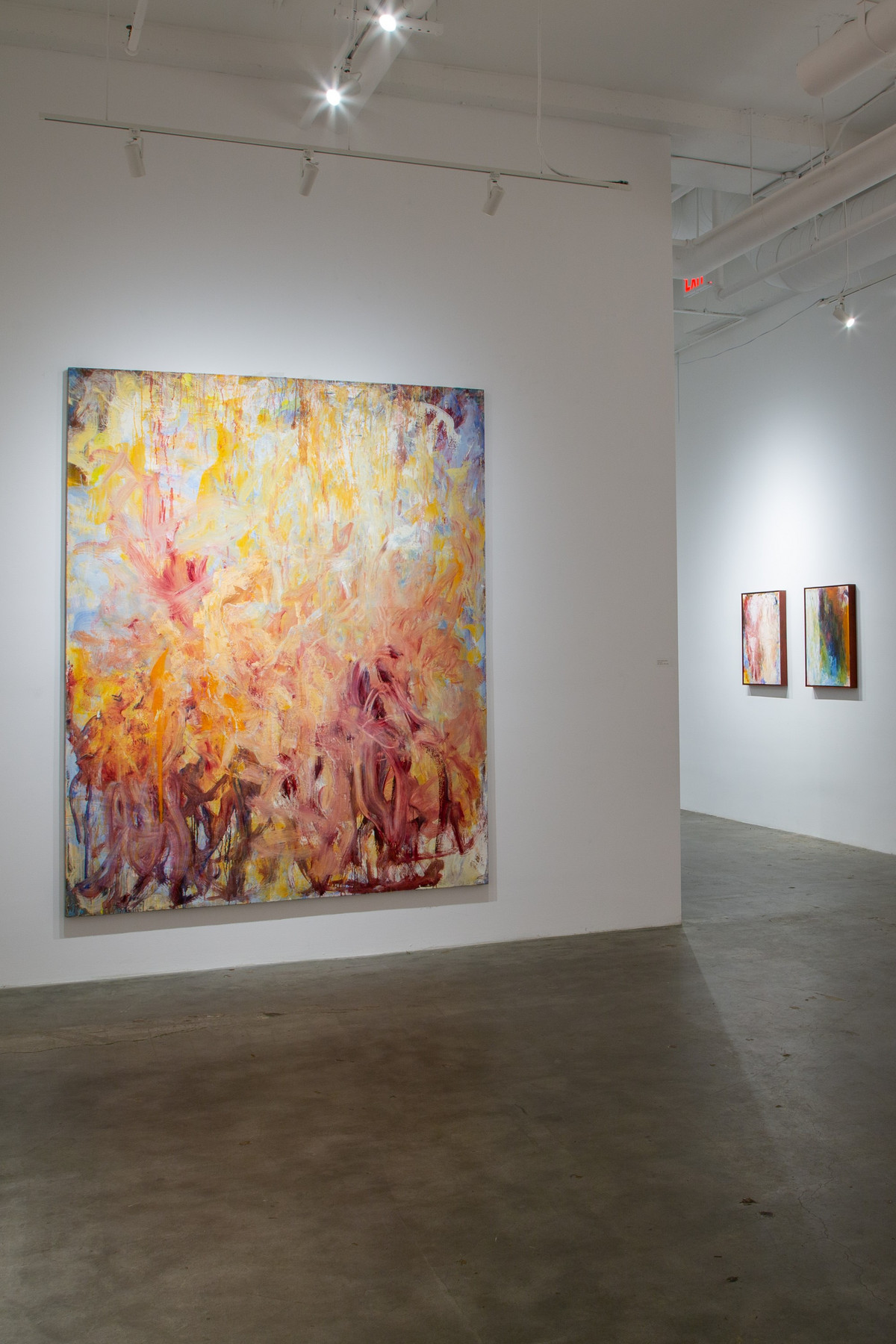
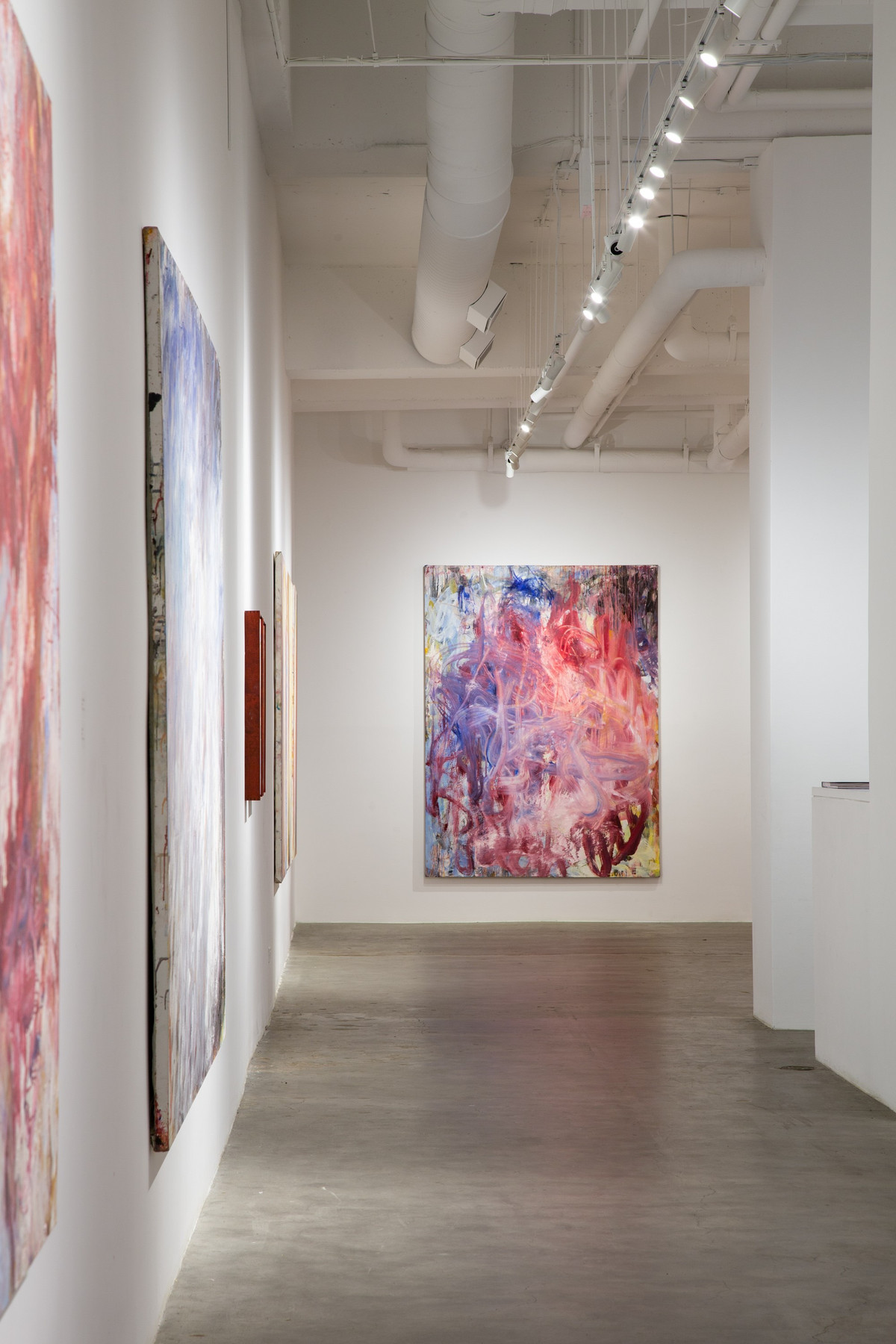
It's work from the last three years, and it's painting. It was done here in New York City, and it's landscape, figure and abstraction, very painterly. It's all about light, space and color—and color is an essential component.
Could you speak a little more to the role of color in this specific exhibition?
Well, I've developed my palette over all these years, and it's all about creating color chords. I mean, there's scientifically how you add colors around the wheel to formally—it makes light, you know? Then there's also using color emotionally. So I try to use both of them to create the light from within. I use color as light. So yeah, it's both emotional and scientific.
There's 28 pieces in total in this exhibition. Where did you find the inspiration for each piece?
I started painting, and at this point, I have a certain mark that my hand makes. There's a certain painting that's in me. I started doing watercolors in Australia, and then it kind of built from there. But I have to find the painting, and I have to look at it. I look at a painting as if it's a living being, and then the painting finally takes over. I don't have a concept for a painting; I have to find the painting. So I've developed my color and my palette, and my paintings are automatic. I have to find them very intuitively, but they're all consistent, if that makes any sense. I worked from moment to moment to moment.
Why did you decide to call it "SEE/SAW?"
When you're standing in front of a painting, you're seeing it. So, you're in the present moment. And then my paintings are open enough to where the color—I'm on the edge of the imagery. I'm on the edge of feeling. So you know when you look at clouds, and you like start making shapes? And then you start thinking about, "Oh, what I've seen before... What I saw... Oh this reminds me..." So it's really about the present of standing in front of the work, and the memory of what it triggers in the viewer, so it includes the viewer. It's abstraction, but I want you to have associations with it, associations with this color or associations with this space. That's why you "SEE/SAW"—plus it's a game. You go up and down and up and down until it becomes this continuous back and forth.
So the title is really a double entendre.
Yeah, absolutely.
When your viewers walk through the exhibition, what kind of music do you imagine them hearing?
Each one kind of has a different sound to it. Some of them are classical, and some of them would be very, like, slaughtery kind of stuff. And some would be very pastoral and pretty, and some of The Carpenters. Some may be Joni Mitchell, and some may be Nirvana. Some of them may be Maria Callas. I listened to all kinds of music, and I think each one would evoke different music. I don't think there's one kind of sound that would resonate for all of them, but actually, I've never really thought about it. It's a very interesting question.
What do you want your viewers to take away when they view your work?
I want them to feel beautiful and not stupid.
How long did each of them take you to procure?
They take me at least two years. It's a very slow process with the glazes, and I have to put it on, put it off, put it on and put it off. In order to get a finished painting, you have to eliminate so much, and it just takes a long time to build all the surfaces, to get the glow of the color and find the light. I kind of think of a painting like it's on a dimmer, and the lights are lowered. So, you have to find that light, and it takes a long time, like two years, to make a painting. I'm taking off as much as I'm putting on to create the harmony chord that is in depth, because it's transparency on top of transparency on top of transparency. But they take a long time. I have one painting in here that I've worked on for 10 years. I start paintings, and then they're not finished until they're finished, and that takes at least a year.
So you're working on several pieces at once?
I worked on like 20 at once. Well then, I went to Rome, and they got me the studio. They gave me 36 paintings all stretched, and I had to paint all of them at the same time in 12 months for museum show at the Villa Borghese. So yeah, I mean 'cause you put on a layer, and then it has to dry. It's kind of like you build the energy in the work, and it kind of builds and builds. And then finally, the whole body of work crescendos. And they all relate, they're all from the same family. They may be different songs, but it's a kind of a building of energy.
Other than color and the visceral effect of the paintings, is there anything else that ties it together?
Well, a lot of the history of painting. I love history, and I think my body—I was a dancer. I like how my body makes a mark and how I'll push something to the—I have to jump off the cliff. I don't want a good painting; I want to make a great painting. And in order for me to make a great painting, I have to risk everything all the time. So it's like really jumping off the cliff to where my body makes the move. It's not from my brain; it's from my body trying to survive. It's very, very risky, and I like the risk. It's very Thelma and Louise, you know. I want them to be very beautiful, but I also want them to be very risky. And I think people respond to that thrill. There's a thrill that I let the viewer have, the thrill that I have. And if I don't have the thrill, they ain't gonna have it.
On the topic of the duality of beauty and risk, your past work has referenced heaven and hell. Does duality tie specifically to this collection of work?
Yeah, in a way. I was in Rome, so I was like surrounded by heaven and hell and those tropes of gravity. There's gravity in my paintings, and I spin them so that they're weightless. And I like that heaven is an idea that you can never reach. Earth is where we kind of work out all of this battle of whatever it is. And then there's this gravity of hell that's pulling us down. So we're suspended between those places. And that's just the Christian language, but I think that it could translate to many different religions, because there's a spiritual aspect to them. It's all about being suspended in the middle, suspended in wanting and getting through it. Somebody said, my paintings can go from heaven to hell and in six feet. I also like that idea that you could have six feet, and you could have something that's so gruesome and something so beautiful on one surface at the same time. It's not like one emotion; you can somehow create emotion on a six-foot piece that you can go from such extremes. Everybody can relate to heaven and hell, and we all kind of get what that is.
If these 28 canvases were hanging in any space of your choosing, where would you see them all hanging?
[Laughs] At MOMA or at The Met. I'm very good friends with Heiner Friedrich who started [Dia Art Foundation]. His whole idea was that he wanted to create spaces where paintings would live, and it wouldn't be this temporary thing. It would be this permanent place. So you know, I see them in some beautiful place, some place where people are gonna love them and look at them and feel beautiful—some place where people are able to take a moment to get out of the craziness and contemplate.