PRESENTE CONTINUO: the intimate ties between then&now

Starting May 30, PRESENTE CONTINUO will be available to purchase on presentecontinuo.com, cpcompany.com, and at the C.P. Company flagship store in Milan, Corso Matteotti 7.
Stay informed on our latest news!

Starting May 30, PRESENTE CONTINUO will be available to purchase on presentecontinuo.com, cpcompany.com, and at the C.P. Company flagship store in Milan, Corso Matteotti 7.


Cover image courtesy Pieternel van Velden
Images clockwise from left:
Image courtesy of OMA
Left: Mishka Henner, Feedlots, 2013. Right: Queen Elizabeth Olympic Park, London, 2018. Photo: Luca Locatelli

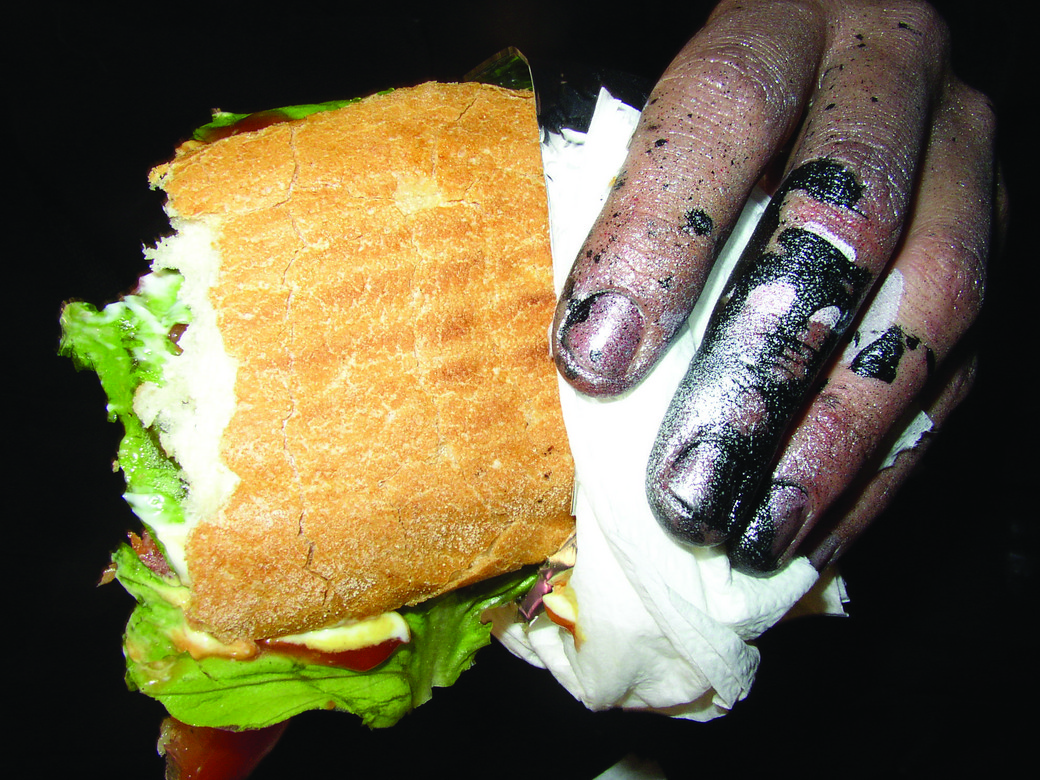
For Frieze LA, Smith has diverged from past STP projects, presenting a solo show of his own work, all of which speaks to an unavoidably topical theme: digitization. The opening beheld seemingly opposing themes, which drew even more talkative attention to the topic at hand. The show is set at the Melet Mercantile space in DTLA, a large, warm space which was strewn with familiar faces for its opening—friends, and fans of Smith casually milling around eating the vegan “Popeye’s” chicken sandwiches that were being made on-site in the gallery space. It felt intimate, communal, with a long table down the center to sit, snack, and speak to one another. The energy echoes Smith’s idea for STP, which he mentioned to me at said table, of “Heading somewhere else, outside of a city, and just starting a [STP] community up right there. Decentralizing the creative hubs of the country from the coastal cities.”
Though this show was in LA, it looks like he’s on his way there. Despite the thirty events held the opening night, many of which were far across town, Fear Eats the Soil drew a strong crowd, speckled with major art figures, yet felt completely unpretentious.
Below, read more of my conversations with Smith, during the process leading up to the show. Fear Eats the Soil is on view through the 17th at Melet Mercantile.
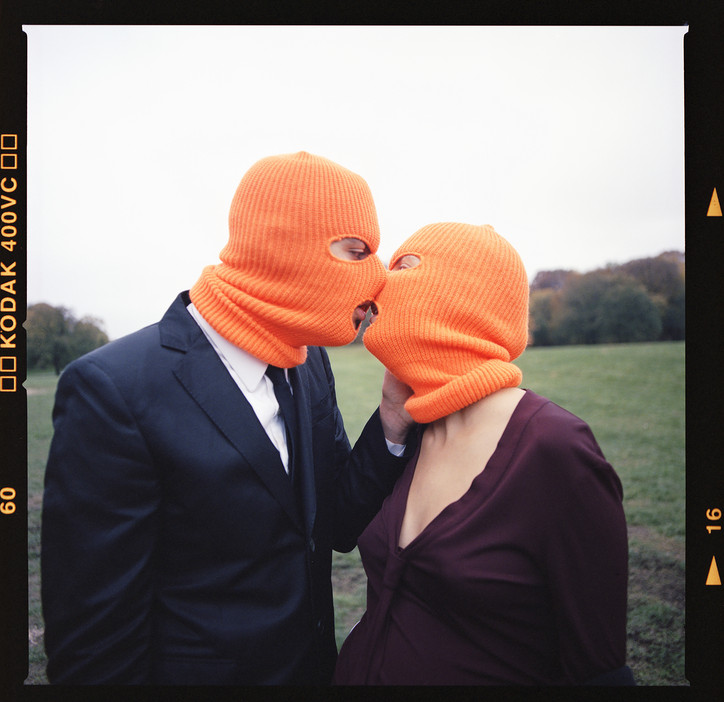
What positive and/or negative effects do you see and experience in the art world due to today’s global digitalization? And where does this idea of escapism fall into that?
I definitely have noticed an increase in access. I think younger artists really use social media well while older artists who don't understand it either ignore it or boycott it. I understand both ends. I’m really into social media because it de-mystifies the whole thing. I think galleries today are focused on building a barrier around their artists to protect them commercially and socially. I’m more into the radicalization of the arts and using the internet and accessibility in a more rebellious and less conservative way.


What were you specifically seeking for this show in curating the chosen works, and are you including other artists?
This show is actually composed only of my work. So essentially I am playing both the artist and dealer. I don't know how comfortable I am doing that and in this process have been learning a lot about each position respectively. I chose to do so because there’s a lot of unknowns here, we’ve never done a show like this and I wasn’t comfortable putting other artists in a position where something could go wrong. Knowing what I know now, I am very happy I made that decision... to be the test bunny. It will help me make decisions further down the line and have compassion both as an artist and as a “dealer”.


STP has clearly grown and continued to strengthen since the piece for office years ago— have the goals changed, and what are your continuing goals with the collective?
The goal remains the same: provide a platform for artists where they can feel welcomed and taken seriously. If anything has changed, it's just that as time progresses I am more and more convinced how necessary something like STP is for the world. It’s been a very long and exhausting process, but I believe in the cause and am willing to pour everything I have into it. I just want to continue expanding, continue to work with inspiring people and help them on their paths.


Sparked by a bag of Gossypium (Cotton) seeds delivered by mail from the artist’s uncle, the planting of the seeds served as the catalyst for Sissòn to begin a conversation about their symbolic meaning. Over the course of a year and a half, Sissòn and his partner sowed more than 600 cotton plants on the roof of their studio, using the process of growing, watering and tending to the plants as a vehicle to explore questions of race, identity, and power. These plants play a starring role in Sissòn’s show, where they are incorporated into various cinder block sculptures that speak to the ephemeral nature of plants—both dead and alive flora are used to draw contrasts to the fragility of life.


Using the theme of agriculture and its oppressive history as a running thread throughout the show, Sissòn’s works range from a dozen large-scale paintings on cotton canvas, a quilt from their residency in Mississippi they created under mentorship of the Gee’s Bend masters, and an installation in the center of the room containing cinder blocks and live plants. Their paintings depict traditional scenes from plantation life—the colorful abstraction is juxtaposed with a tangibly somber mood emitted from its subjects.
With the show’s namesake serving as a catalyst for discussion, Sissòn invites viewers to question their own personal identities and their relationship to America’s fraught history.


On Sunday, February 16, Sissòn will be in conversation with Jonathan Hepfer, followed by a closing reception.