PRESENTE CONTINUO: the intimate ties between then&now

Starting May 30, PRESENTE CONTINUO will be available to purchase on presentecontinuo.com, cpcompany.com, and at the C.P. Company flagship store in Milan, Corso Matteotti 7.
Stay informed on our latest news!

Starting May 30, PRESENTE CONTINUO will be available to purchase on presentecontinuo.com, cpcompany.com, and at the C.P. Company flagship store in Milan, Corso Matteotti 7.

If you had to describe your work to someone in an elevator, what’s the one sentence you would say?
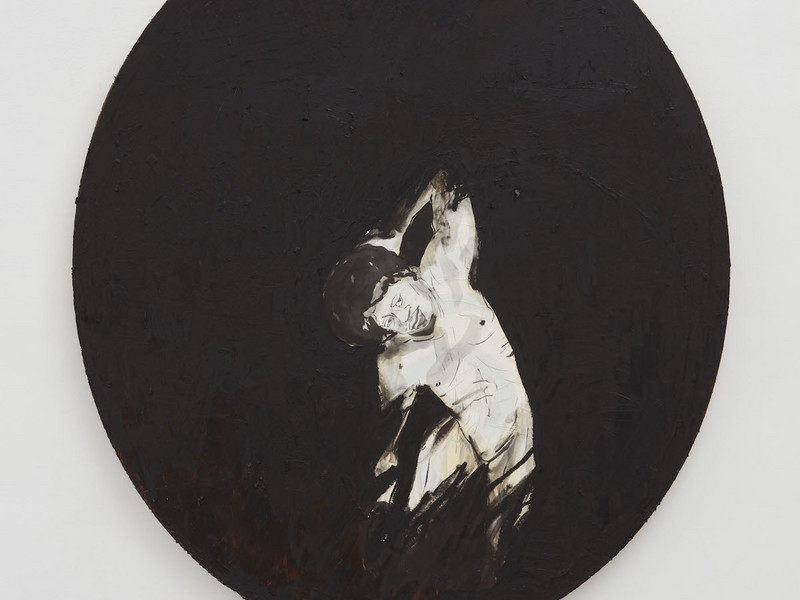
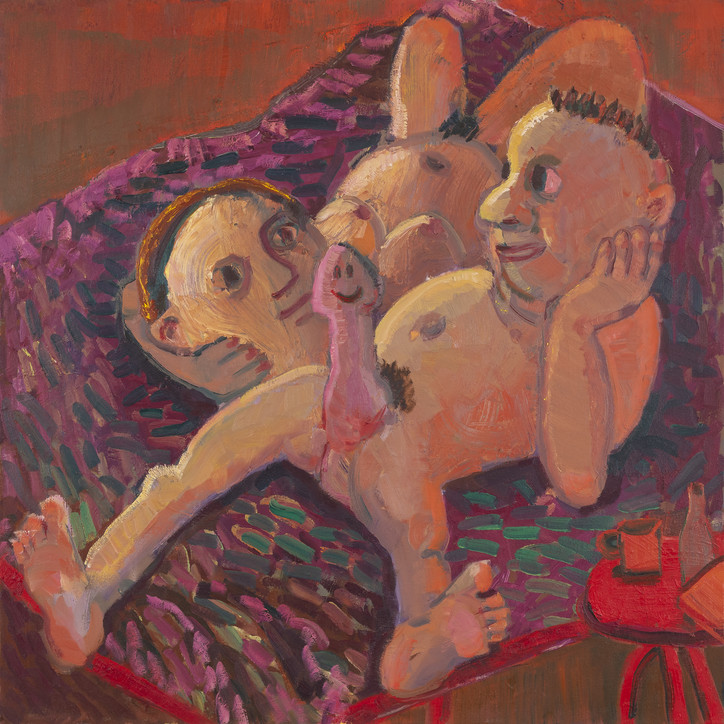
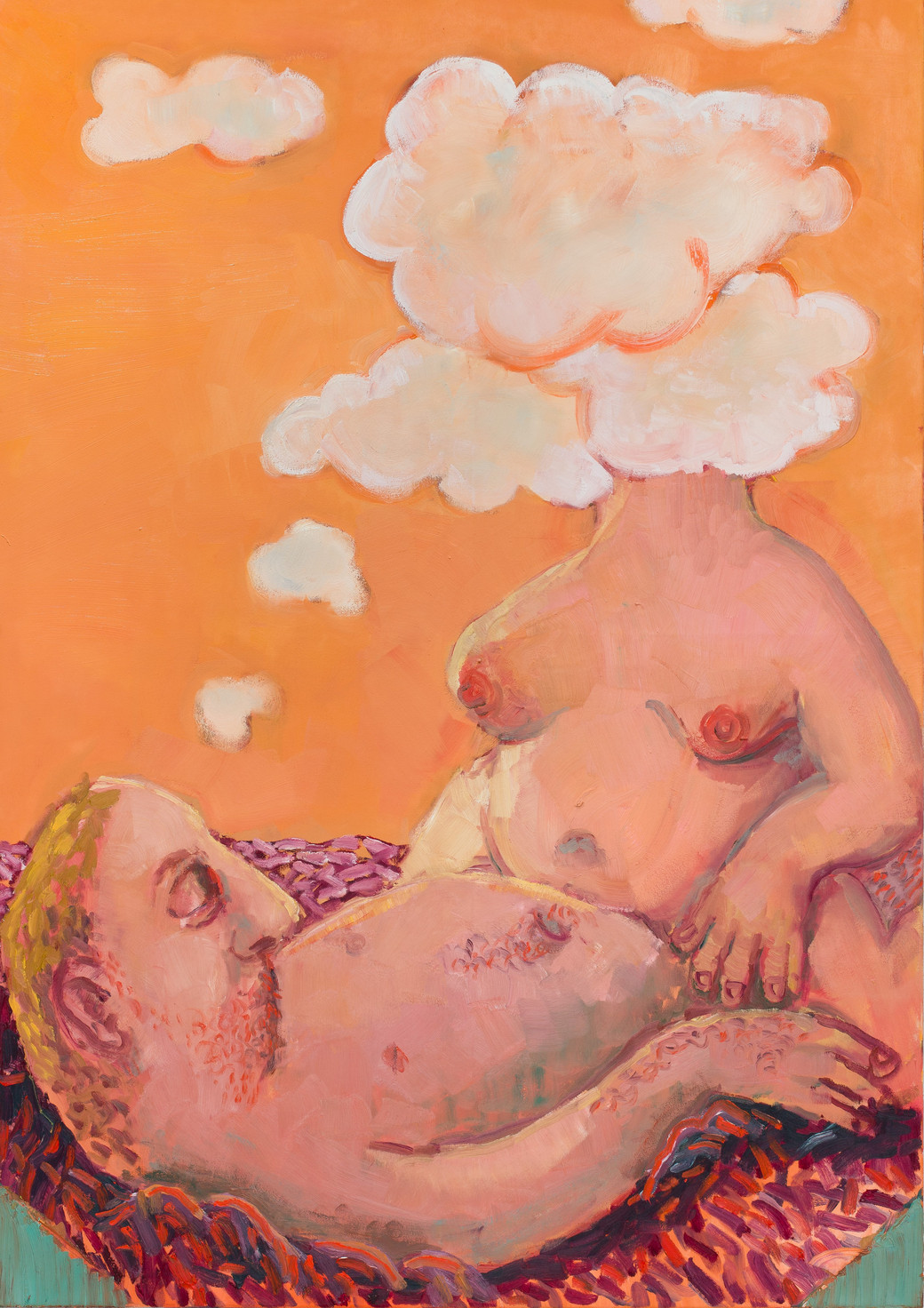
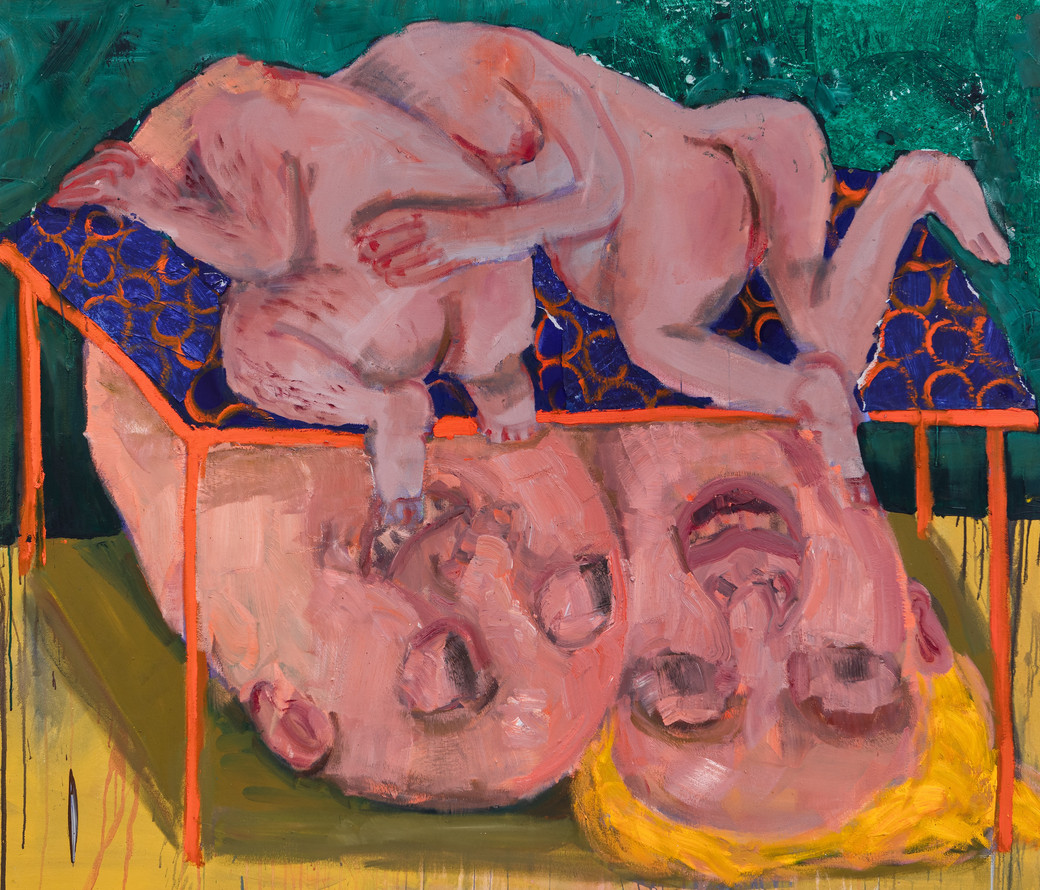
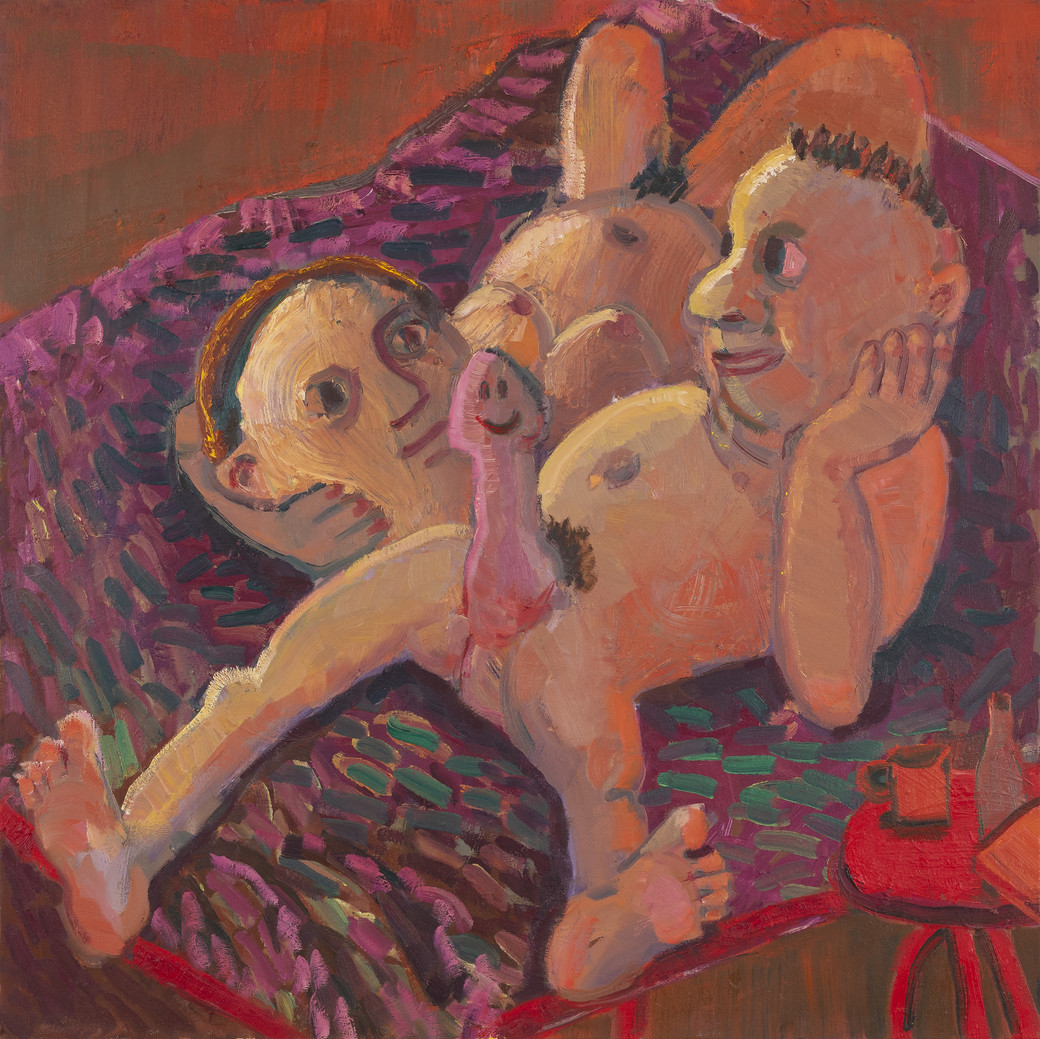
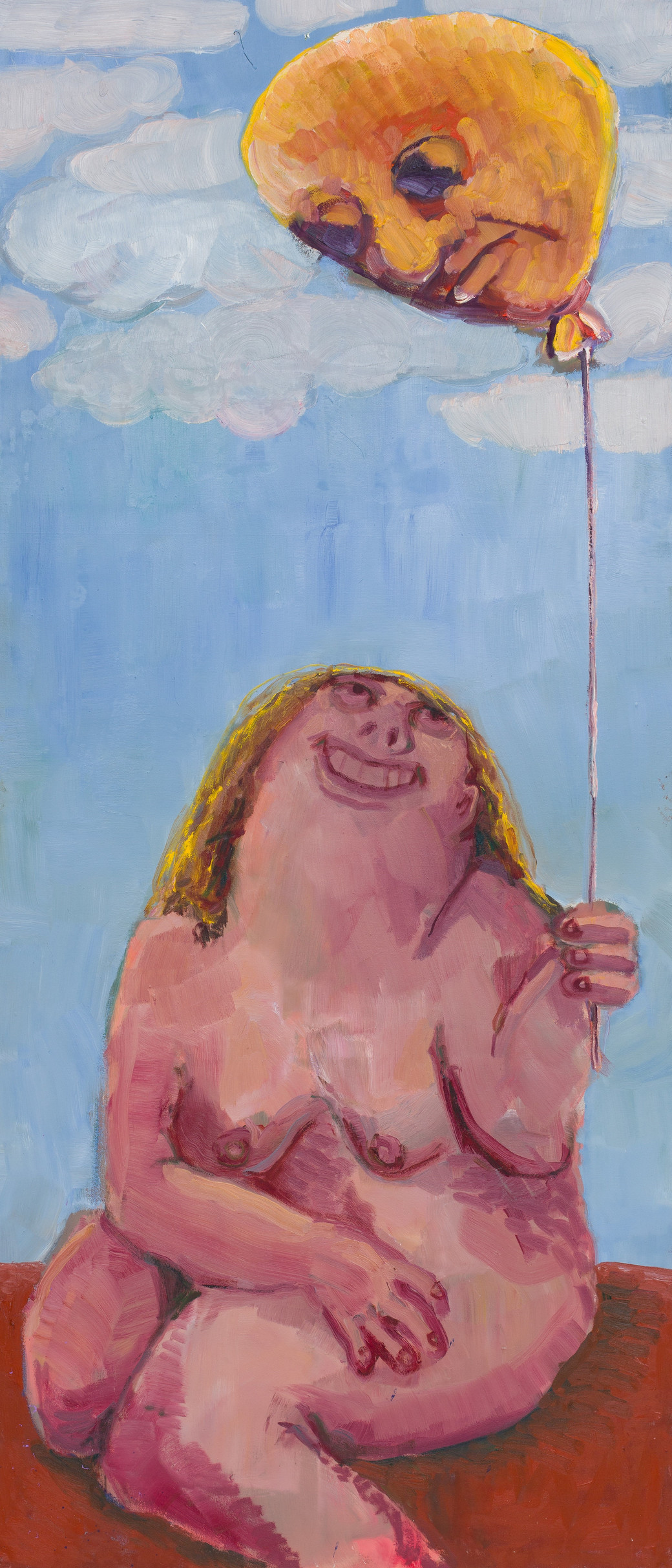
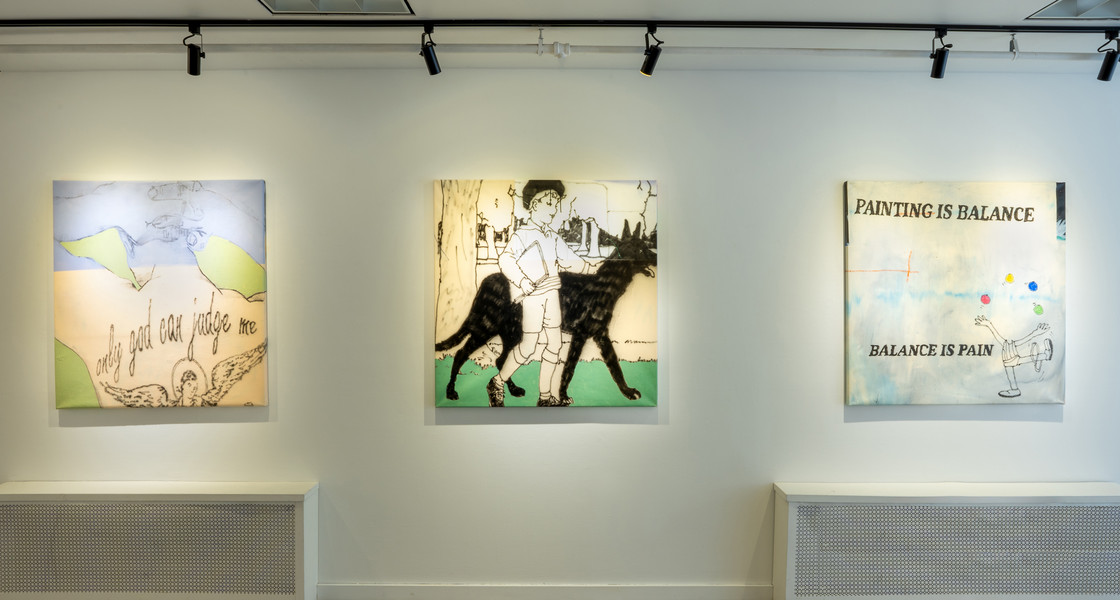
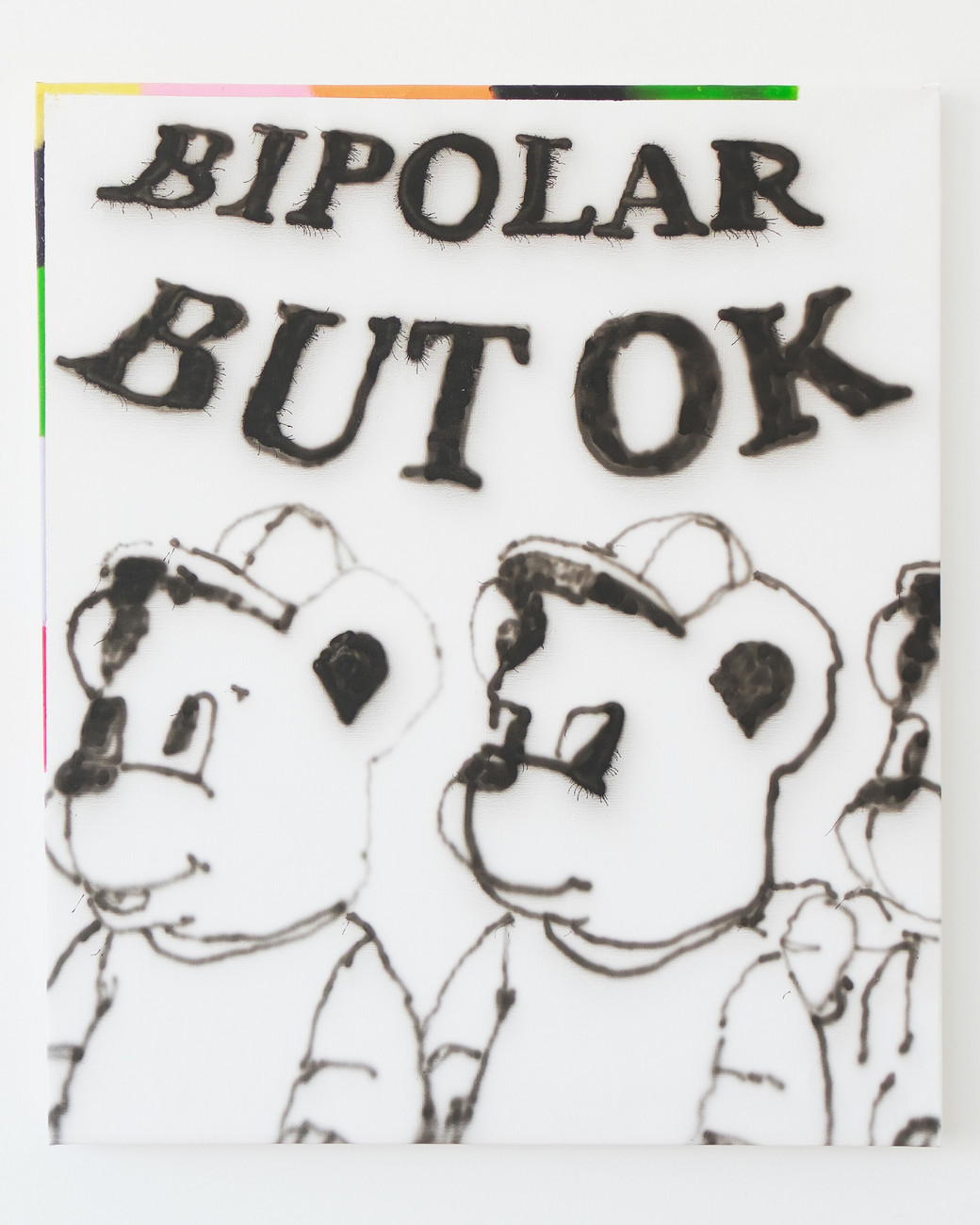
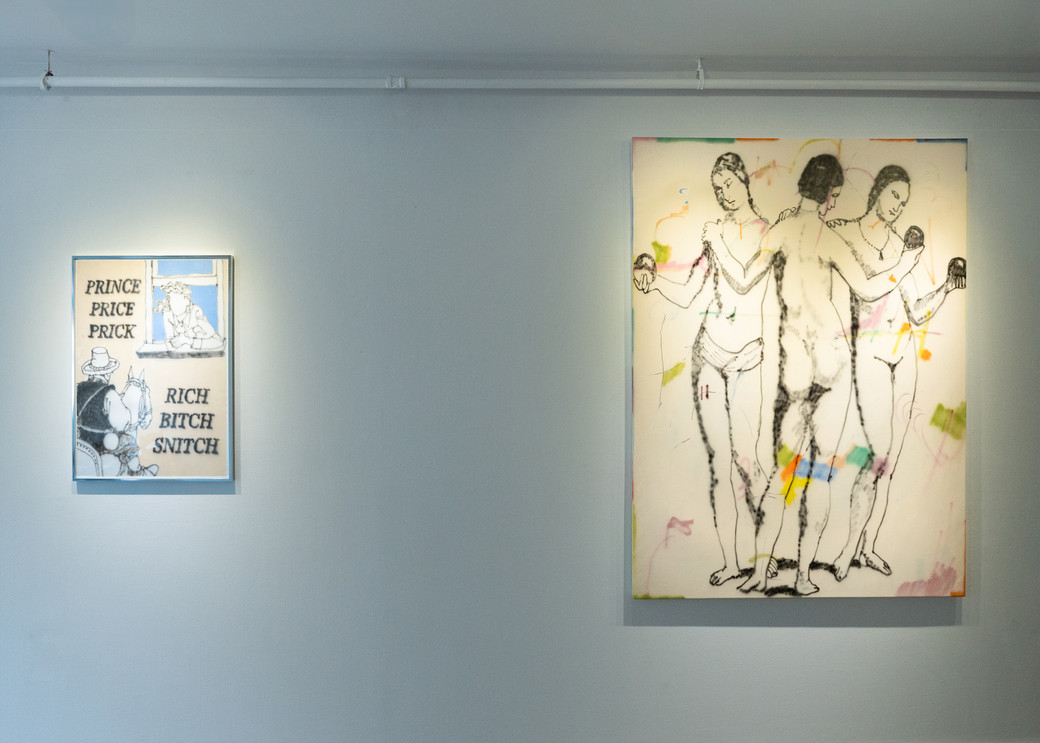
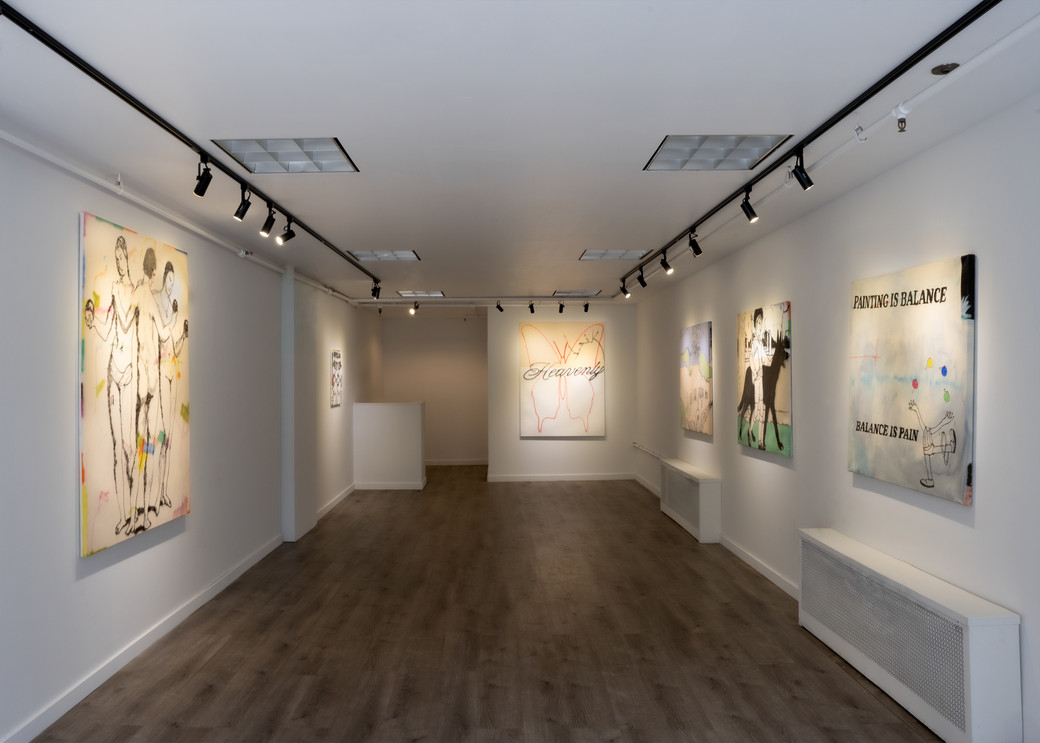
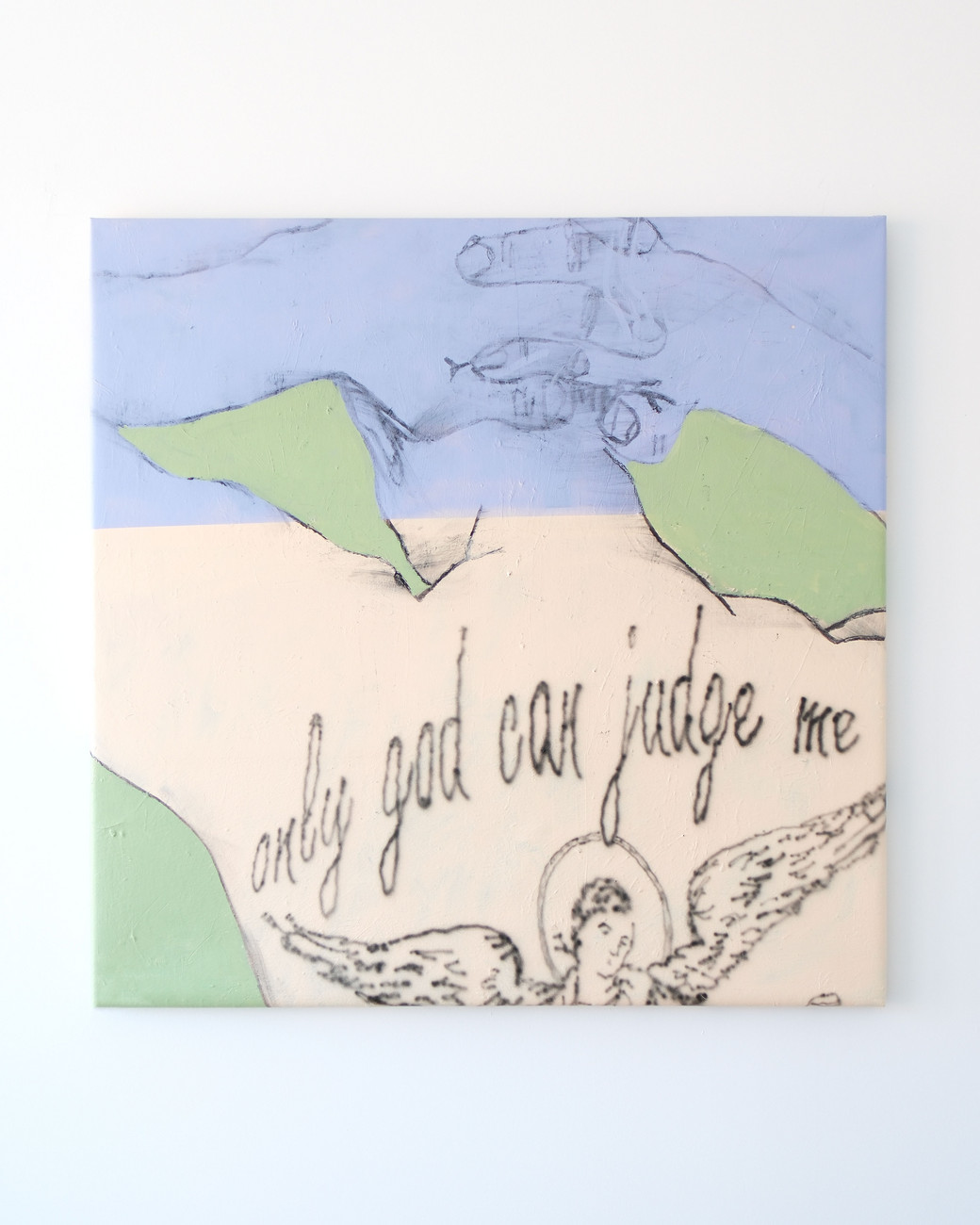
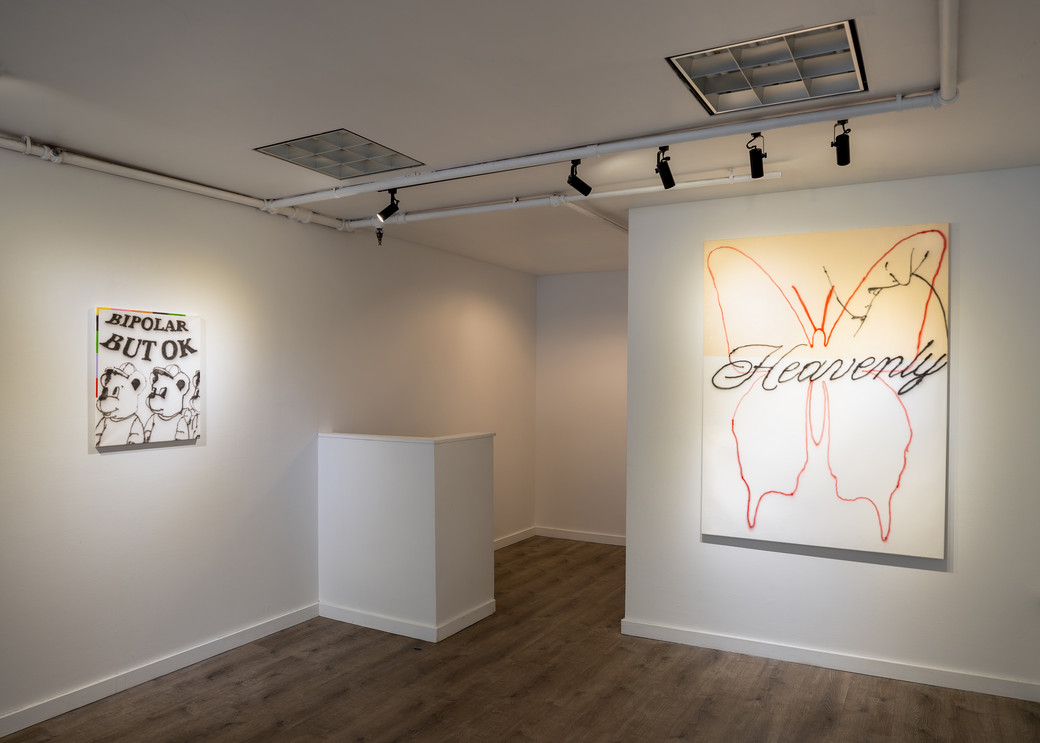
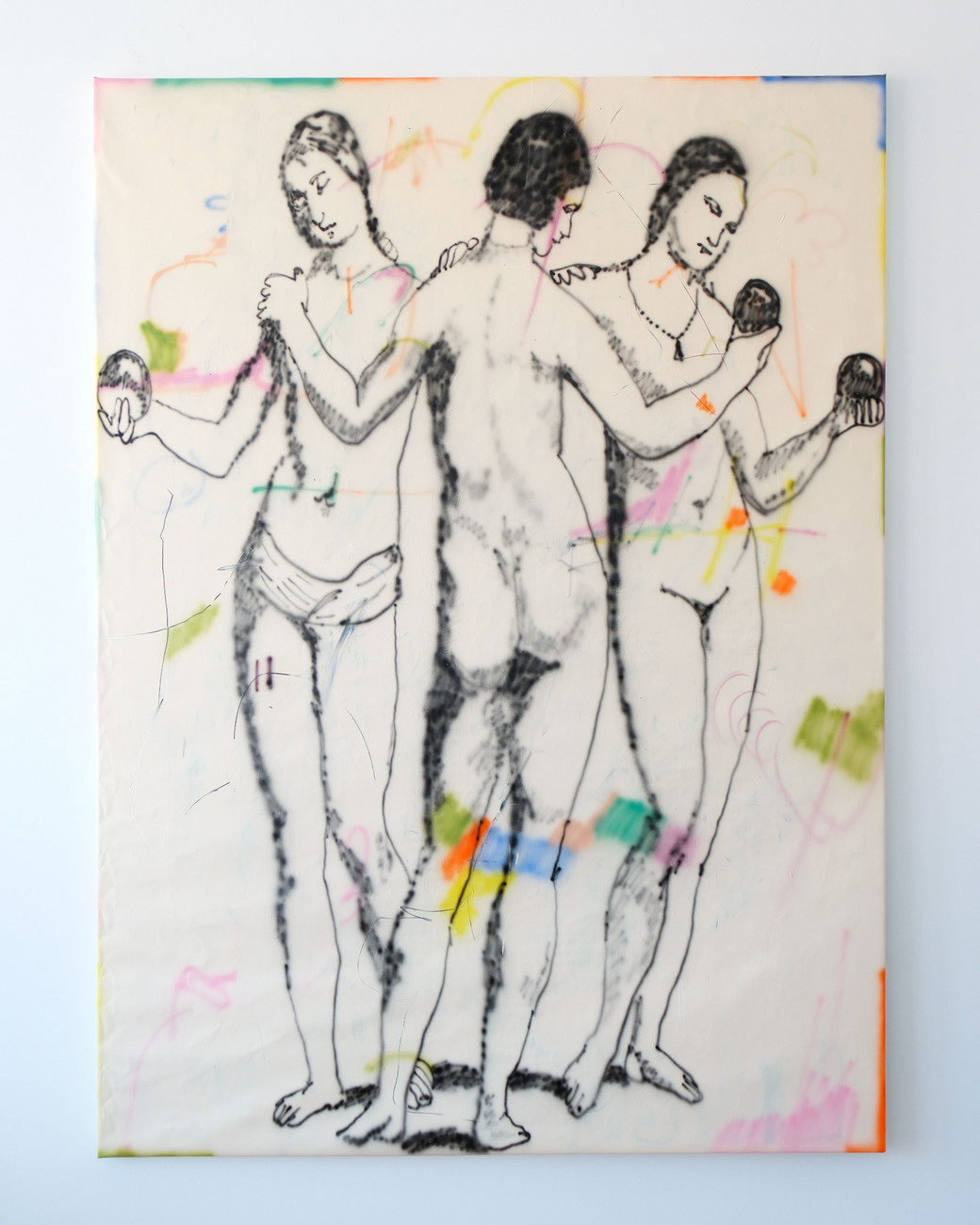
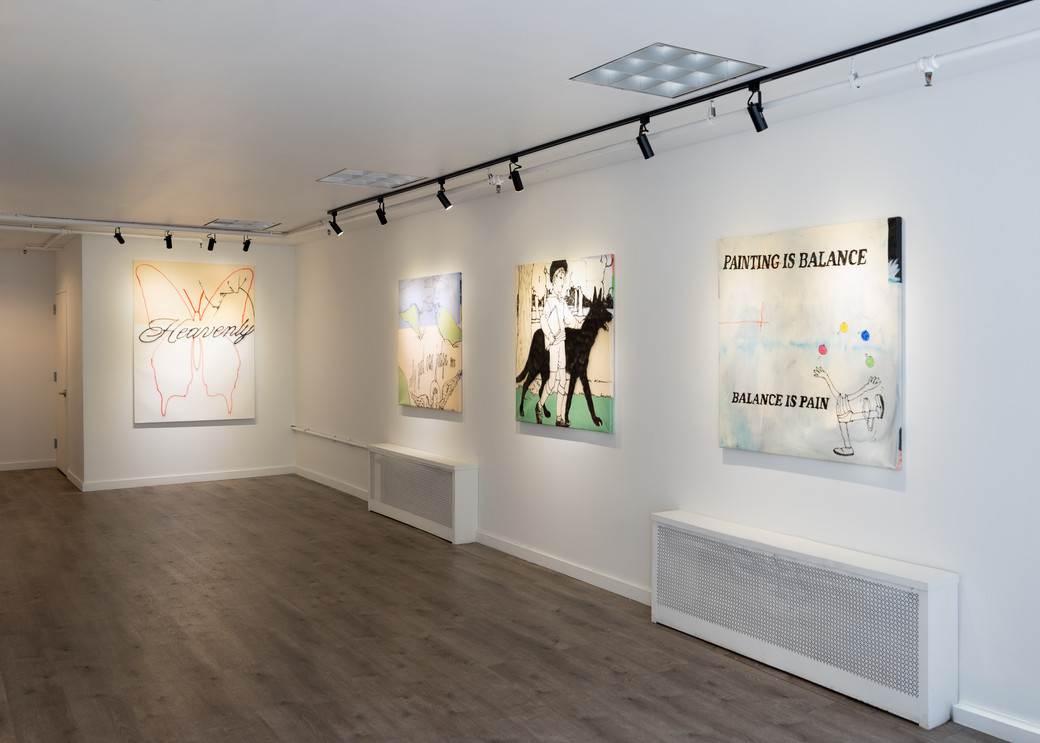
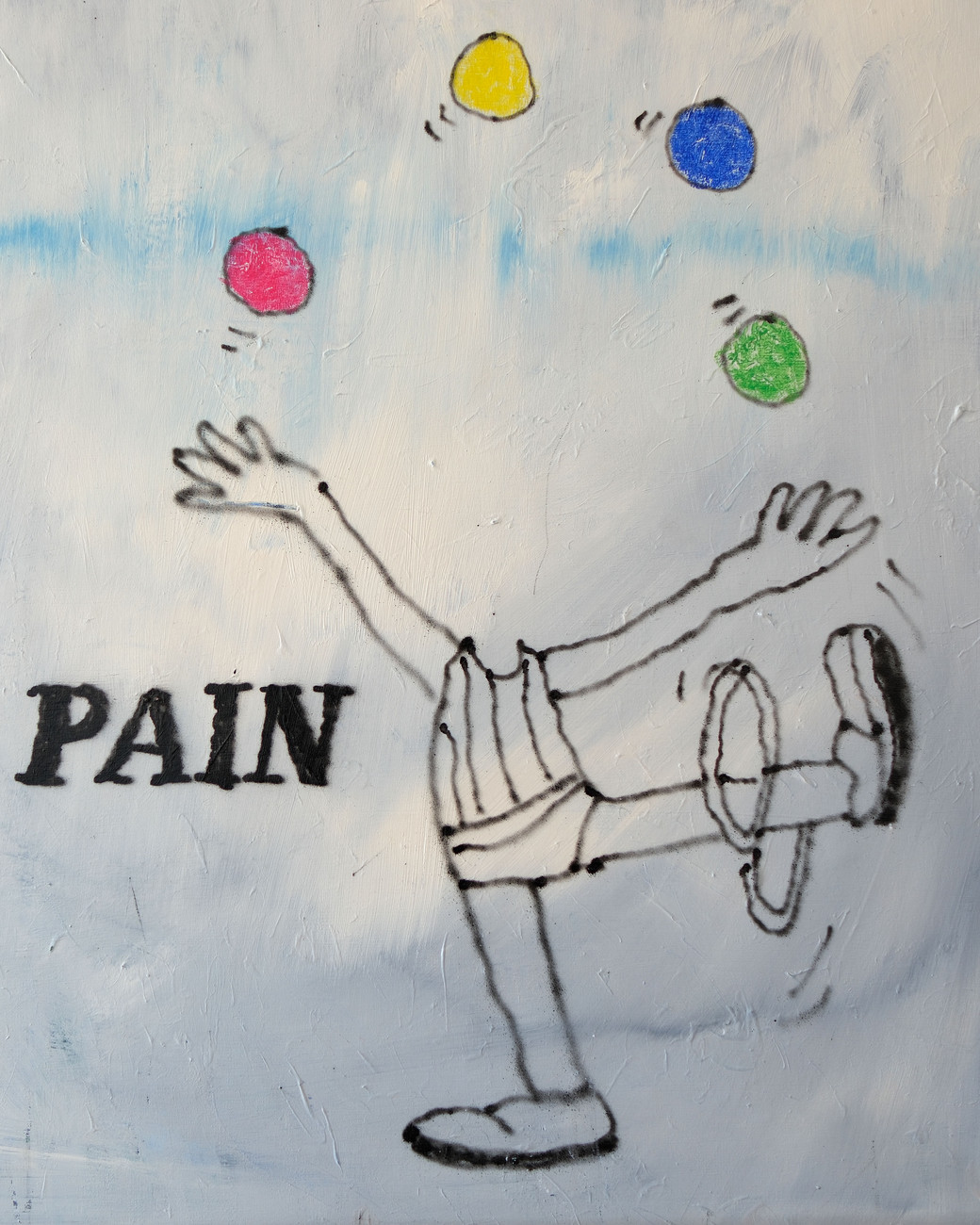
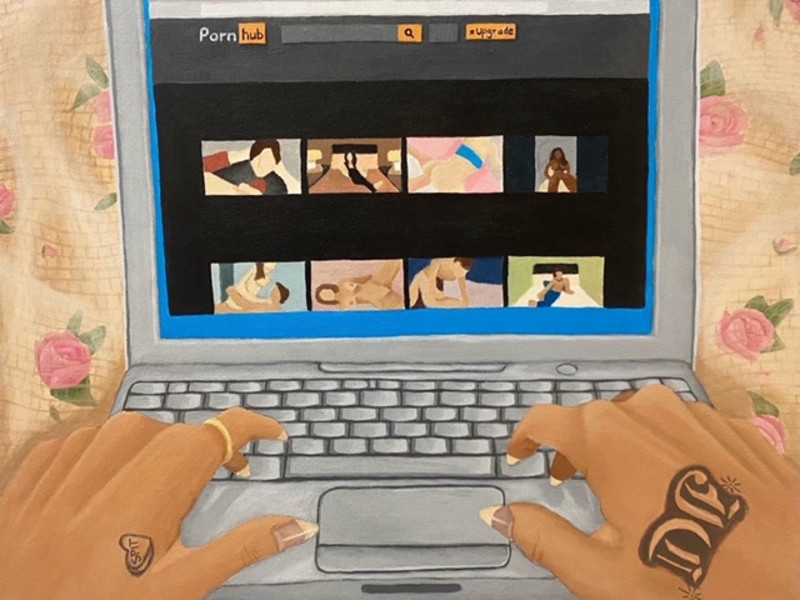
I would say, I make expressive, grotesque figurative paintings, using humor to portray the tragic and silly essence of intimacy.
Can you walk me through how you developed your style? And how it’s changed over time?
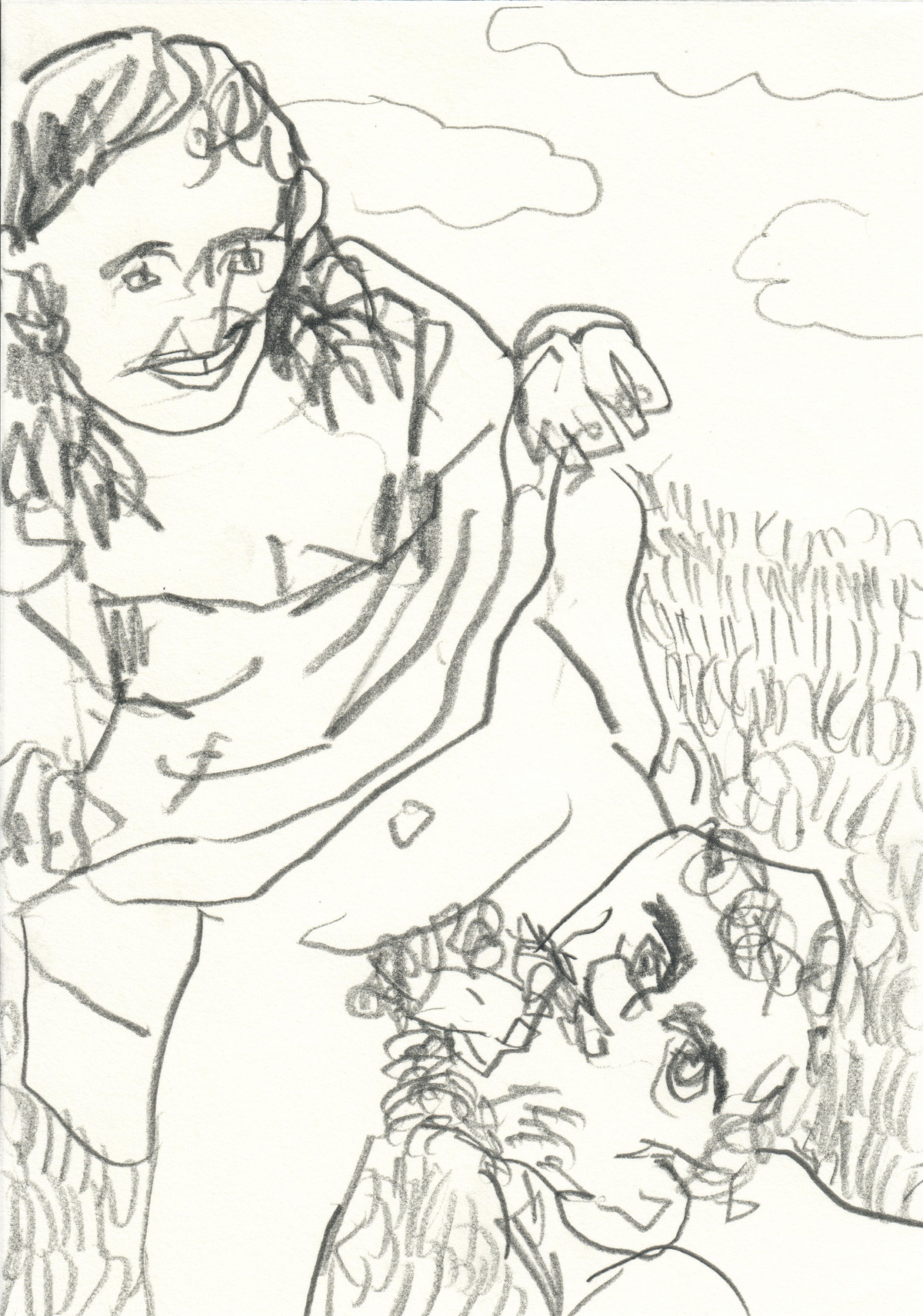
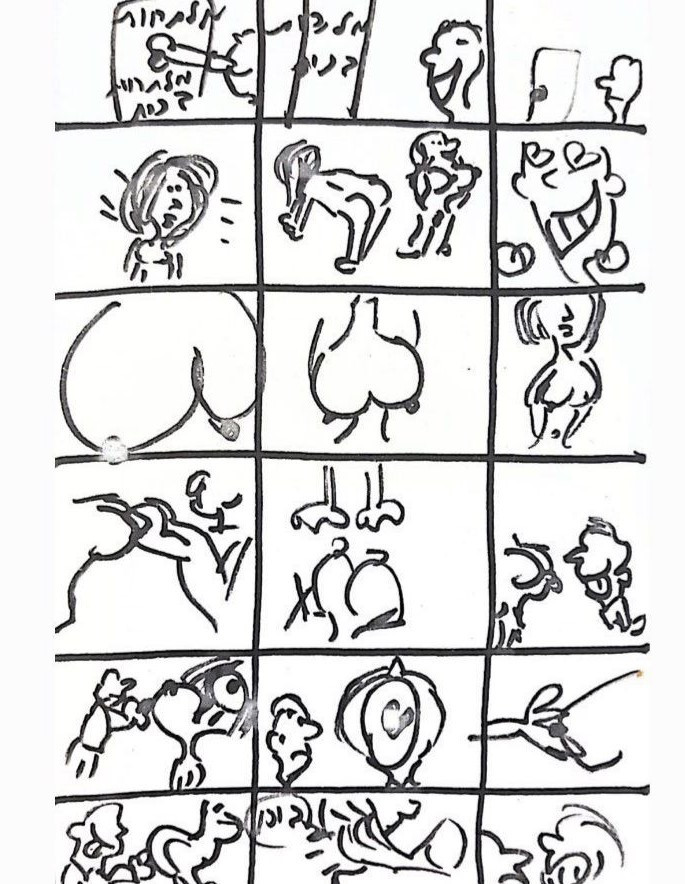
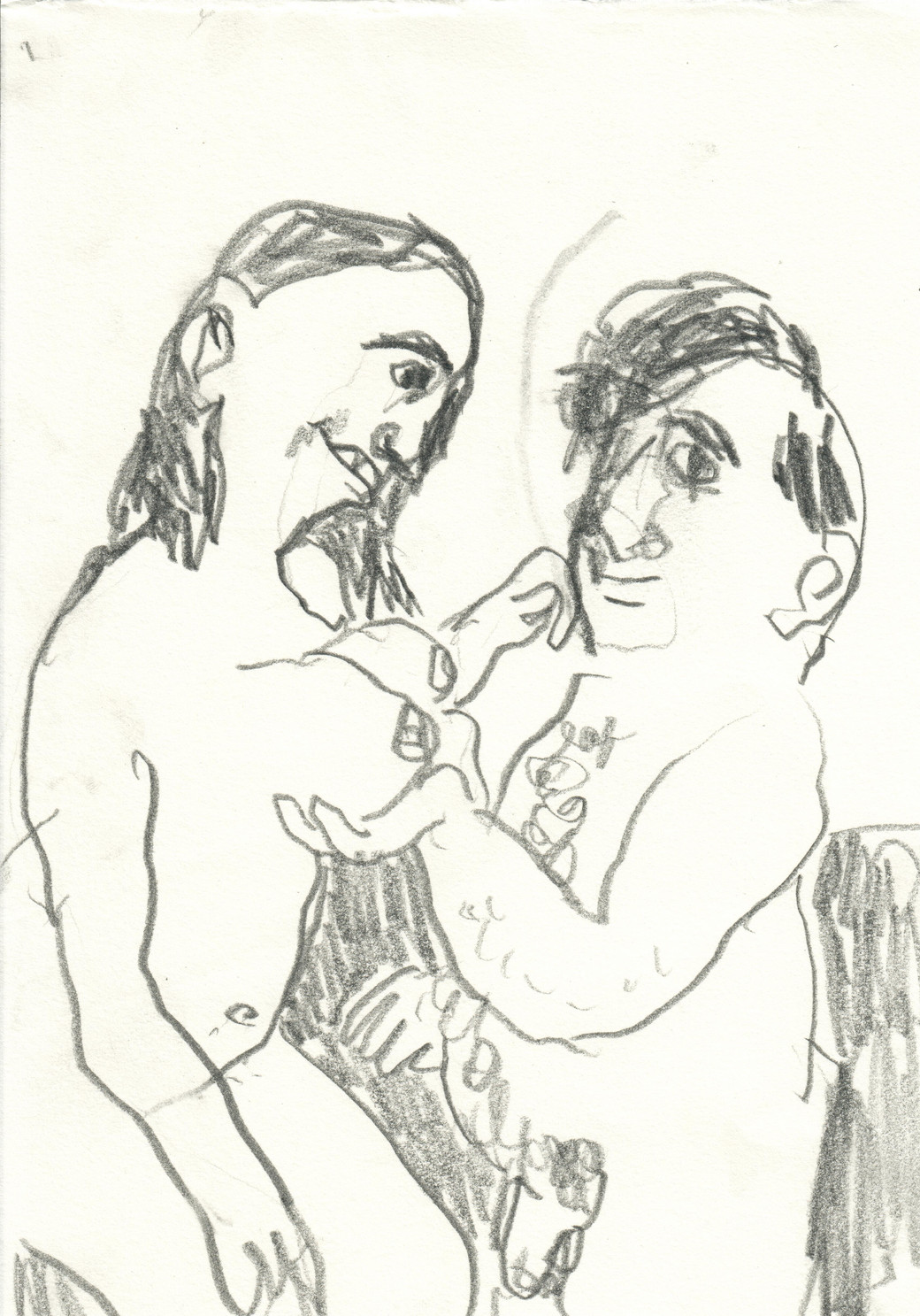
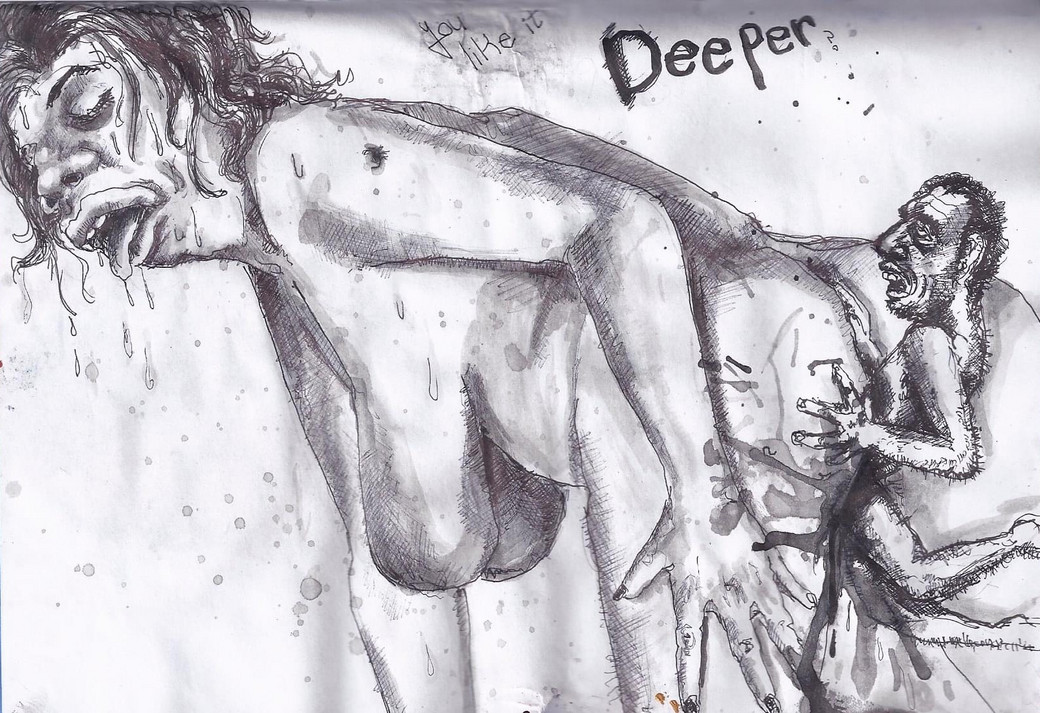
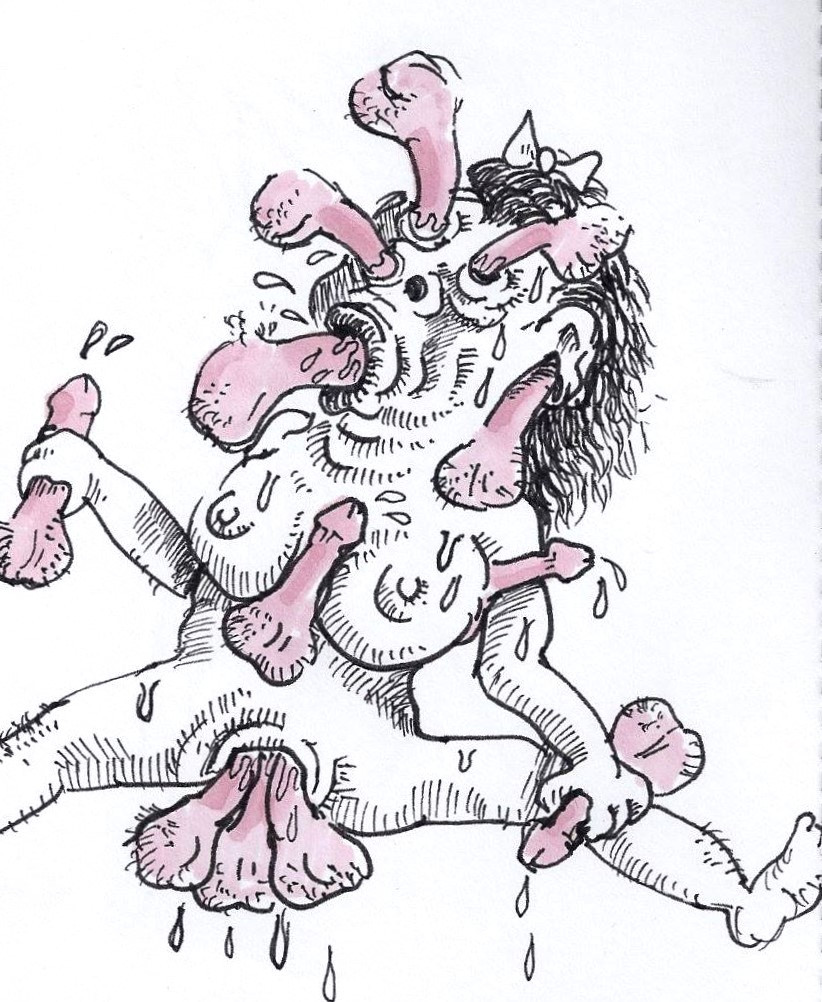
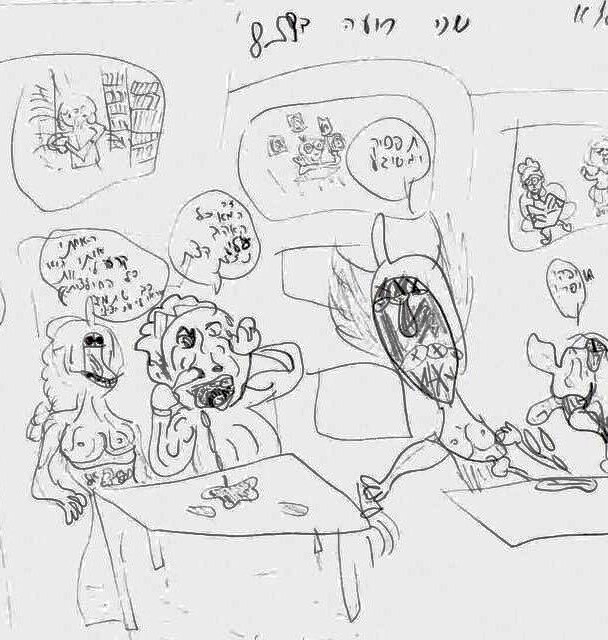
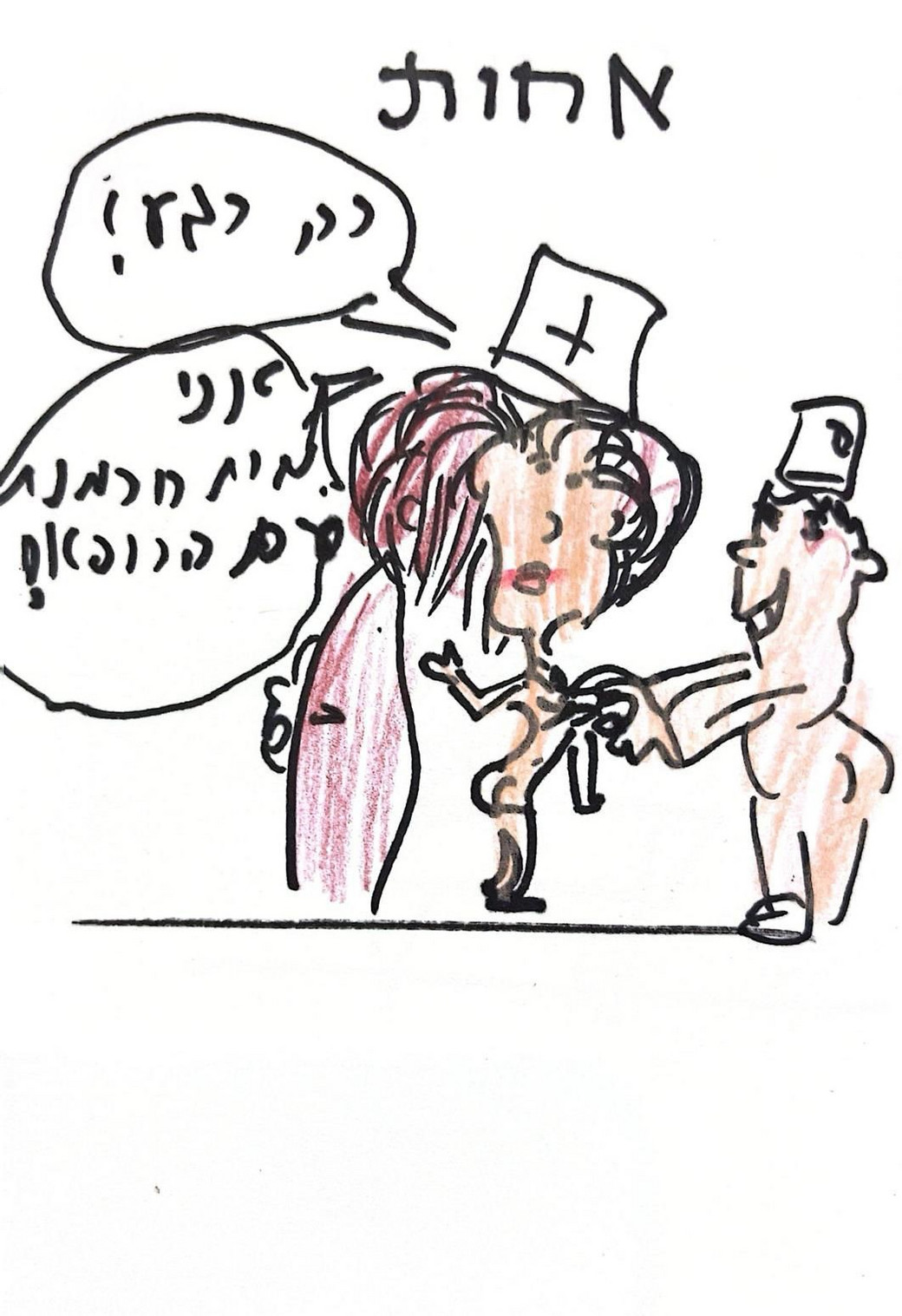
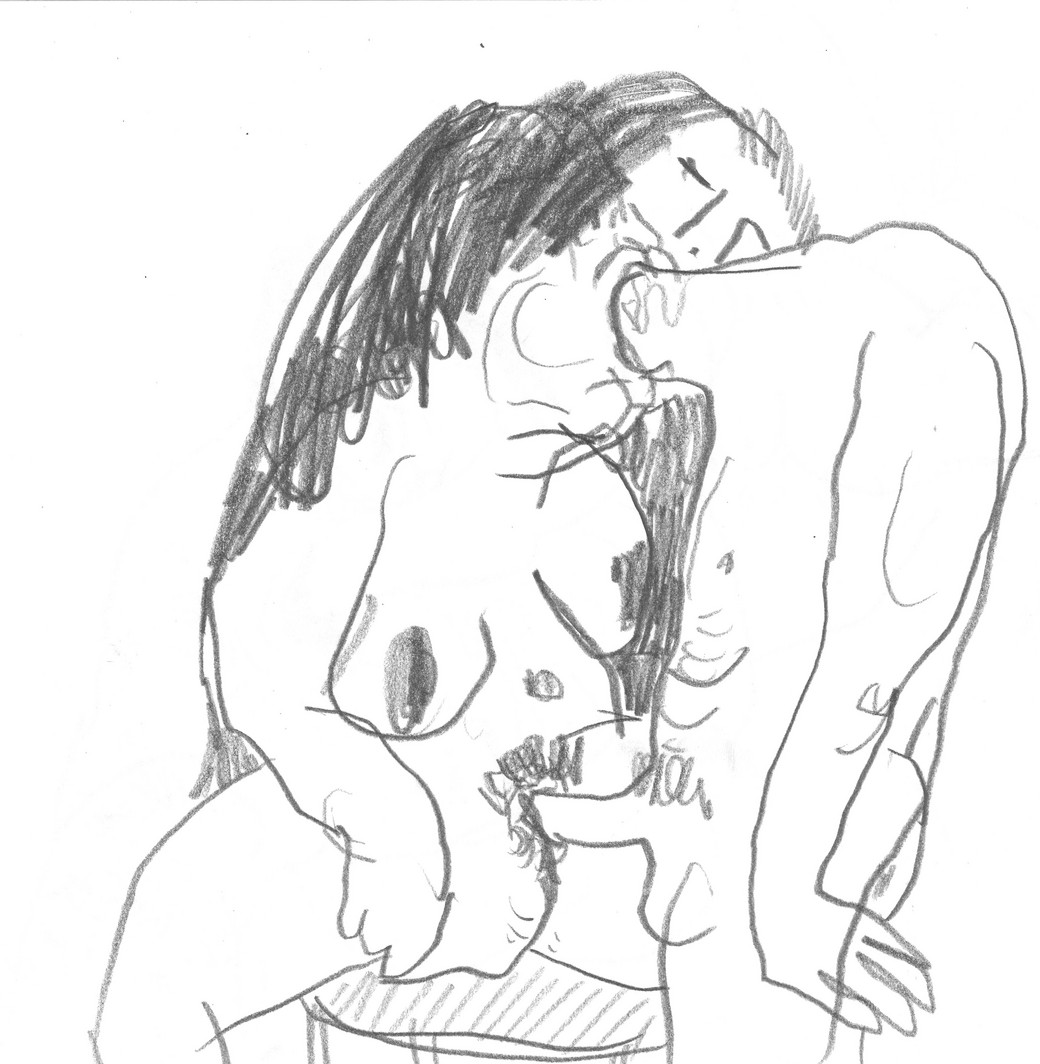
The grotesque, sexual themes in my works have always been there, since I can remember, before I was really conscious of their meaning or aware of them being provocative. As a kid, I was very passionate about comics, in particular dirty comics. I discovered Robert Crumb’s books at a very young age, which was a big influence. I have drawings and comics strips from age 7 that look a lot like what I draw today, very explicit scenes with strange twisted characters. Those drawings don’t really seem as dark as they may sound, the sexuality there isn't scary, nor sexy, but rather goofy. I can’t really remember what was going on in my mind back then, but it seems to me that I naively found those sorts of topics very funny. To this day my characters and situations remain clumsy, infantile and playful in a perverted way while also very human and touching, longing for connection. Drawing is my most primal and deep form of expression. I think with a pencil in my hand, my ideas are born from the papers, my diaries were always notebooks of doodles. My style has always been very narrative oriented. I've been searching for different ways to develop those drawings and stories. So as a kid I dreamed of becoming a comics artist. Though after finishing high school, I turned to animation, believing that my drawings could also form themselves into this medium. In parallel I started learning to paint. and ended up being addicted to that. I seem to need this direct craft and material, as I feel much of my creativity comes from a very spontaneous approach, while animation requires a much more patient and planned attitude. Painting is very different from drawing though. Drawing to me is like writing a poem, while painting is more like composing a melody. The way I see it, looking back at my works from an early age up to today, the figures, themes and scenarios have not really changed in their core, but rather deepened and widened, transforming into new dimensions as my painting style develops.


I want to ask the stories of every individual painting! Overall is there a theme or image that you find yourself coming back to over and over again?
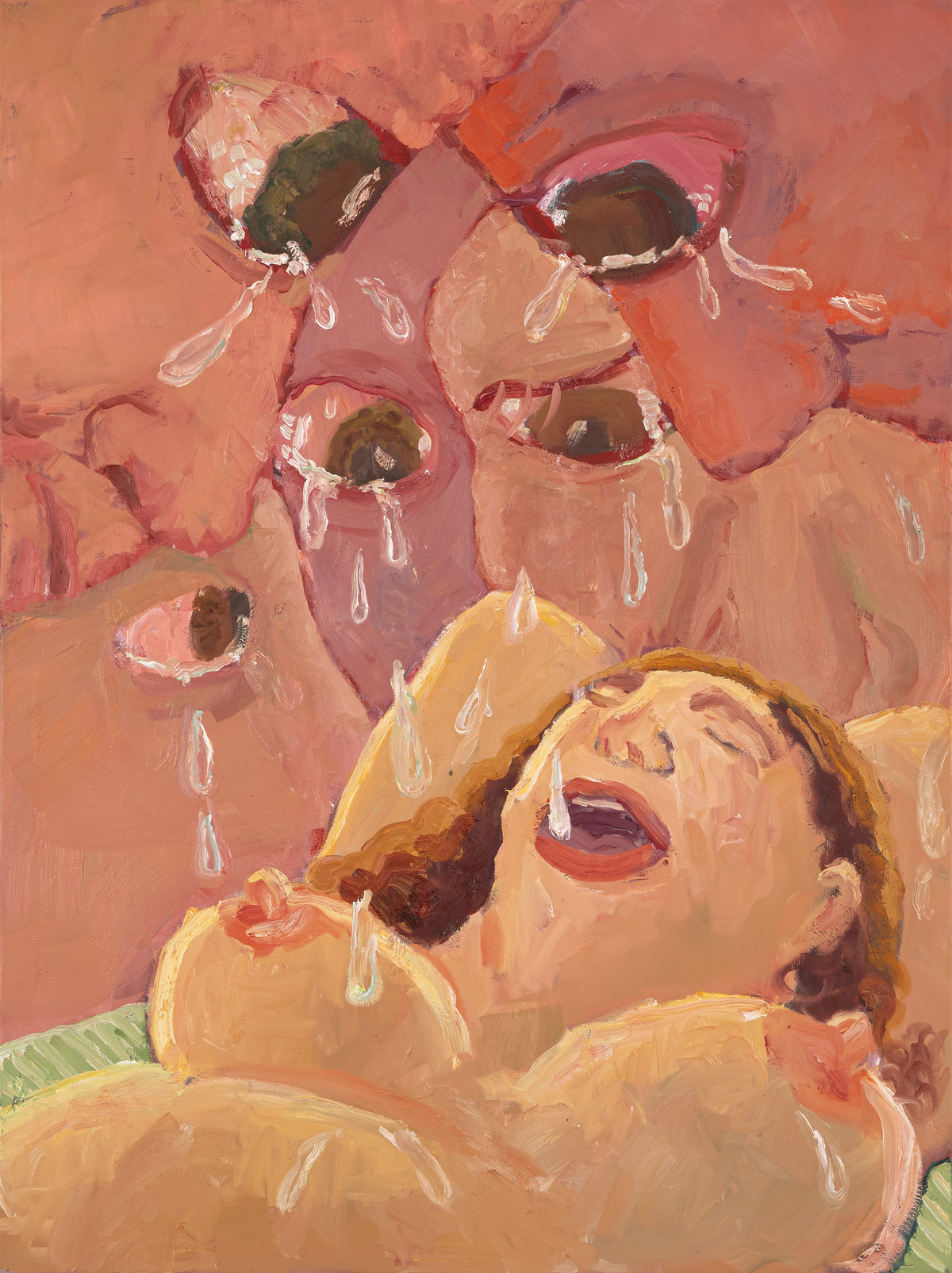
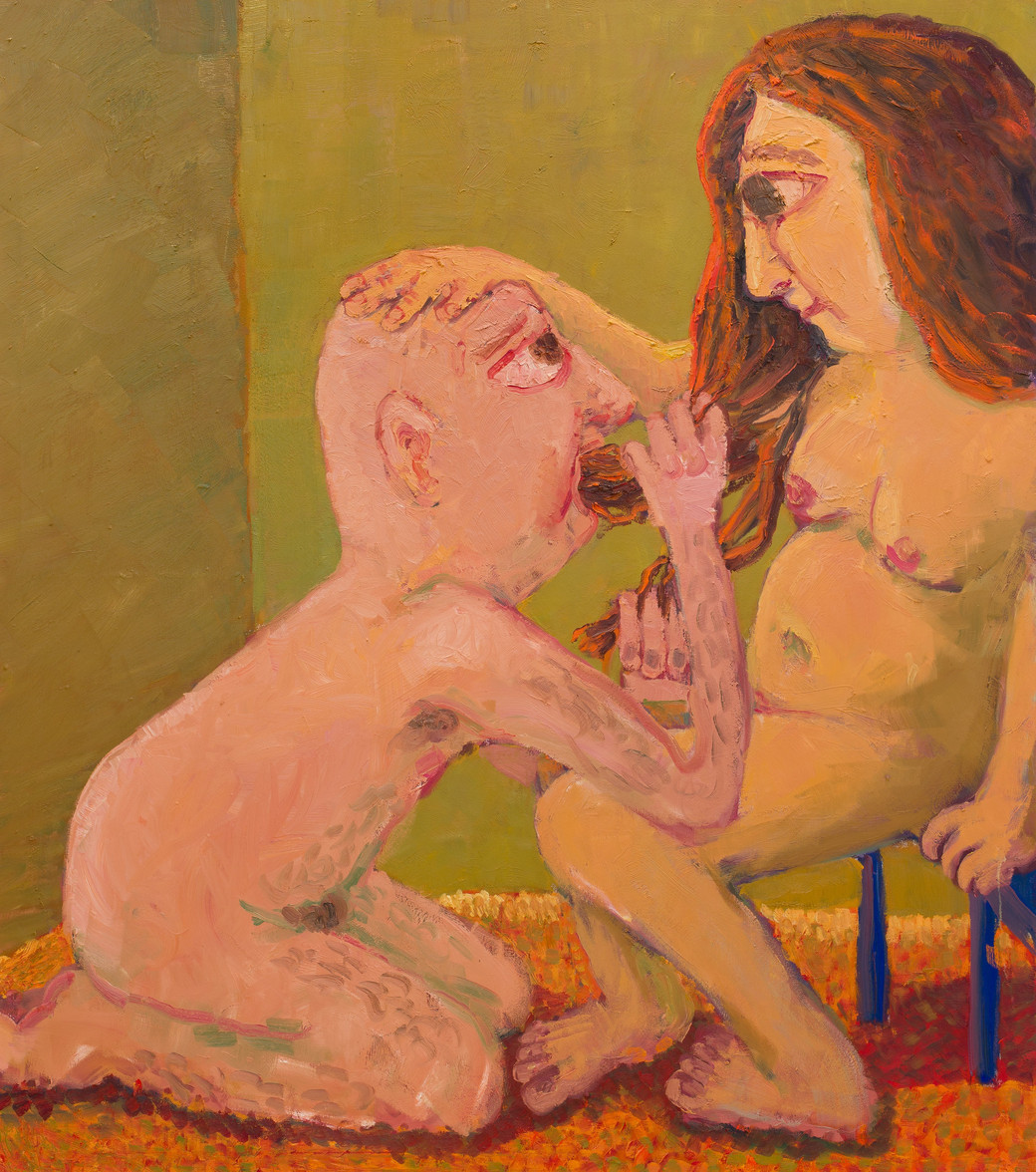
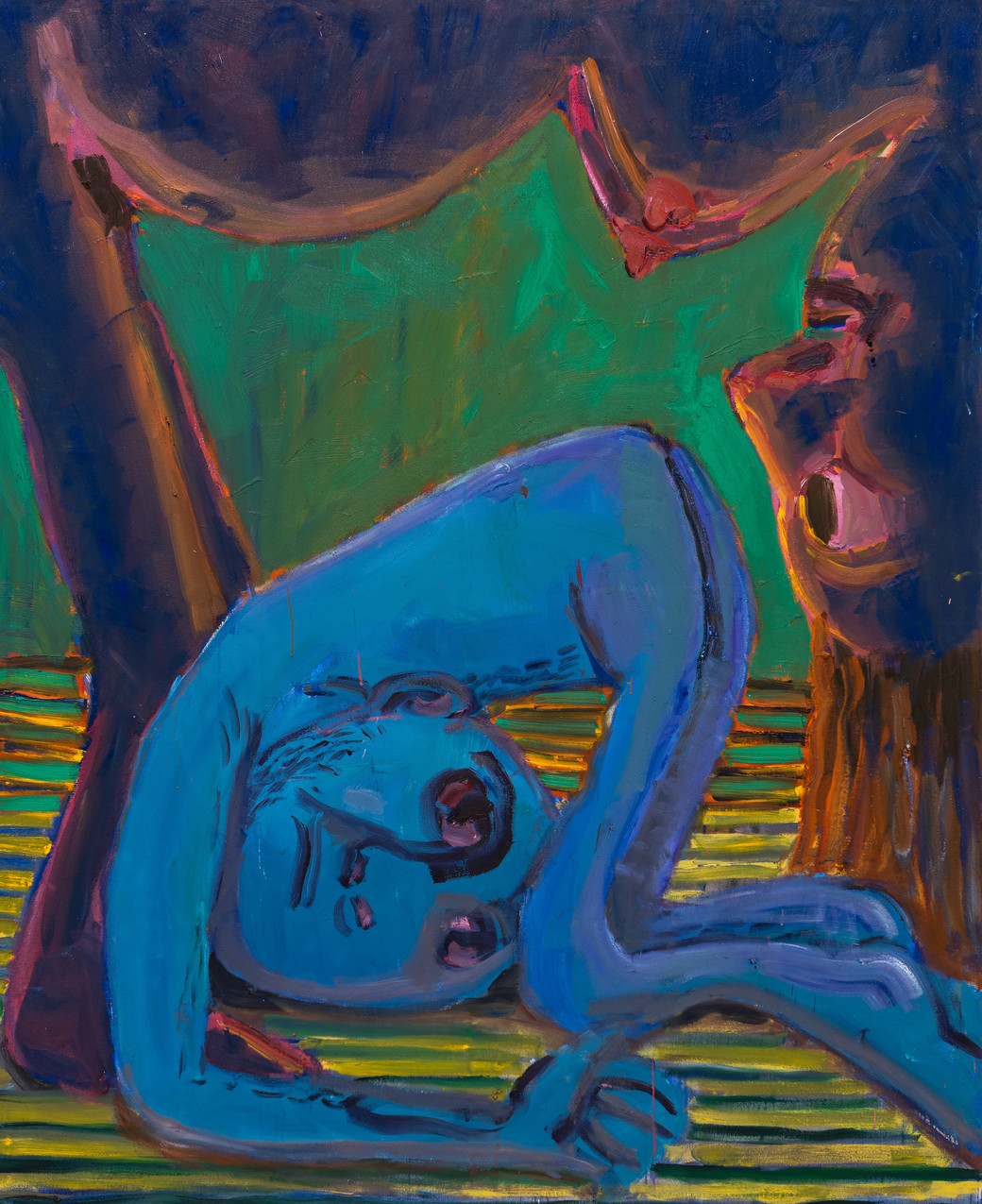
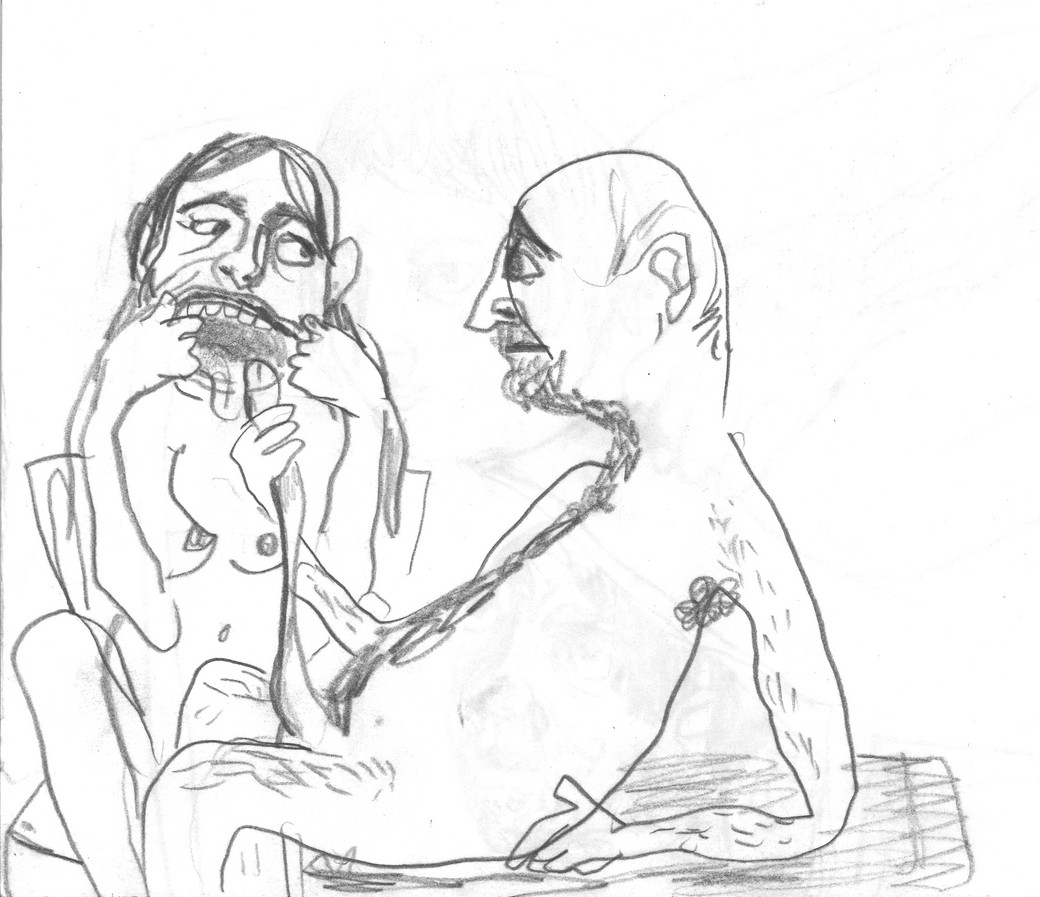
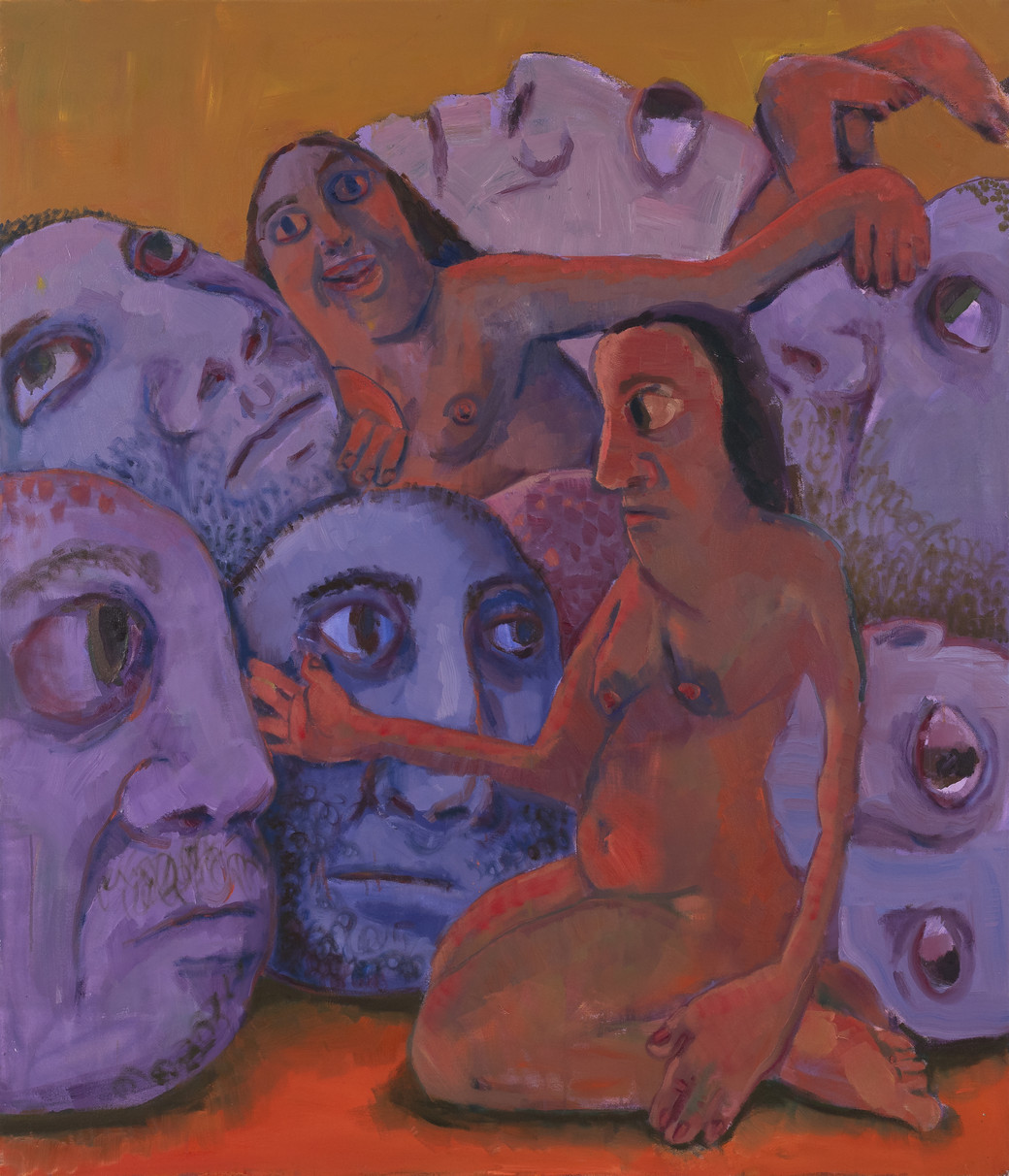
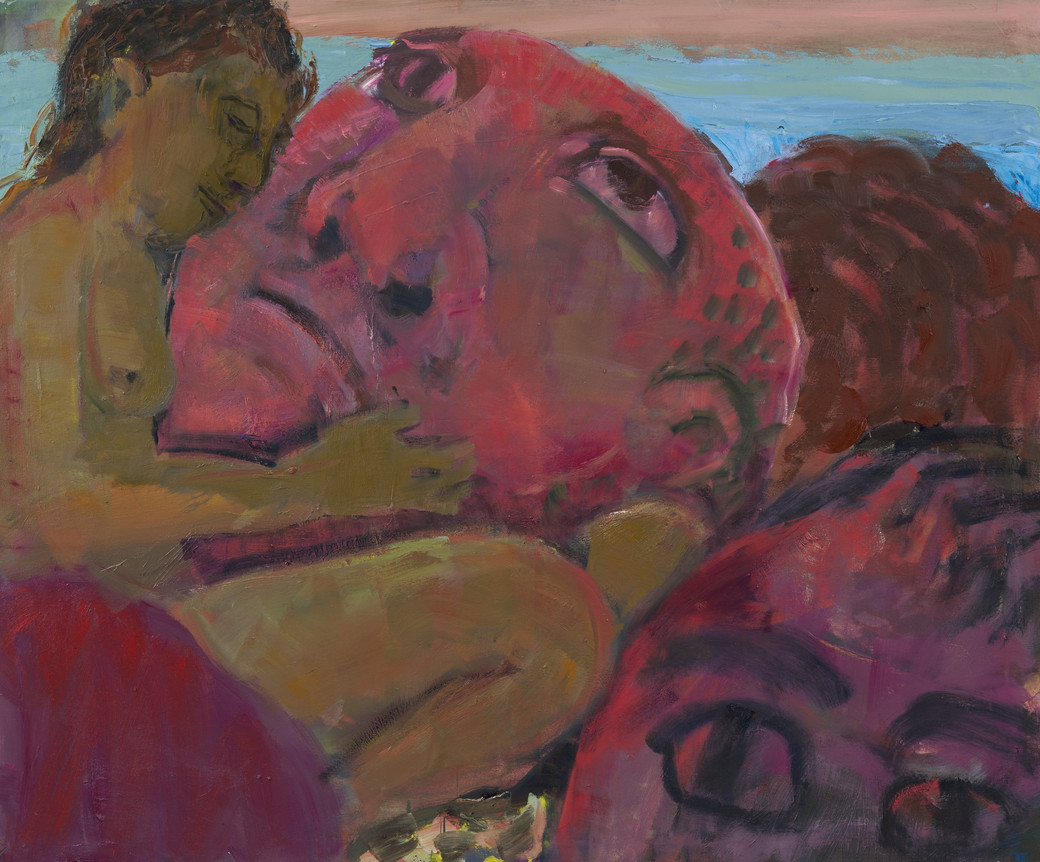
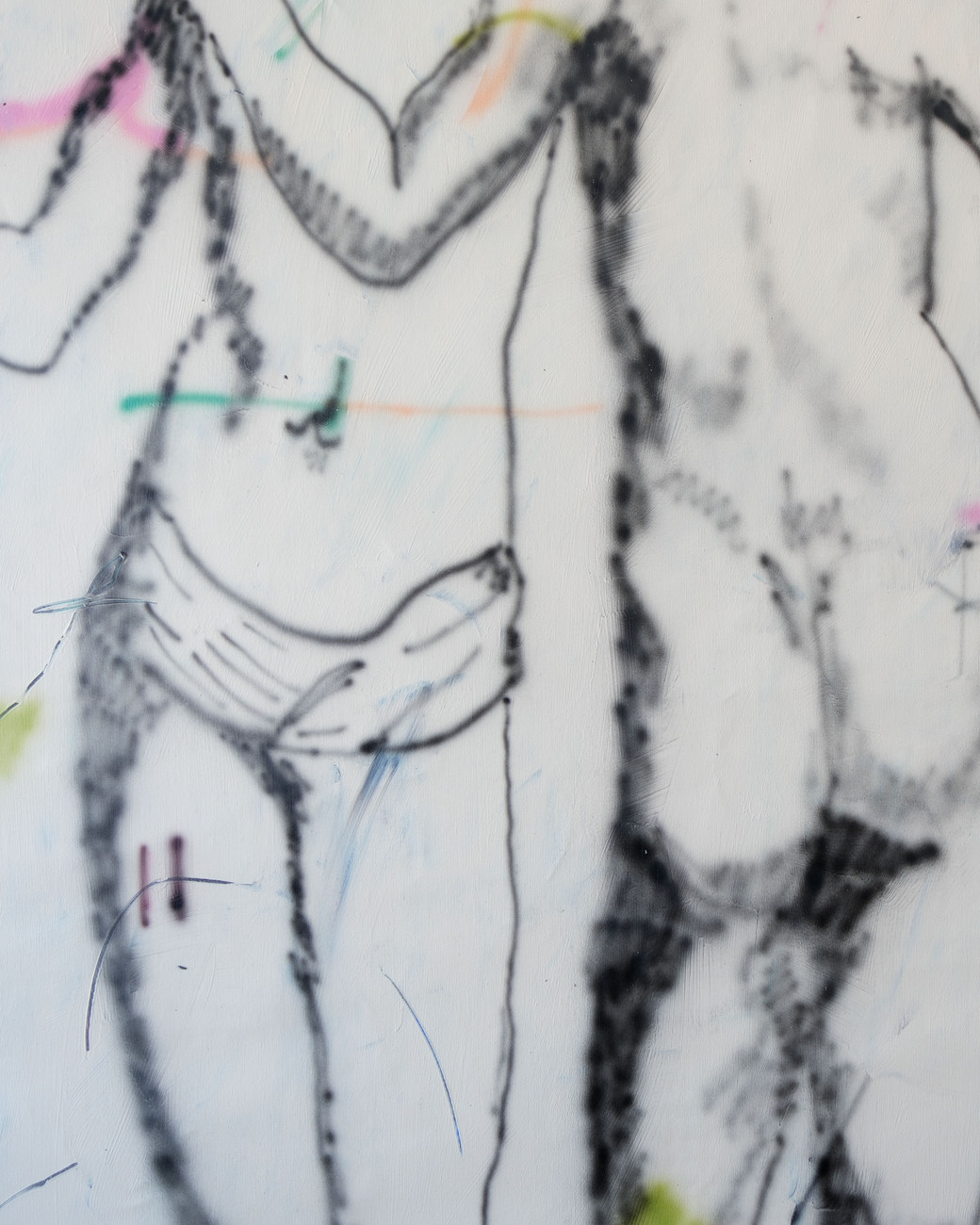
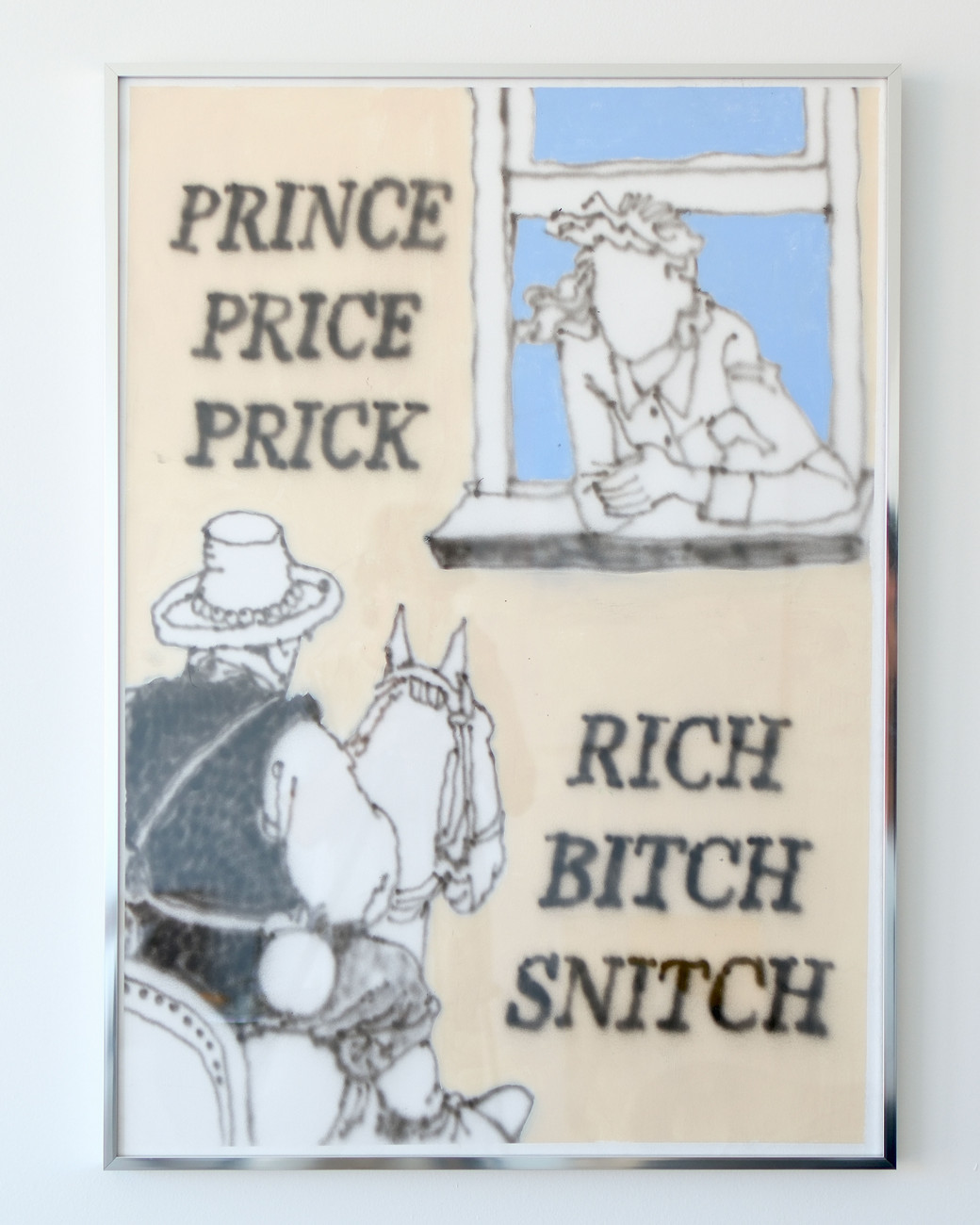
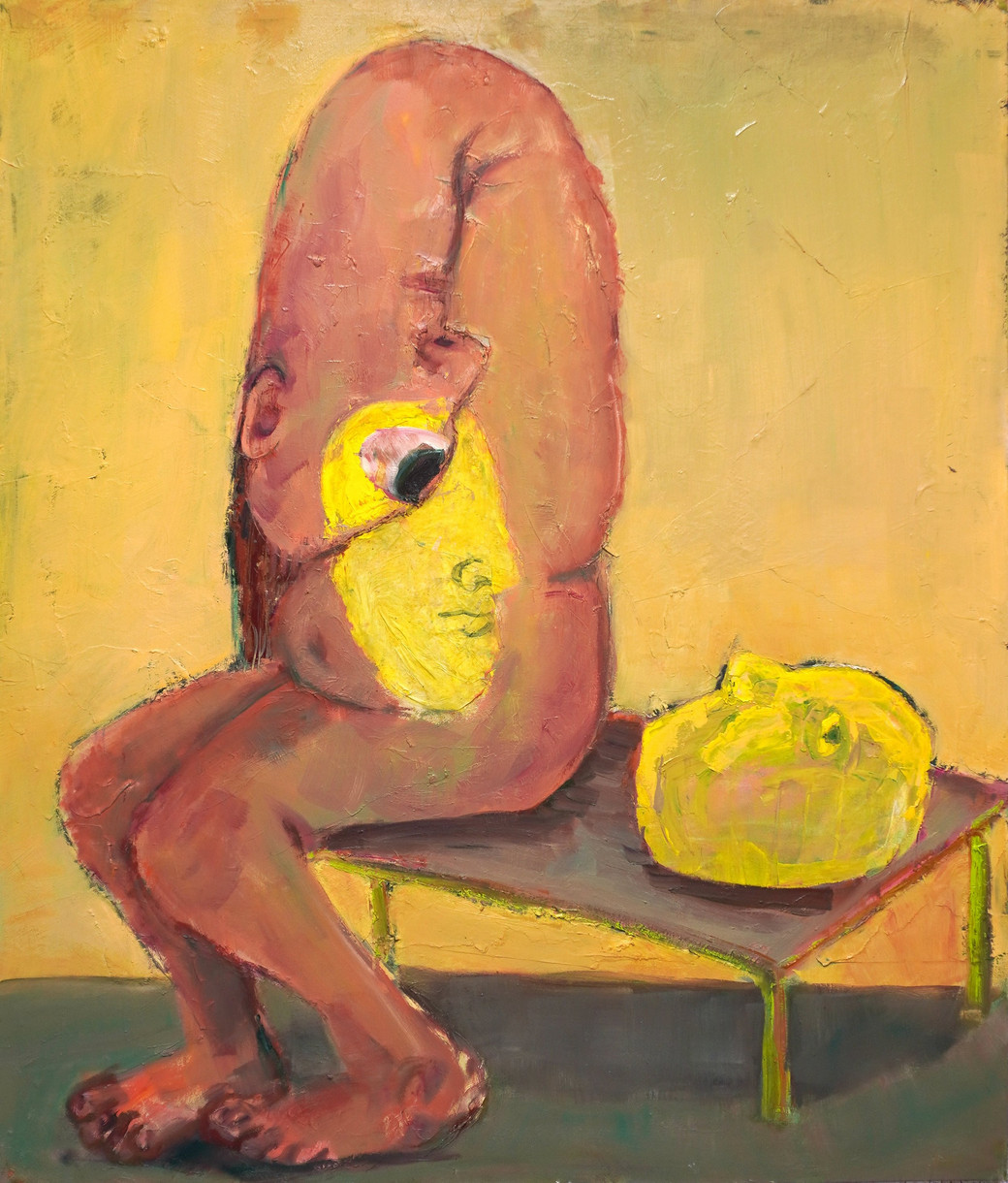
I often return to certain motifs that I’ve developed over time. For example, in many of my paintings you may find bodiless male heads. I enjoy experimenting with this image in different variations and use it to explore power dynamics between the sexes. The nude male body carries an intimidating quality, often reminding us of the physical advantage men possess. By removing the body, these heads remain helpless, needy, useless, and limited in how they can engage or connect sexually. This inversion becomes a playful trigger for my imagination to explore the possible intimate interactions these heads may have. I also like the reference to severed heads in art painting history, creating a violent, aggressive association but then presenting them in a very soft, compassionate way. Another motif that returns in many of my paintings is tears. In many religions tears are the one body liquid that is considered pure. In my paintings I like to play with the boundaries between filthy and pure. Since sexual acts involve the exchange of bodily fluids, I use tears as a liquid that carries an intense emotional charge, as a participant in the interaction. For example, I have a painting of a woman swallowing tears; another painting of a tears bukkake... in this way, tears become more than a symbol, they act as a medium through which intimacy, vulnerability, and transgression are explored and processed. These motifs return in my work, but I try to use them carefully, not to get stuck on one idea or fall into a “one-trick pony” pattern. I’m always seeking new symbols and situations, pushing myself to let the paintings evolve in unexpected ways, even while the central theme stays constant.
Who are your paintings meant to speak to? What do you want people to take away from them?
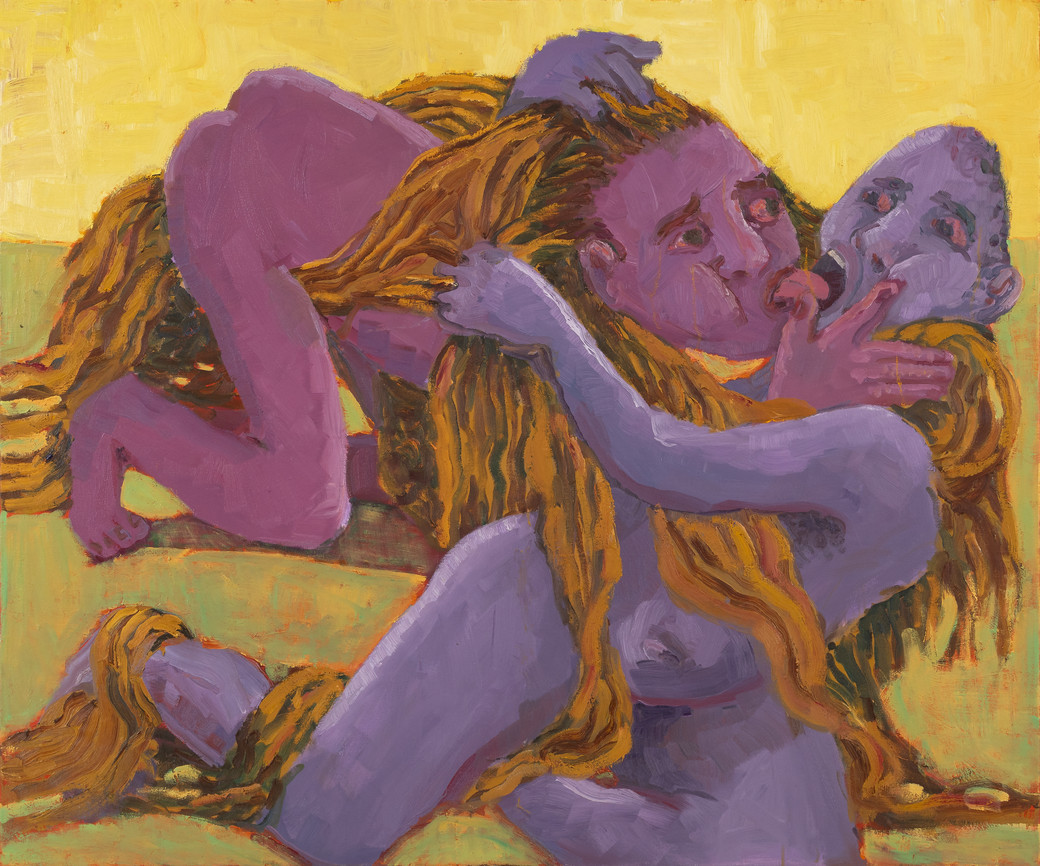
My paintings are for anybody to relate to. My figures are usually naked, stripped away from any identification of belonging to any specific scene, culture or social status, they are presented in their most raw human state. Behaving and interacting in ways that are childlike, almost animal-like, communicating in some primal sphere, before and beyond words, trying to connect through physical games. I aim to reveal these moments in sexuality that are not driven by sexy passionate love but rather a plea and longing for human contact in a sort of touching desperate way, which I think we all share. Sexuality is only a motive I use in order to emphasize the fundamental, universal loneliness we all carry within us and are occasionally confronted with. I want my viewers to sense this disturbing discomfort, as well as to feel the tenderness that co-exists even during tense and awkward dynamics. I like my figures to be perceived as intimidating, but also goofy, adorable and helpless. Especially the male figures, as I strip them from any sort of power one may associate with them, I reveal their fragile, pitiful side and expose them like a snail without a shell.


Comics made at age 7
What is your ideal office (or I guess in your case, studio)?
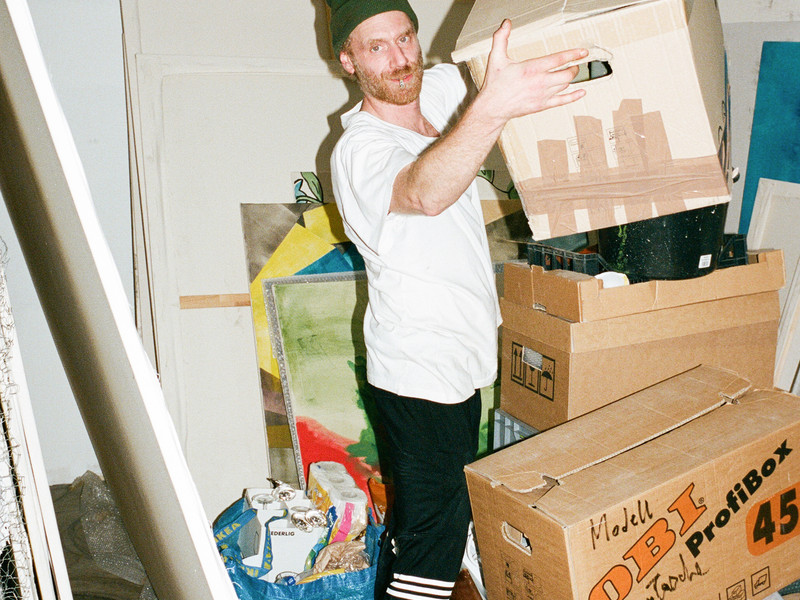
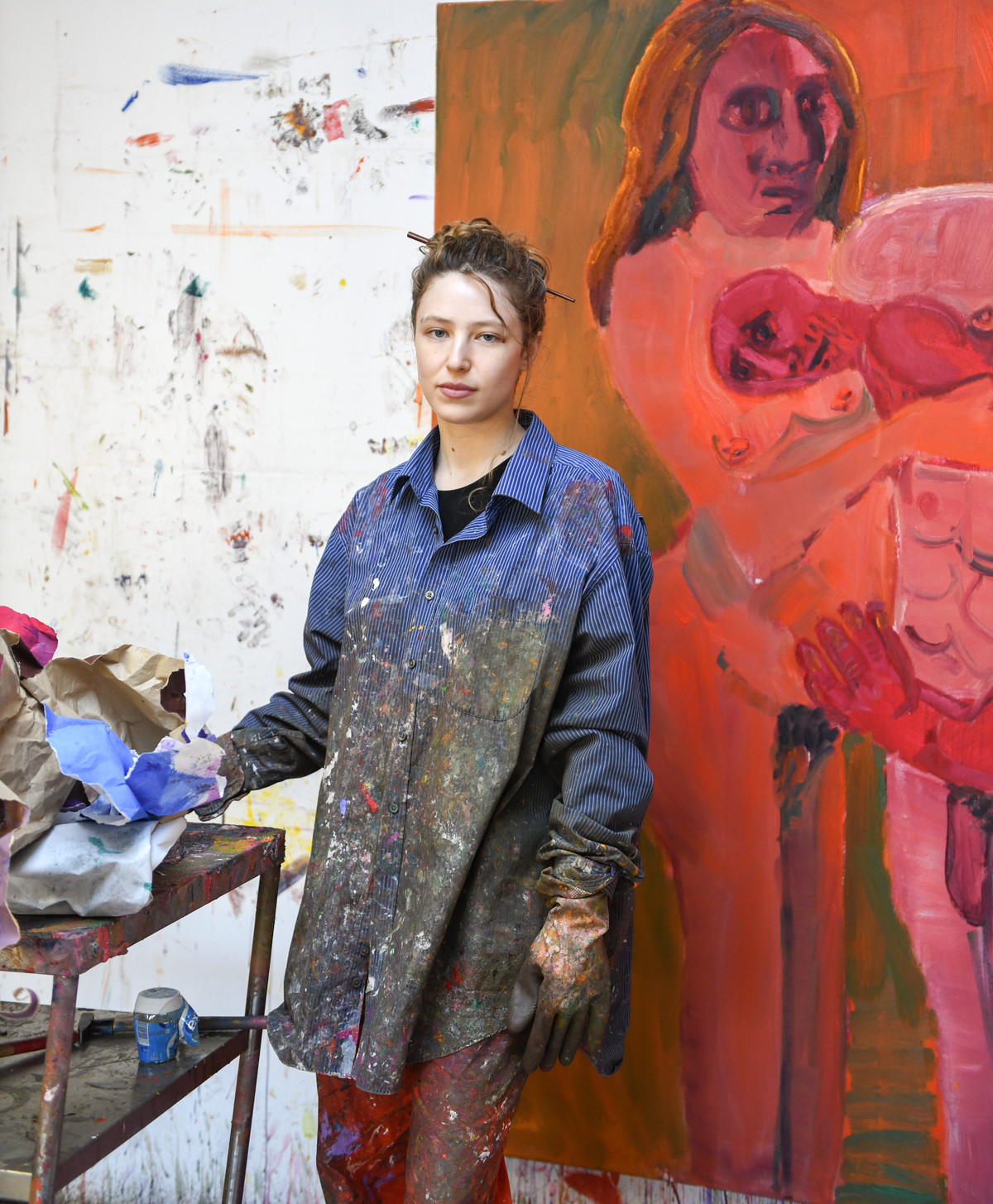
My current studio is really ideal, it has great light (skylight from the ceiling!) and a complete chaos with ponds of colors all over. I myself get extremely dirty while painting, and I completely embrace this chaos. I love entering the studio as if stepping into another dimension, a space without boundaries, no manners, where mess is allowed, it is the right habitat for my brain to create. I love switching into my dirty working clothes, they throw me into the painting mood, as if I am becoming this rag, I always feel a bit disgusting while working… But I like it, I feel like the servant of the paintings, and how my own appearance doesn’t matter, the canvases are the main character in the room. I guess the dirty aspect makes me feel dedicated to my participation. The feeling of privacy is very important to me, the freedom to exist unobserved, playing whatever music and thinking out loud to myself. I like all these long weird hours alone, with my thoughts and feelings filling up the entire space, reflecting through the canvases and doodles all around.
Where do you get inspiration for your next piece of work?
The images in my paintings are derived from my drawings. These drawings often emerge spontaneously, appearing on the paper as I work, each one fueling the next idea. When translating these images into paintings, I frequently turn to other painters and artworks for reference. Visiting galleries and museums is an extremely effective source of inspiration for me. I make big traveling efforts for specific exhibitions. Sometimes, my engagement with other art is deliberate: I study a particular painter’s color palette or even copy a composition. Yet since much of my painting approach is spontaneous, encountering art becomes a way to refresh and stimulate the mind, which can redirect my painting instincts. Painting in an impulsive manner is like releasing an animal. Before it is let loose, it should be carefully trained.
I love looking at modern art, particularly German Expressionism. I love all the grotesque, twisted paintings from artists such as George Grosz, Otto Dix and Ernst Ludwig Kirchner. This influence was one of the motivations for my move to Germany, I wanted to create in a place with such rich painterly roots. I am also very influenced by contemporary figurative painters such as Philip Guston, Dana Schutz, Nicole Eisenman, Ambera Wellman, Miriam Cahn, Sisely Brown and Francis Bacon. For color reference, I often look at Bob Thompson, Tal R, Mathew Wong, Hokusai and R.B. Kitaj. Abstract is also a source of inspiration, artists such as Charline von Heyl and Amy Sillman always fascinate me. Occasionally, I return to old master paintings, discovering there new ideas and references that resonate with my practice.
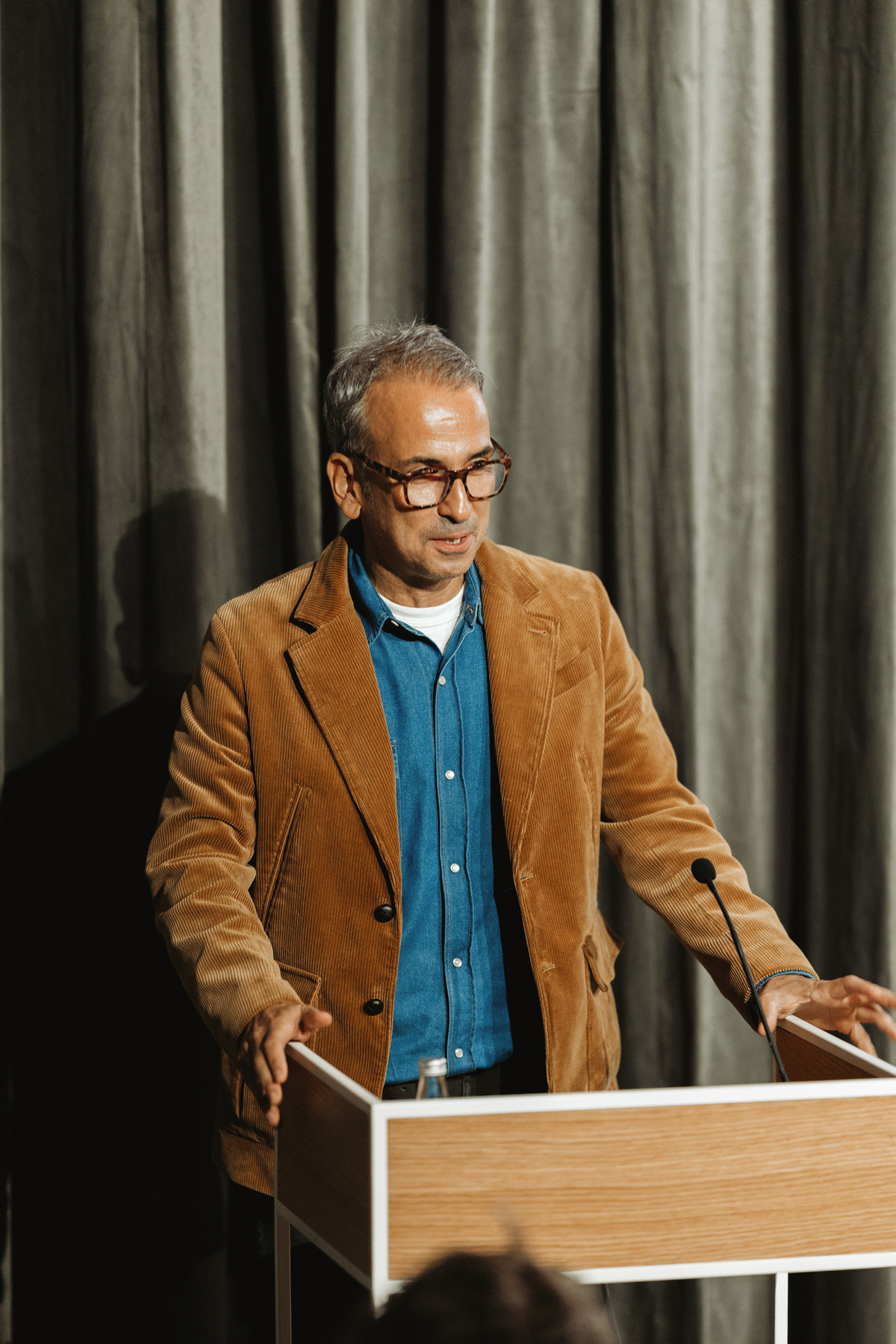
In the opening panel, Jeff Koons discussed the importance of putting care into your work and trusting that with that, the aesthetic will follow. He also explored the importance of artists following their intuition and creating works that feel ancient and biological. Speaking to his time consuming artworks that are taking residence on the moon, Koons states that he doesn't actually like to spend too long on a project, insisting that artworks should give off more energy than what is put into them. Unsurprisingly, the everpresent topic throughout the days in Istanbul was the use of AI. Koons suggested that the advancing technology can be a tool for community and creativity, reminding us that it can’t replicate human emotions such as fearing death or experiencing joy.


Stefan Sagmeister, in discussion with Cultured editor-at-large Julia Halperin, made the case for optimism in the digital age, describing new technologies as instruments for progress. Stating that “optimism makes rational sense,” Sagmeister expressed confidence that more will use AI for good than bad. However, he also explained that he looks to break modernity in art by making it clear things were made by humans by implementing elements such as handwriting. Stefan went on to discuss the importance of keeping time sacred, mentioning that in addition to taking breaks from commercial work he also takes a twelve month sabbatical every seven years.
Lou Doillon reflected on the performative aspects of social media, “I think we’re the first generation to censor ourselves as we’re creating. That used to be external, but now, I often think ‘am I allowed?’ as I’m writing or drawing.” She also questioned the blurred lines of what’s considered intimate when it comes to the “weird tool” that is Instagram.


Photography duo Inez and Vinoodh, in conversation with Timothée Verrecchia, looked back on over 40 years of producing manipulated images across various moments, media, and technologies, with Inez van Lamsweerde maintaining that “There is no reality; we are creating everything.” The conversation also explored the idea that selling art, or any product, requires the manipulation of reality. One example being that fashion photography, through staged truths of hair, makeup, styling and lighting, tells the story that glamour is the road to happiness.
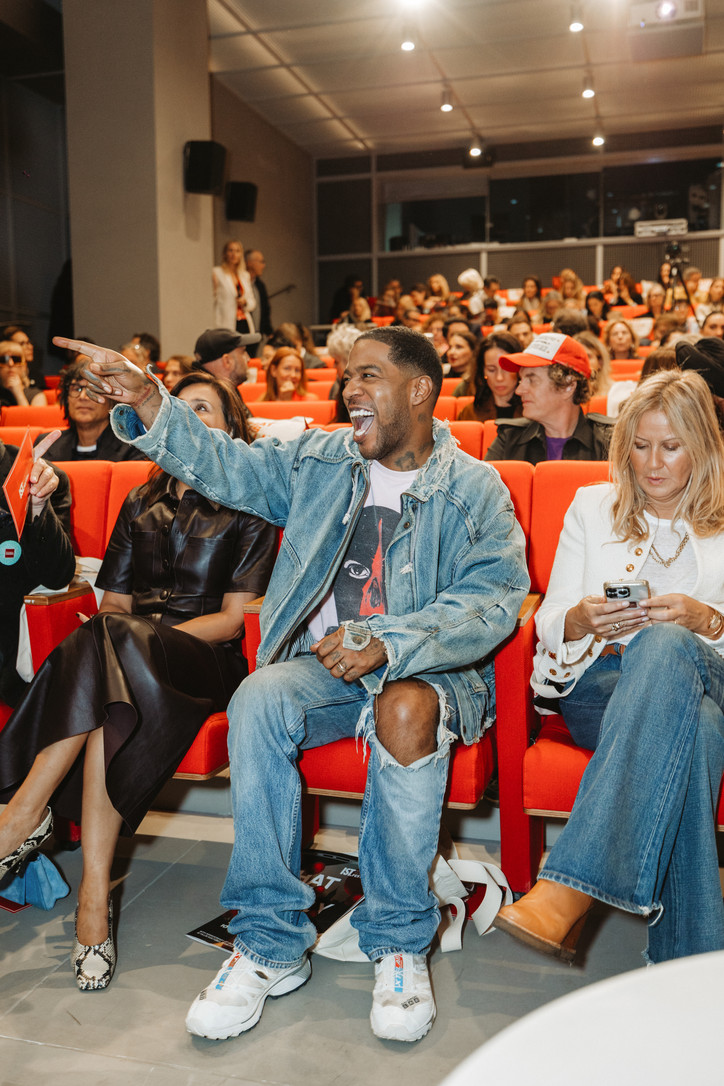
Kid Cudi, in conversation with Alphan Eşeli, explored several themes from his new book including addiction, mental health, and his ever-expanding artistic interests. Gaye Su Akyol expressed that consistent fantasy is reality and mentioned how she blurred those lines by creating lucid dreams. In the same discussion, José Parlá spoke of how his time in a coma, during which AI technology monitored his health, shifted his perception of reality when he awoke.
On the final day of panels, Ekin Bernay explored how art, through practices such as dance therapy, can heal people while Malgosia Bela showed her short film which questioned the inspiration versus annoyance of being a modern muse between film and sound.

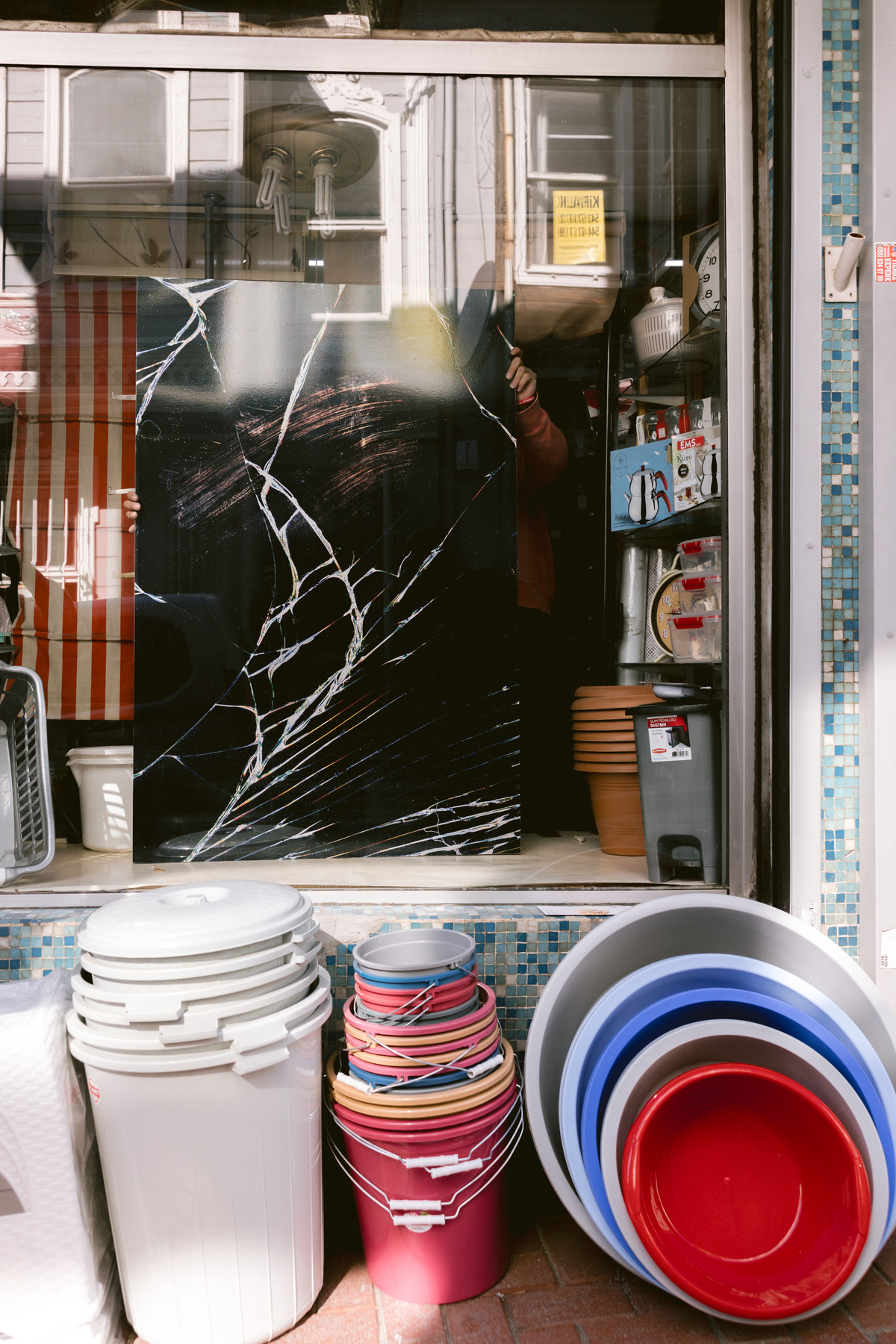
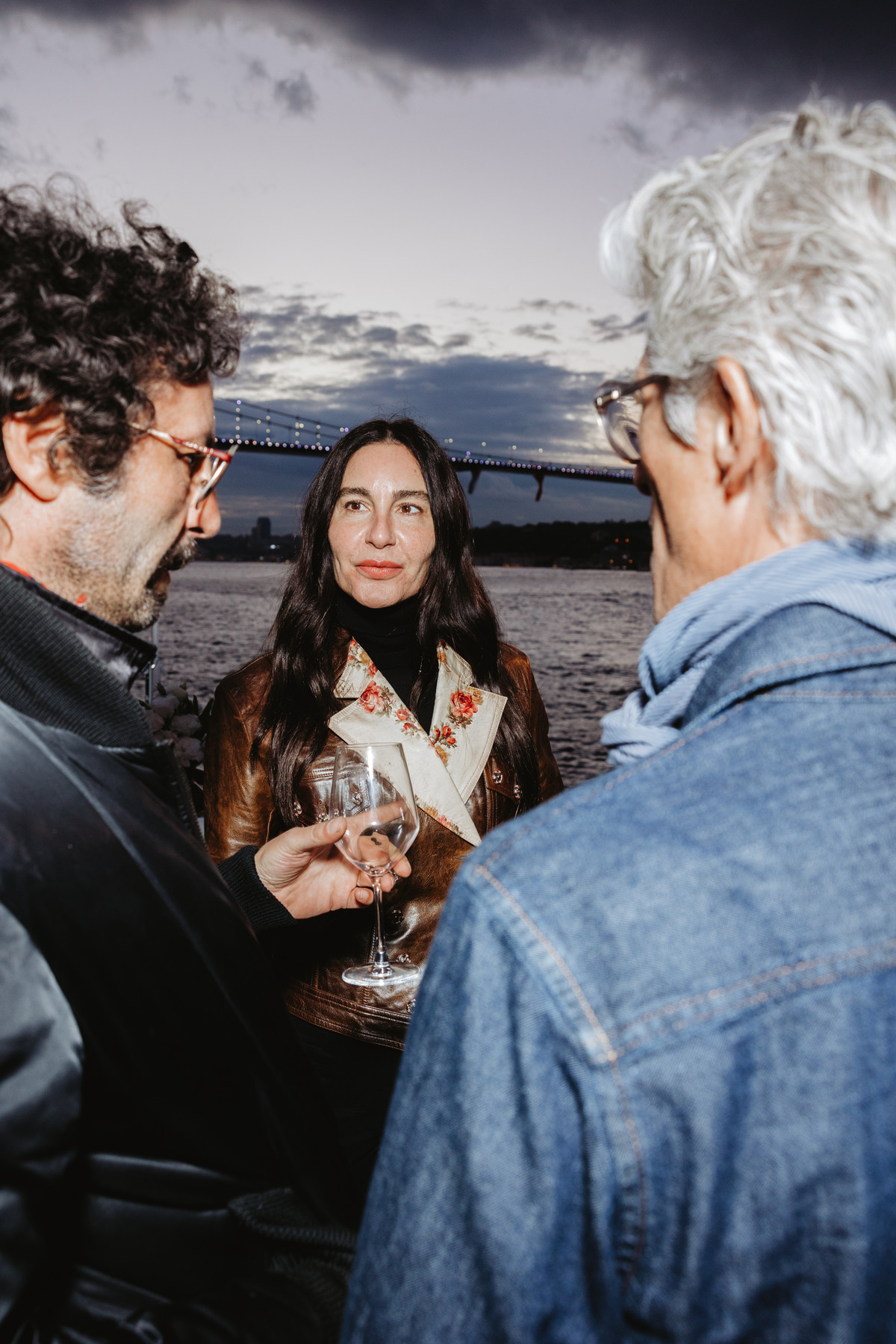
Outside the panel discussions, the city itself became an extension of the festival through NEARNESS: A Neighborhood Exhibition, curated by Demet Müftüoğlu Eşeli. Located in the district of Arnavutköy, the exhibition brought art out into the neighborhood, embedding it within everyday spaces as artists were invited to turn local streets and storefronts into part of the experience.
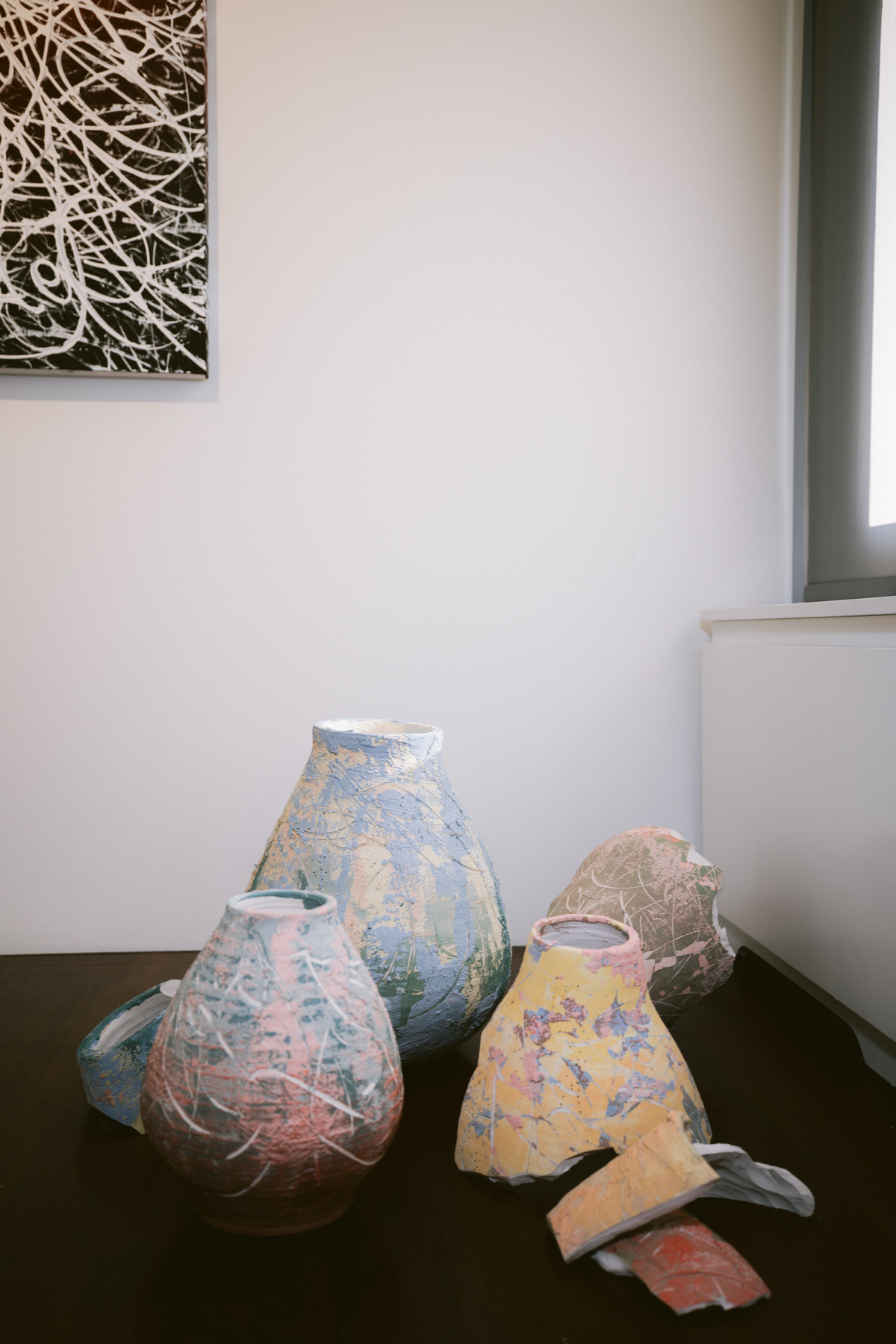
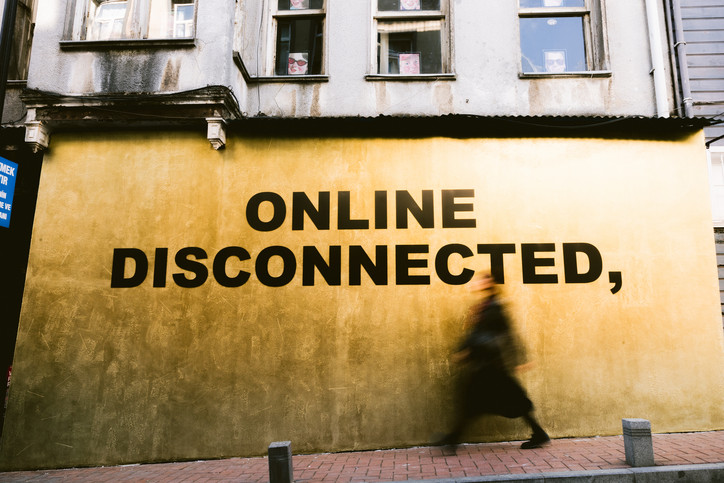
Highlights from the exhibition included José Parlá’s ceramic works exploring cultural memory and urban identity, Stefan Brüggemann’s text piece “ONLINE, DISCONNECTED” displayed against a gold facade, Laurent Grasso’s neon “Panoptes” eyes watching over the ISTANBUL’74 building, Sheree Hovsepian’s projected video The Difference Between the Signals, and Ben Frost’s site-specific sound installation exploring perception and reality.


Works by Turkish artists including Mehmet Ali Uysal, Burhan Doğançay, Ertuğrul Güngör, Faruk Ertekin, Osman Dinç, Gülay Semercioğlu, Kemal Seyhan, and Lal Batman appeared alongside international artists, scattered across local cafés, shops, and public spaces, fusing art with the rhythm of daily life. As the city of Istanbul continues to shift and expand, the festival remains a point of connection between disciplines and people and between what is real and what isn’t.