PRESENTE CONTINUO: the intimate ties between then&now

Starting May 30, PRESENTE CONTINUO will be available to purchase on presentecontinuo.com, cpcompany.com, and at the C.P. Company flagship store in Milan, Corso Matteotti 7.
Stay informed on our latest news!

Starting May 30, PRESENTE CONTINUO will be available to purchase on presentecontinuo.com, cpcompany.com, and at the C.P. Company flagship store in Milan, Corso Matteotti 7.

Tell me about your work.
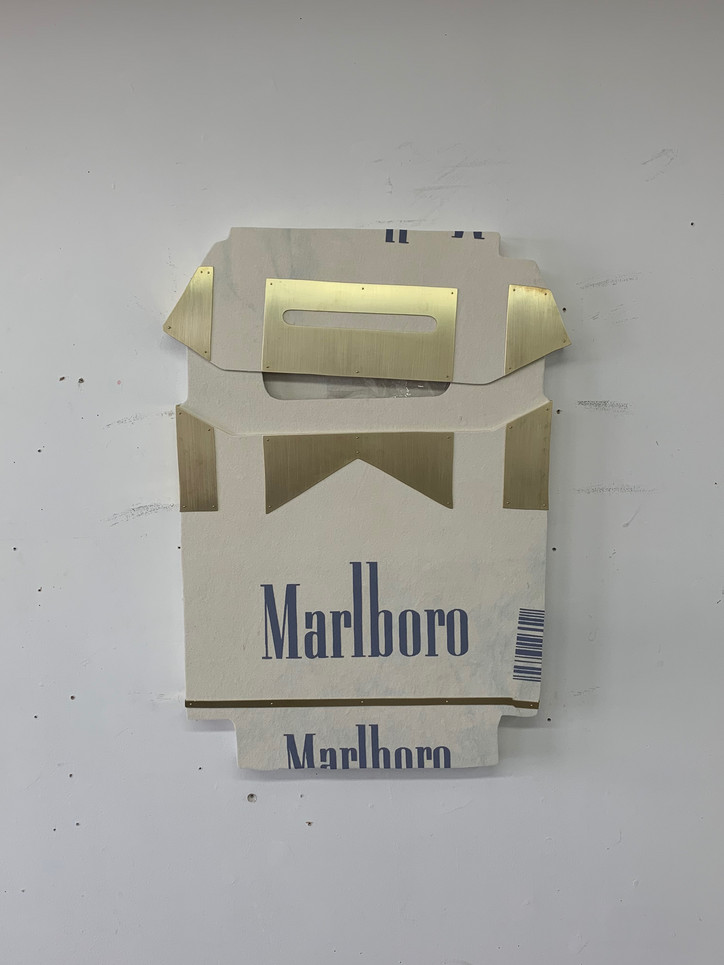
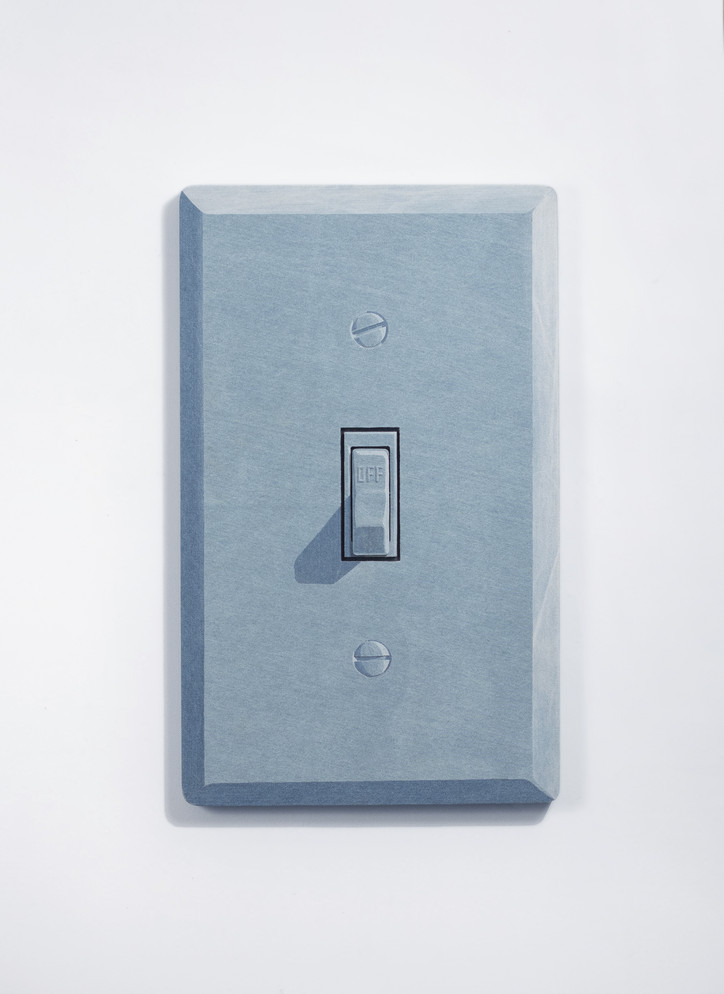
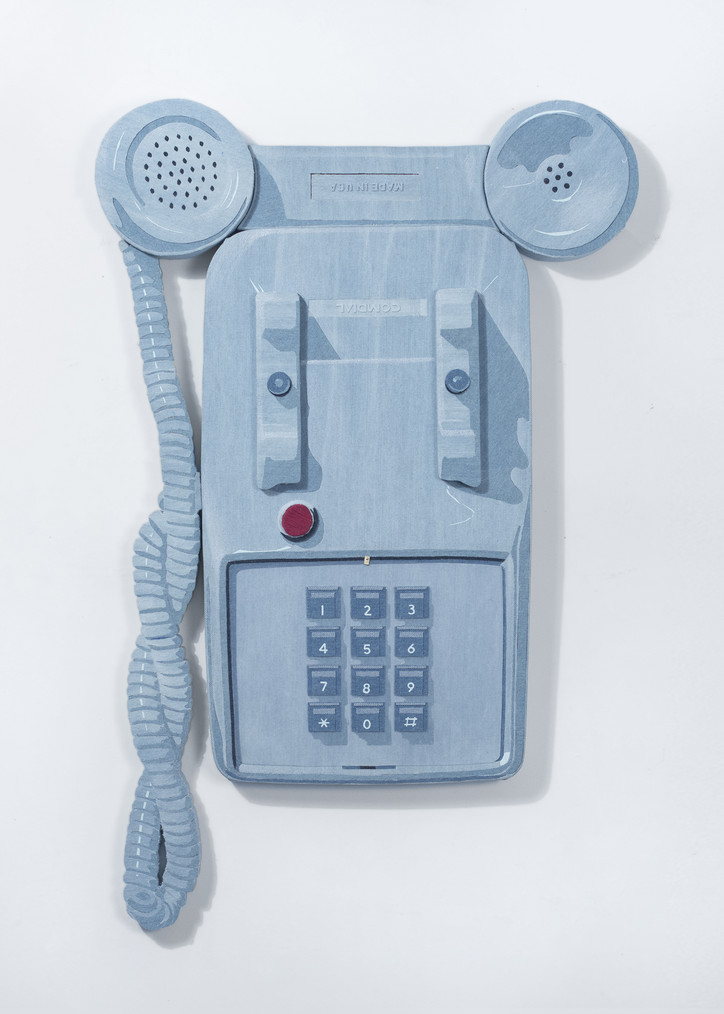
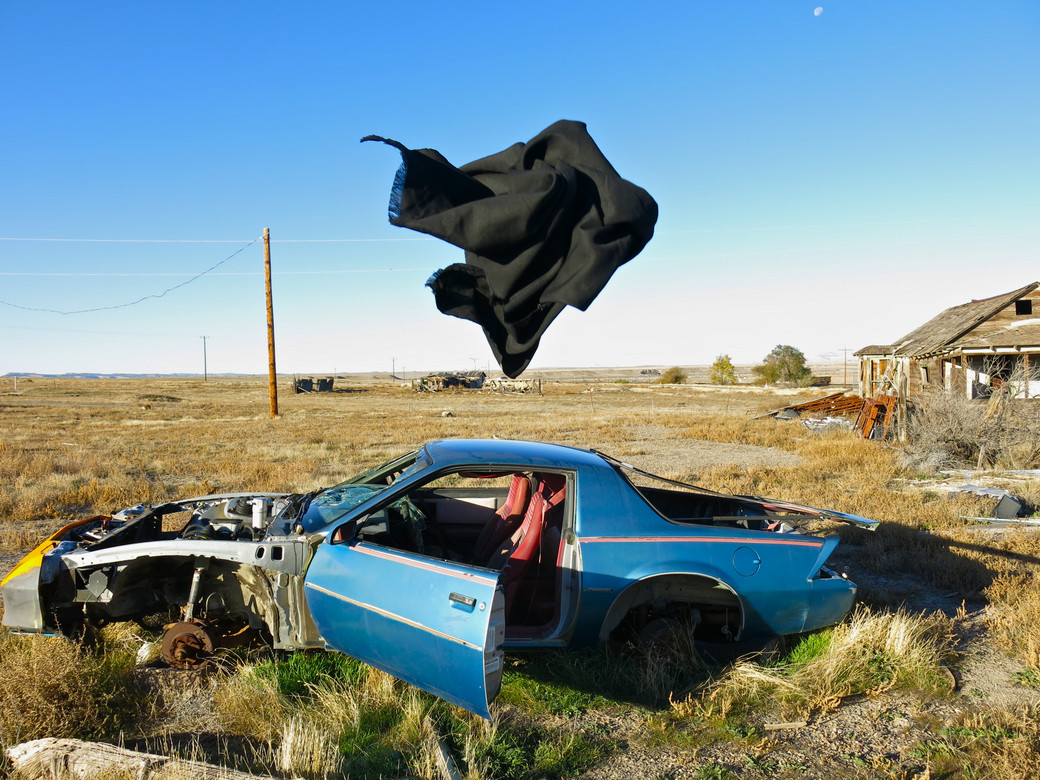
This show in particular is an extension of the last show I did, which was called ‘The Great Escape,’ which was centered around an American road trip, and essentially masculine loneliness and the ideal of the American male, which is a stoic, lone individual on their own private journey which is antithetical to community building and human relationships. The American masculine ideal is a lone man who has no one—but is maybe very successful. This ideal is really self-destructive. I was thinking about America and what freedom is, and for me the only choice we really have is whether to live or die. But I was thinking of contemporary life as a kind of drudgery, but also relating it to photography a little bit in the sense of a snapshot of American culture and some of the darkness that is attached to America. They’re sculptures, but I think about photography a lot. I was also thinking about the American west and how it’s lived in image culture. I’ve been using a lot of the denim as a material metaphor for a complex America, something that’s not clearly defined. The history of denim, we have so many different attachments to it because of its relationship to slavery, but then it’s also this symbol of opportunity. What jeans actually come out of—I think Levi’s was the one that added a rivet to the blue jean because the gold miners needed something that wouldn’t tear away.
What is a rivet?
On your blue jeans on the pockets they have those little metal bumps—those are rivets.
I always wondered about those.
Those are there because when you use your pockets a ton, they’ll just rip. So they added those rivets to give the pockets a lot of strength so that the gold miners could have something that was actually functional. So they became this American workwear symbol, so they came to symbolize the working class but simultaneously in the 60s they became this revolutionary type of situation and a fashion icon. So they have this layered history that we walk around with of this really complex picture of America. It’s not neatly wrapped up—there are really great things about America but also really dark things about America that are super fucked up, and I think that dissonance is really key way of what it means to be an American. Obviously we’re all suffering from the complications of a nuanced conversation politically. To me, metaphorically, how I think about America and how I feel, denim kind of plays into the complications, but also visually with the mood—it has this somber, again back to photography, it’s like how you take a photo and make it black and white and it suddenly has this sort of nostalgic feel. So rendering things in this blue cast gives it this contemplative sort of sadness.
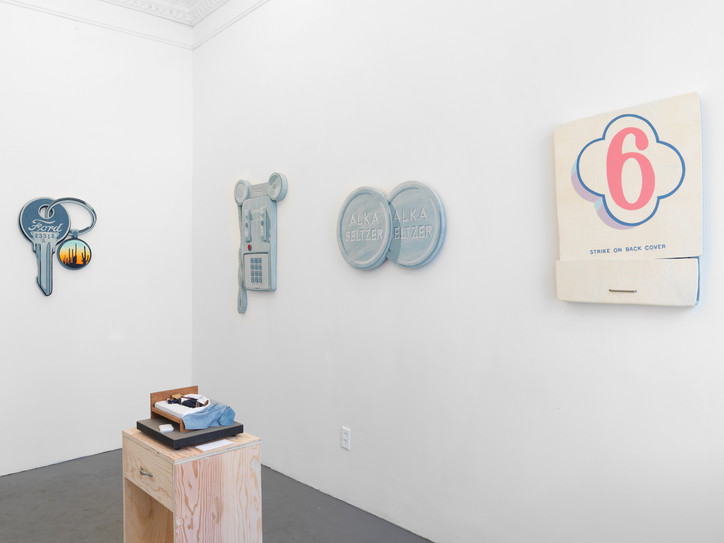
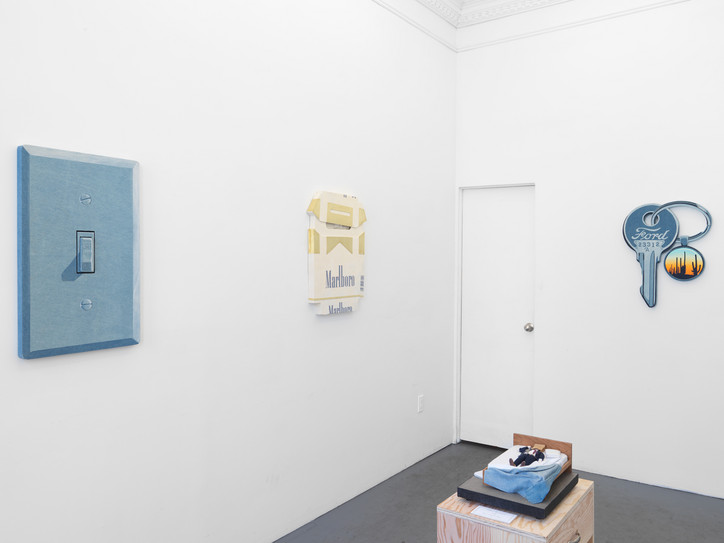
The current show is called ‘No Vacancy’, and I imagined it as a character in a motel room on the road, I was thinking about that feeling of being alone—I can maybe imagine being completely hungover and alone in the motel room and trying to imagine how your life got to a certain place, and you can’t really put it together but you feel the pain of it.


Above: 'Hello darkness my old friend' and 'Do not disturb'
They’re essentially still lifes of objects that are really kind of unremarkable. Once you put that little story together, it reminds me of Mad Men. It’s like Don Draper realness.
Totally. That show, however successful or unsuccessful it was, it really isolated a feeling.
Of that perpetually traveling man.
It’s an ideal of never setting down roots. Which is essentially really strange, and antithetical to life in a lot of ways.
I think about that a lot too, because it seems like the pattern of American life is a lot different than pretty much everywhere else on Earth: you leave the nest, you leave your family, and you never go back, you go carve out your own life. Whereas in other countries the family unit sticks together throughout their lives, they’ll have three or four generations living in a single household sometimes, but in the United States it’s all about carving your own independent path. I call it the cult of the individual.
I think about the beginnings of the country, too—we defined ourselves by burning the bridge that got us here. My dad always had this stupid fridge magnet that says, ‘Doesn’t play well with others,’ and I think about that phrase, ‘Guided by the light of the bridges I’ve burned.’


Above: Install views.
That’s a great one, I’ve never heard that. My dad’s phrase was ‘That which does not kill me makes me stronger,’ and my mom’s was ‘Normal people worry me.
That’s so funny.
Do you feel personally connected to this, have you carved out this sort of path in your life?
I think for a long time I was very unconsciously following these masculine ideals, and it literally fucked my life up. It was crazy, I had a total crash and I was like, ‘What the fuck? I’m doing all the things that it seems like the world wants me to do.’ It’s a weird thing, there’s a social role you’re born into with expectations placed upon it, who you are or whatever kind of thing people are trying to organize you into. I think there are advantages to playing to that and also severe disadvantages—the road to being a bad person is really paved, it seems like open arms that are saying, ‘Come to the dark side.’ It takes a lot of strength to learn kindness and to be compassionate to other people.
I was listening to a TED Talk about the researcher who was studying either the gorilla or the orangutan, but he popularized the idea of the alpha male—it got completely misconstrued. His original argument was that the alpha male did a lot of emotional labor in the community, literally things like kissing babies, consoling others, and doing all this work that was an example of a compassionate male. There are so many examples of people in power who seem to think being cold is being strong, which is actually damaging in terms of setting an example, but also counter to what a social hierarchy needs in order to be sustainable at all.
My girlfriend and I always joke about men behaving badly and we say, ‘Just another man dealing with his feelings.’ We joke that everybody suffers at the hands of a white man dealing with their feelings poorly. We have this collective suffering of this totally unjust situation.
It’s an interesting look at masculinity. I think masculinity is really in question right now, because what does it really even mean to be masculine? Or feminine for that matter? I love the silence of these objects, they seem almost like this stiff upper lip.
But the eyes don’t lie. You see someone who’s clearly in pain or suffering and they’re like, ‘I’m fine,’ but you know they’re definitely not fine.
'No Vacancy' is on view at 56 Henry, presented by Reyes Finn as part of Condo New York through July 26th, 2019. All images courtesy Reyes Finn. Lead image: 'Burnout'.
The exhibit was co-organized and is showing in conjunction with the Cube design museum in Kerkrade, Netherlands. Featuring over 60 works from 62 collaborations of artists, researchers, scientists, and designers from around the world, the product is just as sharp as it is thorough.
“Looking at nature … I think there’s a real desire on part of all of those different parties to collaborate, to think about solutions for how we’re repairing our planet [and] how we’re creating design that has an opportunity to do meaningful change in the world,” said Caitlin Condell, one of the exhibition’s curators and head of Drawings, Prints & Graphic Design at Cooper Hewitt.


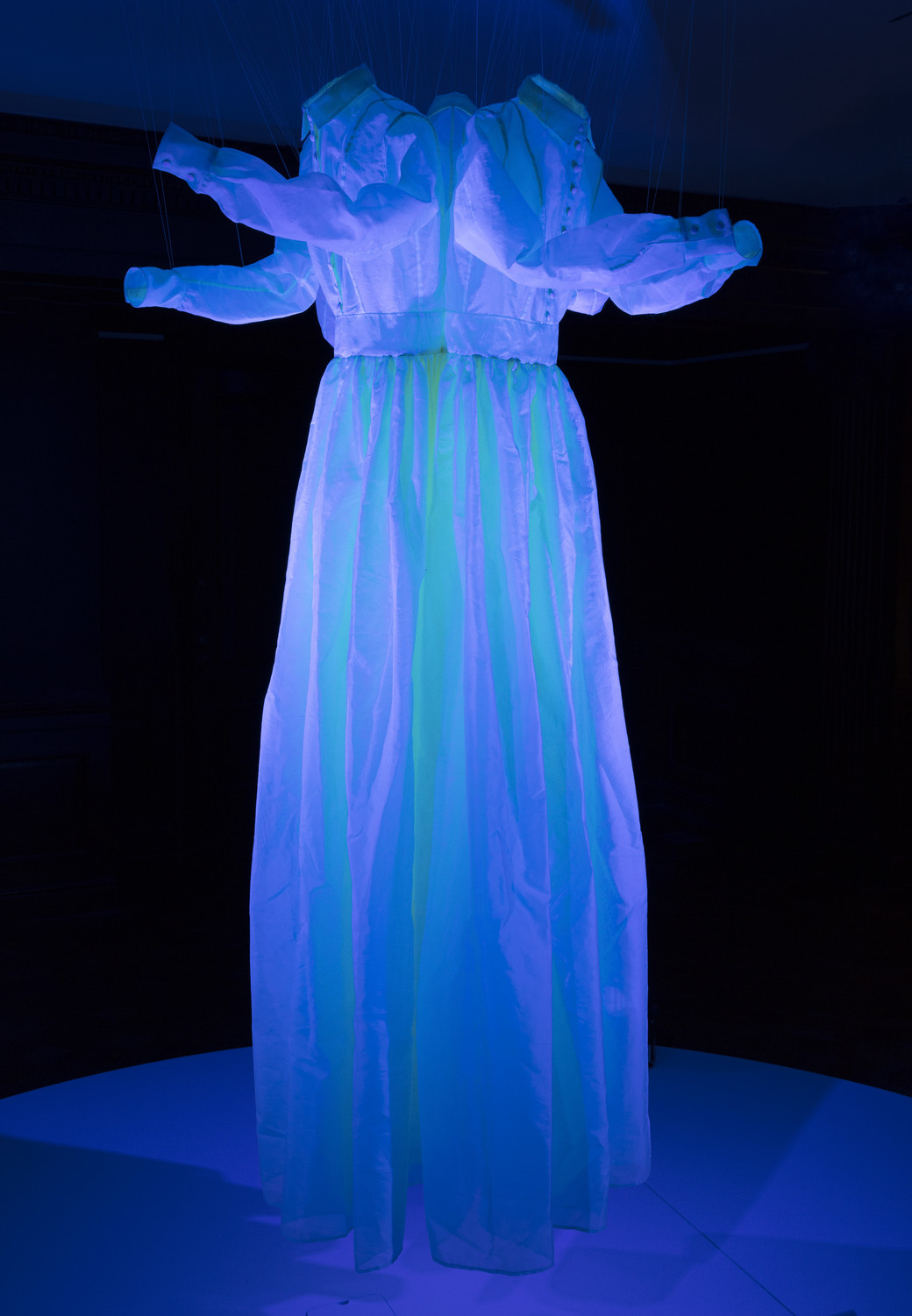
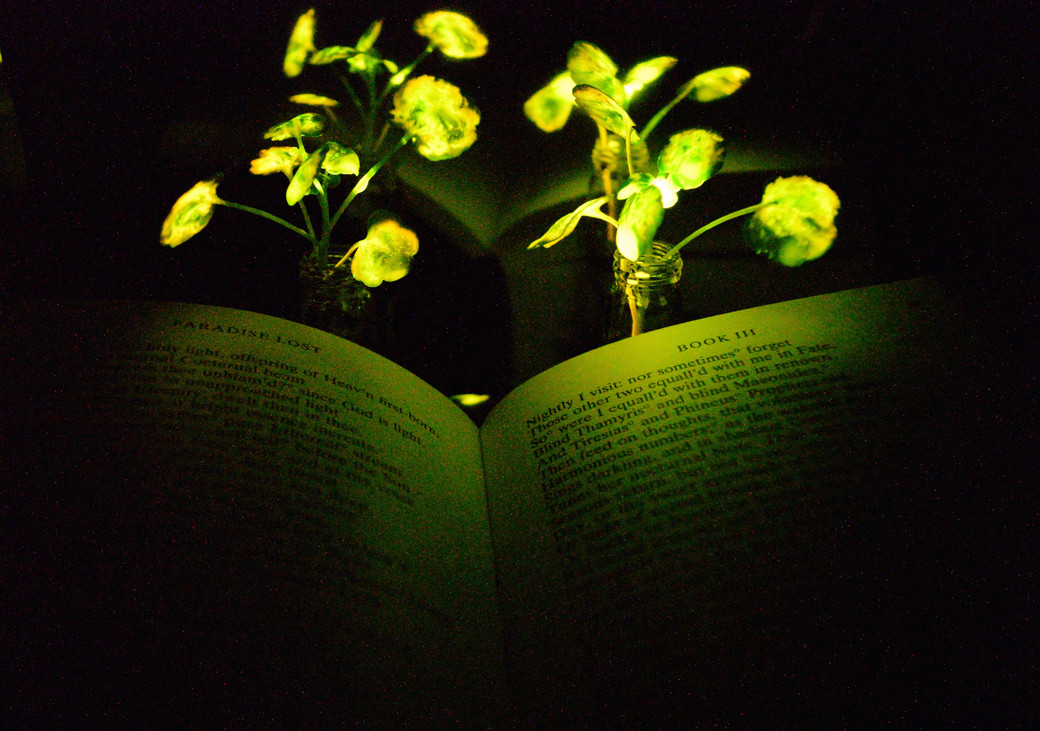
Above: Tranceflora, 2015–19; Sputniko! (Hiromi Ozaki) (Japanese, b. 1985) and Masaya Kushino (Japanese, b. 1982), Another Farm (Tokyo, Japan), in collaboration with National Agricultural and Research Organization (NARO) (Tsukuba, Ibaraki Prefecture, Japan, founded 2006) and Hosoo (Kyoto, Japan, founded 1688); Glowing transgenic silk; Photo by So Morimoto; and Installation photo by Matt Flynn.
This nature exhibit is nothing like what you would find in a biology textbook or on a grade school field trip. Many of the works highlight the dazzling and awe-inspiring elements of the world around us. One of the most striking works of the exhibition is “Fantasma,” which features glowing dresses made from silk worm cocoons created by AnotherFarm and National Agriculture and Research Organization, both based in Japan. Displayed in a dark room stranding alone, the two dresses float back-to-back in midair like apparitions with an otherworldly glow.
Another standout from the exhibit is “Curiosity Cloud,” an interactive display of over 200 handmade bugs inside of mouth-blown glass bulbs created by Austrian designers Katharina Mischer and Thomas Traxler (mischer’traxler studio.) The piece mimics the experience of being amongst these creatures. As the viewer walks through the hanging glass bulbs, they light up and the insects flutter around, hitting the sides of the glass as if trying to escape. In an interview at the exhibit press preview, Traxler explained that this work speaks to different sides of our effect on nature. “[I]t’s a mixture of conservatory … because they are in this glass, they are on the one hand protected but on the other hand also kind of enclosed.”
'Nature—Cooper Hewitt Design Triennial' is on view through January 20th, 2020. All images courtesy Cooper Hewitt. Lead image: Bleached (II), 2018; Erez Nevi Pana (Israeli, active in Austria, b. 1983); Salt-crystallized loofah over a wooden structure; 77.5 x 55 x 56 cm (30 1/2 x 21 5/8 x 22 1/16 in.); © Friedman Benda and Erez Nevi Pana.

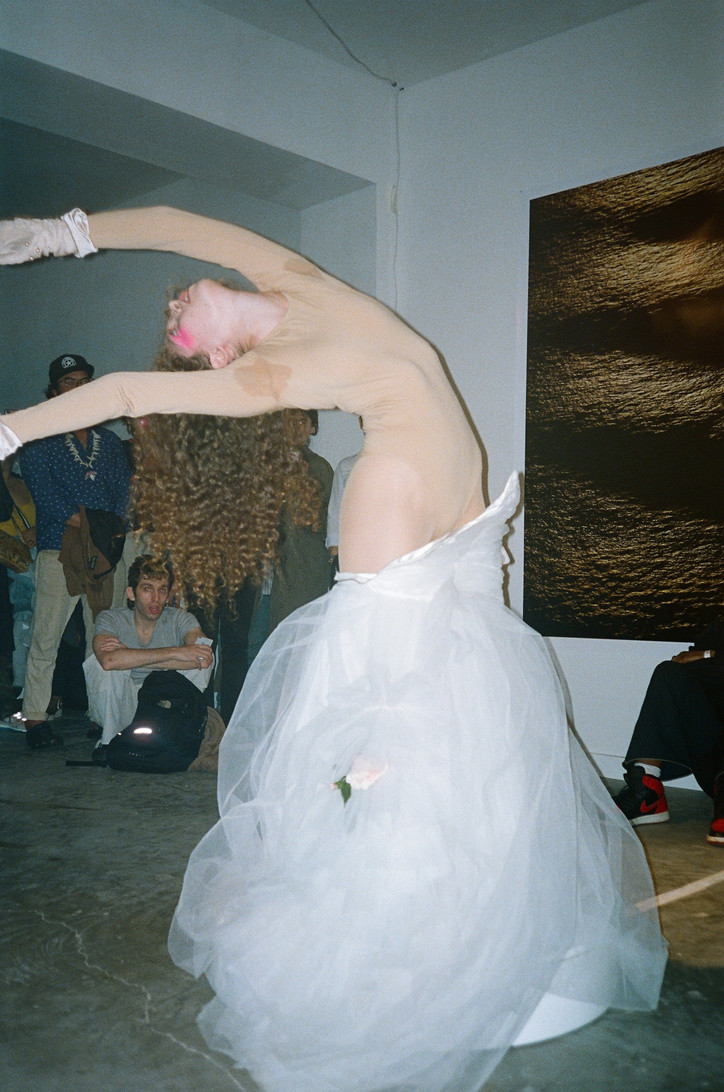
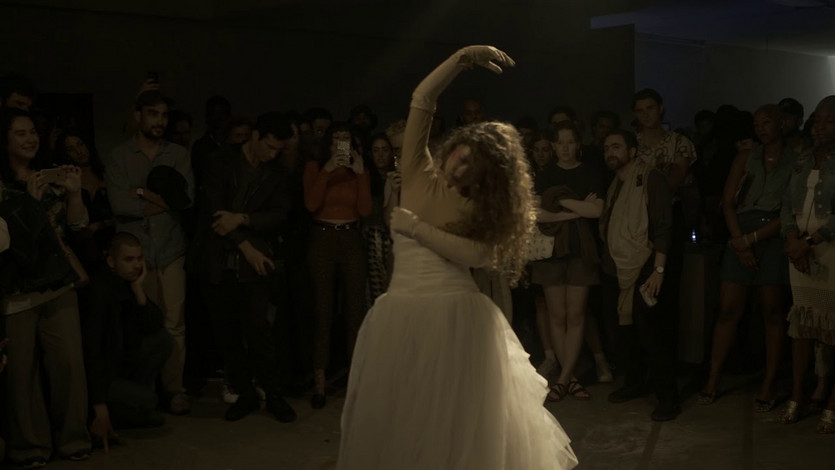
A wind up music box ballerina struggles against the confines of the presumed elegance imposed on her by the fantasy of female delicacy. Her movements, at first robotic and doll-like, evolve into something more fluid and destructive—she strips her pretty white puffy dress (akin to a wedding gown), then futilely attempts to find a way back into it, perhaps a metaphor for womanhood’s perennial struggle with the desire for freedom vs. the desire for loveliness. Are these her colorful collectibles that litter the room around her, or is she merely one of them? The absurd fairytale unfolds.
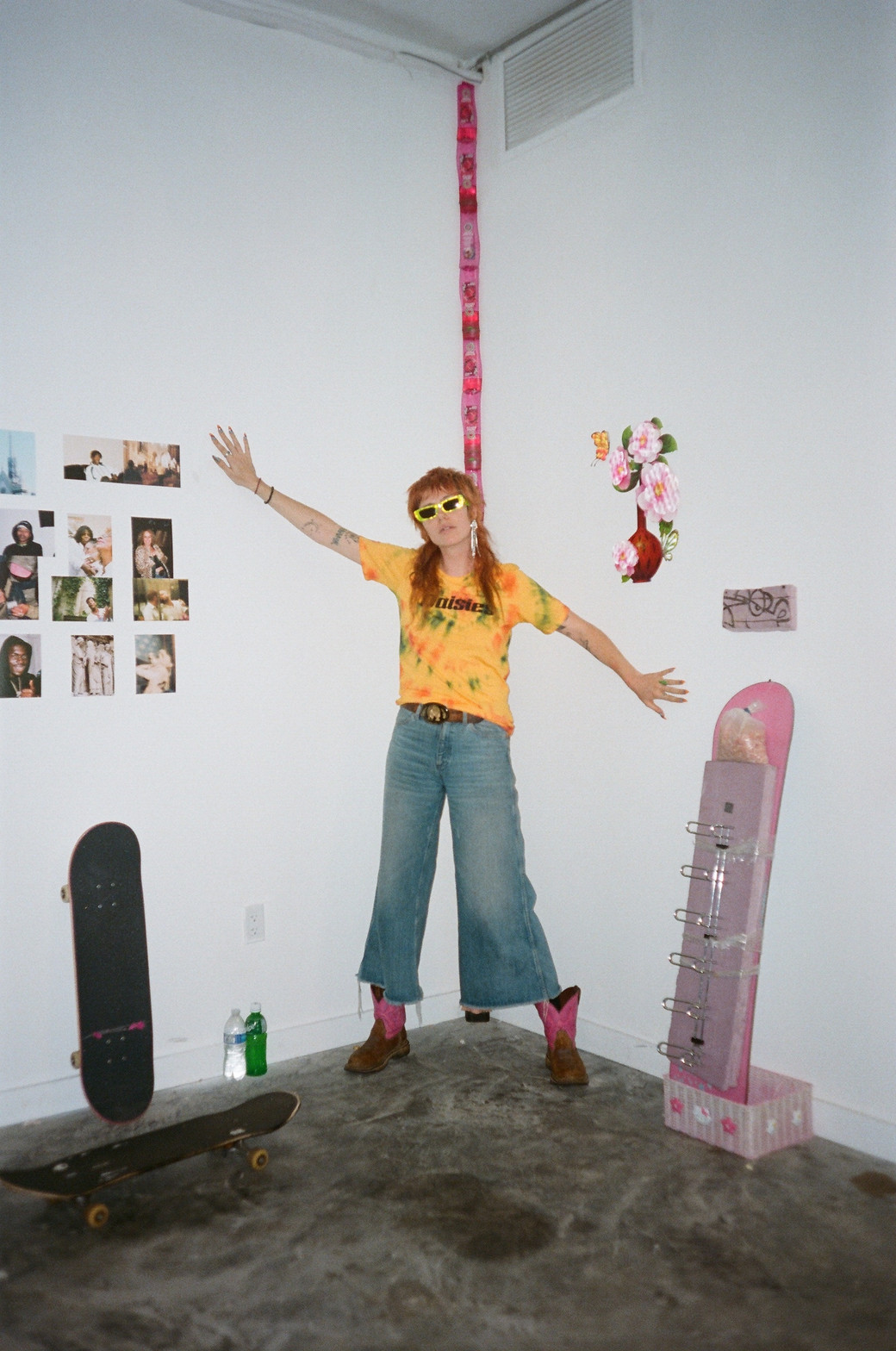
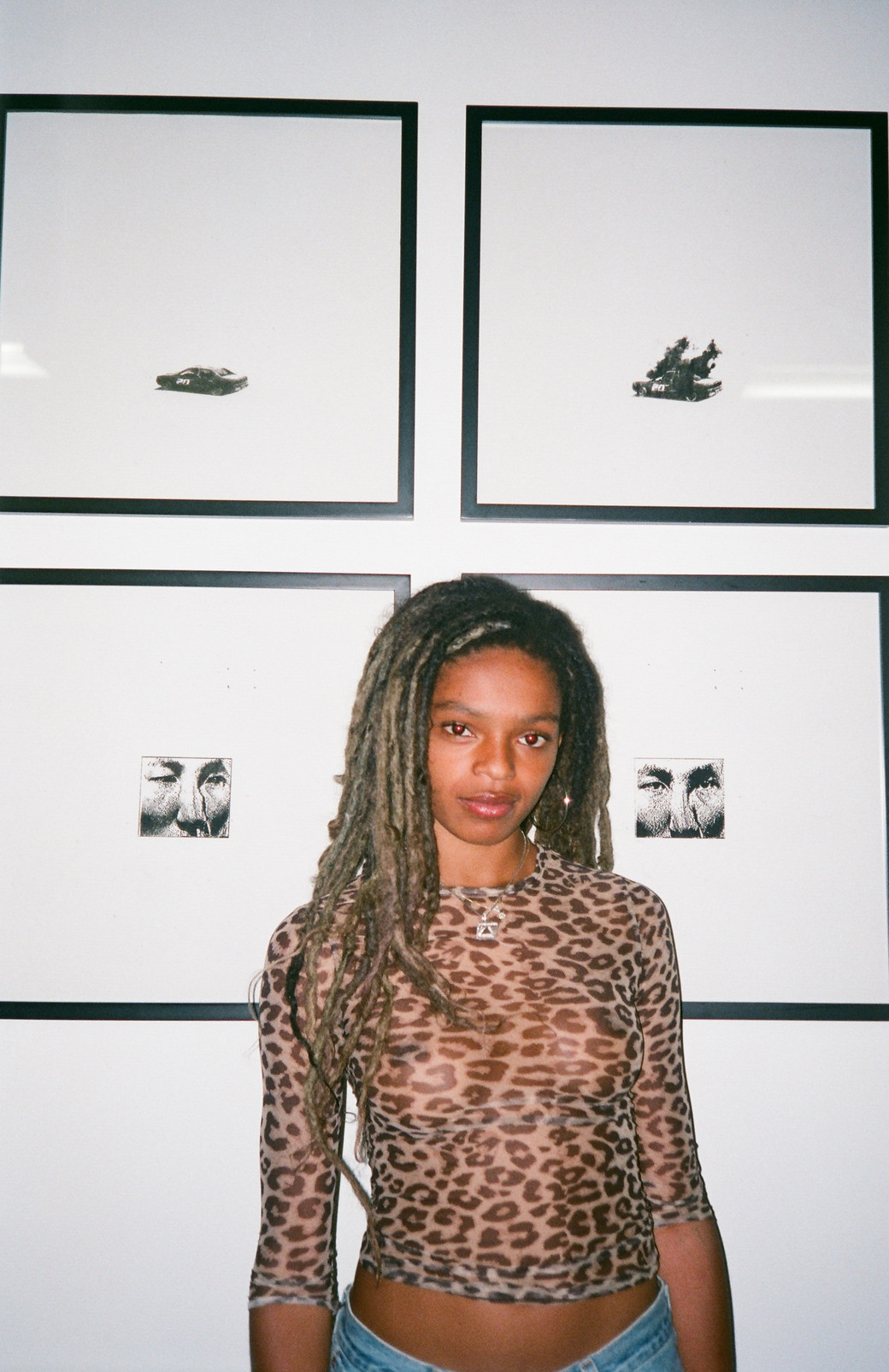
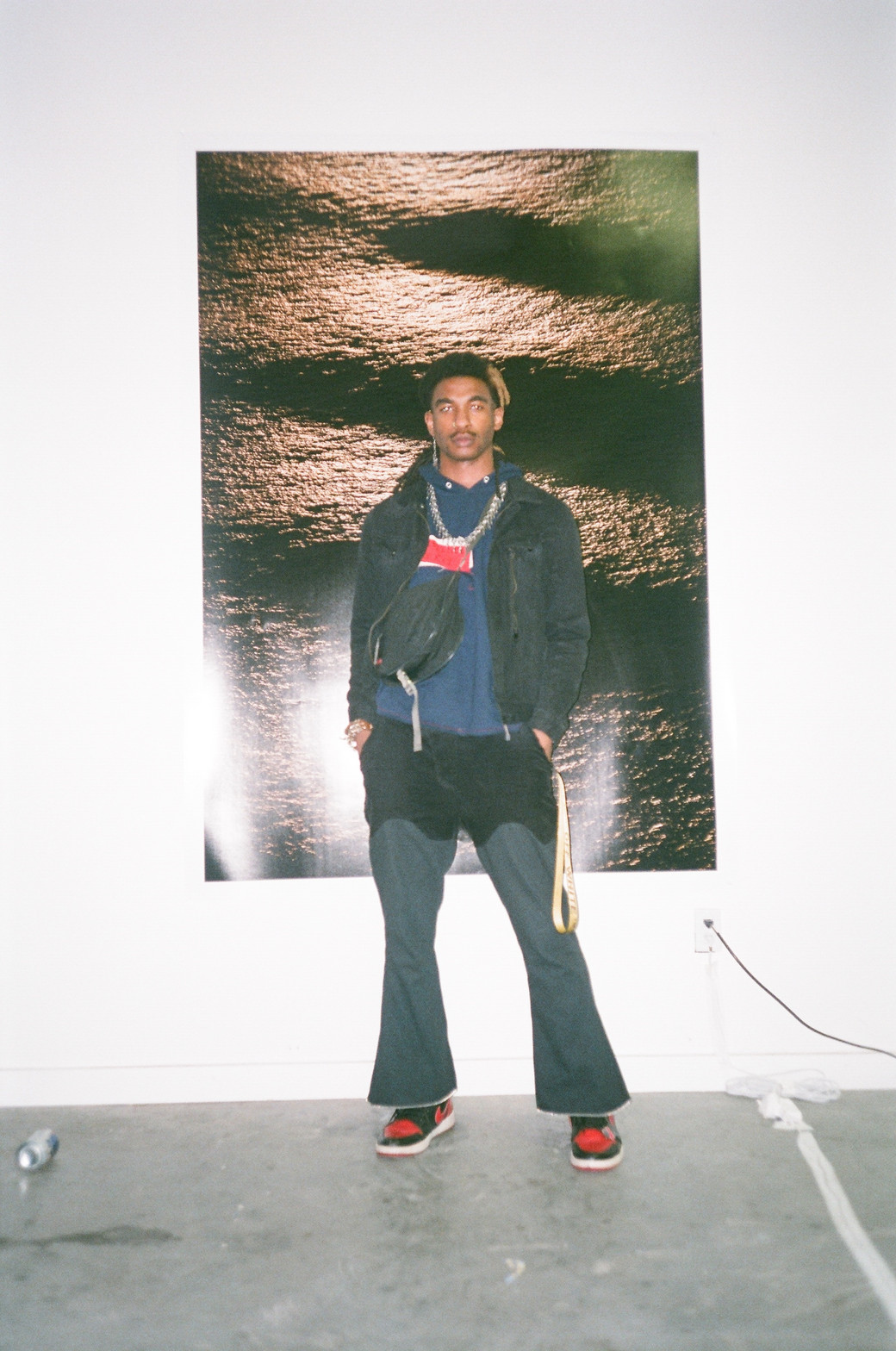
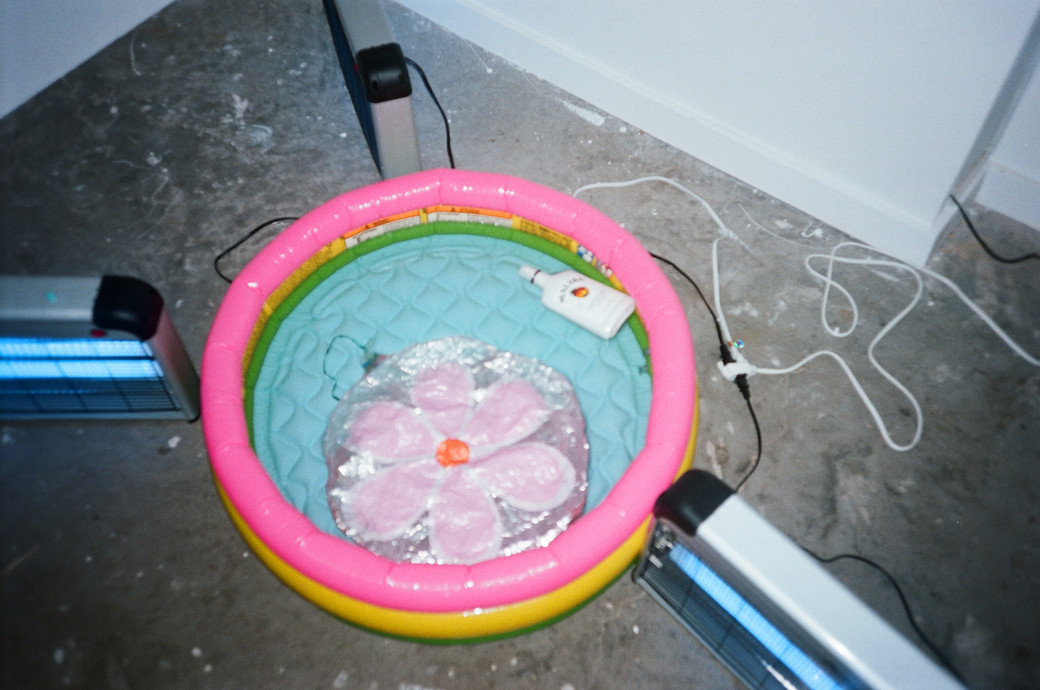
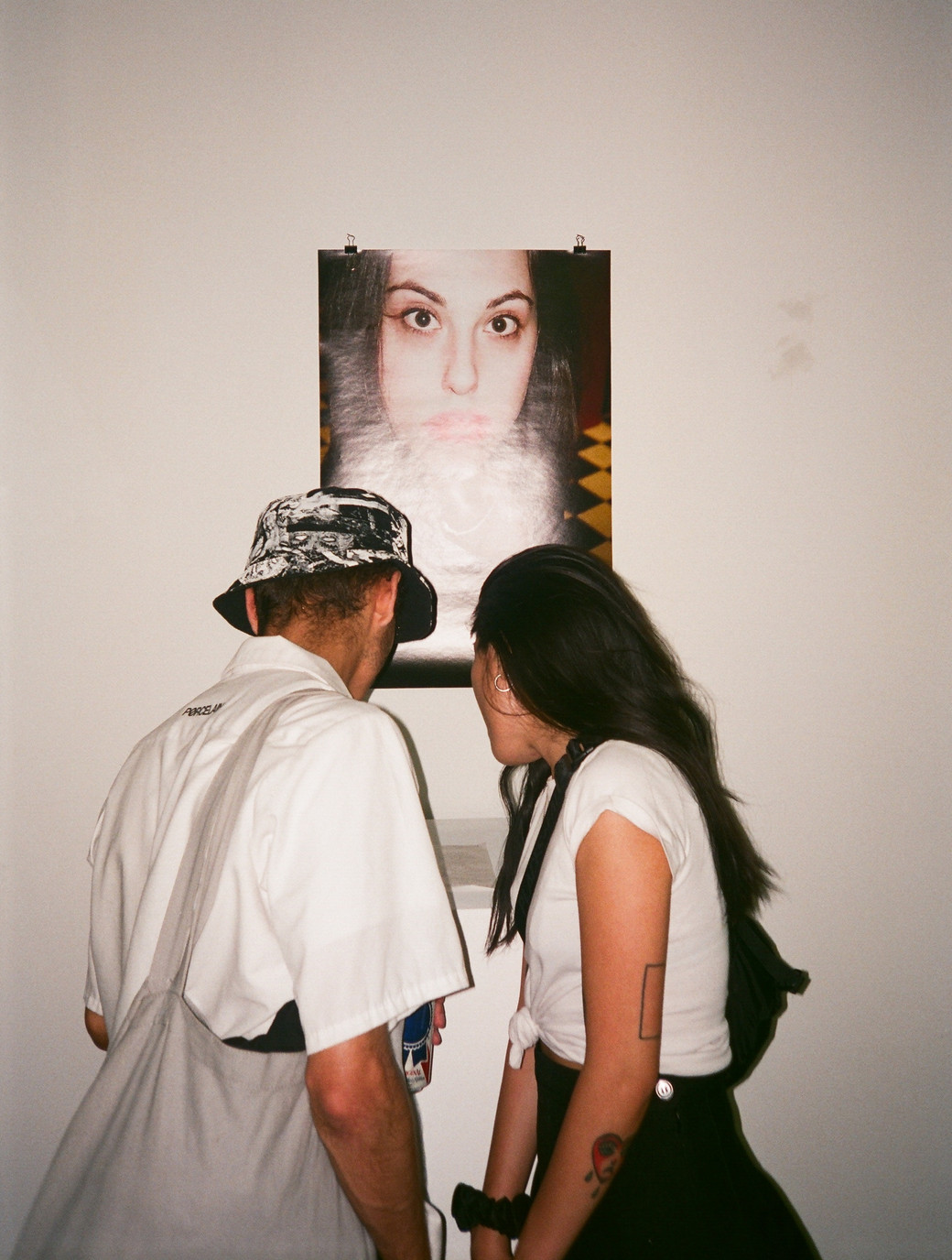
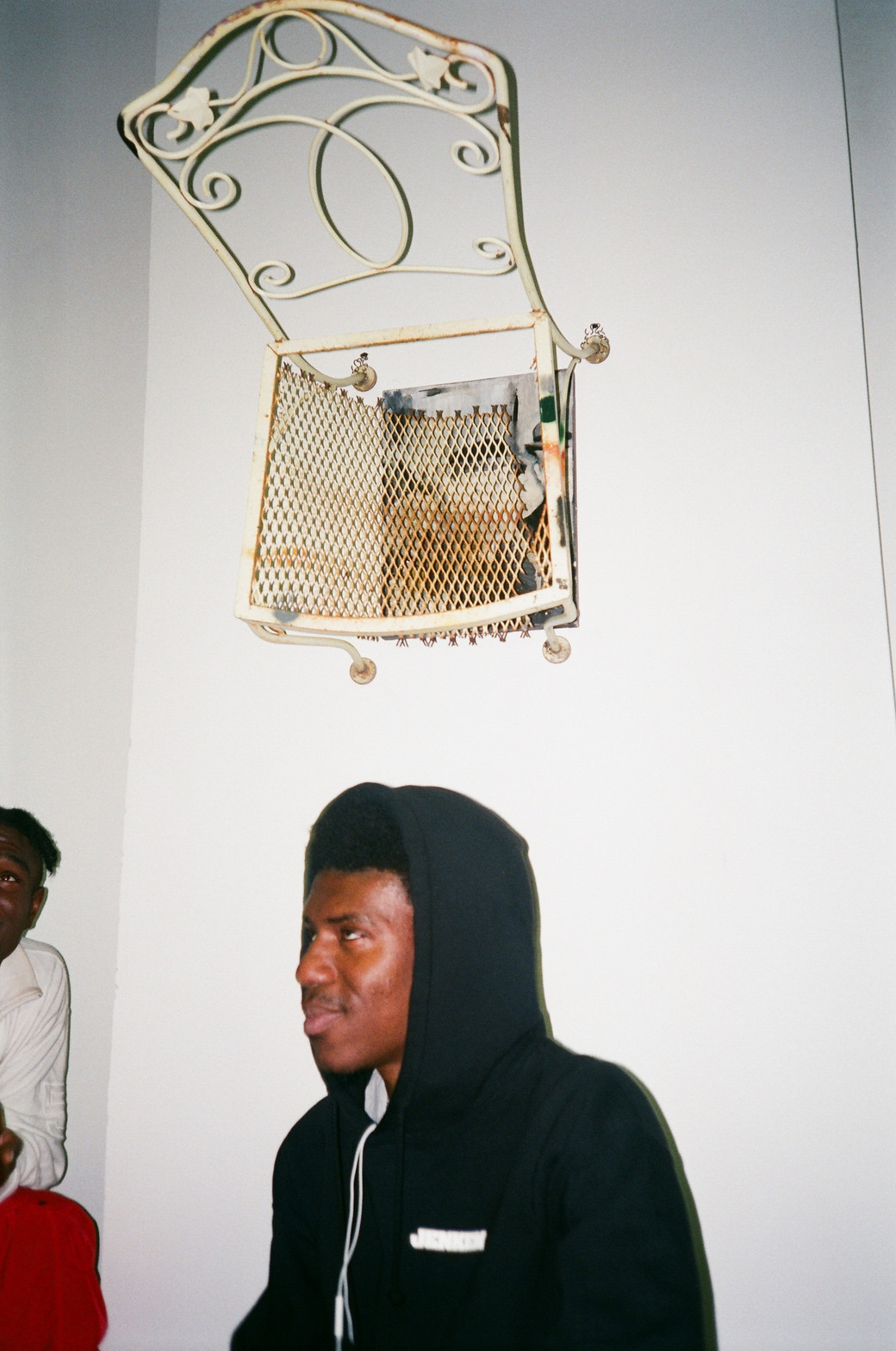
Food for thought for the fashion punks who came to consider these pearly inquiries into the penetrating implications of femininity and its strictures. Check out the scene below.
Artists included in 'Daisies': Carlotta Kohl, Manon Macasaet, Dese Escobar, Milah Libin, Sasha Alcocer, Sam McCurdy, Sofia Leilani, Kelsey Niziolek, Didi Rojas, Chris Kennedy, Sasha Nares, Brynn Wallner, Eri Wakiyama, Noelle Lee, Agusta Gudmundsdottir, Alex Gusdon, Jo Shane, Adam Zhu, Taj Francois, Jabari Fleming, Nico Chiat, Justin Hager, Josue Hurst, Mowgly Lee, Dylan Kraus, CHITO, Naz Khamis, Ron Baker, Vlad Gomez, Tyler Blue Golden, Zak Bush, with dance performances by Ruth Fish and Eva Alt and a poetry reading by Alex Sheehan.