PRESENTE CONTINUO: the intimate ties between then&now

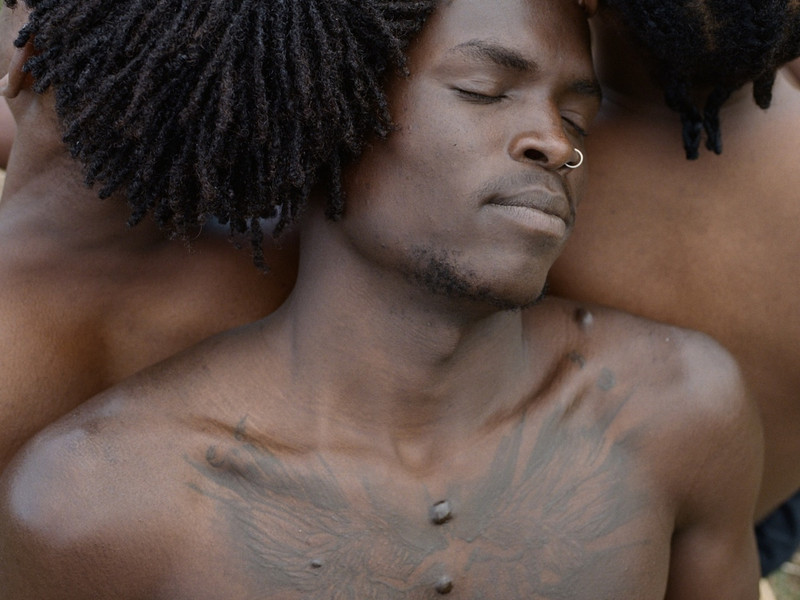
Starting May 30, PRESENTE CONTINUO will be available to purchase on presentecontinuo.com, cpcompany.com, and at the C.P. Company flagship store in Milan, Corso Matteotti 7.
Stay informed on our latest news!

Starting May 30, PRESENTE CONTINUO will be available to purchase on presentecontinuo.com, cpcompany.com, and at the C.P. Company flagship store in Milan, Corso Matteotti 7.

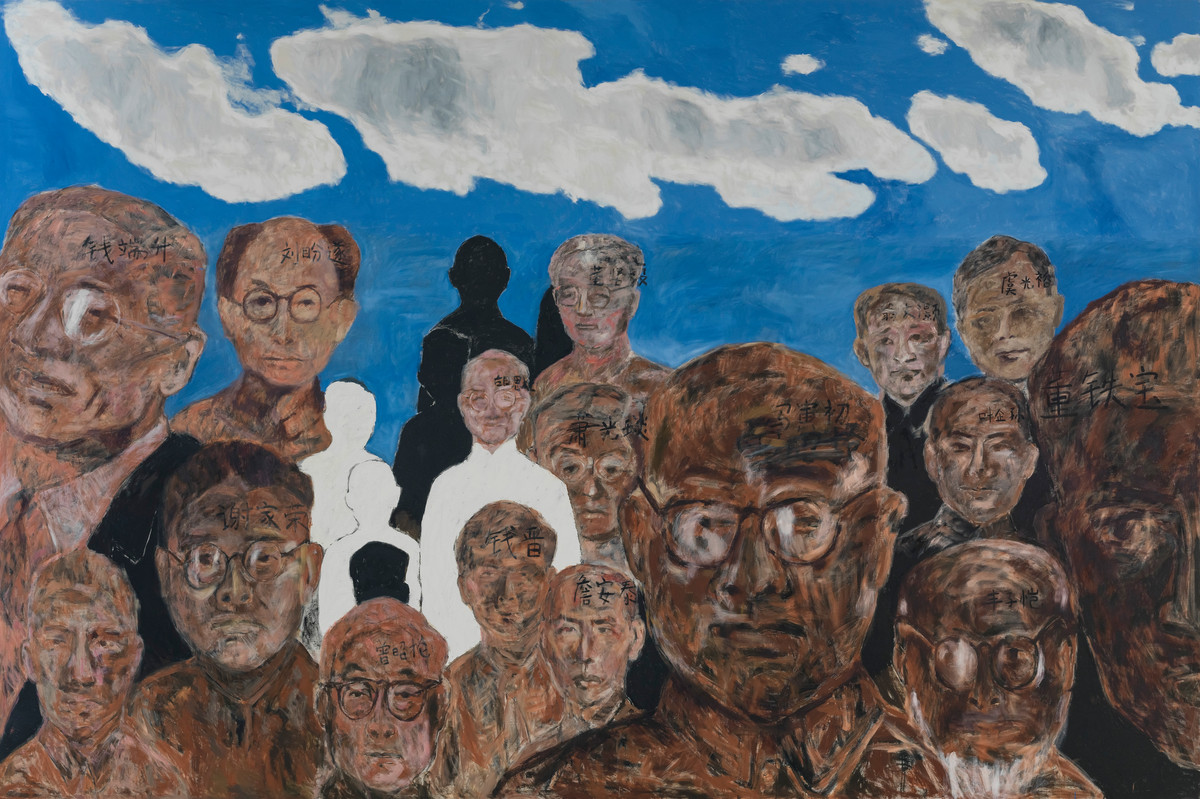
Gang was the youngest member of the Stars Group, an avant-garde art movement in China that began in about the early ‘70s. An article from Artsy explains that the work of the Stars Group diverged from the socialist realist style that was promoted under the communist regime and that it valued “individualism and freedom of expression” at a time when it was dangerous to do so. But the Stars Group continued to make their work, protested, and found ways to display their art, including in their own apartments (hence this exhibit’s setting).
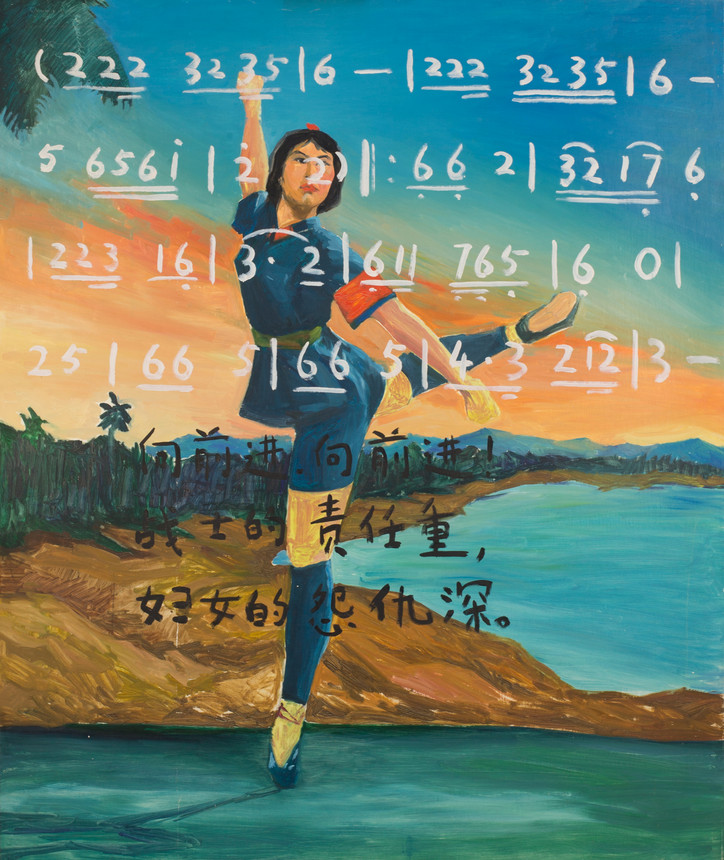
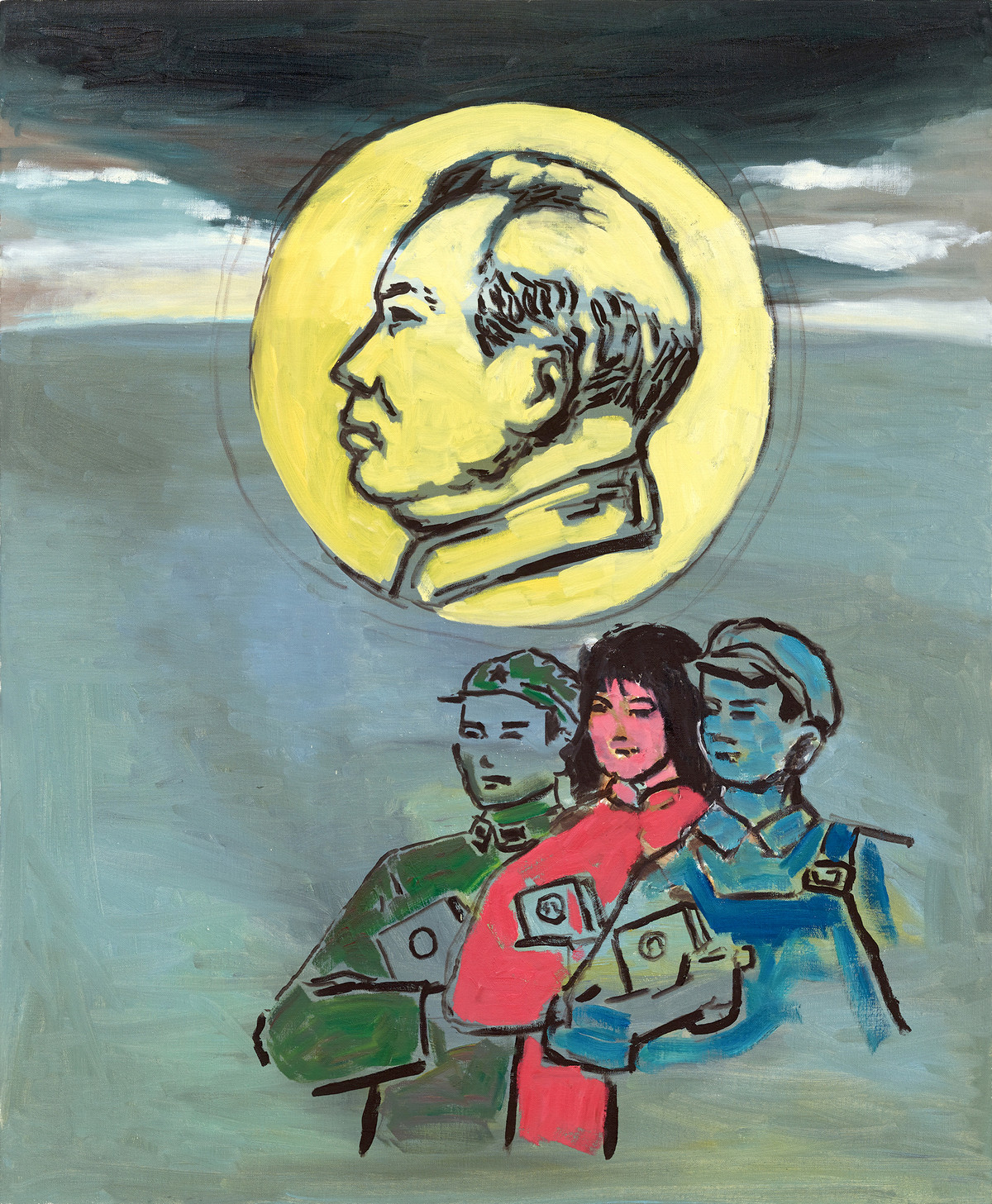
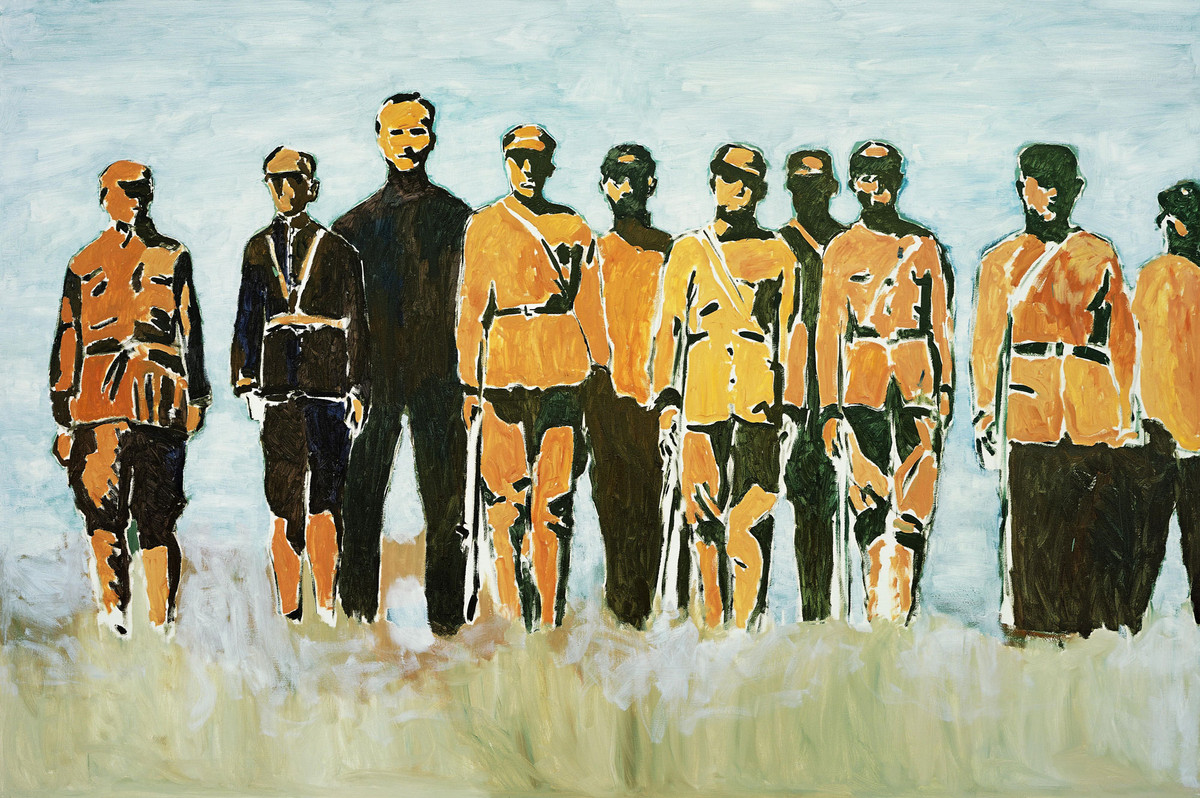
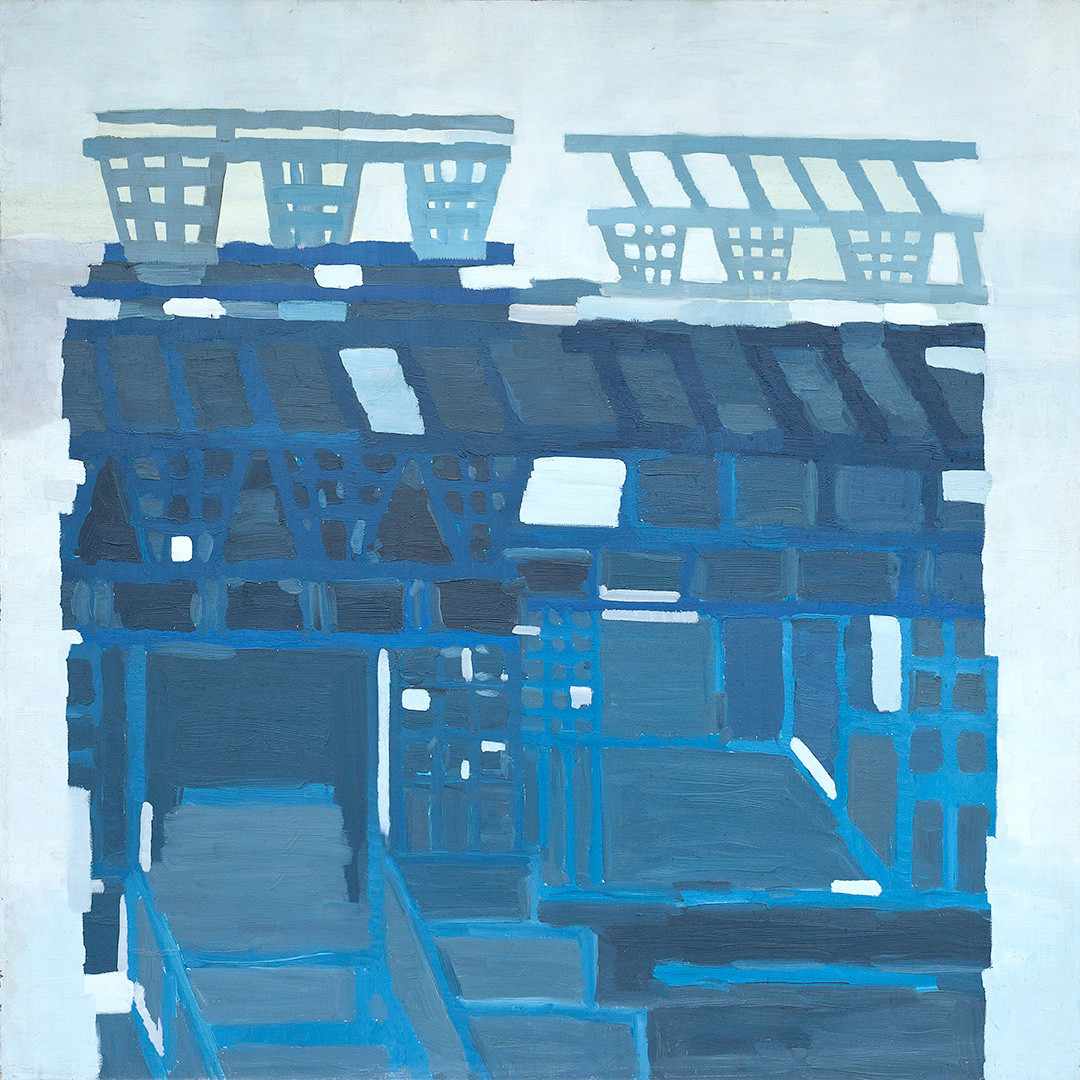
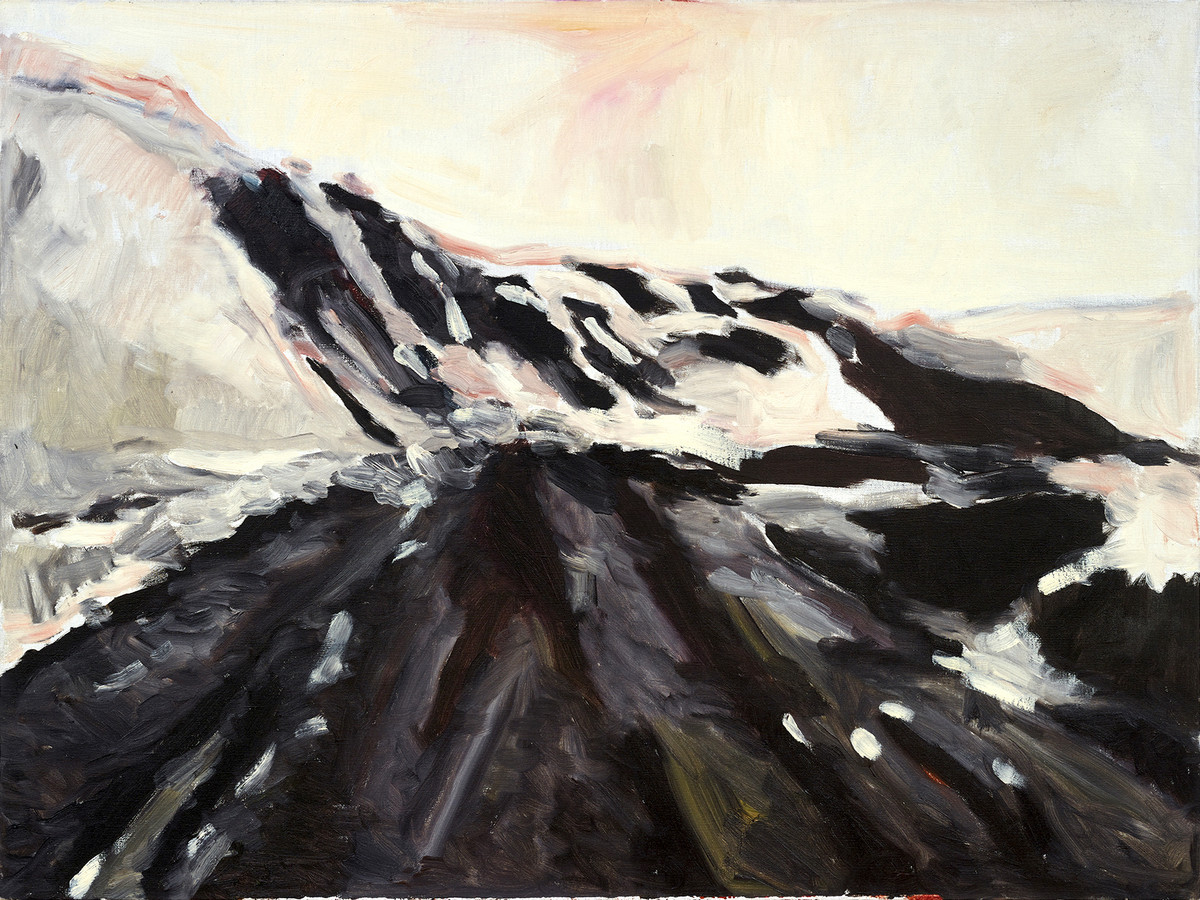
The group disbanded in the ‘80s when many of its members left China, including Gang. The artist moved West, to live and study art in the Netherlands and New York, then he returned to Beijing in 2006. And now he lives and works there and in Taipei, Taiwan. Gang’s work examines China both up close and from a distance. And the paintings presented in this exhibit involve looking back on China’s past and his memories of the Cultural Revolution.
Although the art scene has changed, both in the East and West, Gang finds that in many ways, things remain the same. Read the interview with the artist below.


Tell me a bit about your work showing at PAMM.
This is a survey of my work from about the early 2000s until now. It’s a figurative representation and realism, but also a criticism of realism. It’s a satiric approach to some iconic paintings.
A lot of people refer to you as “an outsider” of both Eastern and Western cultures. What have been some of the advantages for your perspective as an artist having lived in both cultures?
It wasn’t really an advantage, the idea of me being an insider or me being an outsider, it all depends on how they wanna play it. I was always an insider, I was an insider in both China and New York because my practice was part of the new stream art practice. In China though, from time to time, they choose not to include me in their practice. But a lot of Chinese artists have briefly lived abroad or visited.
So is that where the idea of being an outsider came from?
Yeah, exactly. It’s a very typical Chinese game. Even though they include you as an insider, they know you are challenging them, they know you are a threat to them. So they’d rather have you take on a different identity. Like now in China, I’m included in art history books and I’m a founding member of the Stars Group and China avant-garde, there are still certain people they like to promote instead. There’s kind of a circle, like the art mafiosos.
So people were wanting to define your work in terms of who you were as a person or an artist?
Well in China there’s no way to read about my art. Some good artists understand what I’m trying to do. But most people don’t now. Most Chinese art critics are stupid and they always try to define certain art in relation to European art. Now there is a big deal of them being sort of pseudo-intellectual and it’s kind of…volunteer colonialism. They don’t understand how to challenge art history, they’re trying to place more value on European art history than they understand. That’s the problem, that’s the irony. It’s the Chinese and contemporary Chinese art world practicing on a very shallow basis. And the education, I taught at the Central Academy of Fine Arts, it’s just horrible. I think the Chinese art practice is so hypocritical, they want to please the Western territorials and the local powers and authoritarians, it’s very mixed. I paid dearly for my freedom.


What do you mean by that?
Well because they always try to find a way to persecute me and push me out. My art is really not about me being a painter, it’s really about my performance of being an artist [laughs].
What would you say about the American side?
When I came to New York in the ‘80s, there was a super elite or white art practice that was very hard to get into. I don’t think the New York art world pushed me out, it’s just that I haven’t really gotten in yet. I was an immigrant, so I’ve always had the outsider persona attached to me.
It’s still something that you’re trying to get into is what you’re saying?
I was, but now I don’t try anymore. I’m out again. In the beginning I tried. But trying without an understanding is a different kind of trying.
Memory, looking back and depicting what you remember from growing up in China, has been an important part of your work. Discuss the use of memory in your work and how it continues to play a role in your more recent works.
I always think about images from when I was little. And I like to read historical books with photos in it. I always try association of images: the old and new, memory and imagination, classic and current images.


Was the use of memory in your art different once you returned to China?
I’ll put it in more of a philosophical way, memories can be concurrent with something you have to imagine and something that actually exists. In other words, it could be abstract memory and it could be realistic memory. That’s what I’m trying to work with. I actually have no relationship with some of the images, but they have a relationship to me in the most abstract way through metaphorical references.
How do you see artists responding to what’s going on now both in the East and West and how do you think it’s different from the way that you responded when you were a young artist?
Younger artists are much more shrewd in their art practice, more angled. I think everyone’s more interested in commercial success. It’s very critical because art is a business. It’s a very important, very big business. I think now Chinese, American, European artists, all of the successful ones, are also very good in business.
Do you think that’s one of the things that is defining this younger generation of artists coming up, is that there’s more of a focus on commercial success?
Yeah, of course. They’re more explicit than the older artists. The 80-year-olds, they think about art more and the younger ones they’re very smart, shrewd, well-educated and well-informed.
Is that because they have more tools at their disposal to help them navigate the business side or art?
Exactly.


Why do you think that is?
I think it’s always been like this. I think Picasso’s the best businessman of his time. Picasso’s not about art, he’s about how to make a business out of art. He is the ultimate inspiration of the art business.
In an interview with the exhibition’s guest curator, he said that we will begin to see more multi-cultural art or art that can’t be defined as or influenced by just one thing. Do you agree?
Yes, I’m sure. I think artists always end up dealing with their own identities. So multi-ism, multi-racialism, I don’t know what the future holds, but sure enough it’s very entertaining.
Do you think more artists are defining themselves as being multiple things at once?
Art is always about an identity crisis.
“Zhao Gang: History Painting” will be on view at the Pérez Art Museum Miami until January 5, 2020

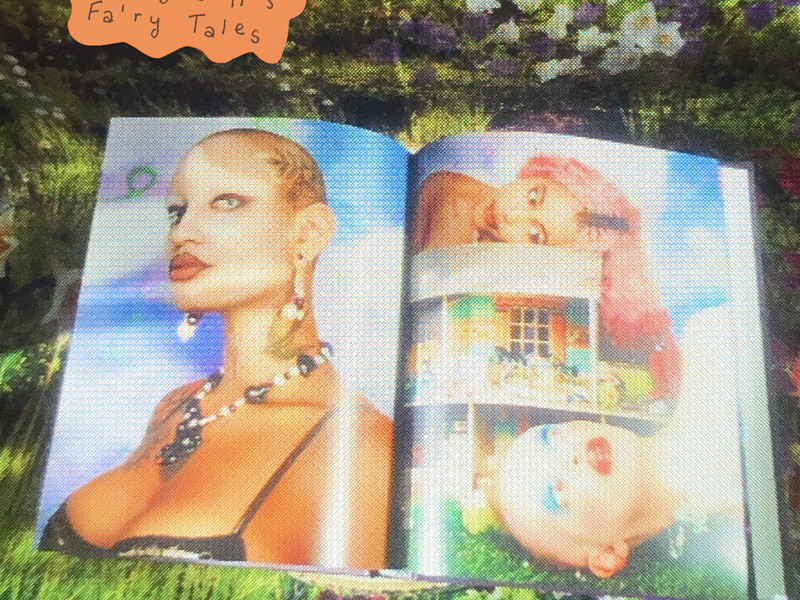
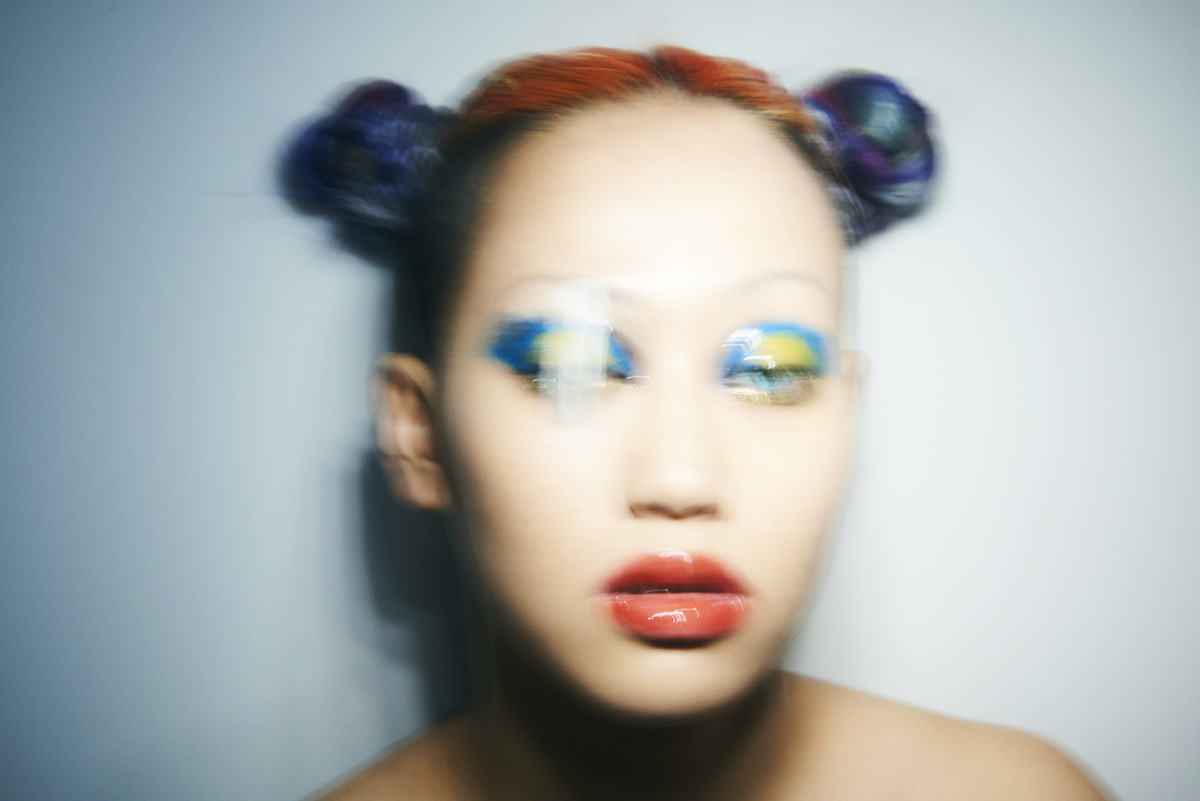
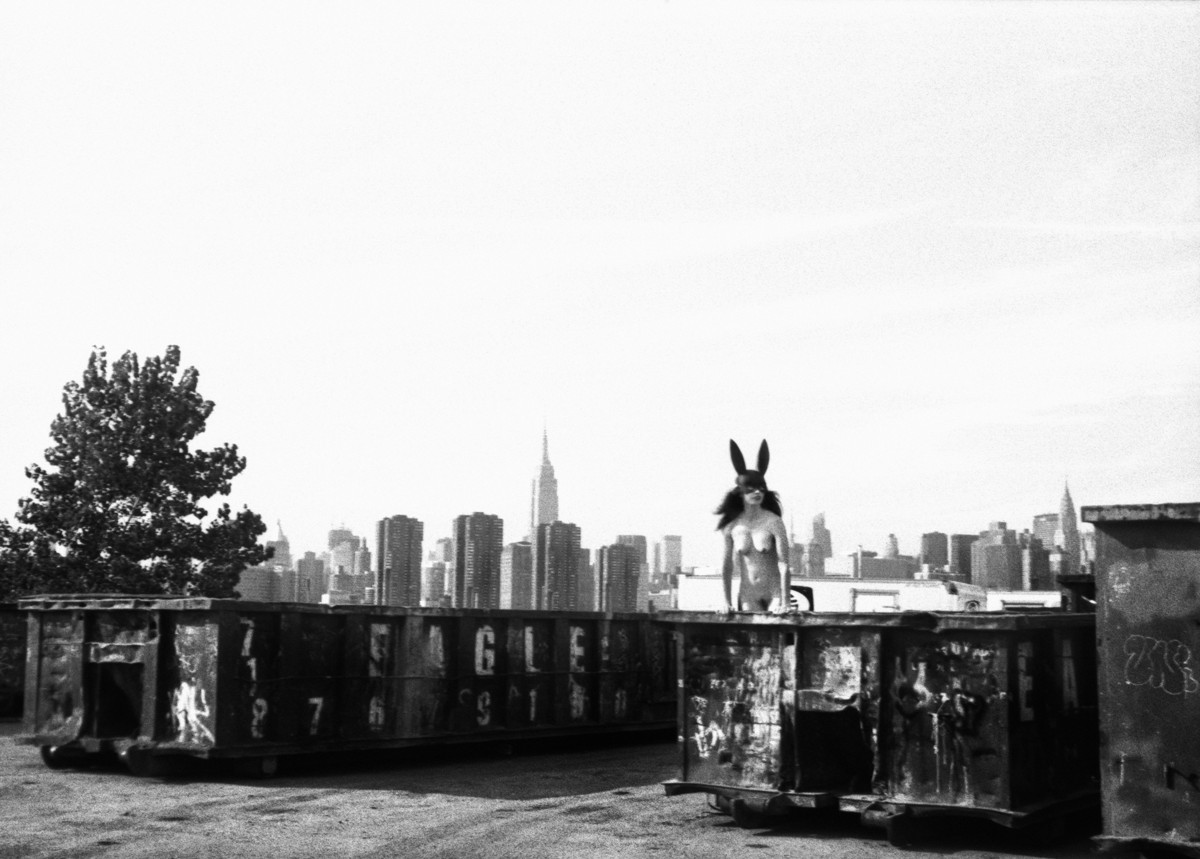
Teaming up with French director Fabien Baron, widely recognized for his iconic ad campaigns and editorial work, Mari creates a sort of otherworldly dreamscape, which we, of course, could not wait to explore with the artist herself. Check out our full interview with Sarai Mari below.
How did you get into photography?
写真を始めたきっかけは?
I still remember the moment when I bumped into my friend on the train in Tokyo—she showed me some of her assignments from her photography school and I felt some mixed emotions like jealousy and frustration. I couldn’t let that feeling go from my head after that. That was the moment when I realized photography is what I wanted to be involved in.
東京で電車に乗ってた時にたまたまばったり会った友達が、専門学校の課題を見せてくれて。それが写真だった。当時全く違う道を歩んでた私がその写真を見た時に、言いようのない焦燥感、悔しさを感じたんだよね。その時に私はこれがしたかったんだって気づいて。その友達ともう接点はないけど今となっては感謝してる。
Are there differences between Tokyo, London, and New York within each respective photo industry? If so, what are they?
写真業界での東京、ロンドン、ニューヨーク、この3都市の違いは?
Yes. Tokyo is small, the community is small, people know each other. There were tons of gigs that come around, it was all up to me if I wanted to take it or not. It didn’t take more than 2 years to get my career as a photographer on track. I was totally puffed up over my career in Tokyo. As soon as I moved to London,I felt like I was nothing. But I guess I was lucky enough to meet some “geeks”. Geeks in music, geeks in fashion, geeks in culture. When I was in London, which was the 00s, it was all about where you worked. If you weren’t a part of Dazed either i-D, there was nothing you could do. Eventually, I joined Dazed where I got connected to people who were not only edgy, cool, also sophisticated. To refine your sense, London is the answer—at least for me.
New York is the city where people who already have their name value gather together to make big money moves. People come to this city with experiences they’ve already earned to go to the top level. There’s so much more competition. New York City is the only place where I got yelled, screamed at too. Did I have time to be depressed and complain about it? No. Everyone is serious here with passion and so I am. Tough gigs without pay certainly brought my photography skills to the next level. People make their dreams come true in New York City—opportunities are everywhere, however, you have to be prepared for them all the time, you never know when they show up in front of you.
東京は小さくてたくさん仕事があるから(少なくとも当時は)自分次第で仕事を詰めることができた。やってた人は一日3件ハシゴしてただろうね。最初の数年は大変だったけど5年東京にいたら自分が目標にしてた仕事もできたしお金も溜まっていった。でもその頃海外は、雲の上の世界で。 実際にロンドンにいって見て自分が完全に井の中の蛙だったことを痛感させられた。本当に何も知らなかったんだなって。でも運良くDazed に参加することができて、たくさんのオタクたちに会えたんだよね。音楽にしても、ファッションにしても、カルチャーにしても知識量が半端なかった。若くて洗練されてるカッコいい子がいっぱいいた。おかげで感性は研ぎ澄ませれたし、色々学べた。ロンドン含めてヨーロッパはクリエイターとしての道を目指すなら若いうちにいくべき場所だと思う。 ニューヨークは一流が集まる場所。大金が動く場所でもある。上京した時に東京のカメラマンの数にびっくりして、ロンドンでそれより多い数に圧倒されたけど、ニューヨークは比べ物にならない。カメラマンだけでなく、全てのジャンルの競争率が高い。東京とロンドンでキャリアを積んだにも関わらずこのニューヨーク生活5年間野次られて怒鳴られまくったよ。おかげで、私の写真がどんどんいい方向に変わっているのは実感してる。ヨーロッパとの決定的な違いは、お金の流れかな。だから大物は最終的にニューヨークに集まってくる。チャンスがそこら中に転がってるから、自分次第でどこまでも行けるからね。ただなめてはかかれない、みんな本気だから。


What’s your vision for the future?
将来展望は?
I don’t have any plans to move to somewhere else at this moment. I have to keep going to make my name value way bigger each day to make what I desire to happen. I want to have my solo exhibition in major cities such as London, Mirano, Paris, Madrid— at either famous galleries or museums in my 60-70s. I will keep releasing my photo books. Let’s say I quit photography, and somebody else, who is an Asian woman, does all of those instead of me and become successful. I would keep regretting that while I’m dead in my grave.
今のところ拠点をニューヨーク以外に移す予定はない。私がやりたいことを成し遂げる一番の近道は、ニューヨークでもっと名を上げることだと思うから。60〜70歳になった頃にはニューヨークはもちろん、いずれロンドン、ミラノ、パリとかの主要都市はもちろん世界各地の有名なギャラリーや美術館で自分の個展を開けるようになりたい。自分の作品集も出し続けたい。もし私が写真を辞めて、私と似た境遇を持つ人が私がやりたいことを全て成し遂げて成功されようもんなら、死んでも後悔し続けると思う。
What is your book DELUSION about?
DELUSION とは?
I made this photo book for myself, for the first time ever. My first book Naked and my second book Speak Easy have clear messages, but my third book doesn’t. My husband calls my persecution complex a disease, which lives inside of me always. I am still scared of men. My third book is the place I can be true self, revealing the fears, phobias, paranoia, daydreaming, fantasy, and delusion I carry with me. No matter where I am, delusions will always rise up after.
この本は、私のメッセージを込めて送り出した一作目、二作目とは違って、初めて自分のために作ったもので。幼少期を変質者がたくさんいた故郷の田舎で過ごしたおかげかな、被害妄想と共存して生きてきたんだよね。消えない。私の旦那はそれ病気だよって言ってる。まだ男の人が怖いっていう気持ちがどこかにある。この本は初めて私の心の叫びや日々抱えてる恐怖心、被害妄想、空想を自分のありのままに表してる。私がいつどこにいようが、次から次へと現れる妄想を。
Sarai’s new solo exhibition opens today, July 11, until July 18 at ON CANAL, 312 Canal St.

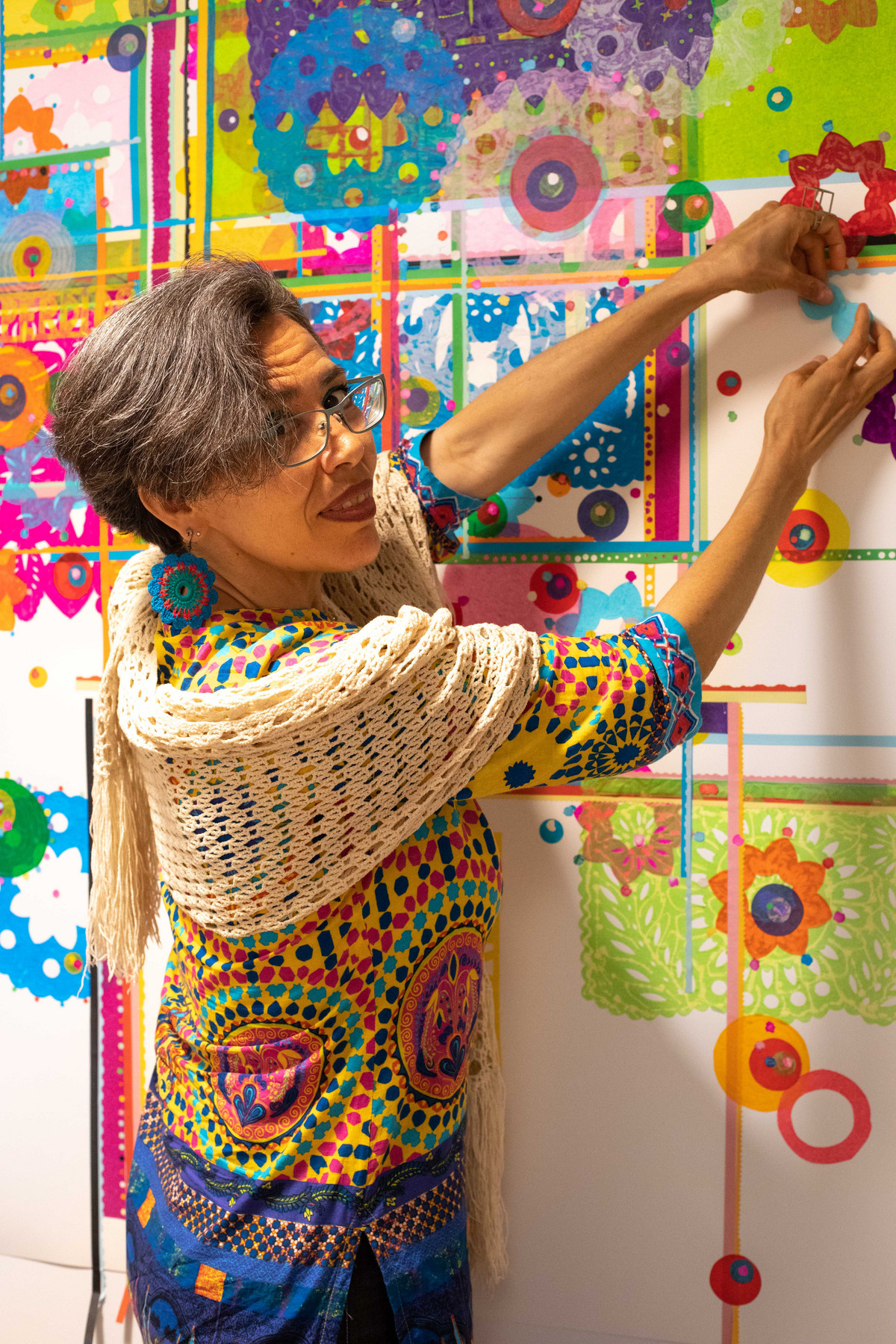
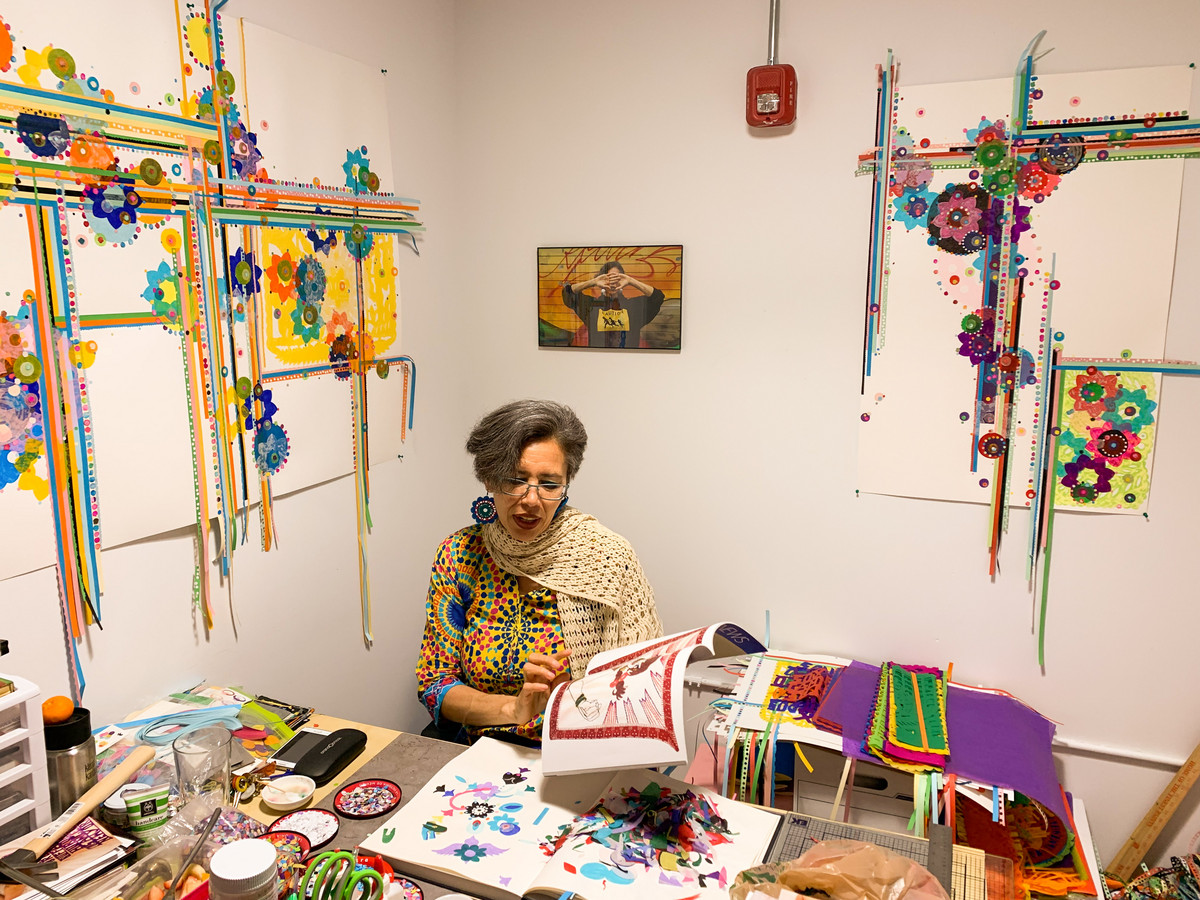
Amezkua grew up “completely bi-cultural,” as she puts it. Her parents immigrated to California from Mexico in the ‘70s, giving the artist an opportunity to experience both places in full as well as lending her a unique undertsanding of identity that has come to be an integral quality of her work. Although Amezkua didn’t take art classes until her freshman year of high school, she had been working on her craft since she was a kid, taking in practices from both cultures.
office recently had the chance to step into the colorful, multicultural world of the artist Blanka Amezkua. Read the interview with the artist below.


Can you speak a bit about the concept behind the “Re-Konztrukt” series and working with the comic book artist Luis Sierra?
I have been working with the female imagery found in Mexican adult comic books, so when I met Luis Sierra, a comic book artist from the Bronx, I asked if he wanted to collaborate. He agreed to it and we started thinking about how to present the women in our pieces. So I suggested the idea of tools because women physically transform the world but usually you don’t see women holding these tools.
How did you switch from painting to embroidery?
Painting needs a lot of space and there are a lot of technicalities that need to happen in order to do it. When I made the transition to embroidery, it was not difficult because it was something that I could do anywhere because my grandmother had taught me how to embroider when I was about ten years old and we did some in school. In junior high, we could either take an electricity, technical drawing, sewing, or typing class. I really wanted to do electricity but there were only boys in that class and my school didn’t allow me to take it, so I just chose sewing—we learned embroidery in that class as well.
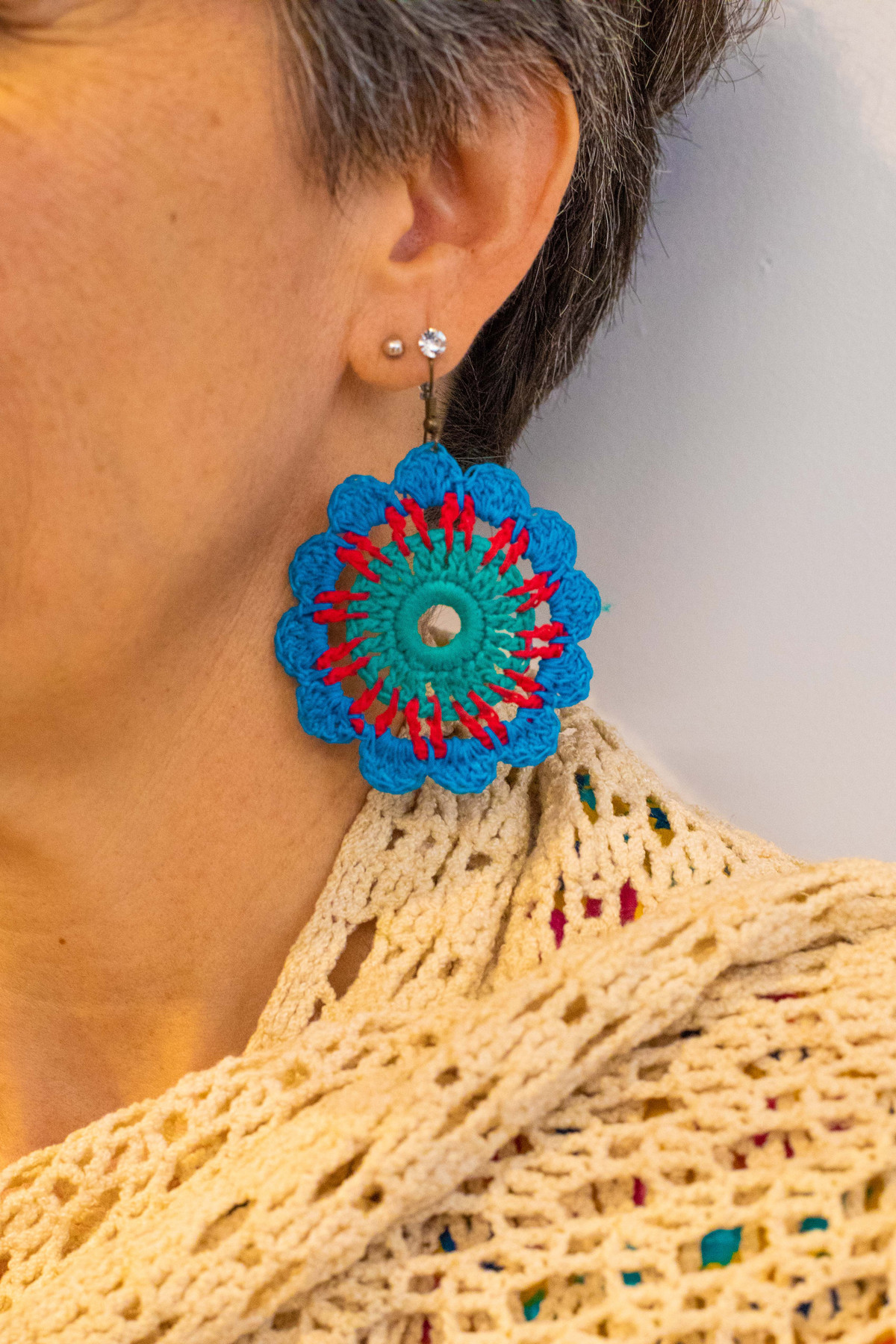
Also, in Mexico when we warm up the tortillas, we put them in a little piece of cloth, servilettas, that we embroider with flowers and different things and crochet the edges. So when I transferred that idea to this, it was basically the same thing. I even used the same fabric that we use for the tortillas to make these pieces, which were actually done in collaboration with my mother because she crocheted the edges of the fabric. Collaboration is a big part of my work.
Embroidery used to be strictly regarded as “women’s work,” is that a convention that you interact with when creating?
When I started embroidering I also realized that it tends to be seen as a very female and domestic technique but as time goes by, I see men doing it too. It still has that stigma attached to it, that it’s something crafty and domestic, but I think it’s changing.


What is it about New York that draws you in artistically-speaking?
The diversity in every single aspect. Not only the diversity of the people, but the diversity of things available, the diversity of the possibilities and things that go through New York. I feel that New York has an energy that's very specific to the city. We all create that energy and it becomes what it is because of everything that we all do. So when communities are gentrified, they no longer are what they were. We are really part of the architecture, our narratives are all inter-woven. That’s very specific to New York and that’s why I love it.
And you’re based in Mott Haven now in the Bronx?
Yes, I’ve been living in the Bronx since 2005.
What about that borough or that neighborhood inspires you?
I live on 140th Street, which is one of the main streets in Mott Haven. Being there allows me to access many things that I wouldn’t have if I lived somewhere else, like the lady that sells the tamales on the weekends who’s always there but if I don’t get there by nine, they’re gone. It’s just the proximity to things that I feel are a part of what makes me happy. And the people. It’s a mix of African American, Latino, Caribbean…but it’s changing. It’s changing a lot.
Tell me a bit about the art exhibition projects that you do.
I was accepted to be a part of a program called Artists in the Marketplace through the Bronx Museum in 2007. It teaches emerging artists how to navigate the art world and gallery system. I remember the first day one of the speakers called us all ‘nobodies.’ I was taken aback because the program was very competitive to get into, but it made me reconsider how I thought about my practice up to that point. We’re always waiting for things to happen in this world, but we have the resources to do things ourselves. So I opened my bedroom in 2008 and created the Bronx Blue Bedroom Project and I ran that space for two years. It started with installation art but eventually I opened it up to 2D work as well. I would host art exhibits and invite people to have workshops and conversations. Then I decided to move to Athens with my husband in 2010. And at that time, Greece was in an economic crisis and it was falling apart. I tell my friends, when I arrived in San Francisco, everything had already happened, all the hippie movement, that was in the ‘60s and ‘70s, I was not part of that—when I arrived in New York, same thing. But when I arrived in Athens, I arrived in all of the madness. It was a really good experience, but a very difficult one.
When I returned to New York three years ago, I felt like I needed to have my bedroom to myself, so I decided to open up my living room instead and display only 2D work. That project was called AAA3A, my address, Alexander Avenue Apartment 3A. It’s the same dynamic that the Bronx Blue Bedroom Project had, it’s nurtured by the idea of sharing and being in an artist-run space. It’s also funded by the Bronx Arts Council so that’s how I’m able to sustain the project. I have eight shows a year and feature mostly Bronx-based artists.
One of the main themes of the “Hand & I” exhibit is feminism. How do you define feminism and how is it presented in your work?
I think there are a lot of disparities between the sexes, not only between men and women, just in general. The more we continue to address those disparities and talk about them and really voice them, maybe things will begin to change. So that’s how I see feminism, the fact that I keep doing my work and I’m not stopping.
Going back to comic books, through your work, are you reclaiming the depiction of women in comic books?
Yeah, absolutely. I did a series based on women that I find in comic books because I wanted to appropriate and take the imagery of the women back and empower them with my hand and my composition. Sometimes the women are not exclusively in positions of power and I feel like they’re just seen as sexual objects. But when they’re removed from the male gaze and they’re embroidered they have a very different feeling. They’re sexual, they’re erotic, but they’re them. And there’s a lot of strength and honor in that.
That’s interesting because there’s more push now to diversify the comic book space.
Earlier this year the Brooklyn Academy of Music hosted a black comic book expo. Absolutely, there has to be. I think we’re really living in interesting times, there’s an awareness of the fact that the same narrative has been repeated for so long and now it needs to be changed.
What do you think is the root of the push for change now?
Trump. I think we need to create an awareness of each other and what has happened in this country. We need to name things as they are because I don’t think we do that. We’re starting to talk about things but they’re still not being fully addressed.There’s a lot of forgiveness that we all have to give to each other. For many things.
Who are some other artists and what are some other visual arts that inspire you?
I’m very inspired by all of the folk artists. But one artist that is sticking out to me right now is Fred Sandback. He's a white artist who worked with string. I think about him a lot because my work always has a lot of moving parts. Whenever he had to install anything anywhere, he would just show up with a shoebox of yarn. His work is extremely minimal but he creates space with it. The illusion that’s created from the simple gesture of creating those lines is a force.