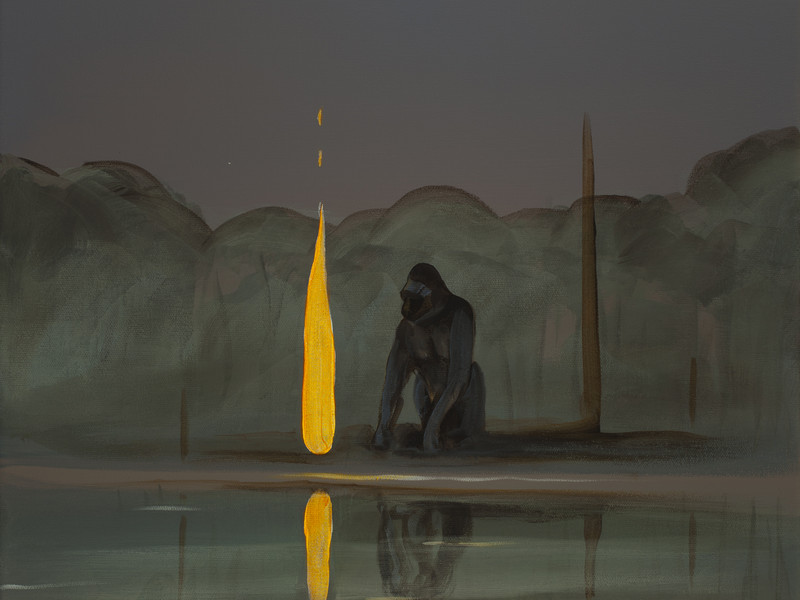
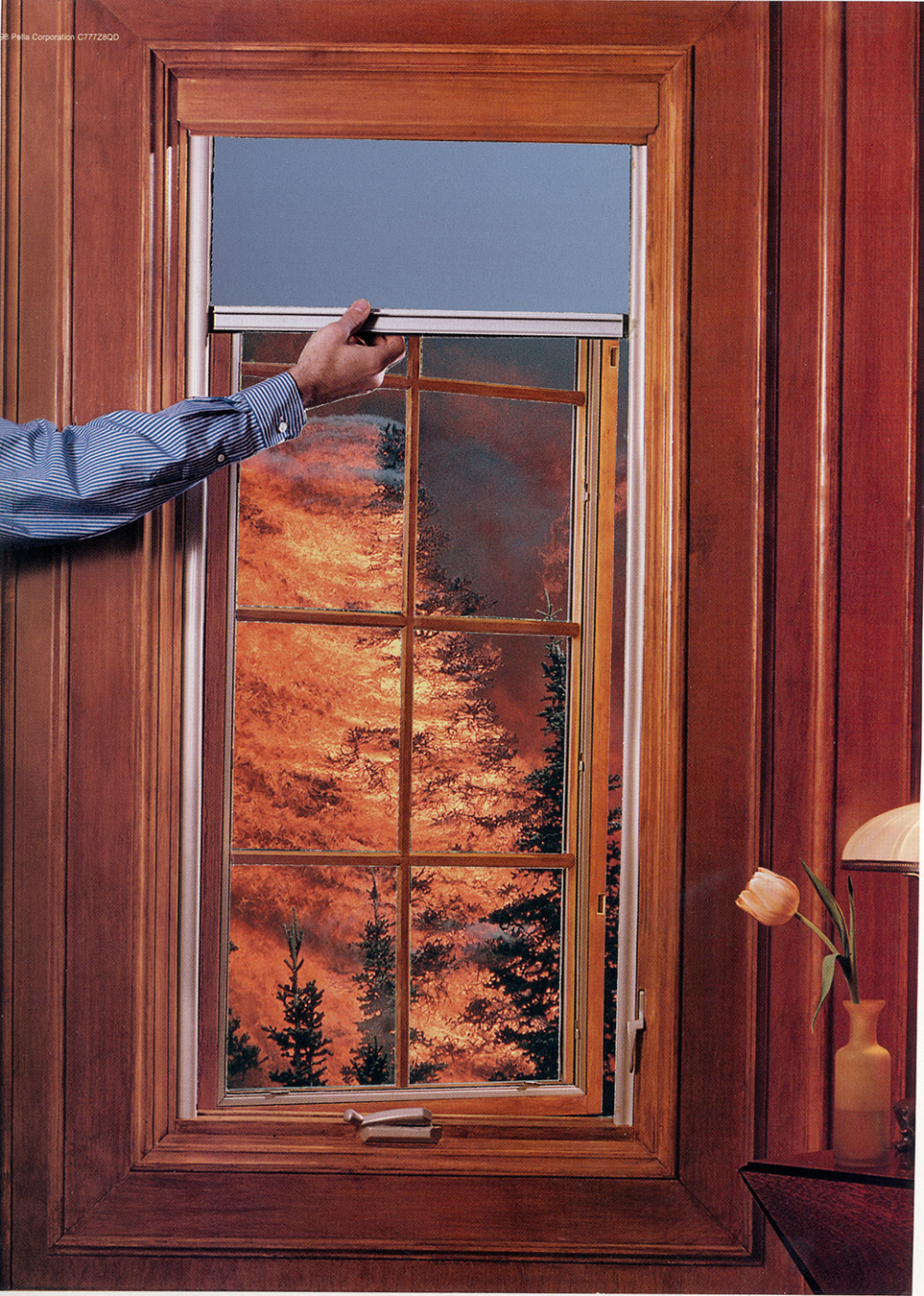
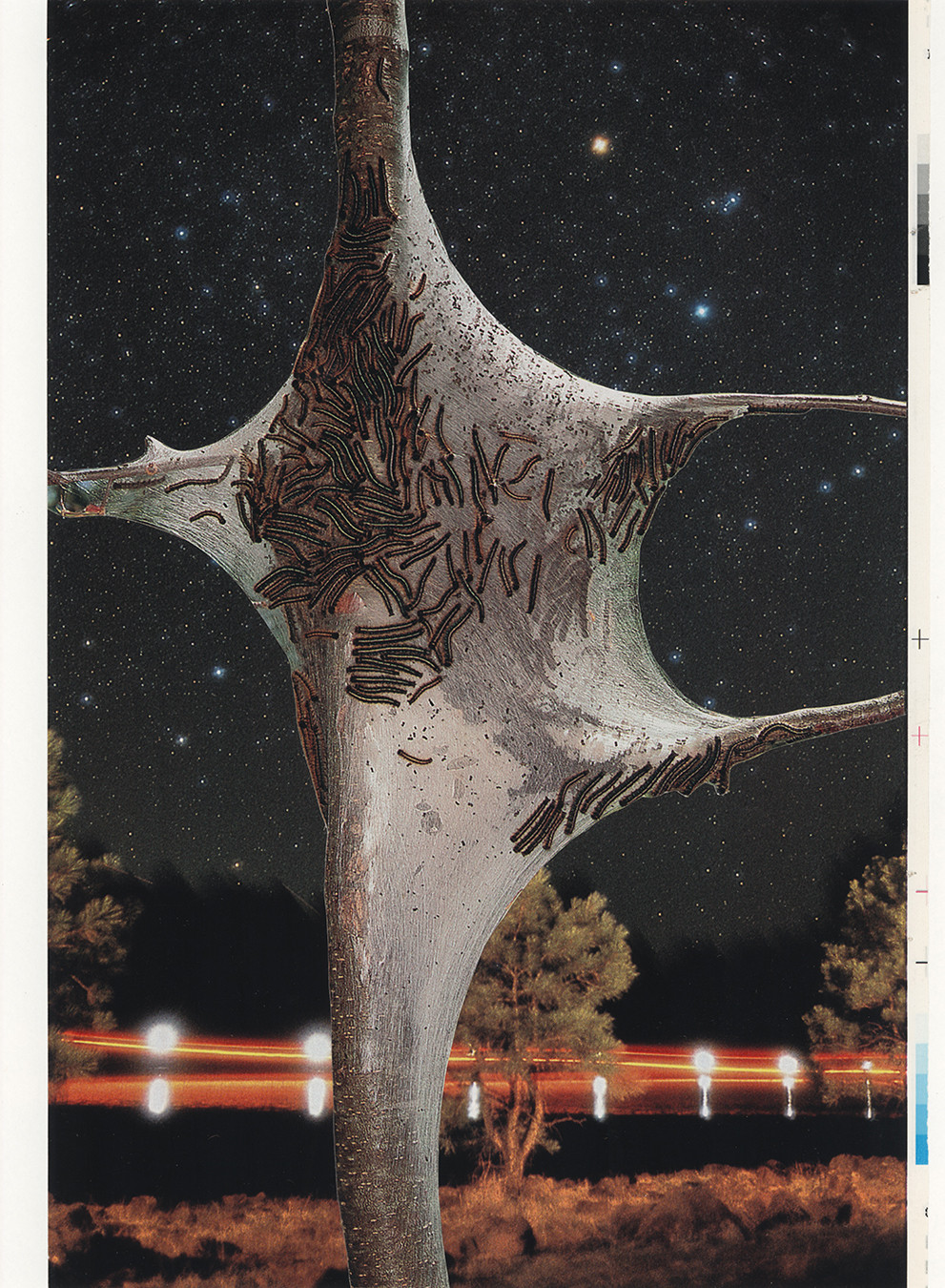
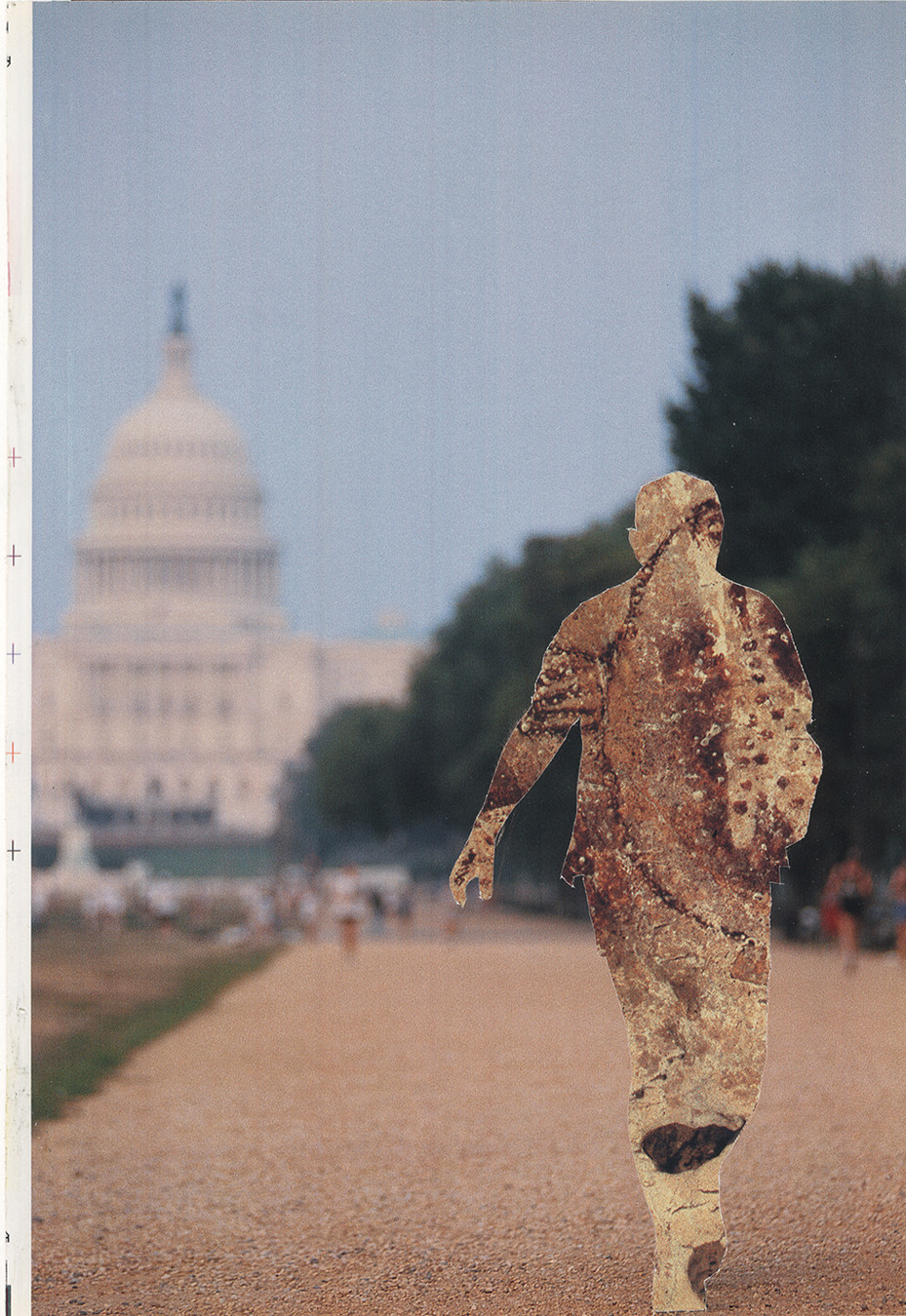
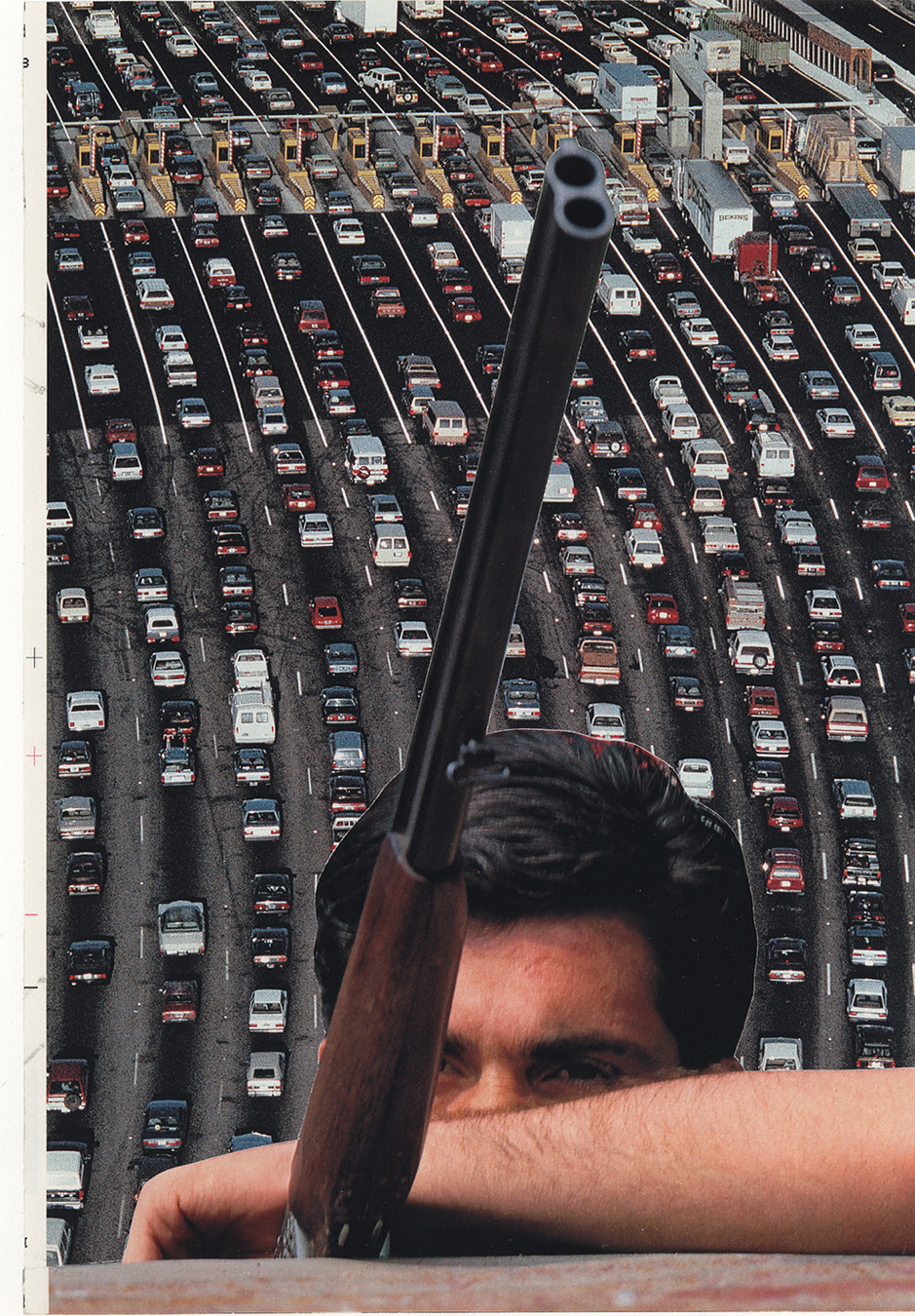
A specialist in the subtle art of self-sabotage, his paintings are the result of a brilliant fool tearing at the seams of his own perception and practice, as well as the canon of Western civilization. office had the chance to chat with the artist about his membership in the fabled "Junge Wilde" ("Wild Youth") movement in Germany in the 80s, the poetry of his titles, and highbrow vs. lowbrow.
How would you describe the Junge Wilde artists? How did the movement begin and why?
Around 1980 there were at least 80 young artists in Germany labelled “Junge Wilde“ or “Neue Wilde.” Out of misunderstanding, and laziness, the media labelled all these different local scenes as the same. The exhibition, “The Invention oft he Neue Wilde” at Ludwig Forum Aachen (October, 2018 to March, 2019) just tried to tell the story in a bit more of a complex fashion. One reason all these different phenomena occurred were the meagre diets of the minimalist years. There was a grand appetite for colors on canvas.
What do you feel your work is a response to or in conversation with?
It is a conversation with a bunch of dead masters (starting in Lascaux and Altamira) and a response to the so-called “condition humaine” which is really worth a glimpse and a grim grin. What story are you telling with your work? I’m planning to do a book called, “A Picture of the World in Two Thousand Titles.” My titles. My stories. Sorry, I can’t answer your question.
Is your work highbrow or lowbrow? What’s the difference?
I work with the vocabulary and the images of both worlds. More precisely, I try not to avoid any of all the different worlds. The janitor, the hooligan, the professor, they are all eloquent in the description of their own ditch.
How do you come up with your titles? What does a title do for a piece?
I think about the titles as hard as on the image idea. It’s a sort of generosity. I’m offering the audience two landing fields.
What are you reading right now?
This May I’m going to Crete with 16 students. My most valuable preparation for this trip is “The Making of the Middle Sea – A History of the Mediterranean from the Beginning to the Emergence of the Classical World” by Cyprian Broodbank.