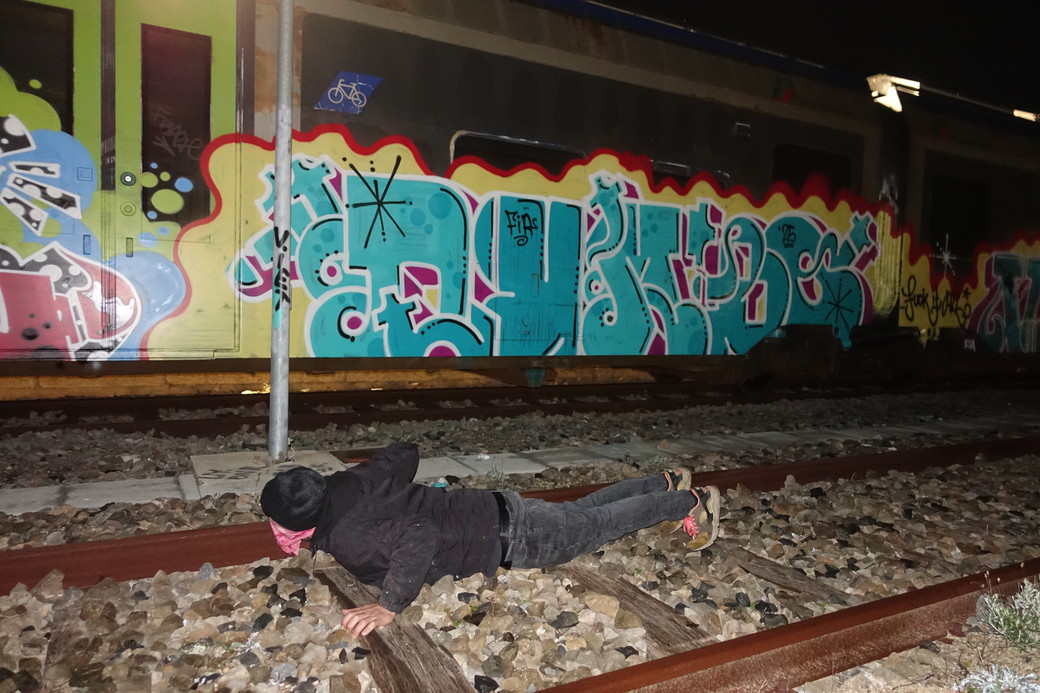
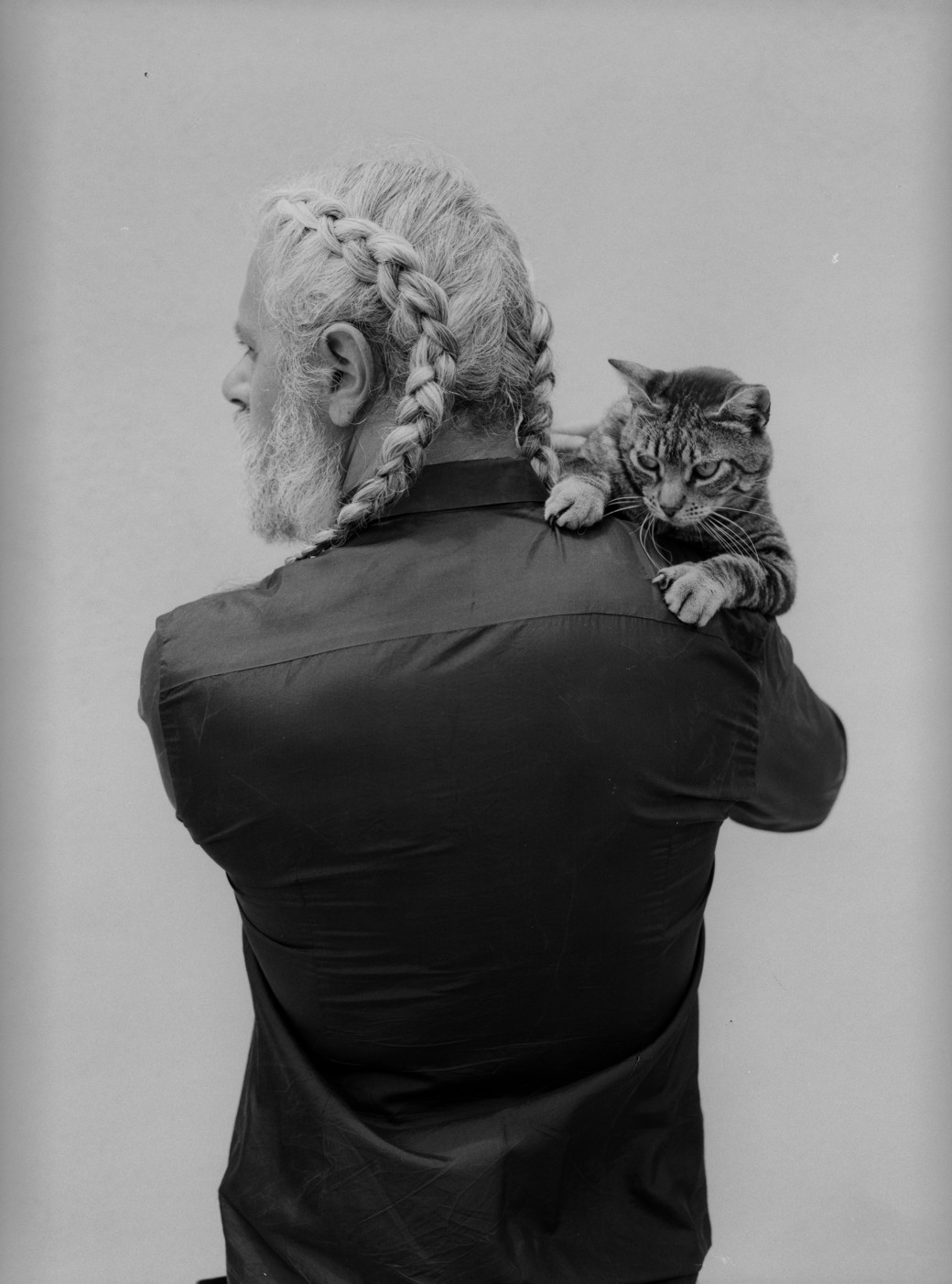
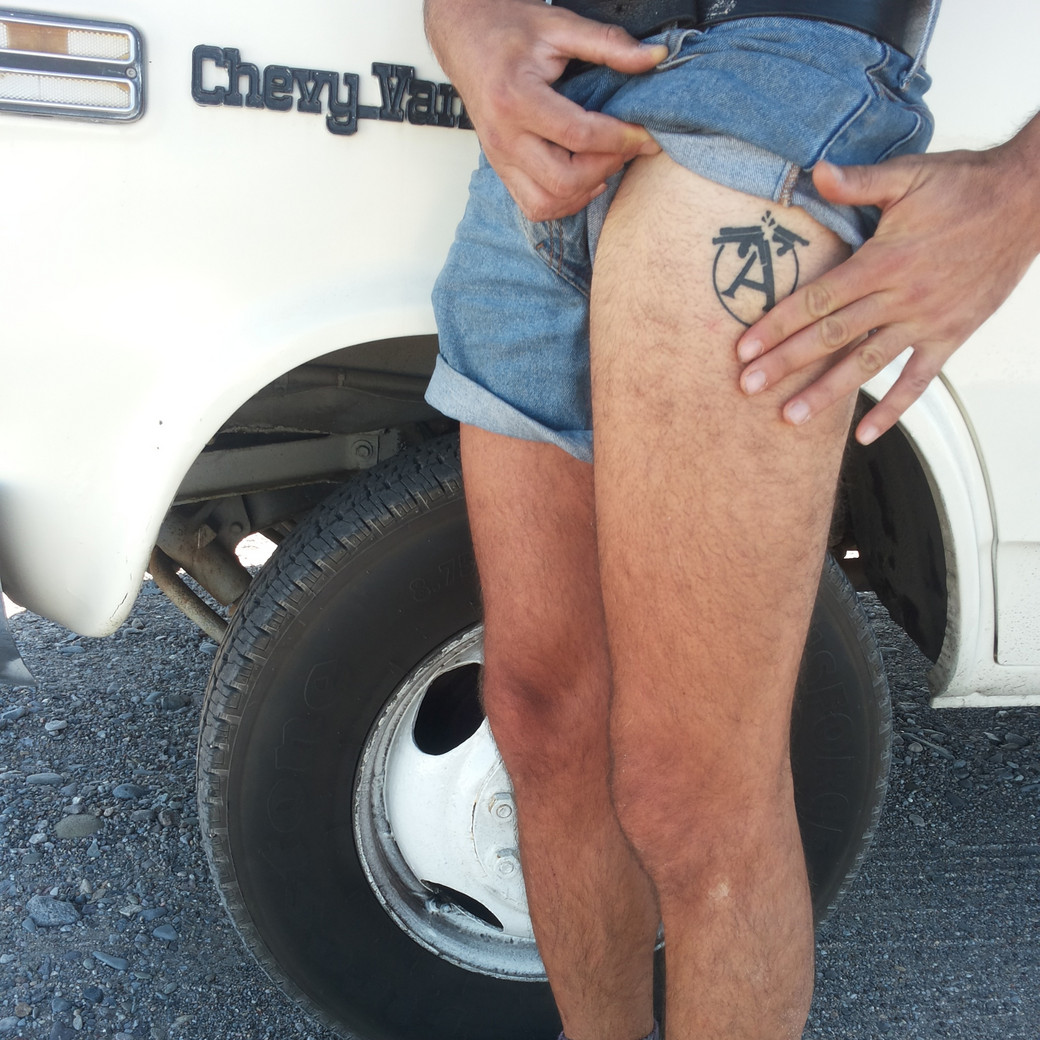
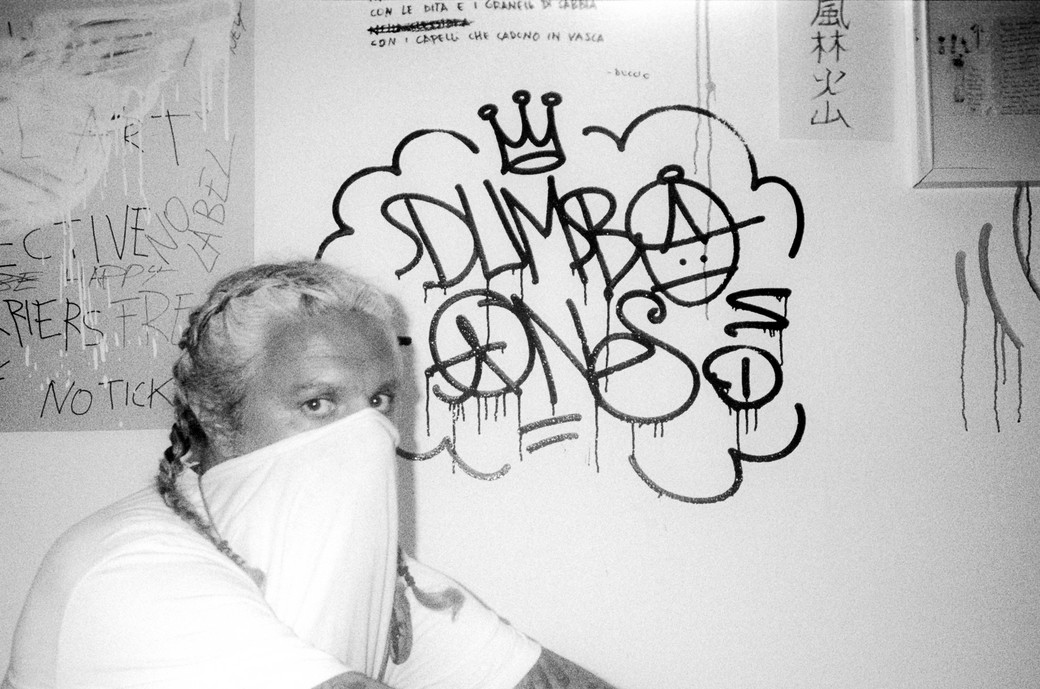
PRESENTE CONTINUO: the intimate ties between then&now

Starting May 30, PRESENTE CONTINUO will be available to purchase on presentecontinuo.com, cpcompany.com, and at the C.P. Company flagship store in Milan, Corso Matteotti 7.
Stay informed on our latest news!

Starting May 30, PRESENTE CONTINUO will be available to purchase on presentecontinuo.com, cpcompany.com, and at the C.P. Company flagship store in Milan, Corso Matteotti 7.

To celebrate the magazine—and the new issue—come party tomorrow at the office Newsstand, and read our interview with Lee and Gorman, below.
Caroline, you went to Berlin right before you launched the magazine, do you feel like that atmosphere of safe spaces for queer people influenced the first volume or your desire to start DRØME?
Caroline Gorman: I grew up in an environment where everyone cared a lot about what other people thought and how other people presented themselves. It was the most refreshing thing ever to go somewhere where no one knew who I was and no one gave a fuck. I could just be whoever I wanted to be and reinvent myself. That mentality in Berlin is pervasive—it was very much an influence over an impetus to start DRØME.
I was in Berlin this summer and I was so overwhelmed because the mainstream party scene there is like the alt-scene here. It was so freeing—you could get lost, in the best way.
Caroline Gorman: Also, how you’re not allowed to take photos in clubs—it’s crass to be on your phone or even expect to get in somewhere because you’re like, ‘Oh I’m this person.’ They don’t care who you are.
How did you two meet?
Satchel Lee: We first met in high school.
Caroline Gorman: Do you remember when we met? Was it a McDonalds?
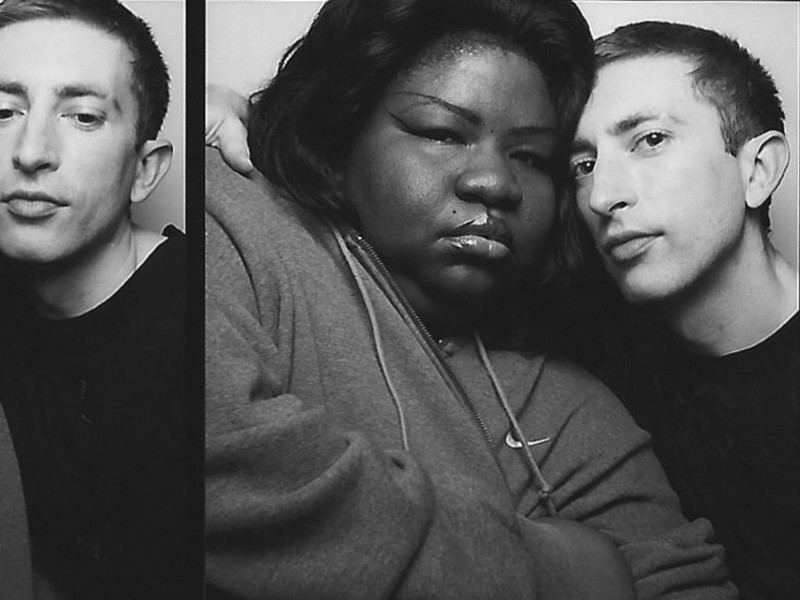
Satchel Lee: I think it was a Chinese restaurant. But basically, what it was, we both went to private schools in the city and there was an affinity group for queer kids called The Network and it was secret, very cool and completely student run—it felt so revolutionary. We met there, but didn’t know each other very well. Then Caroline started DRØME while she was at Brown, and I went to NYU. While I was there, I started an artist collective called Chromatic.
Caroline Gorman: I saw that Satchel posted about it, and I messaged her and invited her to a lunch party, and then things went from there.
Another thing I noticed about DRØME is that while you both run the magazine, you each have your individual crafts, as well.
Satchel Lee: Yeah, I studied film and TV at Tisch. I produce a lot of short stuff and write scripts and short stories. [I’m also] working on photography. My technical title is Creative Director, which is great, and I think that we do it and we’re good at it. I had taken photography for a while and I kind of let it go, but now I’m kind of trying to get more grounded in actual technique and fully immerse myself in learning how to see an image, compose it and pull it all together.
Caroline Gorman: I do a lot of music—I’m working on an EP right now. I DJ too, but that’s more of a hobby because I’m obsessed with techno and house. I love playing our parties, but love writing punk songs more. I’m also working on a script right now. We’re both just trying to do as much as possible. There are no rules, there are no limits. Like, I’m not just a magazine person.
Satchel Lee: Which is so nice. I’m so grateful to be a young person at this specific time in history just because there are a lot of options—you can do whatever you want.
There’s no such thing as an artist that just does one thing anymore.
Satchel Lee: Or even a person. Why would we define ourselves by one profession?


Is that what drew you to Ashton Sanders for this issue’s cover story?
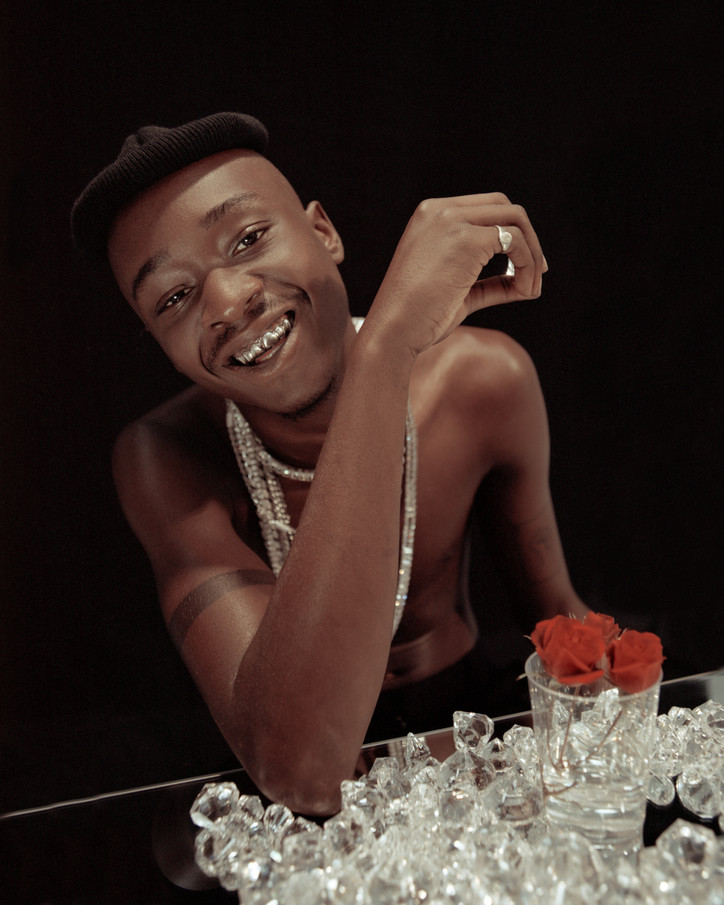
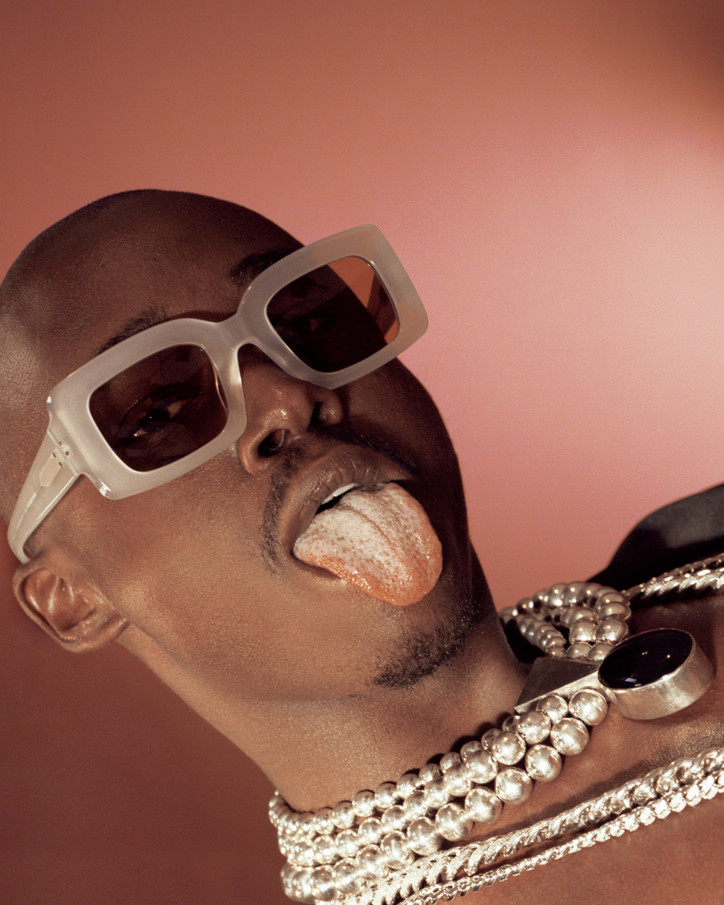
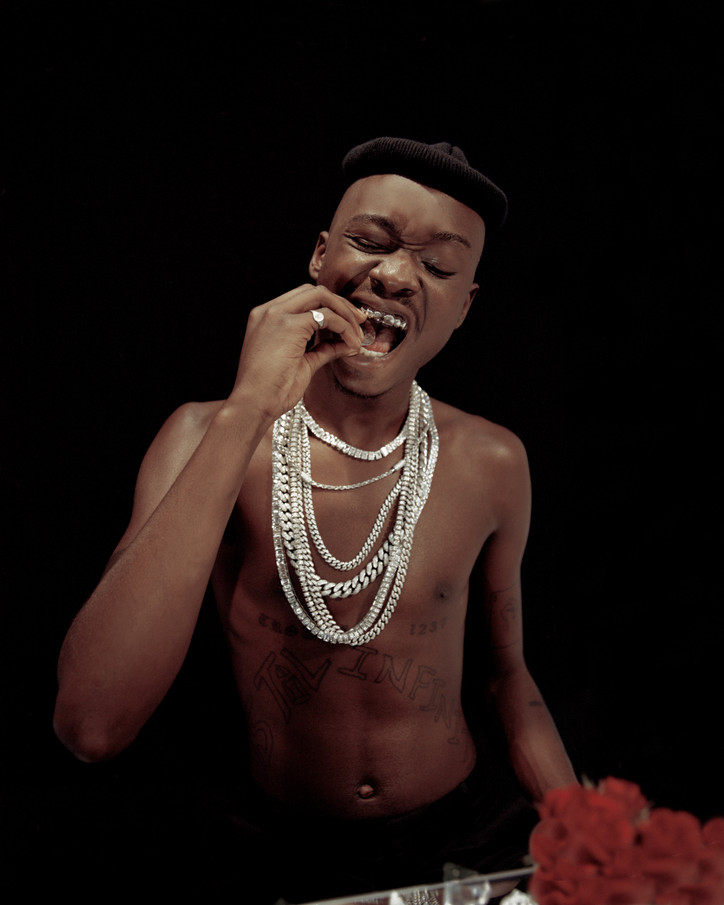
Caroline Gorman: Well, the theme, 'Fantasy,’ encourages the reader to explore and meditate on alternate realities, as well as manifest our fantasies. Ashton seemed the perfect choice for the cover of Volume III because of his calm, grounded nature and ability to take an audience into another world through his art.
In regards to the theme—I interpreted it as a call to decide what kind of future we want, and how to project it and make it ours. But what does Fantasy mean to you in the context of this issue?
Satchel Lee: It’s about manifestation and realizing that it’s a fantasy, but that it doesn’t have to be. You just have to go get it—you can do whatever you want. We’re asking people what their fantasies are, then leaving the space for them to figure it out. By presenting the images and stories in the magazine, I’m hoping that we are also allowing people to discover a new fantasy.
Caroline Gorman: Starting DRØME was a fantasy. I pulled it out of my ass and now it’s a real thing—it was manifesting that fantasy. Also, I think fantasy means taking a break from the world when it gets to be a lot, and diving into a colorful, explosive thing that you can just immerse yourself in.
What are your fantasies?
Satchel Lee: I want to keep doing all of this, but I also want to be all over all kinds of different mediums and projects. But for my love life—I don’t know. People are so normal and boring.
I get it—I’m always like, ‘Love me or die.’
Satchel Lee: And what does that even mean? How have we learned through our parents and grandparents how to love each other? I’m interested in getting to a place where I can be the healthiest possible mentally, and be totally honest with myself and others.
I feel like so much of dating is just performative. Like, ‘Oh, let’s just be casual.’
Satchel Lee: Like, no, nobody wants to do that. I just want to get to a place where I can be completely authentic—I don’t want to shrink myself.
Caroline Gorman: It’s all about confidence and doing whatever you want to do without caring about what everyone else thinks. For me, that’s taken a really long time to get there. But I still need to get to a place where I don’t care.
Or maybe just care about the things that matter.
Caroline Gorman: Right. I want people to feel good about themselves. The work that I do with DRØME and beyond is about being as honest as possible with your voice and vision, and not compromising for anyone. I want to put out as much work as possible and do it in every medium and not be confined to anything. And that translates to relationships, too—being honest and not compromising in the wrong ways. I guess it’s hard to not compromise my fantasy because I’m still learning so much about myself.
Satchel Lee: Everybody is just trying to deal with their own trauma.


I feel like creating something physical, like a print magazine, is such a big part of manifesting a fantasy because it’s something real you can hold onto and actually put into the world. Why was it so important for you to do print, especially in a time where everyone is going digital?
Caroline Gorman: It started as print, and I just wasn’t interested in online because I’m so addicted to my phone and I don’t like it. So, I think print is the best way to take a break from that—to just be fully present. A lot of it is a question of being present, and flicking through Instagram is not being present. So, I wanted to create a book. We’re going to do online stuff and then turn it into a book, because you do need online to survive.
Satchel Lee: The other thing that’s cool about DRØME is that we’ve also done a lot of parties—we’re going to have a monthly party at The Public called, YOU ARE A FUCKING RIOT—and that’s so important because the magazine is about experiences. When you read something online by yourself, that’s one thing—but to have an actual magazine is another. You can smell it—it’s a whole immersive experience that we don’t get enough of. Like, who sees live music or performances anymore? You need to get out and have tangible experiences.
Caroline Gorman: It’s a time capsule too—but it’s timeless at the same time. You can read it whenever, but it’s also exactly about where were at that point in time.
I think about what it would have been like to be a queer woman 50 years ago and not be able to read something like this—I don’t know what I would have done.
Satchel Lee: We’re so lucky. Obviously, things are not perfect. But wow, there’s a lot of space for us to make our mark and support each other.
Caroline Gorman: When I was 15, I did not have anything like this, and I was really depressed over it. I didn’t see myself anywhere and I was really confused. Now, I’ll get messages from people saying, ‘This is amazing.’ Even if it touches one person, that’s beautiful.
It seems that physical space—whether it’s a book or an event—is really important to DRØME’s vision. Why is that?
Satchel Lee: One of the things we talked a lot about last year was how nightlife in NY was just not great—it actually kind of sucks now. Clubs are terrible, the underground is gone. But I love to dance—I think people need to dance and move their bodies, but nobody is doing it anymore.
Right. Everything is so image saturated now that I feel like people are so worried about what they look like, that they don’t feel like they can dance freely. But it’s not about what you look like—it’s about how you feel.
Caroline Gorman: It’s going to look beautiful if you’re into it. That’s what was so special to me about Berlin—everyone is dancing in the moment, no one is on their phones. It’s this beautiful spiritual experience. I think our best party was this pride party we did. Everyone was just going crazy and no one cared about what anyone else was doing—we were all just going nuts and enjoying ourselves. That’s what it should be always.
Satchel Lee: Everybody can sing and everybody can dance. But were conditioned to think that there’s one way to look or sound good, and if you can’t, don’t do it at all. And that’s a fucking lie. Do it and you’ll get better. If it’s your body, how can it not be beautiful? You’re just doing what your heart tells you.
Caroline Gorman: I went skateboarding for this first time in LA with a queer skateboarding group called Unity Skateboarding. I’m a perfectionist and I hate being bad at things, but I was forced to be bad at skateboarding. It was such a good exercise in just learning to throw yourself into it and not care if you fall, because falling is also a pro—that’s part of it. We all need to fall more.
What keeps you moving forward even after you do fall, though?
Caroline Gorman: Hope.
Satchel Lee: Because it won’t be shitty forever. Tomorrow will be better, and if it’s not, maybe the next day will.
What would you tell someone who wants to create for DRØME? Like, a 15-year-old girl with her camera or on her laptop.
Satchel Lee: This is something I’ve been thinking about recently. I love YouTube—people just talking to their cameras. While it’s a performance, it’s just so interesting to just see a person by themselves, but talking like they’re talking to people. I guess I would ask them what they have to say. What are you thinking about? What are you questioning? What’s on your mind literally every day? Put that into a question and then open a conversation. It’s not about finding an answer to a problem—I’m not interested in that. I want to see the process. How are you wrestling with the issue? No one wants the answer. We’re all just questioning—that’s what it means to be a human. That’s what DRØME is interested in.
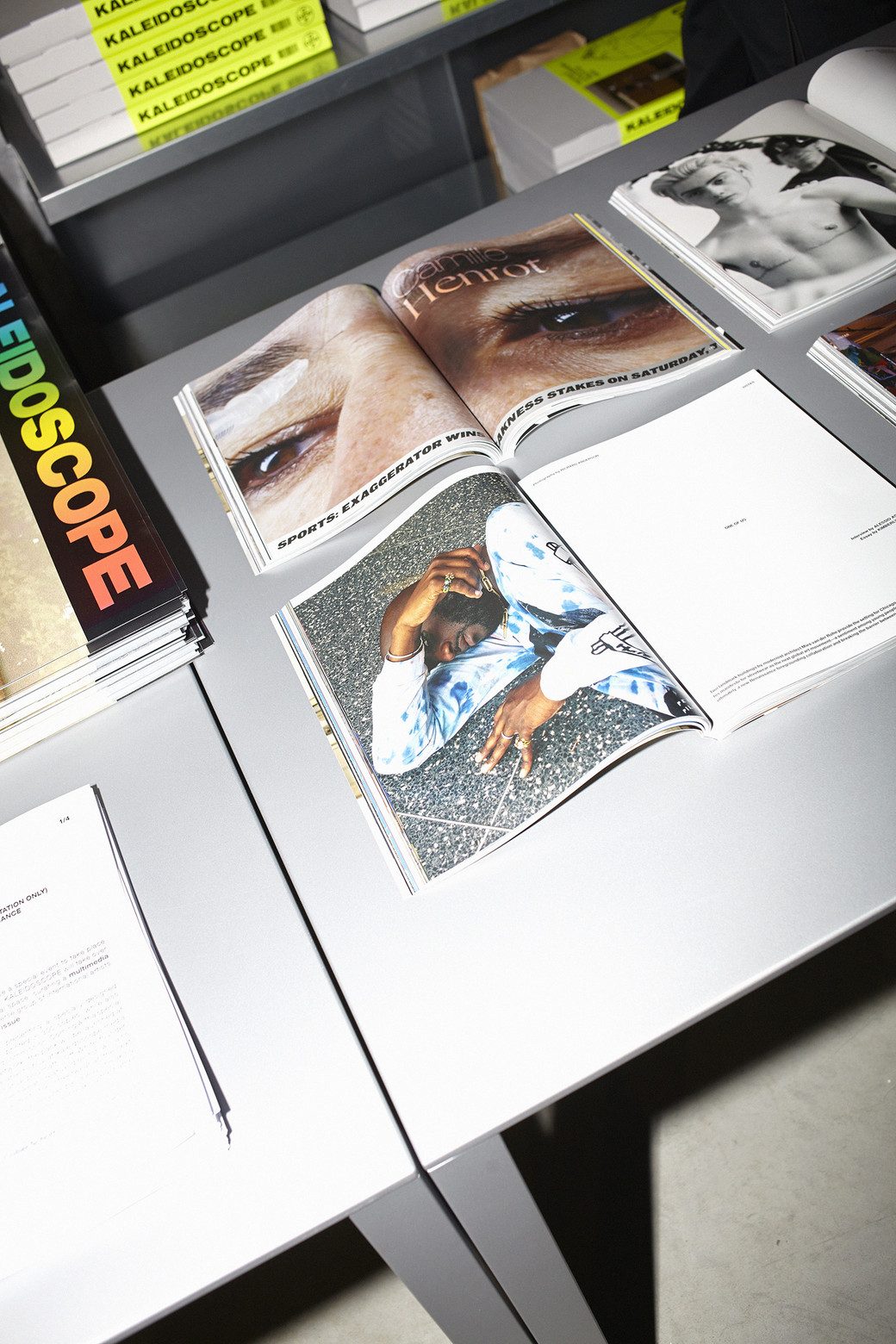
DRØME Volume III is out now and available at the office Newsstand. Come celebrate the issue with us tomorrow, December 5, from 6 to 8PM.
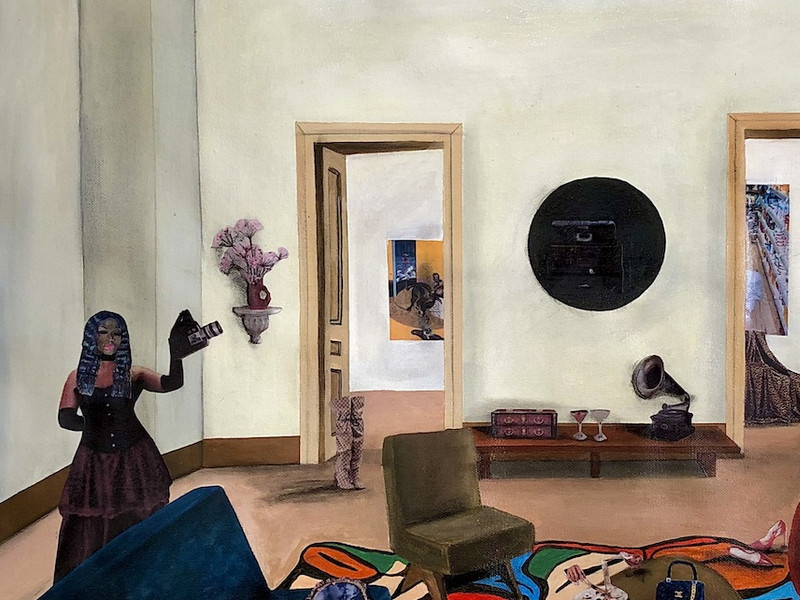
Ashton Sanders photos by Kelia Anne, styling by Timothy Chernyaev @ The Only Agency, creative direction by Satchel Lee and Caroline Gorman, Grooming by Harper, styling assistant: Kita Lewis; Salem Mitchell photo by Lili Pepper, styling by Harper Slate, creative direction by Satchel Lee and Caroline Gorman, grooming by Moe Alvarez, set design by Francis Cardinale, photo assistant: Rina Movsisyan; all photos courtesy of DRØME

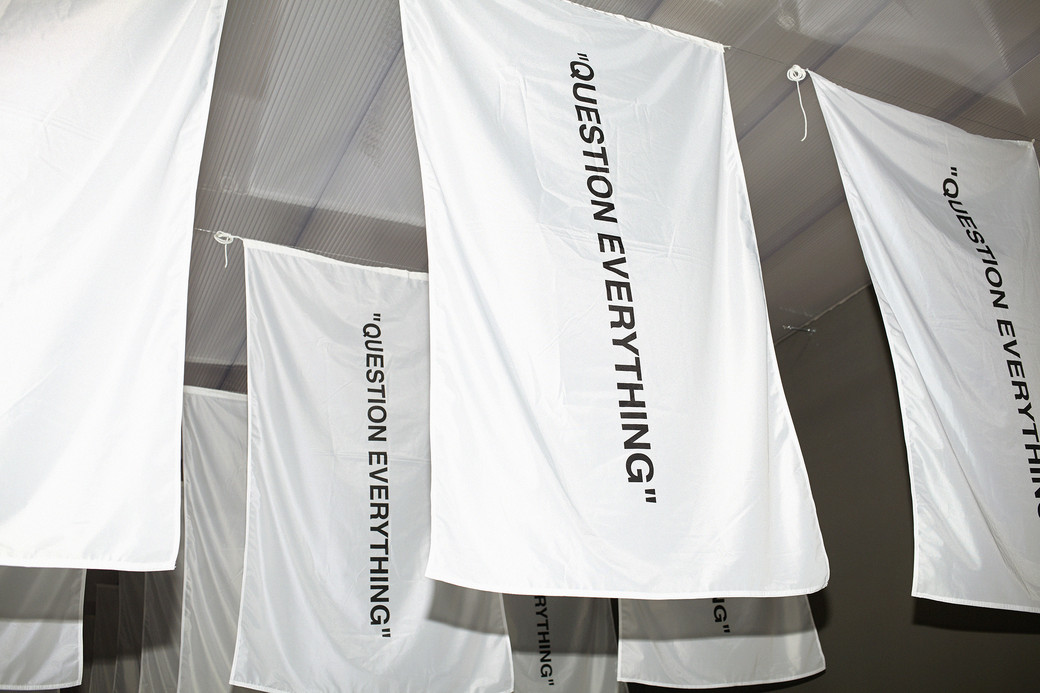
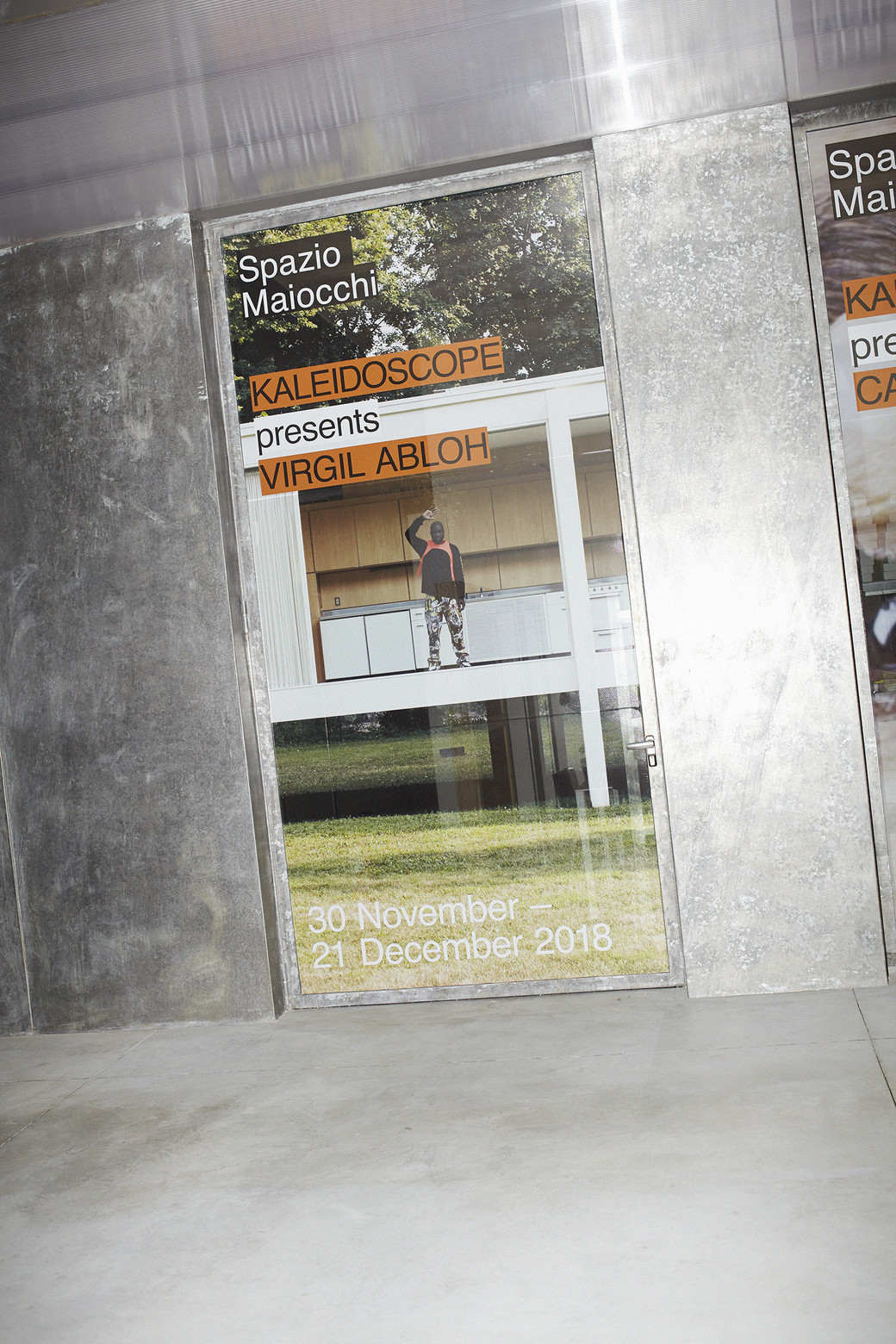
Abloh’s talk was followed by a hypnotic performance by Young Girl Reading Group, a Polish-Lithuanian collective whose digital dialogue complemented the themes of technology and conversation that Abloh addressed.
During his presentation, Abloh discussed his own artistic output, covering his background in architecture, music and his work as the new creative director for Louis Vuitton menswear and his own brand, Off-White. He also shed light on his upcoming exhibition at Chicago’s MCA, the first museum show devoted exclusively to Abloh’s multidisciplinary body of work.
Abloh is the fashion industry’s newest enfant terrible; the street artist whose medium is 21st century consumerism, covering the walls of the establishment with copyright symbols and registered trademarks, which he describes using “like a can of spray paint.” In his own words, Abloh calls himself a “cultural robin hood—steal from the snobs and give it back to some kids."
Nevertheless, Abloh’s high/low approach, not to mention his role at Vuitton, mean that it’s difficult to label him as simply another iconoclastic rebel. Listening to him speak, it’s clear he is firmly positioning his work within the canon of art history, pioneering the idea of streetwear as the new conceptual art. Using the analogy of “tourist vs. purist,” Abloh converses his way across the two sides, conceptualizing himself as the modern Renaissance man of the digital world.
After the show, office sat down with Virgil to chat about his new cultural language.


You’re known for being really open and enthusiastic. What’s the interplay between being open to new ideas vs. being critical or discerning?
I operate in a sort of internal dialogue framework, this diametrically opposed premise of ‘tourist’ and ‘purist.’ I stay cautious of veering too much towards the purist. You know, ‘This is good, this is bad.’
Which one do you consider yourself?
I’m directly in the middle. I’m a bit half of each. That’s where Off-White comes from. I focus on imperfection just as much as I focus on perfection. Because I’ve chosen those two metrics to create from, I can create at a rapid pace, or I can think in a sort of freestyle moment.
You’re so open to learning and yet also a teacher in the cultural field. How do you balance those two sides?
I think it’s about conversation. Since the beginning of time, it was conversation that exchanged my idea from my head to your head. When you stray too much towards the purist side, you start realizing, ‘I need this conversation to get some information to unlock something in my head’ and I think the modern world, post-a young generation coming into prominence, we’ve poked holes in that. So, my work and how I frame my work—the context that it exists in—it doesn’t fall apart once it’s exposed.
In the past generation of high art and high fashion, it’s like, ‘Put a wall around it. Put a layer of mystique around it. Keep it on a really tall white pedestal. Put a vitrine box under it.’ It’s what a gallery is—a white cube. But what all these kids have figured out [Virgil gestures to the crowd of young fans outside] is that what’s happening outside the cube and on the street, whether it’s graffiti or real life, is just as valuable as what’s in there, and it’s about zig-zagging back and forth between the two.
How did you cultivate your ability to constantly adapt and morph in this ever-changing environment?
An ironic answer: it’s the environment that influenced my practice. Once I started mimicking the pace of Instagram, you know, that’s how the world works. To me, there was this question when the internet came into our daily life, it was like, ‘Is this some Black Mirror? What’s it going to do to our thought process?’ And it’s literally a mirror, you know? It’s just reflecting human nature, if used on idle mode. Or it can be used to project good, or it can be used to project bad, but it’s not as mysterious beyond that.
A lot of people look up to you as a role model. Who are your role models?
My role models are my friends. I design based on conversation and collective thought. My own opinion juxtaposed with like, ‘Hey, is wearing all black cool?’ My output is in reference to the people that I interact with. I’m like a sponge—I like conversation, I like seeing things with my own eyes. I get inspired very easily by the temperature in the room.
What’s your relationship with the past and future? Do you plan for the future or do you wait for it to reveal itself?
I don’t look back at all. I don’t dwell on anything that’s happened, just because I’ve put so many things on my future trajectory, that something’s always due—the next project. And I get gratification from that—that’s my creative process. Once it’s done, it’s into the archive, like a monument to look at when I’m old and just about to die. ‘Til then, let’s make some more stuff. It’s like my 20 minutes a day—to do one thing, it only takes 20 minutes.
I say yes to most things—saying no to things blocks off so many other potentials. I do double time—I plan things that I want to do, and then if a new idea comes in amongst that, then it’s double the amount.
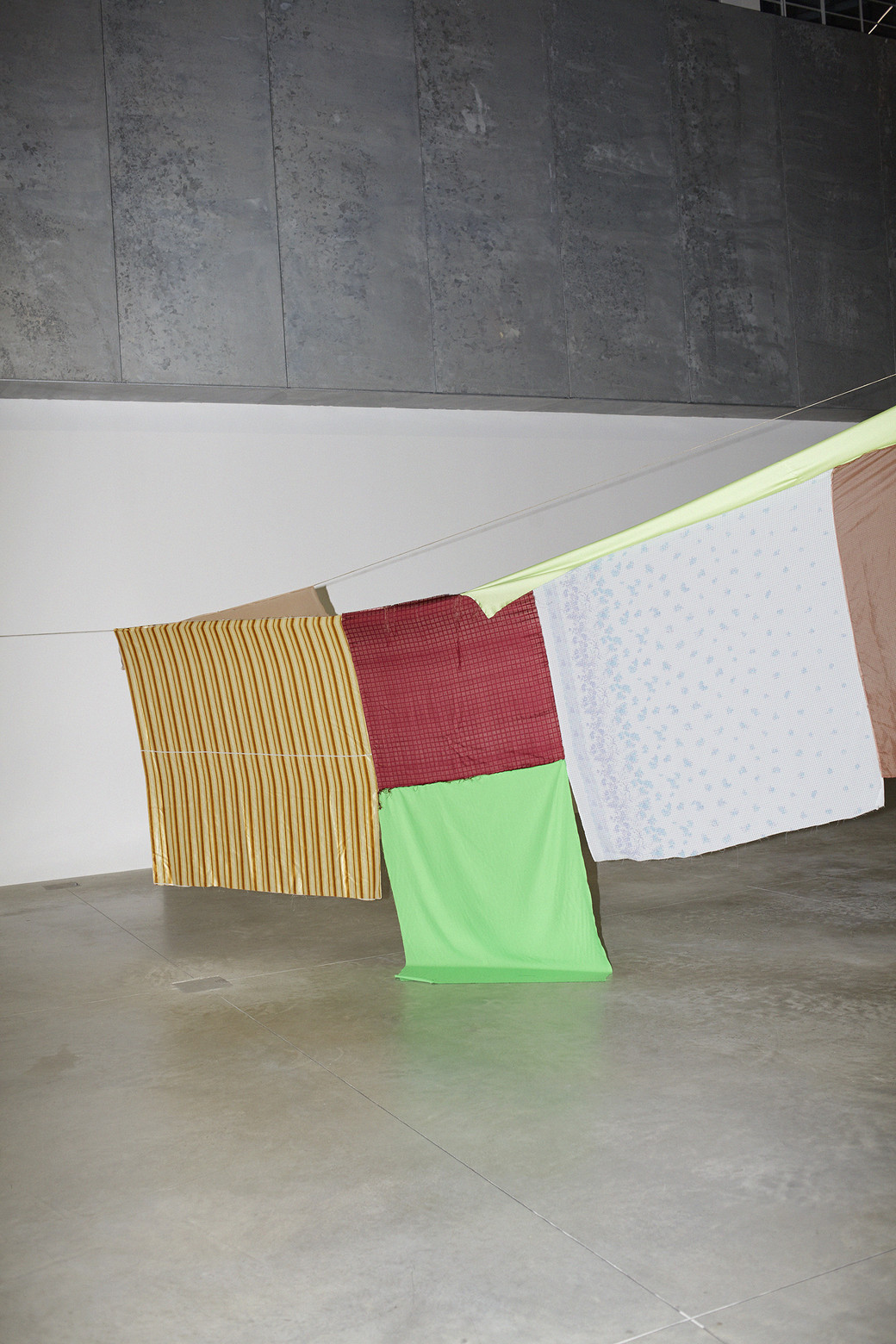
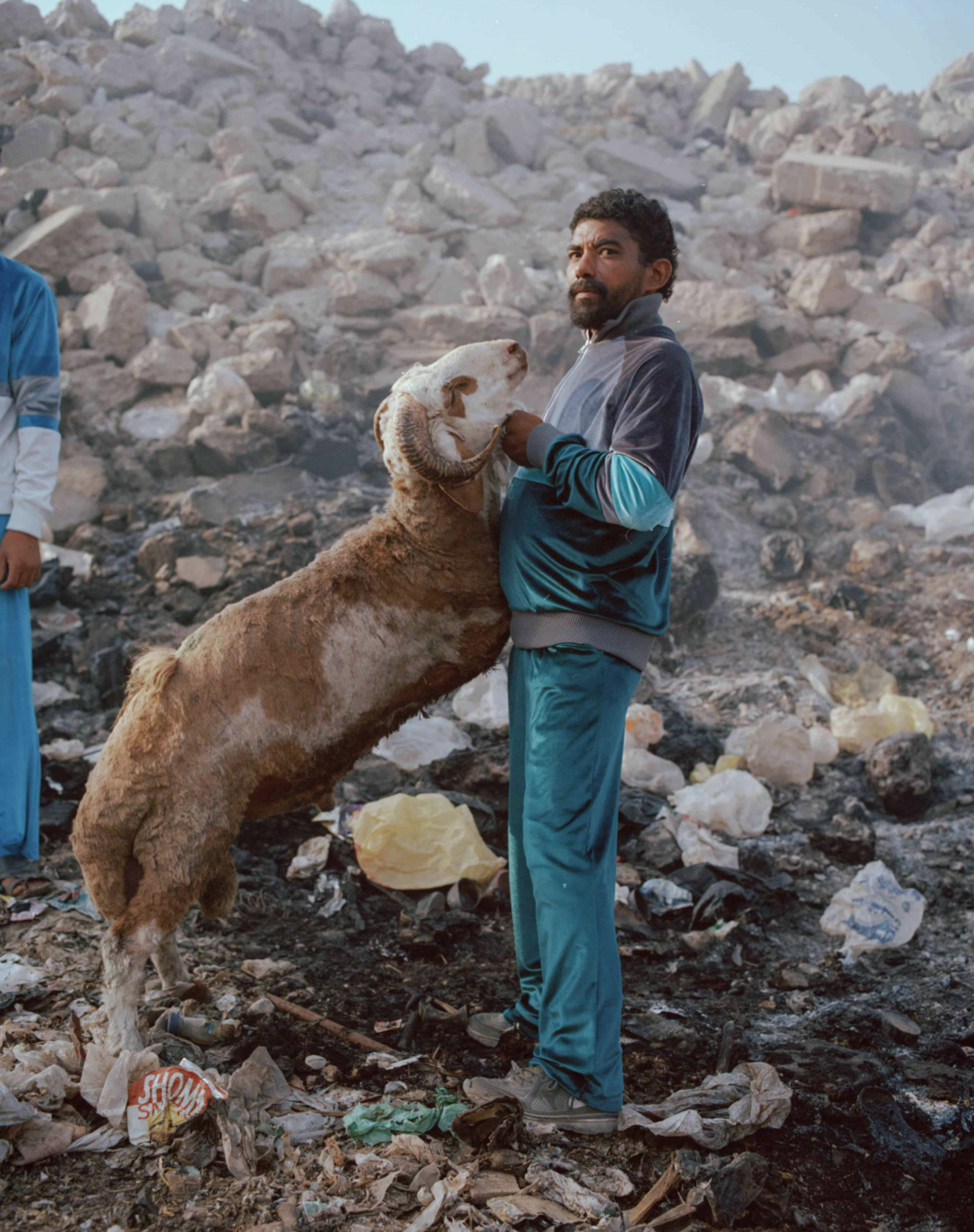
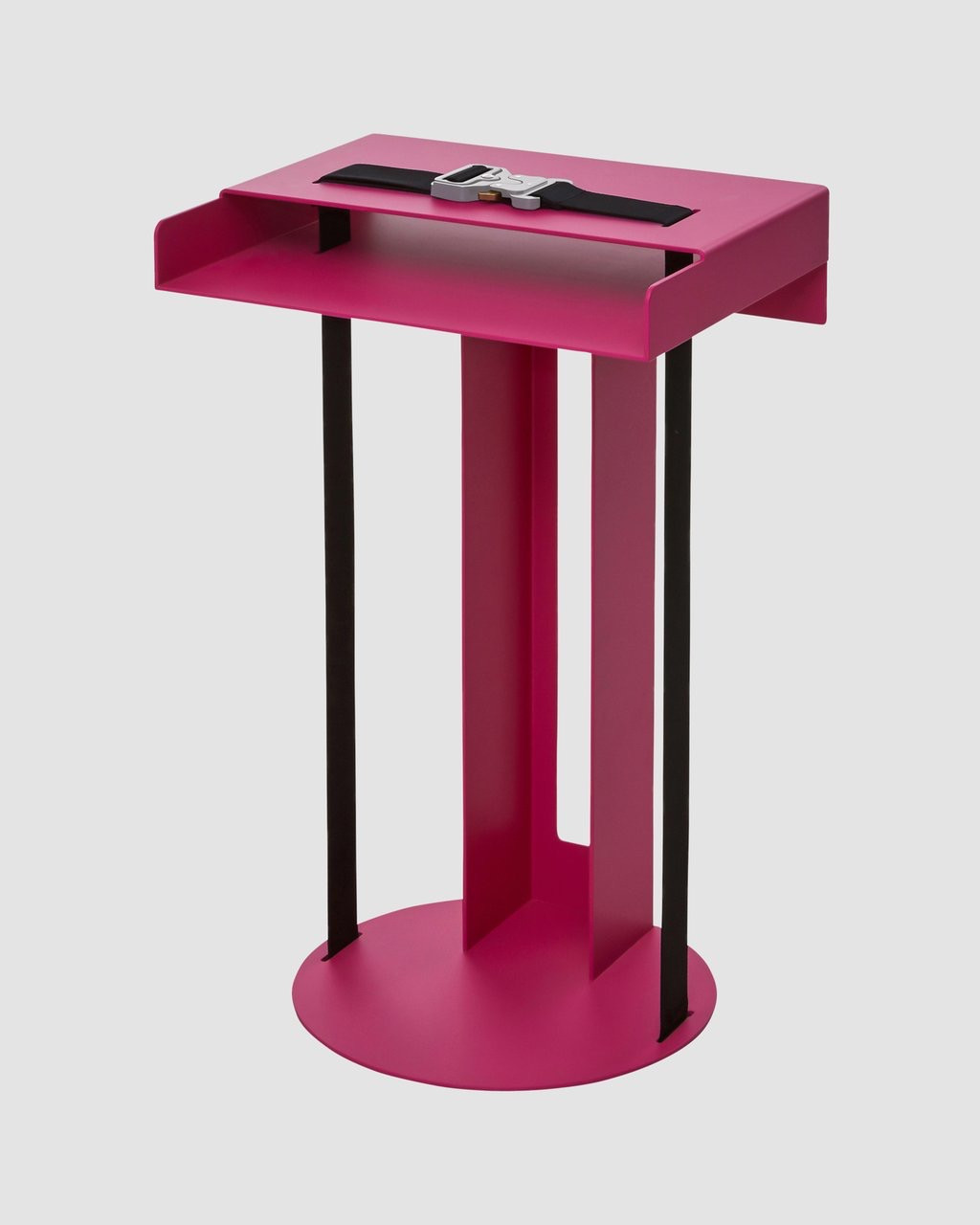
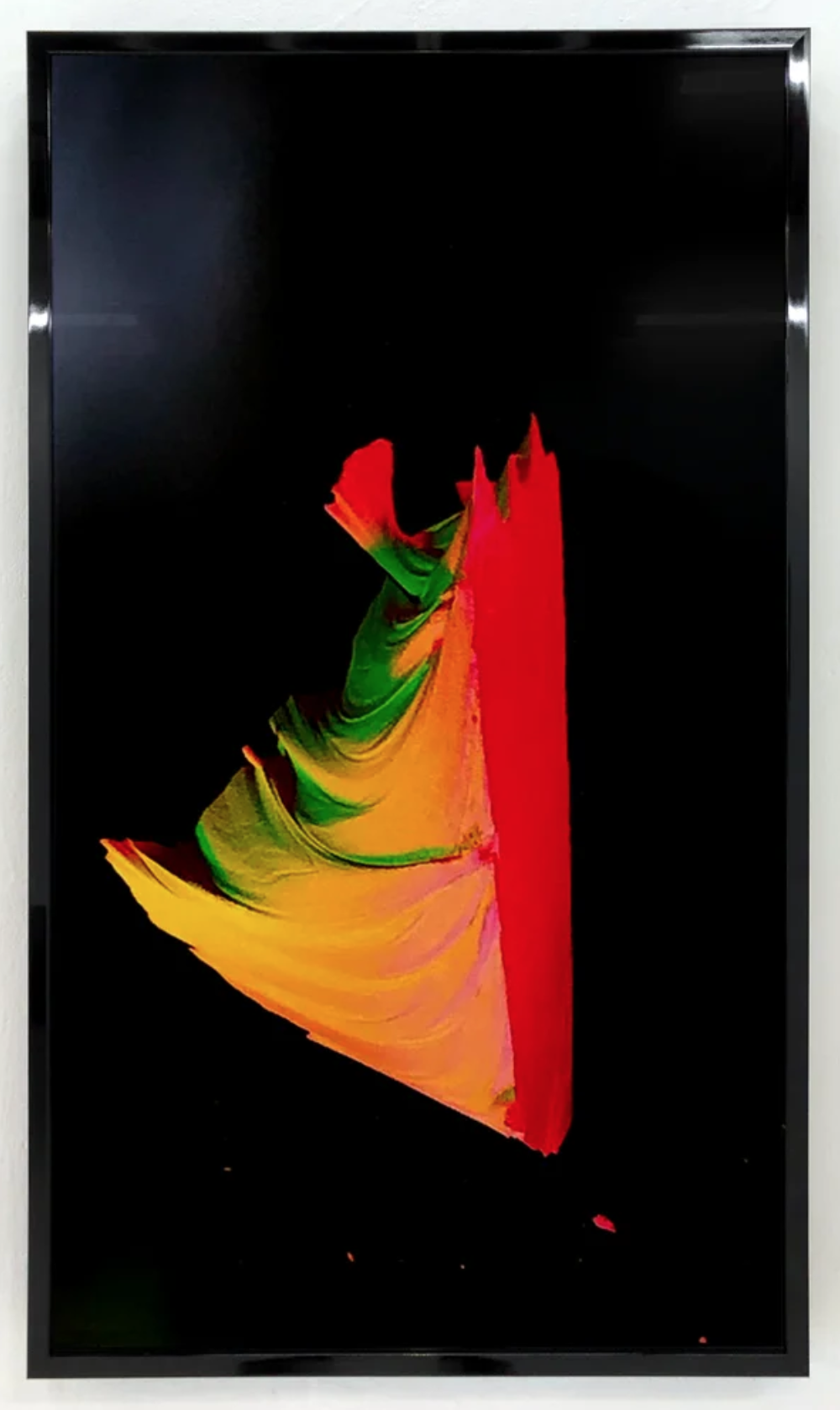
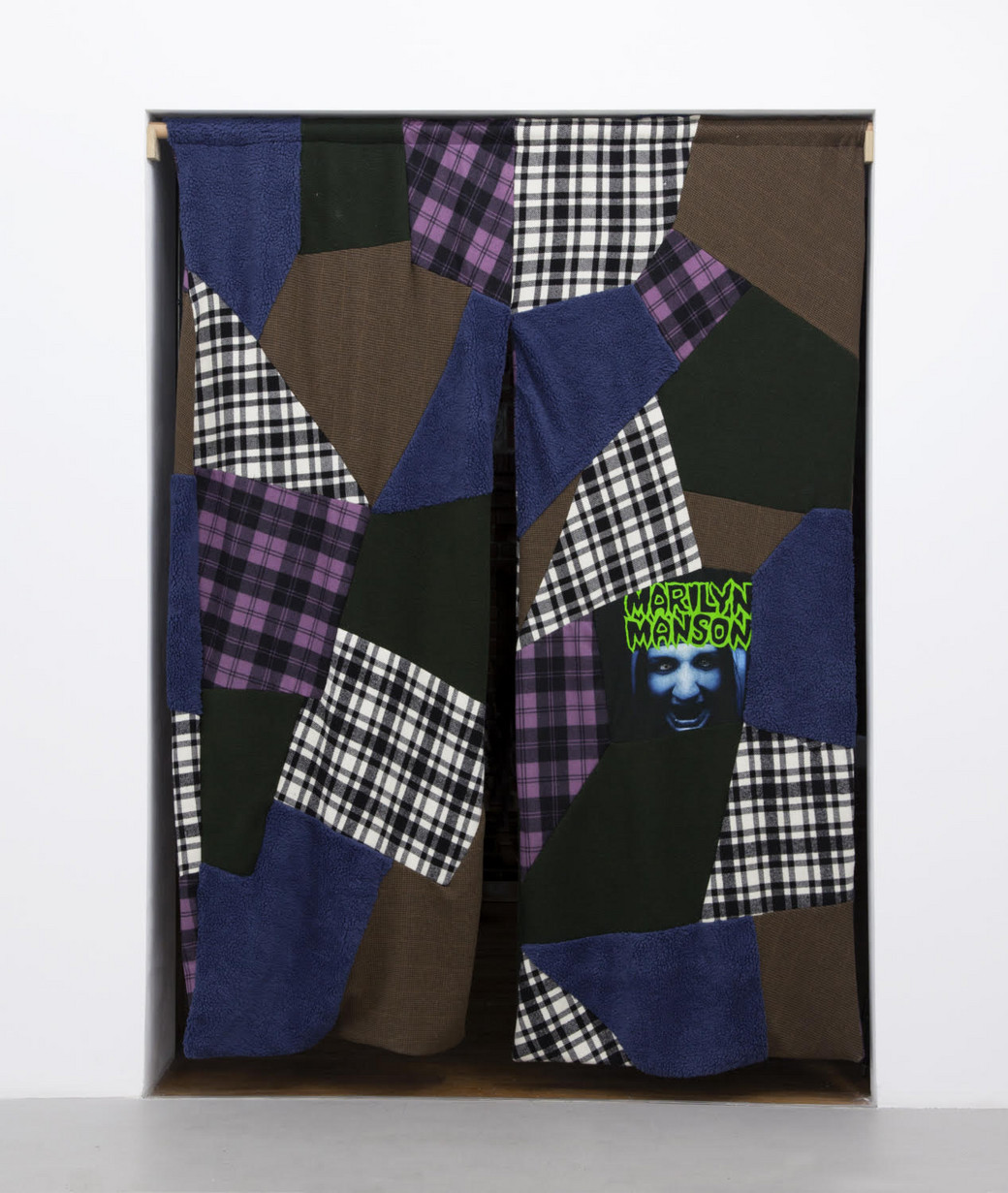
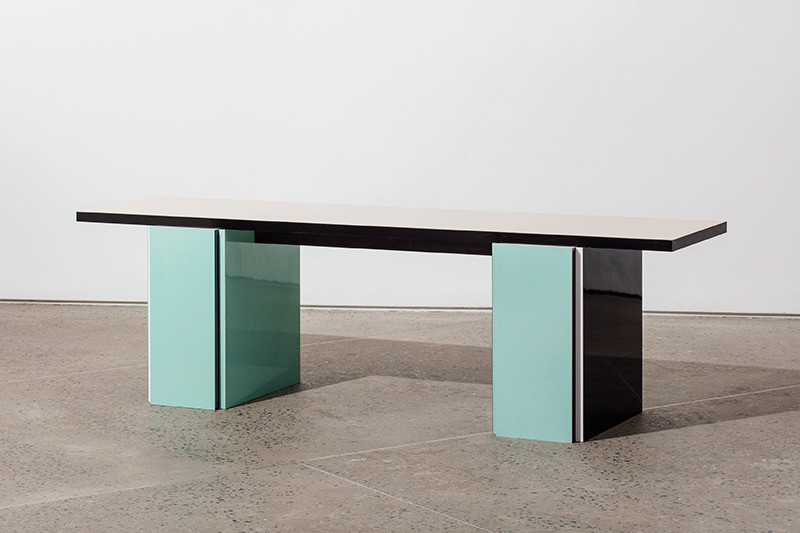
“For the Miami iteration, we narrowed the scope to video, photography, furniture and functional art pieces," Silveria explains. "This was fun, as some of our artists were pushed into a practice they were unfamiliar with and really embraced the challenge."
In addition to the show, NYC artist Peter Sutherland designed long-sleeve t-shirts, produced by Token LES, who will be hosting a pop-up shop in the front of the Good Taste exhibition. Featured artists will also be selling their own books and gear.
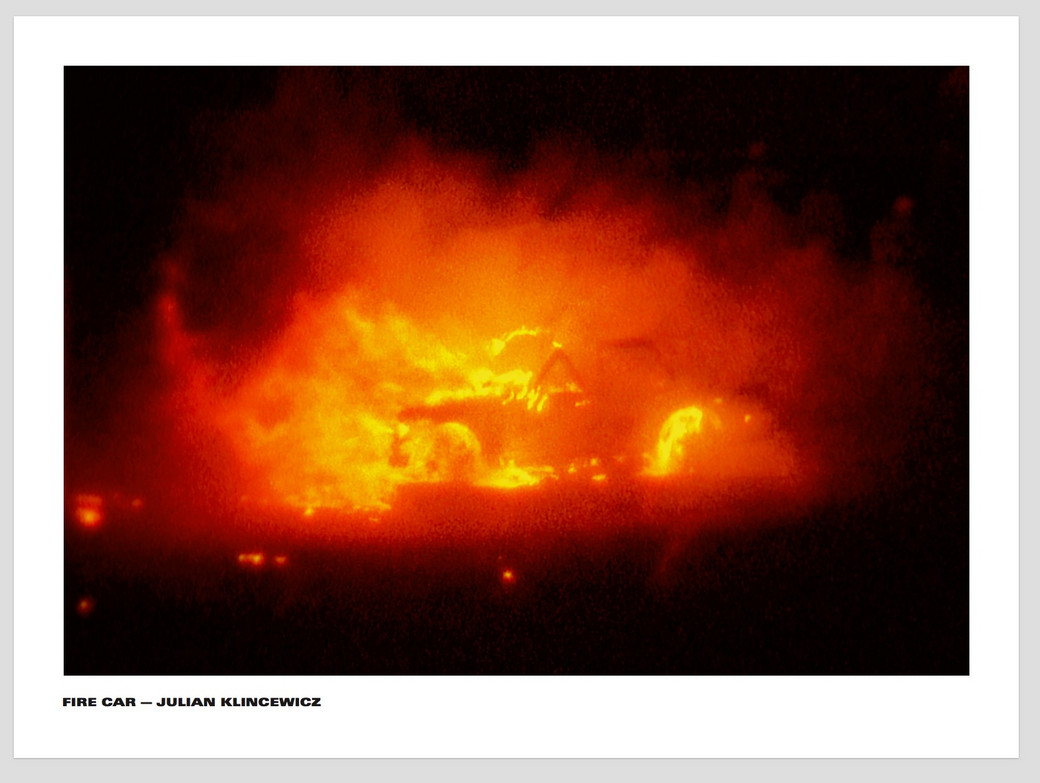
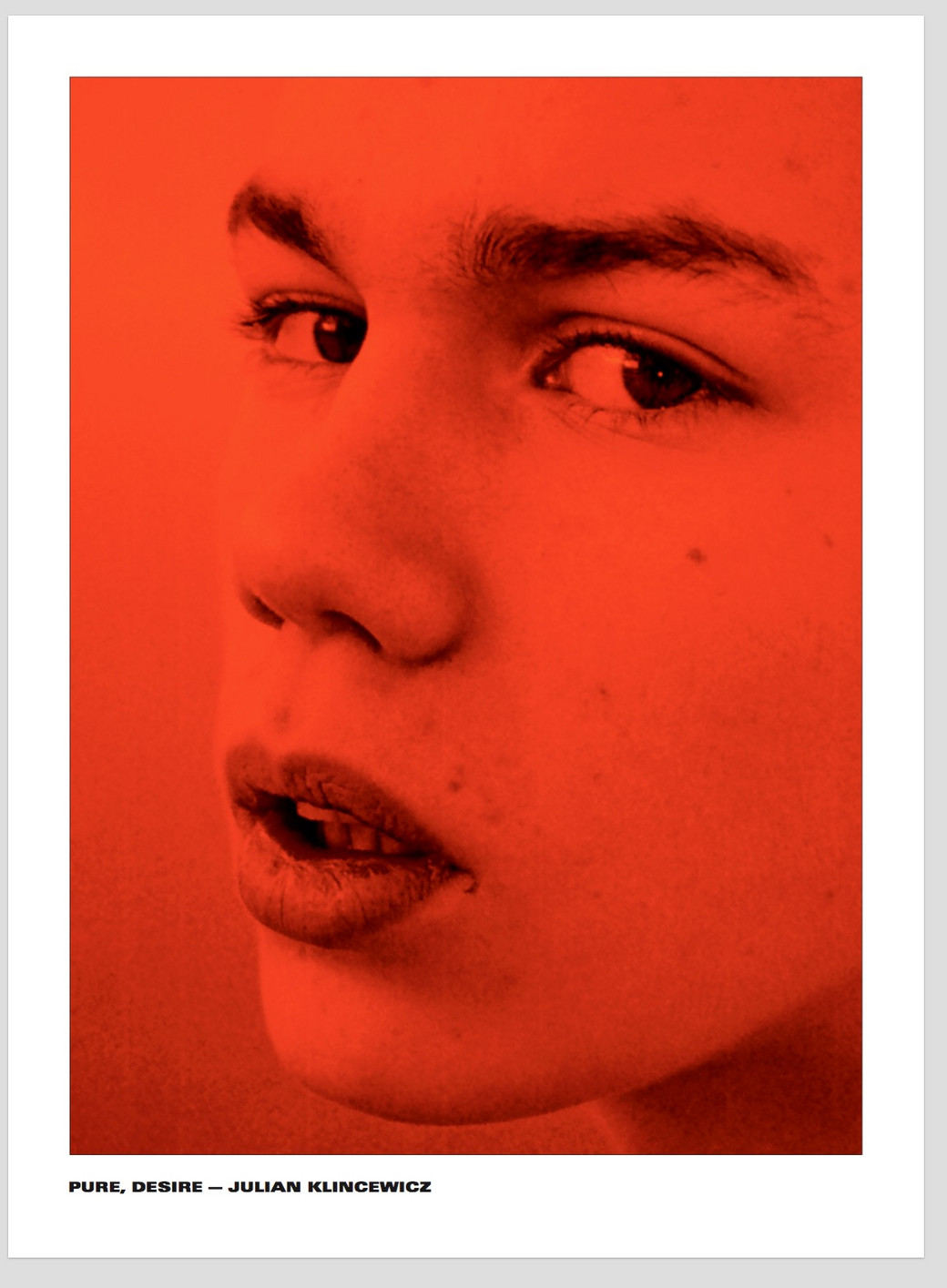
But that’s not all—there will also be a limited-edition surfboard designed by artist Julian Klincewicz, who will be performing at the opening on the December 5. So, if you’re in Miami—be there. Silveria adds: “It’s about building the community and sharing with one another.”
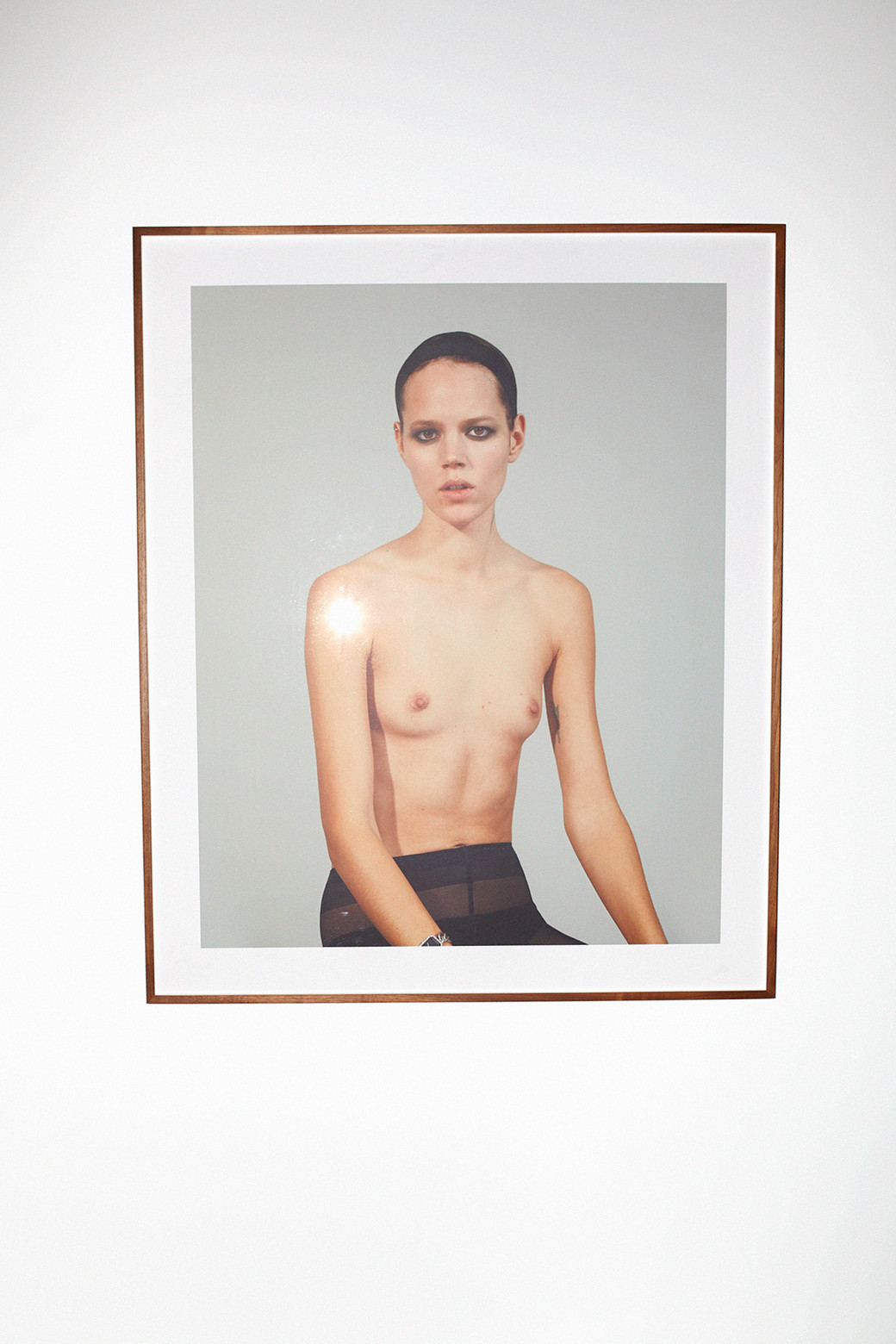
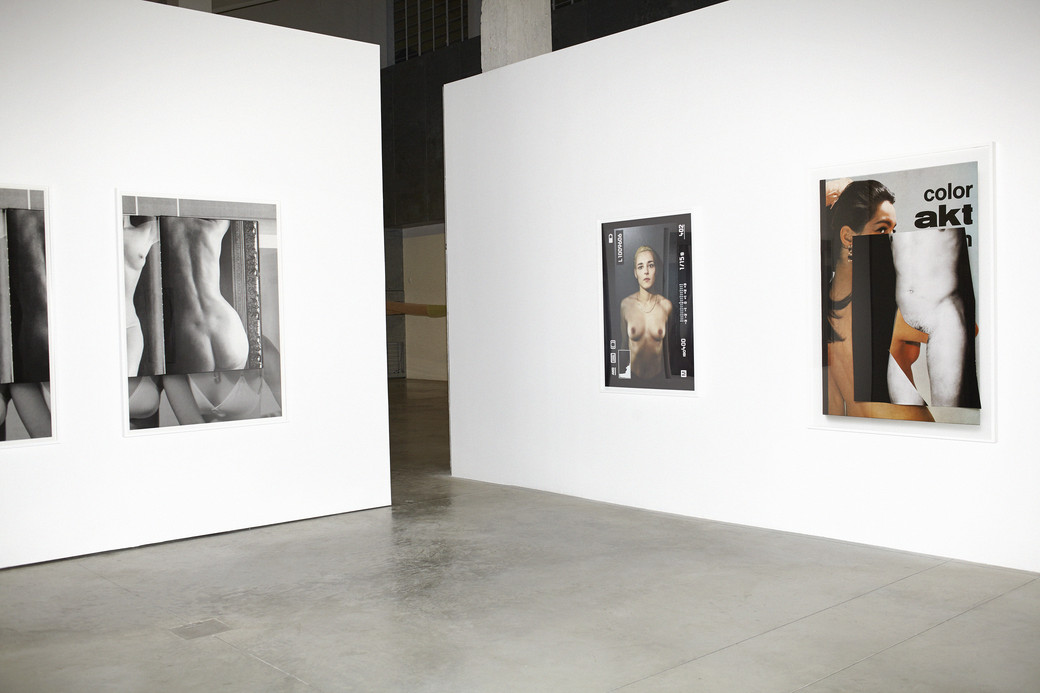
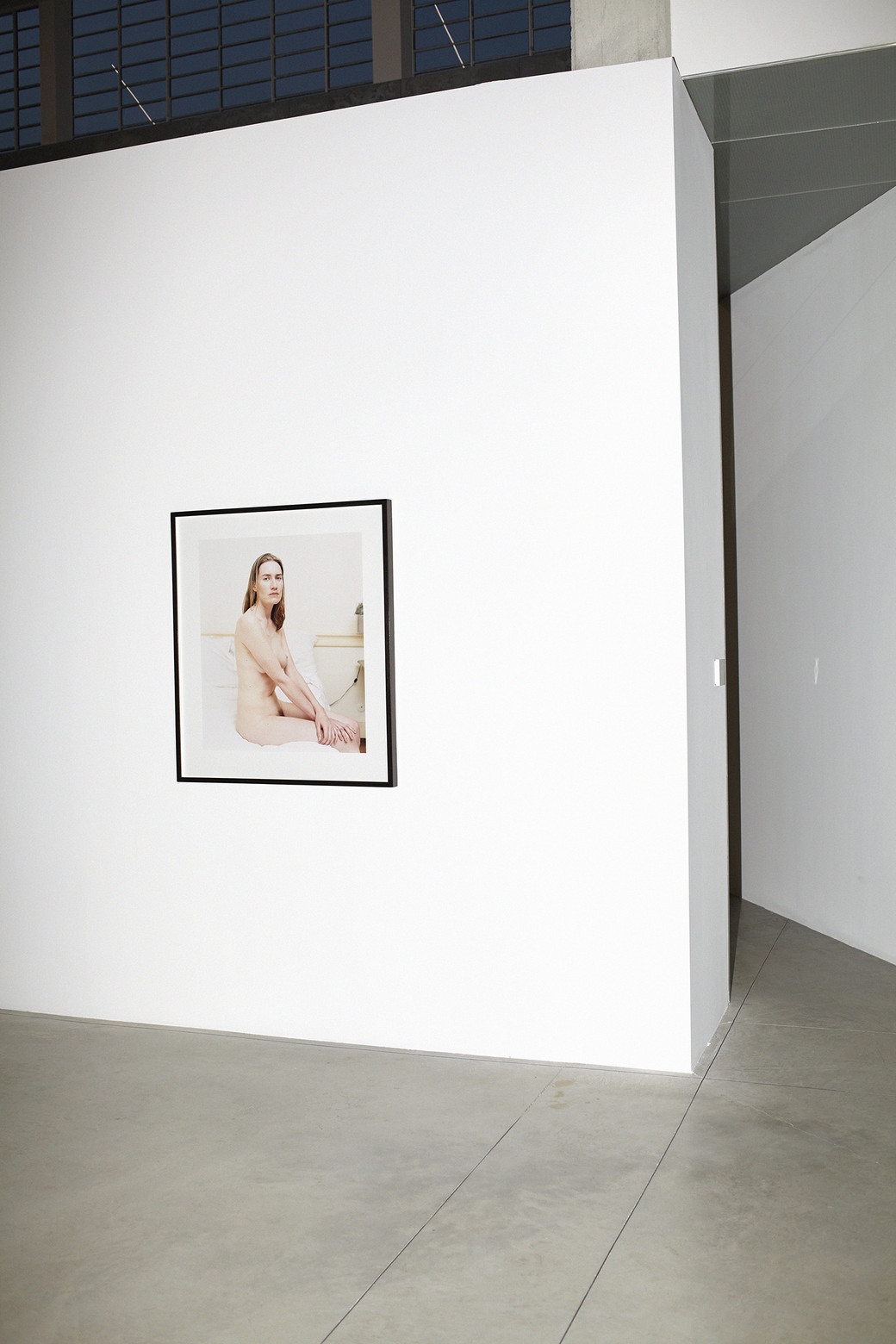
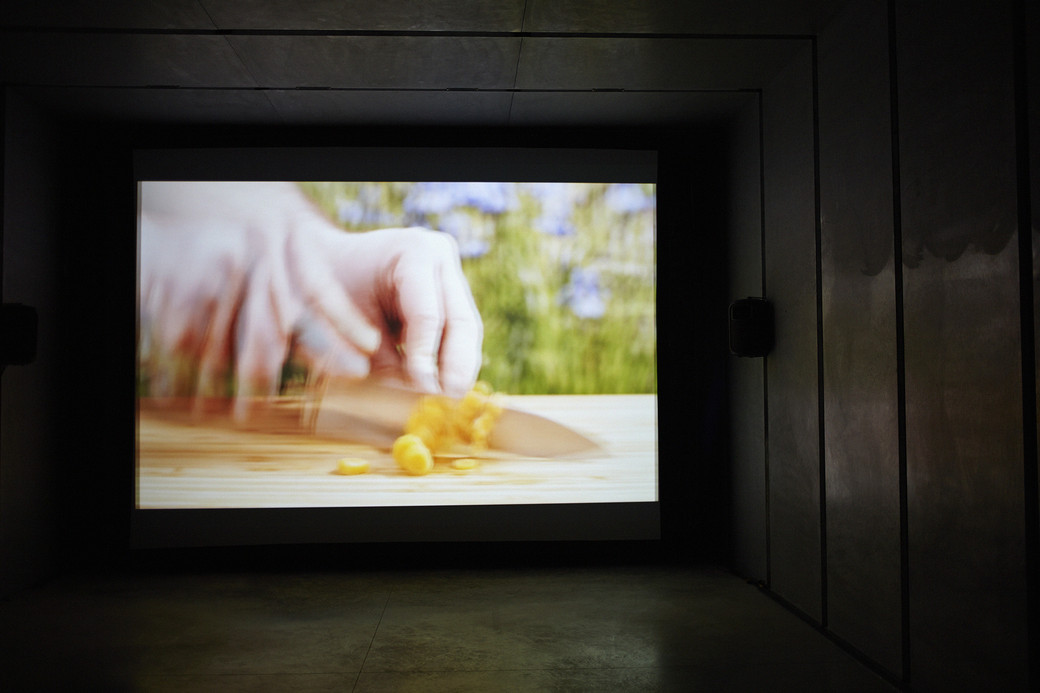
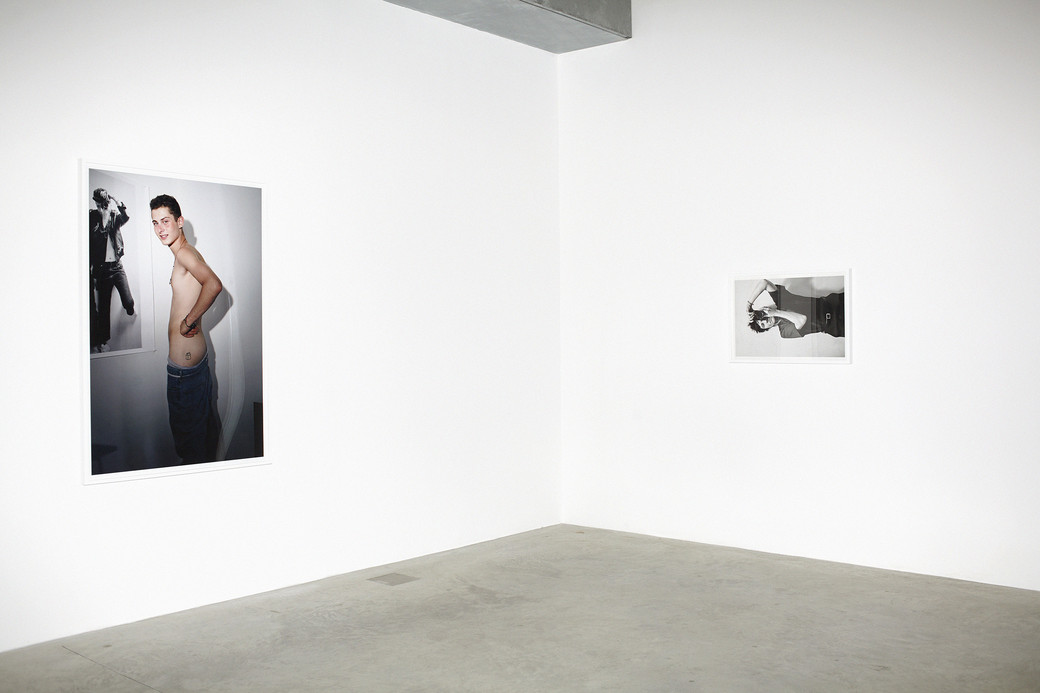
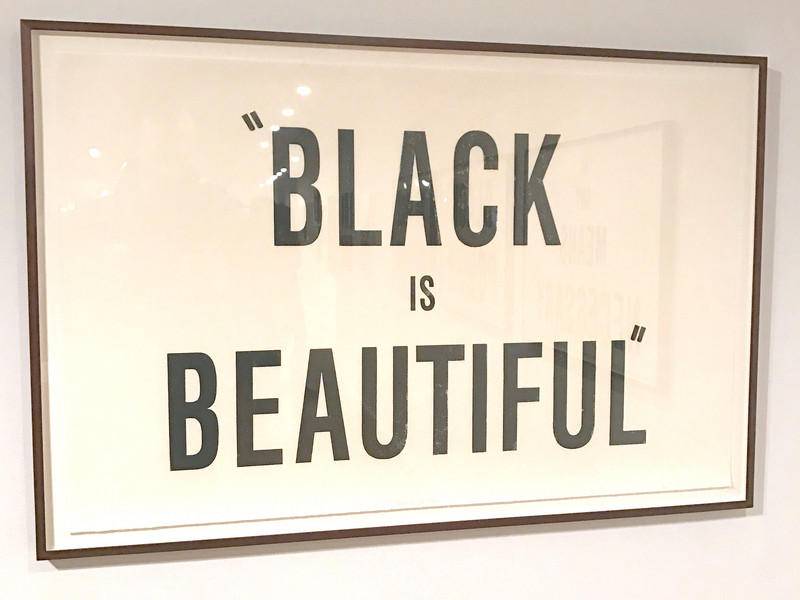
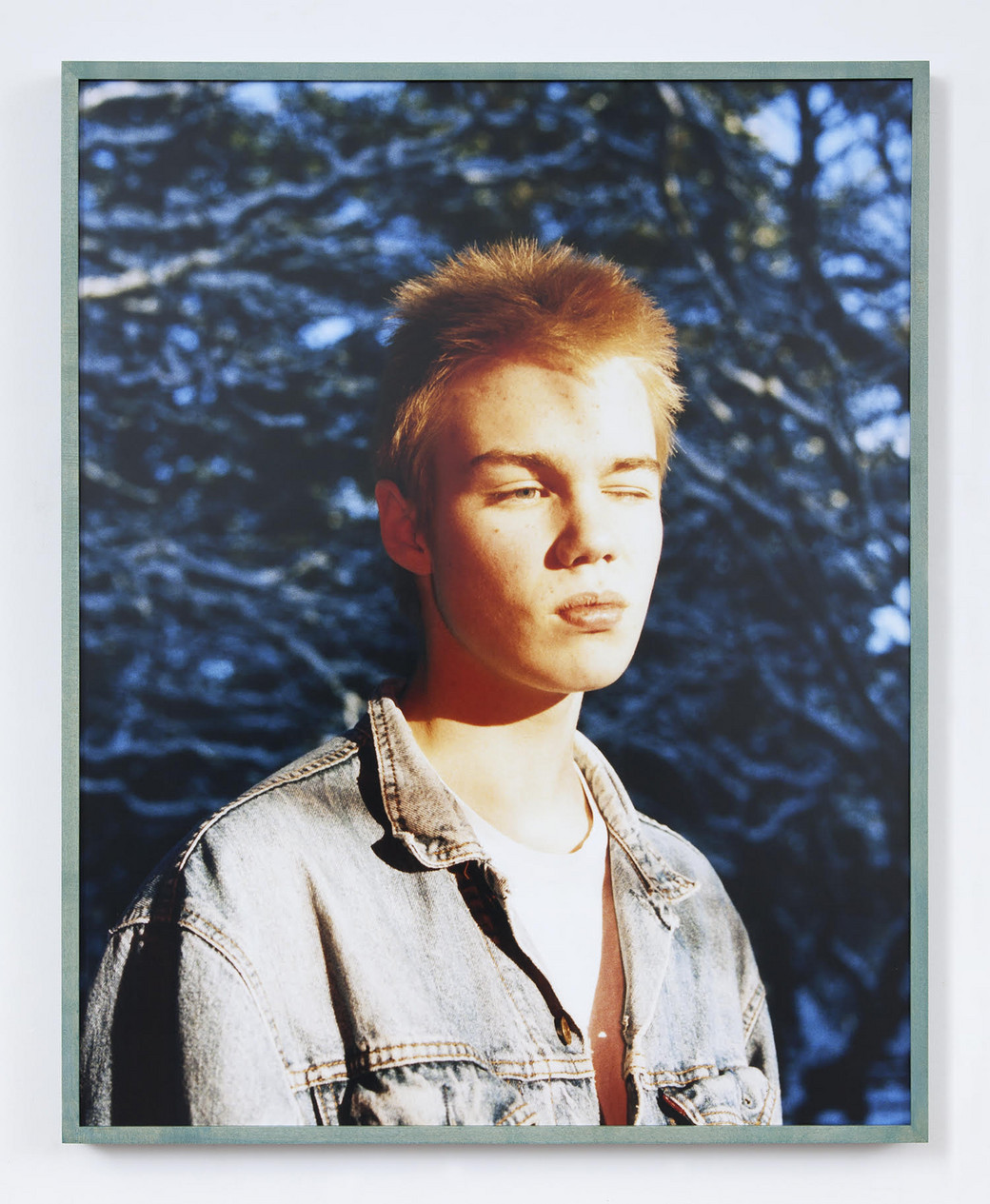
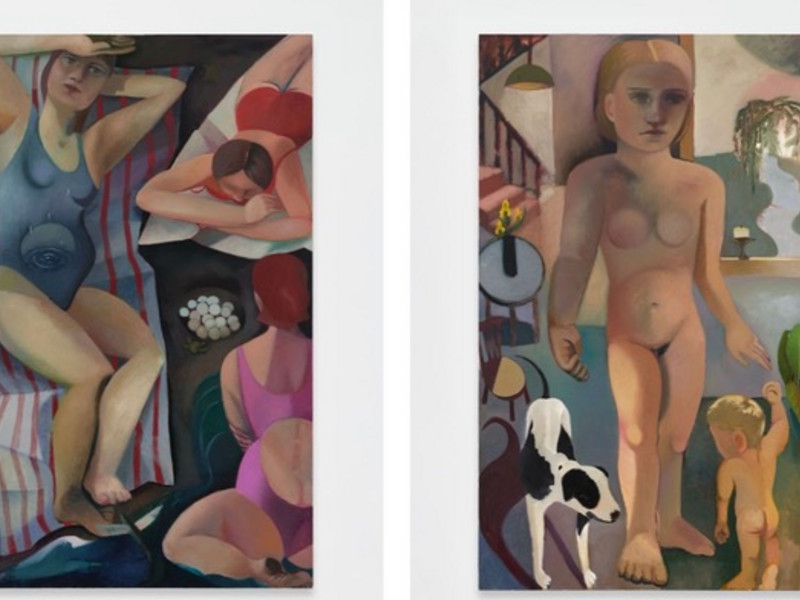
Preview some of the work, below.
'Good Taste' will be on view from December 5 to December 9 at 3802 NE, 1st Ave in Miami.
Photos courtesy of Good Taste.