PRESENTE CONTINUO: the intimate ties between then&now

Starting May 30, PRESENTE CONTINUO will be available to purchase on presentecontinuo.com, cpcompany.com, and at the C.P. Company flagship store in Milan, Corso Matteotti 7.
Stay informed on our latest news!

Starting May 30, PRESENTE CONTINUO will be available to purchase on presentecontinuo.com, cpcompany.com, and at the C.P. Company flagship store in Milan, Corso Matteotti 7.

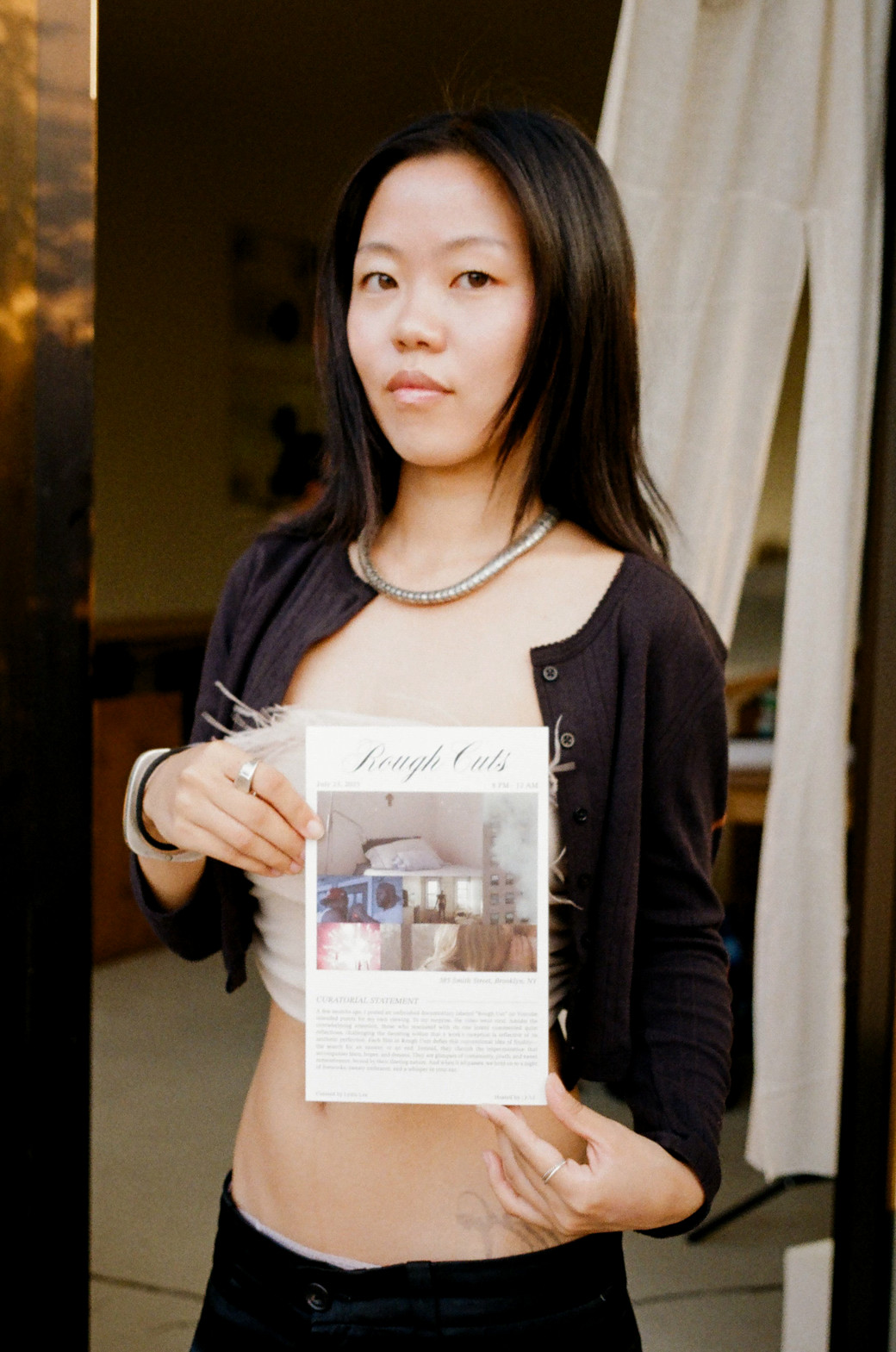
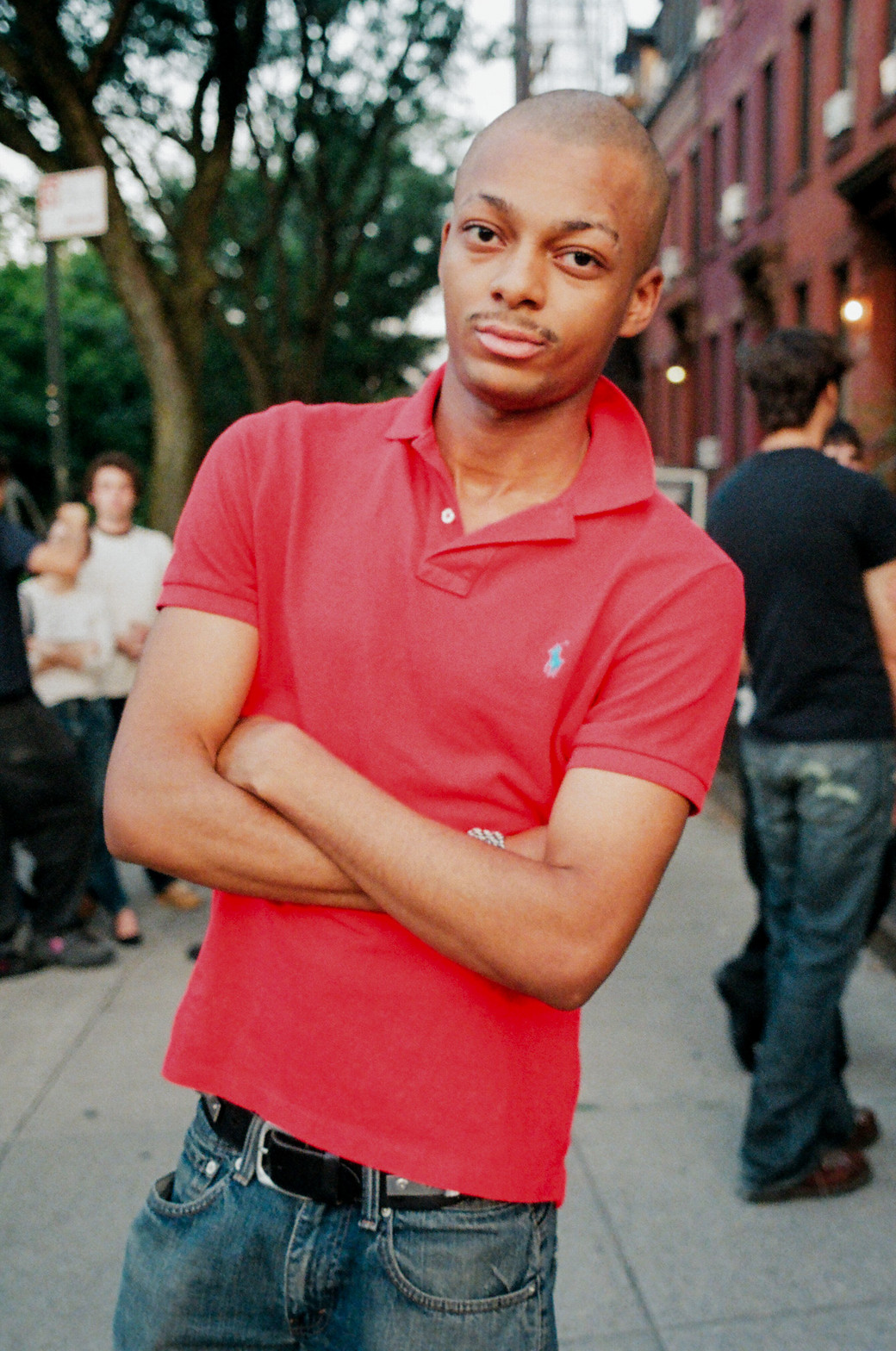
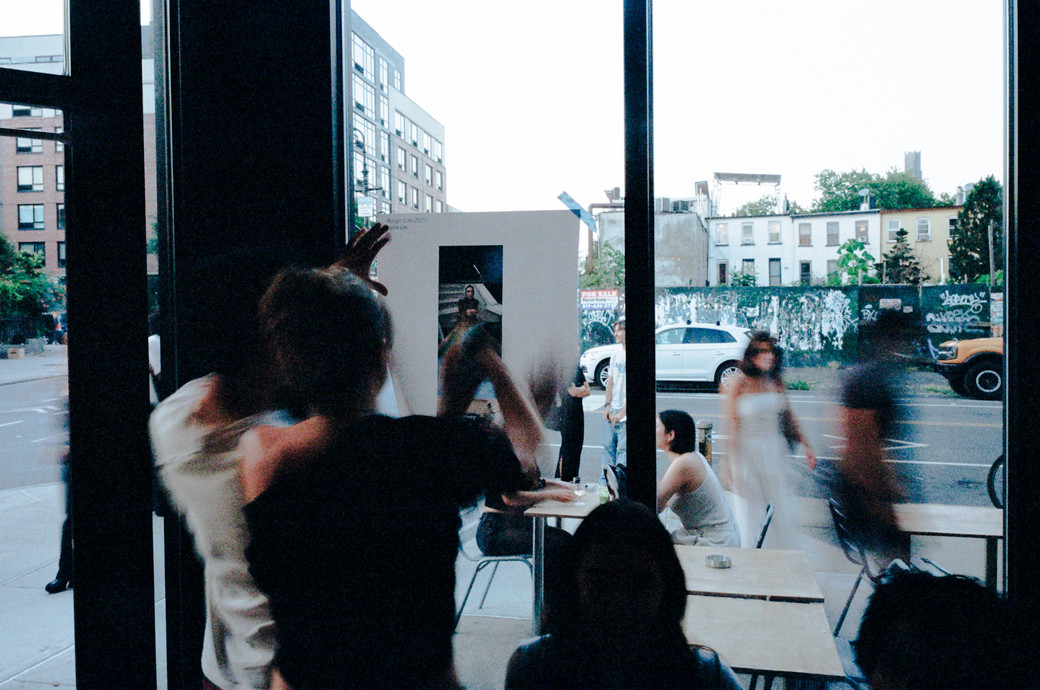
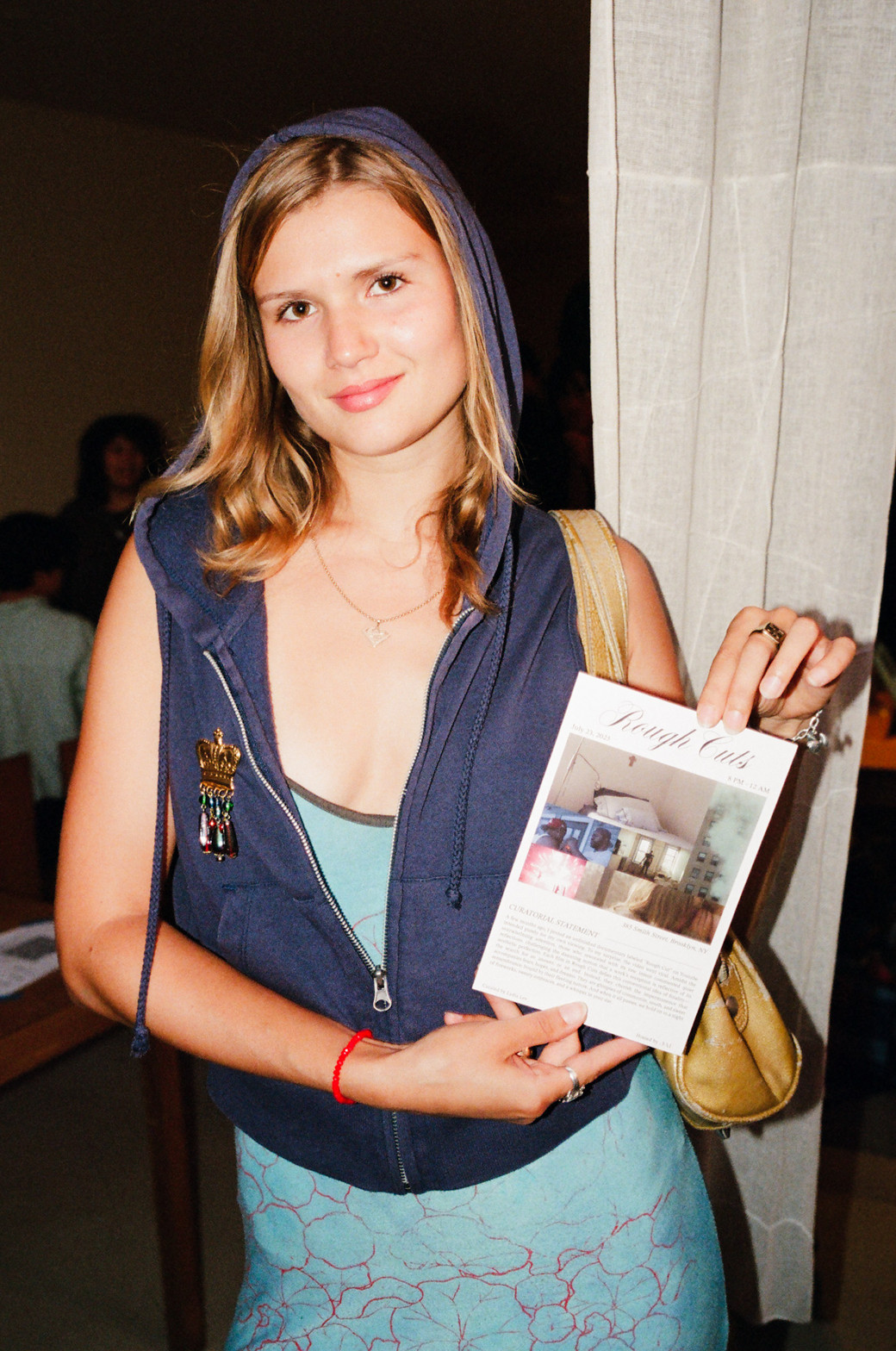
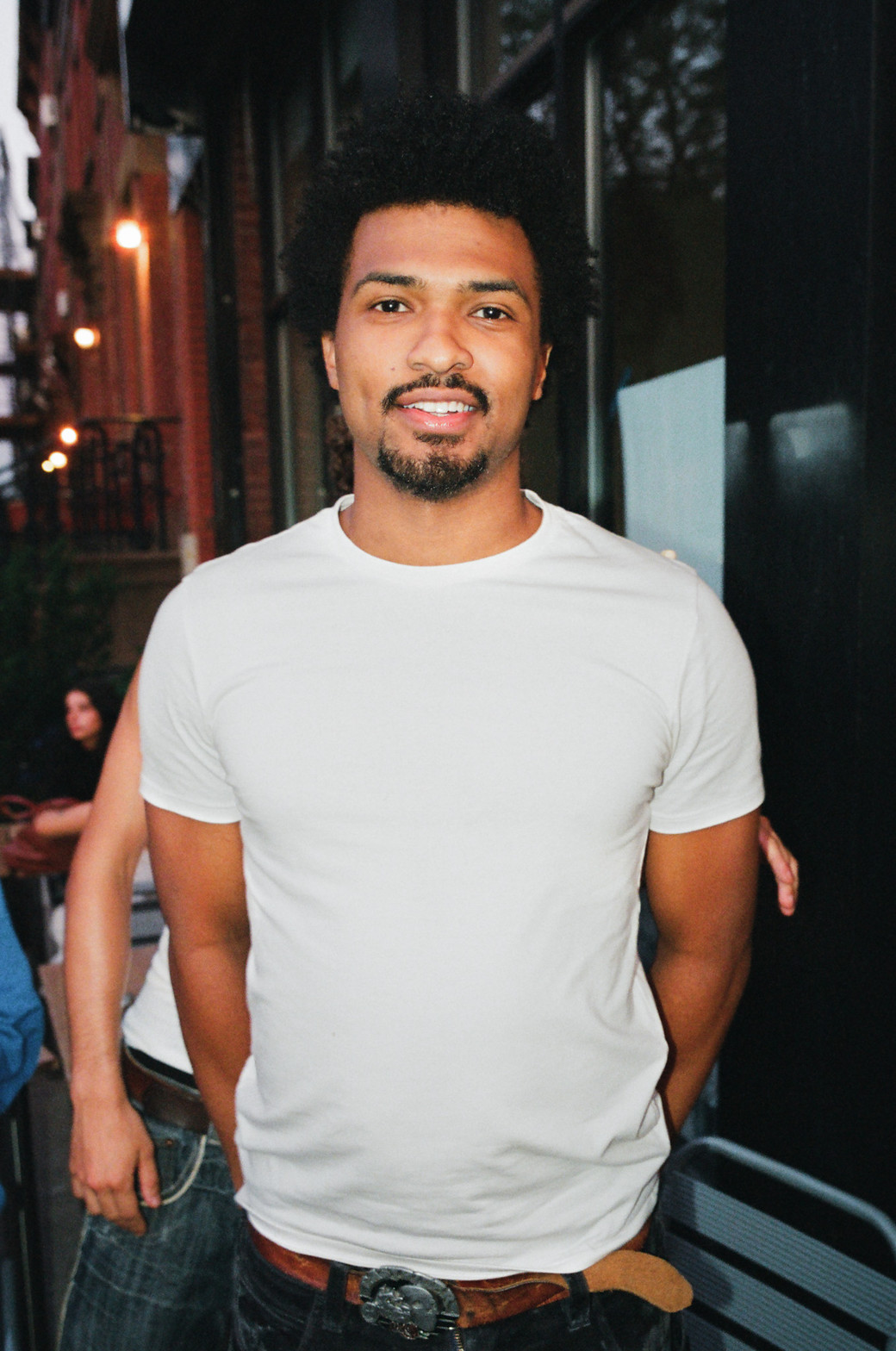
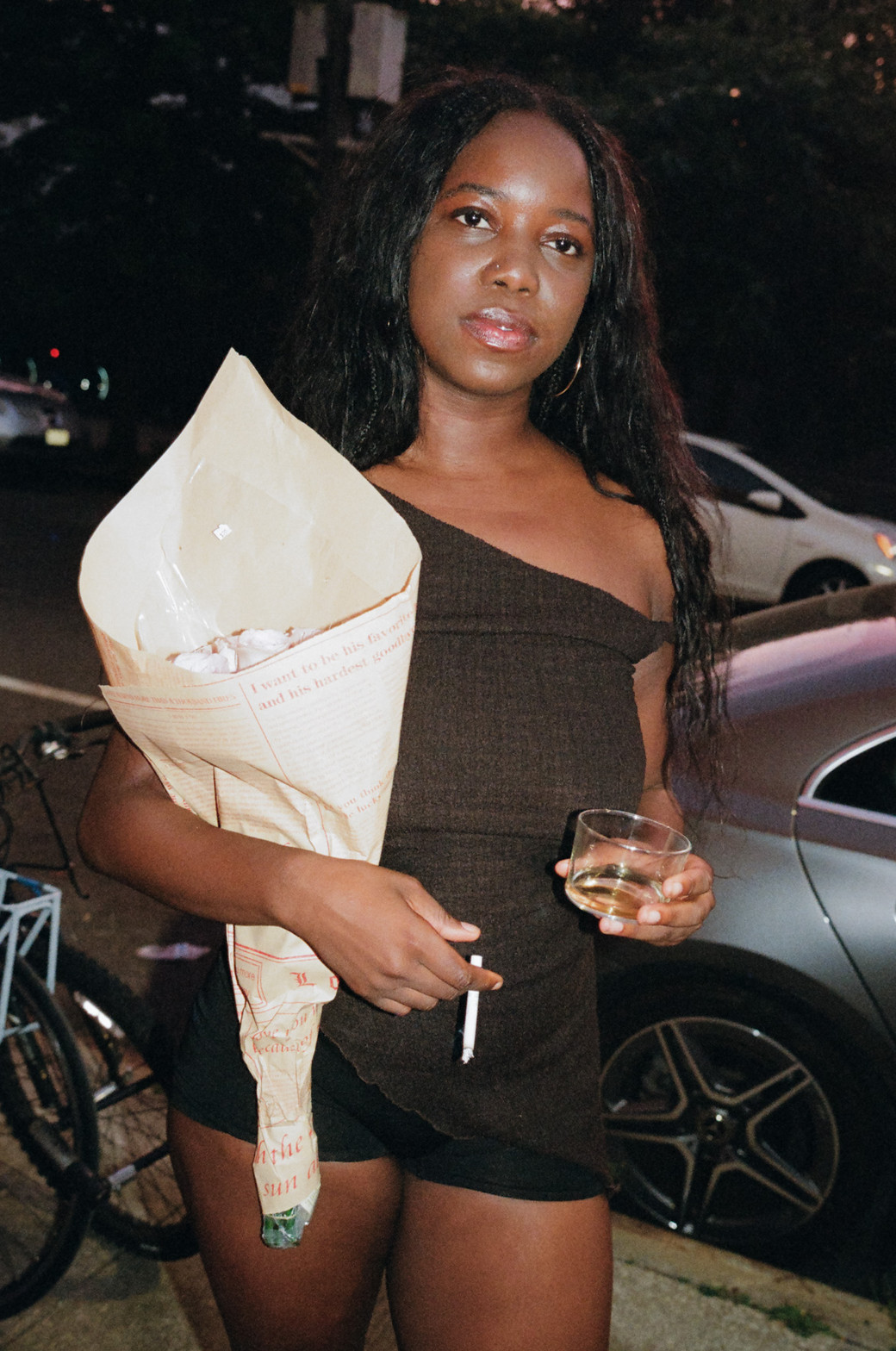
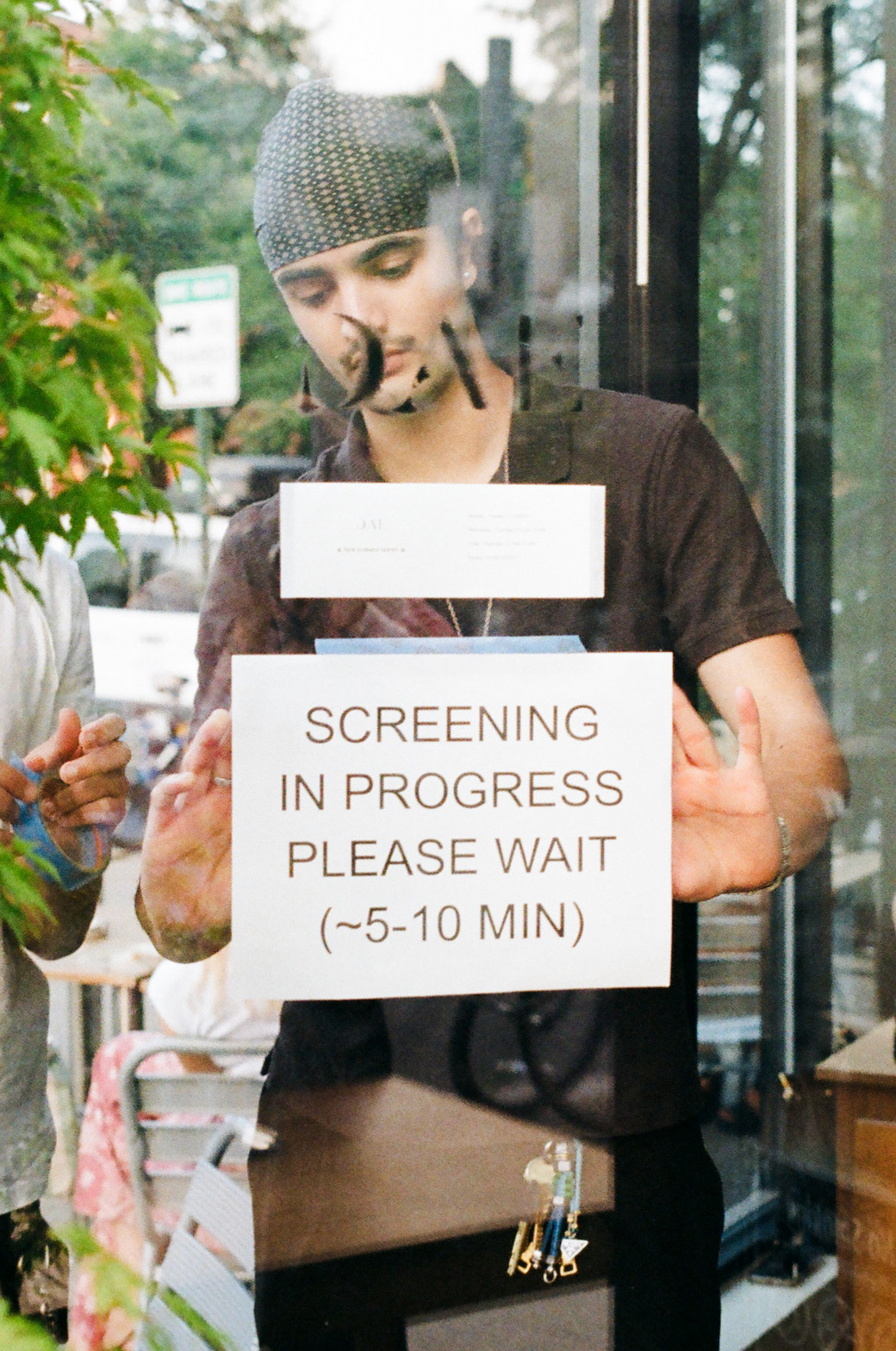
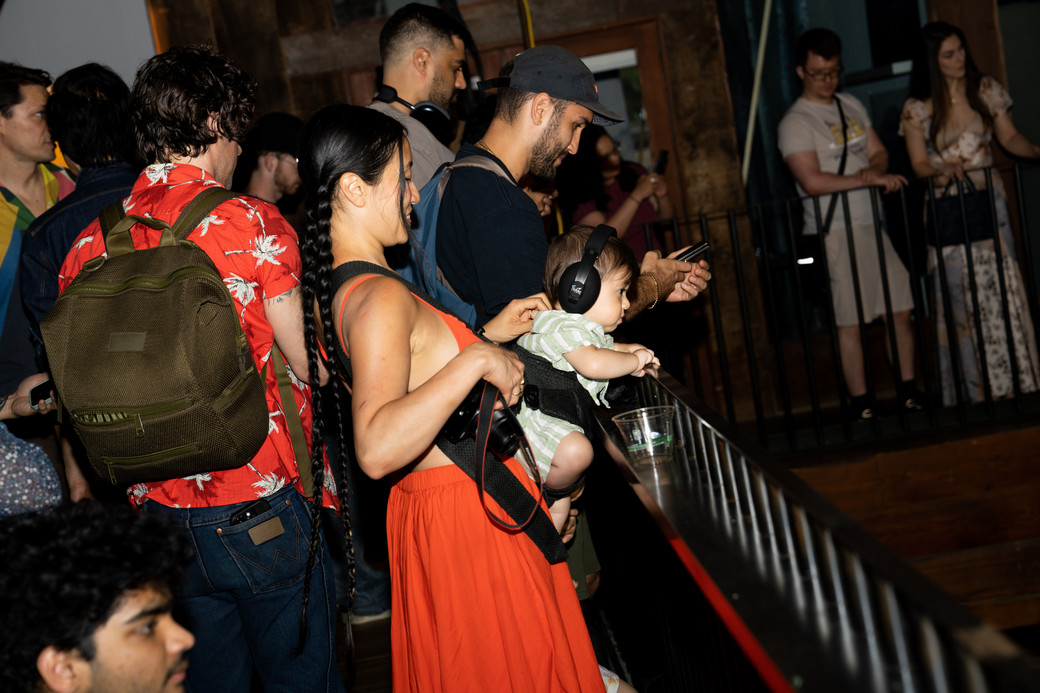
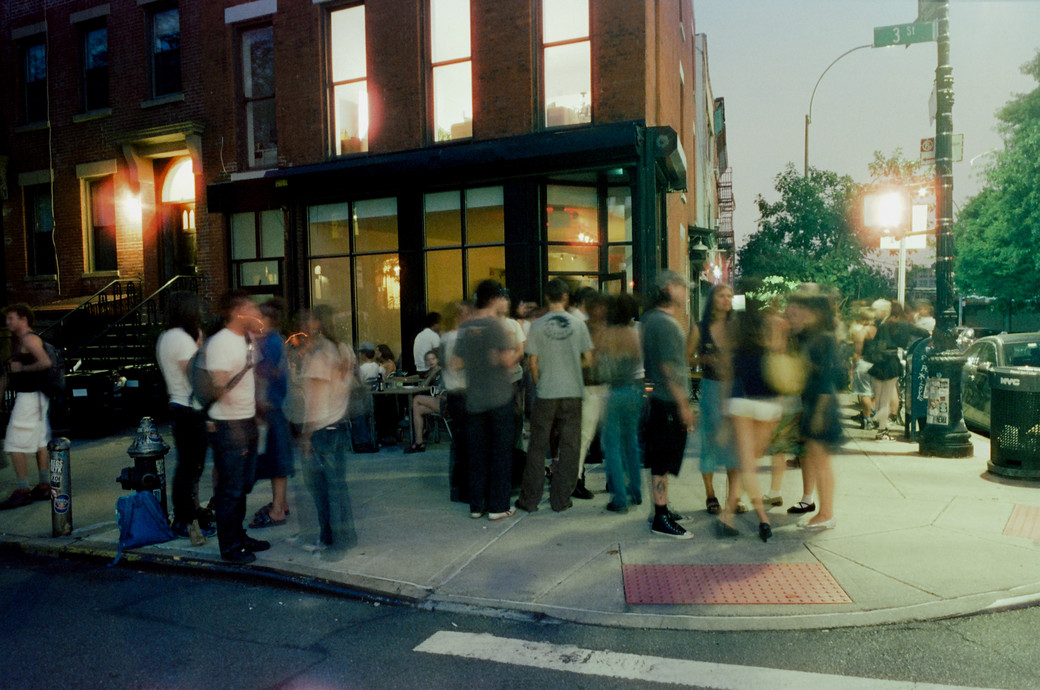
As I walked down Smith Street from the F train, I tripped into a slowly blooming crowd of people, realizing I’d arrived. The sun hadn’t yet set and an orange glow hung with reverence. People floated in and out of DAE’s open door as final touches of the event’s set up were executed to verbal din and the sound of ice hitting a cocktail shaker.
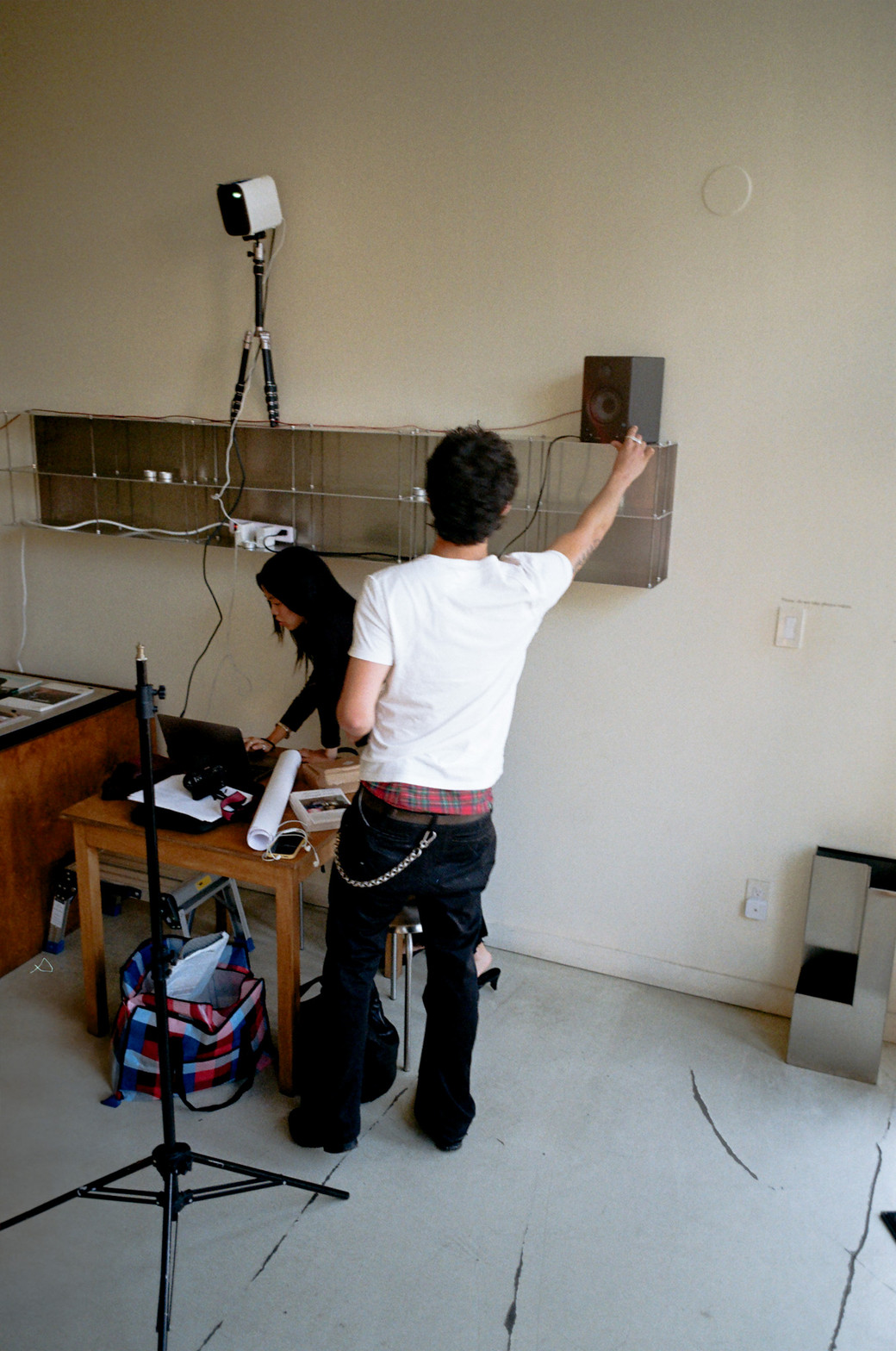
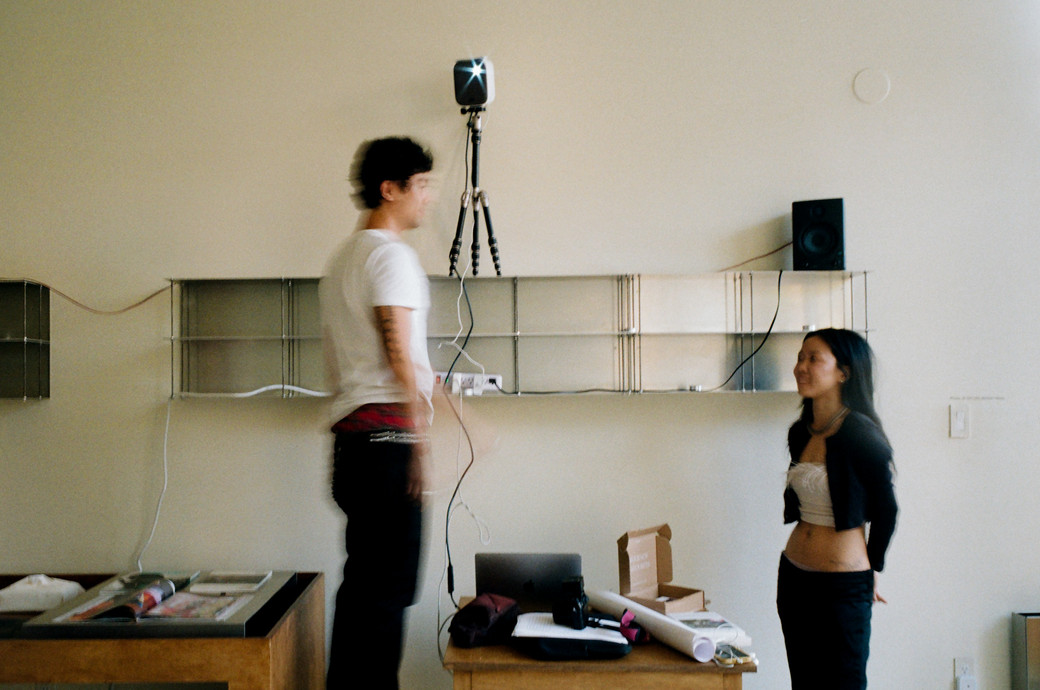
The interior of DAE, mainly white, with worn wood and silver accents, was operated like some designed sailboat by Lee and close friends as they adjusted lighting, sound, and spools of wire. Lee’s choice to hold the screening at DAE was intentional: she “wanted to find a space with an undefined function,” to align with her curatorial ideology. As I watched her scale chairs and tables to install equipment, I was reminded of Olaffur Eliasson’s 2003 installation, The Weather Project - with its exposed hardware used as a statement of acceptance that the work was first unassembled equipment, requiring human intervention to be born. This honesty in functionality breeds tranquility; a realness that can be sited by the origin of Rough Cuts as an accidentally viral YouTube video.
This past February, Lee hazily uploaded a video file called Rough Cut to YouTube and went to bed. This file was a film she’d shot as a way to study the experience of growing up in New York City. A work she’d considered unfinished, it was only uploaded to create a public hyperlink for her website. Though Lee questioned its public accessibility, she didn’t fret much because she had 0 YouTube videos or subscribers. By morning likes and comments were already stacking, internet embrace she’d never predicted.
The simultaneously guarded, but candid narratives unveiled by real individuals Lee met in her adolescence drew relatability across online viewers; its undecorated truth refreshing. Monologues divulging distinct circumstances intercept each other before too much information is revealed. A reflective account of teenagehood in New York City is pieced together with each line, the now young-adults helping each other along as a conglomerate. Shot against the backdrop of their respective settings, they are united in past pursuits of autonomy, privacy, finding comradery, and learning to discern what should be chased and should be run from.
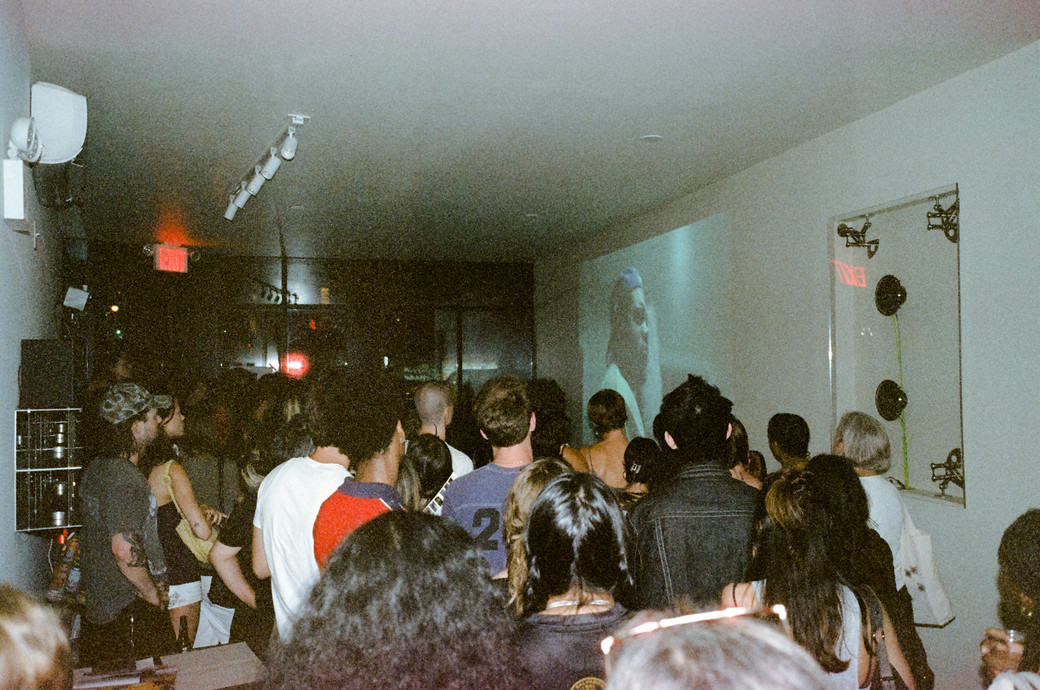
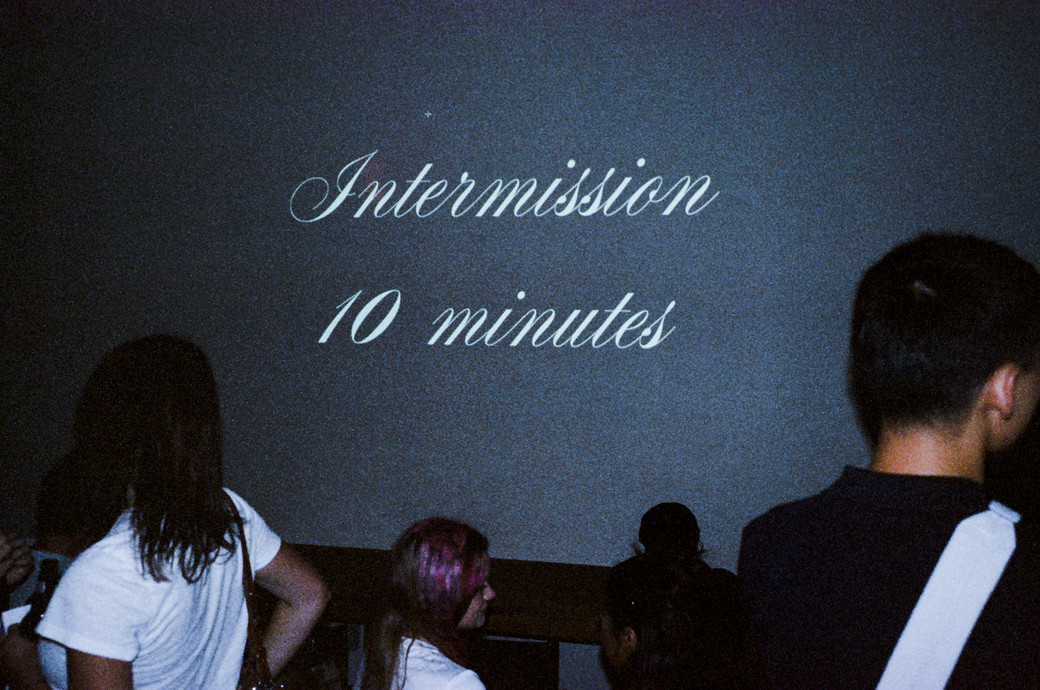
Rough Cut occupies a micro corner of truth - in pixels online, and now also as a communal evening IRL. Lee explained that she was “curious to see what would happen if consumption was slowed down - going from YouTube video to a place like DAE.” Her retroactive leap of faith, to trust anyone who clicks to navigate a vulnerable narrative, especially one that may feel “unpolished, or just let go of too quickly,” is the nature of Rough Cuts itself. The accompanying five films explore a similar truth through different modes of rendering and proximities to the fourth wall. Lee felt it “important to include New York native artists,” and stories surrounding queer culture, subculture, and similar themes of adolescence to Rough Cut. She welcomed new viewers while still dedicating herself to offering native New Yorkers a sense of grounding - something that nodded to shared histories, honoring them, without being overly nostalgic. As one friend reflected, the evening felt like a quiet convergence of past and present - an evolved version of people she’d seen her whole life, held gently in one room.
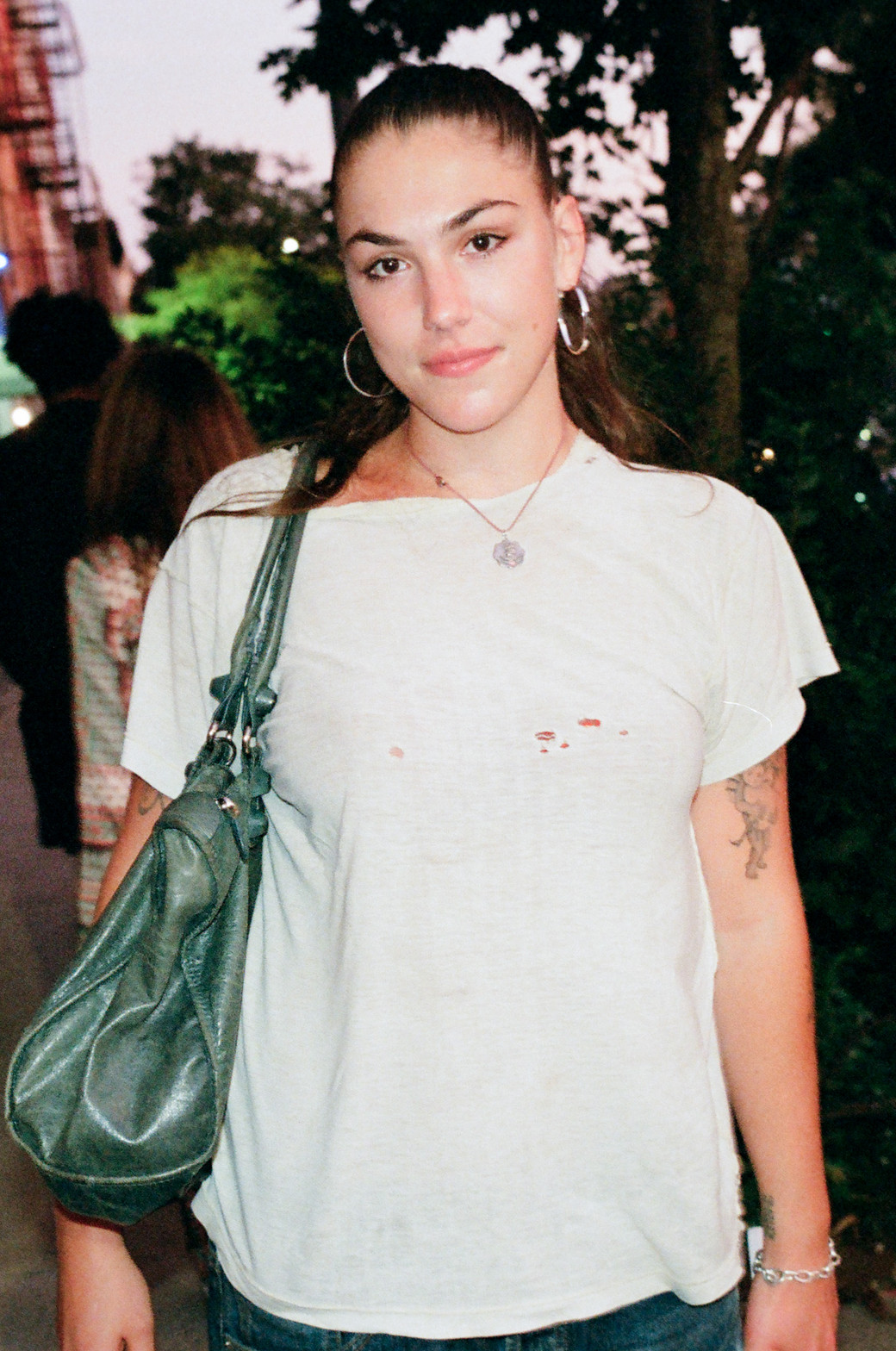
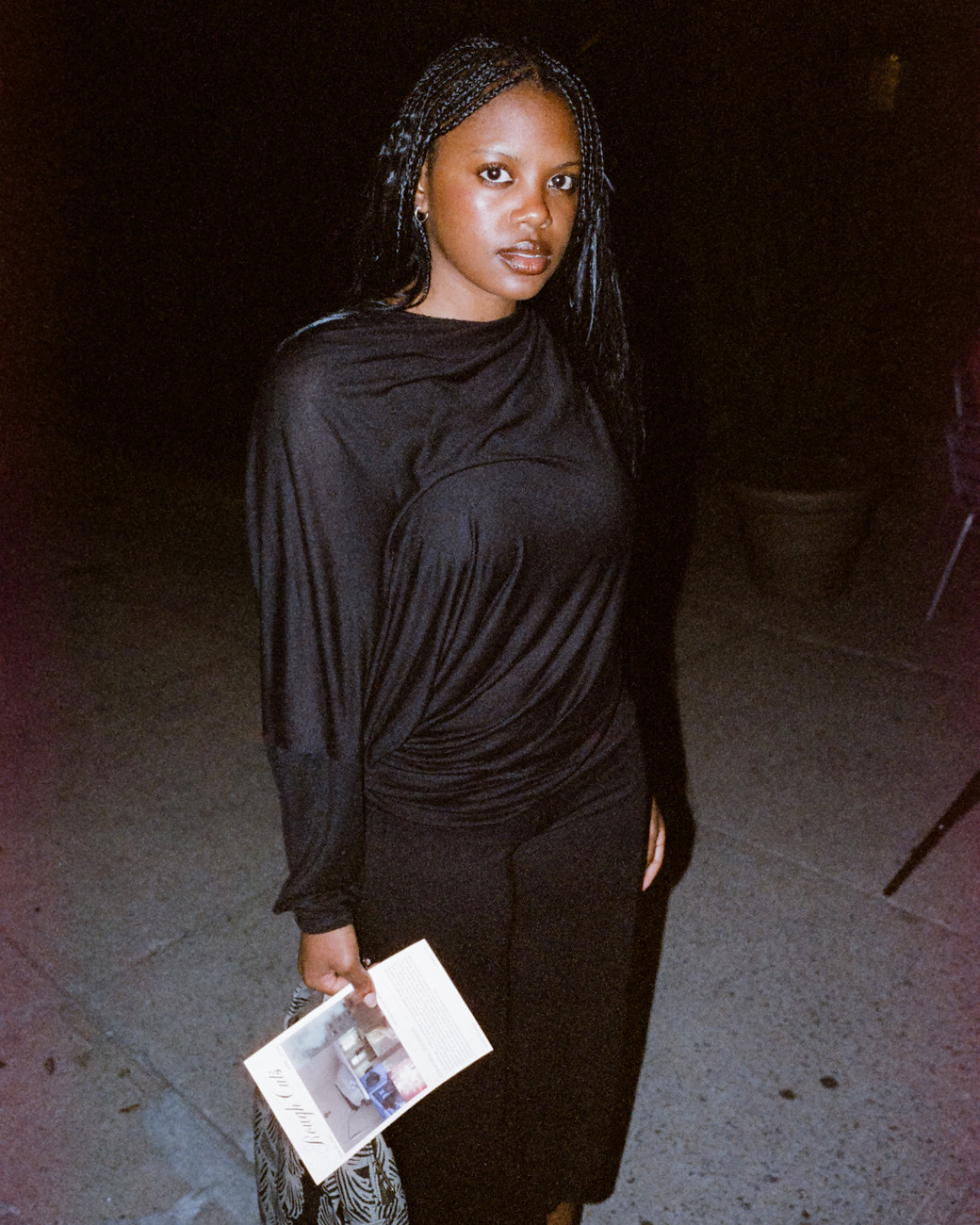
Lee’s sincerity in constructing an evening of group witnessing was reflected by attendees; soft conversation wrapped itself around friendly laughter and banter between films. It seemed that all felt the elegant and raw weight of a shared memory forming in real time. And as I walked home, I felt a warmth in growing up.


You told me you are in London now. But where are you really? Not just physically, but also emotionally and artistically?
I lived in Russia, Georgia and Turkey before. In those countries, I felt like their culture kind of pushed people to conform. If you were different, thought differently, looked differently, you felt stressed or not allowed to be yourself. Maybe I'm lucky, but here (London) I feel that I can be whoever I want to be. All those things about representing myself, I start to do this not only indirectly through my art, but also through my body and clothing as well as capturing it. I want to be, not only behind the camera, but also in the frame now.
Do you feel like you blend in more where you are now, compared to Russia or Georgia? Like you can integrate better into society?
Yeah. Also people here have interest in what's happening in Russia, my culture, what's making me authentic. In Georgia, I felt like I had to hide my origins. In Russia, I had to hide my creative and queer identity. That's crazy. Though I found in my home country many things that made me who I am. I think it was the same things that traumatized me that inspired me. At the time, I could expect people, police included, to attack me or humiliate me. I felt extremely unsafe and unprotected. Now I can just go out and have fun. I feel free.
You've been photographing for a long time now, was it a way to metabolize the world around you? How do you think your post-soviet roots have shaped that visual language?
My art mostly flows from the unconscious. Sometimes I plan and conceptualize, but often the full meaning only comes after I've taken the photo. I started photography in school, through photos of classmates, aesthetics, this 'i-don't-give-a-fuck" vibe. Later, I studied at The Faculty of Liberal Arts and Sciences (formerly Smolny College), it was the only place in my city with a European style education. I earned a BA in film critique. That's when I began analyzing my own work. For me, a direct flash, which I used a lot, was a metaphor for a sharp and disturbing, affective encounter with the outside world, which scares and amazes you at the same time. If we talk about Kant's dichotomy, it's more about the sublime than the beautiful. Then I would define colors and subjects of my work as a maniacal staged smile, as something overweight, oversaturated, and double-bottomed. I want my art to get more and more theatrical, dark, Rembrandt. From low culture not to high culture, but to sublime, frightening and beckoning at the same time. In real life, I felt unsafe, marginalized. I dressed in dark clothes, trying to hide myself.


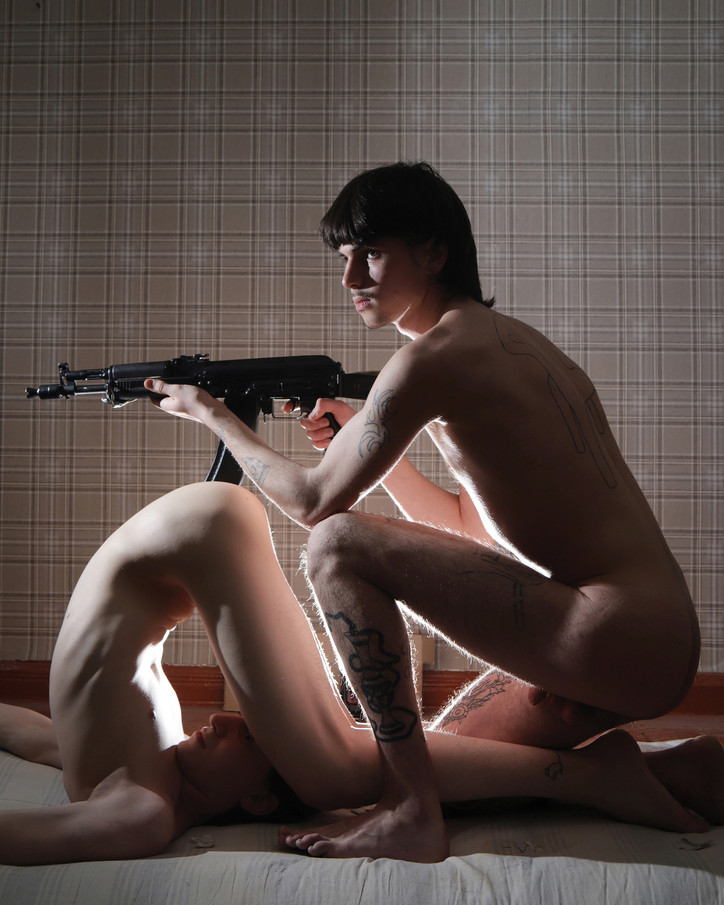
In one of your photographs, two men appear in a highly charged position, in a war-like setting. One crouching with a Kalashnikov, the other bent beneath him in a striking sculptural pose, all this while being naked. What can you say about it? It felt so powerful and political.
I titled this photo Bad habits. It was a response to the propaganda of traditional values and stereotypes established in Russia. The unnatural poses highlight how the state uses men for military purposes, turning them into puppets of the regime. The Russian state promotes this patriarchal, homophobic narrative where men, considered as a defender and a warrior, must suppress others through physical and sexual violence. That's why I tried to show -sculpture like- figures stripped off subjectivity. Art can evoke emotions that the regime coldly tries to block.
Did you ever feel like your very presence became a confrontation or a statement? That your body, existence itself, was political?
Yes. Almost everything in our lives is being attempted to be controlled. Political regimes affect people. My first confrontation was with people influenced by the regime. I resented that I couldn't be "normal". I wasn't allowed to be myself or to access high culture, because I’m considered different. So I turned to lower culture, marginal stuff, as a form of resistance. I wasn't welcomed in teams or publications doing mainstream. It took me five or six years before people started reaching out to collaborate.
You mentioned turning to marginal culture as resistance. I can notice that in the way you’re combining humor with threat, beauty with a sense of protest, as well as through postures or symbolic objects that subvert meaning. I'm curious about how you navigate that kind of symbolic weight?
Partly intuitively. It connects to Mikhail Bakhtin's idea of carnival culture- where, for a brief moment, social norms are inverted. It also relates to Soviet montage theory, particularly the work of director and film theorist Sergey Eisenstein, who developed the concept of the “montage of attractions”, and especially the theory of intellectual montage. He believed that when two or more shots are edited together, a new meaning emerges, one that is not present in the individual shots alone. This approach was crucial for conveying ideological, emotional or political messages through cinema. In my photographs, when someone holds an object, it's not just about the object itself, it's about the hybridity it evokes. How the juxtaposition creates layers of meanings beyond the visible. These characters in my work are cyborgs, in a sense.


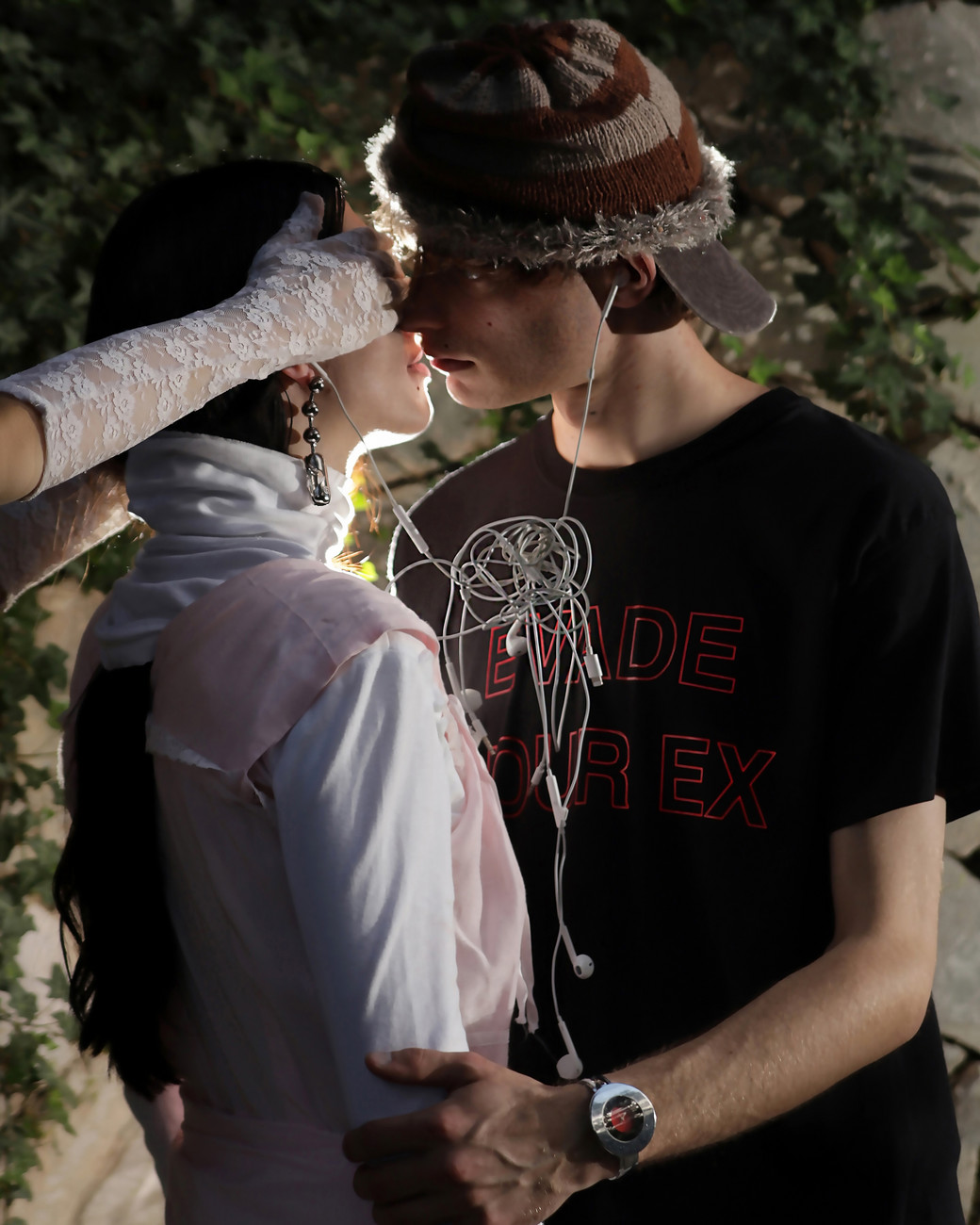
It echoes so much with Haraway's Cyborg concept. This refusal of purity. The hybrid body that resists categorization. I noticed the omnipresence of technology in your work, such as earbuds intertwined as people kissing, as well screens, wires.. Does the figure of the cyborg resonate with you?
Absolutely, my work fights with language and the idea of "naturalness". Nothing is truly natural. Also the cyborg idea aligns with Gilles Deleuze's concept of schizoanalysis. He and Guattari came up with "rhizomes", meaning networks without a center or hierarchy. It's a nonlinear web of connection between everything in the world. That's what, in the frame, are my “body experiments”, maybe a kind of new Dada. Because random connections and the belief in them can become a new truth for you. I collect elements from the world that resonate with me and become part of my world. So yes, I consider myself a cyborg artist. People often emphasize genetics or biology, but I believe we are more shaped by our social environments and patterns. Blending the body with other elements is, for me, contemporary nature.
Thinking about what you said, this idea of a body as a site of assemblage, of collecting resonances in a nonlinear way, I’m drawn to how that manifests in the emotional texture of your work. There’s this haunting, tender eroticism that I feel is striking in your photography. In a world which tries to erase or criminalize queerness, showing this intimacy can be seen as an act of resistance. How do you allow queerness in your photography remain porous? How do you frame something without framing it in?
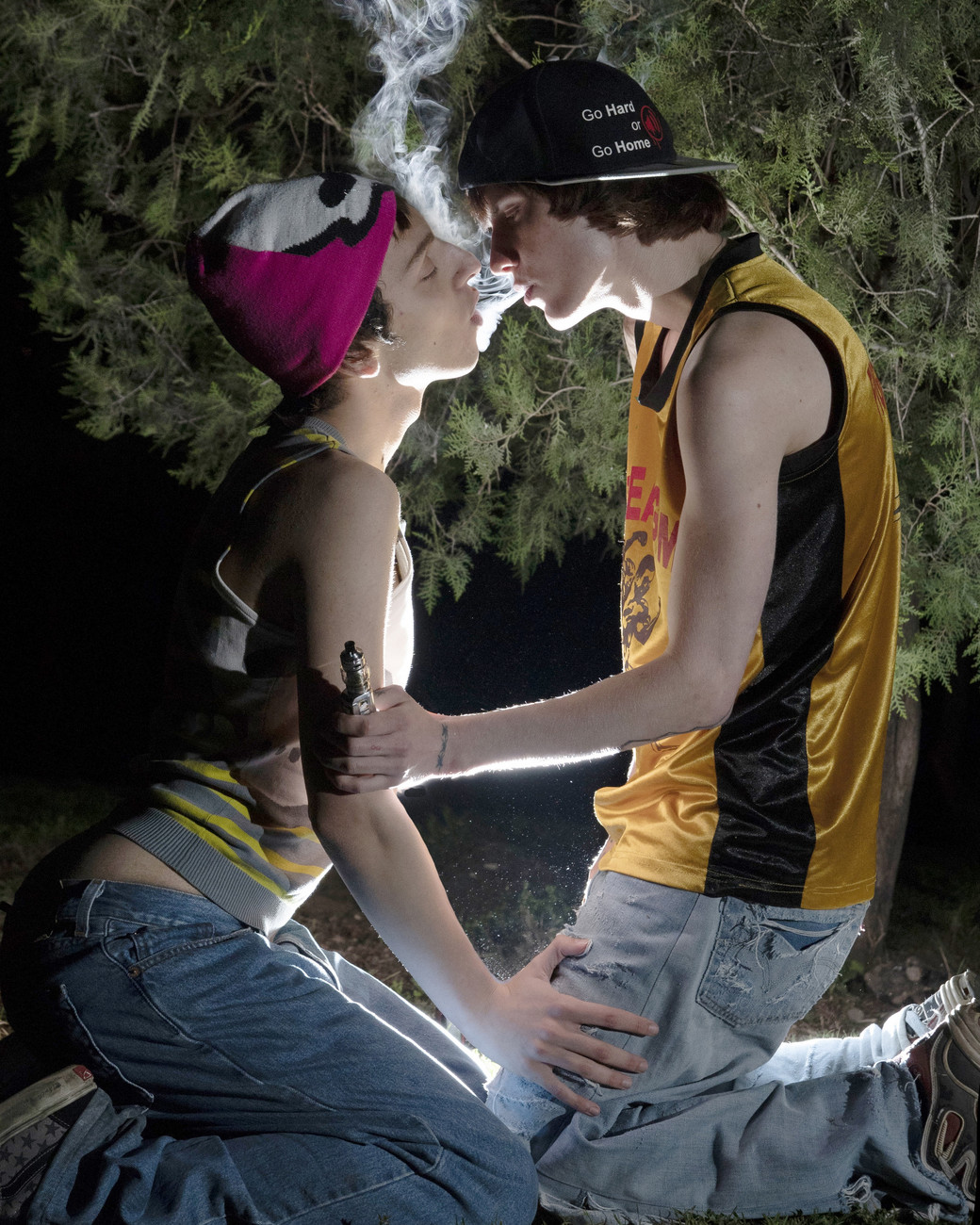
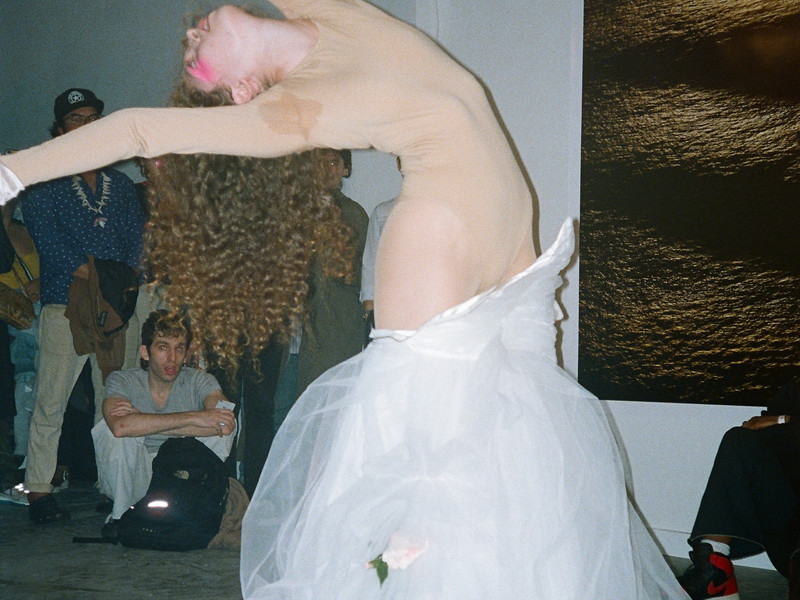
Now in England, I don't face much homophobia, but in Russia and Georgia, it was a big deal. For me, making queer bodies visible became important. Maybe because I was scared to be that queer person. I didn't feel powerful. My self esteem was low. Now, each day, I can be a new person, even if I don't have a name for that identity. And I find that fucking cool. I'm trying to find what's beyond the social structures shaped by language. I think new forms of connection and kinship are possible when we move outside fixed categories, like outside roles that tell us who’s supposed to hold power, even within queer spaces. That's why I rely more on affect, on presence, spontaneity, sensuality and the body itself. Queerness representation today can be depicted through these affective, rhizomatic connections between people. I don’t think that it’s something to define but rather something to live. Almost performative, something that resists being pinned down by names or labels, because otherwise it often ends up reinforcing norms. As Judith Butler explained, words don’t just describe who we are, they shape and sometimes limit us. So I try to keep things undefined, in motion, and porous. As for the erotic, there was so much stigma around sex and gender where I grew up. Everything was hidden from us. That probably shaped my interest in eroticism, but not in an obvious way. I don't think my work looks traditionally sexual, even though contemporary porn is a source of inspiration for me. It’s more about how bodies relate to one another outside of scripts.
How do you imagine this might translate across time? If someone found one of your archived photos 100 years from now, what do you hope they would feel or understand, first?
For me, art is a mirror. I don't want to be the kind of artist who says "This is what you must think when you look at my work". I believe in the death of the author. I want people to feel something freely, through their own experience. I'd hope that someone looking at my photos in 100 years would feel something about themselves. Maybe it would prompt them to think about how they live, how social systems shaped their actions or worldviews. I also think my work speaks to the time it's made in- maybe harsh, uncomfortable, problematic times. I try to create a kind of reality that is sexual, disturbing, romantic, apocalyptic. Not necessarily what's happening now, but a dream of now- a nightmare, maybe. Frightening and seductive at once.

Have you come across something recently that made you suddenly pause? Something that left you an imprint, like a personal punctum?
Yes, actually Barthes' Mythologies. I read it a long time ago during my studies, but it really resonates with me now. It's about working with modern myths- how things get called "natural” even though they're constructed. I'm trying to create my own mythologies in response. Barthes explains how to dismantle these accepted norms by replacing them with new ones, to show how arbitrary the old ones are. I love that. Recently, I've also become obsessed with light. I'm experimenting with basic torches, not traditional photo lights. It's a kind of "anti-professionalism" for me. Because professionalism often means following rules, repeating the same patterns. But being anti-that gives me freedom to play.
I evoked the concept of Punctum, that one detail that wounds, stays in a photograph. As a photographer myself, knowing about this concept helped me see what I had been overlooking, not just in my own work but in art in general. Do you think about that when you shoot?
I do think about Punctum a lot. Almost every image I create has it. It's what makes people feel, remember. That detail that sticks. I once showed my work in a program called Futures, where I studied, in the Netherlands. A tutor said "Your work is too intense. Every image is intense". Normally, editorials try to balance strong and calm images, but I want every image to be punctum. I want them to hit. Same with my music, it's intense, full on, I love that.
I agree. Whether as a spectator or a generator, to borrow Barthes’ terms, I’m always chasing the same thing, a visceral reaction. I had one of your prints you gave me, left in my room for a while. One day, my mom walked in, saw it and said "What the fuck is that?". And I thought, yes! That's it, that's punctum. Not what shows, but what stirs.
Exactly. That's why art is a mirror. I want people to receive it their own way.
And if your work is a mirror, what do you hope people see in it?
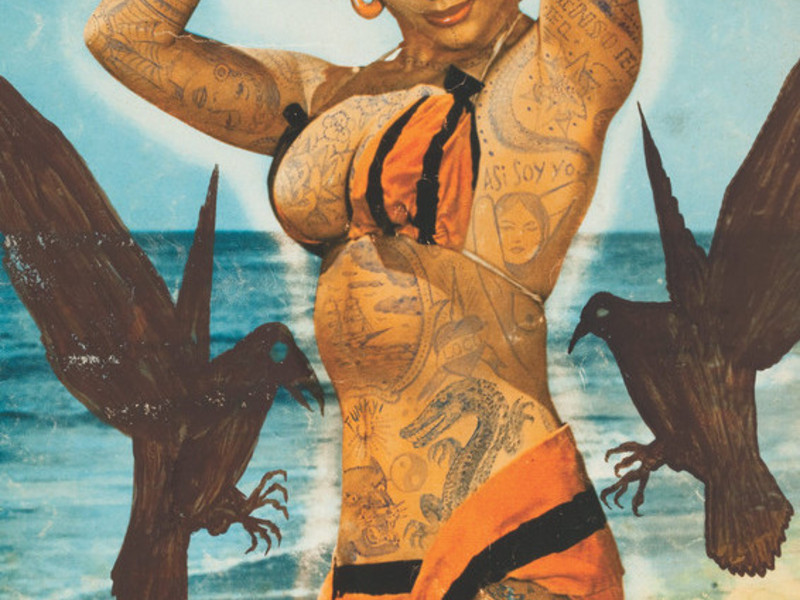
I'm inspired by fetishes and memes, porn and life, queer and alternative communities. In my artworks, I capture moments that seem to re-question situations and familiar routines. I want to shatter the ground of understanding to invite whoever interacts with my work to play with social roles and stereotypes of mass culture. To create new modern mythologies to expose and disarm those already existing. I hope for the people seeing my art that it’ll be an opportunity to re-question everything, everything that has been established, in our society.

But MSCHF’s interpretation of the parable finds new meaning within the story. The act of cutting the sculpture into 1,000 pieces directly contradicts the original ending of the “Judgment of Solomon,” but falls directly in line with MSCHF’s ongoing mission of accessibility within the art collection world, and exploring the complexities of collective ownership of art. The blending of religion and art in this circumstance creates the unconventional vessel for this experiment. One of MSCHF’s creative directors Lukas Bentel tells me that part of the uniqueness of King Solomon’s Baby (2025) is that it provokes a discussion on what constitutes a piece of art’s worth.
“ Normally an artwork is something that we all appreciate, generally in a museum where many people could see it or in a private collection, but the image is something that we all kind of collectively own,” he says. “This is an interesting experiment to try to make as many people see if they would want to own this thing together, but together they all kind of destroy the actual piece.”
King Solomon’s Baby (2025) pokes fun at the idea that art collection is an investment—that authenticity and monetary value precede aesthetics and creative expression in importance. In 2020, MSCHF purchased an original Damien Hirst print for $30,000, only to meticulously cut out each spot on the artwork and sell them individually for $480 a piece—yet another callout of today’s art collection culture.
Like the Hirst print, cutting the baby into a thousand pieces makes it more accessible to a more diverse group of buyers, but simultaneously destroys the original artwork. “That's the tension with art ownership,” Bentel says on the matter. “And when you're making something in an art-world-specific context, often one person ends up technically owning it or stewarding that piece.”
I had no expectations for how quickly the sculpture would sell, or how many buyers there would end up being. A few minutes before it went up for sale, I pulled the website up and watched the countdown as it reached 2 p.m. Within eight seconds, the buyer counter had shot up from one to 12. It had reached 20 buyers after just a minute, and over 60 in five. At nine minutes and 16 seconds, the sculpture had broken 100 buyers, the counter gradually continuing to climb until all 1,000 pieces had been sold by 5 p.m.—three hours after the sale had officially begun. For just $100 plus shipping, one thousand people had become the proud owners of a slice of King Solomon’s Baby (2025).
“ The buying experience is more interactive than an acquisition usually is,” Creative Director Kevin Wiesner tells me. “I think there's more to explore for what MSCHF does in a gallery, which should be fun. It sort of points in an interesting direction.”
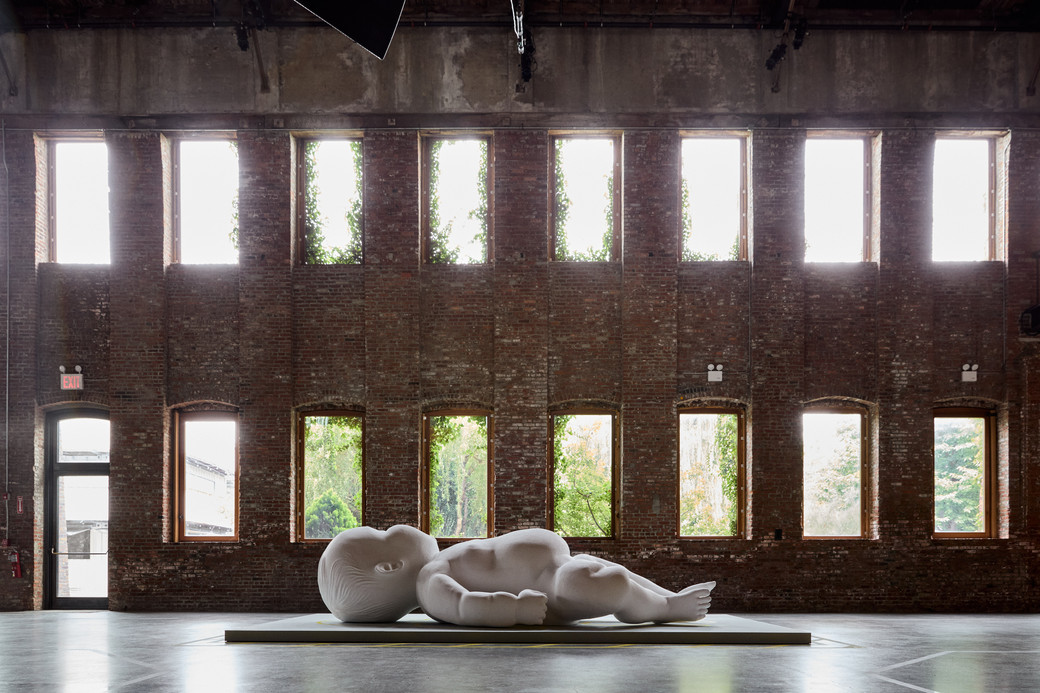
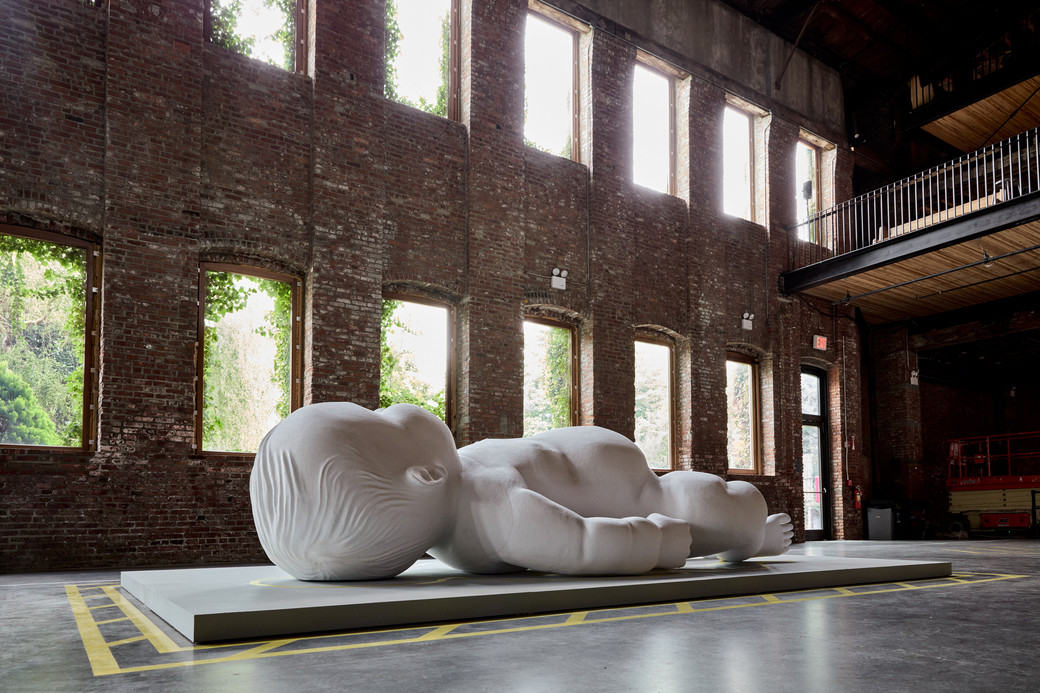
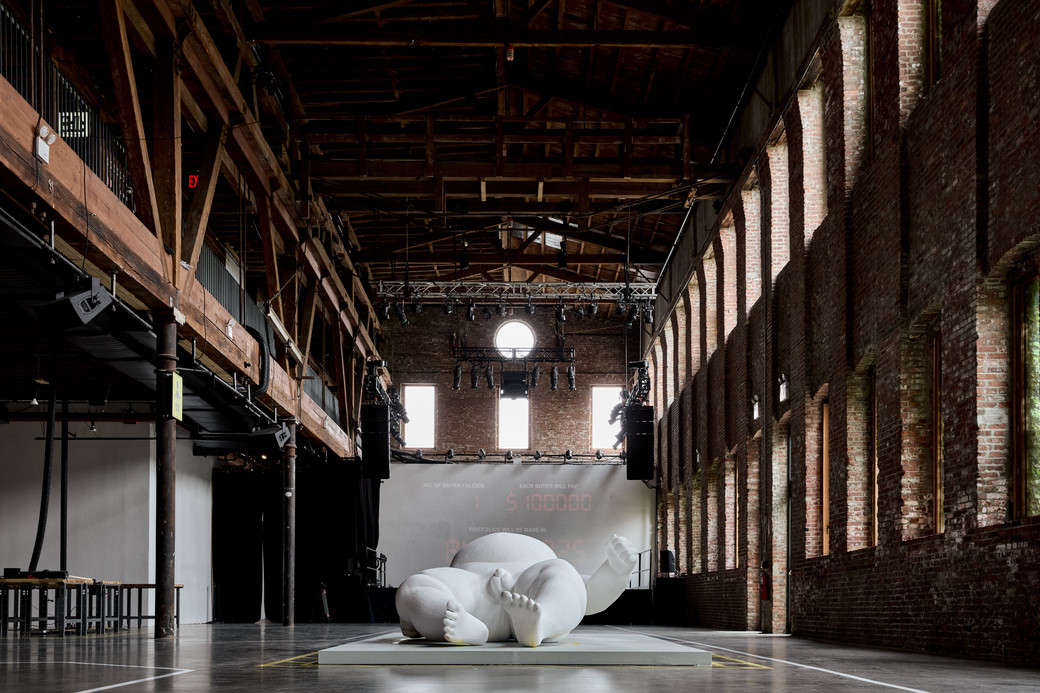
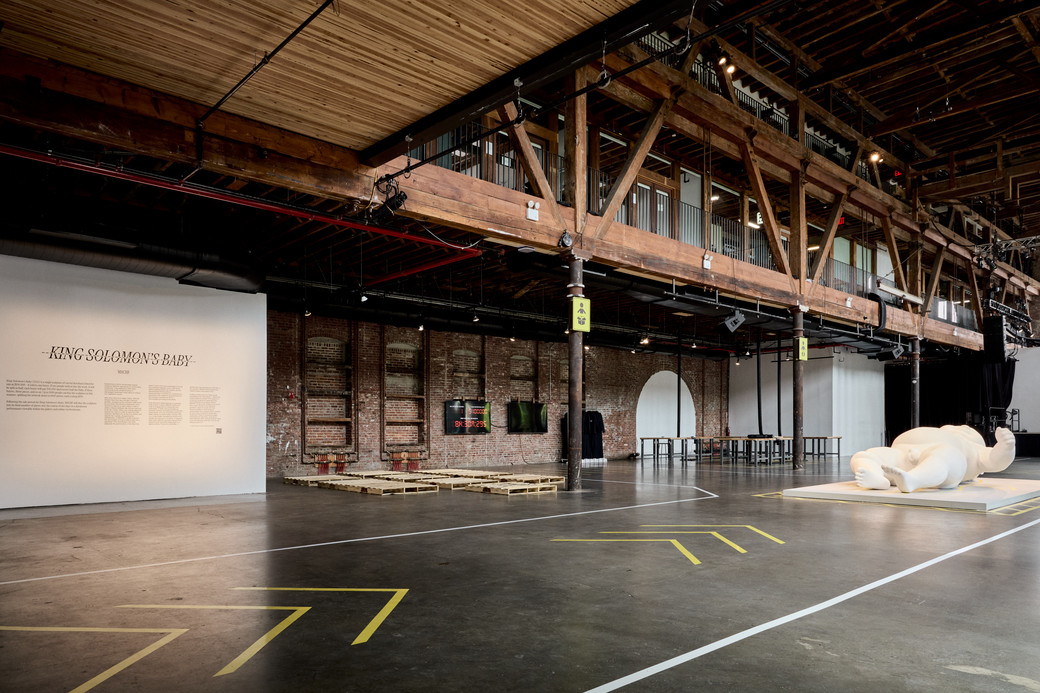
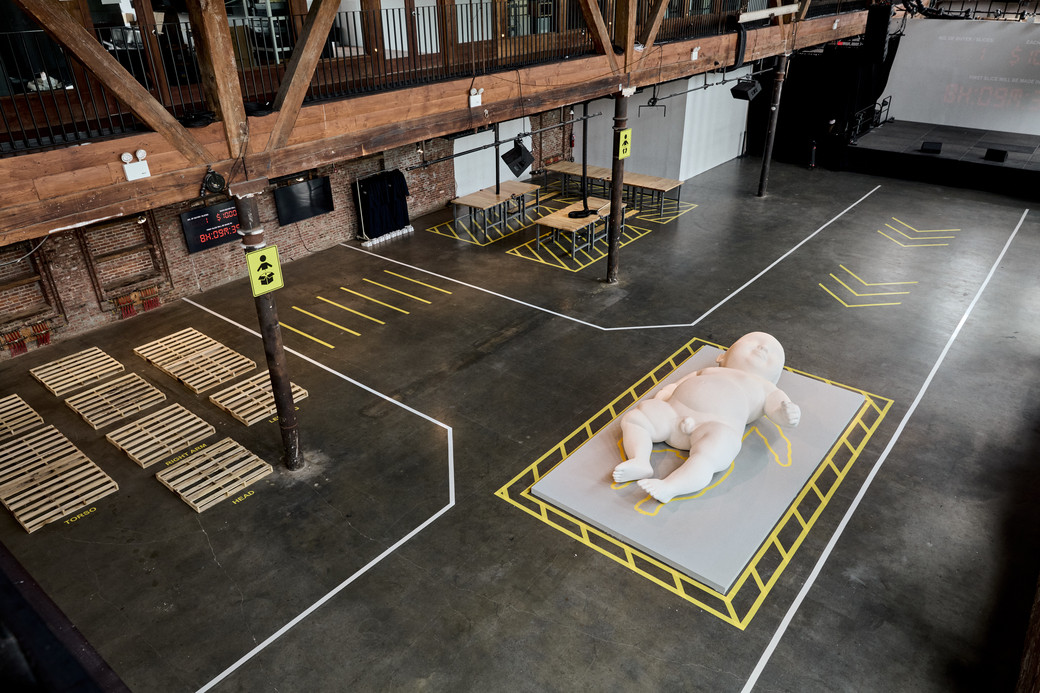
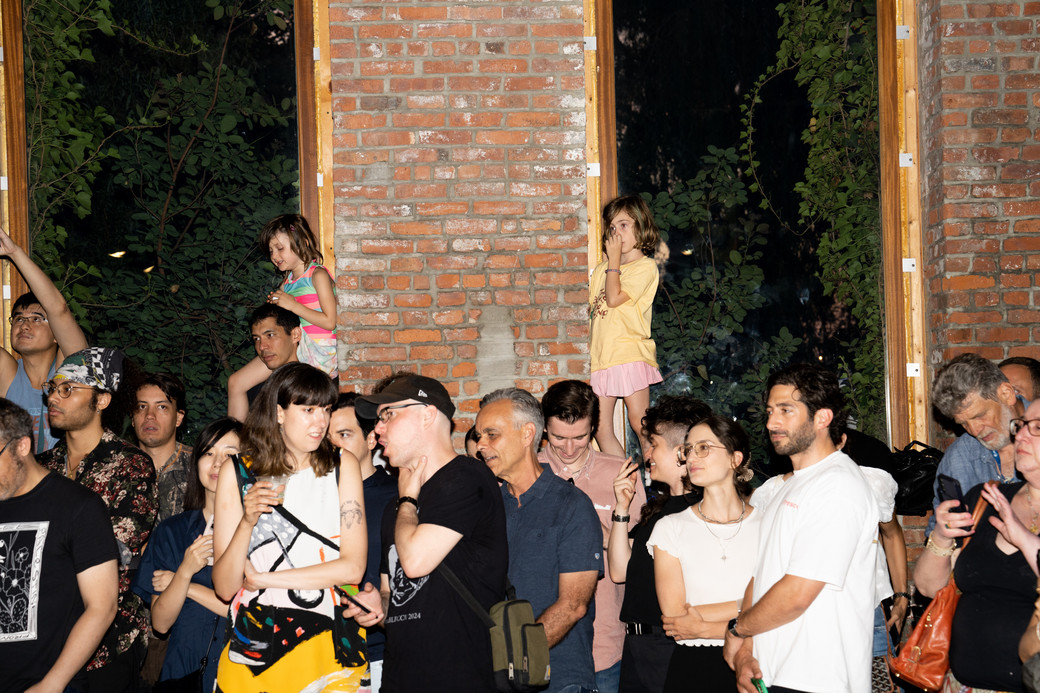
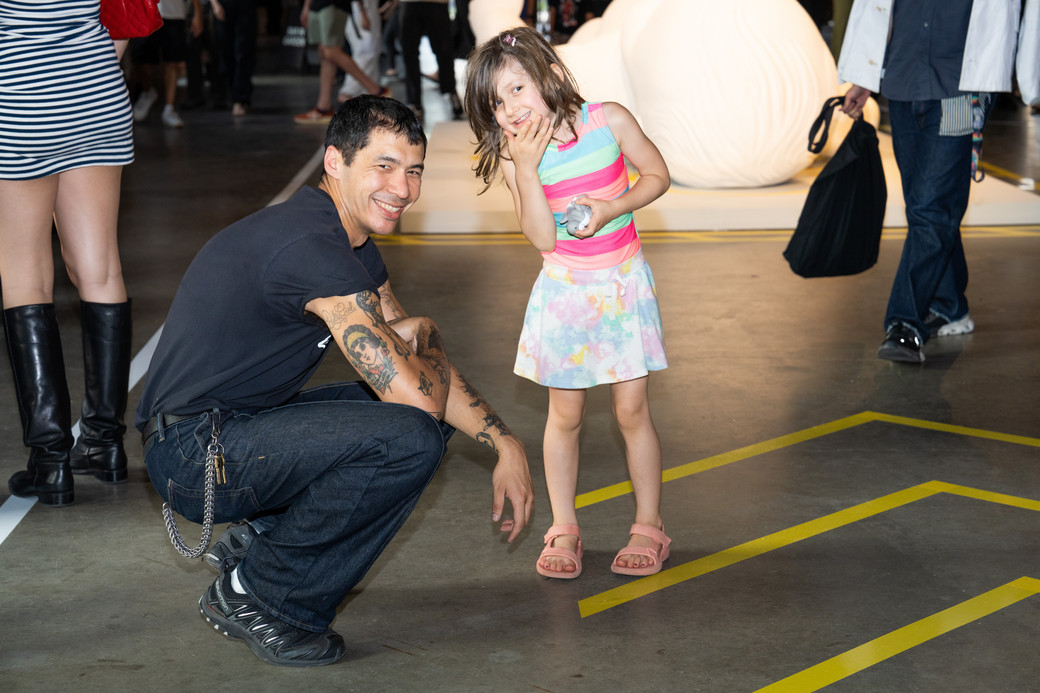
At the opening reception for King Solomon’s Baby (2025) at Pioneer Works in Red Hook, Brooklyn later that night, hundreds of people gather inside the spacious gallery to see the sculpture in person and to watch the inaugural slice live. The crowd is made up of diehard MSCHF fans clad in custom MSCHF gear, curious art lovers who heard of the event from a friend of a friend, and people who had wandered in completely clueless to what was going on alike. They circle the styrofoam sculpture in awe and total confusion, excitedly discussing among themselves what it could possibly mean. Some of them take selfies with the baby, while others squat around it, admiring the detail in the styrofoam.
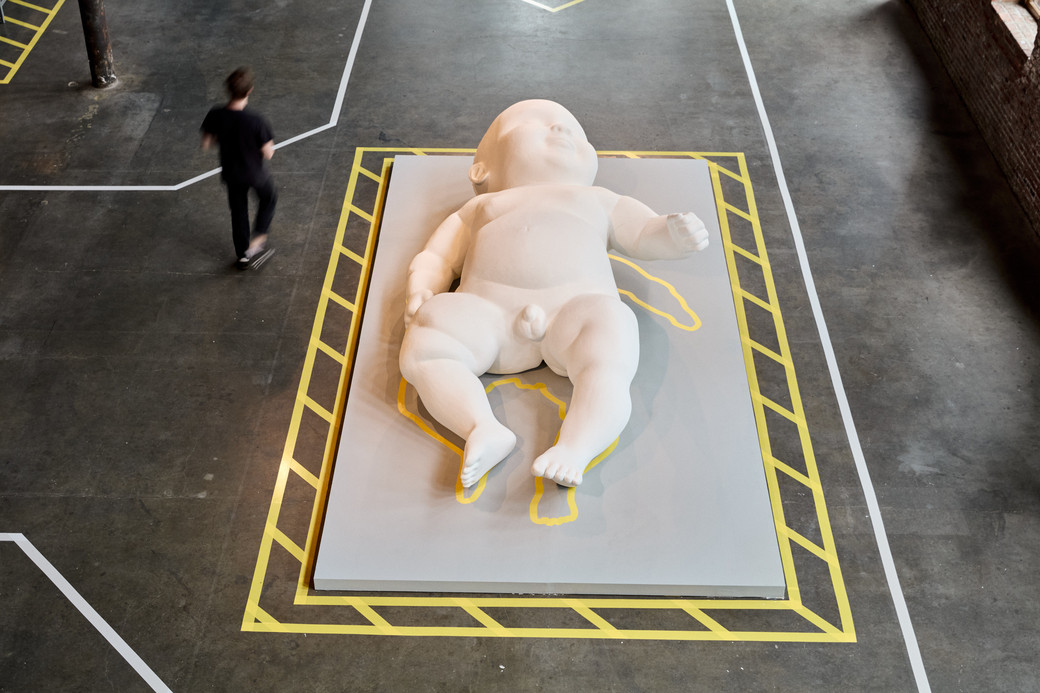
The baby is a feat in itself. Etched on his face is a soft, tranquil smile, completely oblivious to what is inevitably to come, and I can’t help but to almost feel bad for the child, just for a moment. In the Bible, Solomon spares the baby’s life and allows him to live happily with his true mother—in this version, his body is divided into a thousand pieces and distributed all over the world. I ask some of the other guests what they think of the whole installation and the turnout. “MSCHF is a cult,” one person tells me with a shrug.
Veronica Bivas, a 21-year-old photographer wearing a skeleton mask and a black dress, was one of the first people to arrive at Pioneer Works for the opening reception. As she sits in a corner in the outside garden for a quick vape break, she opens up to me about her theories about the installation. “ I thought, maybe we’re the art project—maybe we’re the baby getting sliced,” she says. “This is MSCHF, to have people photograph us standing in this really long line for a closed warehouse in the middle of Red Hook. That's a cool concept, but also that's not the concept, but it's maybe part of the concept.”
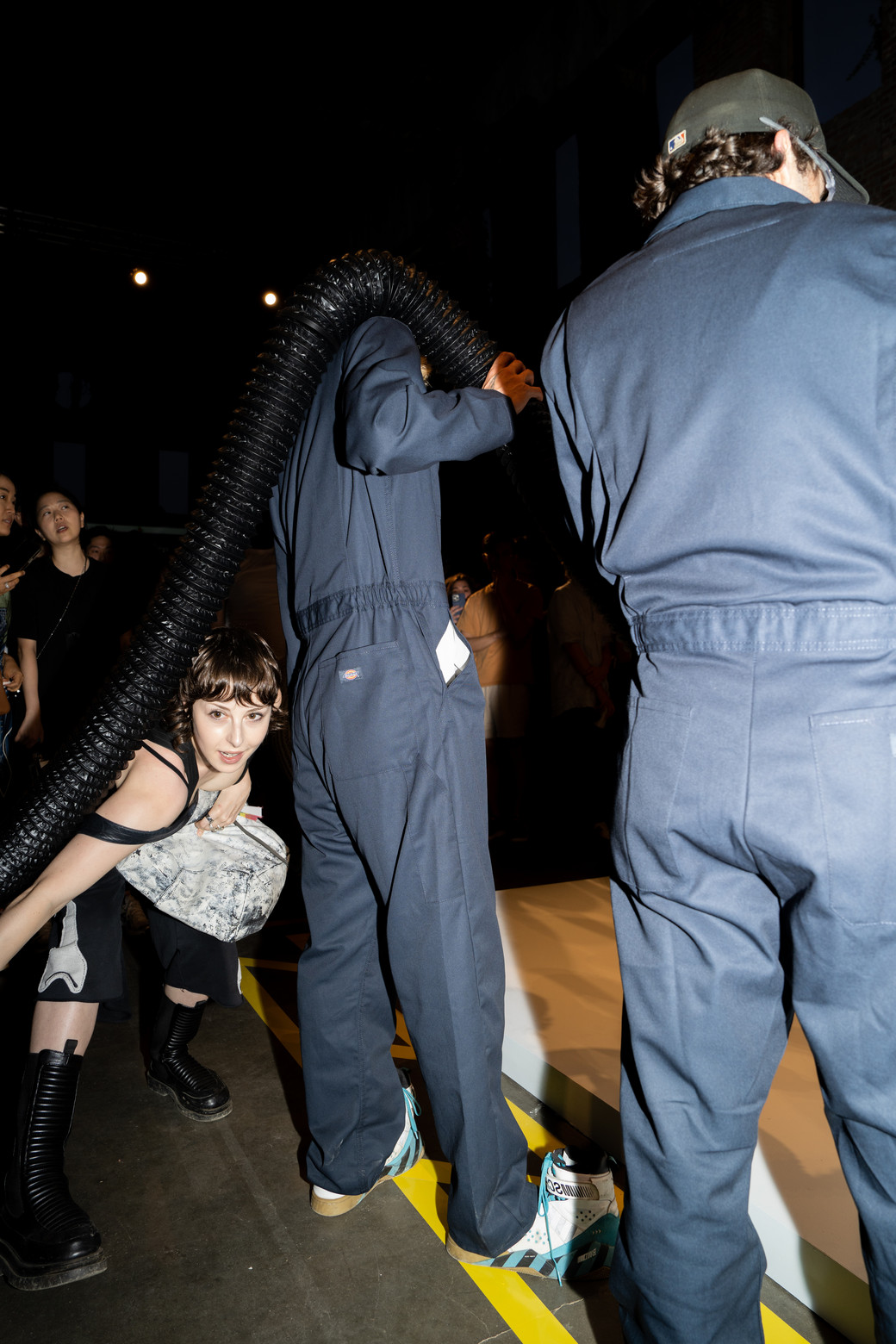
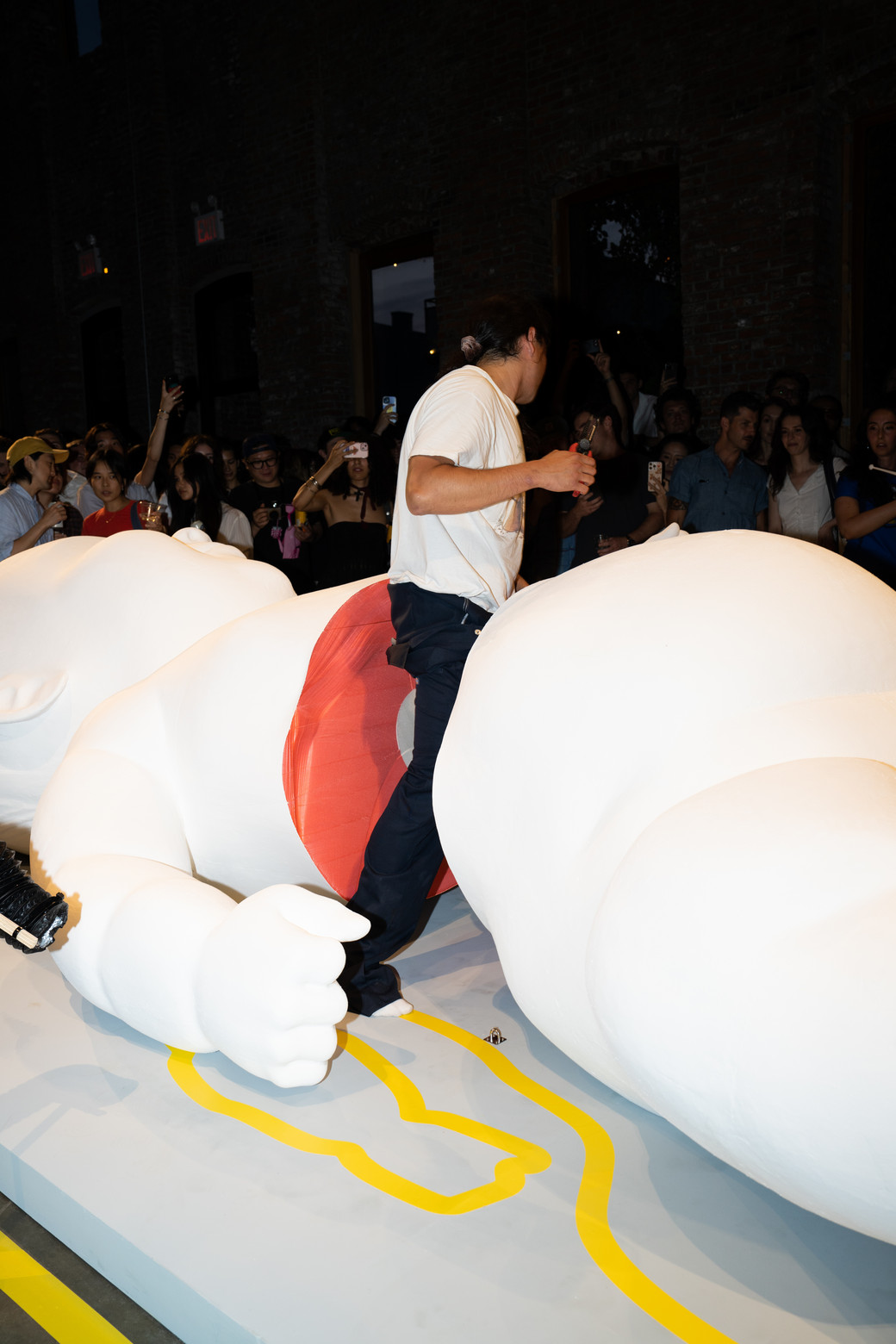
As the D.J. plays an upbeat medley of Travis Scott, Snoop Dogg, and Doechii, Bentel, Wiesner, and a handful of other MSCHF-makers prepare to make the first slice into the sculpture. Donning their matching “MSCHF Refrigeration” black coveralls, Bentel inserts a hot wire (aptly shaped into a sword) through the stomach of the baby, making several passes through the styrofoam before the crew pulls the two halves of the sculpture apart, revealing a red interior with a white core, sort of resembling sliced ham. The crowd roars as they record the action on their phones, though the sight of a 15-foot baby cut in half is shocking and slightly grotesque—but perhaps MSCHF knows that. “Well, the baby’s dead,” Bivas says to me over the sound of cheers, “and we didn’t even know his name.”
After the slicing, Wiesner admits to me that large-scale performances that aren’t digital are still new to MSCHF, and that King Solomon’s Baby (2025) opened up a door to new possibilities for the art collective. “ I feel like the performance of doing that cut was a little bit of a last-minute thing,” he says. “Performance is this weird intangible thing that also kind of scales infinitely, which isn't necessarily something that I was thinking about in the pre-cut world, but I'm thinking about it in the post-cut world.”
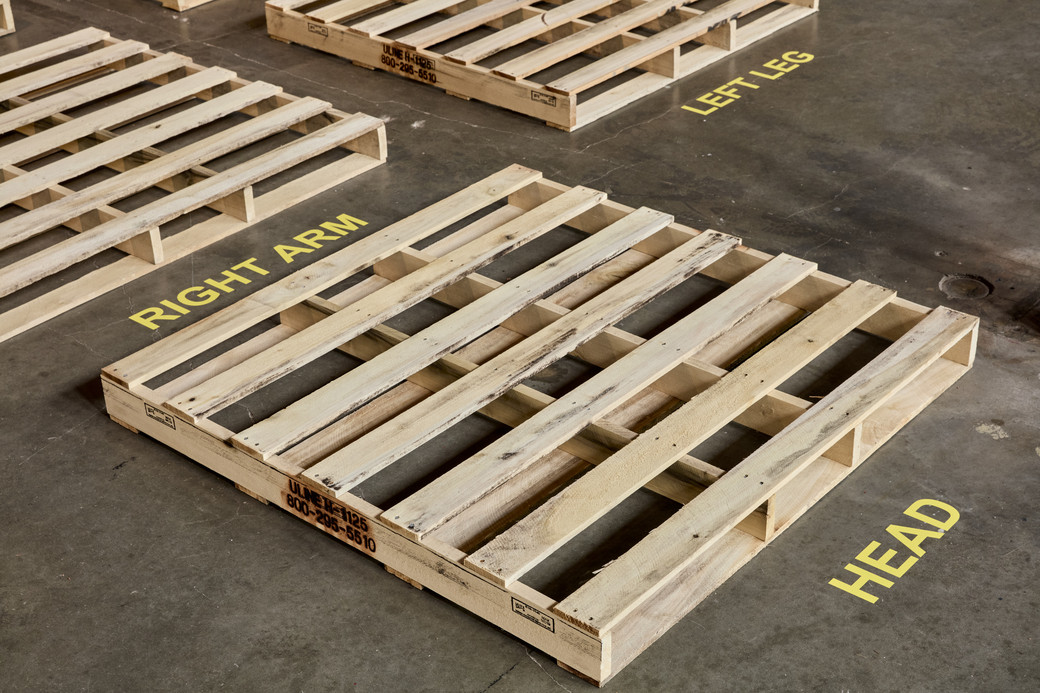
The rest of the sculpture would continue to be sliced up while being livestreamed for the remainder of the weekend, with the final stack of slices staying on display on wooden pallets at Pioneer Works on July 13 before being shipped out to the 1,000 buyers. As the MSCHF crew passes the hot wire through each body part, the styrofoam squeaks and sizzles against the heat, and the red interior glitters under the Pioneer Works lights.
The depiction of a Biblical parable as the medium for this experiment is sure to garner mixed reactions, however MSCHF is no stranger to controversy. Who can forget the “Big Red Boot” that took social media by storm a couple of years ago, or the “Satan Shoes” made in collaboration with musical artist Lil Nas X that sparked all sorts of outrage and debates that ended in a lawsuit? Wiesner tells me that viral internet moments are never a goal at MSCHF, but rather a natural outcome that the art collective takes advantage of to allow for deeper, more widespread conversations. “It can be a tool for some of the concepts that we're working with, and also sometimes it just happens,” he says.
MSCHF continues to be an antihero within the capital-A Art World, and with 24 new projects planned before the end of the year, it’s safe to assume that they will continue along the trajectory of creating a spectacle while potentially exploring the possibilities that exist with doing more physically interactive installations.
“ I think we're interested in doing more IRL stuff, so it's sort of tangibly an exploration of that,” Wiesner says. ”I'm sure when we sit back with all of us after this, we’ll have a lot of takeaways based on how this went.” He pauses for a second before adding, “I don't think that everyone should start chopping up their sculptures now.”