RaiNao Is Changing the Color of Urbano
You grew up in Santurce, surrounded by salsa, trained as a saxophonist, studied biology, then theatre, before eventually becoming RaiNao. Which of those past lives do you hear most clearly in your music today?
Each of those stages, together with the decisions, experiences, and people that shaped them, has made me who I am and says a lot about my principles. It’s as if every moment has been an essential part of a construction that isn’t finished yet, that continues to grow and evolve in my mind. But I do believe my music is deeply nourished by three things: growing up in Santurce, Puerto Rico; my relationship with the saxophone; and my passion for theater.
You’ve spoken about wanting to “change the color” of urbano. What color is it to you right now?
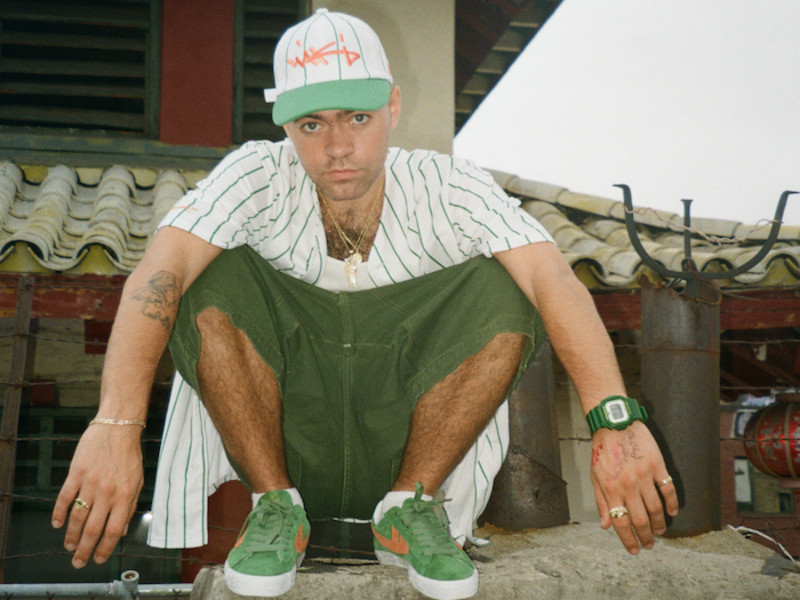
It’s iridescent—it’s constantly changing, just as my music and I are constantly changing. But I can say that right now, it’s green: like hope, like Puerto Rico, and like Marcriá.

Your music can move through reggaeton, jazz, R&B, salsa, drum & bass and Caribbean rhythms without asking permission from any one genre. Do genres still feel useful to you, or are they increasingly something music needs to escape?
I believe in the power of music, and of course I turn to genres that I love and that inspire me, especially because of the respect I have for them and my desire to discover and learn. But once I begin, I like to play, to flirt with what I know and what I don’t. I move away from rigidity and rules—I try everything. I don’t create with the intention of replicating a genre, but rather of making it my own, in the most perfectly free way possible…
Puerto Rico is a small island whose music has completely reshaped global pop culture. What do you think the rest of the world understands or misunderstands about Puerto Rican culture right now?
Puerto Ricans deeply respect and protect our culture. I would dare to say that our creations aren’t pretentious, but rather filled with sincerity and an immense, healthy sense of pride. I don’t feel that we are consumed with trying to achieve certain perceptions. The magic of Puerto Rico is its people, and inevitably that magic has spread throughout the world with love and courage.


Your album Marcriá began with sensory memories rather than songs: colors, tastes, water, emotions. If you had to describe the world of RaiNao without using sound at all, what would we see, smell, touch or taste?
I know exactly what Marcriá feels like. It’s like floating in water; it’s green and it shines like an emerald. It was born in El Paraíso de la Dulzura: Puerto Rico, and it tastes like avocado. My own universe is constantly changing, but it always feels like a refuge. It may sound strange, but the best way to describe it is through silence. It feels like touching my plants or petting my animals; it smells like my home, my grandmother’s home, and sometimes like rain; and it tastes mysterious, like the sea.
You went from being afraid to sing publicly to sharing stages with Bad Bunny in front of tens of thousands of people. Has becoming more visible made you feel more powerful, or more protective of the person behind RaiNao?
If I’m being honest, becoming more visible has made me more afraid, but vulnerability is a very valuable part of art. I protect myself and take care of myself, but I dare to give enough of myself, to feel enough. It’s a beautiful way to connect and to communicate.

Urbano and reggaeton were historically spaces dominated by men, while some of the most interesting voices coming from Puerto Rico today are women and queer artists. Do you feel your generation is changing not only the sound of the genre, but who gets to define it?
I truly believe that. There is still a long way to go and many doors left to open, especially within the music industry, but this generation has created without limits, expressed itself freely, and embraced art as a tool for change.
Your name contains “right now,” and you’ve described RaiNao almost as a philosophy of living in the present. At a moment when your career is moving incredibly quickly, what does “right now” mean to you today?
The simplest, most valuable, and most fleeting things in life: my health, the people I love and my communities; living fully; my peace and my boundaries; dancing; creating freely and sincerely; connecting; learning; growing alongside my people with my feet firmly on the ground; being a messenger through art…