Sam Quealy Drops Sophomore Album, “JAWBREAKER”
JAWBREAKER is such a snappy and symbolic album title. What does it mean in the context of the narrative your songs weave?
I wanted to have exactly what you said, a very strong title. And for me, JAWBREAKER was like having this very hard, badass, almost intimidating exterior. Jawbreaker could be physically breaking someone's jaw. It sounds very aggressive, but then when you think about Jawbreaker the candy, it’s got this sweet center. And I think with this album, it's definitely like I've still got this exterior shell of being, really tough and badass, but when you dig deeper, it's really sincere and sweet. And I speak about heartbreak and letting go of stuff. Compared to my first album, it's a bit more sincere and a bit sweeter in a way.
Dance and performance are a really huge part of your presence as an artist. What are some of your earliest memories of dancing?
I remember my sisters, I have two older sisters, and they were dancing in Australia, and I was going to the class. There are photos of me in a nappy, a literal baby! My mom said that I was just obsessed with it. So, I started dancing when I was three or four, barely able to walk, and I was already doing this. I did a lot of classical training, and I took that really seriously for a while. I went to a performing arts school, but it's very strict, and there are so many rules. And this is why I transitioned into music, because I felt like I had to break rules, like breaking jaws. I just couldn't be in this constraint. I was like The Black Swan, always smoking cigarettes and being like, let's skip class. And I remember all the ballerinas were shocked. I was a bad influence. And I was like, Yeah, let's go out and party and then do ballet at like, 9 in the morning. I was just the evil one. And I realized that I loved being on stage, but this [creating music] was what I loved more than having to follow all those rules and be perfect. With music and my project now, I can be whoever I want to be, and I get to express myself freely without fitting into a box.
Your debut album, Blonde Venus, really introduced your voice. JAWBREAKER seems to assert it. What changed for you within those three years?
Yeah, I think in the first one I was really just discovering my sound and who I was as an artist. And then the second album, I felt like I took more time, and I was able to digest what I wanted to say. I also progressed a lot as a composer and a songwriter. I feel like, because I didn't have classical music training, in the first album, I was just testing what I thought sounded good. And in the second album, I really understood more about song structure. It's still not classic song structure in my music. It's not necessarily like verse, chorus, the way that people normally build the song. It's kind of like my version of what I think a song should sound like, because I just try to do what sounds good. But this one, I feel like I took more time. I knew that I wanted to have more of a disco influence in this album, so that really led this era as well, adding a lot of strings and having more 70s and 80s influence, whereas I would say the first one was more Euro dance.
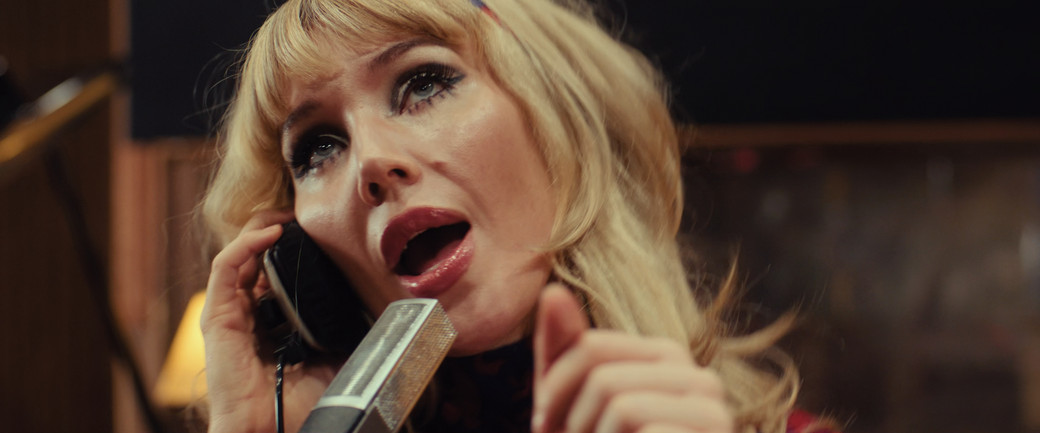
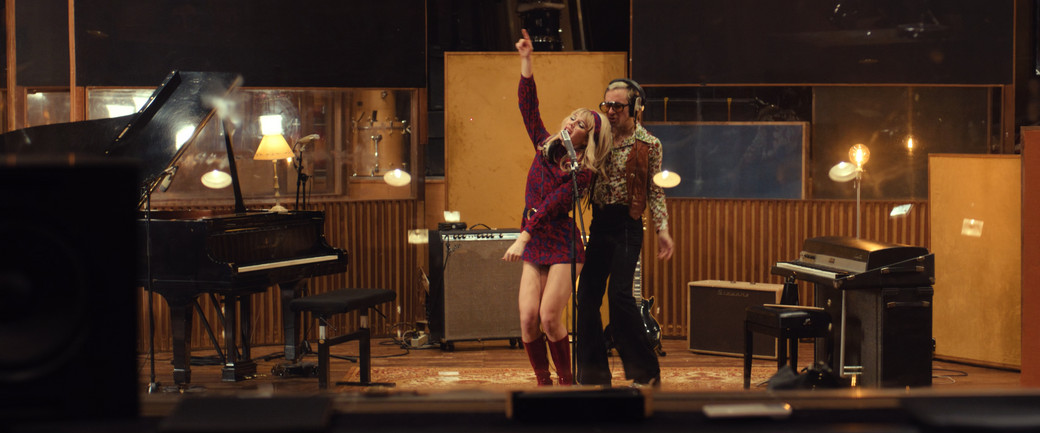
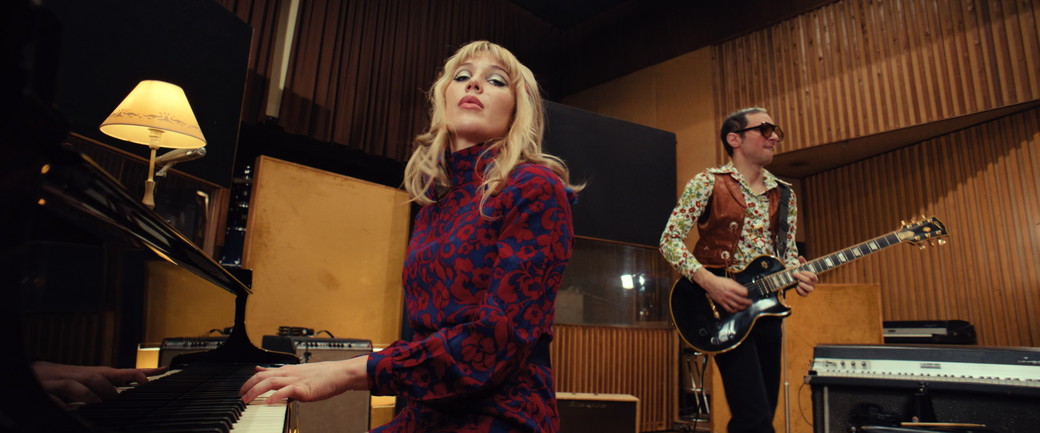
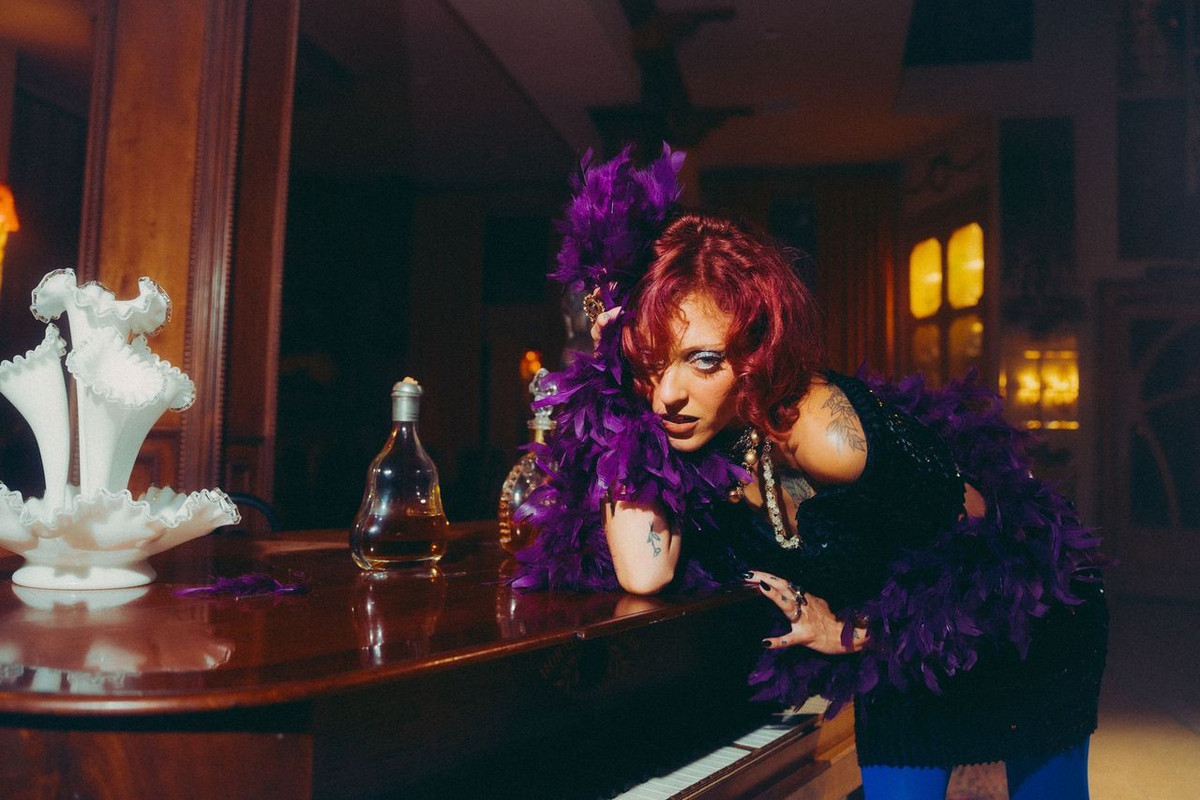
Speaking of, tell me a little bit about the visuals. It seems like you have a really expansive and aesthetically driven universe here with the 70s inspiration in By My Side contrasted alongside the grittier aesthetics of videos like Londontown.
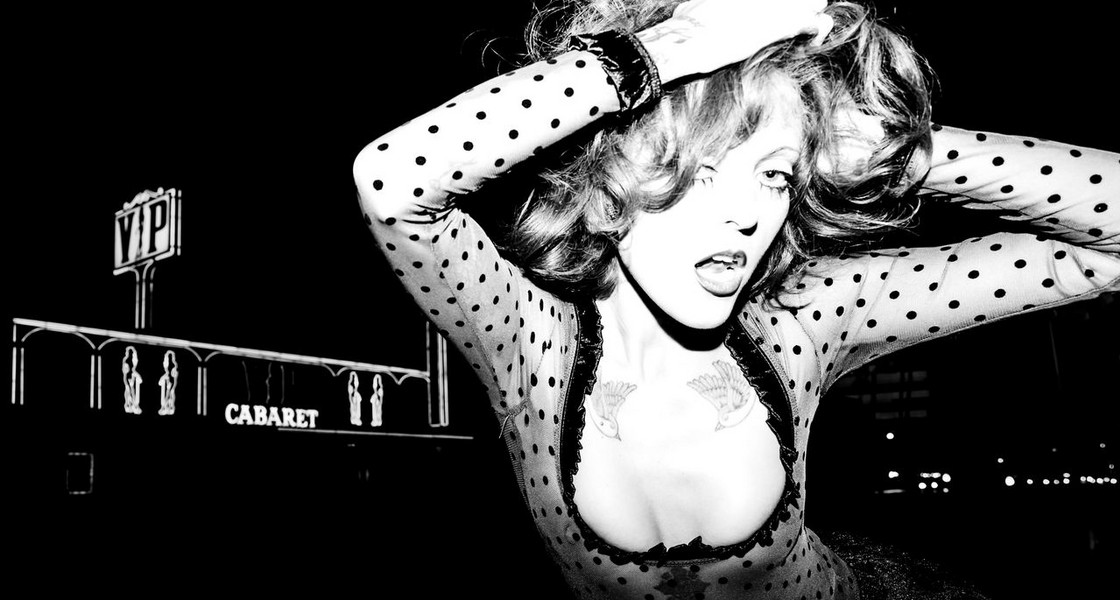
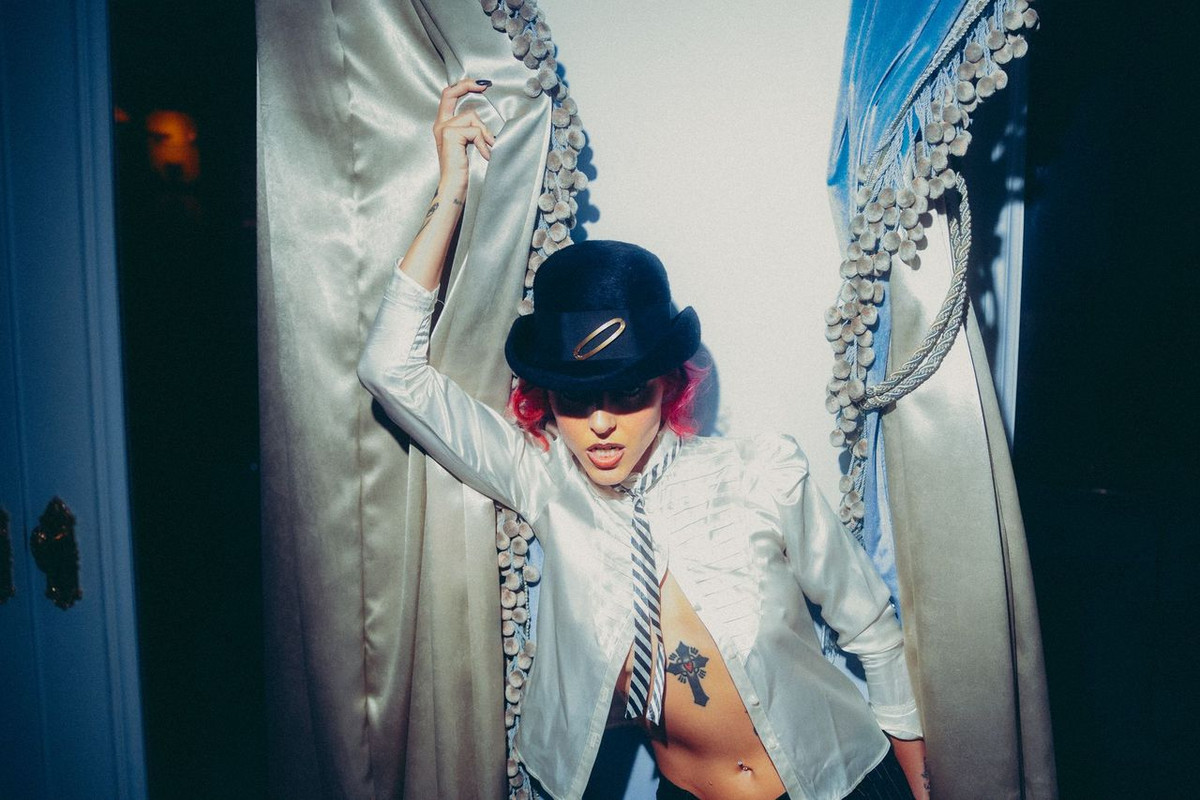
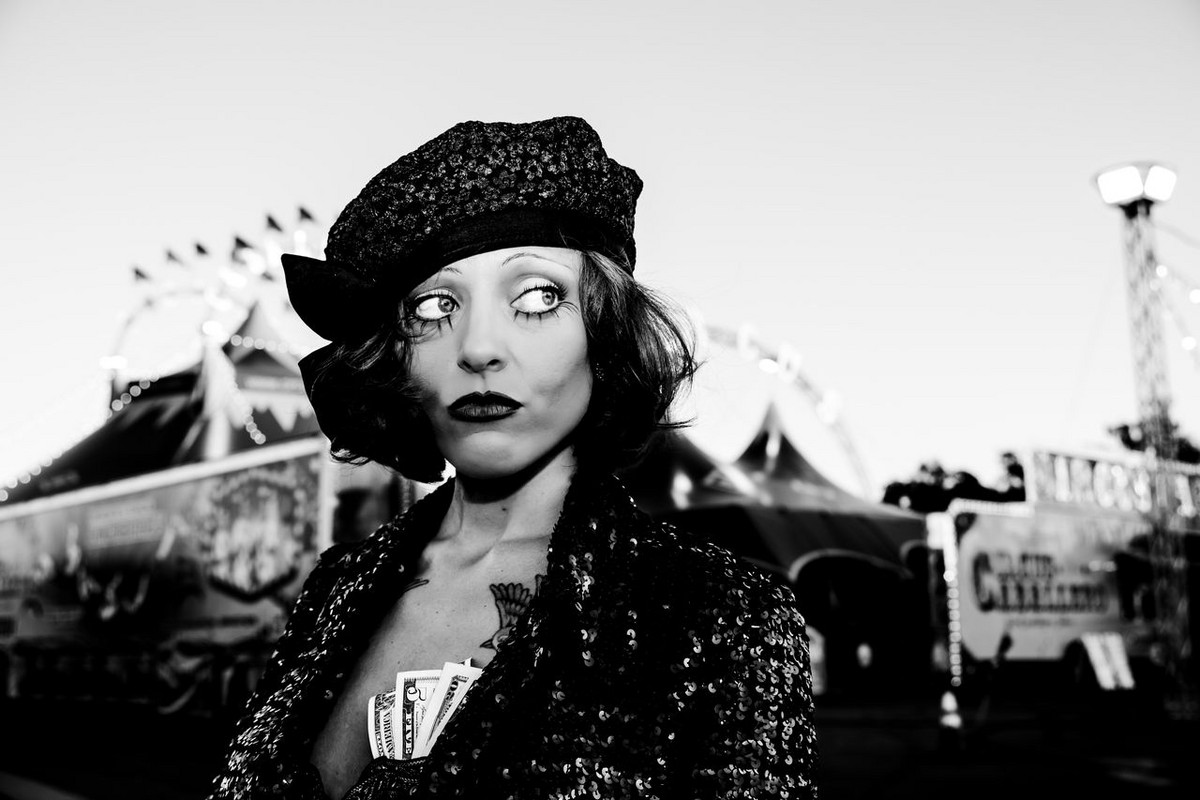
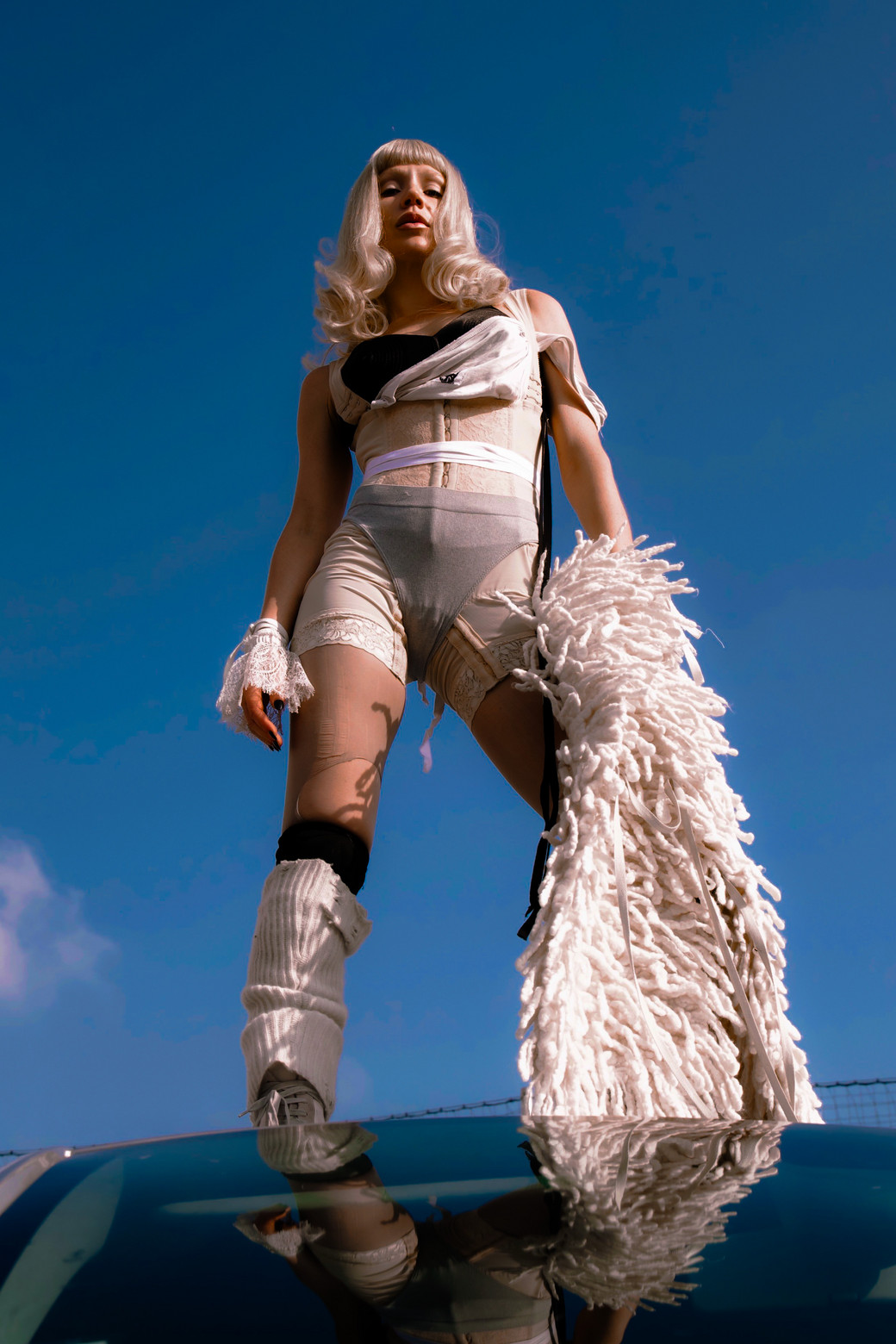
It's funny when you speak to people who work in music. I'm independent now, but when I was doing meetings, I spoke with this guy who was like, “You need to pick one thing and market it as that. Your problem is that you keep changing all the time!” But, for me, I think one of the most exciting things about being an artist is being able to change and shapeshift and be a chameleon. And I really am like that. Like, I have a wig addiction. I've got like 100 wigs in my house, and I love being able to change characters or change personas, and that really leads the songs that I'm writing as well. And so I love changing. I don't know if it's the right thing to do, because they want to be like, this girl is for these people, and this is this, and blah blah blah, but I just love to change so much. And I have such a wide variety of influences in music, in fashion, in art direction, so I think it's just interesting to blend them all together and play different characters. And if that is not working for marketing, then that's the other people's focus.
Along those lines, in a society where artists and especially women are expected to reinvent so routinely for the sake of relevance, how do you navigate reinvention and growth authentically?
Yeah, this is so true and so stressful. Because for men, they can just go on stage in a T-shirt, and everyone's like, That was iconic. And then for women, they're expected to have costume changes, scene changes— and all this stuff costs money as well. We should be able to just rely on our talent. But in saying that, I love to change and challenge myself a lot as well, and keep growing. But I think you need to do what feels authentic to you and not let the pressure of always trying to upgrade yourself get to you, and just stick to what you believe is honest for you and your projects.
This album feels bold and confrontational. What parts of yourself did you allow to come to the forefront when crafting it?
When I first started making music, I was nice and thinking, What will my grandma think? But now I just need to say what feels authentic to me, and I stand by everything that I say and everything that I write. Like, “Pussy Power”, for example. I was like, Is that the best word for this? But I knew that it was “Pussy Power” straight away. At first, it was called “Feminine Power.” But then I was like, No, it's called '”Pussy Power,” because pussy can be like anything for anyone who's feeling feminine. And this song is an anthem to fuck the patriarchy.
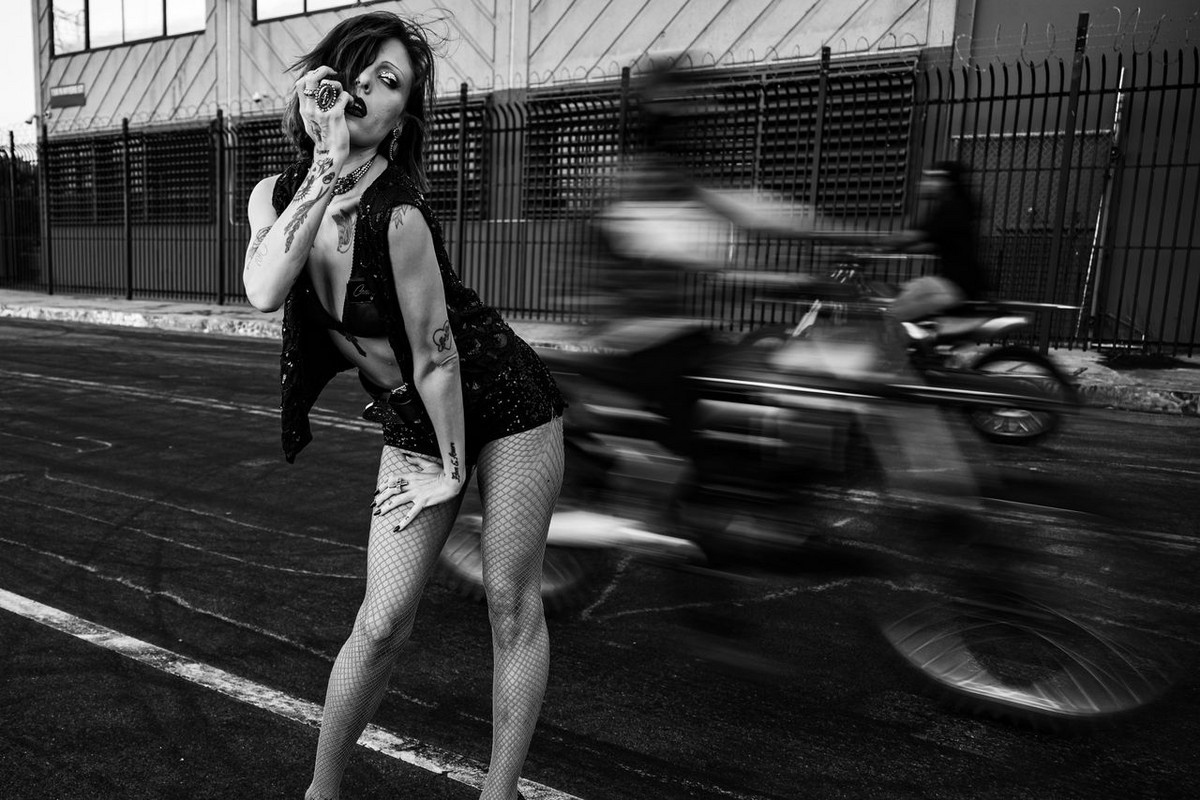
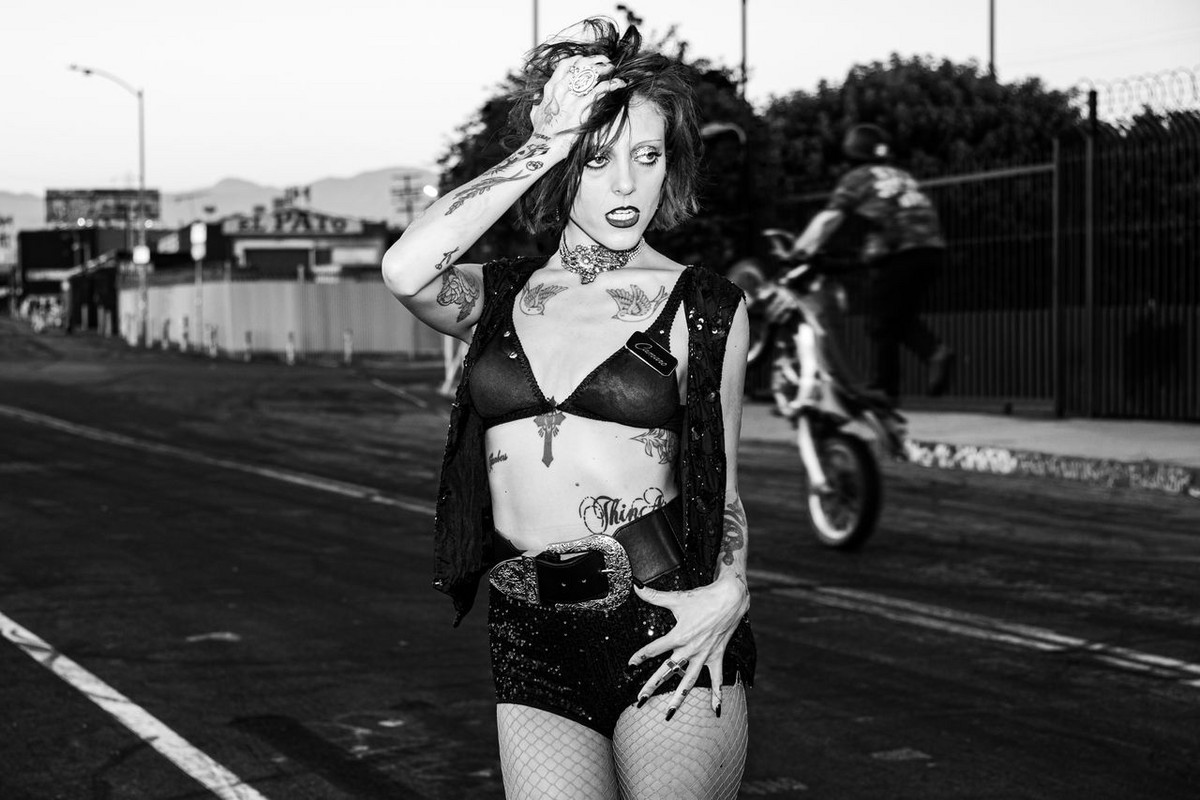
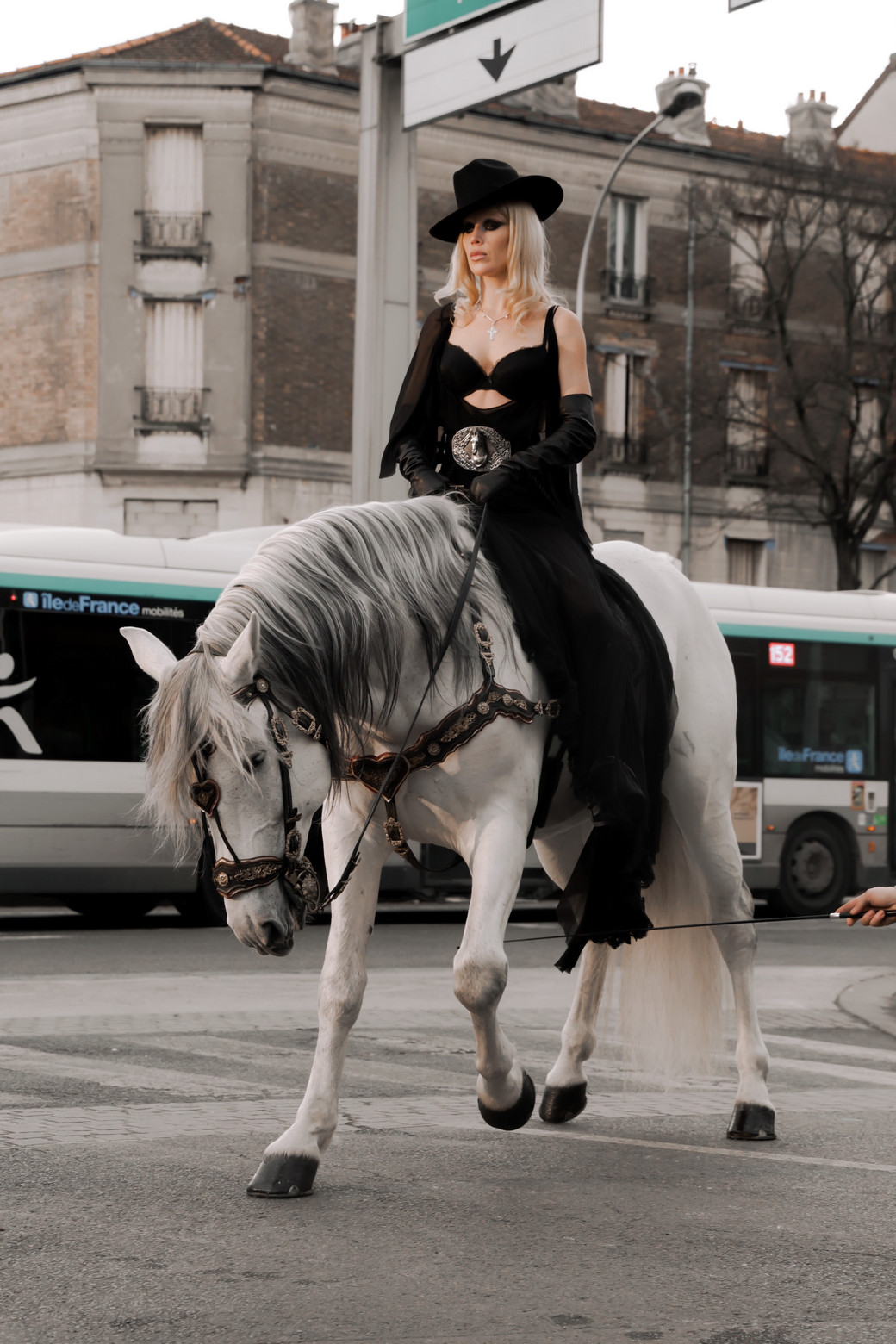
From the motorcycles in Londontown to the spectral moments with the white horse in Love Lasso, it seems like the character you assume is always riding something. Is that propulsion about control or freedom?
I realized this a lot in this album, because someone asked me to put it into one word, and I said, escapism. So I think that's why I always feel like I'm traveling. I'm Australian, but I live in Paris, and before that, I lived in Hong Kong. I'm always running away from something or running towards something, but it's really just about escaping, and escaping the current situation of the world. It’s so dark and heavy. And I feel like this album is escapism for me and hopefully for the listeners too, so that they can just be transported into another place.