Services Généraux's SISYPHE
To mark its release, Services Généraux hosted a watch party in New York on February 17 at Public Records, as well as a screening on February 26 at Espace Commines in Paris.
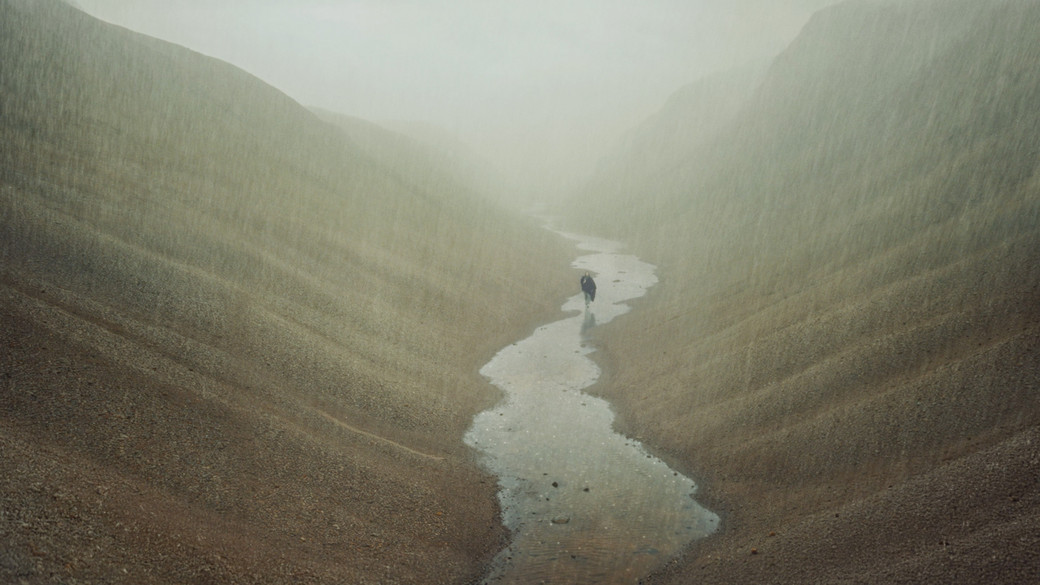
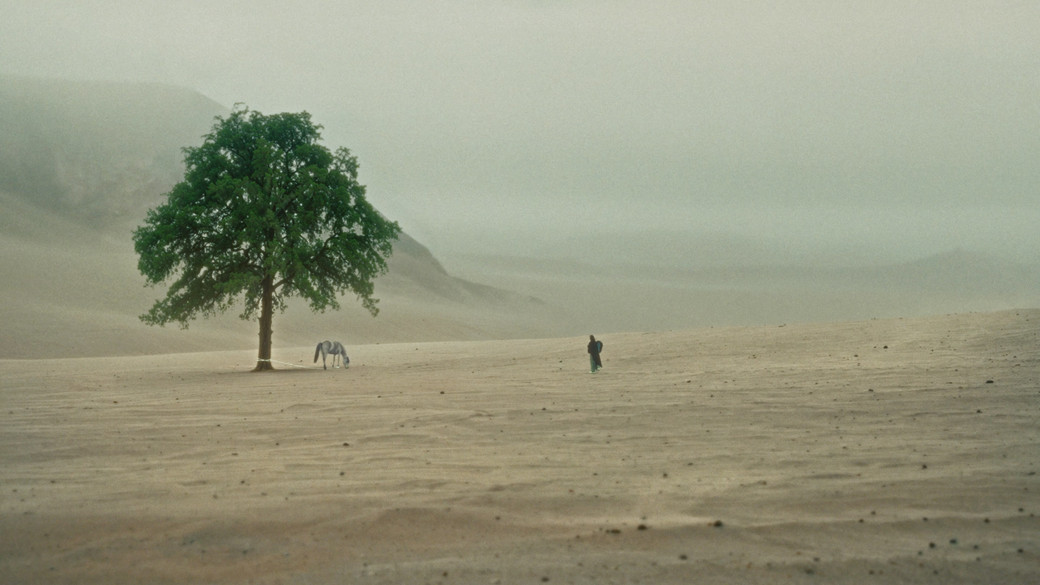
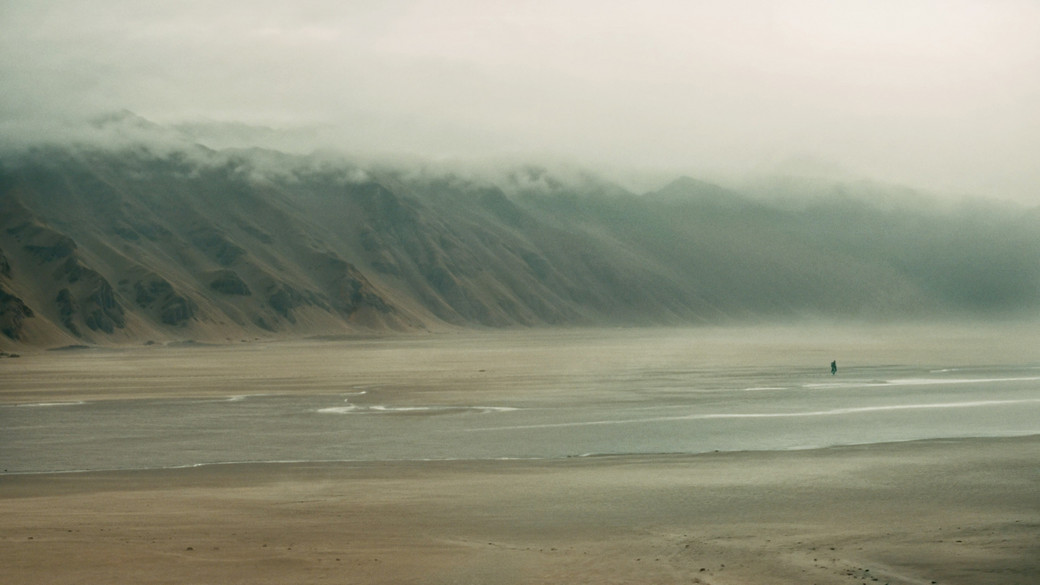
To mark its release, Services Généraux hosted a watch party in New York on February 17 at Public Records, as well as a screening on February 26 at Espace Commines in Paris.

What does intimacy mean to you?
Intimacy to me is trust. It's that moment when someone lets their guard down and you get to see something real. It doesn't necessarily have to be romantic or sexual. It can be a look, a gesture, being comfortable enough to be vulnerable, or even just being still with someone. I think intimacy is really about feeling safe enough to be seen.
How does intimacy show up in your work as a photographer?
I've always photographed people pretty instinctively. I don't like to over-direct or make things feel too perfect. I want people to forget about the camera a little bit. A lot of my work is about getting close, physically and emotionally, and catching those little moments in between the "pictures" — the things that feel almost private. I think that's where intimacy shows up most in my work, in the moments that don't feel performed.
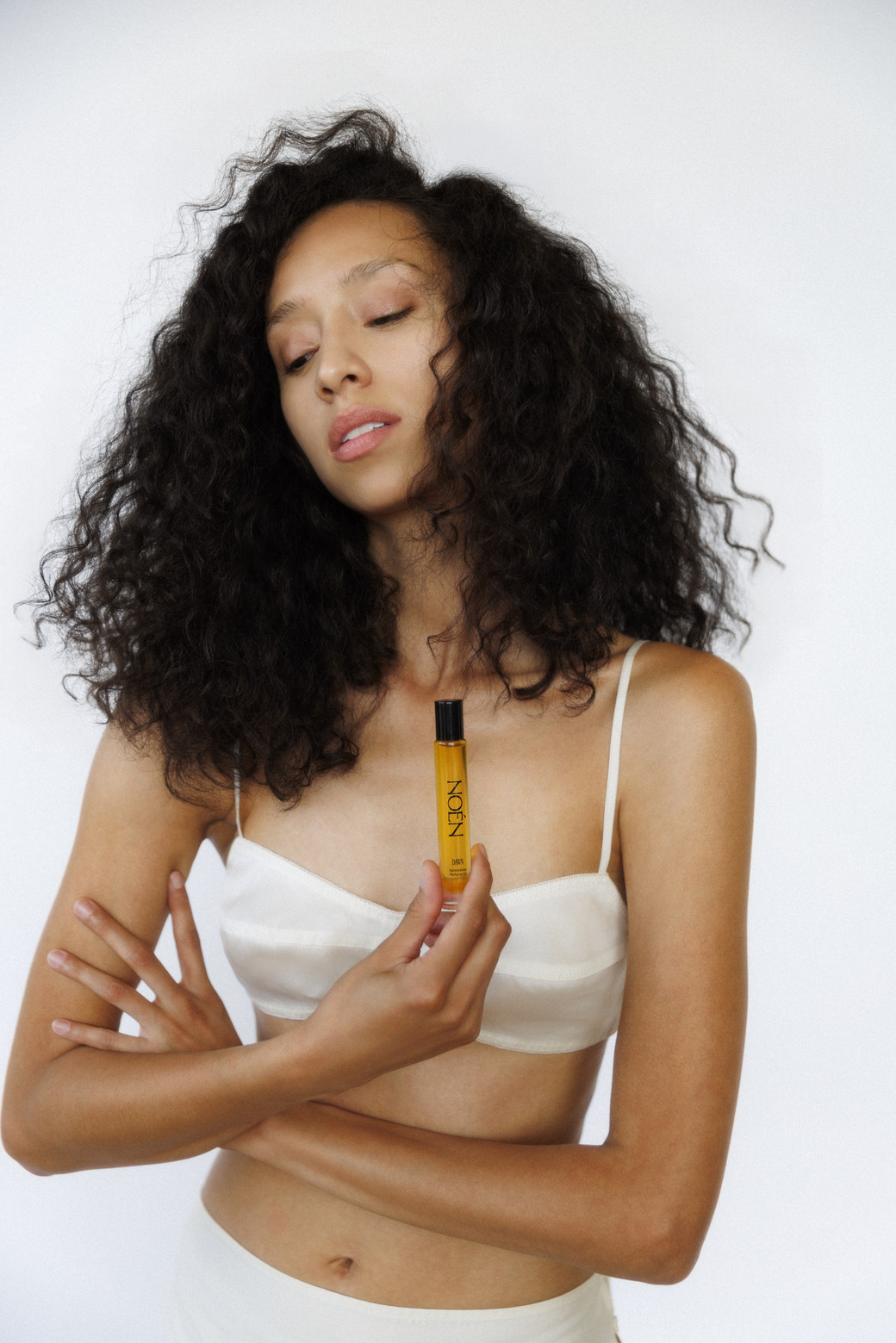
What inspired the images you created for Noén and Made to Be Touched?
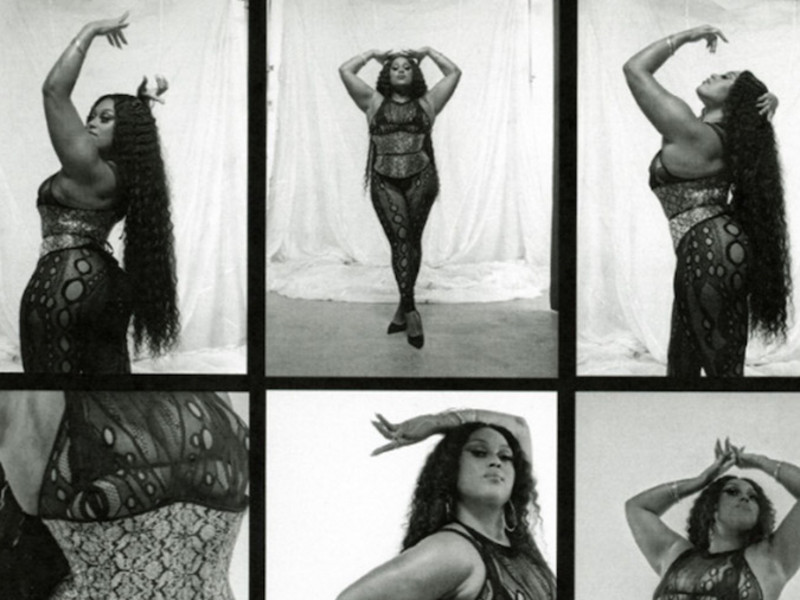
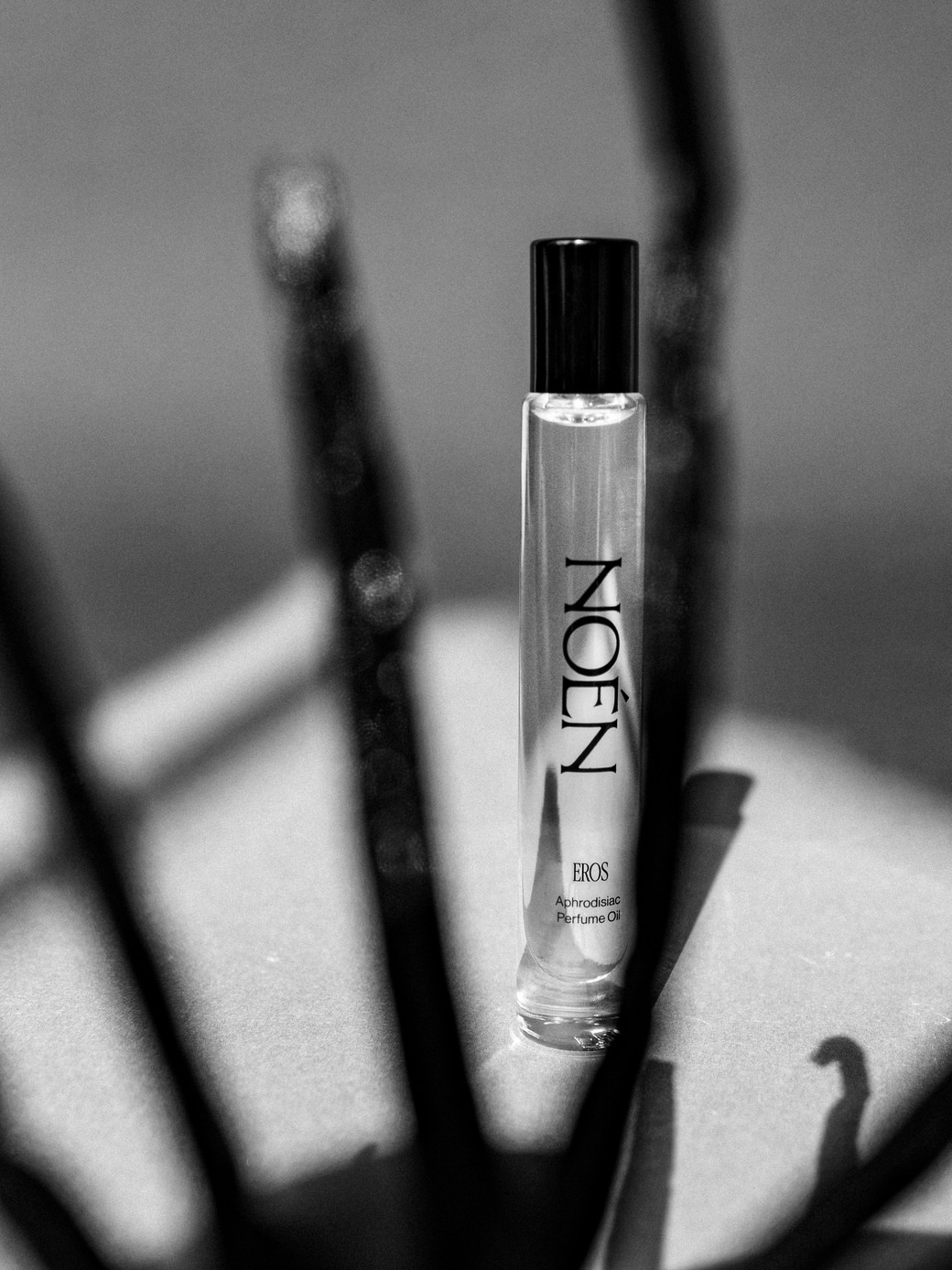
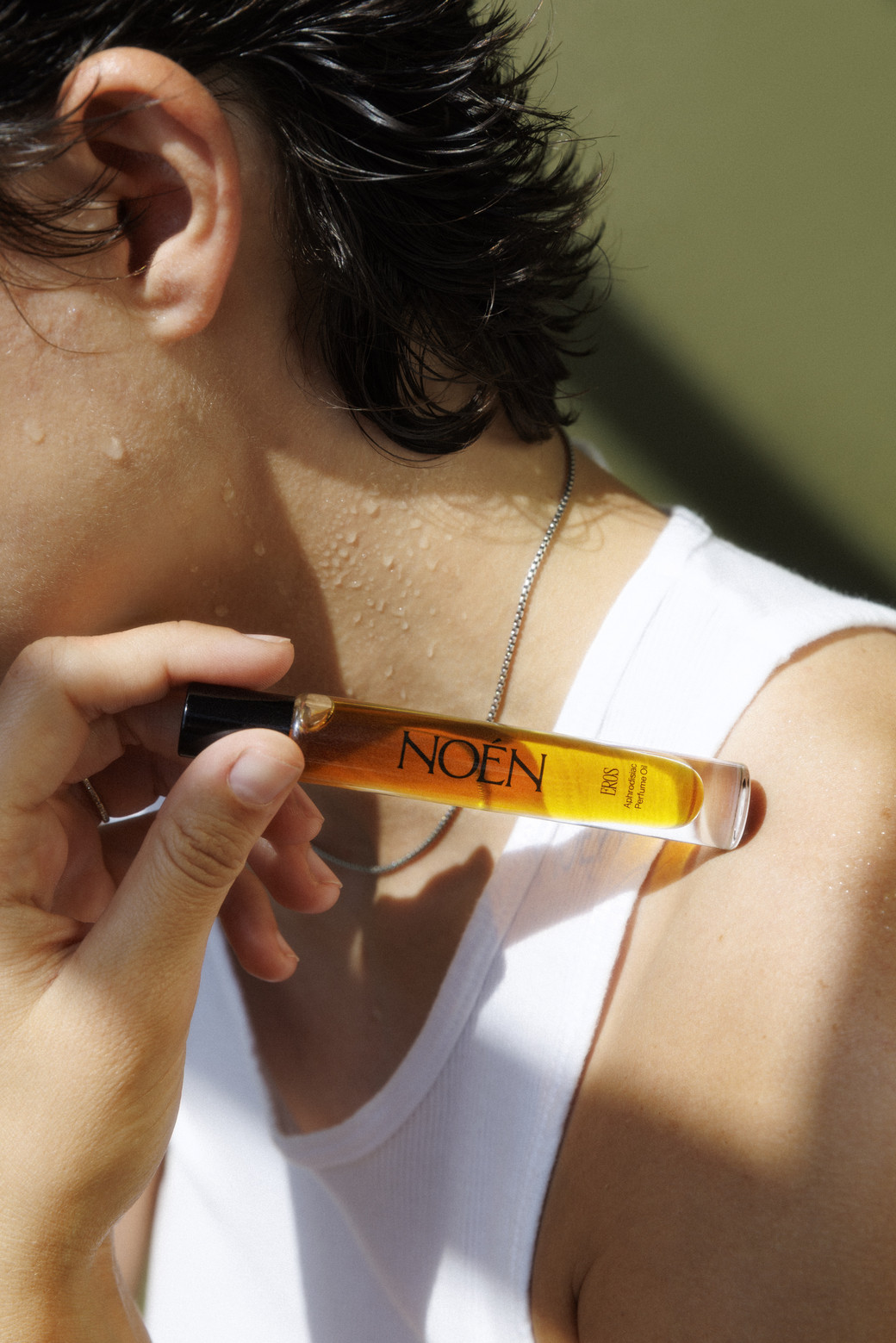
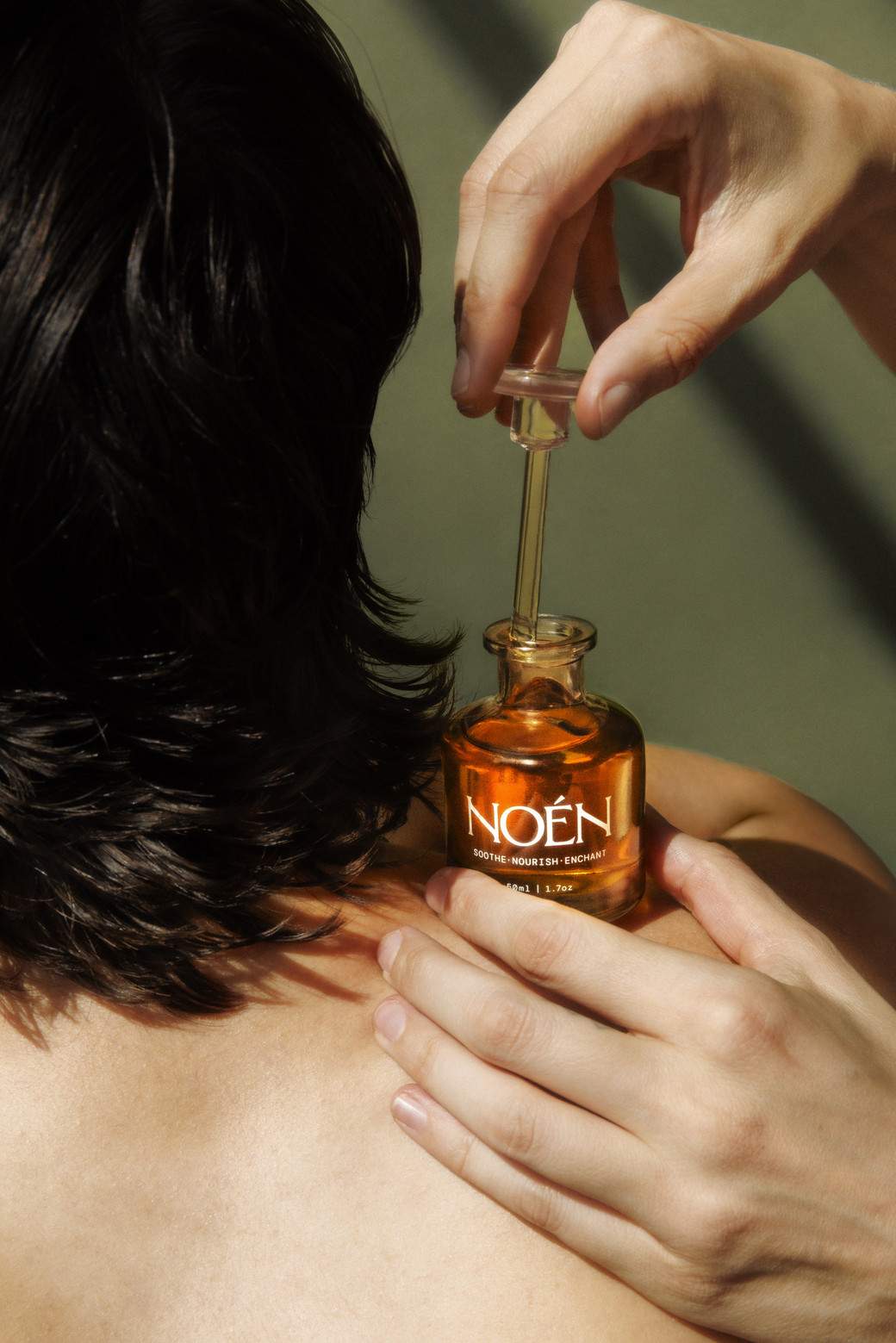
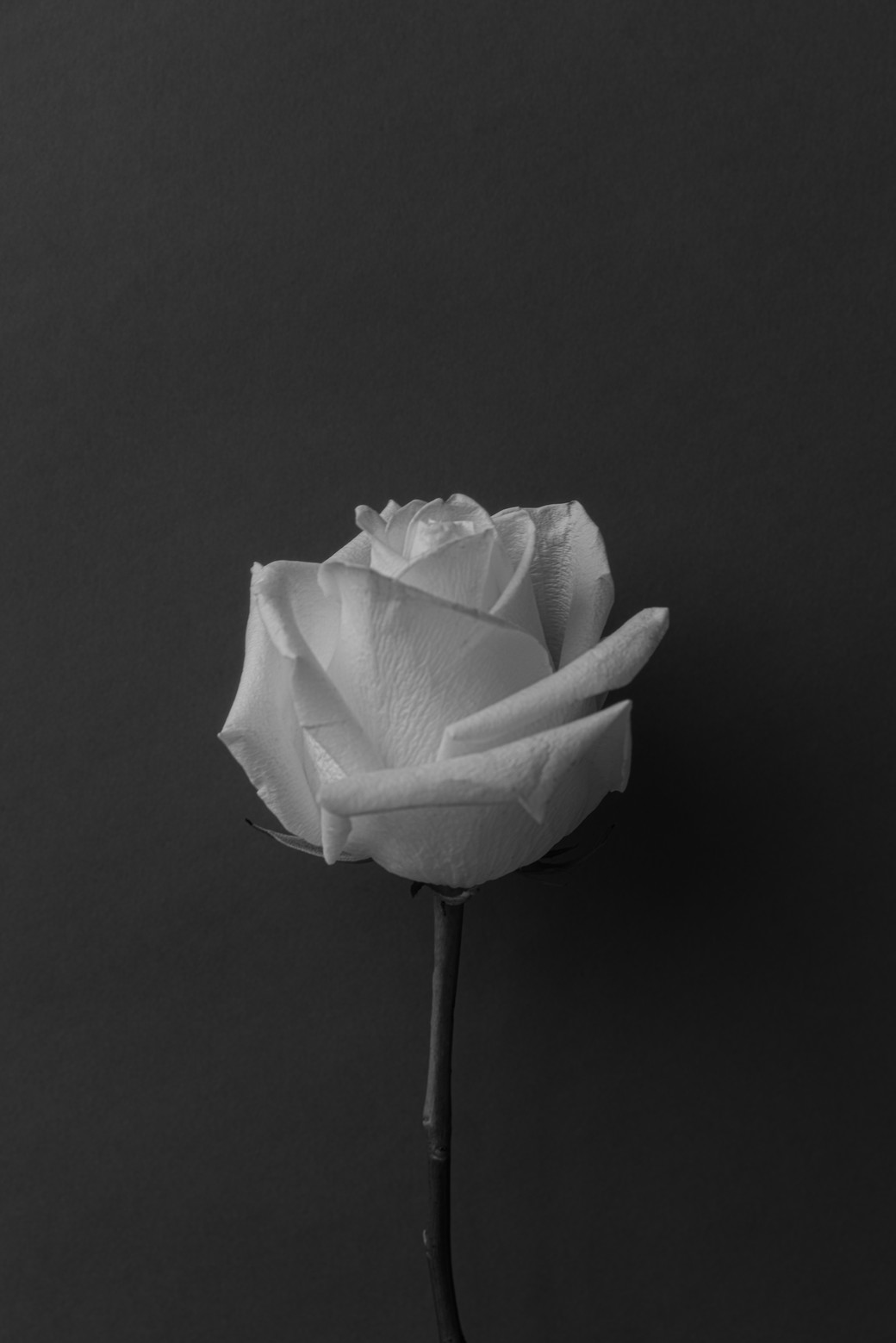
The name Made to Be Touched really says so much on its own. I wanted the images to actually feel tactile, like you could almost feel them rather than just look at them. Skin, closeness, texture, movement, the way bodies naturally exist together. I didn't want it to feel overly polished or posed. I wanted it to feel human, sensual and a little imperfect. Like you're witnessing a moment instead of being shown one.




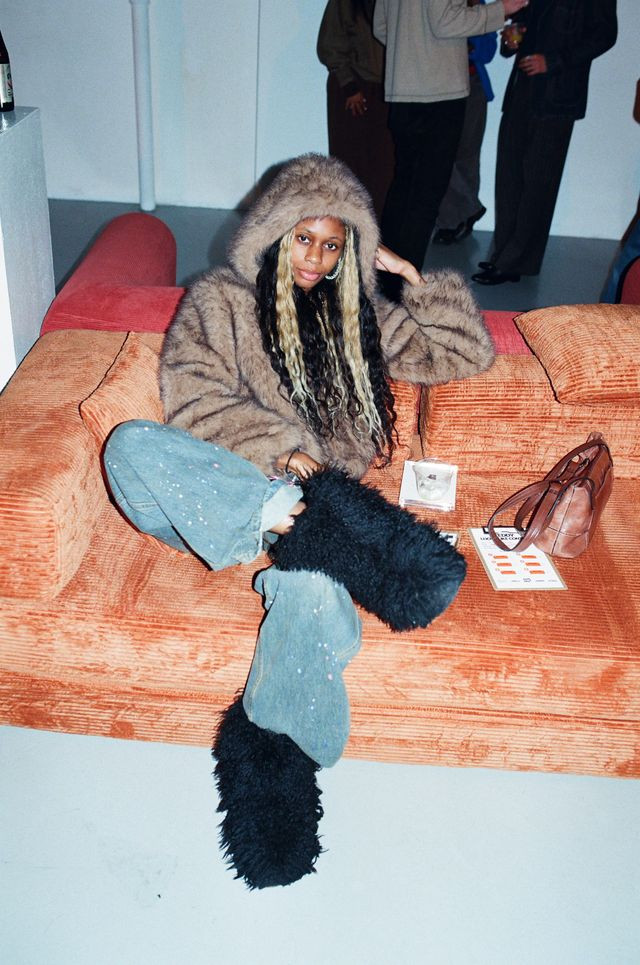
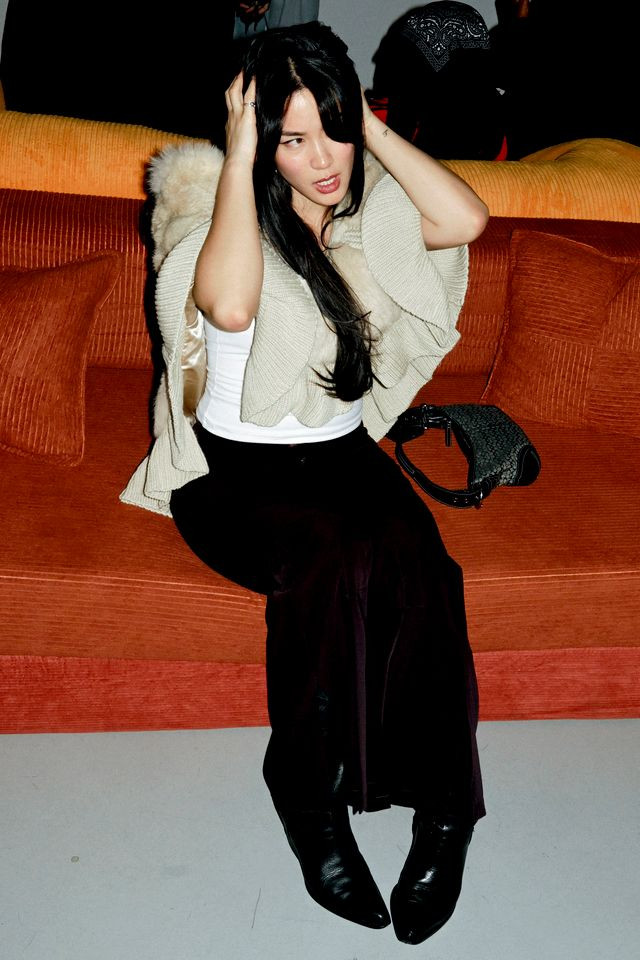
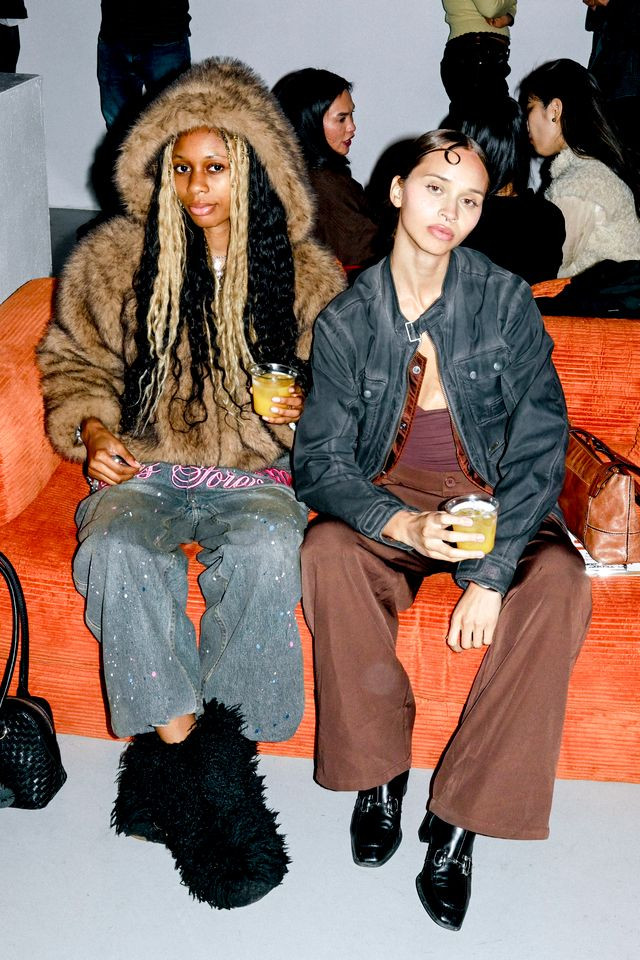
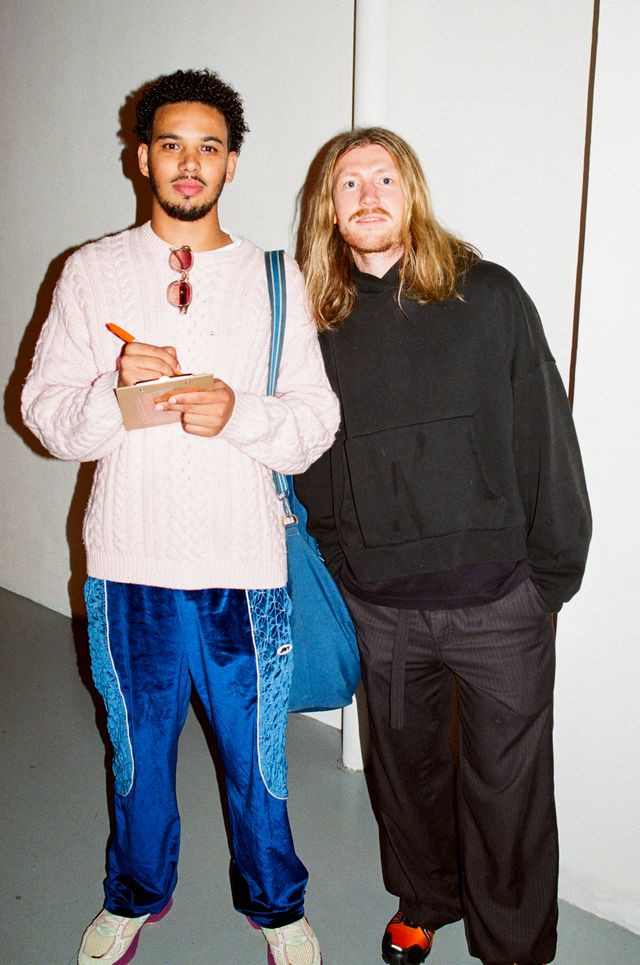
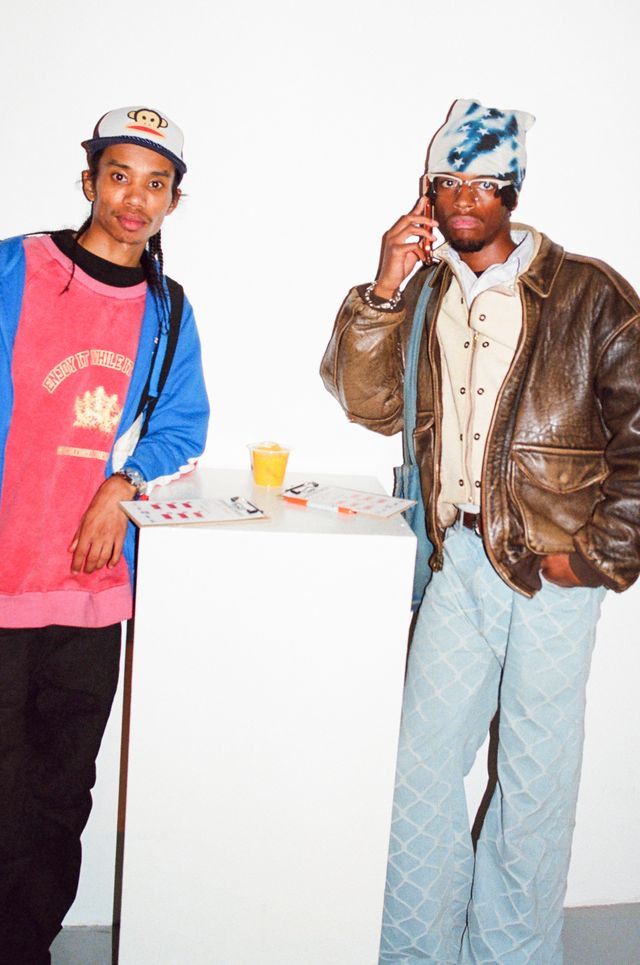
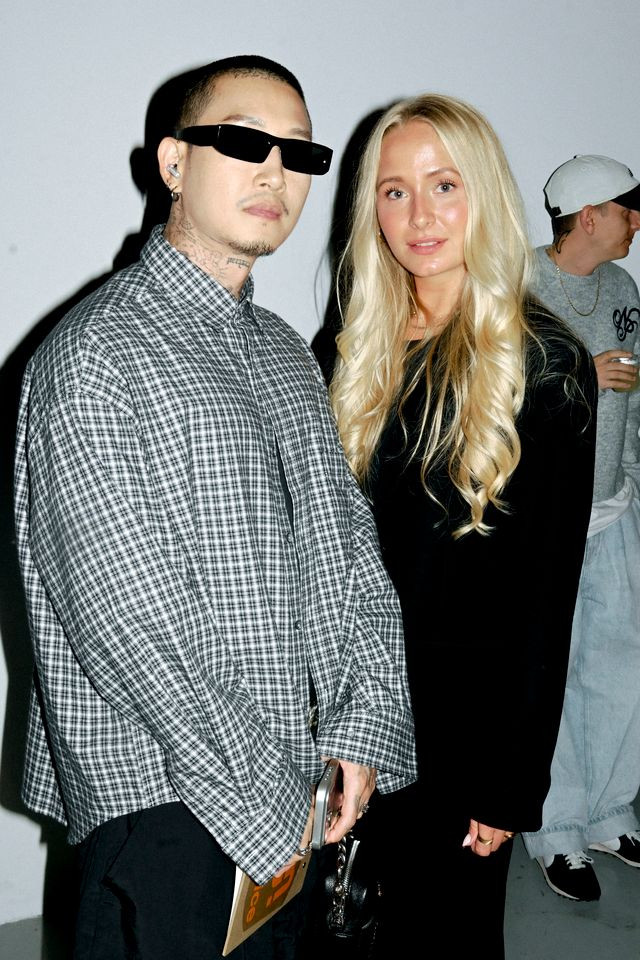
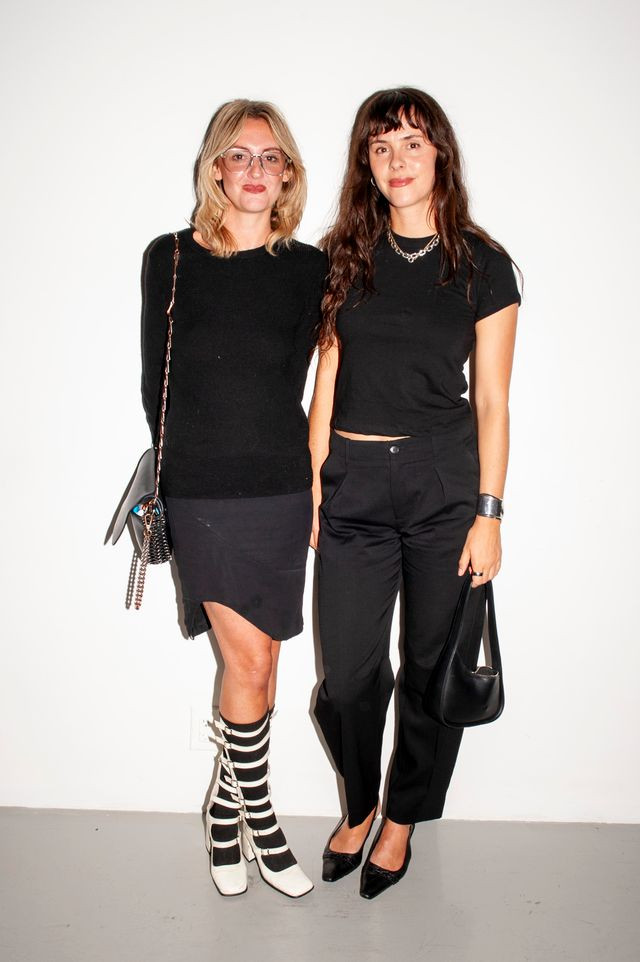
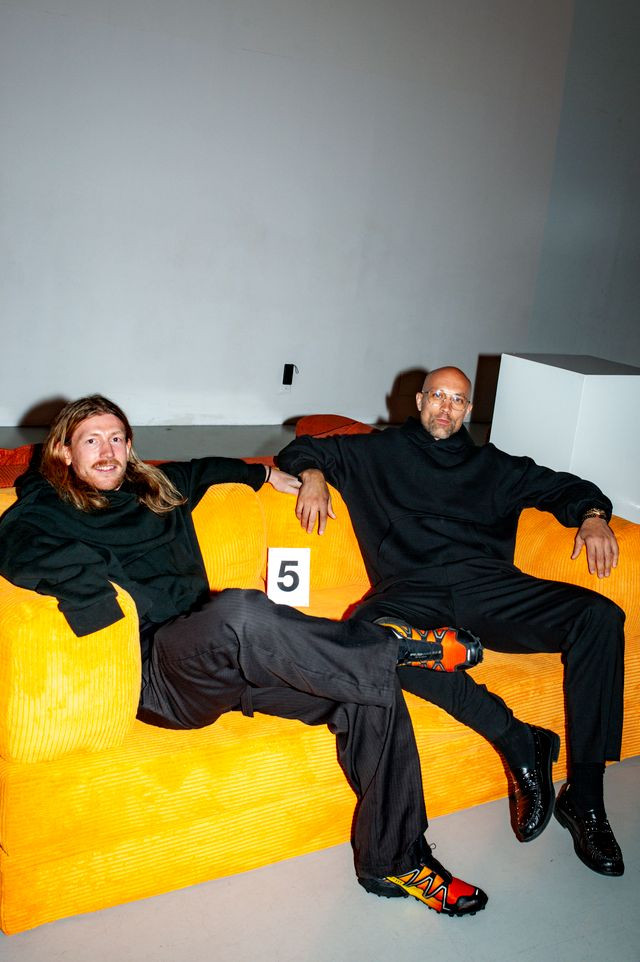
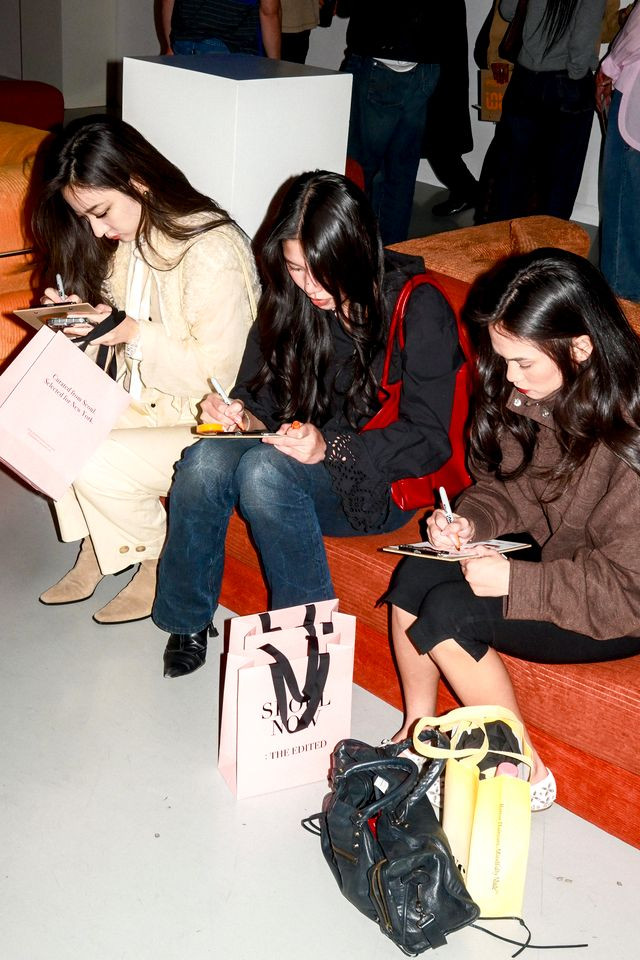
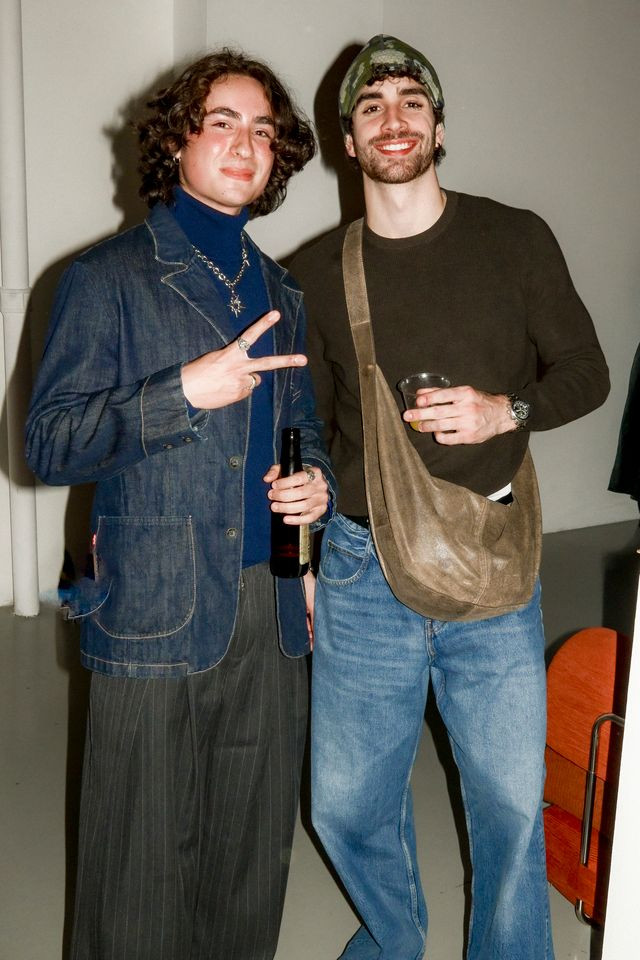
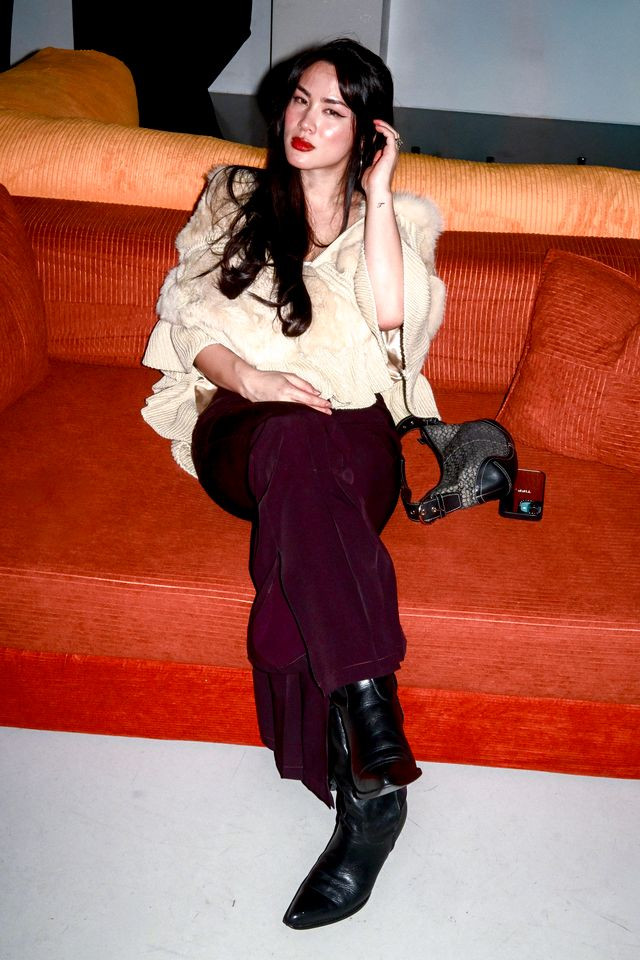
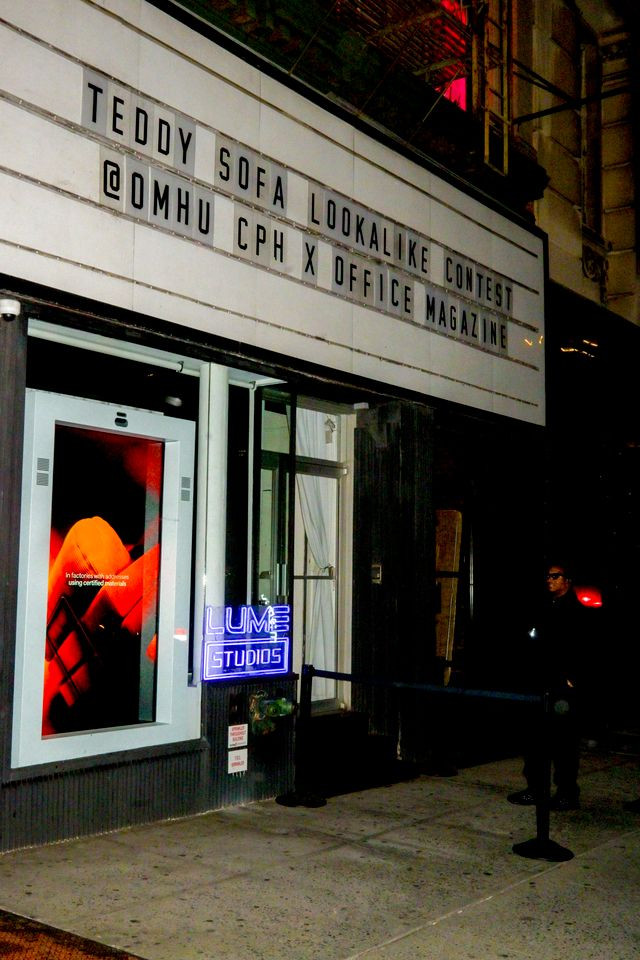
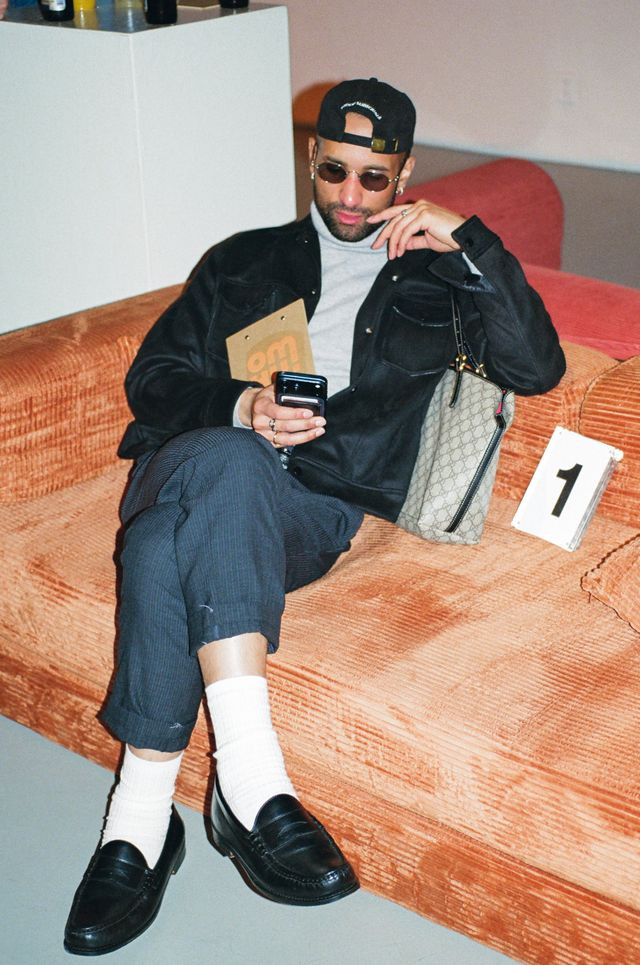
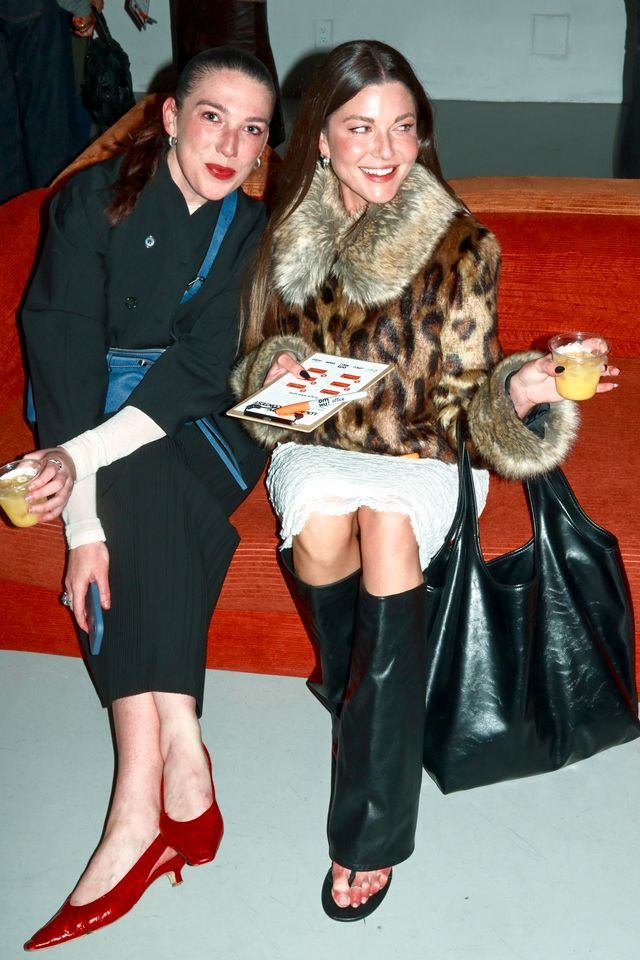
As a centerpiece for the event, there were six TEDDY dupes: five outsourced dupes from the internet, and one OMHU TEDY sofa. On their way into this orange-hued and couch-filled party, guests were presented with clipboards where they were asked to pick their favorite couch, note their own personal celebrity look-alike, and toss their name into the raffle. One lucky person would be chosen and would be able to keep the TEDDY sofa. And who better to crown the winner of the couch look-alike raffle than an already internet-famous look-alike? The guest of honor was none other than Miles Mitchell, who went viral in 2024 for winning the OG Timothee Chalamet contest in NYC that started the look-alike contest trend.
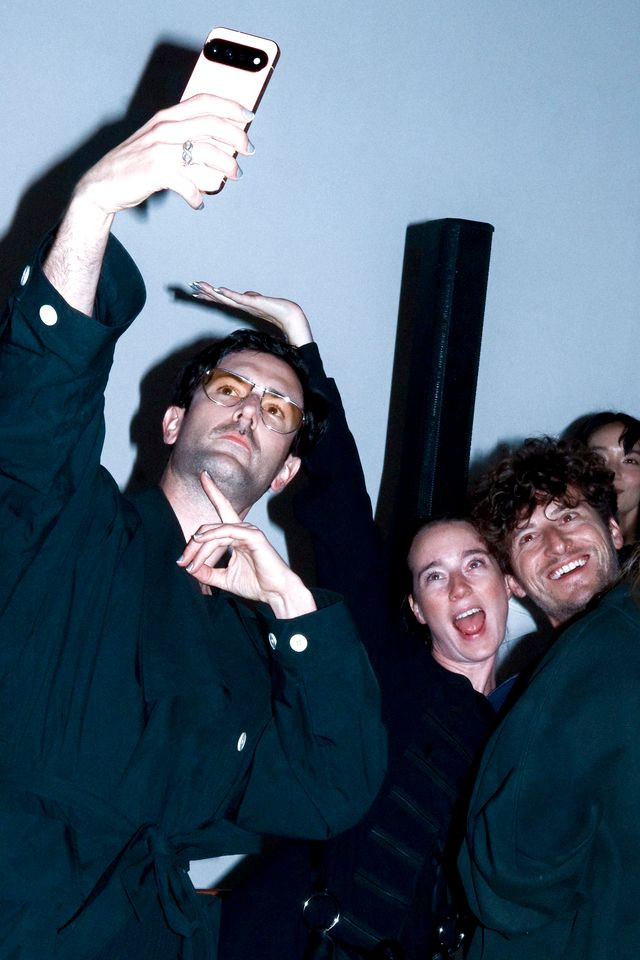
The videographer of the night recounts having told his friend before leaving earlier that day something along the lines of “Yeah, I’m shooting an event tonight. Probably a look-alike contest!” It was a joke. So, imagine the shock on his face when he showed up, and this was precisely what he was shooting. It was a concept that had the room chatting all night. Laughter, disbelief, and excitement were everywhere.
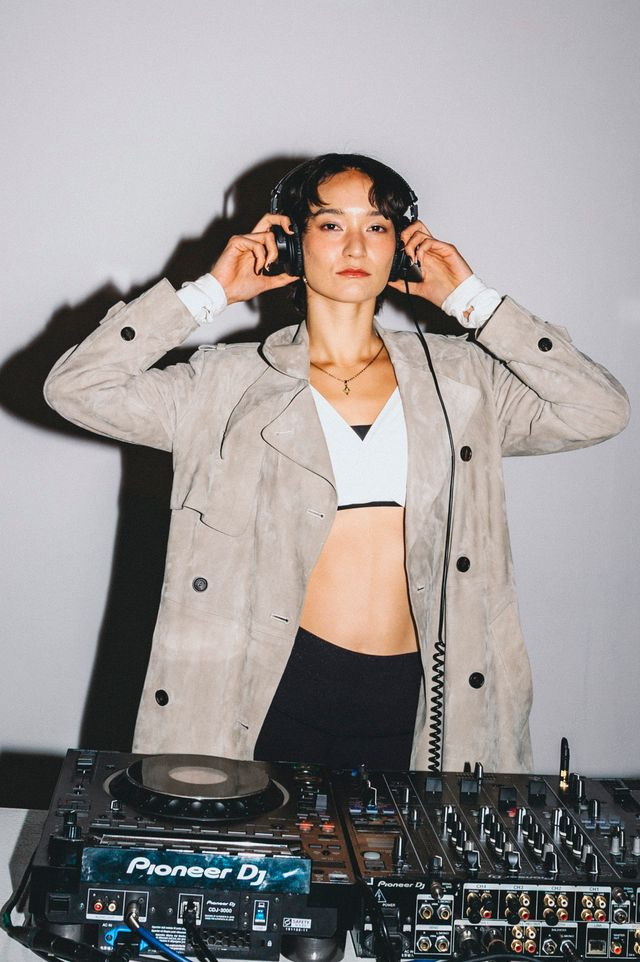
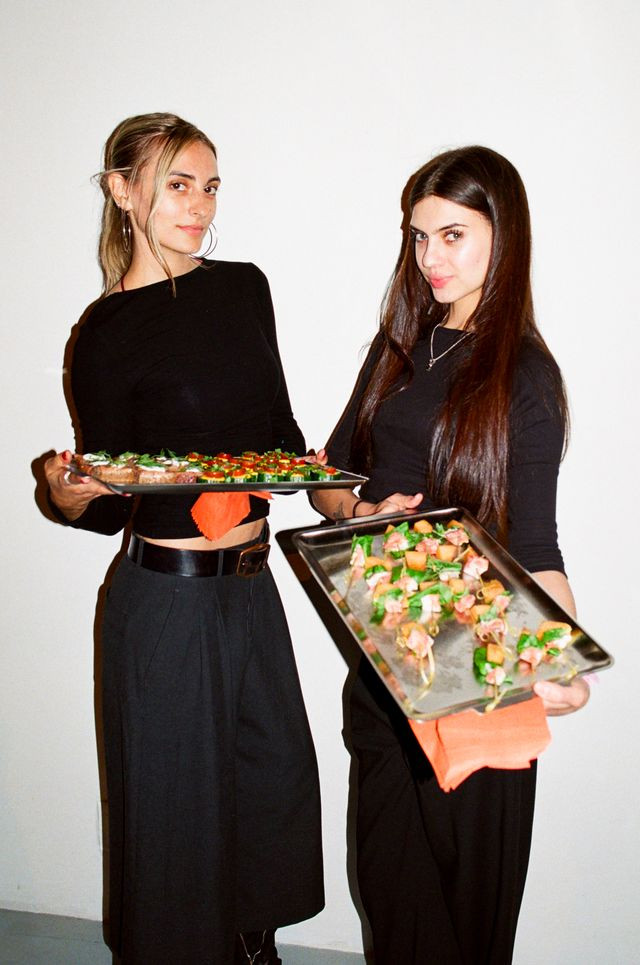
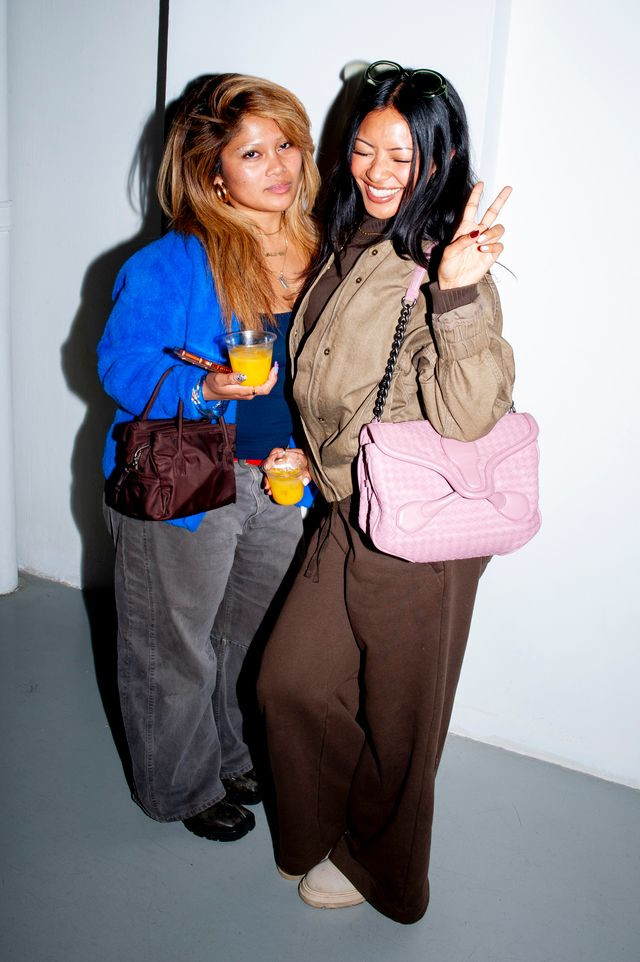
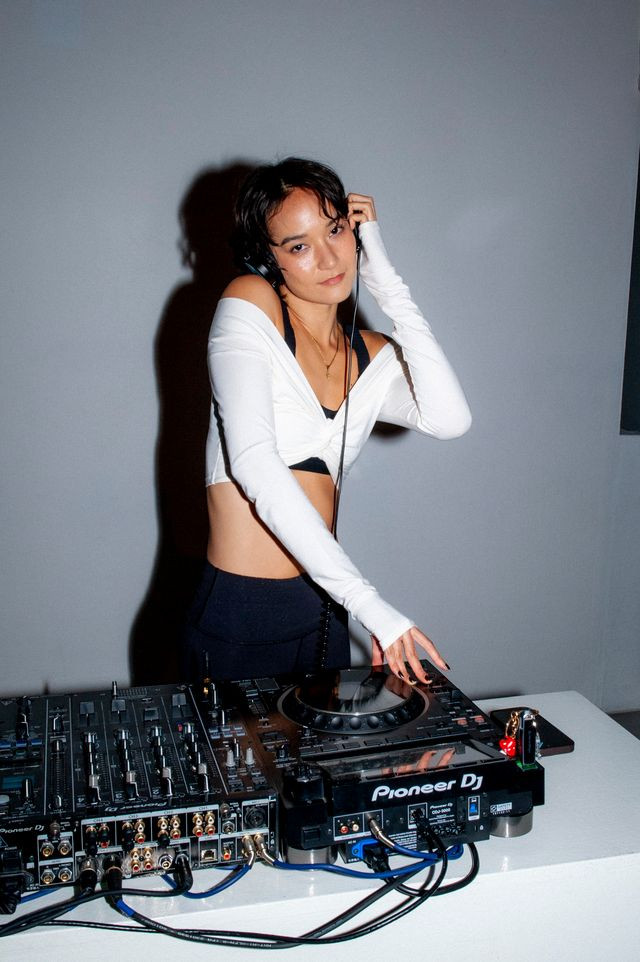
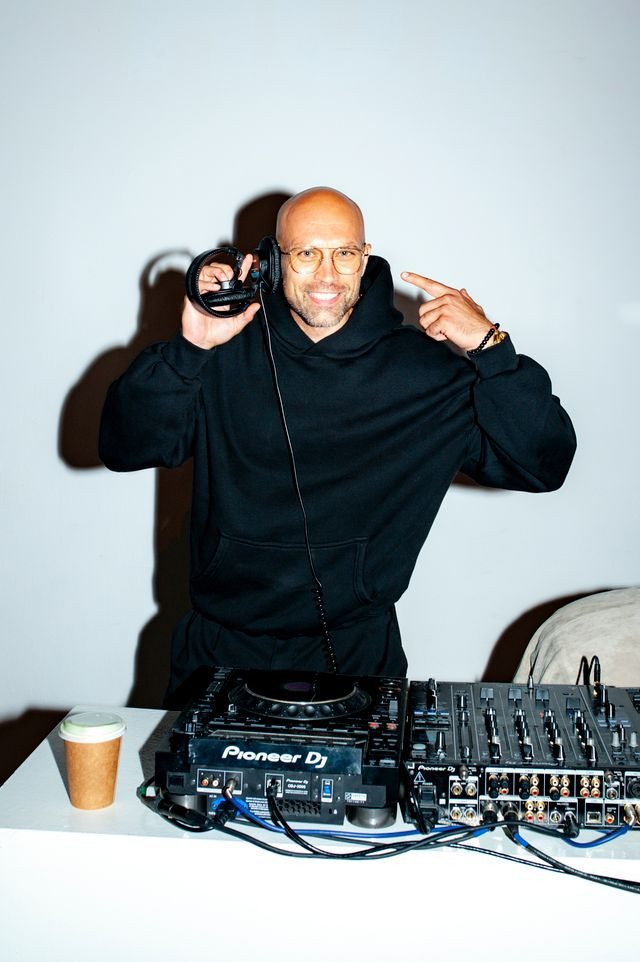
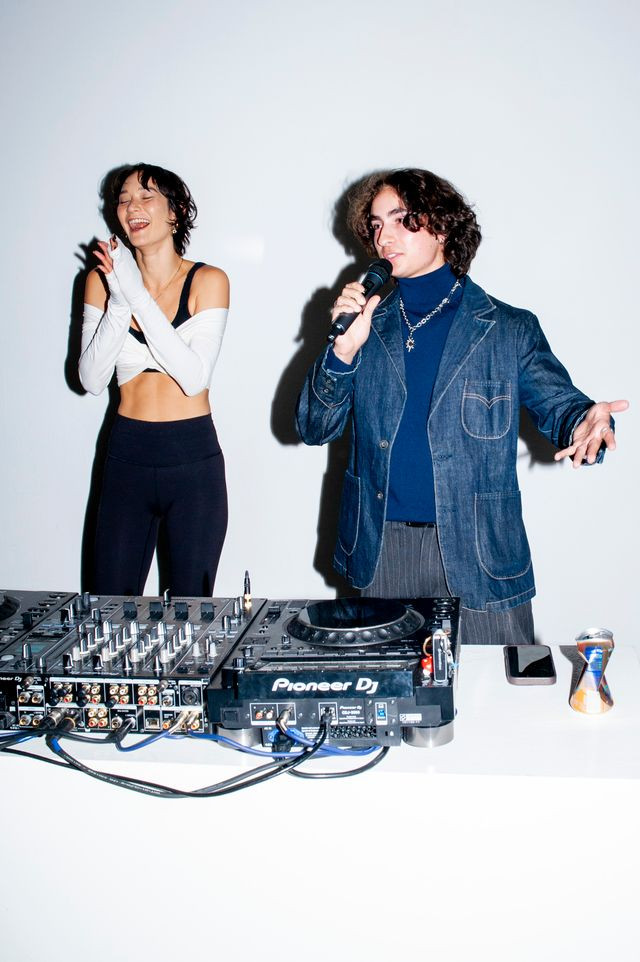
Guests mingled all night to sounds by DJ, Mona Matsuoka, filled with drinks by Misguided Spirits & Orion, and bites by Smør.

Did you always know you wanted to be a writer?
I’ve always been into writing. At the end of middle school, I did a creative writing internship at the Guggenheim and had such a blast. I still have my essays from then somewhere. I ended up using a variation of one of them in my college application. In high school, I was really into film, and I was always drawn to it because it combines visual and written storytelling. From there, I went to film school at NYU, and I focused on screenwriting. I’ve actually written six to eight features, but they’re all really shitty, so no one will ever see them.
How did you come to discover poetry and fall in love with it?
Poetry didn’t come into my life until my late teens or early 20s. I had a long-distance ex who sent me poems, and I started writing my own. Then I got into reading poetry, and in response, I started writing more. I’ve been writing poetry on and off for the last five years. It’s a medium I enjoy exploring, and I loved that there were no rules.
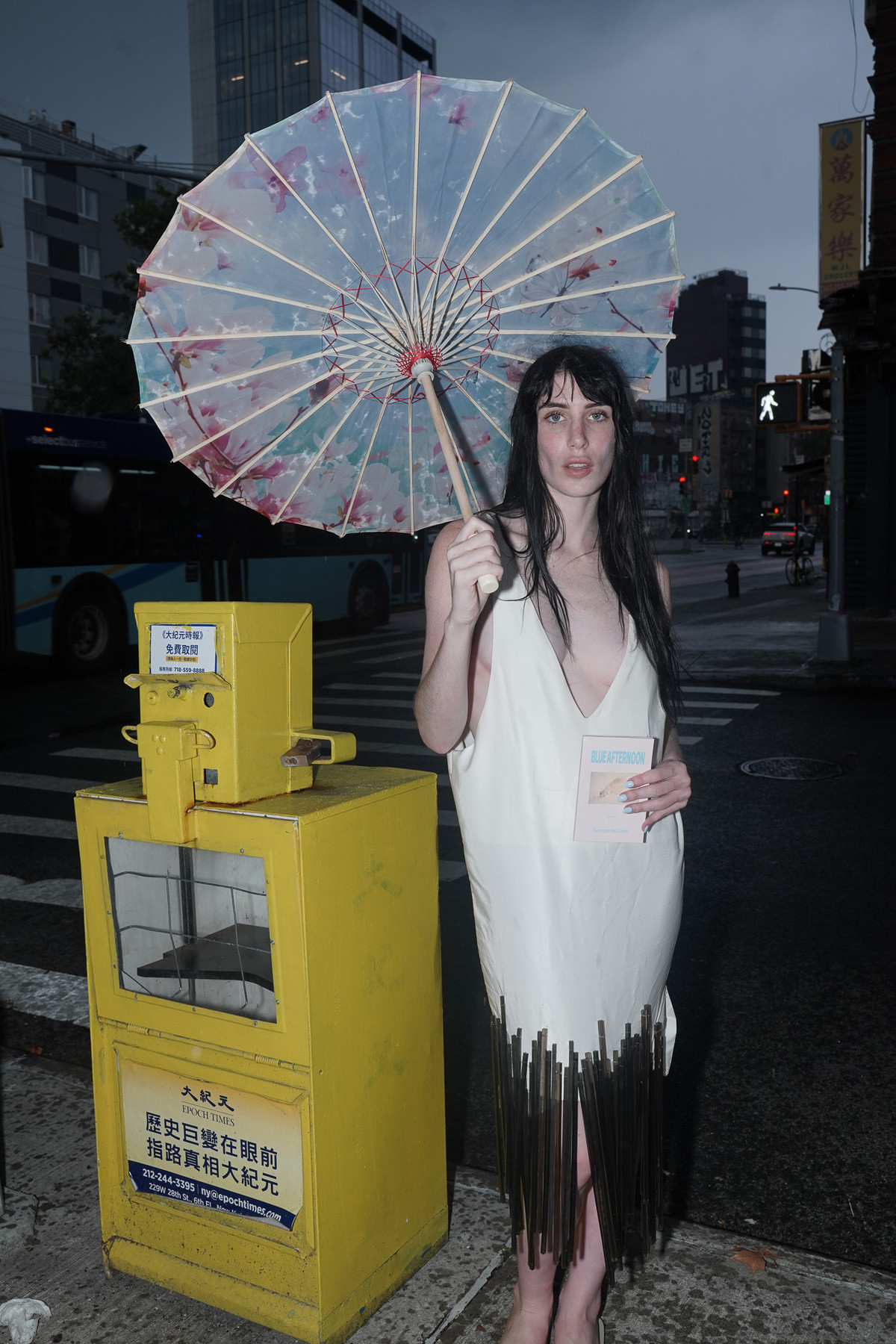
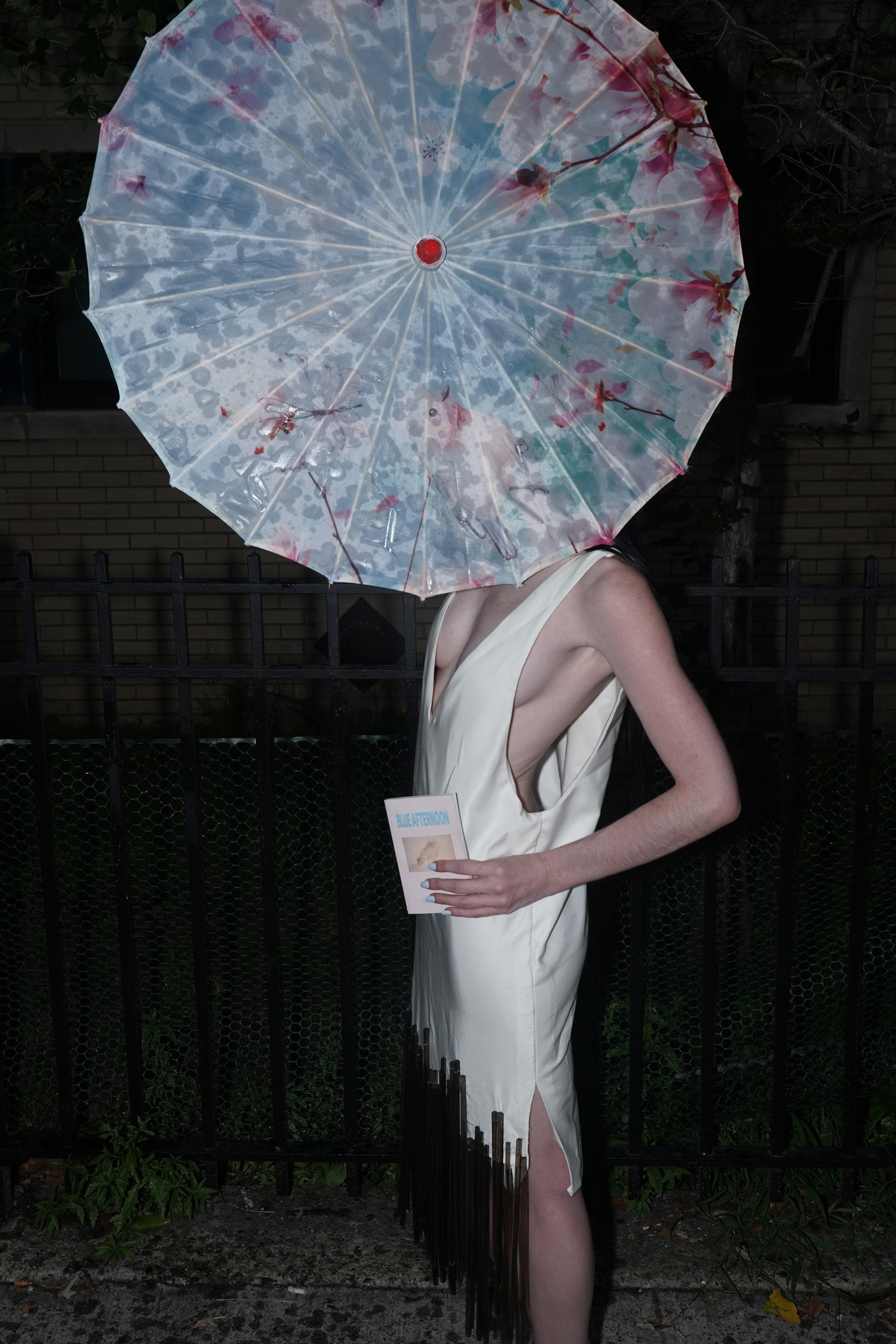
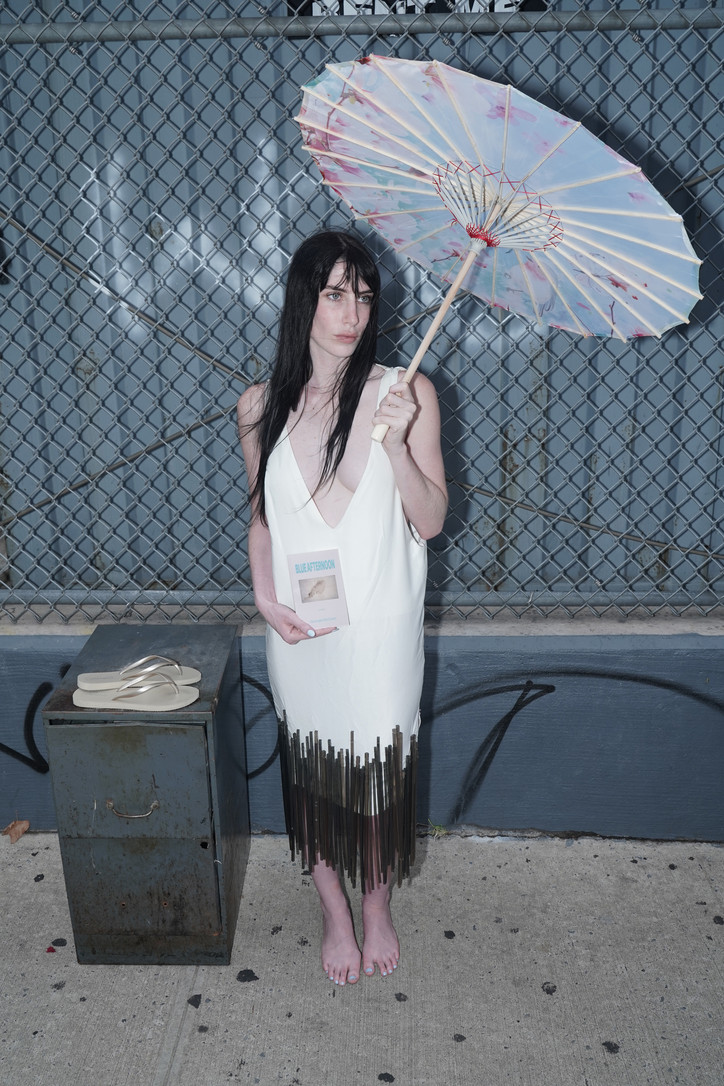
Tell me about the collection of poems in Blue Afternoon.
They’re not necessarily autobiographical. Some are conversations I overheard or other people’s stories. But some do relate back to my life. They are poems that feel like they have emotion behind them. They are instantaneous.
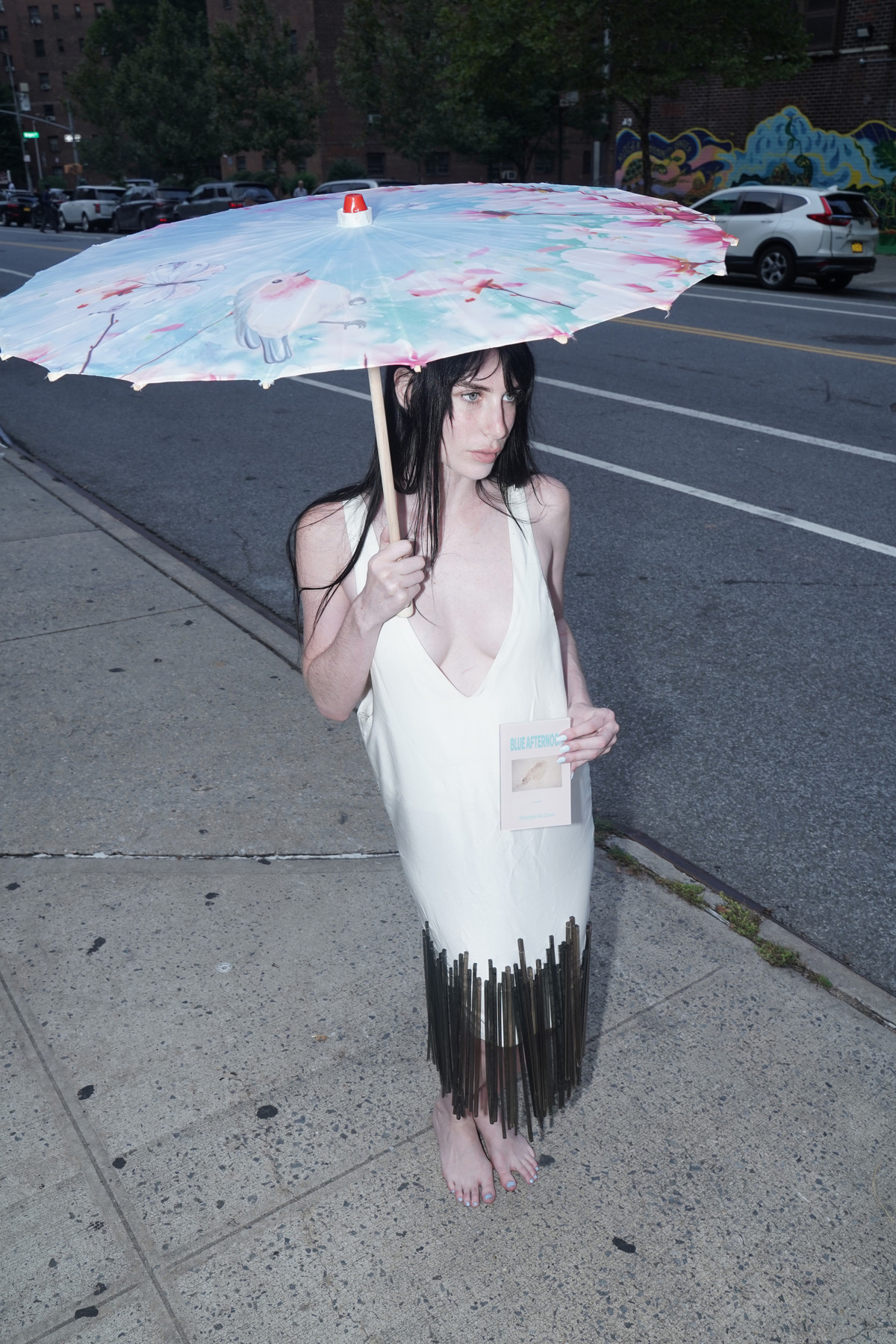
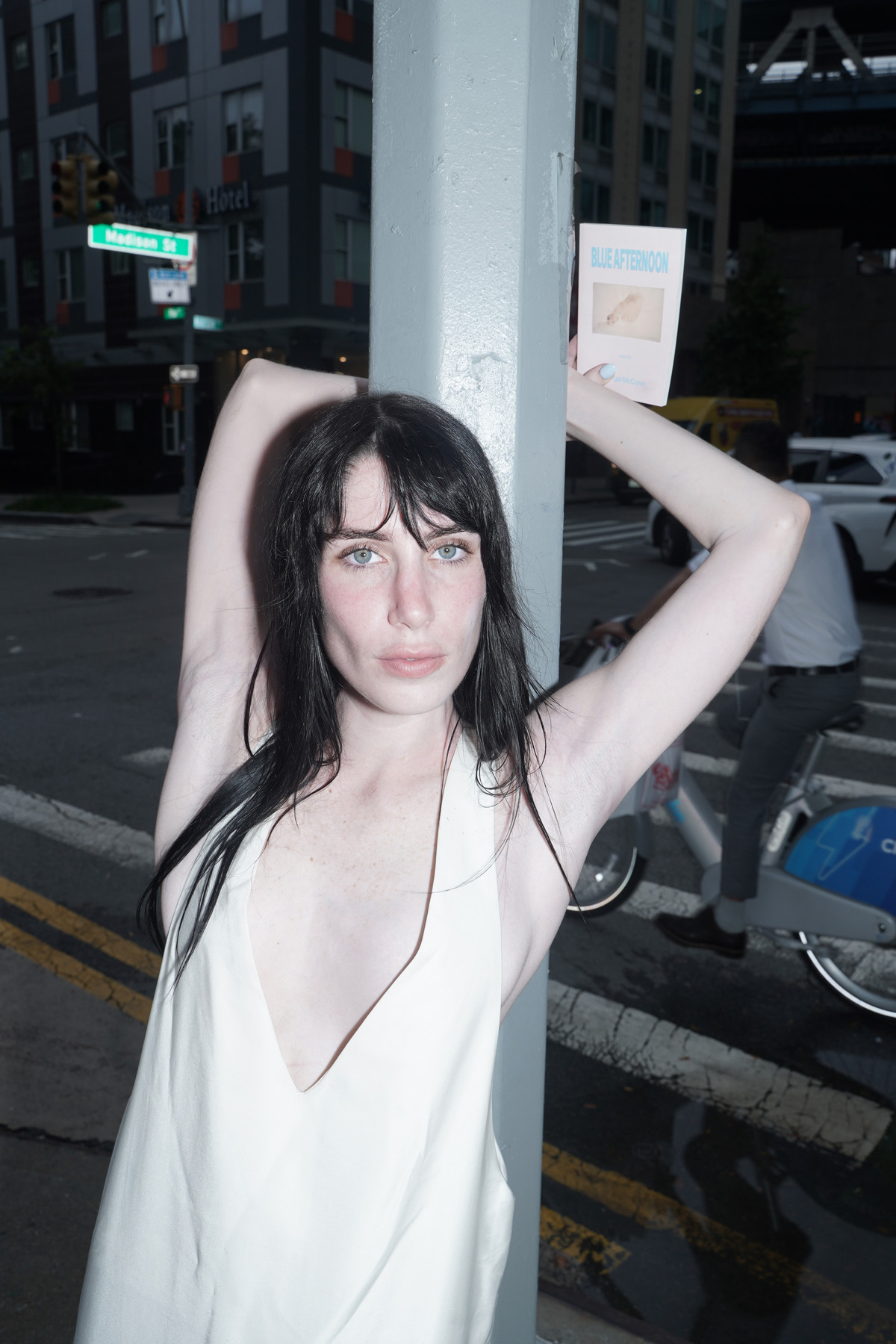
Do you feel like the poems encapsulate certain times in your life and act as touchpoints?
Yes, 100%. When I read them back, I can remember the phase of my life when I wrote each one. It came in waves. I can remember chunks of poems that came from a point in my life when I was more drawn to themes of friendship or love, while others have themes of childhood. It was sort of a reaction to whatever was going on in my life at the time. They capture a lot of growing up, and they’re emblematic of certain phases.
In reviewing all your old work, did it feel healing?
I spent an entire month editing before submitting, so I had to tap back into those moments in life to ensure emotional accuracy. I could see how things have evolved over years; in a way, it was like a creative journal.
Did you feel there was a connecting thread amongst all the poems?
I always understood that poetry books have an arc to them, but I obviously was never preparing to publish these, so finding that arc was really a challenge. These were poems I had written in the past that I then organized into a book. So thematically, they’re very different. They don’t all explore one topic.
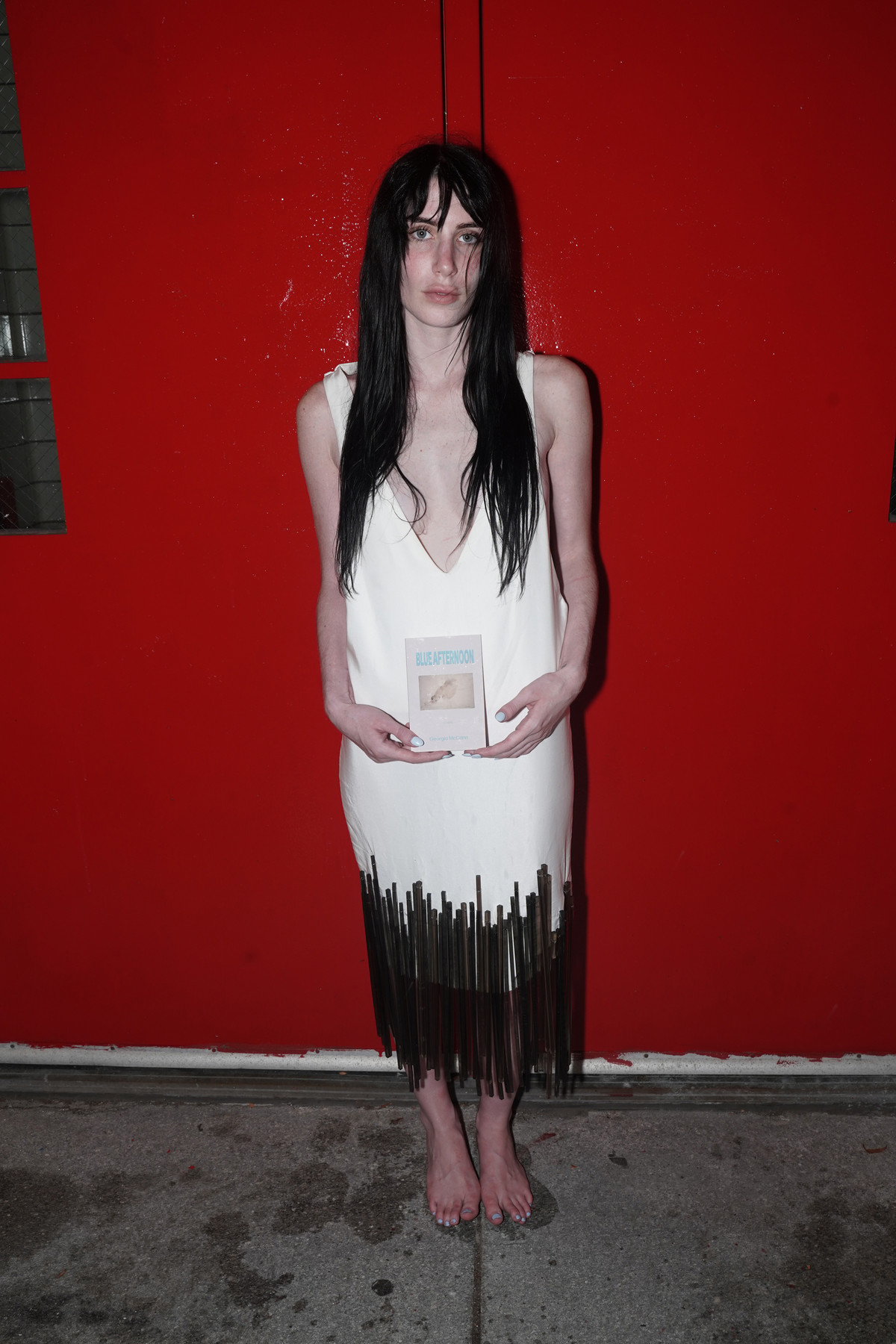
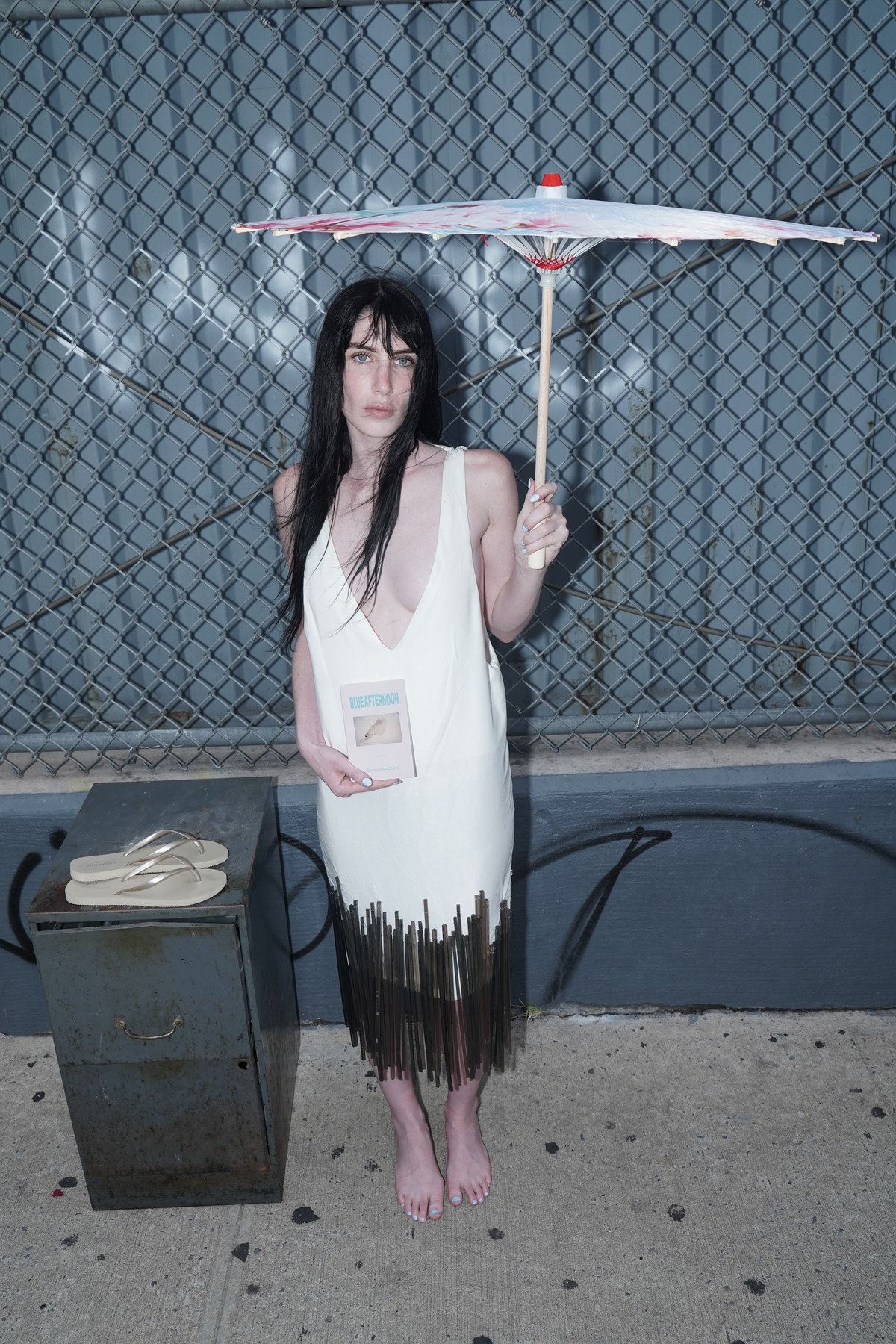
Were there any spots that inspired your writing?
I was writing a lot when I lived in Pasadena, and I talk about that place in the poems. Pasadena was a big part of my summers in my early 20s. I happened to randomly go back for about a week right before we finalized the book, so I did my last round of editing there. It felt like an unintentional full-circle moment.
How do you feel about the title, poet?
I think poetry as a medium is still a vanguard. It’s gatekept, and I appreciate that. There’s a higher standard of quality in poetry than maybe in other mediums. It has more artistic form and standards. That said, I had to shake that idea off when I started writing. Outwardly, being a poet carries so much connotation and weight that, for me, it’s overwhelming. I do like writing poetry, but I also do so many other things. So I have this internal battle with that title because I don’t know if I can actually say that about myself.
But I would encourage people who are shy about an art form to just go for it.
What was it like for you entering this new space after being on a reality show? Those two worlds are so different from one another.
I was really wary. So much of my life is available for public viewing. I share a lot of my life publicly in a format that I have no control over.
Going into publishing, I didn’t want people looking with a magnifying glass at what I've written and thinking it was so biographical. Because it is, but it isn’t. I worried the book wouldn't get a fair shot.
But I see the show as a different medium; it’s its own artistic medium.