Like what?
The way my body performs in society, the way money performs in my community, the way space and owning property performs in my community—I contemplate these type of things in that space. There is some type of geographic social-engineering to how my people and I think, because if you place certain people of the same ethnicity within the same community and keep them there for a while through economic means—I’m talking about inner-city, underprivileged, underdeveloped youth—you can control how far these kids are allowed to dream. For me, that apartment is a space where I get to dream as big as possible, because my aunt took those risks.
So, the biggest thing for me—the biggest inspiration for my work—is just love, so much love. But I also want to expose the fallacies of man, and put those kind of points onto the scale. We are very beautiful and gifted beings, but we have tension, we have faults, we are of the flesh, and as you said, with flesh comes power. Sometimes you find yourself losing your power to other flesh, and the actions of other bodies. But that’s why art is so dope—because you get to create your own atmosphere—an atmospheric value that no one can take away, because it’s yours. So, I don’t want to say it’s fictional, but my inspiration comes from just having a space that my family owned that I can create in.
Now I understand why this idea of collective memory resonates so strongly with you and your work.
Yeah, because it was always odd to me to go to my aunt’s and see black cabbage patch kids and those little dolls, and the little black babies praying and playing the drums. Then I would go to my grandmother’s house in the projects and she had the same exact decorations. When you’re in a specific community, there are certain things that we are just drawn to—things that we love to keep around that remind us of freedom, and spirit, and funk, and soul.
What about home as a concept—what is the significance of having a home? What to you makes something a home? And how is the concept of the home visualized and symbolized within your work?
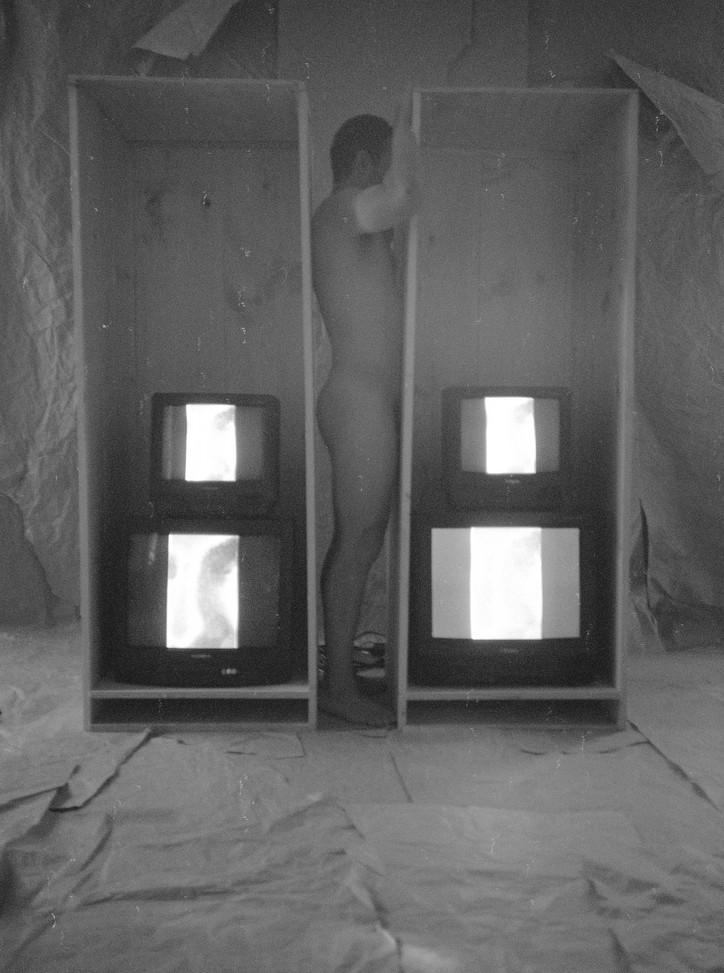
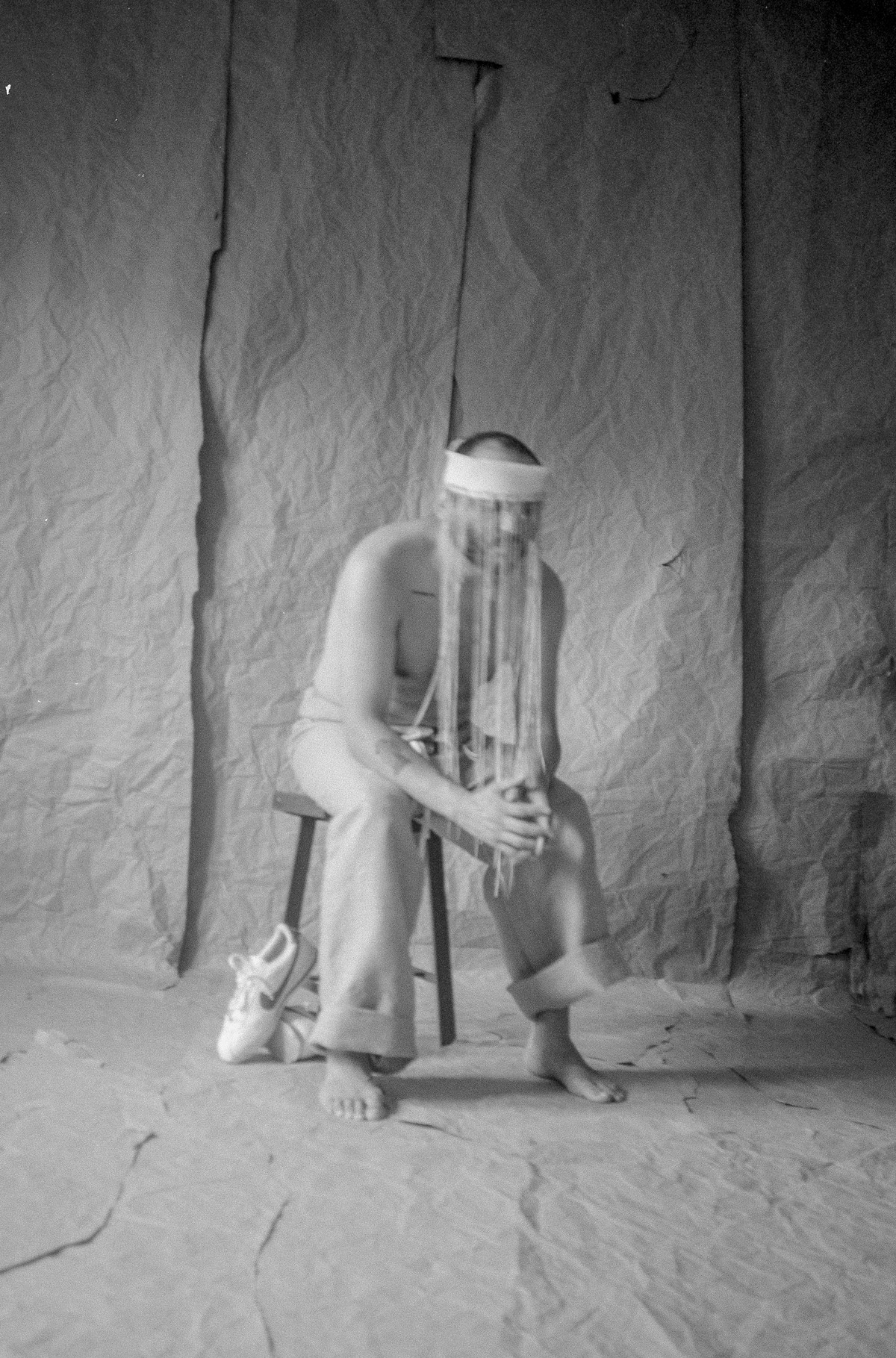
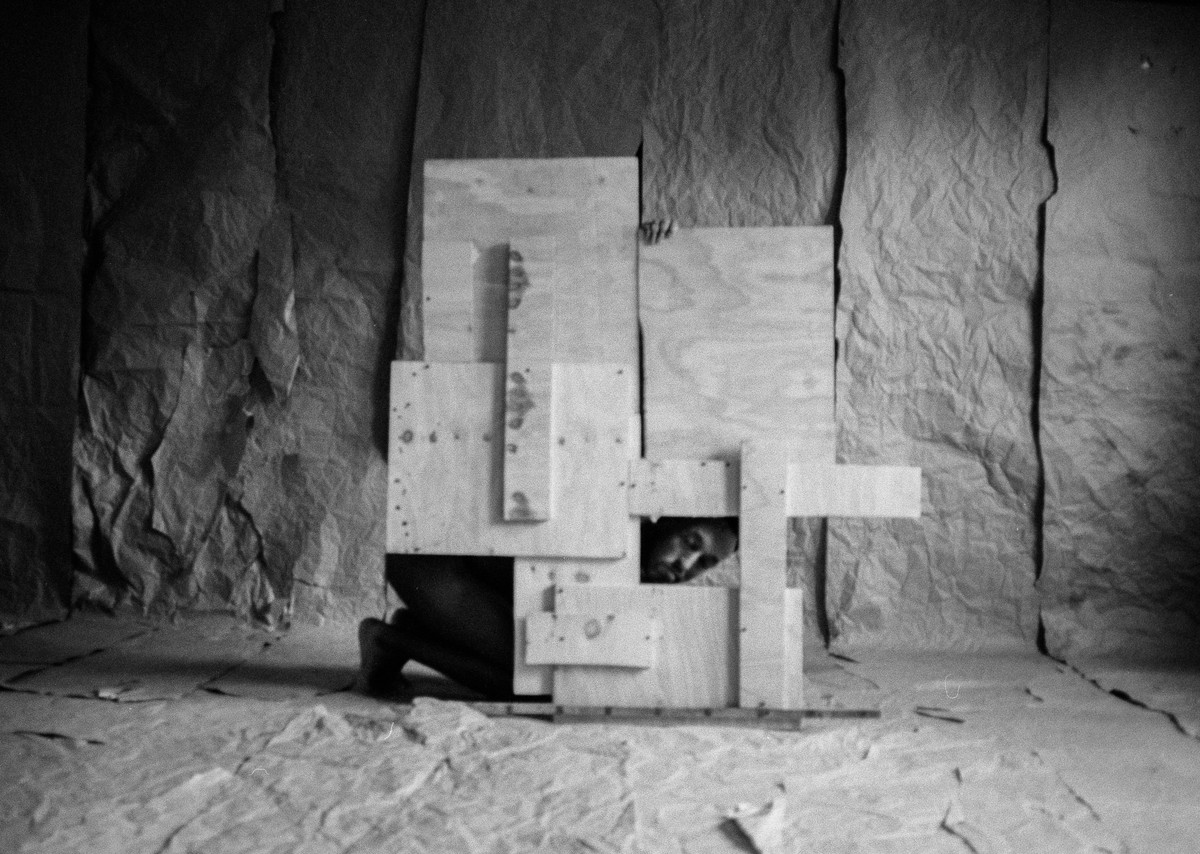
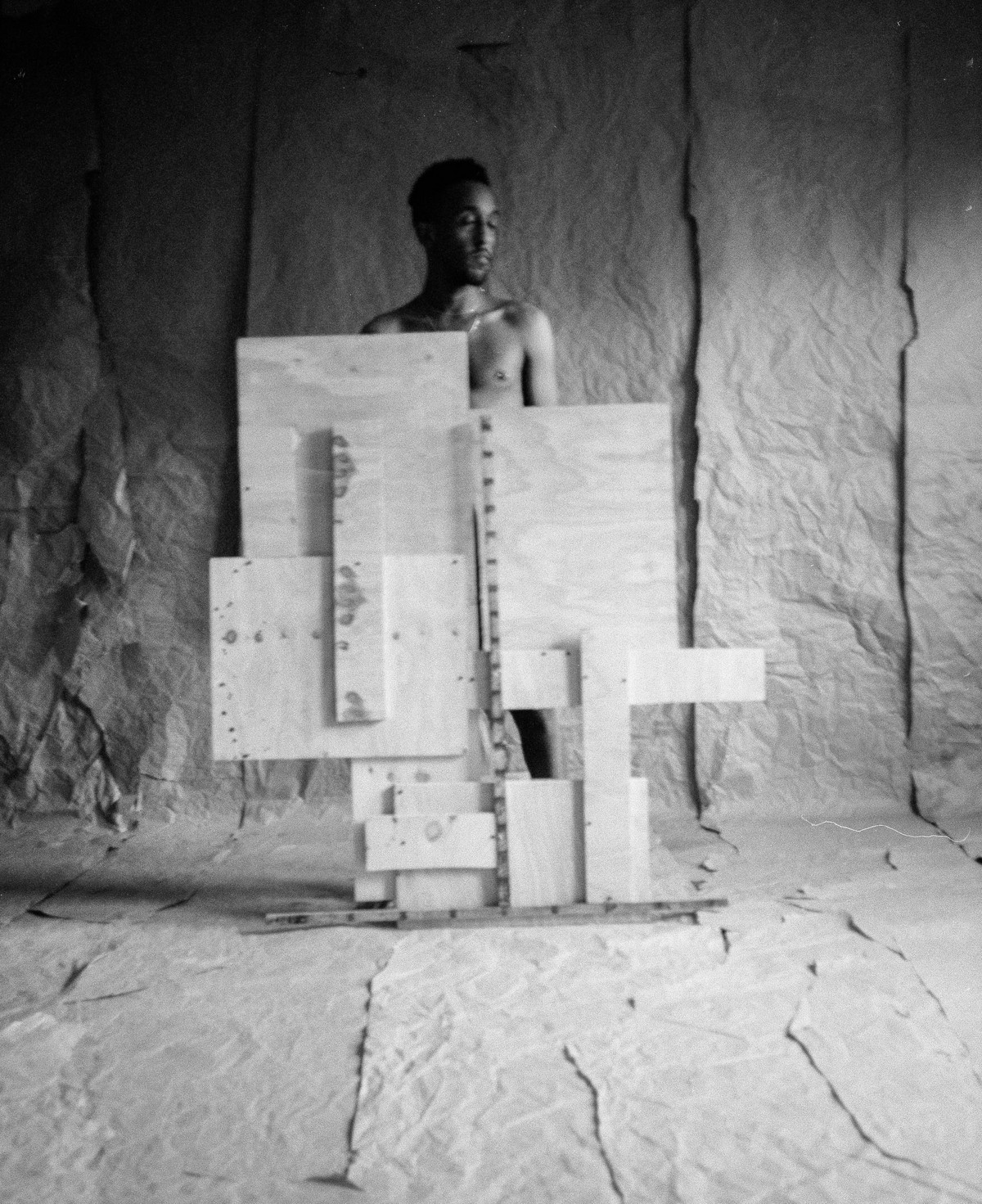
With LAMB, the idea of the home was one of the biggest things. I really like the idea of photography in the sense that you can create an object, and once it’s printed, or becomes digital, it becomes a landscape, it becomes a canvas, it becomes this modular thing. Whatever you place in the proximity of the object, it’s either amplified or diminished. When you give photographs an arrangement, like you see on the wall, you get to see all these different algorithms in between—like jazz, the notes in between. So with LAMB, I was learning two things: the first being to make a photograph symbolic of something bigger than just a selfish vanity; the second was how to make a home for these people that I care so much about and respect, who are constantly moving in order for them to actually have a place—a living sustainability.
After I finished this project, I started to understand that there is a real sincerity behind the migrant body—it’s not so politicized and abused and as flagrant as media paints it as. They’re not victims in the sense that they’re trying to find who they are, because in order for them to migrate in search of a better life, you have to know what you want out of life in the first place. You have to have an identity of hope to try to pursue a dream, then to have that dream taken away from you—taking children away from their families and placing them in these detention centers—the government is crushing dreams on a crazy level. I took the this idea and wove it into my own personal narrative, placing it within the context of my own brown body. Effectively, through history, I am told that I can’t dream as much as I want to—I have to wait until somebody authorizes it, until somebody gives me the authority to say ‘Dream, lil homie, do your thing.’
What I like about the idea of migrancy is that you are constantly moving, constantly adapting your dream to something new, and that’s perseverance, that’s sacrifice—that’s survival. The home is important because you get to expand yourself, you get to stretch your skin out, and fill these spaces with your ideas. I’ve been blessed enough by god to have been raised in a home, and now, to get to work in that space as my studio. So, to think about bodies who want that—who thirst for that—bodies who not only want the typical American dream, they want the chance to have a dream in the first place, and they’re being told no? I can’t even fathom that.
Do you believe artists have an inherent political and/or cultural obligation to use their medium as an instrument of change?
I don’t think it’s an obligation—it’s a choice. As an artist, I know that when you’re down to the wire and just want to make some work, get your therapy down, you’re not necessarily thinking about the world. At the same time, though, circumstances present themselves that compel you to make work that helps you to express yourself and comment on the world. My biggest thing is understanding the beautiful point where public and private meet—where your privatized life becomes something that is affected by public commentary. That’s a choice you have to make—to yourself, ‘Yo, I’m gonna make work that consistently speaks on things that I think are wrong, or things that I think are right.’
Some artists don’t care to do that because they already know how deep and dark this thing goes, and they don’t even want to try to go there, because once you do, if you’re really about that money, you realize, ‘Man, my collectors don’t want to buy my work, because they think that they’re doing some kind of rebellion or protest against the status quo.’ There’s a tension arises around purchasing a subversive piece, and who wants that static? Some people want the smoke—they really want to make a statement. For me, it’s not really making a statement so much as the government and the political regimes my family has lived through, and the times now that have presented me with context and reference to support the things that I feel. I am contributing to the conversation by creating this whole book, but my motive was to illuminate the immigrant body, not to take the light away.