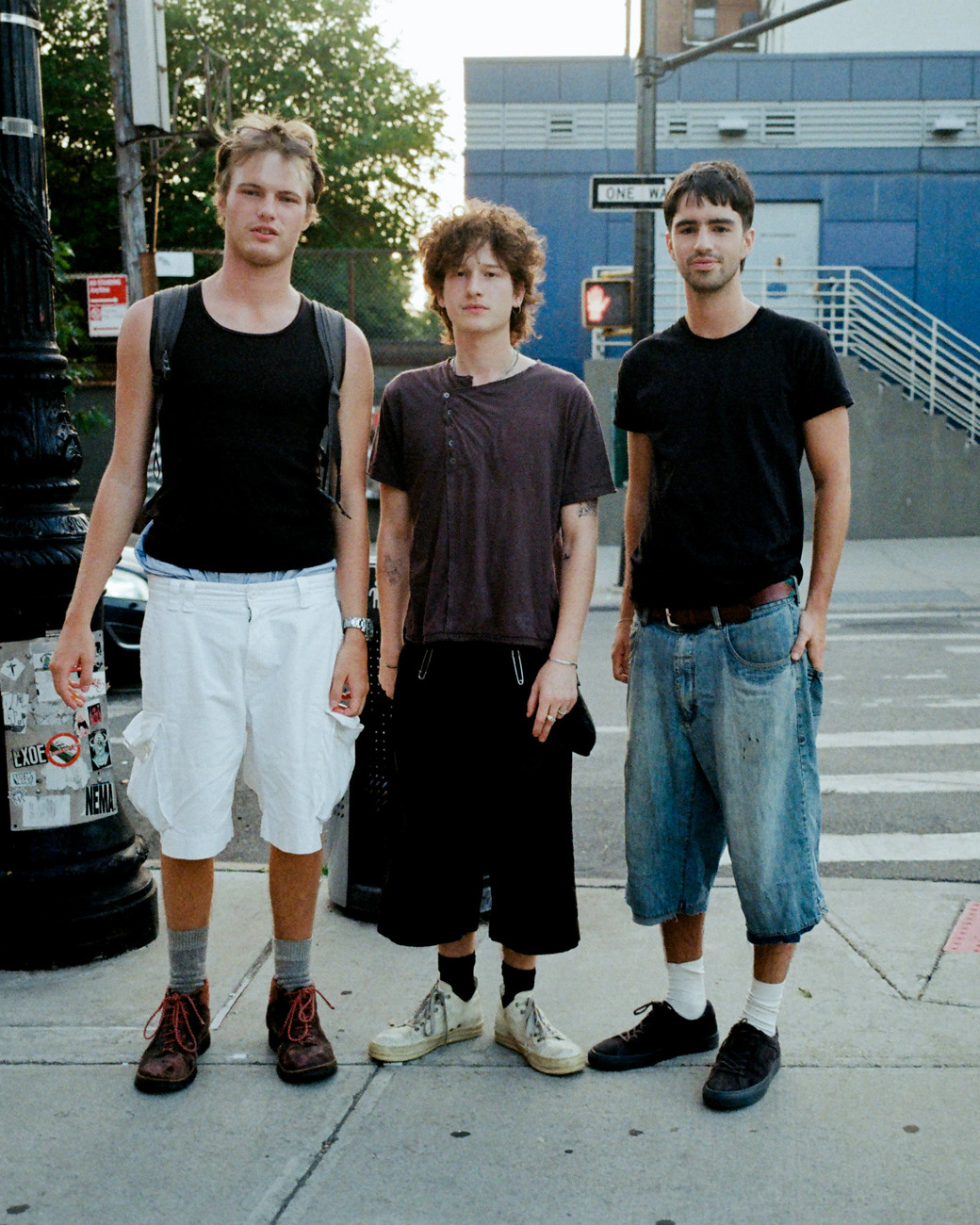
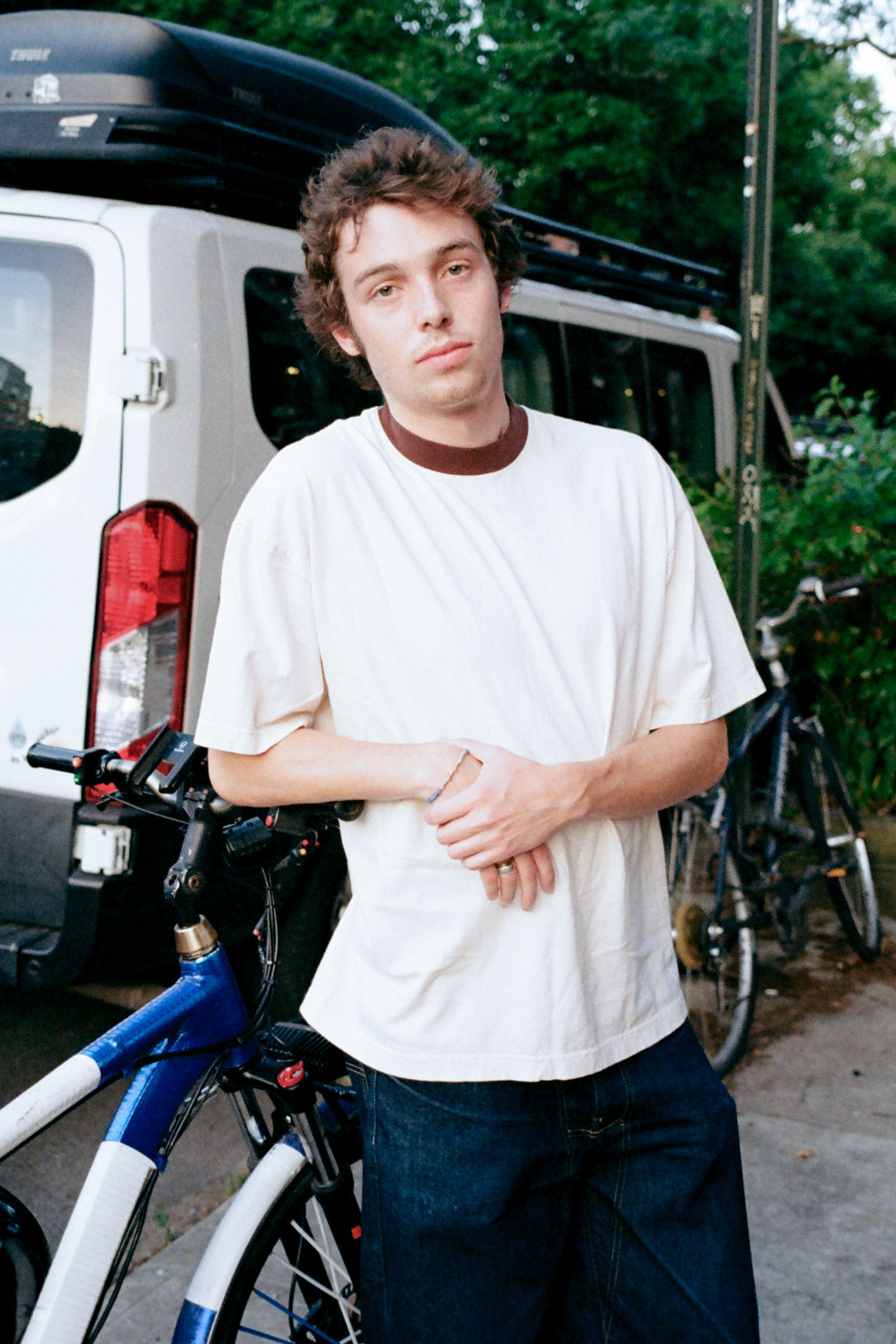
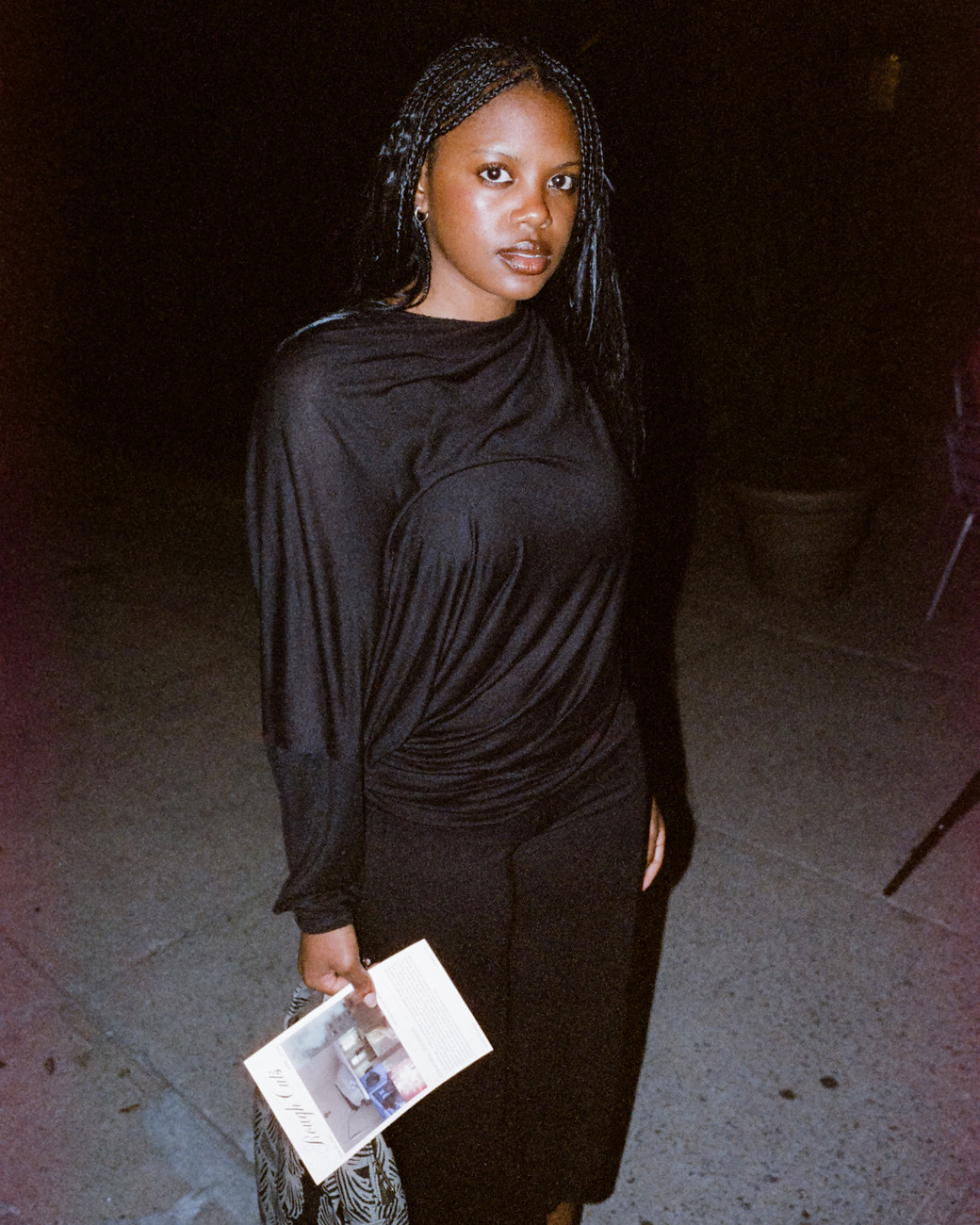
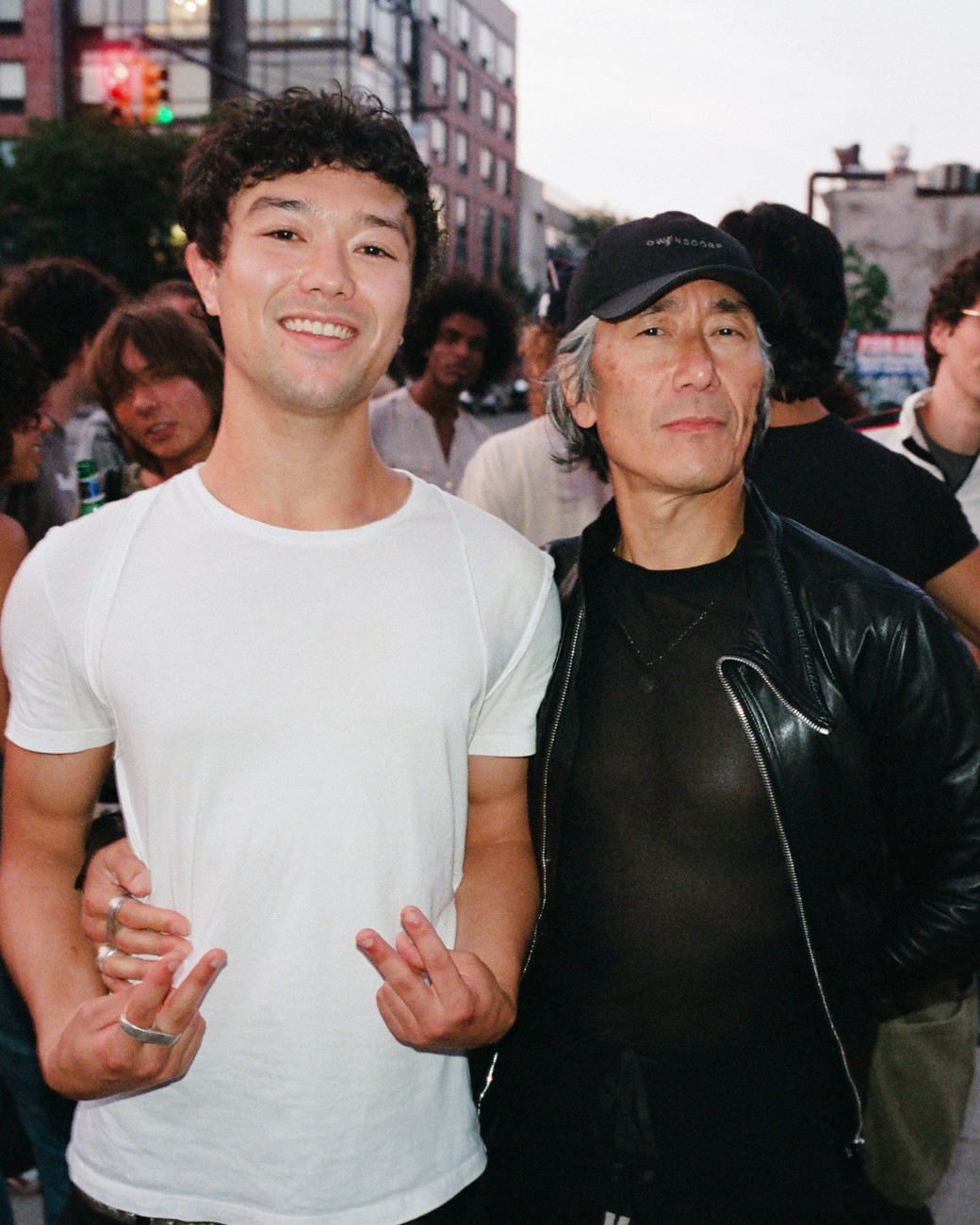
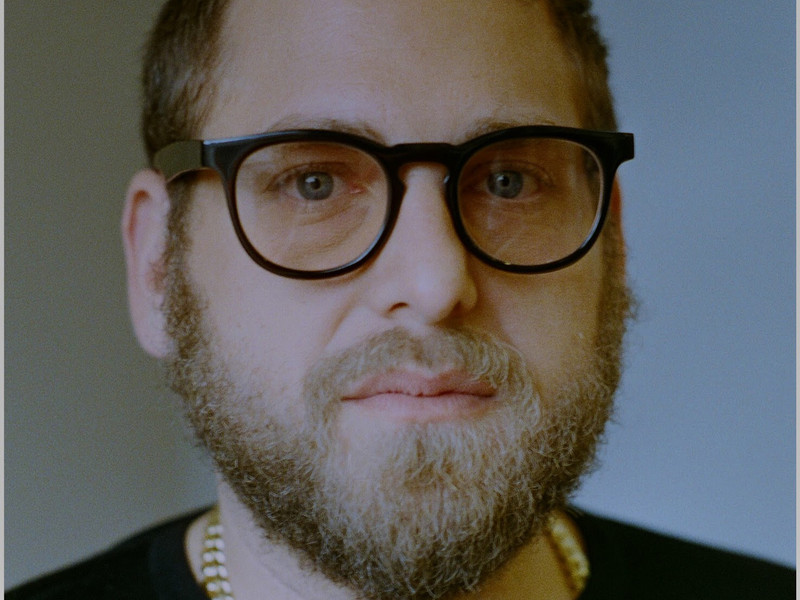
Shot at Slate

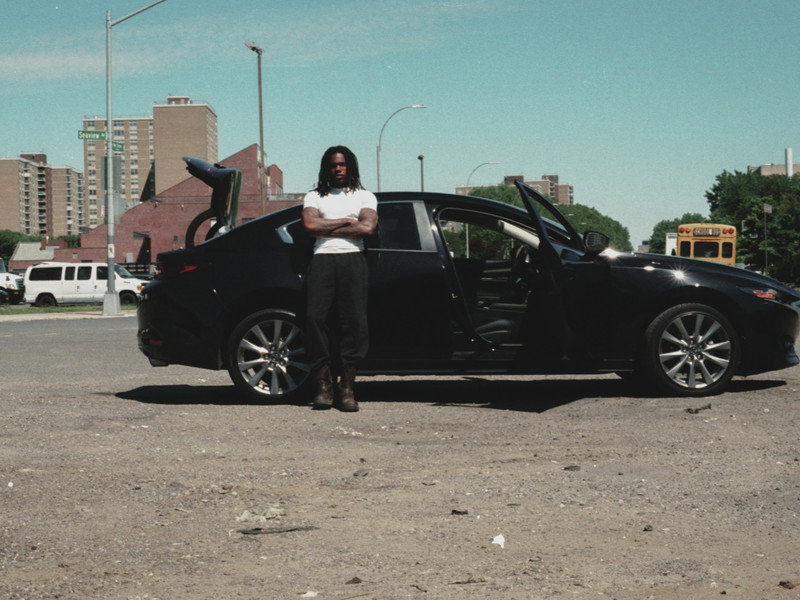
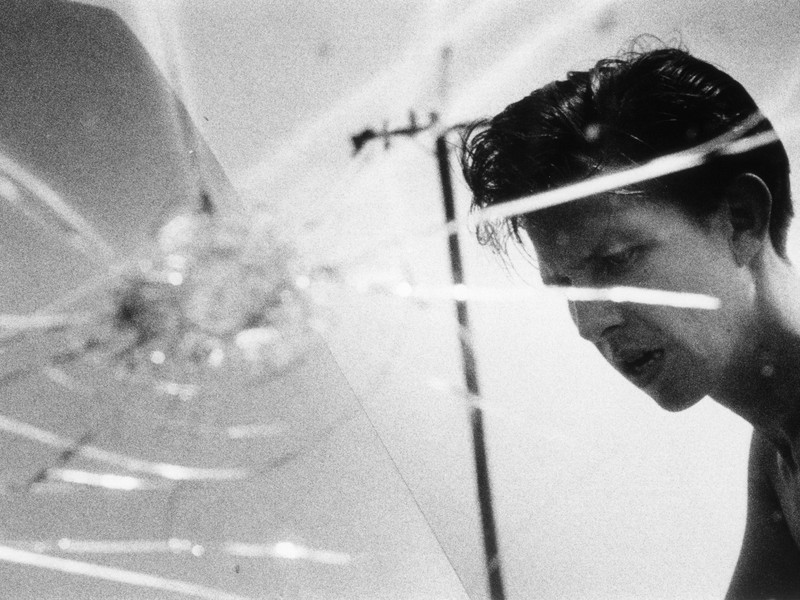
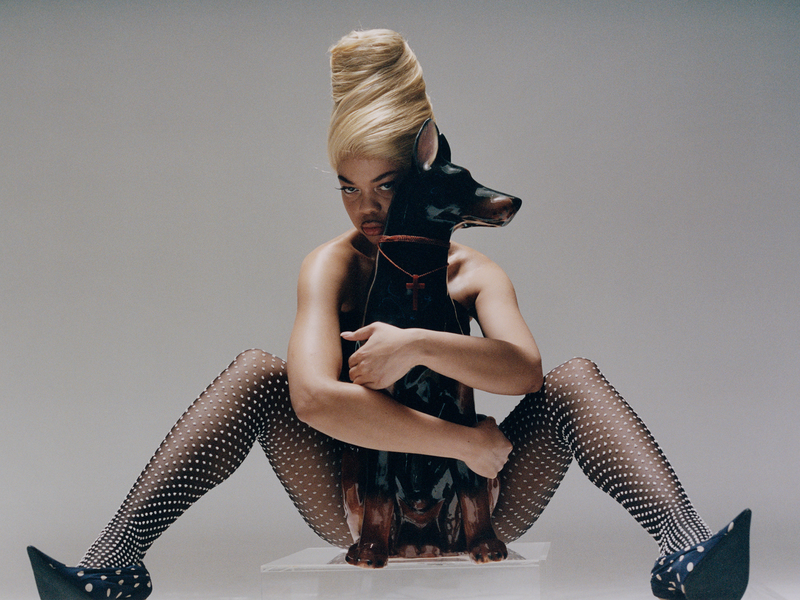
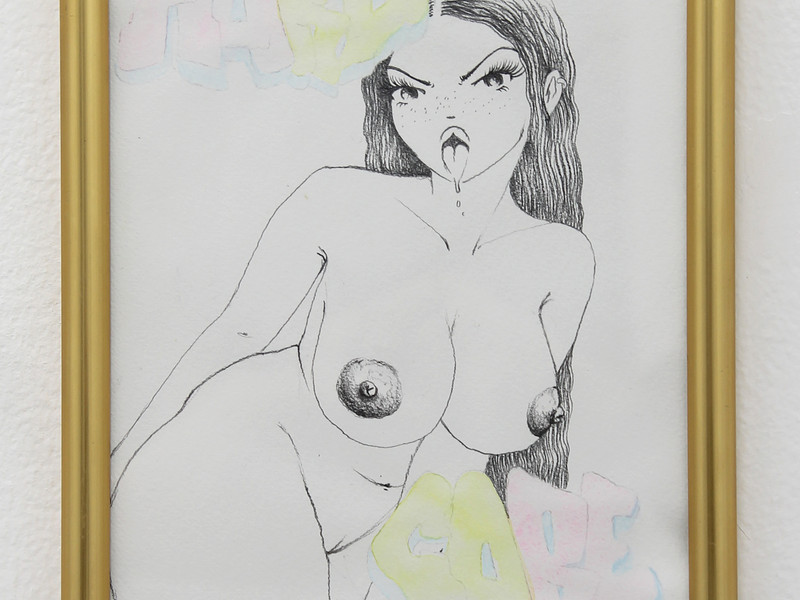
Find more info on Slate's website, and check out some images from office issue 11 and 12 that were shot at the studio space below.
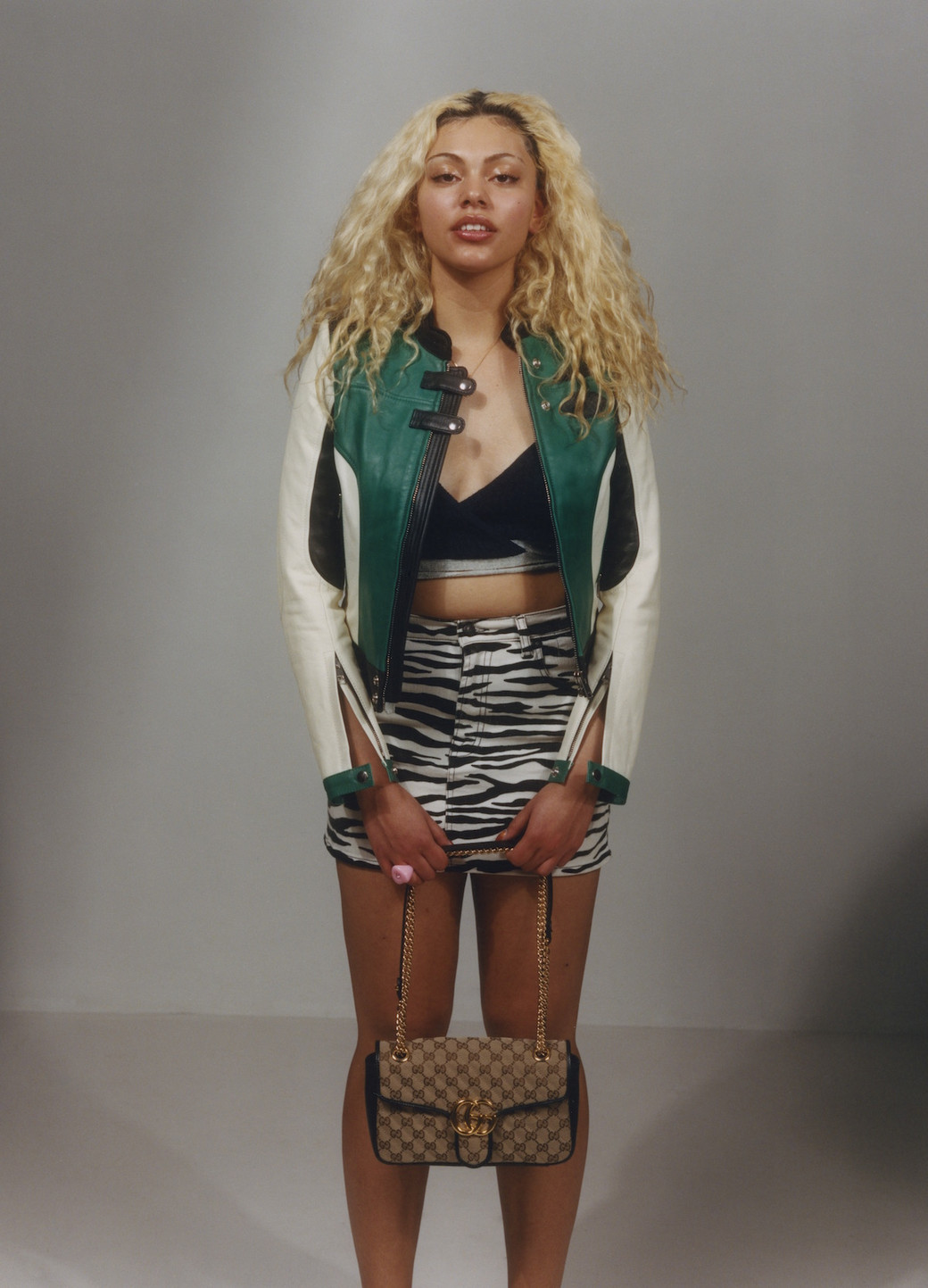
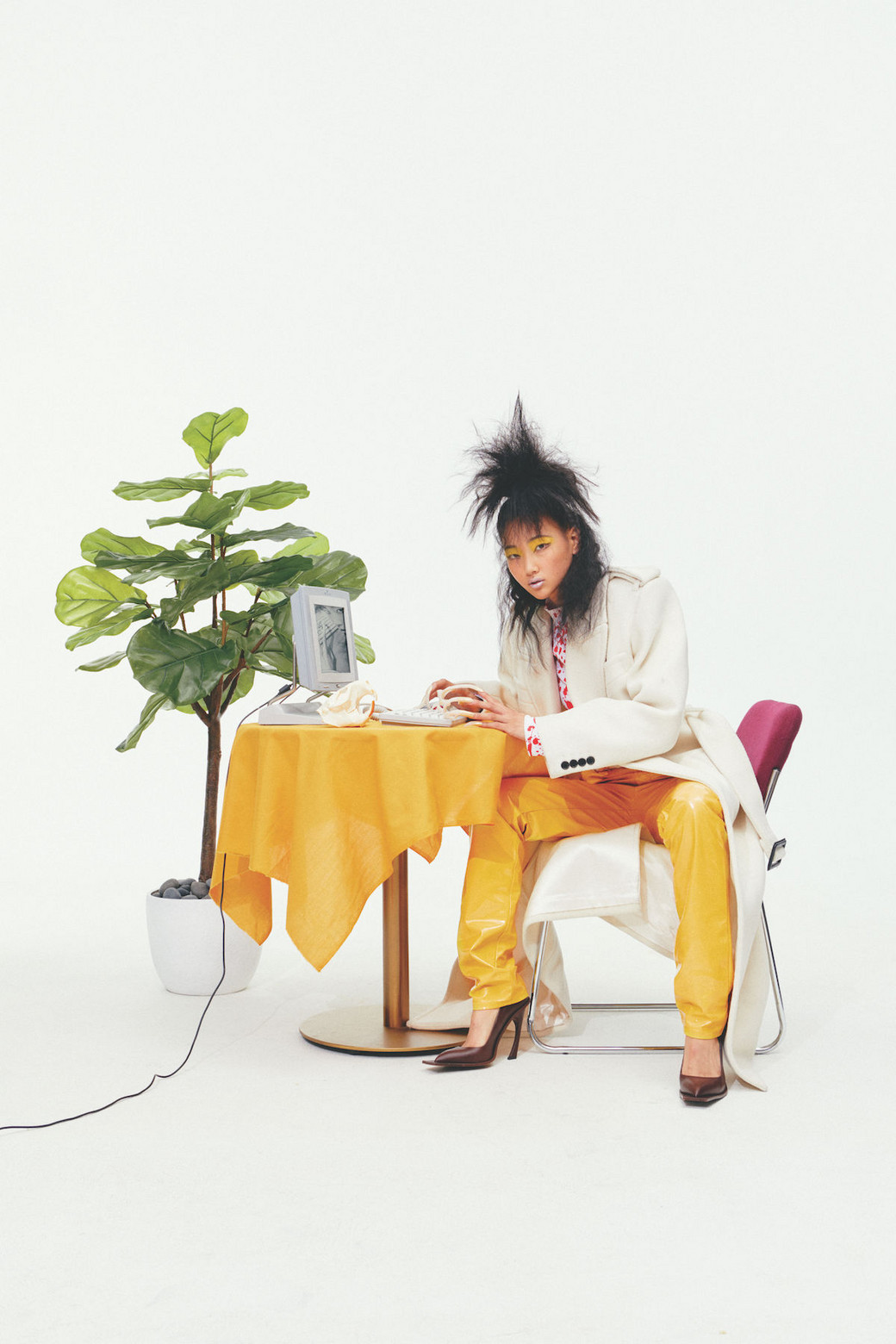
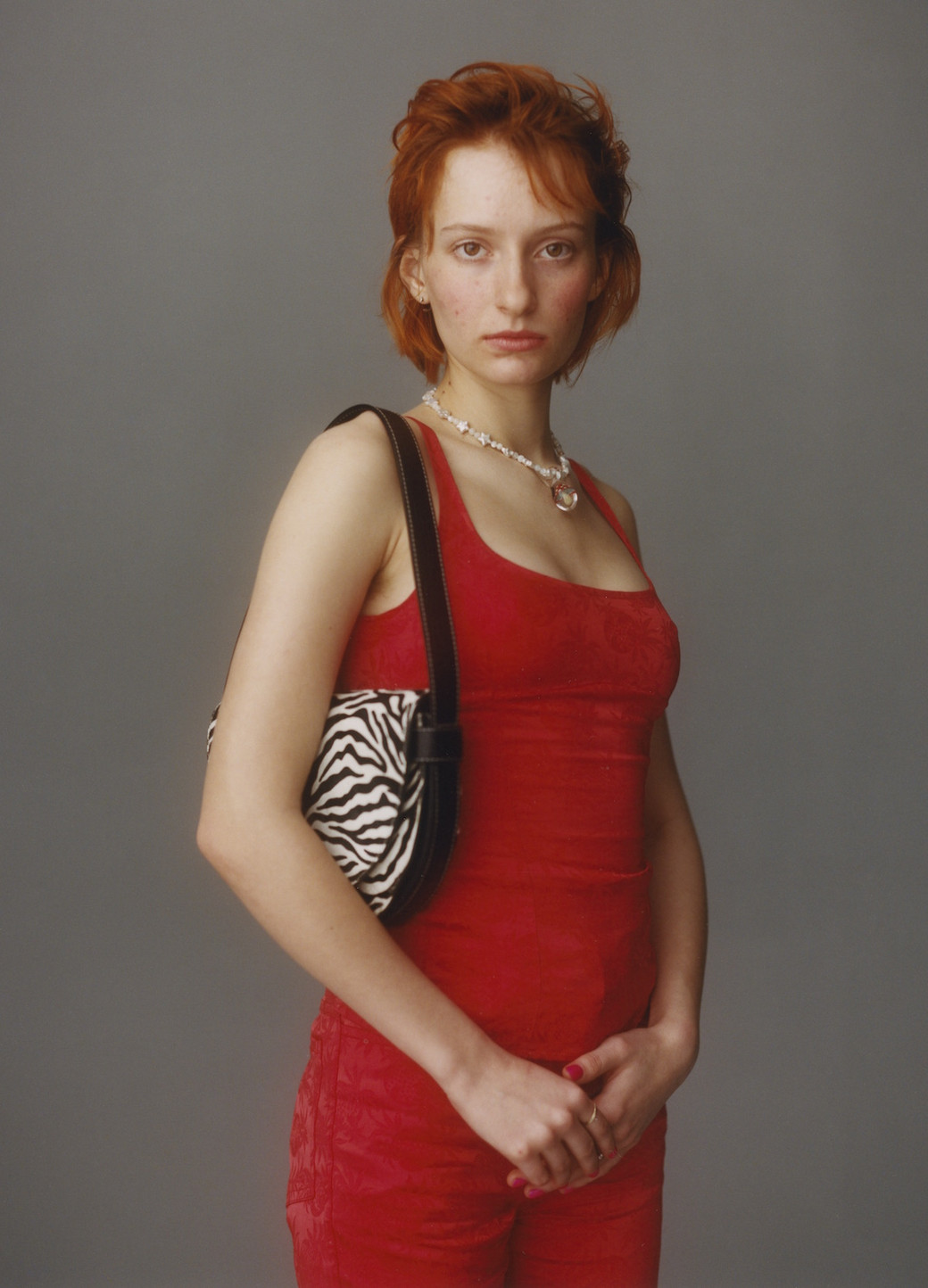
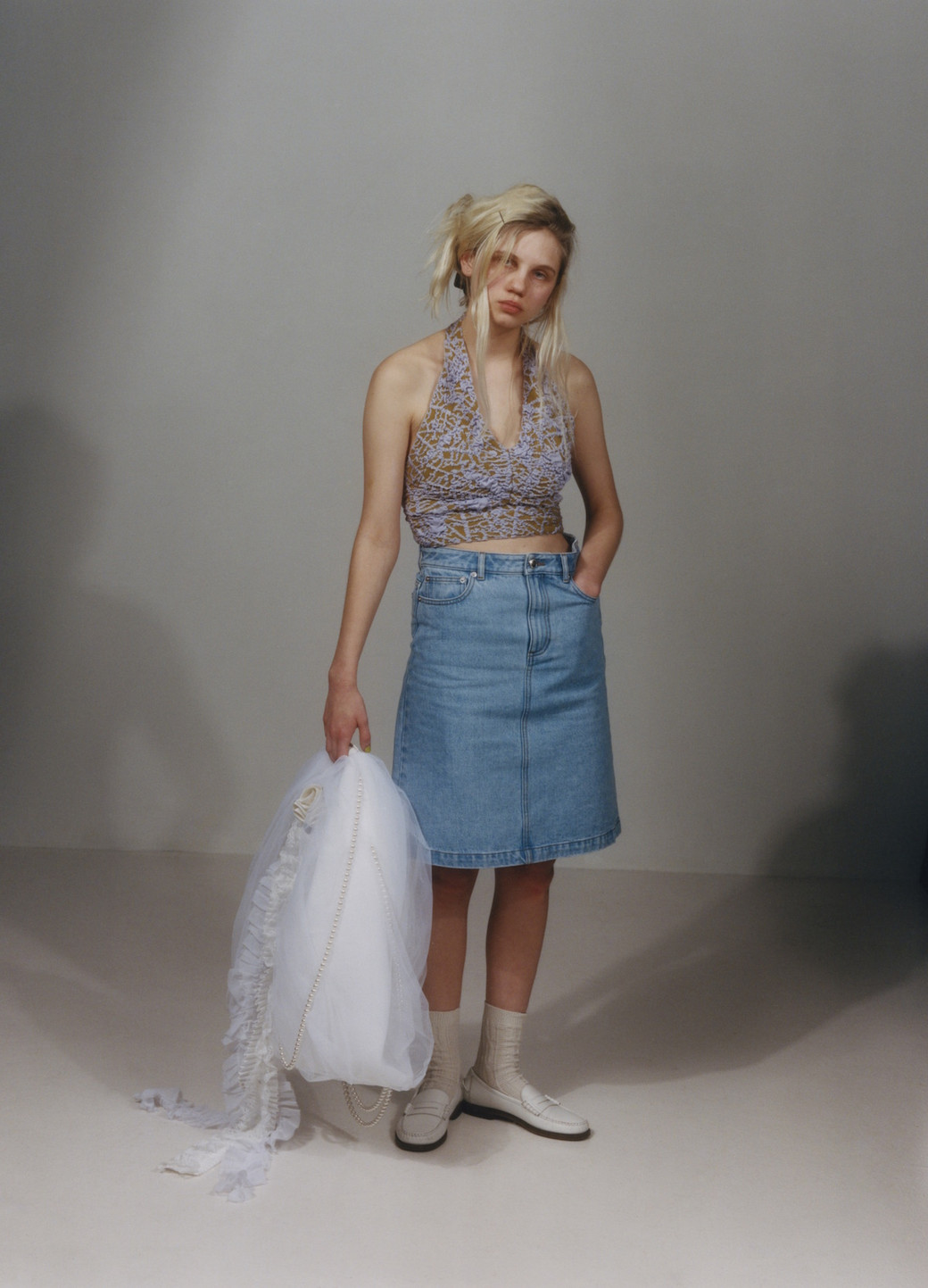
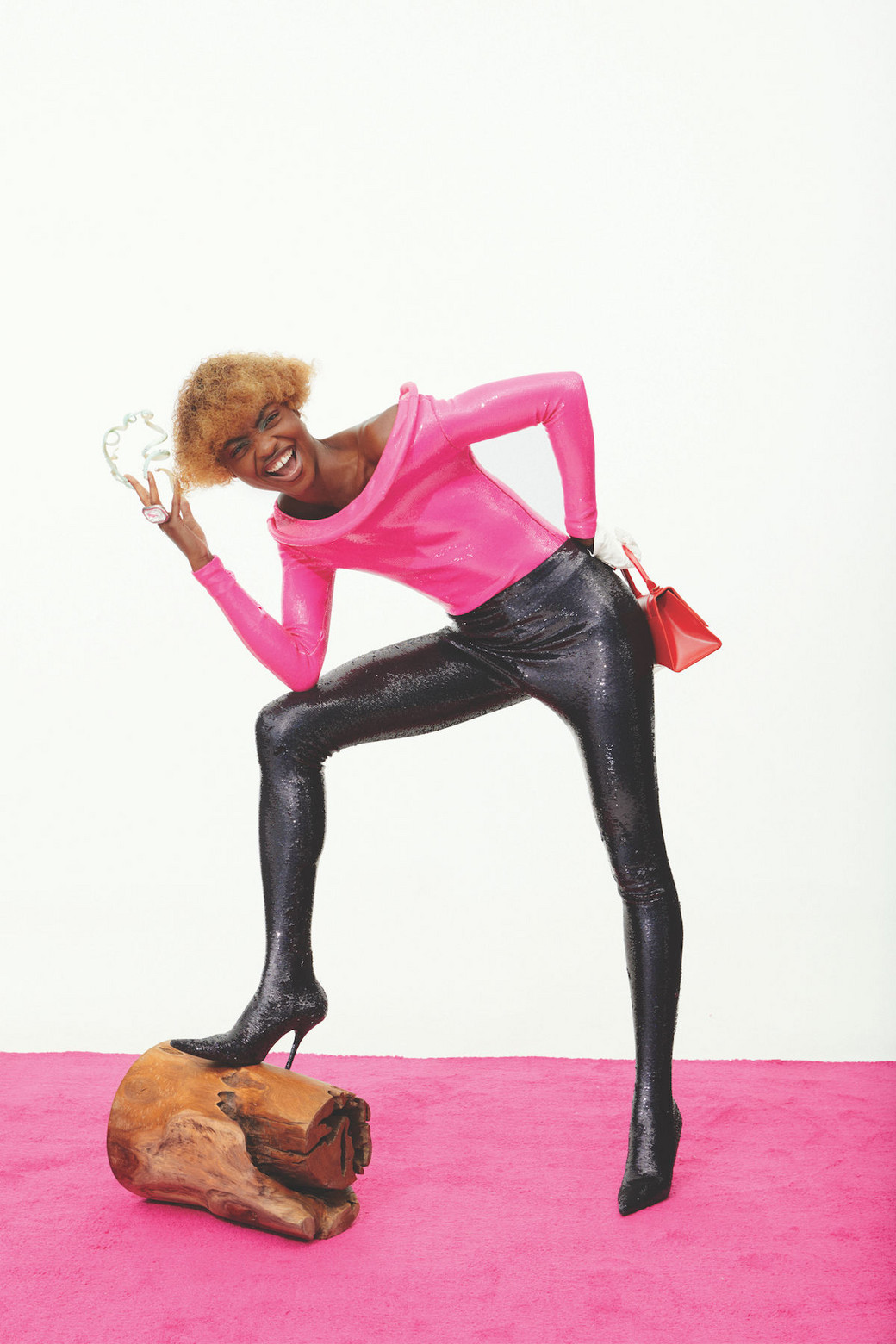
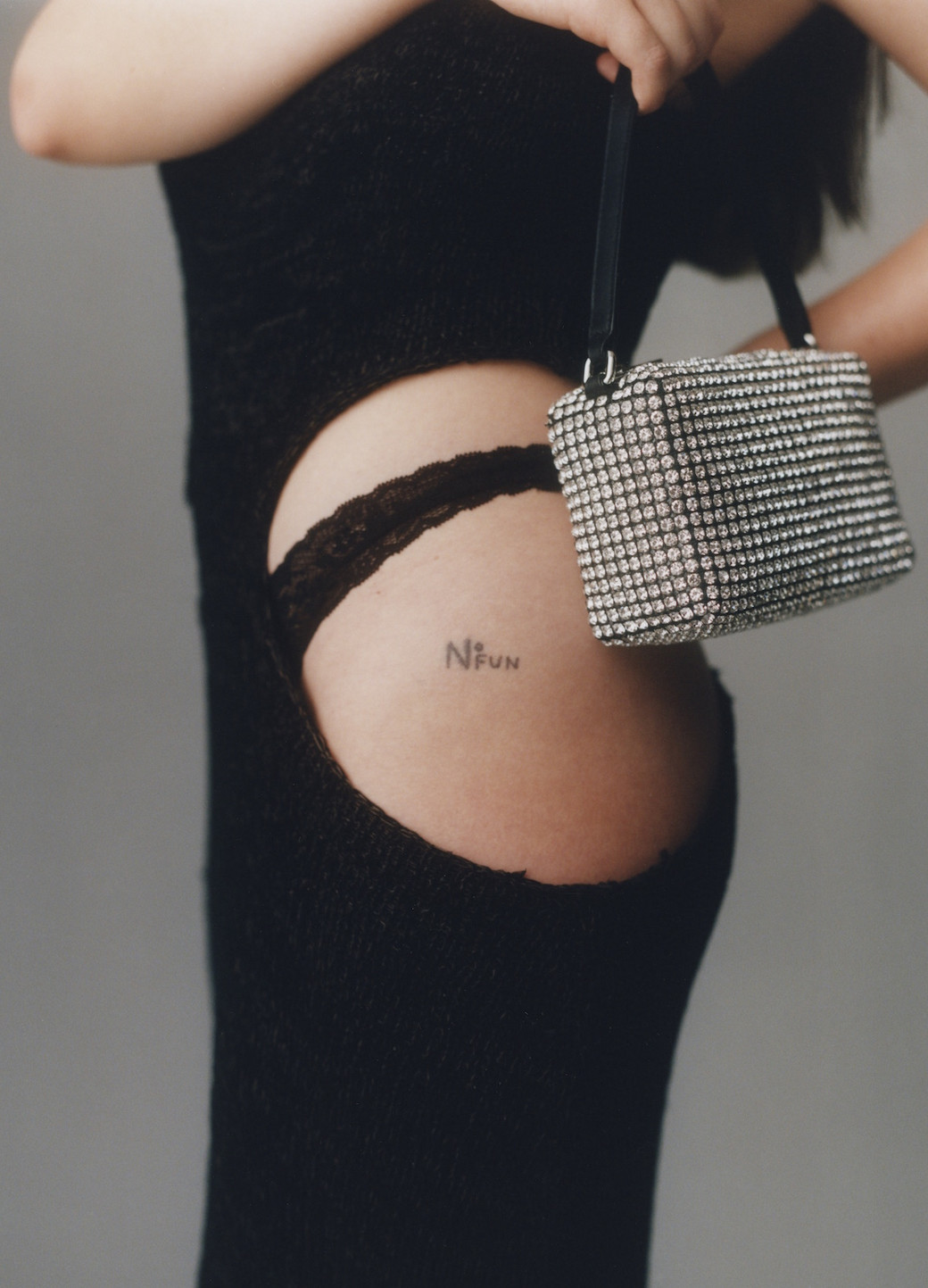
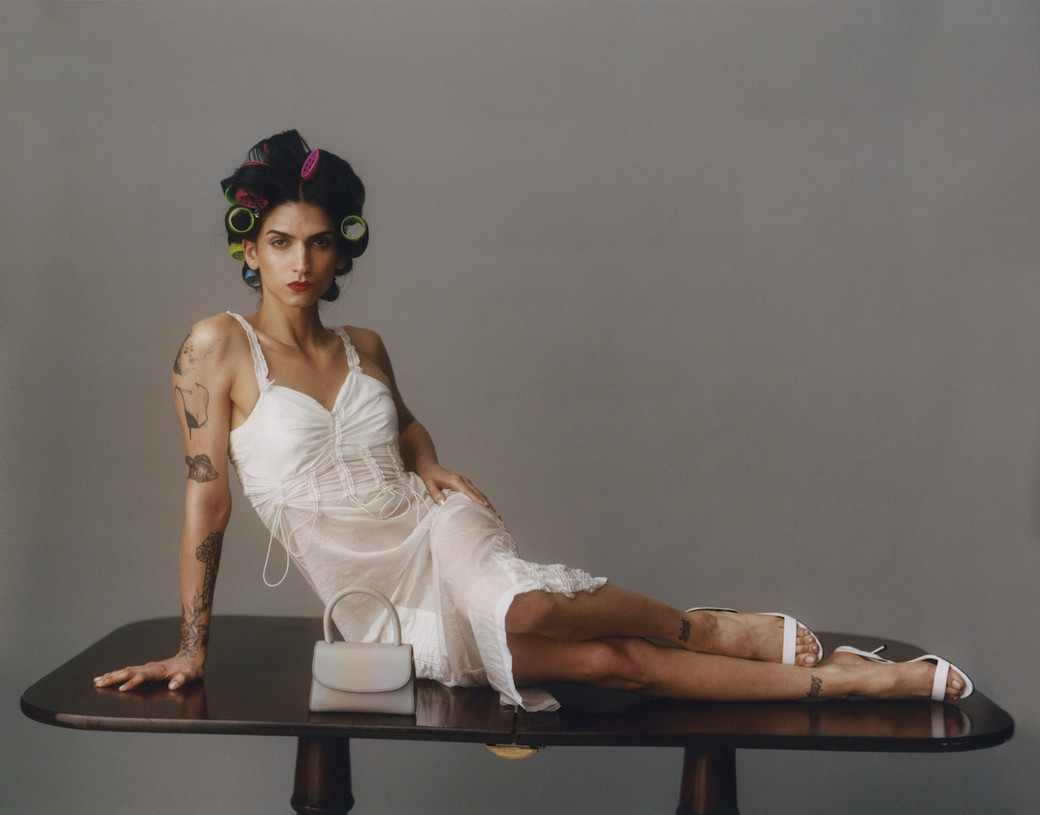
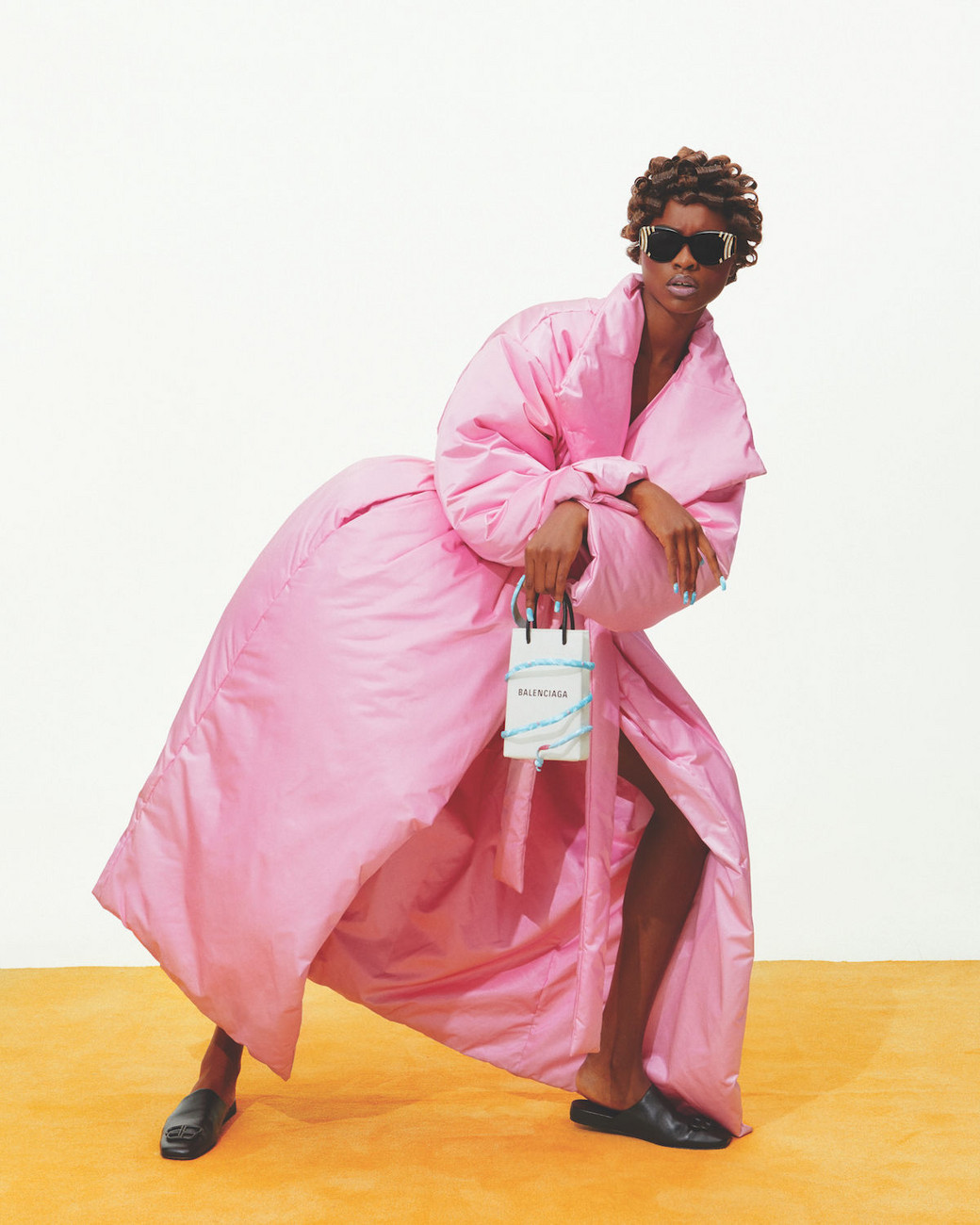
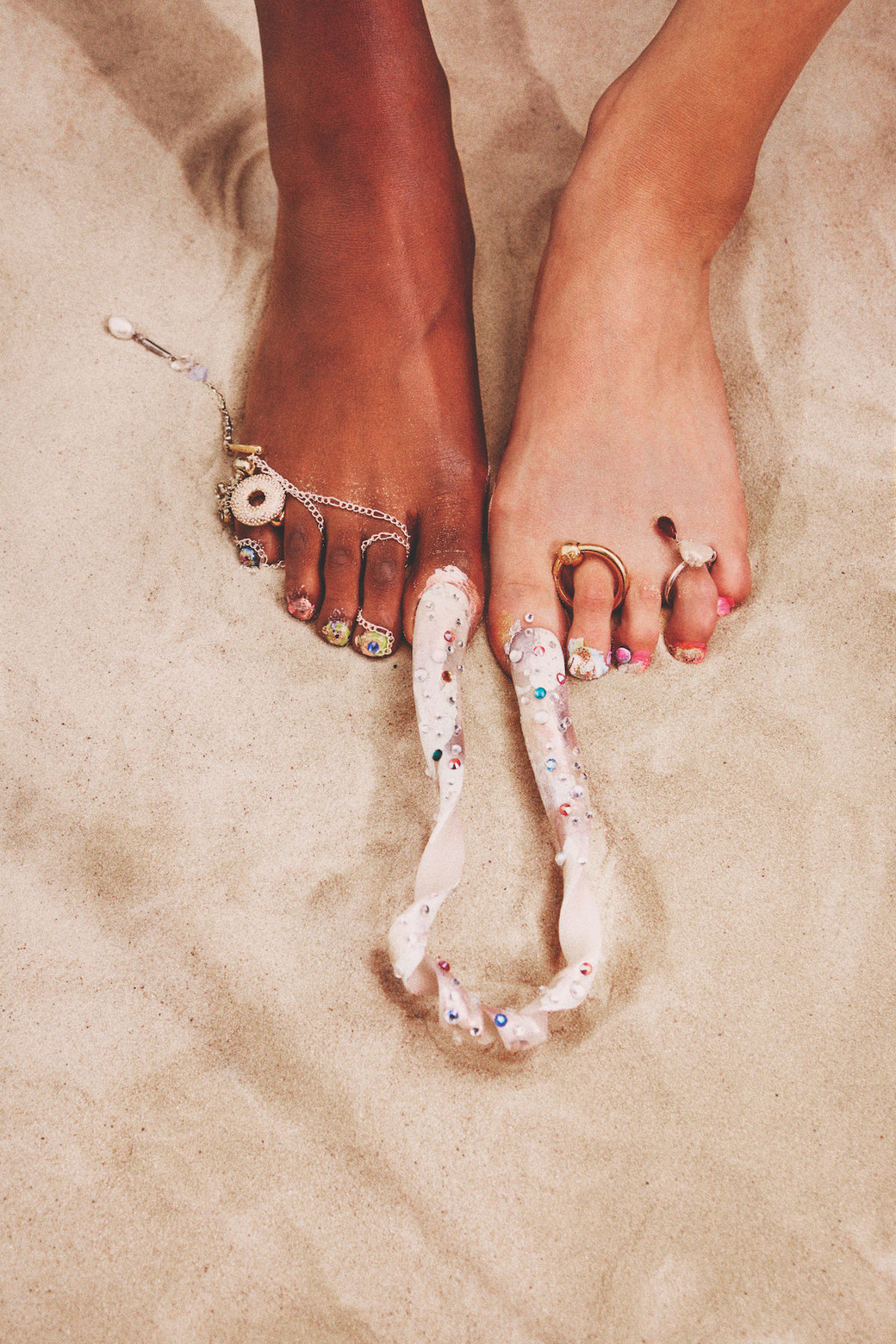
Find more info on Slate's website, and check out some images from office issue 11 and 12 that were shot at the studio space below.


My family has been visiting Patmos for over 40 years, and I’ve returned nearly every summer since I was three. Last year I documented the lives of the locals.

This year, uncertain of what story to tell, I found clarity while riding my moped: in the wing mirror, I saw Chora — the monastery I had just left — perfectly reflected behind me.


That fleeting image sparked the concept. Mirrors became portals, capturing the past as I moved through the present. Each photograph is a reflection of places that have become symbolic over time — from the ferry port that marks every arrival to the island’s sun-washed bus stops. A visual meditation on time, this series is about looking back as we move forward — where history, memory, and motion continuously intersect.


Do you have a “that is the one” moment? How do you know when you’re finished? Or do you?
I do. It’s automatic. I usually like the imperfect print—the one where the tones shift or it almost looks like a drawing. That’s when it feels finished, when it’s not too finished. I just know when I've got it right even when it's wrong.
Why did you choose silver gelatin prints for your book? Is there a personal connection or reason you wanted to use it for your self-portraits?
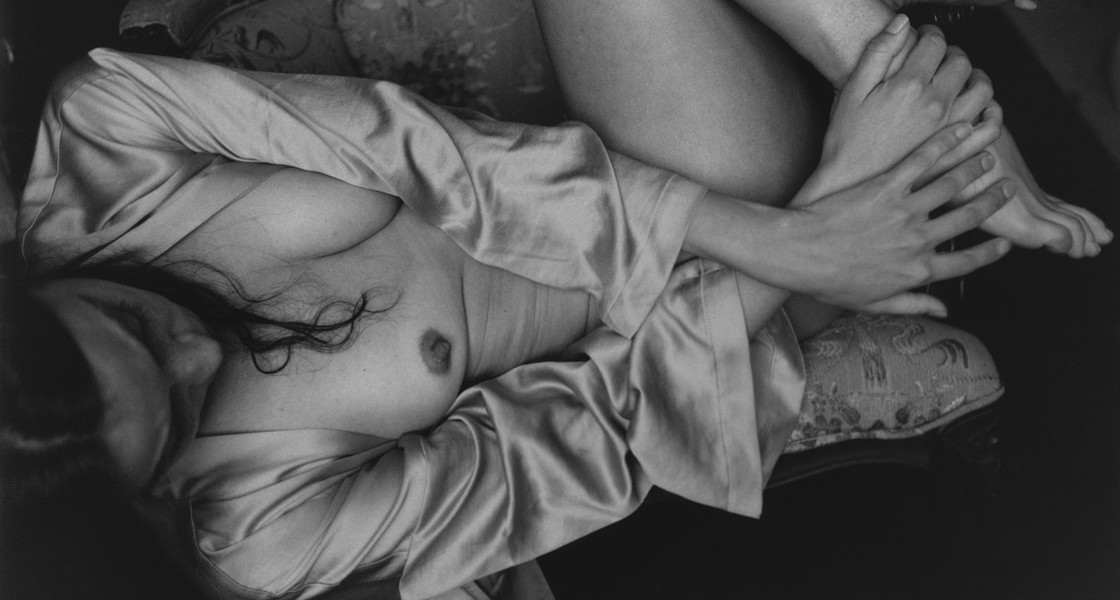
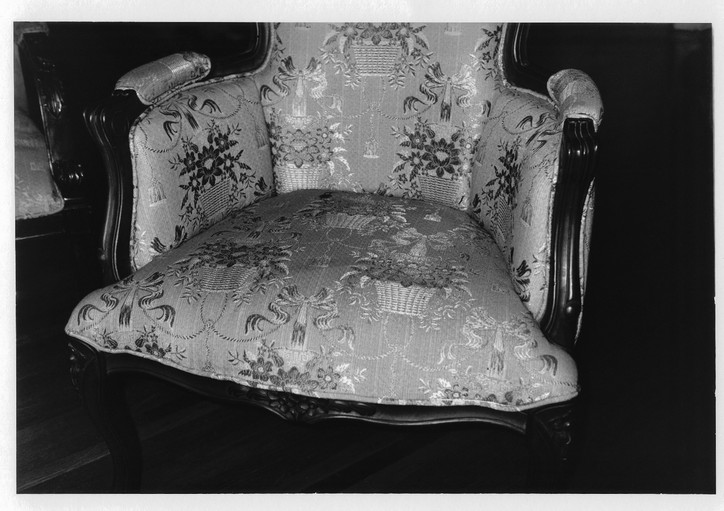
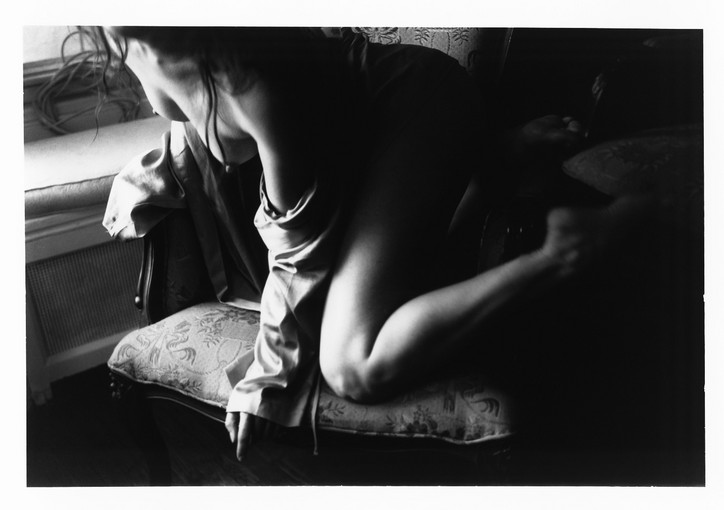
I was drawn to photography because of darkroom printing. Everything else is just to get to that. I have an affinity for the darkroom. I don’t think the work really works without it. The print exists before the photo does.
What role does vulnerability play in your work?
I don’t know. People always say my work is vulnerable but I think it’s just me taking pictures of myself. I think everyone should take more pictures of themselves.
How do you navigate self-observation without self-objectification?
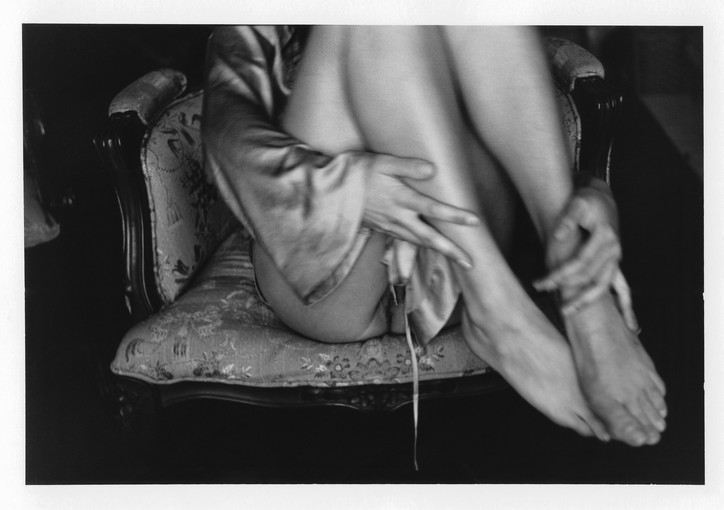
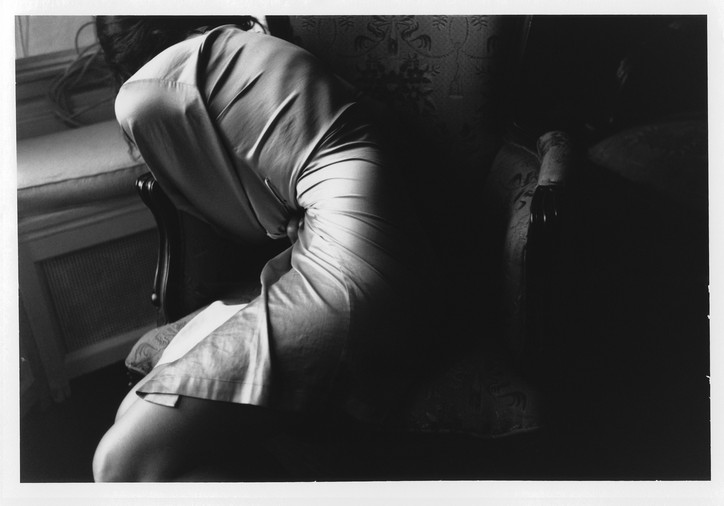
I don’t really worry about it. I don’t think about it. Being an object isn’t so bad. I just look. Sometimes I’m the thing, sometimes I’m the watcher. It doesn’t matter. It’s all just part of the picture. I’m a young woman now, but I won’t always be. The picture is what matters. 'She' doesn’t run the narrative. I see myself through the eyes of the other and I give the image the same credit.
Do you see the archive as a form of autobiography, or something more fluid and imaginative?
I just like collecting things. I keep everything. If you keep everything, it becomes important. And you start to see patterns. The story tells itself.
How do you decide what belongs in the personal archive versus what gets left behind?
It’s all personal.
Are there any other types of photography or mediums that you want to work with next?
I want to do something more documentary. I like subcultures. So many ways of living fascinate me. It’s more interesting when it’s not about me. I feel it more when I’m not the center.
Any upcoming projects in the works?
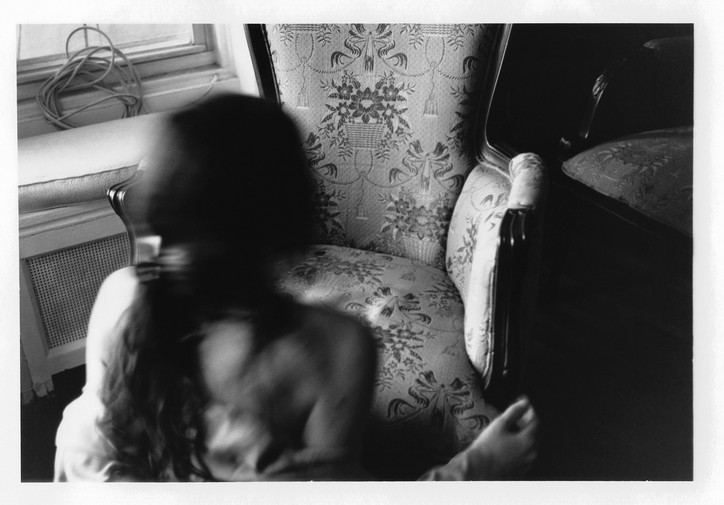
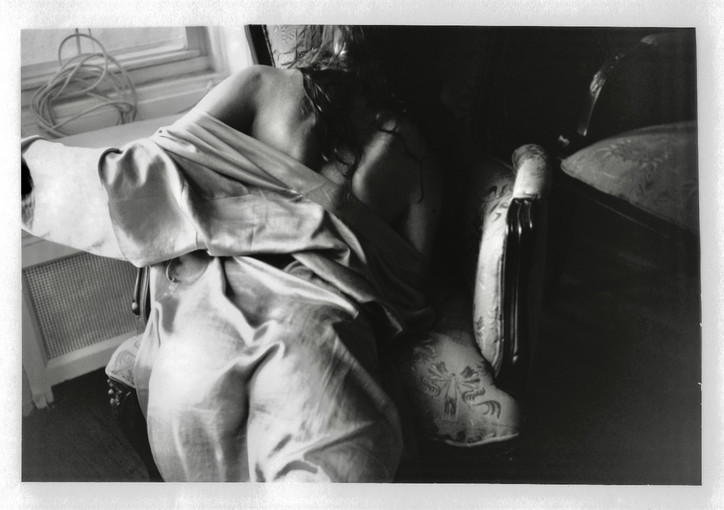
Yes. Nine Silver Gelatin Prints comes from a larger body of self portrait work I’ve been making over the past three years. It’s my first photo book. A kind of personal landmark. Something I’ve carried for a long time before putting it out.
If you weren’t doing this what would you be doing?
Watching other people do it.
What is your ideal office?
Somewhere between a church and a basement.
Nine Silver Gelatin Prints, self-published for the Polaroids, Small Prints & Ephemera exhibition, is available through Claire De Rouen Books (London), Dashwood Books (New York), and Yvon Lambert (Paris).
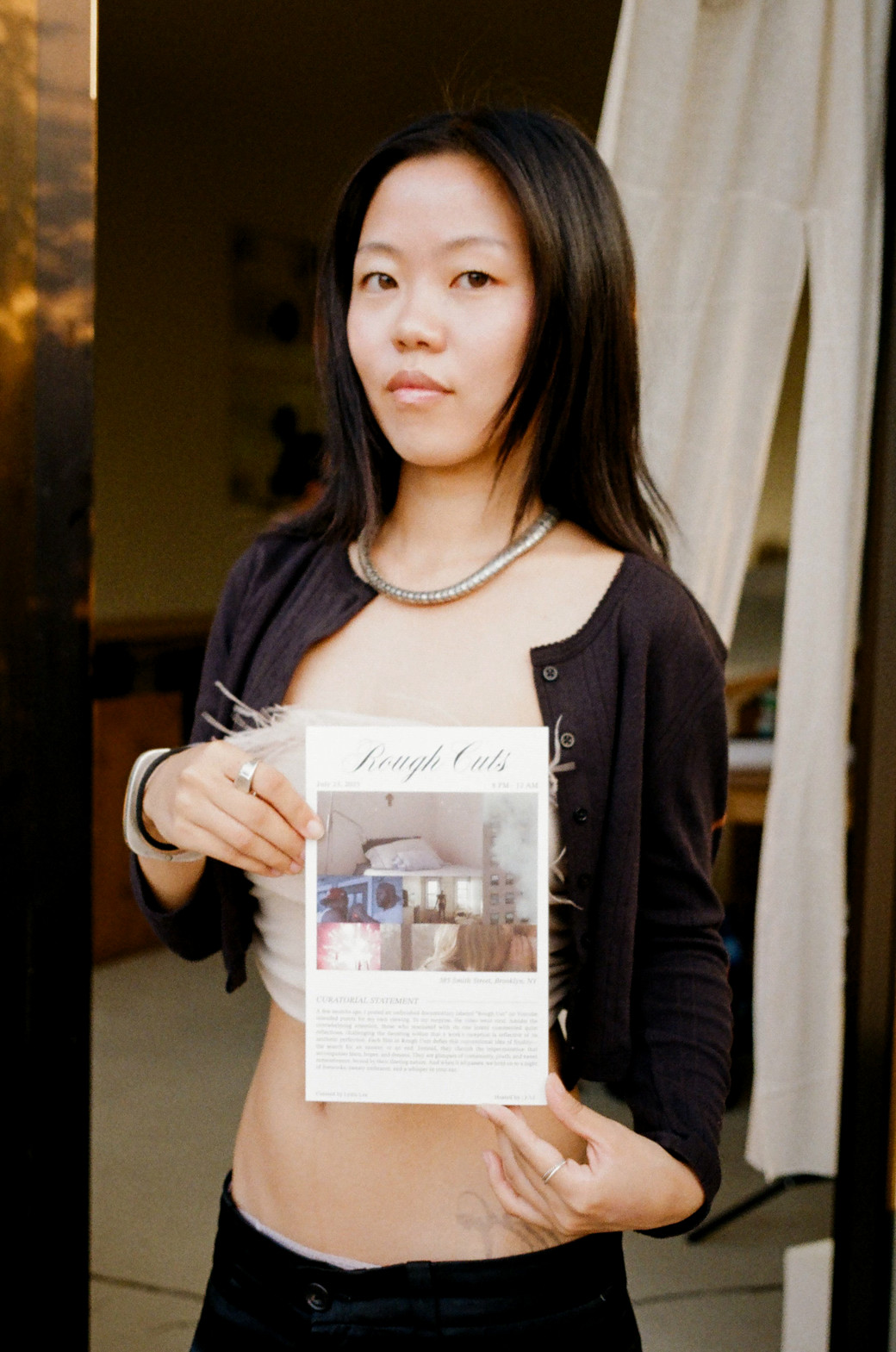
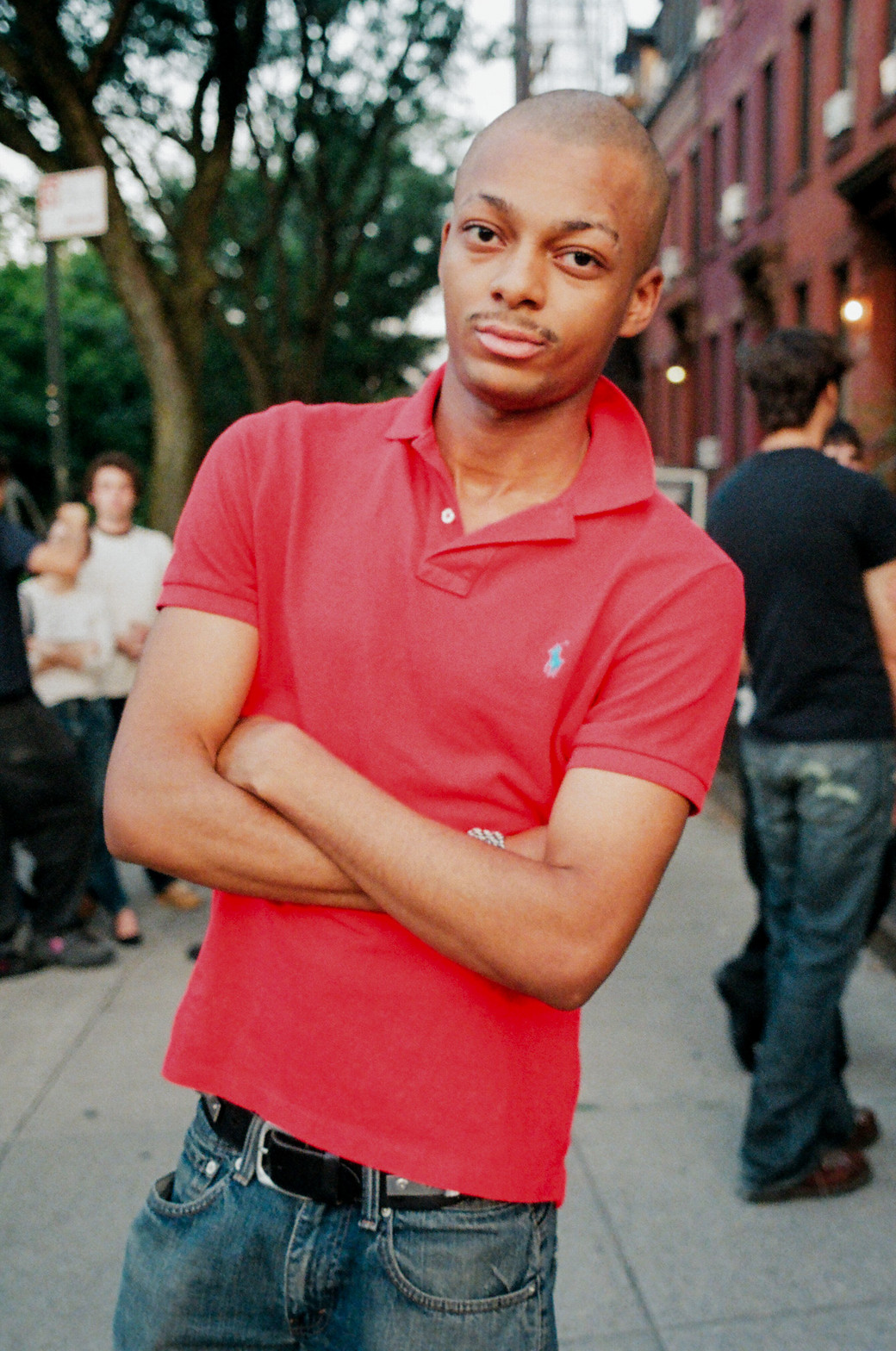
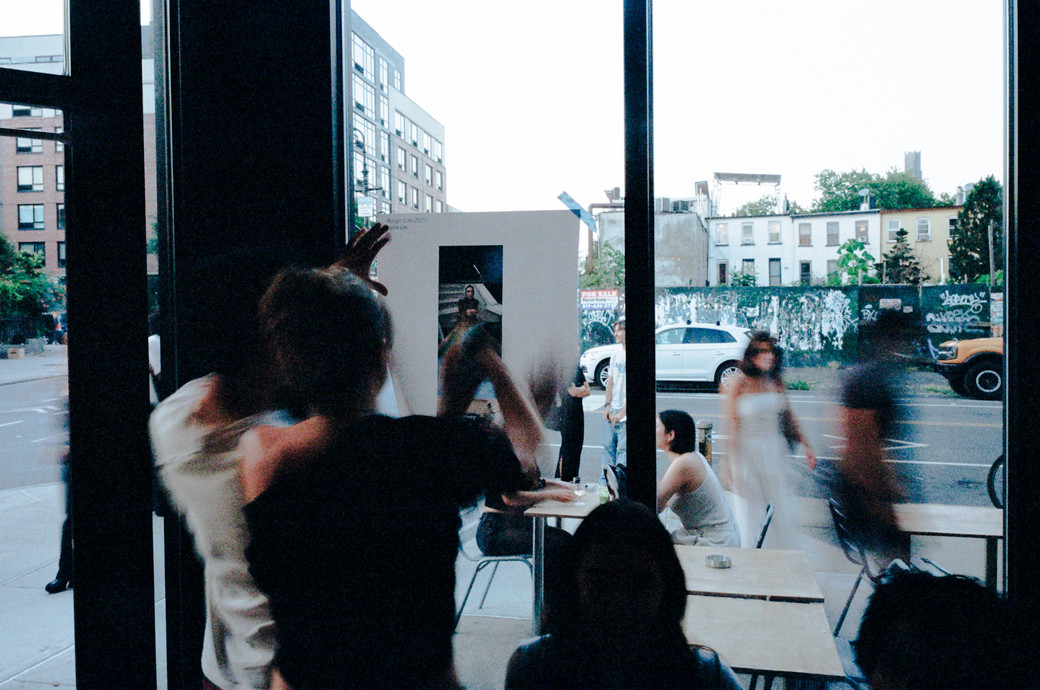
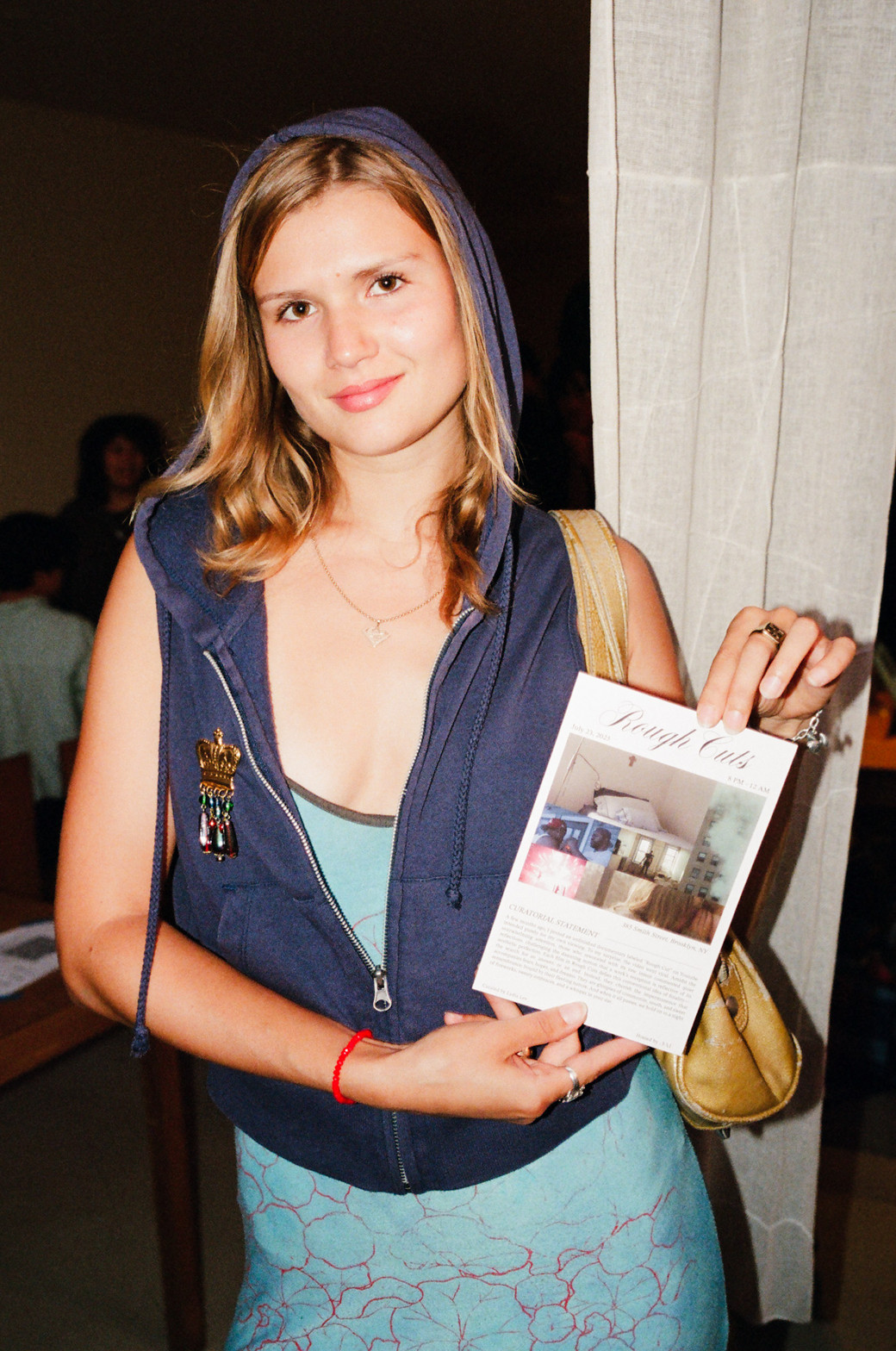
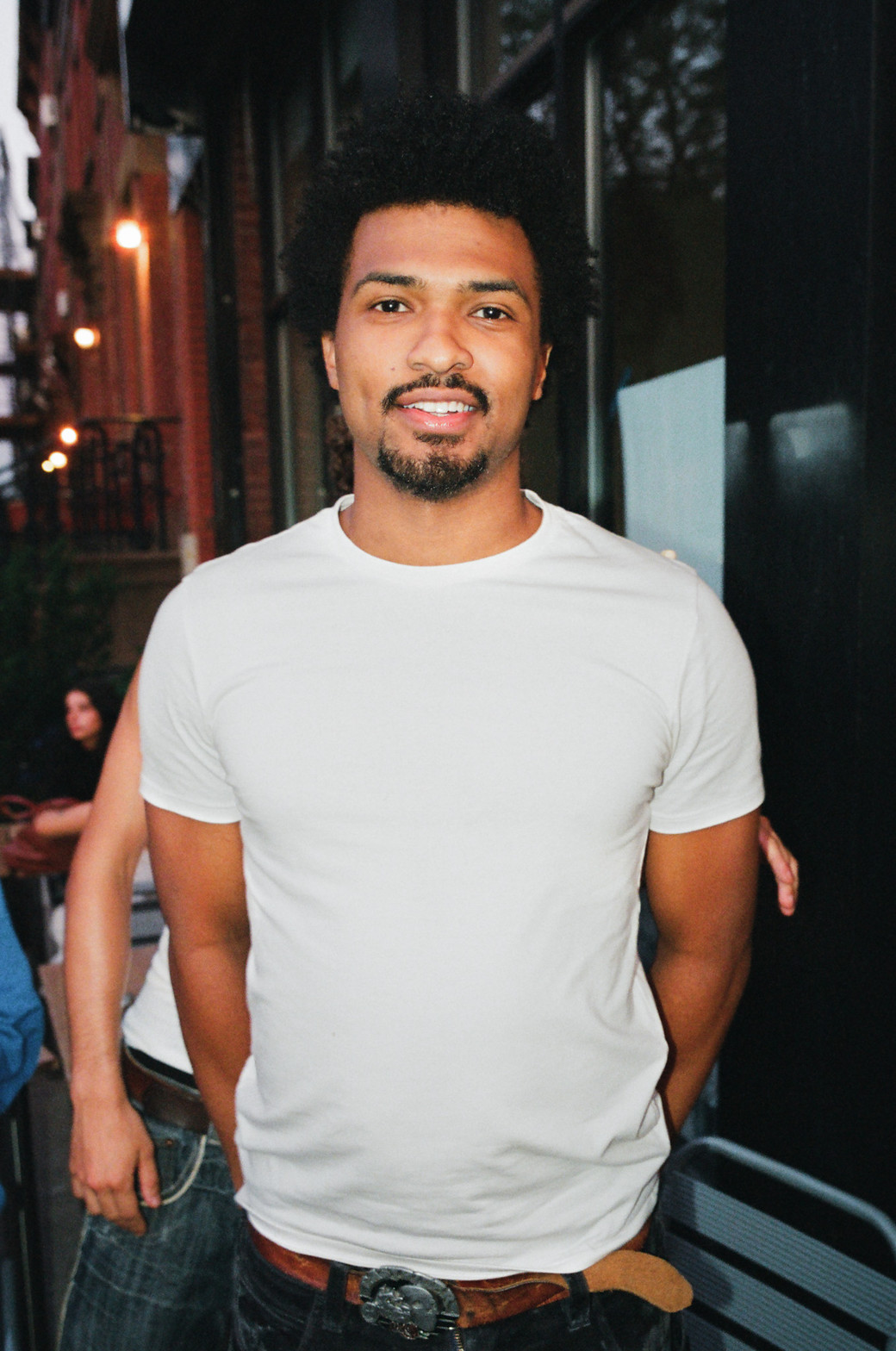
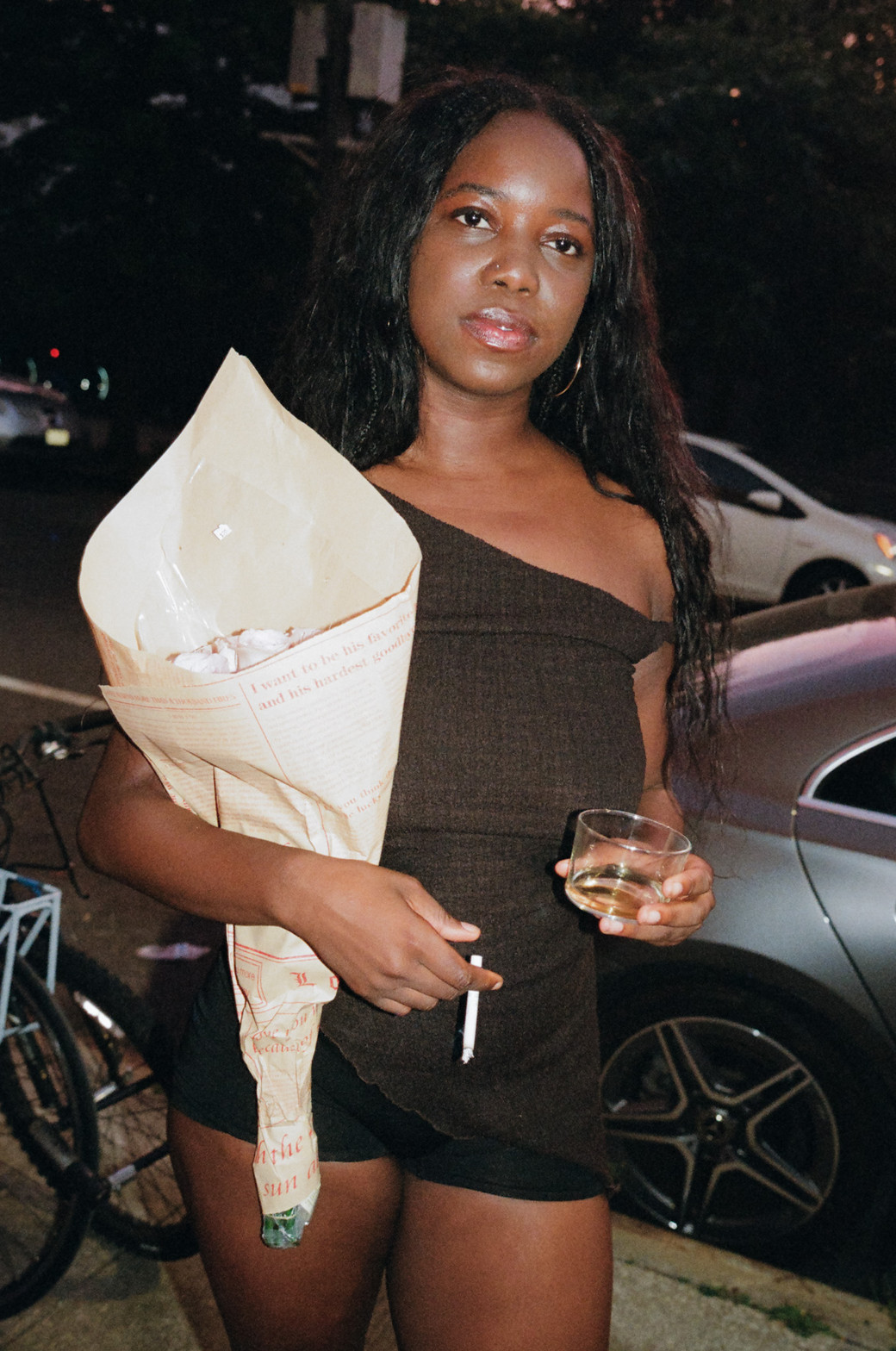
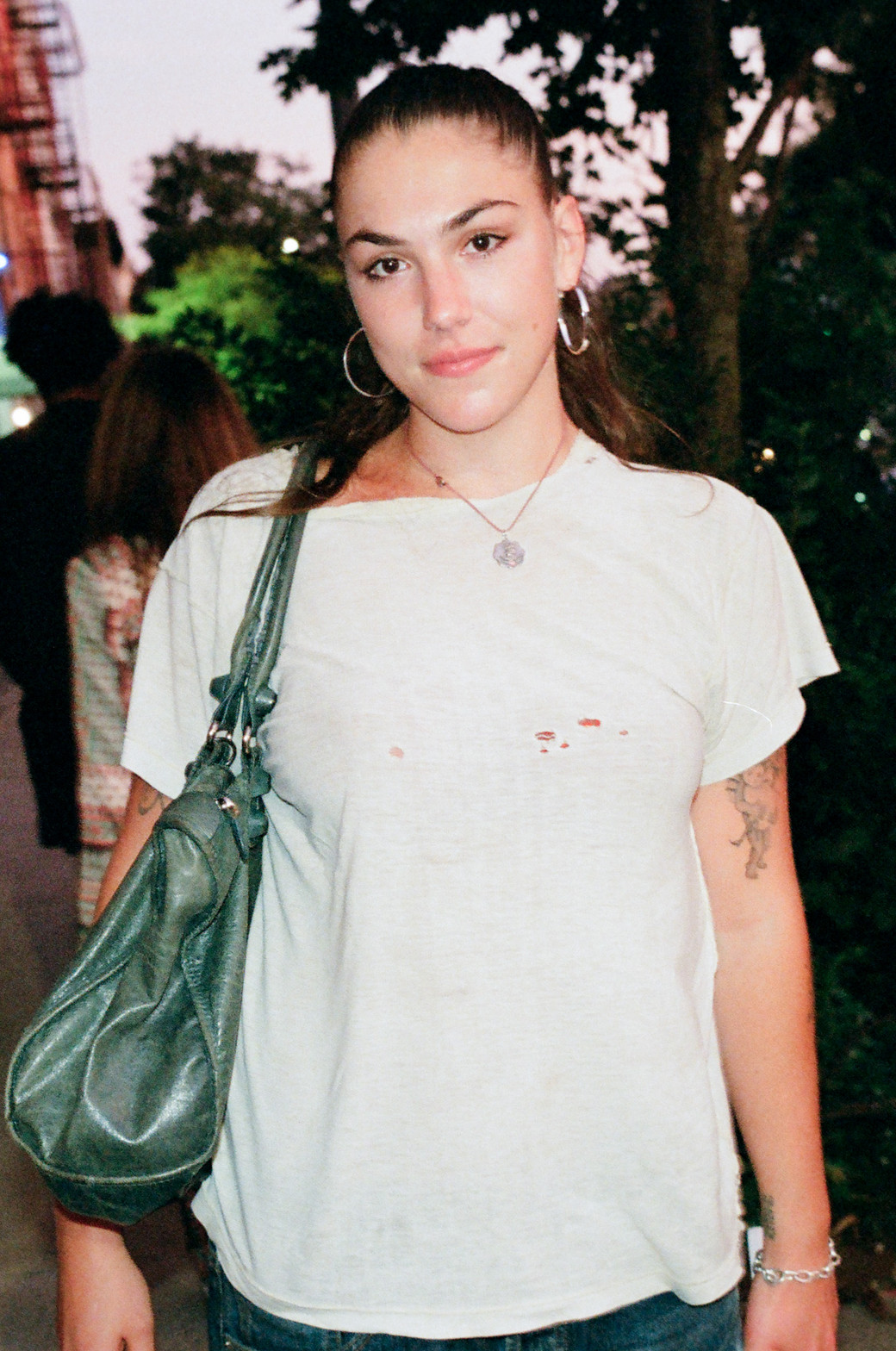
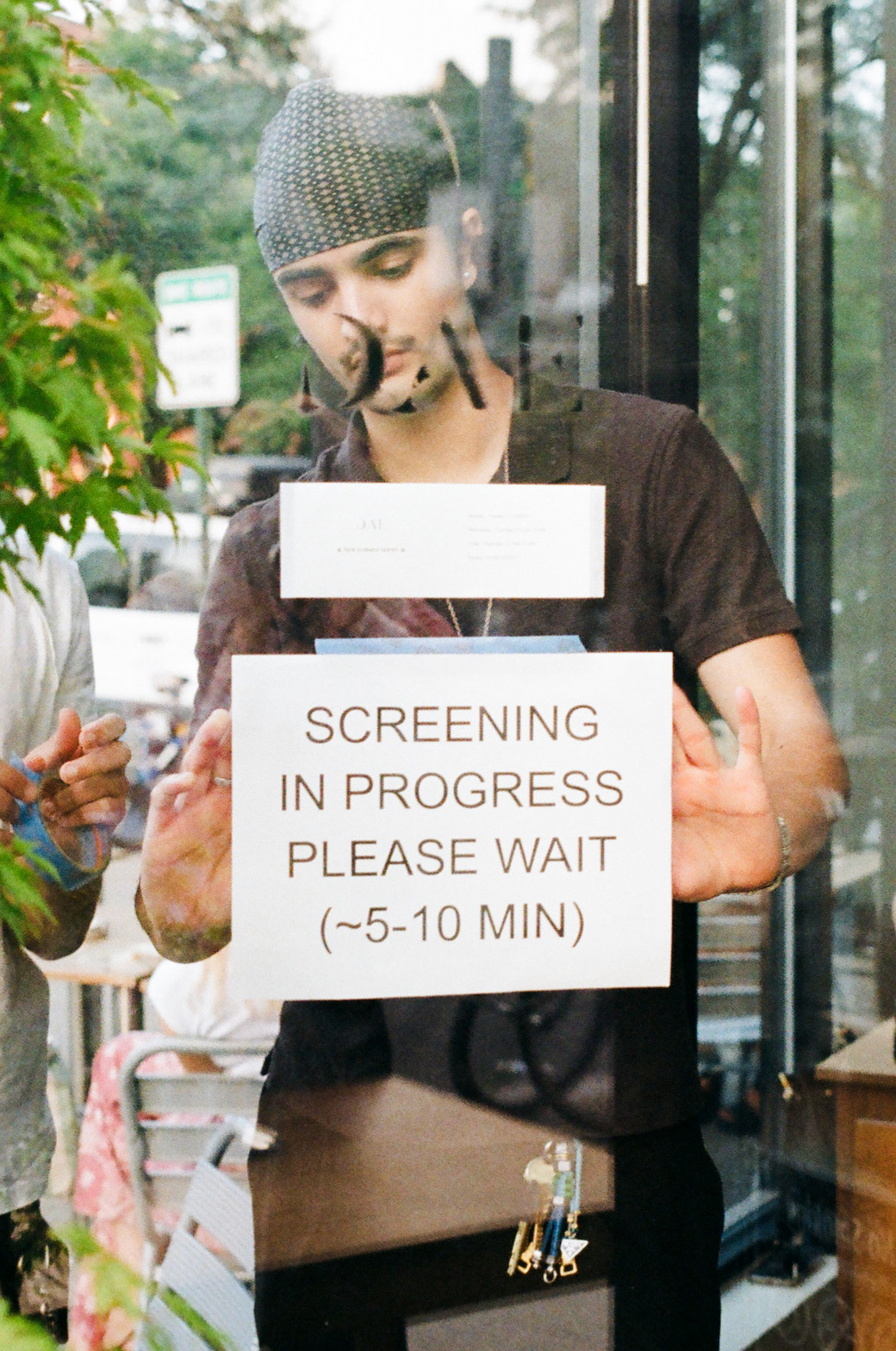
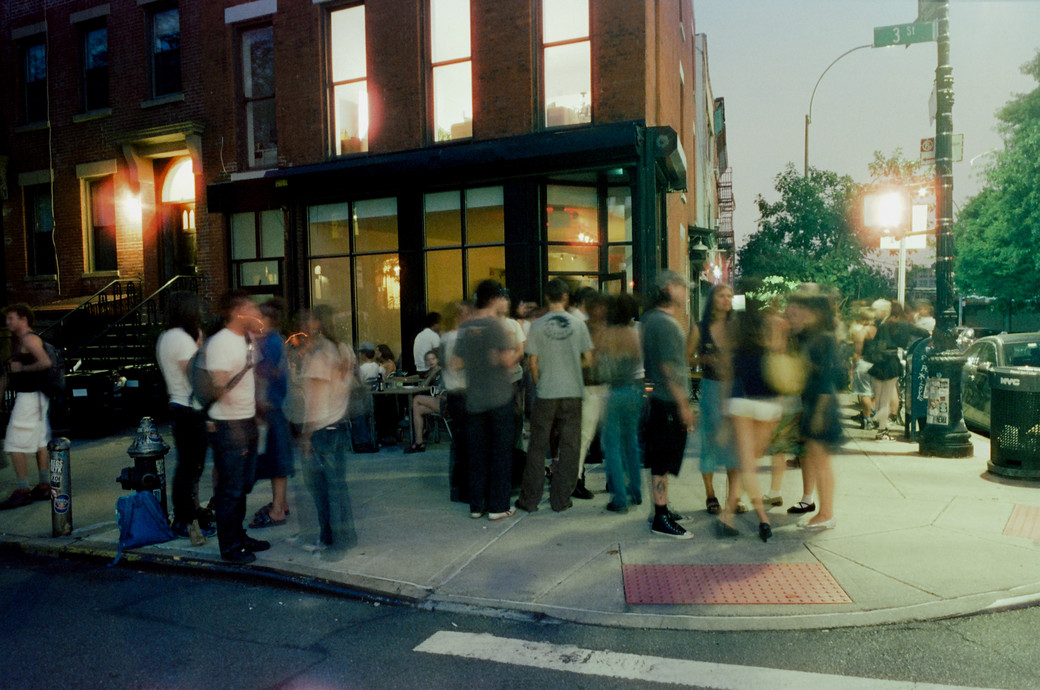
As I walked down Smith Street from the F train, I tripped into a slowly blooming crowd of people, realizing I’d arrived. The sun hadn’t yet set and an orange glow hung with reverence. People floated in and out of DAE’s open door as final touches of the event’s set up were executed to verbal din and the sound of ice hitting a cocktail shaker.
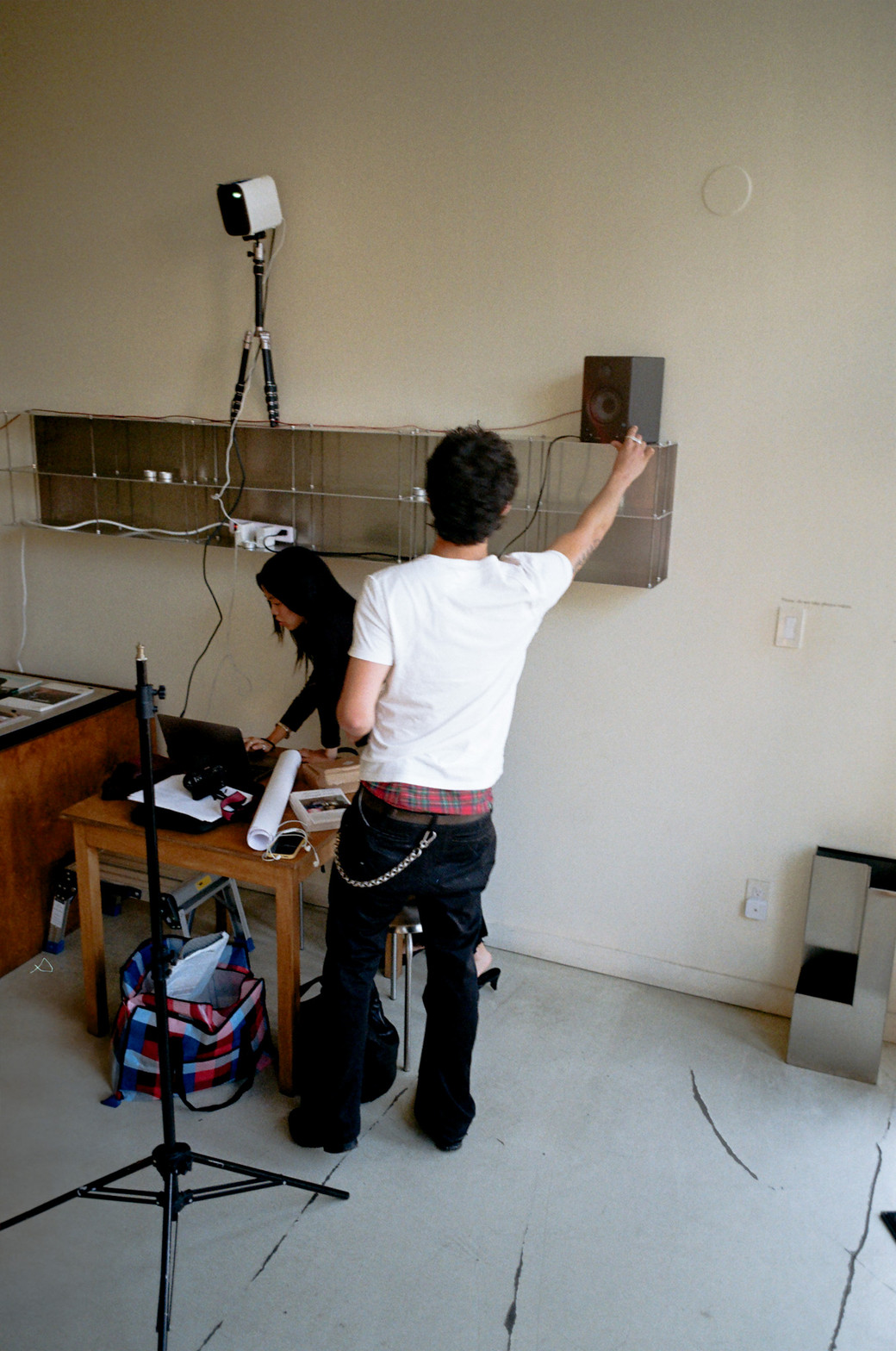
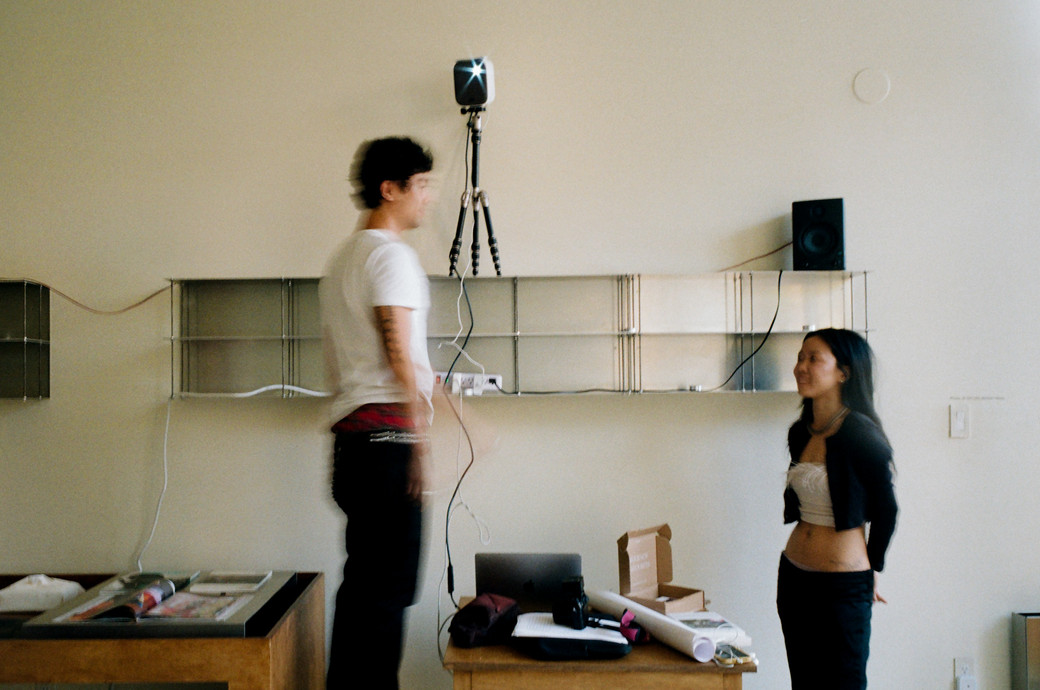
The interior of DAE, mainly white, with worn wood and silver accents, was operated like some designed sailboat by Lee and close friends as they adjusted lighting, sound, and spools of wire. Lee’s choice to hold the screening at DAE was intentional: she “wanted to find a space with an undefined function,” to align with her curatorial ideology. As I watched her scale chairs and tables to install equipment, I was reminded of Olaffur Eliasson’s 2003 installation, The Weather Project - with its exposed hardware used as a statement of acceptance that the work was first unassembled equipment, requiring human intervention to be born. This honesty in functionality breeds tranquility; a realness that can be sited by the origin of Rough Cuts as an accidentally viral YouTube video.
This past February, Lee hazily uploaded a video file called Rough Cut to YouTube and went to bed. This file was a film she’d shot as a way to study the experience of growing up in New York City. A work she’d considered unfinished, it was only uploaded to create a public hyperlink for her website. Though Lee questioned its public accessibility, she didn’t fret much because she had 0 YouTube videos or subscribers. By morning likes and comments were already stacking, internet embrace she’d never predicted.
The simultaneously guarded, but candid narratives unveiled by real individuals Lee met in her adolescence drew relatability across online viewers; its undecorated truth refreshing. Monologues divulging distinct circumstances intercept each other before too much information is revealed. A reflective account of teenagehood in New York City is pieced together with each line, the now young-adults helping each other along as a conglomerate. Shot against the backdrop of their respective settings, they are united in past pursuits of autonomy, privacy, finding comradery, and learning to discern what should be chased and should be run from.
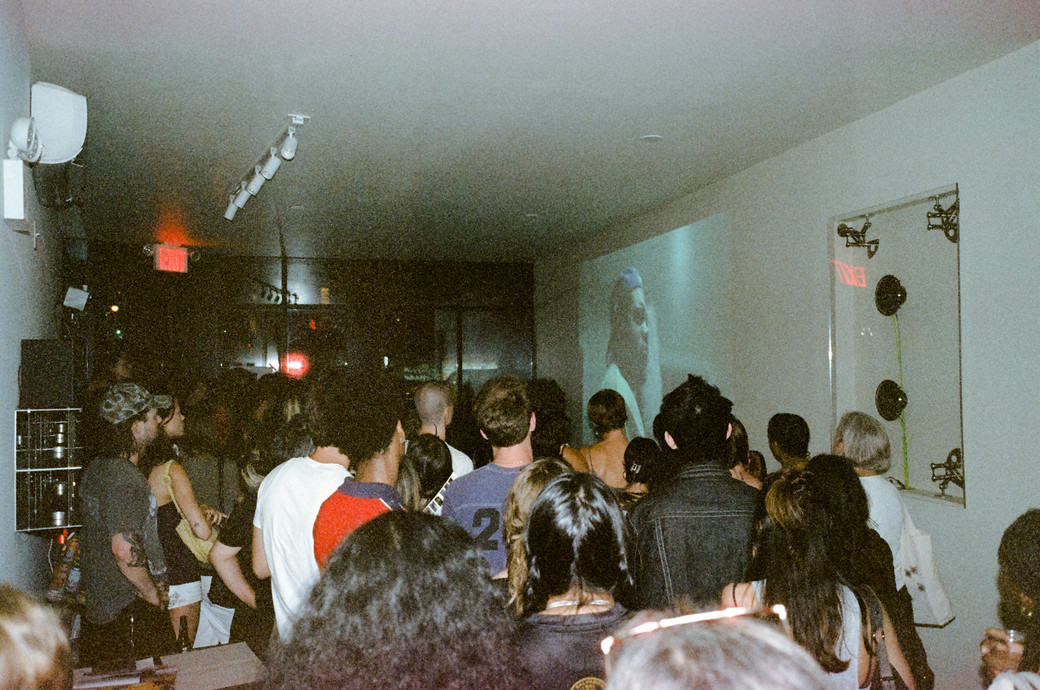
Rough Cut occupies a micro corner of truth - in pixels online, and now also as a communal evening IRL. Lee explained that she was “curious to see what would happen if consumption was slowed down - going from YouTube video to a place like DAE.” Her retroactive leap of faith, to trust anyone who clicks to navigate a vulnerable narrative, especially one that may feel “unpolished, or just let go of too quickly,” is the nature of Rough Cuts itself. The accompanying five films explore a similar truth through different modes of rendering and proximities to the fourth wall. Lee felt it “important to include New York native artists,” and stories surrounding queer culture, subculture, and similar themes of adolescence to Rough Cut. She welcomed new viewers while still dedicating herself to offering native New Yorkers a sense of grounding - something that nodded to shared histories, honoring them, without being overly nostalgic. As one friend reflected, the evening felt like a quiet convergence of past and present - an evolved version of people she’d seen her whole life, held gently in one room.
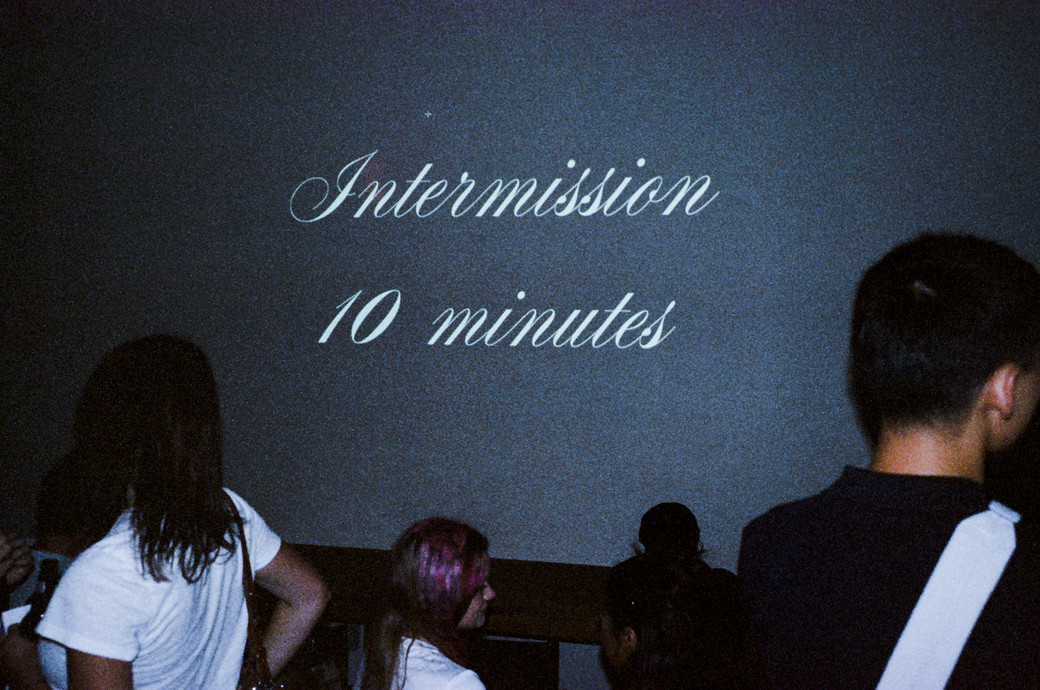
Lee’s sincerity in constructing an evening of group witnessing was reflected by attendees; soft conversation wrapped itself around friendly laughter and banter between films. It seemed that all felt the elegant and raw weight of a shared memory forming in real time. And as I walked home, I felt a warmth in growing up.