Sneaker Diaries by Grace Ahlbom


What does the title 'Metal Manifest' mean?
We thought about how the fashion industry would look in the future and how we could transform it into a more conscious practice, telling the story of women’s current needs. Metal became an allegory — a protective layer, armour, outerwear, and the ability to be stoic during challenging times.


How have you approached the idea of 'womanhood' through this collection?
By the time we started working on this collection, it was already an open secret: the world is unpredictable, and frankly, dangerous, especially if you're a woman. Social roles are imposed on you, statuses crumble, entire states destabilise — nothing holds. This collection is about a woman rebuilding herself from the wreckage as everything falls apart around her.
The tech revolution, digitalisation, climate collapse, wars raging across the globe, economic freefall — these aren't background noise. They're obstacles the modern woman has to navigate, right alongside motherhood and the fight to be taken seriously at work, in society, everywhere. In Metal Manifest, we developed the idea of a uniform for all mobile people, reflecting their need for comfort and physical and mental protection while combining their desire to regain their voice and make an impact. It’s an exaggerated idea of a capsule wardrobe where party dresses are fused with underwear essentials and practical yet still festive outerwear.
How have you explored the relationship between vulnerability and strength through LEZO's designs?
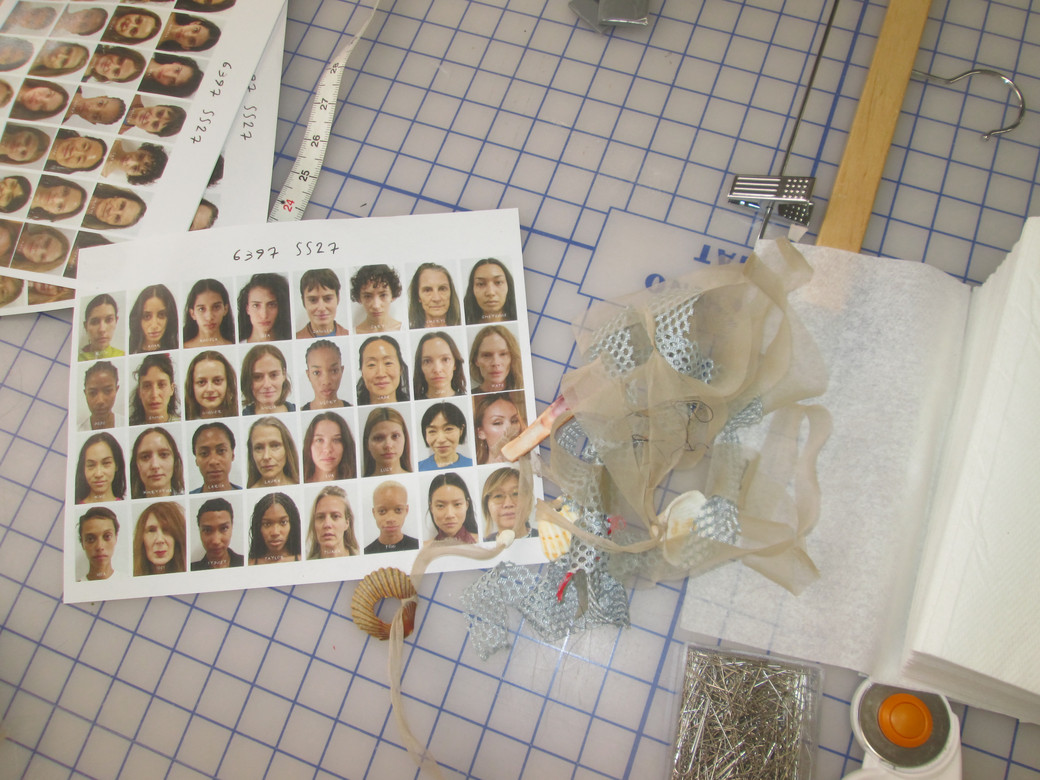
We thought about the concept of a second skin as a cocooning and protective layer for LEZO’s main female character. We always create a defensive material, coated with metal, earthy textures, or lacquer. We saw these cold, crisp finishes in contrast to the inner layers like Life and Death on Earth — also, color schemes attempt to slightly twist camo, as we used military-inspired colors. But we don’t want to speculate on the topic of war or use too many martial-inspired narratives. However, the experience of being a modern Ukrainian woman and keeping both vulnerability and strength pushes me to find such narratives in my design. We translate these concepts through materials, silhouettes, and extreme sexuality.


With LEZO being such a young label, what has emerged as the essential foundations of its design language?
Entering such a saturated industry was challenging for us, yet we have succeeded thanks to the essential elements of our visual DNA: an ode to metal, which serves as armour for the modern woman, and free experimentation with fabrics and textures (metal coating, liquid effects, hyper-glossy materials, and technical textiles in combination with fabric manipulation and draping techniques). We create through deep research and we are armed with an eager desire to further develop our voice in Ukrainian design and contribute to making Ukrainian fashion known internationally. LEZO explores the sexuality, vulnerability and power of a woman, and we offer ammunition.
How does the larger world and Ukraine, as your country of origin, influence your practice?
Our design practice is based on our personal experience of displacement and living through war. A defining feature of our collections is its peculiar use of distressed fabrics that mimic scars and traces. Many garments symbolise the indelible marks left by life's challenges and evoke a profound sense of resilience. We talk about the experience of running a fashion brand during the war, about modern women living and escaping, the climate crisis and diverse paths of migrants that take and capture the traces they leave while transitioning from one place to another.
While thinking about the global shift in fashion, we are still connected closely to our local design scene, Ukrainian artisanal techniques and personal stories from our friends, colleagues, founders and all the people being so brave to shape our design practice further during challenging times. Now, we think much more about our authenticity and Ukrainian design code. We had an idea about defining Ukrainian fashion identity and heritage sustainably. This is crucial as cultural language is how we communicate our values. We know minimalistic Nordic design, and we can distinguish avant-garde British fashion and refined French art from Italian legacy. As our country faces challenges both culturally and physically, design is the primary tool for redevelopment. Design influences many industries, from fashion, art, interiors, and architecture to urban development, production, planning, and inclusivity. The scale of what we need to redesign is enormous. In this case, the best approach is to fuse design with sustainability to create a powerful tool. For us, building a fashion brand is one of these tools.


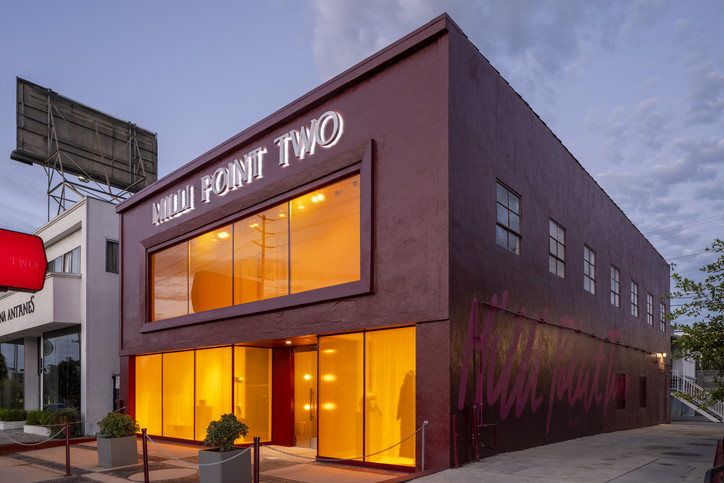
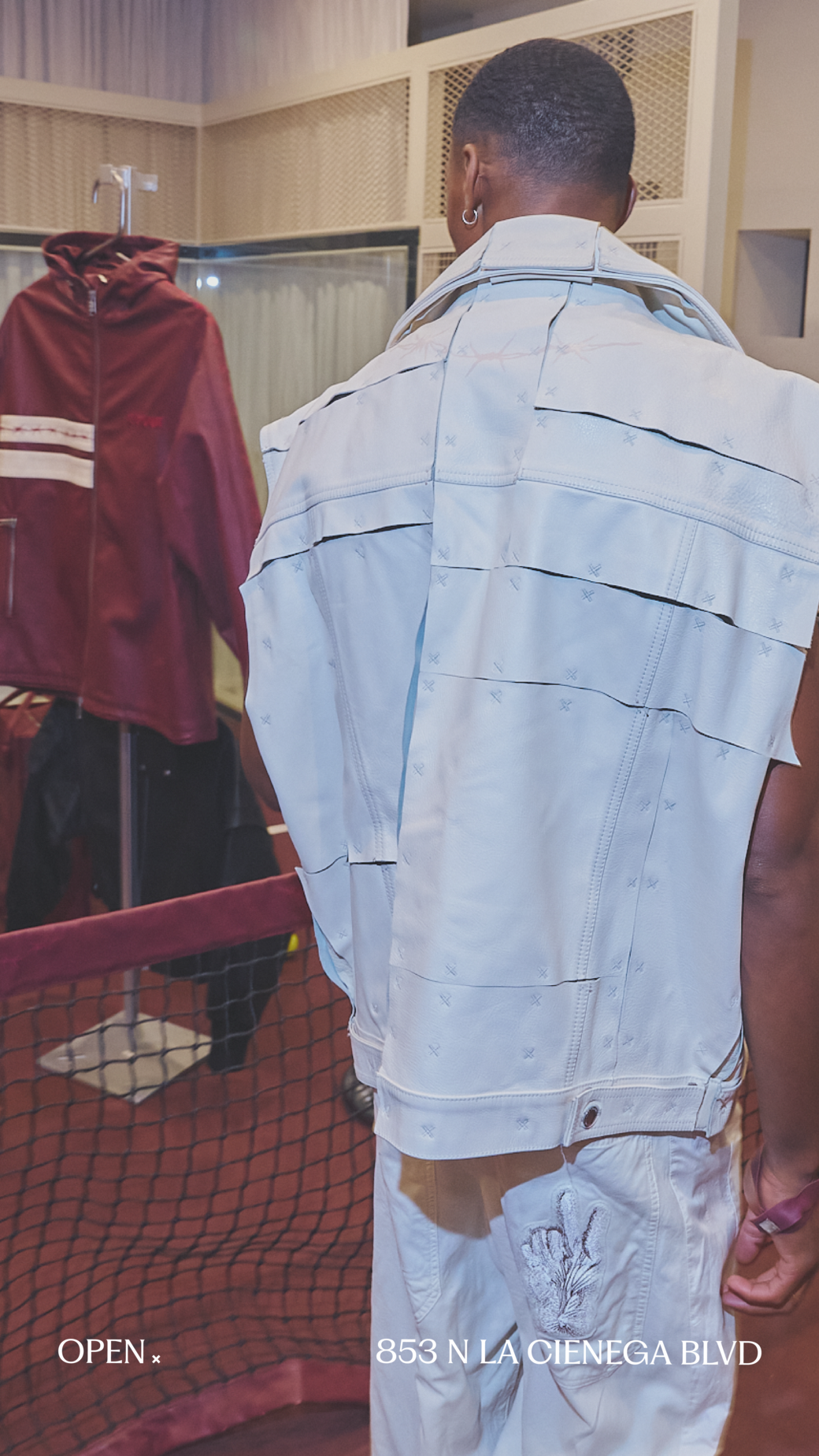
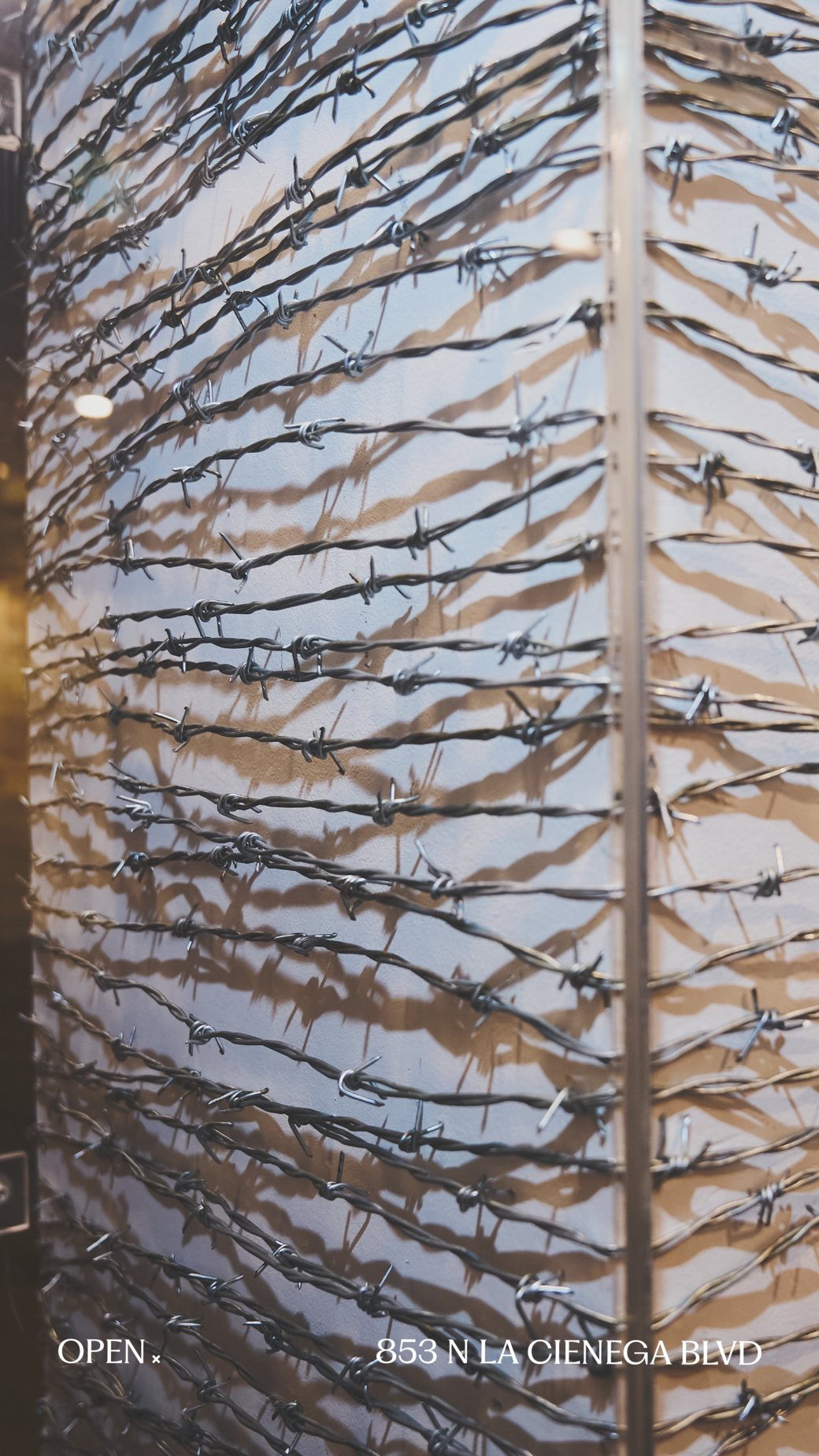
This attention to detail continues inside the flagship. Selected pieces are presented in display cases accompanied by engraved plaques detailing their name, edition and origin, giving the store an almost archival or museum-like atmosphere rather than the feeling of a traditional retail space. The intention is to create an environment for appreciation and desire, rather than straightforward consumption.
Among the most distinctive objects on display is the brand's leather toilet seat. The unusual piece originated from a simple misunderstanding: when someone mentioned toiletry bags, the founders mistakenly understood it as toilet seats. Instead of correcting the mistake, they decided to make one, using the same leather and craftsmanship found throughout their collections. The accidental idea eventually became one of the store's signature objects and is now accompanied by a dedicated wall explaining its story.
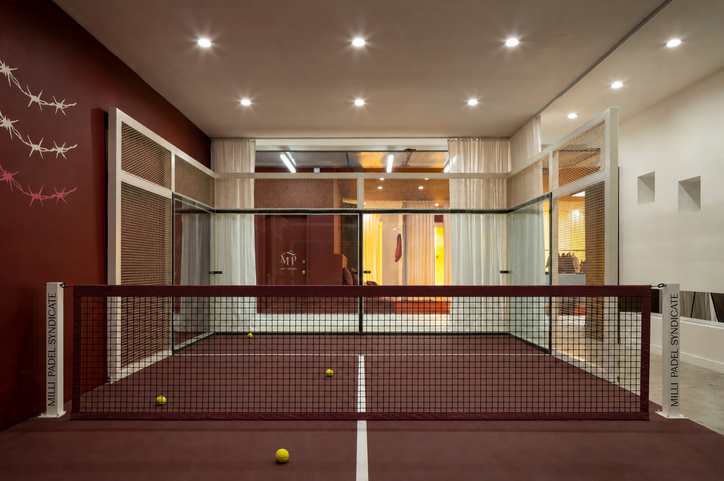
The flagship extends beyond fashion retail. The space includes a professional recording studio for musicians and collaborators, a custom HiFi sound system throughout the building, and a private padel court. Events and activities will remain deliberately limited, with occasional invitation-only programming including listening sessions, residencies and gatherings with the Clique.
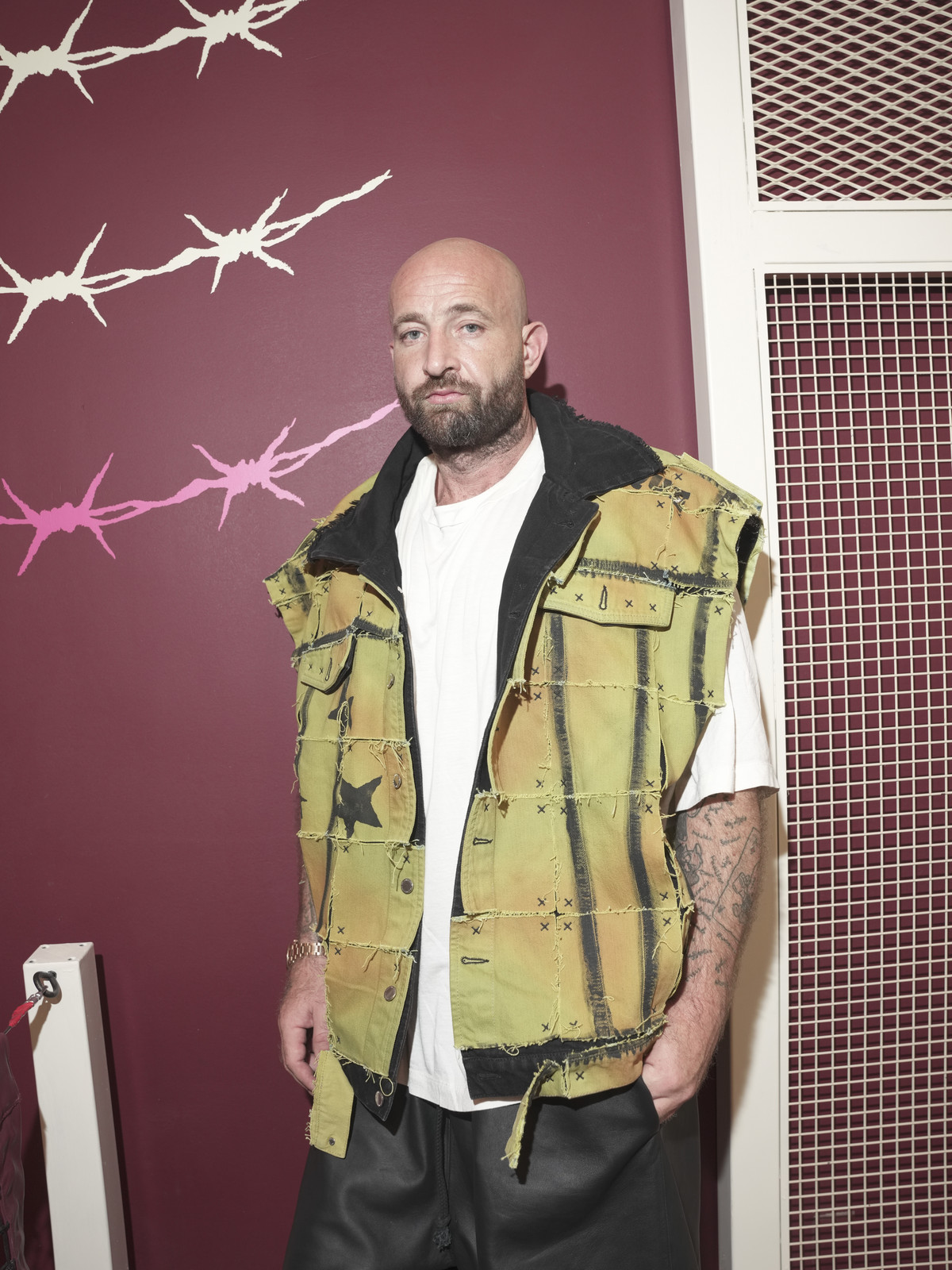
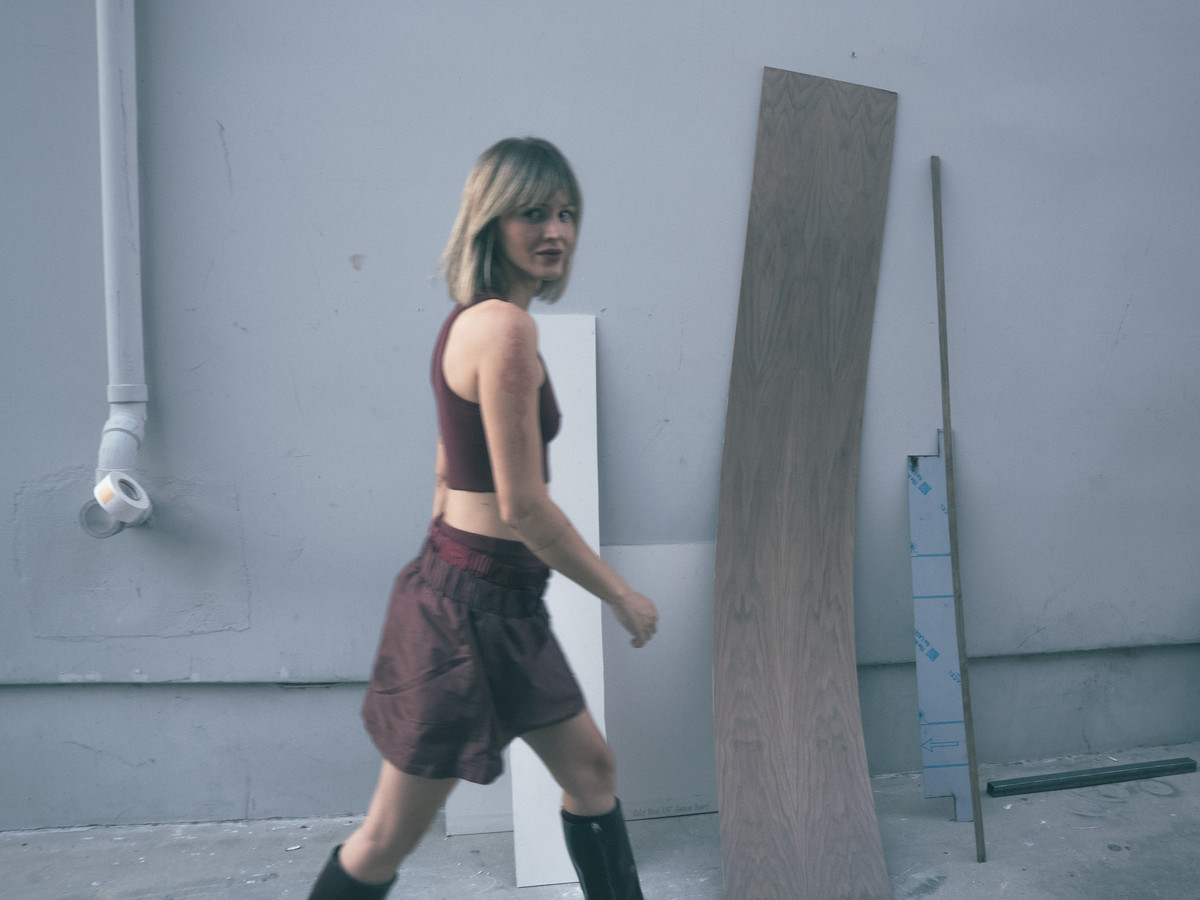
As the founders describe it, the goal was never to create a conventional store that simply sells clothes. Instead, they wanted to build a space where the wider world of Milli Point Two could exist — a place for music, sport, objects and community. The same obsessive level of attention that goes into each garment was applied to the design of the flagship itself.
Milli Point Two is an independent fashion label. Its limited, numbered collections are handcrafted in Samobor, Croatia, using Italian materials.