Sneaker Diaries by Grace Ahlbom

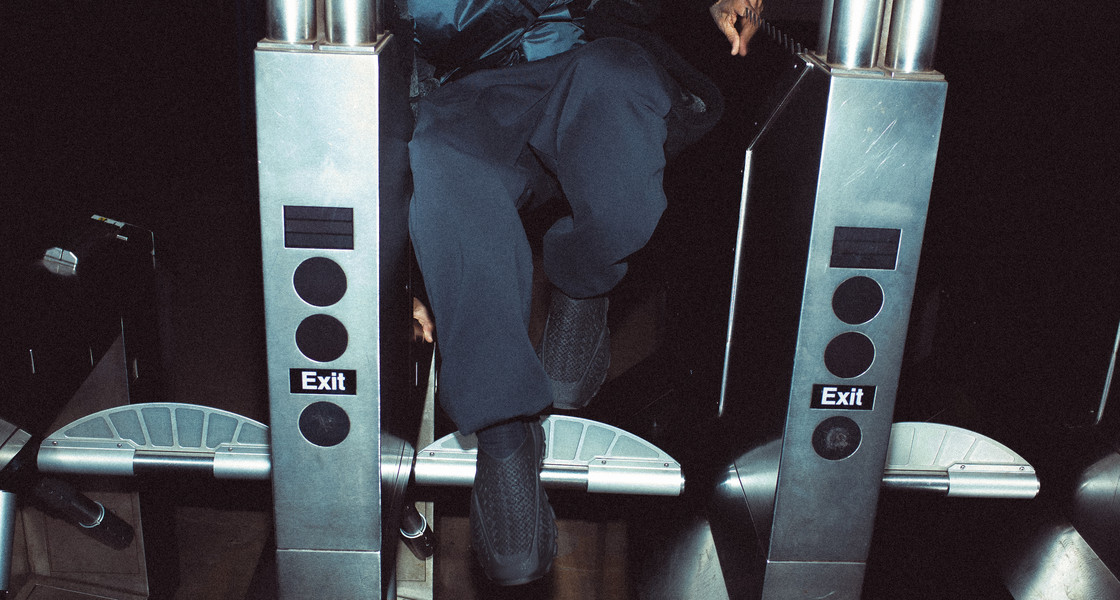
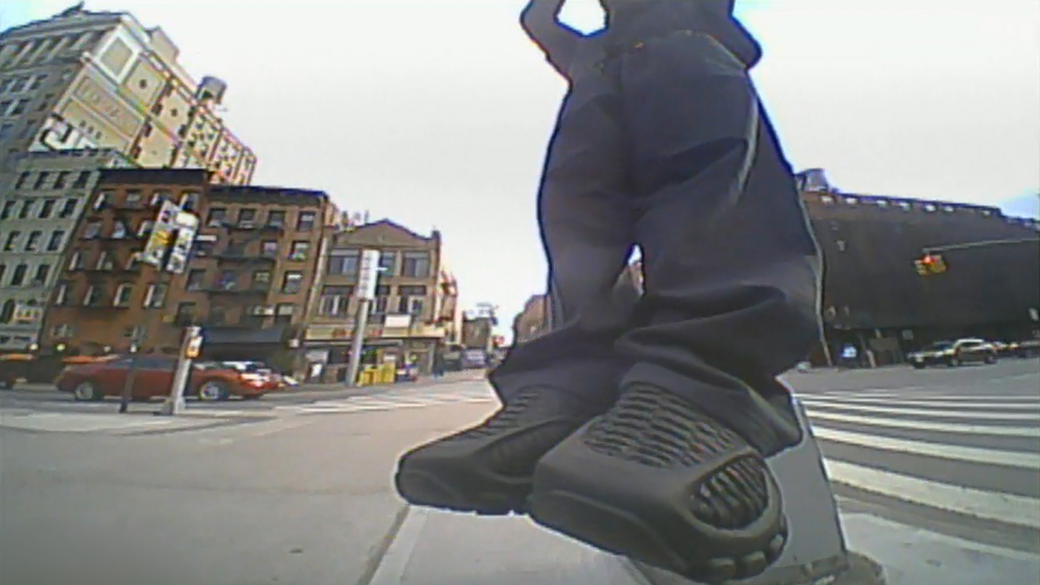
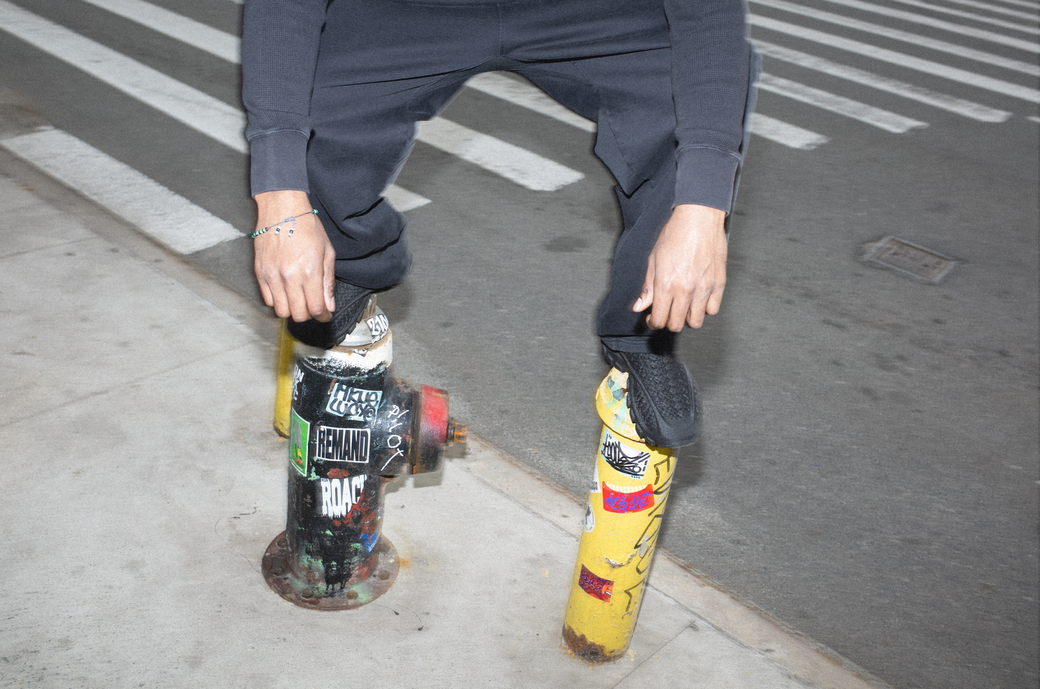
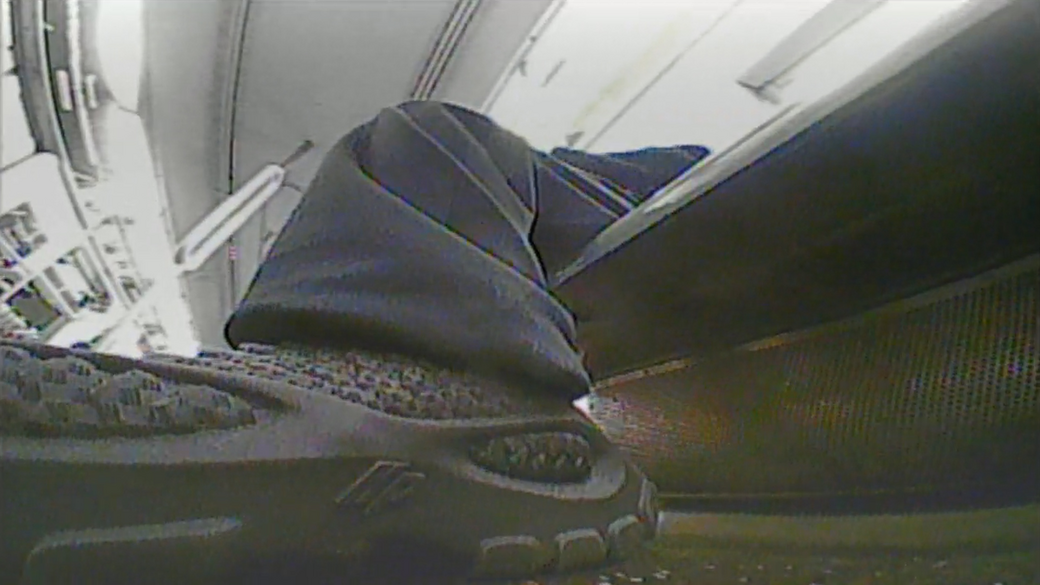
HERON01 Black marks the latest collaboration between Heron and Zellerfeld, reintroducing the shoe in an all-black colourway while showing off the technical developments the Hamburg-based company has made in the years since its original release.
What made HERON01 notable wasn't simply its sculptural appearance. Produced entirely through 3D printing, the shoe was created without stitching, glue or traditional assembly methods. At a time when most conversations around footwear innovation still centred on performance technology, HERON01 offered a glimpse into a different way forward.
The project felt like a natural fit for Preston, whose work has frequently explored the overlap between fashion, utility and industrial systems. Five years later, both the technology and the conversation surrounding it have evolved considerably. Zellerfeld has spent the time refining its printing processes, building a platform designed around manufacturing shoes as they are ordered rather than producing large quantities in advance.
The choice to bring the shoe back in black feels fitting. Where the first version functioned as a statement about possibility, this iteration appears more refined and self-assured, less concerned with announcing the future than demonstrating how far the technology has come. H
ERON01 Black launches June 25 via Zellerfeld and Heron Preston.





Instead of placing clothes onto artists after a show is already built, FFC builds the show with fashion inside the architecture. The uniform is part of the event, the artist positioning, the content strategy, and the way the audience discovers and shops the product. Through its "Shop the Stage" format, FFC coordinates the style before the event so the clothing can live inside the performance, the content, and the commerce around it.
Designers are no longer accessories to the moment; they become part of what gives the artist identity, commercial value, and visual authority.
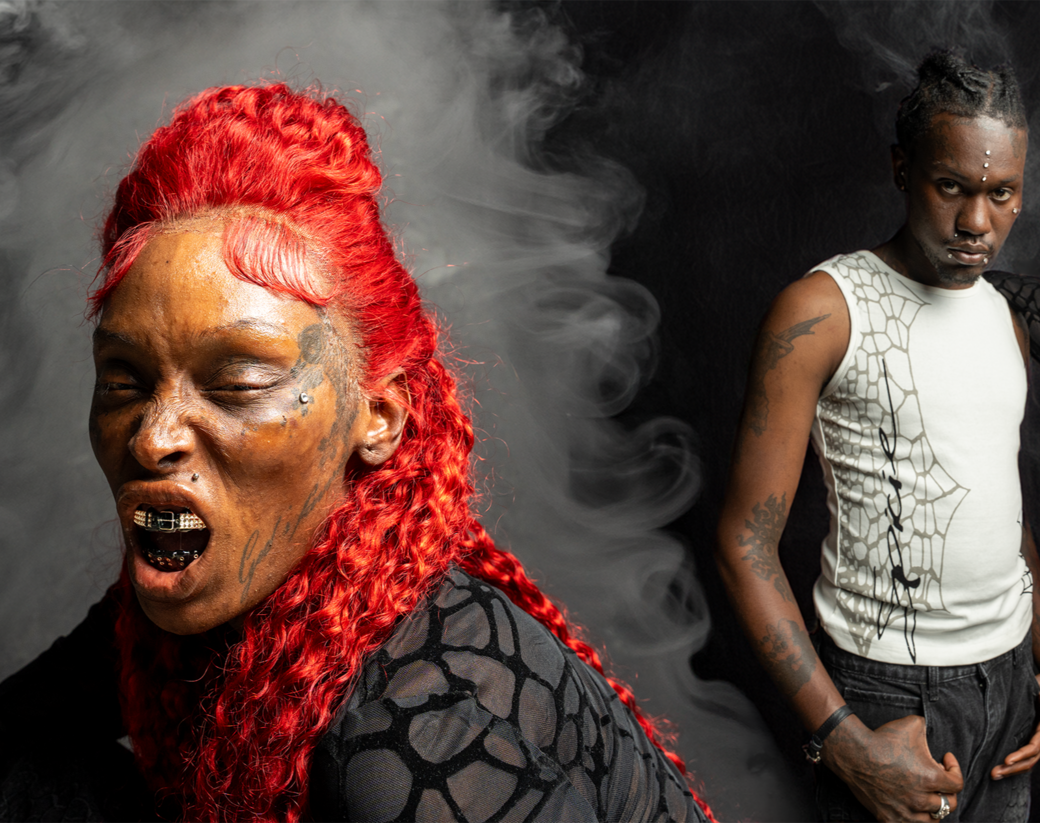
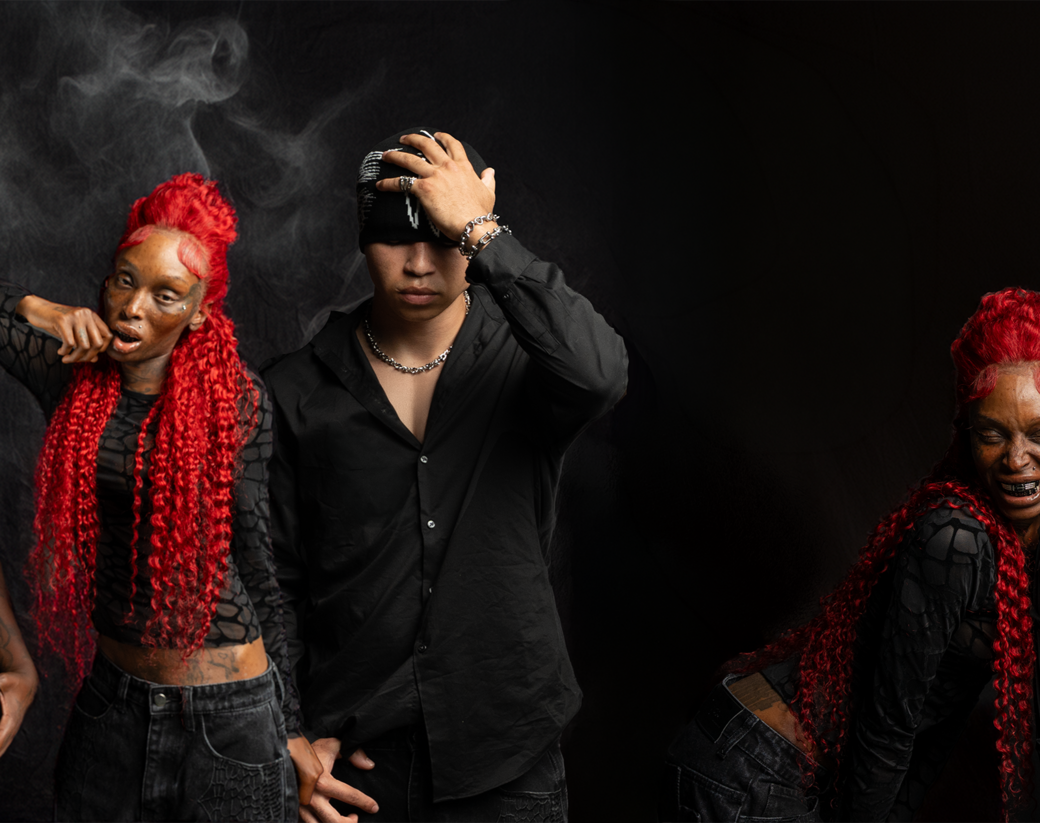
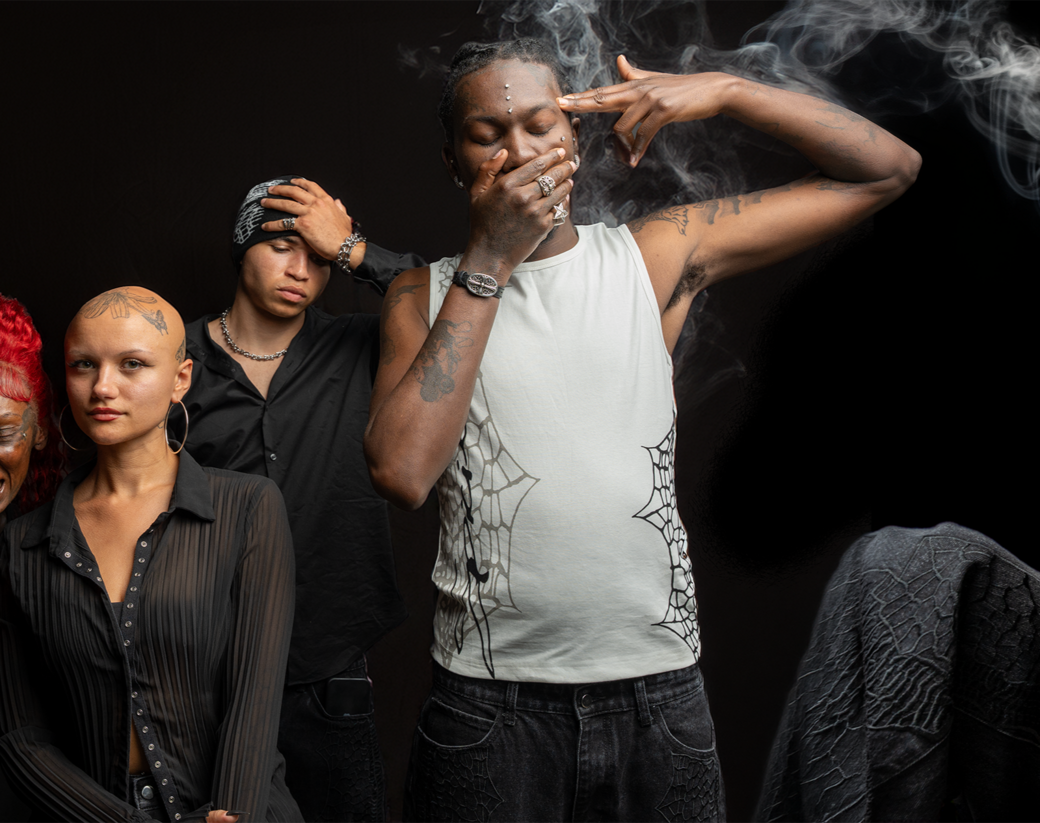
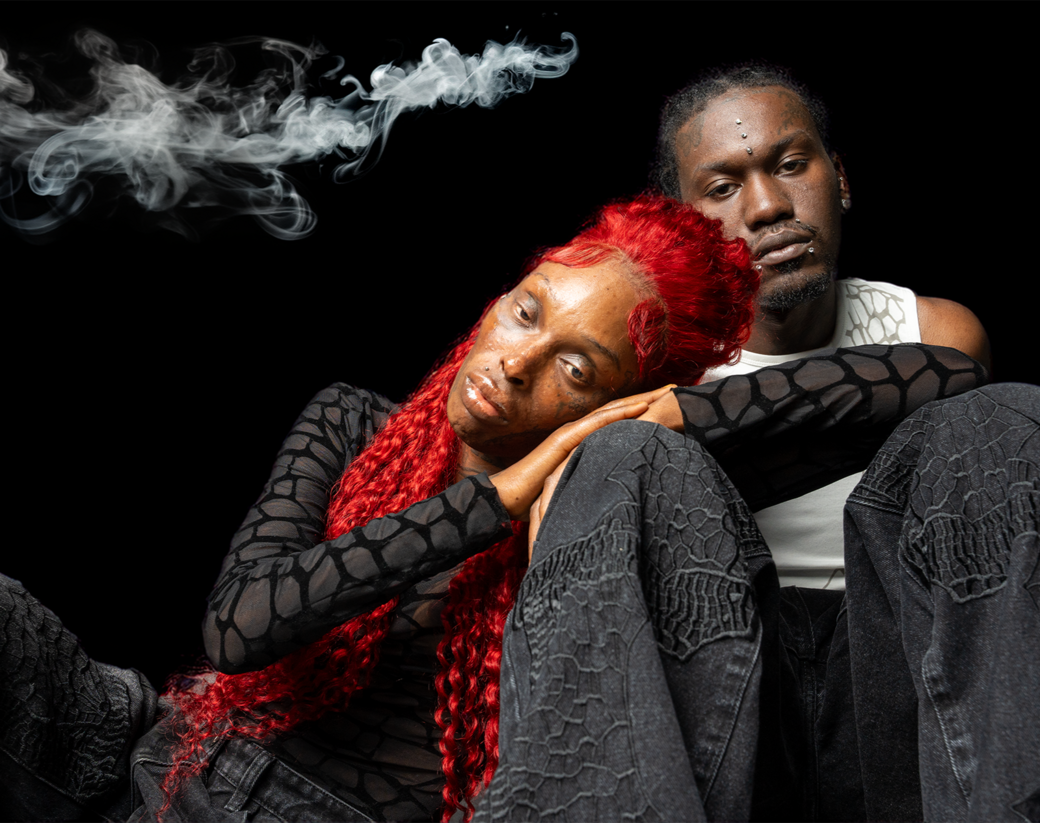
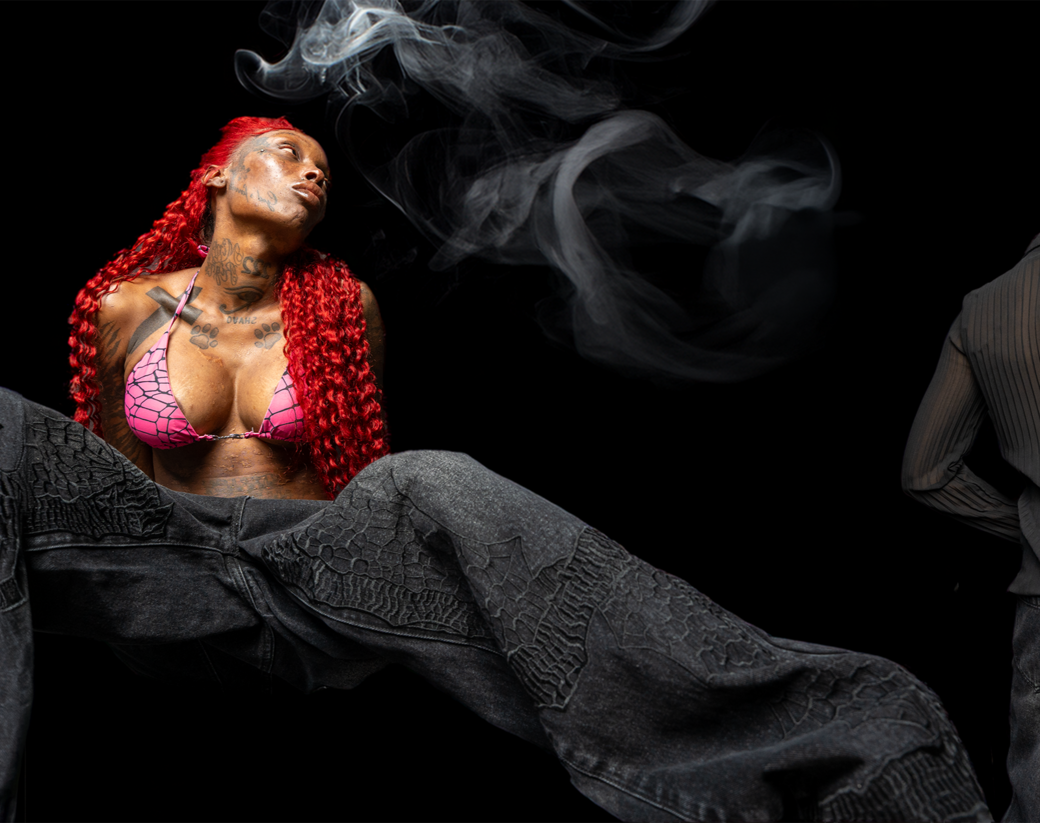
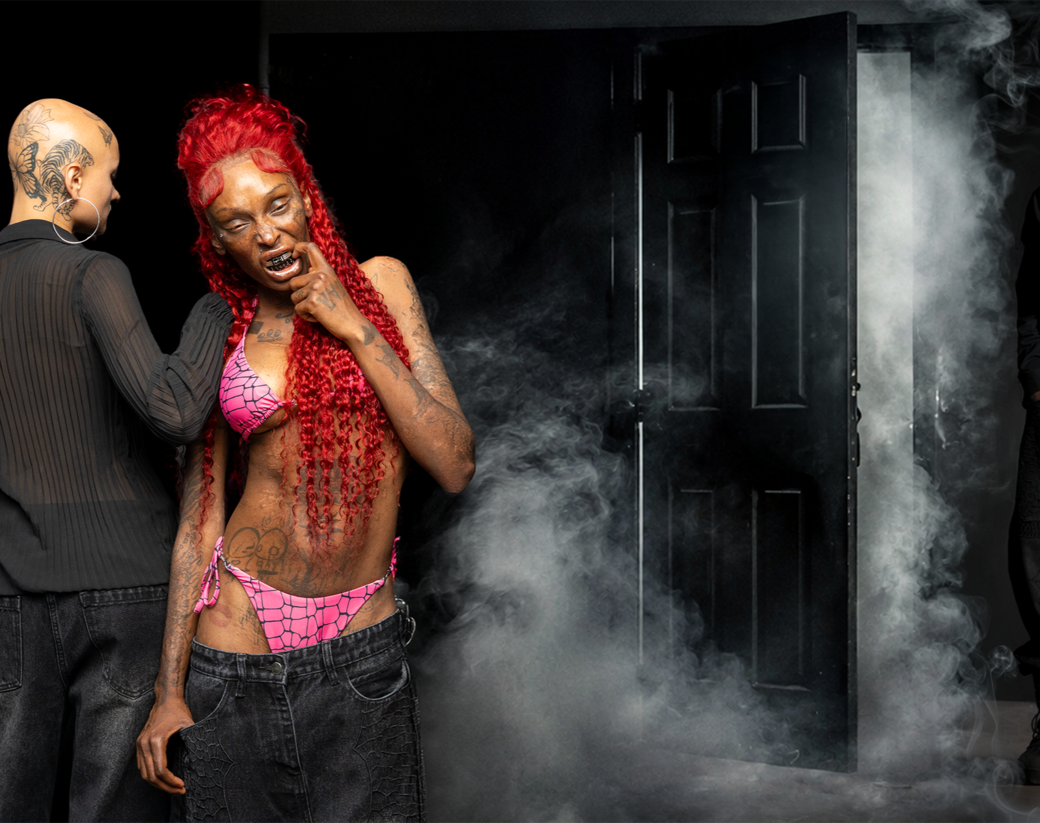
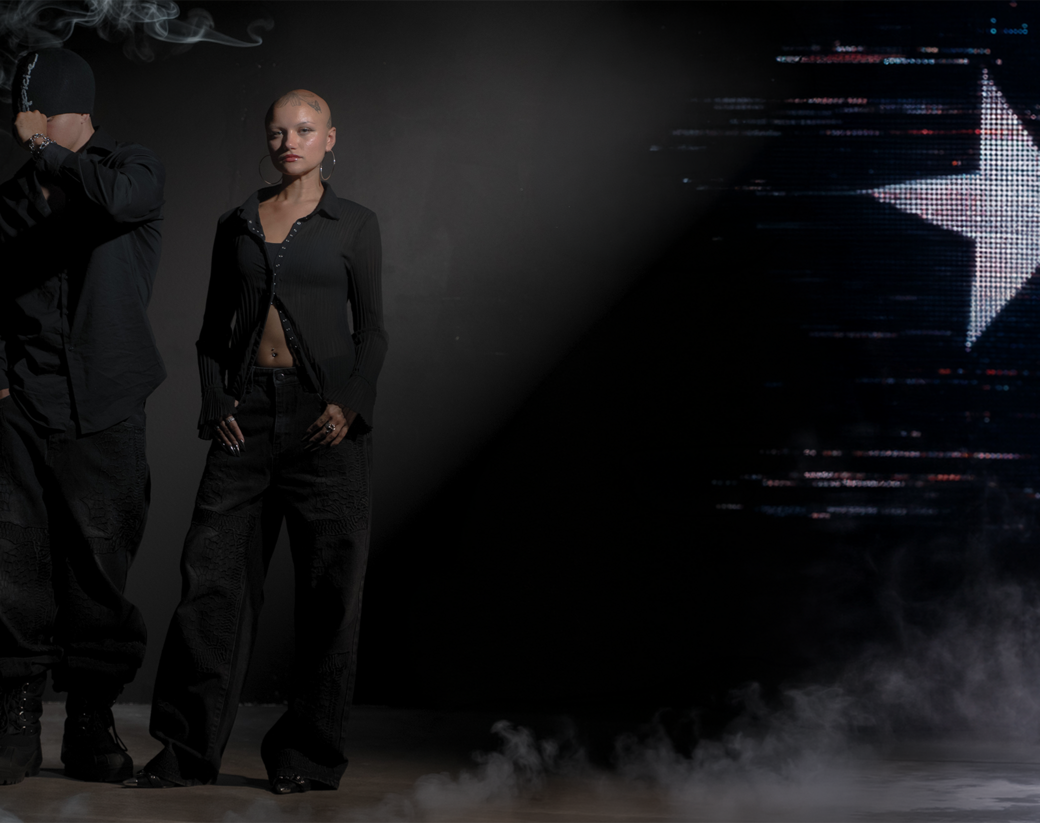
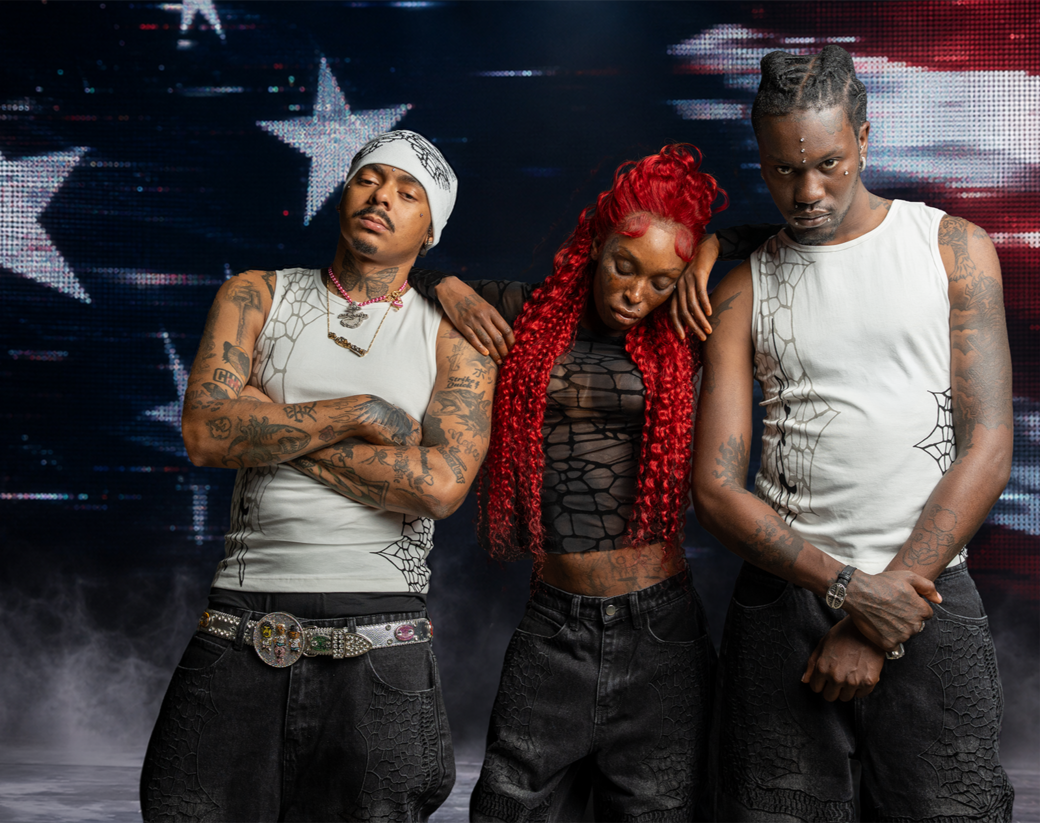
"What used to be a stage becomes a shop. What used to be styling becomes a business system." said Temple. The accompanying editorial features artist Diamond and BbyAfricka inside the FFC uniform system dressed in Spicie, showing how artist image, product, and performance can be built from the same creative direction.
Through live music, these two American creative directors have renegotiated how fashion brands make money not by selling sponsorships, but by aligning venues, labels, artists, and designers around a show with fashion built into the structure itself. "The brand is not buying its way into the room. The clothes help make the room worth selling," Amber said. FFC bridges commerce, entertainment, and audience into a whole new business exchange whose meaning is art-oriented.