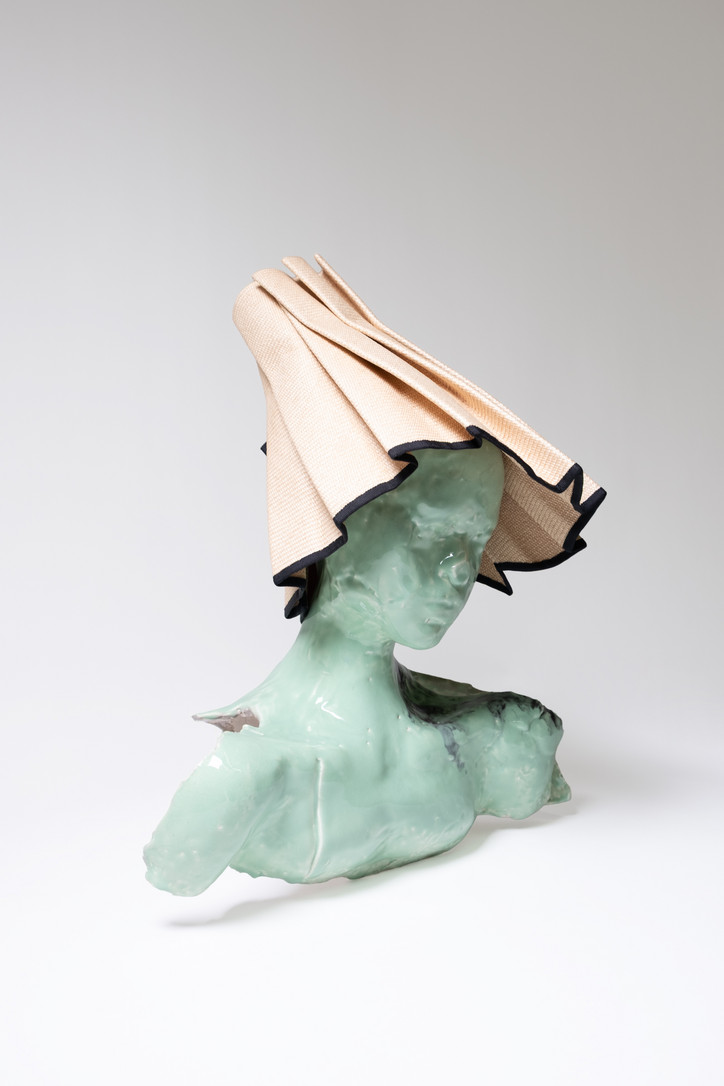
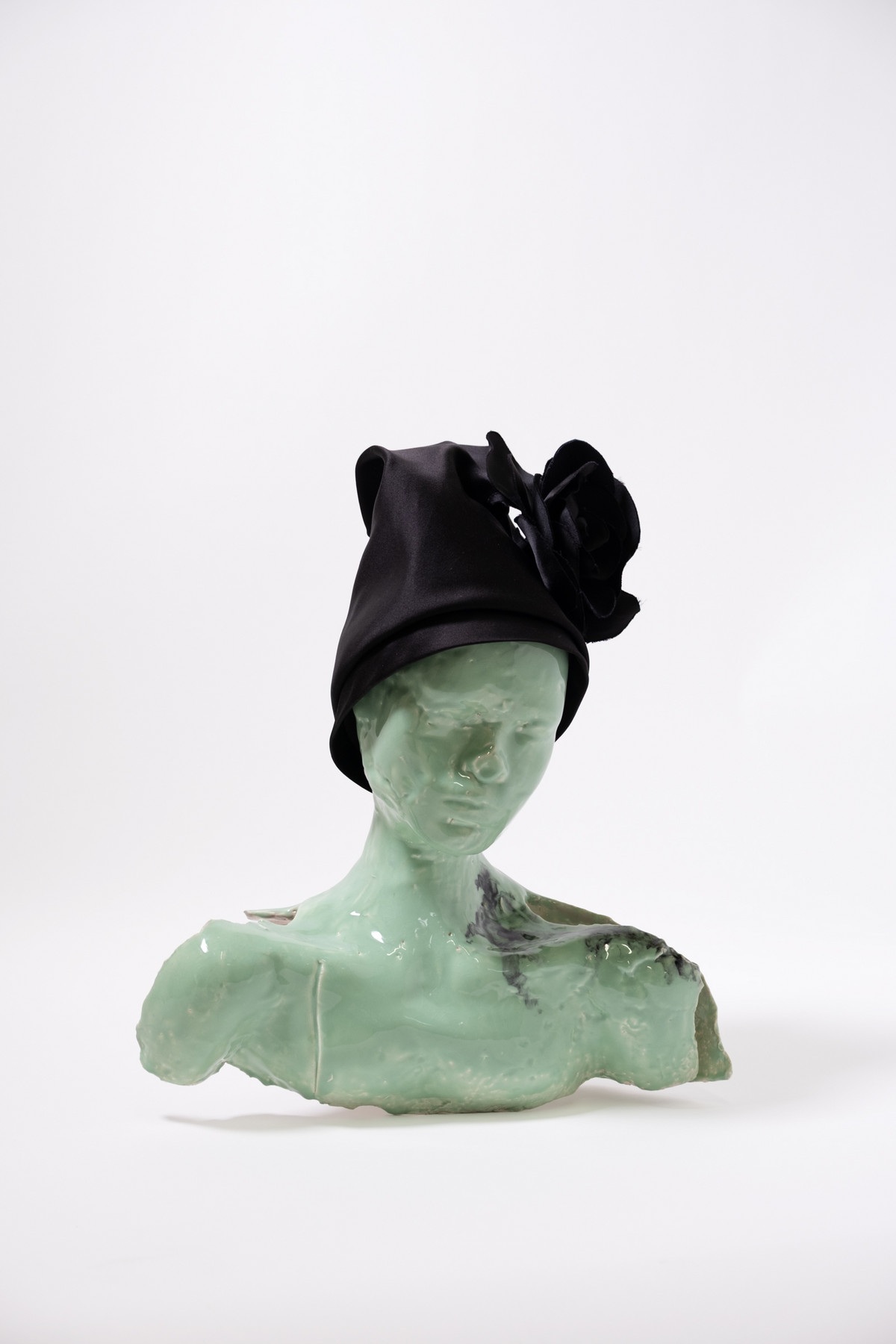
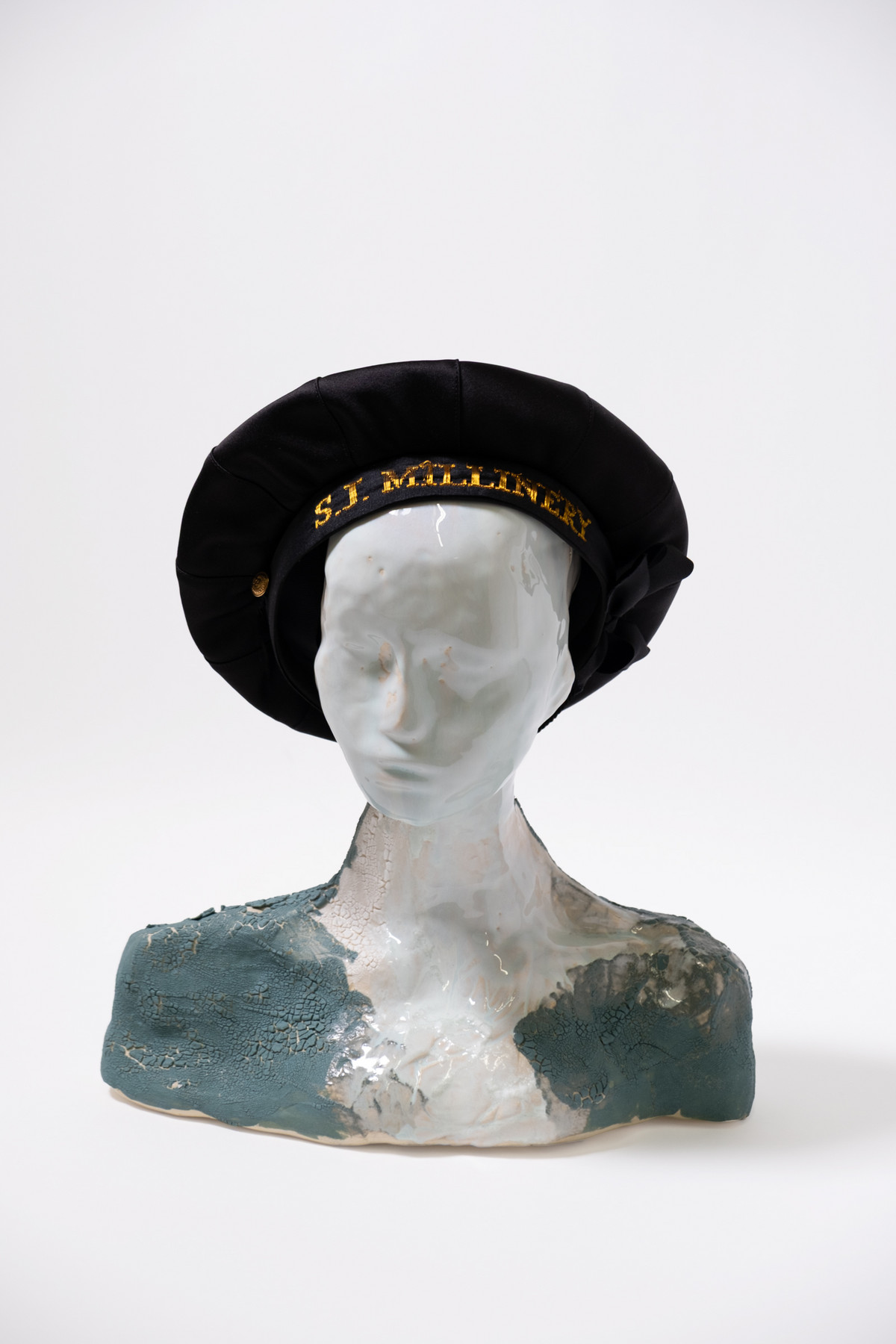
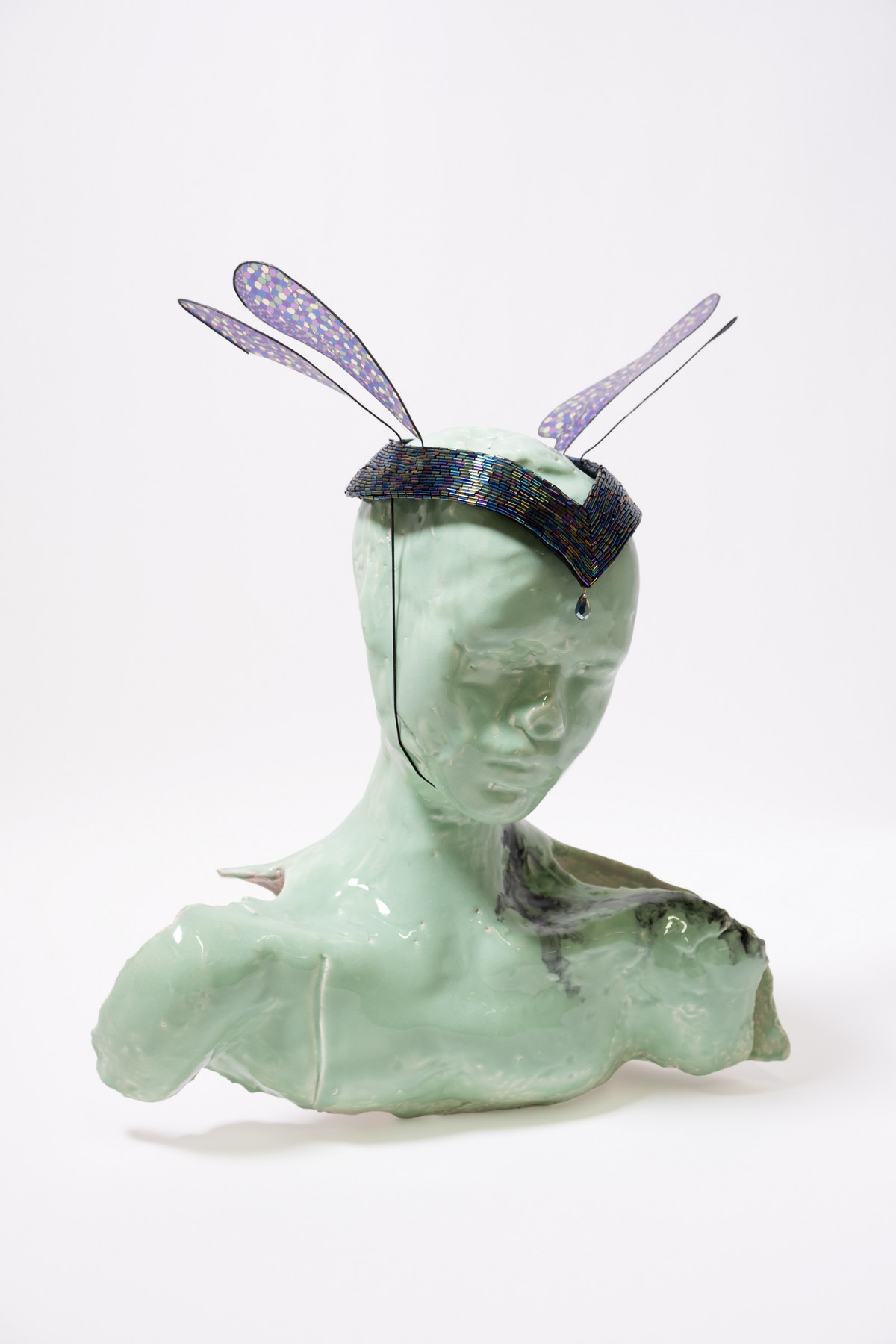
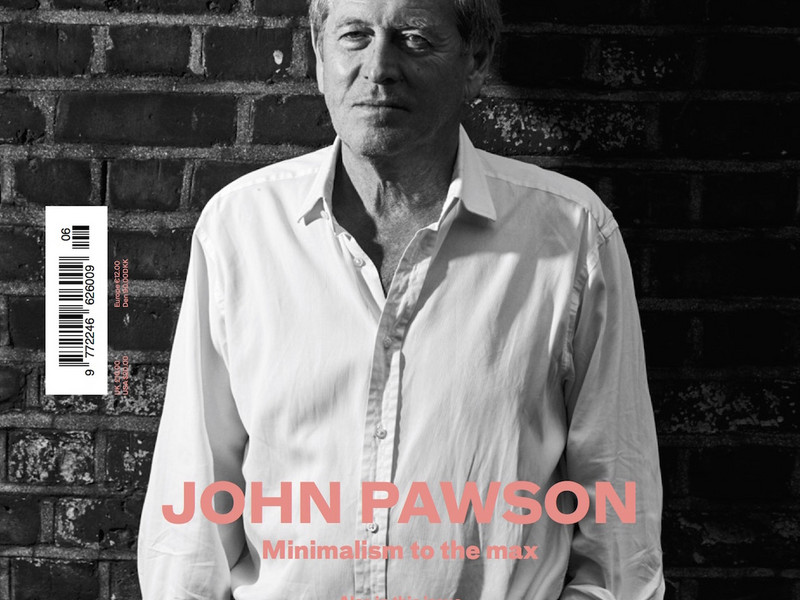
How do you see the evolution of how people see and wear hats throughout your career?
SJ: It’s very different, hats used to be very much occasion wear and now they have polarised it to be fantasy or totally functional as a beanie on a Monday morning.
Tell us about your design process. Where do you start? How do you think about the hat and the body?
SJ: I live my life and put it into a hat, so I never really stop designing in my head it’s just occasionally those ideas are put down on paper and become hats. I always think about the hat with the body because a hat is not a separate object it needs to become a part of the person
Tell us about your ability to bring other designers' vision to life. How are you able to be so creatively adaptable through your numerous collaborations and long-spanning relationships?
SJ: It’s really about bringing their imagination to life, it’s what we create together. That’s the key they couldn’t do it themselves and I couldn’t do it myself, it’s something we do together. I have to get inside their mind which is very unusual for an outsider.
" I live my life and put it into a hat. "
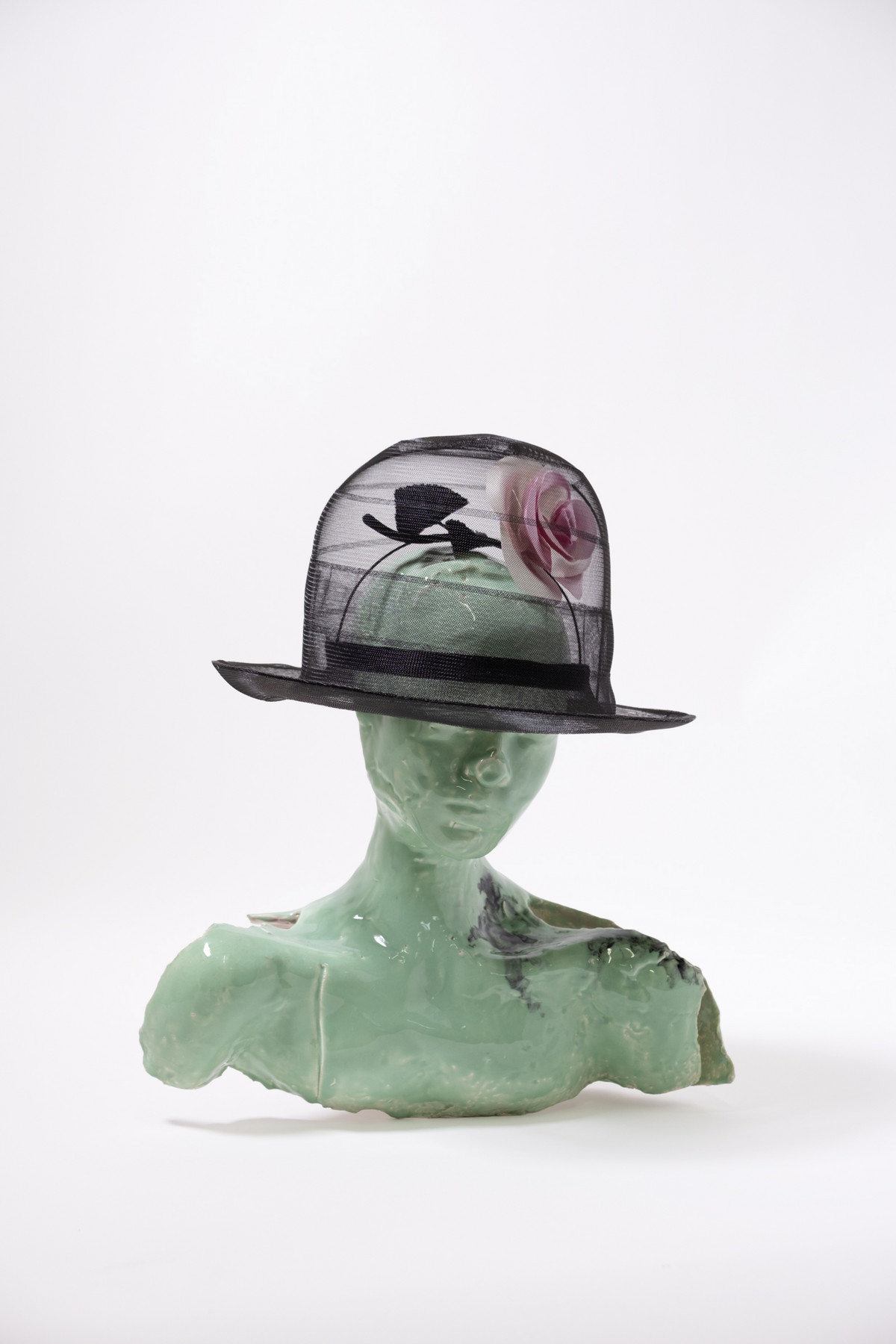
Tell us about your mentorship with Shirley Hex. How do you see the importance of learning the rules before you break them?
SJ: My time with Shirley Hex was extraordinary and she taught me the main principals of millinery, however after a couple of years she forced me out the nest and encouraged me to develop my own style in my own way.
How does British, London, and/or Paris culture influence your work?
SJ: Completely; British culture is a weird dichotomy of something that is very aristocratic or something that is very punk, but Paris brings something which is coquettish and mannered.
" It’s really about bringing their imagination to life, it’s what we create together. "
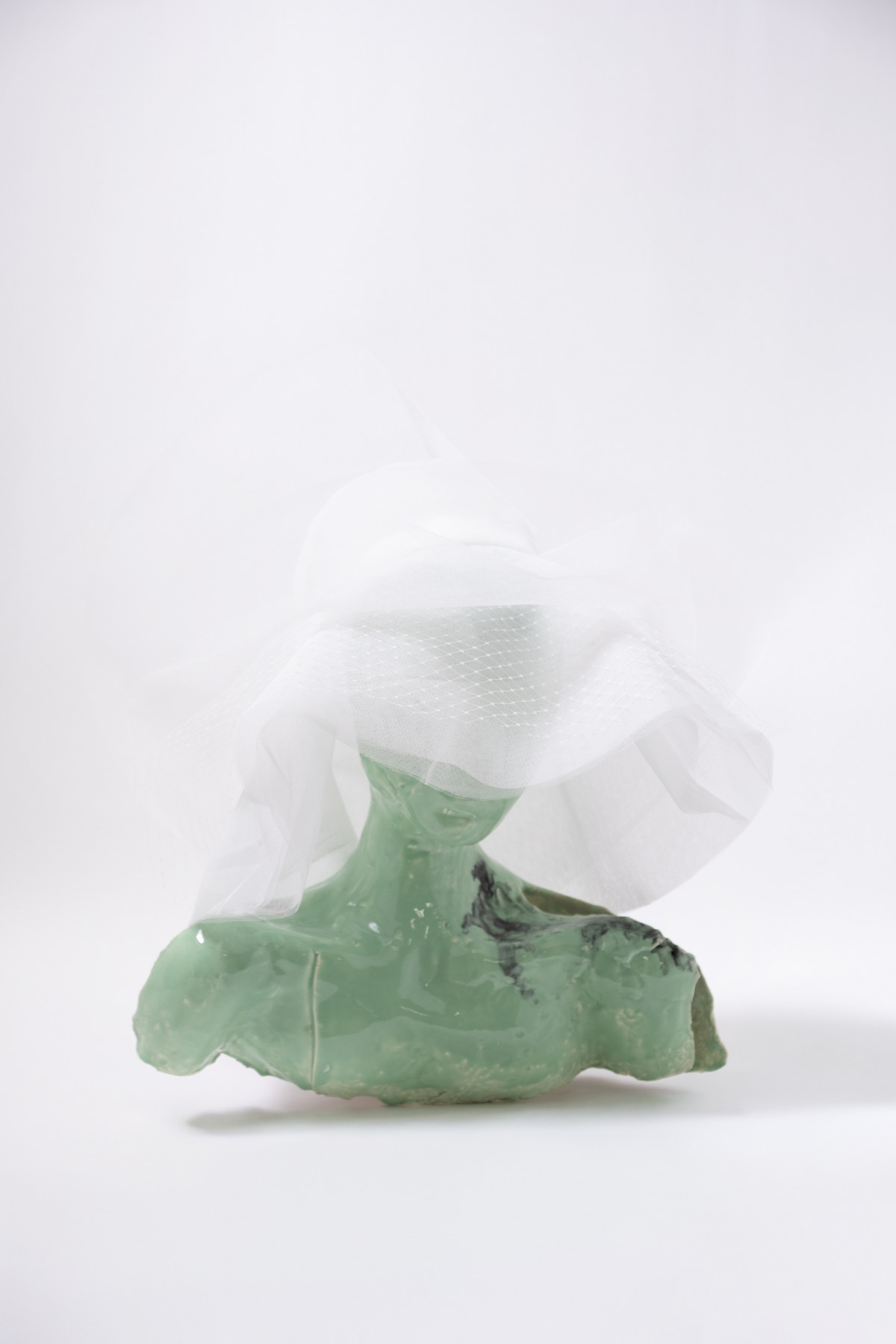
You've experimented with so many unconventional materials, how do you decide a material is meaningful to transform into a hat?
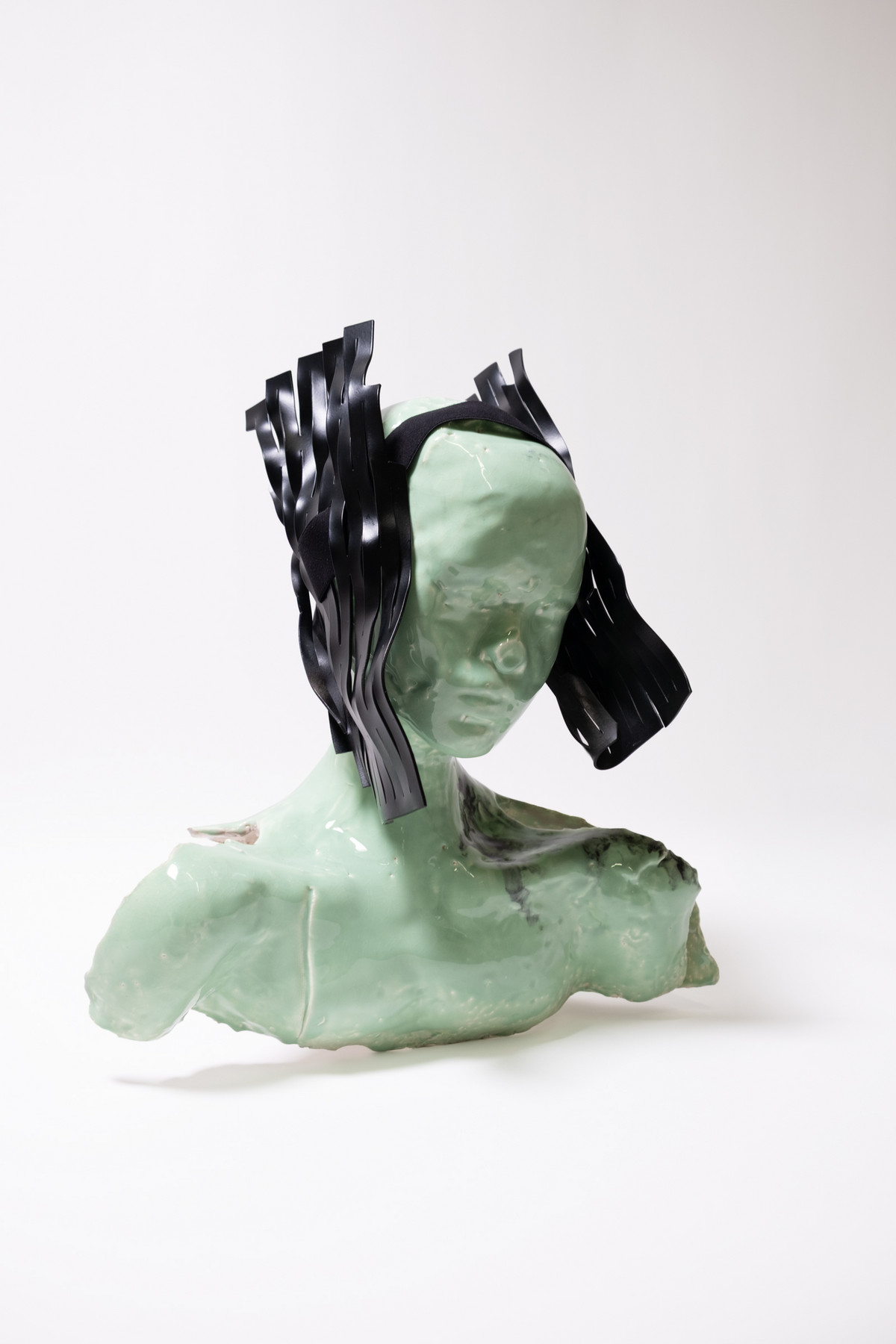
SJ: Well it has to serve the purpose of what the hat is trying to be, but also when you are making it, the hat serves the purpose of the fabric.
The Palais Galliera devoted a full retrospective to your work, what was it like seeing your work in this presentation? What do you want your legacy to be?
SJ: Number 1 it is an extraordinary honour to be included there. I could see my work, almost in the 3rd person, I didn’t see it as being uniquely personal but saw it as it being presented to others and I could analyse it quite dryly. My legacy to be that the pursuit of dressing can be a wonderful extension either of your character or who you want to be.
What do you think is a misconception about hats and the process of creating them?
SJ: That they are quick and easy, it’s very laborious because they are 3d objects.
Do you feel your design process is more learned or instinctual?
SJ: I think it’s a conversation of the two. I love learning about a particular subject and trying to transform that into a hat, but at the same time spontaneous expression is important because it looks fresh.
What other mediums of art inspire your hats the most?
SJ: I would probably say the most is architecture but nature as well as painting and sculpture, but the form of everything and everything, whether it’s an Opera or an apple, they tell a specific story.
SJ: Is there a hat you would never wear?

I would try everything, but not wear things which I didn’t feel were convincing i.e. a cowboy hat
What made the environment and culture of The Blitz a fertile ground for creativity?

SJ: Because it filled the vacuum that had been left by punk.
Do you have any favorite young milliners?
SJ: As the Chairman of the British Hat Guild, I am not allowed to say whether I do have or not
Where do you think people's fear around wearing hats comes from?
SJ: Sometimes it’s the fear of standing out too much and therefore assuming a greater importance than they feel they should have but often you can hide underneath hats too and hats can be the conversation for you.
Is there a hat that got away? An idea you've wanted to create but haven't yet actualized?
SJ: Yes I am always looking for that hat around the corner.
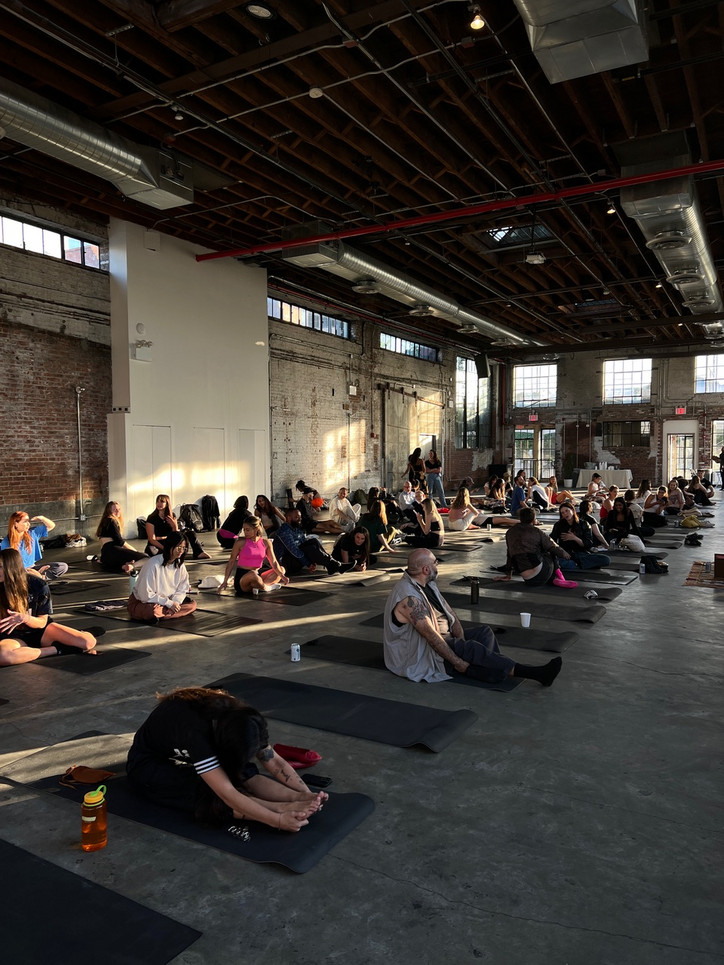
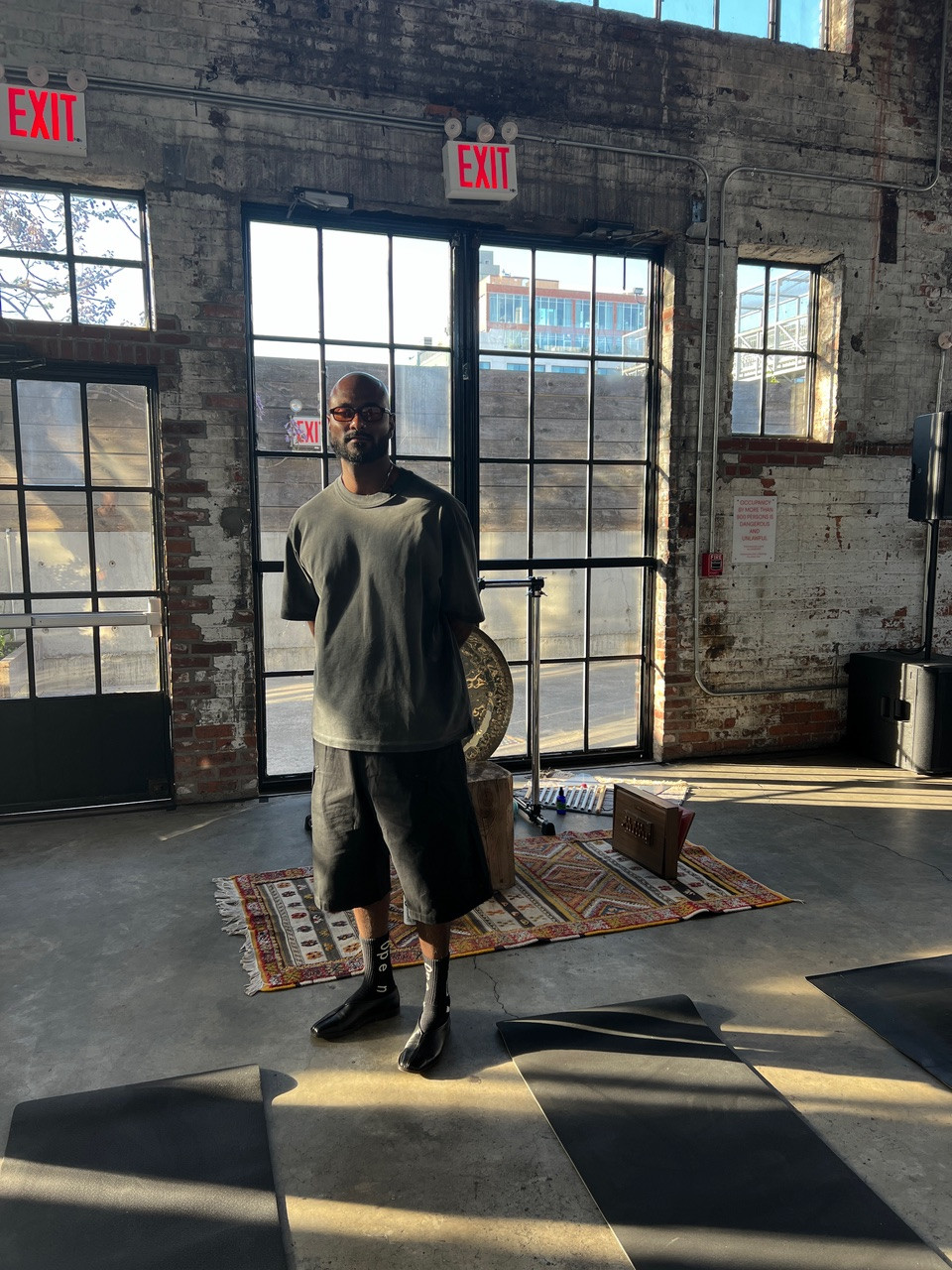
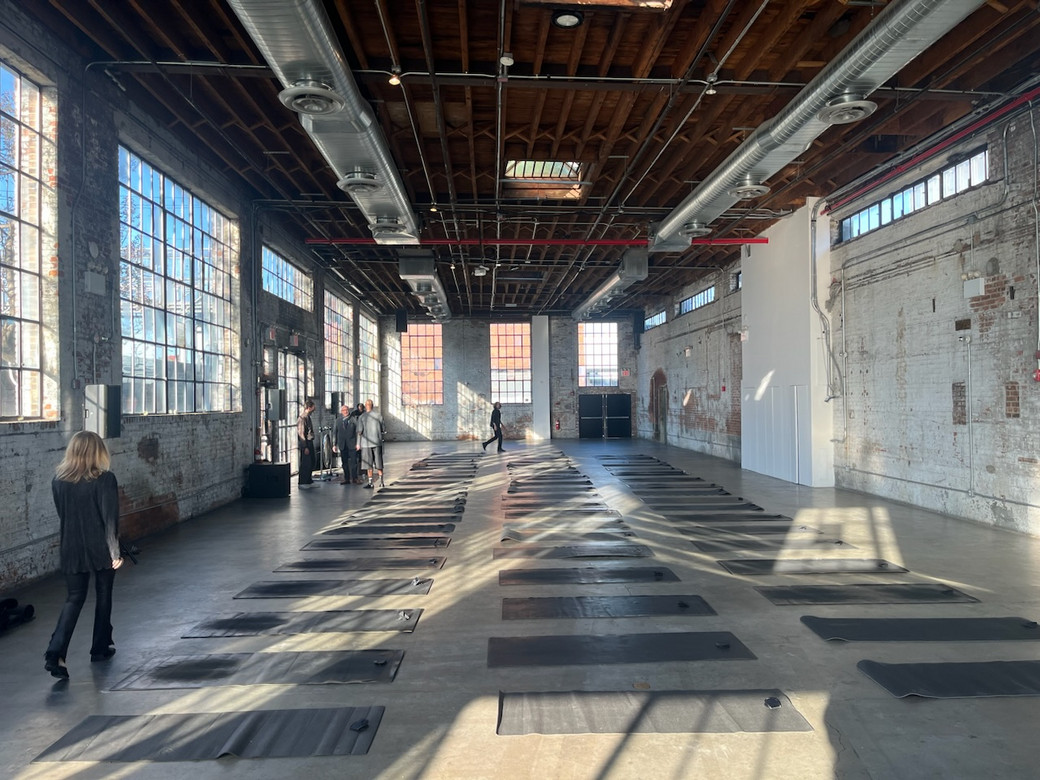
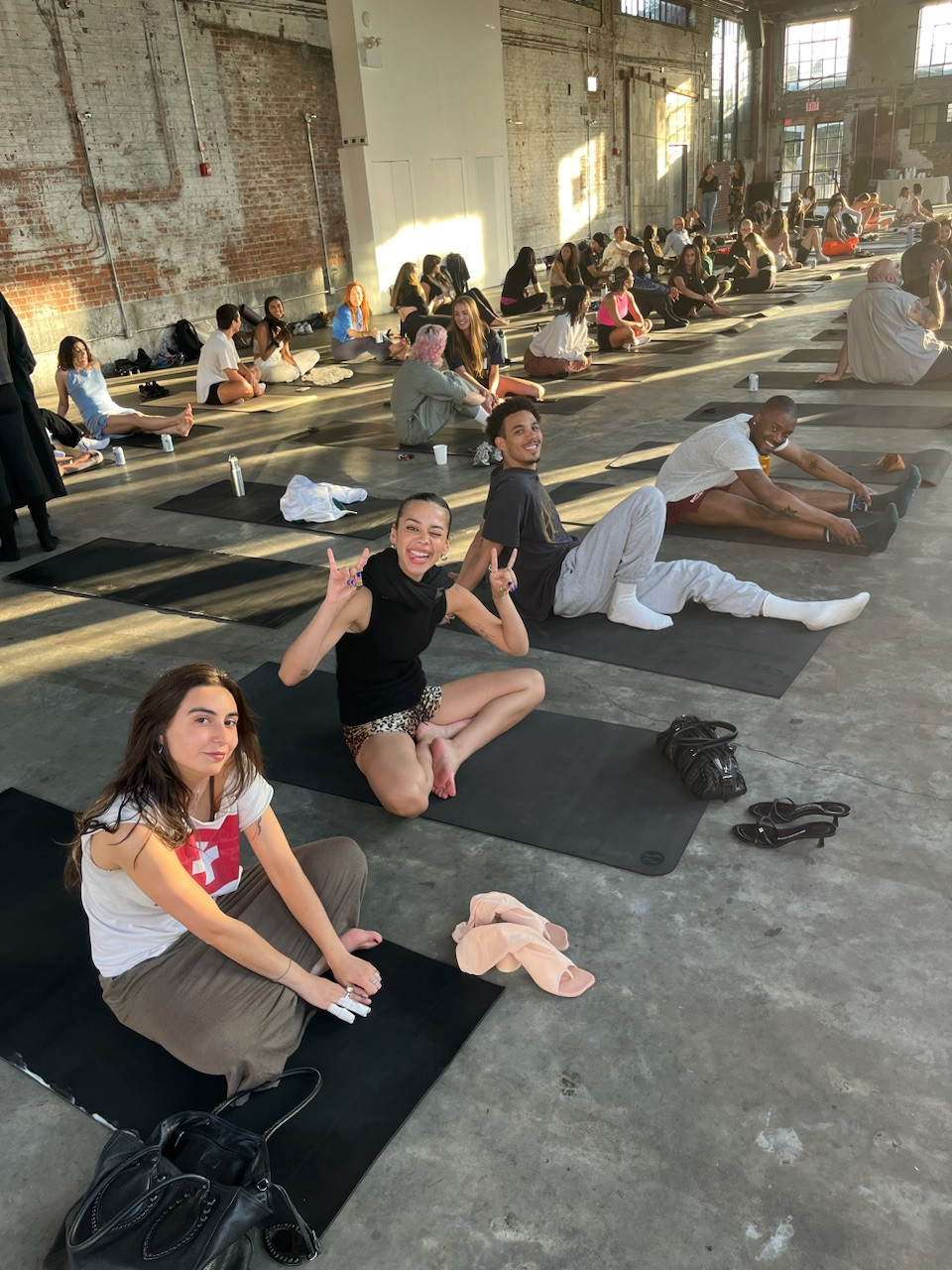
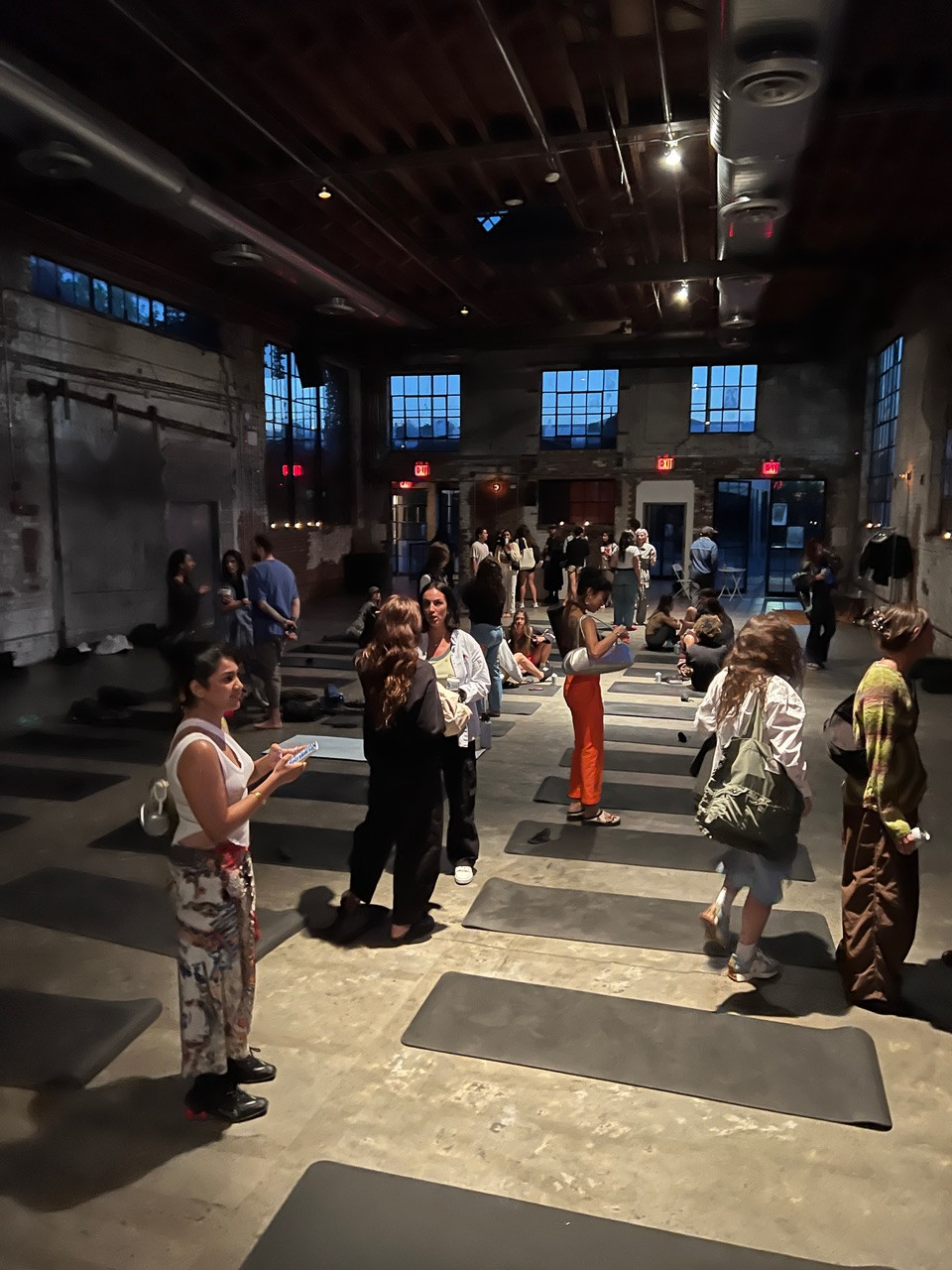
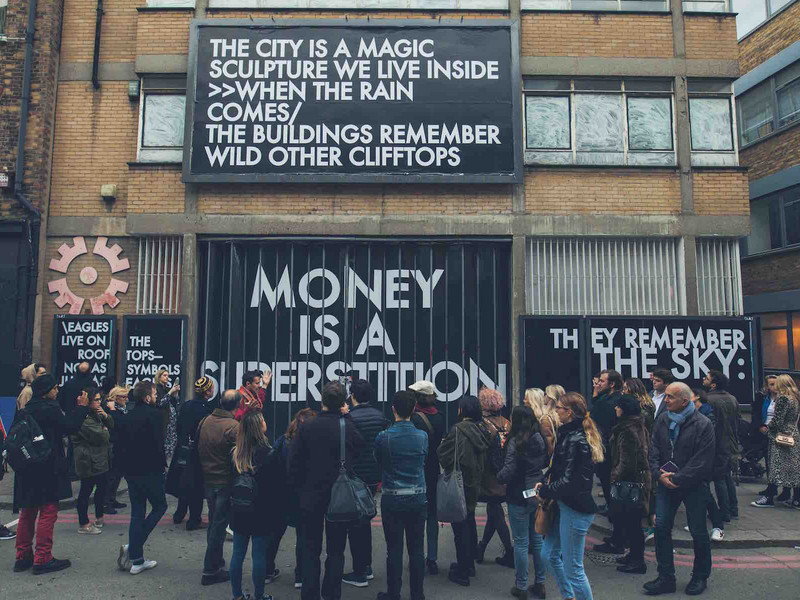
The turnout was a true reflection of Bushwick's diverse community, with people from various backgrounds, industries, and walks of life coming together for a shared experience. Despite the mixed initial response, there was a unanimous acknowledgment of the profound effects of breathwork. As the session progressed, a handful of participants found themselves overwhelmed with emotion, even shedding tears of release. Each participant emerged from the session with a renewed sense of clarity and purpose, having tapped into a deeper understanding of themselves and the world around them.
As the class came to an end, participants slowly reentered the streets of Bushwick with a shared sense of gratitude. In a world often filled with chaos and uncertainty, the simple act of paying close attention to one's breathing can become a powerful tool for healing and self-discovery.
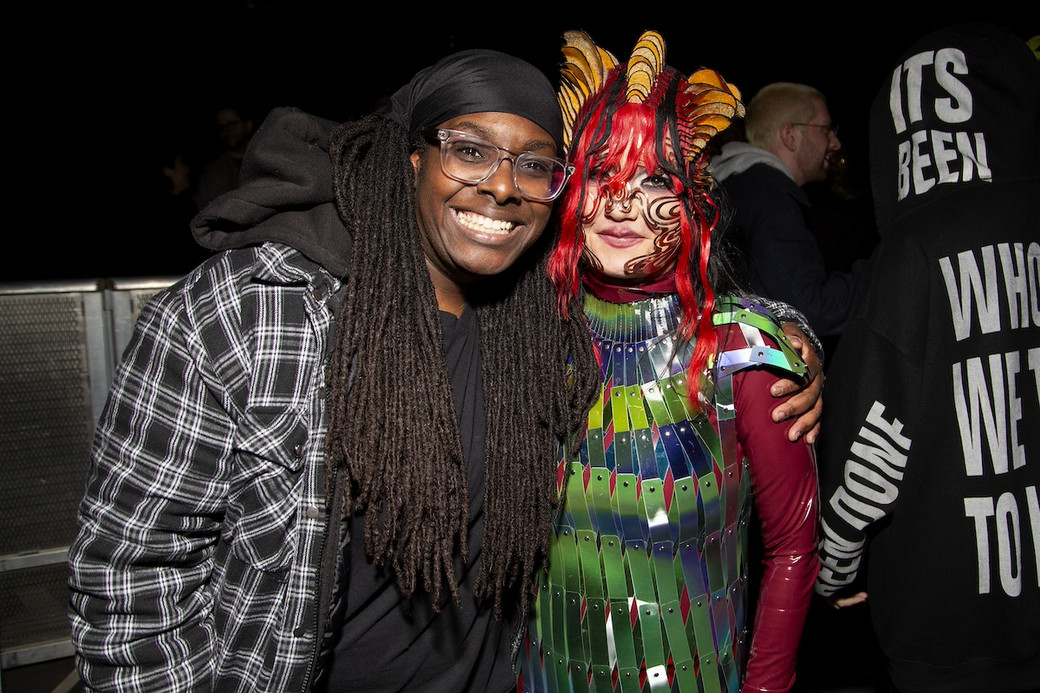
My camera breaks after Björk's first set and I think she put a spell on all the tech in the area that made her impossible to photograph — which makes sense for her. All the pictures I tried to take ended up looking like found footage or Bigfoot sighting photos, but I think she wants it that way. Her masked ensemble (courtesy of Noir Kei Ninomiya and James Merry) made someone wonder aloud, "Is that even her?" While she stayed hidden for the most part, only occasionally popping out from behind leaves to erratically dance and thrash around, the Björk touch was undeniable. Who else is mixing hymns, soundbites of hysteric laughter, and Megan Thee Stallion?
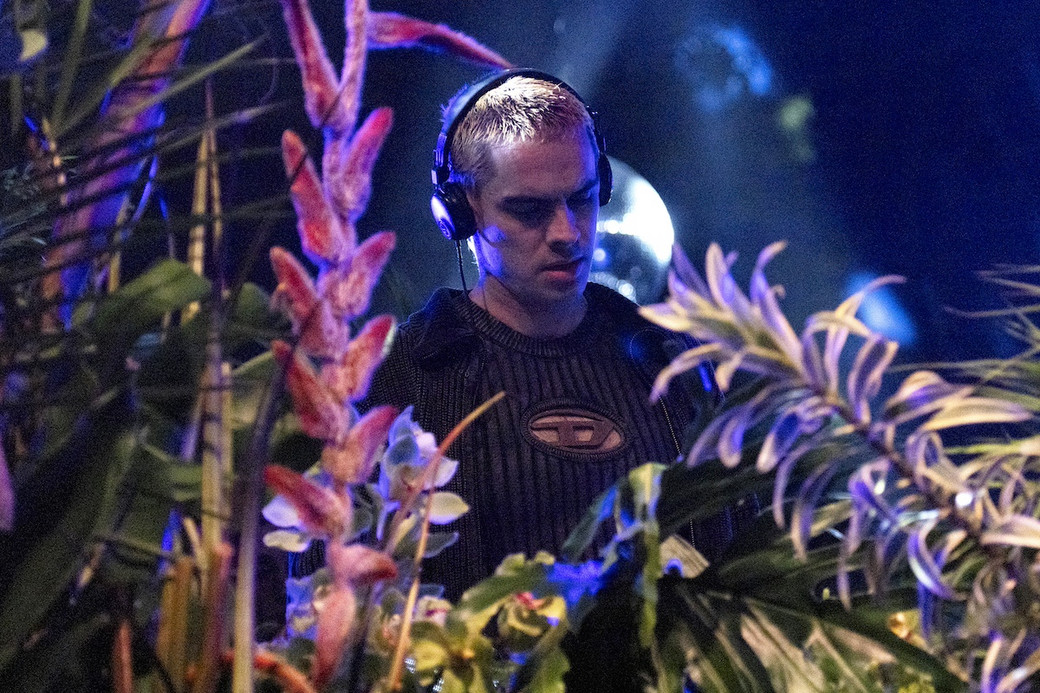
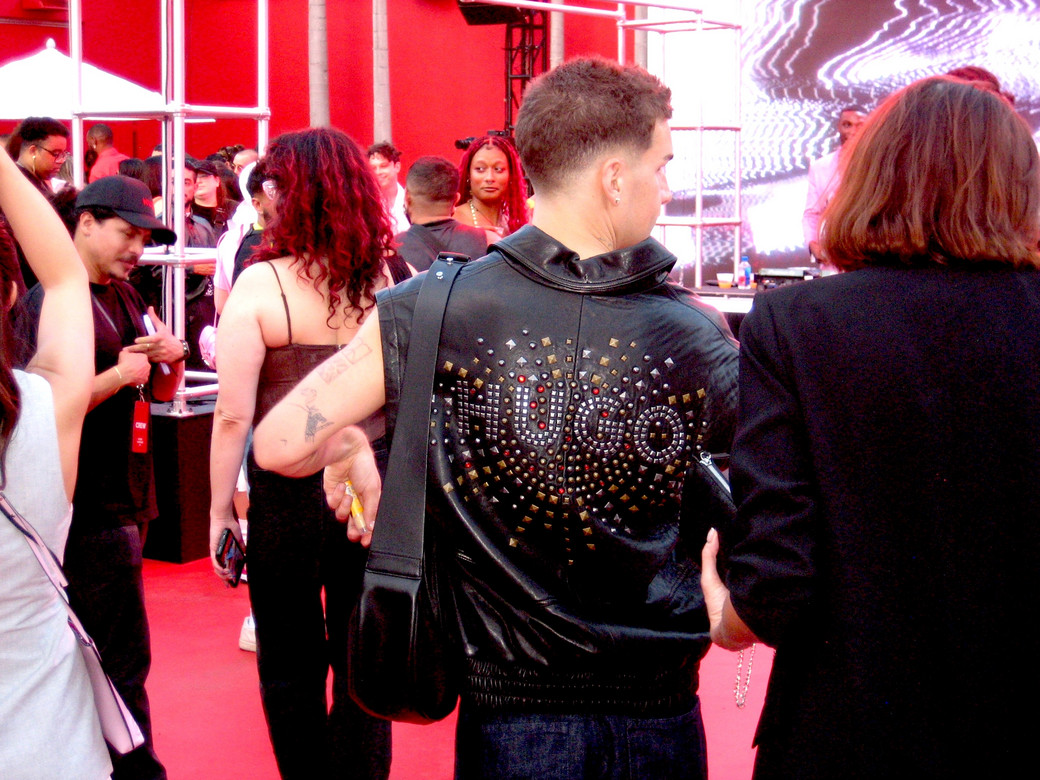
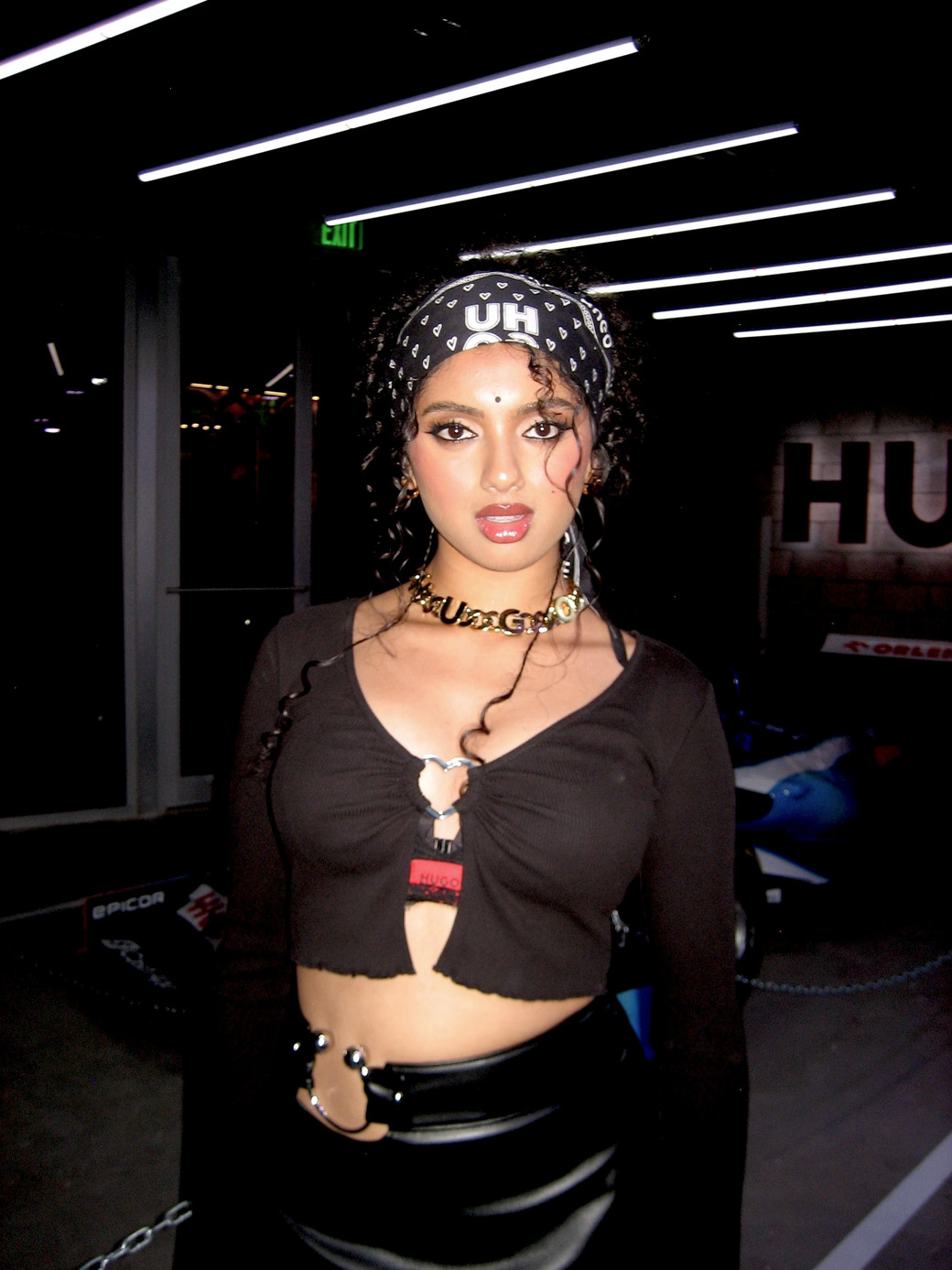
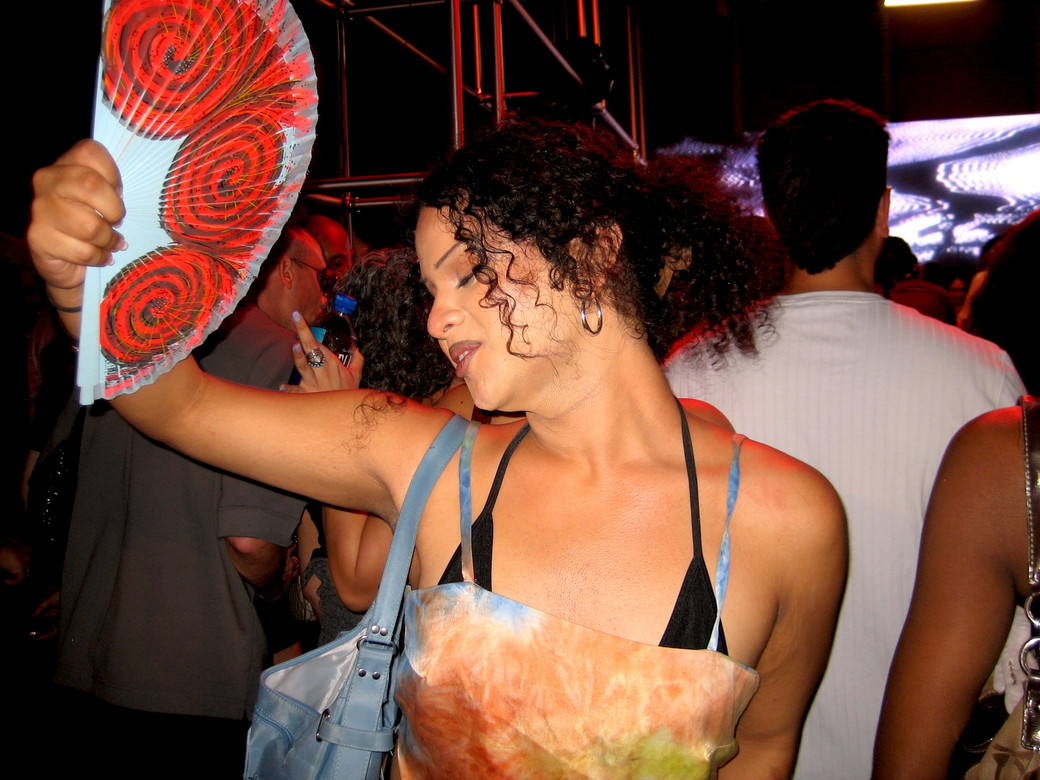
Beyond aesthetics, with its selection of boxy oversized tees, jackets, and collaborative Alpinestars racing suits onview, the pop-up was also experiential. At the HUGO GARAGE, attendees could take photos with a life-sized replica of the VCARB car, customize their own merch with spikes and gears, design a T-shirt with a selection of screen prints and colors from artist Jordan Watts, or airbrush a HUGO scent bottle. There was also a F1-inspired arcade-style racing set up by LOVE RACING and where attendees could compete in races by remotely controlling miniature cars to see who could achieve the fastest lap. But of course, at any Boiler Room event, it all comes back to the music. DJ sets by Sel. 6, El Gusano, and V1FRO, and performances by La Goony Chonga and Ivy Queen amped us up for the weekend in just a few hours. The outside bar pumping out drinks and Cuban snacks: empanadas, croquettas, and mini-Cuban sandwiches, kept us fed and hydrated. Not even a five minute rain shower could stop people from crowding the decks to dance.
Images courtesy Hugo Boss
As Saturday came in, HUGO didn't miss a beat in keeping the momentum going, partnering with AFROFUTURE to close out the weekend with a festival that honored Miami's Afro-Caribbean influence. There were DJ sets by TxC, Ethan Thomas, MC Lolahsti and a performance by Afrobeats artist Victony. Then came the main event on Sunday, HUGO and a select group geared up to support VCARB racers Daniel and Yuki. It was bittersweet when McLaren crossed the finish line first.