Stored
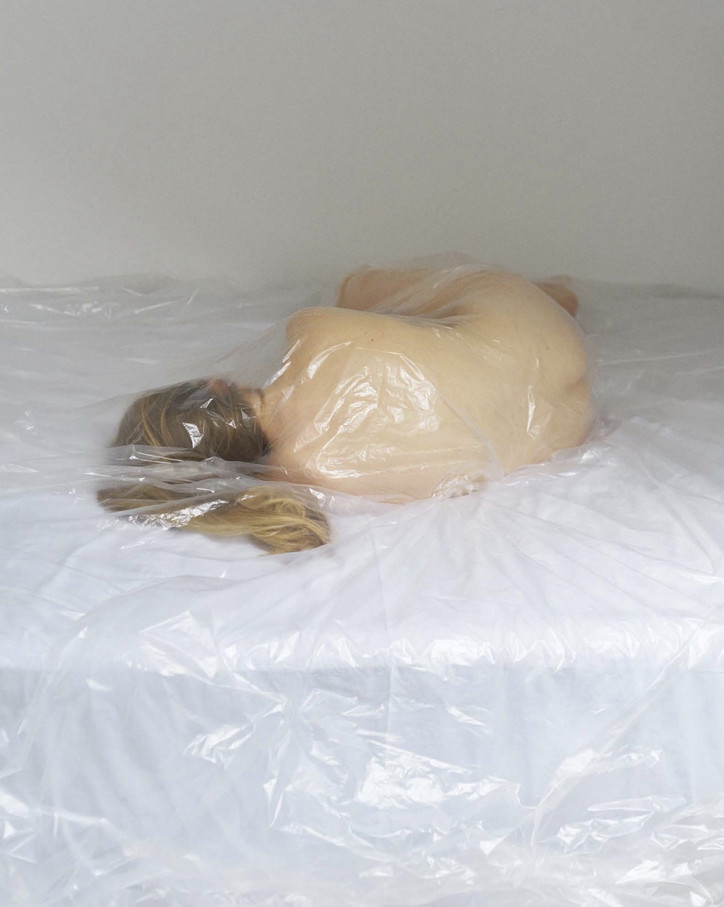
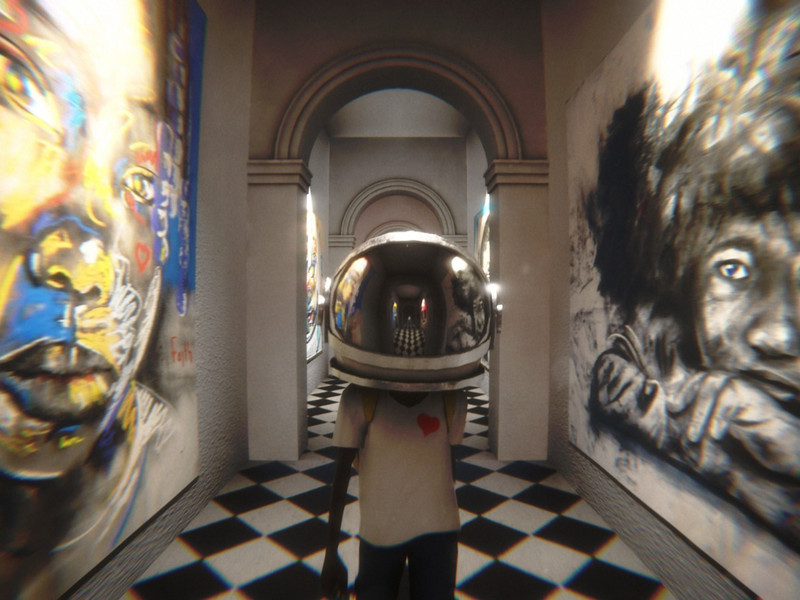
The series produces an eerie prediction for what's to come. "A day in summer 2020. Social isolation has become normal. The new disease is called hypochondria," says Roché.
Check out the rest of the series below.
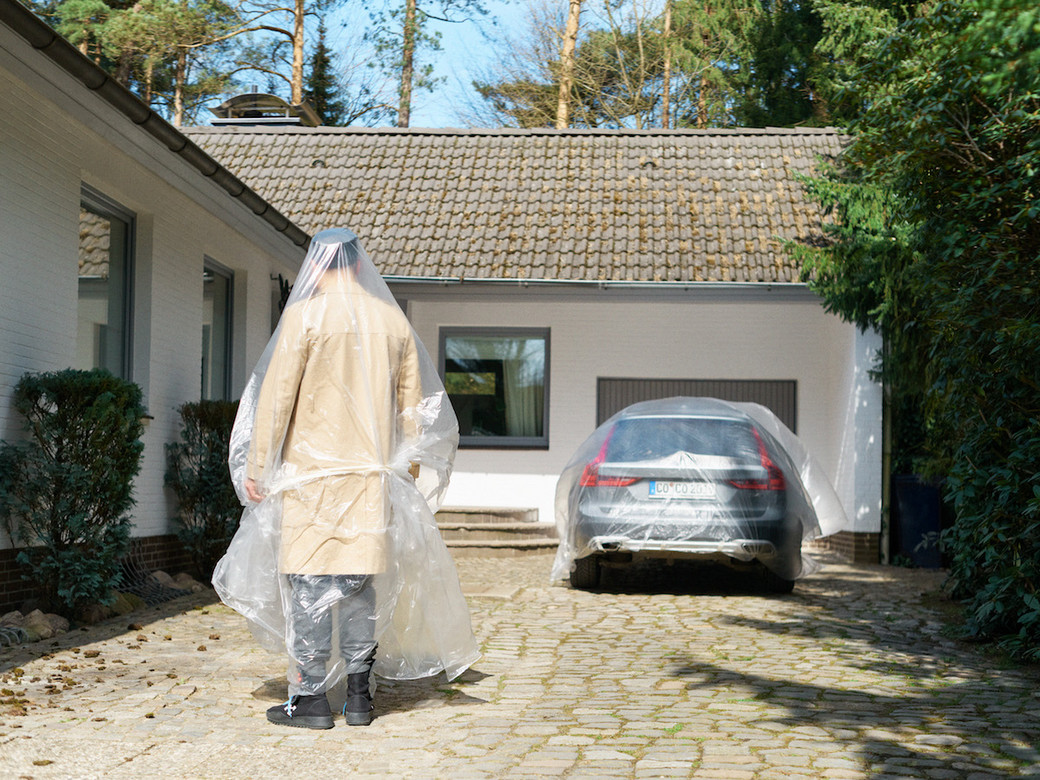
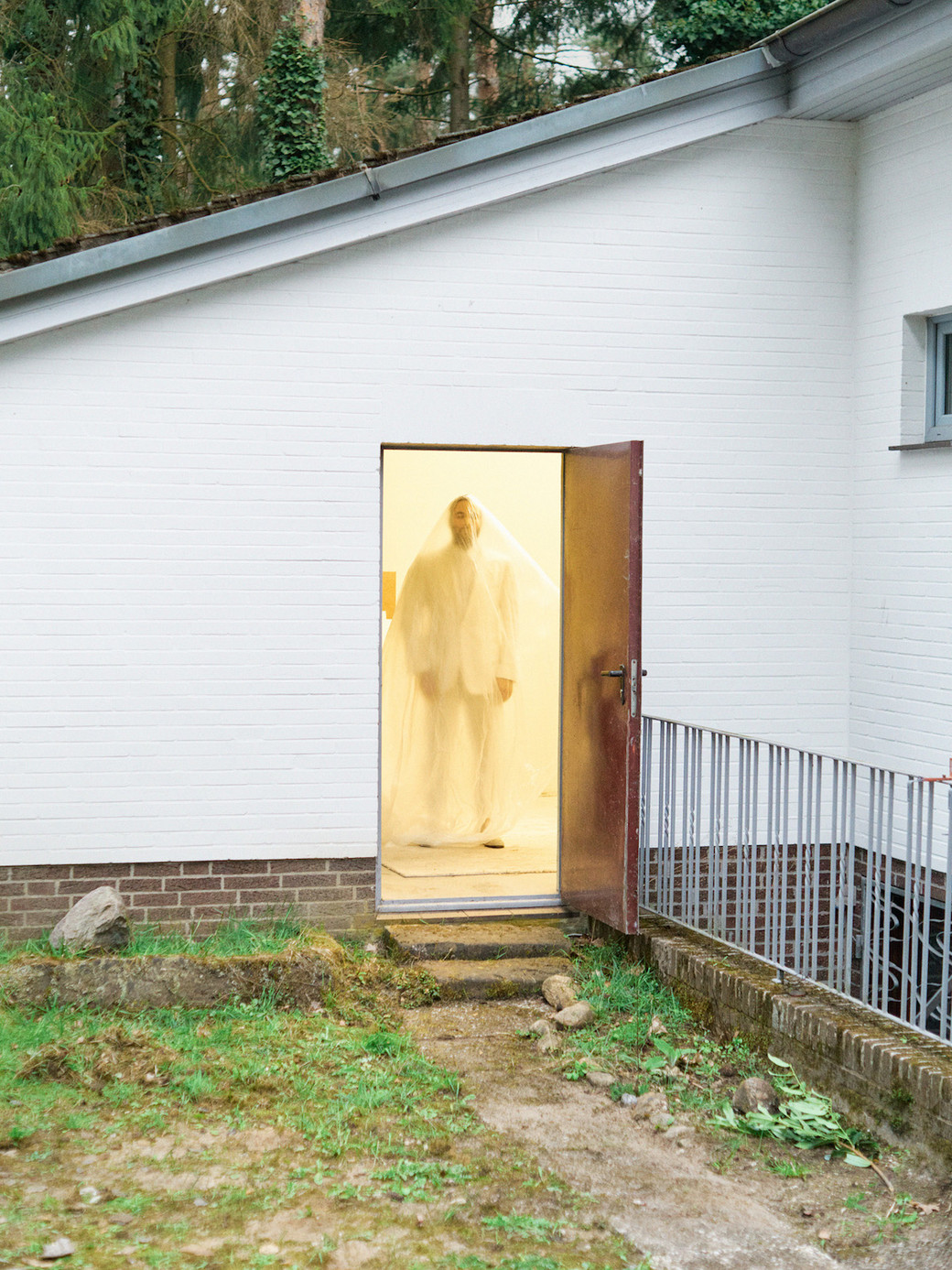
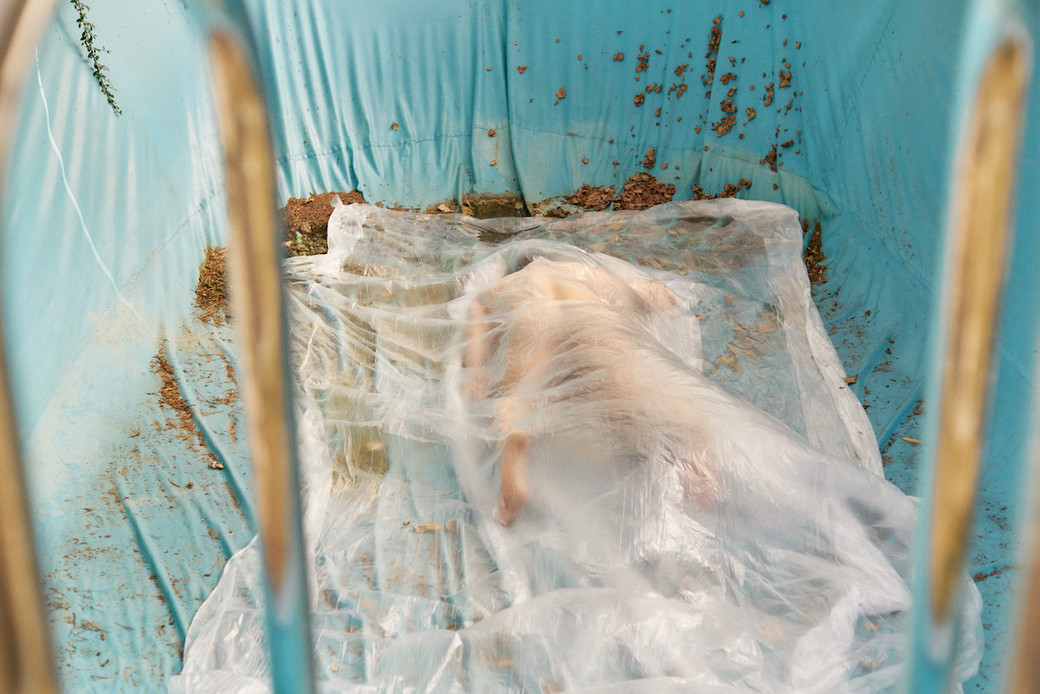
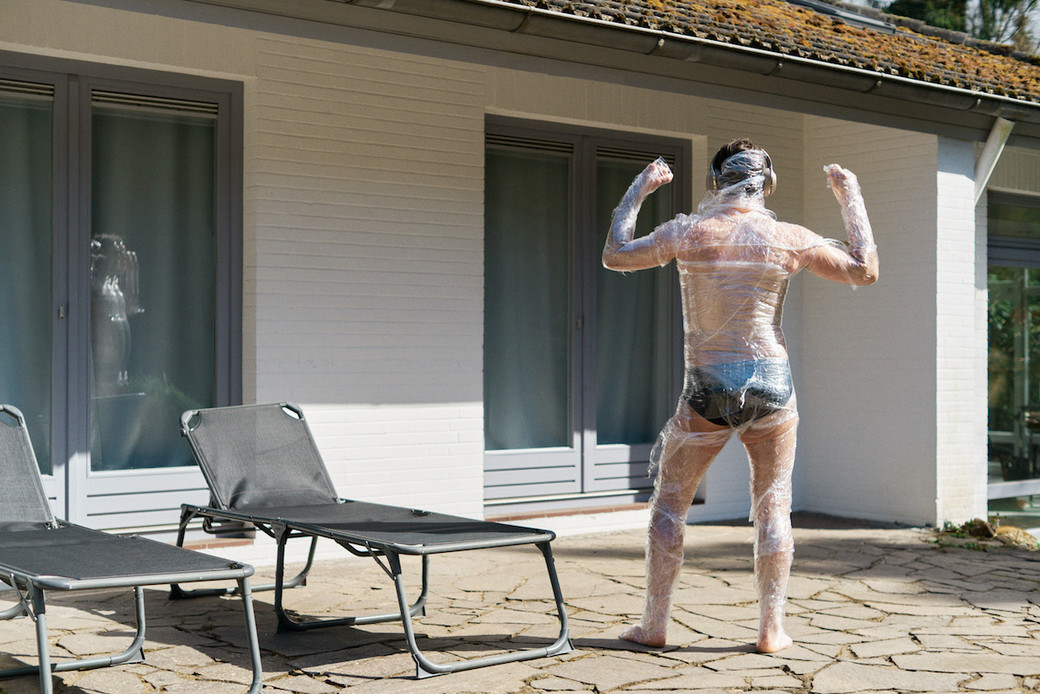
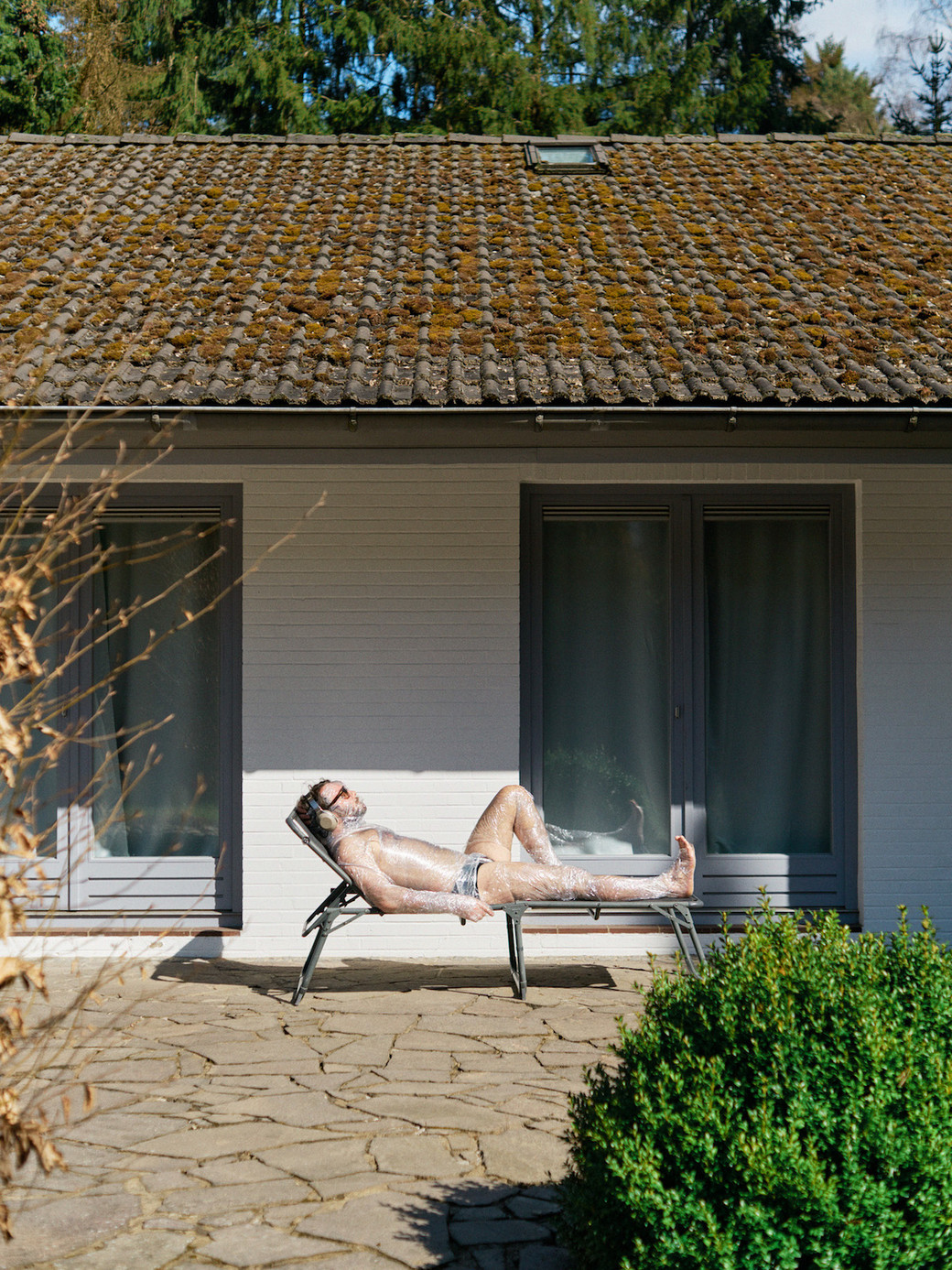
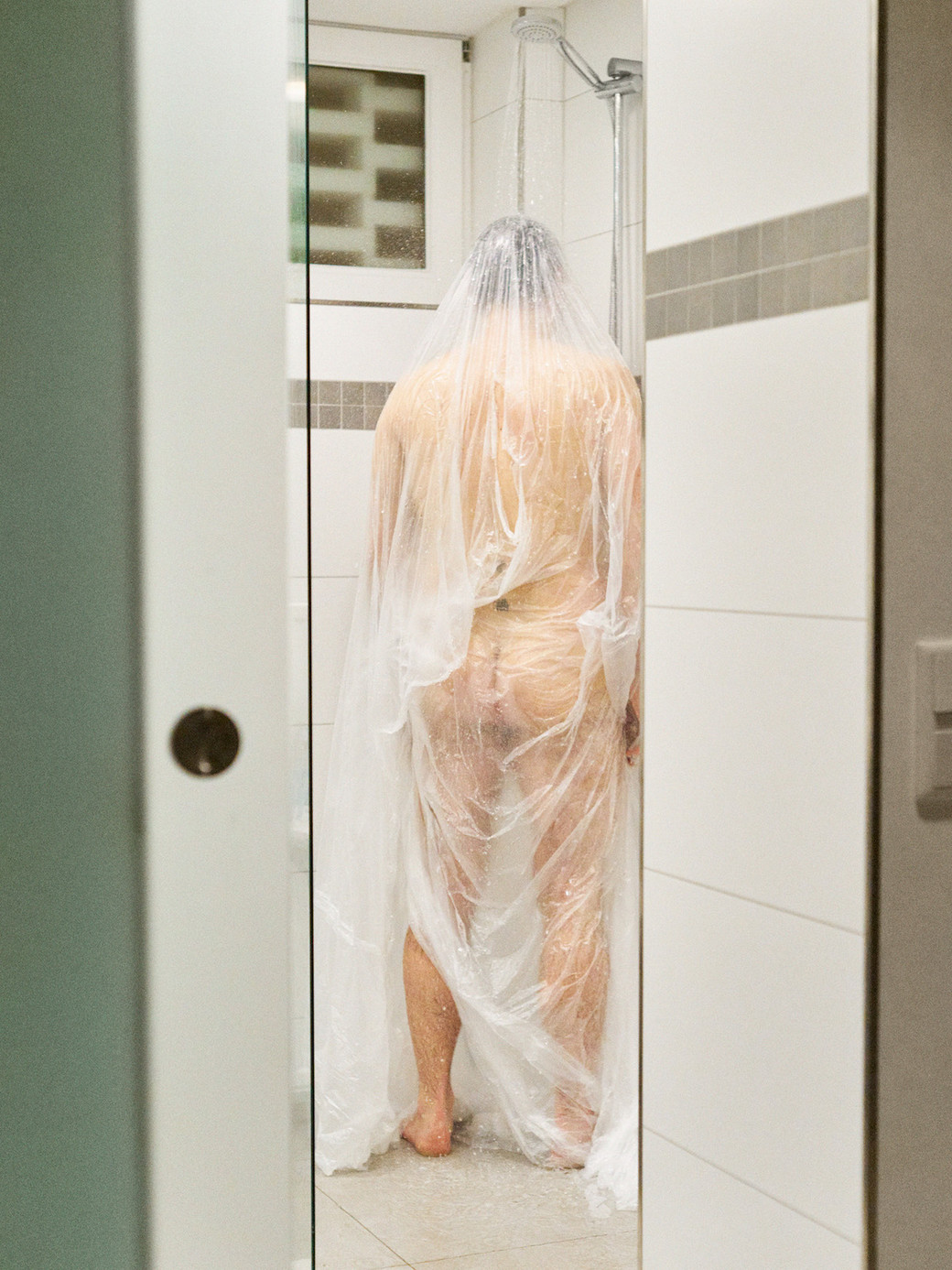
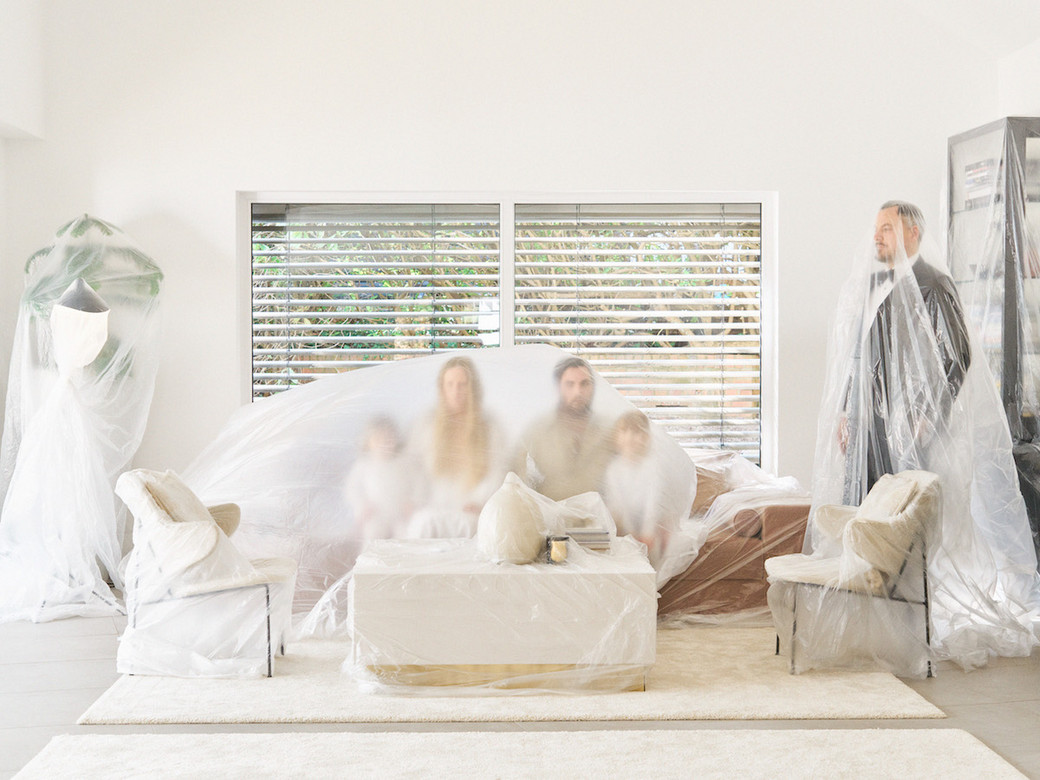
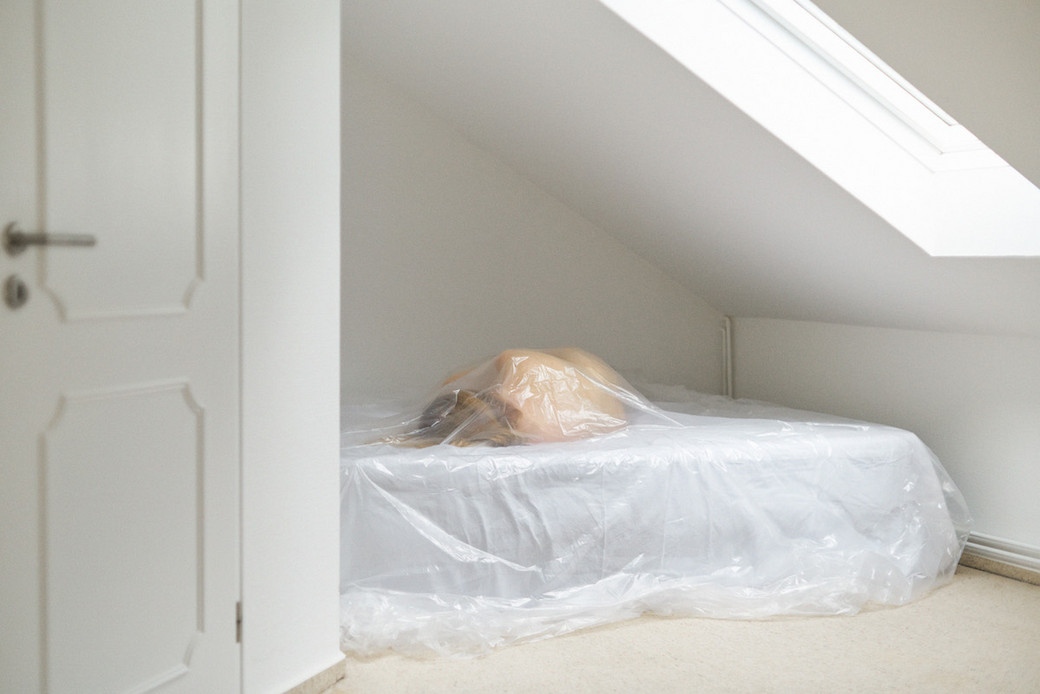
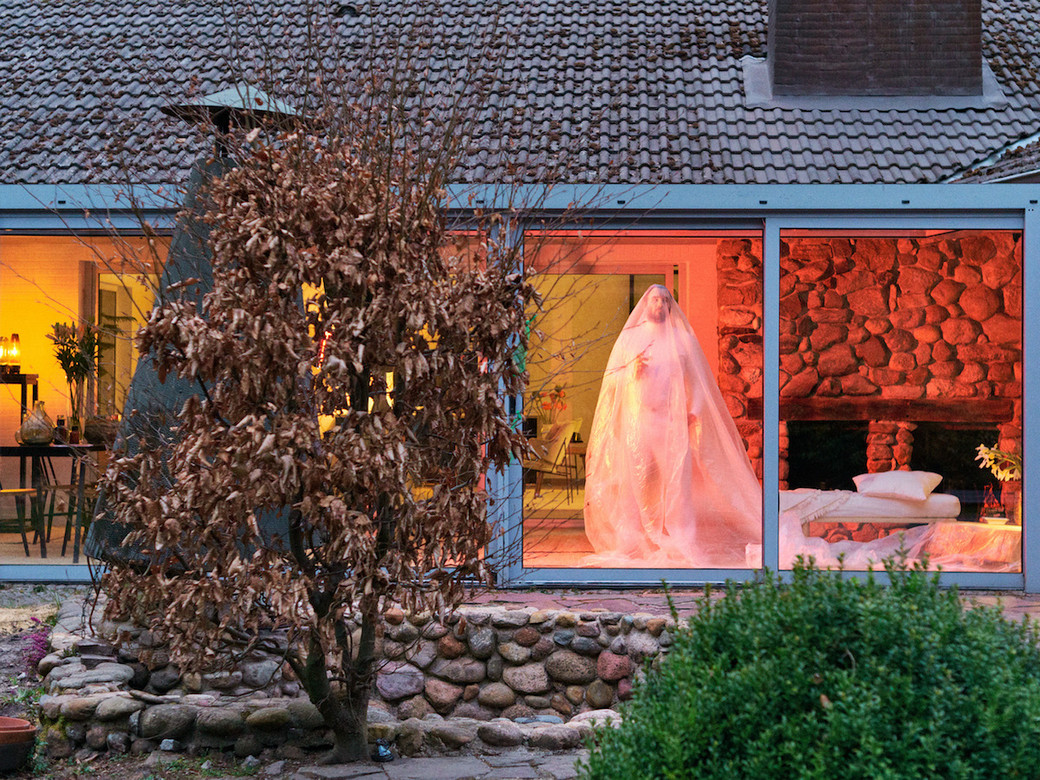
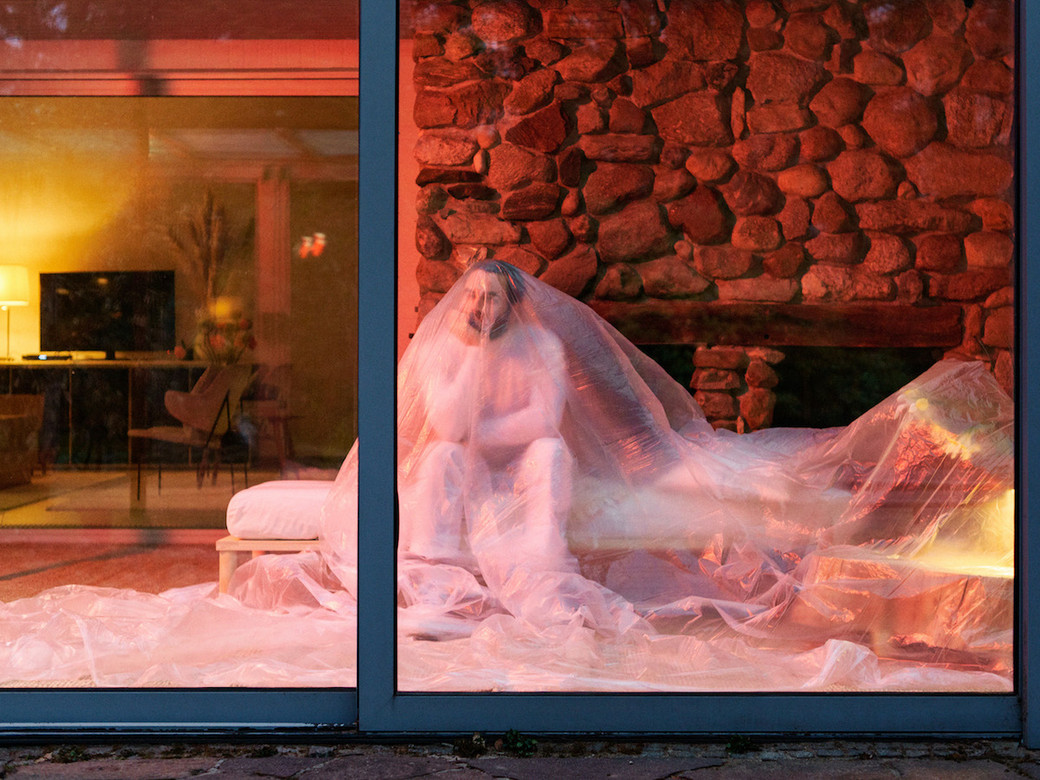
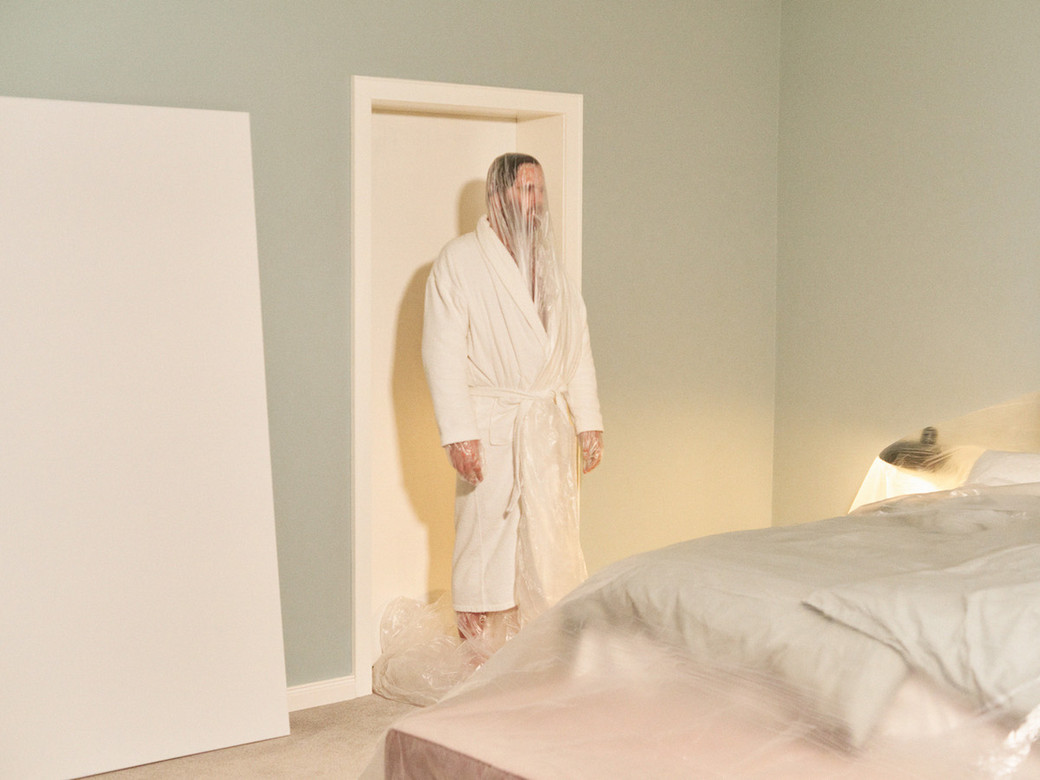
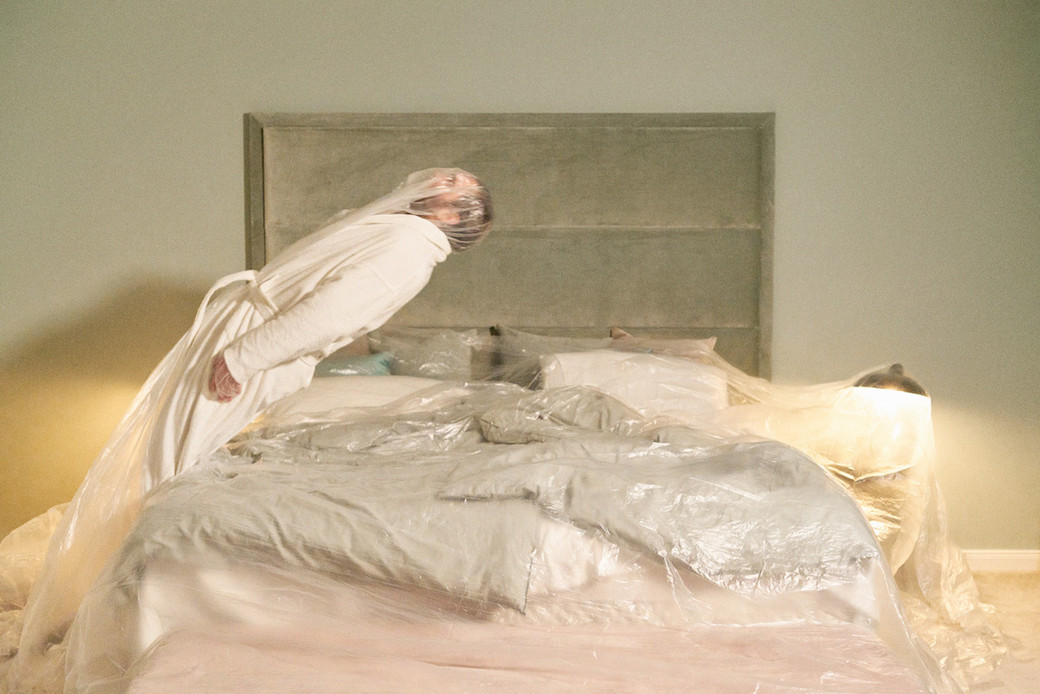

The series produces an eerie prediction for what's to come. "A day in summer 2020. Social isolation has become normal. The new disease is called hypochondria," says Roché.
Check out the rest of the series below.
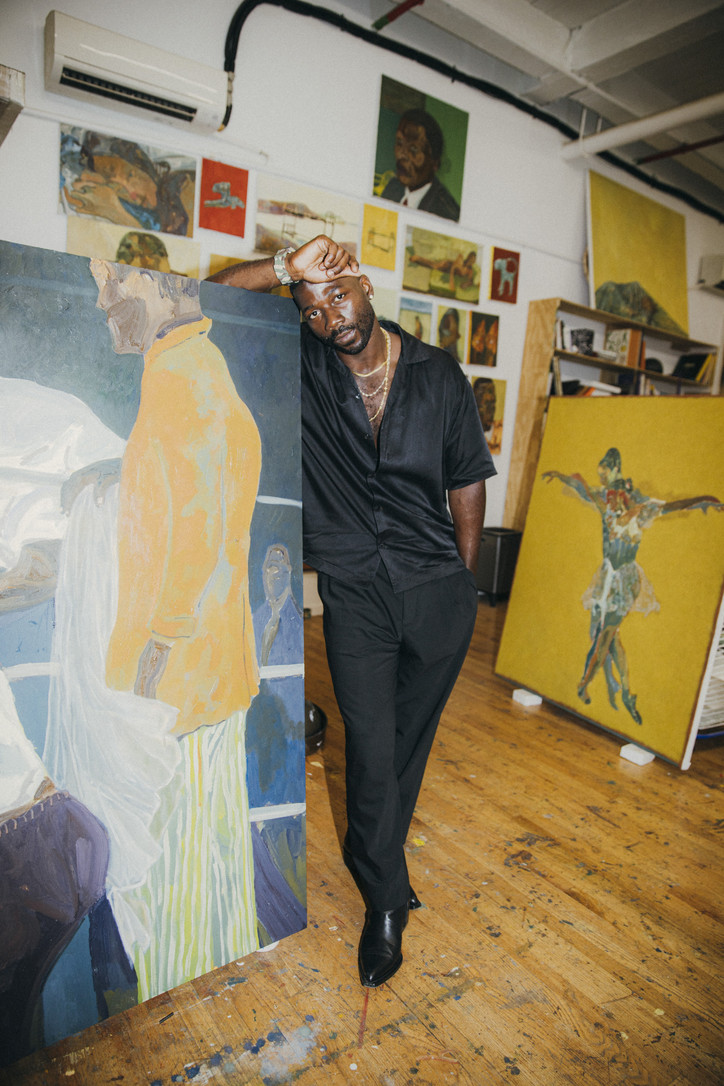
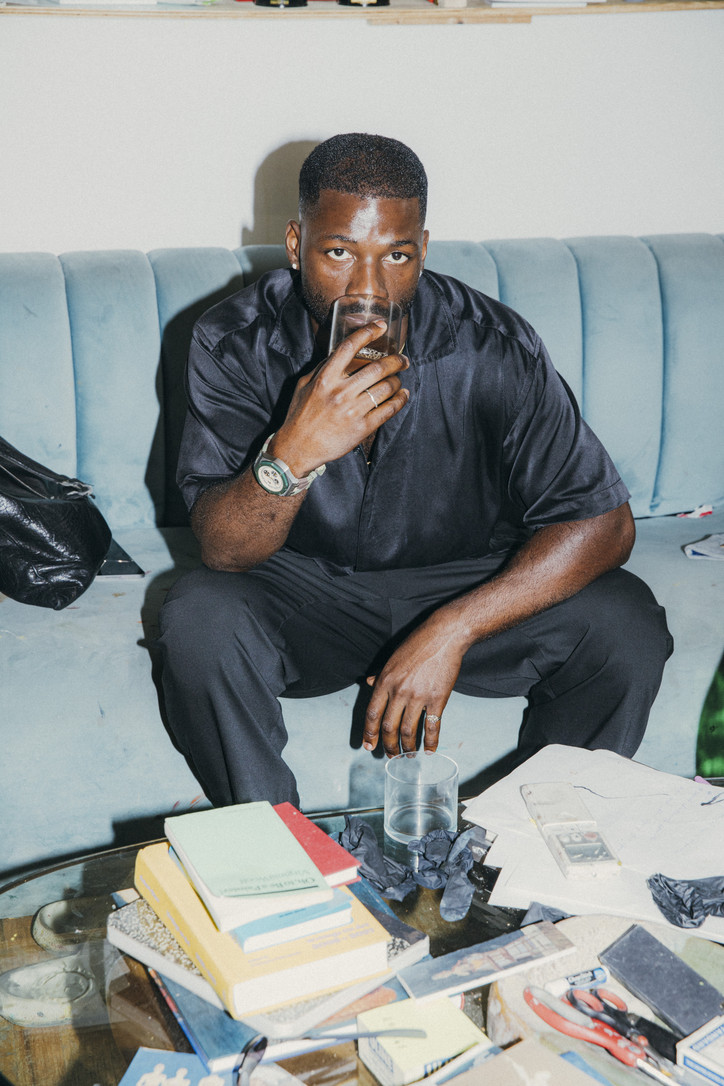
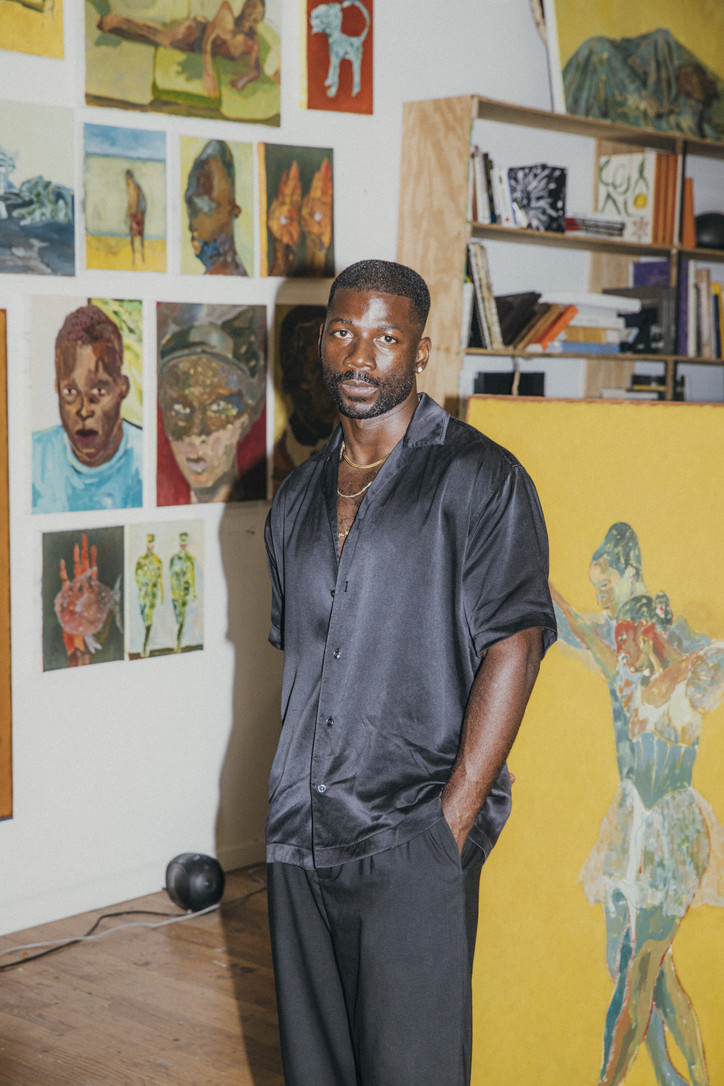
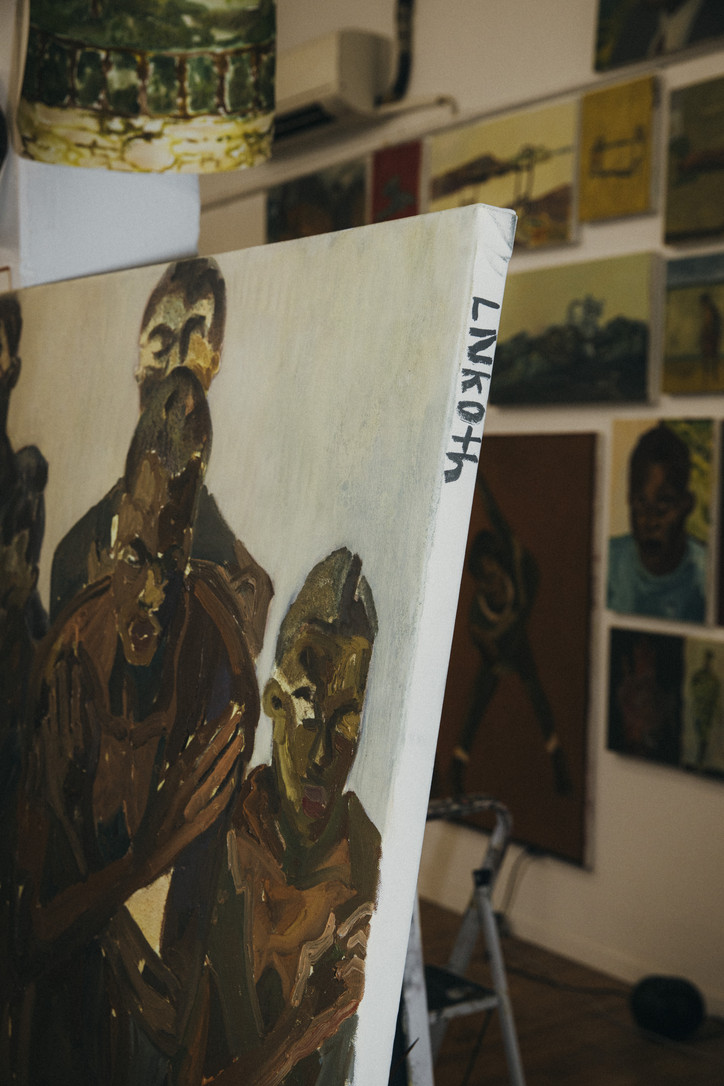
That all happened amidst Nkoth’s Parisian era. When I visited, he was back in the New York groove, polishing off his forthcoming solo show at MASSIMODECARLO in Milan, titled “Physical Proof.” He’d been working at it for eight months, departing from breakneck pace he’s maintained since earning his Hunter MFA and entering the orbit of stars like Naomi Campbell in 2019. “Physical Proof” marks his fitting debut in slow-drying oils, after years of concocting miraculously impastoed acrylic paintings. “I wanted to prove to myself I didn't need oil… until I did,” he said.
Those comparatively ancient oil paints empower Nkoth’s deft hand with new hues, shimmering layers, and textural vigor. A massive canvas featuring a boxer heaped down in the ring hung in the main workspace of Nkoth’s studio when I visited. The hectic scene, teeming with cornercrews, culminates in one stark magenta line—a wound the boxer sustained on his pec.
Nkoth consistently draws from art history. You can feel the echoes of Harlem Renaissance star Charles W. White’s figures throughout Nkoth’s own, and in 2024, his ode to Edvard Munch’s “Love and Pain” (1895) showed at Art Basel Hong Kong. Last year, Nkoth did a residency in the south of France. There, a critic who completed a PhD on Caravaggio gave Nkoth and his cohorts a presentation on Caravaggio’s “The Incredulity of St. Thomas” (c. 1601 - 1602.) In it, the original ‘Doubting Thomas’ sticks his finger in a gash Christ sustained amidst his crucifixion.
“We came to the conclusion that maybe this was Christ saying that for his disciples to let him in them, he had to be able to also let his disciples in him,” Nkoth said. That discussion got Nkoth reconsidering vulnerability—the impetus of his powerful 2020 self-portrait “Holding on to Hope.”
“I think vulnerability is the ability to let people in when you're the most hurt,” Nkoth said, facing the boxer. “That's the hardest thing for us to do, because we build these huge walls and we become defensive. I wanted to paint this scene that feels a bit biblical—but also contemporary.” Above the massive painting hung a tiny notecard reading “how does it feel to be alive right now?
The world’s changed quite a bit since Nkoth’s last shows, in 2023. “‘Physical Proof’ speaks to proof of life,” he mused. “What does it mean to be part of history while it's being made?” Look at the hues he’s used, and you might guess ‘subdued,’ especially in the context of Nkoth’s existing, highly vivid oeuvre. It’s only a red herring. There’s still lots of action here. Nkoth is just maturing.
For example: Nkoth has anchored another piece, “The American Dream” (all works 2025), before a big, white house—an archetypal iteration of the Franken-farmhouses invading America.
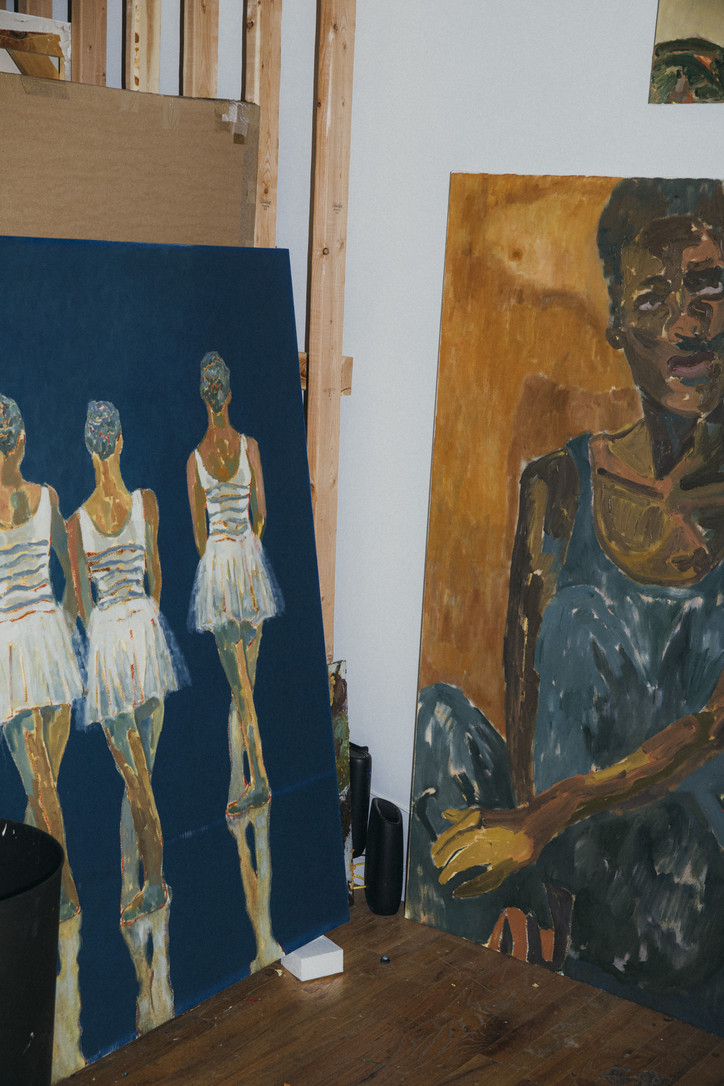
“When I moved here, I was told the American Dream is going to a good school, having a good job, getting a big house, and having kids,” Nkoth said. Dancers cavort before the dream home, their movements drawn from footage Nkoth shot on selfie mode in his studio. With time, he said, “I started understanding that there's a lot of performance that has to happen for you to attain any of this.” And is the prize even real? Well, this one looks like a mirage, an ode to Nkoth’s love for Dalí. “That was such a crazy human,” Nkoth said. “He was just painting dreams. I love dreams.”
As a talent shrouded in Spartanburg, Nkoth simply busied himself painting beautiful things. Grad school taught the artist that his own life is worth plumbing. The resulting paintings rendered Nkoth a known wunderkind. His new works foster a more universal, narrative-driven experience.
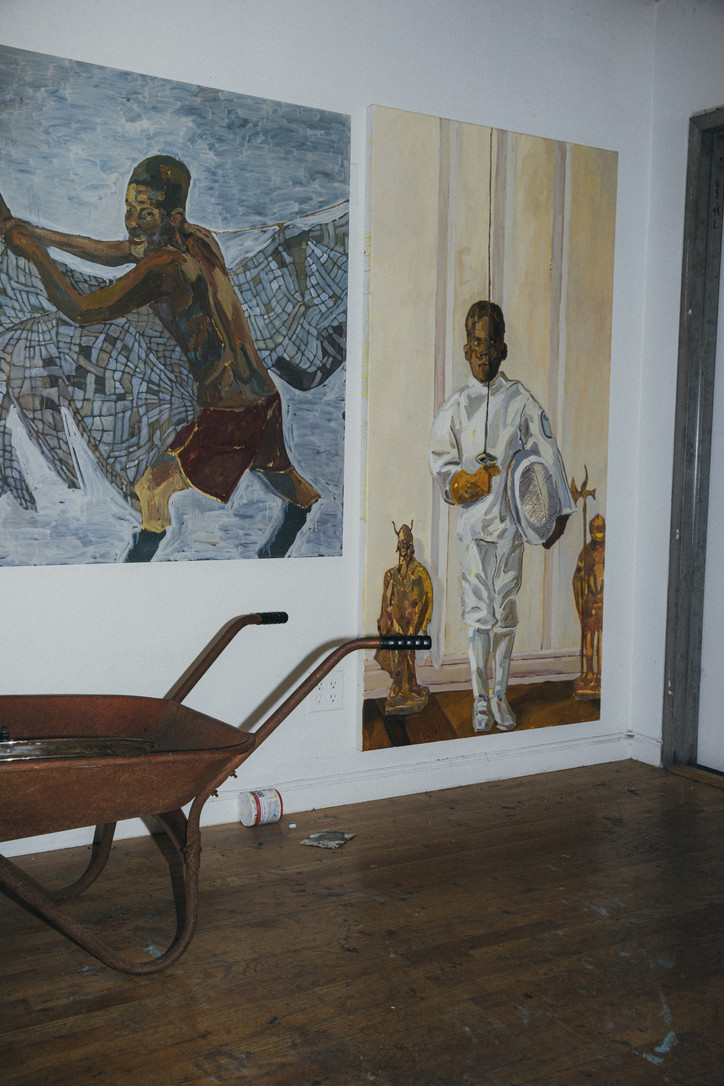
That language can make it sound like Nkoth’s adapting to the anti-DEI era. Actually, his storytelling efforts underscore Black culture’s distinct power. Parents, babies—families—often animate Nkoth’s work. There’s less family album energy in this exhibition, though family bonds do still appear. In “Mapping the Seas”, a group of three deploys fishing nets at night. In “Tides”, a boy wields one during the day. Both times, the nets’ warped grids evoke Mark Bradford’s maps.
“What does that mean to have a map on the sea, on the Atlantic?” Nkoth asks, returning to ocean as symbol four years after presenting “You Sea Us” at Luce Gallery. The horizon line underpinning “Mapping the Seas” invokes the universally terrifying feeling of looking out and not being able to tell where ocean ends and sky starts—amplified by the Transatlatnic Slave Trade’s spectre. In truth, the paint just dried like that, and Nkoth went with it, learning to heed the work’s cues “I think the pieces feel more current and of the moment in that way of working,” he stated.
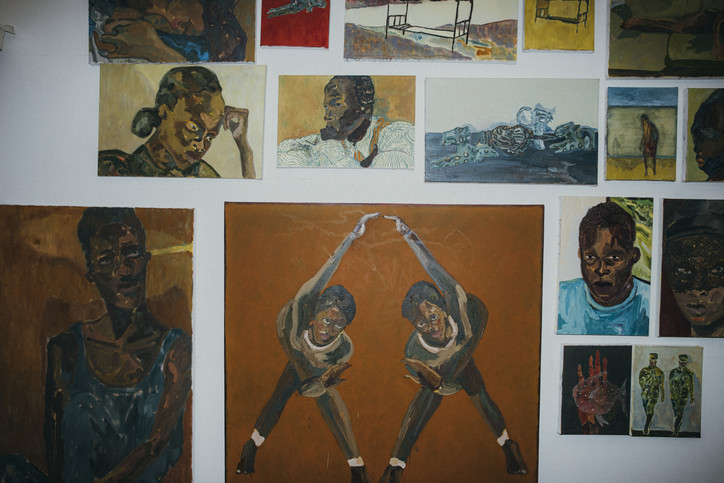
While painting Ghana’s Black Star Monument in “Freedom and Justice,” the monument’s titular words faded with each layer of paint. That metaphor wasn’t lost on Nkoth. “The more we move forward as humans, the further away freedom and justice goes,” he said. A rider looks backwards atop “a strong animal that exudes the idea of freedom,” he noted. Horses are mythical until domesticated. “They almost forget their own power,” Nkoth said—like humanity.
With “Physical Proof,” Nkoth is ultimately responding to MASSIMODECARLO’S ornate, formerly residential Milan space. He’s a classic artist, enamored of beauty, with a penchant for showing in places that have their own context. But is beauty enough? “What is the fight for the artist?” Nkoth often asks. “Do I go into my studio and paint everything that's happening in the world? Or do I reject all of that and paint flowers, because we need more beautiful things in the world?”
Indeed, there’s more activity in Nkoth’s works than ever. Action can be generative, a route out of ourselves. Nkoth himself trains with a boxing coach to clear his head before painting. These works, however, parse between exertion versus exhaustion. “There's so much happening, and I think that's why this body of work feels the way it feels,” he said. “It's beautiful in its own way, but it also has a lot of gravity that is informed by the gravity of the world right now. No one is at rest.”

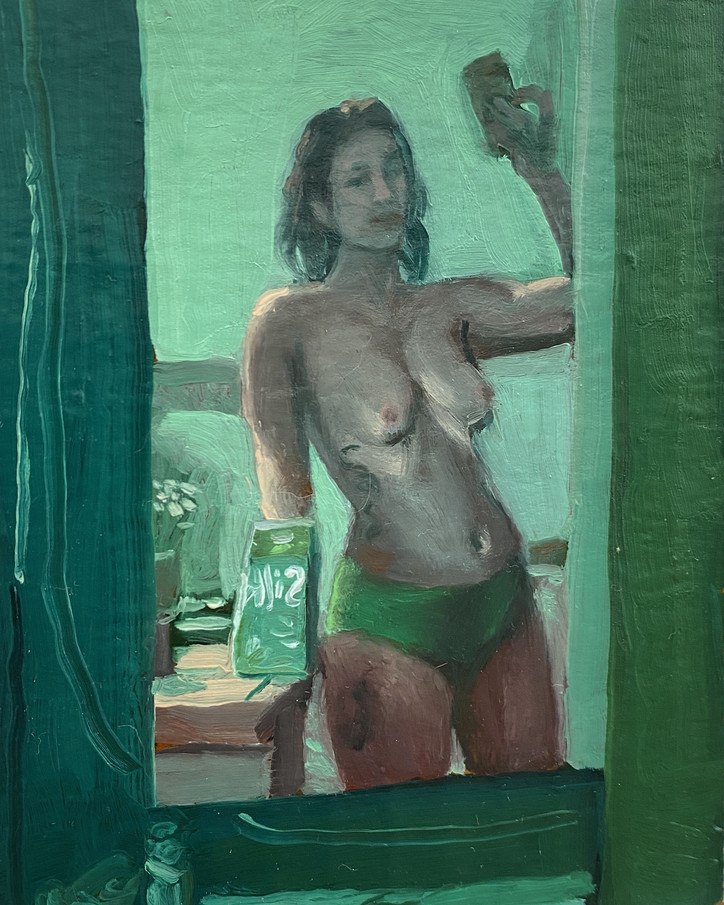
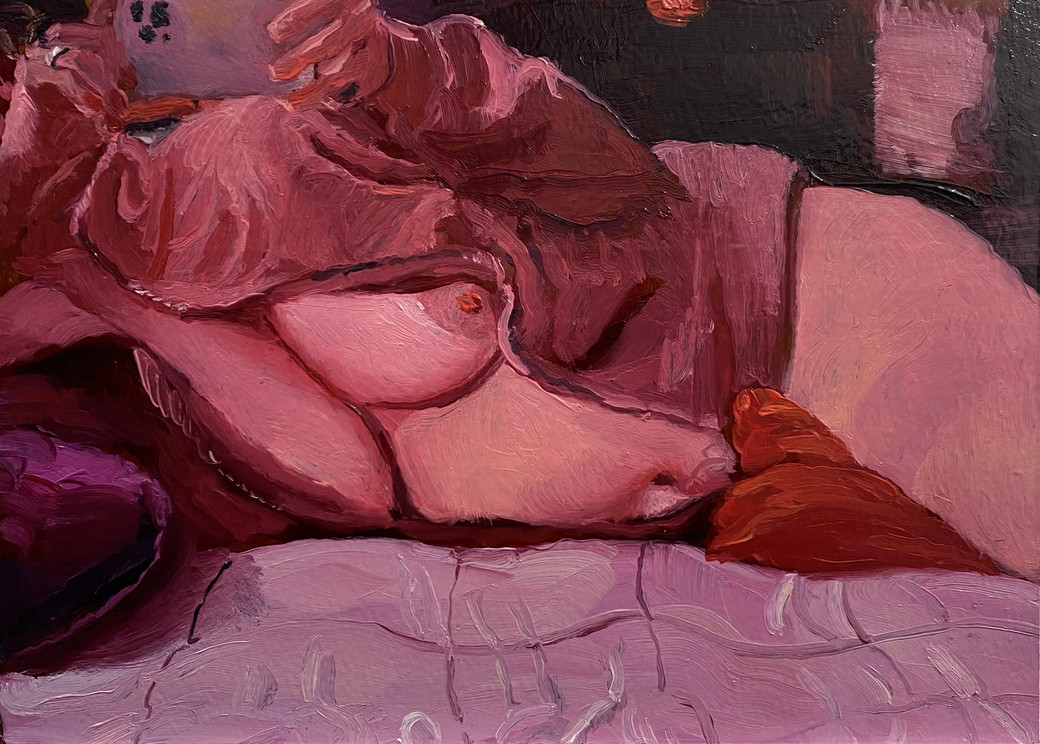

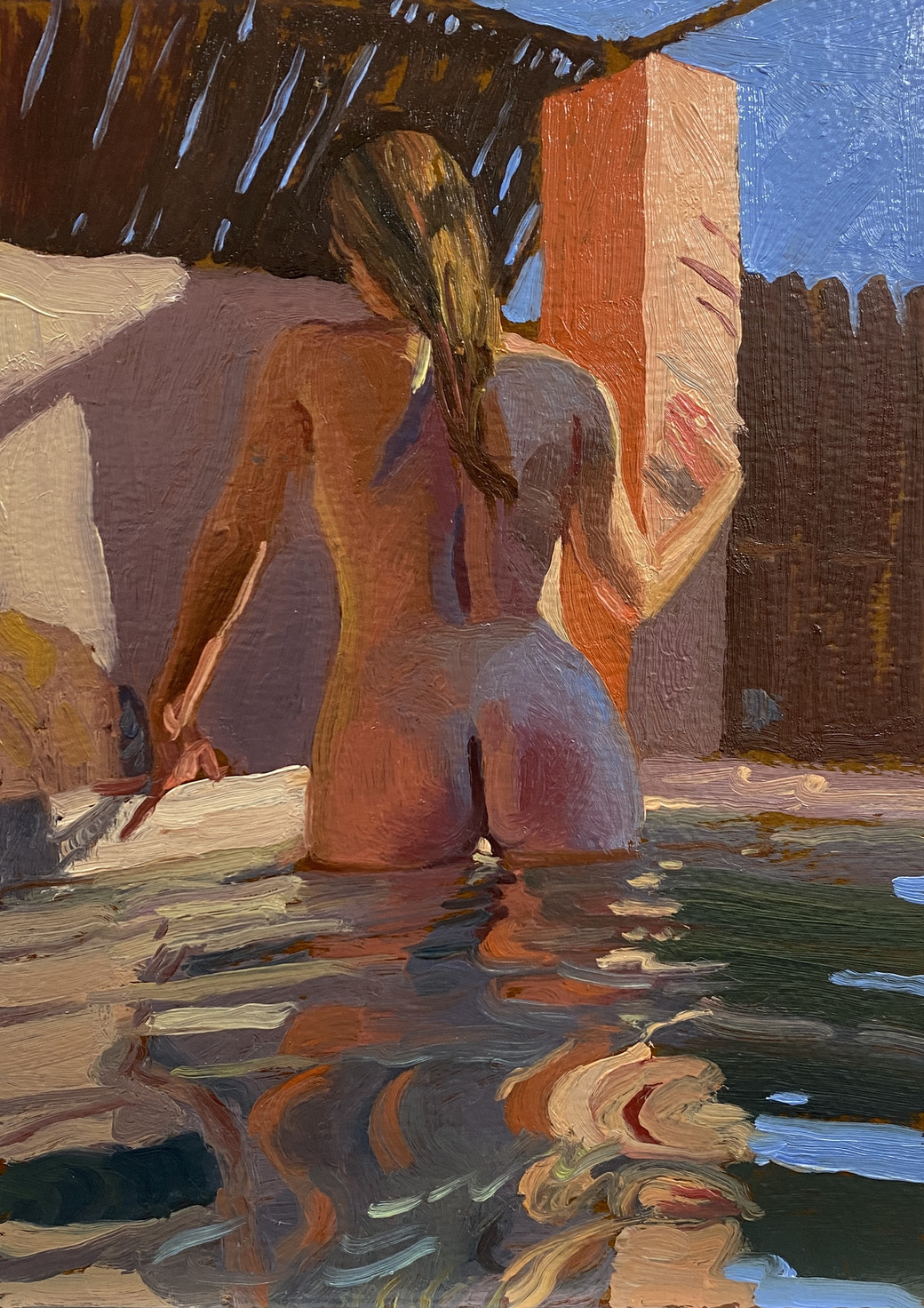
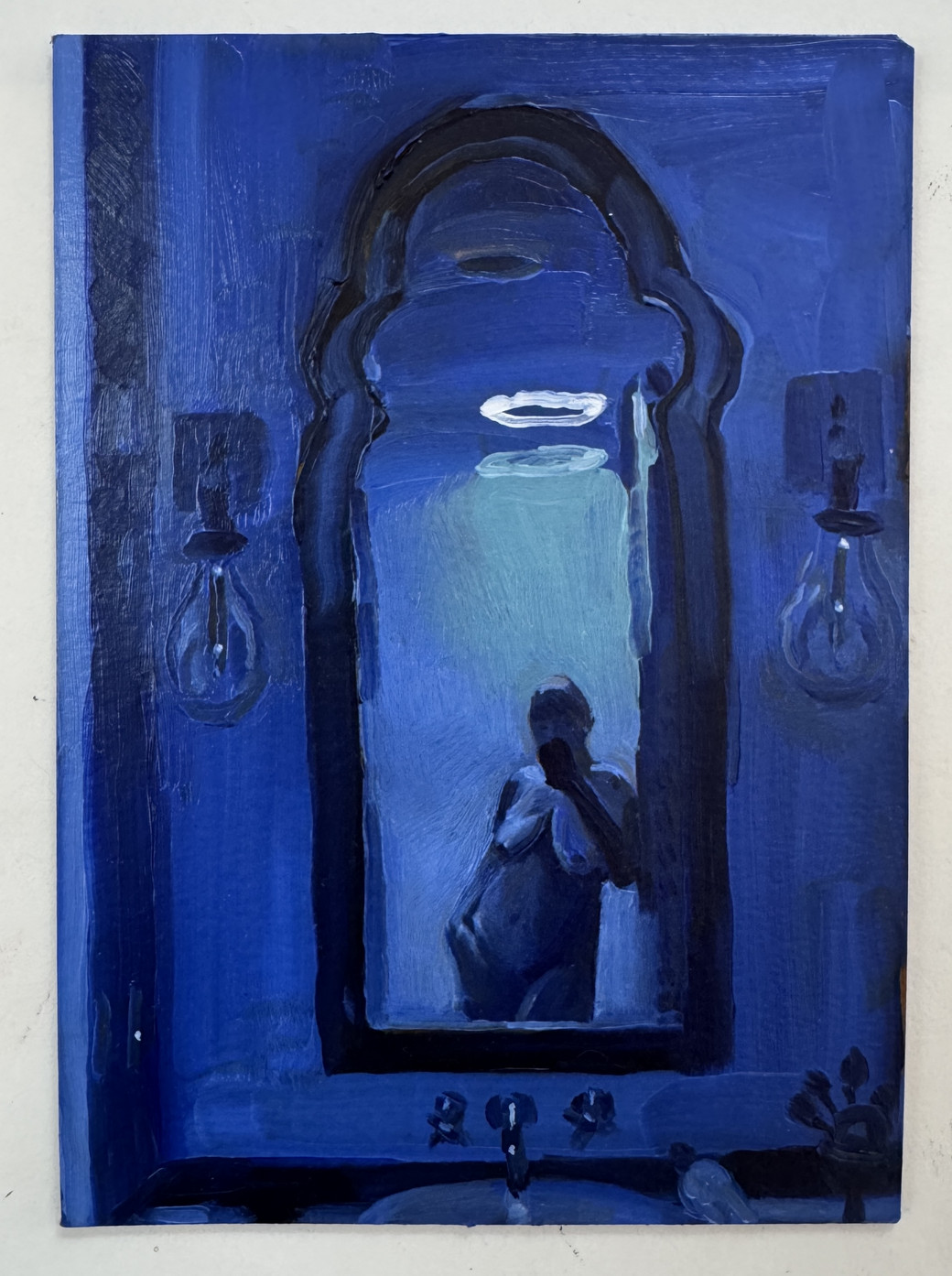
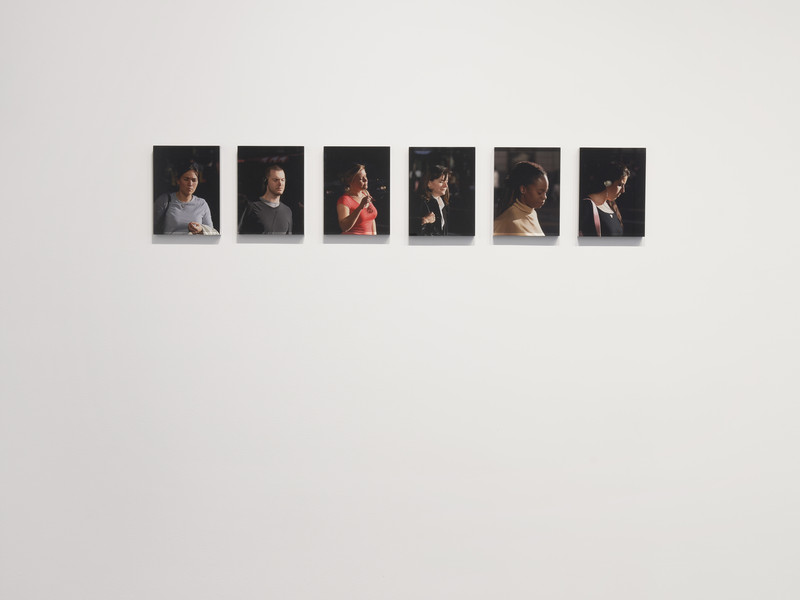
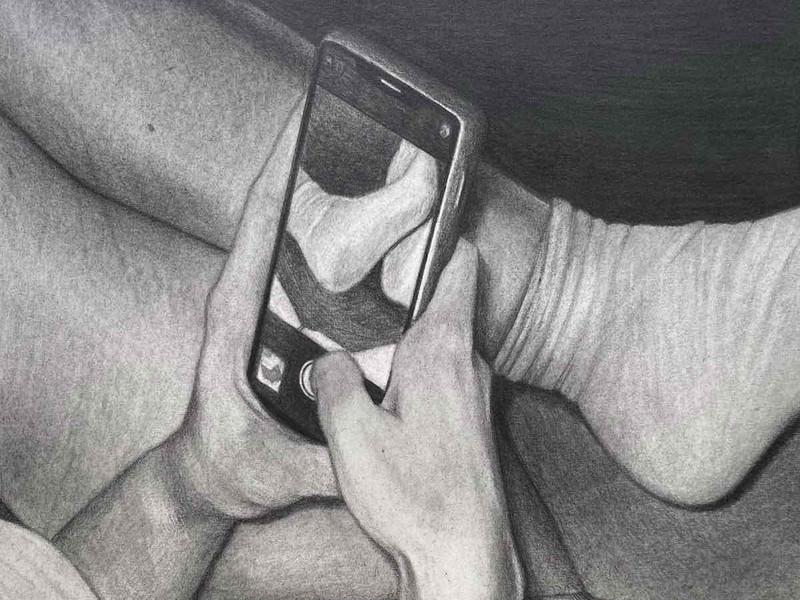
Cofield's decision to process fast images in an unhurried manor demonstrates the inate value of the self documenting subject: the moment in which she decides to press the camera button on her phone, commerating herself in privacy, and that these moments, though they signify the everyday, are unique and truthful in their swiftness. As the world keeps spinning, the days undulating, a selfie can be proof of life. Cofield's focus on "the tension between the disposable immediacy of digital imaging and the slowness, vulnerability, and physicality of painting" is a necessary study in the rapid world we live in. The sentiment of it is something I assess to be in tune with Hito Steyerl's In Defense of the Poor Image - a handbook for sincere consumption.
When someone takes a selfie, they have agency over their subjecthood. Cofield honors each subject in her re-rendering - aligning with their agency and consent - while simultaneously re-wiring dynamics common in art history where an often voiceless subject is depicted by a male painter. One could argue the fast nature of a selfie hinders its true value as visual evidence of existence, but Cofield leans into this, disagrees, and brings the imagery into a space of extreme value by painting it. Moving past the airbrushed shine of a perfect selfie, Cofield anchors these subjects in normalcy, inviting relatability and empathy by also depicting the humanizing belongings of each subject, like carton of dairy-free milk.
The depiction of different postures and distances separates Soft Exchanges from clear sexualization of a feminine body - rather the work demonstrates abstraction of the expectations projected onto them. The title itself signifies this as well: there's an exchange that occurs between the subject and viewer, the subject and Cofield - and this one is soft: it embraces vulnerable truth while stating over and over again that one has the right to be seen autonomously.