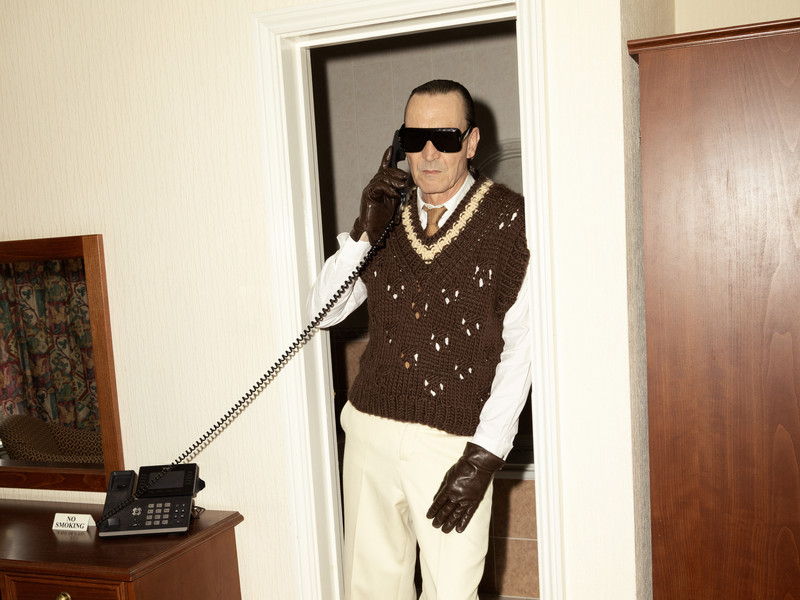
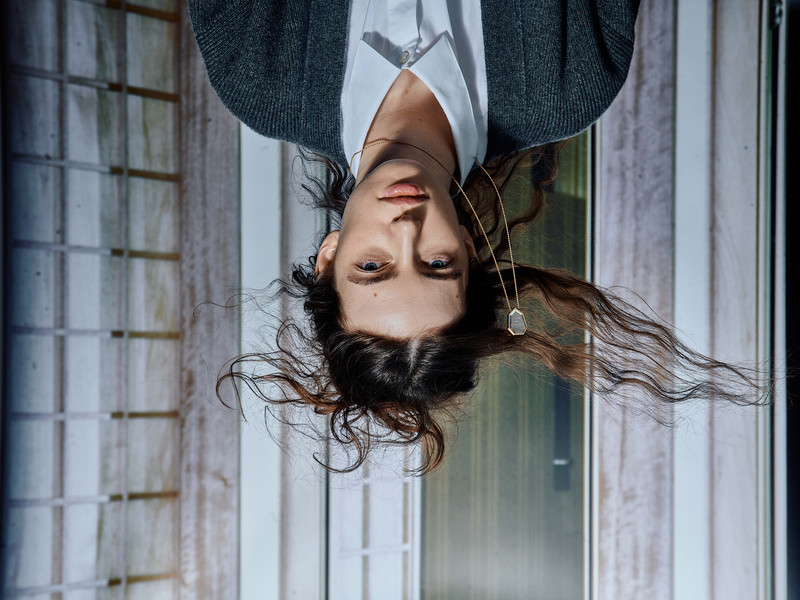
Time for Toadstools

All made in Portugal, these carefully crafted sculptures are available on EckhausLatta.com, Farfetch and Nordstrom.
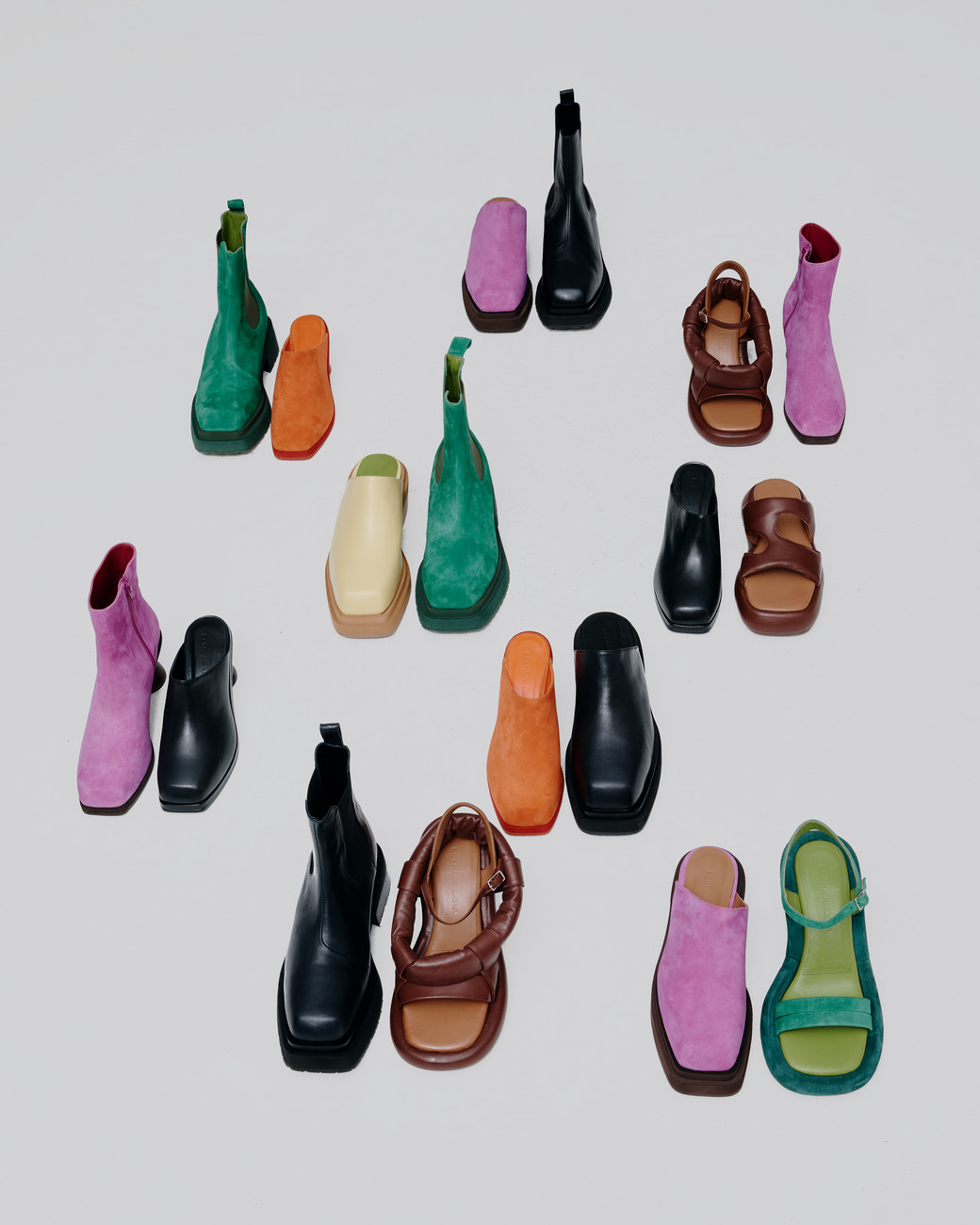
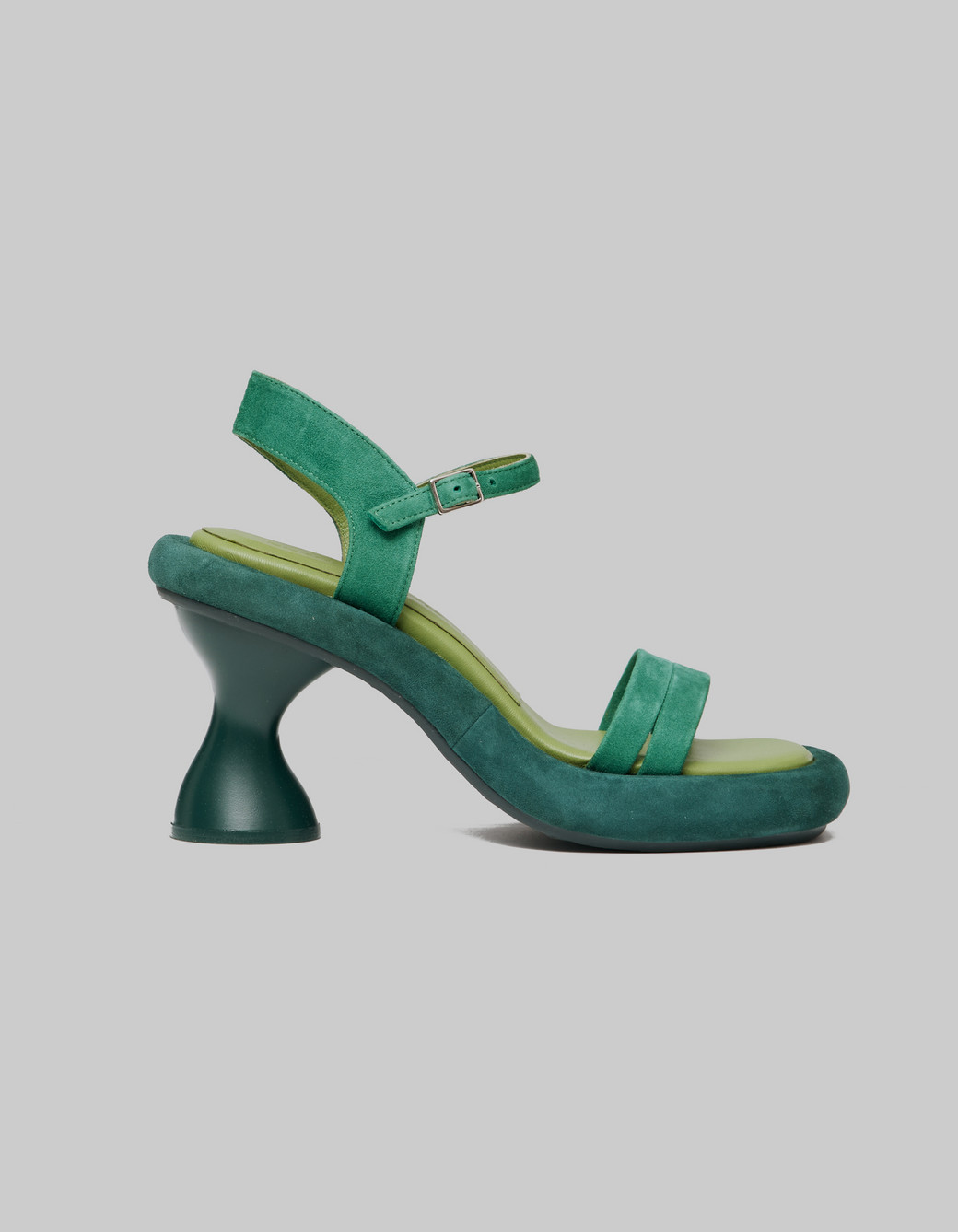
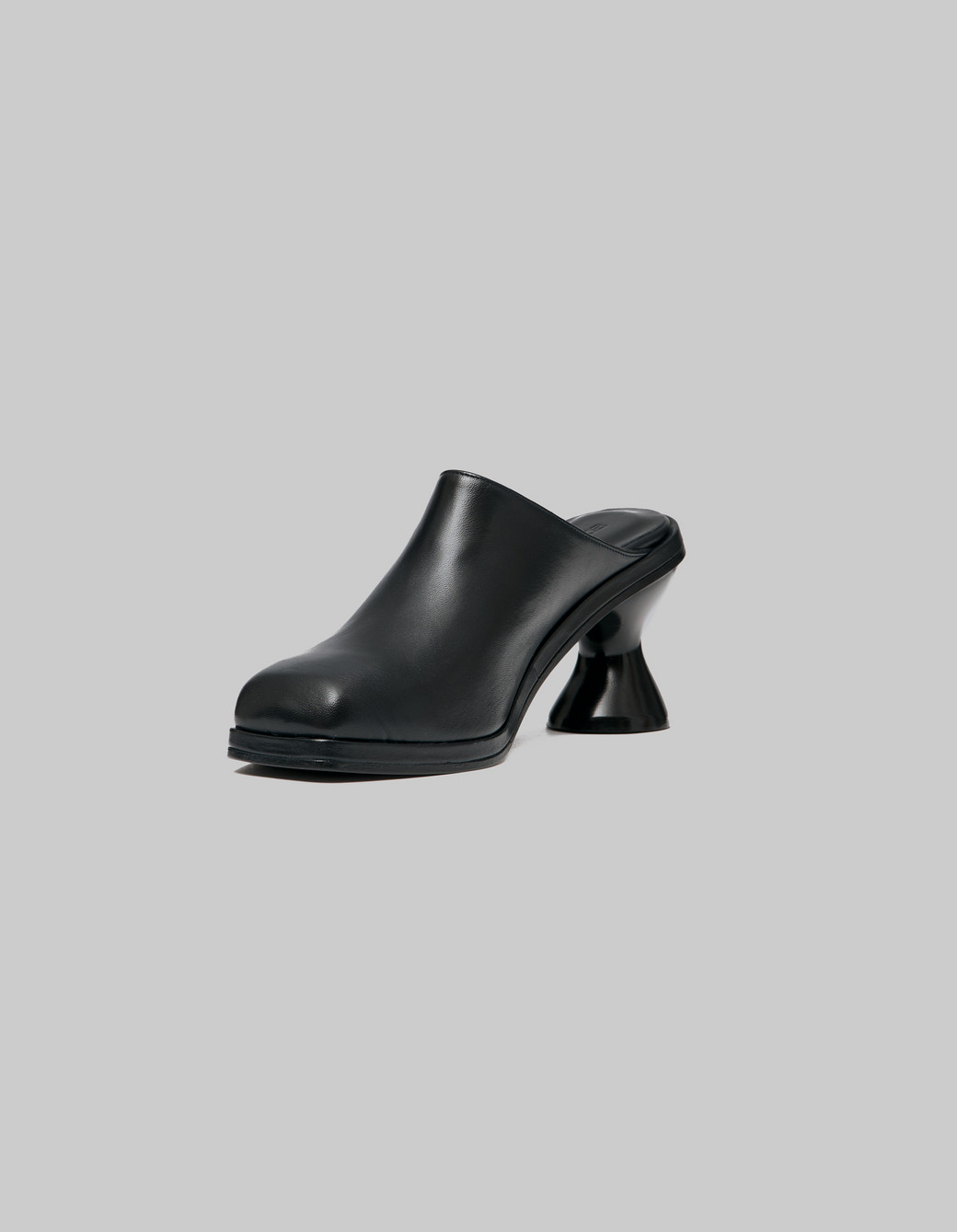
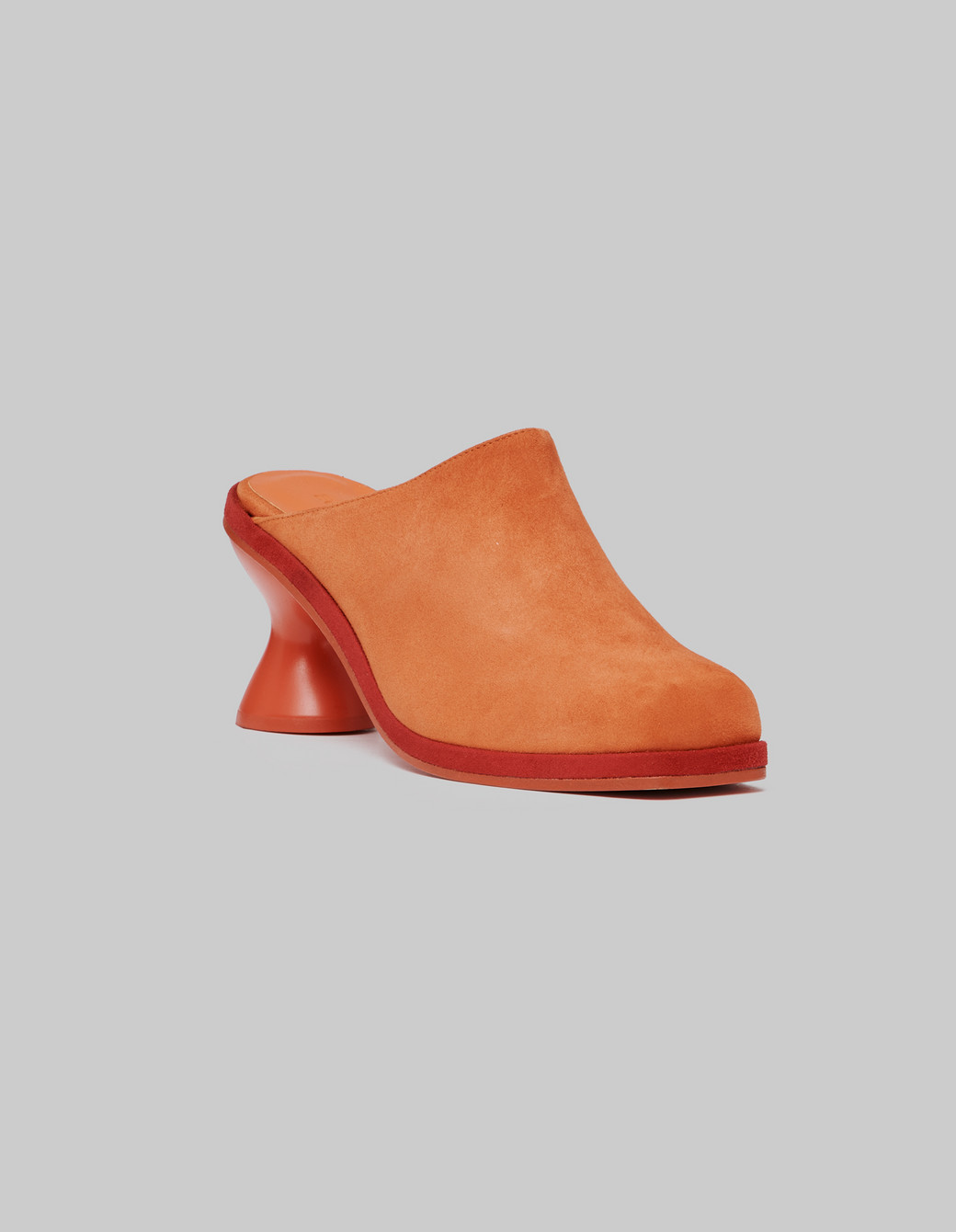
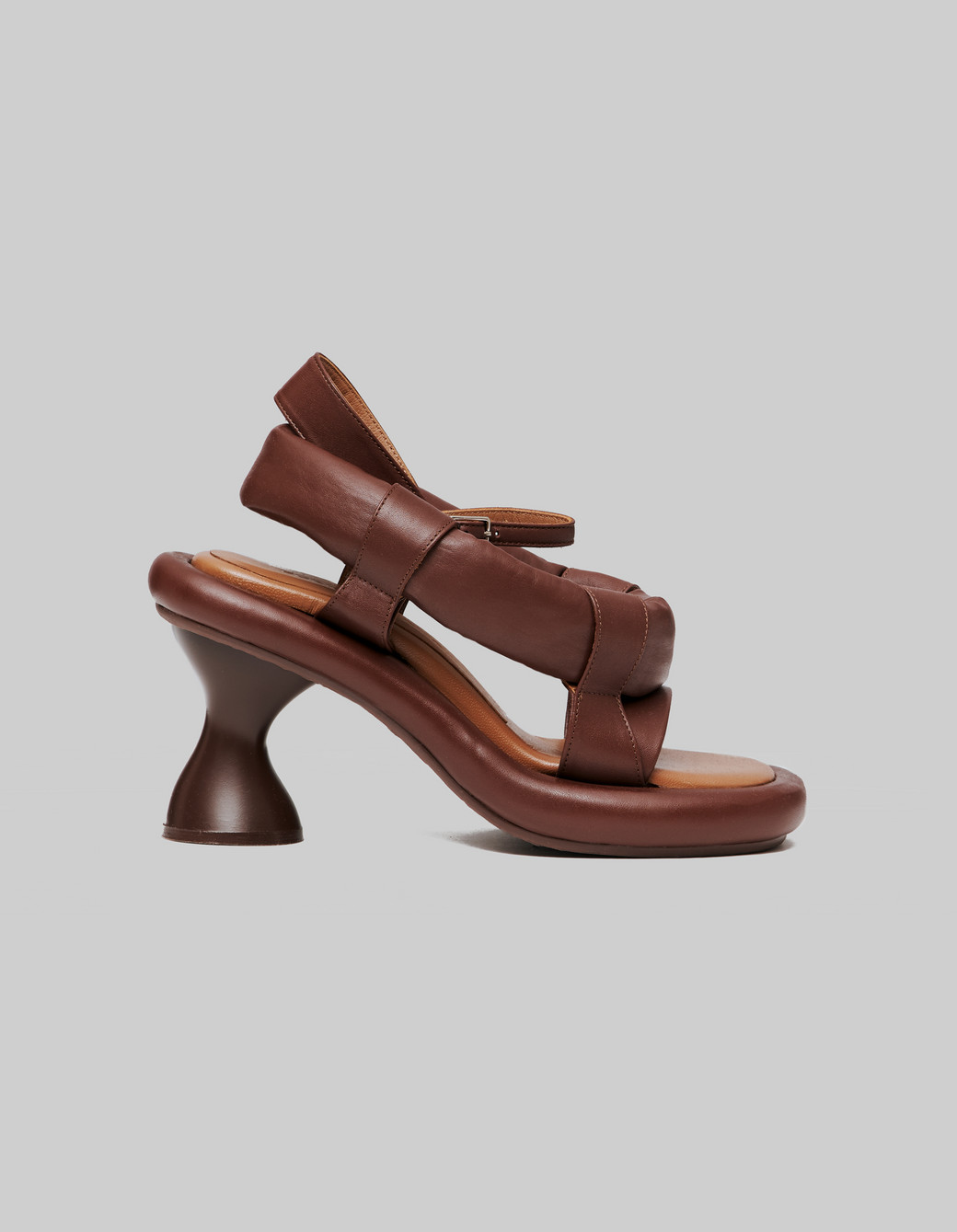
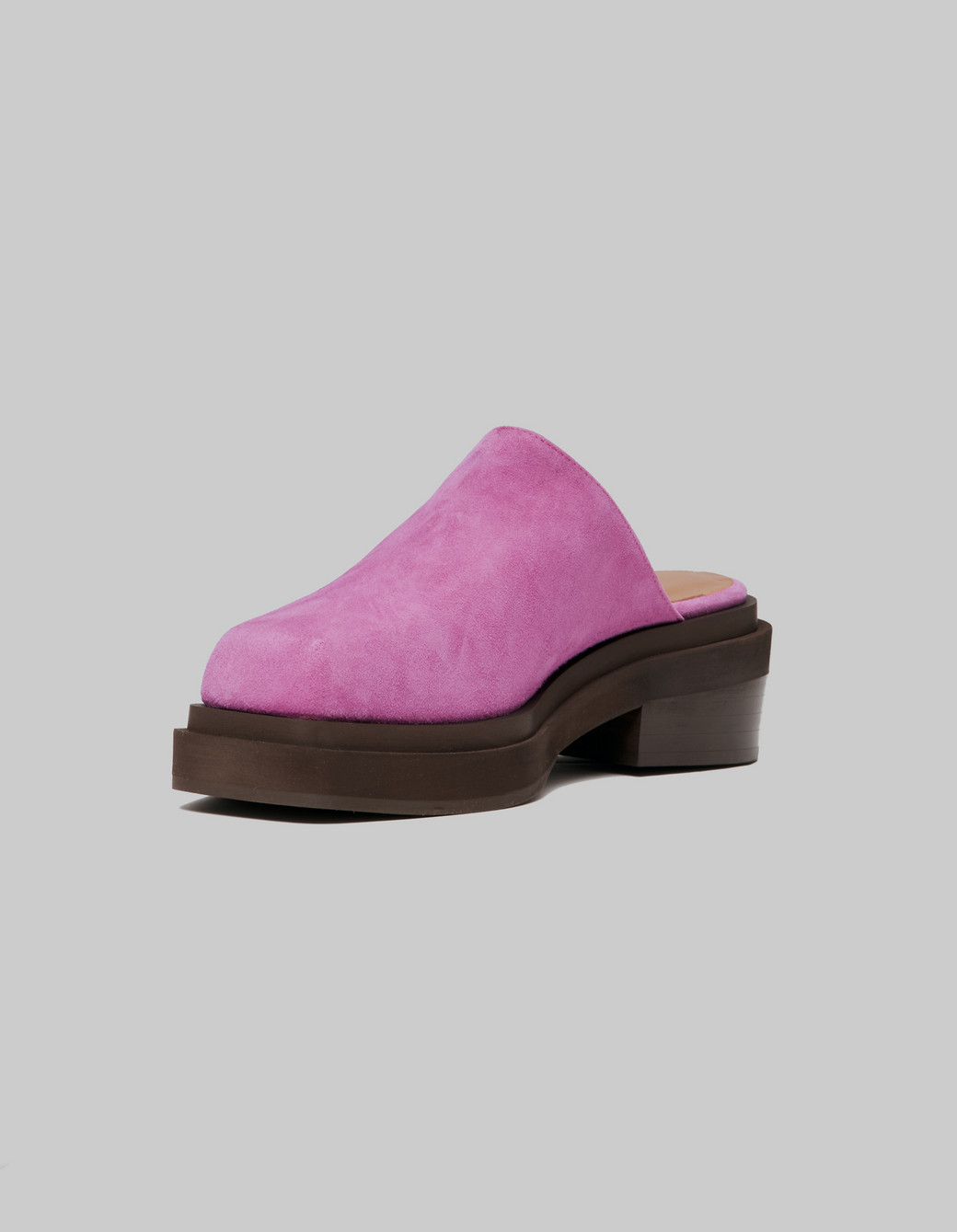
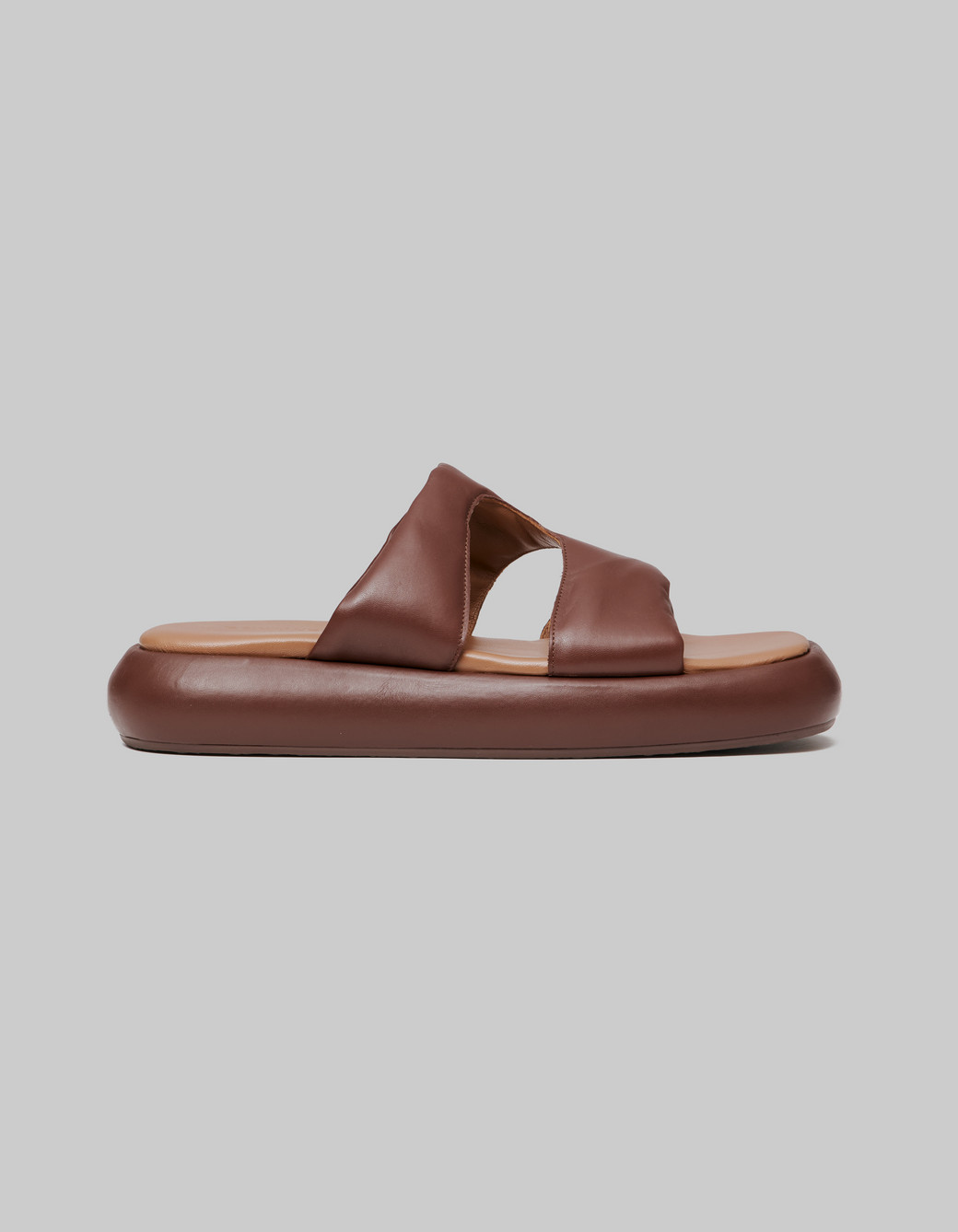
All made in Portugal, these carefully crafted sculptures are available on EckhausLatta.com, Farfetch and Nordstrom.

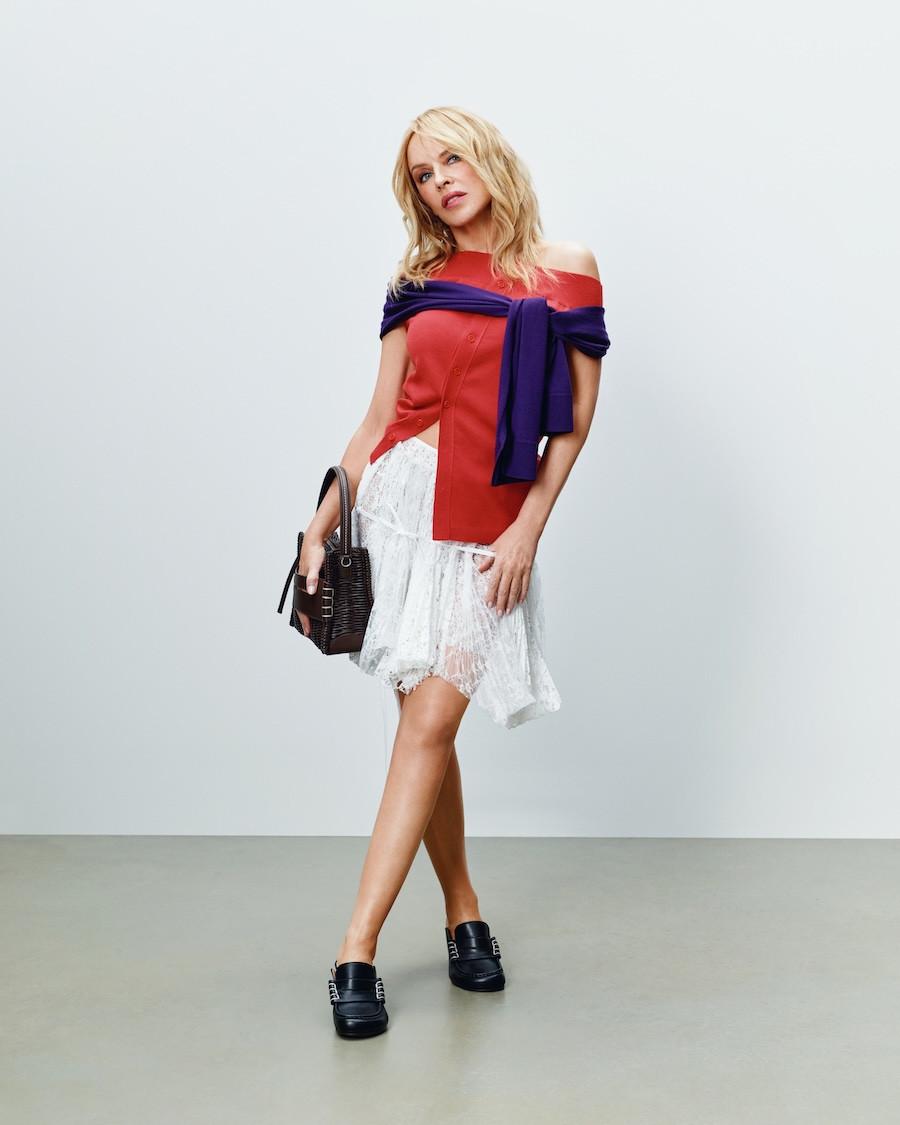
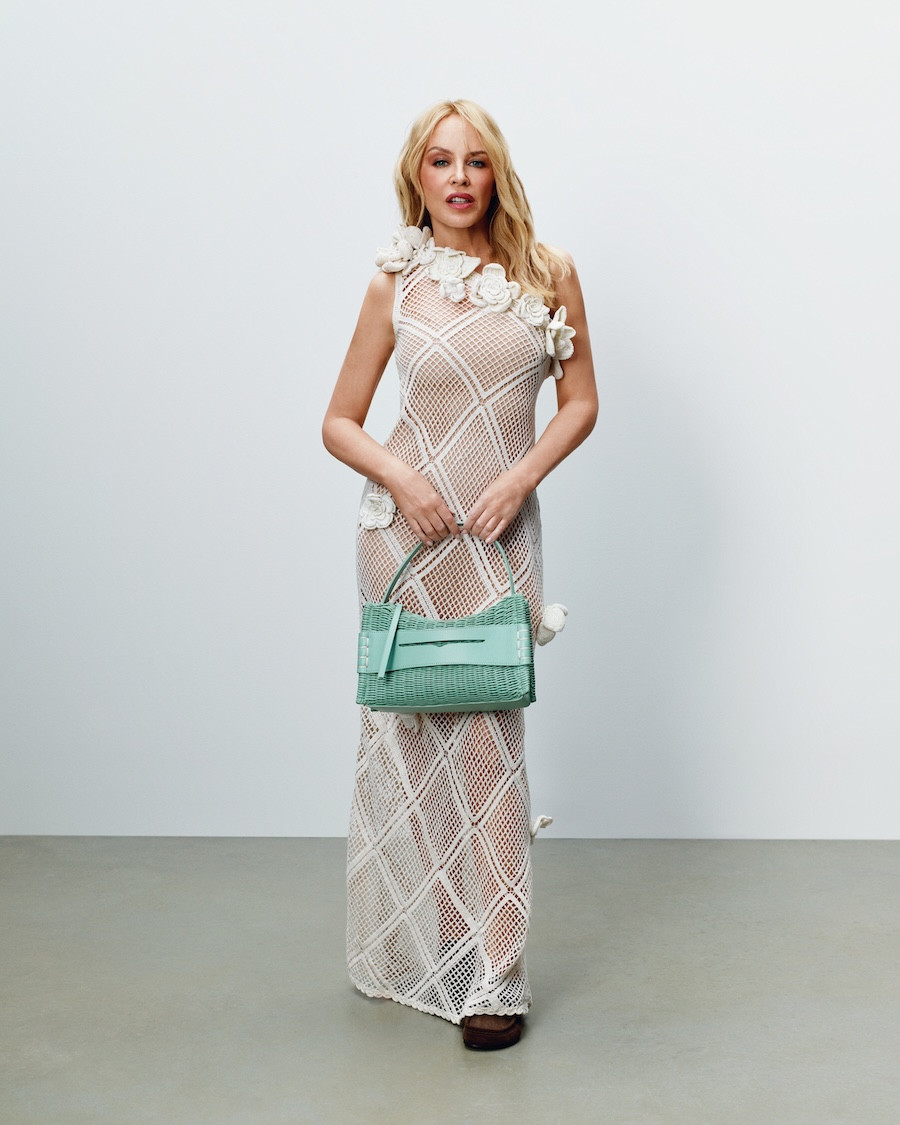
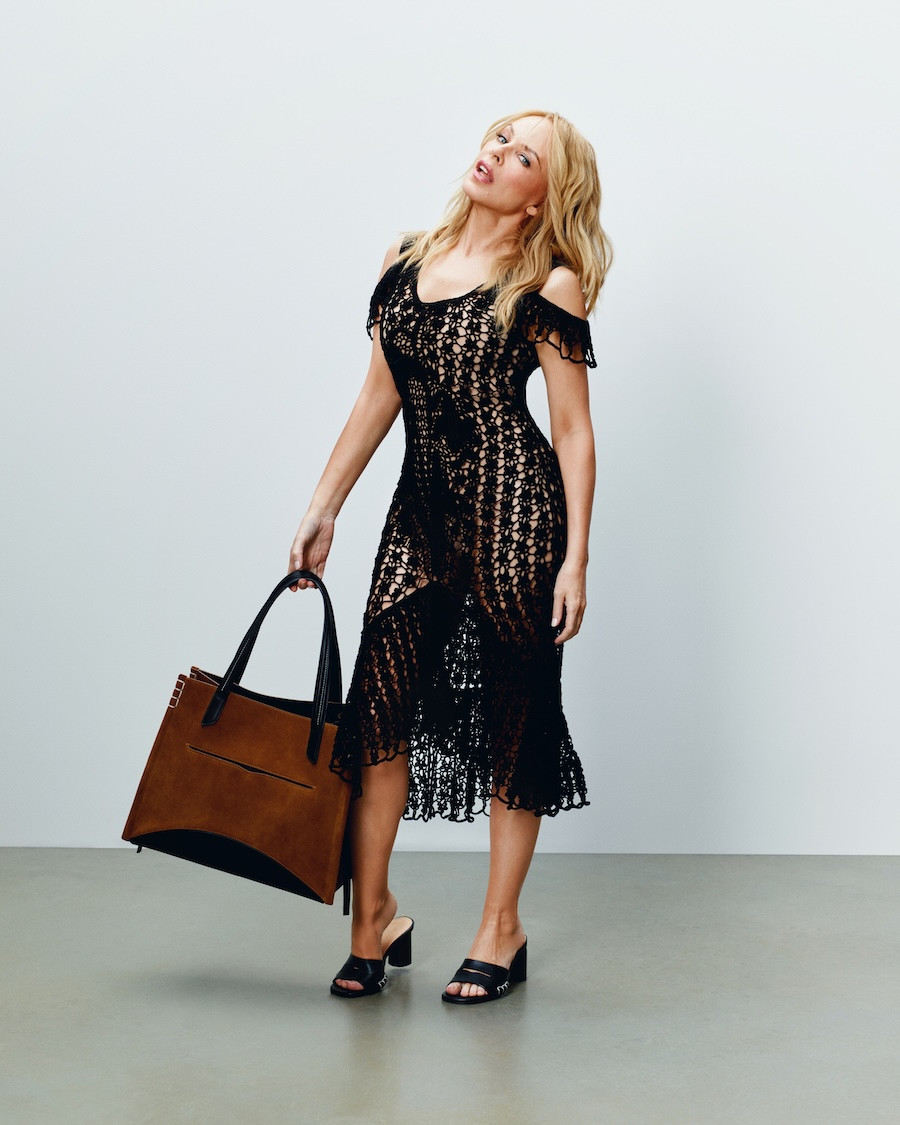
Photographed as part of the second iteration of the seasonal lookbook, the campaign places Minogue within a world shaped by texture and object. Crocheted dresses, constructed in open argyle structures, move with a deliberate lightness, paired with the signature Loafer Bag. Around her, elements from the newly introduced Home & Garden line including Mac Collins’ Iklwa Chair extend the collection beyond the body, into space.
The dialogue is quiet but intentional. Craft remains the anchor, but it is the interplay between icon and object, garment and environment that defines the image. Familiar codes are softened, rearranged, and made to feel newly considered. Rather than spectacle, the campaign leans into subtlety. A process of placement, where meaning is built through proximity.
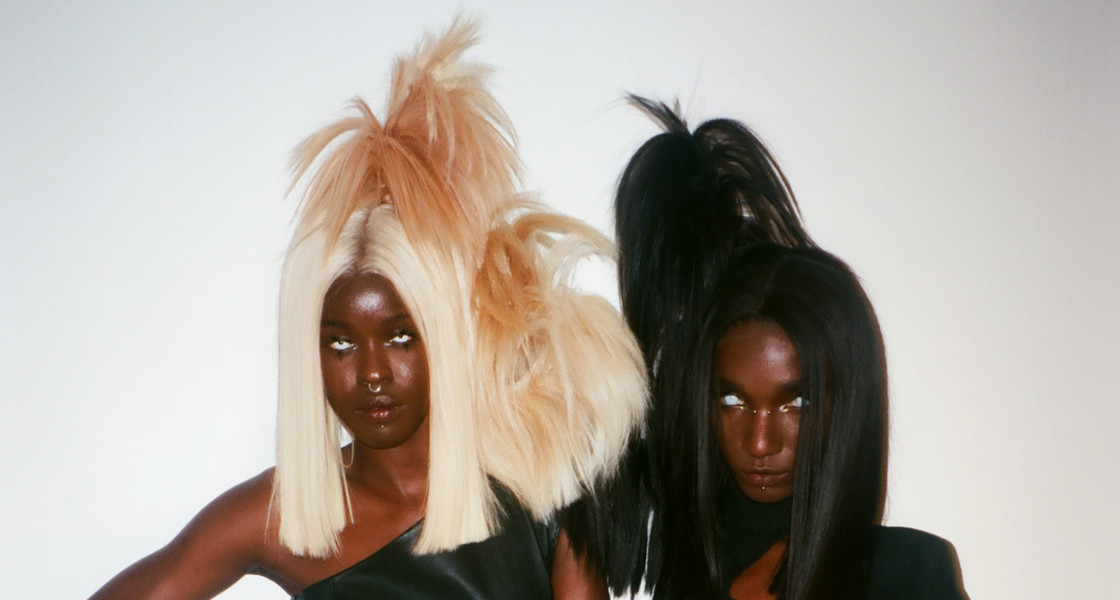
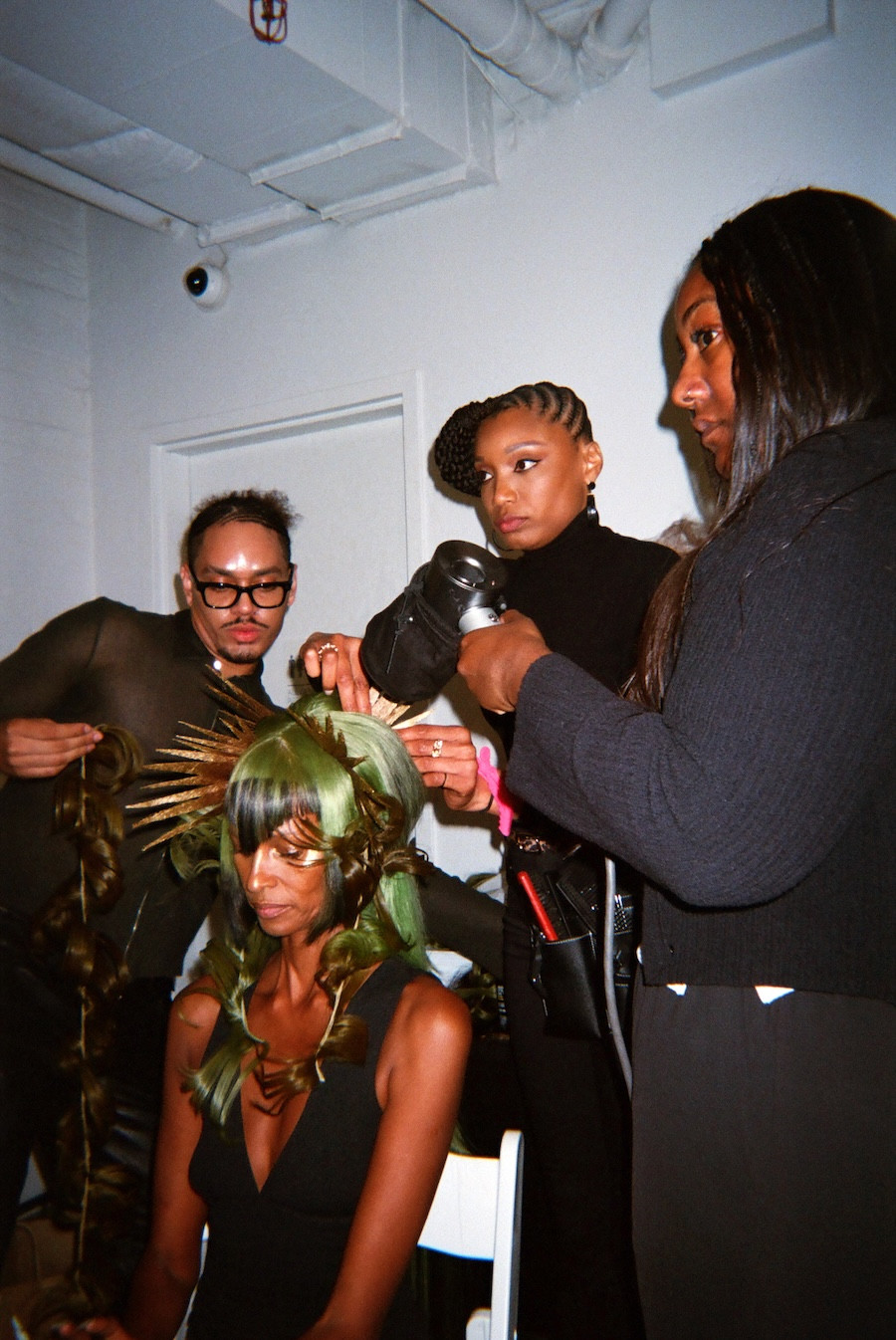
“I’m curious about the state of fashion and where we’re headed, and if inclusivity will be coming back again.” says Wauchope while deftly preparing a hairpiece for his section titled ‘The Divine Feminine’. “Putting on the show has shown me that I have a sense of community which I wasn’t fully sure of before. That feels really good to know. I think presenting all of these different beautiful hair expressions with different artists, we kind of inspire each other without even knowing sometimes. Iron sharpens iron; it’s a really good thing to have the camaraderie, which is great. That’s really made a difference for me as far as doing the show last year and bringing it back again this year. I feel like we needed it. I don’t think we’ve seen anything in fashion that felt like this or home in a long time. I’m glad that we get to have it.” Asked who the evening is in honor of, Jawara’s answer is direct to the point; “Black women.”
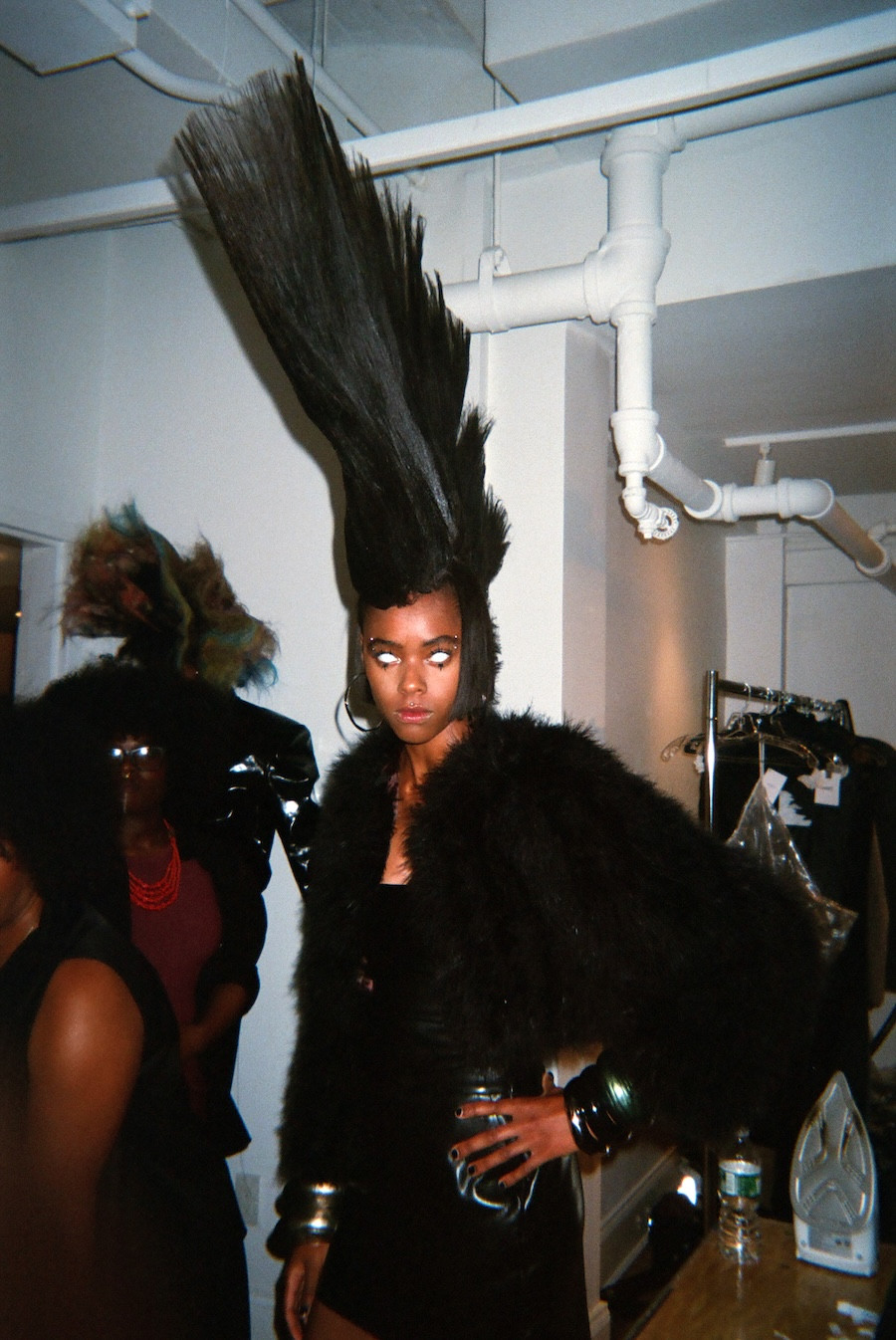
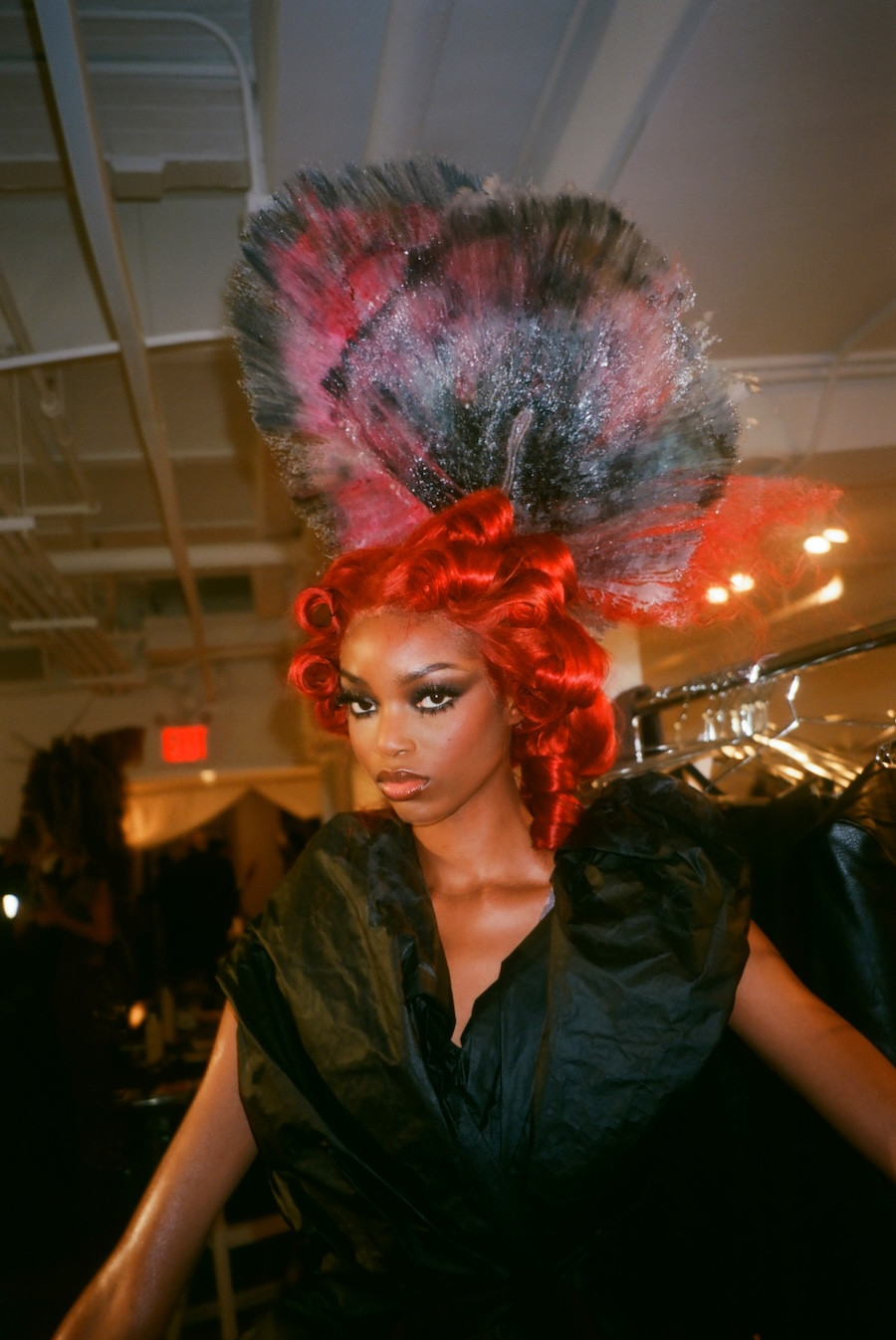
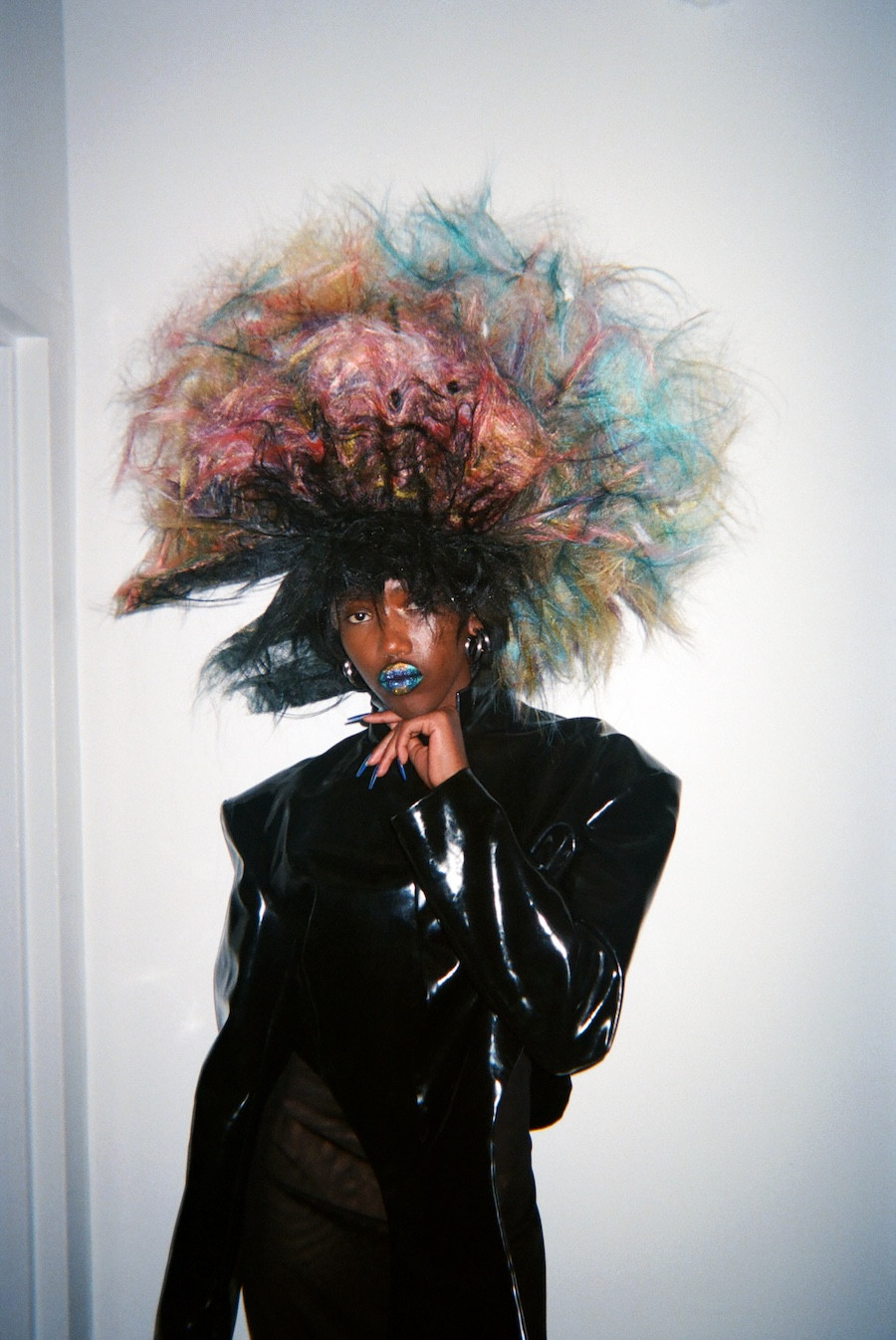
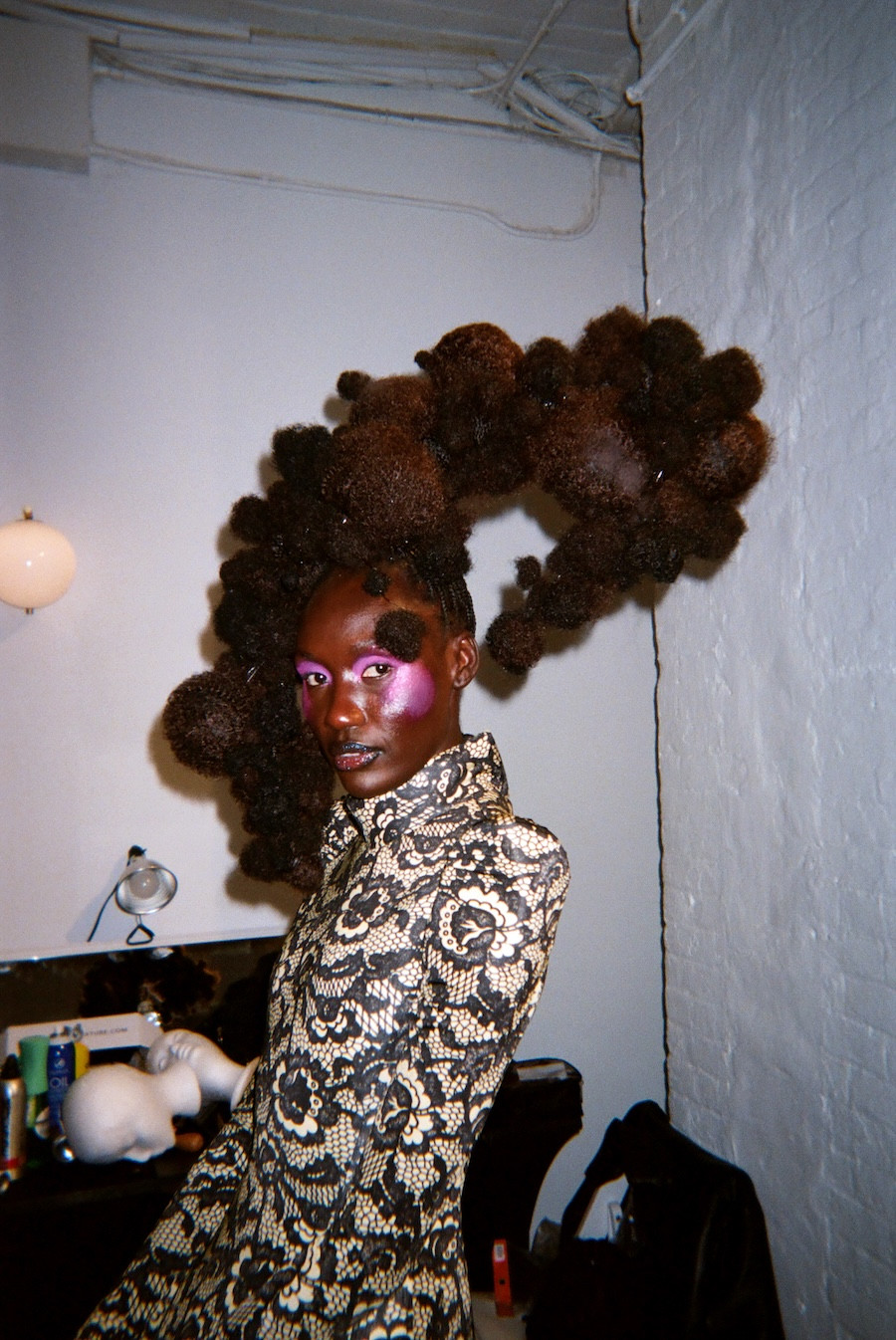
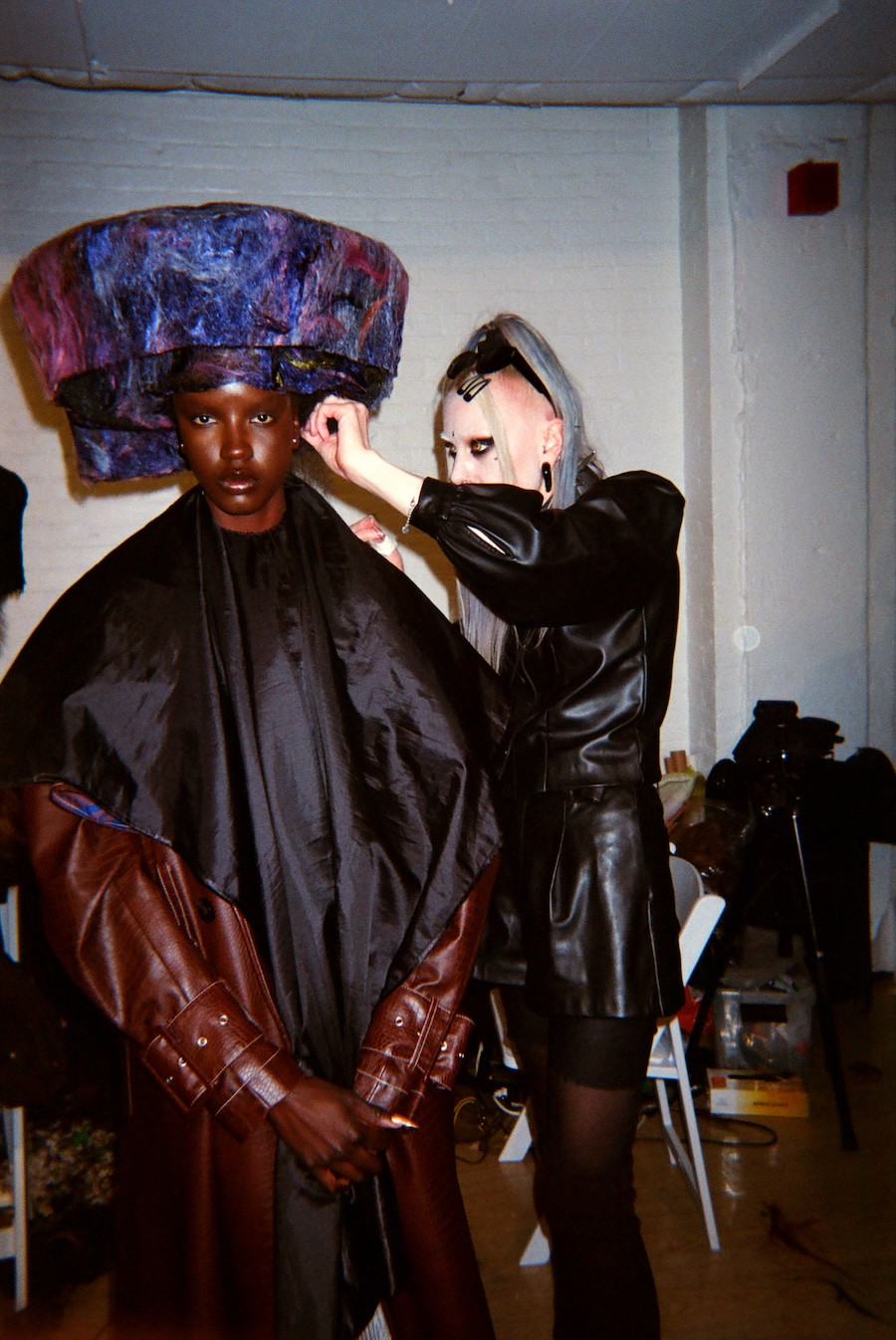
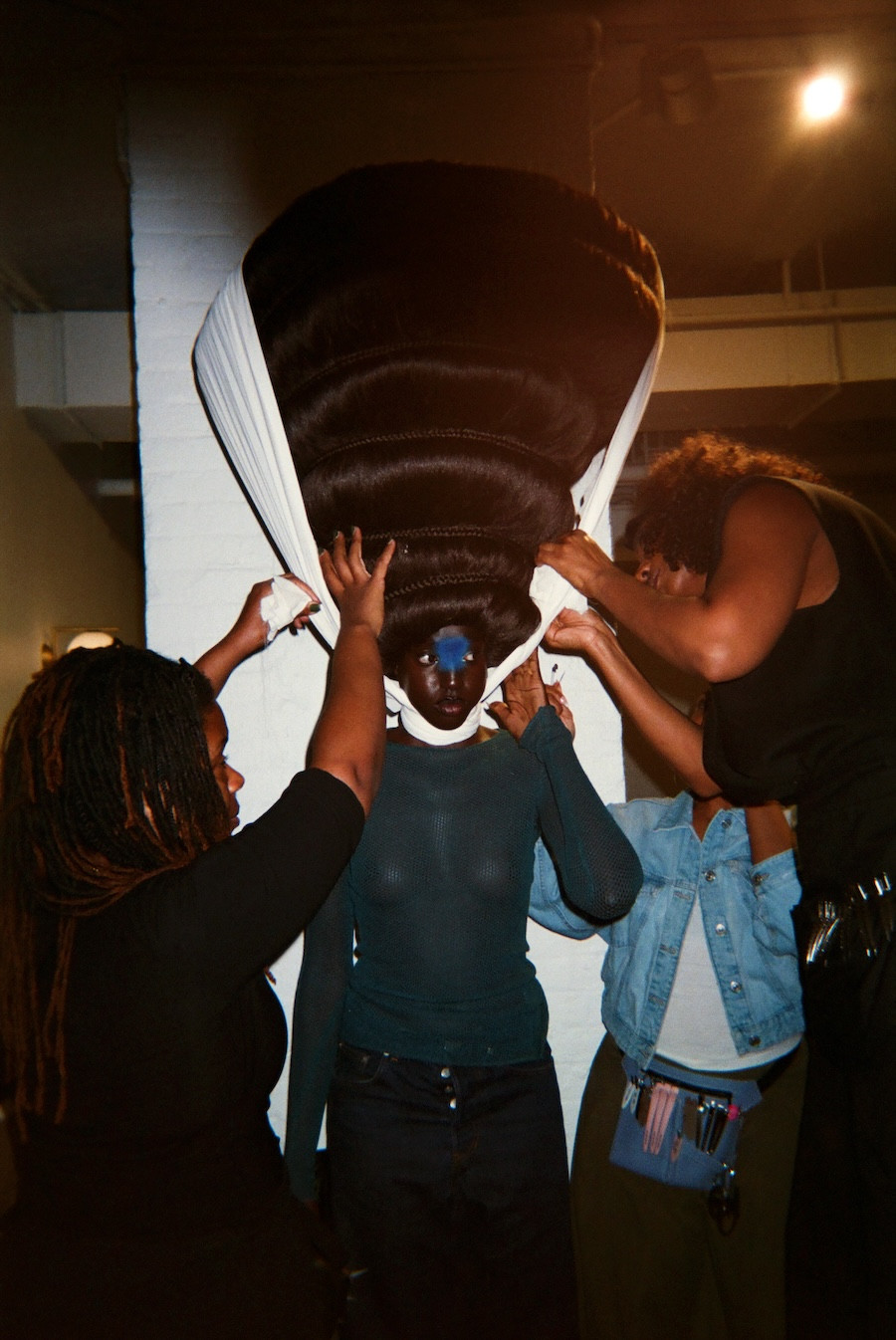
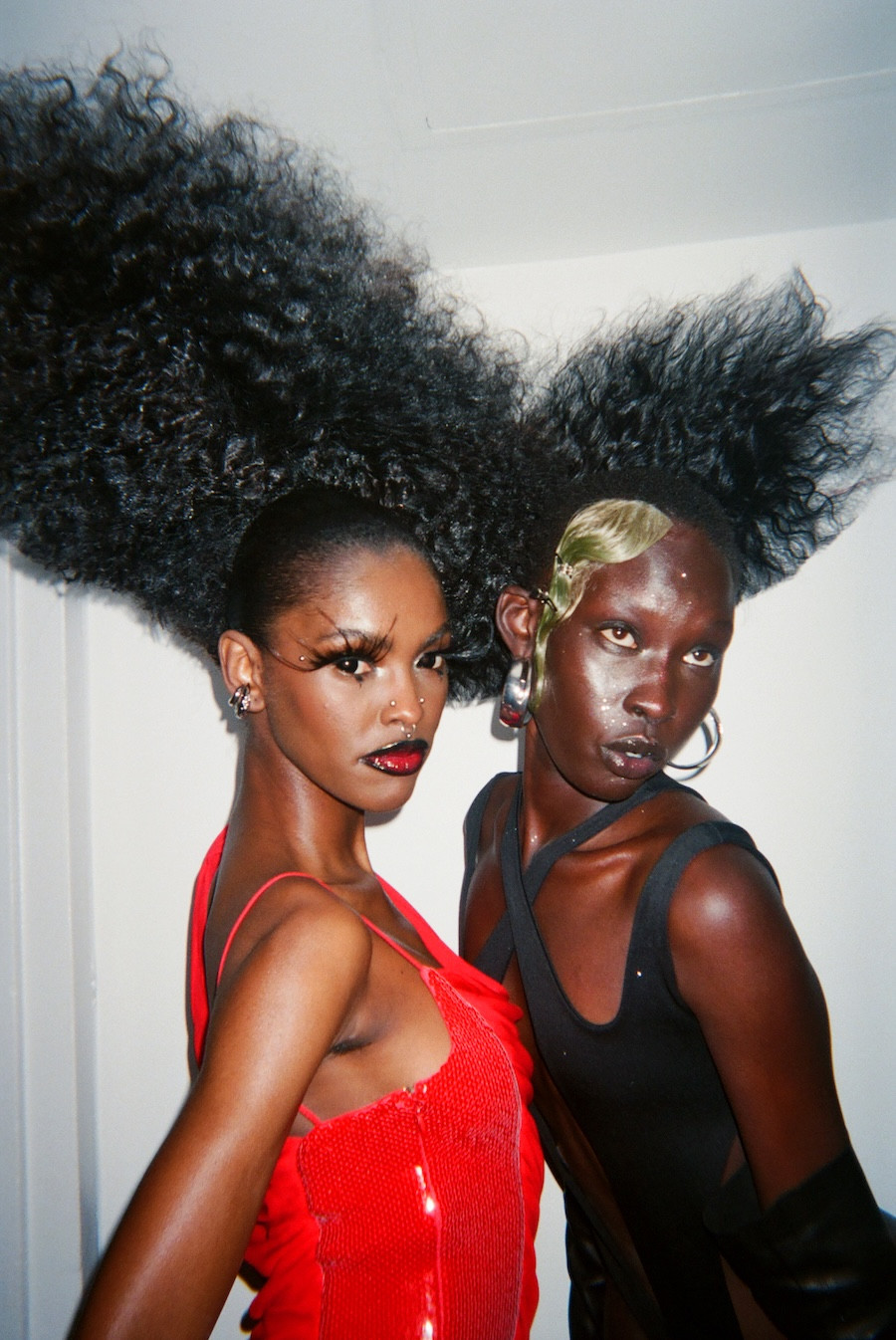
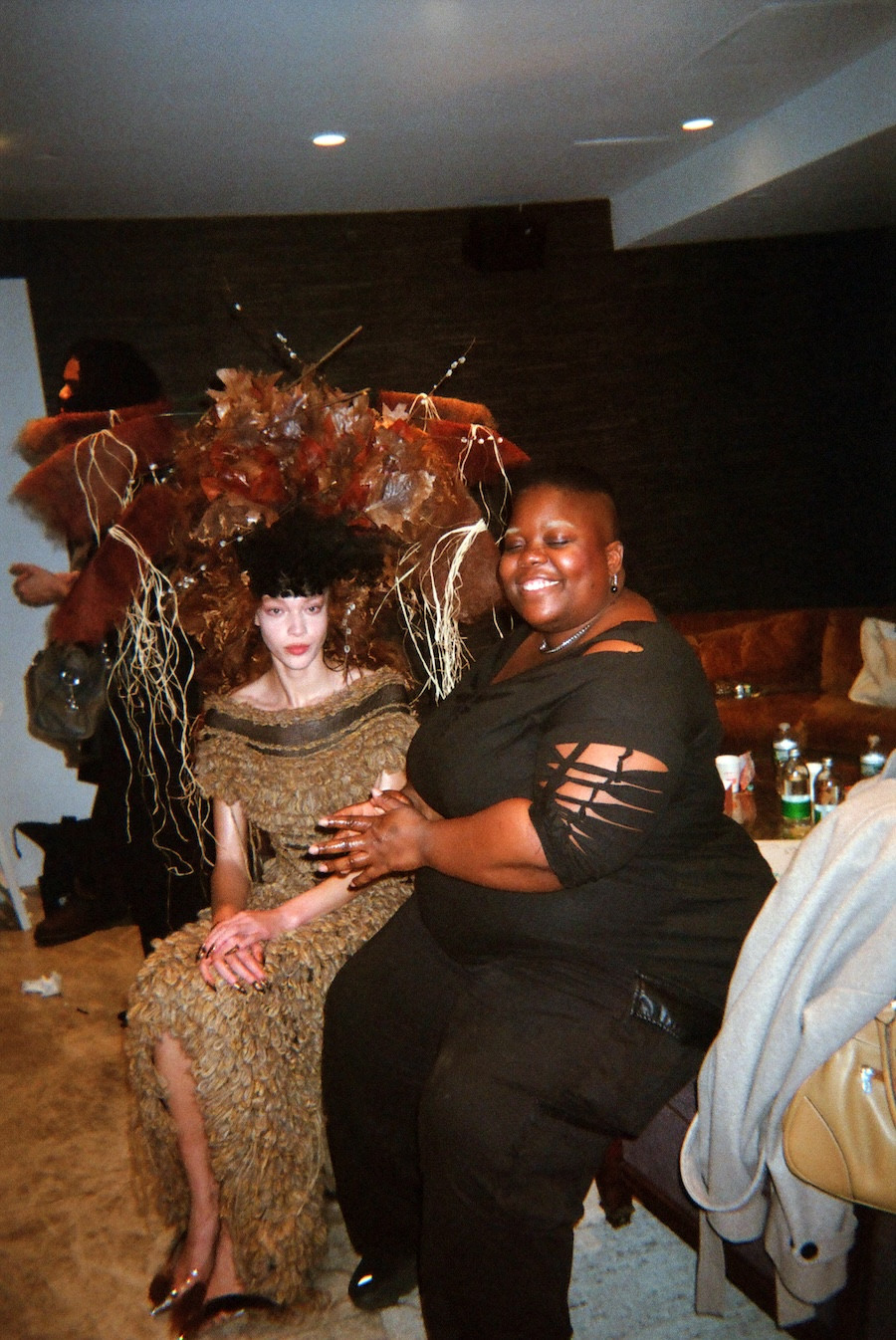
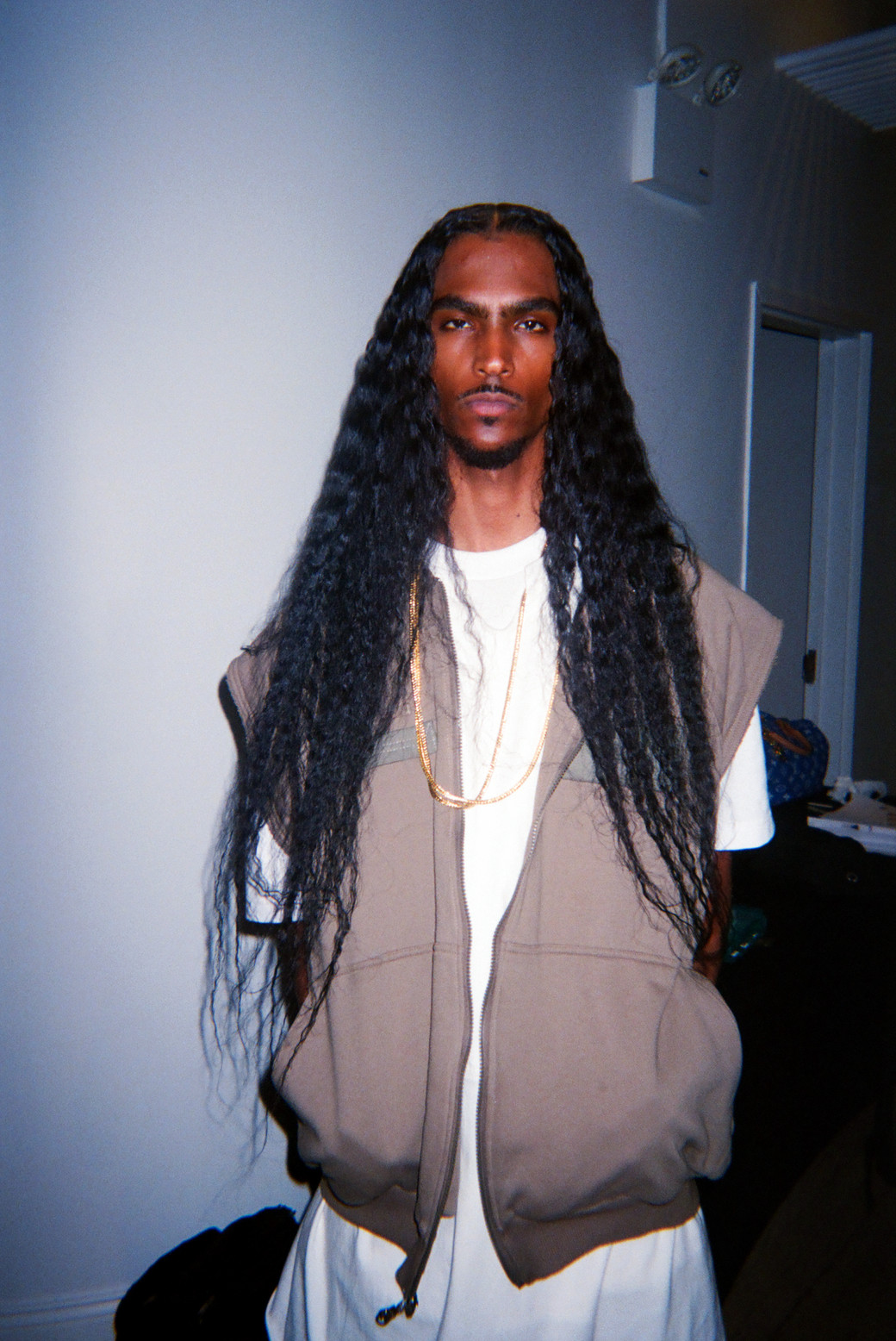
Weaving through the backstage ecosystem of assistants, models, and media figures, office caught up with a few Black Hair Reimagined participants before and after the runway:
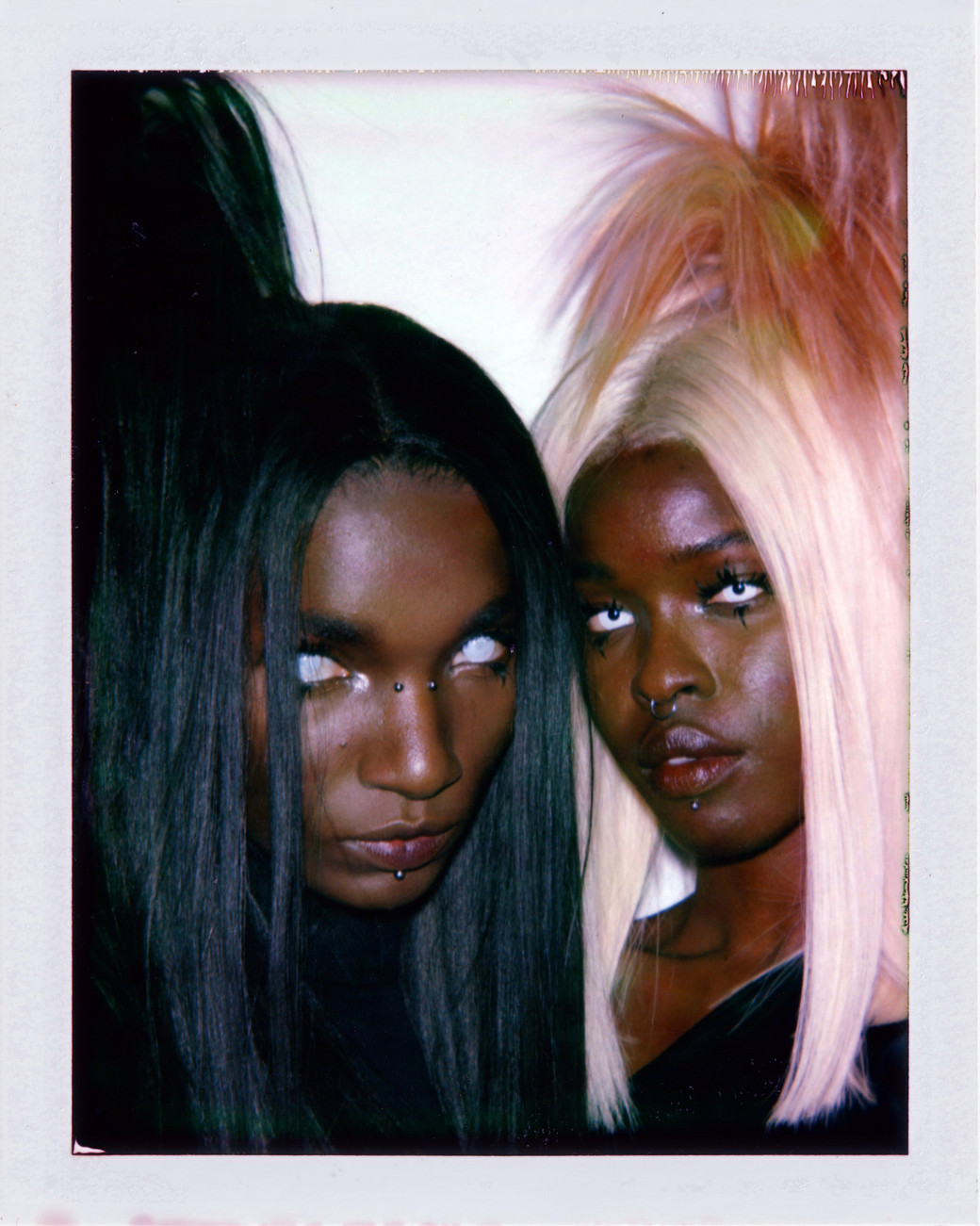
“I really wanted to do this show.” says model Divine Mugisha. “As models, Black girls, we don’t get to experiment with our hair or makeup a lot. This is one of those opportunities that’s so exciting for me.” Seated next to Divine is fellow model Perus Adolwi who encouraged the industry to “Continue celebrating Black hair, and be careful with it. Really careful with it.” The models nod to one another with a mutual understanding. “People should stop normalizing the erasure of our hair.” follows up Divine, “People should celebrate it way more. Embrace it more. It’s normal that our textures are pushed out and not seen. [Black Hair Reimagined] puts us in the front. Our texture is good, it’s chic, it’s elegant, it’s nice. It’s our hair and it belongs on the biggest runways, on the biggest platforms, always.”
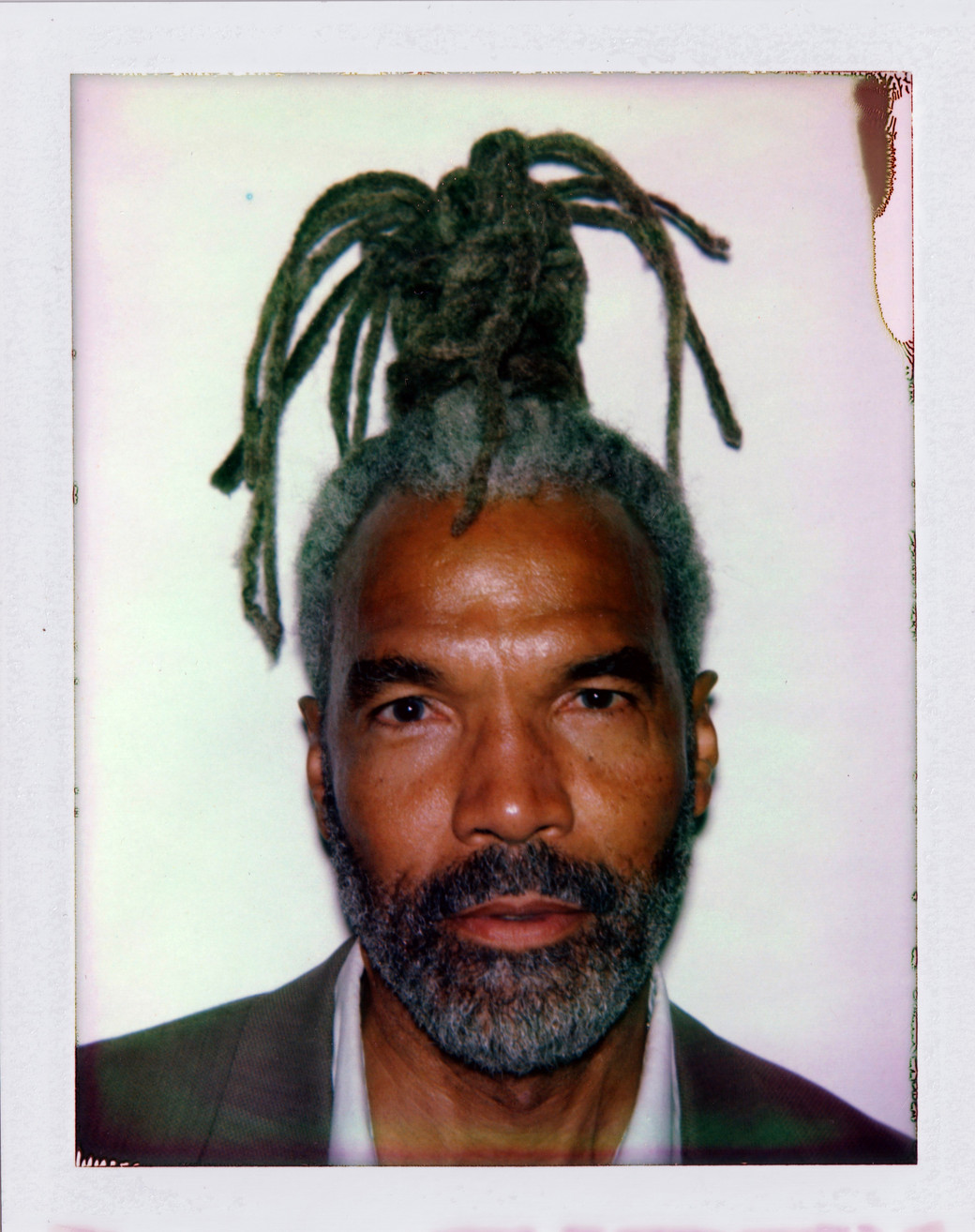
Reflecting on the industry’s attitude towards Black hair, the iconic Daryl Dismond gave his thoughts ahead of hitting the runway for the ‘However You Want It’ section by Joshua Meekins: “I decided thirty years ago that I was just gonna let my hair grow out. Each person that grows locs, it grows their way. It’s a unique style. When I started growing my hair it had the same significance as afros in the 60’s. People weren’t growing locs, and now quite a few people are. Initially there were different casting directors that weren’t receptive to it but I didn’t really care anymore. I remember an older person at the time, a woman about twenty years older than me, she said ‘Don’t worry about what people are thinking. They’ll catch up to you.” I feel like that’s kinda what happened. It was a random person on a bus, but I remember the moment. It's always powerful when we celebrate our culture and come together to accept the artistic uniqueness of our own hair. I’ve only had a few experiences in which the cast was all-Black. It’s powerful.”
Renowned makeup artist Raisa Flowers was in the building to contribute beauty looks for Fesa Nu, Issac Poelon and Malcolm Marquez. Following the show, Raisa reflected on the industry’s responsibility towards its viewers and sent out a dedication to the evening’s artistry: “Let people see themselves. That’s how they’re able to feel wanted and included in the industry. I feel like a lot of us are not being seen anymore. We need to include people who want to be seen and need to be seen…I would like to dedicate my work to LaTisha Chong, my bestie who passed away. If she was here to see this, she would probably be a part of this. I dedicate this to her.”
Fesa Nu reflected on ‘Crowned in Ancestral Theory’ her Black Hair Reimagined debut: “I wanted to pay homage to my ancestors and to traditional Afrocentricity. I really honed in on that when it came to the braiding aspect. Towards the end, if you saw the grand finale, the gele, you think of ‘the wedding’, the ‘African queen’, ‘the bride’, that grandness. I wanted to pay homage to that inspiration. We deserve, we deserve. Having the space to do that is an amazing experience. Adrenaline on ten.”
Stylist Issac Poleon, whose high-energy section in the show is titled ‘Harmour’, shared his thoughts on Black Hair Reimagined's lasting impact: “It’s legacy. It’s about contributing to future generations of artists. It’s about us who didn’t have space, who didn’t feel seen. I never thought I would even be here. It’s representation, it’s important. It’s literally a legacy.” Asked to address aspiring creatives, Poleon expressed “Dream big. I never thought that one day I’d be working in New York with amazing hair stylists, creatives, and changemakers. I didn’t think I’d ever be standing next to them. There’s something about leaving your hometown and coming somewhere and being authentic there and being received, welcomed, and taken care of. There’s so much in that. I’m grateful and proud.”
Surrounded by press in the post-show fervor, returning artist Vernon François told us about his inspiration for this year’s “The Fifth Silhouette” section: “I’m obsessed with nature. We don’t do enough of staying still, we’re always moving. I think we’ve lost the ability to acknowledge the power and intentionality of creation. Trees are an extension of that; when you see them go through [the seasons] and give us everything we need to survive. I sit with trees everyday. I just wanted to connect with that. This is not my work, it’s not my job; it’s my life’s mission. Your hair is part of your experience. It’s my duty to show you the variety of that”.
“It was beautiful to see the creation of hair, the celebration. I could not be in any other place right now.” said modeling legend Yasmine Warsame who walked in Malcolm Marquez’s ‘The Will to Change’ section.” Sometimes it’s not about others accepting you; it’s about you showing up exactly how you are, without asking for permission or ‘How do I do this?’. Just show up the way you are and others will accept you. We’re all one race; the human race. Period. Let’s zoom out. Let's look at how we can be better for each other. How can we make a better world for ourselves? Let's go there. If there’s a statement we made tonight, that statement is we are here, we are part of the world, and it should not be a constant fucking discussion. Let's move on. Let's worry about bigger things, better things. We’re one race.”

The collection moves fluidly between eras, drawing from the House’s archives while introducing new propositions. Sartorial womenswear is rendered through slim two-piece tailoring and elongated leather and suede silhouettes. Coats are treated with ease and lightness, while equestrian silk prints reappear as direct echoes of archival scarves. Eveningwear shifts into a softer register. Underwear-inspired foundations are layered beneath silk blousons, while gowns in jersey and chiffon fall with deliberate fluidity. The mood is controlled yet relaxed; clothes designed to exist between day and night, structure and ease. Footwear follows the same logic of reduction. Ballerinas inspired by Valigeria codes are reinterpreted in men’s sizing, while loafers adopt a softened, almost weightless construction. Everything is refined toward movement.
Accessories anchor the narrative. The Jackie 1961 returns in new proportions, the Dionysus becomes sharper and more architectural, and the Lunetta Phone+ bag introduces a daily utility dimension. The Paparazzo bag distills House signifiers, Web stripe and Horsebit, into a clear expression of modern “Gucciness,” shifting effortlessly between casual and formal contexts. Under Demna’s direction, Gucci positions itself as a living archive, one that is constantly edited, re-sequenced, and re-read through the present.