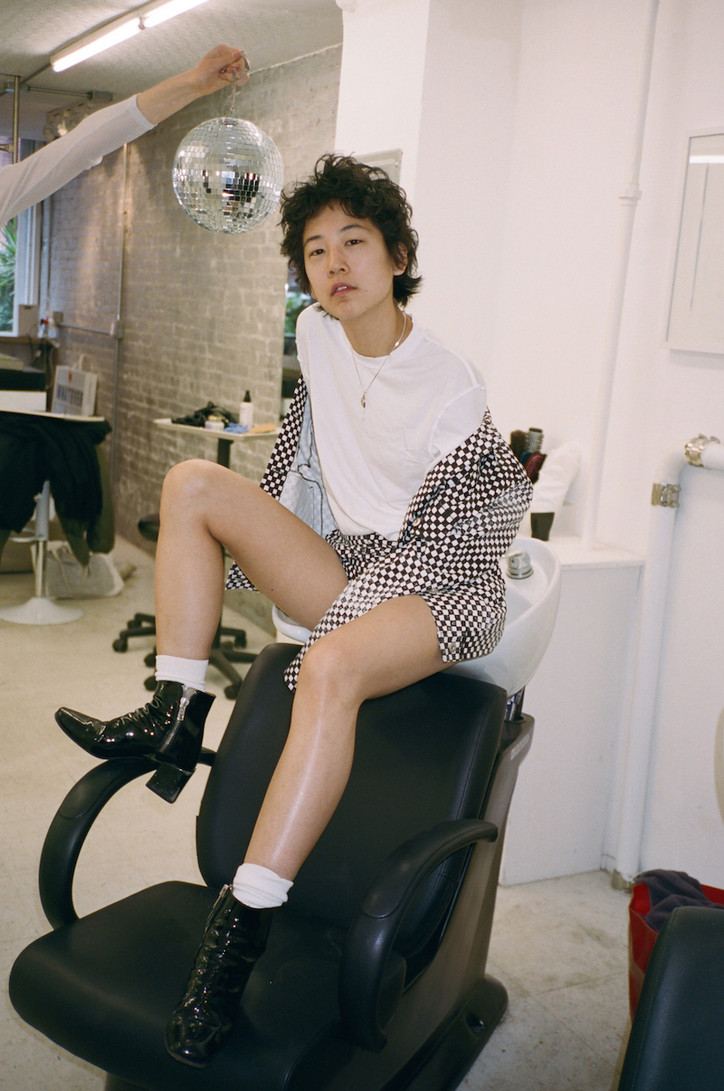
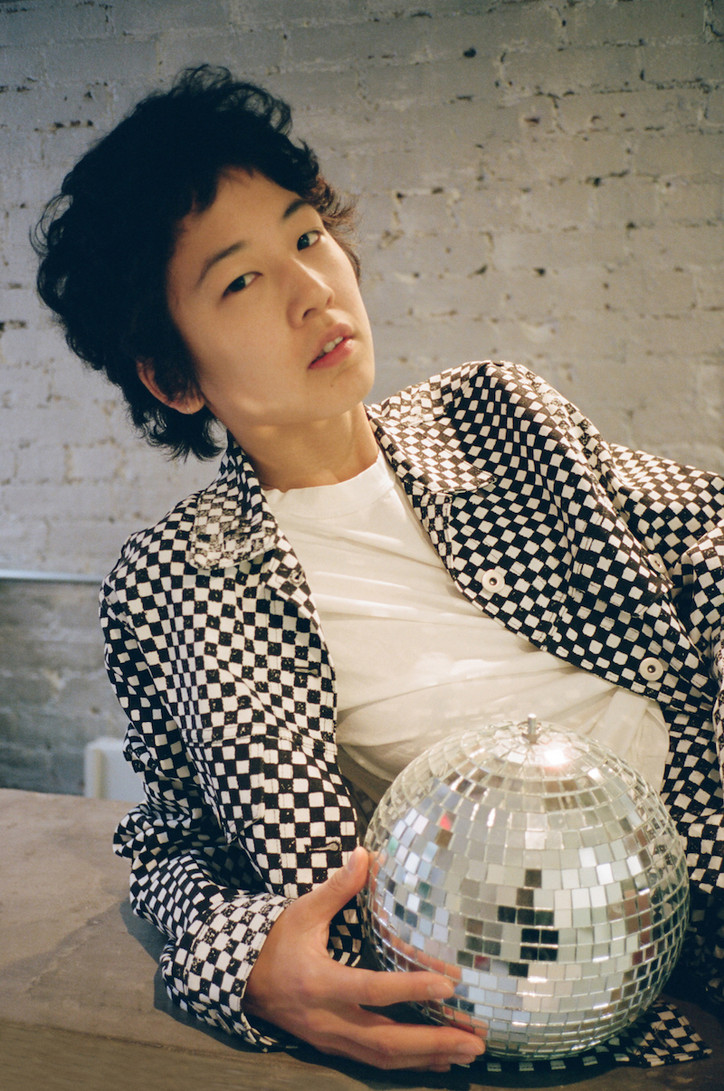
“My concept was more like a 'hanging out space,'” explains Masami. “Usually you won’t walk into a hair salon unless you need a haircut, but I don’t like that. I like people hanging out at my studio.” As for the name Vacancy Project, it was inspired by the "vacancy" signs on motels and restrooms. With an industrial-style interior modeled on Andy Warhol’s Factory, the salon is also a multipurpose space which has hosted poetry readings, book fairs and artist pop-ups. “It’s supposed to imply that the space is available so you can come in,” says Masami. “I already had a lot of friends who were artists, and I had started making zines, so I wanted to do more than just a hair salon.”
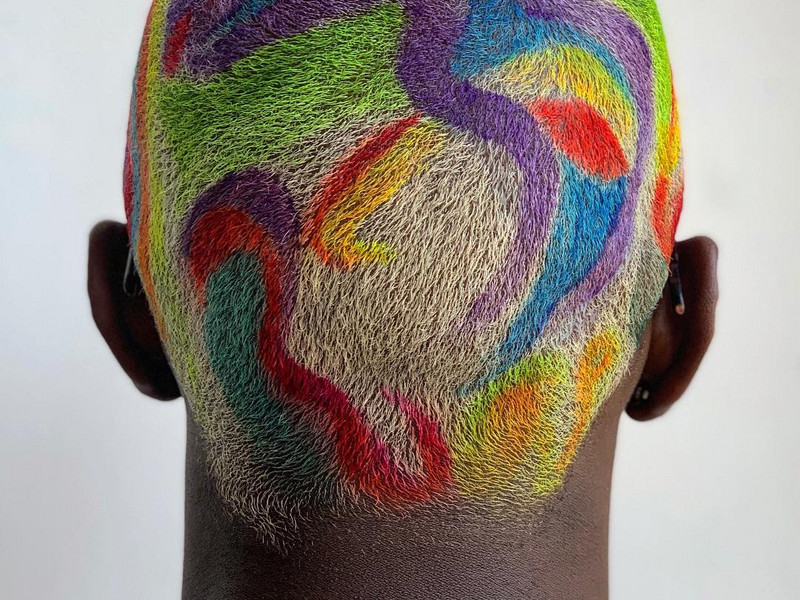
It is this theme of collaboration that lies at the heart of Masami’s ethos. For Masami, hairstyling is a method of communication in itself, the starting point for her ever-expanding community of friends and creatives. The salon is also a LGBTQ-friendly space, recently equalizing the price of men’s and women’s haircuts. “My appointments are booked online, and my transgender clients would always ask me which price they should choose,” explains Masami. “I also have male clients with long hair and female clients with short hair. I do my best design on every length of hair. Why do we have to separate hairstyle by gender?”
Alongside the salon, Masami also hosts a monthly party called Ladylike, a night of female DJs and video artists which she began after the election. Designed to celebrate women, the parties also raise money for the Sylvia Rivera Law Project, an organization that provides legal aid for trans, intersex, and gender non-conforming people of color.
It seems that Vacancy Project is destined for a busy second year. Alongside planning this weekend’s anniversary party, Masami is also in the process of producing a series of new zines and expanding the salon staff. We sat down with her to find out more.