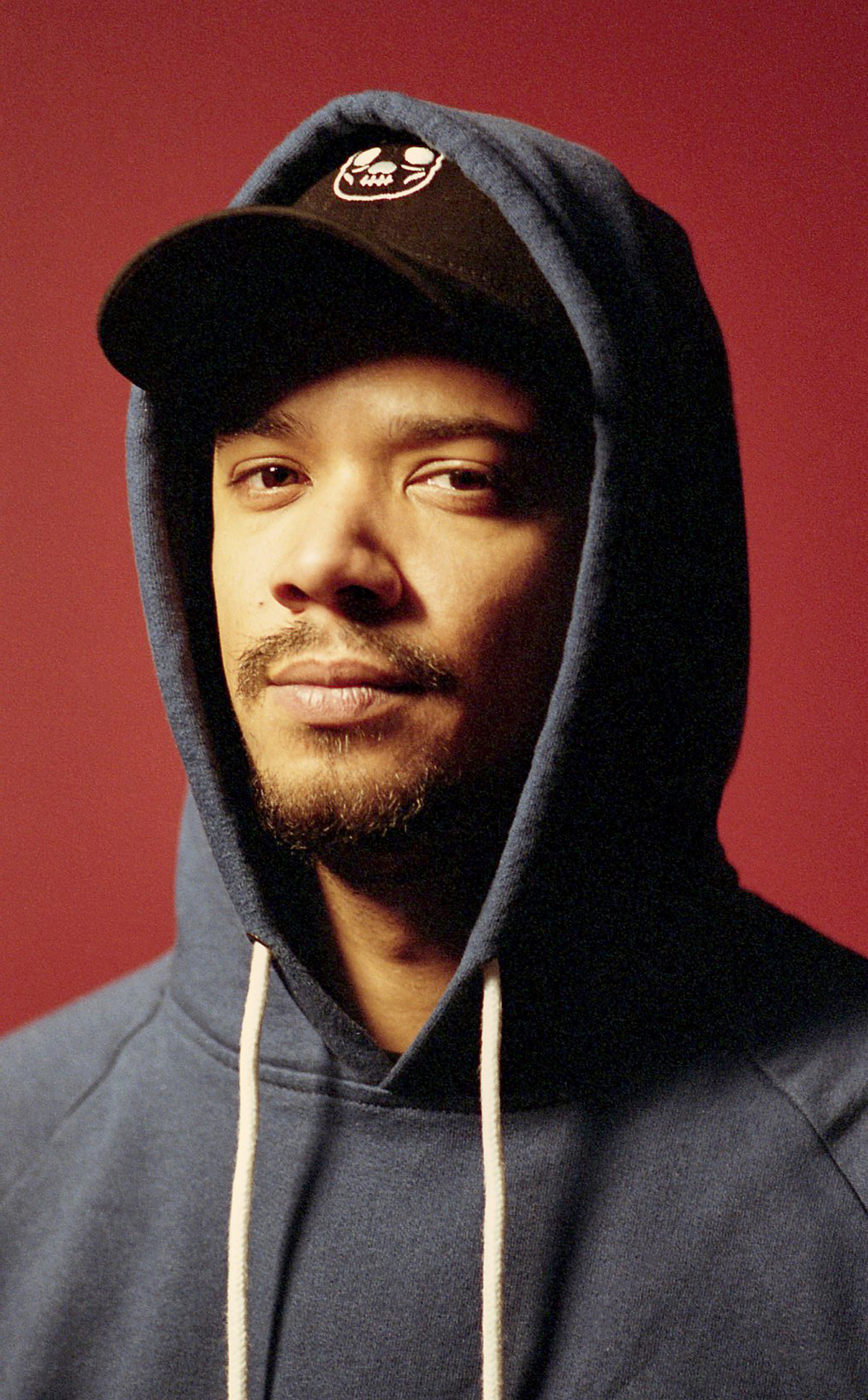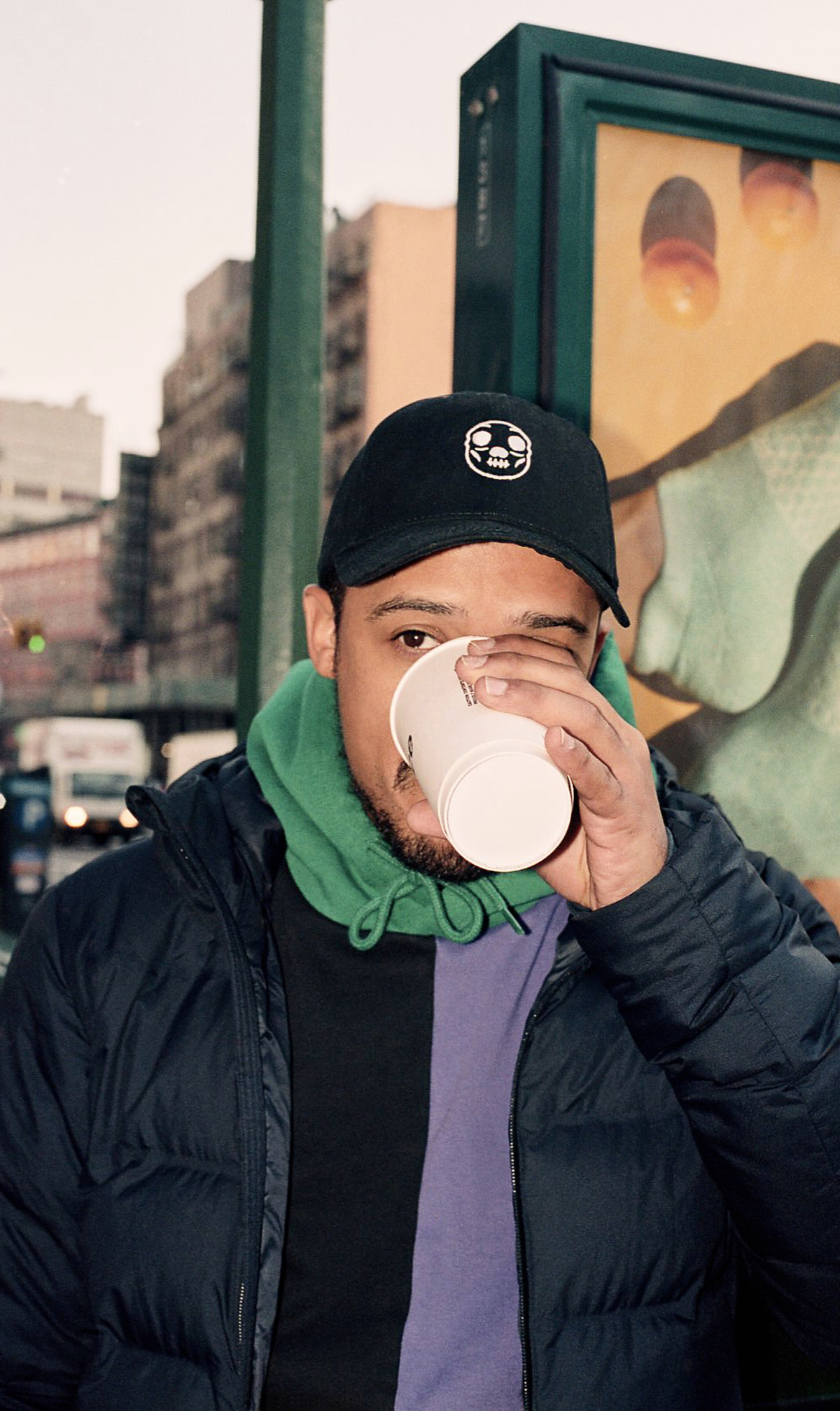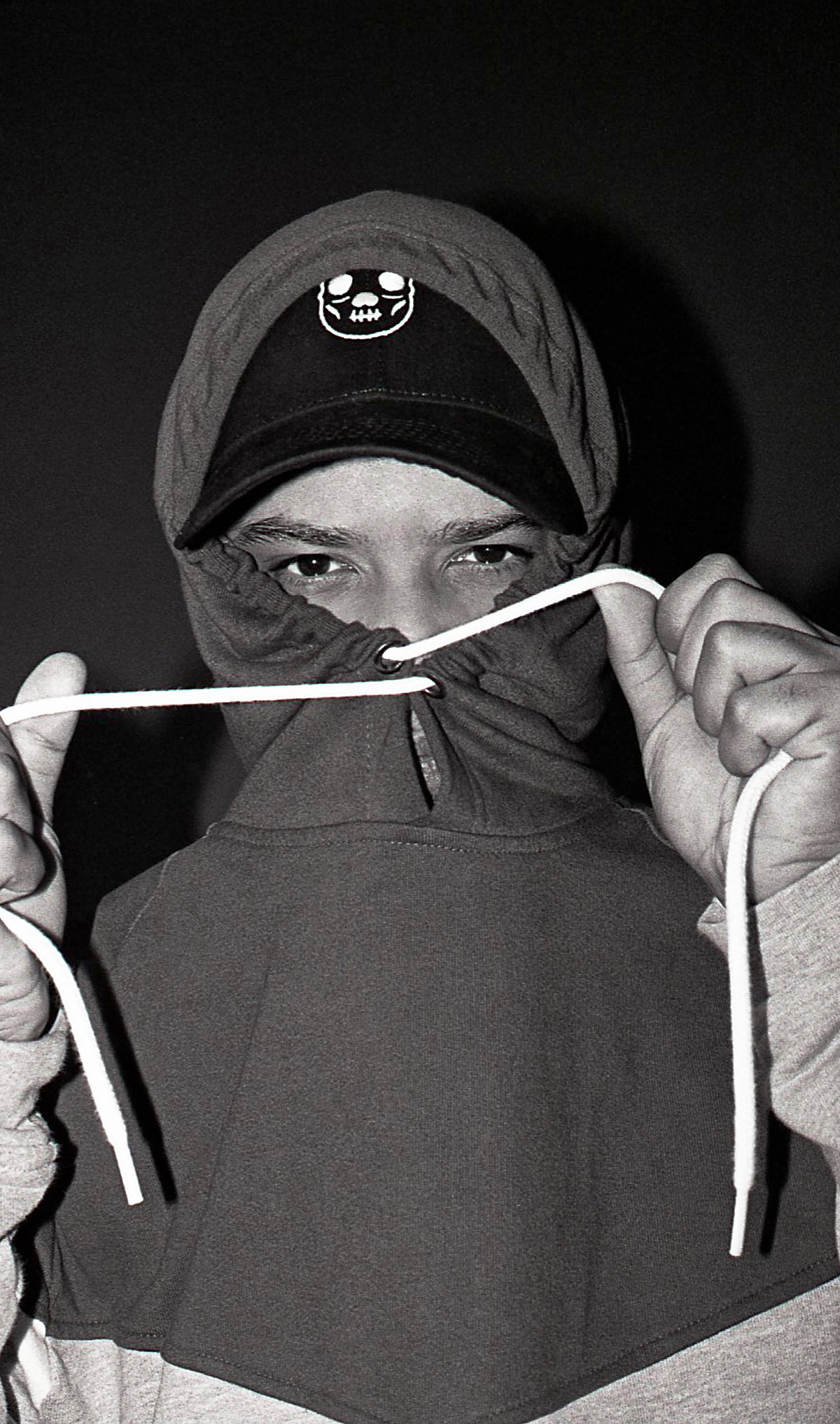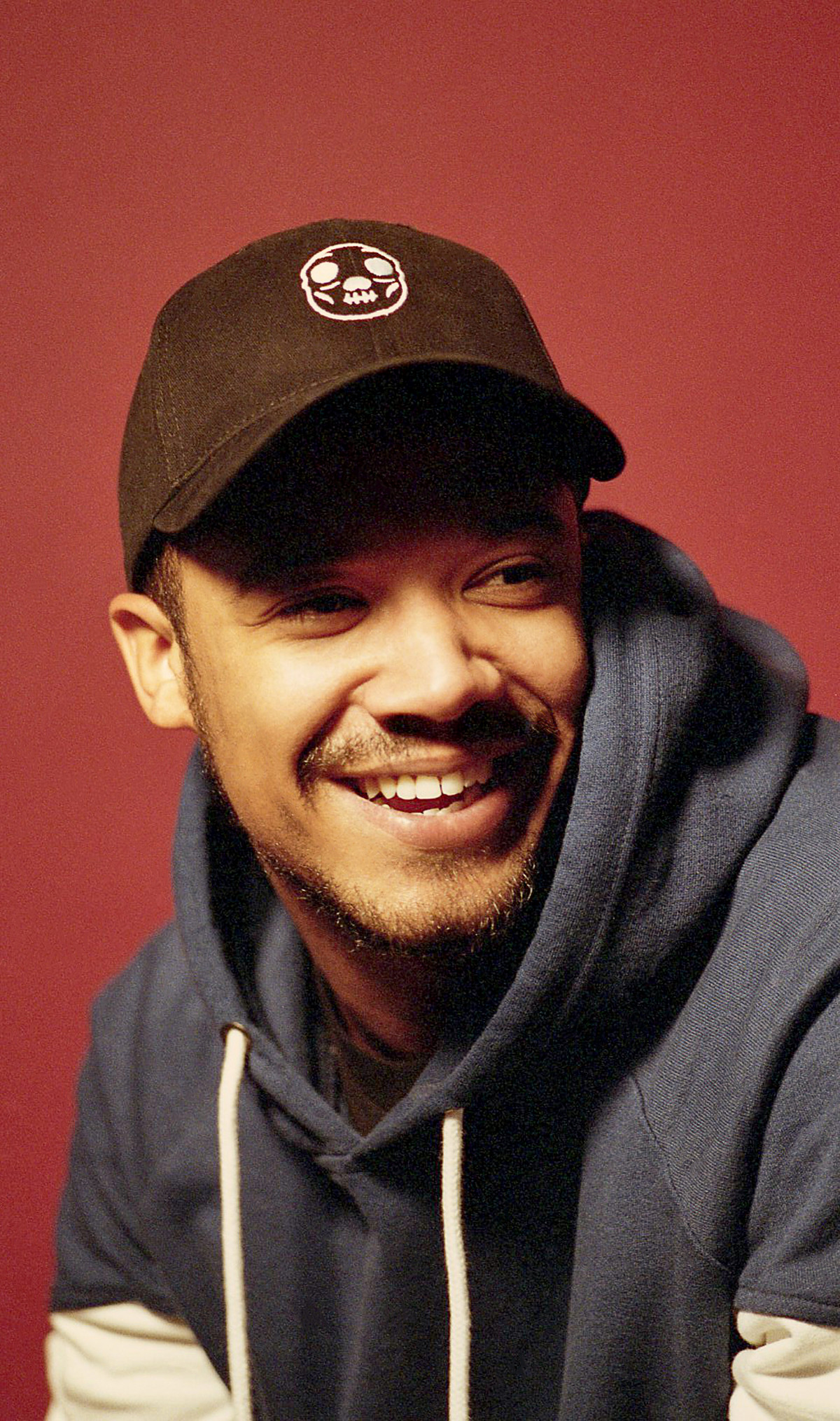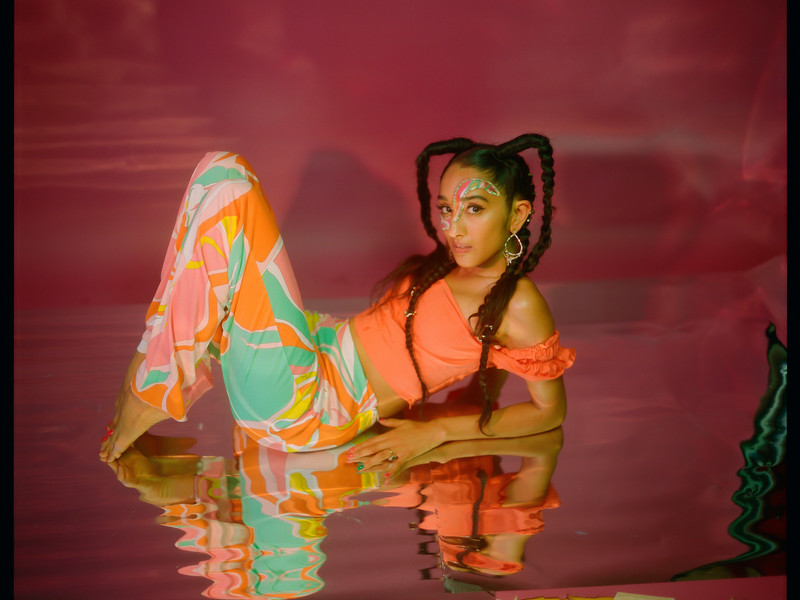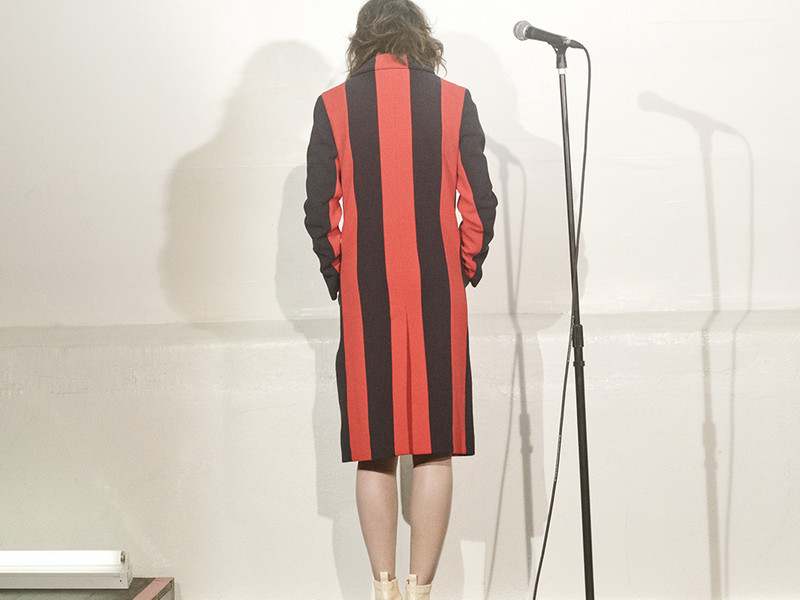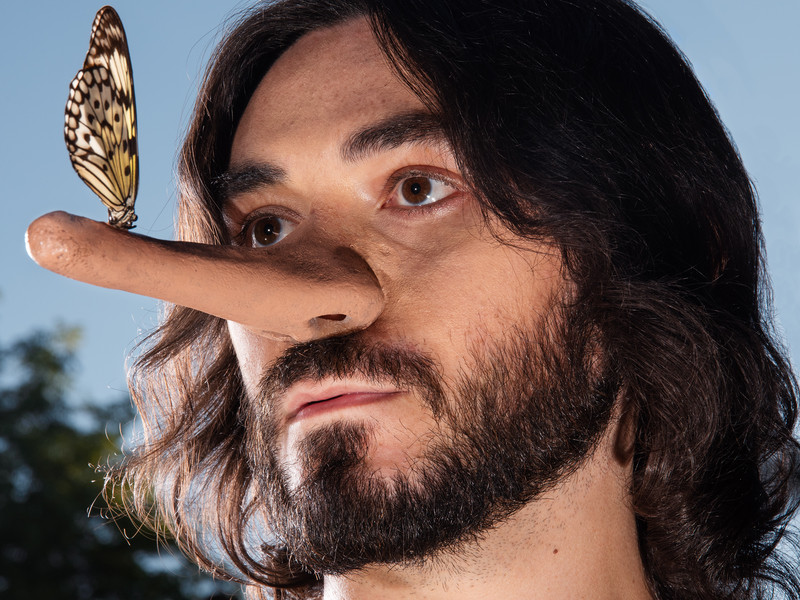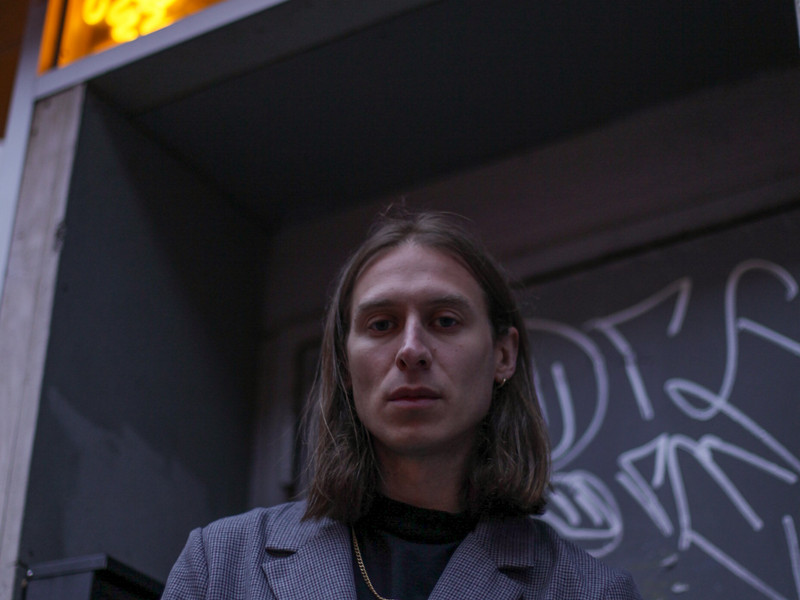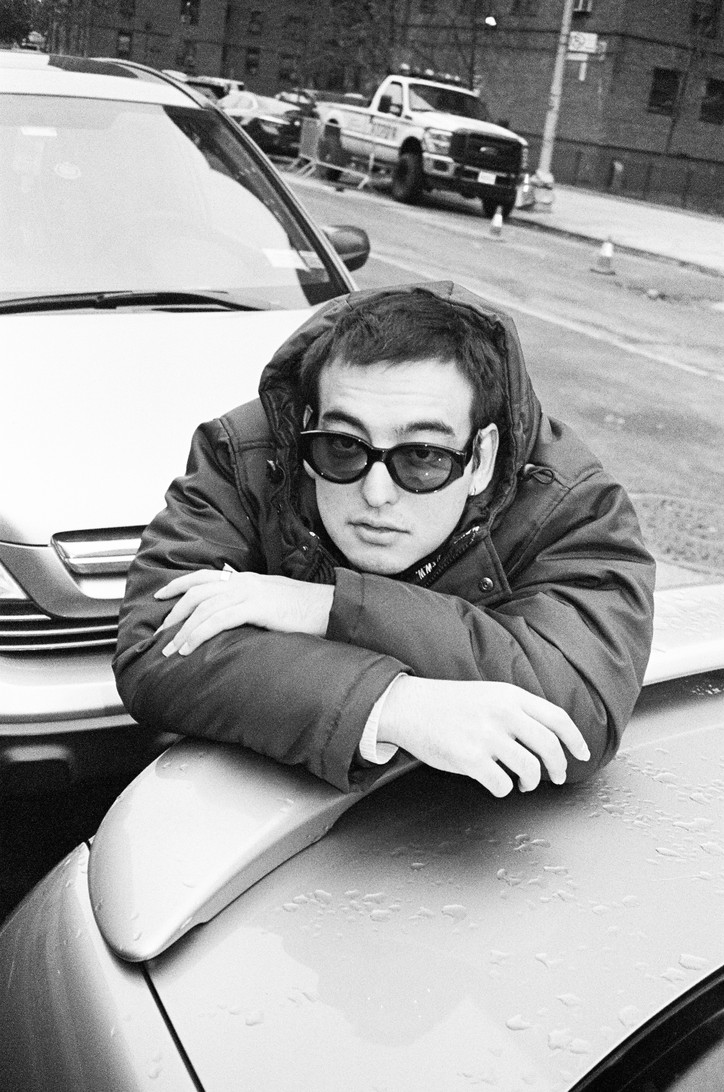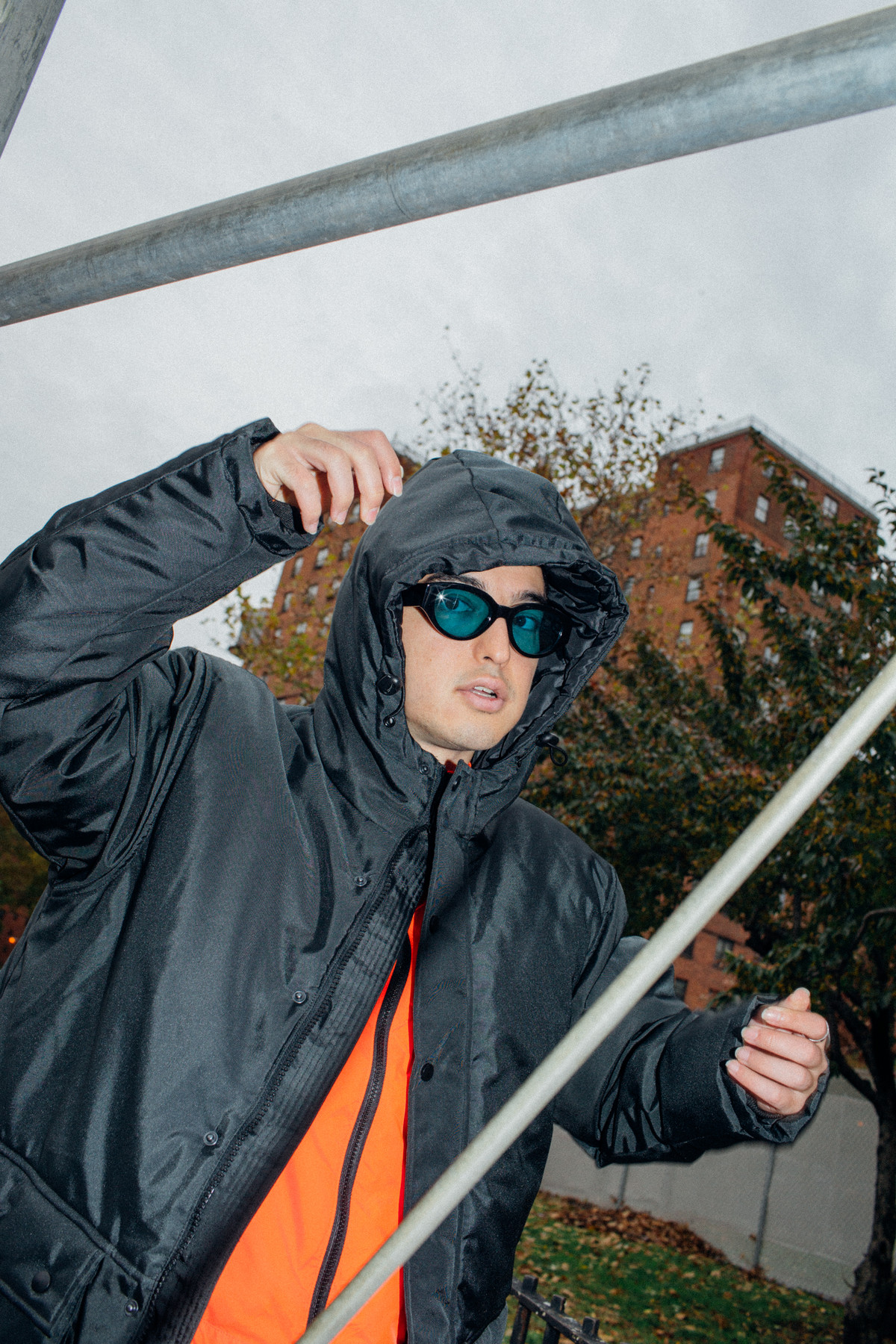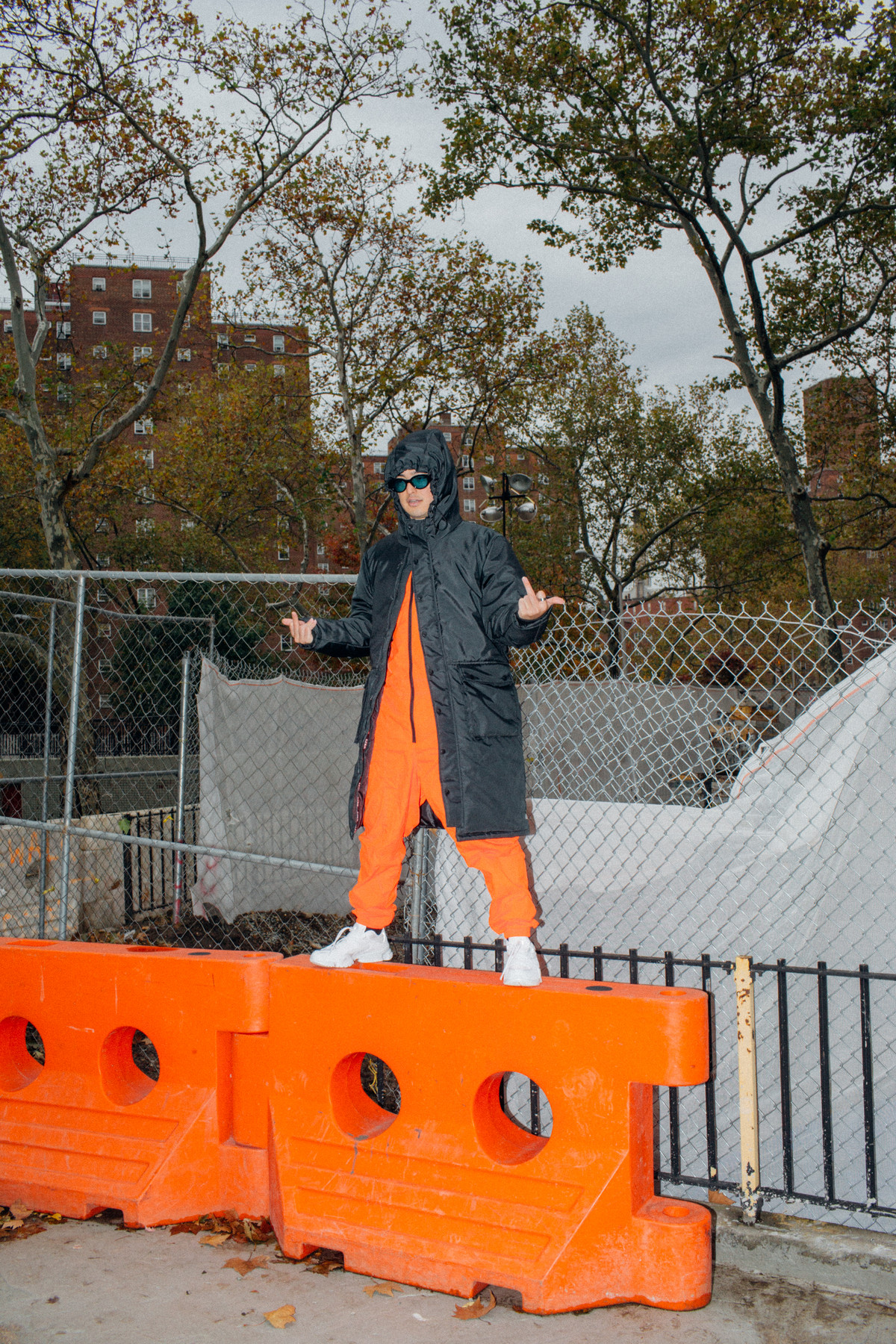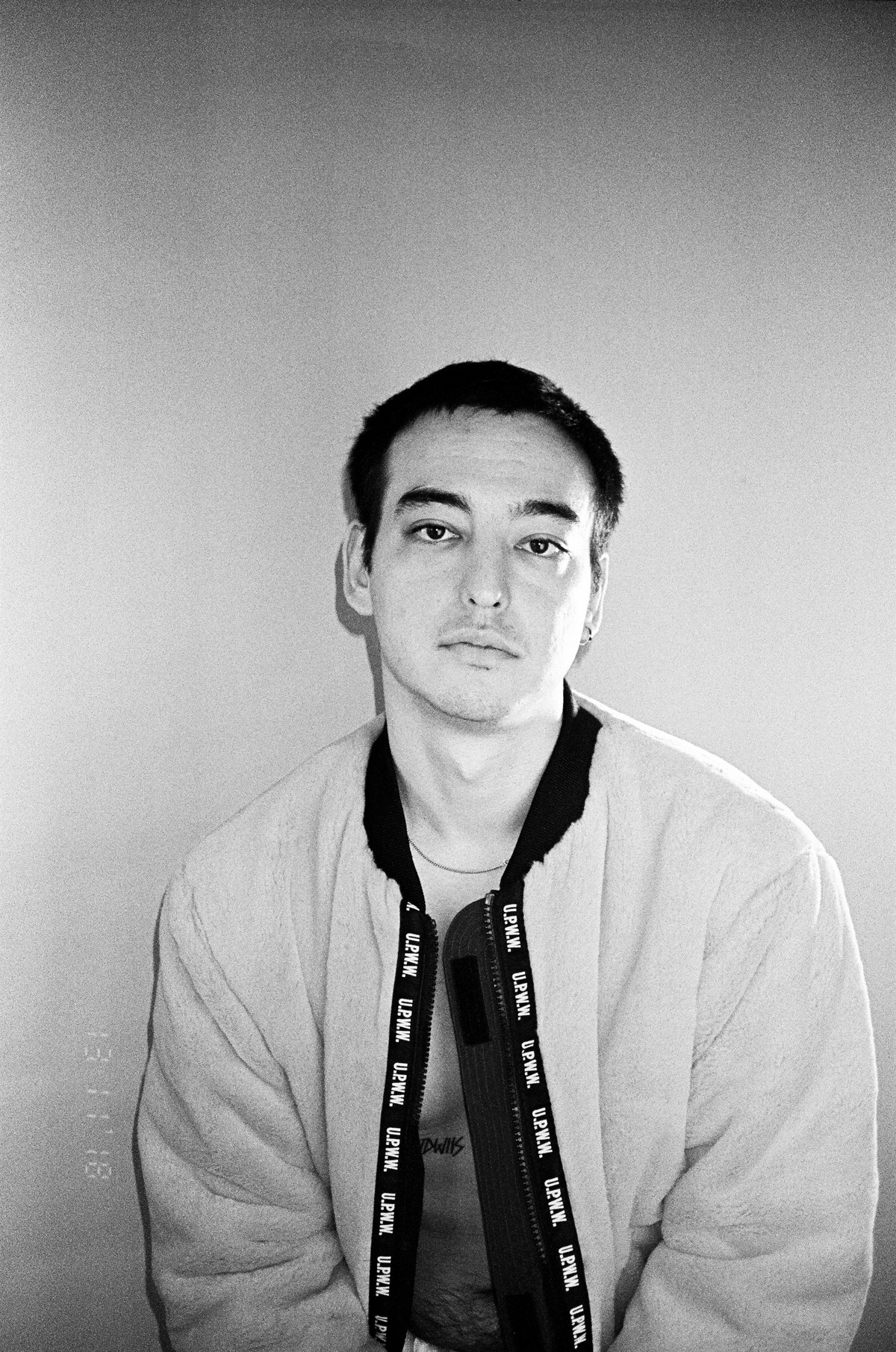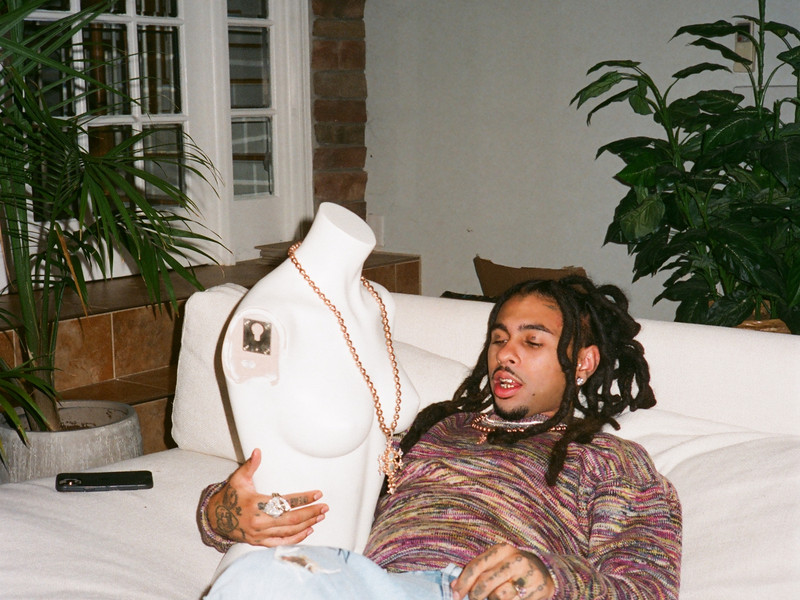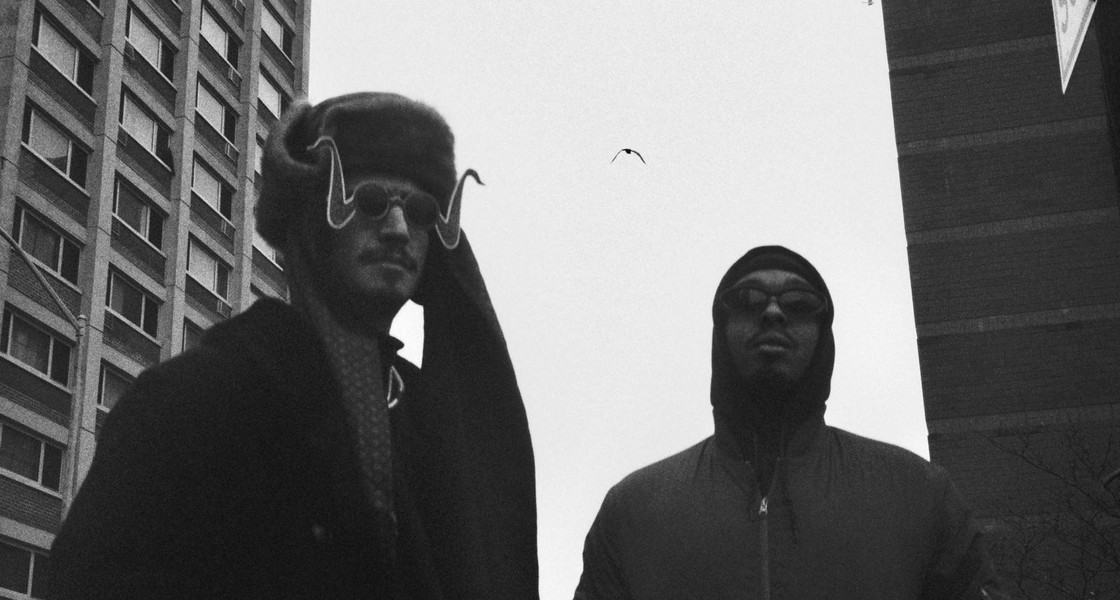
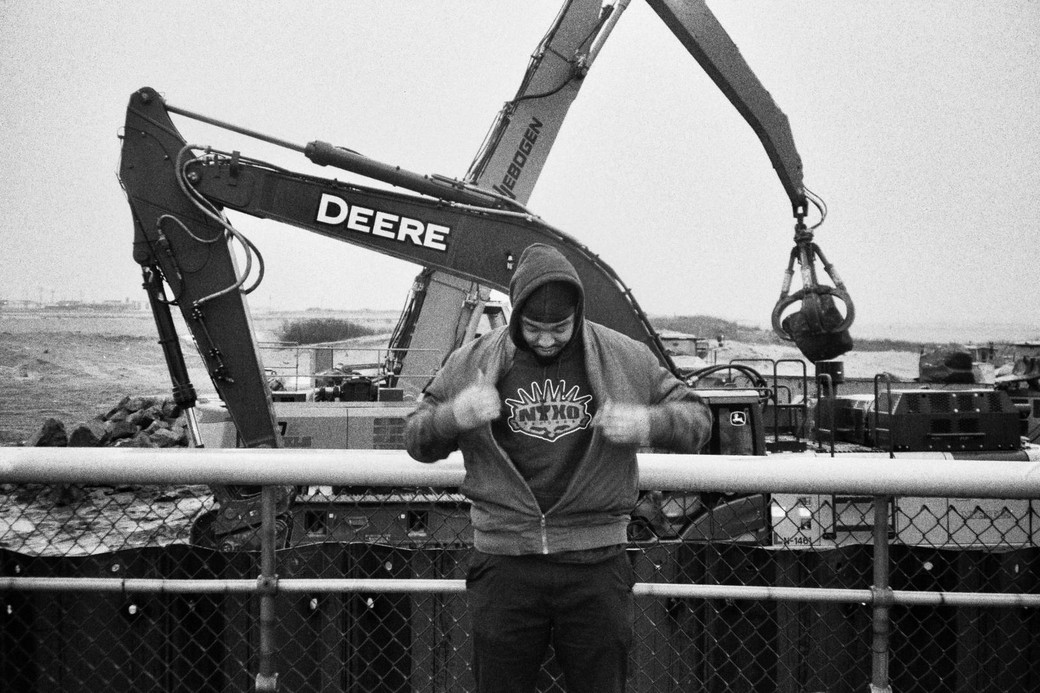
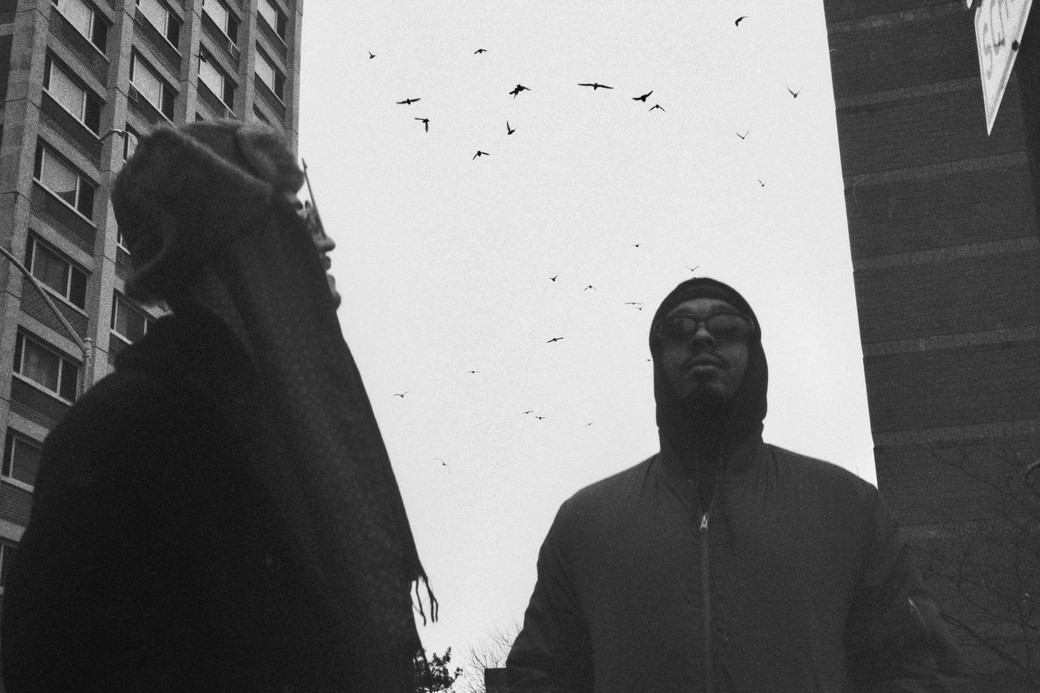
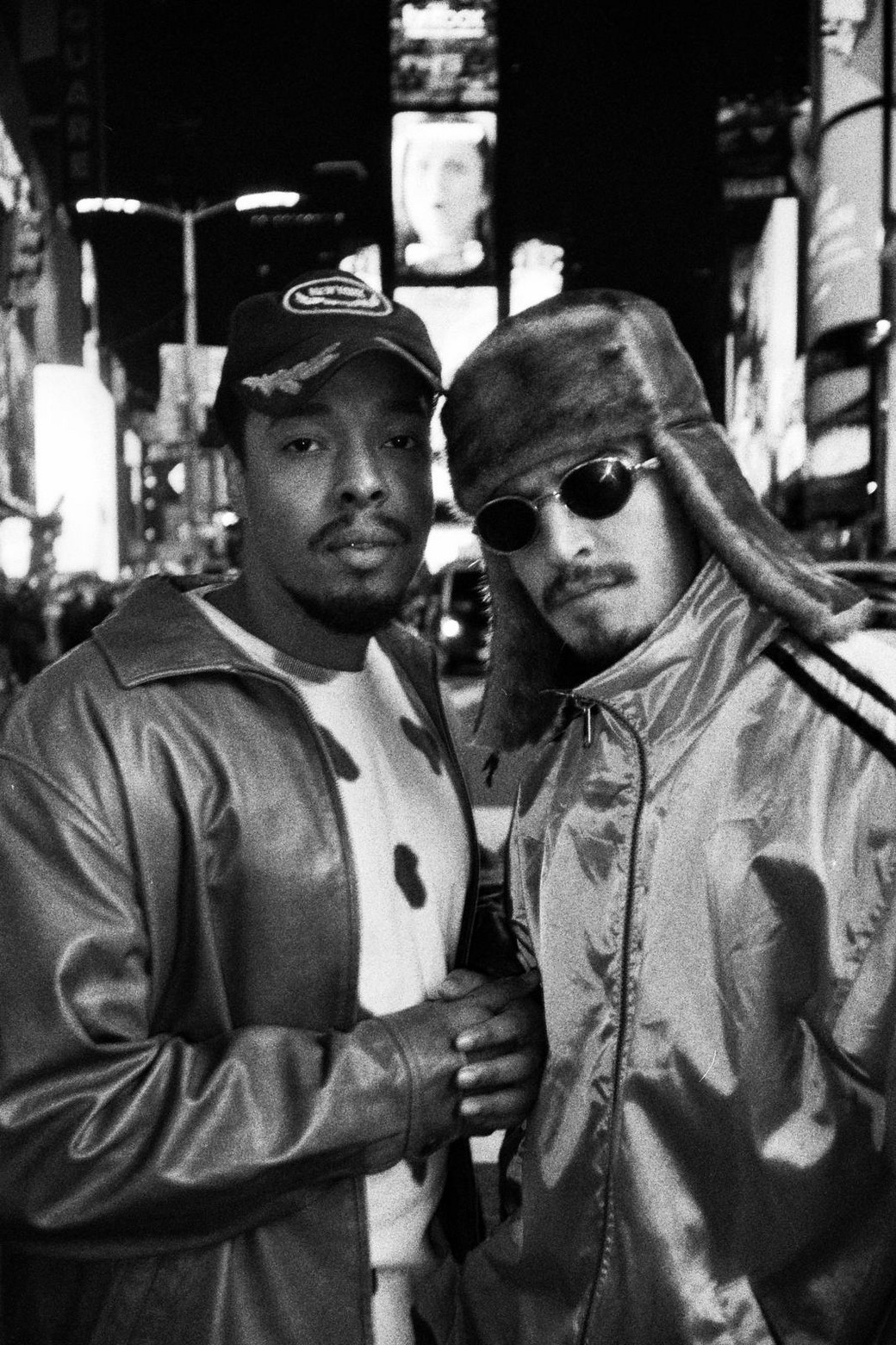
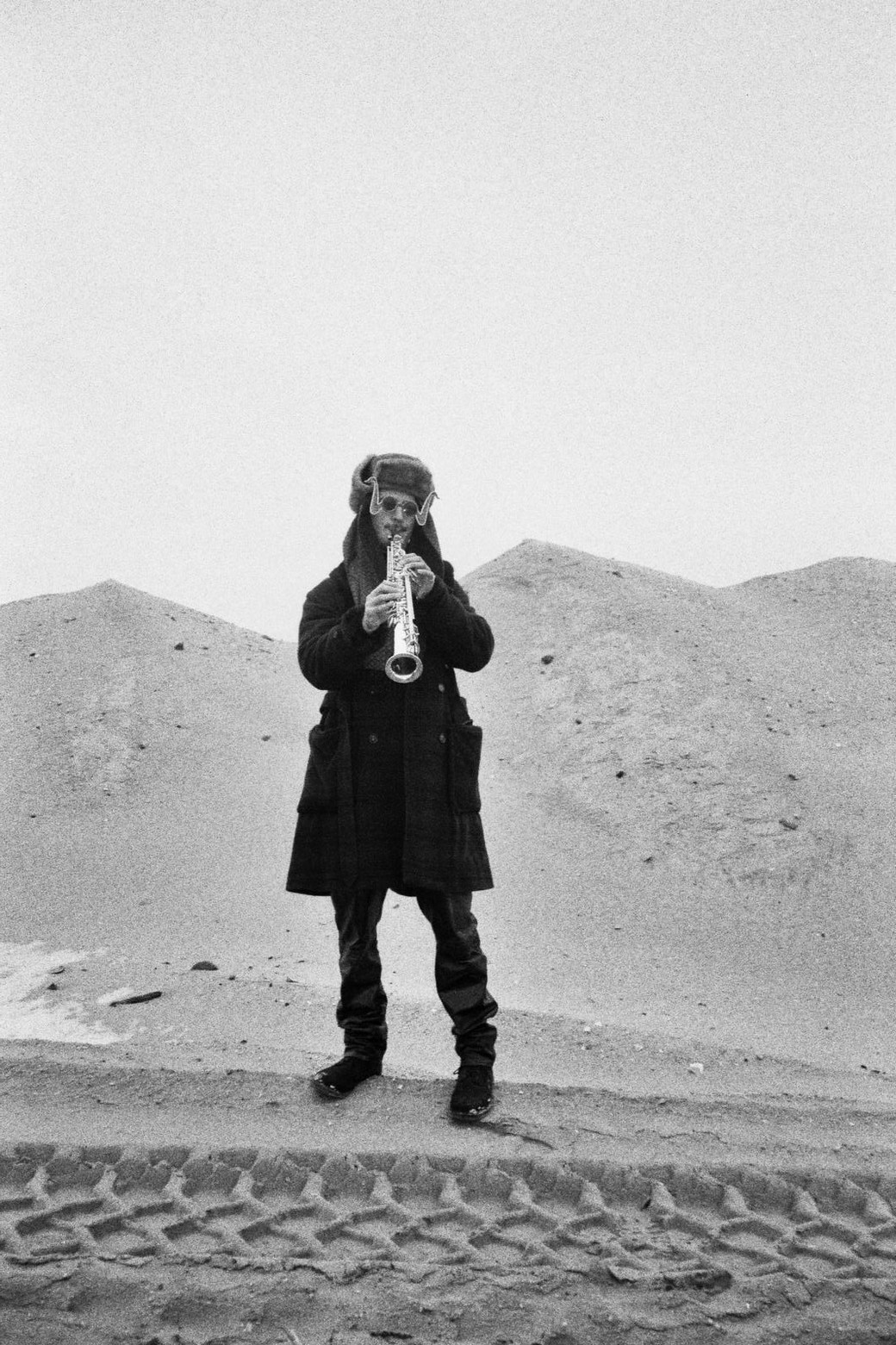
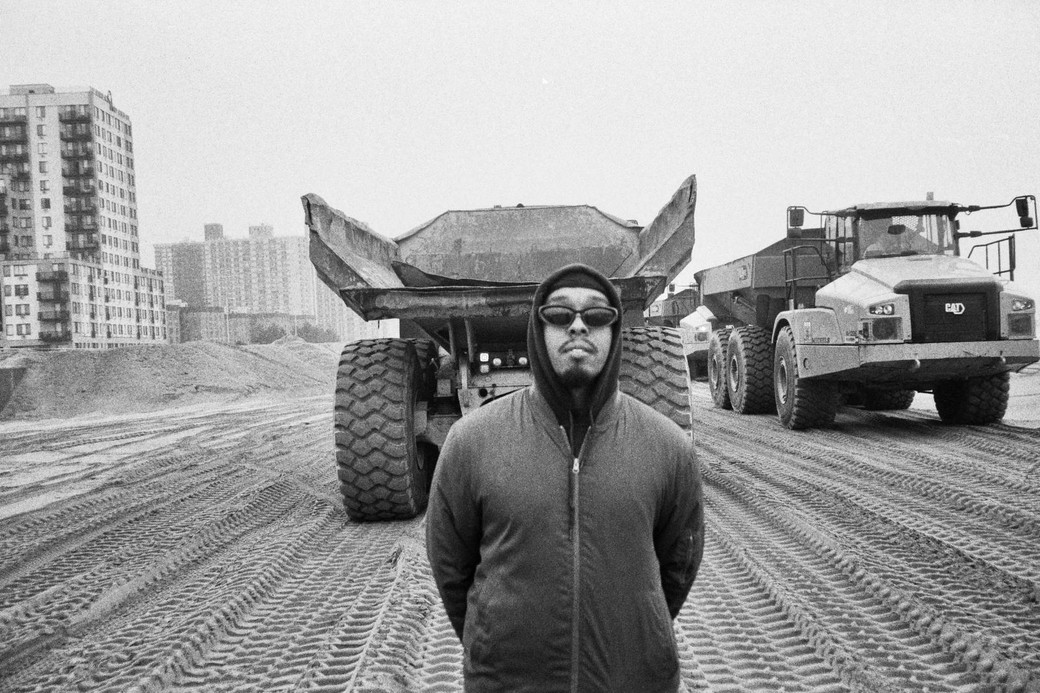
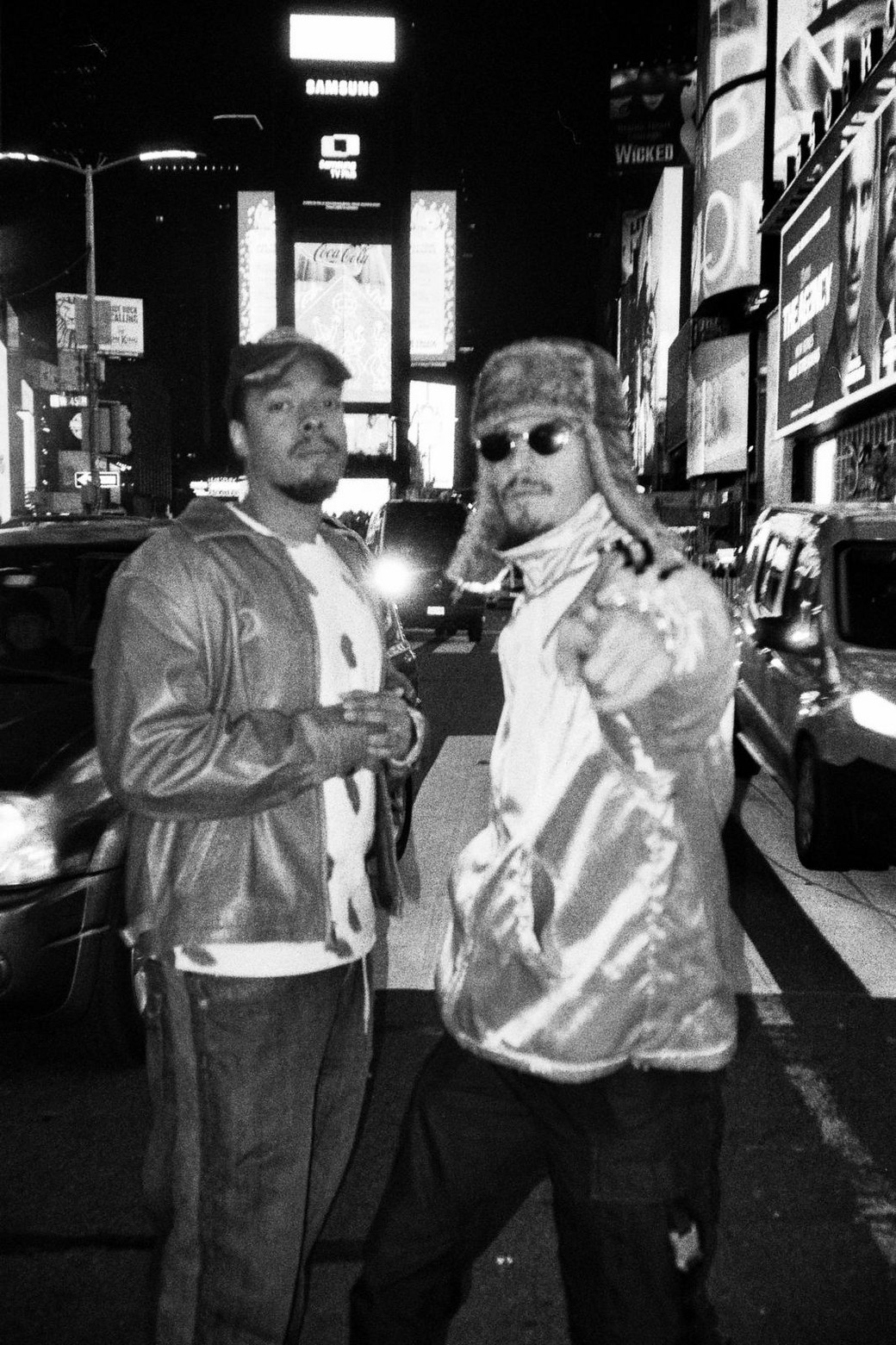
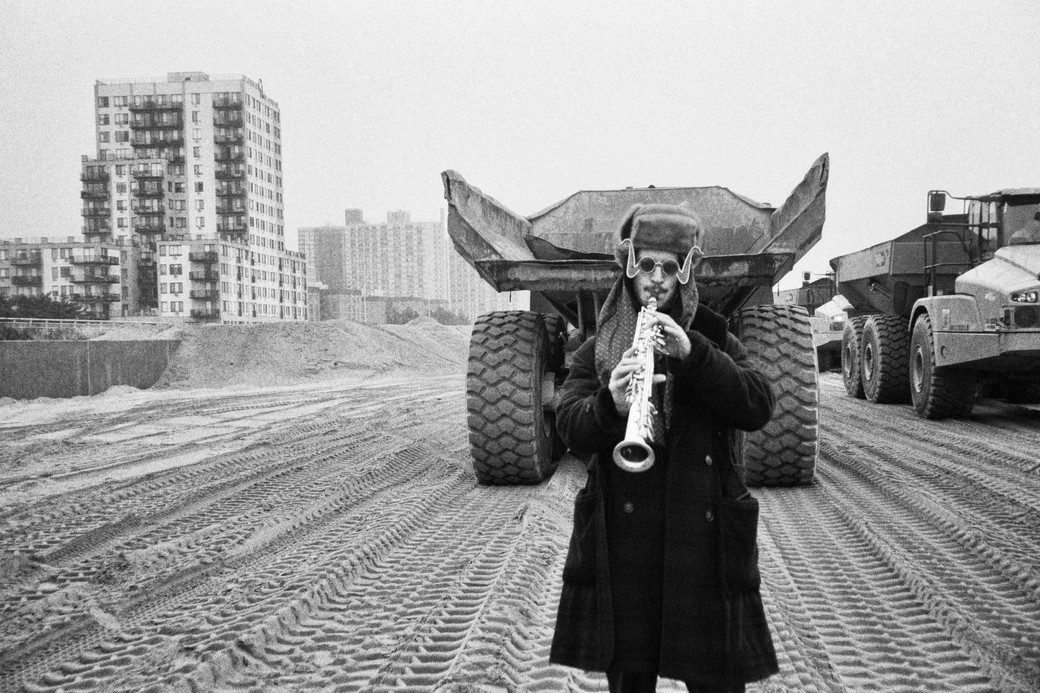

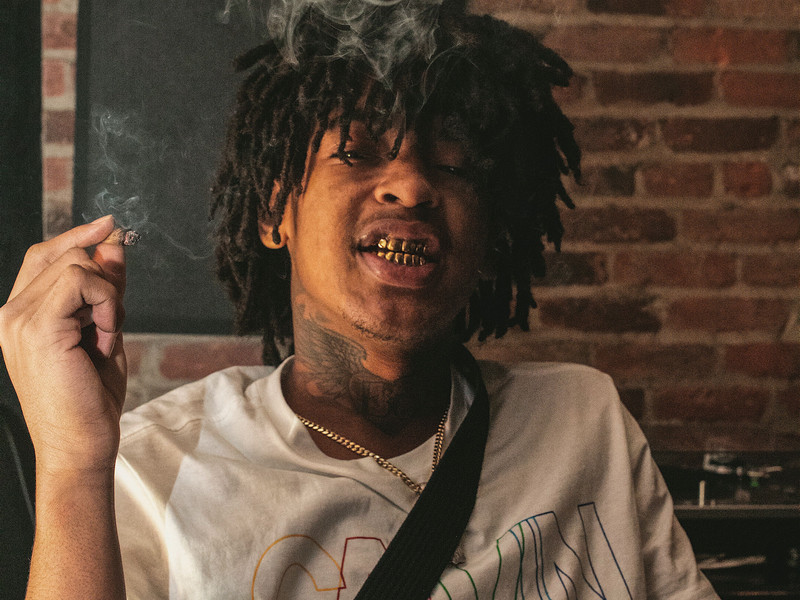
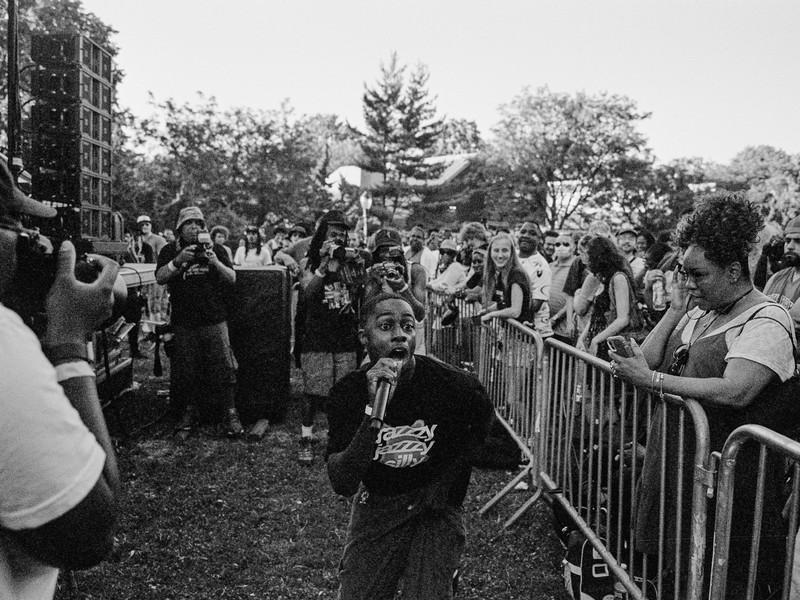
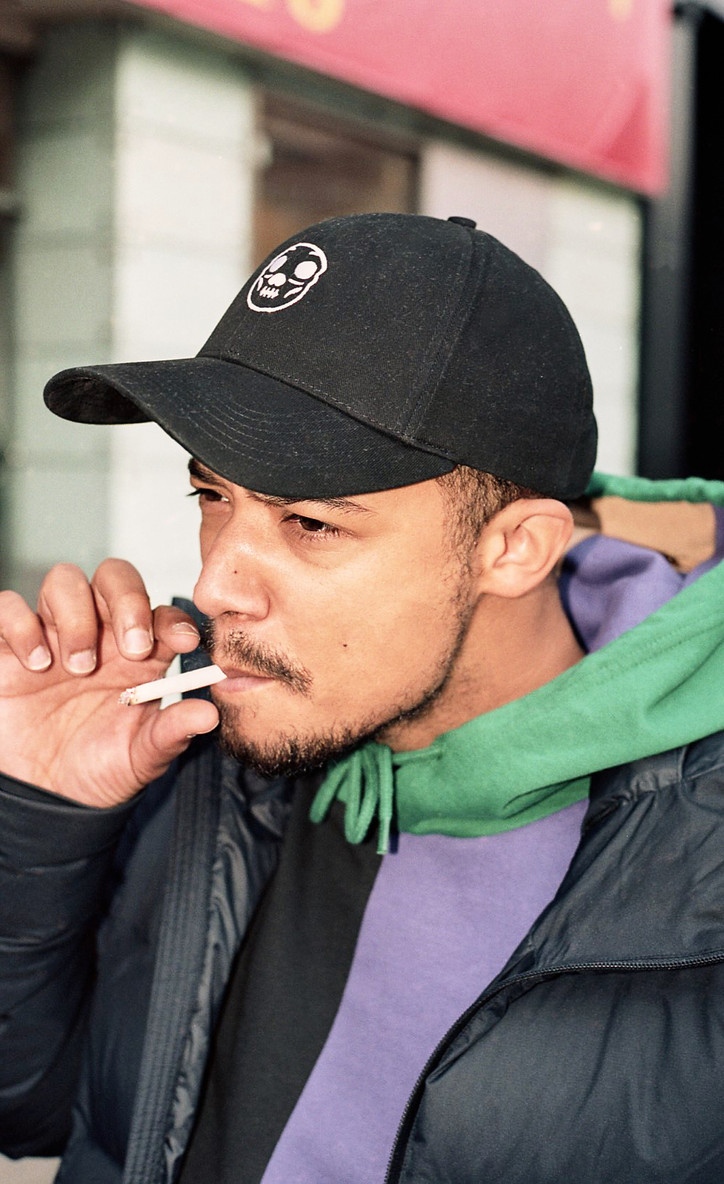
Earlier this month, Ritchie swung by office before the final stop on his U.S. tour, to talk and take a few photos. Read our interview, below.
Tell me a bit about your come up story.
When I was a kid, I felt like I couldn’t really talk to anybody—just a combination of family stuff and being a child of divorce. There were a lot of really adult things going on that nobody really wanted to talk about, and I didn’t really know how to talk about it—I had a lack of vocabulary to talk about. So, I turned to listening to music. As I got older, I would look for musicians who would talk about their lives in a really personal way—not just singing the song of the week or whatever. And looking back, I would always write down how I felt. My exercise books from school were never full of schoolwork—I would take them and write how I felt that day and somehow adapt that to songwriting.
Why is it that it’s always easier to write down your feelings instead of talking about them?
The way I see it, when you write things down, you’re not getting an instant reaction. Say I said, 'Today I’m thinking about death a lot and I’m scared of dying'—if you say that to somebody’s face, you may get somebody trying to talk you out of that feeling, or somebody thinking you’re weird. It’s not necessarily always that—sometimes people try being really supportive, as well—but that doesn’t work either.
I hate when people try to level with me. Maybe it’s more about that feeling of release and less about wanting someone’s opinion.
Exactly! It’s a lack of accountability. My girlfriend’s an actress and she has this thing about if you act in something that you’re filming versus acting in something on stage. When you do something on stage, you have instant praise, but when you’re filming something, you don’t know how people will react to it. With music, you have that same safe feeling as filming. I write with people I trust and when I go away to write the lyrics for a song, I come back and it’s not like people being like, 'Oh why don’t you make it more this, or more that?; Most days later I can say, 'Yeah I did feel like that, and I don’t feel like that now,' but it’s a safe space to express things that maybe I can’t say to my parents or my friends.
How did you meet your band?
It started in a really inorganic way. We had auditions for a band but my MD is a really good guy and I really got a long with him—he understood the person I was, the people I liked to surround myself with and the kinds of shows I wanted to put together. It’s weird, ‘cause I don’t have exactly the same band now, but we just have really good chemistry. We really enjoy each other’s company. I just got really lucky to have people who are my friends now, who I trust and who also trust me.
Yeah you’re lucky enough to find a few good friends, but to have those people also be able to get you closer to your dreams is next level.
It’s the same for producers, as well. Because of the way I write, that trust is really important—to have people who won’t look at you funny or try to steer you in a different direction. My band has been writing with me, coming up with ideas and stuff—you just build that foundation with others who you trust.