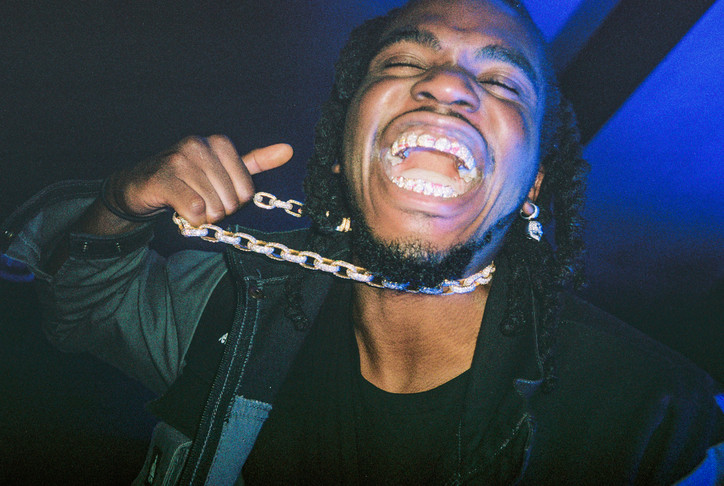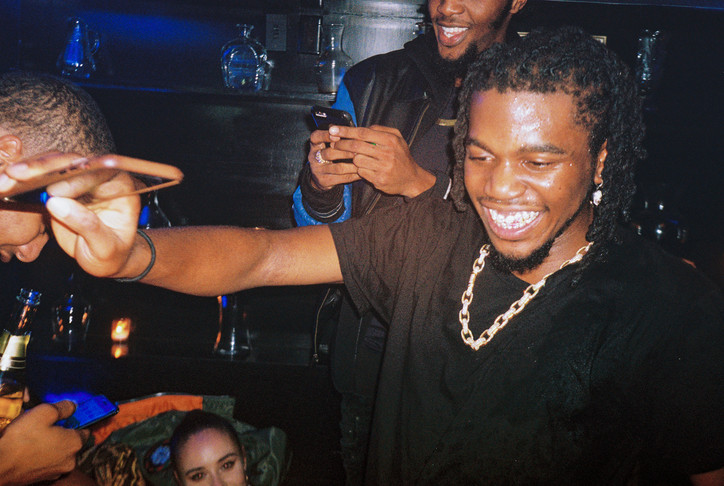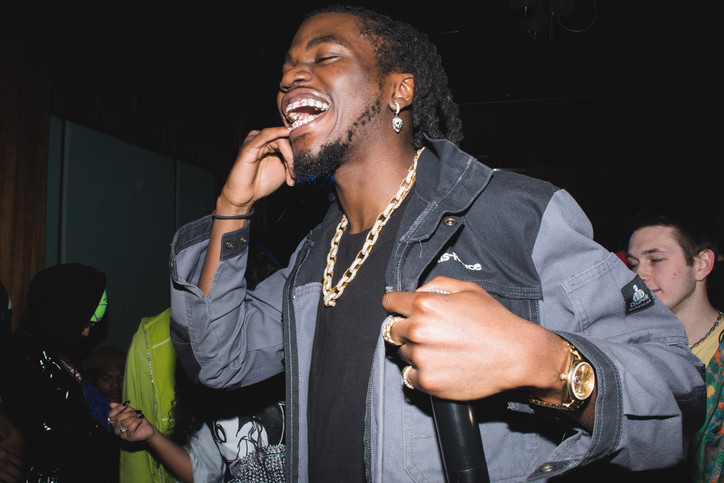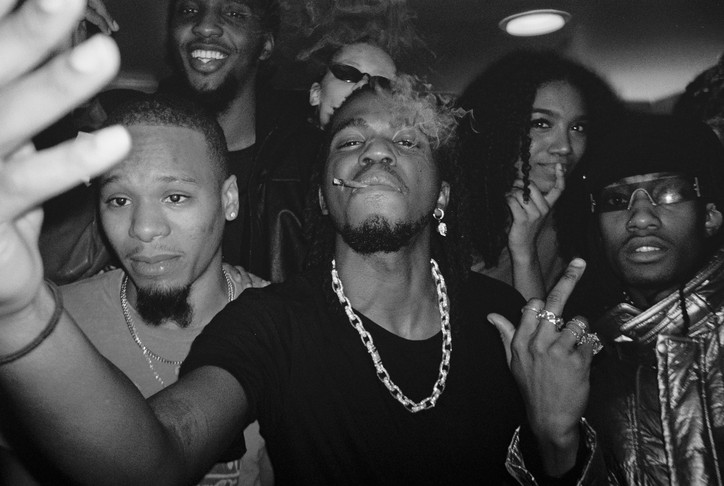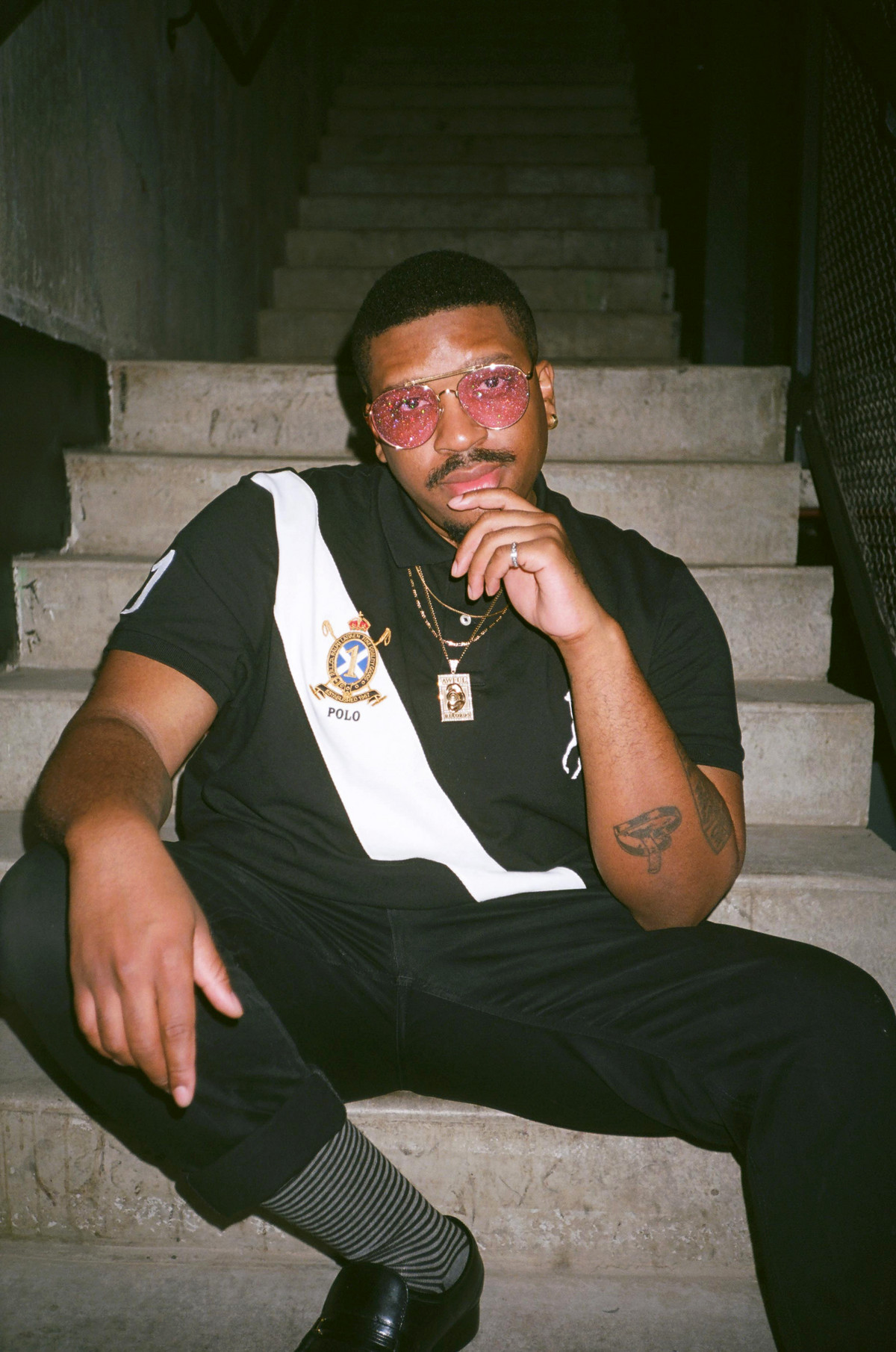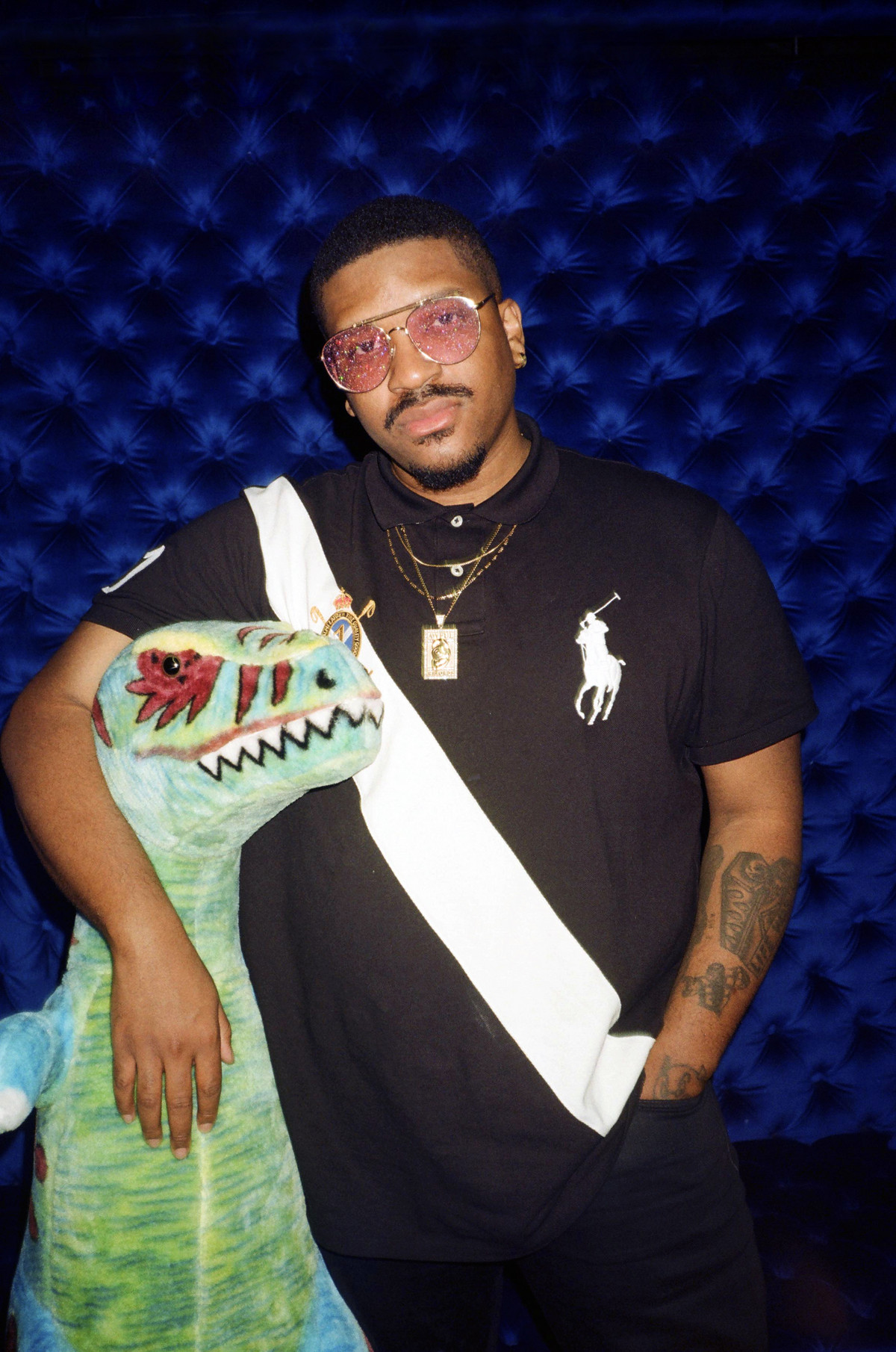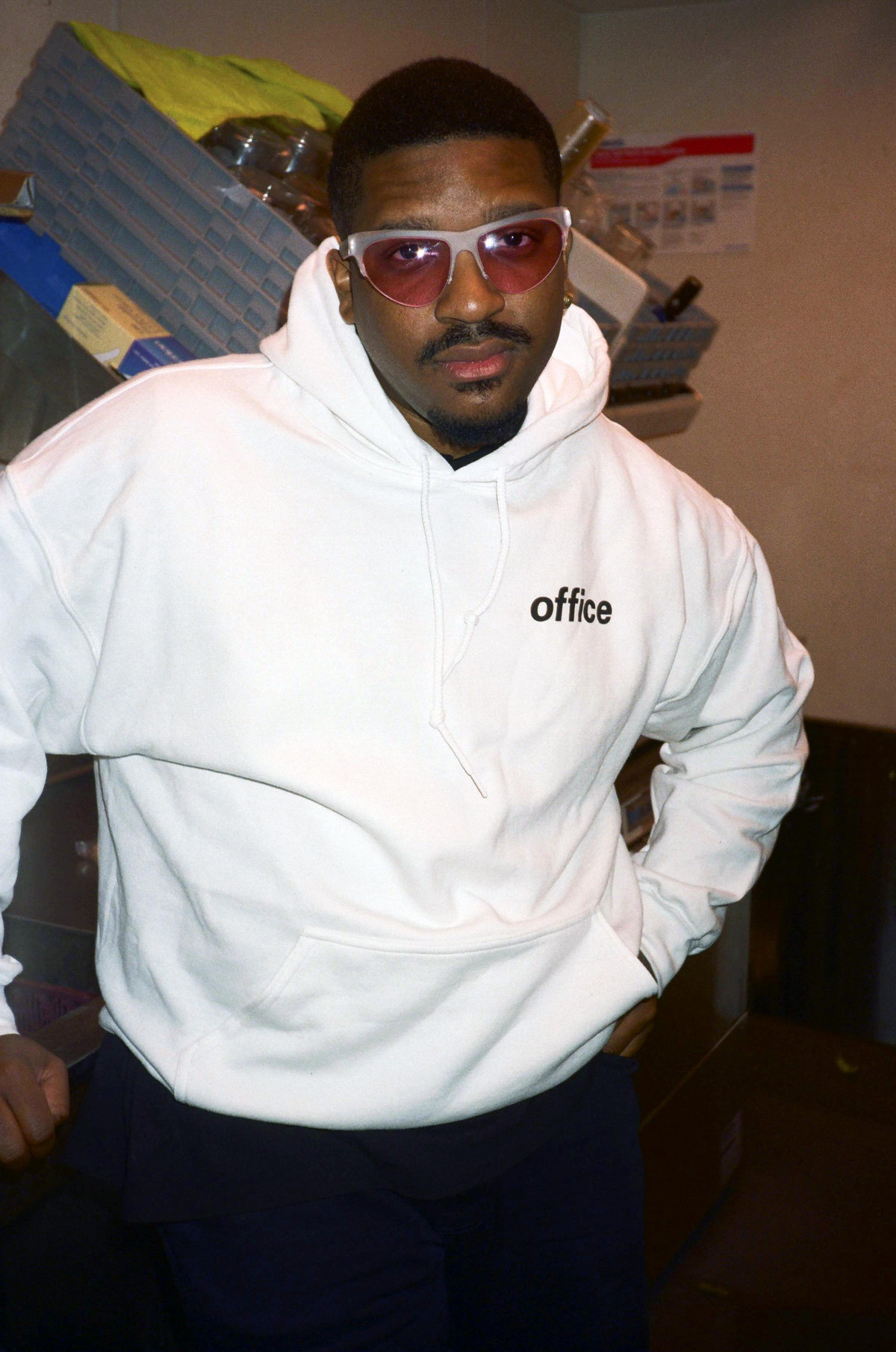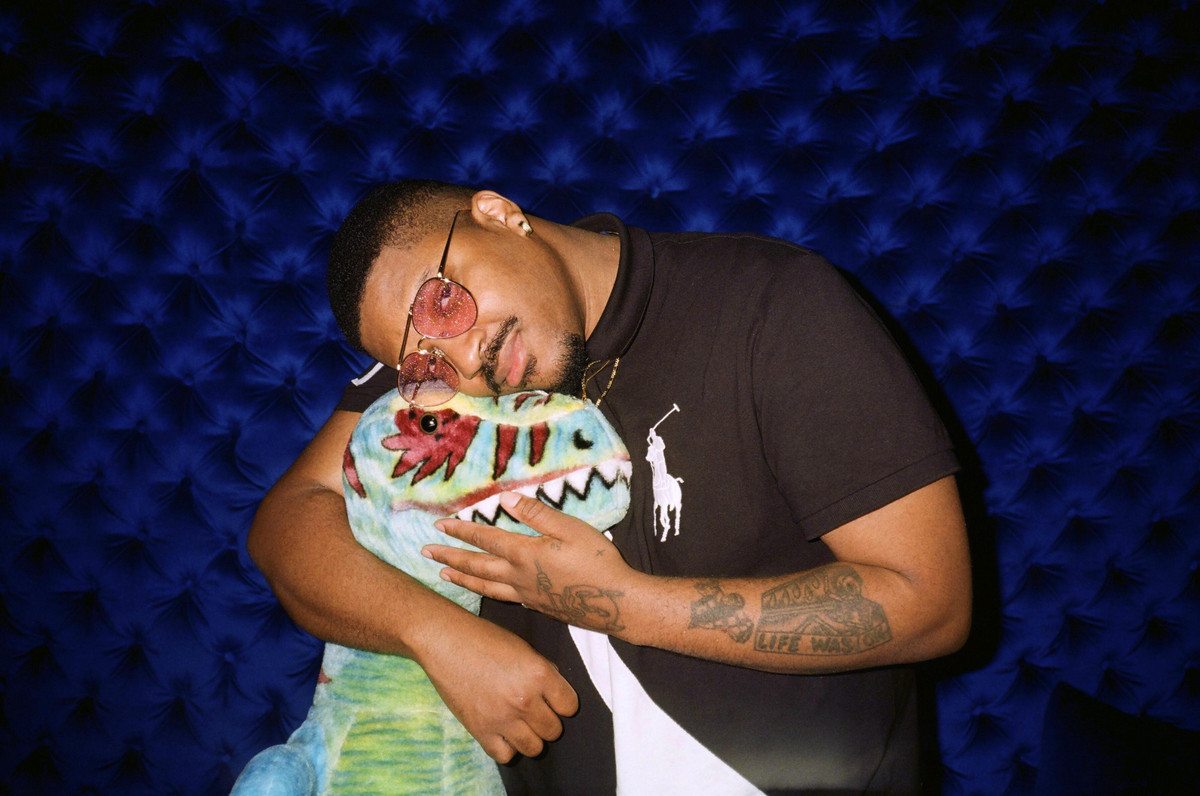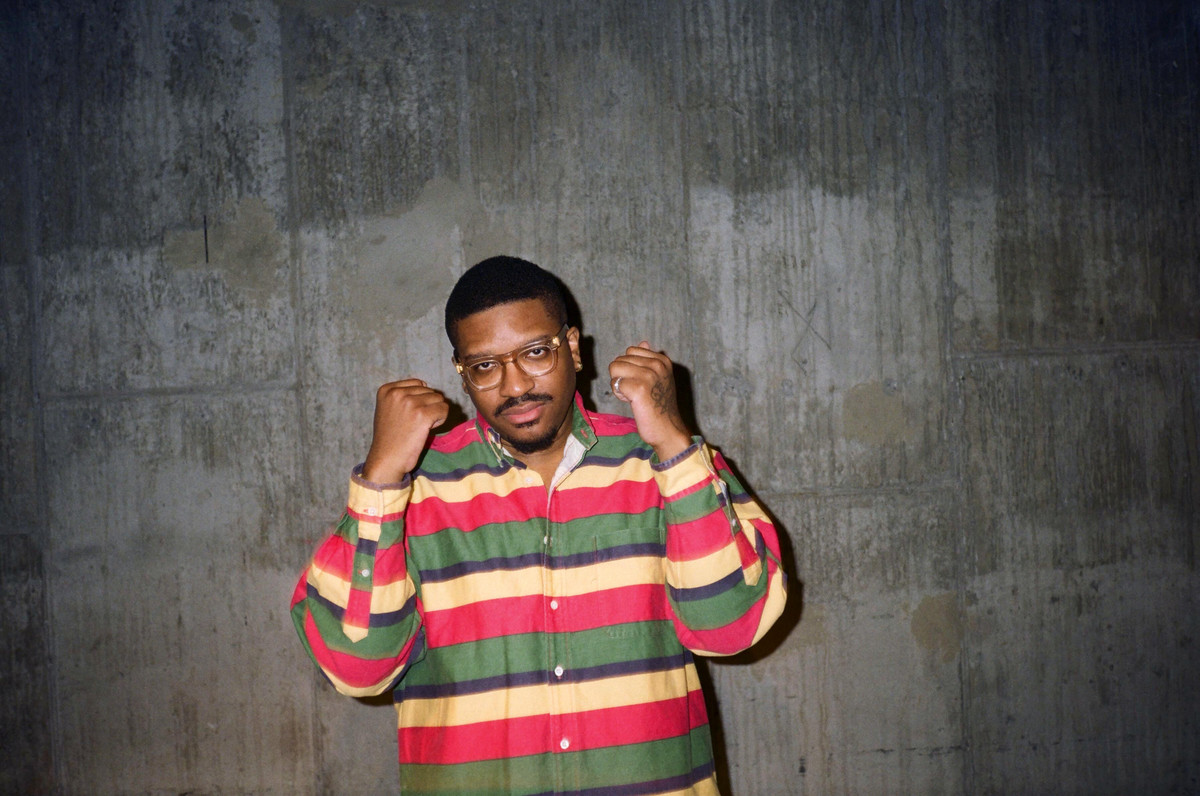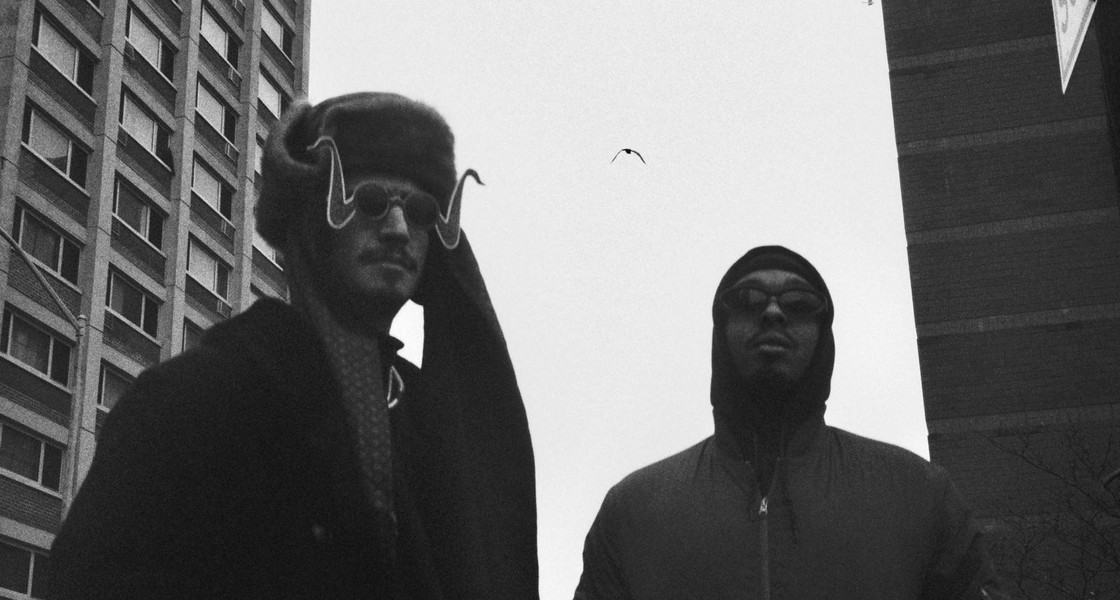
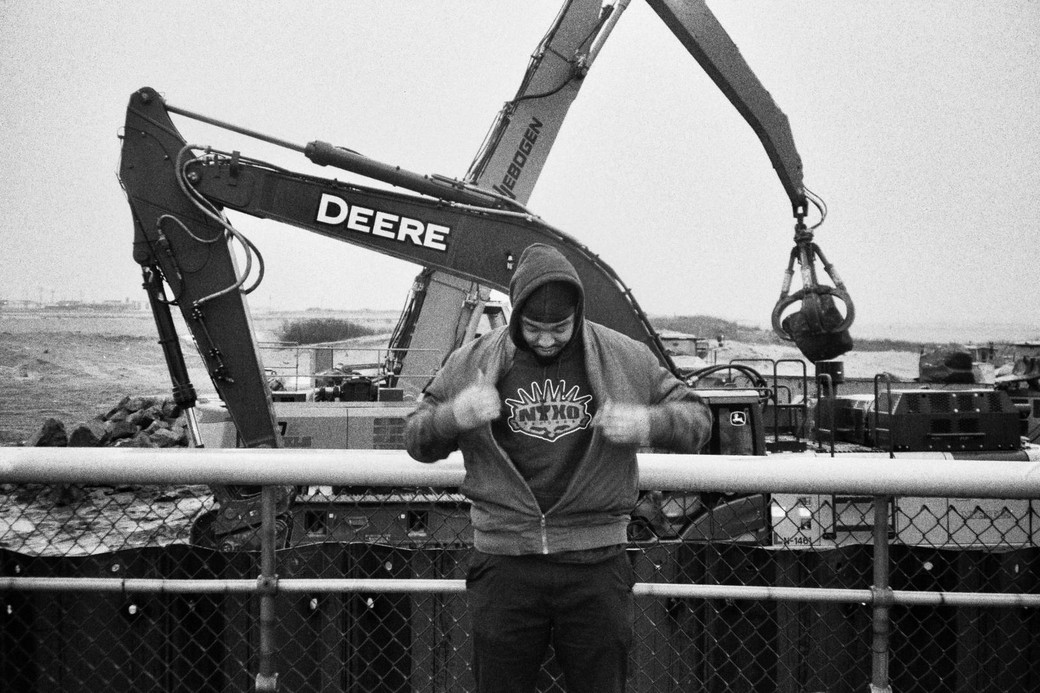
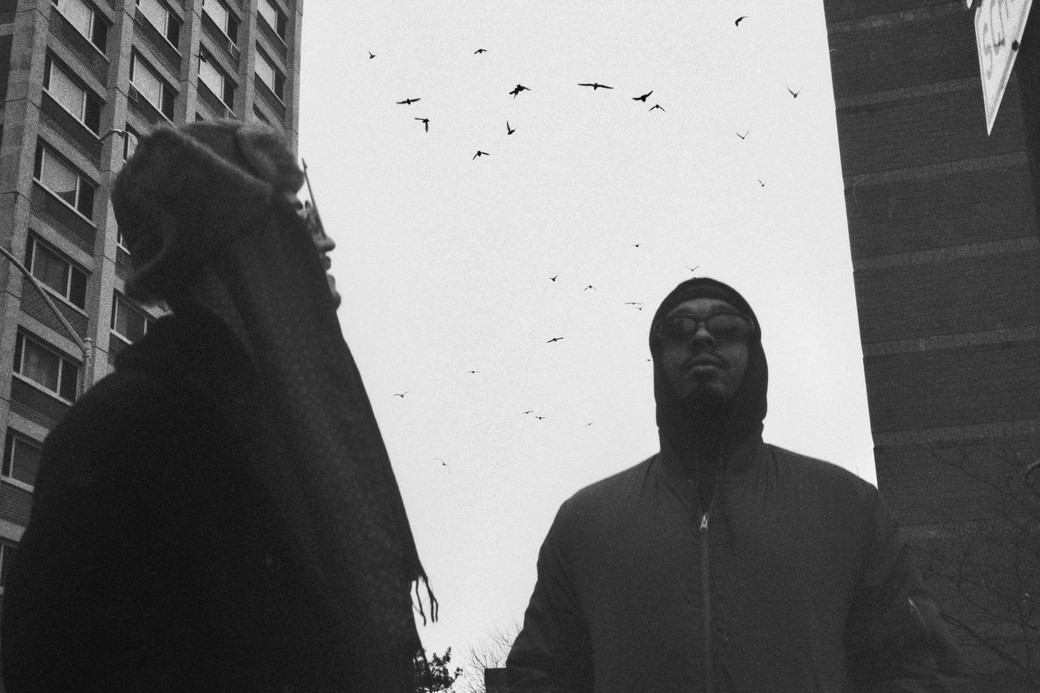
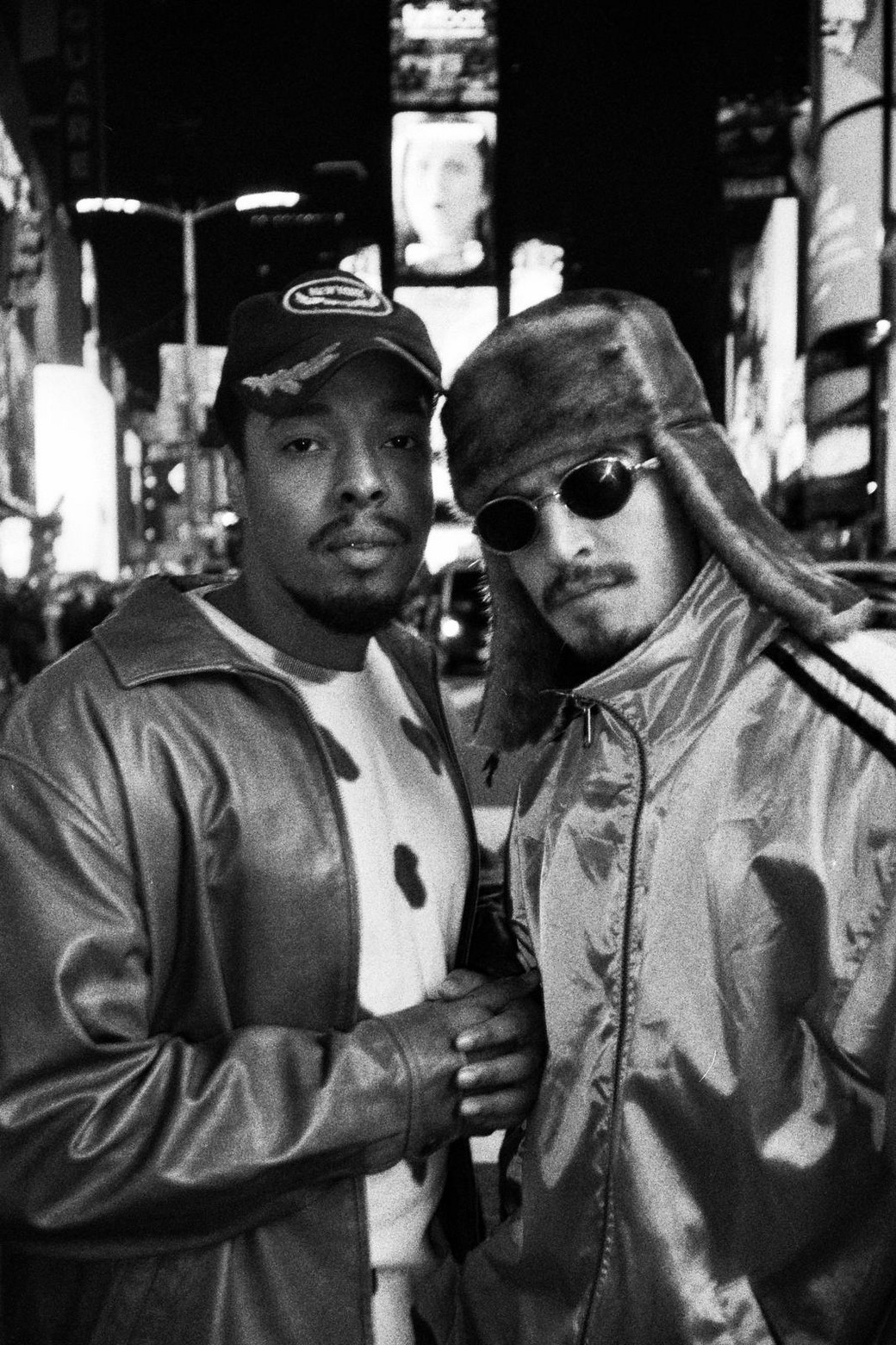
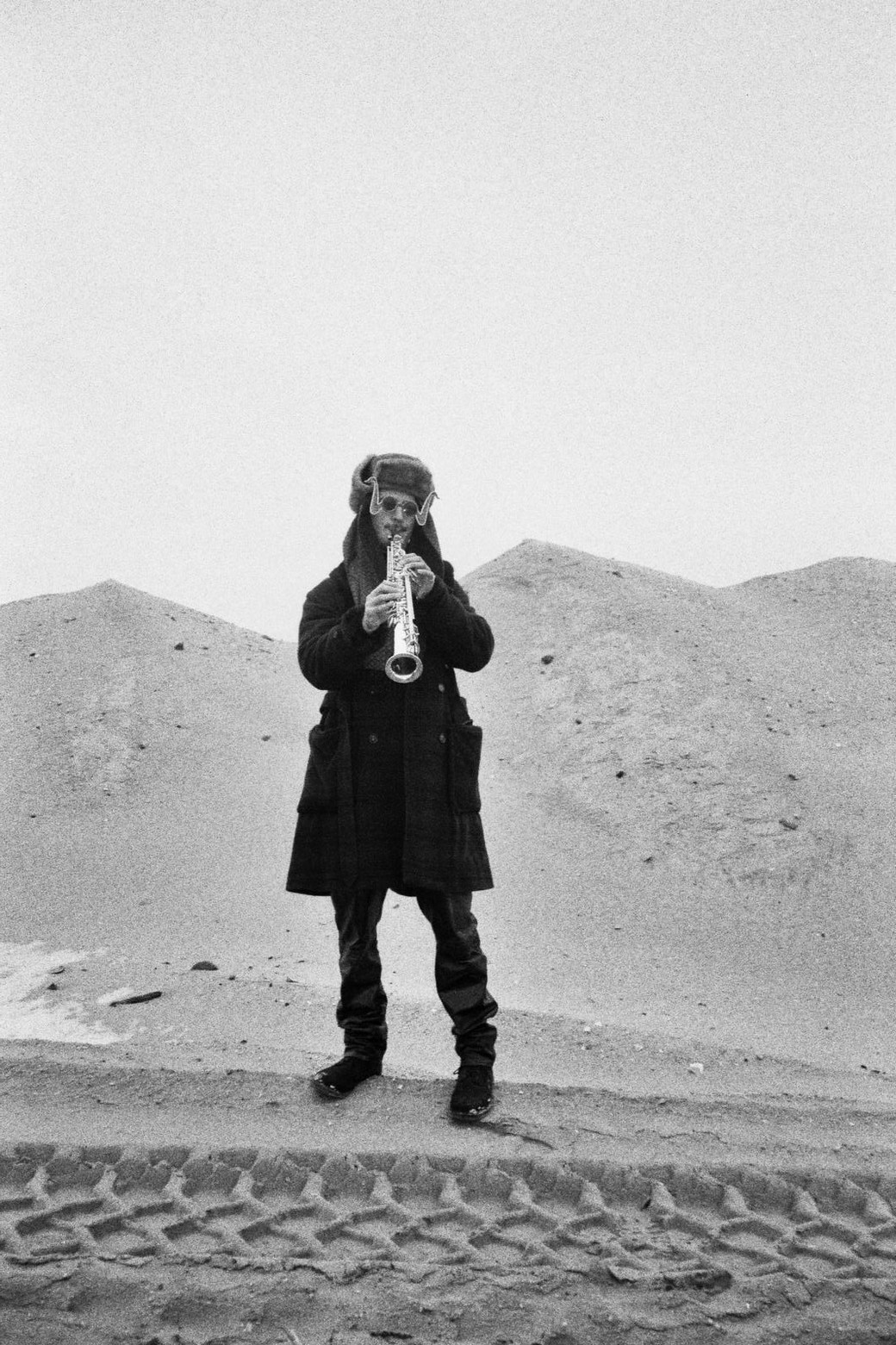
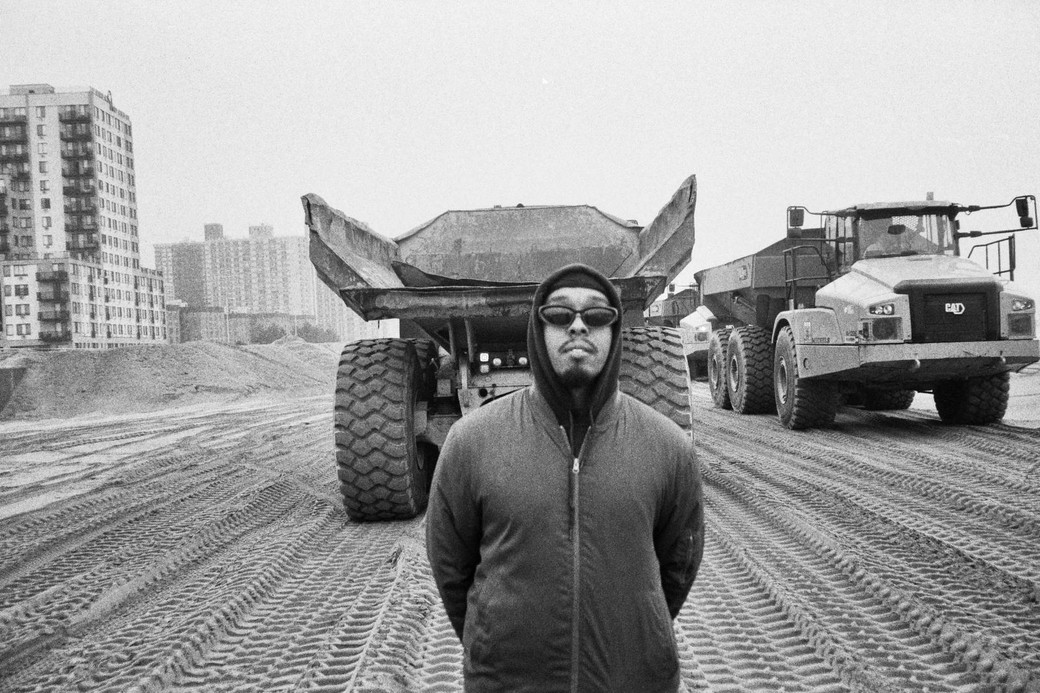
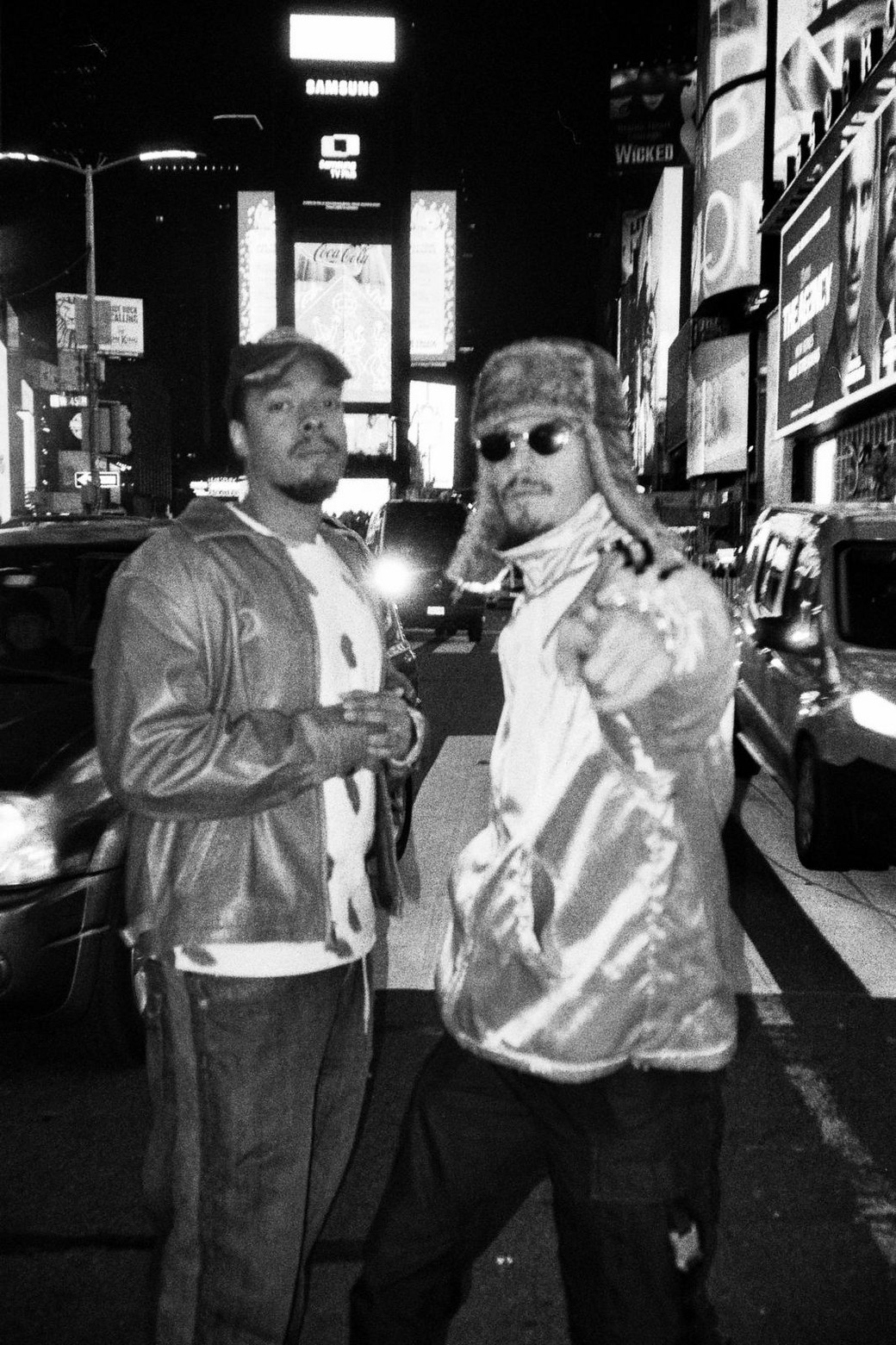
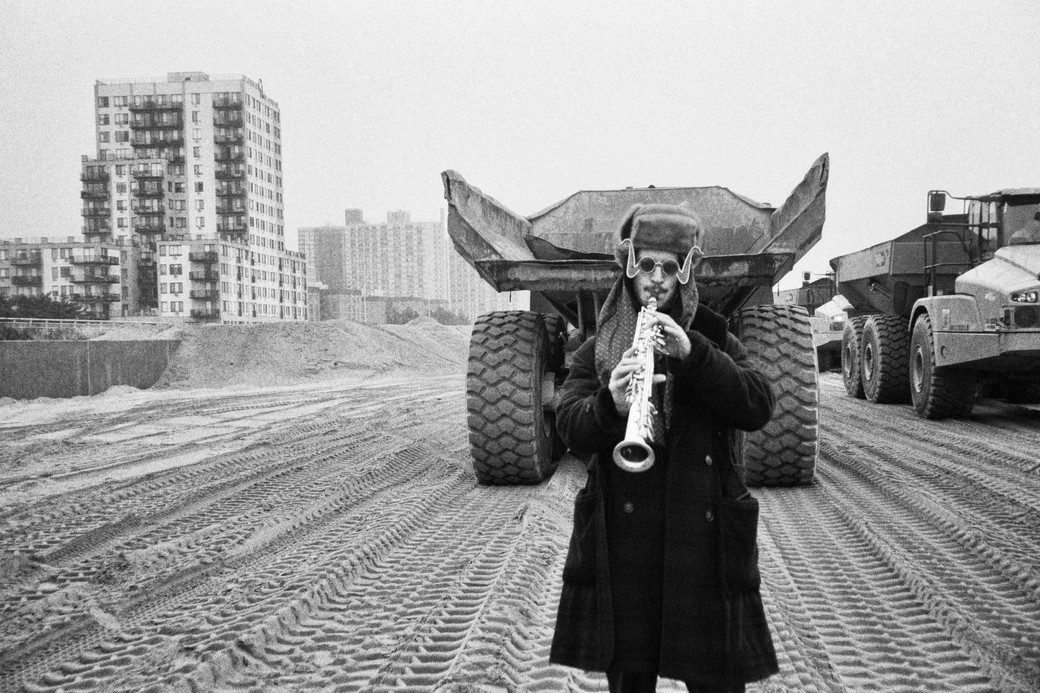

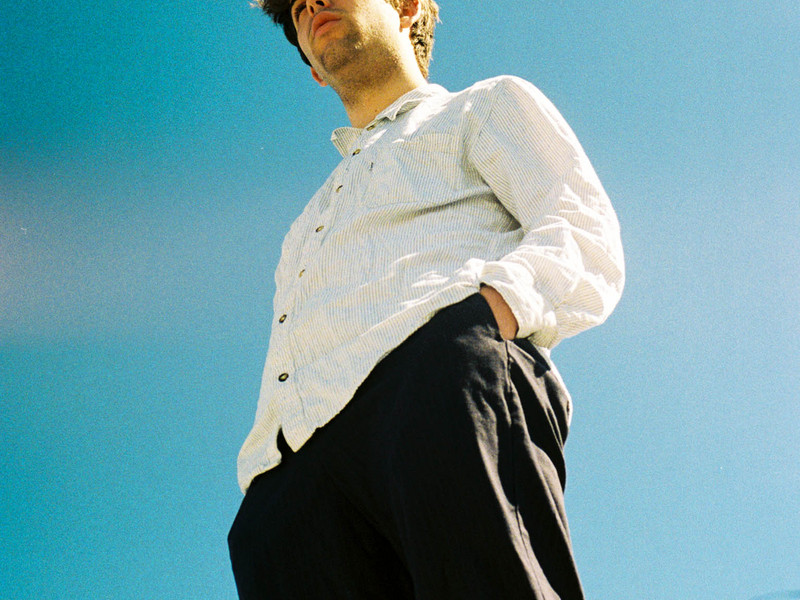
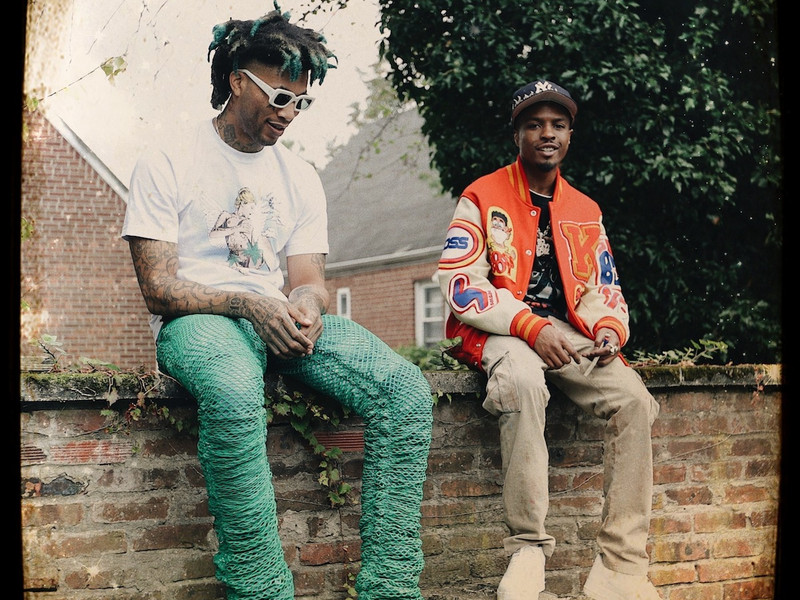
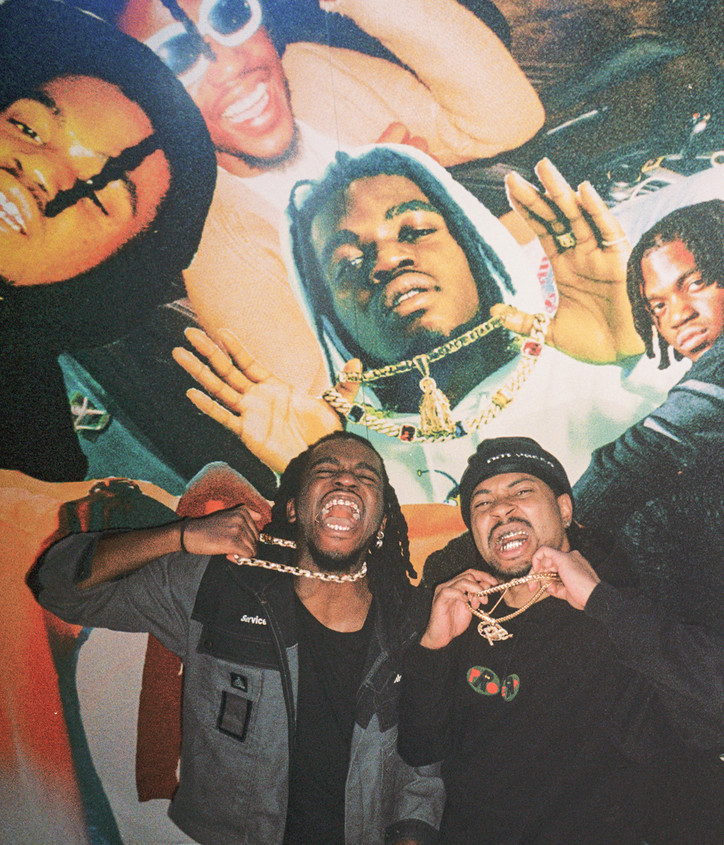
office sat down with the artist at his IIWII release party in New York City. Read our interview and peep the photos below.
There are a lot of exciting things happening for you right now. Tell me a bit about them.
I was just on tour with Flatbush Zombies—we did the U.S. tour in April then we went back on tour for the Europe run that ended on October 30. Now, I’m back in town, about to move into my new crib today. So, with my birthday coming and my album dropping—mad shit is going on.
You must be excited. How are you feeling about the album?
I don’t really have any expectations, for real for real, because at the end of the day, it’s the best representation of me. Its self-produced, I’m writing all the songs and there’s no features. If I hear something bad, I use it only as constructive criticism to get better, you know? I just want to give the fans something new that’s not three years fucking old like Late Knight Special. I wanted to give them an update of my life and in that sense, I don’t really look at it as something to be judged.
How do you think you’ve evolved since Late Knight Special?
I’ve evolved in a lot of ways—especially in production. You have to realize—Pro Era is known for ‘90s stuff, so me making “Plain Jane” made me cross over into a whole different world. I started understanding different tempos and making beats at 130/140 and still having the essence of old school sounding shit. I don’t know, this is at least the shit that Ferg tell me.
That’s not a bad person to be getting a compliment from.
Right? So, I’m like ‘Shit, I’ll just keep doing it then.’
Do you think that your style is a result of being born and raised in Brooklyn?
Yeah, of course. There’s Wu Tang, Biggie—there’s so much inspiration—especially RZA for me, and yeah, I’ll say Hov because he was the gospel for every Brooklyn kid. On a New York tip, they got the grunge and the grime out of something and it doesn’t necessarily have to be melodic —there could just be something in the beat for texture, something that gives it a different type of movement. I remember when I was in the studio with RZA and I say this in almost all of my interviews, but the best advice I’ve ever heard in my life—and I don’t really like advice—but coming from RZA you really got no choice. I had trouble not being able to professionally play keys, but still making beats, and as a producer, I felt like that kind of defeated the purpose of everything because I didn’t really know how to play. He told me, ‘You can feel that way, but at the end of the day, let me tell you, I went platinum before I knew how to play any key.’ So, it definitely worked.