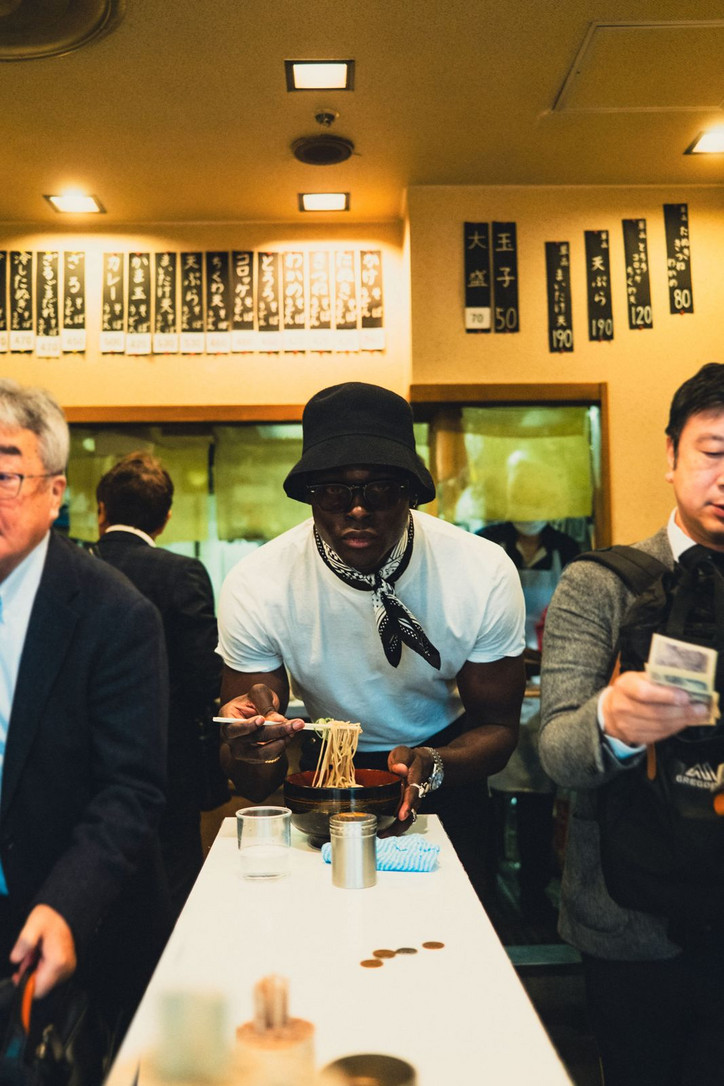
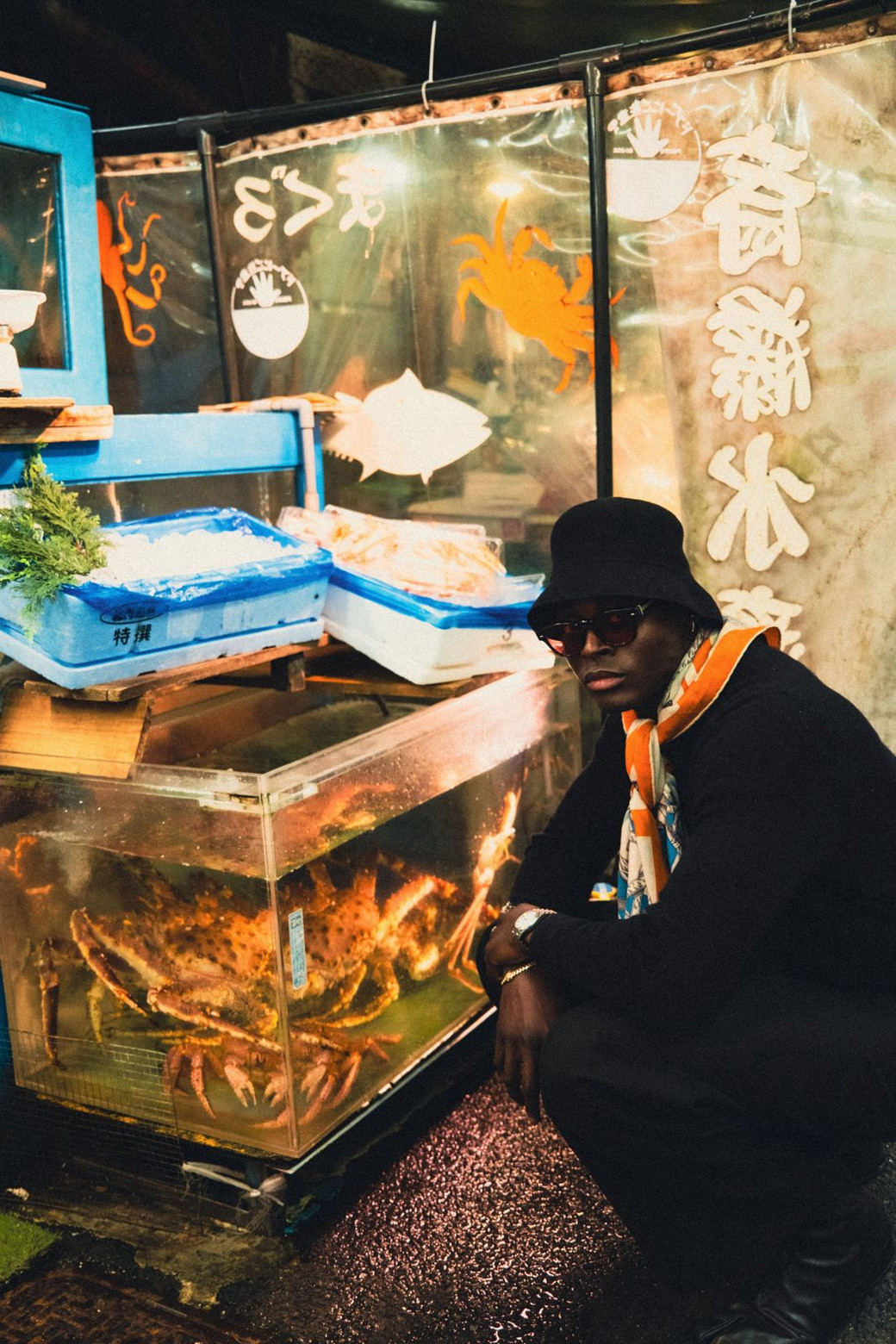
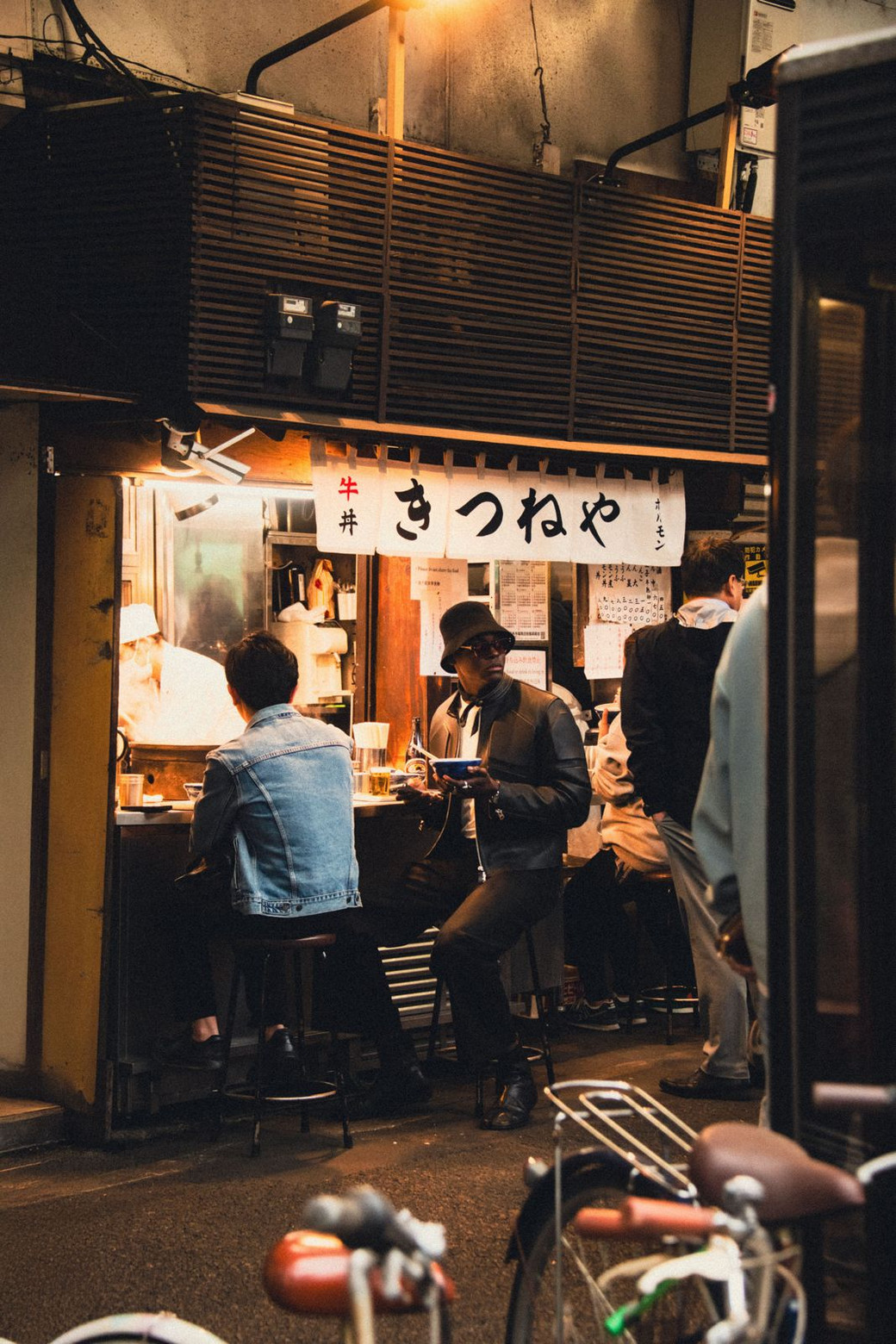
I leaned in, curiosity taking over. “How long has this place been here?” I asked.
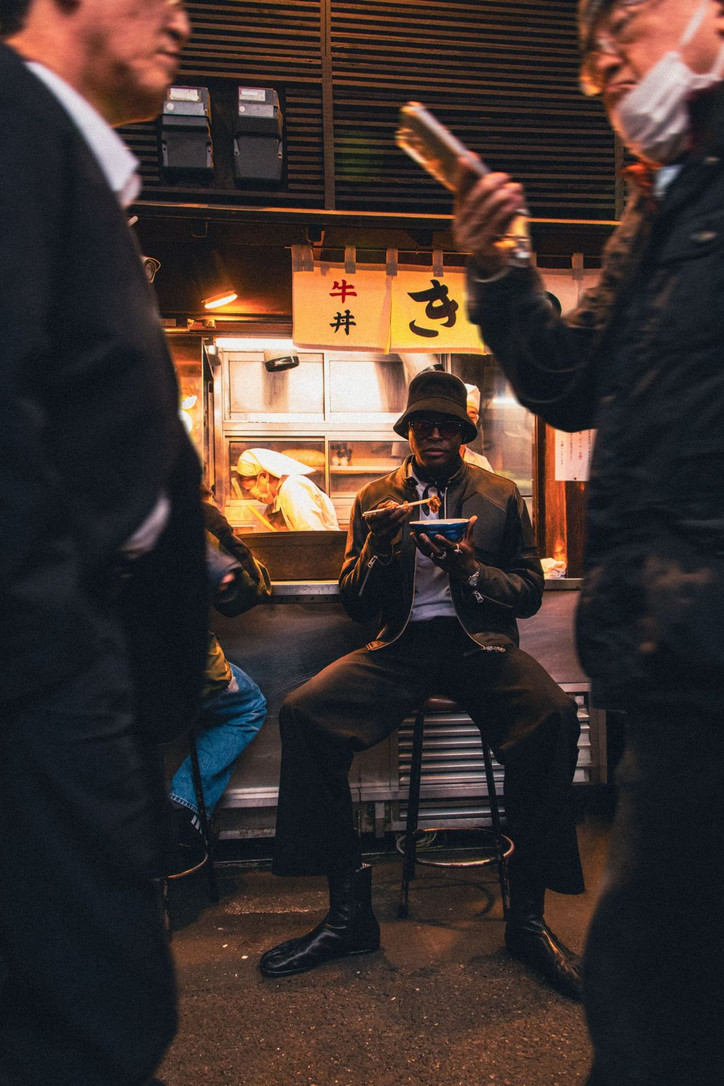
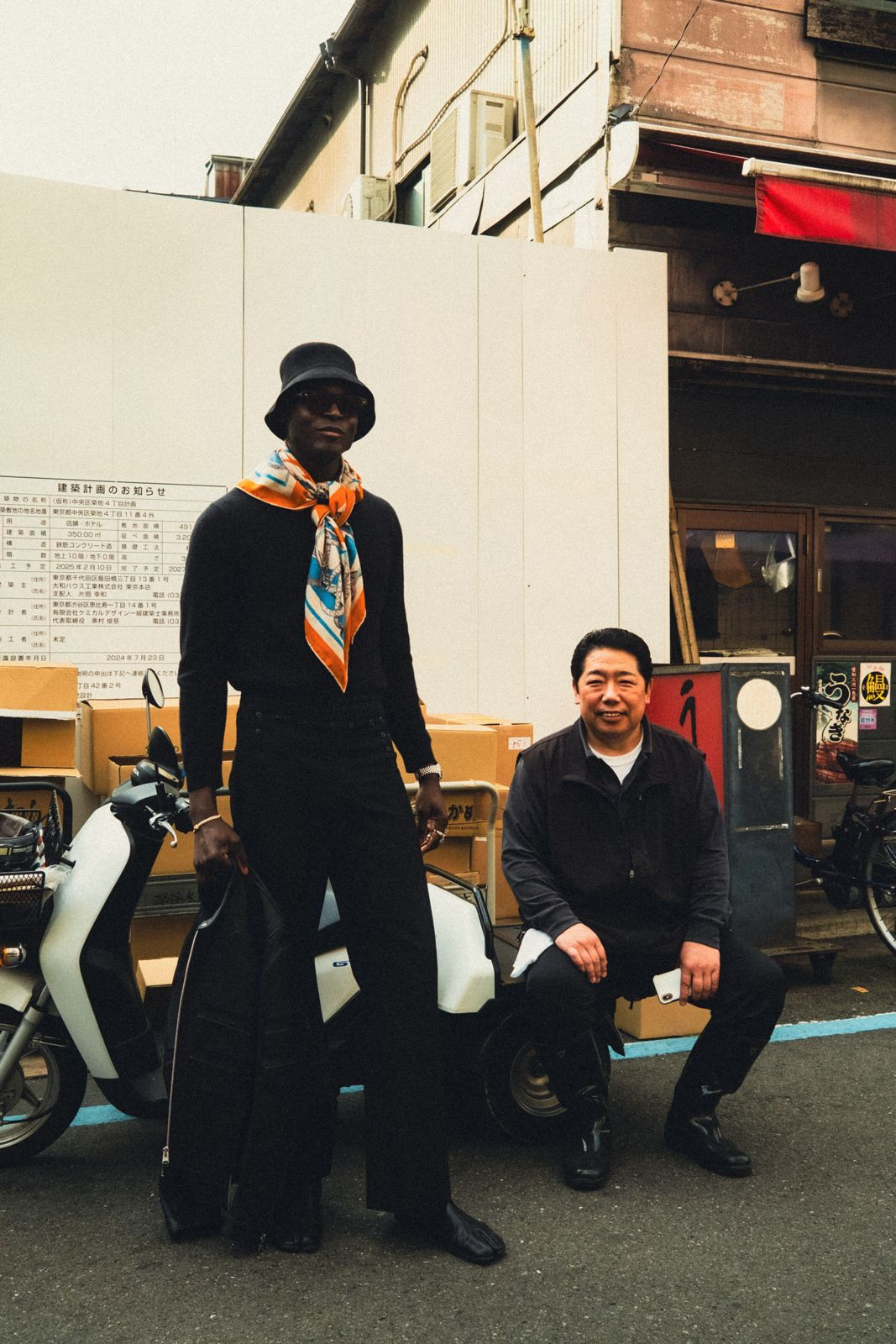
The man behind the counter glanced at his wife before answering. “Seventy-five years. This is Uji. Her mother ran this stall before her.”
Seventy-five years. I had to pause for a moment, let that sink in. Seventy-five years. That’s generations of dedication, of perfecting a single dish, of showing up before dawn and working until the pot runs dry. In a world where restaurants come and go overnight, where trends dictate menus, this tiny stall stood firm, serving the same dish with the same level of care. That kind of longevity, that kind of commitment—it’s something you can’t fake.
Kitsuneya is known for one thing: gyudon—a rice bowl crowned with braised beef trim, slow-cooked until it collapses under its own weight. By 6 a.m., the line is already deep—locals, travelers, chefs, all waiting patiently for the first bowl of the day. No loud announcements. No gimmicks. Just a line of people who know exactly what they’re here for.
By 11 a.m., the pot runs dry. No second batch, no shortcuts. When it’s gone, it’s gone.

As I took my first bite, I was reminded of home. In Ivory Coast, we start our mornings with Garba—fried tuna, fresh tomatoes, onions, Scotch bonnet, and attiéké. Something hearty, built to carry you through a long day. Japan understands this, too. Food here isn’t just about indulgence—it’s about function, balance, necessity.
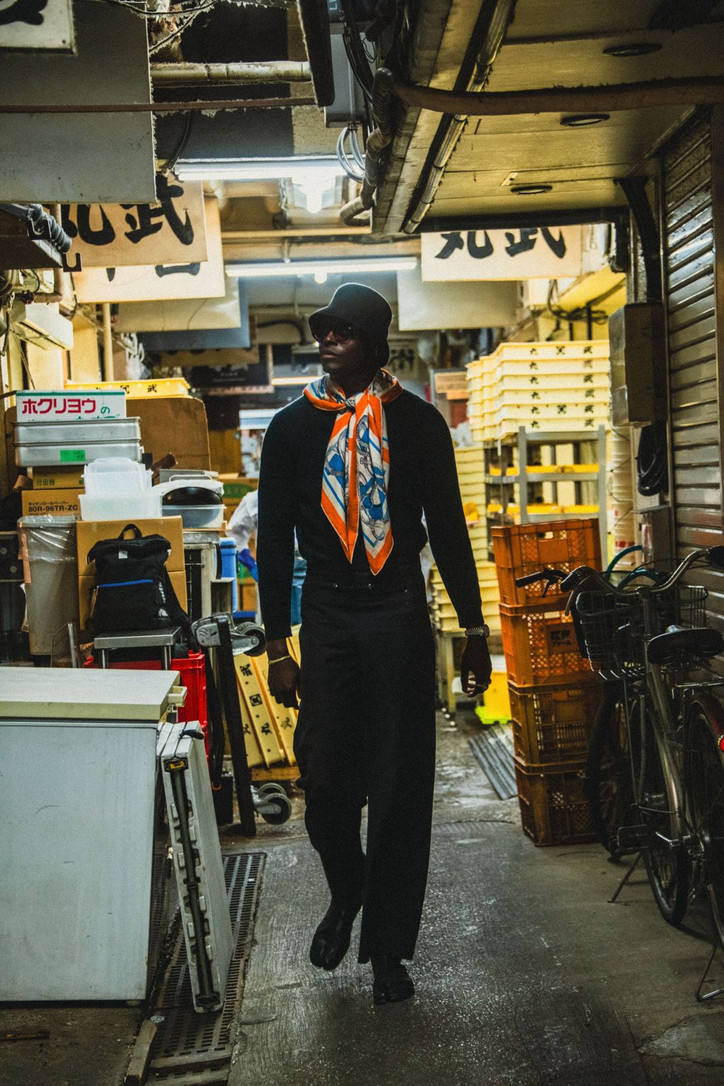
And yet, there’s an elegance to it. A butcher’s counter showcasing Kobe beef with marbling so intricate it looks hand-painted. Knives so sharp they don’t slice but glide. Stalls lined with dried mushrooms, seaweed, fish, and grains, each ingredient respected for its role.
Everything has a purpose. Everything is done with intention.