Vulvatious

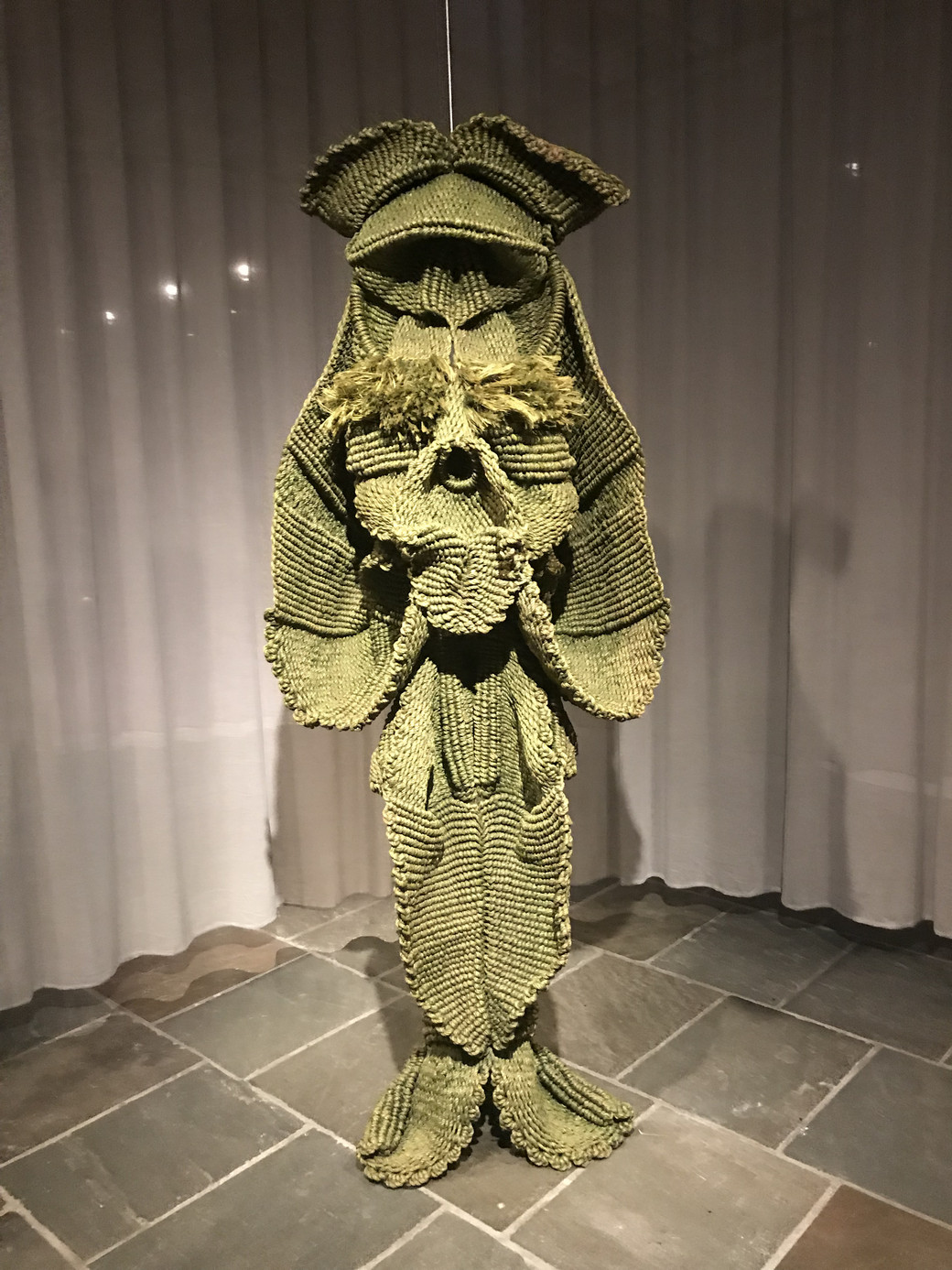
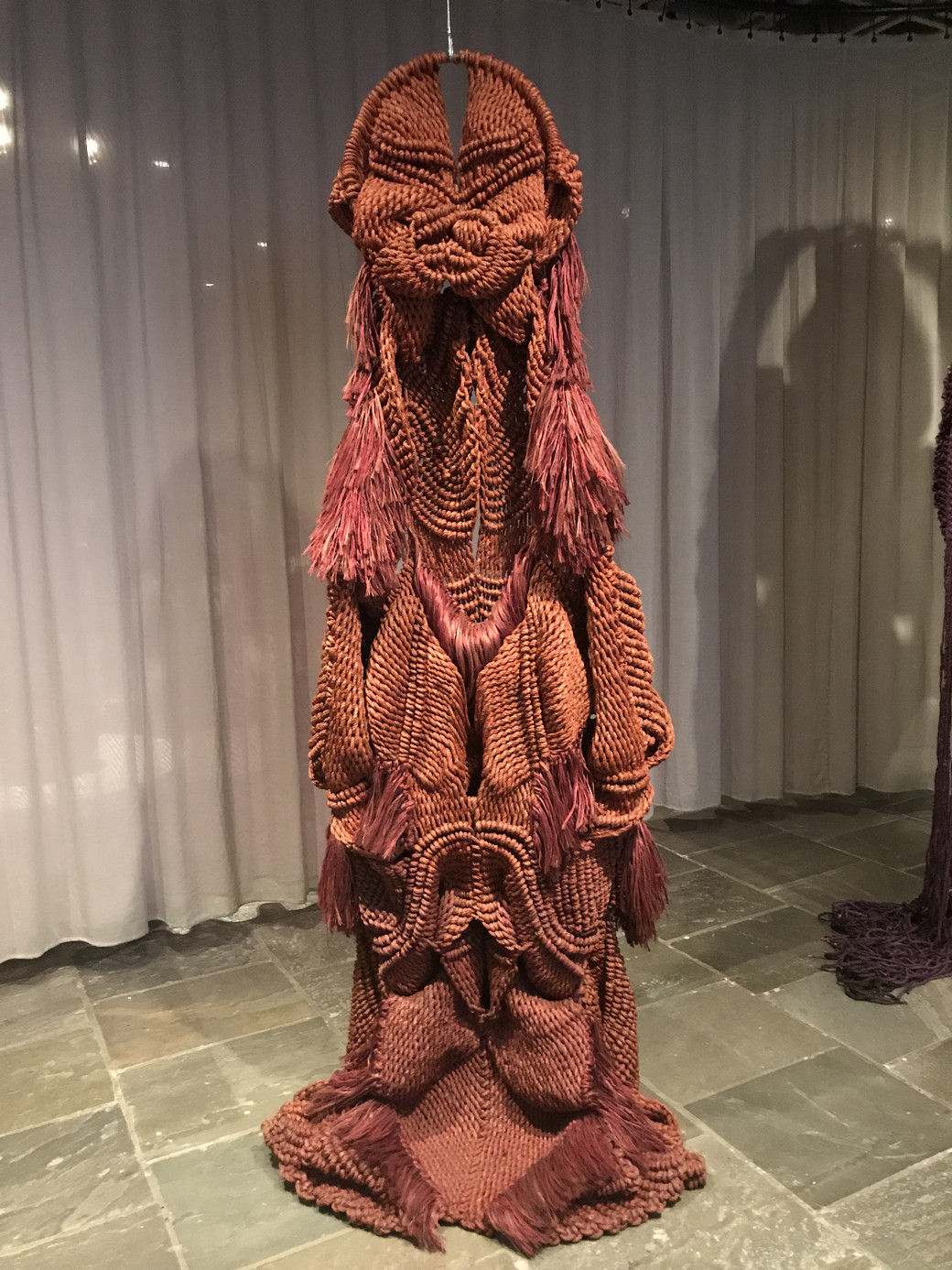
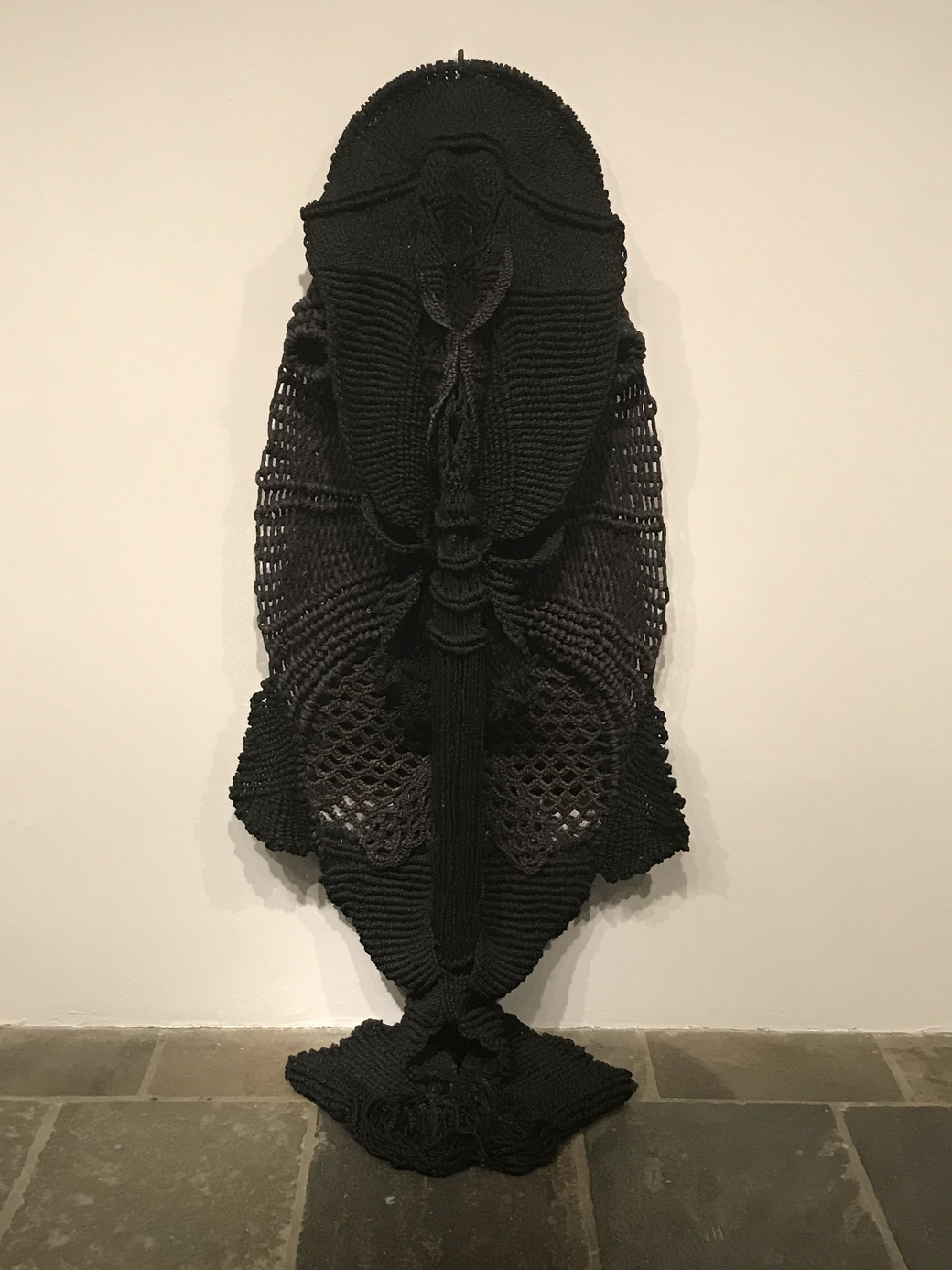
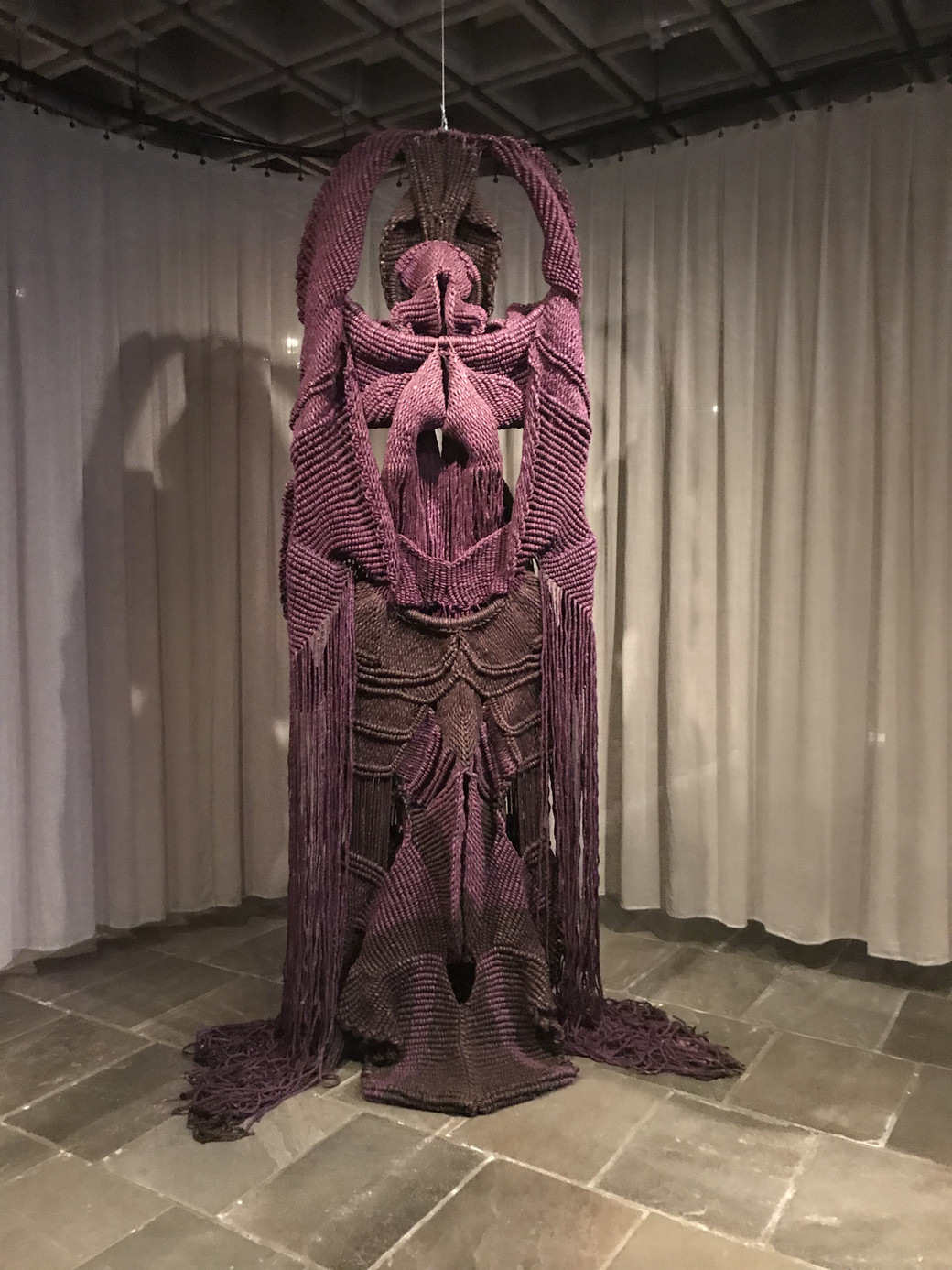
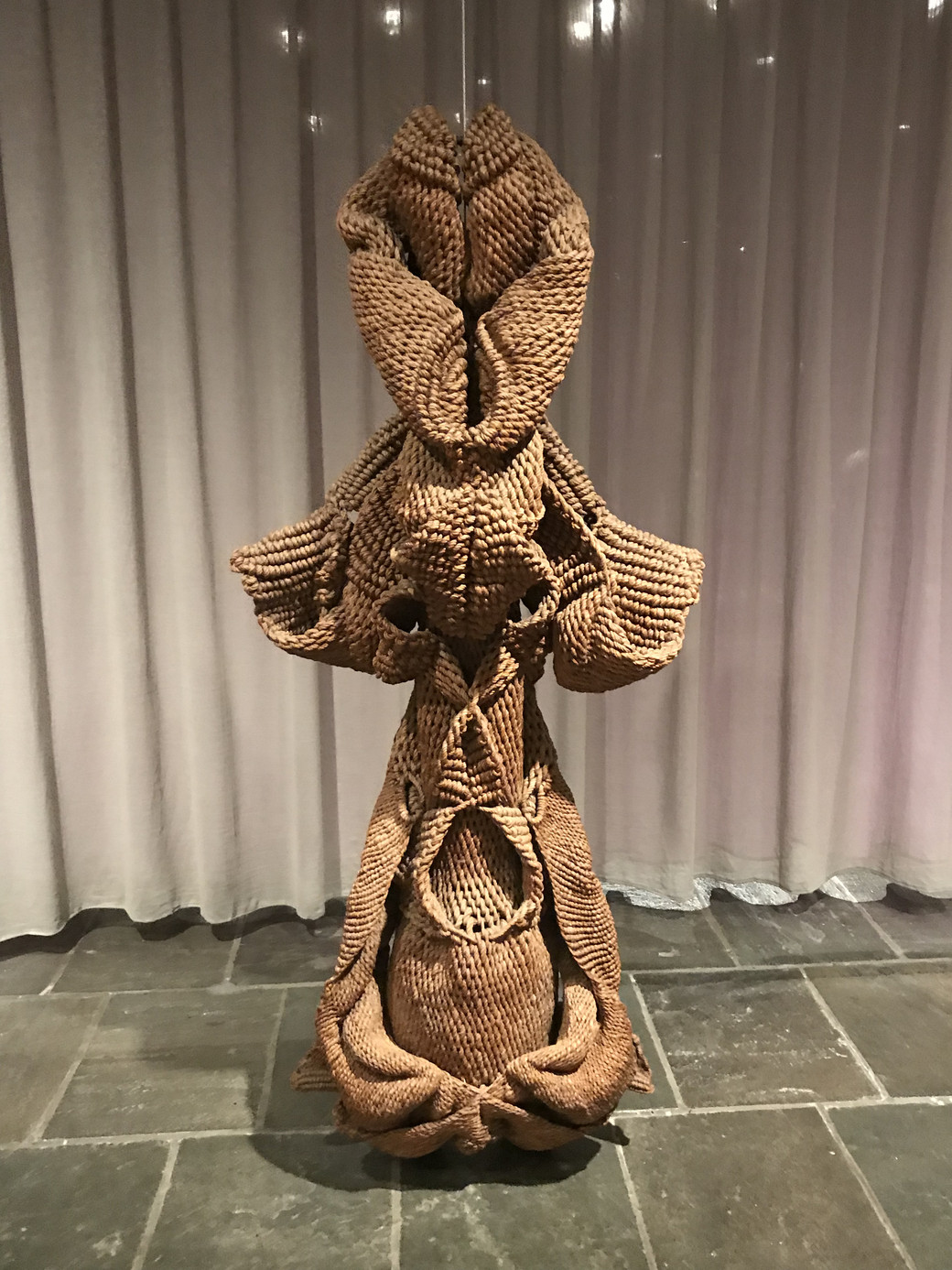
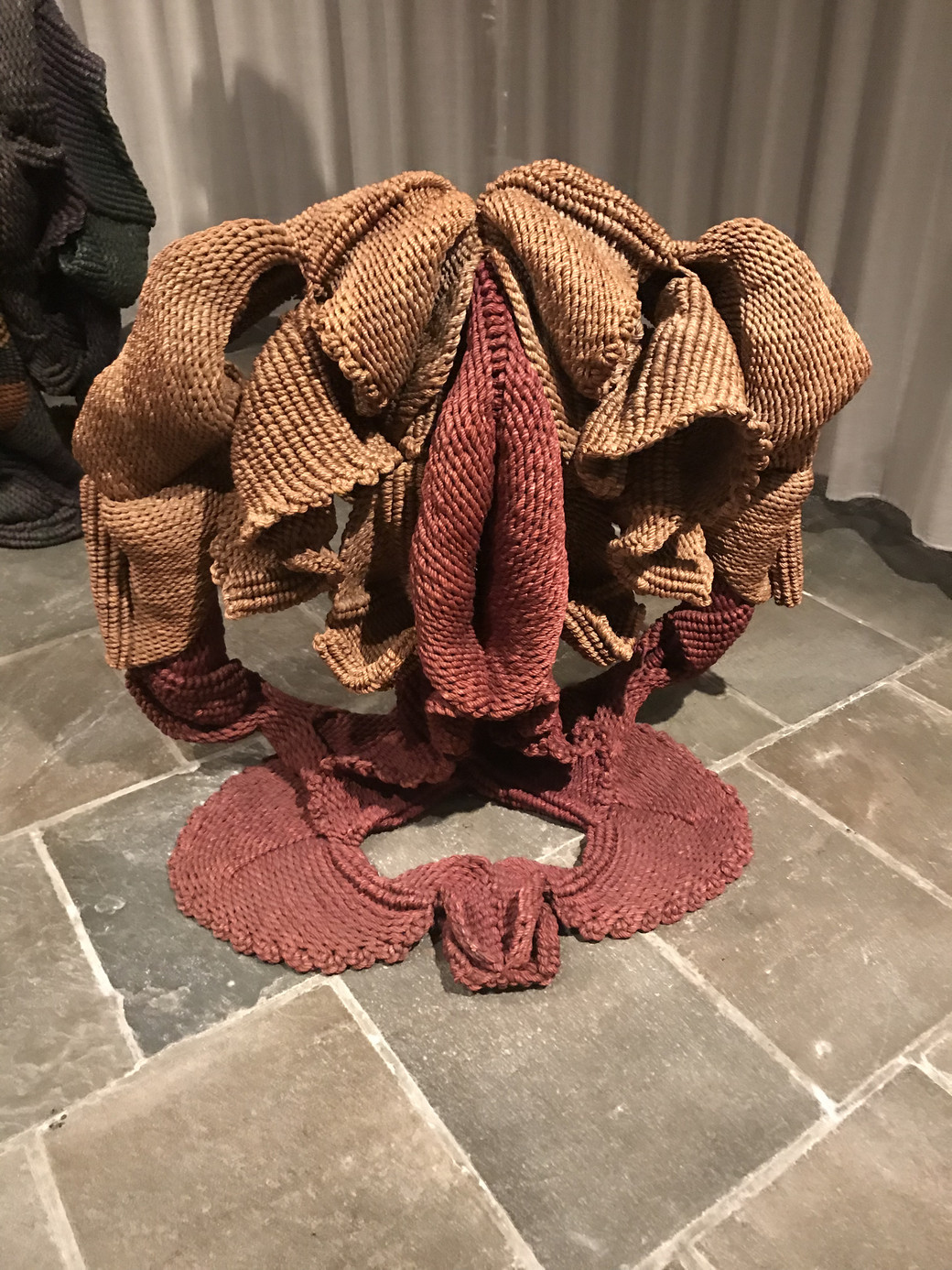
"Phenomenal Nature: Mrinalini Mukherjee" is on view at the Met Breuer through September 29th, 2019.
"Phenomenal Nature: Mrinalini Mukherjee" is on view at the Met Breuer through September 29th, 2019.
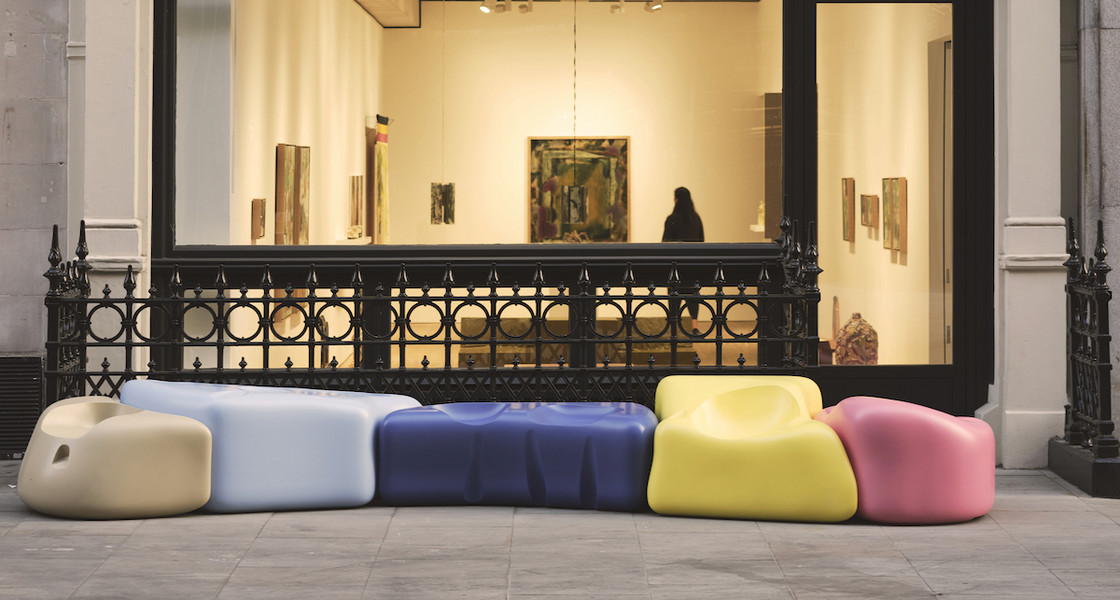
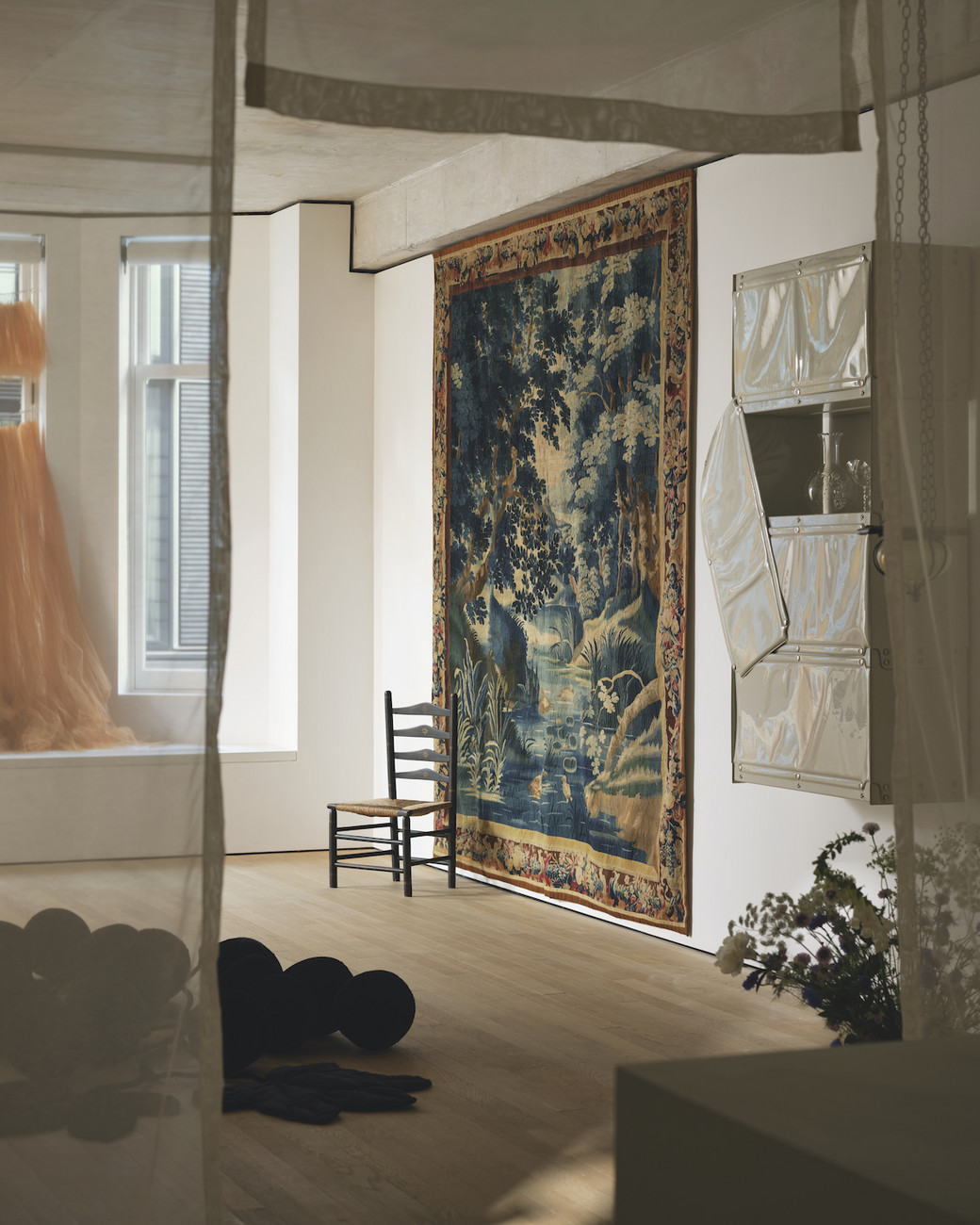
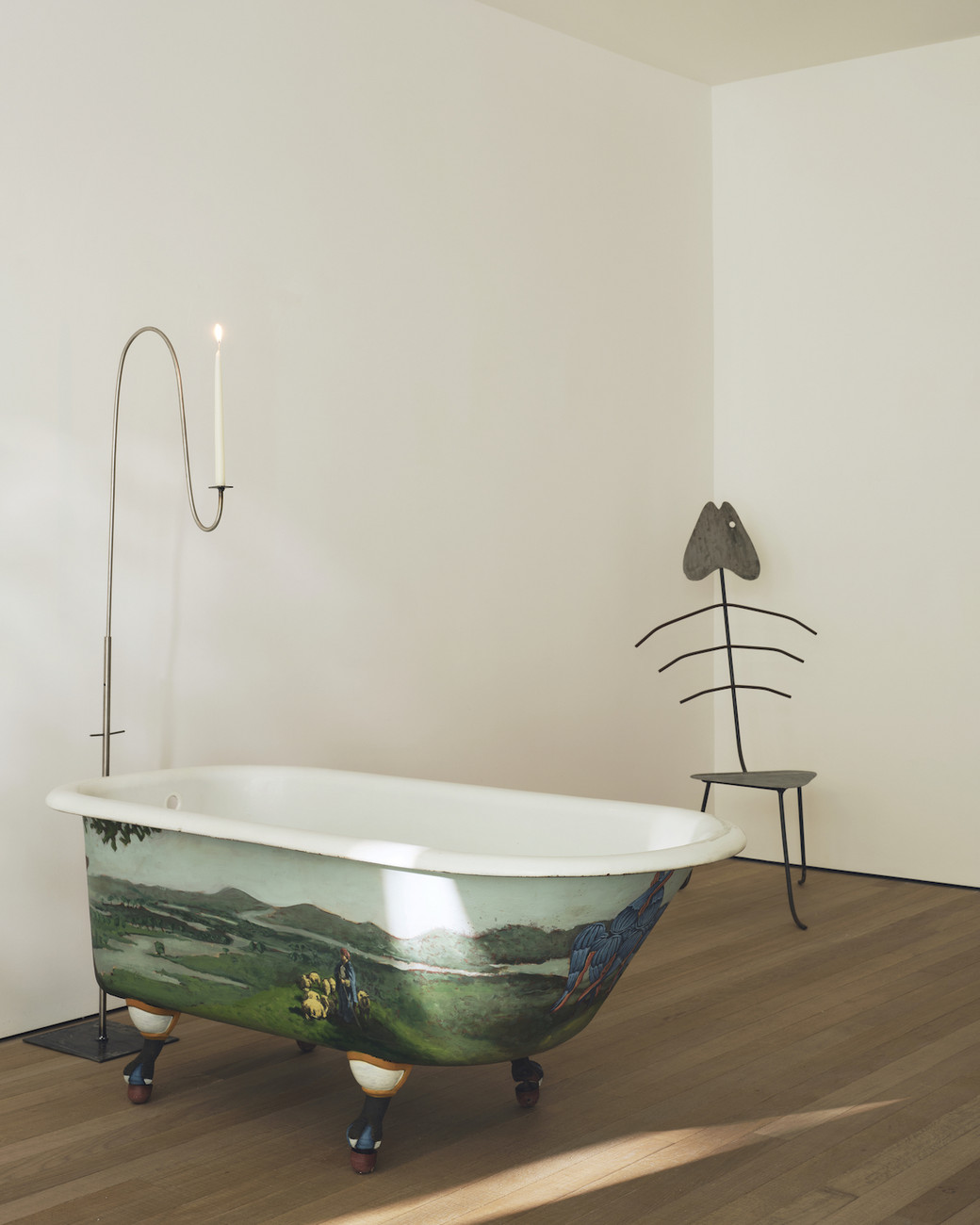
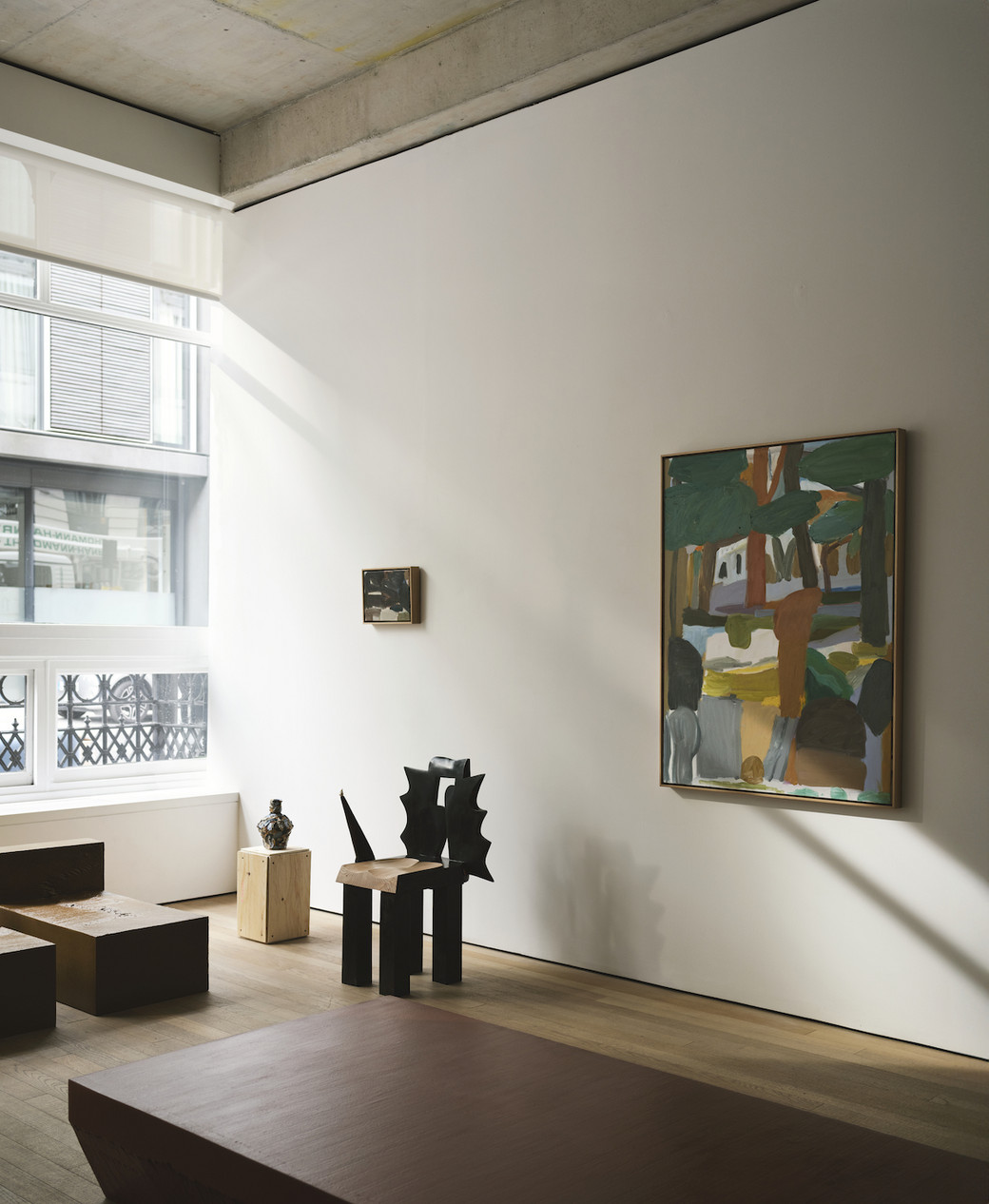
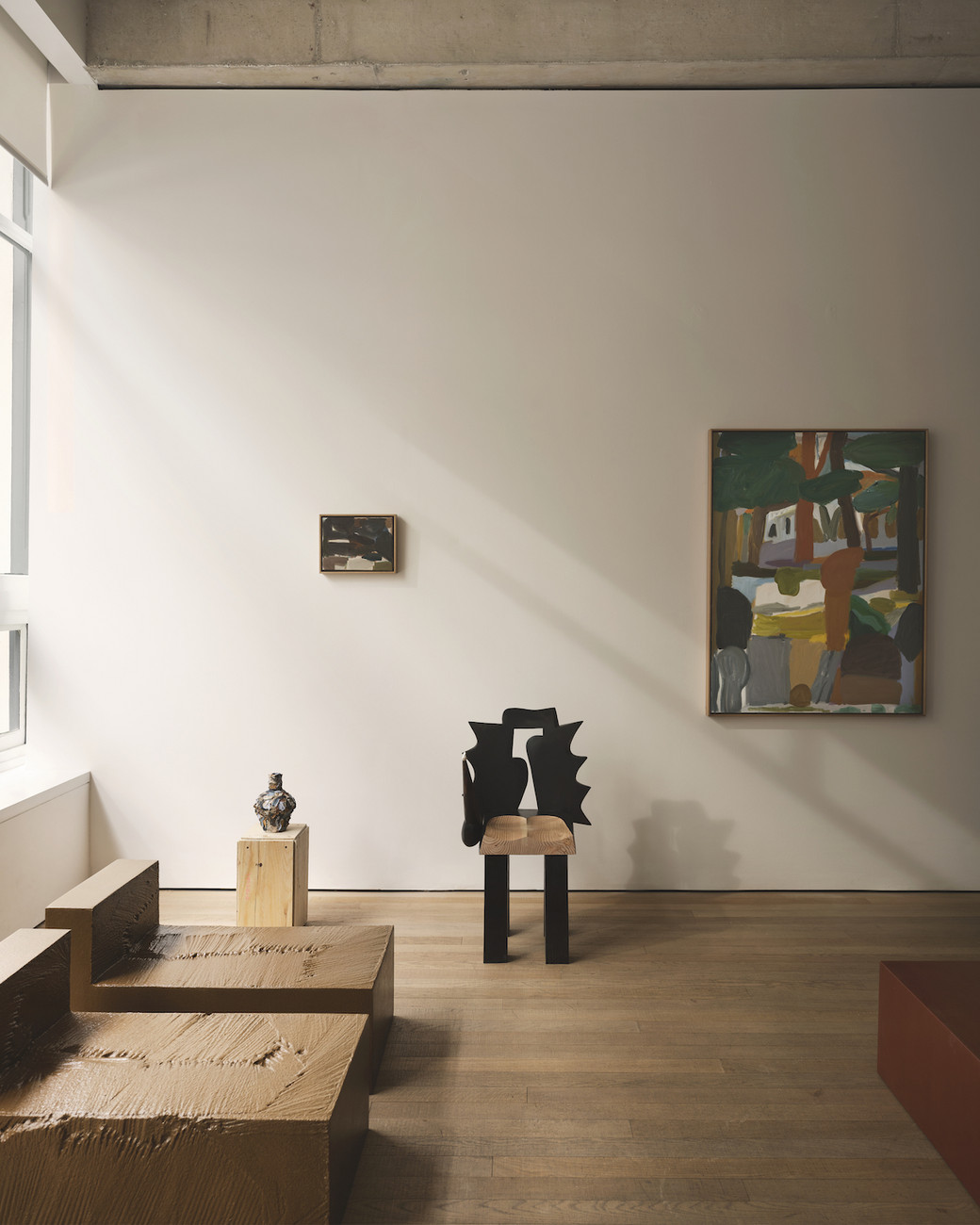
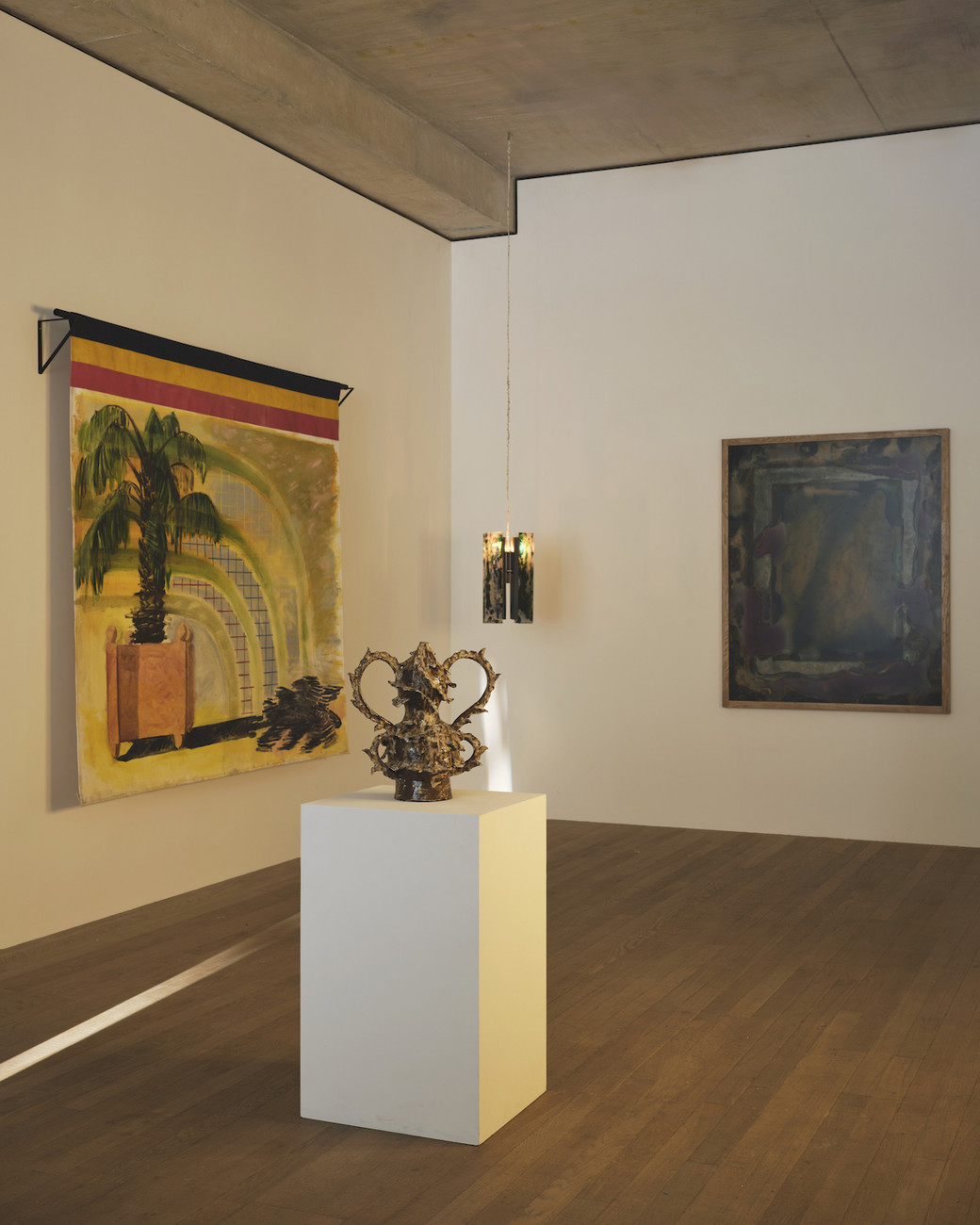
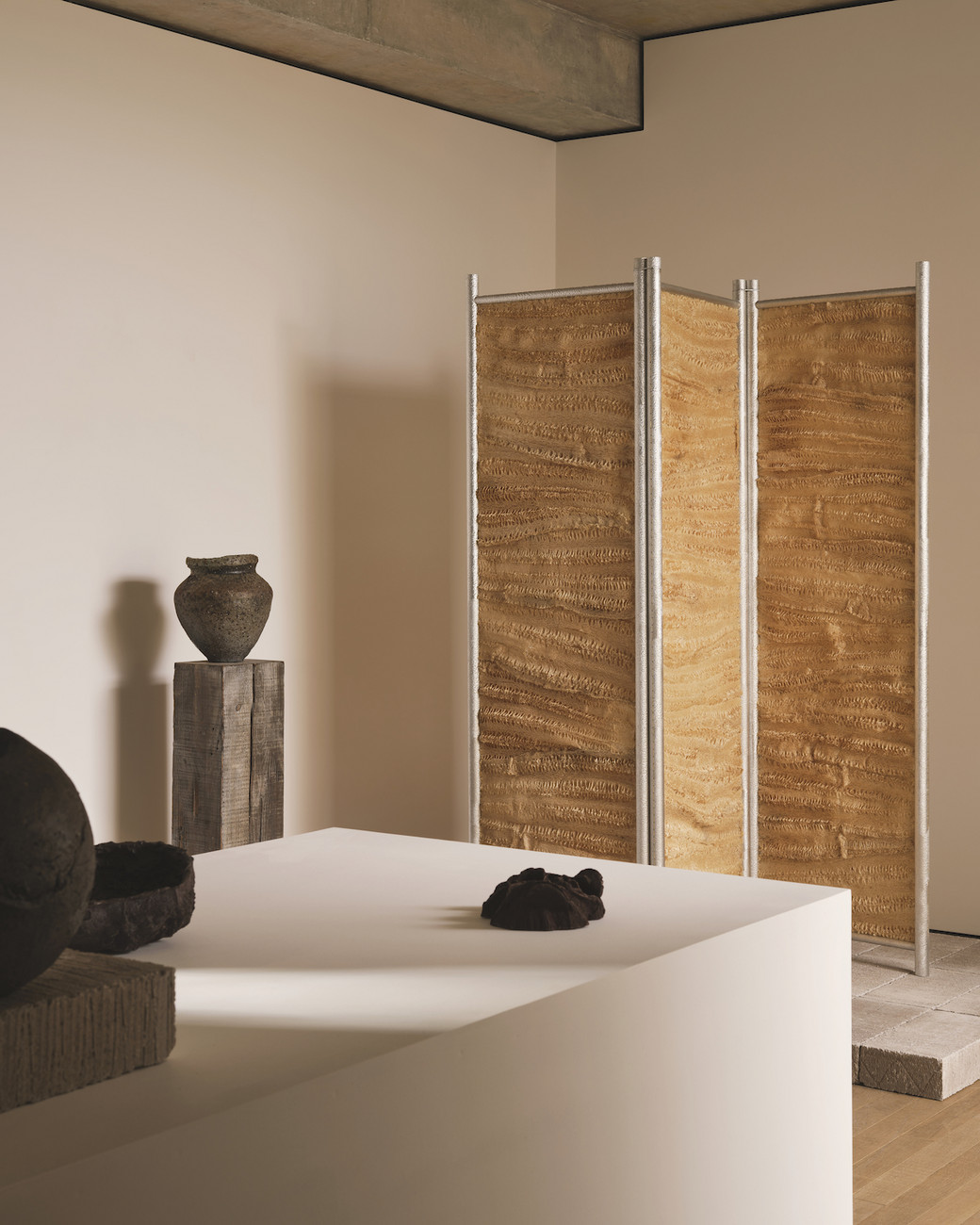
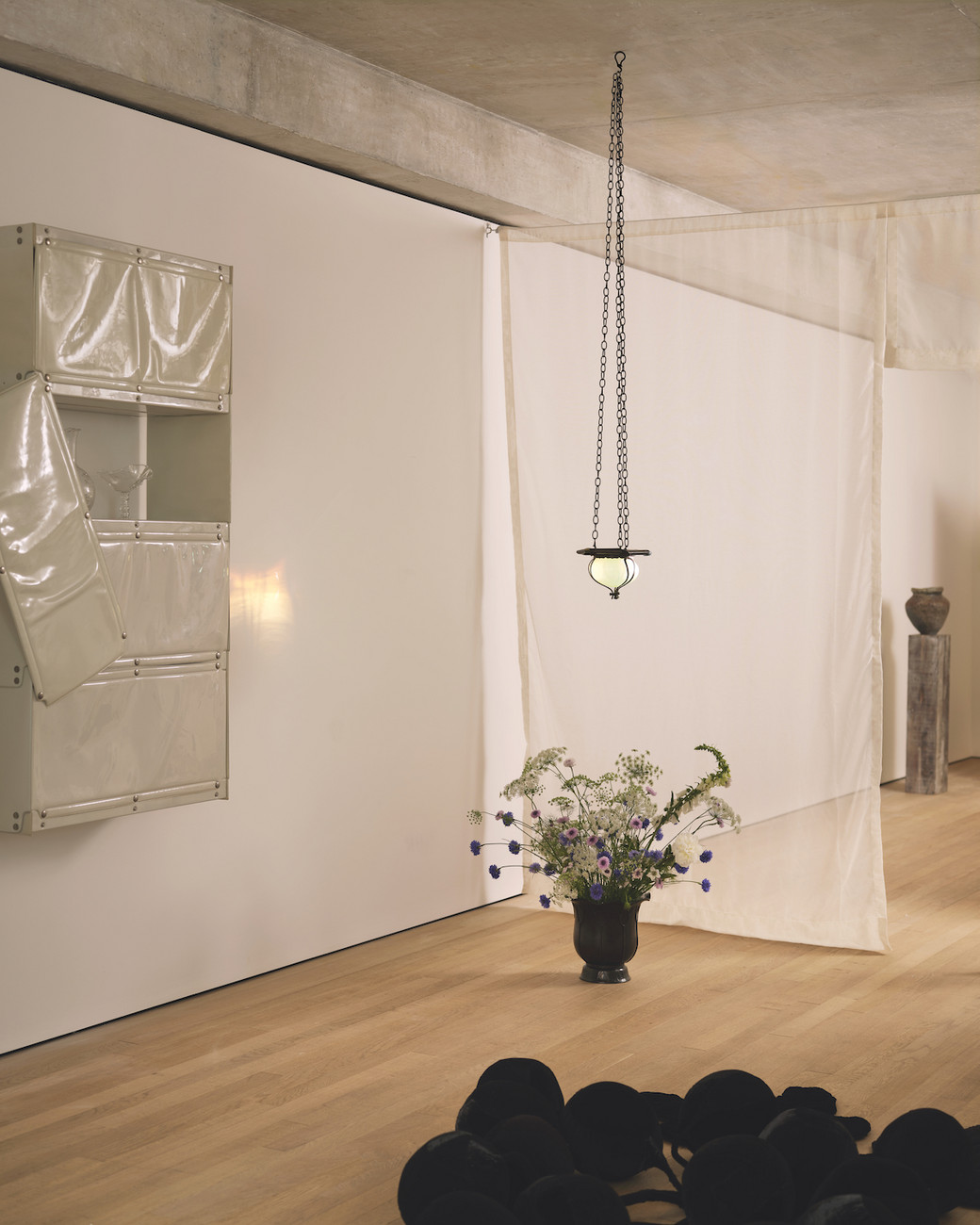
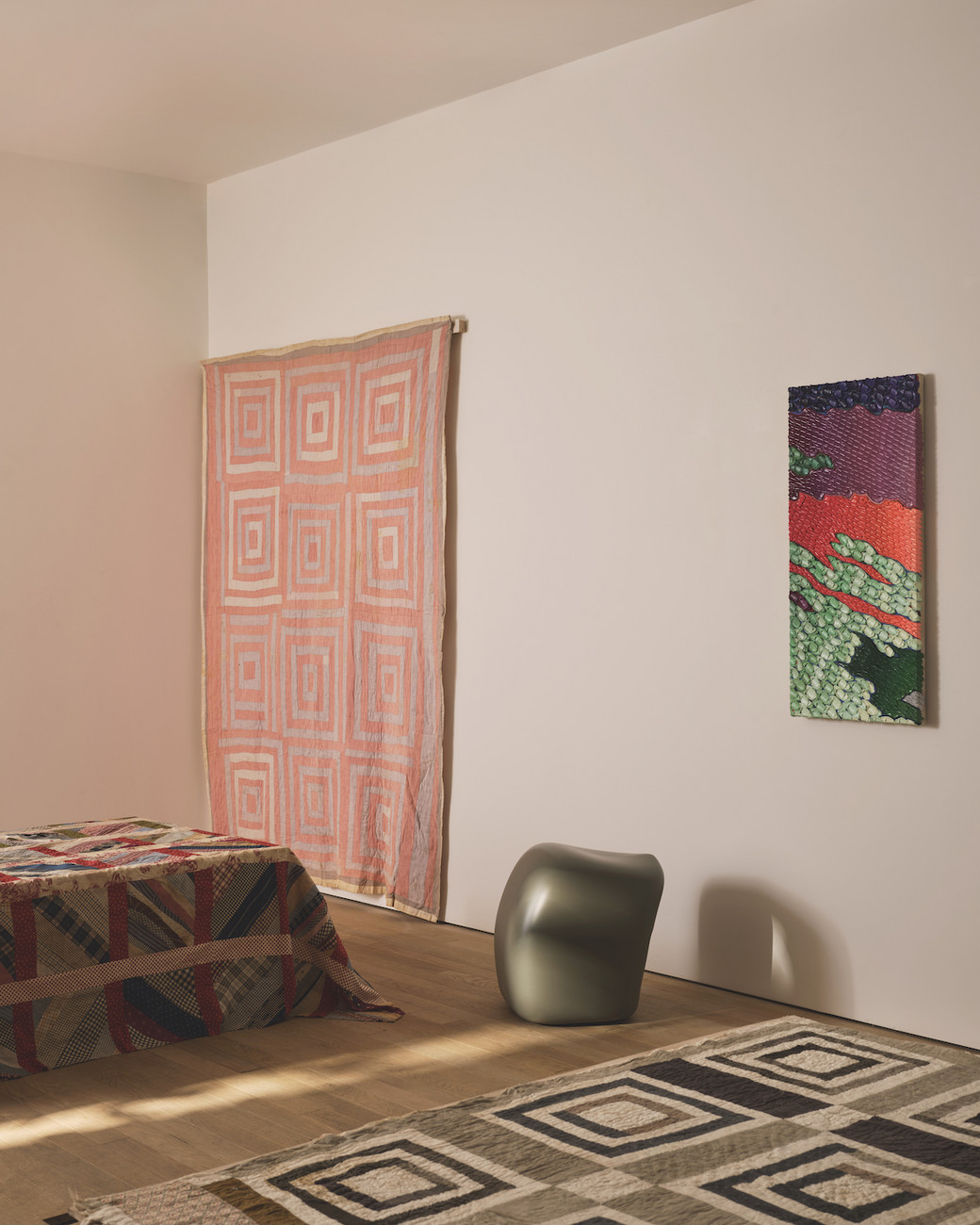
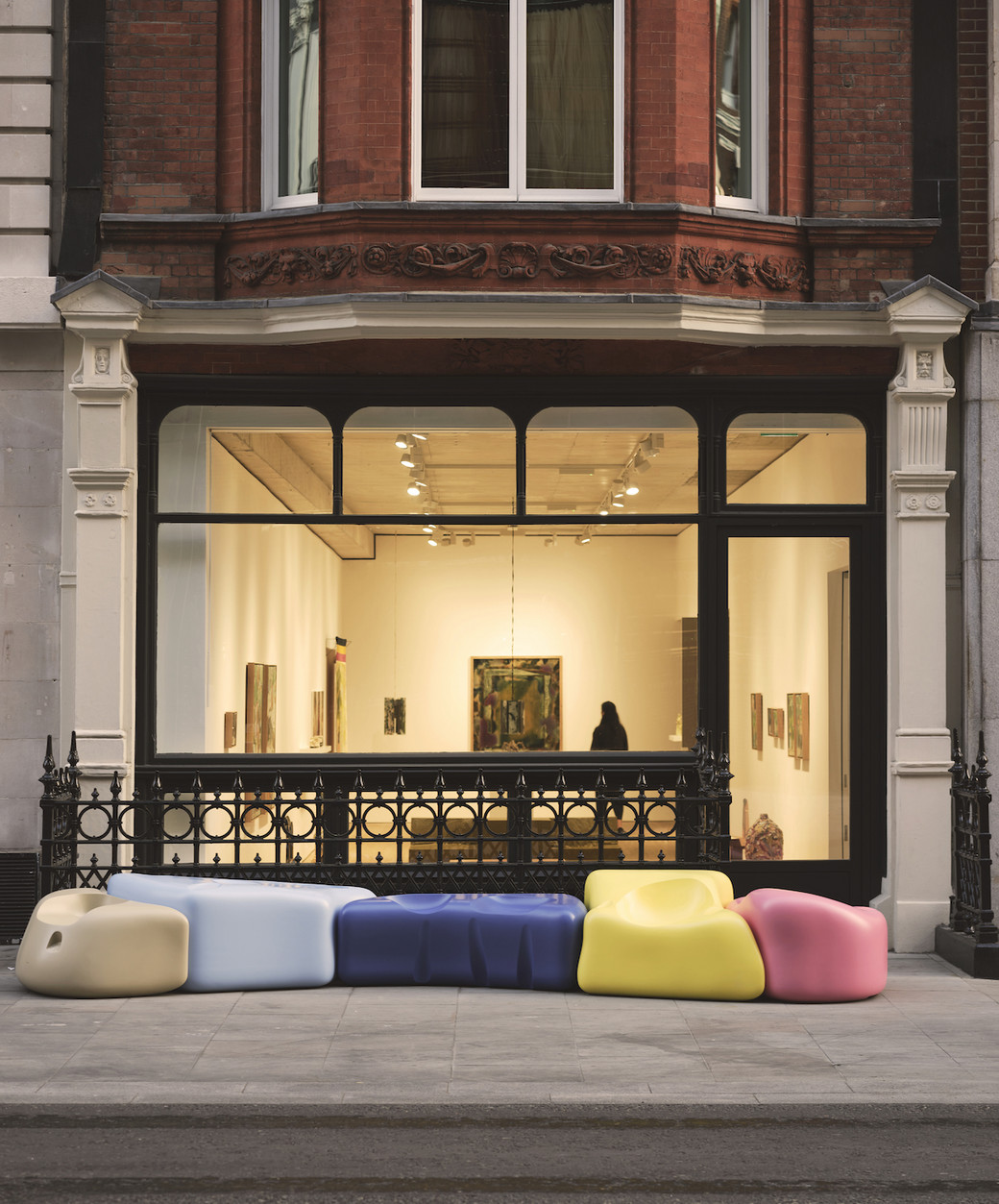
Bruises Gallery, Emma Scully Gallery, Jacqueline Sullivan Gallery, OF THE CLOTH, Studio IMA, TIWA Select, Marta and NOON Projects will reside at Frieze’s No.9 Cork Street Gallery from June 22 through June 24 for The North American Pavilion. Inside, the exhibition features over 40 artists, and the space is divided into eight sections for each gallery, and the gallerists are allowed full discretion as to how they utilize their space to express their unique take on North American narratives and cultures. Curator and gallerist Alex Tieghi-Walker has selected these young galleries to explore the cultural messages emanating from each gallery’s geographical setting in North America. To expand the reach of this message, galleries were also selected since ‘they all straddle design, craft and art which made it easier to choose,’ says Tieghi-Walker, allowing for audiences to read the works in a variety of mediums and states.
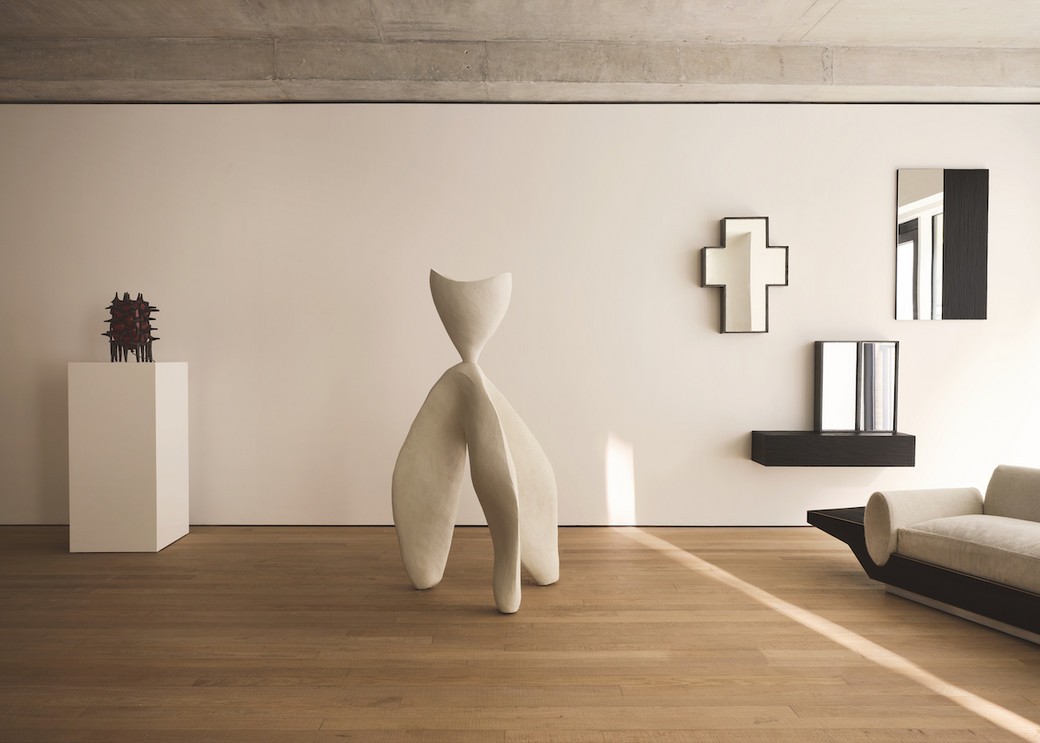
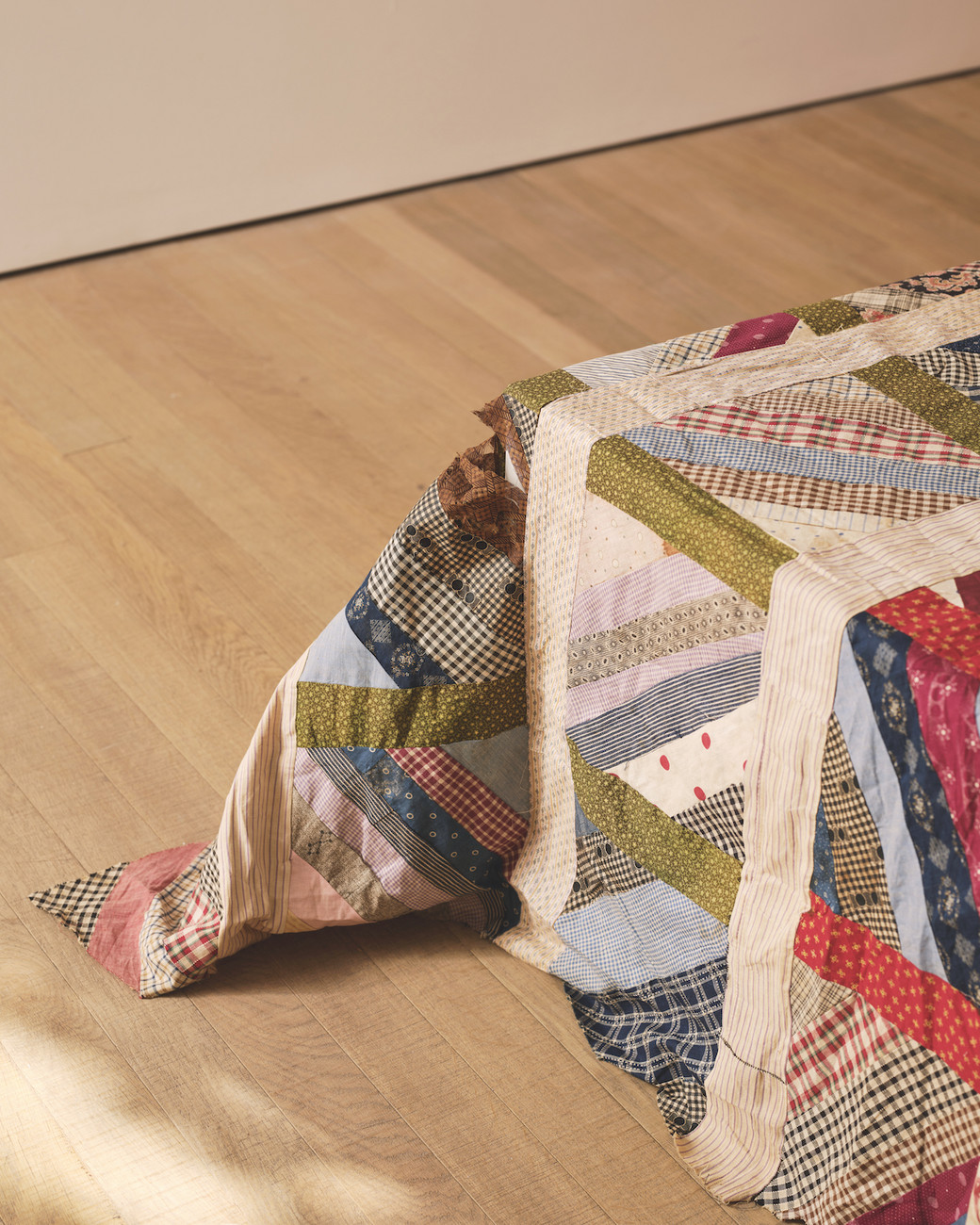
The element of storytelling comes through in various ways, developing a palette which shifts to differing tastes and different substances presented. On the first floor Minjae Kim’s sculptural furniture appears foreign and certainly not what you’d expect to find behind the glass of a cobblestone street in Mayfair. But that's the point, the pieces are meant to feel alien. A painting (Ben Borden’s excavation, residue, 2023) grows on one of the walls of NOON Project’s space, facing the Marta Gallery section where Kristen Wentrcek and Andrew Zebulon’s Small Bench I & II (Hamburger), 2021 sits, looking right back. Upstairs, Elliot Camarra’s Grape Soft Sculpture, 2023 splays across the floor of New York’s Jacqueline Sullivan Gallery room. Behind a diaphanous white linen sheet, Mexico City’s Studio IMA loads up on brilliant clay vessels and tactile ceramics while Fernando Laposse’s Luffa Divider, 2020 (made from real Loofah Fiber) edges into the corner like the unused dressing screen that it in fact is based on. The smooth white walls of OF THE CLOTH’s room is struck by day from Mayfair’s renowned Cork Street, yet in one corner Henry Rolnick’s Angel, 2023 (made from a combination of textiles and threads) occupies a top corner of a room like a silk and cotton cobweb sprayed by light. Alex Tieghi-Walker of TIWA Select curated the exhibition, and his own gallery sits at the back of the first floor. The day before opening he entrusted the gallerists to ‘do their thing’ and spent his time laboring away at installing the works for his gallery. The hands-on-deck reality of an installation of this scale is frightening. There are many moving parts and many people involved. ‘Everyone has their own little army’ says Tieghi-Walker. But the outcome is boundless. His gallery is showcasing embroidery, quilts and weavings, a medium with a rich history in the United States, such as Annie E. Pettway’s Housetop (Nine-Block Variation) 1930, which has the same textural elements and focus on geometric pattern as the early Amish quilters from the 1870s.
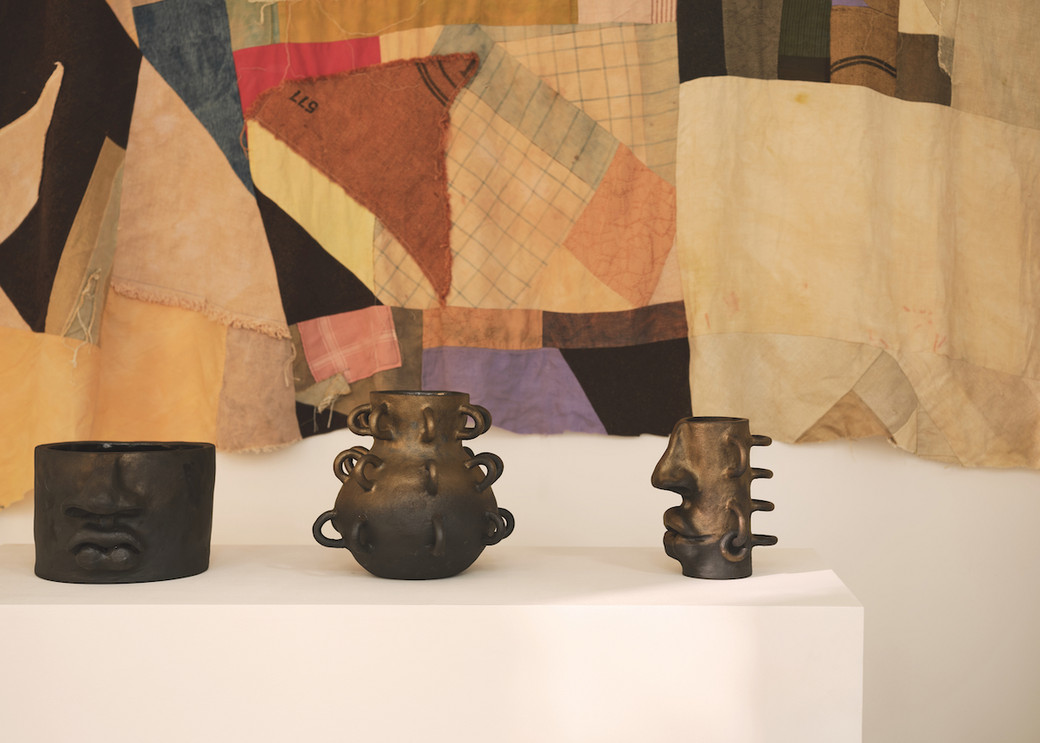
Like siblings in a new home, the galleries (all of which are under five-years-old) settled into the space, molding their profiles and perspectives as North American galleries in their own way. They come from Los Angeles, New York City, Atlanta, Montréal and Mexico City. Some of the artists they represent haven’t exhibited overseas before, while for others it is their first time exhibiting with their gallery.
In the hectic world of art and its constituent galleries and artists, there is hardly a moment to spare between exhibition openings and gallery storefronts ramming your eyes like swallowed oyster down a fearful gullet. Sometimes, they work, but sometimes they are not that great (and perhaps a bit too tangy and metallic). However, The North American Pavillion allows an audience to experience galleries without the mayhem of a fair. It is cohesive and precise, and the galleries and their constituent artists have the space to flourish on this side of the pond, telling their stories to a world unexposed to the immensity of America’s past.
Rather than a feast, the show is an amuse-bouche. It’s delicious, intimate and succinct, but keeps us hungry. Regardless of their differences, each of the eight galleries have put on a show that works in unison with each other, inspiring viewers and triggering desire.

Debuted on June 8th and on display until July 8th, In My Room, pays homage to the Beach Boys’ song with its title.
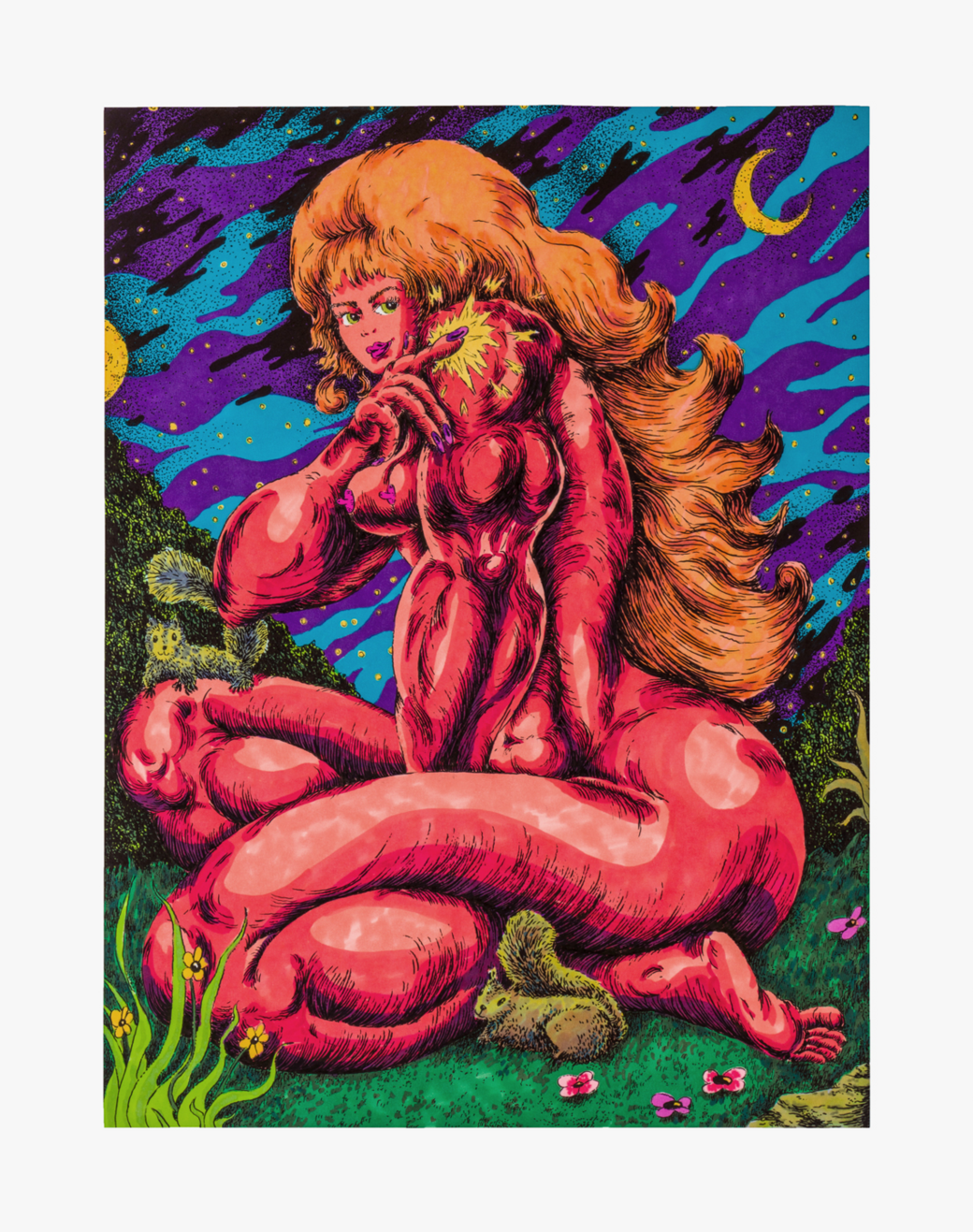
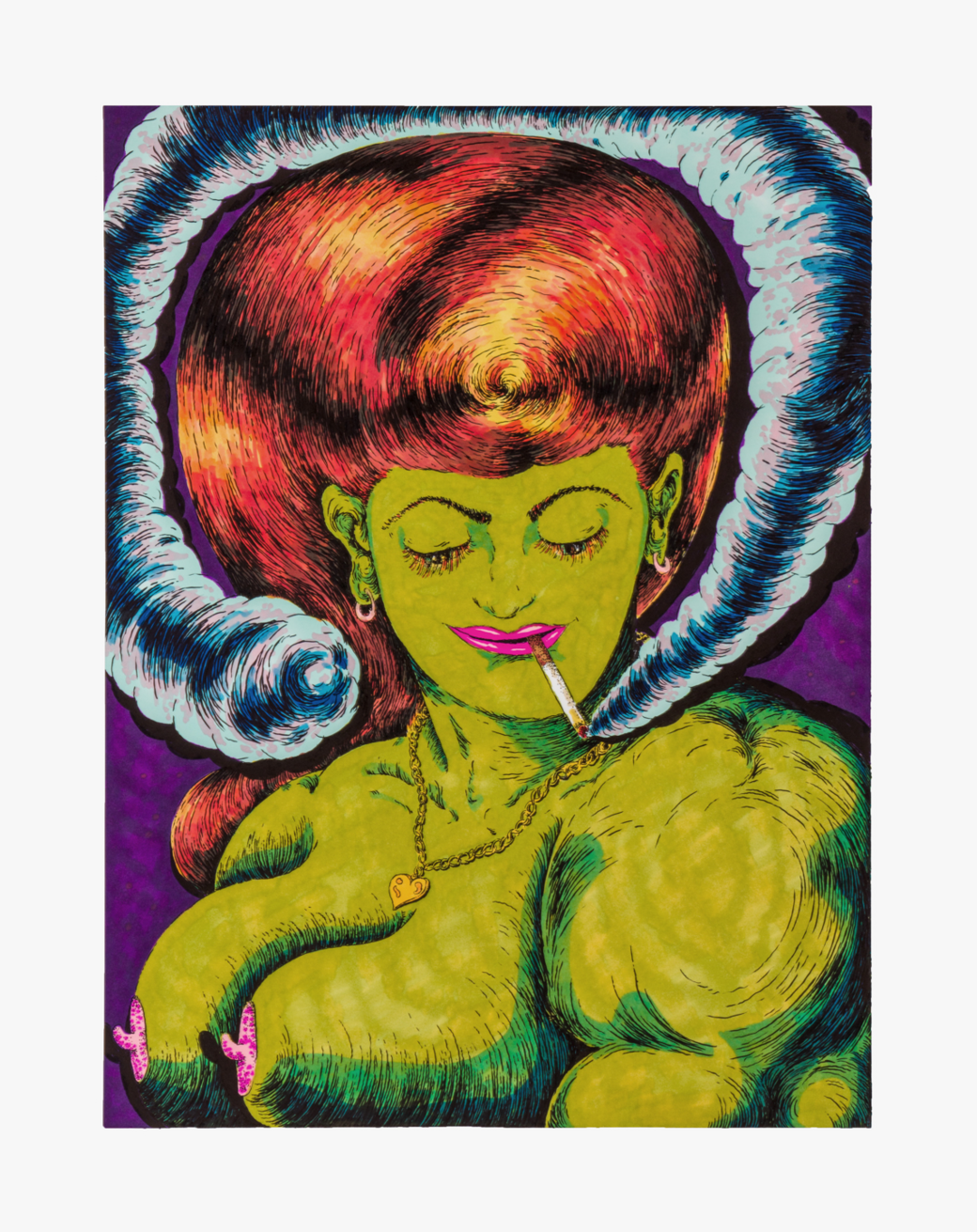
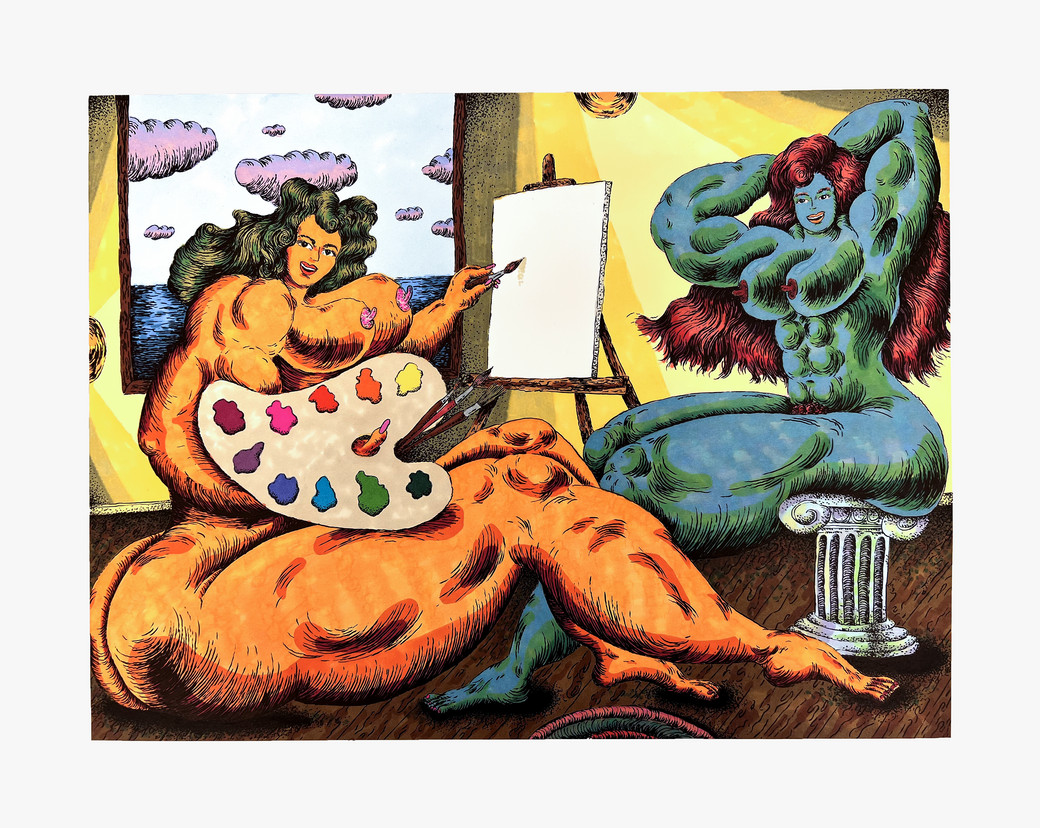
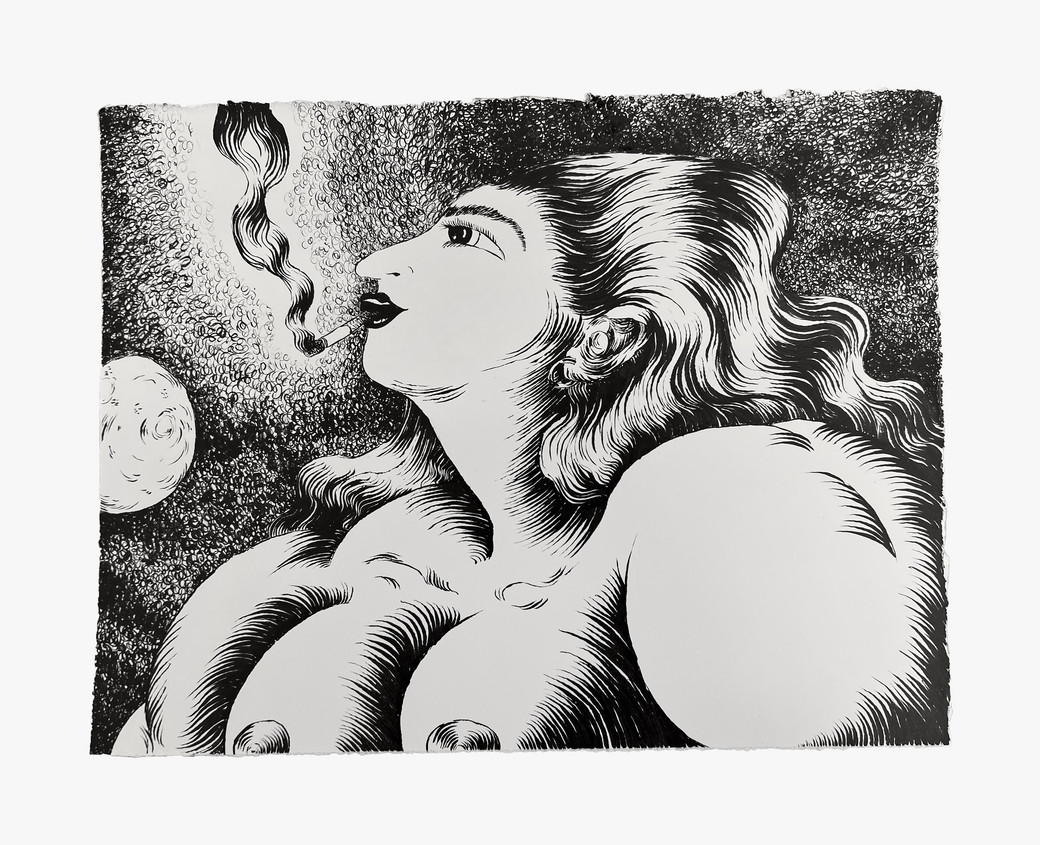
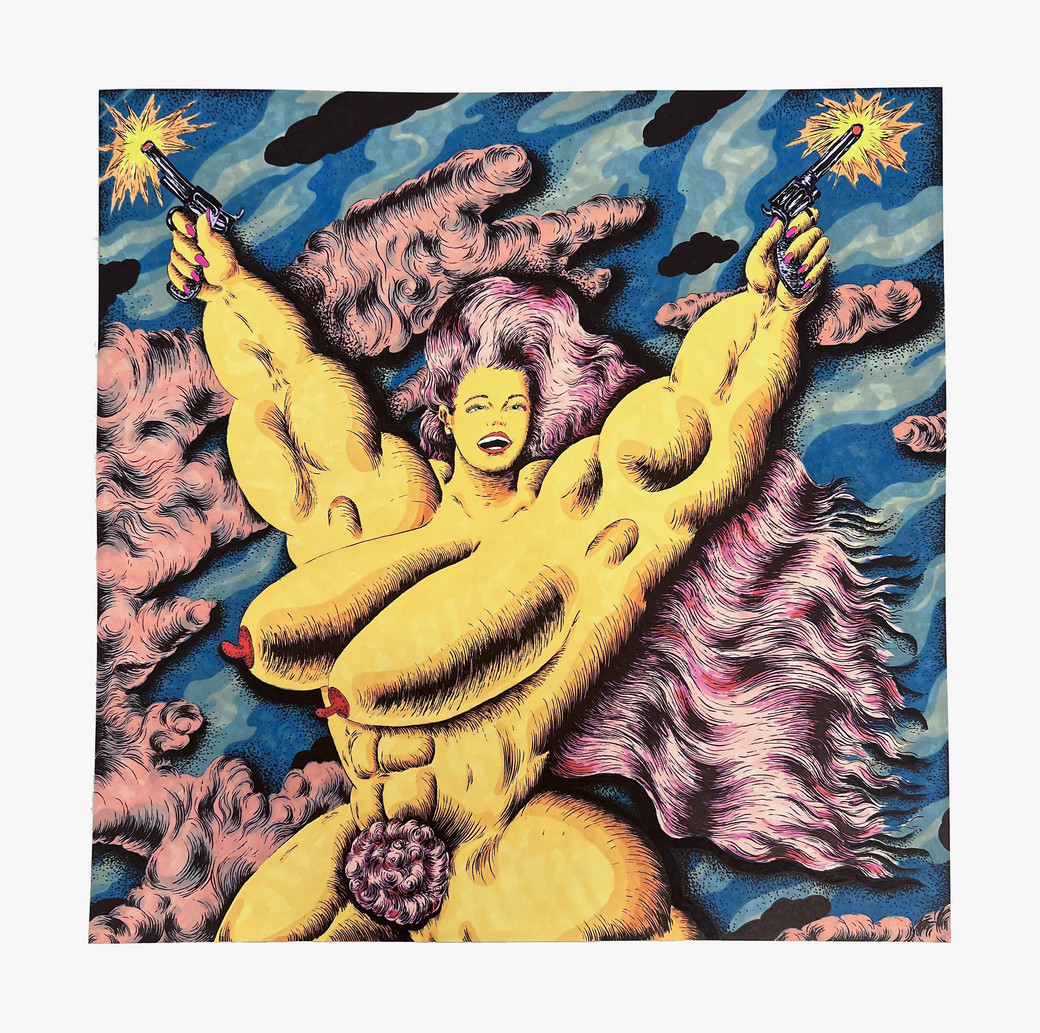
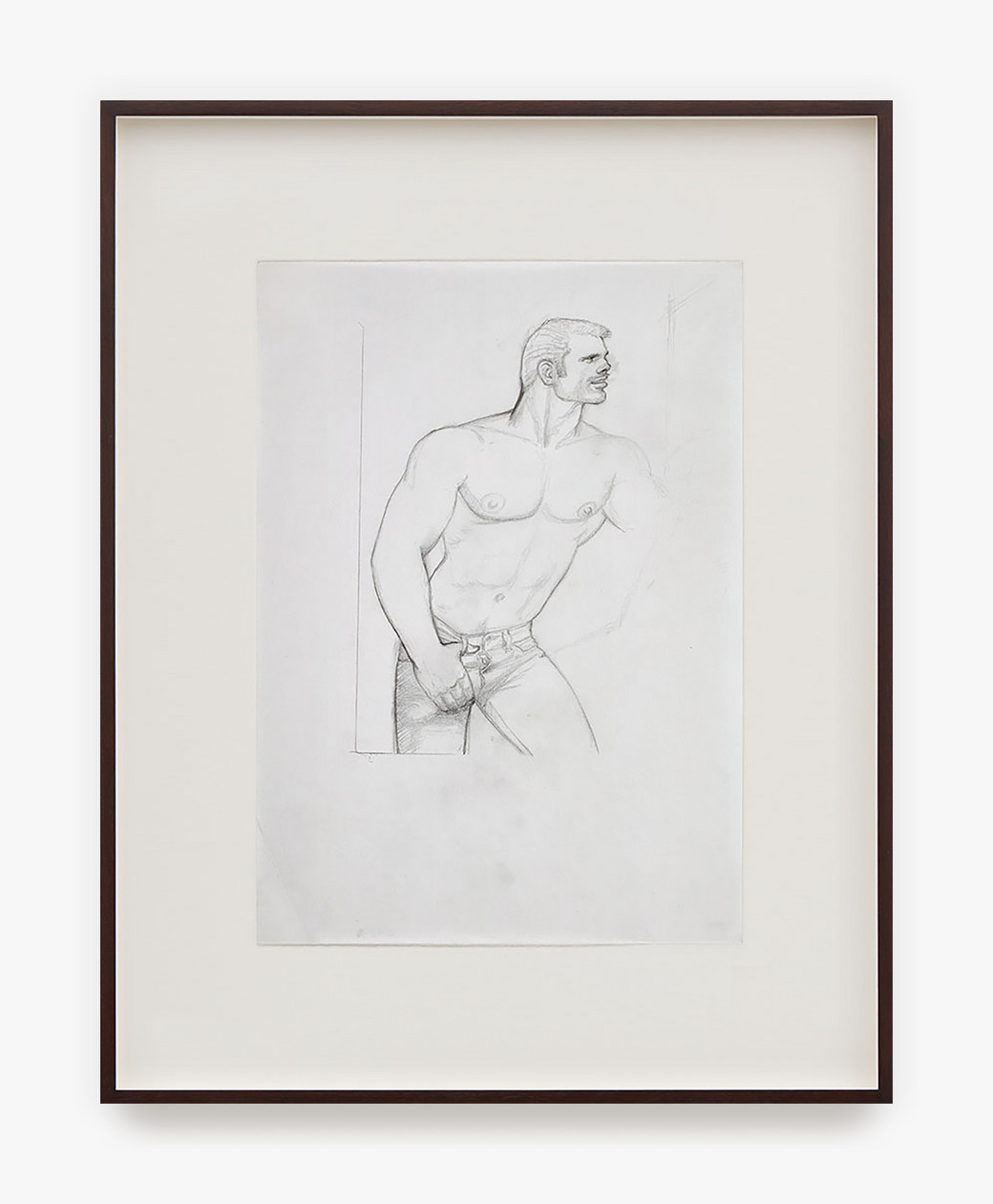
Benaroya encountered her first source of inspiration, Tom of Finland, during her undergraduate education at MICA. Finland’s work includes unrelentingly erotic sketches, highlighting the most bulging, rippling, proudest form of the Gay male depiction. His work marks a turning point, being one of the first artists to create a space for the erotic genre.
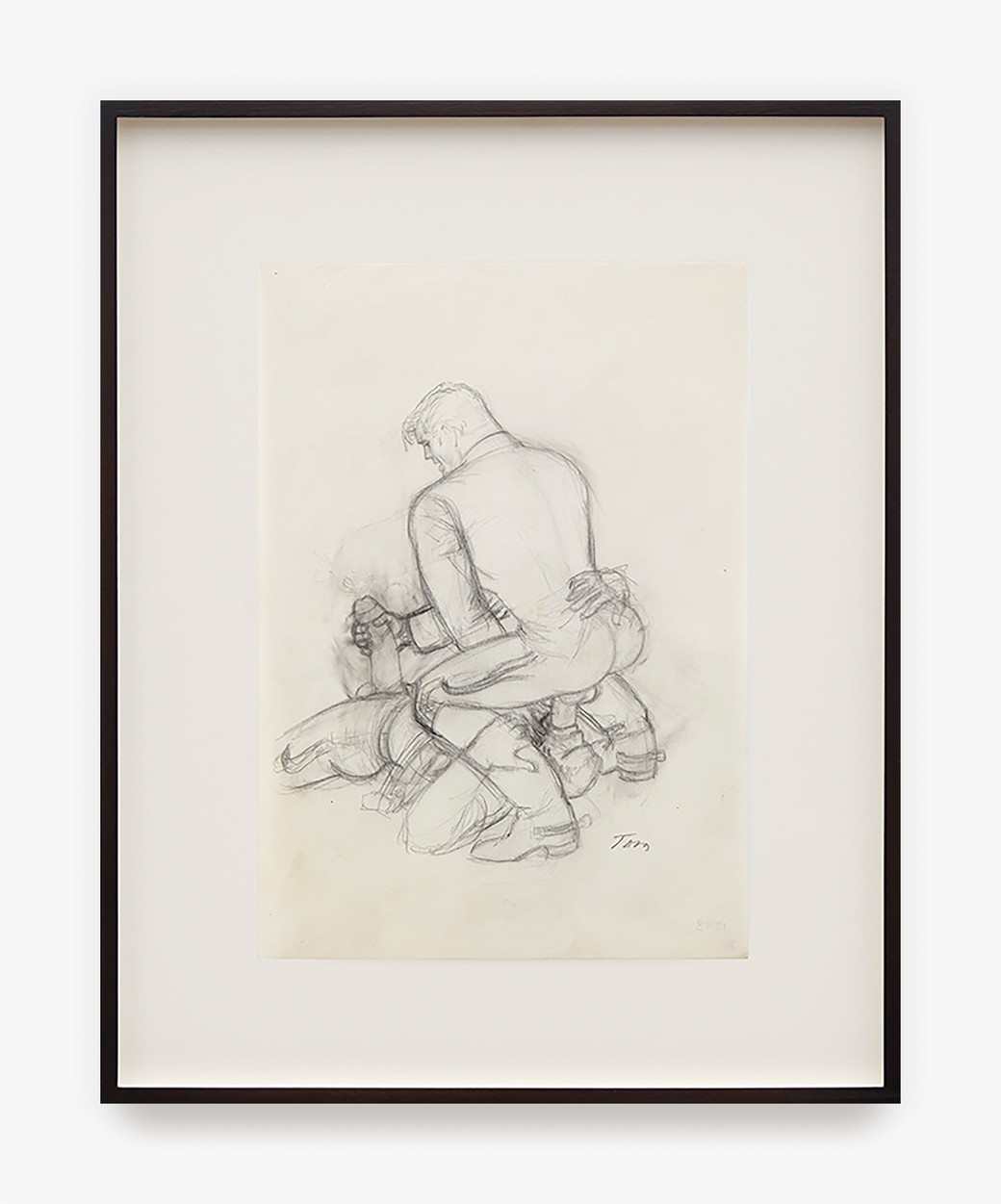
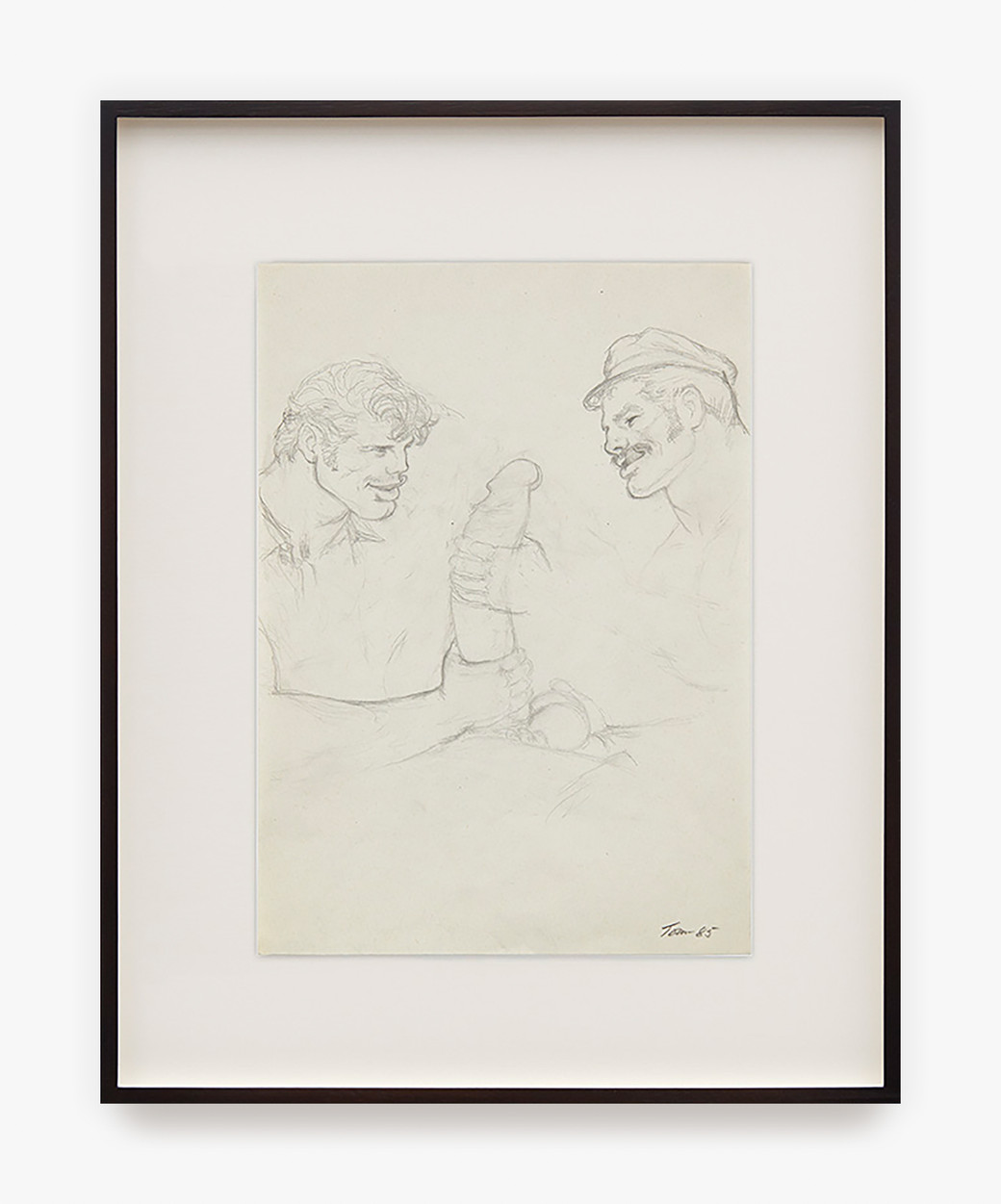
Soon after, Benaroya discovered Karl Wisrum's alternative take on art history at the RISD Museum. Wisrum utilizes the distortive line art, bold color palettes, and caricaturistic humor associated with comic art as a means to contribute to the art historical conversation.
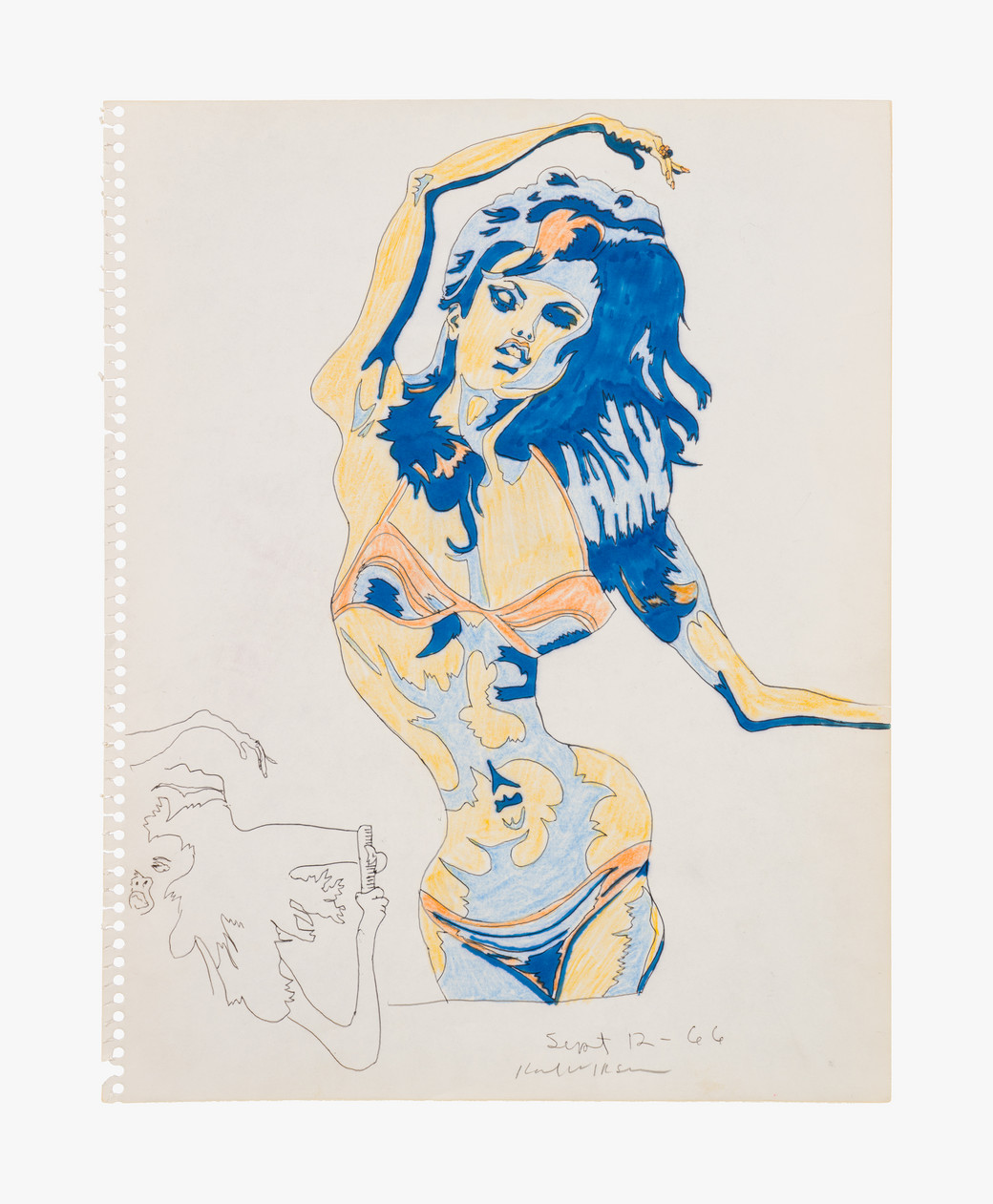
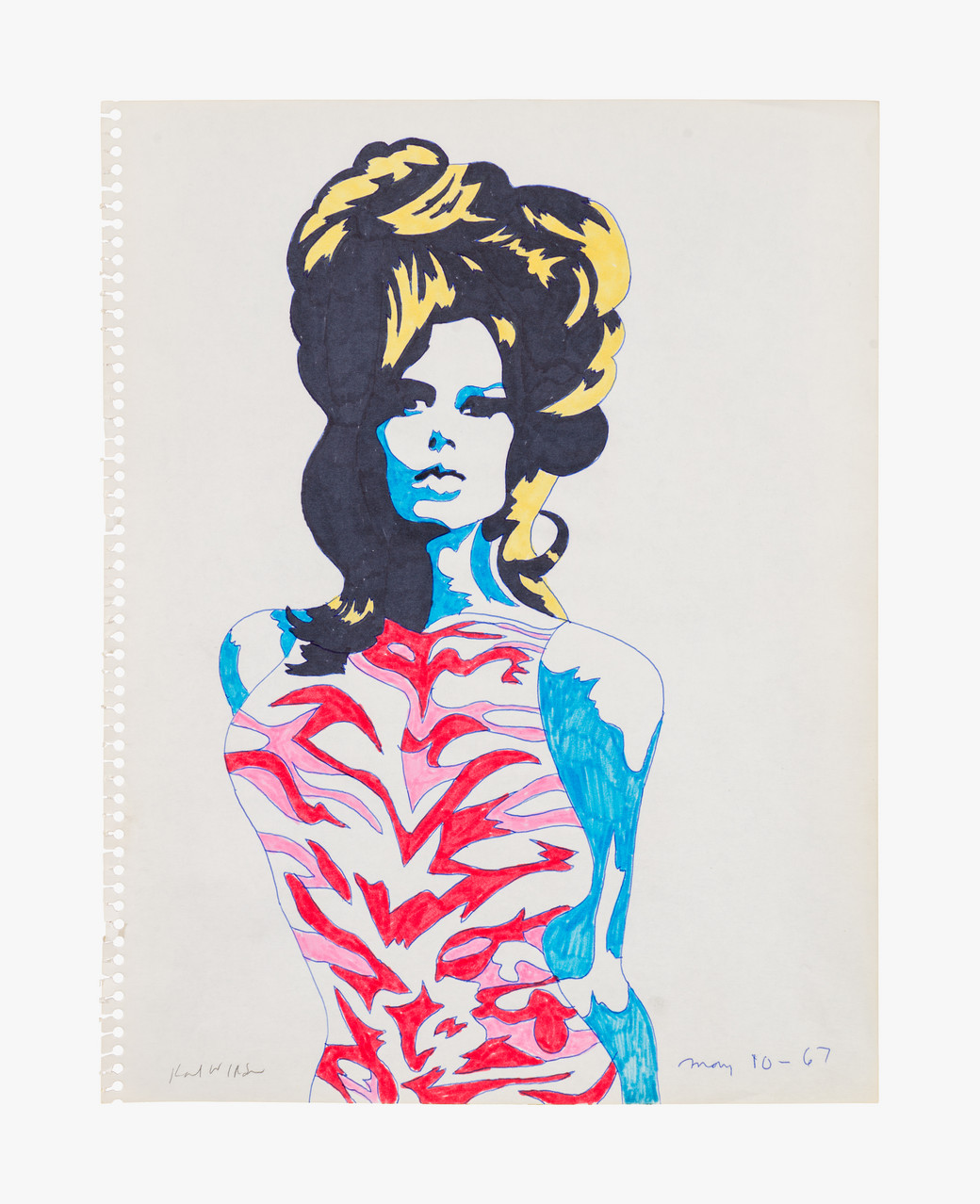
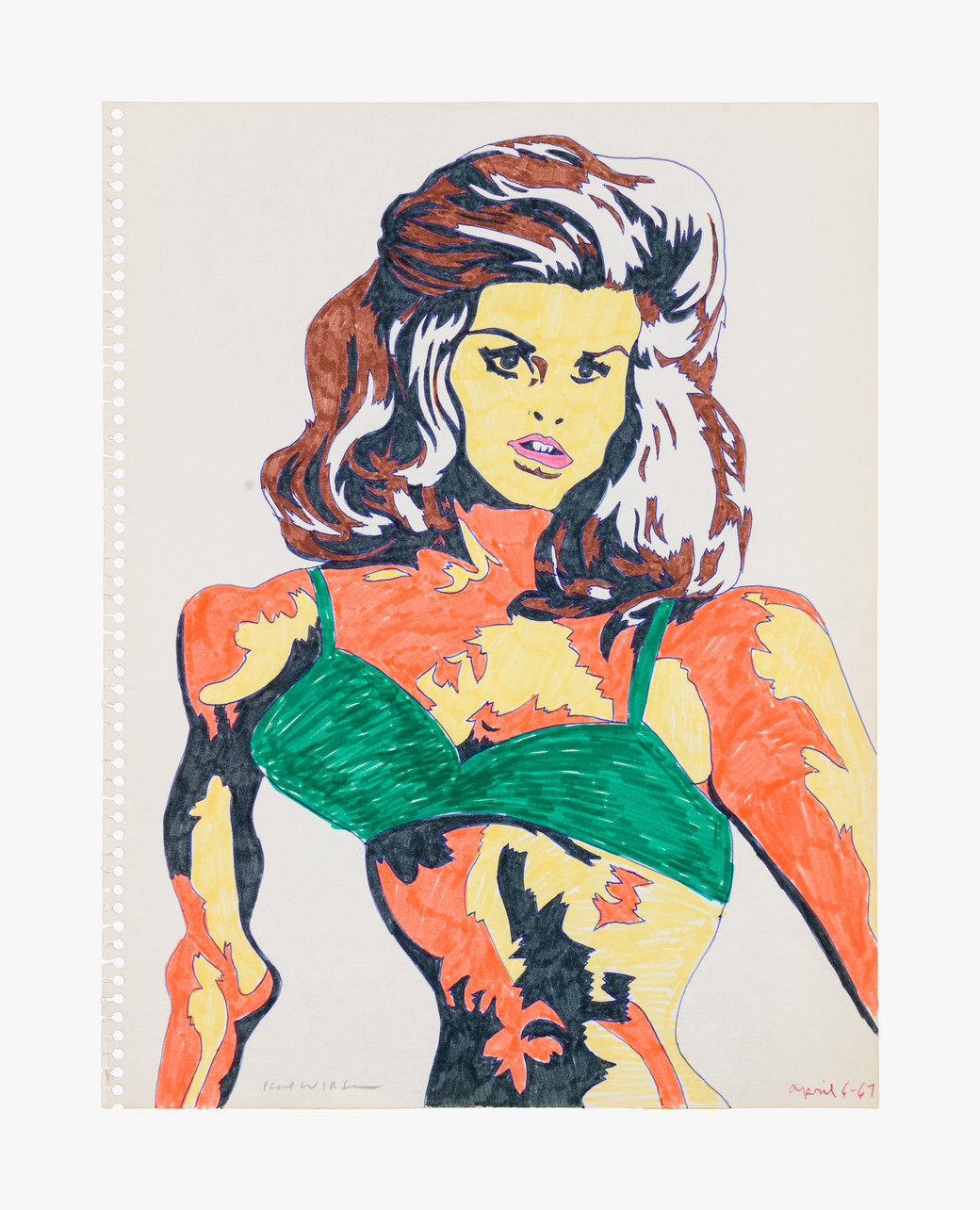
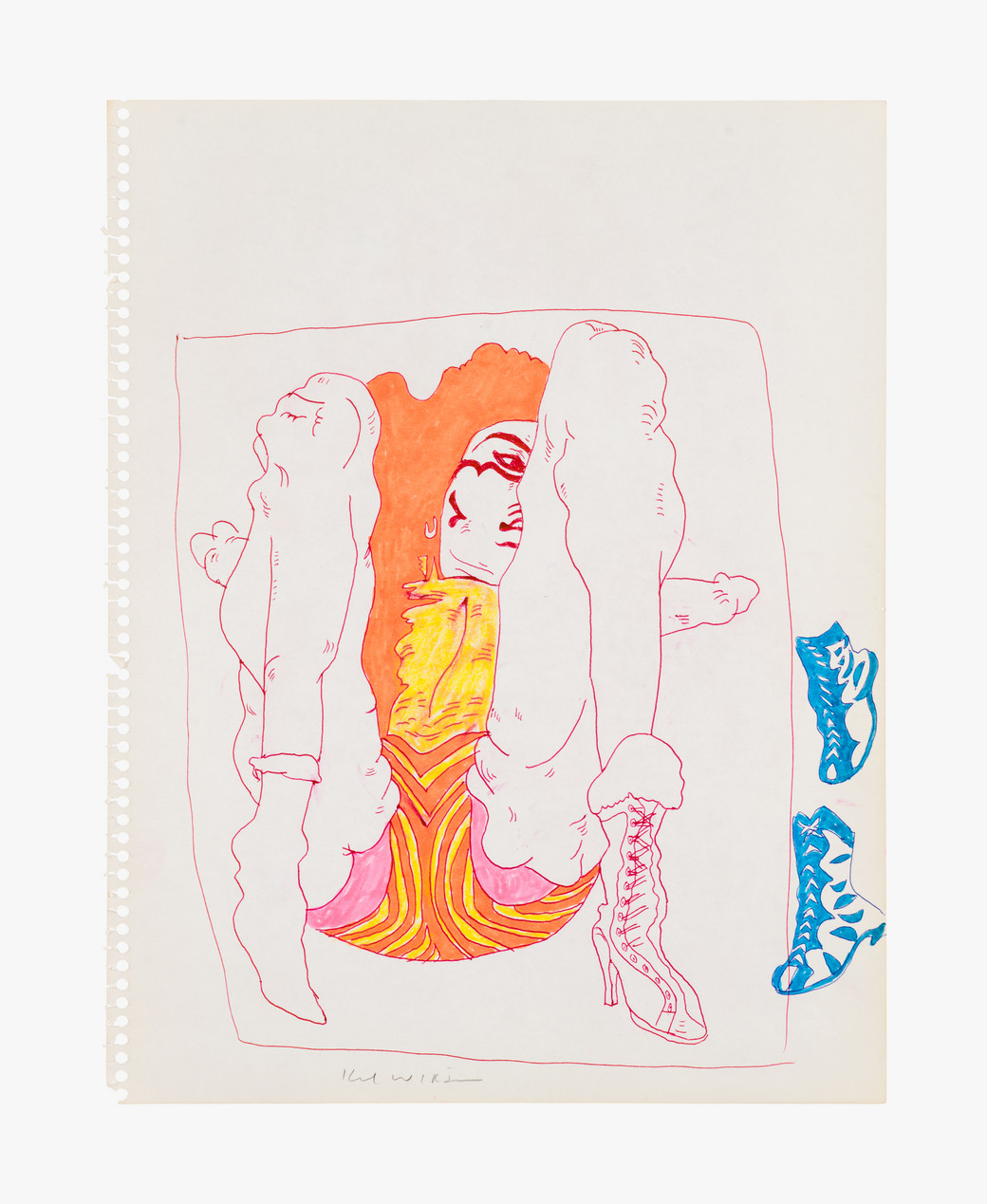
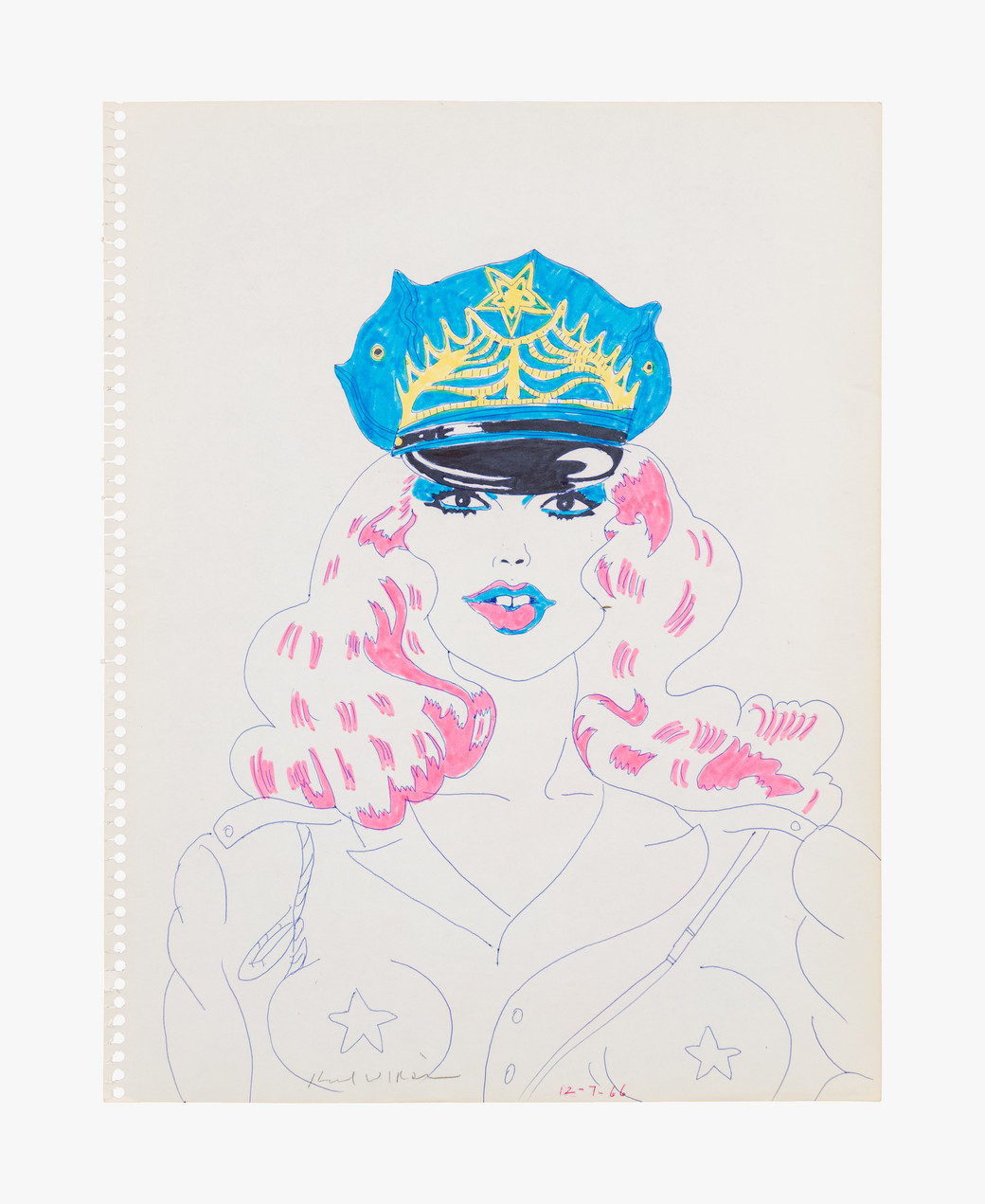
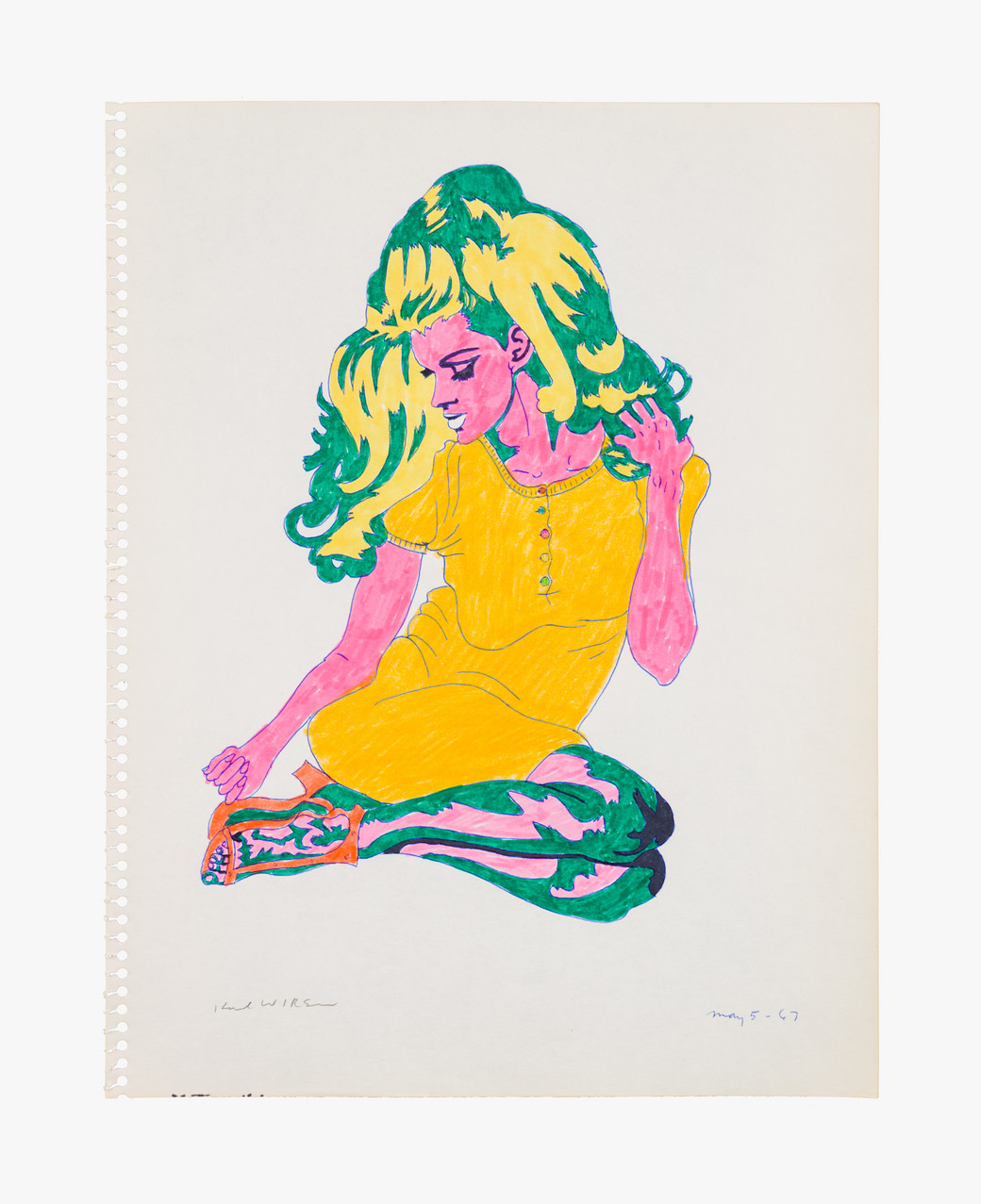
In combining these inspirations, Benaroya arrived at her niche: A series of works that allows for queer representation to enter a space that the traditional, hypermasculine form dominates. It’s humorous, flamboyant, bold and elegant all at once. In a way, it’s androgynous, but in the sense that it combines the utmost of femininity and masculinity into one.

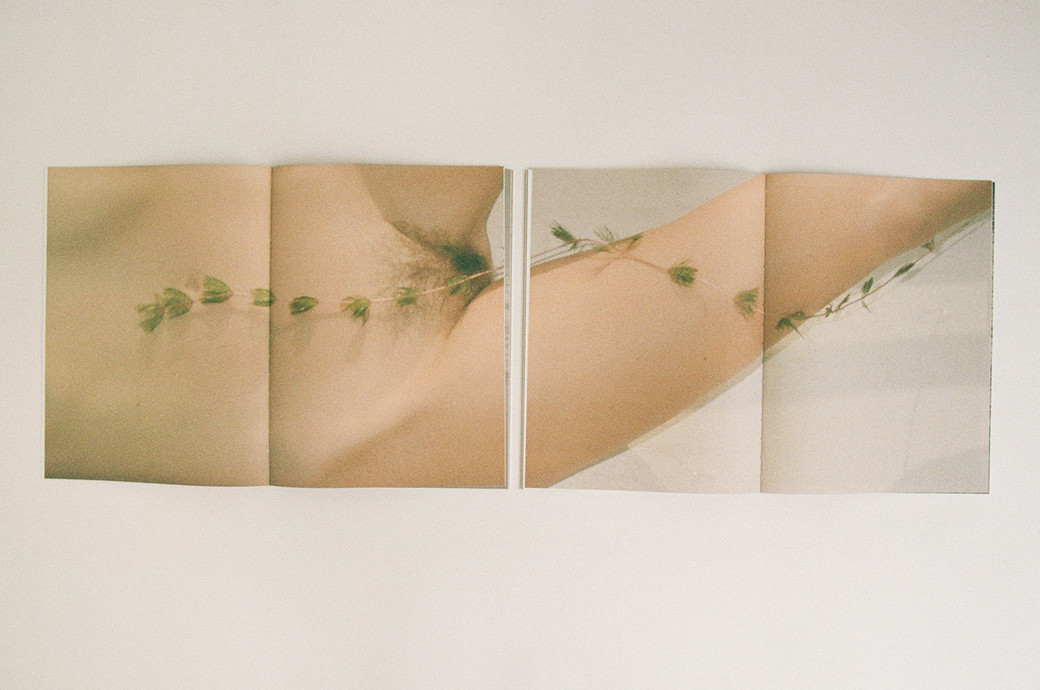
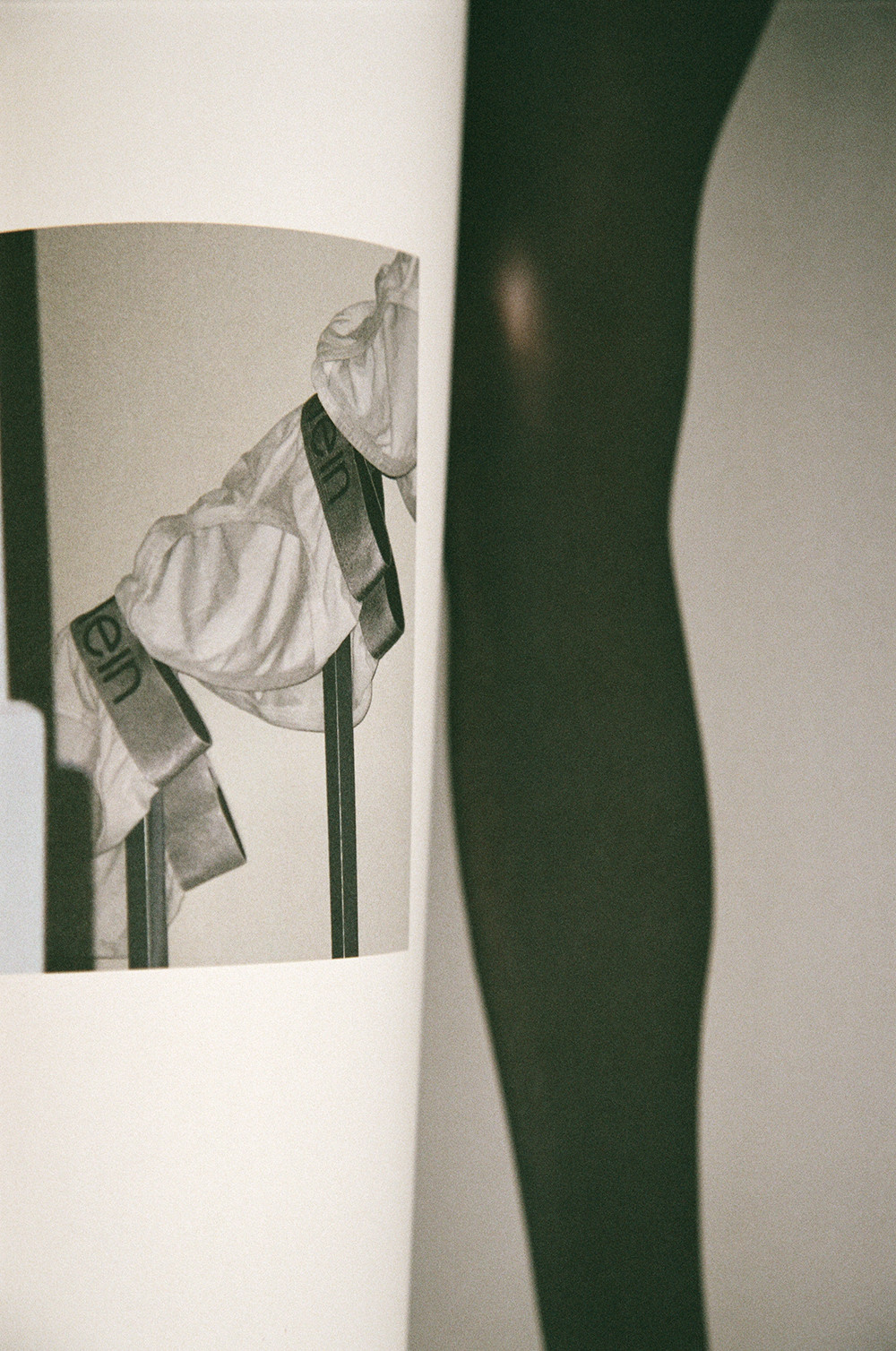
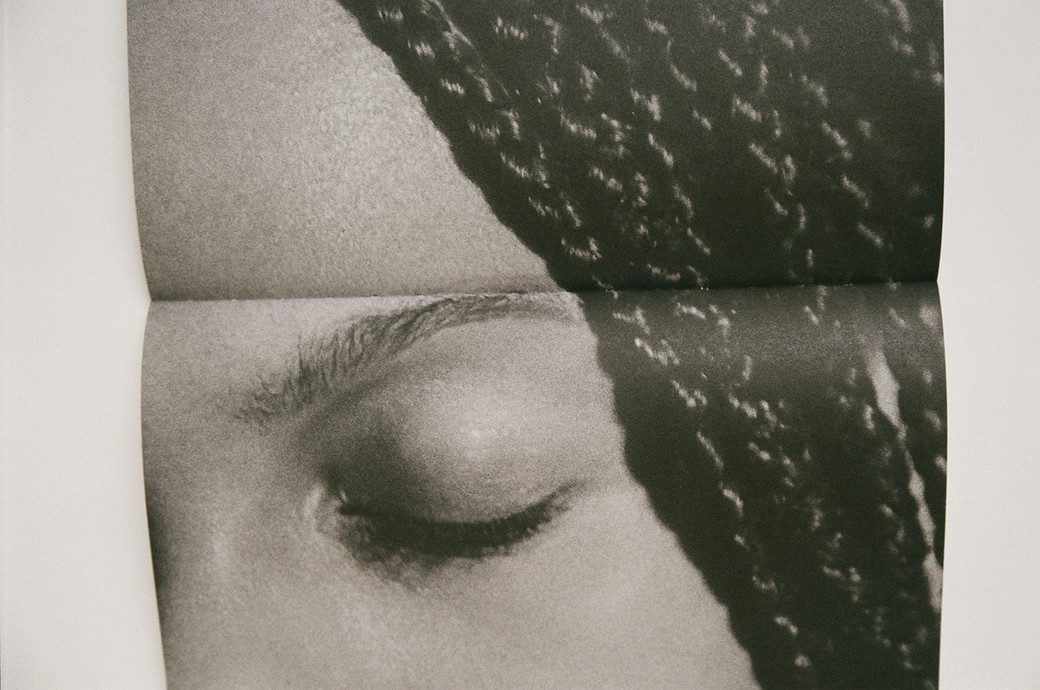
Within the pages of Together Apart, a carefully curated selection of photographs portrays moments of both connection and disconnection. Portraits, body shots, still life, and landscapes invite us to explore the intricate tapestry of human existence. As we navigate the images, a recurring motif emerges — the skin — a powerful symbol representing the intersection between our inner selves and the outside world. It serves as both a boundary and a point of contact, reminding us of the complex relationship between society and individuality.
The Ritsch Sisters have approached the composition and arrangement of their work with a playful and unconventional mindset. The photographs are thoughtfully juxtaposed, alternating between vibrant and muted colors, as well as between color and black-and-white images. This deliberate interplay mirrors the dynamic nature of society itself, capturing its kaleidoscopic essence. Like a mesmerizing dance, the photographs flow seamlessly, drawing us into a realm where boundaries are blurred and perceptions transformed.
But Together Apart extends beyond the confines of traditional artistic presentation. The book embodies its title’s essence, embracing a unique and interactive design. Nestled within its pages are two separate book blocks, offering readers the opportunity to explore parallel narratives or delve into each block individually. This ingenious format invites us to playfully engage with the photographs, forging our own connections and interpretations. It emphasizes the duality of togetherness and separation, reminding us that even in isolation, we are part of a greater whole.
The curator, Carmen Lael Hines, adds her insightful analysis to the mix, drawing inspiration from the works of Roland Barthes. Hines unravels the tension and tactile nature of the images within Together Apart, highlighting their ability to transcend conventional boundaries. These photographs become more than mere stills — they become catalysts for personal and emotional responses. Through Hines' lens, the series becomes a vibrant tapestry of multi-layered dialogues, a testament to the power of visual storytelling.
Beyond its aesthetic allure, Together Apart grapples with profound questions that touch the core of our human experience. It is a meditative exercise, an invitation to ponder the ways in which memory, organization, and lived experiences shape our perception of the world. As we immerse ourselves in the pages of this captivating book, we embark on an introspective journey, encouraging us all to embrace the perpetual dance of change.