Vulvatious

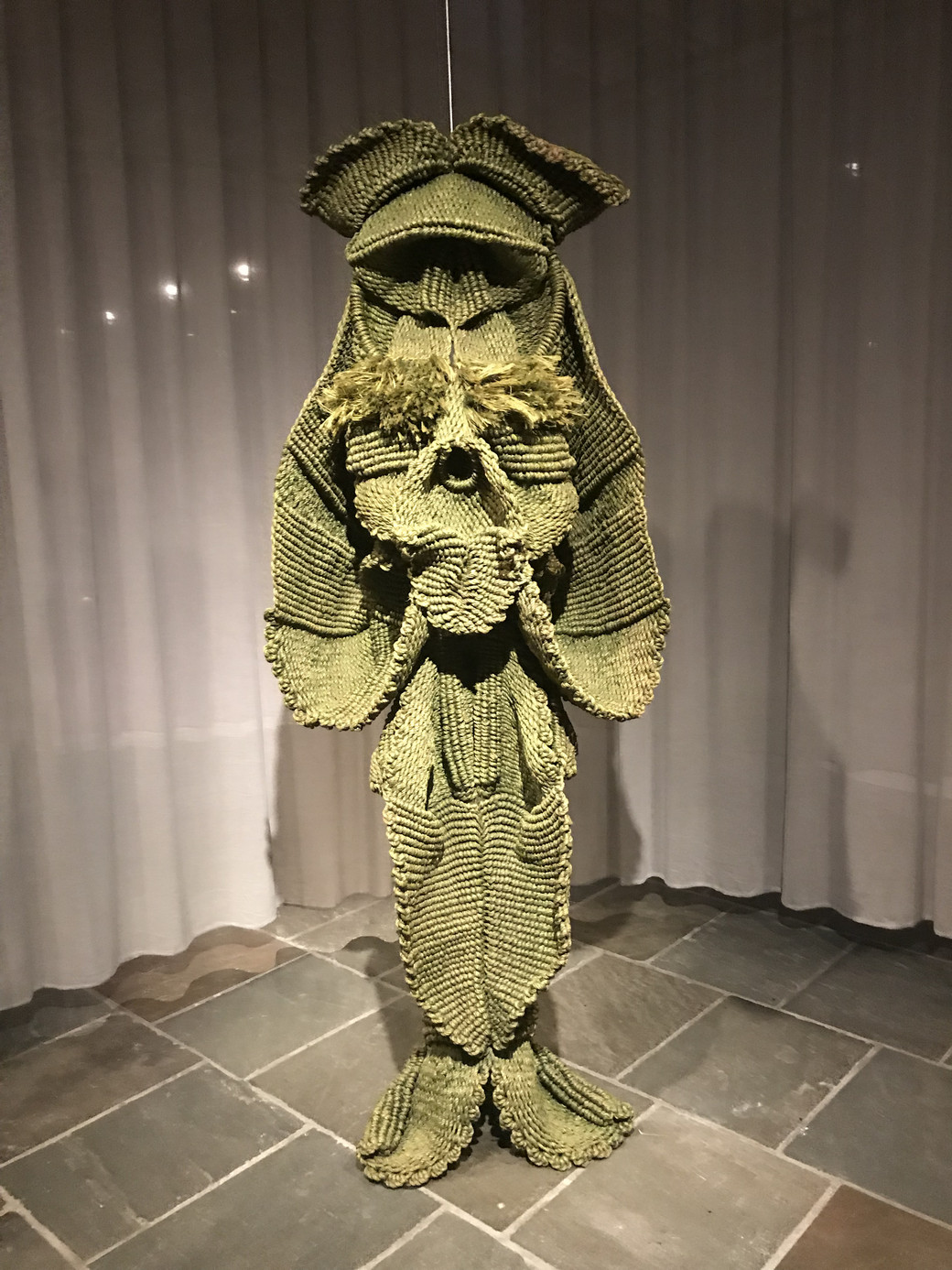
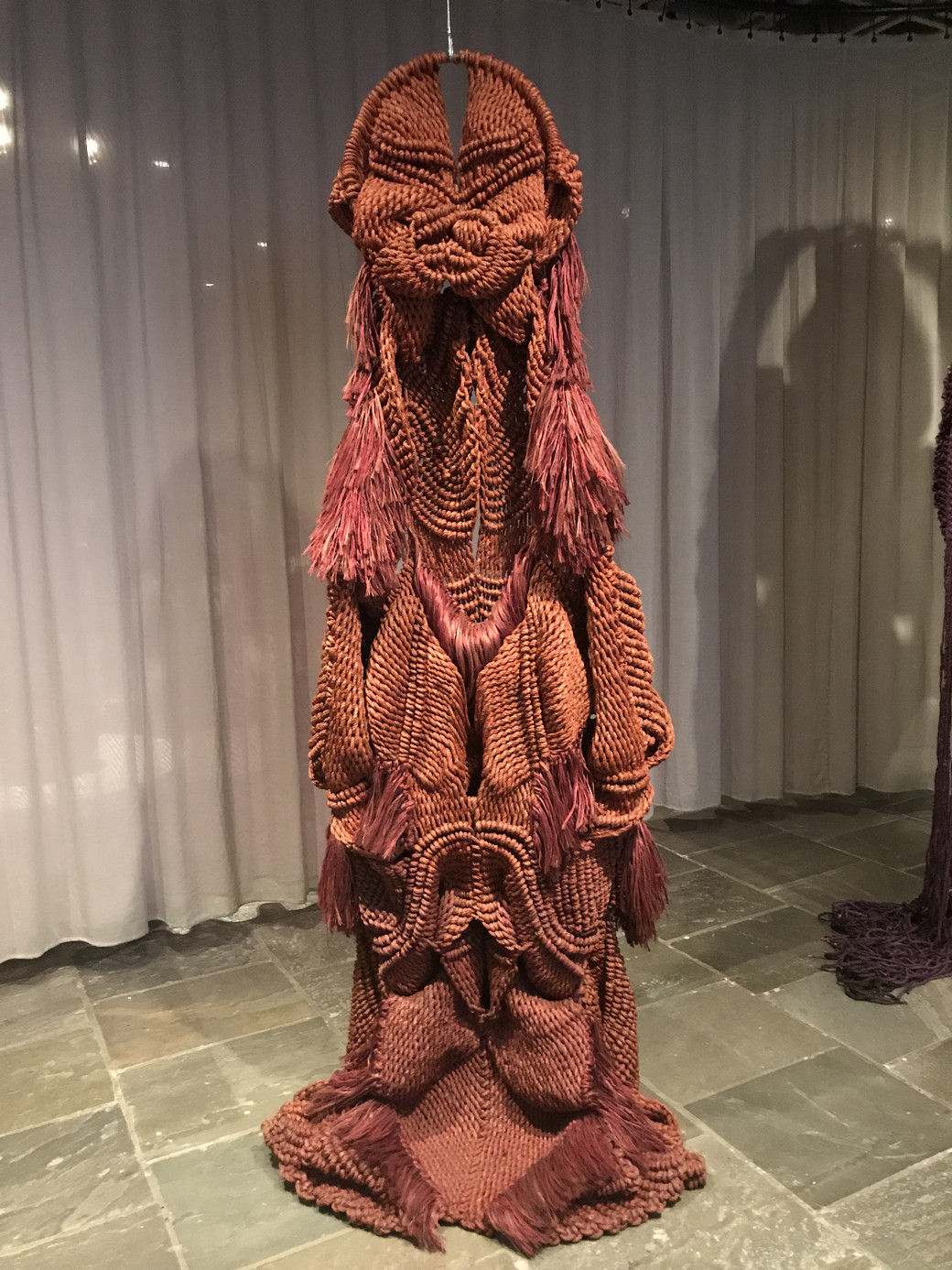
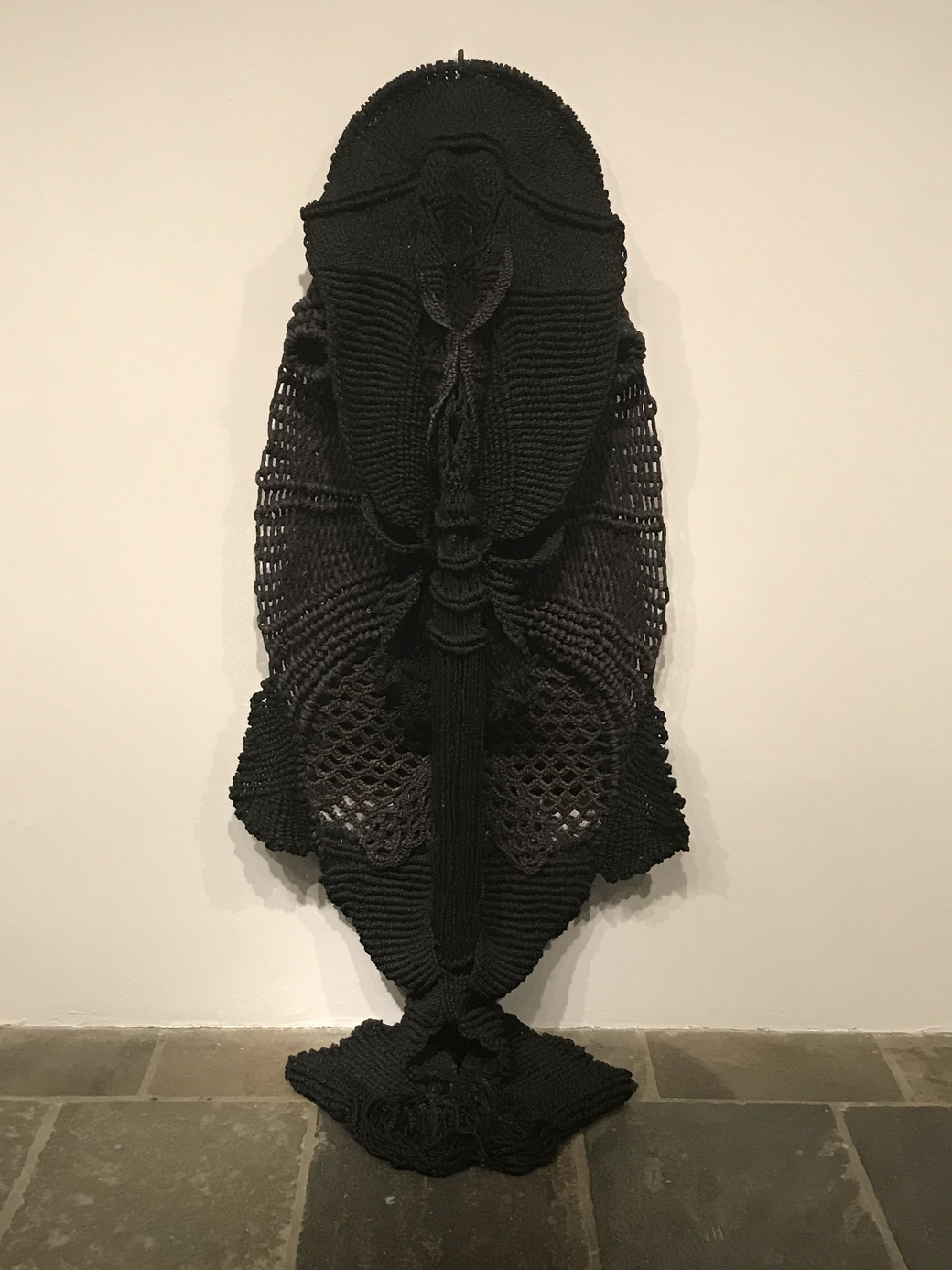
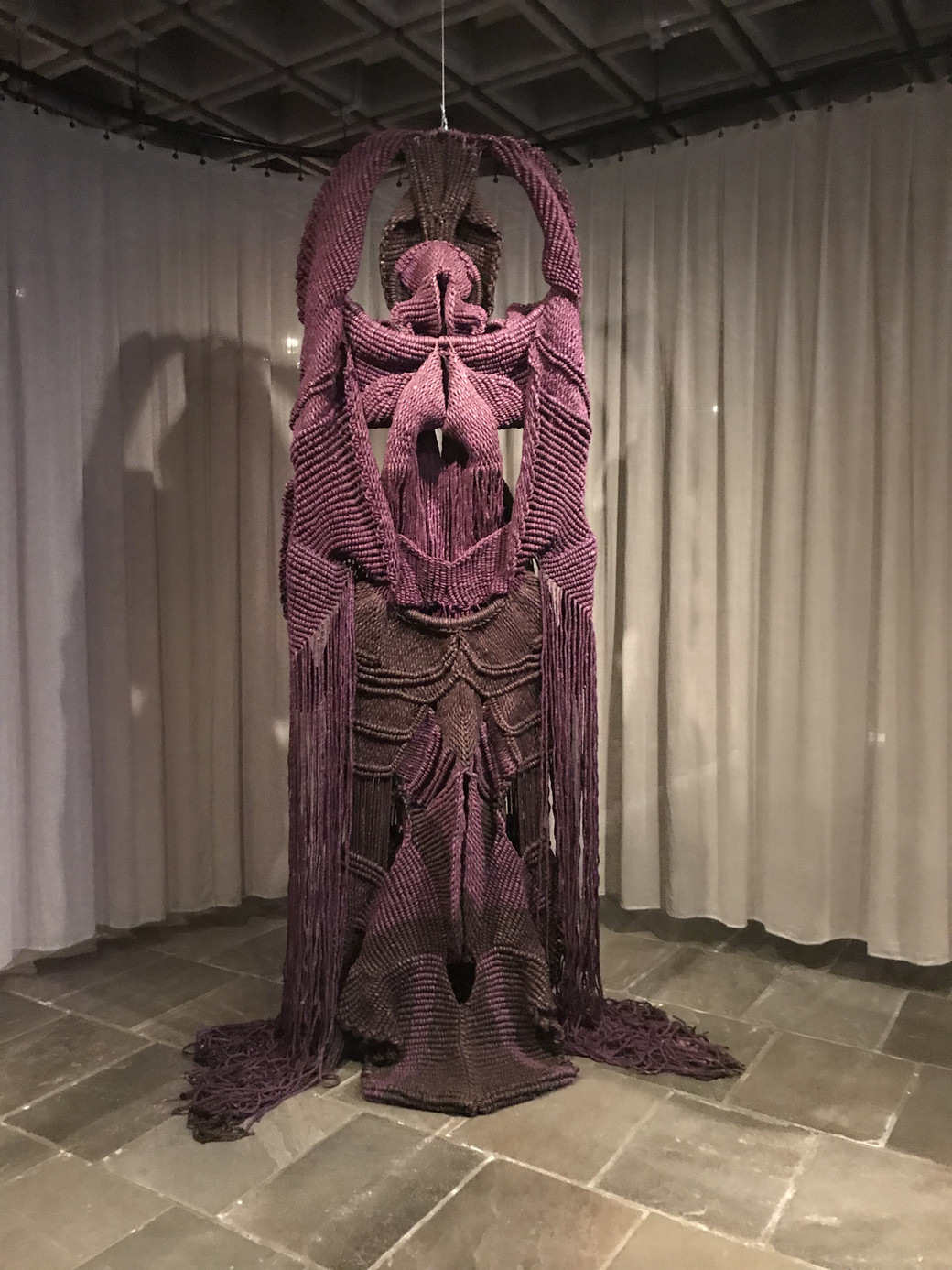
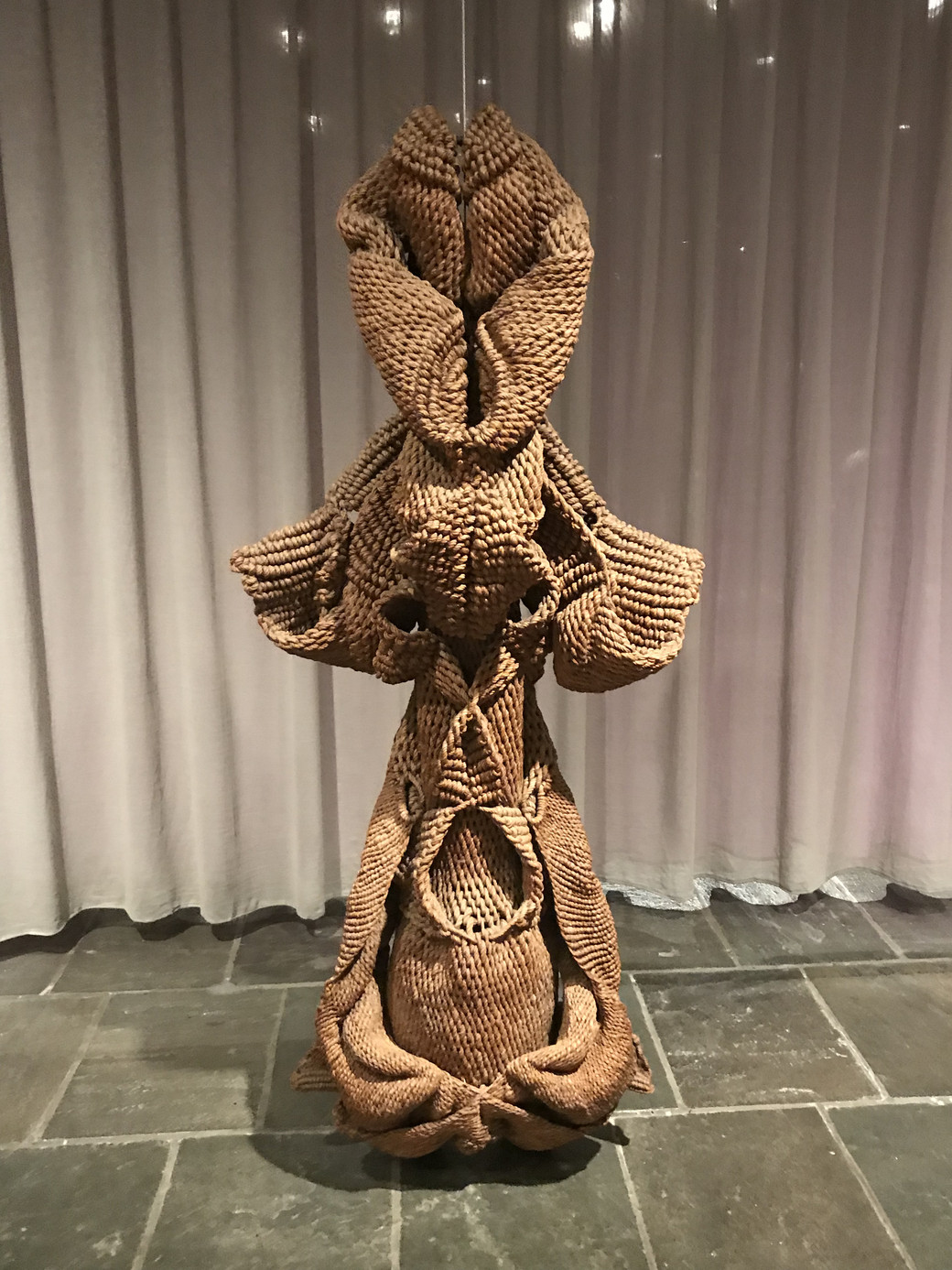
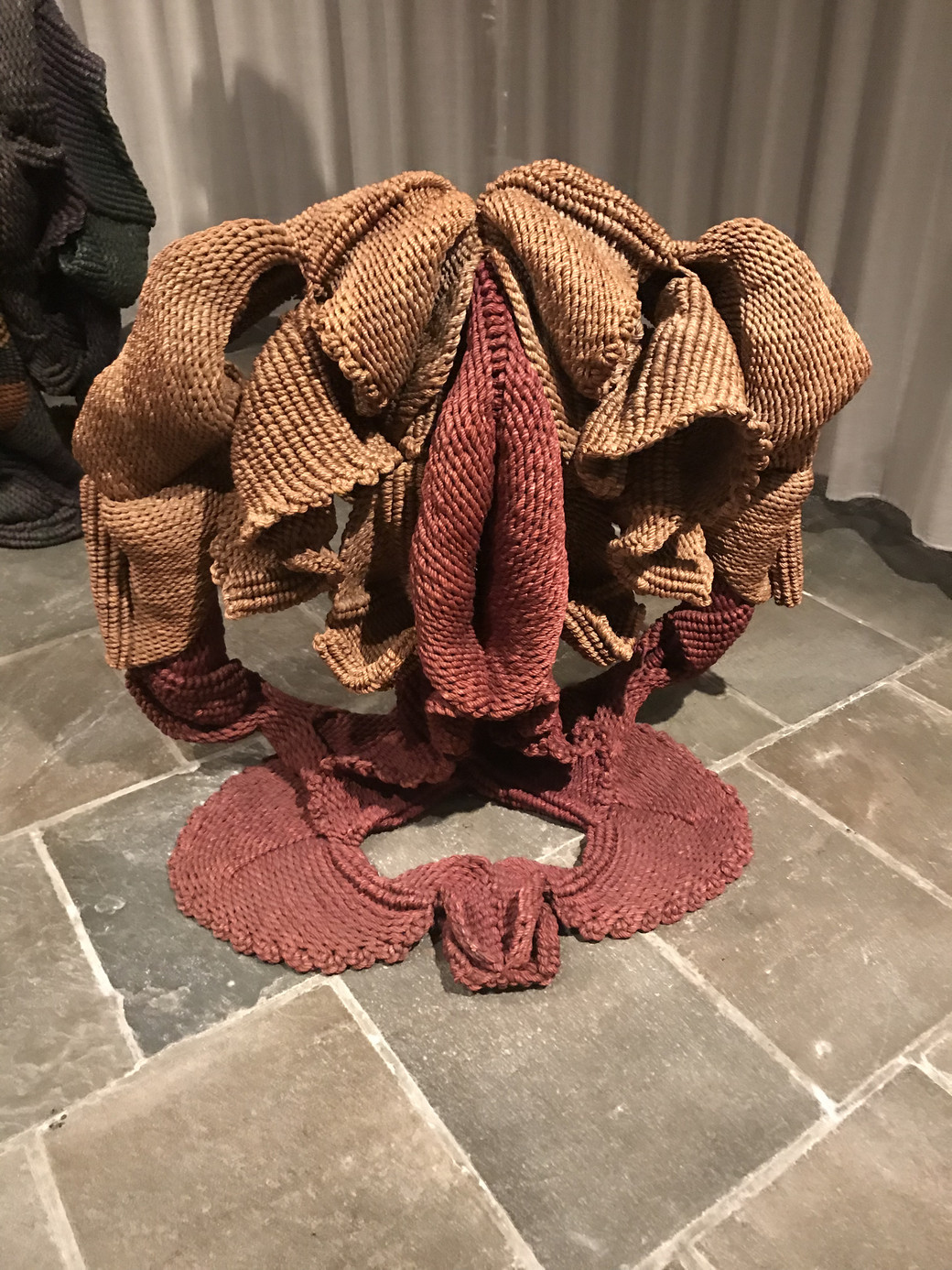
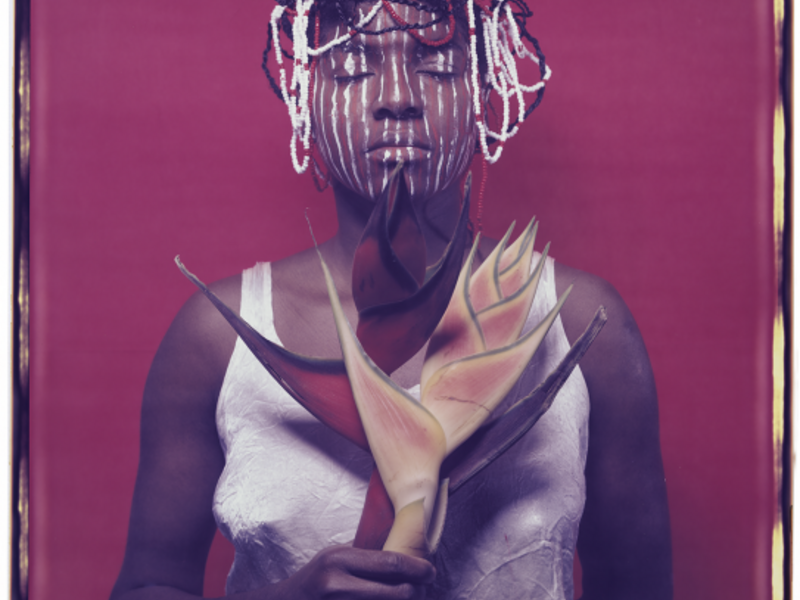
"Phenomenal Nature: Mrinalini Mukherjee" is on view at the Met Breuer through September 29th, 2019.
"Phenomenal Nature: Mrinalini Mukherjee" is on view at the Met Breuer through September 29th, 2019.

What is your ideal office?
I’m good as long as I have some tables, my library, and good Internet.
What was the first art form that you felt drawn to?
Music.
What is your most prized possession?
A signed photograph of Zinedine Zidane my dad gave me on my 9th birthday.
Who would you choose to write your life story?
JR Moehringer.
Which weather phenomenon best embodies your personality?
The blue hour.
What is the hottest color? Which disgusts you?
Sky-blue is the hottest. Teal, I hate.
Which medium outside of your own do you find most intriguing? Music, because it is the most intuitive.
Which song would play during the opening credits of the Ben Ganz biopic?
“Temptation,” by New Order.
What is the most beautiful body of water you have ever seen?
Lake Lucerne around sunset.
What was the most useful piece of advice you were given around your practice?
The one advice that is the hardest to follow: 'learn how to say no.’
Who is the youngest person you trust?
My nephew Felix. He’s only three months old, but acts trustworthy, so far.
Do you have any rituals in your studio?
Team lunch and browsing the library.
What is the first thing you do when you wake up?
Guardian app and double espresso.
What was the last thing you stopped to take a picture of?
A cute Bernese Mountain Dog puppy I saw in a store.
What excites you most about technology?
Faster prototyping.

It feels fitting that New York’s Hannah Traore plays host to this rare and moving body of work at her eponymous gallery. When the 28-year-old first opened her doors last year on the lower east side and set out to create a space that felt accessible and inclusive to all, she had every intention to work closely with kids and young adults. This show is just the latest in her ongoing commitment to encourage creativity and build community.
“The work they do literally made me tear up, because I think it's so deeply important. I think just everything that they stand for is everything I stand for,” shares Traore.
The young gallerist and Artistic Noise’s Executive Director, Calder Zwicky had previously crossed paths during their respective stints at the Museum of Modern Art and Design, but reconnected last year.
“It was just beautiful, fortuitous timing, and she's been so intensely generous. She's not charging us a cent for rental. She's covering the costs. For the refreshments at the opening. She is helping us with PR promotion. And the kids are keeping 100% of the proceeds,” shares Artistic Noise Executive Director, Calder Zwicky.
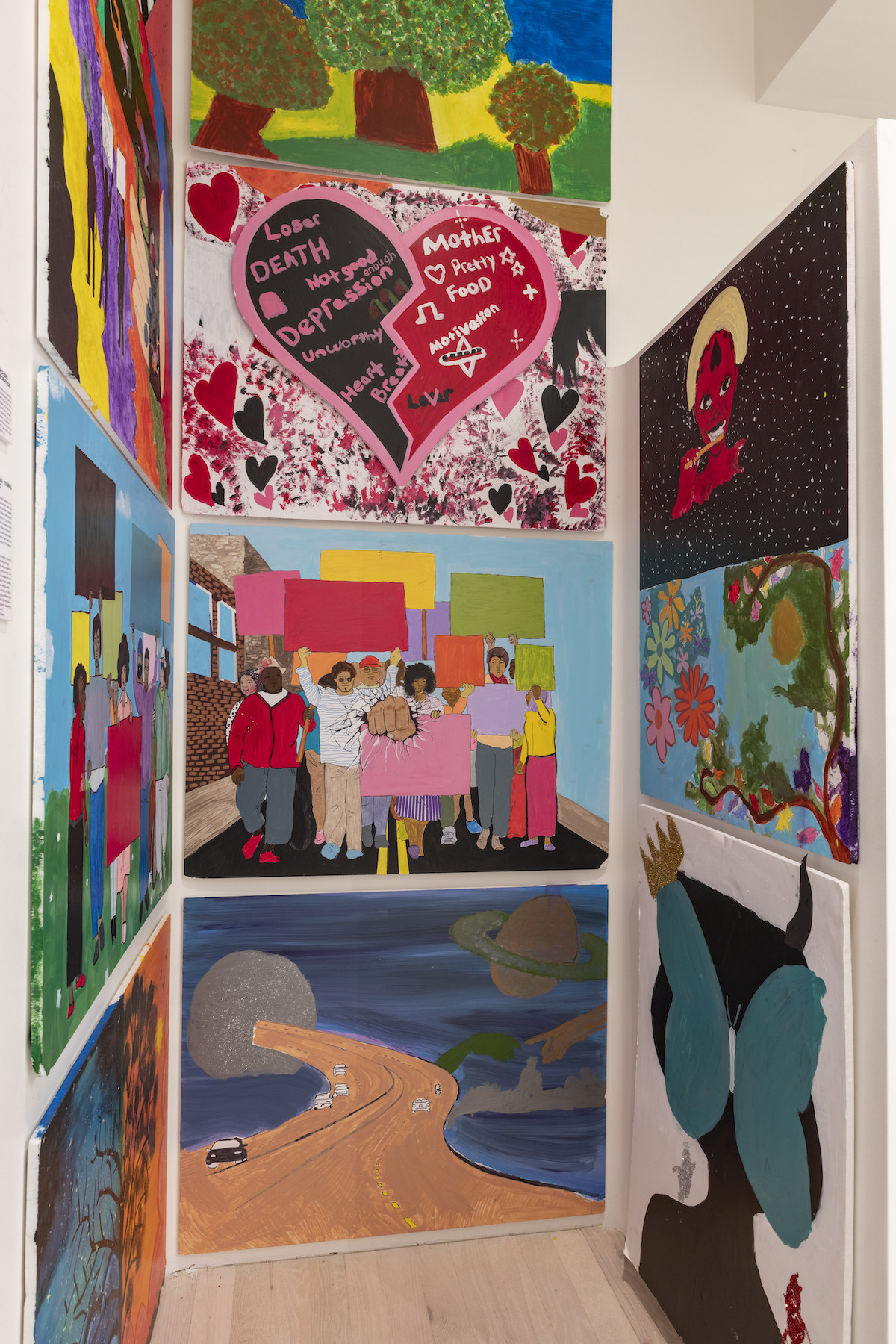
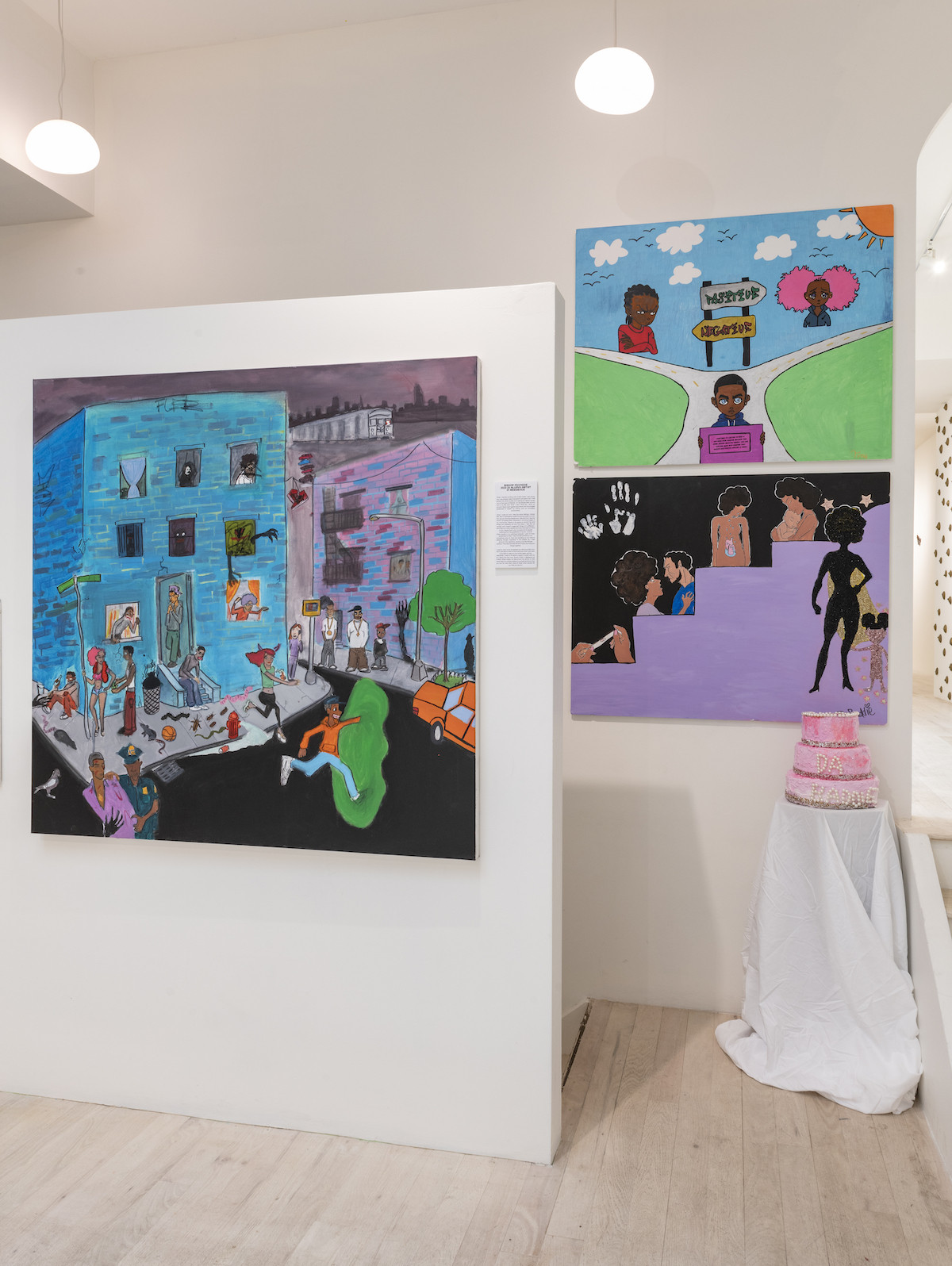
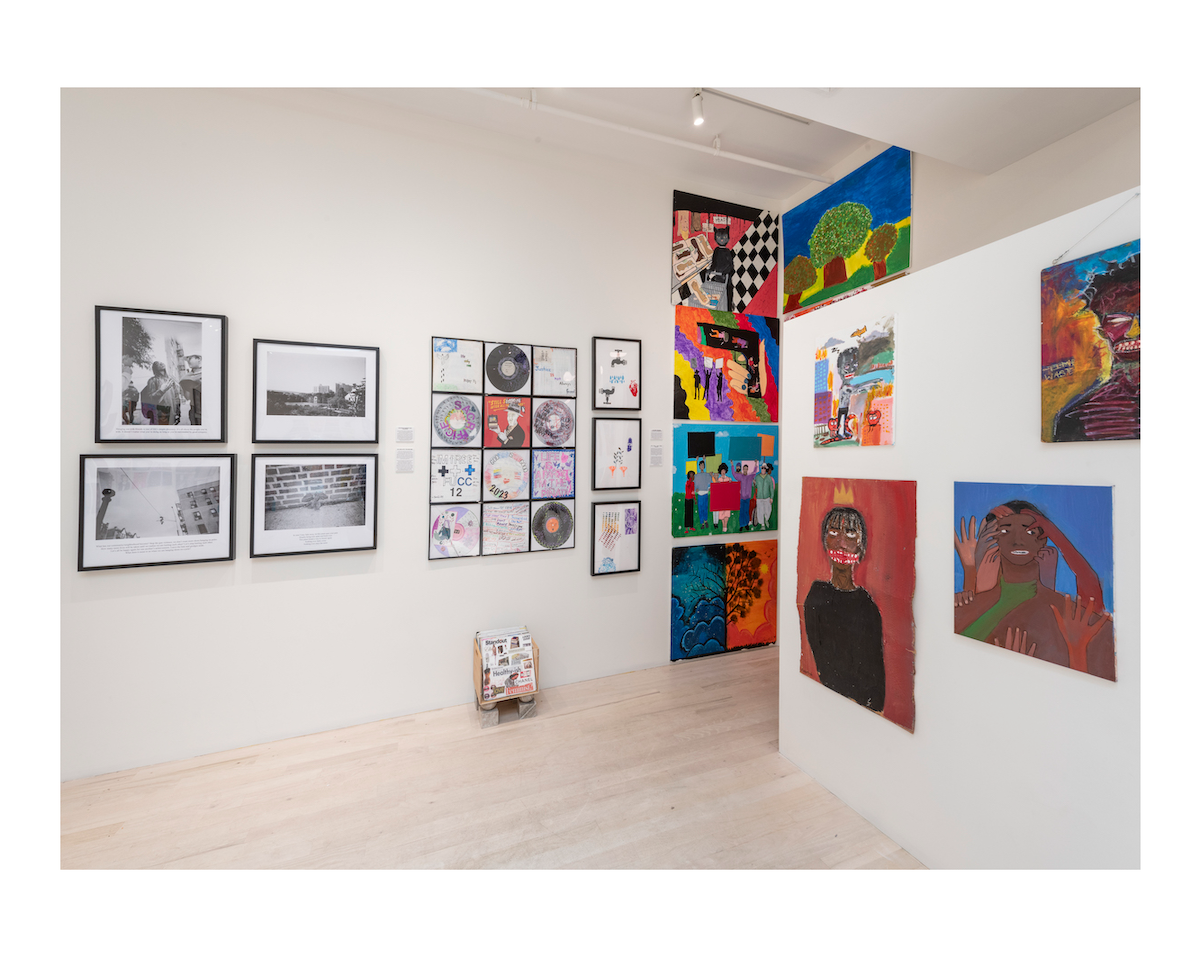
Through collective paintings, collages, drawings, self-portraits and photography, this exhibition is a survey healing — created in an environment encouraging and inspiring young artists to process, express and share their experiences. The raw creative outpour of 20 participants takes plentiful shape as delicate cyanotypes, acrylic murals, mixed media garments, sculptural canvases and so much more. Each participant bares all with vulnerable explorations that confront themes of freedom, ignorance, gun violence, and inclusion, among others.
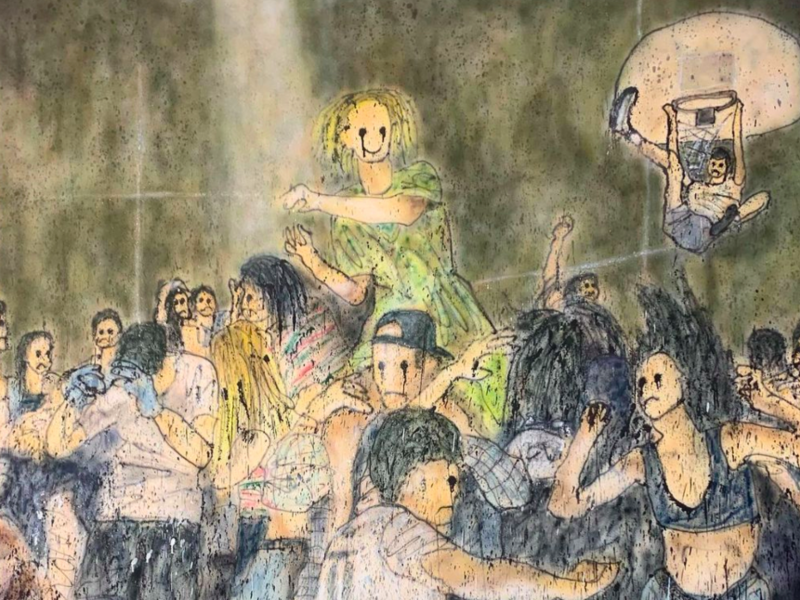
Bishop Mcindoe, Artistic Noise’s first artist in residence, dominates a whole wall with his expressive documentation of late nights in Harlem and Brooklyn. He animates dynamic street corners with vibrant hues and cleverly captures characters in motion. For Mcindoe the studio gave him a profound sense of community, and when asked how he came across the program, the artist shared that a week before he was set to go home, one of the art therapists visited him on Rikers Island. “They just gave me an open environment to be free, and be myself, to express myself and gave me the tools I needed to create.”
Many of these young artists come to the non-profit with trauma informed needs; by compensating participants with an hourly stipend every time they come into the studio, the Art & Entrepreneurship program ensures these budding artists can prioritize personal growth and also access mental health services. Artistic Noise: Immune Systems raised over $4000 for their community on opening night, and will be on view until July 1 at Hannah Traore Gallery.
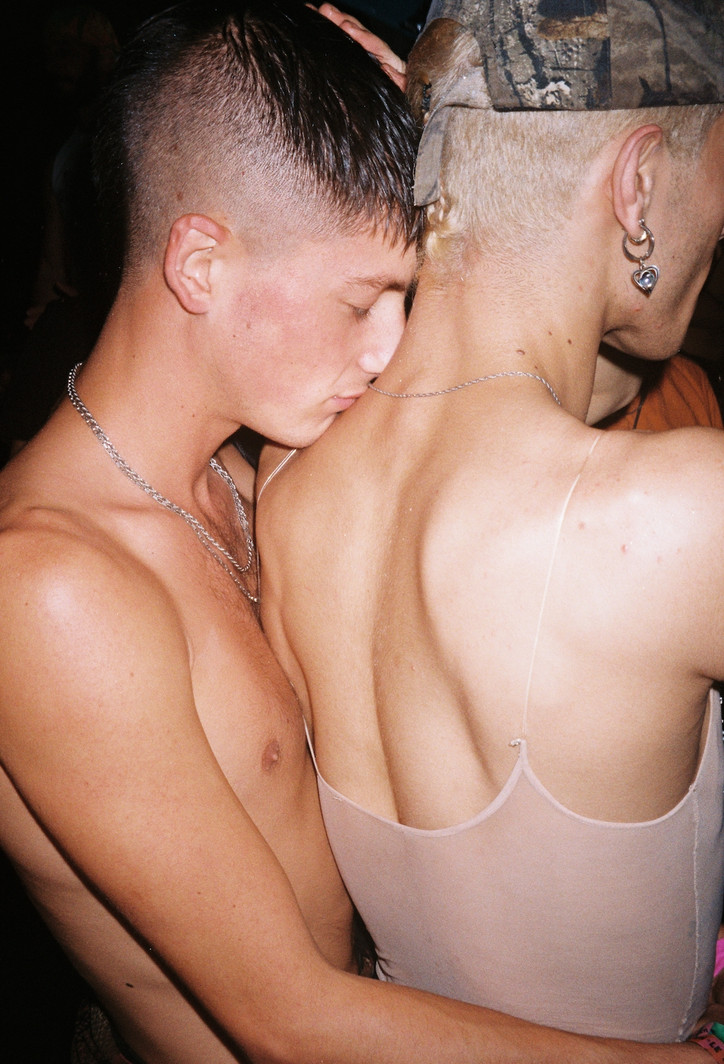
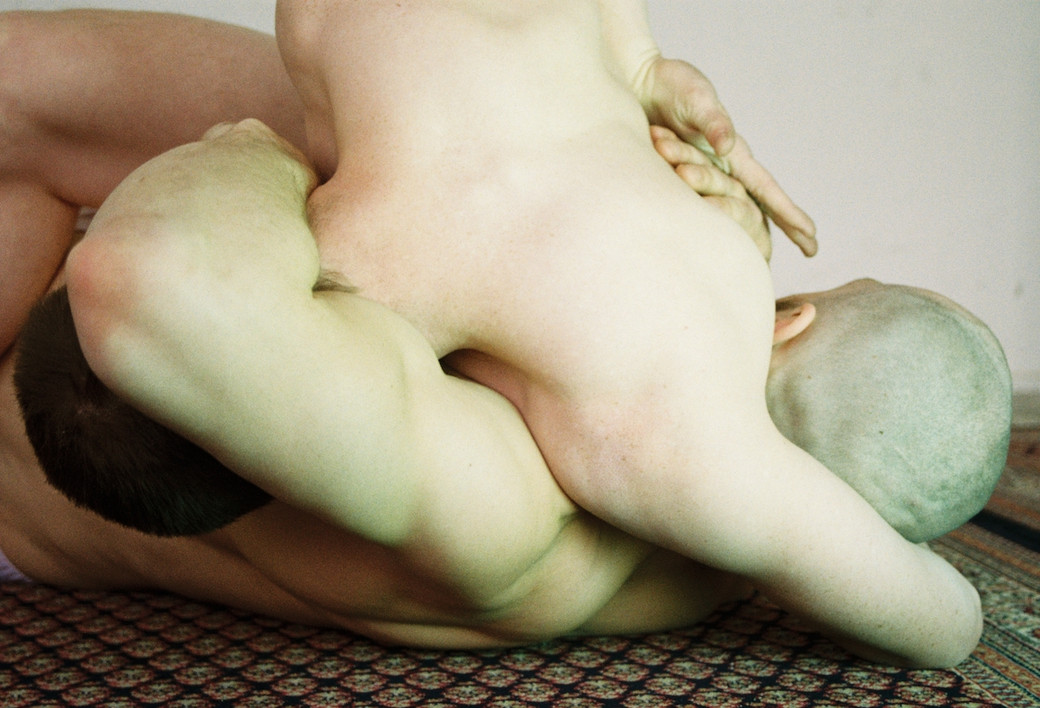
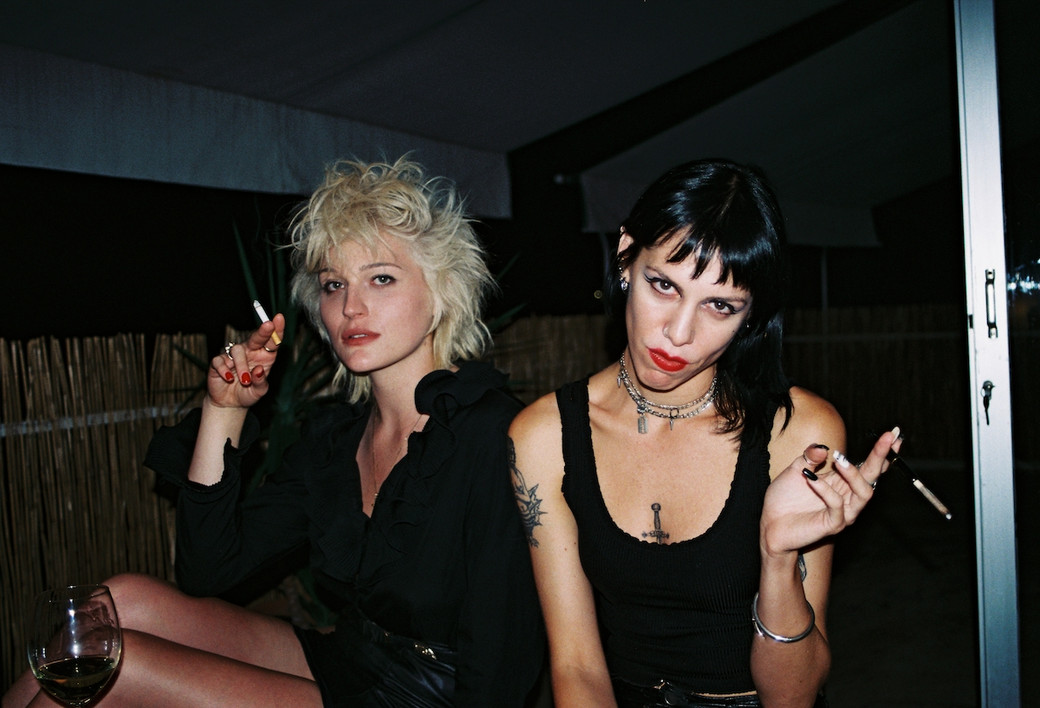
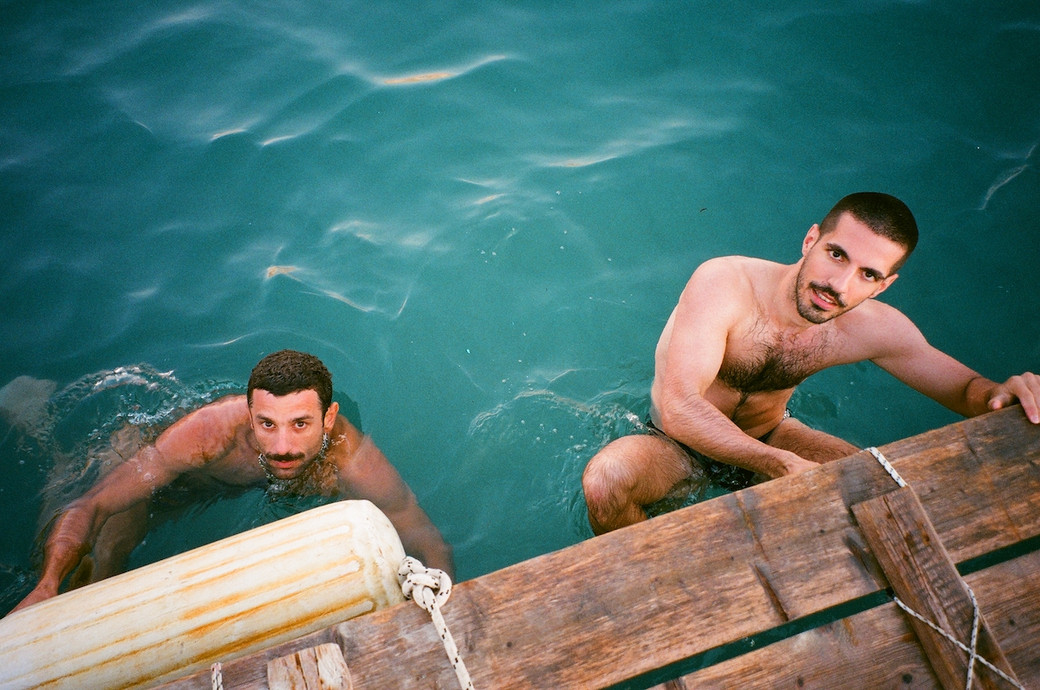
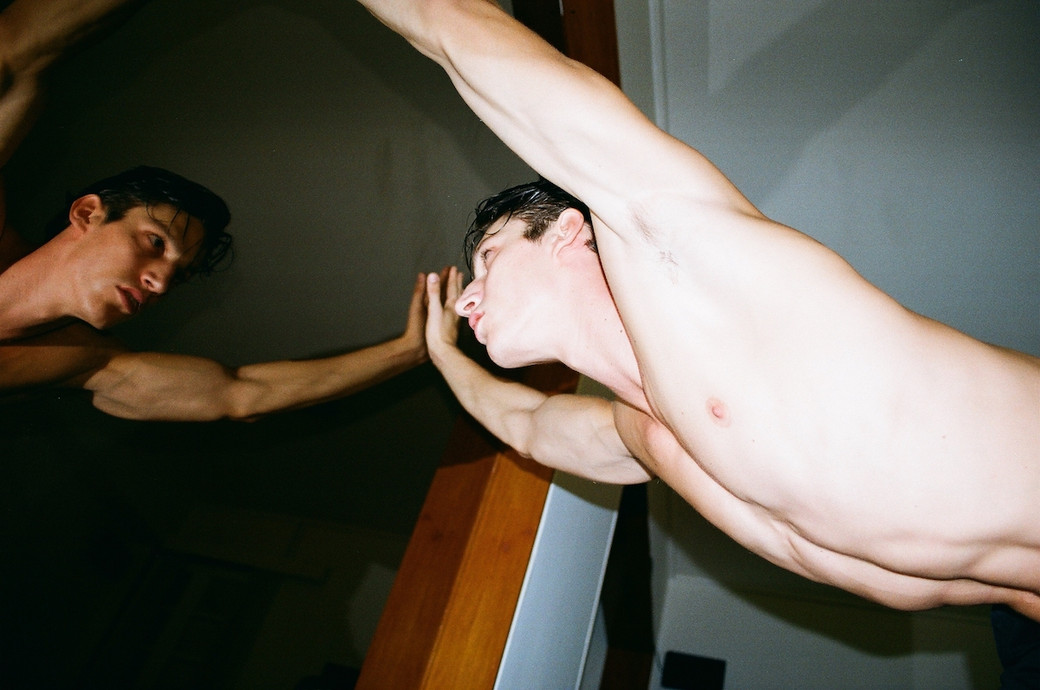
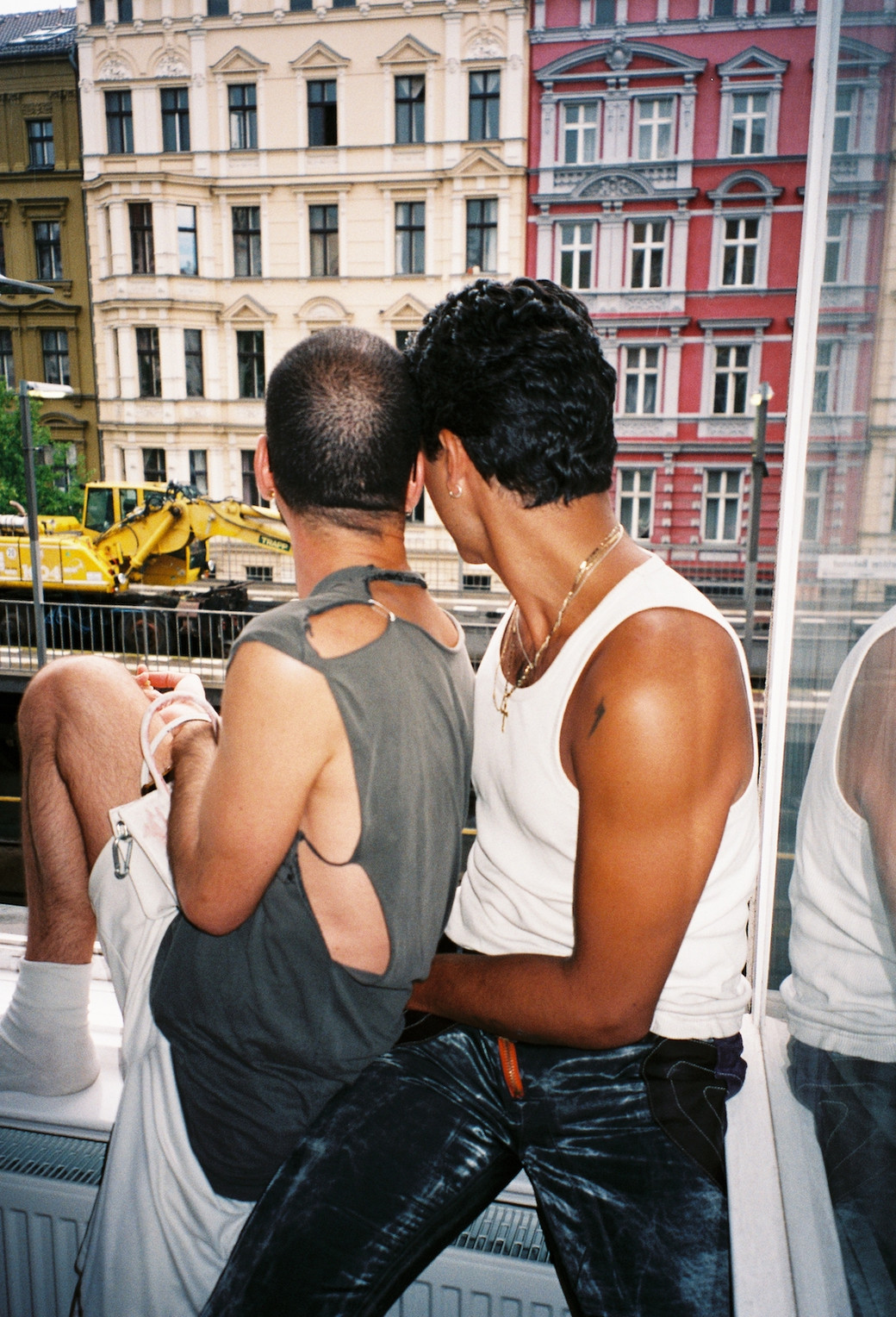
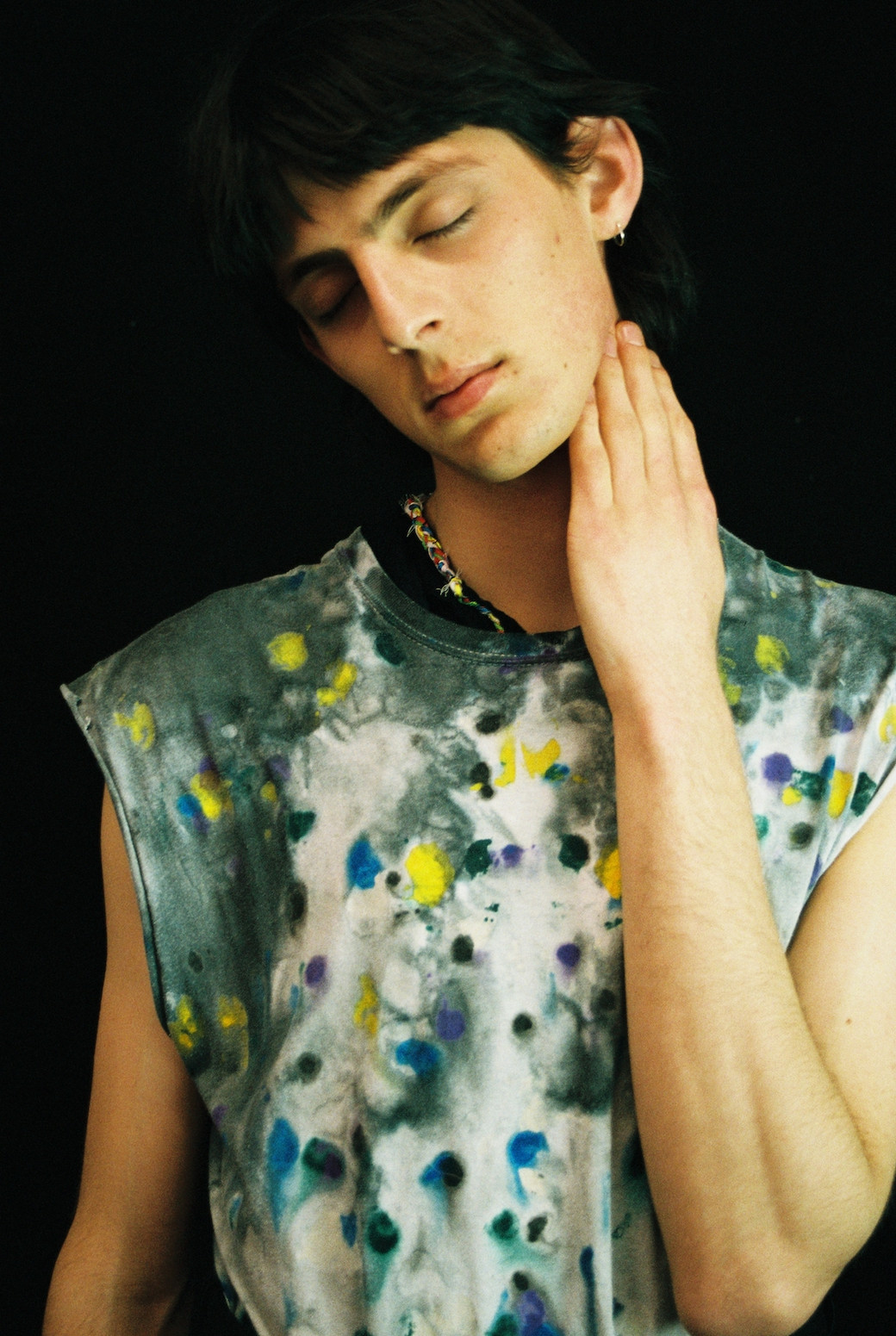
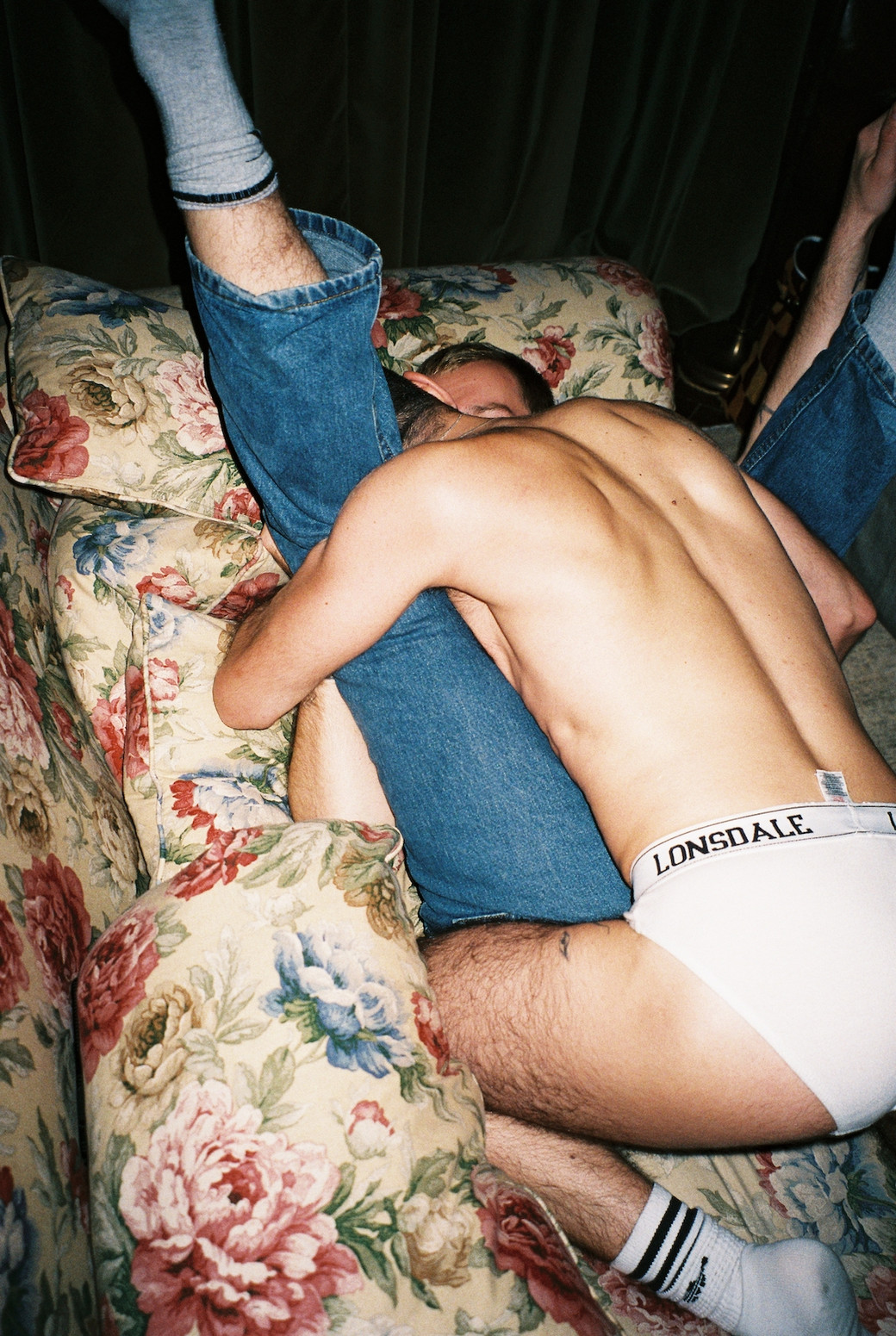
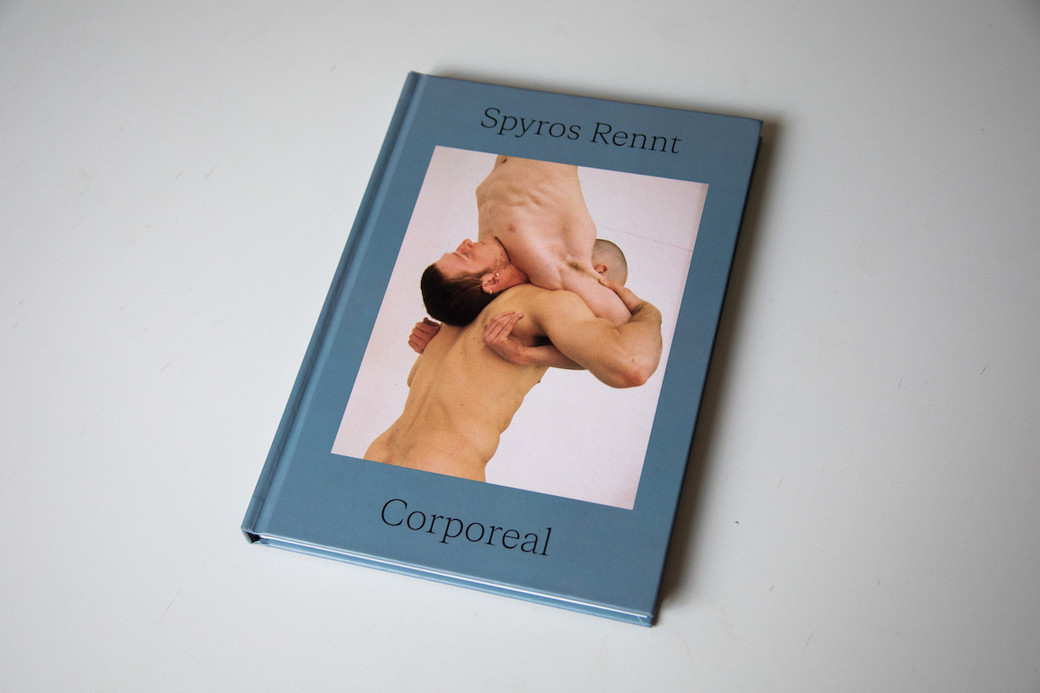
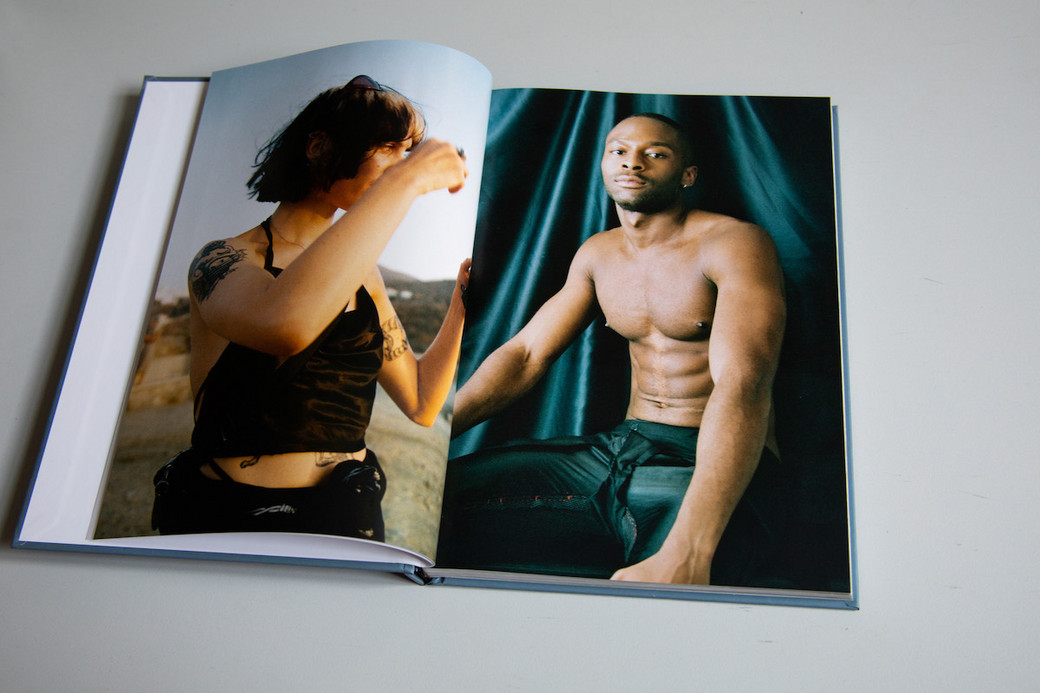
In light of his latest release, office sat down with Rennt to unravel the magic behind his photography, book-making process, and presenting his work uncensored.
Corporeal is your third self-published book. What about this book makes it your “most comprehensive work to date”?
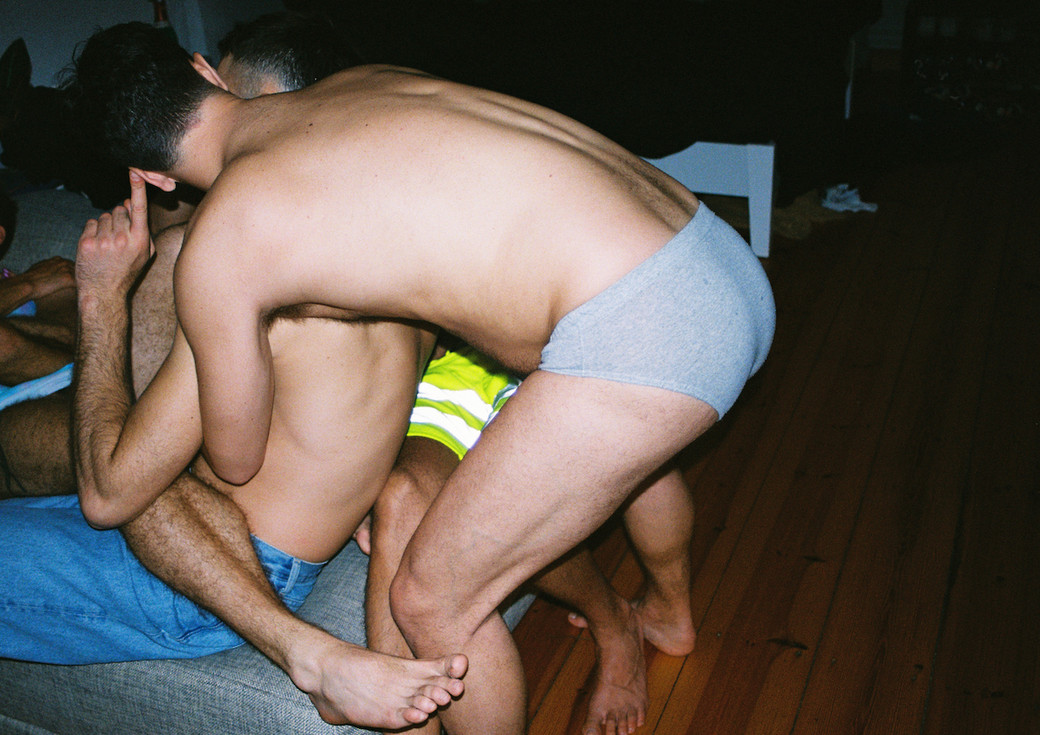
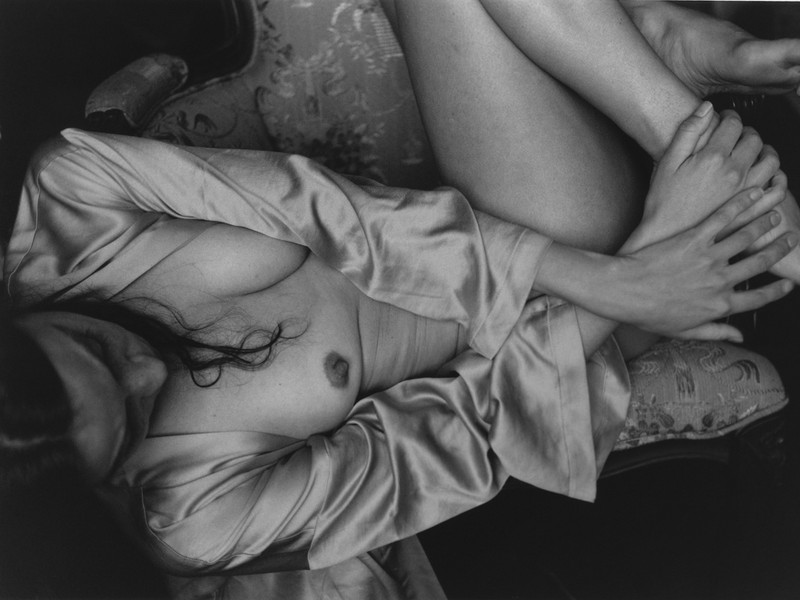
To be blunt, I think that I'm a better photographer and book editor than I was when I made my first book in 2018 or my second one in 2020. When I made Another Excess five years ago, I was hardly shooting for a couple years; the book does have a great energy and it really pushed my career forward, but there is also a certain naivete to it. I tried keeping the sexy energy, but there's also an undeniable maturity to Corporeal, which came with me being more experienced. It's also been three years since Lust Surrender, my second book from 2020, so I had a bigger archive of images to select from.
It’s also your first book with a hardcover. What prompted this decision? And does the physical presentation of the book contribute to the storytelling in any way?
This is clearly an aesthetic choice about how to present the book, but from my experience it tends to be what a buyer is looking for when they are purchasing a photography book for their collection. I knew I wanted a hard cover when I started working on the book; I think it's also a nice expression of my evolution as a bookmaker.
If your photos create a new realm, what emotions inhabit it?
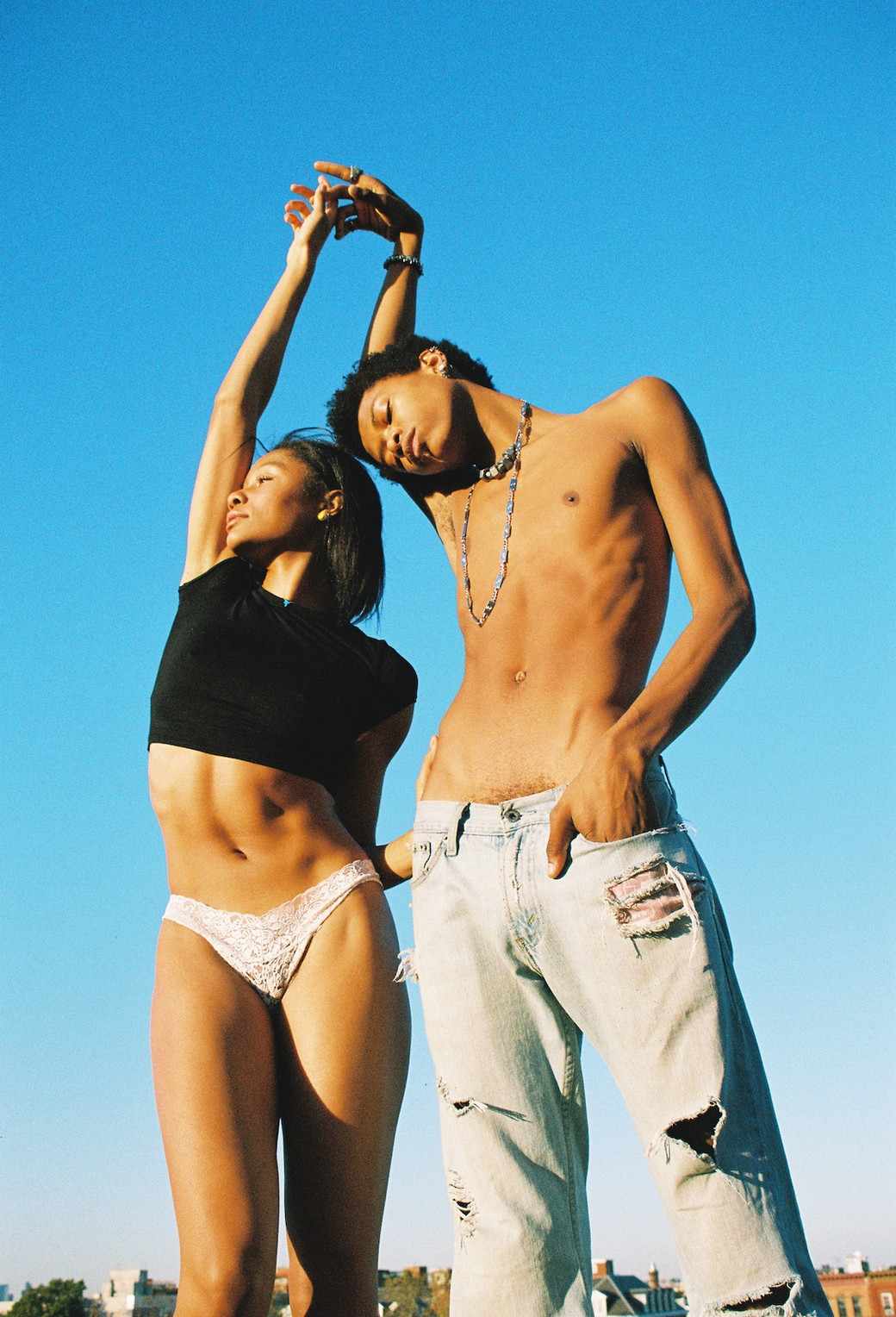
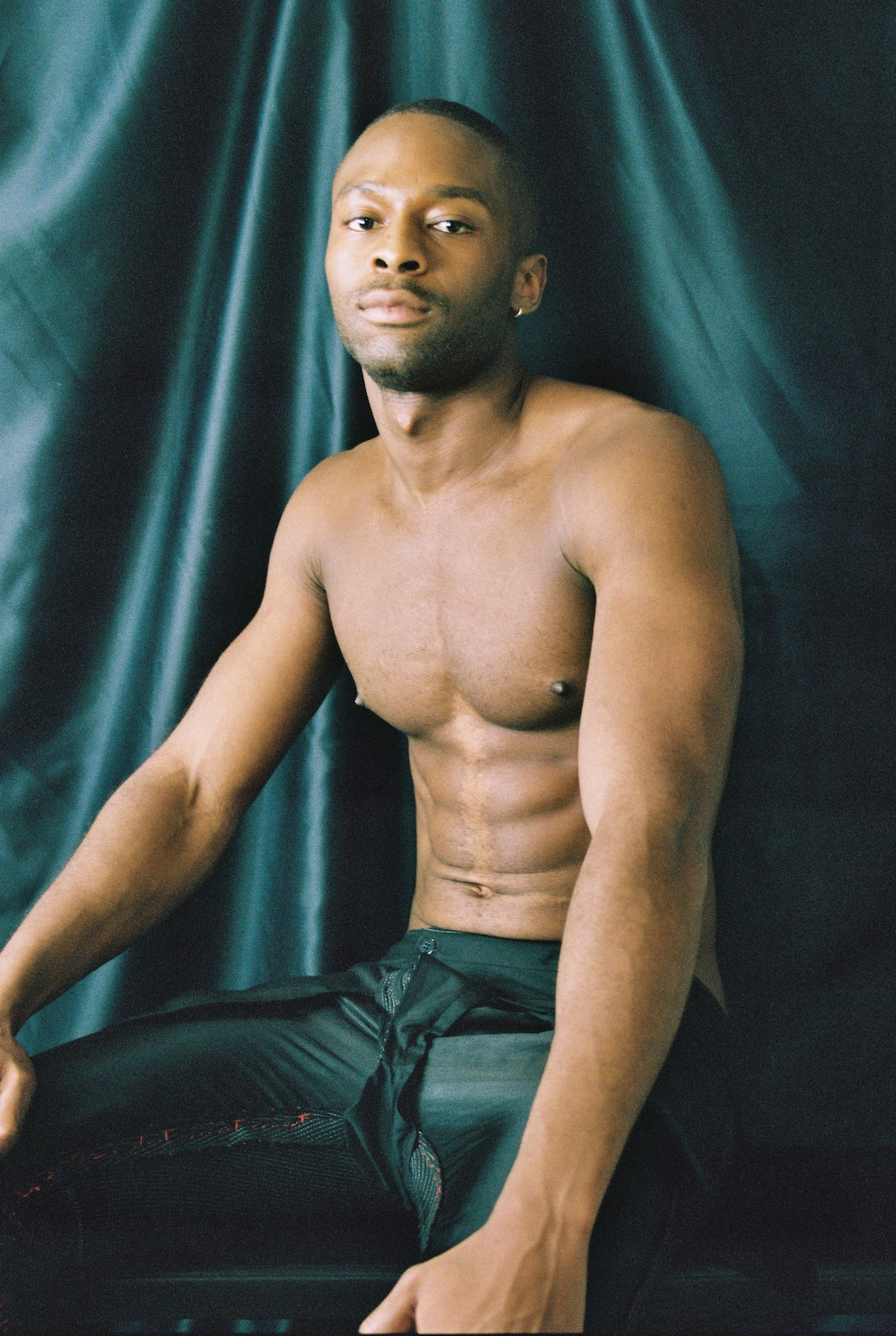
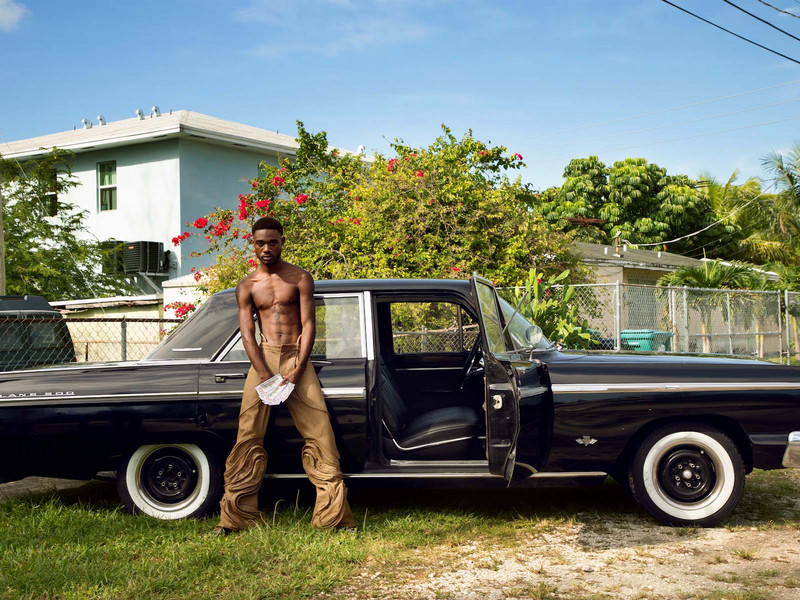
Warmth, closeness, desire, intimacy and freedom of expression.
One of the unique aspects of Corporeal is that it presents the experiences and observations of different communities from an insider's perspective. Do you purposely record people in communities you consider yourself a part of?
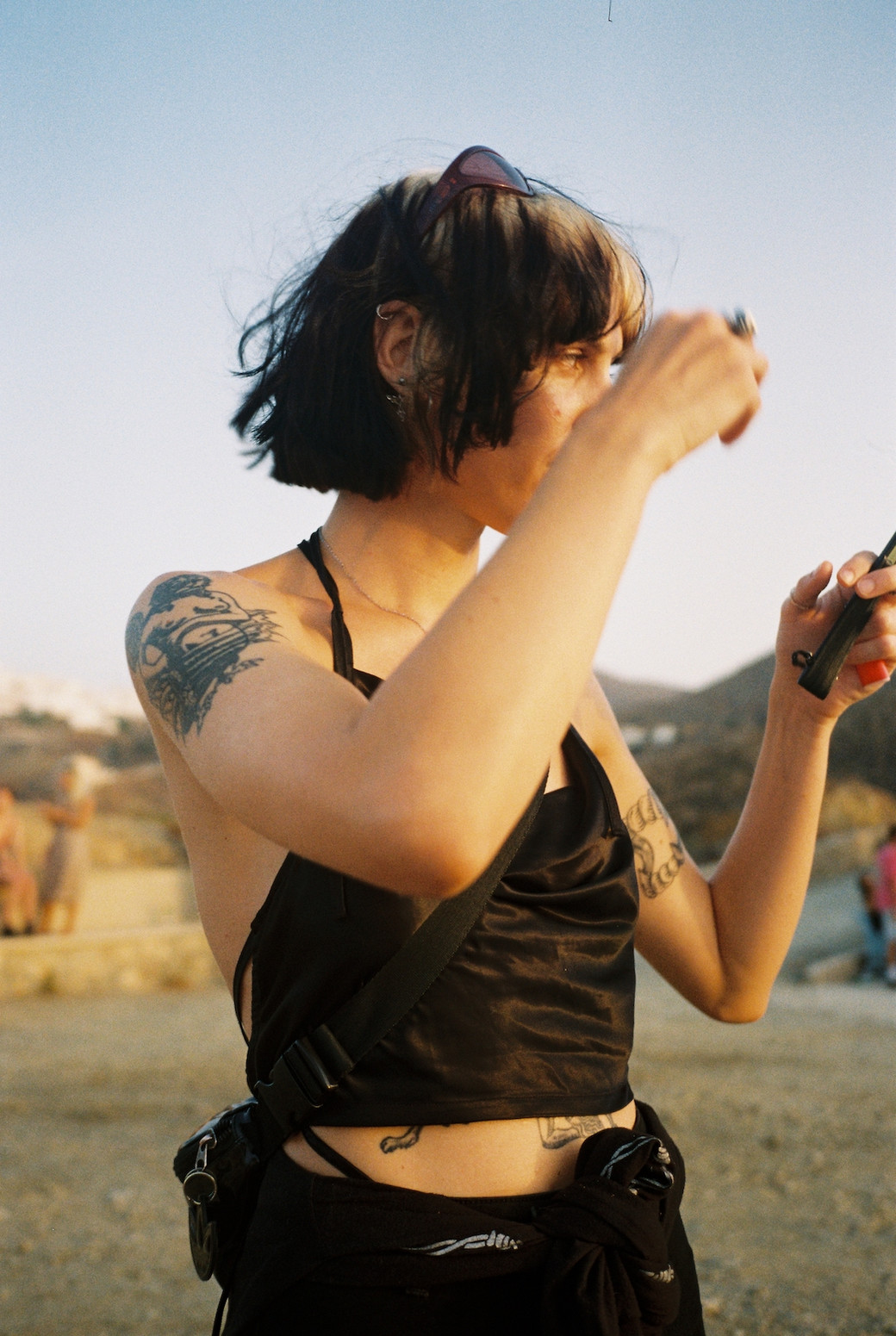
It's what I've been doing since I became serious about my photography practice back in 2017: I started documenting the scenes that I was a part of because this is what felt the most natural to me, it's what I had access to — but also I genuinely think that the situations and the faces that I am documenting deserve to be archived and preserved for future generations.
How many different cities does the book take us through?
The two main staples are Berlin and Athens: the place that I call home since 2011 and my hometown, where I still spend a good part of my time. It's not just these two cities. As someone who documents his own life to a great extent, my camera follows me wherever I go and I do travel a lot. Off the top of my head, the book also contains images shot in Paris, Milan, Barcelona and of course a number of greek islands. But Berlin comes first, followed by Athens.
Are there any moments recorded in the book that stand out to you?
I wouldn't call them moments exactly, it's more of an era: there's a good number of images taken around the summer of 2020 when clubs were closed due to covid but we were all partying in houses. There was a certain rawness to the images created in that time and I'm quite pleased with how they have been integrated throughout the book.
Does social media influence your photography in any way?
It does in the sense that when I'm shooting a person, I'll shoot them the way I like but I'll also create some content that's more social media friendly, which is basically a big reason why I do publications: to share the uncensored version of my work; to be in control of how the story will be narrated.
What’s next for you? Are you working on your next book already?
Corporeal has just been introduced to the world — it's always a journey when I do a new book and we're still at the start, so I'm mostly working on promoting the new material, planning the launches, possibly some exhibitions. I do have in mind a new publication for 2024, a more specific project, but this lives very much deep in my head still — my main focus is Corporeal at this point.