Vulvatious

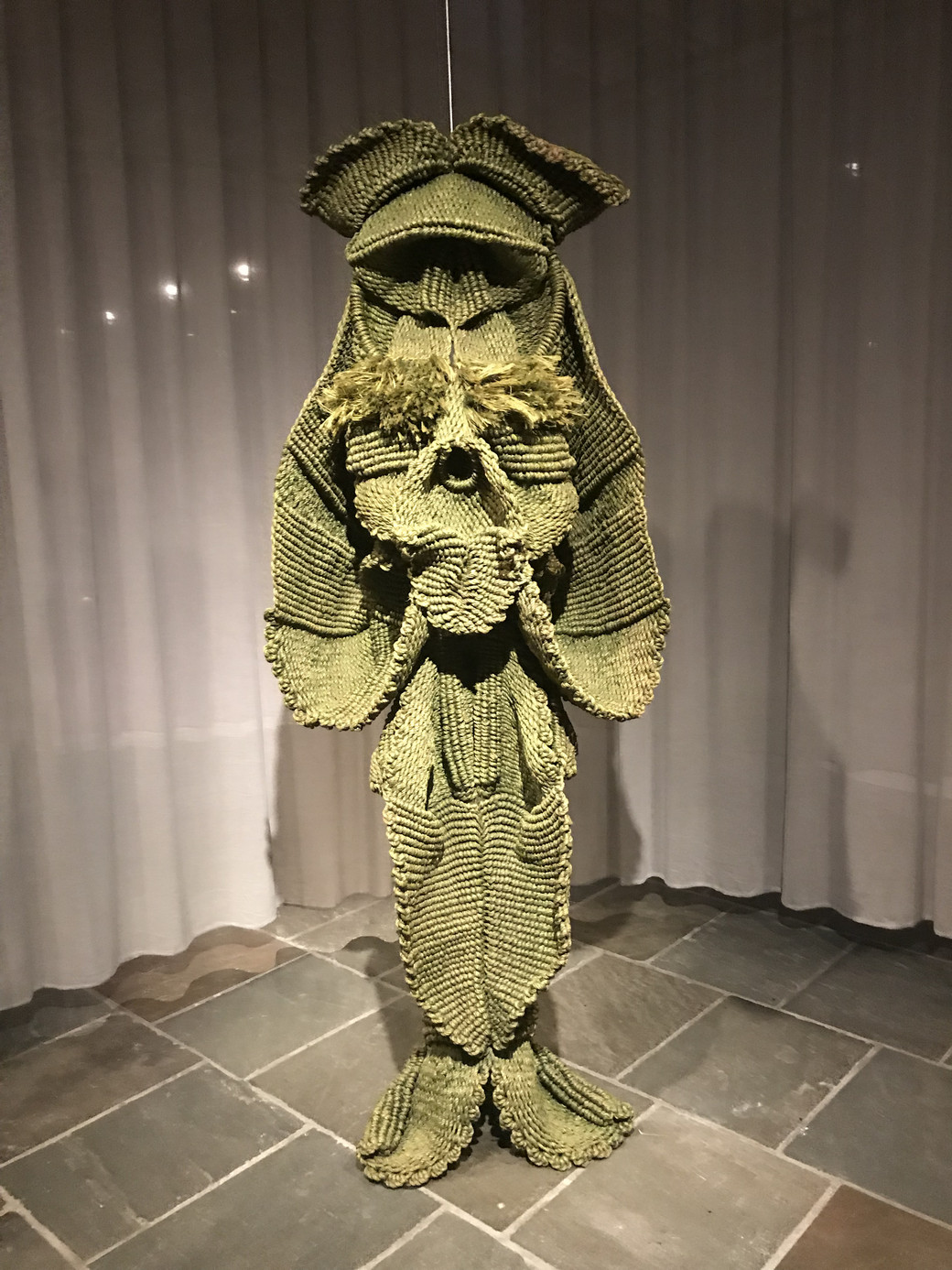
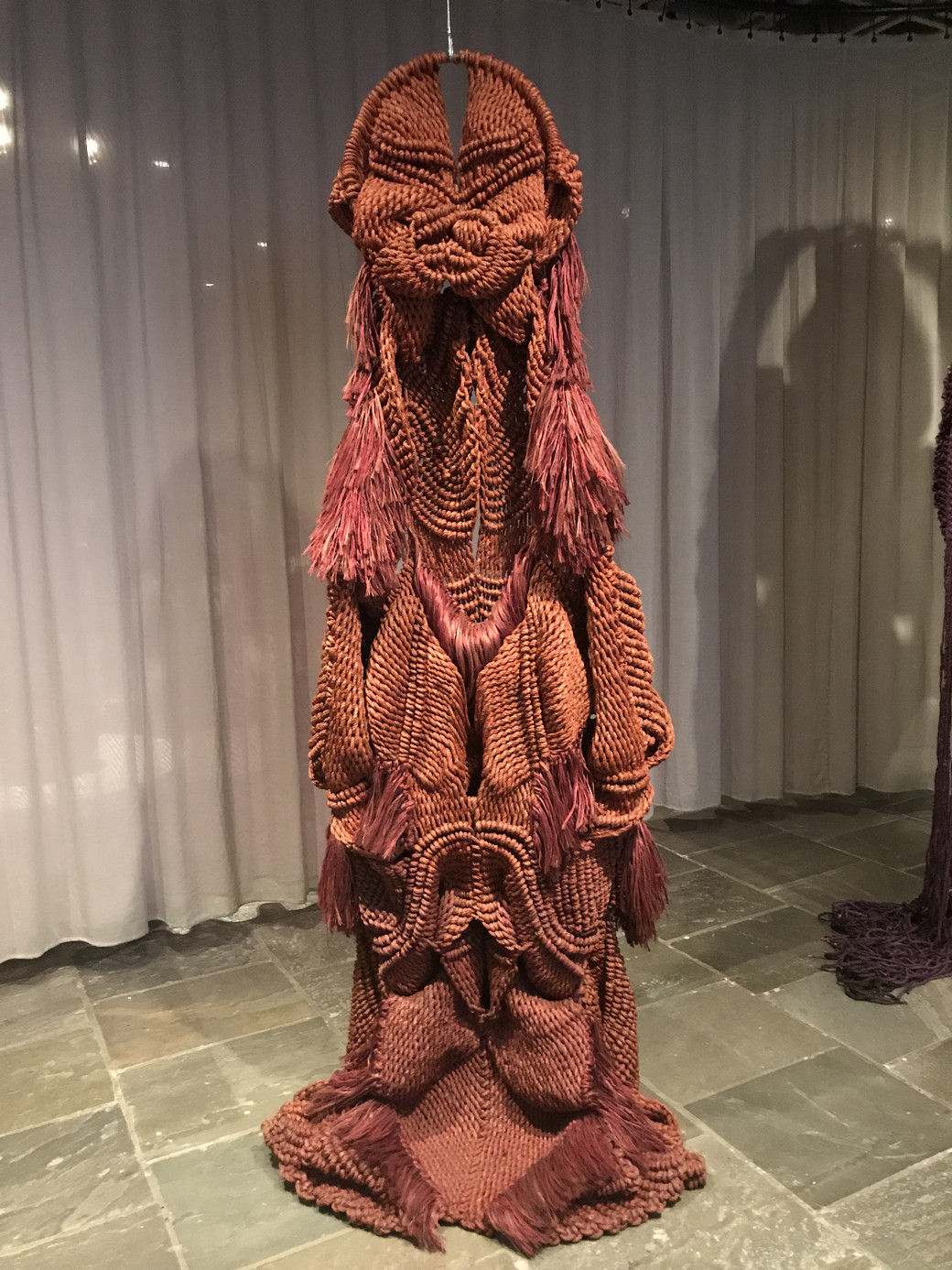
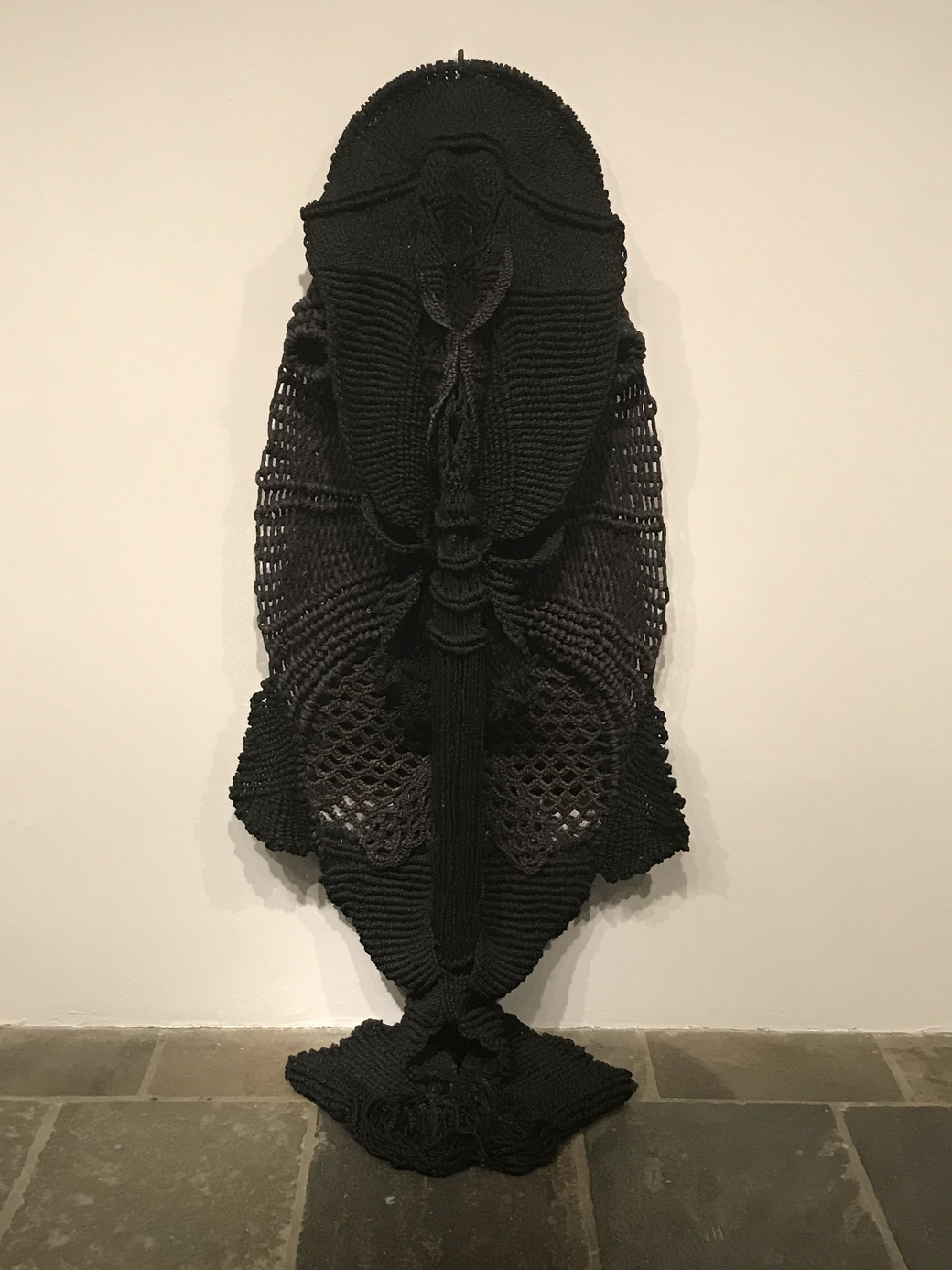
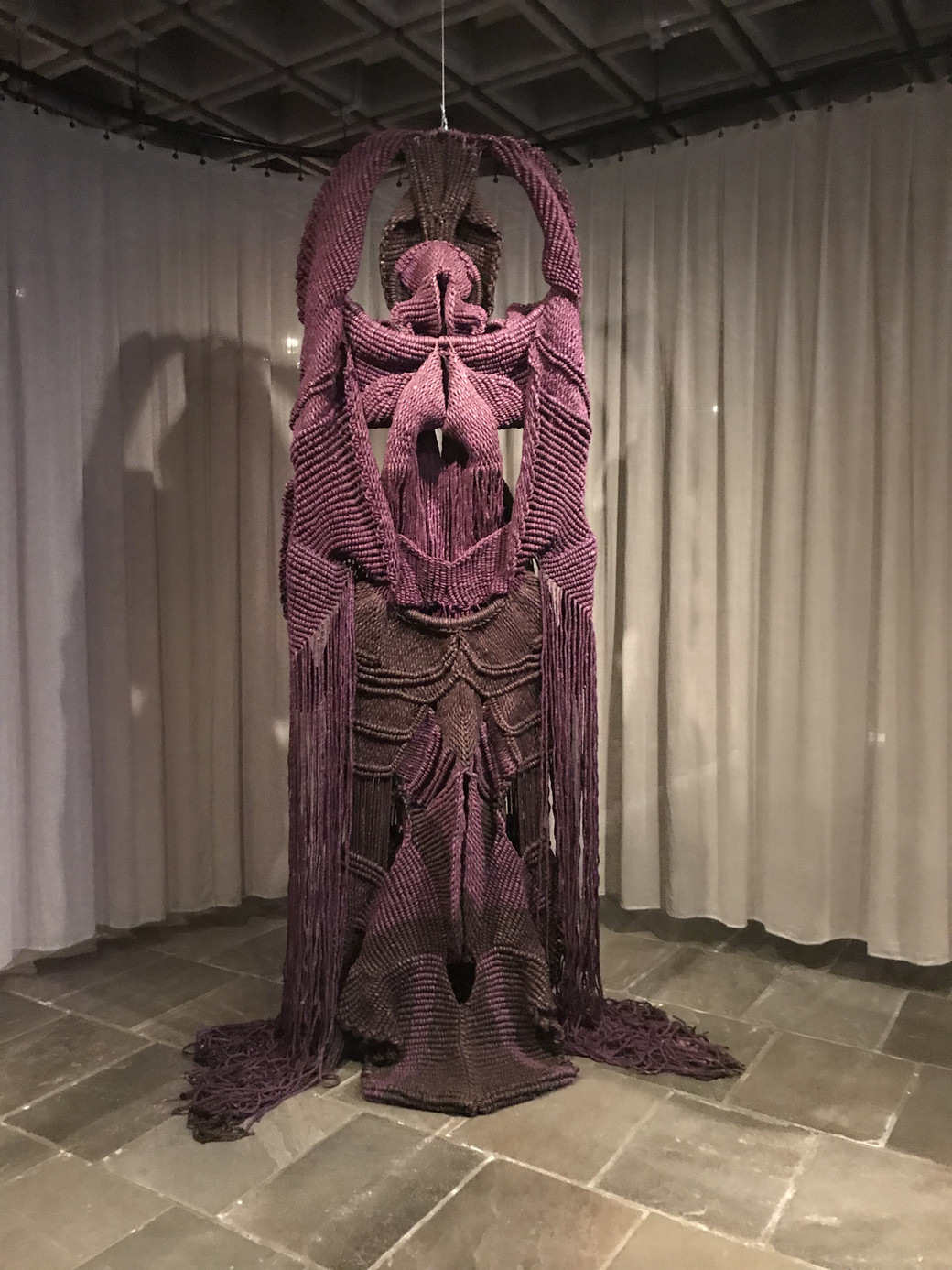
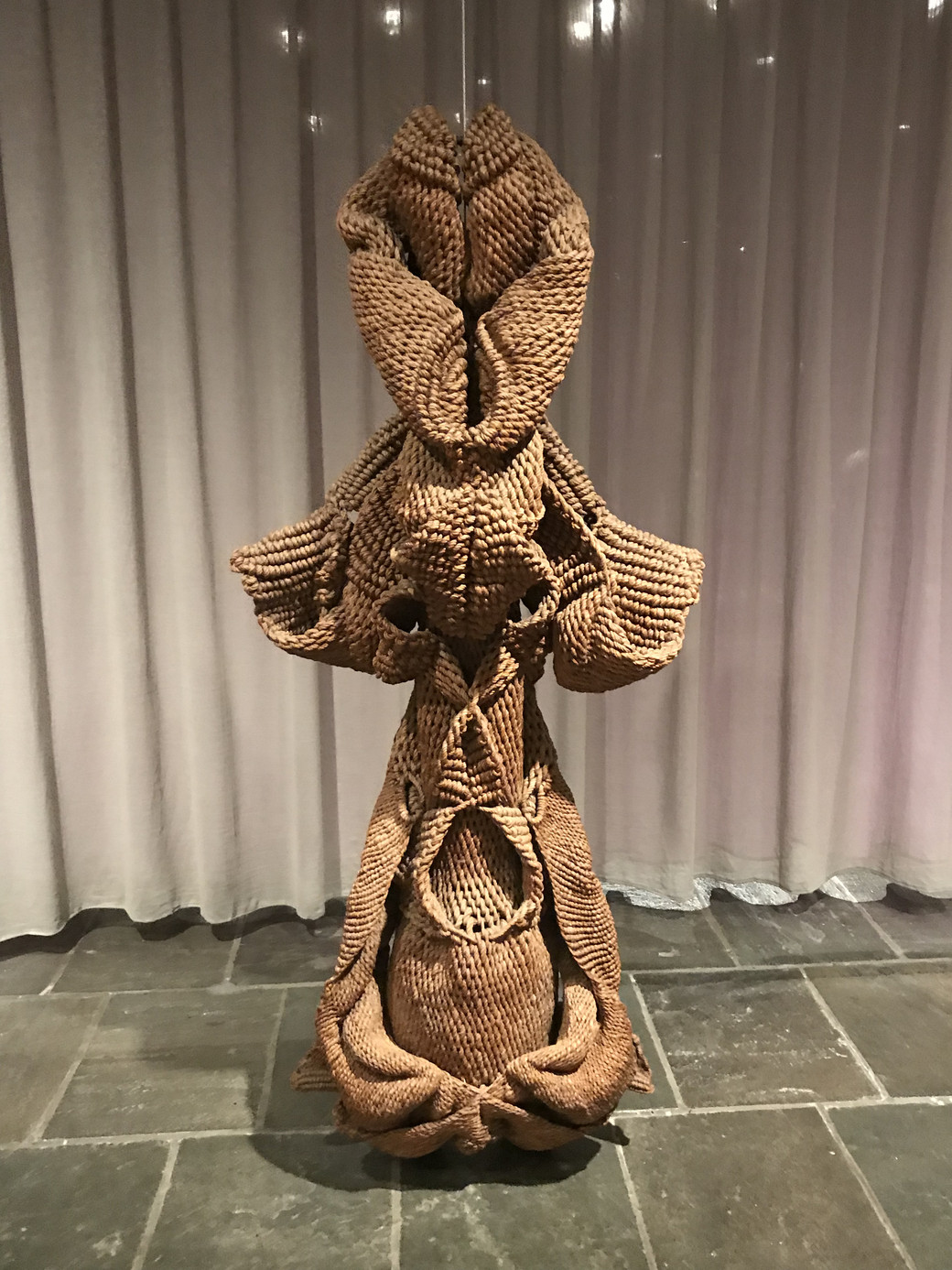
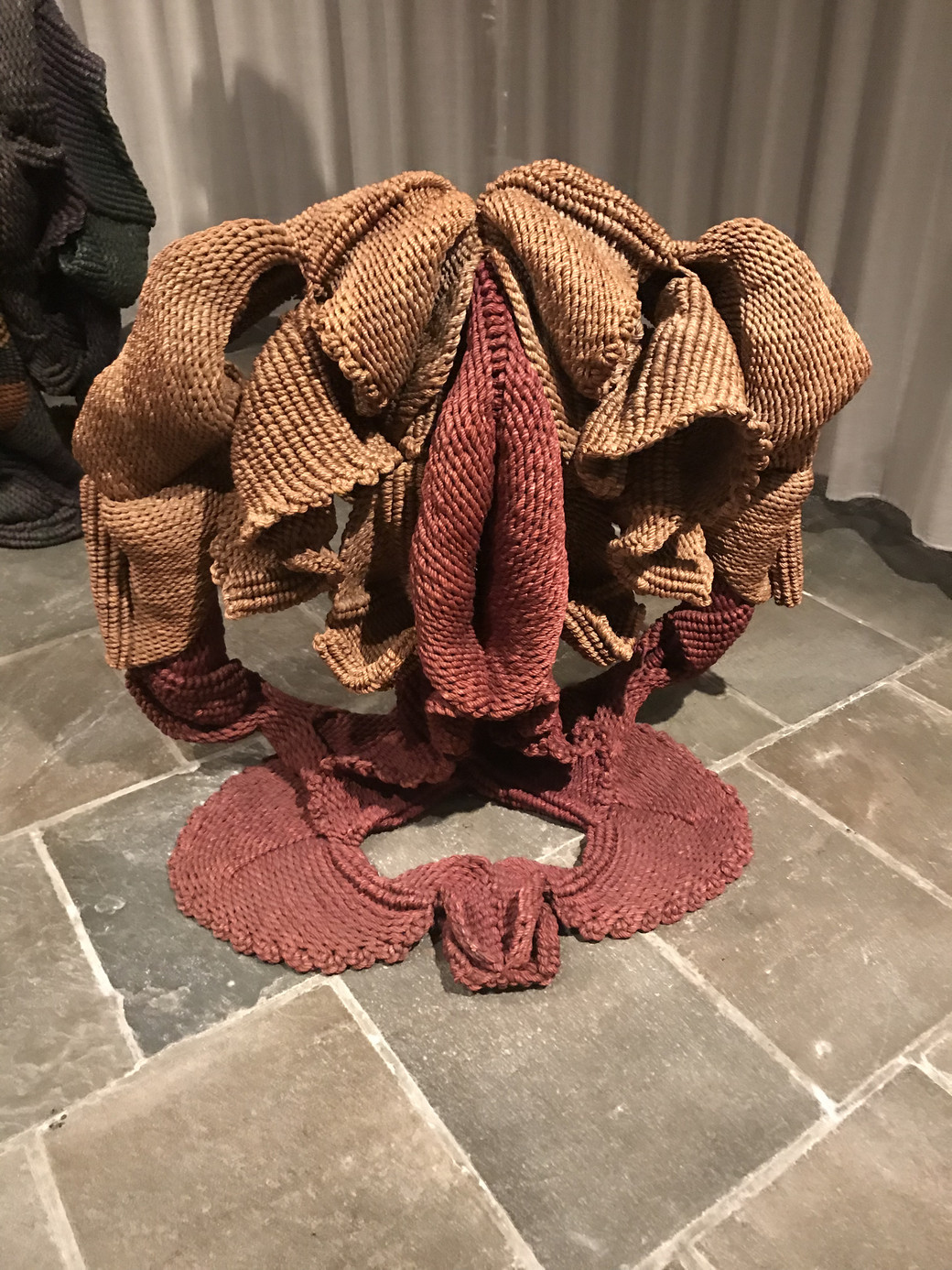
"Phenomenal Nature: Mrinalini Mukherjee" is on view at the Met Breuer through September 29th, 2019.
"Phenomenal Nature: Mrinalini Mukherjee" is on view at the Met Breuer through September 29th, 2019.


Okay, so you discovered photography early. How has your passion for photography evolved since then?
Oh, man. I would say two things, one, photography wasn't necessarily a passion, it's not to discredit your question. It's just that I use photography. I'm an artist, and I was trained to be a fine artist. So photography was something that I use for that. A lot of silk screening, a lot of printing, and stuff like that. So for me, photography was a vehicle, not necessarily a destination. One of the things that I found in that art form was that passion for the things that I liked about painting and drawing. So, you know, that evolution wasn't necessarily one that I expected, but it allowed for a bit of conversation when I decided to take it on. So that was pretty much instrumental as well. So in that regard, that's how we evolved into what it is now.
That sounds cool. So you were born in St. Croix and moved to the U.S. as a teen. What was that like?
Man, I can talk about this for hours, but I'll try to keep it small. One of the things that you come to terms with when you're born and raised in the islands is that it is an island. So there wasn't much for me outside of the beauty of being and the kind of living there that I found it to be. Conducive to some kind of progress. So as a teenager, I always had aspirations to leave and the circumstances were pretty much kind of aligning in a way where my zest for wanting a little bit more than what was available to me and the possibility of what was available to me kind of met up very early on.
Wow, I think a lot of people can relate to that. Now knowing how your life has turned out, I’m sure you had to be happy to have made the choice to leave instead of staying.
I feel very much blessed in the sense of choices and sacrifice and opportunity. You know, one of the other things was when I was in school, my teacher saw my work. I want to say my work, I mean my drawing skills and so on. And they championed that. And I will always give credit to my art teacher, Miss Della Rippa, for kind of just putting that bug in my head. She knew of a school once you found out where I might be going, which was Norwich, Connecticut. She knew of a school there. And she was like, “look, we're going to take the last year here and you're just going to just do art. You do whatever you want. We're going to build a portfolio. We're going to draw, we're going to paint, whatever.” And in that sense and in that process, you know, I got accepted to the art school that was within the high school and that changed my life forever.


So did anything when you were growing up, inspire you or shape your photography now?
A lot, yeah. My uncle was a creative in the sense that he did his own sculptures and stuff like that. So, you know, art was always part of the environment in the sense of it was a very close approximation, but it was never necessarily the focus or champion. So that was pretty much where I kind of got the bug. And at the time, you know, you got to think this is the 80s. So, you know, influences like hip hop and graffiti and stuff like that, like my older brothers were always doodling stuff. And so I kind of just leaned on that because it was one of my connections to them and I liked it, you know what I mean? So that kind of sparked the desire to kind of see the world a little bit differently.
Do you still practice like any other art forms besides photography at this point?
Yeah, I still draw, I still paint, I still make collages and all that stuff. You know, not as much as I would like to or better yet, not as much as people will notice in the sense of doing it. But I still do. I still will, you know, take an orange, peel it and draw it and use all kinds of different mediums to make it happen. And so I still give myself that opportunity to do that and stay connected in that sense.
Do you think that you would be able to do both?
I kind of do it subconsciously. Whether it's, you know, taking certain colors or creating saturated environments and or, asking for something from our departments like, “Hey, can you make this texture? Can you make this wall a little bit more textured and shine a light so that it becomes a thing or? I think that's one of the things I feel that is uniquely applicable for me, that I don't necessarily view things in a structured film school kind of way.
What goes into your process like cinematography?
It all depends on the project, to be honest with you, some projects require a little bit more in-depth approach, whether it's, particular references that the director may like or certain emotional contexts in the treatment. So I feed off of everyday life, movies that I enjoy, or particular movies that have something interesting in them. I feed off of photography in general, you know, just anything and everything. As far as painting, I look at things that would inspire me, whether it's Baroque, Dutch, Flemish painting, or whatever. I don't discriminate. You know, it may be something in there that is interesting, whether it's a texture or color or something that they paint and how the light looks. It's a lot of things. A lot of things.
Ok, well, to go further on that kind of question. So you've worked on so many different collaborations and like different music videos, would you say there's like a favorite set or kind of shoot that you've worked on
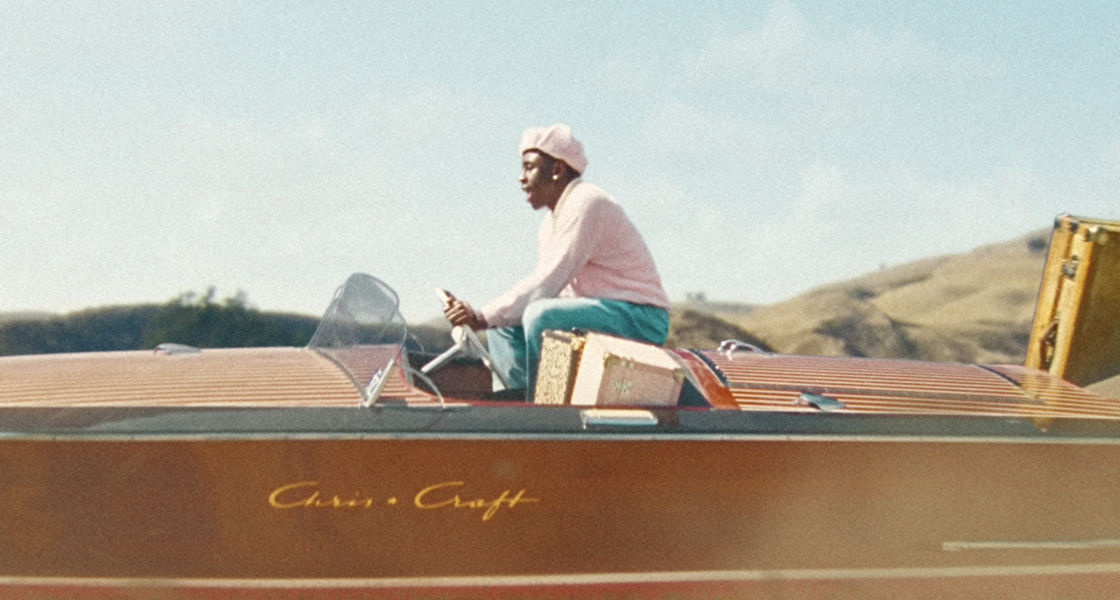
And, you know. It all depends, to be honest with you, I mean people know me more now for Tyler stuff than anything, so that's always like a kid in a candy store for me. He allows for that to happen. So definitely there's a lot of stuff there, a lot of the Igor stuff I enjoyed. And even the new stuff that we've been doing, just those little pieces, that are pretty much within the world that he's created, whether it's Juggernaut or Lemonhead, where we're doing some kind of — who would think of a boat in a field of grass, you know what I'm saying? So there's stuff like that. I worked with Sarah McLachlan and she did something with Halee Steinfeld that I found very, very photographic and very interesting as far as structure and color and tone and composition. But there's a lot of situations where they would be like a certain shot or a certain angle or a certain way to hit the subject that I absolutely loved.


Has there been anything accidental that has happened, that in the end was way better than what you had planned?
Interestingly enough, we did this fashion film thing for Golf a couple of years ago, where we were like on this little lake and I wasn't sure what was going to happen, and I was scared because it was so chaotic in the sense of the location, but that was interesting to see how it would kind of pan out because we had done something before where it was very specific. Then when I saw the finished product, I was like, “oh, this is working.” So that's one of the many things.
That's really cool. Is there a celebrity or campaign in the future like you might want to work with?
Work with a celebrity or campaign? I would love to do a campaign for Gucci only because they do some really interesting textural stuff in their design and fashion. Artist wise. I'm just trying to think about it in a way where, you know, something that would be offered that would be this big would be interesting, you know what I mean? Like, Björk, would be really interesting. She's such an out-there kind of artist. I wouldn't mind exploring something with, you know, I would Beyoncé. I know she does high fashion, but I would be curious to see if we can, kind of, find a different way to kind of express her music or even herself.
Since you would be one of the most primal cinematographers picked for so many different artists, what do you say makes your style so unique?
The fact that I don't think about it, I don't necessarily think about style. I'm very much flexible to a degree and cater to the concept and, you know, visual cues that I'm given as a similar typographer. You know, at least for me, I don't want everything that I do to look the same. Copying yourself feels weird, you know? If I'm not challenging myself or I don't feel like I'm being challenged, it kind of sucks the wind out of my sails, you know what I'm saying? So I don't know if I have a style. I don't think I do. I think I like to kind of shoot myself and mold myself to whatever the subject is and whatever conceptually we want to go to.
You work on music videos, commercials, and different shorts, I guess to phrase that would be how do you make each kind of production different?
You know, I think the only thing that's different as far as approach would be narrative and long-form. You're not catering to the stylized or manufactured marketing idea when it comes to like, say —music videos, sometimes it is marketed and specifically engaged for an artist. So sometimes that becomes a bit, you know, kind of concise and straight. When it comes to long-form, there's specific freedom that doesn't necessarily find you kind of constricted.
Cinematography is known primarily in film. Do you see yourself working on more than more TV shows and films soon?
That's always the goal. The goal is always to do long-form. Maybe it is my goal to do more long-form films than TV shows. I feel more enamored with long-form movie stuff, you know, only because of just how engrossing it gets when you are so focused on creating this world that never the world. But I don't mind doing either. I'm not allergic to money.
So are there any movies or TV shows that come to mind that you want to work for?
You know, I've been watching so many. I mean, the past year has been an interesting year to just soak in so much. I'm a big sci-fi person. I love sci-fi. I love anything that takes me out of the real world, you know? I don't I'm not against drama because I watch the Queen's Gambit and I watch all the other dramatic pieces, but I found myself far more connected with the world that was offered like in Star Trek, or the Mandalorian or even the latest cartoon graphic novel turned TV show Invincible because it was just like this is the wildest thing I've ever seen. I would love to be able to be a part of something more on the sci-fi level, you know. So, you know, if anybody reads this and has a cool script, let me know.


Okay, besides artists, you work with popular directors such as Director X and Melina Matsoukas. What is it like working with each director to establish a vision?
Each one has their own personality. Everyone has their way of looking at things. Everyone has a unique perspective that allows for their vision to come through. I mean, these are all individuals who have their fingerprint on things, you know, so it's different from how it feels. It never changes for me. I'm always interested in making sure I deliver clearly what they want to see. And if my fingerprints show up in the approach, fantastic. But I'm very respectful to the vision, you know, so it doesn't matter who I'm working with, you know, and regarding stature or whatever or specific pop culture interests, my approach is the same.
So, if you were able to go and speak to, like, your former self, what would you say? What would you tell the younger version of yourself?
You know, as for me, there's probably two versions of me — one is the eight-year-old version of me that I would probably say stay with that energy, stay with that focus, stay with that joy, because I do see him once in a while. Every time I put my eye into an eyepiece, I turn into that kid, you know, I turn into an eight-year-old who is just full of joy and full of happiness and wide-eyed about everything, you know. So I jump back and forth, you know, so I would just tell them, you know, just stay, stay joyful, stay exploring, because I see them once in a while and it's the same feeling every single time.
That’s so sweet! And so well, what would you tell the other version?
Well, the twenty-one-year-old was very angry and still is. I just, you know, I tell him to be a little bit kinder to himself, you know, don't there's no need to lose your temper, you know, about things you can't control, you know? So, yeah, I'd say, "just chill the fuck out." They're all in there somewhere.

In our interview with Elisa, we got the scoop about her continual Exotic Pets Series, her life as a working woman in the LA Heaven by Marc Jacobs store, and as a mentor at the Korean American Leaders in Training Virtual College Summer Internship.
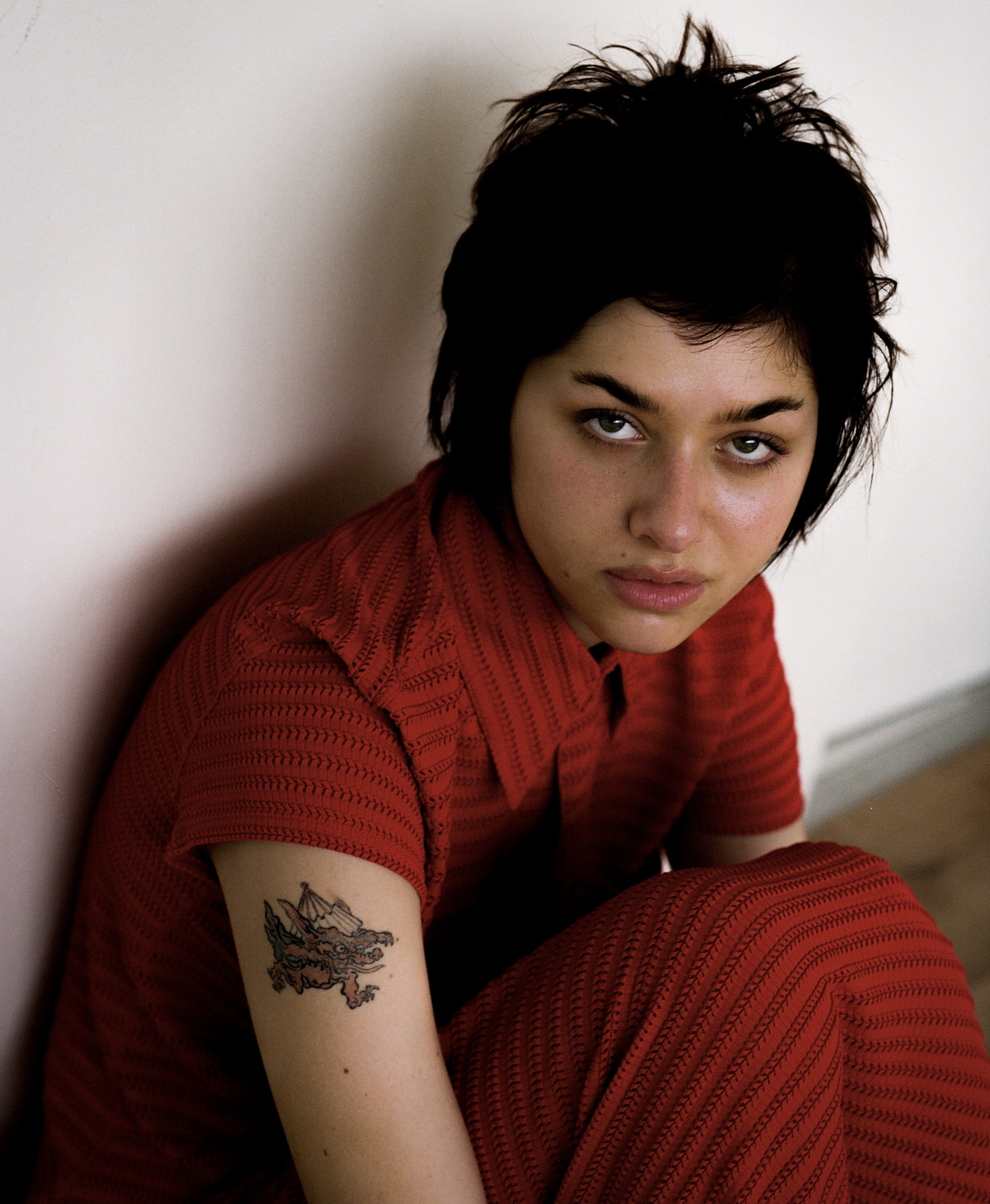
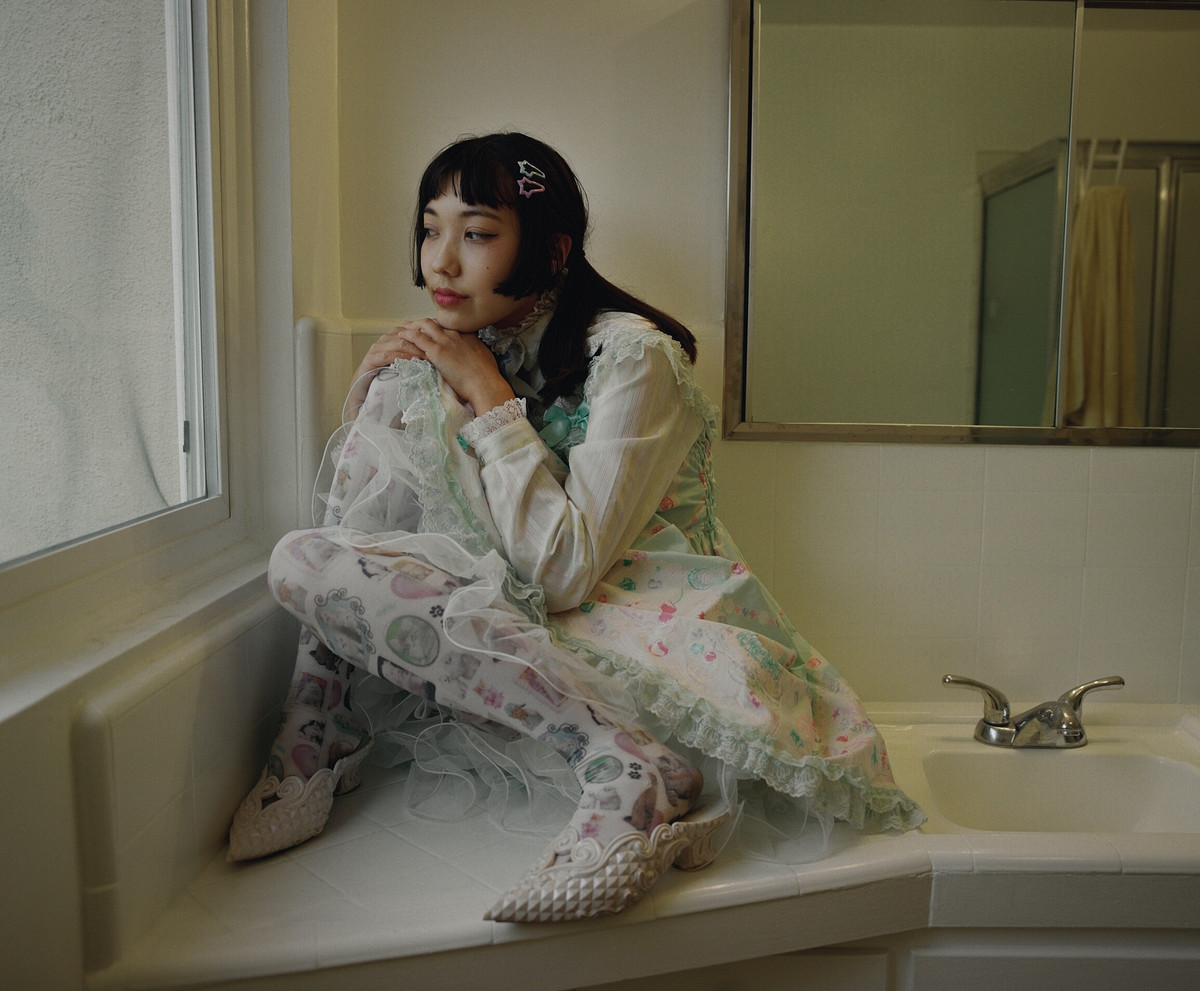
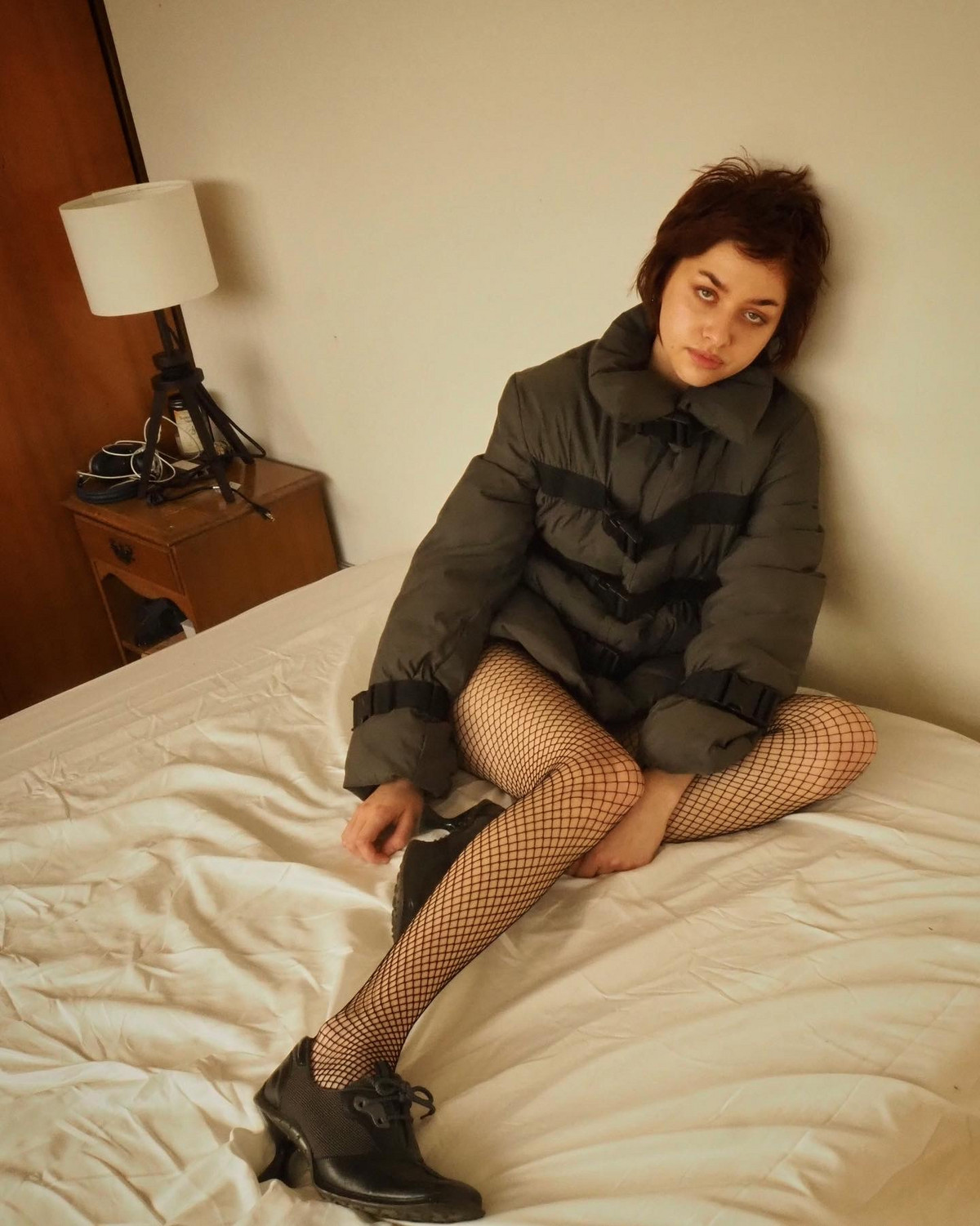
So take me back. When did you start doing photography?
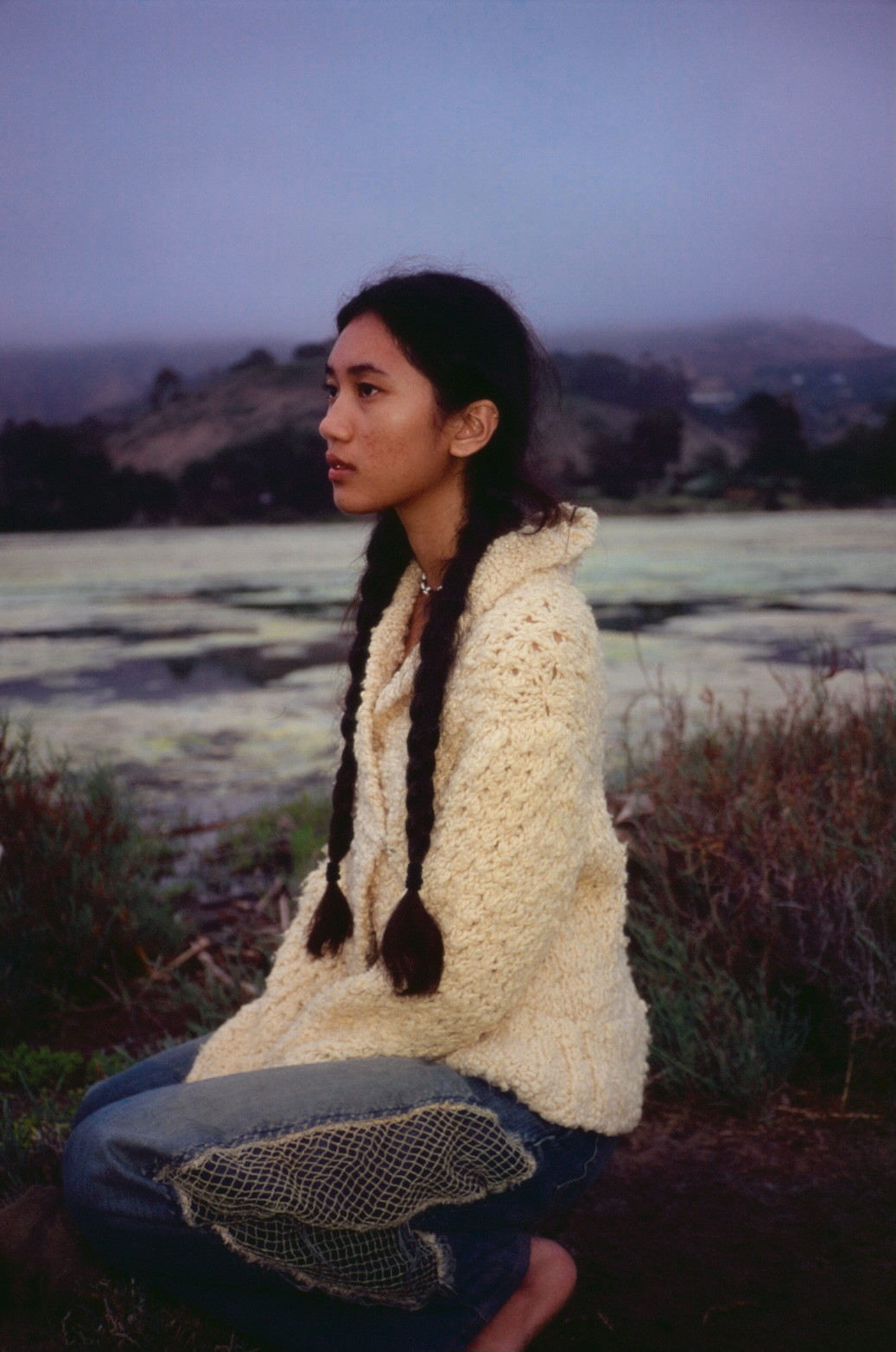
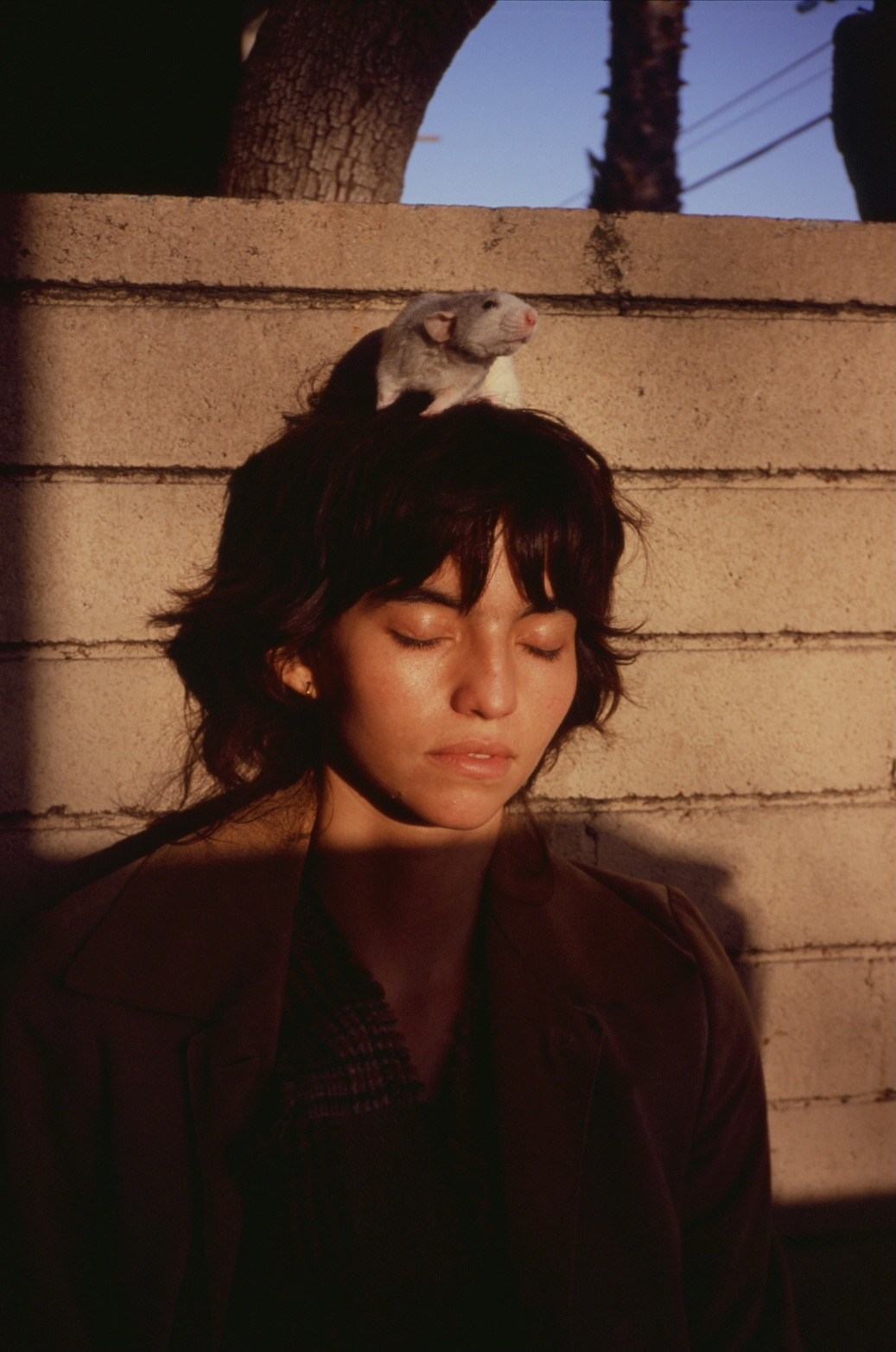
I started doing photography in high school, that’s when I really got into film photography. Those were like my Tumblr days. I just started taking 35 millimeters sort of point and shoot photos. There were so bad though. There were very, very bad. And then, you know, throughout college, I continued photography, but it was always very casual. I just was kind of obsessed with documenting via film because it seemed nostalgic to me. And I do have a huge obsession with a kind of nostalgia, which I think most people do. I went to UCLA, so I was on UCLA radio and I took pictures for like bands and more music-based photography. And then after college, I really kind of finally, got the encouragement to kind of pursue it a bit more seriously, and go the more traditional route. Now I'm shooting more in medium format.
There's a lot of nuances that come from your work. There is a lot of nostalgia too. And I think it's like since you come from curating as well, I can see how you tie the two together. What goes into your process of photography?
That's a good point, I do tend to style all my shoots because you know, the intersection between fashion and photography is what I am really interested in. I think it's very clear that I'm inspired by 90s Japanese cultures and the Harajuku movement, but also a lot of my curation and photography lens is also 90s Cantopop and 90’s K-pop. I grew up around a lot of different Asian ethnicities, so I'm half Korean, but my dad is Korean and my stepfather's Vietnamese, and I grew up having a lot of Chinese and Japanese friends.
My process starts with usually if I see a reference photo or if there's a photographer I really like, or if there's like a piece — it doesn't always start with the same sort of references. It can be a photo, it can be clothing, it can be like a person I really want to shoot, a lot of people that I shoot with are close friends. The thing that I like about styling is I want them to feel very themselves in it still. I like adding my own style, but I also want the subject to feel like it themselves. Whether that's more an exaggerated version of themselves or not. So usually I will, sometimes I'll have an outfit picked out and then I'll get the subject after, but, it is very collaborative where kind of talk to my subject, make sure like they feel comfortable but a lot of times it's very casual.
As a curator for both fashion and photography, what has it been like immersing both like mediums into one?
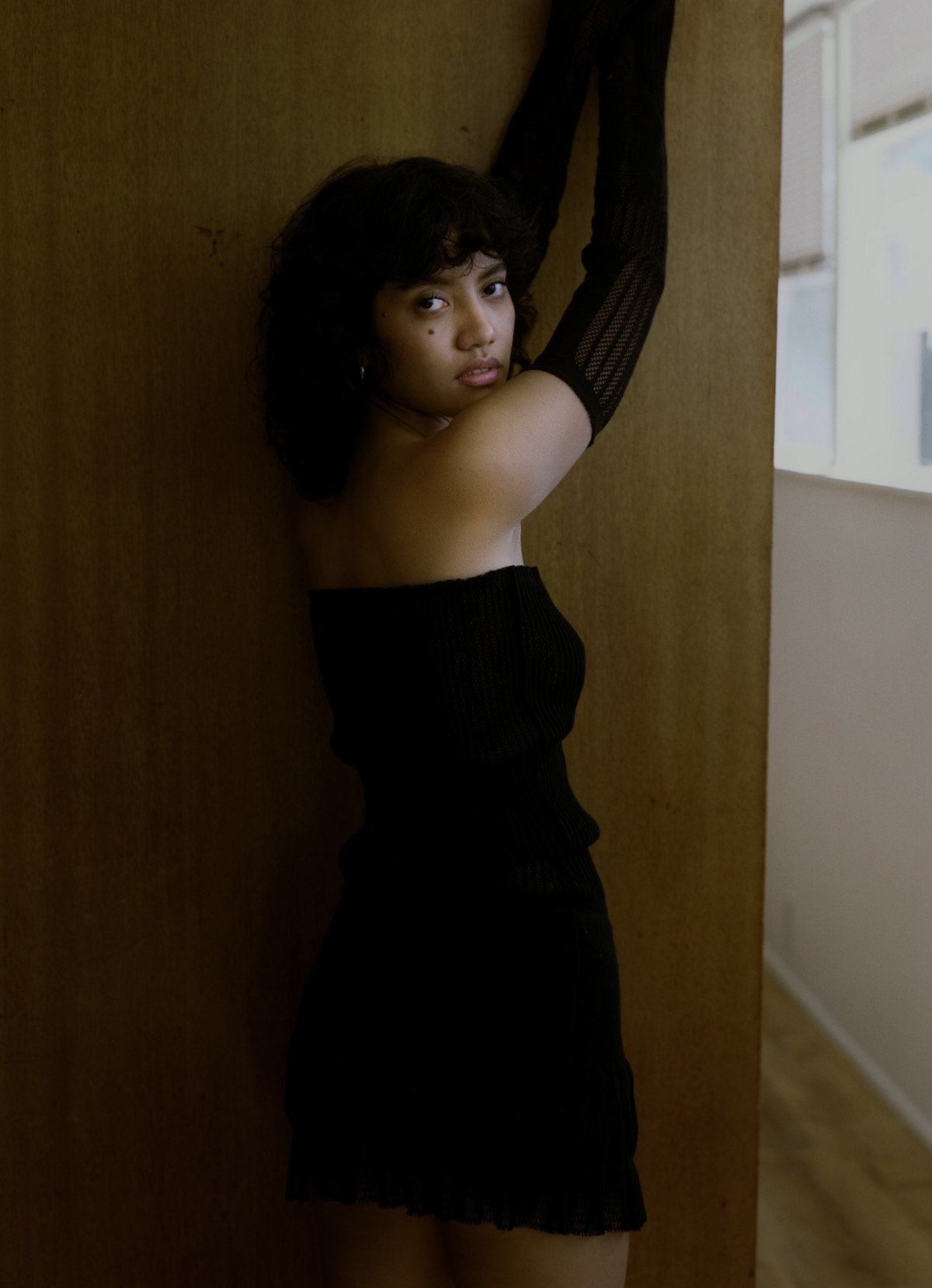
I think it's amazing because, you know, initially I was more so just selling clothes and I think being able to document all the clothes I actually source is like a big reason why I liked photography. I'm kind of just like a fashion nerd. So I will find certain seasons I like, and then I'll plan outfits around those and I'll try to source these specific seasons. I always have like an element of my own Asian identity and me being like Korean American, my photos, whether it's subtle or overt. Fashion is a way for me really to express that identity. And that's why I love, I'm kind of a nerd with, you know, seasons and what the actual history behind the clothes. So,I love Junya Watanabe. I love Issey Miyake, there's a lot of Japanese designers I love because Japan has just played a huge role in high fashion for a while.
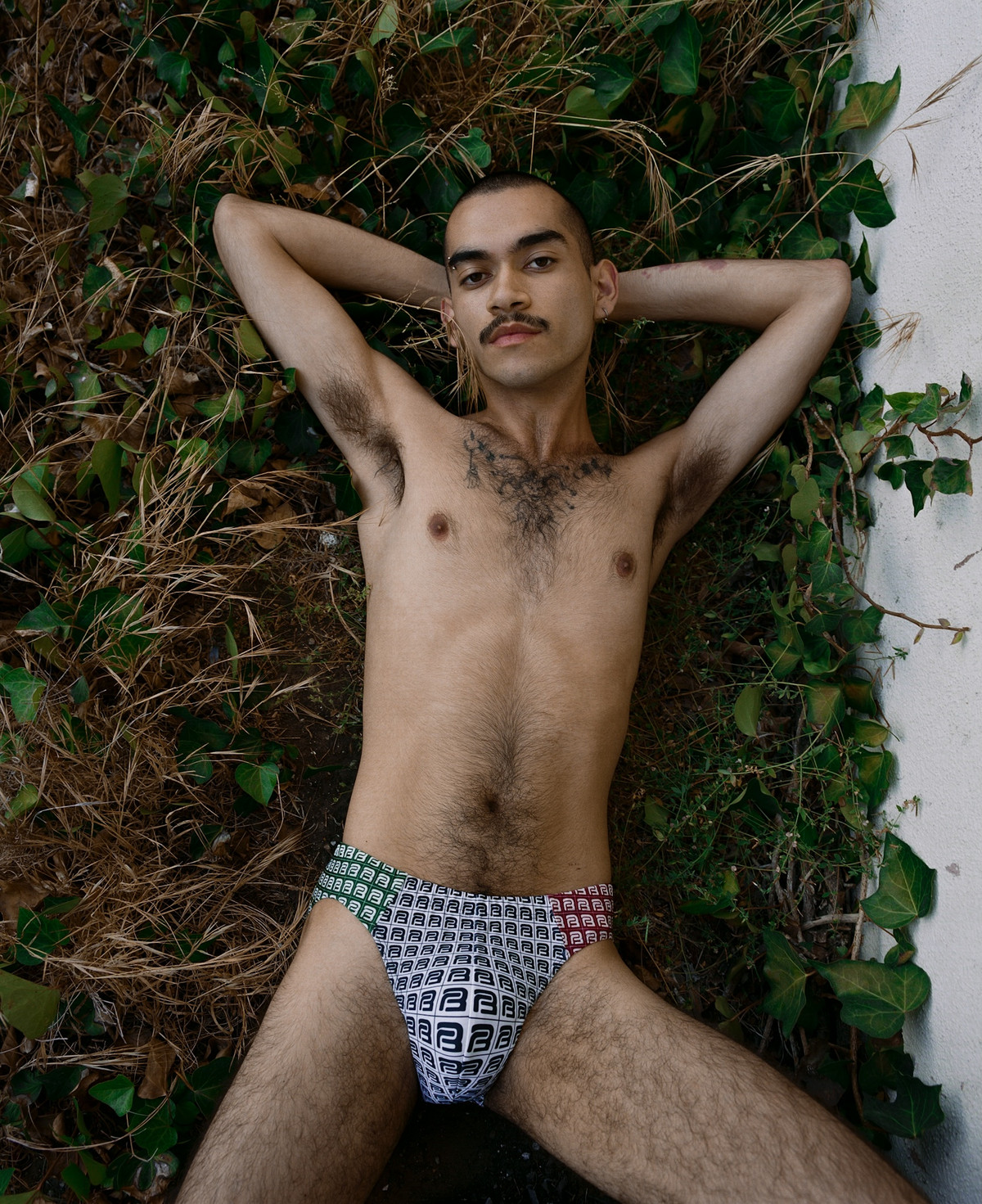
It’s cool because I think in some of your posts, you provide background information on some of these artists and some of these photographers which gives a more educational approach.
I'm coming from a very traditional background of education in a way where I love research and I love sharing and learning as well. So I kind of use my Instagram as a way to show my work, but also to share the things that I'm into in a genuine way. So if I find a photo book that I had been searching for a long time and I'm obsessed with it, and it's really hard to find I'm going to share it because I like giving background to it because nowadays, I think a lot of people don't have like the same references because we don't want to share that information. So it's just a lot of pictures disseminating around the internet without actually any proper reference to what they are. When you actually get those references, it becomes more and more exciting. During the weekdays I actually work for a nonprofit organization, and then on the weekends, I work for Heaven by Marc Jacobs. So again, a lot of my interests come from education and history, whether it be like cultural history or art history, or fashion history.
Has there been anything that you've curated that inspired your work?
So like I'm a huge collector. I feel like everything I do is like a reference to some sort of ad or fashion magazine or anything. I do try to make it a bit more modern, but I can get stuck in the nostalgia of it but I kind of love that. I am interested in documentary photography and a lot of Korean documentary photographers. There’s a kind of a 90s Japanese photography scene and it was called, girly photographers. It was kind of a time where all these young Japanese women were taking diary-eque kind of selfies with a 35-millimeter point and shoots. There's one photographer named Yurie Nagashima and she has a self-portrait book, just chronicling all her like self-portraits from when she was in her twenties and then into her motherhood. It is very refreshing for me to delve into these subcultures, and it's very personal to me.
You did a photoshoot for Sugar Cube, that one I think was with Drew, Enya, and Christian, but it featured leg warmers and arm warmers. And you can see that there's a lot of Harajuku inspiration there, but then to see your work now it does show a lot more like couture influence. It's definitely showing that you're transitioning into a different kind of avenue for your work.
Really, yeah. I think even from the time that I started Sugar Cube shop to now. Yeah. Like my photography style has changed so much.
Are there any projects or ideas that you're working on for the future?
Yeah. I do want to kind of continue working on — just like styling more high fashion sort of photos. Besides that, I do have secret projects coming up that I can't say yet but I'm working on several photo series and I want to self-publish a couple of books or at least one photo book next year. I want to do a photo series and exotic pet photo series.

"Mother of Mankind' is the newest endeavor by Mba that enlists female artists from across the world who individually contribute personal experience and identity to an exhibit examining the perception of Black women. These artists create works that center Mother Earth, Mother Nature, and Mother Africa through various techniques.
While centering her and the femininity that flows through the natural world, each artist dissects the conventions around womanhood while challenging traditional standards of beauty and representation. Each work achieves a balance of abstraction and realism, presenting Black women in a new light that evades exhausted representations. HOFA, House of Fine Arts, is allowing space for these artists to reclaim their narrative and elevate the layers of Black women internationally.
Adora Mba states, “At a time when singular voices demonstrate their strength when united, I feel privileged to showcase the works of these remarkably talented artists in one of the cities I call home. The women presented in this show are in the early days of their artistic careers, yet already making waves and drawing attention amidst an industry which tends to be more supportive of their male counterparts. In working with ADA, HOFA is lending us a space for their, for our, voices to be heard; our stories to be told; our creative spirits to conceive, unbound, forging our own narratives. Beyond being artists that I personally admire, these women are my sisters, my kin from across the globe.”
"Mother of Mankind" runs July 22 – August 31, 2021 at HOFA Gallery | 11 Bruton Street, Mayfair, London Curated by Adora Mba.