Vulvatious

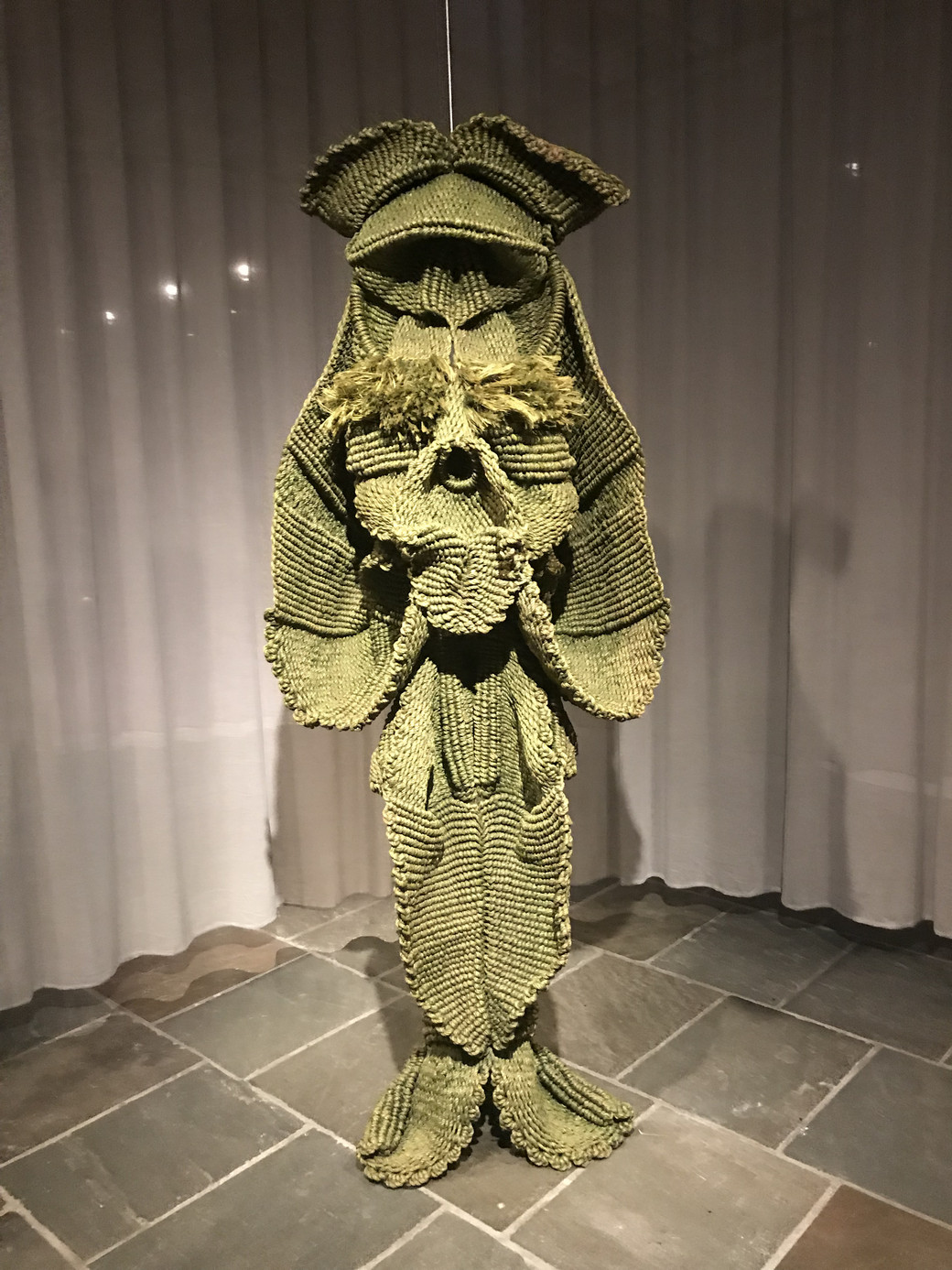
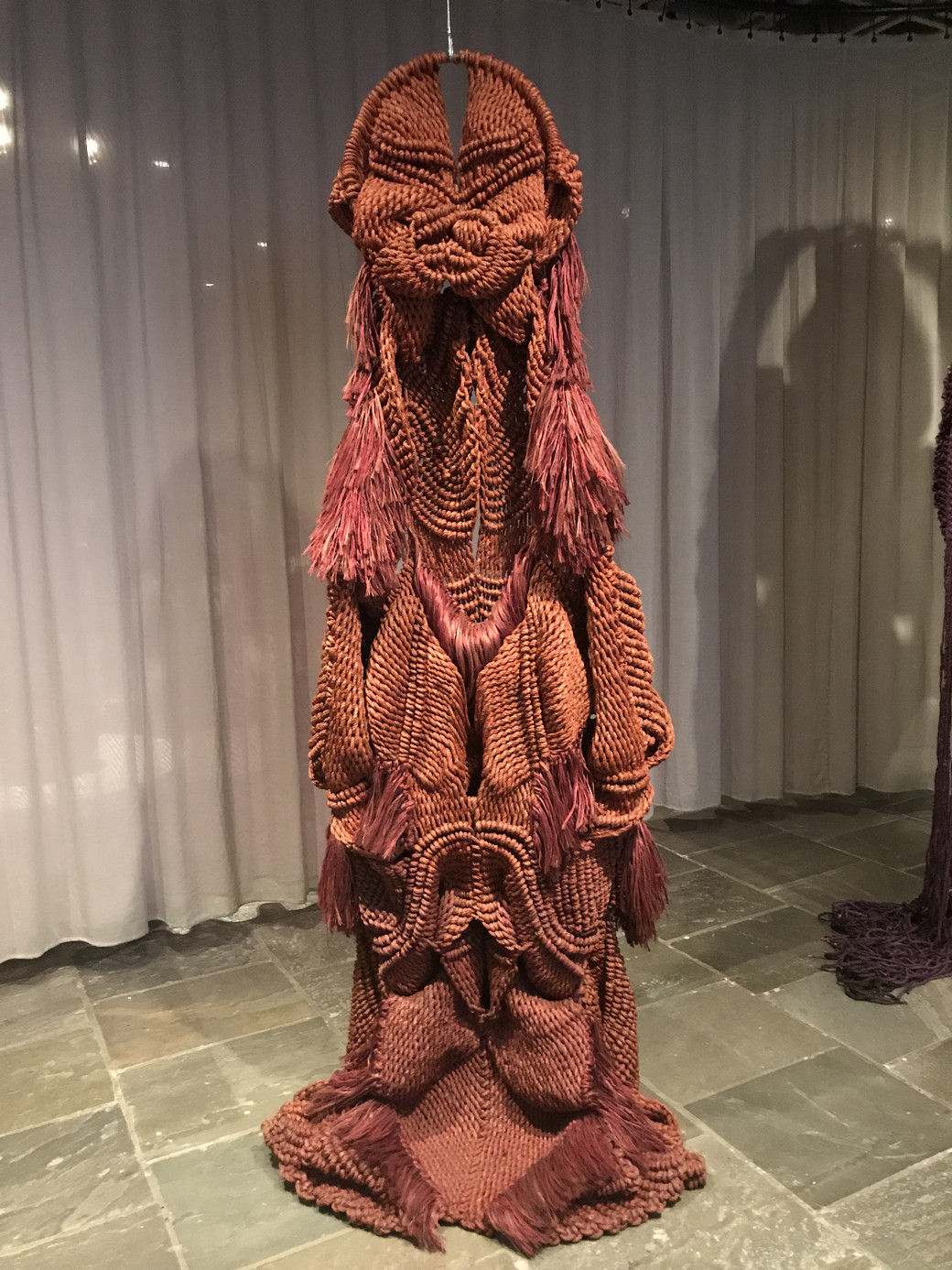
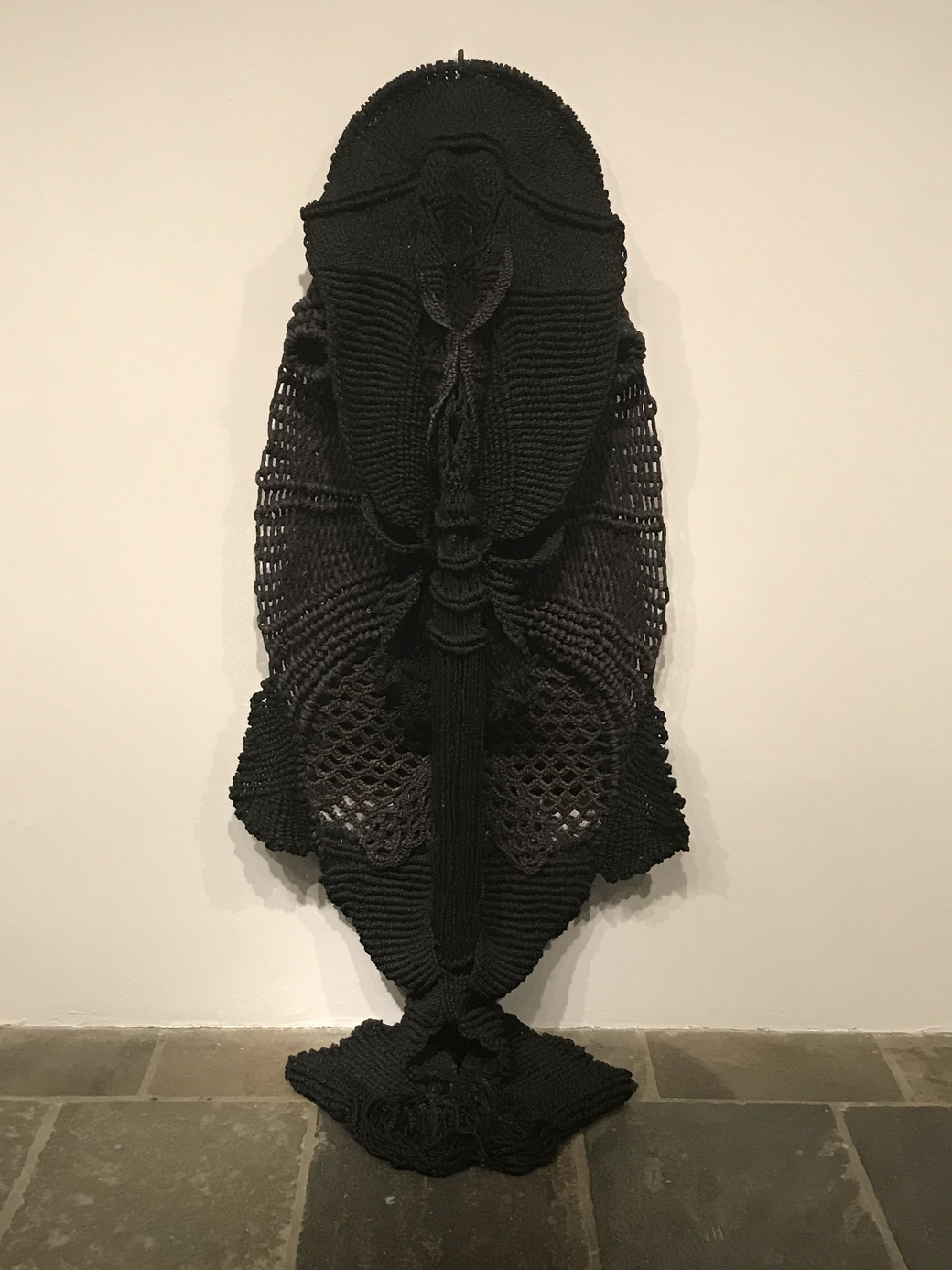
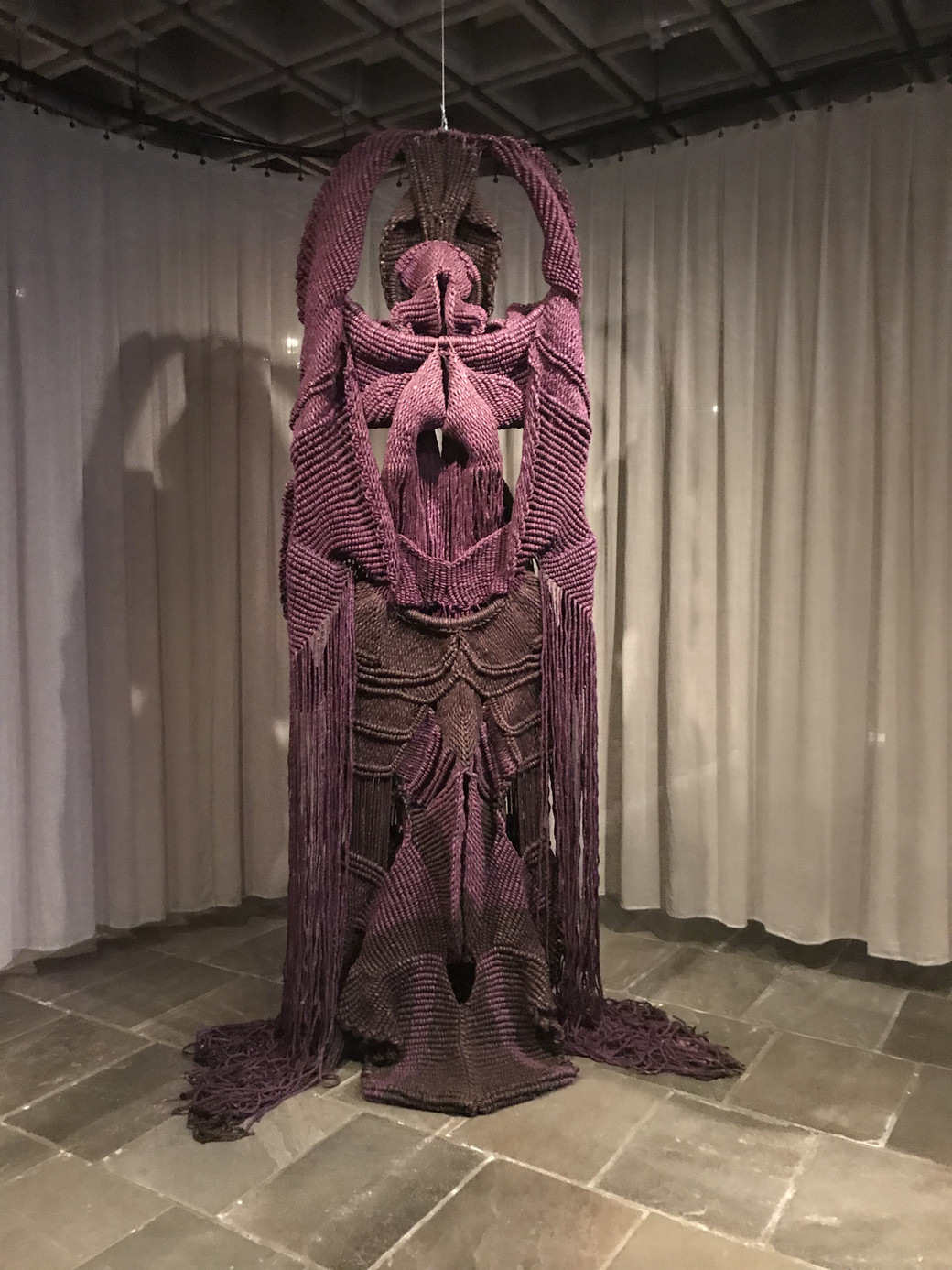
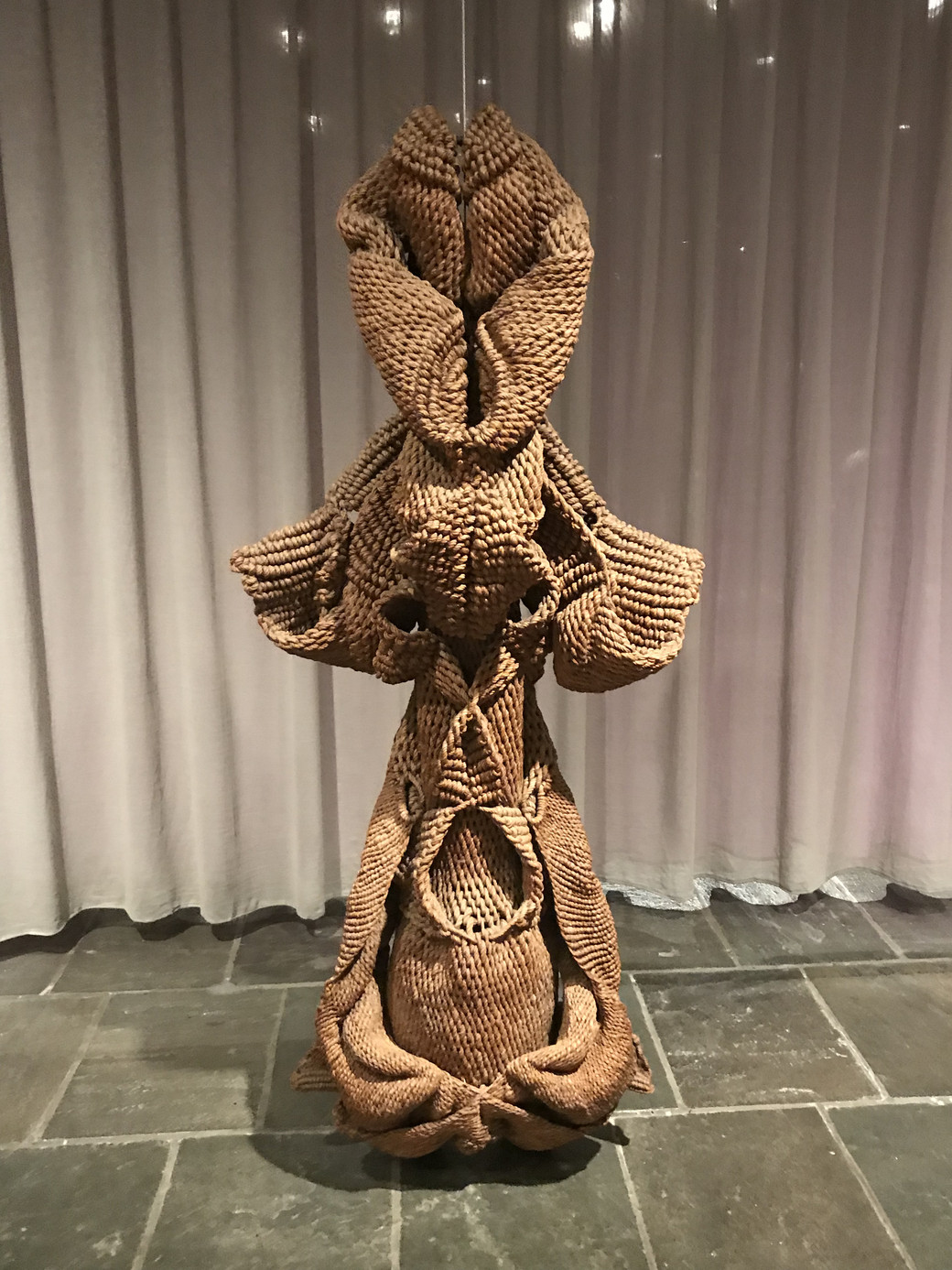
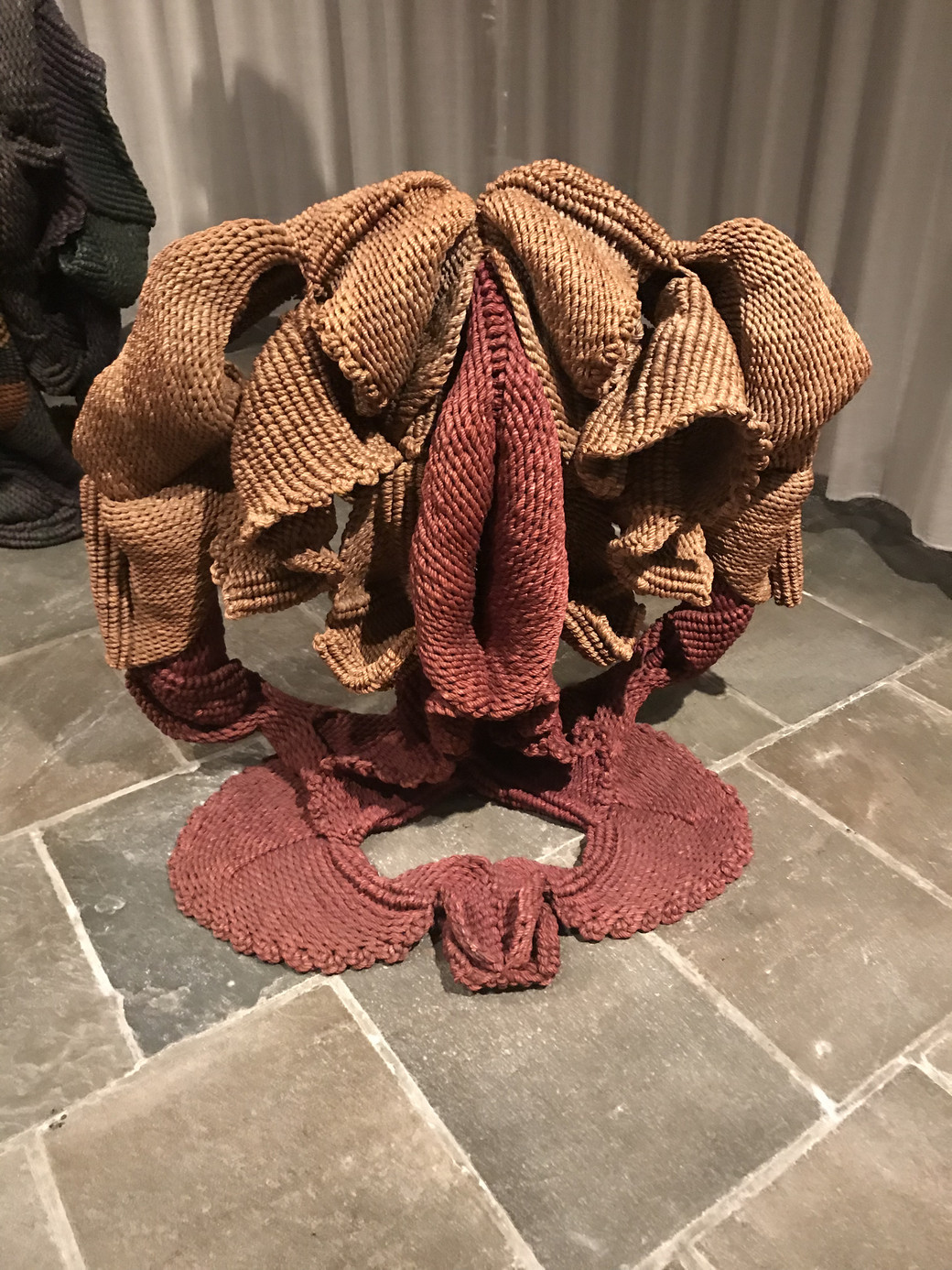
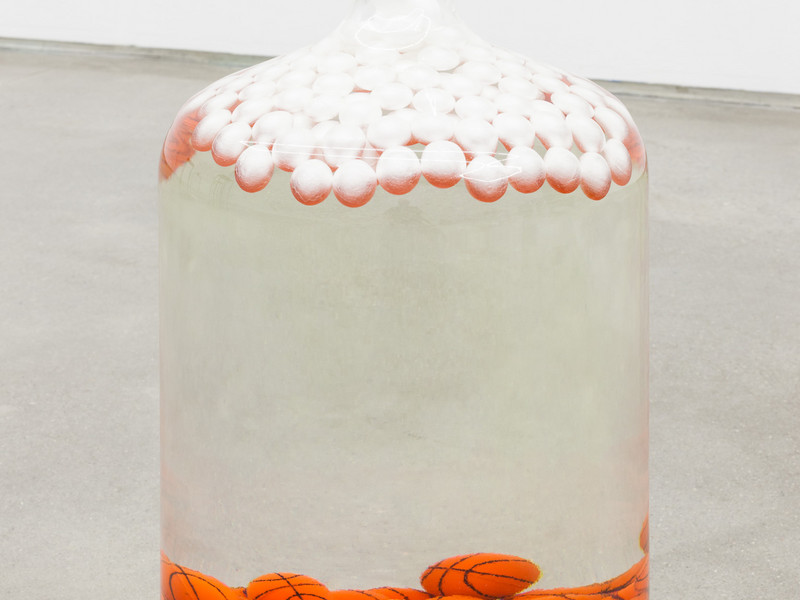
"Phenomenal Nature: Mrinalini Mukherjee" is on view at the Met Breuer through September 29th, 2019.
"Phenomenal Nature: Mrinalini Mukherjee" is on view at the Met Breuer through September 29th, 2019.

From that point on, Souleiman has worked seemingly nonstop for the world’s top designers and magazines, often with high-profile friends and collaborators Craig McDean and Pat McGrath. He has delicately placed butterflies amongst curls at Alexander McQueen, plastered down greasy swirls of hair at Thom Browne, and created delicate mesh head sculptures for i-D. In Souleiman’s portfolio, hair swoops and contorts in inconceivable fashion, becoming a medium for real art. The man is an absurd talent.
Souleiman recently told Dazed that he doesn’t work for people “who want a ponytail,” and indeed his work is always fantastical. “I didn’t love my reality,” he added, “so I created my own.”
O — How would you describe what your own hair looks like right now? You’ve changed your hair a lot. Do you have a preferred style these days?
ES—For me it is hair about convenience. Sadly, I’m receding. I’ve come to terms with it and wear my hair completely back, and I love the look of my hairline. It’s very retro, Bela Lugosi. I’ve been through so many hairstyles now. Instead of hairstyles for me, I’m into a hat! I love a good hat!
O—Growing up in East London, what sparked your interest in artistic expression?
ES—Straight up, it would be punk. [But] I’ve always been interested in art. My earliest recollection was being an 8-year-old child drawing and writing my own comics that were Marvel and DC-inspired. Love a superhero!
O—Could you tell me a bit about how you got your start? What lead to your apprenticeship with Trevor Sorbie?
ES—The manager where I was working asked me, “Why are you working here?” She told me to walk around the corner and ask for a job at Trevor Sorbie, a very well-noted salon.
O—I’ve read that you began working with Sorbie in 1982. What kind of styles did you like to do in the ‘80s? What was the big difference between working then and now?
ES—The ‘80s for me were a very free time, creatively. I did lots of avant-garde hair looks and did trade shows.
There were no boundaries for me at that time. Money changes everything. Today, marketing has almost taken over creativity. There are twice as many fashion shows. There aren’t just two seasons anymore for collections. Things happen at a much faster pace today. Personally, I think they go too fast. And we don’t have the time to evolve creatively as artists. We are constantly on to the next thing and not exploring the possibilities of what we’ve created, which does sadden me a little.
O—Is it fair to classify your 1995 Jil Sander campaign as your big break? Could you tell me a bit about what that shoot was like?
ES—Yes, it was my big break. It was the first time I’d ever been flown to Paris to do a job. There were very long hours, and the shoot was three days long. It wasn’t digital, it was shot on real film.
O—Pat McGrath and Craig McDean worked on that shoot, and you’ve described them as important collaborators and influences on your career. What is it like to work with them?
ES—They are family! For me it’s not just about the work it’s about a personal connection, collaborating, inspiring ideas and, above all else, having fun!
O—You’ve created iconic looks for so many designers, photographers, magazines. Do any shows, shoots, or art works—such as your 2003 wigs for chess pieces for an exhibition with the Chapman Brothers at Saatchi Gallery—stand out to you in particular?
ES—Working with Jake and Dinos Chapman was a highlight in my career. Probably not my fashion career, but I really enjoyed working with individuals who came from somewhere else creatively. For me, it was unusual to work on such miniature heads. It was a challenge technically, but I enjoy challenges. They bring out the best in me. I don’t feel I’ve done my best work yet. There is still room for improvement on many levels.
O—What outside of the beauty industry inspires you?
ES—Everything! I’m engaged with being alive. Lots and lots of things inspire me—obvious things like art, movies, popular culture, music, but also the people I work with. Having a conversation can be really inspiring. I don’t look for creative stimulation, and it doesn’t necessarily have to be visual. It can come from other senses.
O—Are there any hair trends that drive you insane?
ES—The term hair trend drives me insane. People should have what they are comfortable with and what they enjoy.
O—Hairstyling is so intimate. How do you like to connect or find chemistry with models and clients?
ES—I feel that people connect with me because they can feel that I love what I do, and I like people. It is that simple. —END

In the middle of it all stands a blonde, native Texan woman with perfect pink lipstick, gazing, hand-on-chin, at the beautiful wreckage: the painter Rosson Crow, fresh from her studio in LA to New York’s gallery space The Hole for a solo exhibit open November 21 to December 29.


I want to ask if there’s something inherently Texan about your work, because of scale — that “everything’s bigger in Texas” mentality. And also it seems like you work with the idea of myth, which is somehow inherent to Texas too.
I think both—there is a go big or go home Texas attitude to these. And I think there’s a brashness, there’s brash color and almost a gaudiness. I don’t want to say tacky, because I like this kind of stuff, but maybe some people consider an excess of neon colors tacky. You know, over the top. But I love that stuff.
Growing up in Dallas, I think that informed it. I think that my ideals of beauty and glamour are warped by a Dallas, Texas standard, which is just over the top in a lot of ways.
So there’s that, and then yeah, I think I’m very interested in myths. Especially myths about the American West, and that history, and cowboy culture, and all that stuff. I love it.
There’s a lot to unpack there, which makes it such an object of interest. There’s this double-edged sword to how glamorous the West is, and also how bad, problematic it is. Your paintings are also sort of dense and overwhelming, and I feel like that brings in the experience of living in New York and LA.
They’re definitely maximalist. They’re just packed. I’m always like, I’m going to try to make a work that’s more minimal, and I don’t know, it just ends up like this.
Sometimes you want to scale down?
Sometimes, yeah, I don’t know. It’s really hard for me… [laughs].


Every piece is distinctly in your style, but each one is also distinct from the other. It makes me wonder what you have in mind when you start a piece. What are you trying to express when you start painting?
Well, for this show I really wanted each painting to convey its own world in a different environment, but they all have a through-line of what they’re about. In a way, I think about a show as a collection of short stories, and each painting is kind of a short story. But there’s still a cool thread that ties them loosely together.
This show is called “Trust Fall.” It’s about the dissolution of trust in society. How nothing can be trusted, it’s so hard to have faith in anything, and institutions we believed in for so long are crumbling. What’s real and what’s not, and what’s misinformation, and what’s the truth.
So as I’m working on these paintings, as I start a body of work, I have little seeds of “ooh I want to make a show about this.” I didn’t have the whole thing totally planned out. But as I’m working and making things that tie into that, it becomes clear what the show is about. I wanted each to be a different kind of narrative but to have that underlying theme in different ways.
Are you in a way asking a question when you’re painting or answering a question, like showing someone an answer you’ve come to about how truth is a facade and how the world is ending?
I don’t think I have any answers. For me, I’m interested in kind of creating an experience of an environment for a viewer to kind of enter and think about these things, because I don’t ever want my work to be didactic in one way or the other.
I like things being more open. These paintings are political for me, but I think someone could come in here and be like, ‘I don’t know where she stands on certain things.’ I don’t know, I like that more than I like being like, fuck Trump.
It’s much more open-ended.
Yeah. Because that’s so obvious to me. It’s like yeah, he’s a piece of shit. But there are so many other things too.


We’re edging into rightful cynicism here, but do you find yourself and your work optimistic?
I think so. I mean I think that I enjoy the humor, and I find humor in the satirical. I don’t know. I’m finding this period in American history very inspirational. I have so many painting ideas and creative ideas. So for me, there’s just this never ending well of ridiculous stuff to draw from.
Like thank god, it’s gives me this creative supply—
Yes, it’s terrible, for, I don’t know, the planet, but I’m finding inspiration in a lot of this stuff.
You’ve been described as an American History Painter, but we’re talking more about the present now. How do you conceptualize how the past and the present are interacting?
I think that these paintings are definitely my most contemporary works about this moment, but they’re also referencing historical elements, so a lot of the things in the paintings might be in the '60s or '70s, or the '80s of '90s, or different time periods, and kind of conflating time a little bit, but also making them about what’s going on now. So it’s more like these are history paintings about what’s happening now.


How long does it take you to finish a piece?
About five weeks.
Ok, and how do you know when it’s done?
I start making a collage, digitally and by hand, kind of cutting things out, pasting them and scanning, working on the computer. All these sources in the collage are from photos I’ve taken, photos from the internet, postcards, so there’s just like tons of elements. That’s how I construct them. Then I print out the collage and use photo transfer for elements of the painting, and then I use oil and enamel over the whole thing.
Because I start from a collage, I know what I want it to look like, even though things change in the process and that’s fine—mistakes happen, and I like that in the painting. But I don’t know, I just know when it’s done. And then when I know that it’s done, I never work on it again. Because I kind of work the oil wet into wet. Once it’s dried I don’t go back and retouch anything, ever.
That must be nice to know you’re totally done with it. Do you have a favorite piece?
I don’t know. They’re kind of like children, so it’s hard to choose.
Is it hard seeing people work on them?
Kind of. I’m trying to be chill about it, but it’s cool to see them being hung up. Like this one is a diptych, and I didn’t have a wall big enough in my studio to work on them both together, so I’ve never seen them hung. I hope it looks good!

London truly capitalises on this cultural flux in the October calendar with satellite fairs, exhibitions, gallery vip brunches and fashion events, so we went deep into the friezing programme to gaige what London is thinking about beyond brexit and what stand point it was projecting to the multitude of global visitors that descend for this important week.
Here is a run down….
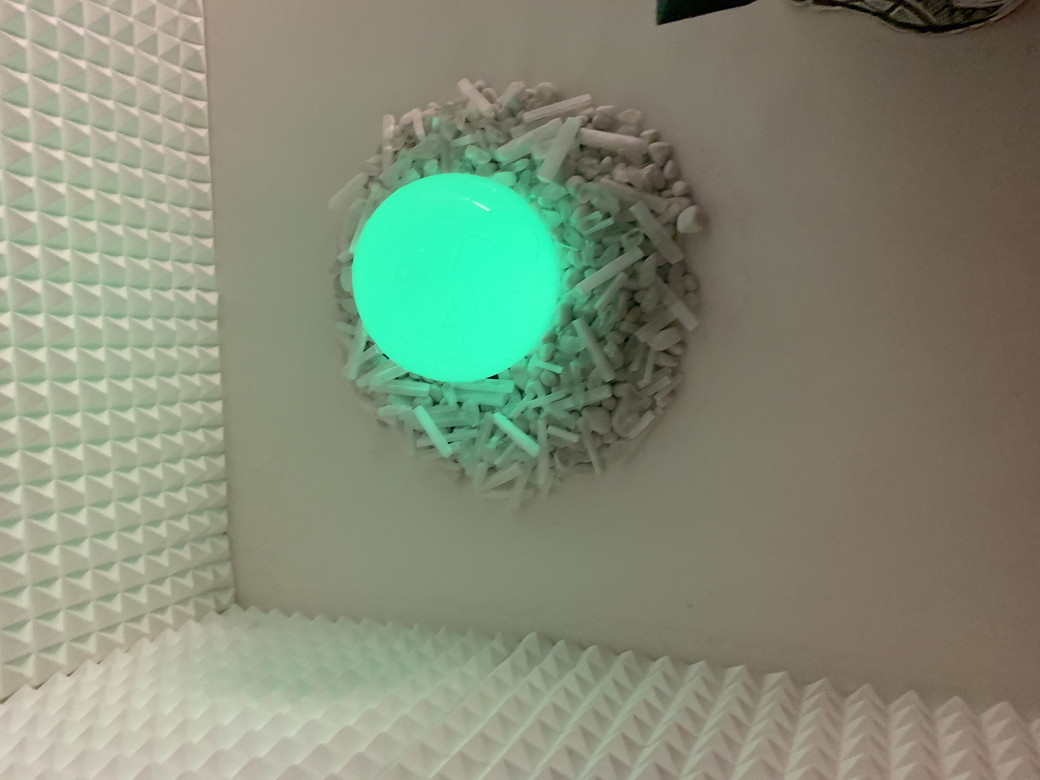
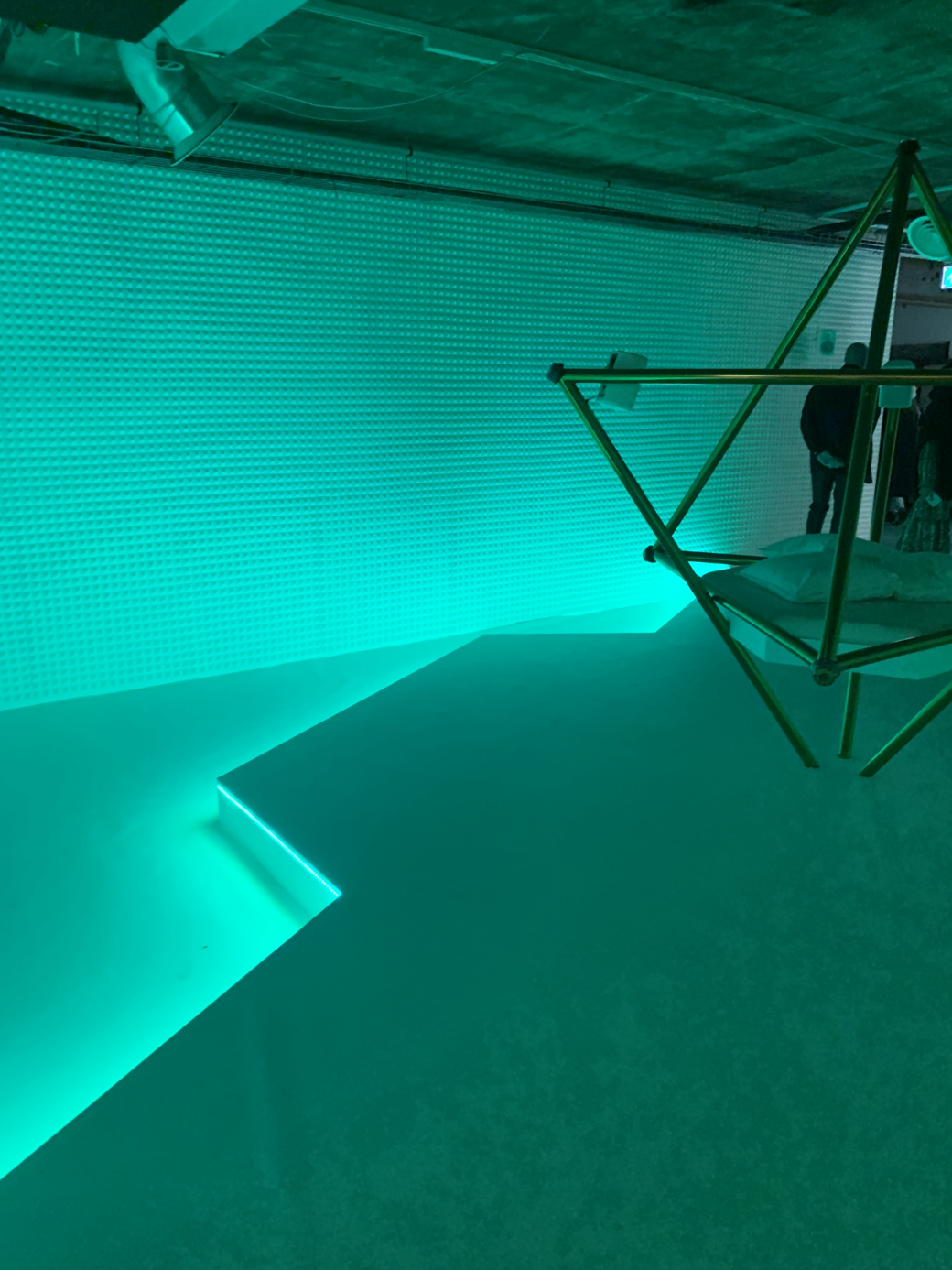
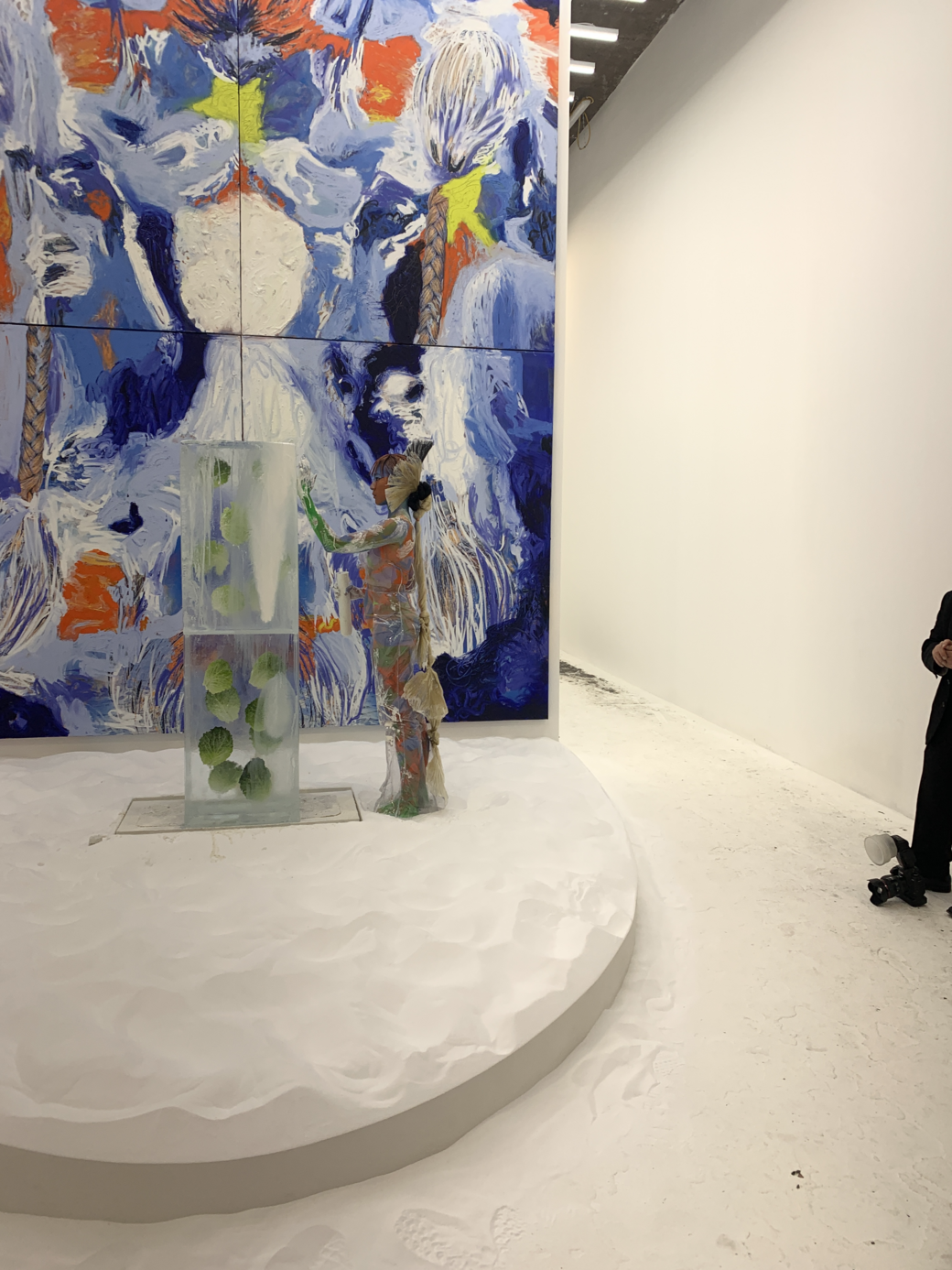
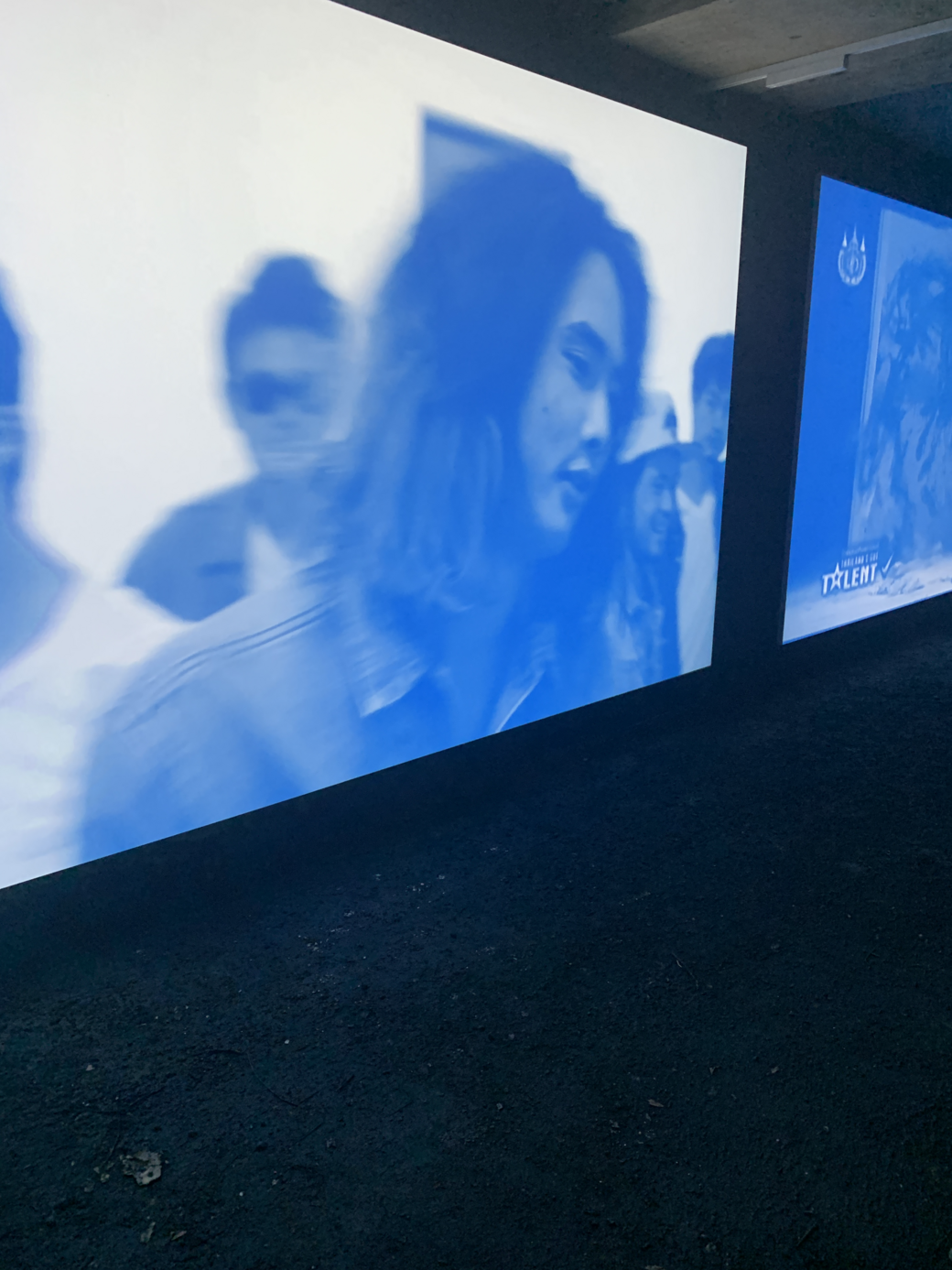
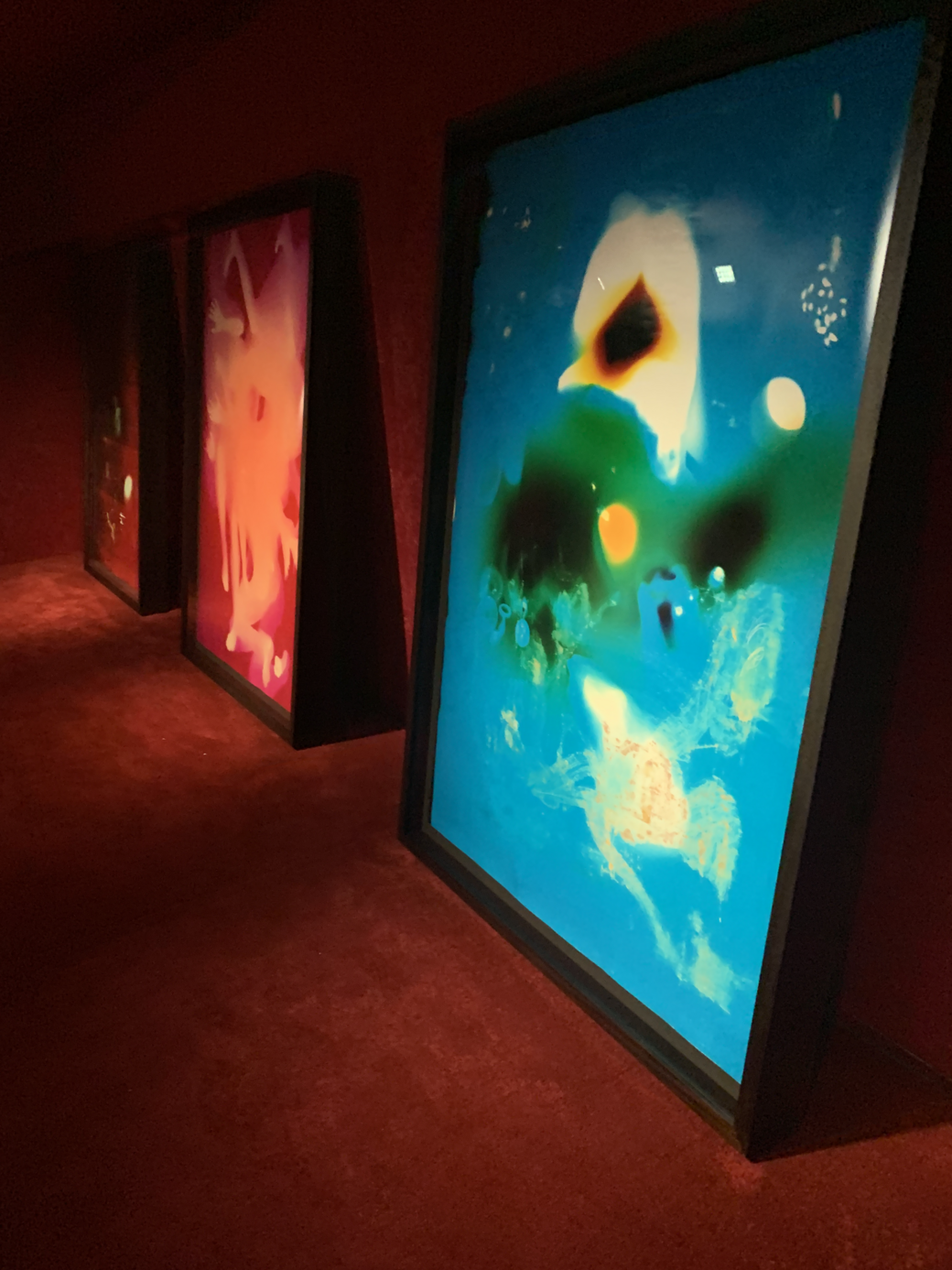
TRANSFORMER: A Rebirth of Wonder at 180 The Strand. December 8, 2019 Curated by Jefferson Hack, Transformer: A Rebirth of Wonder, features newly commissioned and debut works by: Doug Aitken, Sophia Al-Maria & Victoria Sin, Korakrit Arunanondchai, Donna Huanca, Juliana Huxtable, Evan Ifekoya, Dozie Kanu, Quentin Lacombe, Lawrence Lek, Jenn Nkiru, Chen Wei and Harley Weir & George Rouy. The title of the show is inspired by beat poet Lawrence Ferlinghetti’s "I Am Waiting", which comments on the societal problems of contemporary America, and calls for a change of consciousness—the rebirth of a new wonder.
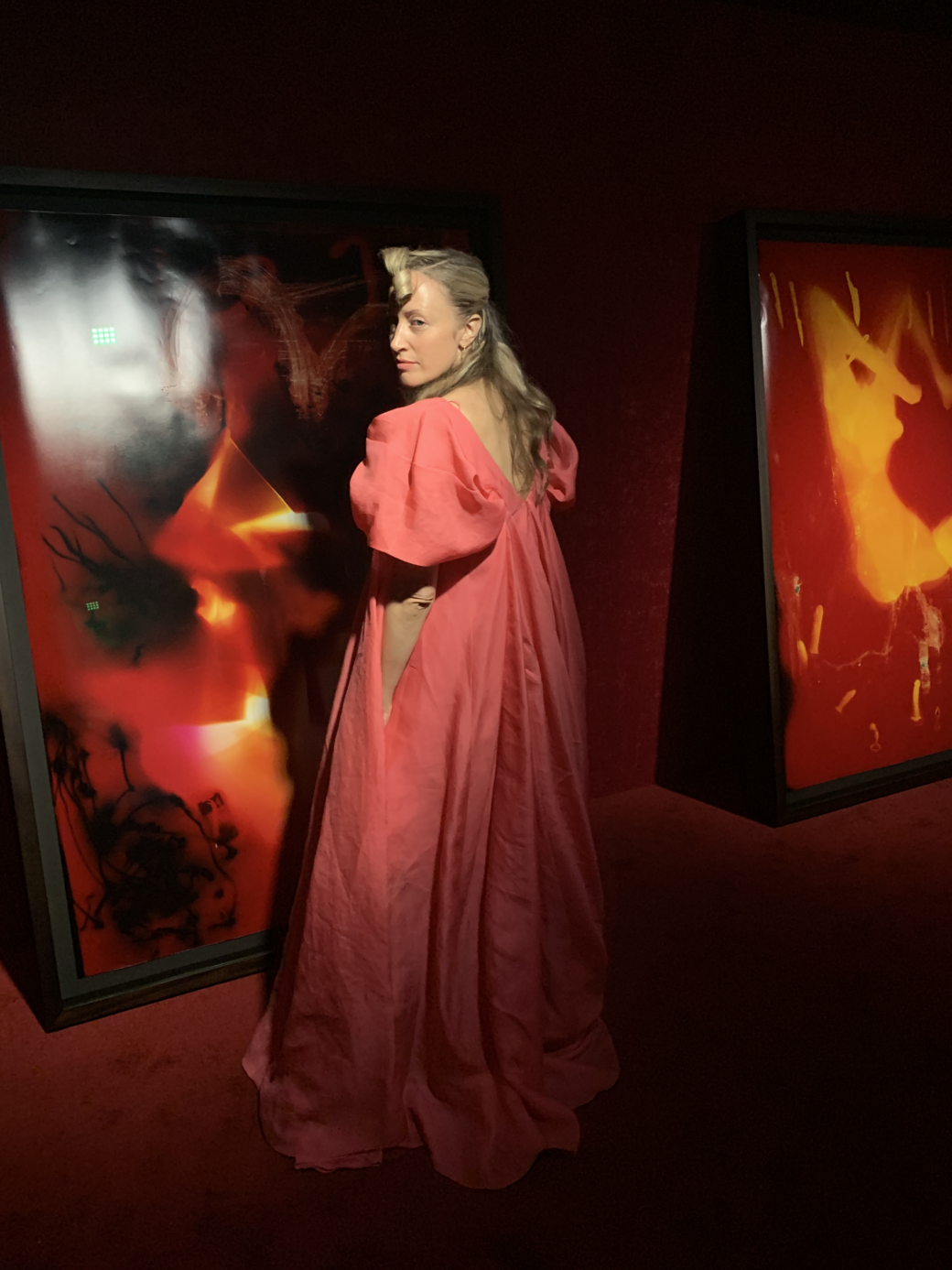
MATCHES - Fashion Show Symonds Pearmain's S/S '20 collection was showcased with longtime supporters Matches Fashion, who hosted them as part of Matches new partnership with Frieze London. Roksanda Ilinčić and filmmaker and activist Liz Goldwyn for a high tea and discussion on what it means to ‘have it all’. Plus instal of The World Of Craig Green And Saelia Aparicio at 5 Carlos Place
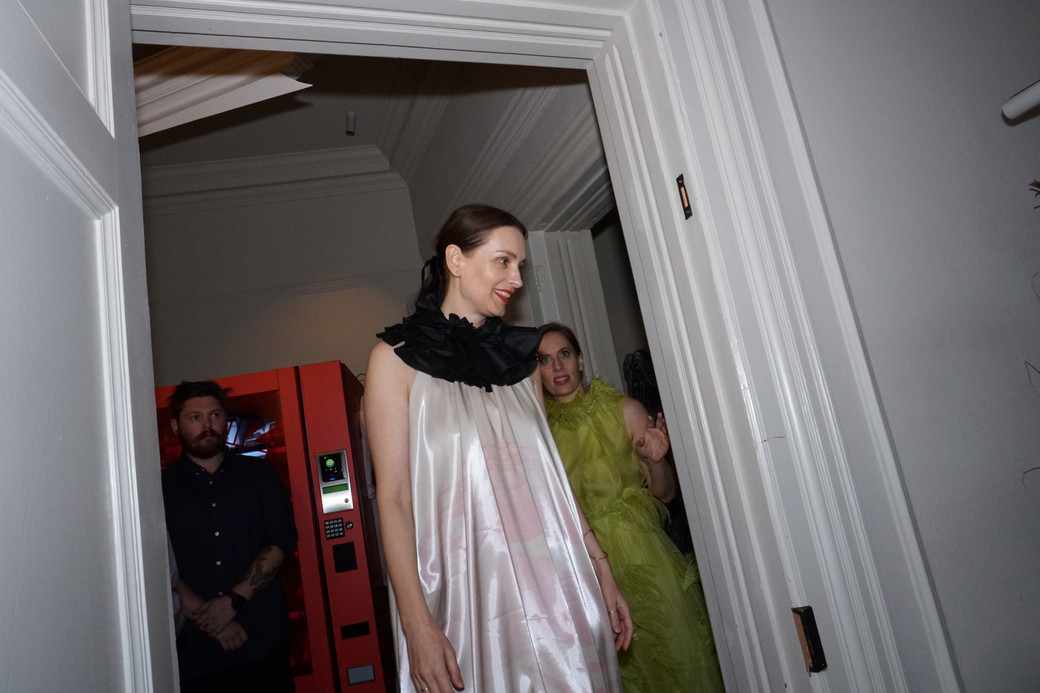
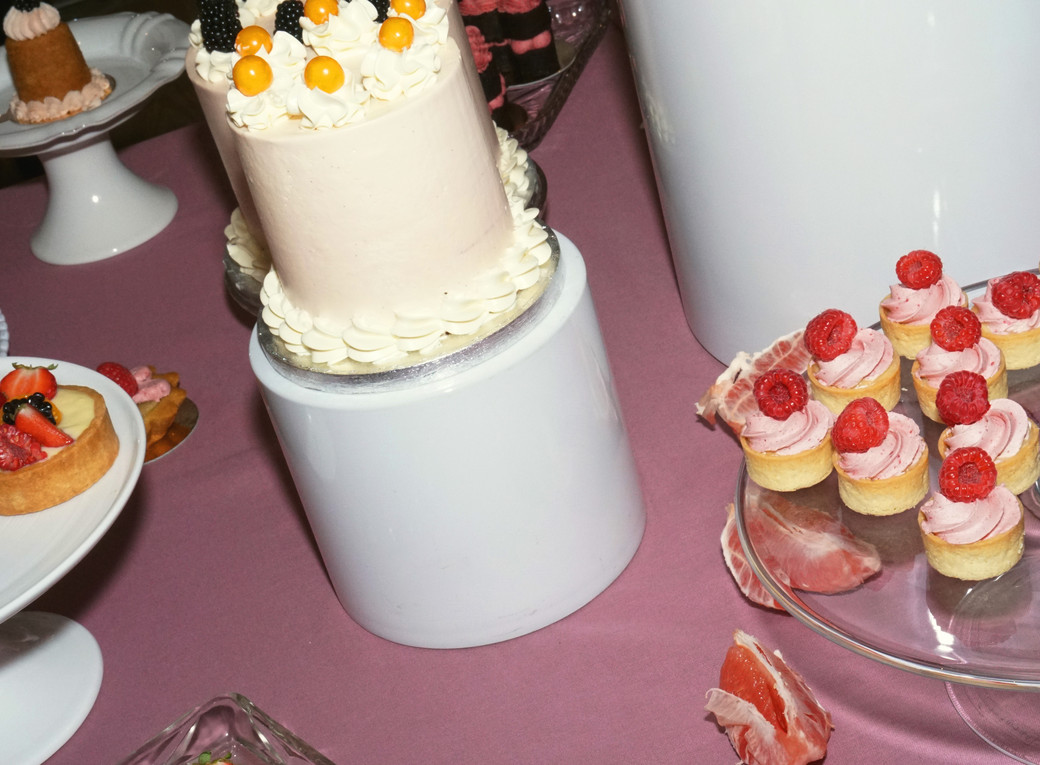
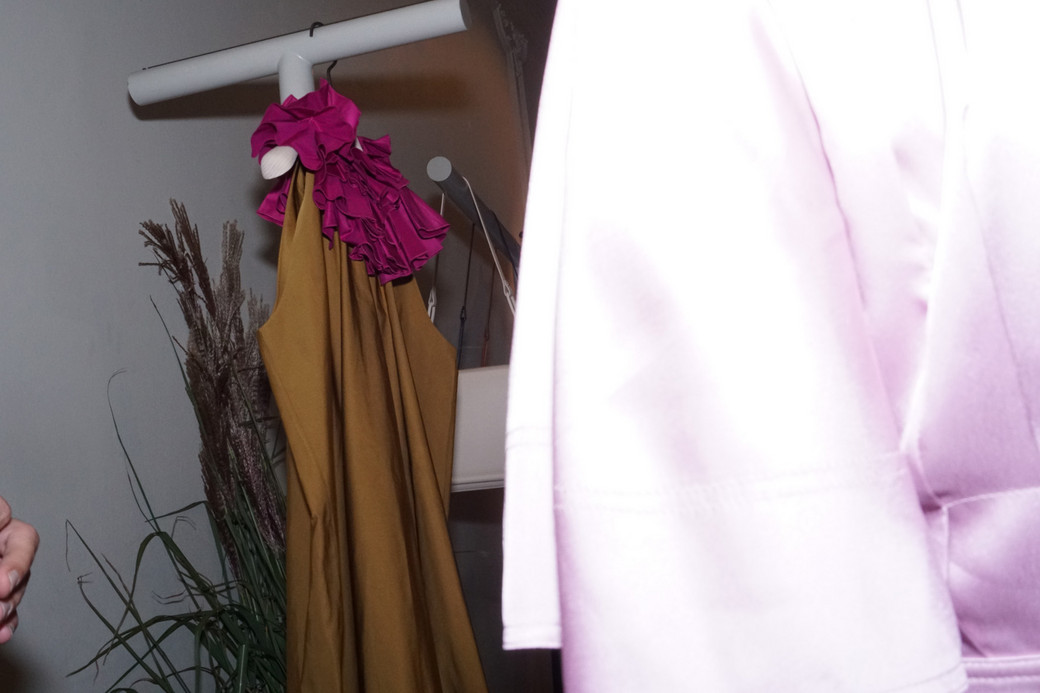
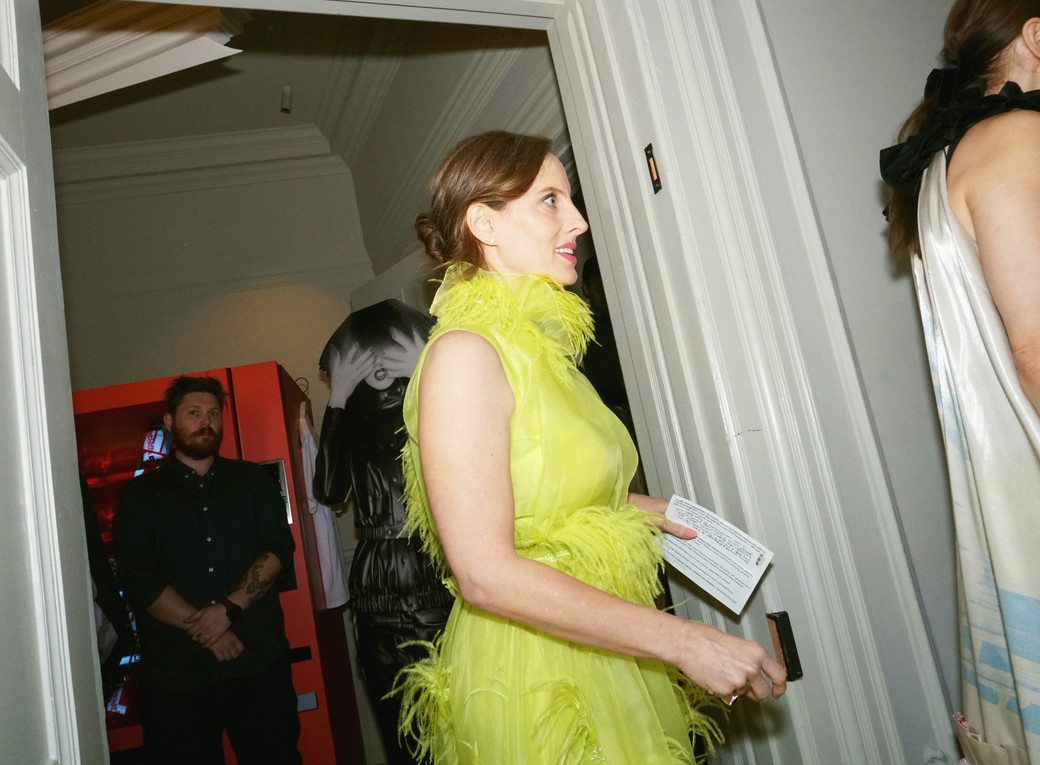

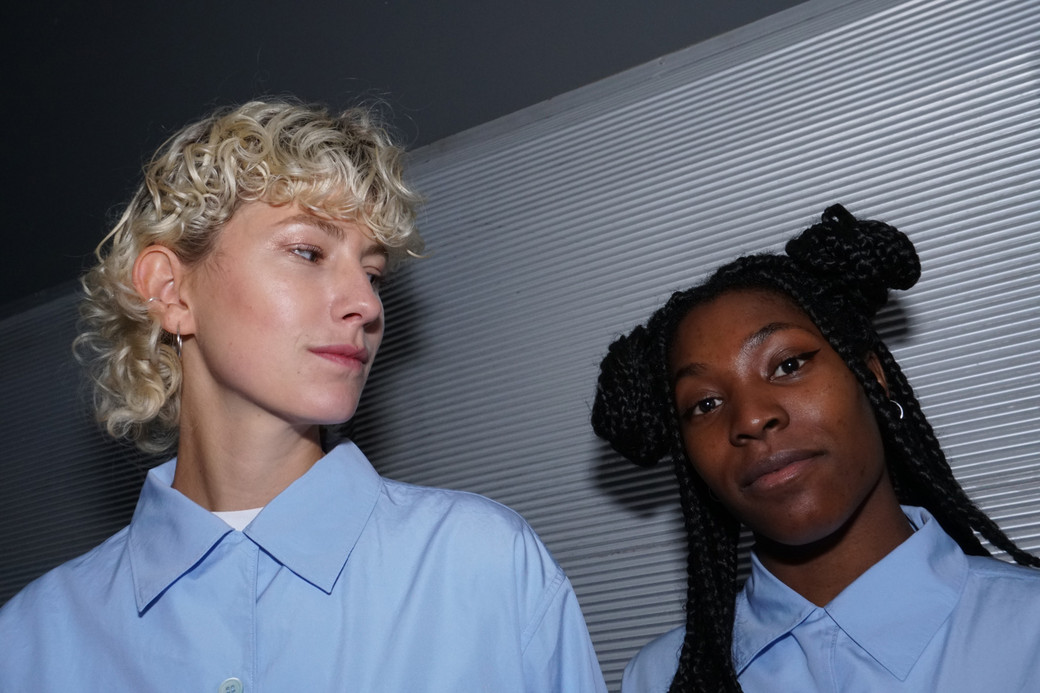
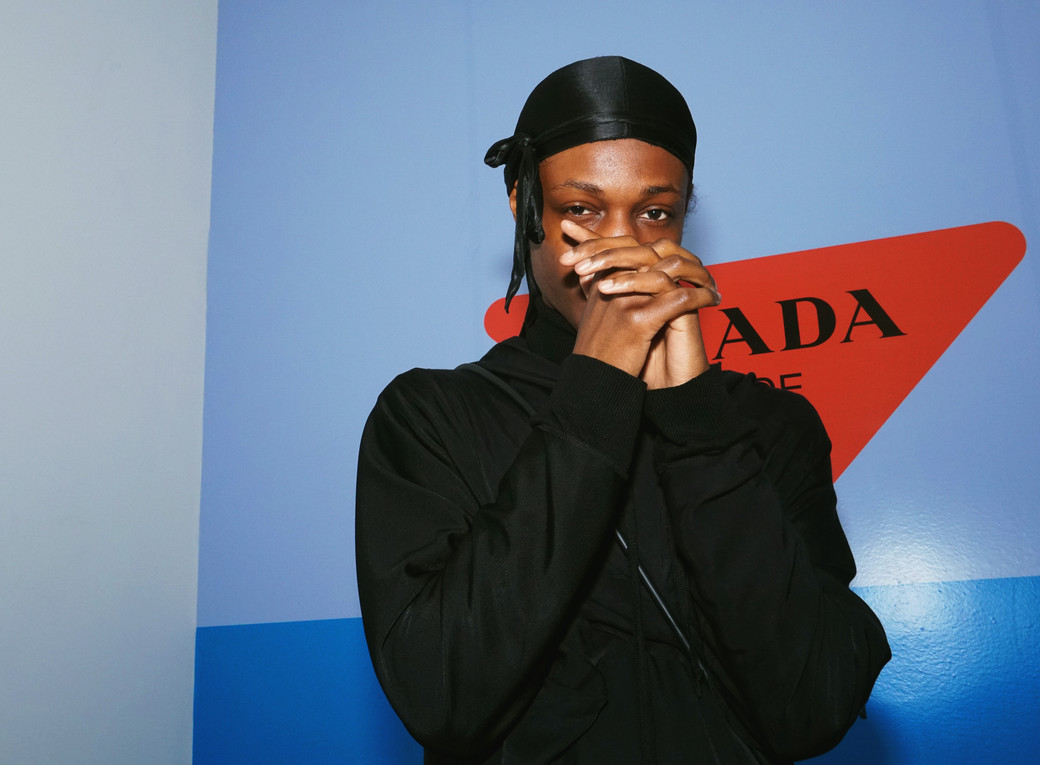
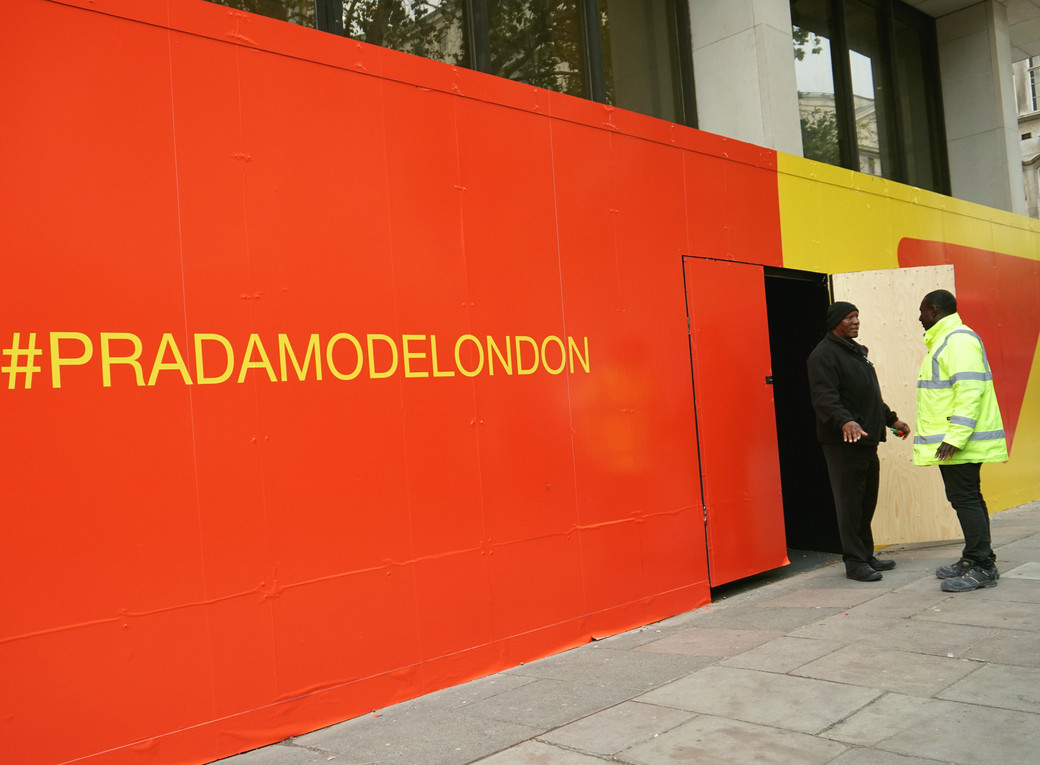
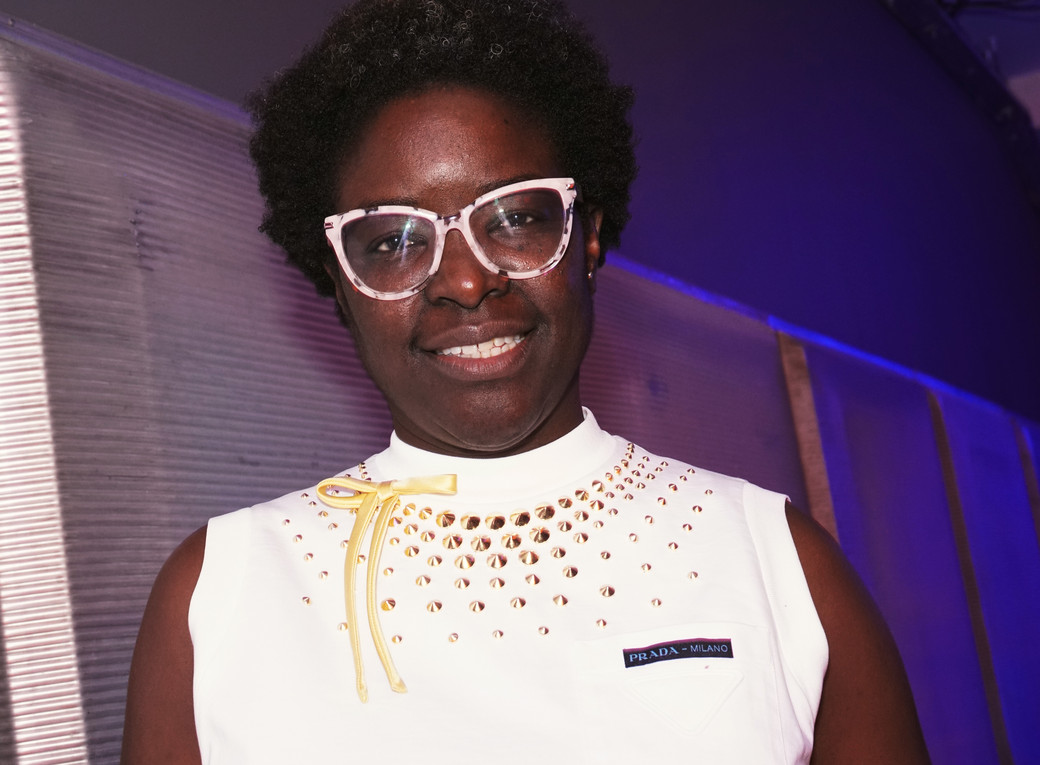
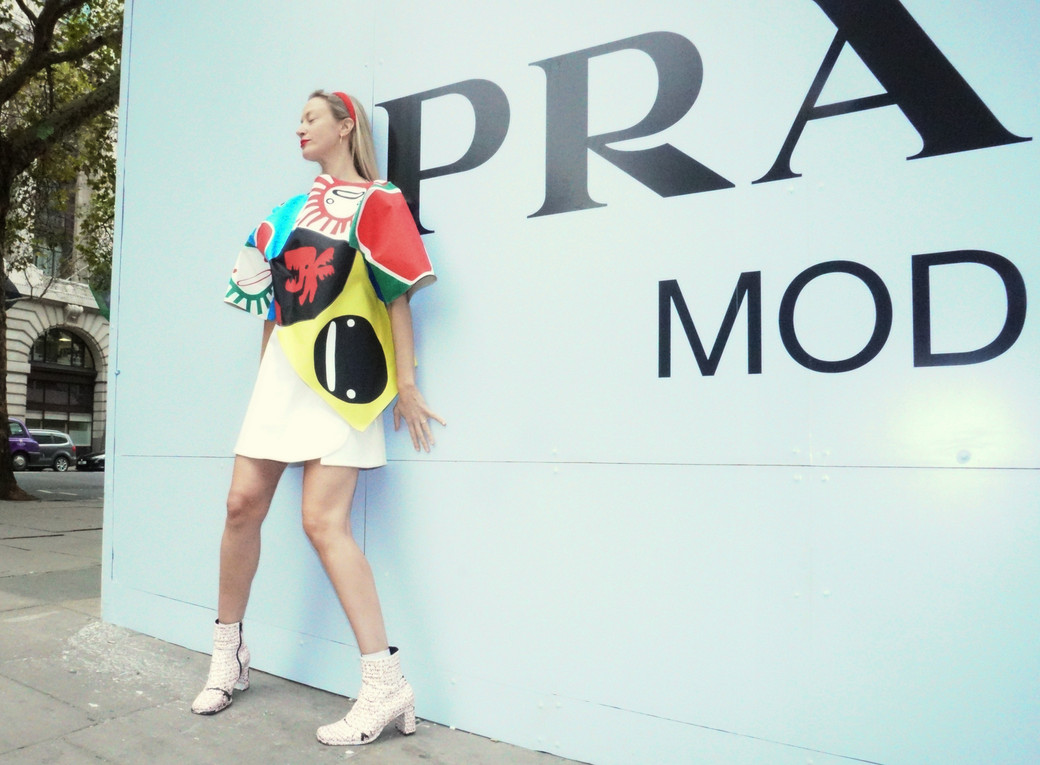
PRADA MODE- Prada presents the third iteration of Prada Mode, a traveling social club with a focus on contemporary culture that provides members a unique art experience along with music, dining, and conversations. An installation by Theatre Gates at 180 The Stand featuring Collective Intimacy, a live programme in collaboration with The Vinyl Factory and The Showroom, London.

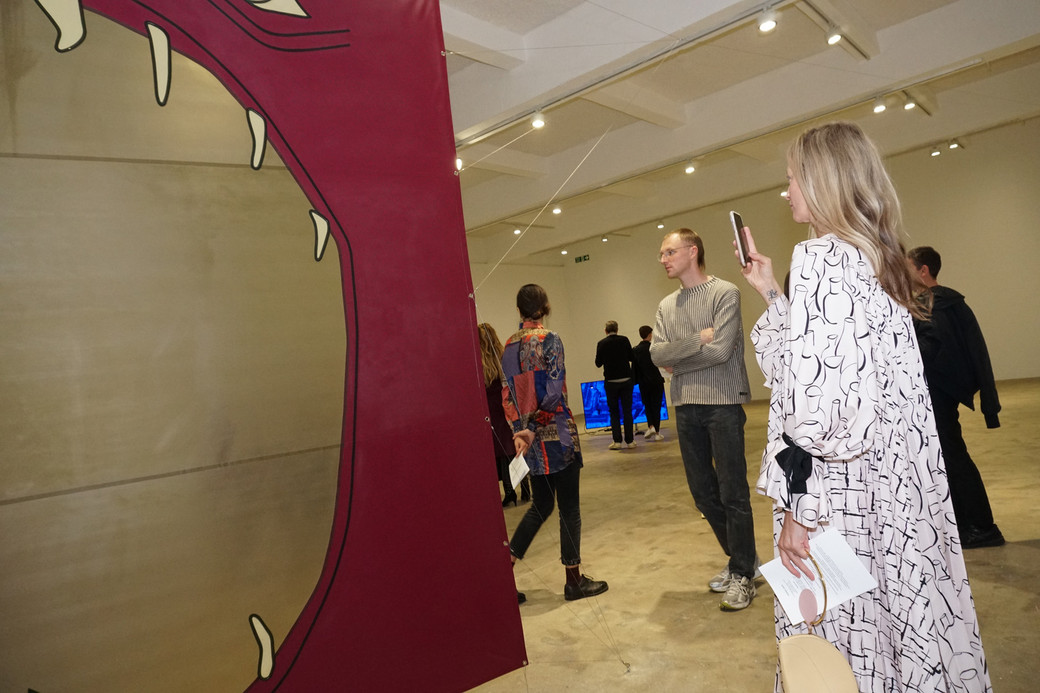
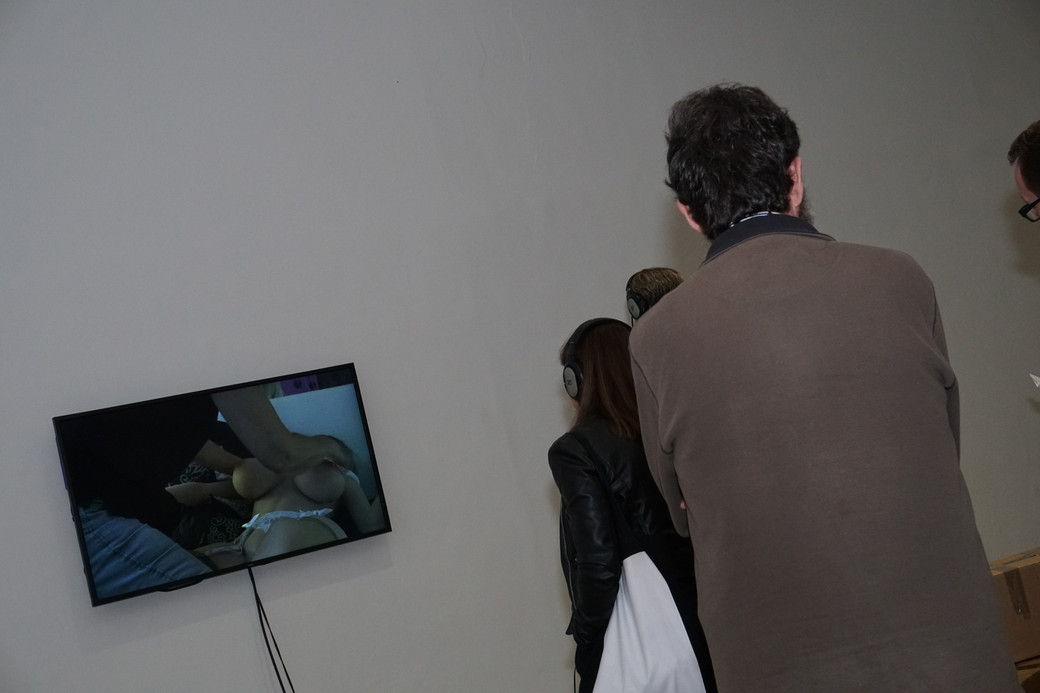
CHISENHALE - Sidsel Meineche Hansen Welcome to End-Used City September 20 – December 8 2019. The exhibition brings together new and existing works to further explore Meineche Hansen’s ongoing inquiry into virtual and robotic bodies and their relationship to human labor within the gaming, pornographic and tech-industries.
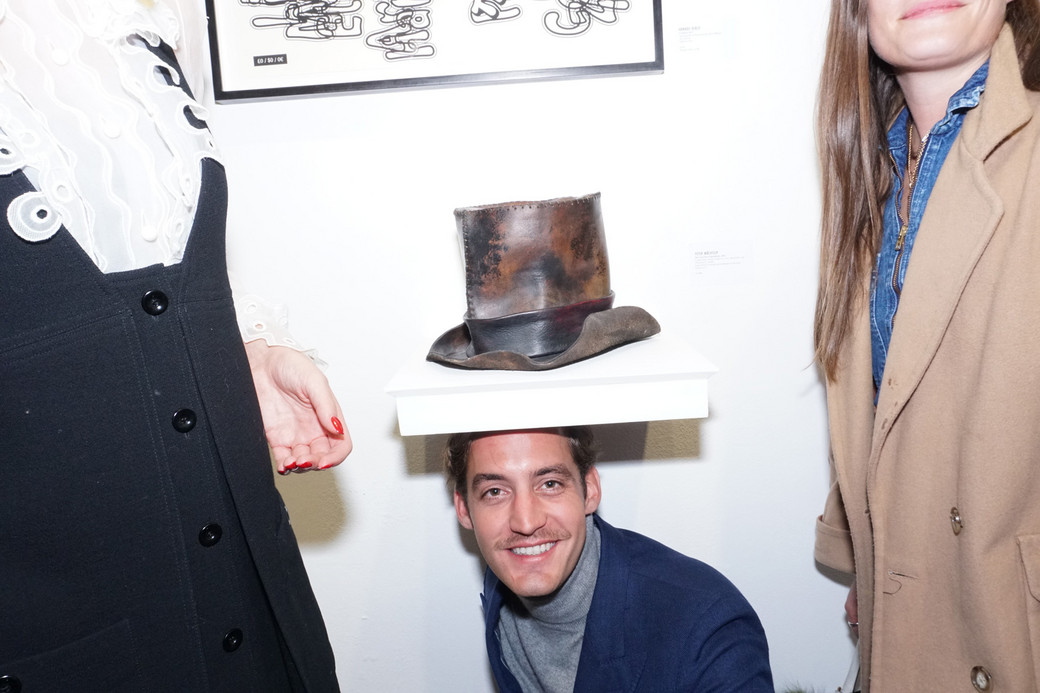
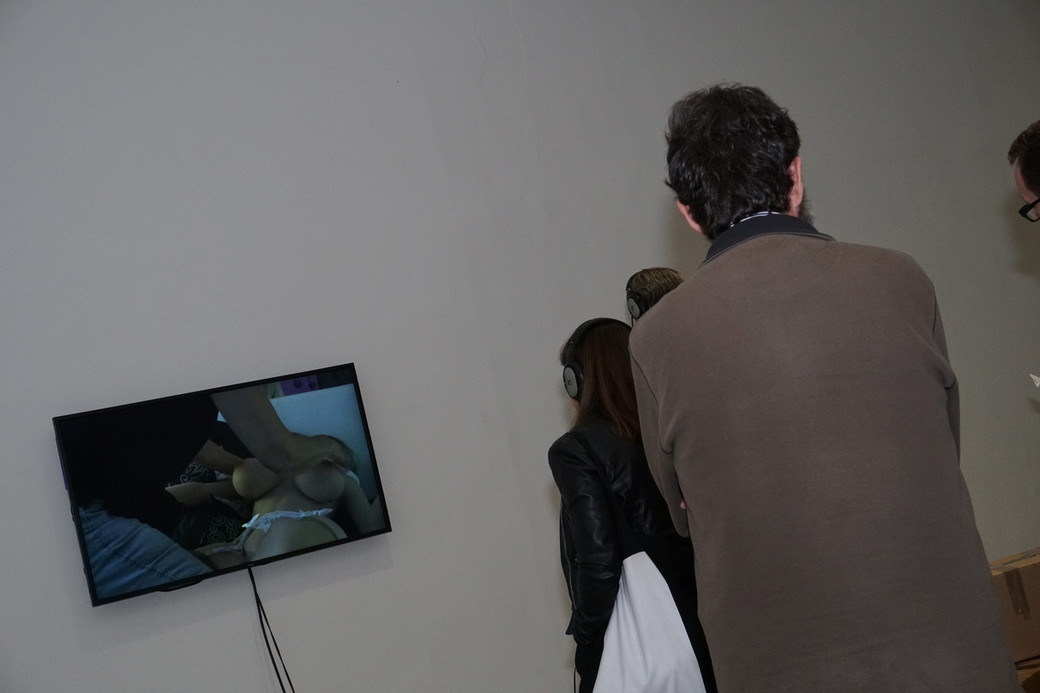
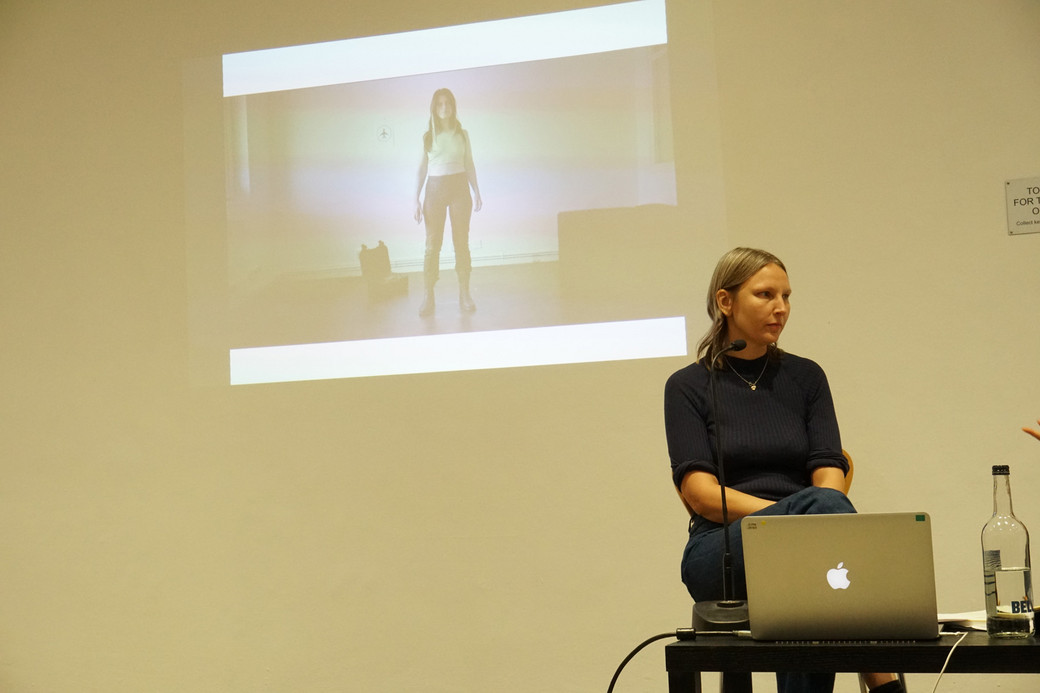
Here's the lowdown: with Frieze having over 35 countries participating it was set to be the most international Frieze London yet—it was like the galleries drove a mating call to the international dealers and collectors. Perhaps this flux of attendees from overseas was due to the weak pound. What is a better time to arrive than when Britain’s back is broken by that devil that is Brexit?
The sales came fast on the first day and it was predominantly painting. Hauser & Wirth sold paintings by Mark Bradford, Cy Twombly, and Philip Guston, racking in a casual $14 million. The turner prize nominated artist Oscar Murillo sold for $400,000 at David Zwirner. Kerry James Marshall (Car Girl 2, 2019) sold for $3.8 million, and a figurative Neo Rauch piece (Die Wandlung, 2019) sold for $1.5 million. At Carlos Ishikawa, the painter Issie Wood was tipped off as a one to watch.
The satellite fairs, events and various fashion activationed also celebrated the influx of visitors. Between the action around London, backed with hard sales as proof, it seems as though Frieze London was not frozen out of the market afterall, but instead was celebrated in full regalia though art, fashion and culture.