Vulvatious

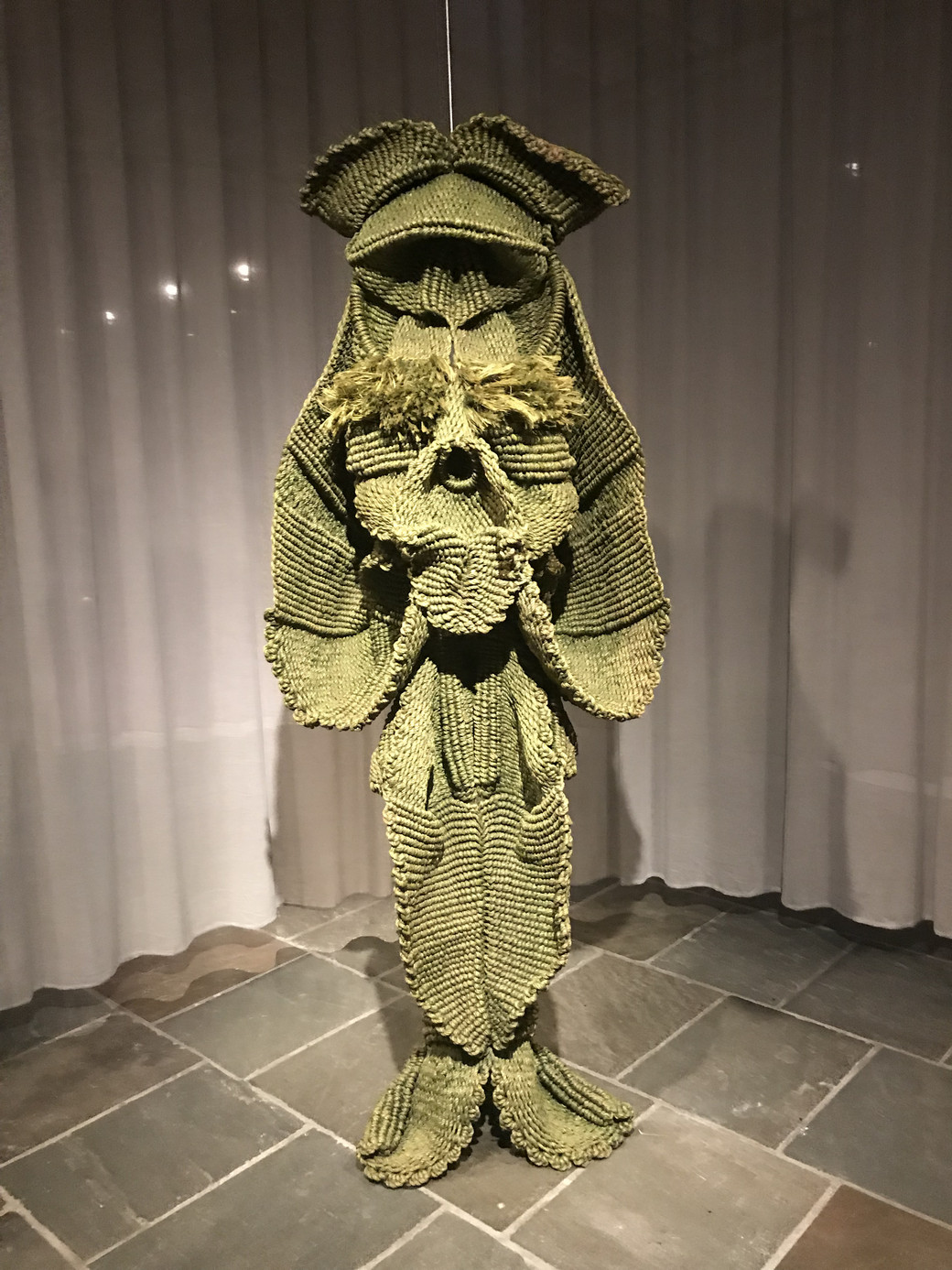
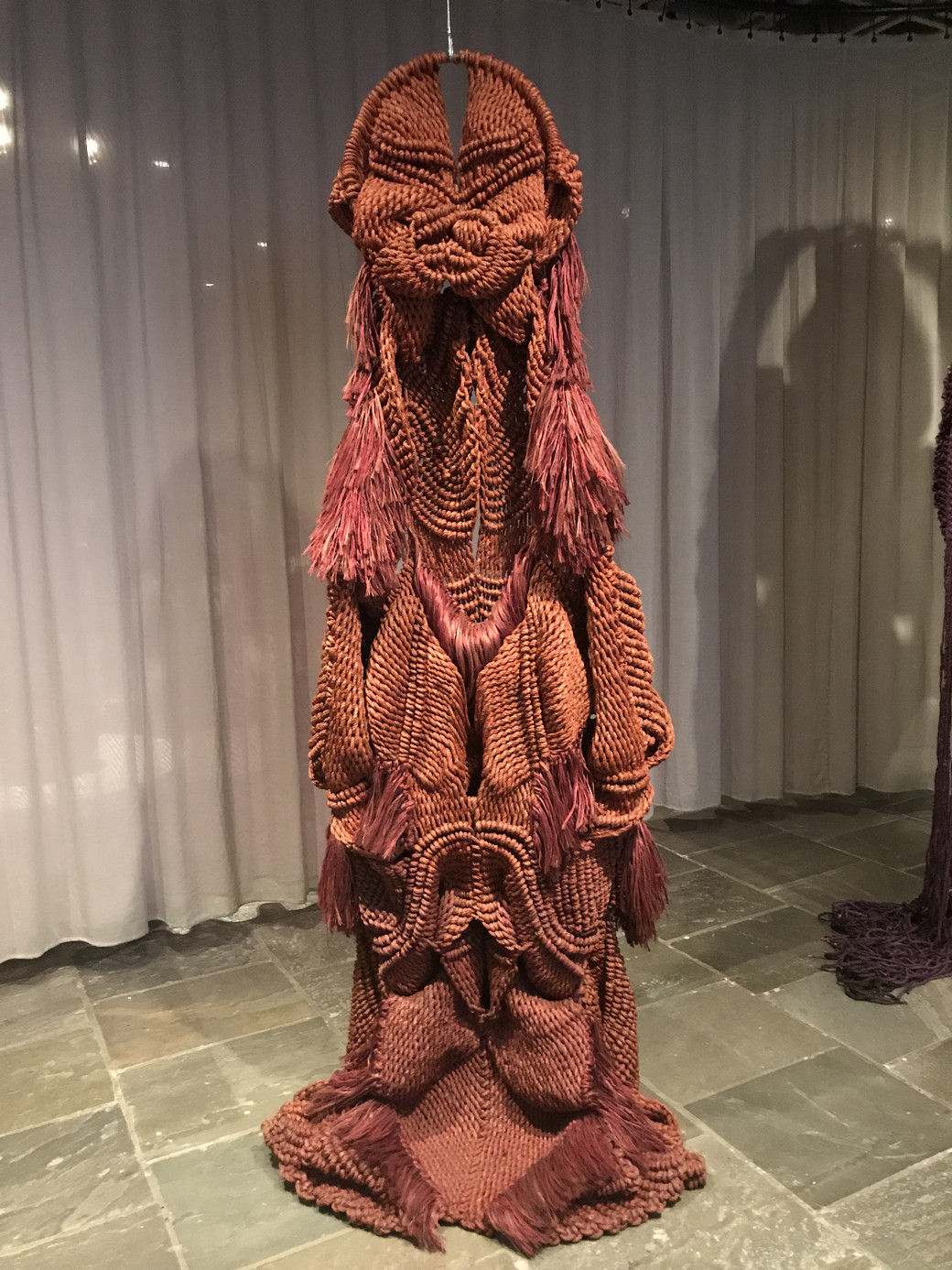
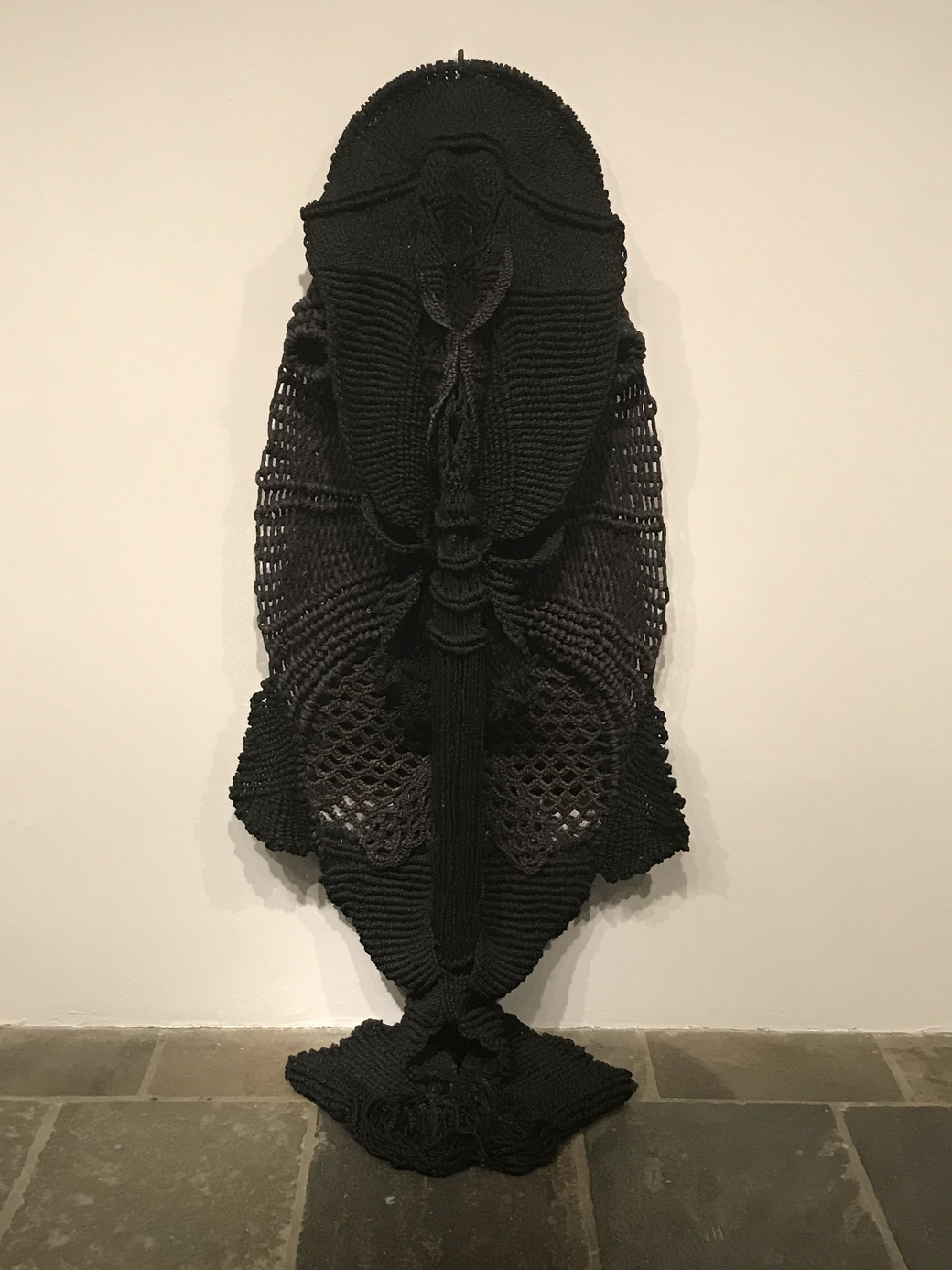
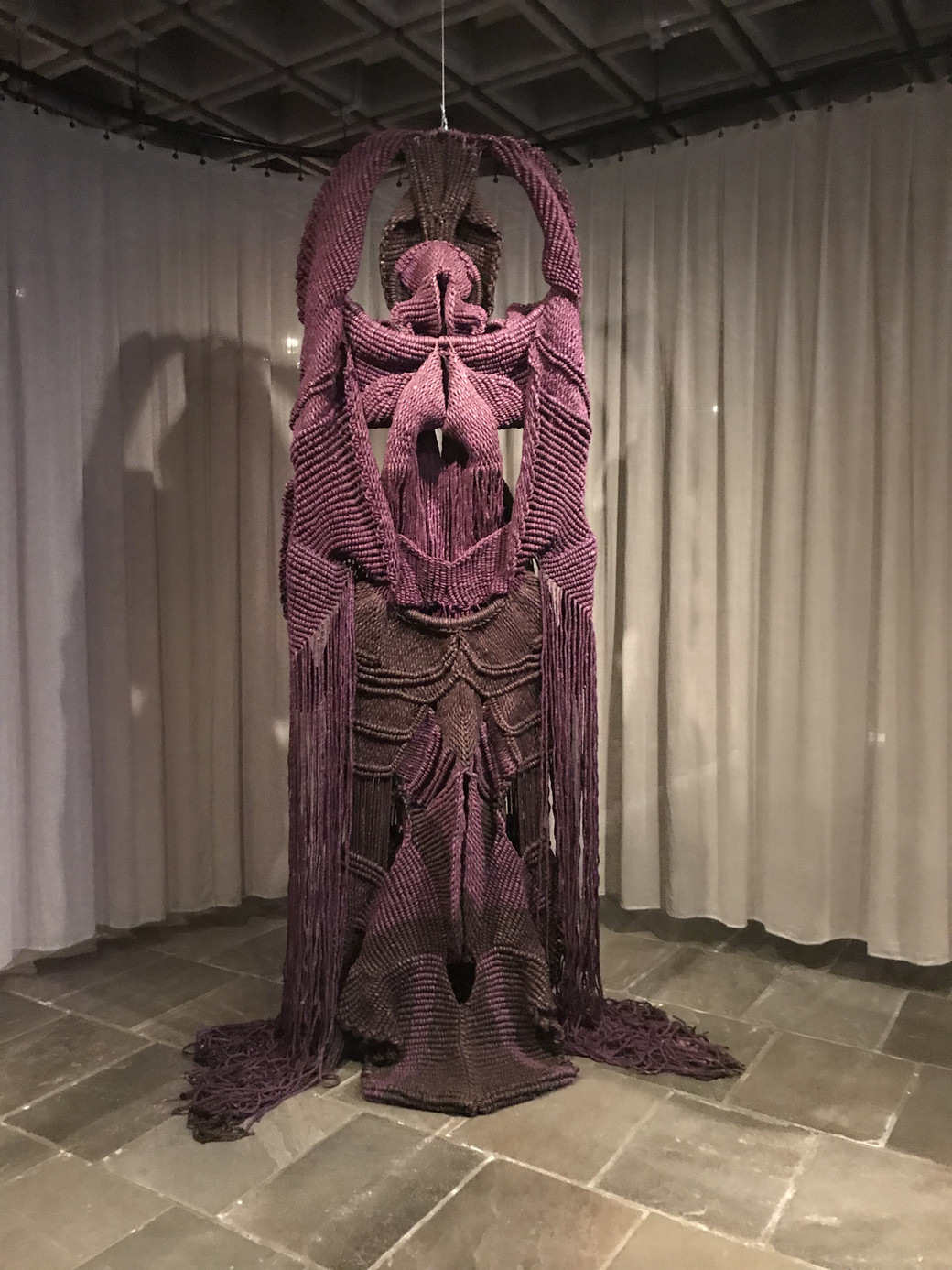
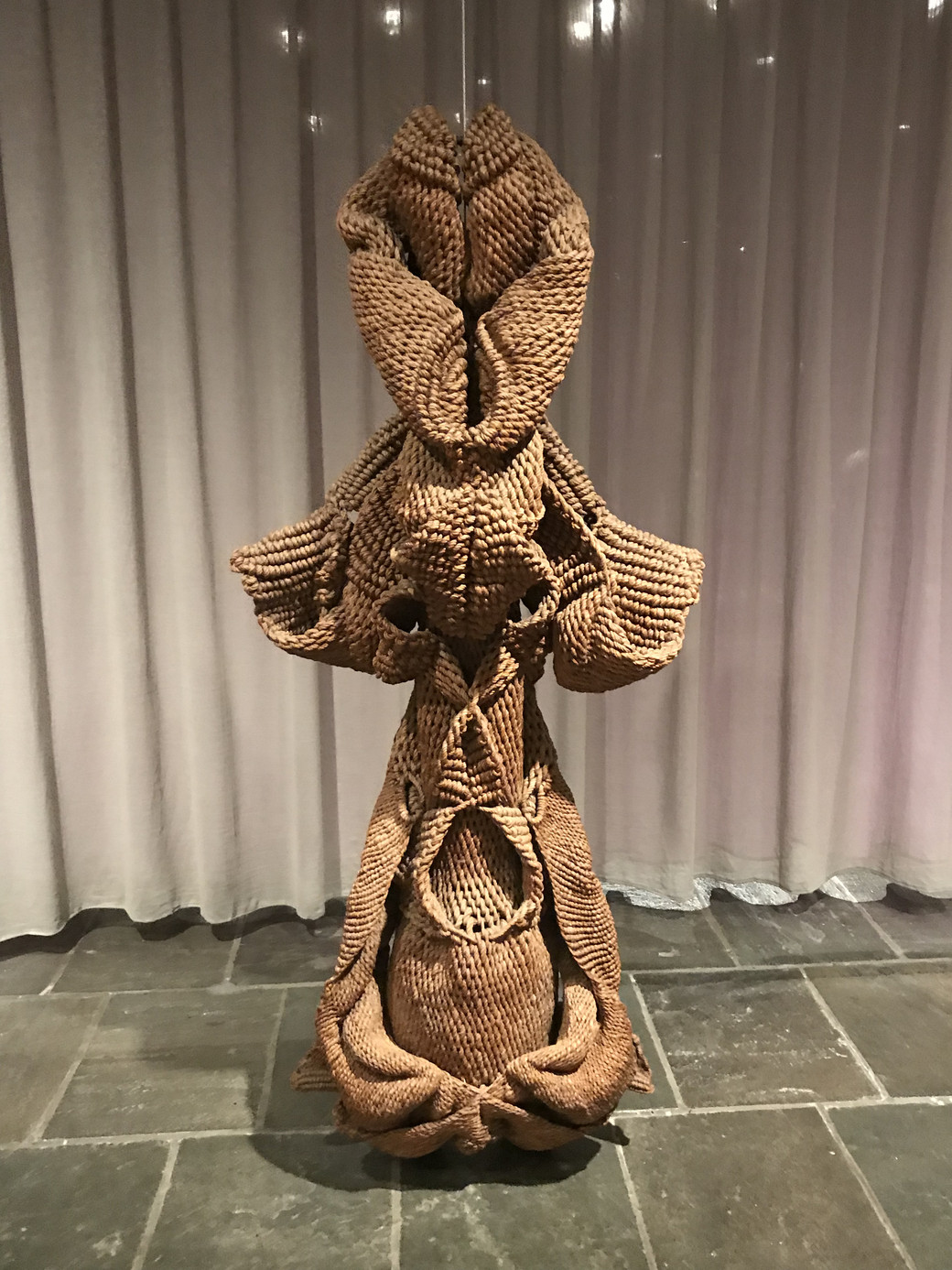
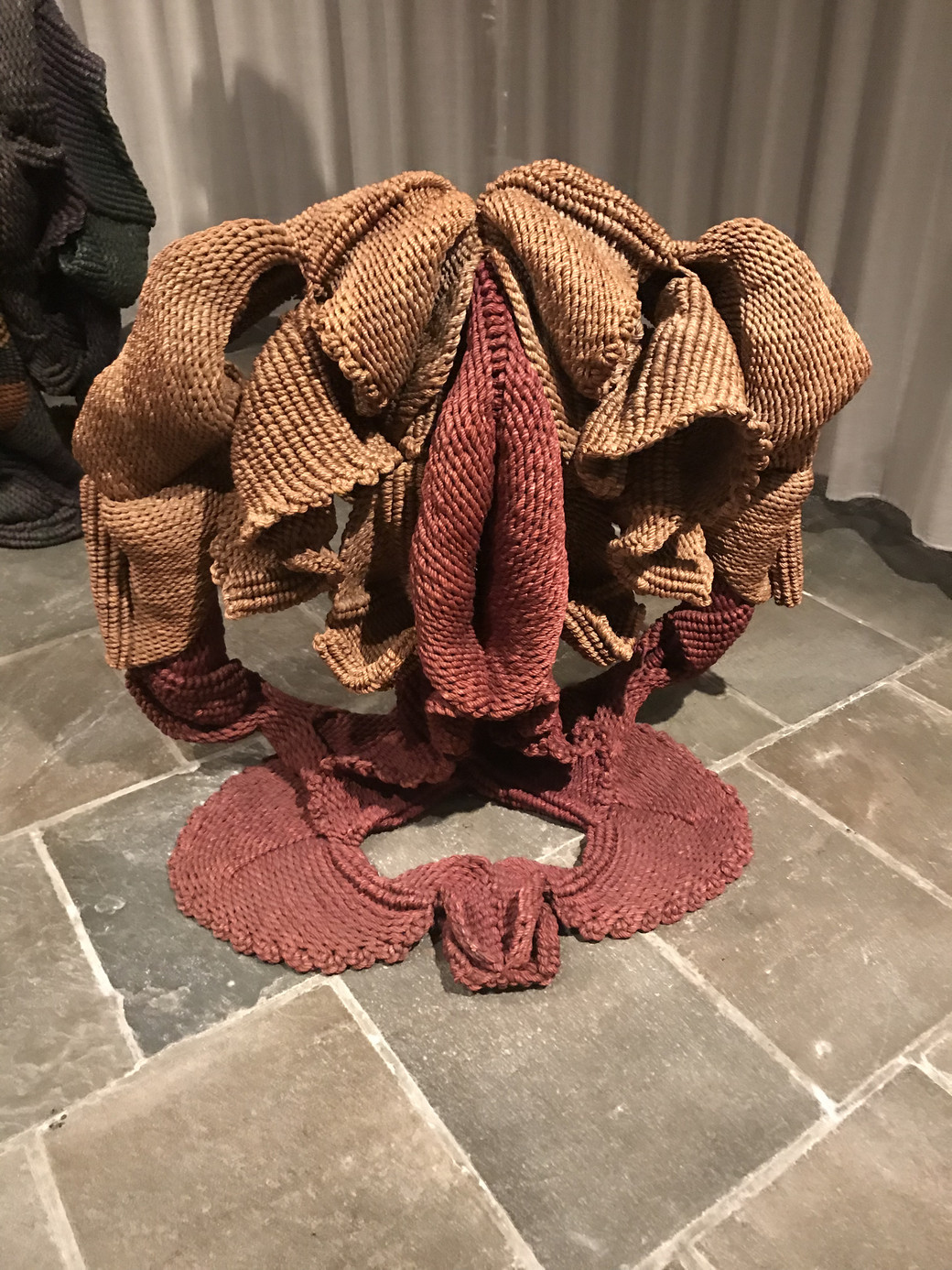
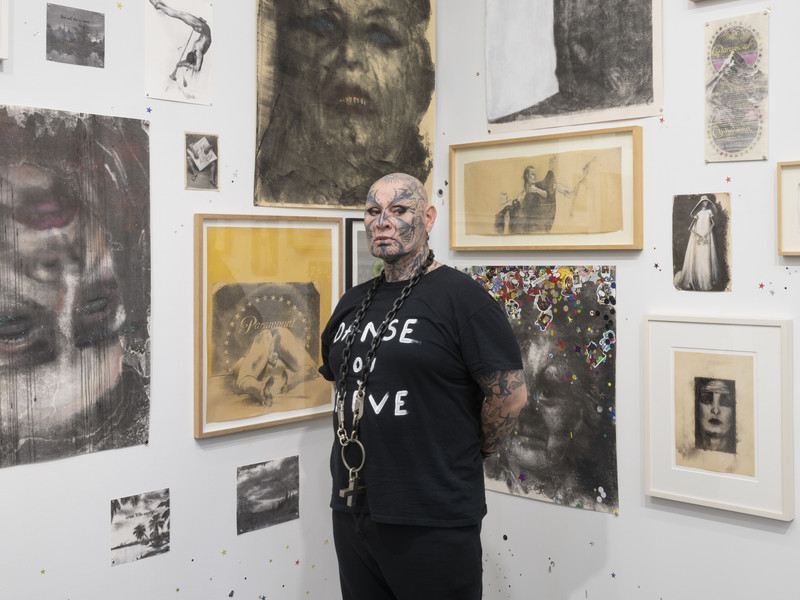
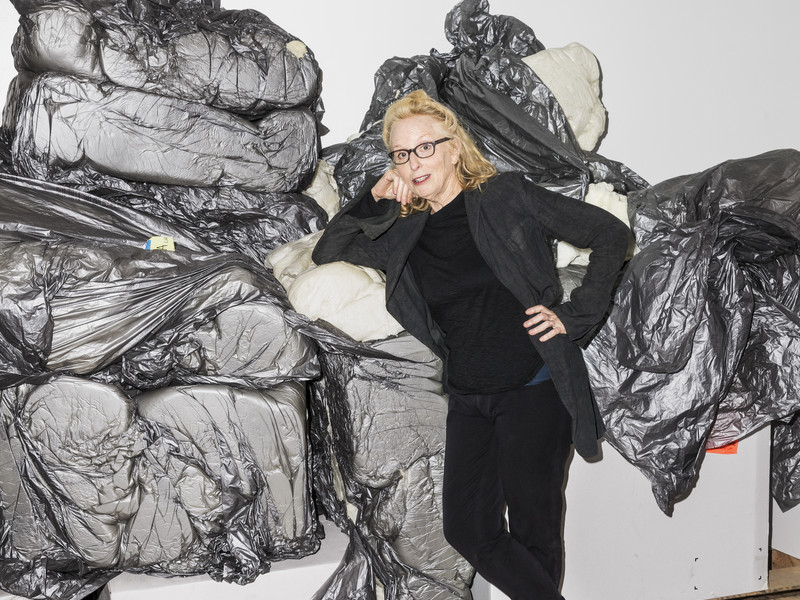
"Phenomenal Nature: Mrinalini Mukherjee" is on view at the Met Breuer through September 29th, 2019.
"Phenomenal Nature: Mrinalini Mukherjee" is on view at the Met Breuer through September 29th, 2019.

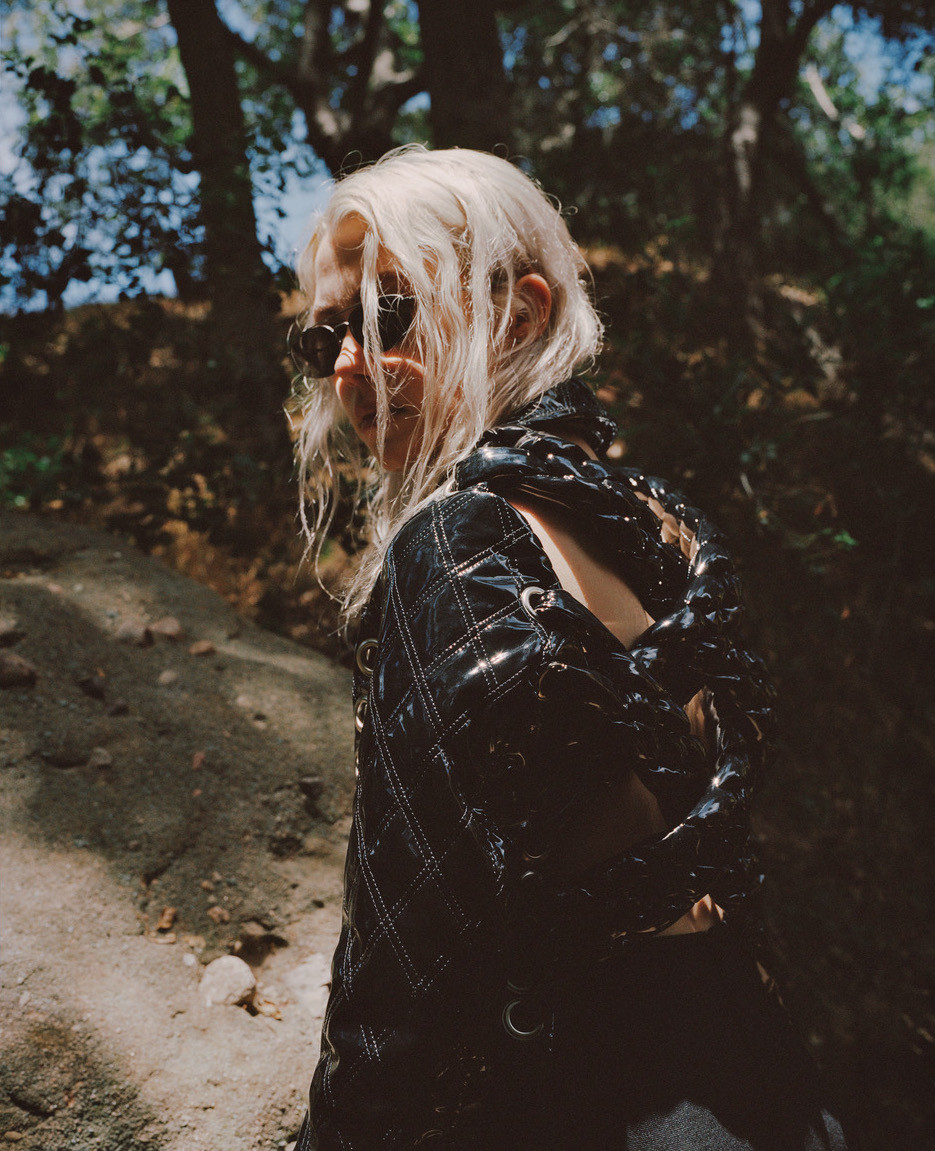
(Above) Jacket and pants by SAINT LAURENT by ANTHONY VACCARELLO, shoes by MIU MIU, socks Phoebe’s own.
It’s hard to blame Bridgers if she’s not yet accustomed to idol-worship; success hit her early, and quick. The 2017 release of her debut LP was a career watershed for the singer and songwriter, barely 23 at the time. The record is deeply bittersweet, woven throughout with tremendously sad, yet satisfying accounts of depression, death, and every manner of lovesickness. It struck the heartstrings of listeners and critics, and Phoebe suddenly found herself in the mid- wattage spotlight of indie stardom, singing to sold-out venues of smitten fans, and perched in the upper reaches of countless year-end lists. But the Phoebe Bridgers introduced to the world that year—self-possessed singer of dirges, strikingly blonde, nocturnally pale, and forever clad in black—didn’t simply appear fully formed like some brilliant mall-goth Botticelli.
Buried many pages deep in Phoebe’s YouTube search results there’s a video, uploaded in 2011, filmed on a handheld camera at what appears to be a small and informal outdoor concert. She wears a rumpled felt hat over choppy auburn hair, with a feather dangling from one ear and an acoustic guitar on her knee. It’s an incongruous image for those who have come to know Bridgers in recent years—there is admittedly a hint of what would become her characteristic witchy look, though at that stage it read a little more Wicca than The Craft—but when she starts to sing there is no mistaking her. As the song builds, one can imagine the unseen onlookers go from politely amused, to curiously impressed, to genuinely awestruck as the sixteen-year-old Bridgers delivers precociously well-crafted lyrics, navigating her way through melismatic runs and absolutely belting the song’s vocal climax. The modest crowd breaks out in whoops and applause as soon as she’s finished, and she can’t help but smile.
After years of performing backyards, coffee shops, farmers’ markets, and anywhere else willing to book her in the LA area, Phoebe’s talent earned her some introductions within the music industry. She soon met prominent singer-songwriter Ryan Adams, a connection that led to some fruitful recording sessions, but their partnership didn’t last, with Phoebe later joining a group of women musicians who publicly described how Adams had intertwined his personal and professional relationships with them to manipulative ends. (“Motion Sickness,” Stranger’s most conspicuous hit, is widely seen as addressing Phoebe and Ryan’s fraught romance—one music blog went so far as to label it, laughably, a “diss track.”) Bridgers had far better luck with other new collaborators, including Ethan Gruska and Tony Berg, two key figures in the production of her first album, as well as Oberst. By the point her record was ready to drop, she’d surrounded herself with a group of like-minded, supportive talents, grown into her more somber, commanding persona, and polished the hell out of her act. It was about time folks knew her name.
In the years since Stranger in the Alps was released, Phoebe’s kept busy. Along with supporting her album, she’s formed the bands boygenius with Julien Baker and Lucy Dacus, and Better Oblivion Community Center with Oberst, recording and touring with both those acts as well, and produced a record for artist Christian Lee Hutson. When we met last June at a roadside restaurant in Topanga Canyon (“Ridiculous health food. Very much my brand.”), she was about to embark on a last leg of shows before holing up in the studio to record her follow-up.
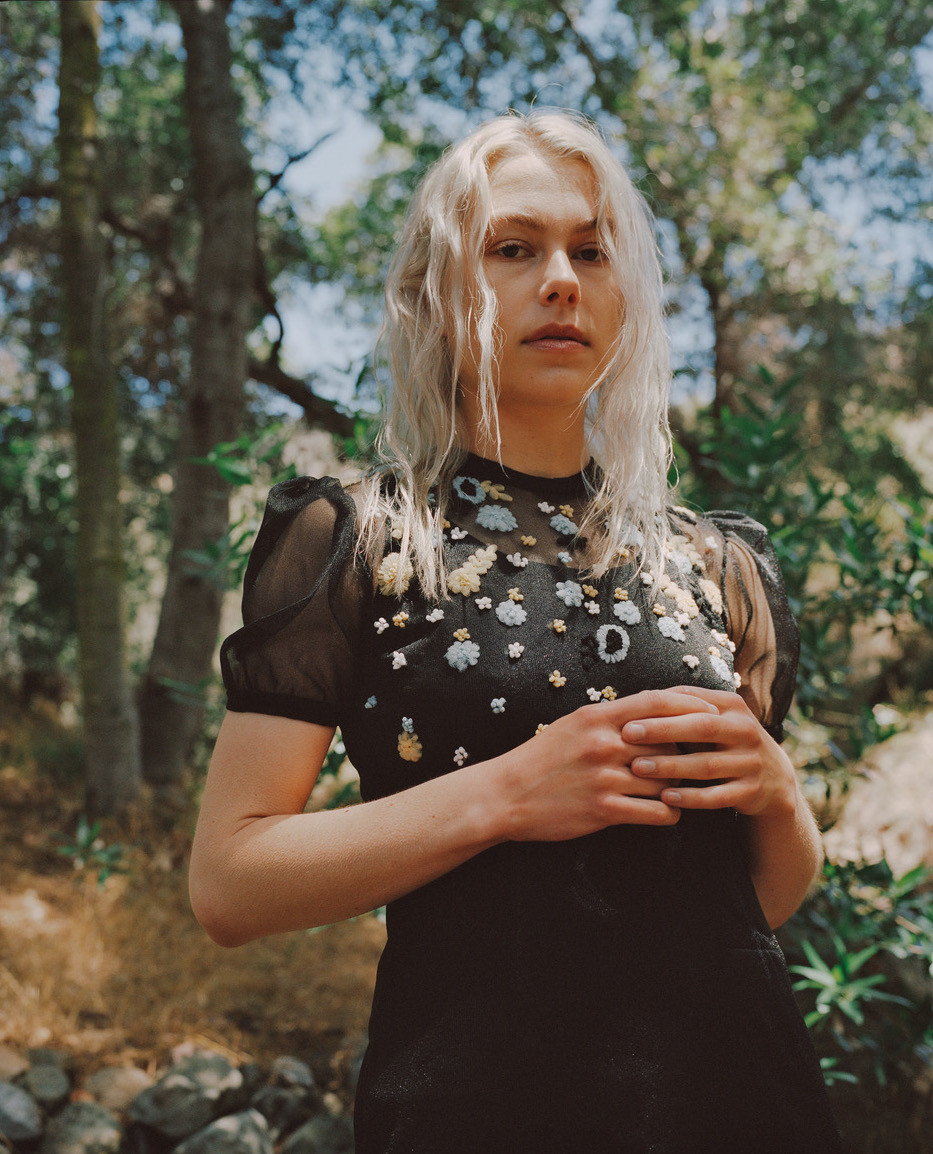
Left - Jacket and skirt by NOIR KEI NINOMIYA, sunglasses by RETROSUPERFUTURE.
Right - Dress by MIU MIU.
OFFICE—Better Oblivion and boygenius have kept you pretty visible since you released your solo record. Does that ease some of the pressure for a sophomore release at all? The fact that you’re not releasing it into a vacuum?
PHOEBE BRIDGERS—Hopefully yes, that’s part of it. But I also feel this pressure because I’ve been so busy, that now all I have to do is isolate, and write, and make sure that what I put out is good. So it’s kind of terrifying, because I’m not used to not doing anything. Now it’s really time. I have all kinds of fears about it that I hope I can get over. Putting something out that people don’t like as much as those two projects or whatever, or being stressed and writing something shitty. I feel like I struggle with wanting something out more than I want to make something. I think a lot of musicians do.
O—Did you go about writing this album with a different strategy than the last one? Were there any departures you wanted to take compared to previous work?
PB—Every time I’ve written my best music it’s because I went “What if I just didn’t think about it, and said what I actually think?” Like, “What if I stopped trying to veil something in poetry, and just said what’s happening?” And every single fucking time I’m like, “ You can’t do that.” Until I do it, and then it’s done immediately, and I feel like, “ Why do I have to go through that every single time I try to write music?” But I do. So I just want to get out of my own head, and stop thinking conceptually.
O—Are you looking to change the sound of it at all?
PB—That’s the area that I want to be the most experimental in. I feel like stealing from as many places as possible is what makes my favorite music. Or failing really hard at an idea. Like Better Oblivion was supposed to be a band that sounded like the Replacements, and we just did not do that. But we tried! And that’s why it was cool. So I really like failing at ideas, and hearing stuff that I like and trying to recreate it and not succeeding. We’ve recorded a couple of songs and already it’s different than the first record. I feel like I’m more of a producer now, I produced another artist’s album in between. So I feel like I’m having more ideas, I have more of a rapport with those guys, the guys that produce my album, and I know what to use them for.
O—Are you playing anything new, instrument-wise?
PB— Yes, although I will say that’s one of their strengths, Tony and Ethan. I tend to write in the same tuning over and over, which is kind of nice, because it frees me up. I write in open C, and I play a baritone [guitar] a lot. I’ll write to the most cowboy chords ever, and then try to completely change it. That’s one of my favorite parts about working with those guys—Ethan’s this insane piano player, and will just reharmonize everything, and suddenly it’s just unrecognizable.
O—This chapter of your life since releasing Stranger in the Alps to now—how much has that experience made it into the songwriting for the new album?
PB—Too much. It’s a lot about dissociating and having everything you ever wanted happen to you. It’s just a weird thing to complain about, so I feel like I don’t. I internalize it, and then I write about what I internalize. So yeah, it’s a lot about that.
O—I feel like follow-up albums to popular records often lament the inability to recreate, or express some sort of creative existentialism in reaction to the artist’s success. I think it’s on the third Strokes album where Julian Casablancas just says “I‘ve got nothing to say,” repeatedly. It’s like—Is that a lyric? Can you say that?
PB—Those are my favorite lyrics—“Can you say that?” Every time I’m asking myself that, I feel like that’s my favorite lyric in a song. The only times I really get jealous, when I’m like “Fuck!” is when I hear a song and I’m like, “I didn’t know that was allowed! I didn’t know you could just say ‘I just wanted to be one of the Strokes,’” which is on that Arctic Monkeys record.
O—Are you the kind of writer who jots down ideas or snippets of lyrics at random, whenever they come to you? PB—Totally. I’ll be leaving for a one-off show or something, and have a note that literally says, like, “Toothbrush, Dr. Bronners soap, vibrator,” and then something super melodramatic like, “I lie every time I open my mouth.” If someone opened the Notes app in my phone they’d think I was gonna kill someone.
O—So we had Mitski in the magazine, and asked her about the best part of fame, and she said—well, first she said she wasn’t famous...
PB—Yeah there’s no other word for it. I’ve been encountering that recently, like, any time anyone says that to me I’m like “Fuck you, no.” I do always joke that you’re never more famous than you are like three blocks from the venue. Three blocks from the venue of course you get food, or you like go to the coffeeshop and it’s like [gasps]. If that was your actual world, that would be so wild. It would be insane.
O—Yeah, a lot of famous people talk about how much that sucks. Anyway, Mitski did say the best part about being a popular artist was the access.
PB—I agree with that 1000%. The whole thing with boygenius was us coming from completely different worlds, and being able to come together and have the same life experience at the same age. And, you know, having Mitski’s number and being able to talk with her about how isolating it can be. Mitski reached out to my friend Haley [Dahl], who’s in a band called Sloppy Jane, and was just like, “Yo, let me know if I can help, or connect you with anybody.” That’s the coolest shit ever. It seems like there’s a sense of community in a way that I had never felt, even in a mostly white boy LA music scene. Now that the world has opened up, it’s actually not as dark, and “only these people get to the top.” There are cool people everywhere who are supportive, you know?
O—Yeah. Ok, well now let’s talk about the shitty parts. You’ve been vocal about fans getting a little overzealous in their interactions with you. How do you deal with people like that who don’t understand boundaries?
PB—Well you can say “fuck you” to an asshole. But you can’t say “fuck you” to someone that just doesn’t know that they’re supposed to have a boundary. Julien and Lucy are really good at that shit, and have helped me with my boundaries. Helped me realize that you’re allowed to have fuckin’ boundaries, and that just because someone likes your music doesn’t mean that you owe them anything. I say this to people who get down about that exact thing, or younger people I know who are in music who talk about their weird fans. I’m always like, “For every weird fan, there’s like ten people who just came to the show, liked it, and went home. And they also buy all your merch, and buy all your records, and are superfans. But they don’t give a shit about waiting by the bus for you to come out of the venue.” That’s not a good representation. And also, half the time I meet people by the bus and I’m like, “You’re awesome. You’re just weird and want to tattoo my signature on your body. Which is insane, but you’re nice.”
O—Going back to your songwriting, it’s definitely praised for its sincerity, which feels like a vulnerable characteristic, but then you’ve got this lyricism or wit that is very self-assured. Is that a conscious balance for you?
PB—The self-assuredness of it, there’s a lot of latency, to me. I feel very self-conscious and riddled with doubt until like a year later, after people hear something. And I still have to work on apologizing for myself, cause the honest truth is that sometimes I don’t know what is good or what is bad, or what I will like later. It’s not just this magical experience where you’re like, “This is fucking awesome.”
O—You must have the feeling once in a while.
PB—Totally, but pretty late. And it’s awesome when it’s something I didn’t even notice I said.
O—How into the music theory, chord progressions, time signatures, and all that are you? Some people are total mathematicians with their music.
PB—I am definitely not. But sometimes I’ll accidentally stumble on something that music people are like, “Oh my fucking god.” The novice nature of the way I approach instruments where I’m like plurrh plurrh, it helps me not overthink stuff. Matt from the National went on a huge rant, I was like, “Have you ever been curious to play guitar?” and he was like “No! I don’t want to ruin it. It’s so romantic that people do it, I don’t want to know anything about it.” And I definitely don’t feel like that, I would love to be good at guitar. I love that Julien doesn’t need shit from anybody, she‘s just like playing drums on her own fucking demos. I wish I was like that, but I’m not. There’s this Mitski song on that last record where she skips every bar that she’s not singing on. So the time signature’s just, whenever she’s singing, and it’s the coolest thing ever. I have done shit like that before on accident, where I don’t realize I’m playing something in like, 5/8, and then we have to come up with some crazy drumbeat. Or like, picking up a banjo, and playing it wrong, where it’s in some fucked up tuning that nobody would ever put it in, and then just making it up.
O—What about gear, do you perv out on gear?
PB: I do. I have to stumble on it, like I’m not up all night looking. When I was in Eau Claire, at April Base, Bon Iver’s studio, I sat down at a piano that had like five pedals on it, and I literally just texted my manager and was like, “I’m too embarrassed to ask what these are, where are they from?!” Tony at Sound City now has all this amazing gear that he’s collected forever. I play a baritone guitar, it’s like between a guitar and a bass. It plays exactly like a guitar, but it’s the most metal-sounding thing ever. And I play it all the fucking time.
O—Do you record with it? Is that what we’re hearing on the album?
PB— Yes. Like on “Chelsea”—I played the baritone at Tony’s the day that we recorded “Chelsea,” drove to the closest music store that had one—it had been sitting there for like five years, when you shake it it rattles—I’ve had to upkeep it so much, but I’ve played other baritones and there’s nothing that sounds like it. It’s a Danelectro, it sounds like warm, and warbly. So I do get insane about gear that I feel strongly about.
O—Can we talk about Twitter? You’ve been on it since before you were well-known, but it seems like you’ve taken to it in a way that’s fun. It occupies sort of a different register than your songwriting, for example. It’s irreverent, maybe cynical or pessimistic, but usually with a sense of humor about it. Do you see it as an outlet where it’s public, and personal, but it doesn’t have to be the sort of character you are as a songwriter?

Dress by GUCCI, shoes by MIU MIU, socks Phoebe’s own.
PB—I feel like the point, and what I have to try actively to do in music, and what is very easy for me to do on the internet, is just literally—it’s so boring, but the meaning of my life is just like, be yourself. Just fucking be yourself. I can’t speak for anybody else. I feel corny when I do it. I tried to write a song that was accidentally sort of first-person, about a friend’s drug issue. It felt gross. I can write my experience with it, but it’s a plus to show people that you can write dark music and also be a real human being, who’s trying to take a shit at Trader Joe’s and can’t, because there’s a line out the door. One of the first ever labels that I met with, the guy was like, “You need to tweet more, like, Elliott Smith lyrics.”
O—The fact that somebody would be that specific...
PB—Or try to develop a person. Like, I get developing a pop artist, “Okay, we’re going to get you dance lessons, and that thing you did was cool, let’s harp on that.” But as a songwriter, my whole identity is what I have to say. It’s like, how would you develop, like, a Jason Isbell? He’s a great example actually. But yeah, I’m trying to have more of that in my music, actually. Like I said, the lines where you’re like, “Oh my god, am I allowed to say that?” Not to say that you should write like podcast music, just talk over chords, but I’m definitely trying to tell the truth, with the internet. And not in some statement-y way, I’ve never been like, “This is a picture of my real body.” Not like behind the curtain, there’s just never a curtain. Every time I’ve talked about something really heavy, like family shit or whatever, onstage or online, I have never regretted it. I’m always like, “Oooh, should I talk about this thing?” And then the people that I filter out with that shit, the people who are like “Fuck you,” fuck them.
O—What does your inbox look like? Is it mostly creeps?
PB—I don’t really check my Twitter DMs, and the only time it actually comes through is when I also follow the person, so it’s just interactions with people. Lorde sent me a DM, I was like [gasps] afraid to open it. Just being very sweet, saying that she liked one of my songs. I was like, “Holy shit, that’s awesome.” The 1975 dude just hit me up on Instagram, that was cool. I love that shit. But most of my Instagram inbox is like, “Nudes.” Because I have @_fake_nudes_ as a handle. So people are either just being regular creeps, or they think I’m some sort of a bot account that sends nudes, which is amazing.
O—Speaking of interacting with musicians you admire, what’s the experience been like working so closely with Conor, who I know you were a fan of before you two met? Do you see him in something of a mentorship-type position?
PB—Totally. I think he’d be mortified to hear that, but I do. I respect his opinion more than anything, when I show him shit I really, really want him to like it. But again, I feel that way with everyone I collaborate with. Which is so fun. Like, I take the same amount from him as I do from Julien Baker, I don’t think it really has to do with experience or age. I want to surround myself with people who are gonna do it no matter what, they don’t have to think about it.
O—Do you think there’s a burgeoning space for women in music to support other women in music?
PB—It feels natural to me. I love the idea that someone can see Julien shred, and think “I, as a queer eight-year-old, will absolutely fuckin’ learn guitar, even though someone said something shitty to me when I walked into the guitar store. I’m gonna do it anyway, cause I want to be like that.” That’s the best part of it, to me. But yeah it doesn’t feel like an obligation or a responsibility, it feels like, “Of course.” Like donating to charity, it’s like what do you feel strongly about? It’s not work, then.
O—There’s this sort of non-genre of “female-fronted” bands, which can of course be any style of music—but it does feel like receptiveness to female-fronted rock music is rising.
PB—Yeah, it’s fucking time. I love that we all get to play rock music and it’s new, for some reason. We can reinvent stuff that hasn’t felt like it belonged to us for so long. People now are getting in trouble for writing “female-fronted” whatever. It’s like, “How about band?” —END

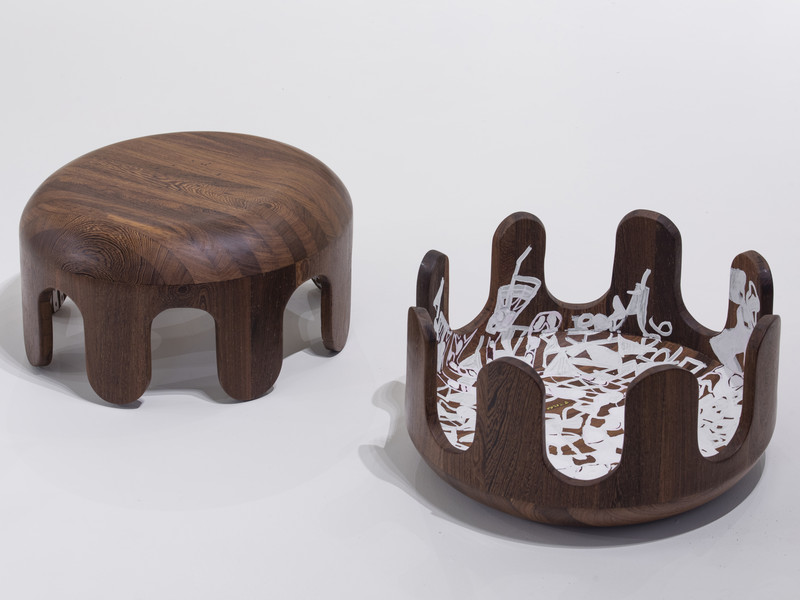
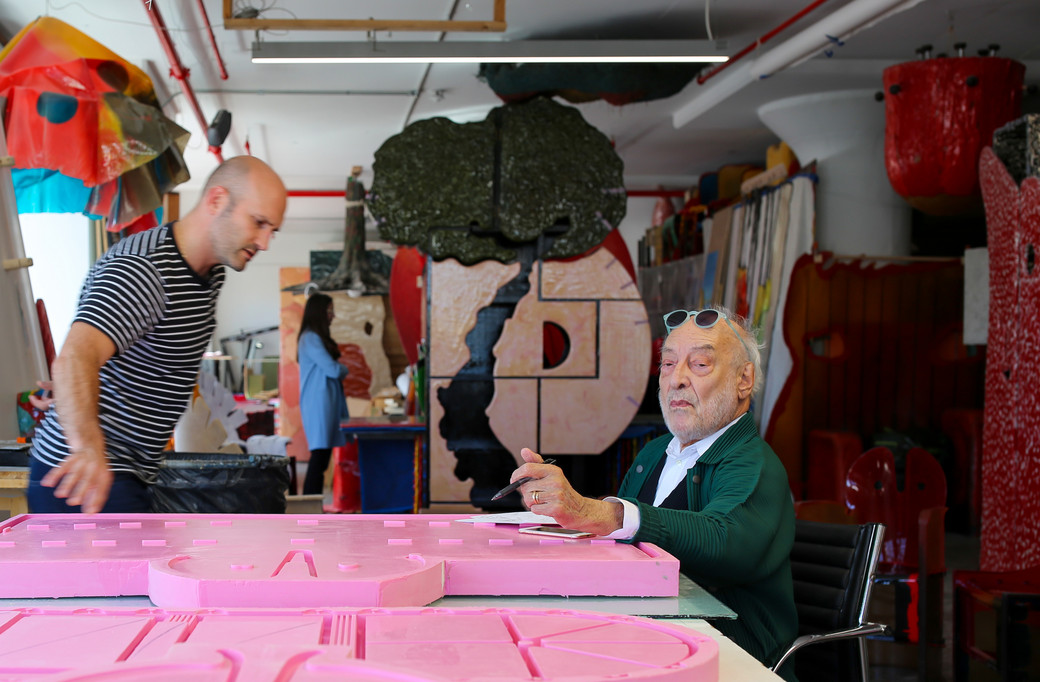
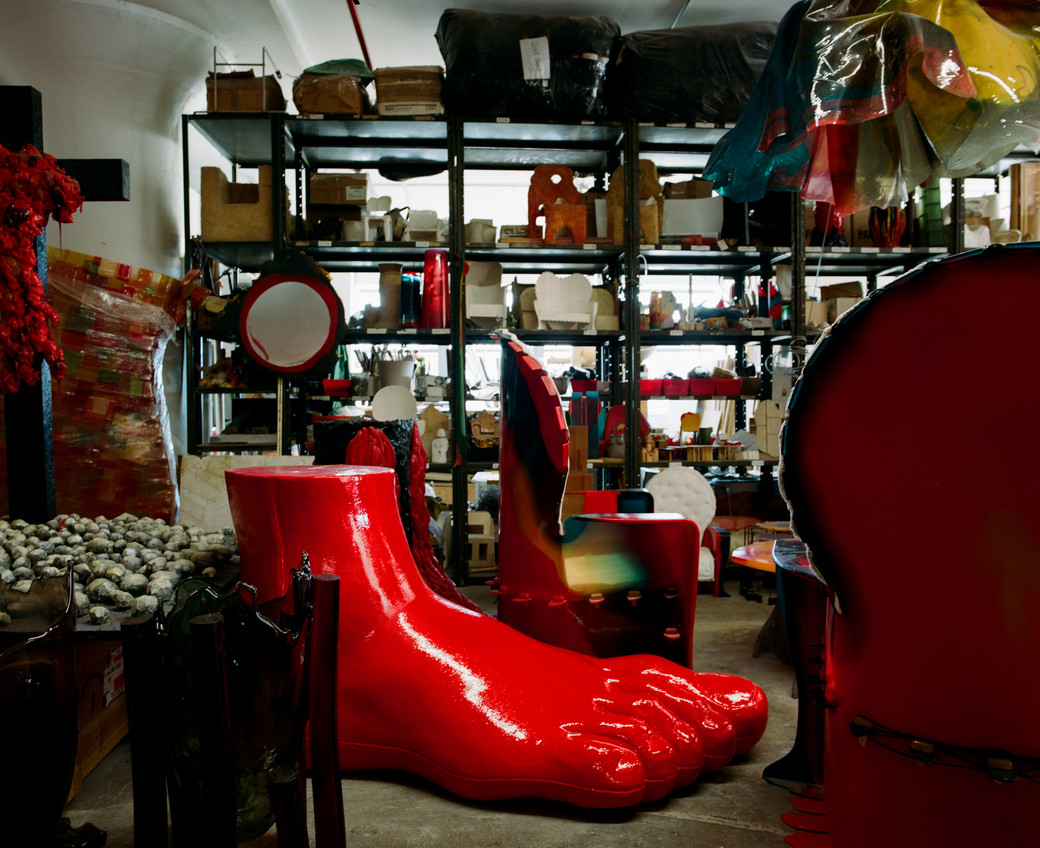
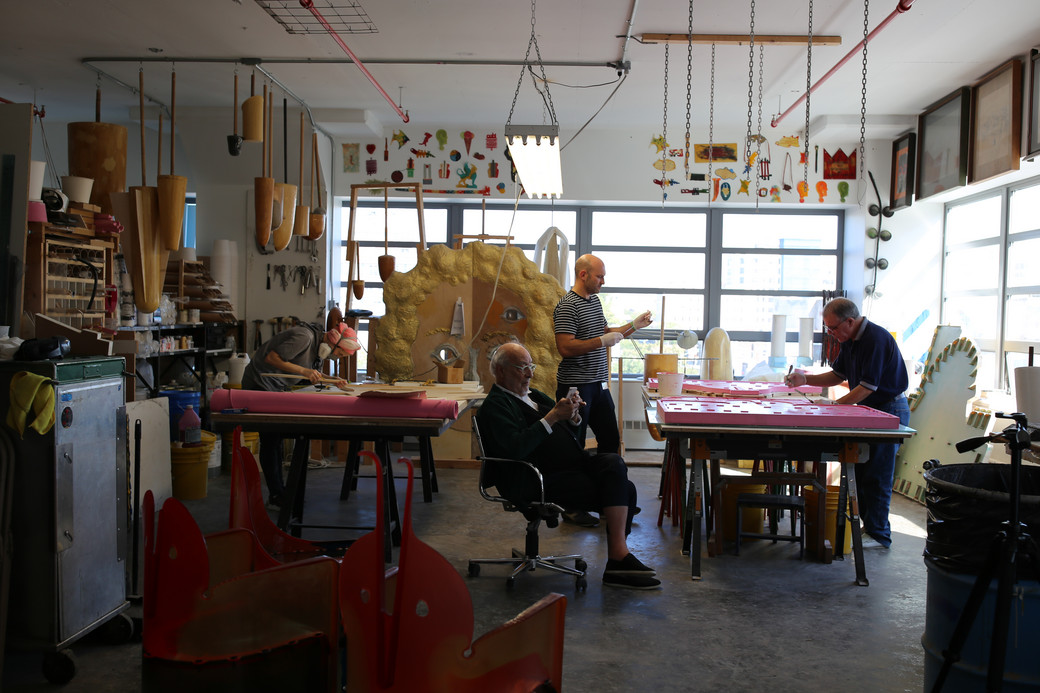
Gaetano is no stranger to performance art. In the 1960s, he once filled an entire auditorium with fake blood. On another occasion, he had promised to create a portrait for attending viewers but, instead, presented them all with mirrors. This time around, the highly esteemed Italian architect found himself musing at the widespread interest towards the act of creativity. Seeking to build upon this fascination, he decided to highlight his artistic process for curious viewers. Gaetano then packed up his studio in the Brooklyn Navy Yard and basically reassembled it in the new 14,000-square-foot space.
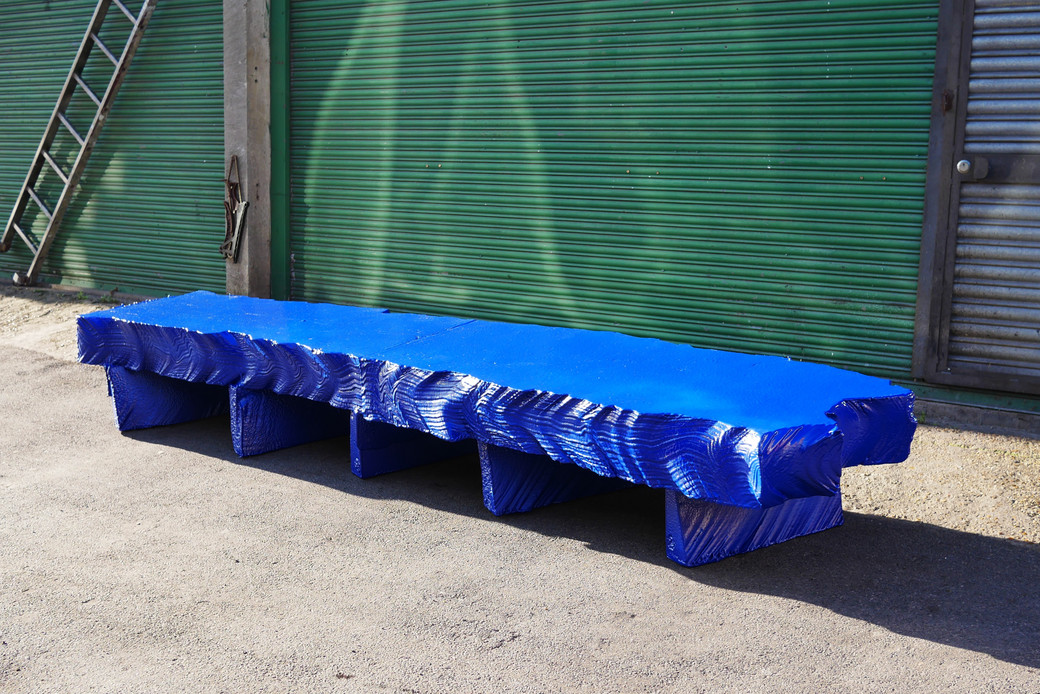
The second floor of Salon 94 will also feature captivating works by British designer Max Lamb. It’s all on display starting today until Saturday, November 2 from 4 to 6 p.m. at 3 E. 89th Street.

What kind of work do you do?
I usually draw girls with big eyes, that’s what I’m really interested in. I use my own face a lot, and I usually don’t paint boys. Oh, and it has to have bunny ears, too, or I won’t post it, unless it’s a commissioned professional painting, because I also do hyperrealistic oil paintings, too. I do a lot of oil, drawings, and some shirts.
But I started drawing more horror stuff recently, because that’s one of the styles I used to do when I was younger.


Where does the horror stuff come from?
I consider myself a Wiccan because that’s what I practice, white magic. And I experienced a lot of ghosts.
My mom said that I had a sixth sense, because I would see stuff and make these really creepy drawings. Growing up, I would do drawings that were all emo, all dark. Everything I drew was so creepy and demonic. My mom thought I was possessed. I drew from what I saw, what I dreamt about.
When I had sleep paralysis, I would see all this creepy stuff, and that’s why I drew creepy stuff. It actually traumatized me for a bit. Recently I made this lady that I used to see when I had sleep paralysis. She was really, really long and tall, and that’s one of my horror paintings–she would always appear in my dreams, and just look at me. It would scare me then, but I don’t see her anymore. Just by drawing her it helped me to understand some of this horror stuff.
So it’s a kind of catharsis to paint her?
Yes, definitely.


Were you just making the horror images for a period or is horror incorporated into your everyday work?
Those paintings were actually very recent. I have some old artwork from when I was little, 5 or 7 years old. I have all these creepy drawings, but they’re not as good as they are now.
But I drew those horror pieces about 5 months ago. I was talking to my friend, telling her I had sleep paralysis, and I said, “I’m going to paint it for you right now, to show you. I’m going to draw this lady, because she’s imprinted in my head.” Most of my paintings are imprinted in my head, I don’t really use photographs. So that’s when I started to think, hey this is cool, let me draw more horror stuff.
Where does your other horror stuff come from?
All kinds of things. There was this one time when I was really little–well, I would always wake up at 4 am to go sleep with my mom, but I don’t know why. I would just wake up at that hour, listen to music on my iPod, and walk to her room. Whenever I walked there, I would see stuff. A bunch of people looking at me, like a bunch. I would have to run and cover my eyes.
So the last time I went to sleep with my mom I had ran to her room and when I opened the door there was someone standing there. I couldn’t see their face or anything, and it didn’t feel scary. She had shiny skin, she was just this gold woman. She closed the door in my face. So I went back to my room, back to my bed, and I never went to sleep with my mom again. When I told her, she was like, “it has to be your guardian or something like that.” I don’t know what it was, but I guess maybe it protected me?


What’s your process like?
I listen to a lot of music. Usually death metal or rock metal, old music as long as it’s rock, or indie–but it has to be rock. I just love rock so much.
There’s also this song called “I Want to Leave” by The Plot in You, and I listen to it all the time right now, it’s my favorite song. Also this one that I listened to today when I was drawing, by Dead Poet Society, called “CoDA.”
I only paint at night. I’m more comfortable, and I’m more awake. I use oil because it’s one of the softest paintings, it’s very easy, smooth, and soft, and so if you make a mistake it’s easy to paint over and fix.
I paint at night. Only in the day if I have homework due, and I really have to finish a painting. Every single day, I have to start my paintings at night. I’m more comfortable at night, I’m more awake.
A lot of people commission work from you on Instagram, and it seems like you interact with other artists a lot there.
I guess I gained followers by playing video games. Lots of horror games–Amnesia, Left 4 Dead, Starbound, CSgo. I used to play CSgo competitive. And then Legal Legends, and Minecraft, of course, that’s like my favorite game.
I’m online a lot. I used to model when I was a bit younger, when I was 16. I love the attention. I love people messaging me saying, “hey can I buy your art?” I love all that. I want to become really well known at a young age so I can make a lot of money and pay for my college, for anyone who has talent to go through college, too. I want to get my art out there, for people to see it and buy it. I want people to see it and be like, “Oh she’s a cool artist. She has cool hair, she looks cool.” I want people to think that.
Do you have any artists who inspire your work?
I follow a lot of artists on Instagram, there’s a lot of artists I really like, and I don’t want to sound too cocky, but I never really got inspired by anything like that. I do watch a lot of anime, and that kind of inspired the big eyes that I love.
What scares you these days?
The only thing I’m afraid of is the ocean.