Vulvatious

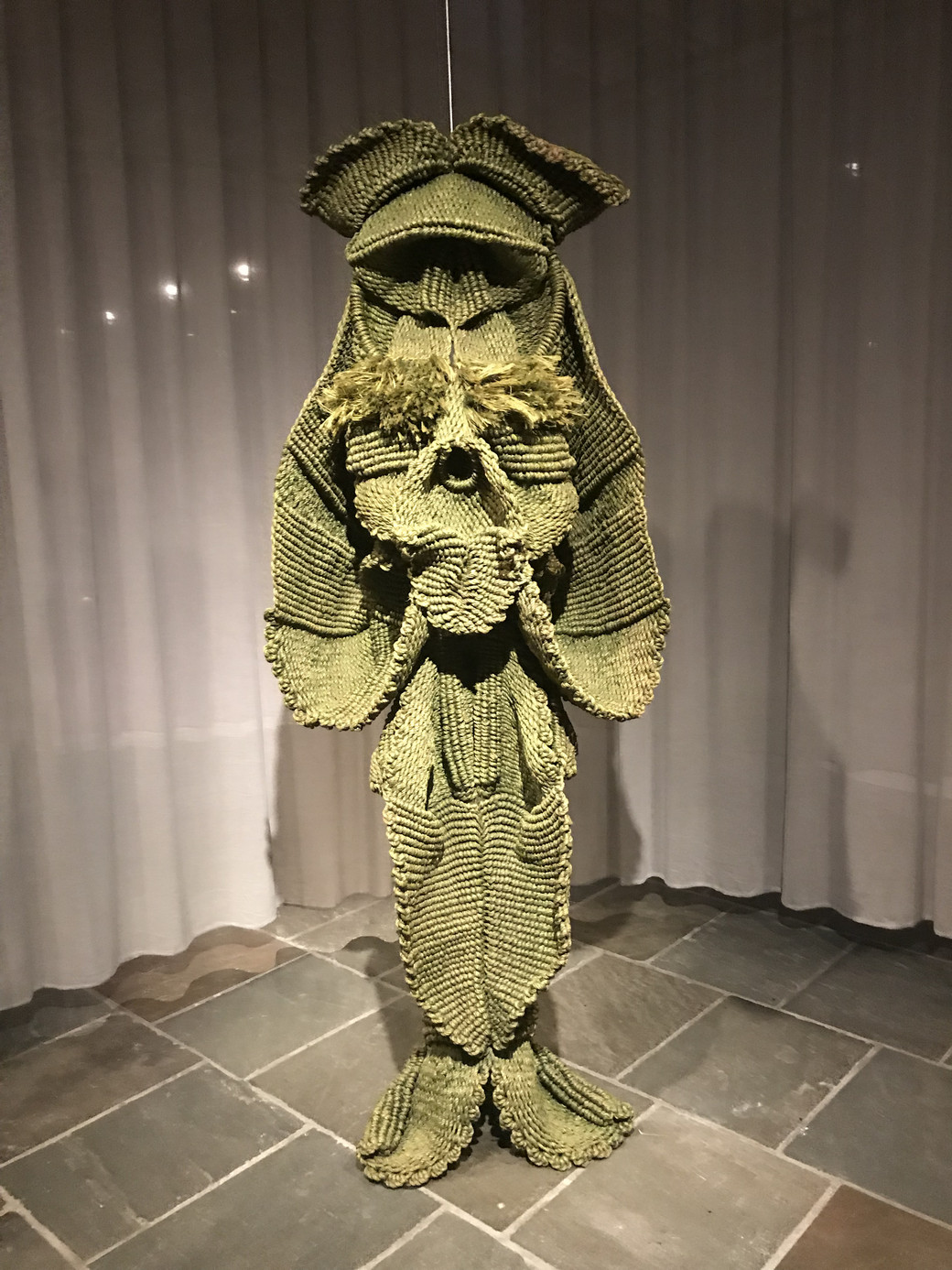
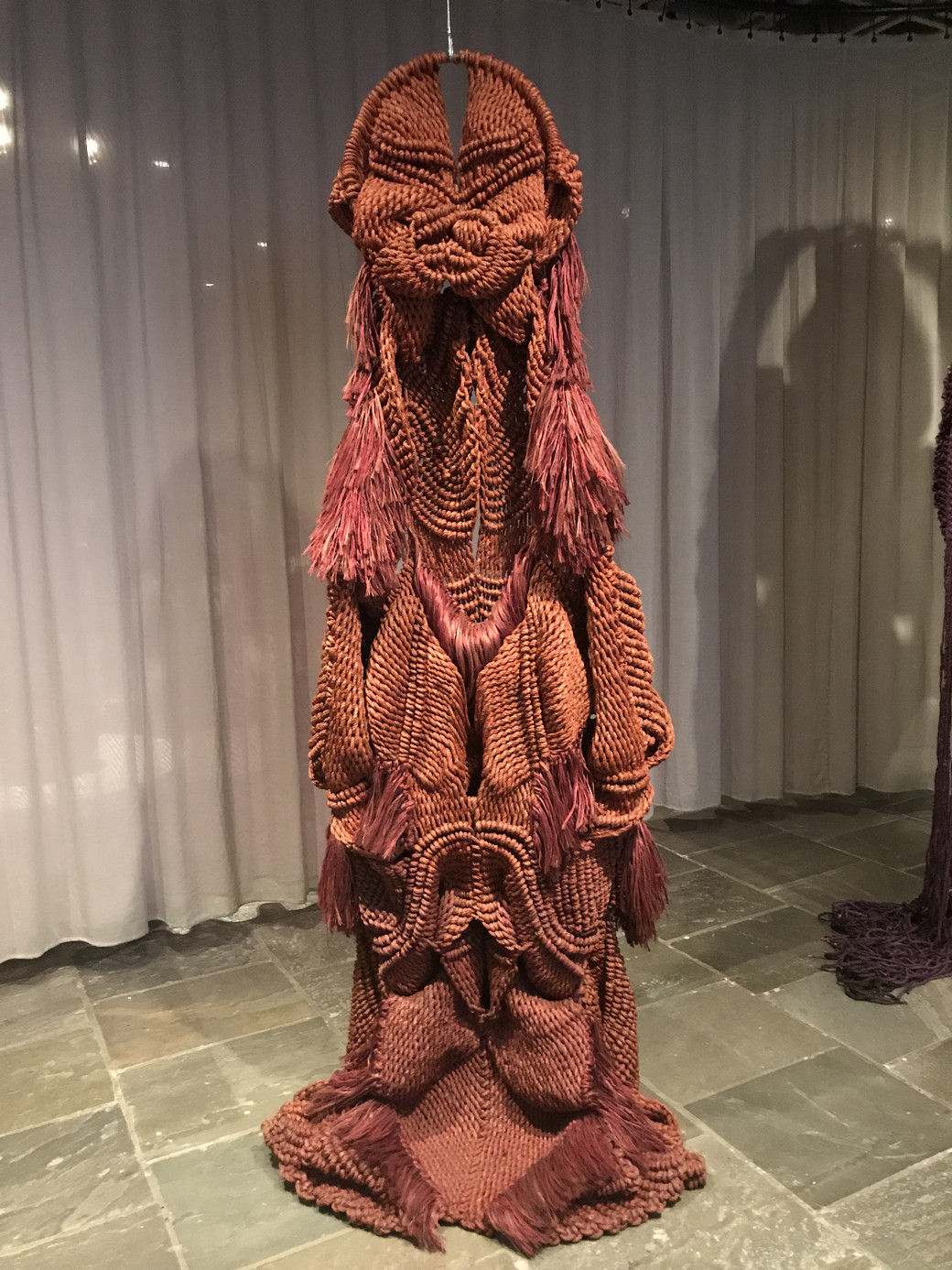
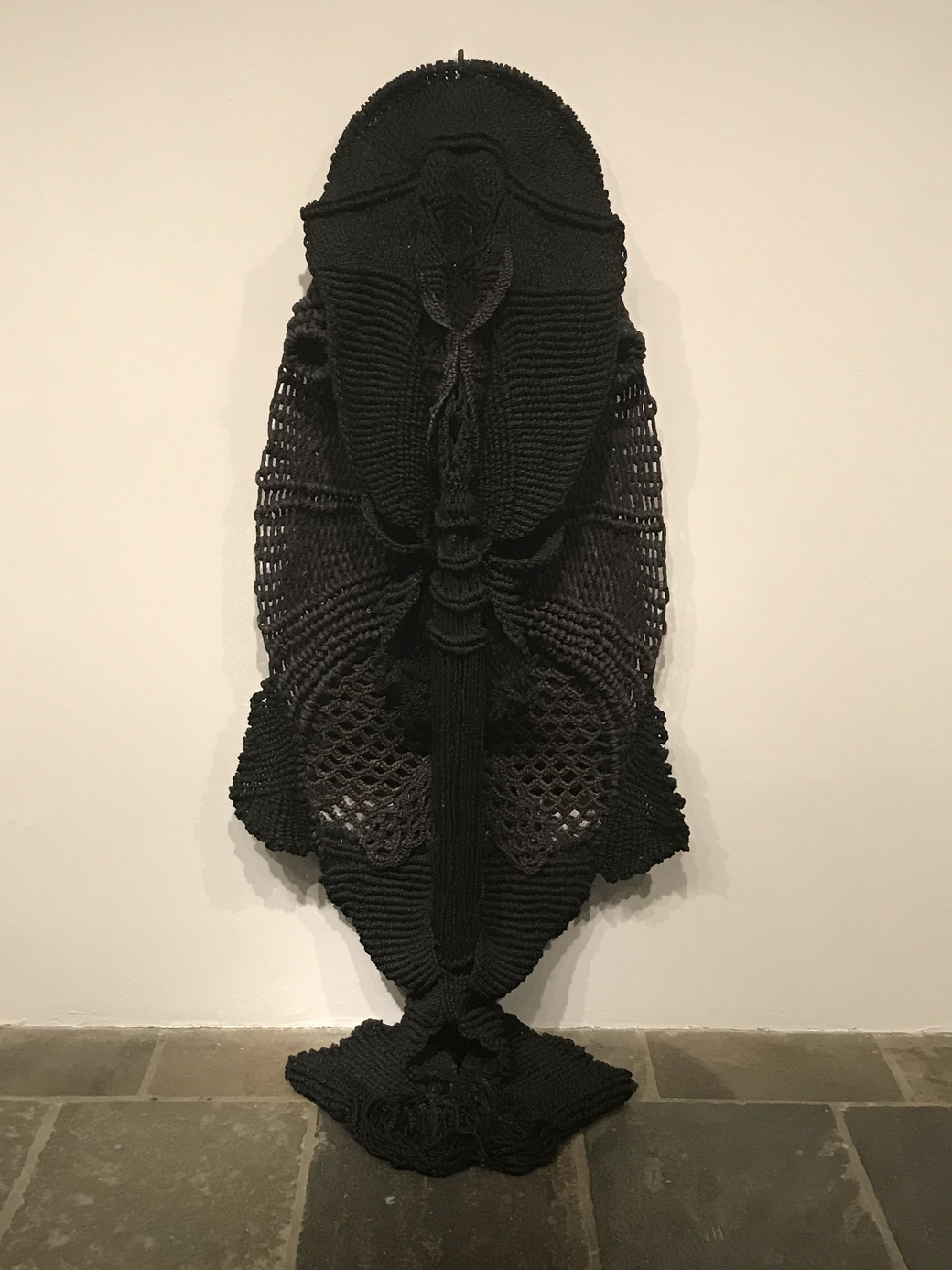
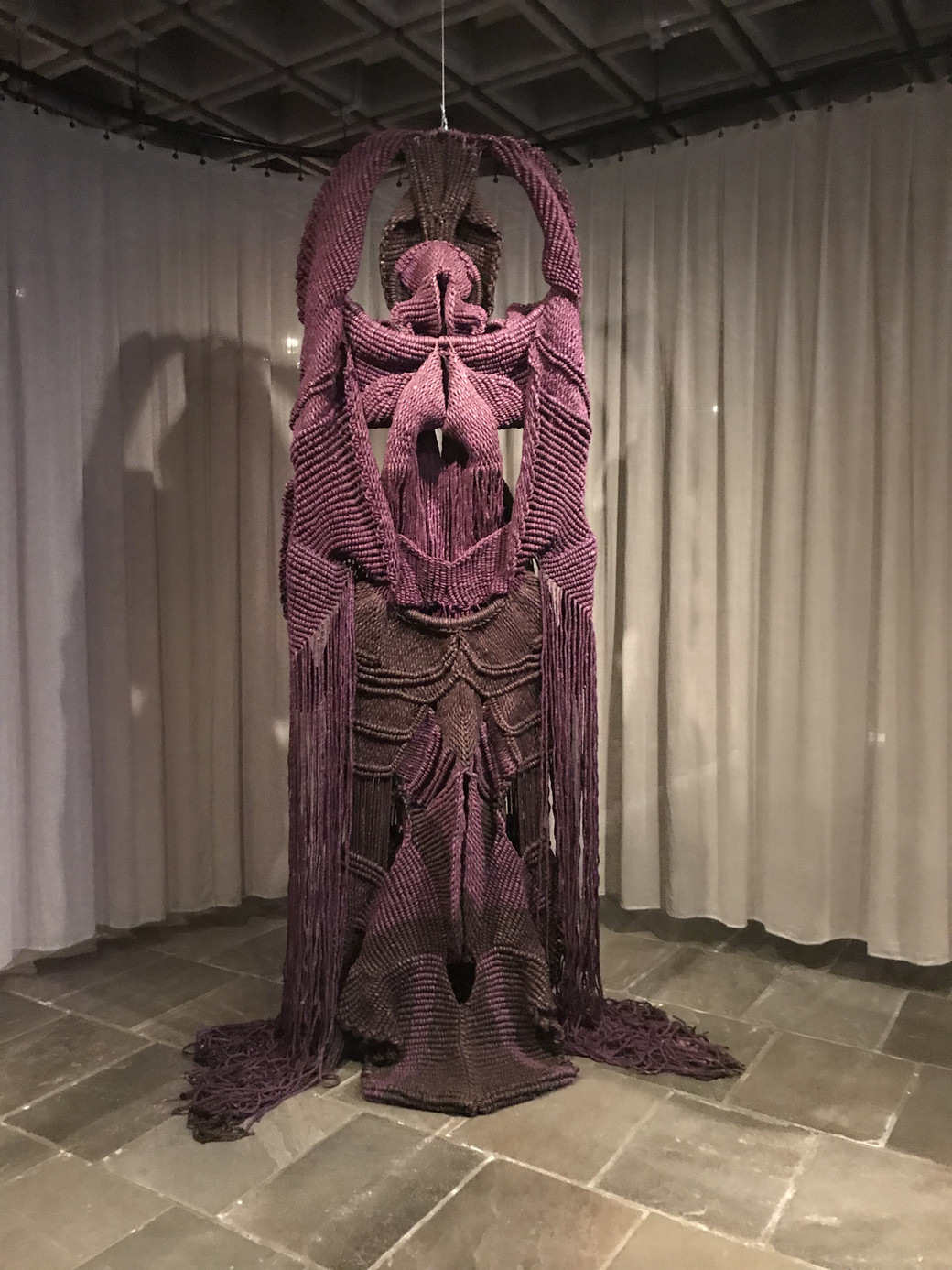
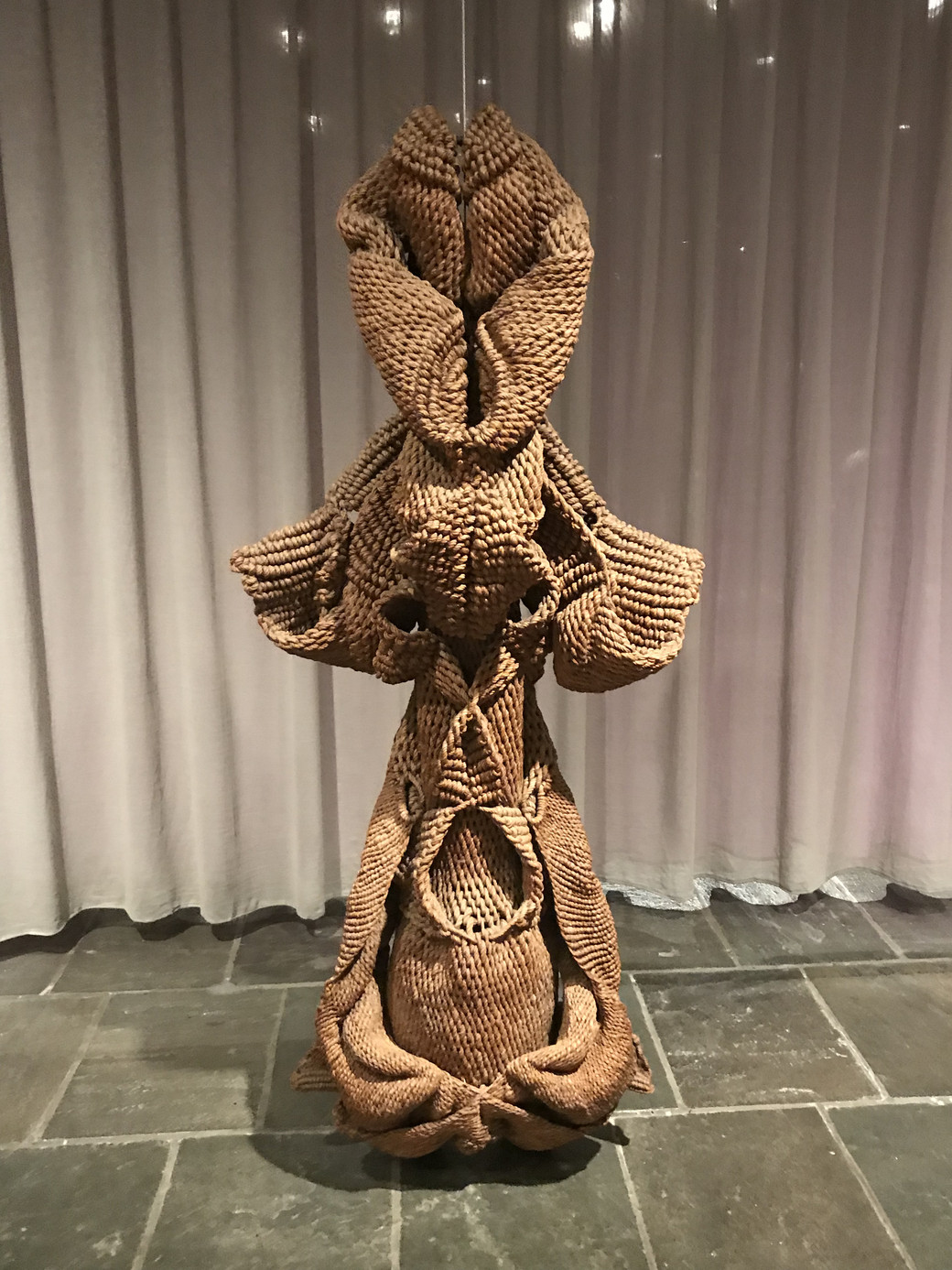
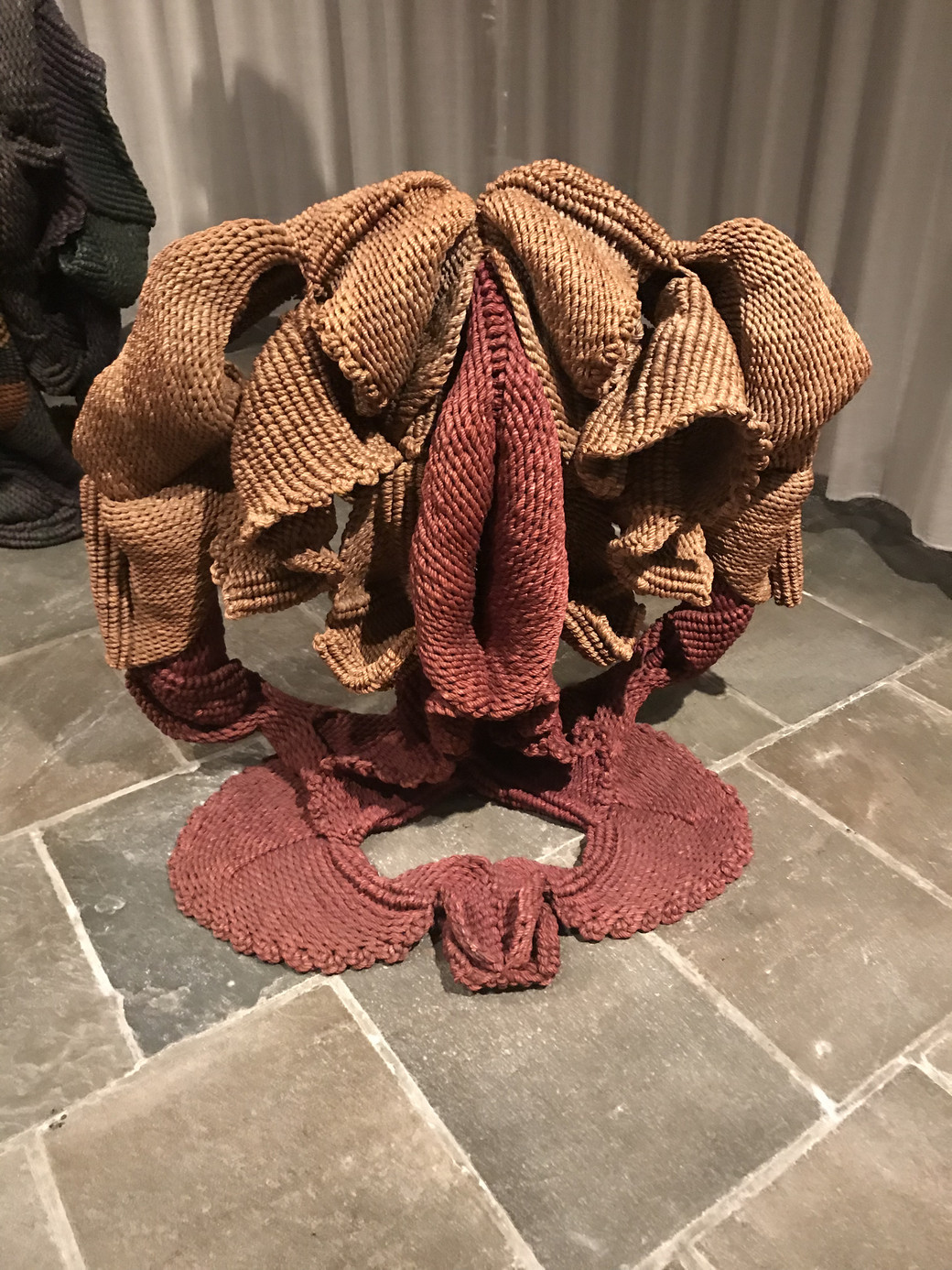
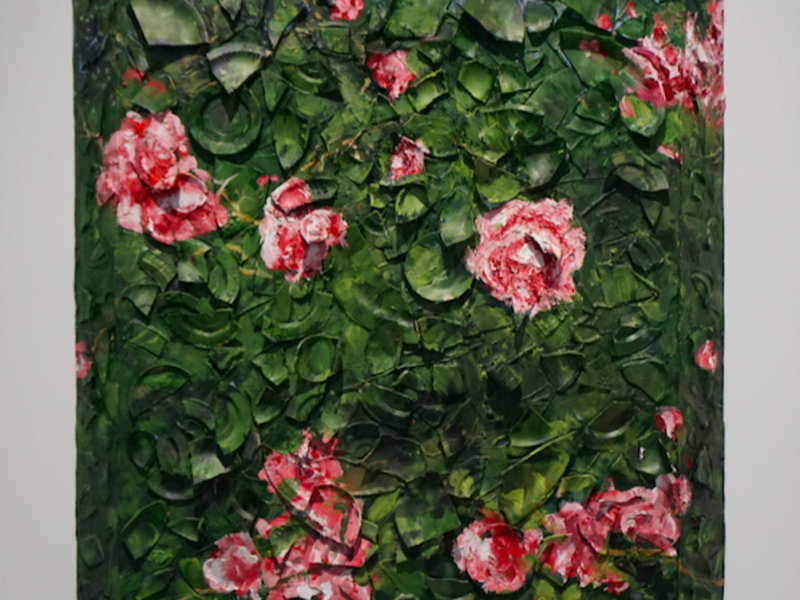
"Phenomenal Nature: Mrinalini Mukherjee" is on view at the Met Breuer through September 29th, 2019.
"Phenomenal Nature: Mrinalini Mukherjee" is on view at the Met Breuer through September 29th, 2019.

What kind of work do you do?
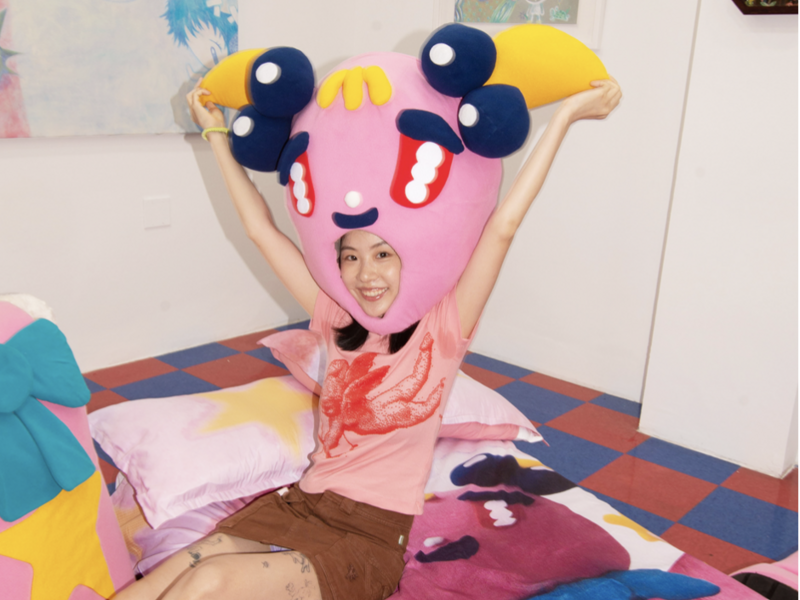
I usually draw girls with big eyes, that’s what I’m really interested in. I use my own face a lot, and I usually don’t paint boys. Oh, and it has to have bunny ears, too, or I won’t post it, unless it’s a commissioned professional painting, because I also do hyperrealistic oil paintings, too. I do a lot of oil, drawings, and some shirts.
But I started drawing more horror stuff recently, because that’s one of the styles I used to do when I was younger.


Where does the horror stuff come from?
I consider myself a Wiccan because that’s what I practice, white magic. And I experienced a lot of ghosts.
My mom said that I had a sixth sense, because I would see stuff and make these really creepy drawings. Growing up, I would do drawings that were all emo, all dark. Everything I drew was so creepy and demonic. My mom thought I was possessed. I drew from what I saw, what I dreamt about.
When I had sleep paralysis, I would see all this creepy stuff, and that’s why I drew creepy stuff. It actually traumatized me for a bit. Recently I made this lady that I used to see when I had sleep paralysis. She was really, really long and tall, and that’s one of my horror paintings–she would always appear in my dreams, and just look at me. It would scare me then, but I don’t see her anymore. Just by drawing her it helped me to understand some of this horror stuff.
So it’s a kind of catharsis to paint her?
Yes, definitely.


Were you just making the horror images for a period or is horror incorporated into your everyday work?
Those paintings were actually very recent. I have some old artwork from when I was little, 5 or 7 years old. I have all these creepy drawings, but they’re not as good as they are now.
But I drew those horror pieces about 5 months ago. I was talking to my friend, telling her I had sleep paralysis, and I said, “I’m going to paint it for you right now, to show you. I’m going to draw this lady, because she’s imprinted in my head.” Most of my paintings are imprinted in my head, I don’t really use photographs. So that’s when I started to think, hey this is cool, let me draw more horror stuff.
Where does your other horror stuff come from?
All kinds of things. There was this one time when I was really little–well, I would always wake up at 4 am to go sleep with my mom, but I don’t know why. I would just wake up at that hour, listen to music on my iPod, and walk to her room. Whenever I walked there, I would see stuff. A bunch of people looking at me, like a bunch. I would have to run and cover my eyes.
So the last time I went to sleep with my mom I had ran to her room and when I opened the door there was someone standing there. I couldn’t see their face or anything, and it didn’t feel scary. She had shiny skin, she was just this gold woman. She closed the door in my face. So I went back to my room, back to my bed, and I never went to sleep with my mom again. When I told her, she was like, “it has to be your guardian or something like that.” I don’t know what it was, but I guess maybe it protected me?


What’s your process like?
I listen to a lot of music. Usually death metal or rock metal, old music as long as it’s rock, or indie–but it has to be rock. I just love rock so much.
There’s also this song called “I Want to Leave” by The Plot in You, and I listen to it all the time right now, it’s my favorite song. Also this one that I listened to today when I was drawing, by Dead Poet Society, called “CoDA.”
I only paint at night. I’m more comfortable, and I’m more awake. I use oil because it’s one of the softest paintings, it’s very easy, smooth, and soft, and so if you make a mistake it’s easy to paint over and fix.
I paint at night. Only in the day if I have homework due, and I really have to finish a painting. Every single day, I have to start my paintings at night. I’m more comfortable at night, I’m more awake.
A lot of people commission work from you on Instagram, and it seems like you interact with other artists a lot there.
I guess I gained followers by playing video games. Lots of horror games–Amnesia, Left 4 Dead, Starbound, CSgo. I used to play CSgo competitive. And then Legal Legends, and Minecraft, of course, that’s like my favorite game.
I’m online a lot. I used to model when I was a bit younger, when I was 16. I love the attention. I love people messaging me saying, “hey can I buy your art?” I love all that. I want to become really well known at a young age so I can make a lot of money and pay for my college, for anyone who has talent to go through college, too. I want to get my art out there, for people to see it and buy it. I want people to see it and be like, “Oh she’s a cool artist. She has cool hair, she looks cool.” I want people to think that.
Do you have any artists who inspire your work?
I follow a lot of artists on Instagram, there’s a lot of artists I really like, and I don’t want to sound too cocky, but I never really got inspired by anything like that. I do watch a lot of anime, and that kind of inspired the big eyes that I love.
What scares you these days?
The only thing I’m afraid of is the ocean.

Great Women Artists has already stirred up conversation and collaboration, including at a panel headed by artists Ghada Amer, Sharon Hayes, Deana Lawson, and Martha Rosler. Plus Kering and Phaidon are circulating a portfolio of limited edition prints by Cecily Brown, Lubaina Himid, Bharti Kher, Catherine Opie, Jenny Saville, and Dana Schutz, among others, to fundraise for charities like The, uh, Boyhood Campaign and Promundo, which is, well, a Brazillian group that works with men and boys in order to “set an example for boys to become equitable and connected men.” We will be on the lookout for the publishers’ next book, circa 2520, on women having to educate men. Until then, we will continue to enjoy Great Women Artists.


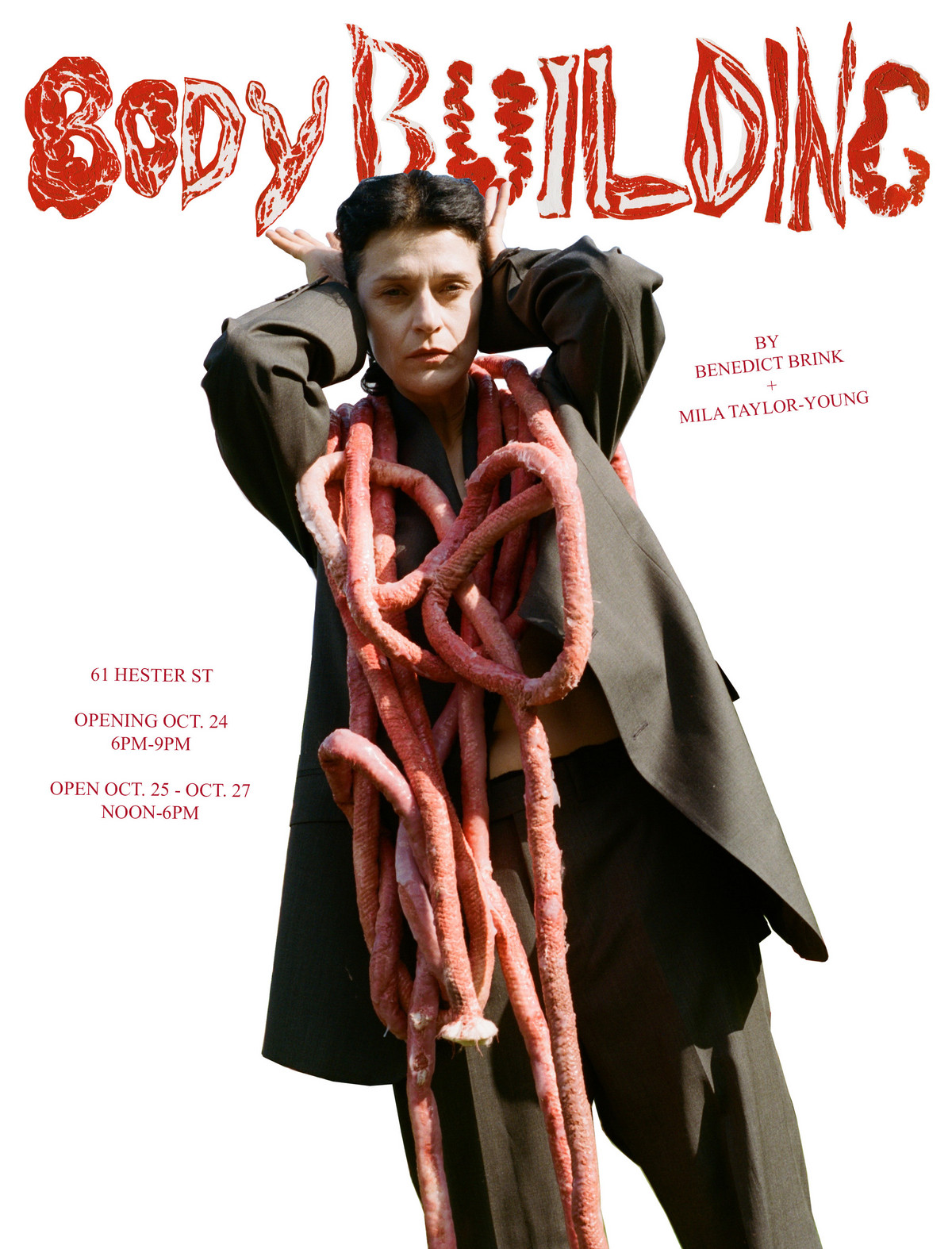
See what they have to say about the show for themselves:
How did you two end up working with each other, and how did the idea for the show come about?
We met a few years ago through mutual friends and became friends ourselves! We also started working together on whatever editorial projects we could. Some of the things we made for those shoots and some of the ideas we started talking about became the basis for this show. We wanted a bit more time and freedom to explore our love of budget horror films and the psychology behind them, make some bigger and more bizarre set pieces and generally stretch out a bit.
Are you interested in the ways the body is sort of scary year round or was the show spawned by the Halloween season?
Year round. We have been working on this for many months, splitting our time between NY and London. It was never imagined as a Halloween thing but the timing was convenient and quite appropriate. More than being about supernatural bodies or scary bodies, the show is about real bodies and the conflicting and confusing feelings they can produce.
When you say “immersive installation,” what sort of interactions can we expect? How do you want the viewer feel in the space and as they leave?
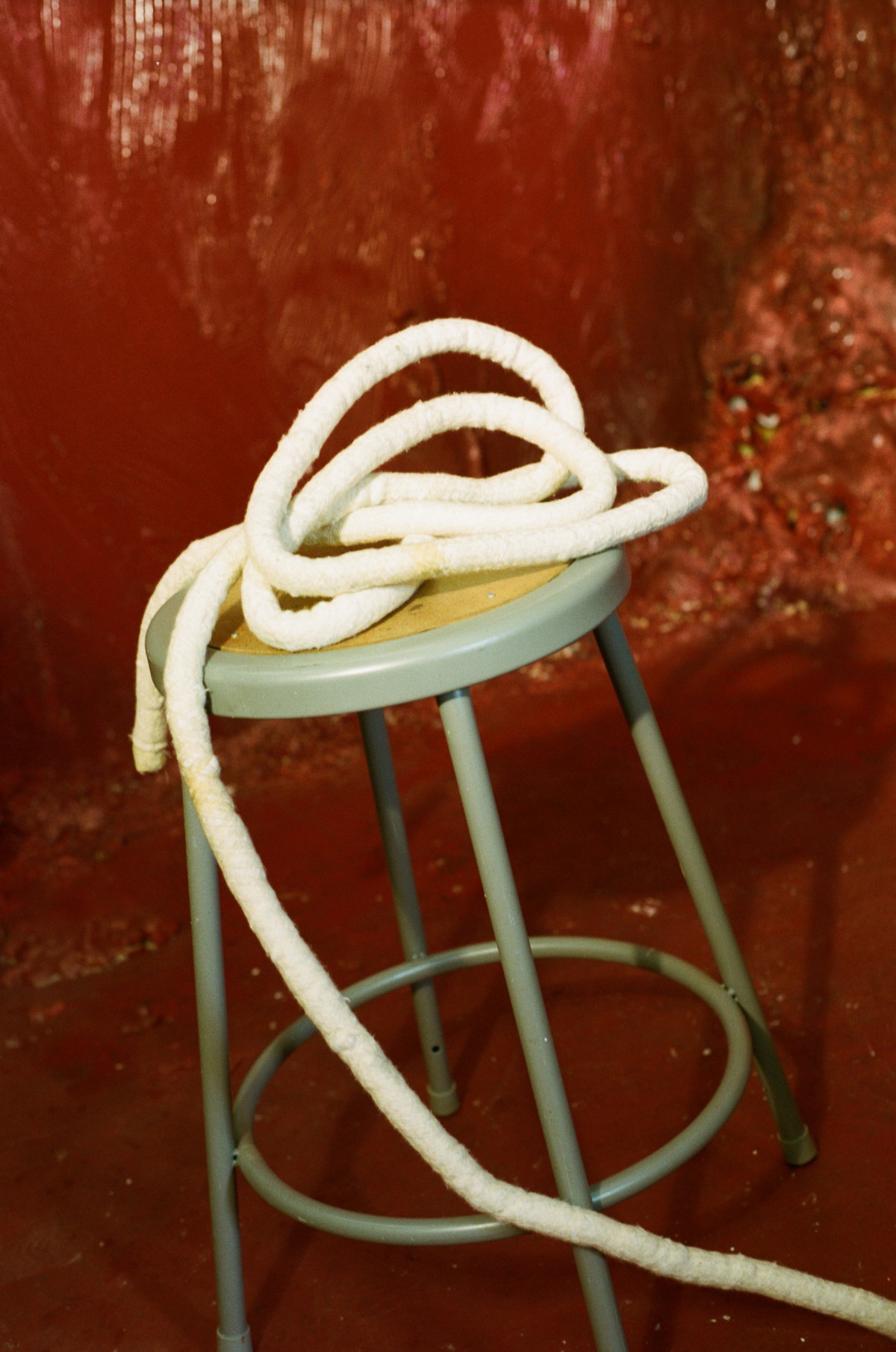
The show includes images, video and a set which we invite you to walk through, lie down in, spend time with, whatever you want. We didn’t want to make a show that was just about prints on a wall, but something you could stand in, something colourful, tactile and sensory. Hopefully you'll feel at home.

When you say Body Building, are we talking the (de)construction of bodies, or the connections between bodies and buildings? What drew you to exploring the body?
Both. The title is a play on words in that way.
Obviously fashion is entirely dependent on bodies. So coming from that background, we’re always contemplating and looking at bodies in one way or another. Extreme closeness can lead to abstraction, I guess, and that’s one thing we were looking at–a feeling of strangeness within our bodies, a visual representation of certain fears or anxieties that are normally unseen or unspoken.
We approached it with a sense of humour. The scenarios we made up are absurd, like wearing your organs on the outside is ridiculous, but we wanted to portray a feeling of monstrousness in a beautiful way. A new body, composed of new parts, suggests new possibilities. It’s really as much about psychology as it is about physical bodies though. The body is just being used as the vessel for what happens in the mind.
So we’re treating the body as a place I guess, a location where certain things happen. The idea of the installation is sort of like walking in to a body, but an abstract one. One of our biggest references was a Norwegian children’s film about a child being shrunk down and sent in to his grandfather's body to battle his kidney stones. It’s horrifying and really funny and just weird and that really appealed to us.
And then yes, we were also thinking about other structures that contain us. Architecture and nature and how they can seem to mirror our psyche and even take on human attributes.
Where did you go to photograph some of the outdoor stuff? What are some locations that seem inherently scary to you?
We shot upstate and in Connecticut and around London. Connecticut is generally perfect because it’s so easy to view its cliche, seemingly pristine appearance and culture as quite sinister. It’s actually got a real divide: beautiful wild landscapes, pristine suburbia, great wealth, crushing poverty, industrial ruin. But that’s another story maybe.
One specific location there is called Devil’s Den and it's this amazing section of rocks and falls in a river that cuts along the side of the road. It has all the perfect elements to be a horror film location. It’s next to a remote highway, opposite an empty, dilapidated house and hidden from view enough to invite some kind of deviancy. It’s beautiful and wild.
One of the things we spoke about a lot working on this project were fears and agitations that stem from childhood or start at a young age, feelings of alienation especially. We both moved around a lot since childhood and looked for ways to both belong to and escape from the places we lived in–so including an area that was close to home was important–somewhere beautiful but not necessarily comfortable.

When you say sexy horror show, do you have specific influences you’re pulling from?
We weren’t really going for hot horror. I described it as a sexy show on my Instagram almost as a joke–a lot of the costumes and ideas should almost defy sexiness. But whatever sexiness exists in the images adds to the absurdity.
And the horror genre just is sexy–I mean there’s the fetishy side to it–and some of our materials like PVC and latex bring that to mind. I think the idea of wearing your body inside out is kind of sexy too. The messiness of it, the awkwardness, the vulnerability–all sexy.
Any favorite slashers or directors?
Not really slasher, but the Brood, Scanners, Trouble Everyday, Mouth of Madness, Hellraiser, Altered States, Phantasm, Raw, Jacob’s Ladder.
David Cronenberg, Claire Denis, John Carpenter, Dario Argento, Julia Ducournau, Clive Barker, Ken Russell, Peter Greenaway, Mary Lambert, Mary Harron, a long endless list...
What freaks you out more, gross or gore?
Love gross, love gore. Hate torture, hate Eli Roth.
What’s your Halloween costume this year?
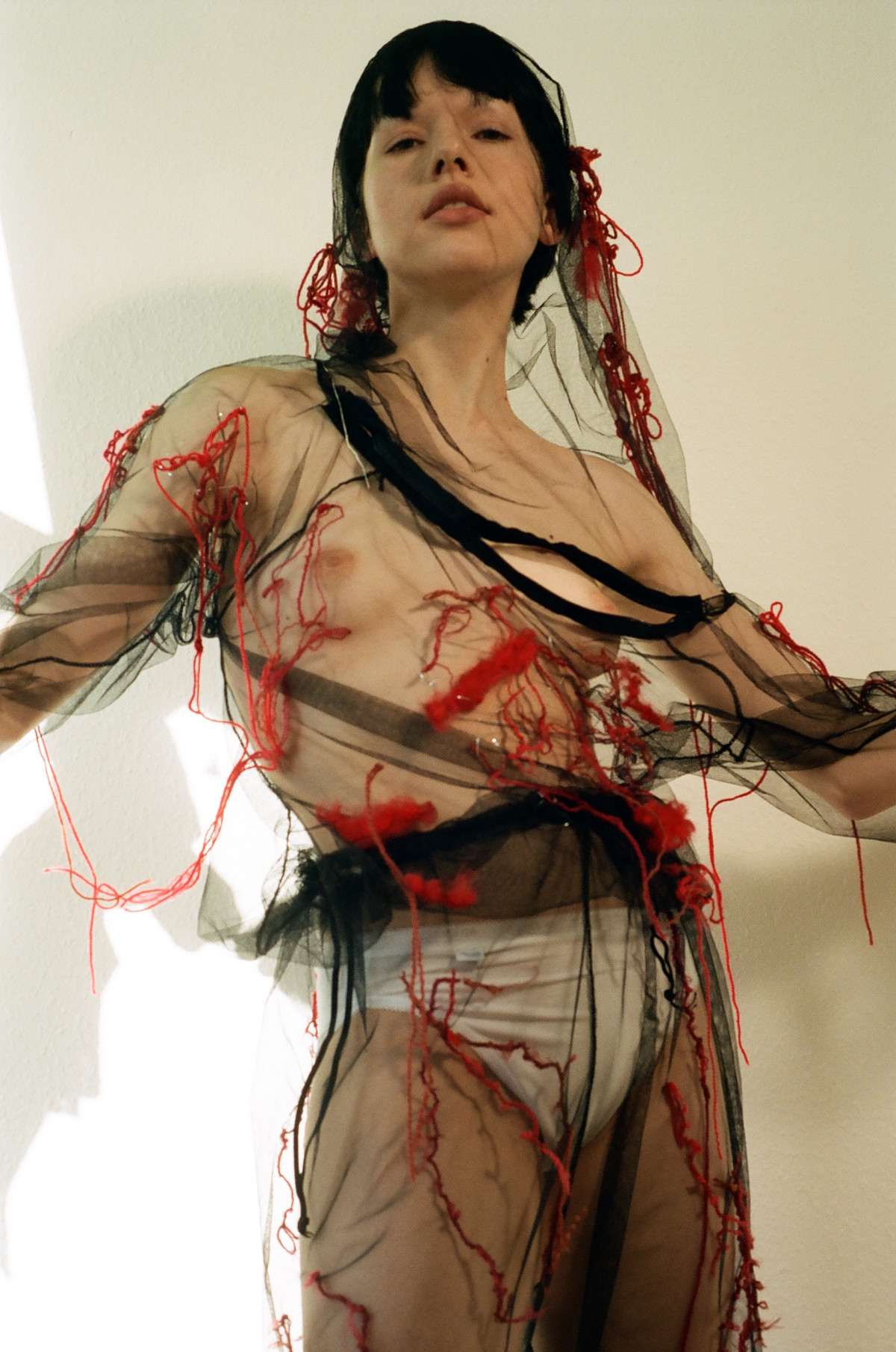
Hoping to wear the embroidered veins mesh suit and the ribs!