Vulvatious

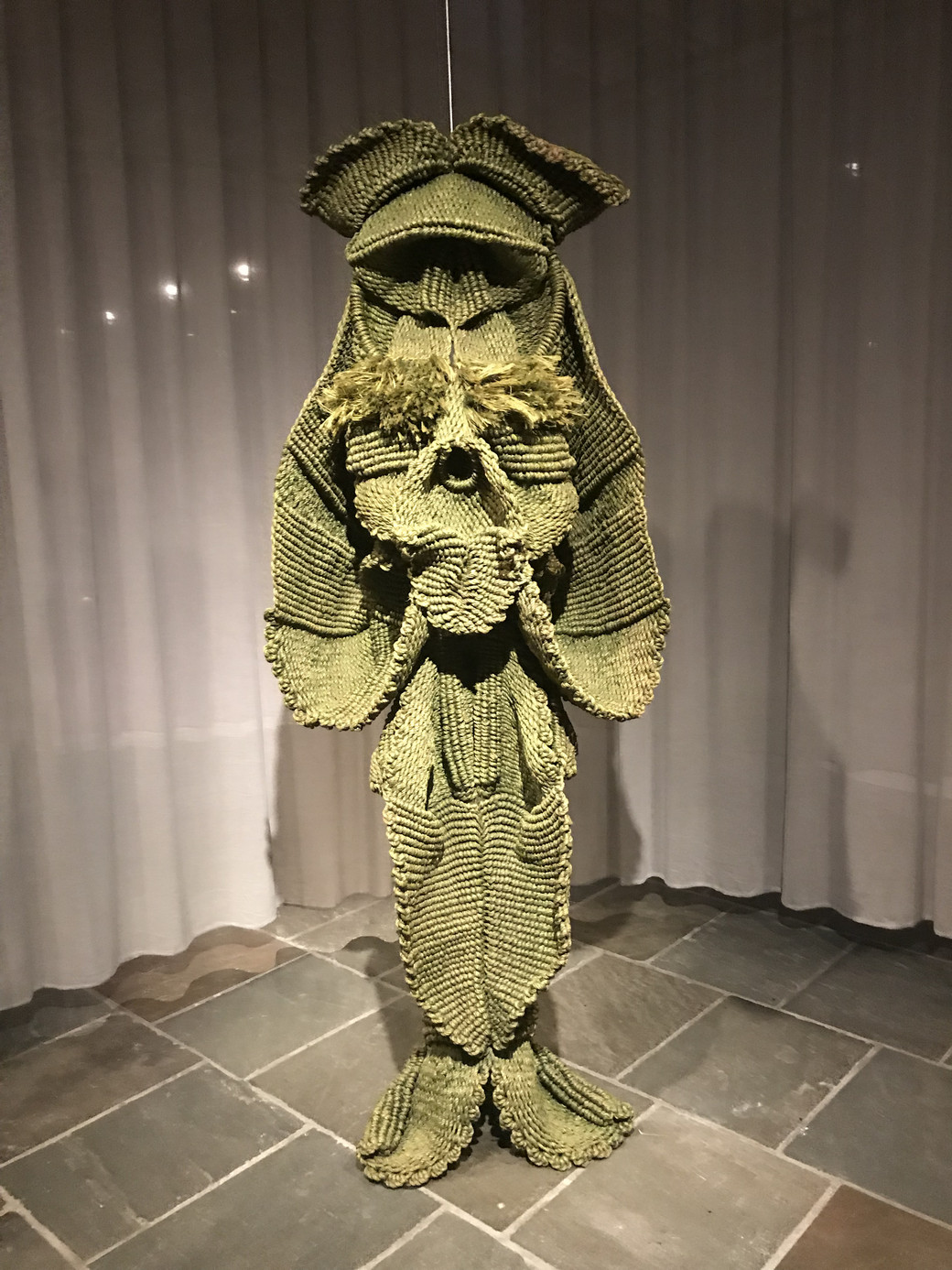
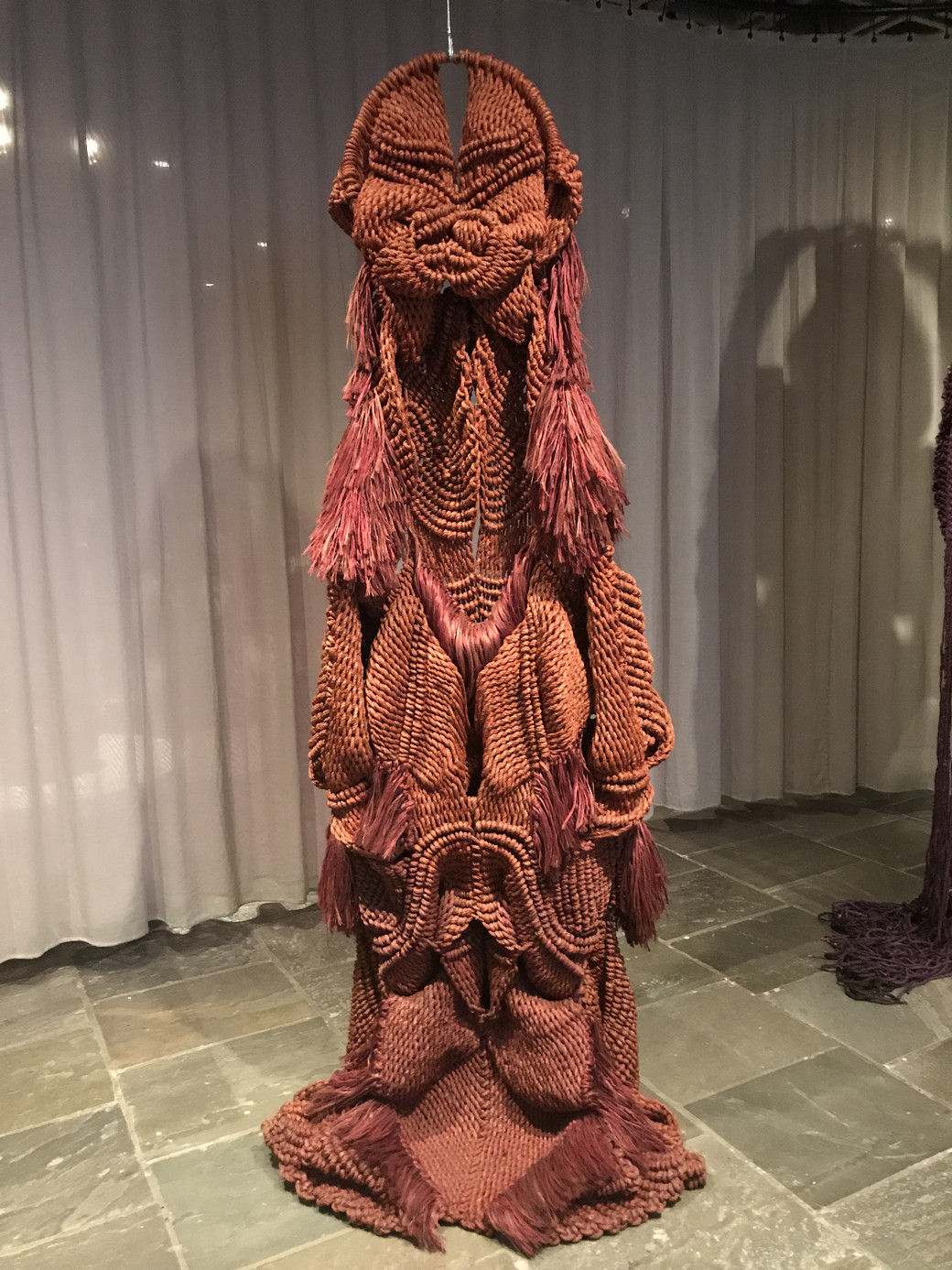
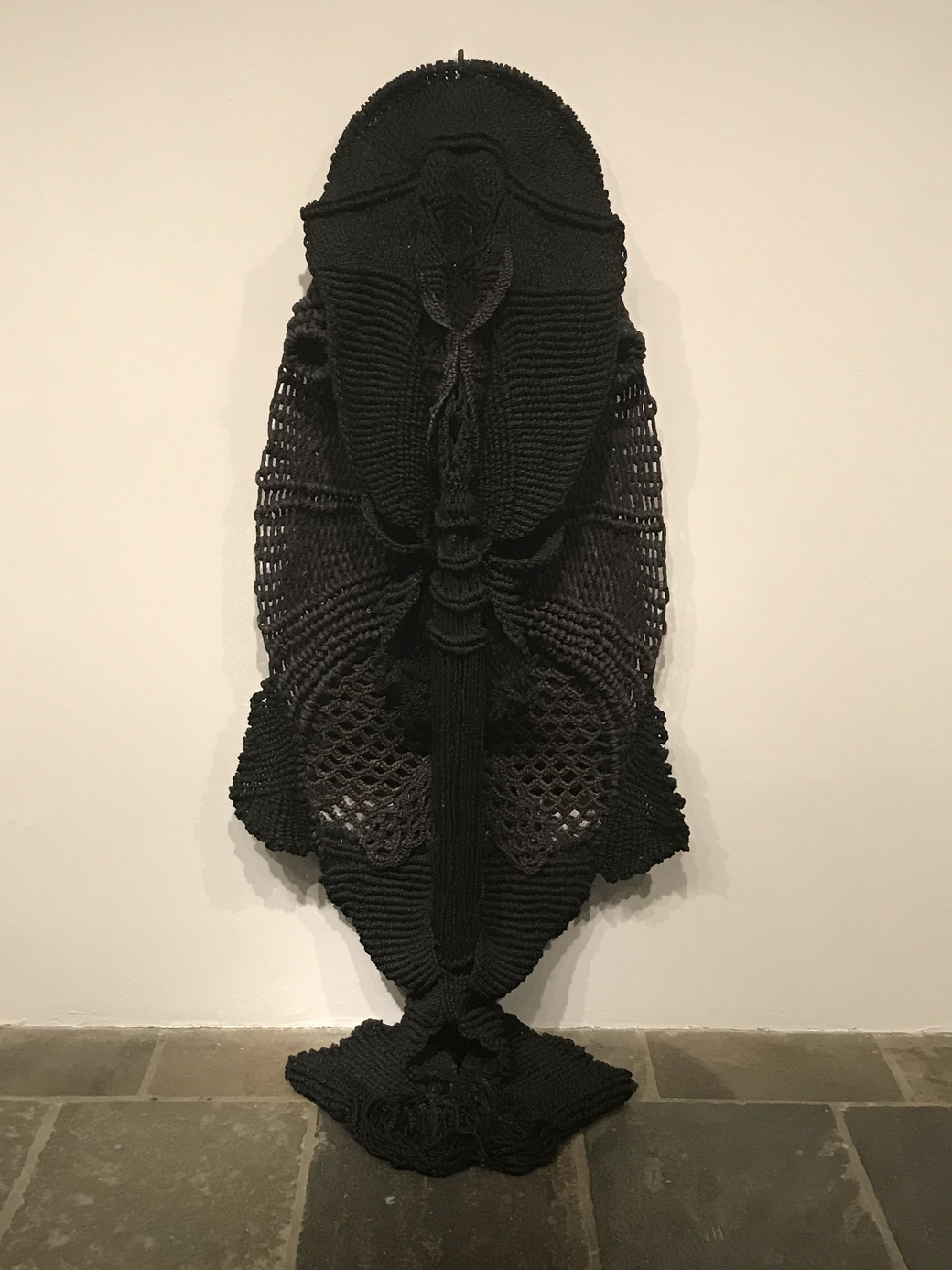
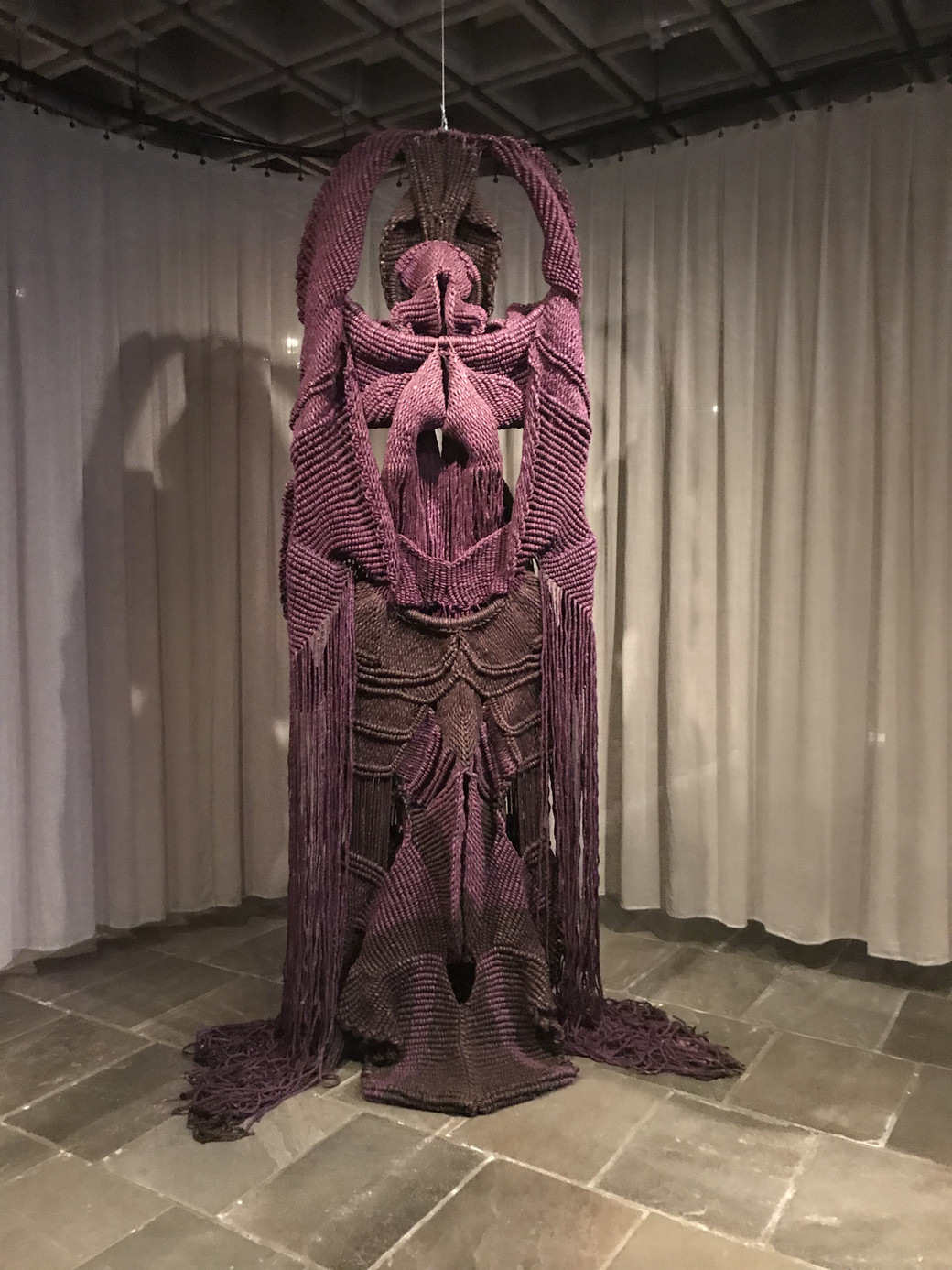
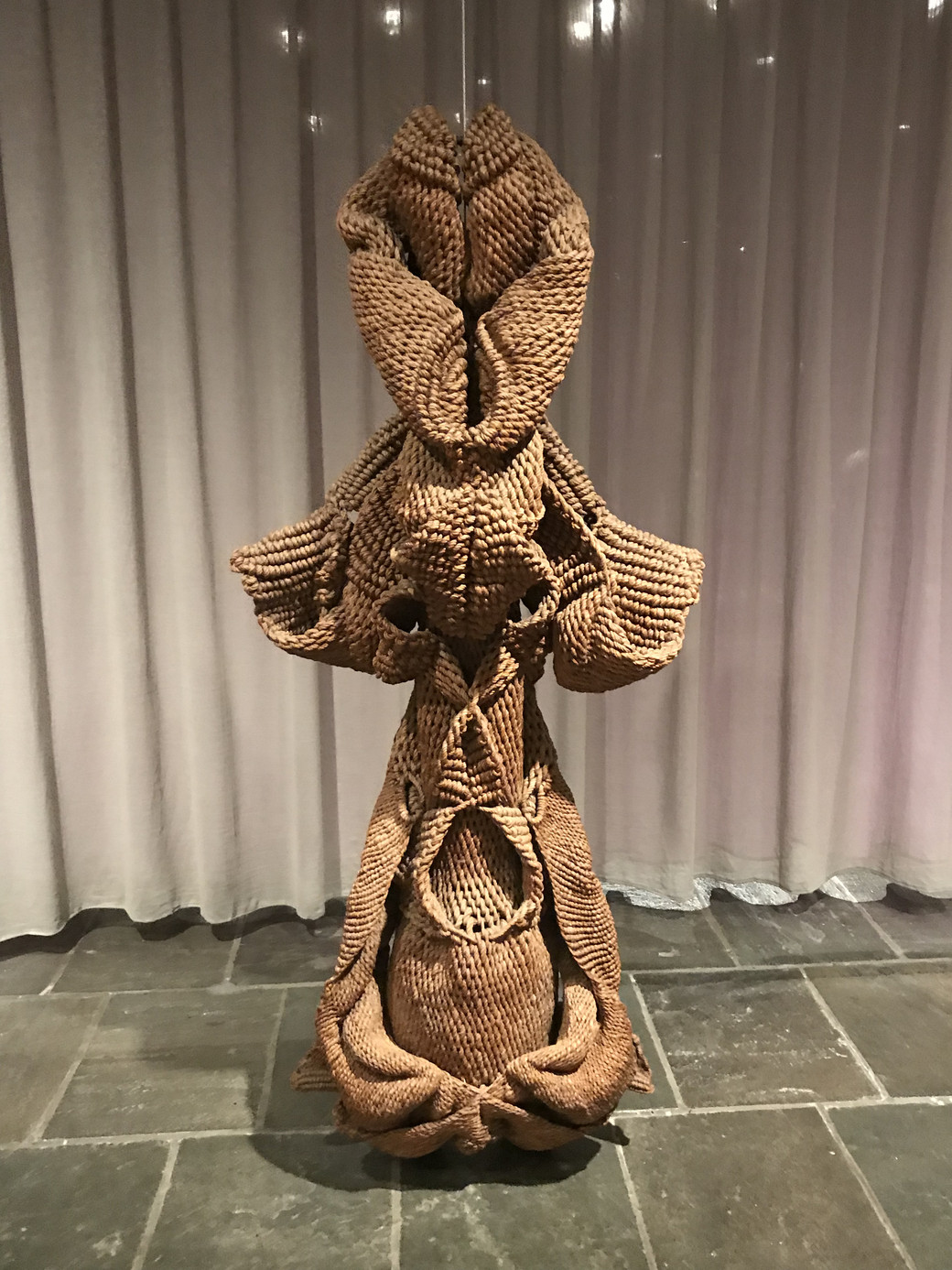
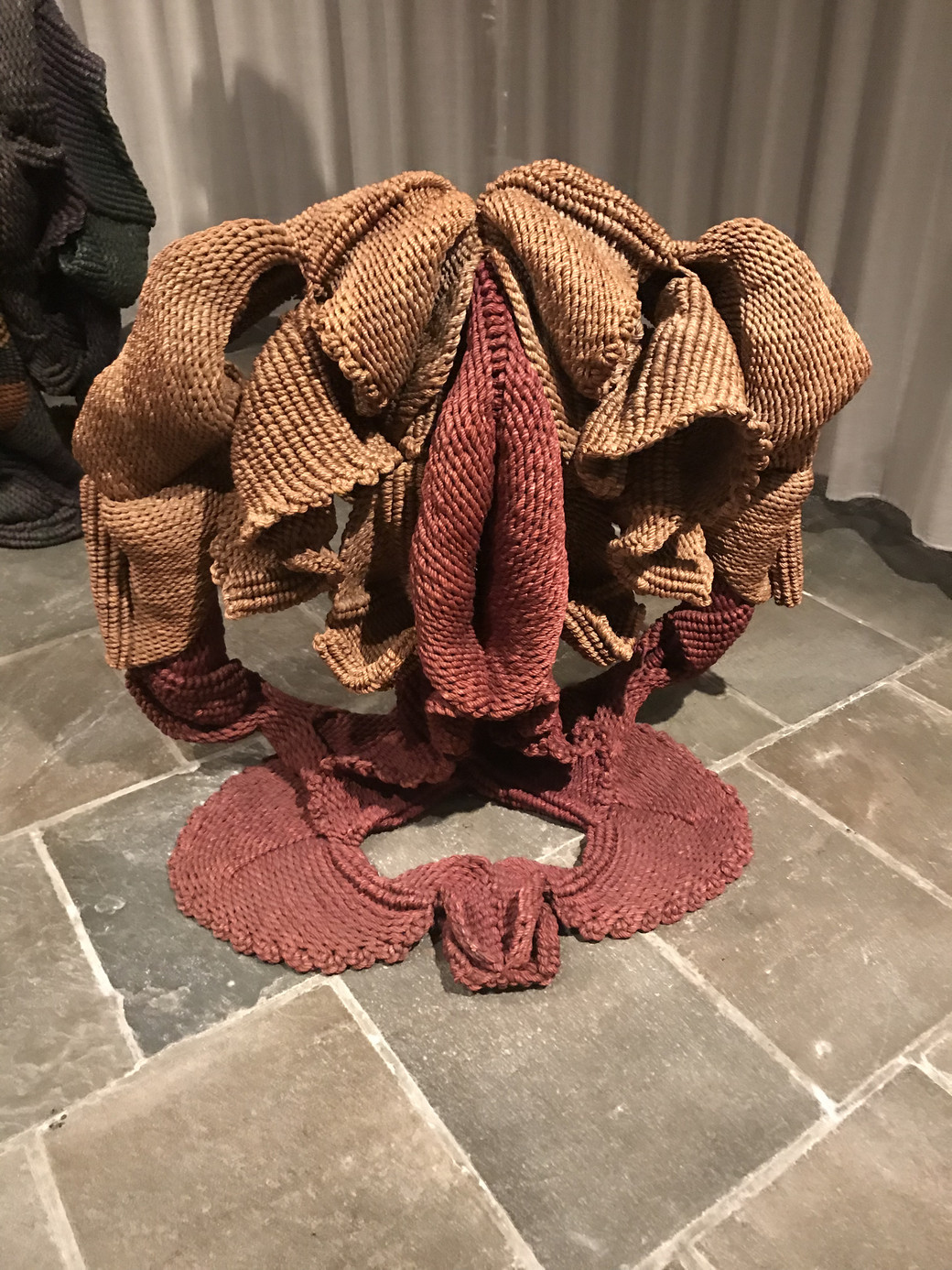
"Phenomenal Nature: Mrinalini Mukherjee" is on view at the Met Breuer through September 29th, 2019.
"Phenomenal Nature: Mrinalini Mukherjee" is on view at the Met Breuer through September 29th, 2019.

That’s what makes his work so powerful. While most people might turn away from the harshness of these realities—kids fucking, fighting and getting fucked up—Clark captures it all, intimately. But unlike a voyeur, or an outsider painting the lives of drug addicted and downtrodden kids as a kind of glorious mess of sex, drugs, and rock ‘n’ roll, his work serves more as a document. Whether it’s fiction, like Marfa Girl 2, or fact, like Tulsa, it’s real. And that’s because Larry Clark has lived it.
“I just try to be as honest as I can be,” he says. “[...] We all basically have one story to tell.”


From Left: 'Dead 1970,' 1968, Tulsa. Photo by Larry Clark; stills from 'Marfa Girl 2,' 2018. Photo by Jessica Lutz.
Do you remember the moment you decided to leave Oklahoma?
The second that I turned 18. I couldn’t wait to get out of there—there was nothing there for me.
Would you say that all the work you’ve done, from Tulsa to the Marfa Girl series, is a response to the same artistic urge?
Well, I don’t know if it’s the same, but I’ve always made work no matter what I was doing. It just comes to me. We all basically have one story to tell. But also, [throughout] different periods of my life, I’ve been interested in different things.
What do you think it is about the American youth experience that’s so unique, and allows you to create these narratives?
I’ve been doing it since I was about 17 years old—it’s kind of my territory. I’ve always been interested in it, even when I was young, and it’s just turned out to be what I’ve done. I’m American, so I don’t really notice different countries, but I would think that it’s pretty different. I know France quite a bit and it’s different there—it's more open and honest.
In both Kids and the Marfa Girl movies, you chose to go with untrained actors. Why? Do they give better performances?
It’s much different. Using first time actors is interesting because they’re real. If you can stop actors from trying to act, then it seems to work very well with even people who are trained. I’ve had trained actors working with first timers, and they tell me that they don’t have any idea where the untrained actors are going to go, so they have to stop acting and just be open. I find that so real and honest.
You’ve always chosen capture things that most people would turn away from. Where does that instinct from—is that curiosity? Some people might call it gratuitous, but you don’t look away.
It’s true, it’s true—I don’t look away. I just try to be as honest as I can be. That’s part of the work—that’s what makes the work work. I can’t imagine doing it any other way. It’s just a natural flow that I get into.


From Left: 'Brother and Sister,' 1973, Teenage Lust; 'Untitled,' 1963, Tulsa. Photos by Larry Clark.
How would you respond to someone who would say that it’s too much?
I mean, what can I say? Get a life!
When you started, was it hard to translate your photographic aesthetic to film?
It wasn’t difficult at all. The first time I walked on a movie set I said, ‘Ahhh, I’m home.’ I’ve always wanted to make film. Tulsa was a book, but it was really a film to me. I had wanted it to be a film, but I couldn’t make it on my own. So, when I finally got myself together to make a film, it was just natural—I had been doing it all along.
Your films tend to deviate from the traditional, linear method of storytelling. How would you describe your method, if you can articulate it?
Gee, I don’t know if I can. I just look at my work, and it’s what I do. My last few films, Marfa Girl 1 and 2, we have the same characters. In Marfa Girl, there were just so many questions about what happened to the people and about their lives. So, in the sequel, I try to answer what happened to them, but I also ask a lot of questions, so there might be a Marfa Girl 3.
So, the sequel was an attempt to resolve the first?
Marfa Girl 2 was meant to show what happened to the people, but then it got more and more complicated as it went along. During Marfa Girl 1, I had a diary—I didn’t have a screenplay, but you need a screenplay to sketch out how much time you’re going to spend in a certain place. So, I sketched out a very very short screenplay—it couldn’t have been even 25 pages. With Marfa Girl 2, I made it up as I went along, which was interesting to do.
Spoiler alert, but why did Adam have to die?
We don’t know he’s dead yet. He was shot in the chest, so we don’t know for sure if he’s dead or not, which is why if I make a third, we don’t know if he’s going to be around or not. [That] might be a good reason to make another film. A third one is complicated because so many things happen and the characters have to figure out how to get out of it all. Everybody is in some deep shit. It would really be something.
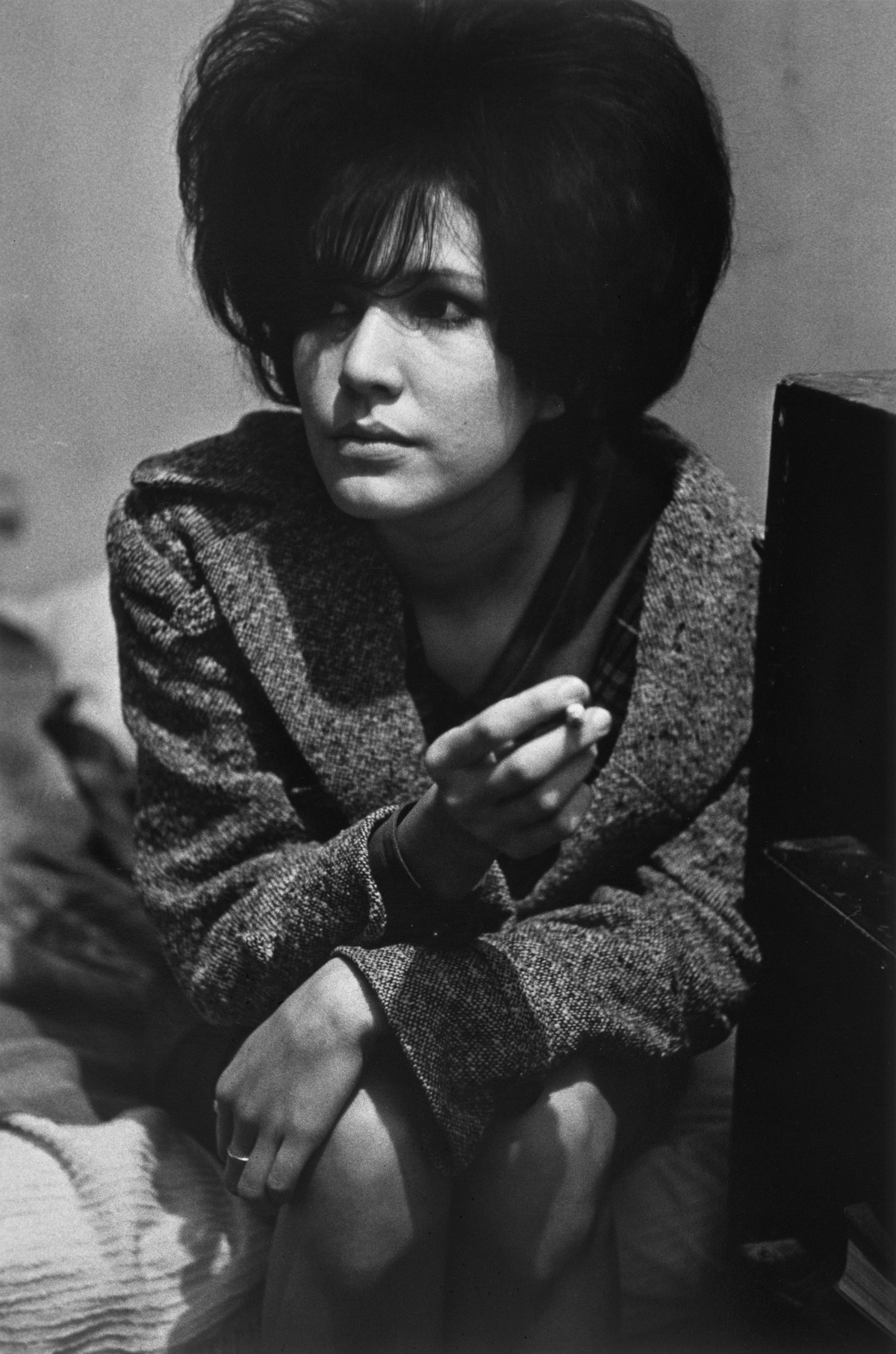

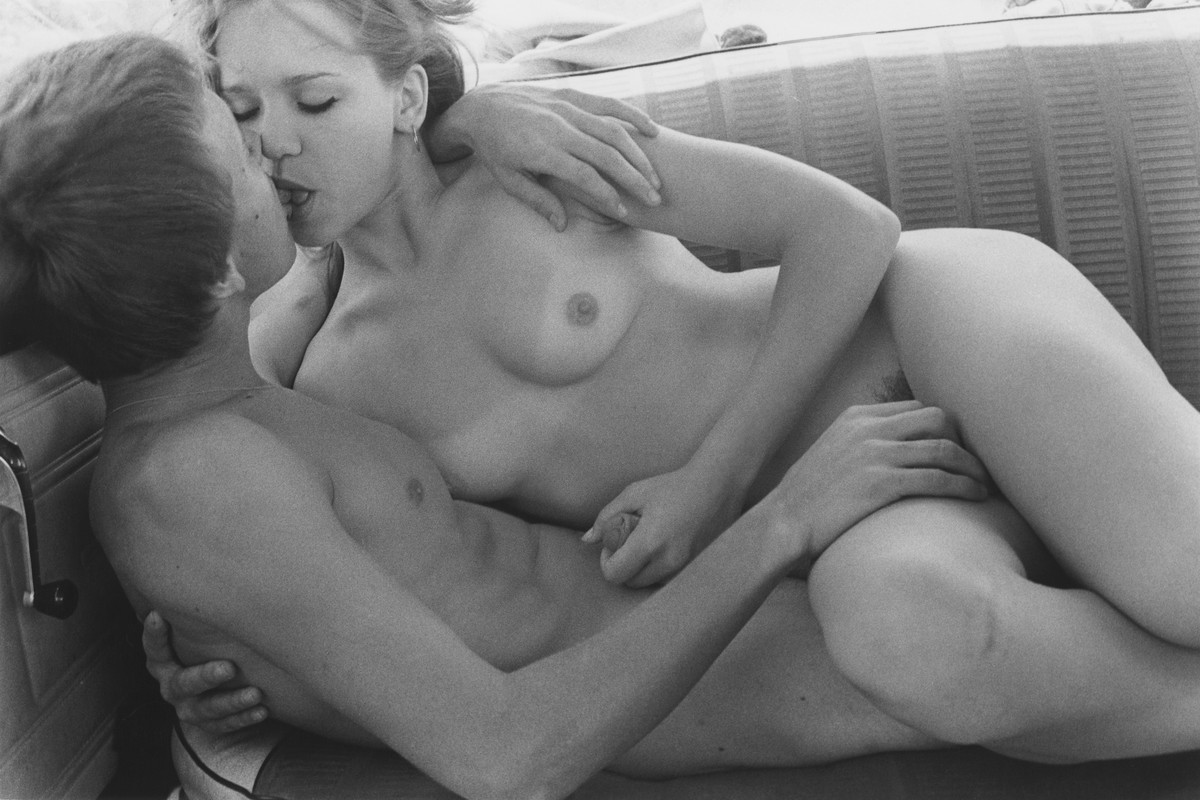
From Left: 'Untiled,' 1963, Tulsa; still from 'Kids,' 1995; 'Untitled,' 1972, Teenage Lust. Photos by Larry Clark.
You said when you did Tulsa you weren’t ready to make a film. So, what did it take for you to be ready? Was it an emotional readiness? Or like, a technical, ‘I don’t have anyone to hold a camera’ kind of ready?
I was an outlaw for a while. I was a drug addict. And to make a film, I knew I had to clean up my act. I knew no one would give me a million bucks to make a film unless you clean yourself up. So, that’s what I did. I got clean, I got married and I had two kids. Then, I was ready to make a film. I became respectable—I still am today.
Do you think you need to suffer with the work that you do?
Artists have been very sad, but I’m not sure if that’s true at all.
Quentin Tarantino has said that if you love cinema enough, it’s impossible to make a bad movie. Do you agree?
I don’t think I can agree with that. It doesn’t make any sense? Does it?
Who are some people that you look to as references or inspiration for your art?
I look at painters—Christopher Wool, Mike Kelly, Richard Prince. I think I’m more inspired by artists than anything else. I’ve painted, and sold some of my paintings, and that was really fun to do. I’m still shooting, too.
Do you think you’ll put out another book?
Possibly, I could. But I want to make another film. I’m working on a screenplay right now. I really feel like I need to make another one.
'Marfa Girl 2' is available now.
Lead photo: 'Untitled,' 1963, Tulsa. © Larry Clark; All photos courtesy of the artist and Luhring Augustine, New York.

Read our interview and don't forget to pick up a copy of PIX, available now at the office Newsstand.
Talk to me a bit about how the concept for PIX came about.
So, essentially PIX is a sort of call and response. As a photographer I find that very often when I see an image that moves me, I’ll think of one of my own that’s in my archive or I’ll think of how I can take a photo that may respond or work with that image—just my thought process. Over the years, I’ve discussed this with other photographers and found that a lot of people have the same feeling or intuition. I used to do a zine in 2014 called Spotzine and that was a collaborative thing where I’d pool different artists and put them into one book—I tried to work with people who didn’t know each other and then for each zine release we’d have a party and a band play. So, it was all these different scenes merging and a bit of a community thing.
Breaking down some creative walls—I like it.
Yeah—it was painters, photographers and so on. I wanted to circle back to that a few years later and I thought of this ‘responding to one image’ idea. It’s a return to trying to form some community, throw a party and get people together in a room. I also wanted to take advantage of digital benefits as well, so we’re showing online portfolios of the submission responses that are even bigger than the zines. That way, we can include more people, including people that aren't based in the immediate area—it became way more international than I expected, but that’s great.
Has that always been important to you as an artist—building bridges between different creative communities? I know in the photo world you’ll find lots of different ‘lanes’ and cliques.
Oh yeah, I think it’s a benefit for everybody. Share some thoughts around your actual process for work and also just talking to people who think about things differently, who see things differently—I think that’s very beneficial, for my work, for everyone. Even outside of the work, just between people, it’s good.
I appreciate that, especially because in the age of Instagram, with visible follower counts and things like that, there’s a lot of competition rather than collaboration, and I don’t think that benefits anyone. So, projects like PIX really help people.
I think it’s a real issue—and I think it’s weird how Instagram promotes like, cliques. Cliques have always existed obviously, but it’s like a whole new thing. This project definitely has a lot of that in mind—I tried to do as few rules as possible. On the website, I encouraged all kinds of work, like you can submit collage. I just want it to be photo-based. Maybe moving forward, I’ll do some other things with the publishing side of it, but this seemed very honest and—surprisingly—complicated to some people. I got a lot of e-mails from people being like ‘This photo is so crazy, I can’t respond to this,’ and I was like, ‘You can!’ A lot of people took it really seriously, which I appreciated, and some people took brand new photos. I respect all the different approaches—it’s cool.
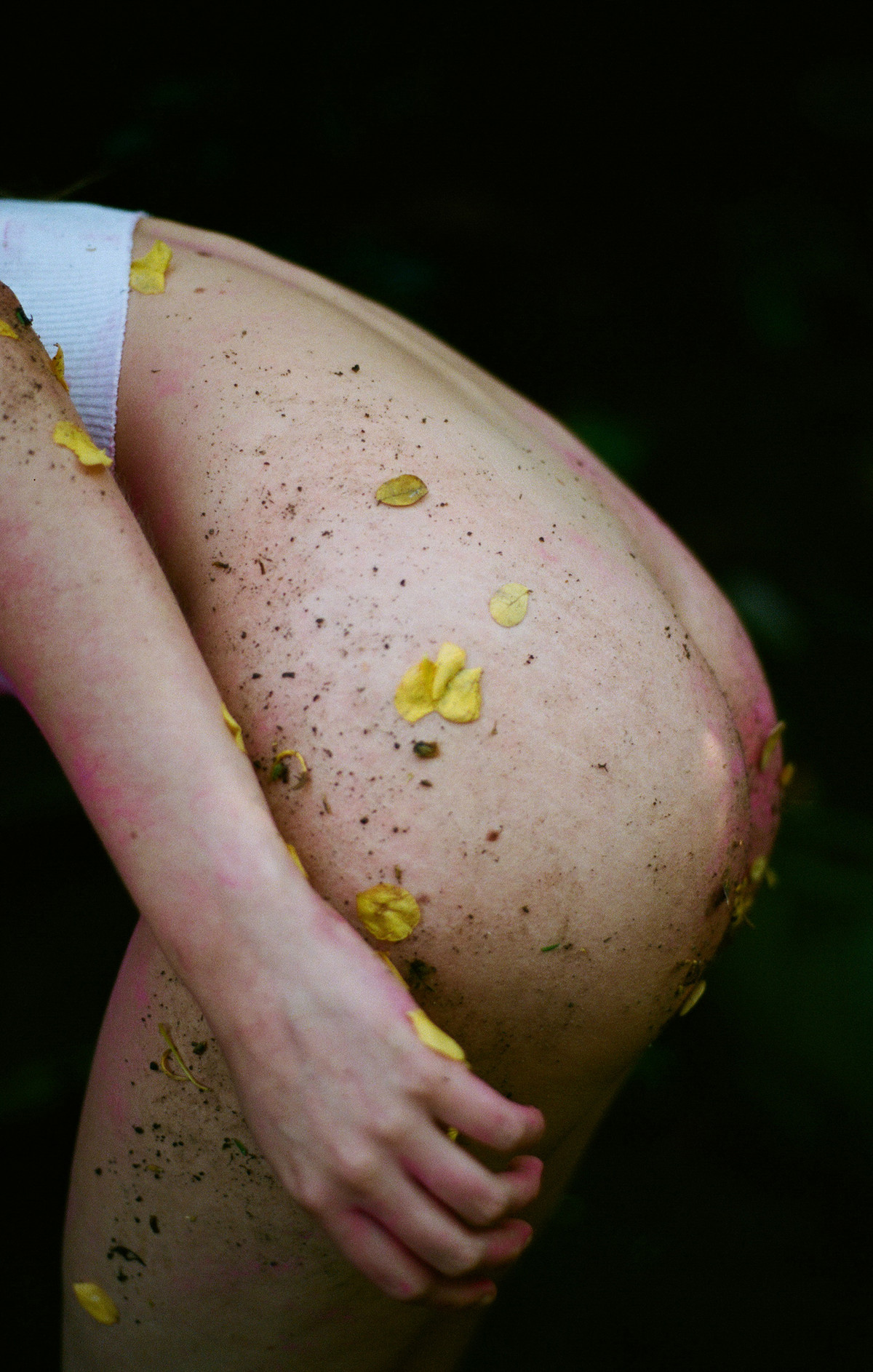


From left: Delilah Jesinkey, Michael Northrup & Farah Al Qasimi.
It also goes to show the many different ways people go about interpreting a photo, like Chad Moore’s image of a close-up mouth. What made you choose the different source images?
So, Chad gave me a folder of like hundreds of photos—some that he had used plus some unseen stuff. Chad’s a good friend and I’m very familiar with his work. I chose this because it feels like a Chad Moore photo, but somewhat different. I really didn’t know how people would respond, but thought it would be a pretty big range—and it was! From shape to the very literal images of mouths and smiling—but then there’s some stuff that gets really far away.
For the second issue, you got some even crazier responses to Michael Northrup’s image. Were there any photos that jumped out at you as people interpreting it in a wild direction?
People have been really responding to the image by Lora Gettelfinger—her work is great and she’s based here in New York. It has a lot of different layers to it, obviously. The perspective is so crazy.
Issue 003 is a banger. You’ve got Farah Al Qasimi on the cover, and one of Ryan McGinley’s classic photos as a response. Tell me about some of the other images, as well.
There’s one by Clint Colbert—he’s a photographer also based out of Philly. He does a lot of these really bright strobe photos that feel like they’re from another era. He has a great eye for capturing work that feels sort of mid-’90s nostalgic. It’s the simplicity that connects.
How long does your process for editing each zine usually take? You’re juxtaposing a lot of different people’s work together and that’s never easy.
At first I was doing it digitally—I took all the names off the files and put all the submissions for each zine into a different folder. I just tried to create a vibe, like I didn’t even look at the names-- it was like, ‘Here’s this photo, what do I want to put next to it?’ Eventually I ended up printing everything as small, quick prints.

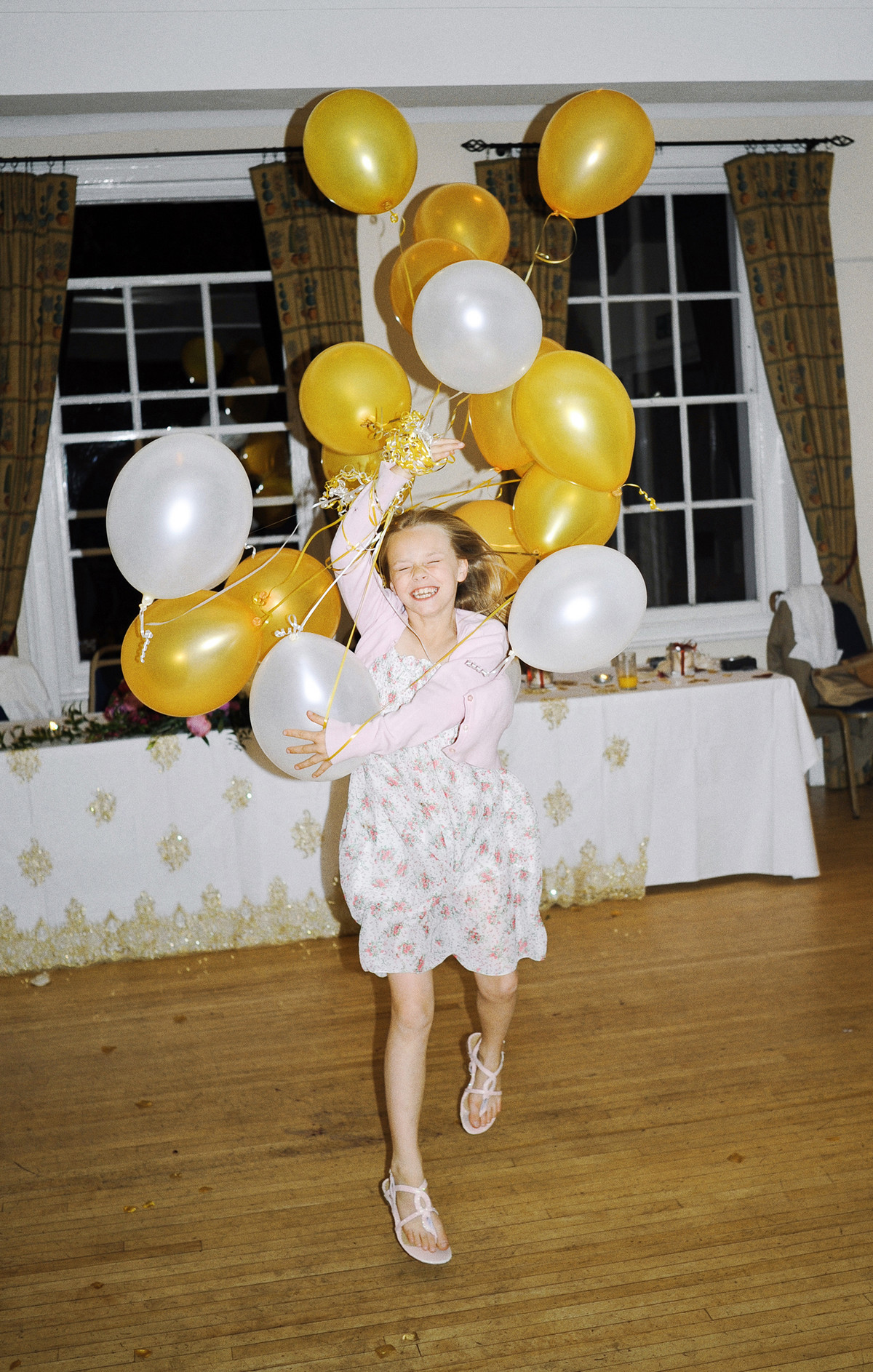
From left: Chad Moore & Sam Hiscox.
The old school editing method.
Yeah it was like, ‘Why not? I should just do it and not think about it while I can see them all together.’ If anything didn’t fit, I kept the images for the online portfolios. It was really just by feel, very visual; some nice ebbs and flows, some more compositions or textures or forms. There’s definitely a line through it all.
Are you working with anyone else while you edit these?
Not yet—it’s just been me by myself at the moment. I started asking for submissions at the end of November, then closed them at the beginning of January and had everything out for the launch party by January 26.
You launched all three of the first zines at once, right?
Yeah, I wanted to build it up so that there were some examples for people. I’m hoping that moving forward, people will see the portfolios in print or online and be like, ‘Oh now I get it’—[I want it to] give them some inspiration. At first, there was a lot of trying to explain the idea to people without having seen the result, so I hope that as I move forward things are even more enticing.
Are you going to wait for three more zines to be finished before you do another print drop?
So, 004 and 005 are both on the website right now—the lead image from 004 is from Ryan McGinley. It’s a very new photo but for me it’s a throwback to some of his other work from 2008-2009. And the lead from 005 is from Elizabeth De La Piedra—do you know her work?
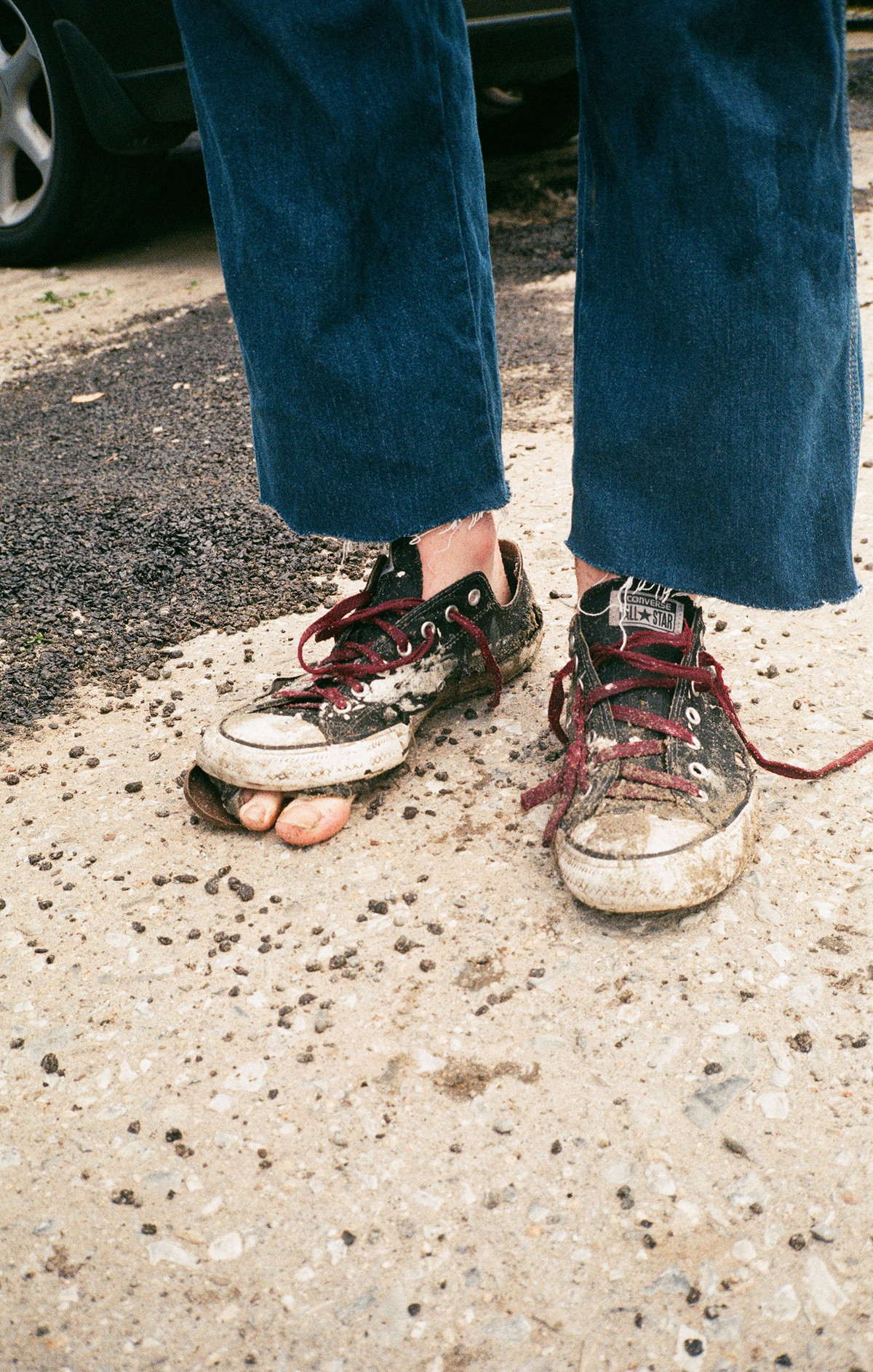

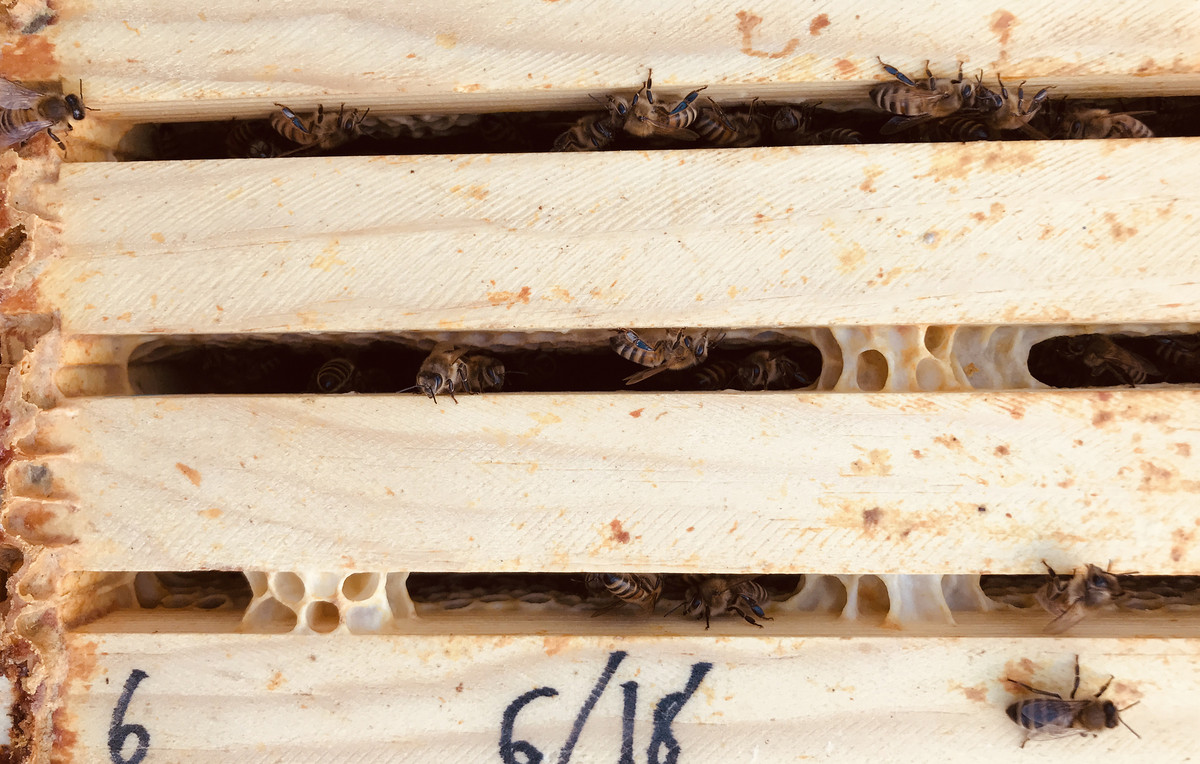
From left: Jae Kim, Lora Gettelfinger & Cate Russo.
I’m not familiar with it.
She’s very cool and based out of Chicago. The image is a really beautiful close-up portrait. I think I’m going to release those two zines together and then, for the remainder of the year, drop one every other month. So, at the end of the year I’ll have ten. After that, hopefully it will keep going.
Obviously we’re print junkies here at office, but I’m glad you’re embracing the digital platform as well, and giving a broad variety of artists a space to do their thing. Are there any photographers you'd like to work with on the project?
I was actually just thinking of that this morning. There’s a few. I haven't reached out to anybody yet, though, so I don’t want to spoil it!
Are you going to keep it a mix of established artists along with those still making a name for themselves?
Yes, I think it should be a big range. I’m actually looking at a couple of photojournalists, people who have been photographing the caravan in Mexico and traveling with them all the way to the border. The work is really some insane, powerful stuff. So, maybe not those specific images, but certainly something from a photojournalist’s perspective, which I think would be interesting for people who work more on the fine art side of photography to respond to. I want the different groups to come closer, for differently people to think about their photos in correlation to others.
I love that you’re pushing away those boundaries between journalism, fine art, still life, etc.
I totally respect people’s concentration, but I think we can bridge some gaps and have it all jive.
Submissions for Issues 004 and 005 are open through March 1. Learn more about PIX here and buy a copy at the office Newsstand.

Tezontle & Bruno Albizati
Zona Maco — Peana Projects, Monterrey / New York City & Casa Lu
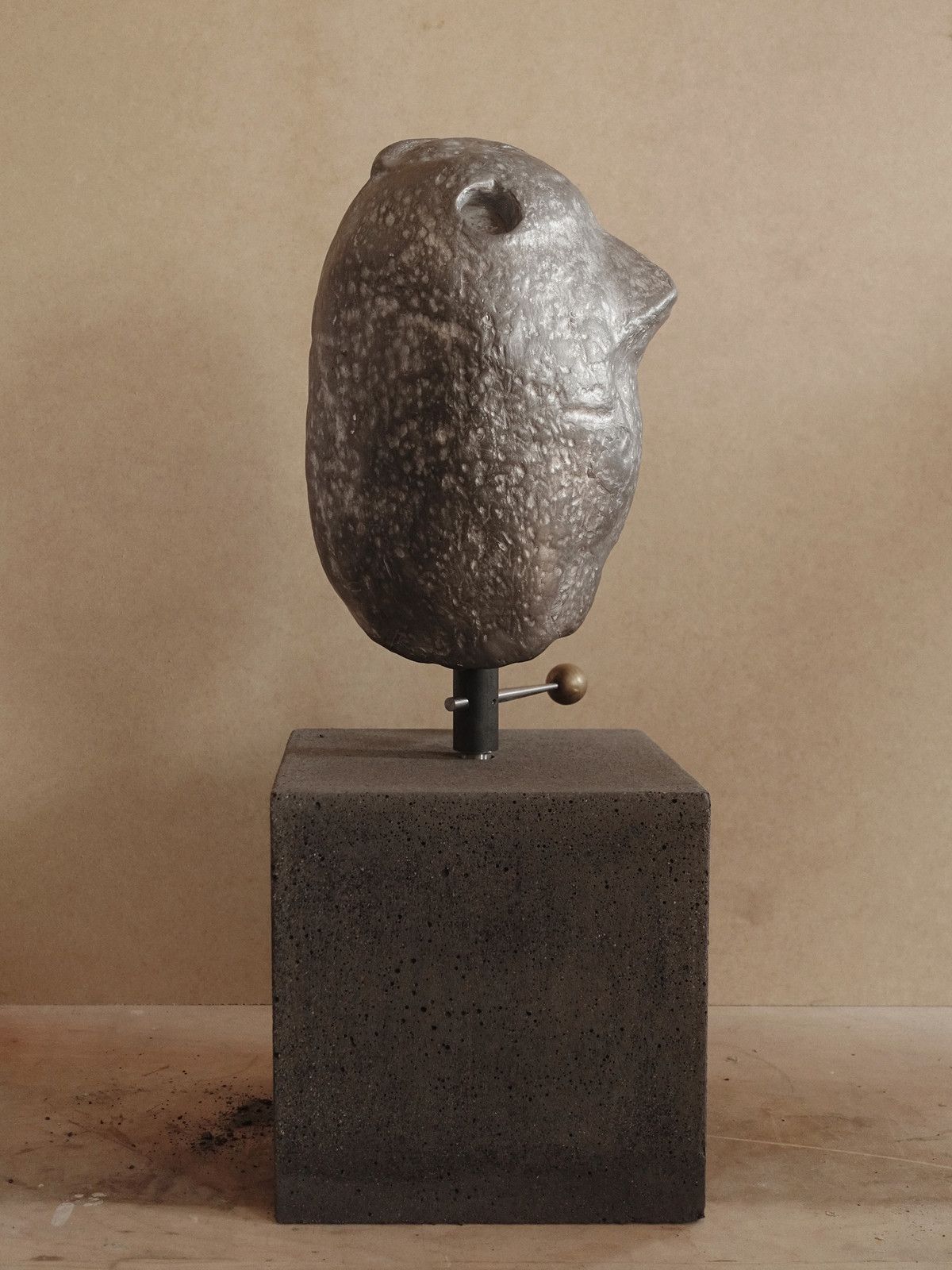
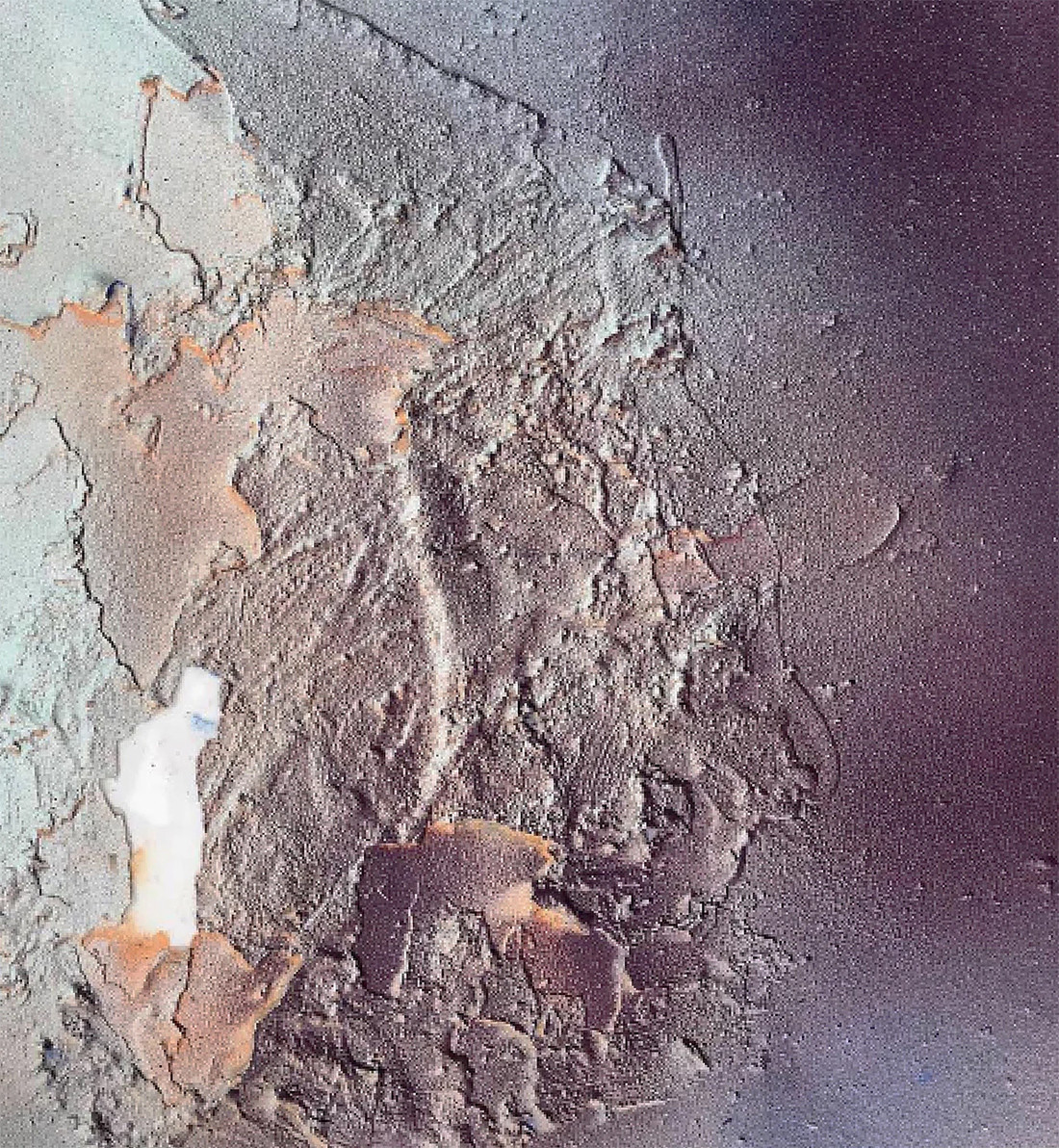
'Pajaro,' 2019 and 'Intervalo y Materia.'
Mexico City-based Tezontle, founded by architects Carlos H. Matos and Lucas Cantu, is neither an art practice nor an architecture firm, rather blurring the lines between the two and creating something new entirely. The studio itself is a place for collaboration and experimentation, often hosting parties, exhibitions, screenings, and other happenings. Looking back to Mexico City’s pre-Hispanic heritage and the abstraction of the Mexican modernists of the mid-20th century, the duo curates found objects with self-made ones. Based on a pre-Hispanic children’s toy, Pajaro (bird) is comprised of cast lead on a concrete base delicately balanced via a revolving metal hinge so that the sculpture rotates at the whim of the passerby.
Casa Lu, located south of the city in the picturesque town of Tlalpan, is a residency program geared primarily towards young international artists. Parisian artist-in-residence Bruno Alibzati’s solo show, Intervalo y Materia, is worth the trek alone. Influenced by the way mineral surfaces are eroded through time, his work uses materials such as paper, cardboard, charcoal, graphite, and pigment to explore the possibility of creation through the partial use of deletion. The densely textured surfaces are illusory and transfixing.
Julian Charrière & Marie Lund
Material — DITTRICH & SCHLECHTRIEM & Material — joségarcía, Mexico City, MX
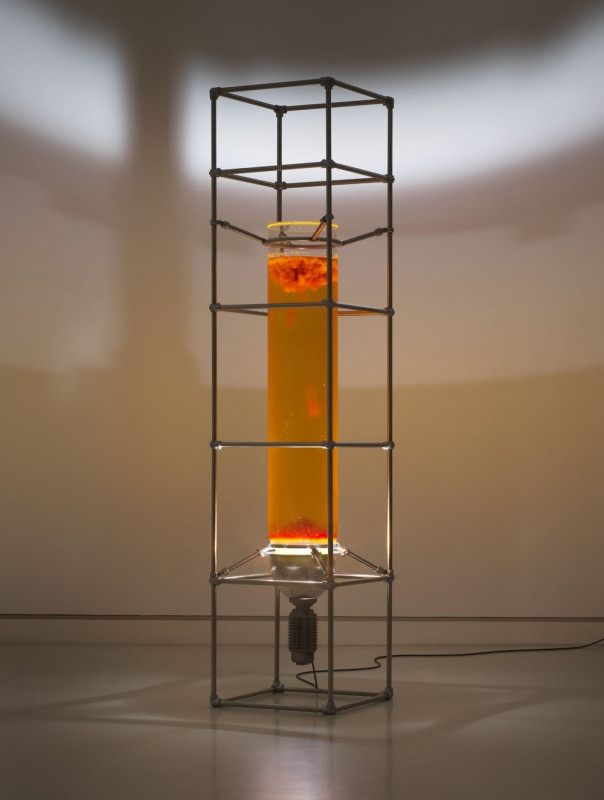
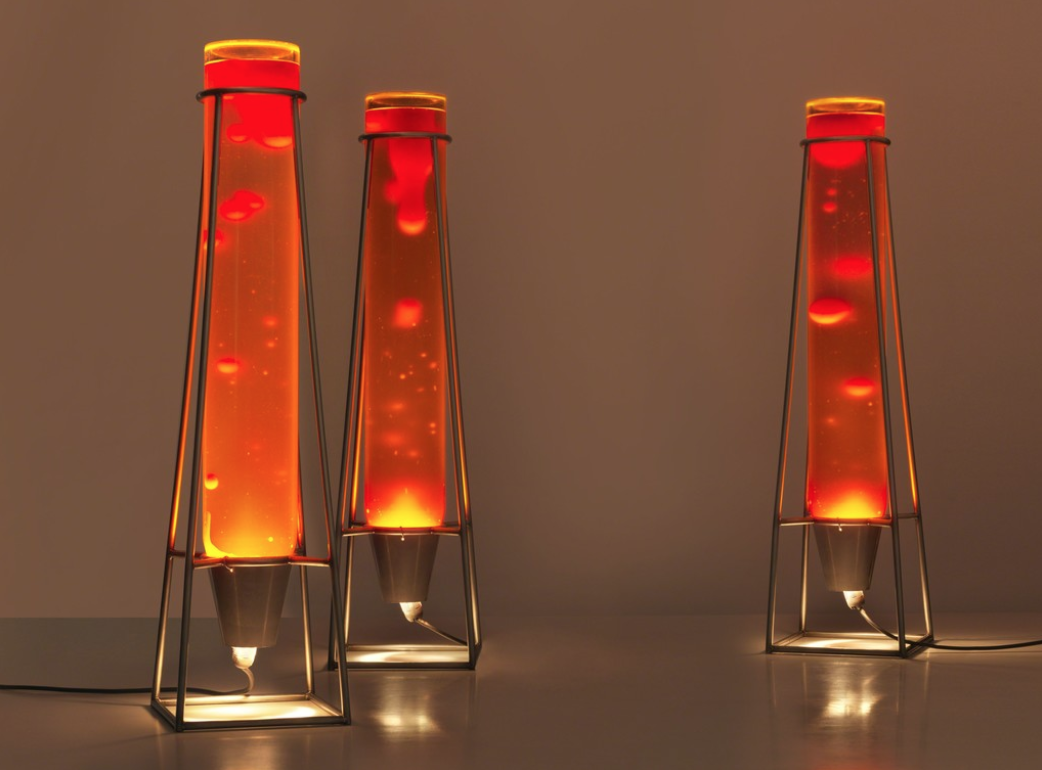
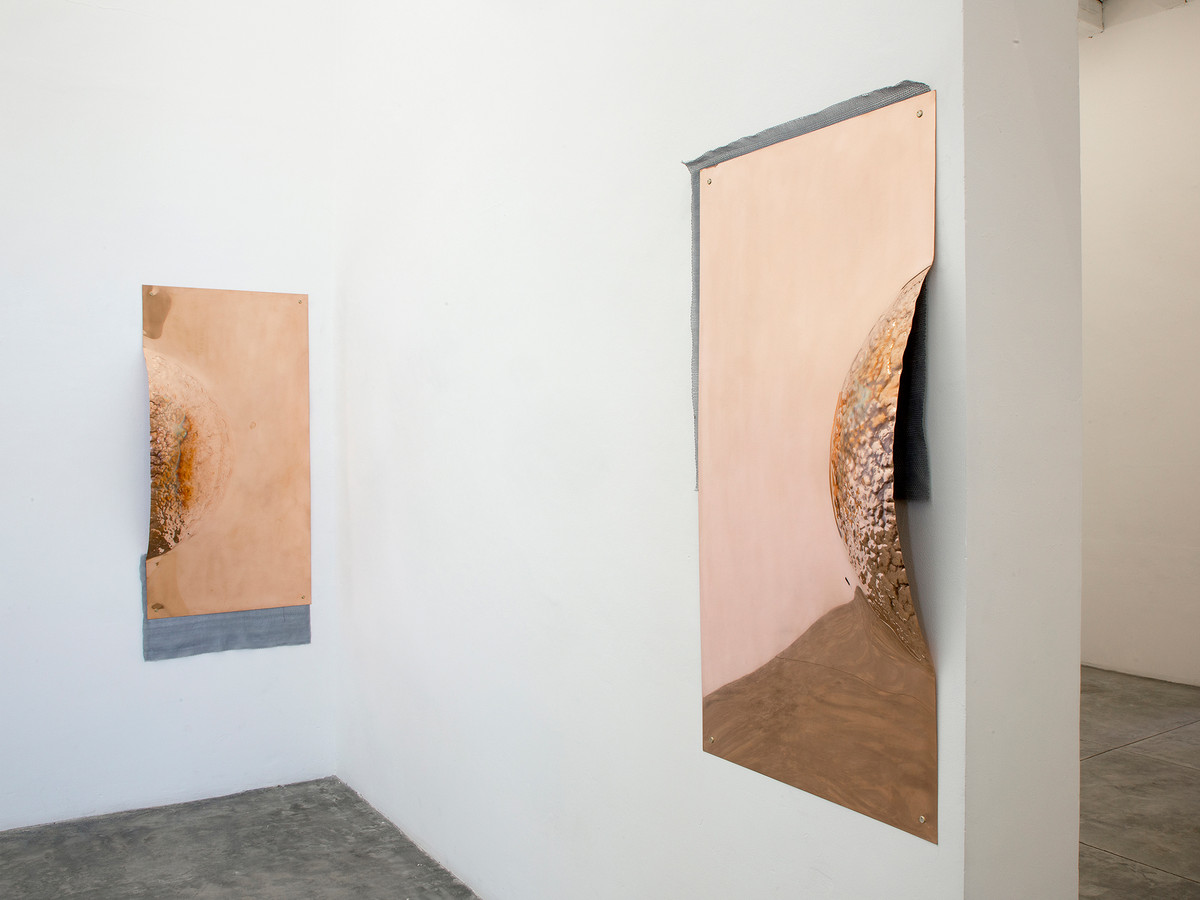
'Love-In,' 2018 and 'Grip,' 2018.
Julian Charrière is a conceptual artist whose work is informed by his expeditions to remote, geologically endangered parts of the world. In 2017, Charrière hiked to the base of Tambora, Indonesia, passing through vast expanses of non-native oil palm plantations along the way. Not surprisingly, the palm oil industry has had catastrophic results including deforestation, infiltration of pesticides, and the extinction of indigenous wildlife. Inspired by his journey through Indonesia, the sculpture Love-In is a handmade “lava lamp”— a 1960s icon of counterculture and the peace movement— fueled by viscous palm oil.
Danish artist Marie Lund’s undulating copper sculptures are made in collaboration with local artisans from Santa Clara del Cobre, Michoacán, a town ethnically dominated by the Purépecha people who have been working with copper since the pre-Hispanic era. Lund’s practice is often concerned with materials and their response to certain forces, such as the transmission of heat through copper. Her signature pieces, including the Grip series, are hung in unexpected margins, such as corners or door frames, and appear to be almost peeling themselves away from their surface, resulting in a palpable tension.
George Rouy and Jesse Pollock & Pavillion of Stairs
Material — Hannah Barry Gallery, London, UK & Guadalajara 90210
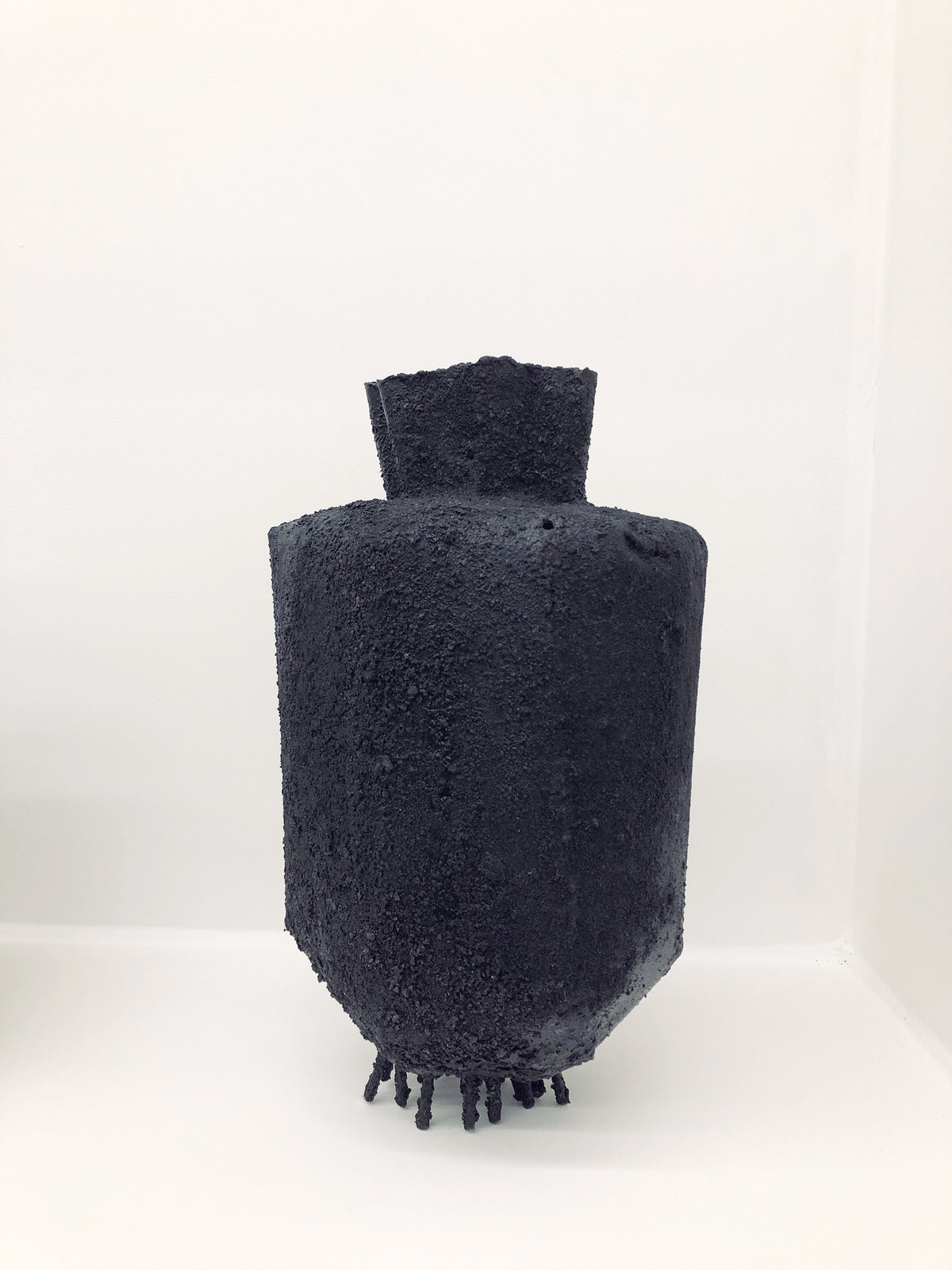
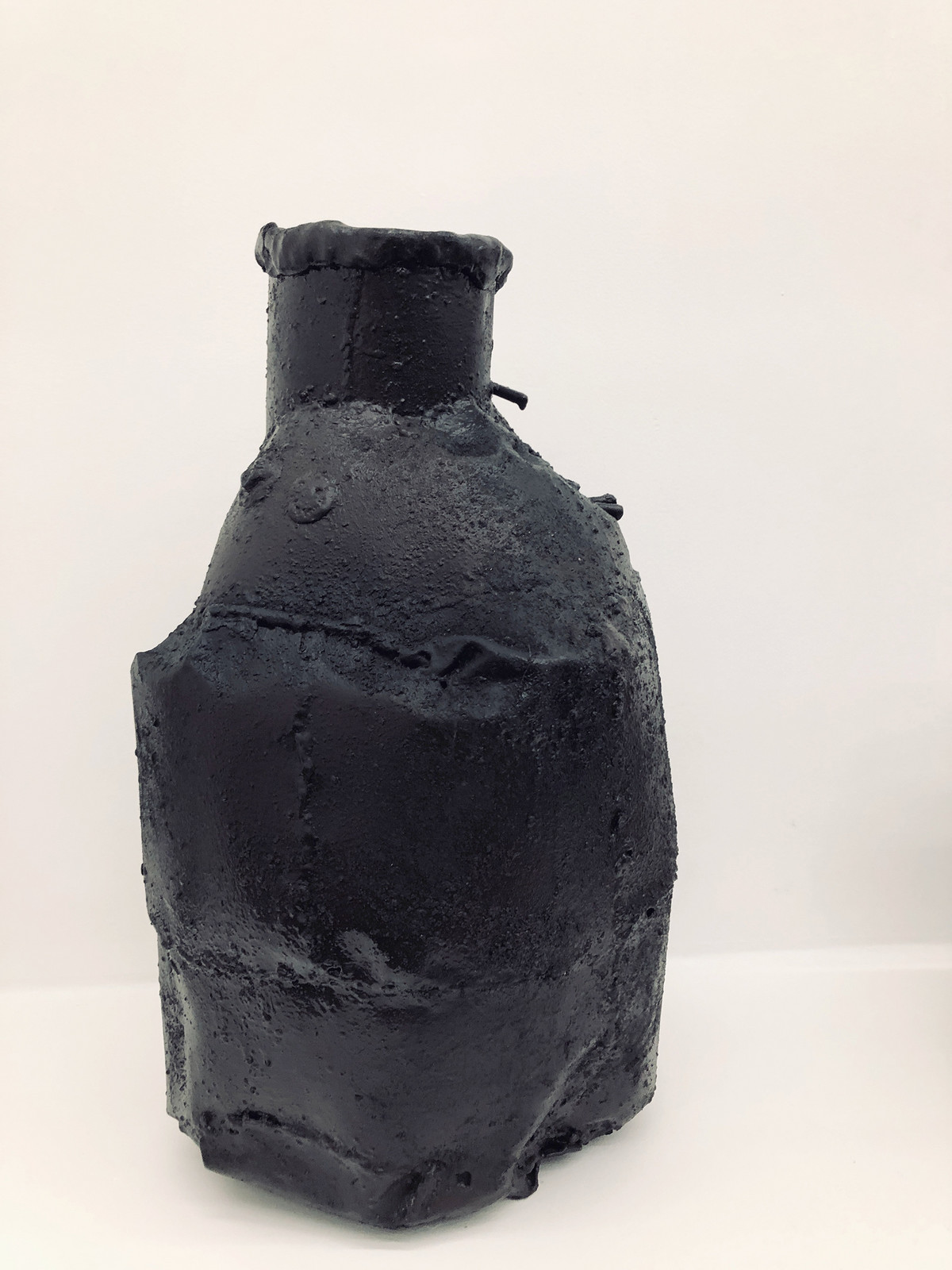
'Sour Orange #1-7, 2019'.
This series of seven handmade pots were created by painter George Rouy and sculptor Jesse Pollock during a residency in Merida, Mexico. The vessels are formed in sheet steel, then welded and mixed with charred sour oranges fallen from one of three sour orange trees in the courtyard of their Merida home. The result are pots of hauntingly beautiful form and texture, with surfaces at times glossy and others punctuated with childish drawings of grinning faces.
A building under construction becomes a venue for a collective exhibition thanks to the experimental nomadic gallery space Guadalajara 90210. Spread over three floors of a raw construction site, the exhibition comprises of work from over 100 artists across disciplines, including architecture, contemporary art, and industrial design. The outcome is a surrealist sculpture park where one can’t always be certain what is installation and what is simply some exposed electrical wiring. Scramble to the rooftop via a rickety fire escape and be rewarded with a replica of Barragan’s Torres de Satélite and views of the surrounding colonia Santa María La Ribera.
See dates for the next Mexico City Art Week here and here.
Lead photo: Pavillion of Stairs.