Vulvatious

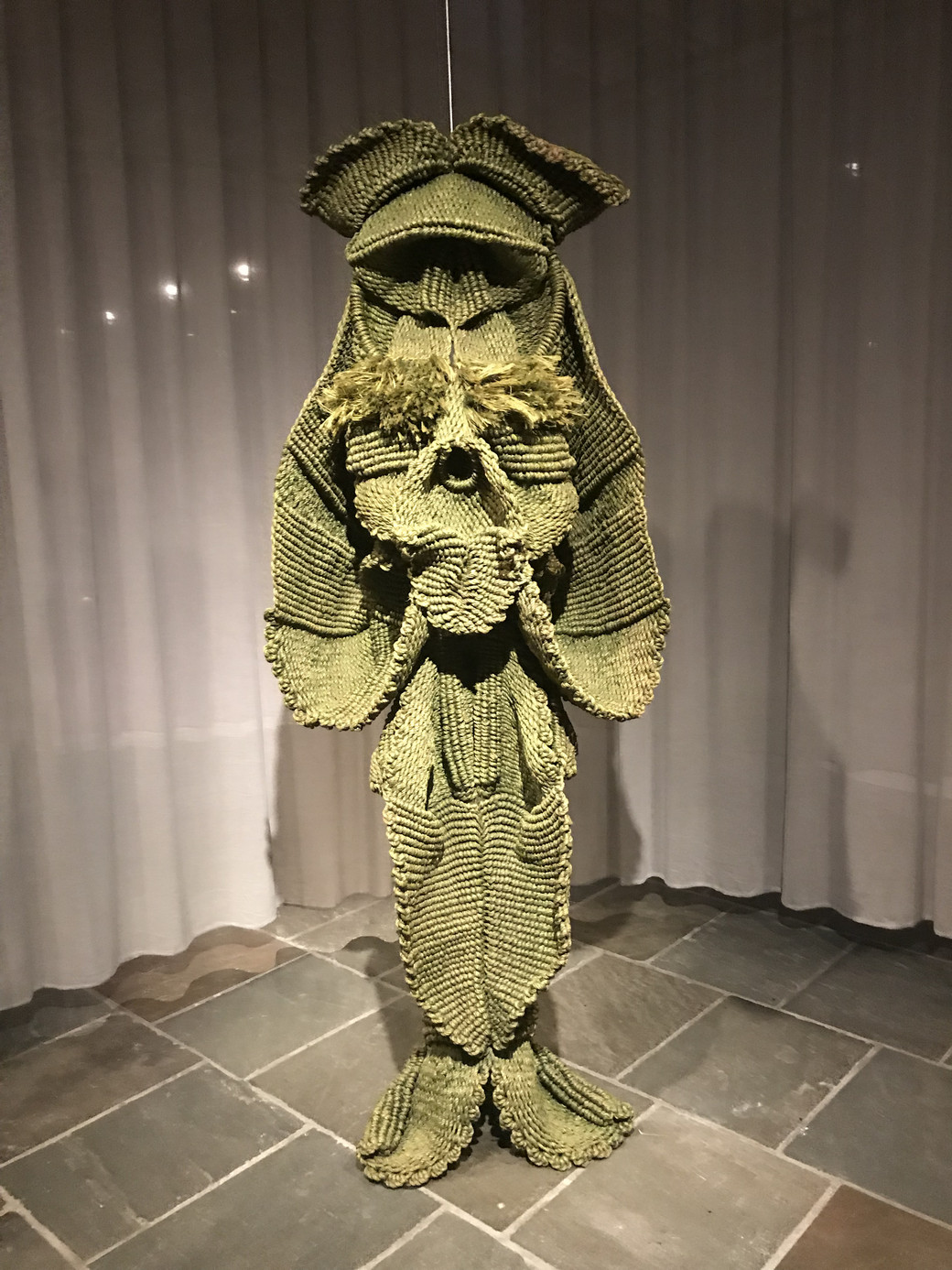
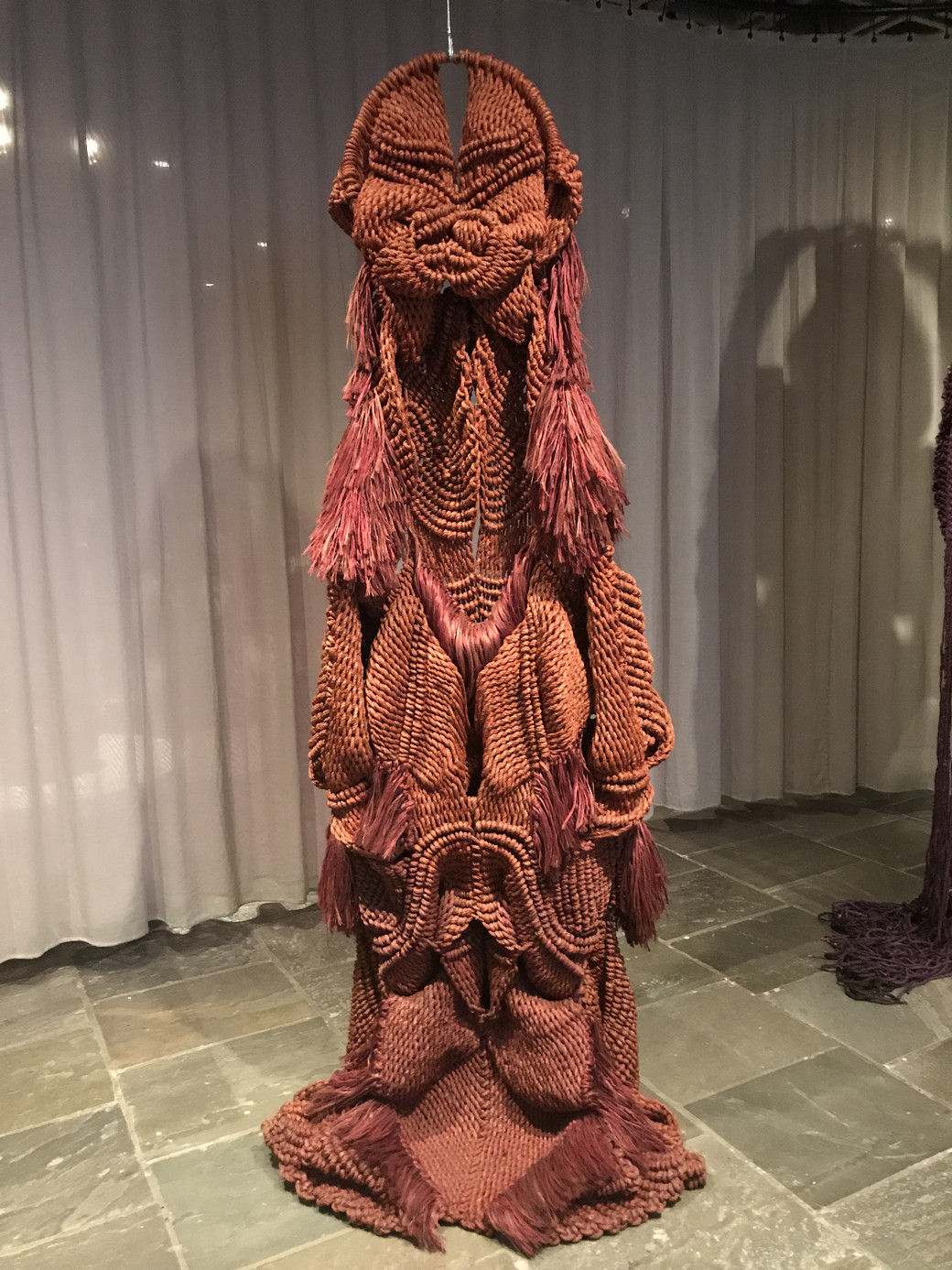
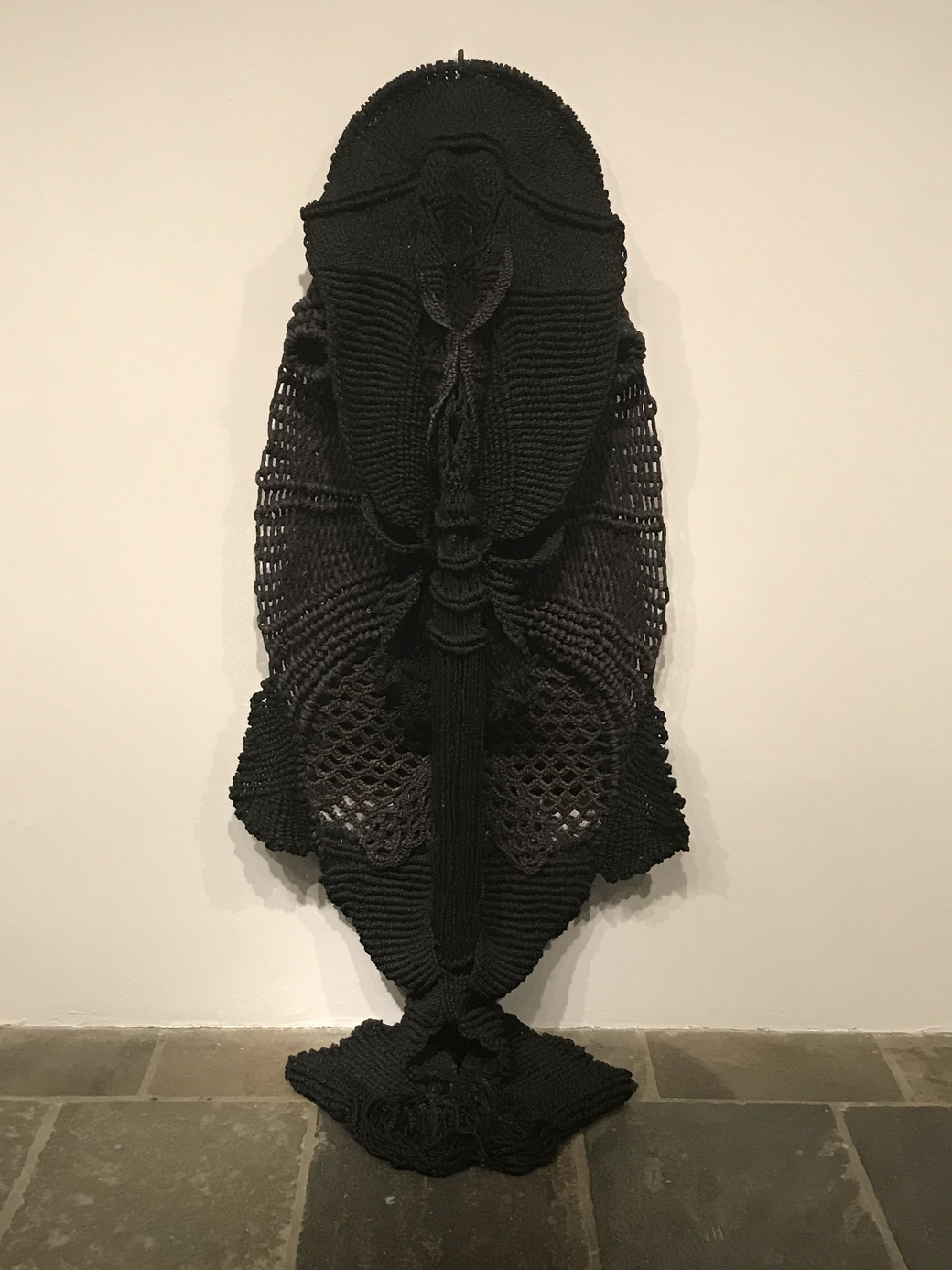
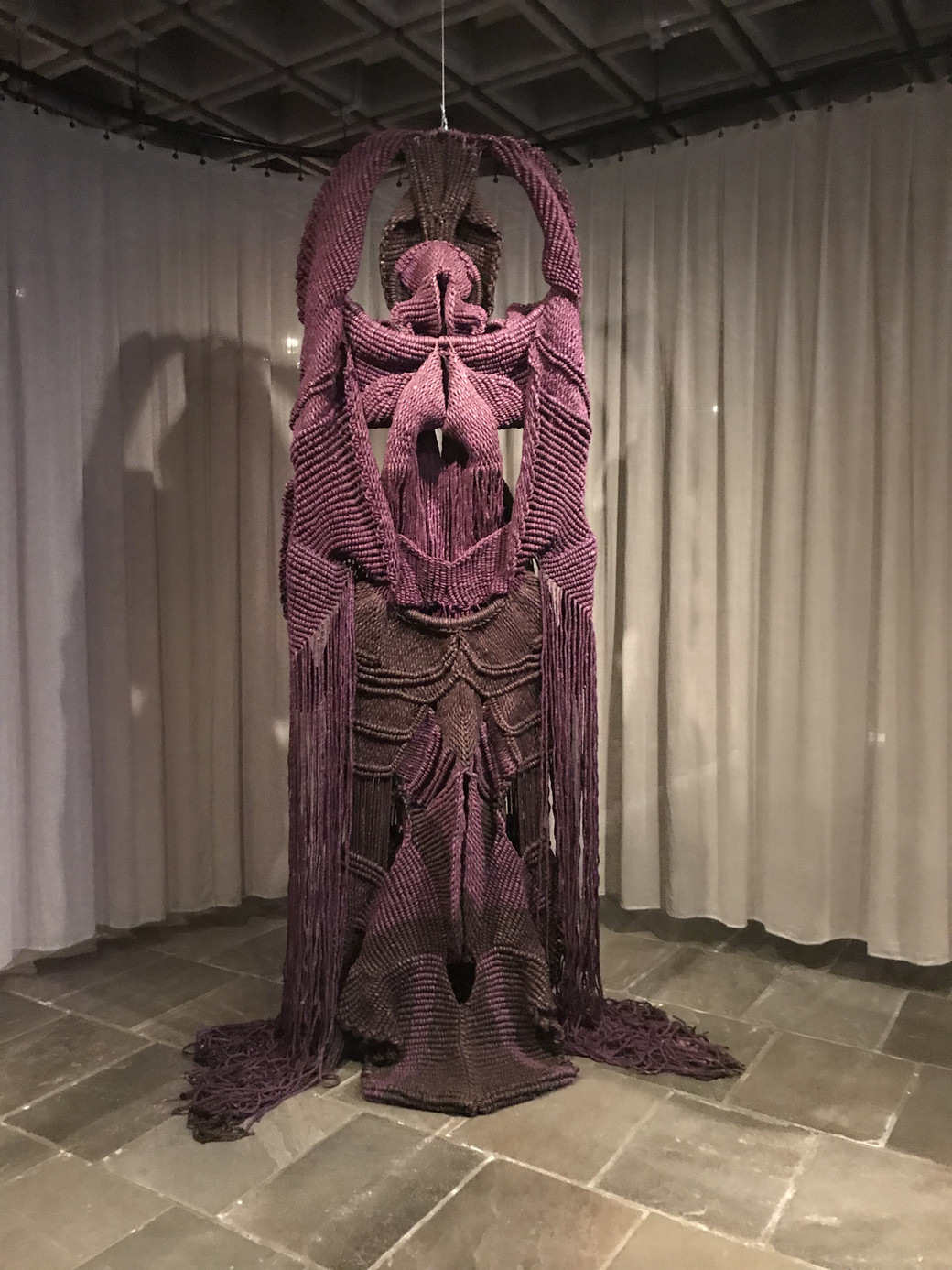
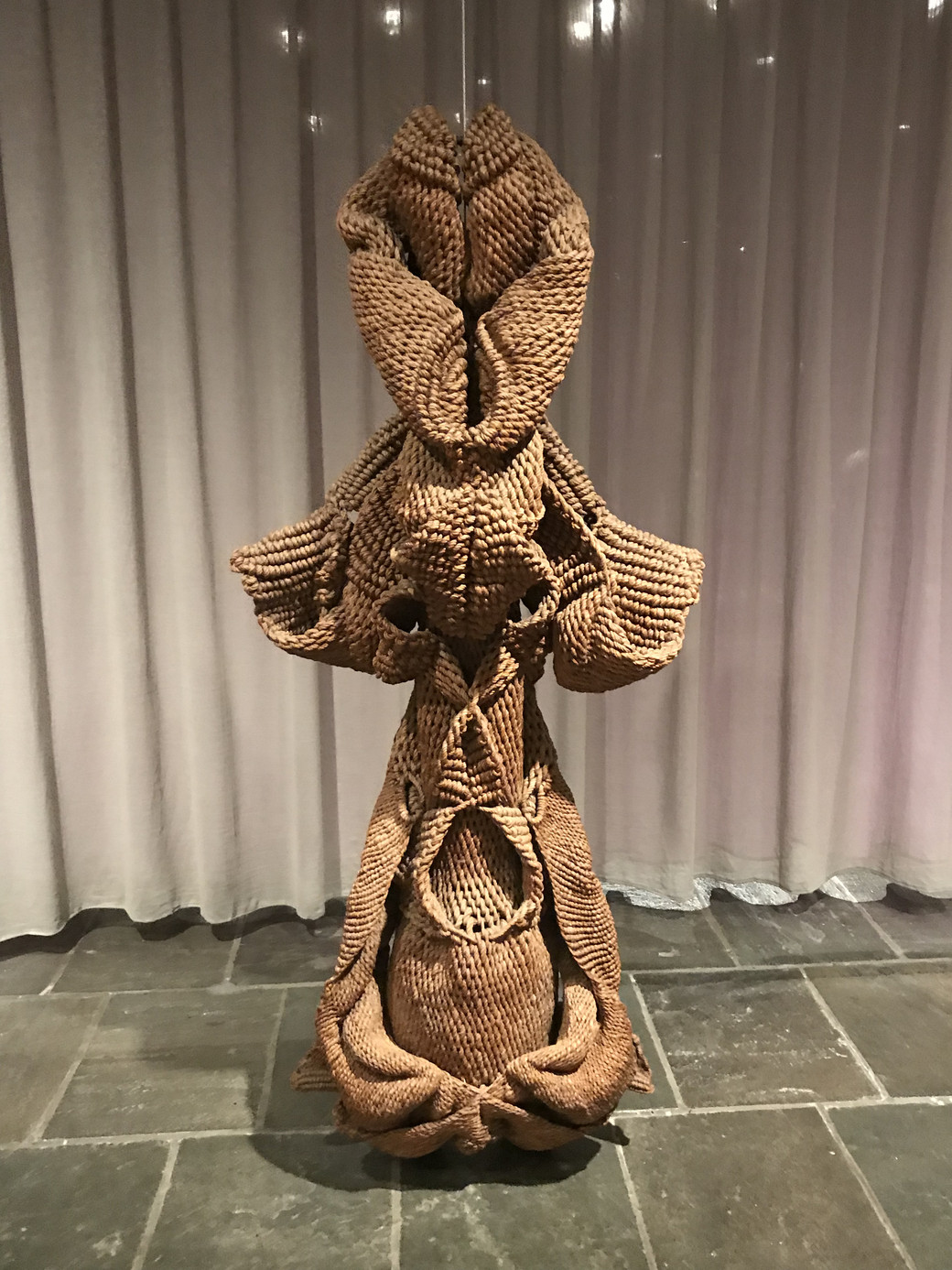
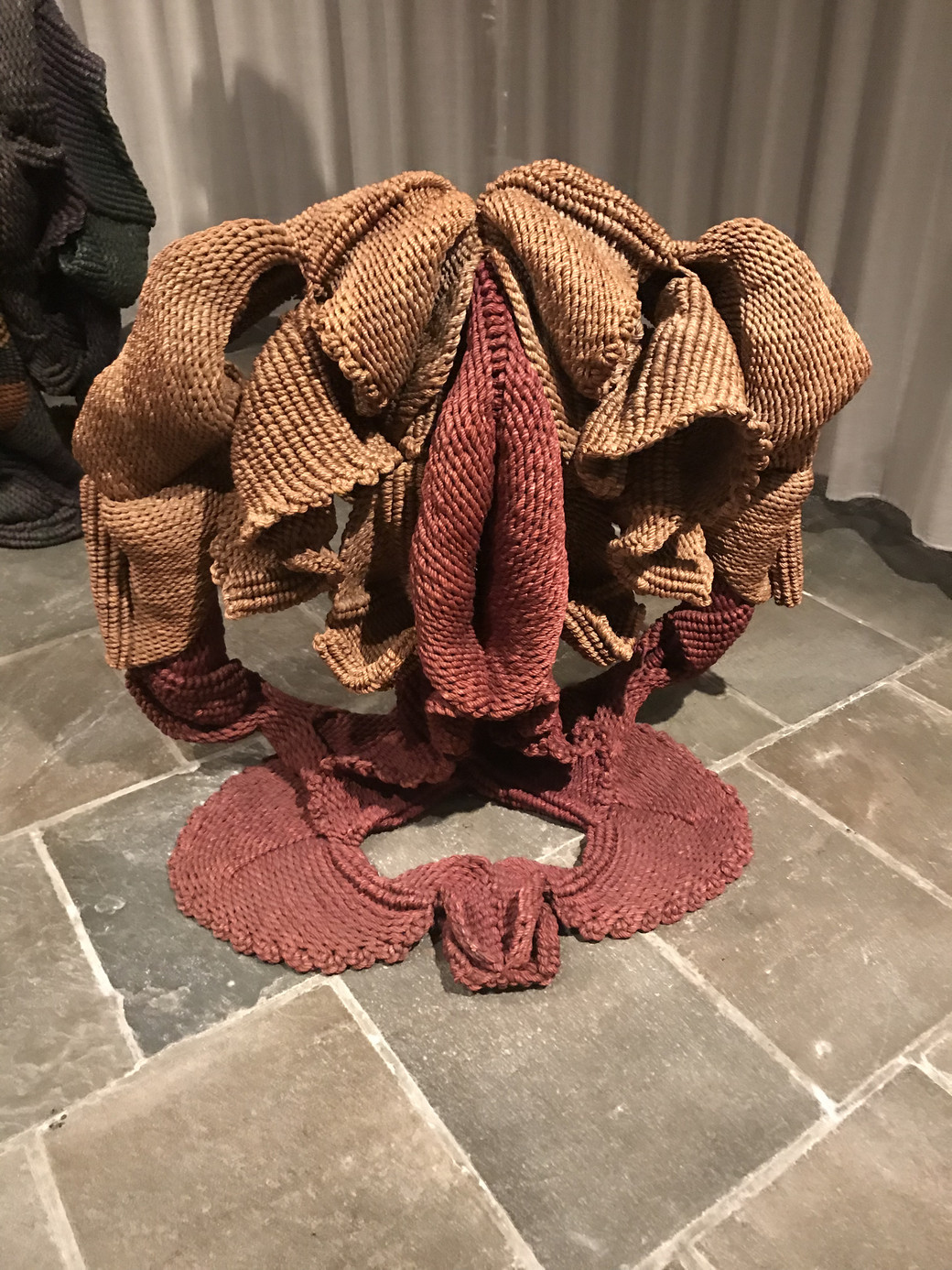
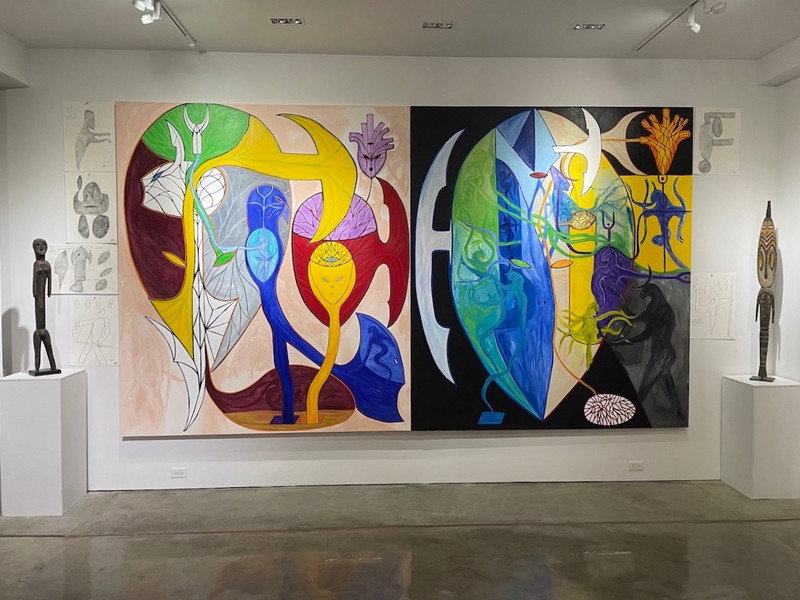
"Phenomenal Nature: Mrinalini Mukherjee" is on view at the Met Breuer through September 29th, 2019.
"Phenomenal Nature: Mrinalini Mukherjee" is on view at the Met Breuer through September 29th, 2019.

With the first issue alone, the duo has made it pretty clear that, when it comes to the conventional ideas and rules that go along with creating a magazine, they give zero fucks. Take the traditional timeline of releasing issues along with the seasons, for example: Buscalferri and Hadelova DGAF. Less concerned with fleeting cultural resonance of the hot new thing or any kind of momentary hype, they’re instead focused on highlighting those whose creative authenticity translates seamlessly into their own radical craft. The title MATTO—the Italian word for ‘crazy’-- is, in itself, a perfect embodiment of what the magazine embraces: a little bit of this, and a little dash of that, with no subject too taboo to be left in the cutting room.
Read our interview with the duo below, and pick up a copy of MATTO at the office Newsstand.
Tell me a little about yourselves and your magazine.
Aldo Buscalferri: My name is Aldo, I’m Italian from Milano, but I’ve lived in Paris for the last nine years. So, I just consider myself European. When I lived in Milano, I always worked for magazines—mostly men’s fashion and style magazines—and when I moved to Paris, I shifted towards contemporary art magazines. I studied in art school in Milano, as well.
Dominika Hadelova: My name is Dominika and I am Czech, but I’ve lived in Scotland for quite a long time—I went to art school there. Then I moved to Paris to study printmaking—I’ve always worked with paper and print, in that kind of medium.
How did you guys meet and start the the magazine?
Dominika Hadelova: We met in a bookshop that specializes in art, photography, fashion books and magazines. They’ve been around for about twenty years, and I worked there when I first came to Paris. One day, he came in and I saw him, and sold him some expensive books. We knew each other for some time before we created the magazine—it wasn’t like we met and said, ‘Okay, let’s make a magazine.’ It was way more organic, more natural. We had this idea in our head for some time, then suddenly it started to snowball into something much larger—it started to consume our lives.
Aldo Buscalferri: Actually, we had a lot of doubts about MATTO because there are so many magazines around the world—we worried about if starting a magazine was the best idea. But after some months we thought, ‘Fuck it.’ This is something that we love so much, and something that we enjoy doing, especially because this magazine is our own project, which is something very few people decide to do.
Dominika Hadelova: That was something we realized in the first two months—how important it is to have your own project. The amount of time and energy you are willing to invest in something that is yours is incredible. Everything becomes an opportunity or a reason—everything just becomes connected to that one thing.
Aldo Buscalferri: When we started to do some precise points in mind—most of which concerned how not to repeat some of the bad experiences we’ve had in the past when we have worked in the same field—one of the main points for us was to be really free in our thoughts and expressions. We decided pretty early on that for our first issue, we didn’t want to include any advertisements—we wanted to be absolutely free, and to create a genuine product. Maybe in the future we could see if we wanted advertisers, but in that moment, we decided to have it that way. What normally happens in the publishing world is that most of the time everything sits at the top of the table—special marketing, advertising, those kinds of things. For us, these things were something that hindered our creative process, so we said, ‘No, let’s do something different.’
Dominika Hadelova: Yes, we didn’t just want to be another photography magazine, another fashion magazine—we didn’t want to do another series demunde. We wanted to mix all of these fields and cross things over—we wanted the form of the magazine to reflect us.
Aldo Buscalferri: Yes, it’s quite simple. We are passionate about contemporary art and music, etc. It wouldn’t have made sense if we didn’t incorporate all of these passions within our design.
Dominika Hadelova: Yes, exactly. I think it’s the perfect reflection of us. In fact, when we were printing, it was quite nice to see that each page wasn’t purely Aldo or purely Dominika, but rather this incredible chemical mix of two things coming together. I think really we made something that mixes everything up but still possesses a thematic fluidity. At the beginning of this process, when we were approaching people on the street for interviews, people would always ask us, ‘So what is this magazine about? How would you describe this magazine?’ At that point, we had already come to the conclusion that we didn’t want to over-define MATTO. We felt very strongly that once you define something too much, you put a border around it. When something is concretely defined, a kind of mental and emotional movement is hindered. Staying fluid is something we really wanted for the magazine, so that it doesn’t feel forced in any way.
Aldo Buscalferri: Yes, the problem is that with this market, especially if you are a normal magazine working with advertisers, they typically need a clear statement, a clear-cut explanation of what the magazine is all about. Of course, we have some of these ingredients, but we really didn’t want to have one predominant ingredient. For example, if you work for a generic art magazine, you just talk about contemporary art, you don’t touch anything else most of the time. Fashion magazines, you just discuss fashion, and so on.
Dominika Hadelova: In this issue, we have an interview with this Scottish installation artist named Claire Barclay, and I think that because we are not art critics or journalists, our interview is much more accessible to the reader. Also, because we speak directly to the artists, they never write something up really fast or prepare something to say—what they say on the spot comes from a profoundly genuine place. In that way alone, MATTO isn’t your ordinary art magazine—it’s all open conversation.
Aldo Buscalferri: The experience is super important to us, and that’s why we always ask to meet every individual we choose to include in person. With real encounters, you can discover so many things about the subject that would have been lost in translation if you communicated via email, telephone or Skype.
Dominika Hadelova: For example, we went to interview this artist in Brooklyn for our next issue, and when she opened the door, we noticed that her studio was just full of things—like no joke, things everywhere! Then she went into this long-winded monologue that lasted for about twenty minutes, and Aldo and I were looking at each other like, ‘What is this woman talking about? I don’t understand anything she is saying.’ It was an experience similar to when someone wakes up and has a really vivid dream, and tries to retell that dream to another person, and that person has no idea what that other one is talking about. It was only after she showed us some of her work and played us a 45-minute video piece that we started to grasp her artistic identity and the underlying concepts of her pieces. After that initial ‘Eureka!’ moment, you immediately want more. Something just shifted in our understanding, and that experience you can never have with an email interview, you can never have that over the phone, you simply can’t. Or even in a conversation that we had with an artist in this issue—as you speak, the conversation suddenly becomes about materials, not just about her work, but her experiences working with different materials. Real life conversations have this fluidity that can’t be recreated.
Aldo Buscalferri: Yes, especially when we touch on contemporary art precisely because it’s not our background—we don’t have the technical, critical approach that we find most of the time in other art magazines, which is sometimes very big if you’re not inside that world, you understand nothing. I mean, this is also very important.
If there is one thing you want your readers to take away from MATTO, what would it be? Who are your readers?
Dominika Hadelova: I think our reader would be someone who is curious, someone who is open-minded, someone who would like to experiment and someone who is not afraid of things being mixed, and being open.
Aldo Buscalferri: I think also a secret ingredient to our magazine is erotics, or sex, which is a subject that could be a bit touchy, cheesy or cheap, or whatever. Luckily, we had a good concept of themes throughout the series.
Dominika Hadelova: Again, I think these qualities are a reflection of us. We chose everything, we chose the graphic design, the layout, the content—everything.

What do you hope to accomplish with your next issue? What’s something that you wanted to explore a little more in this issue that you realized only after the fact?
Dominika Hadelova: In some ways, I can already picture the second issue, but I really feel like it’s going to be a continuity, a progression of the first—this issue is the baby, and the second issue will be a little more grown up.
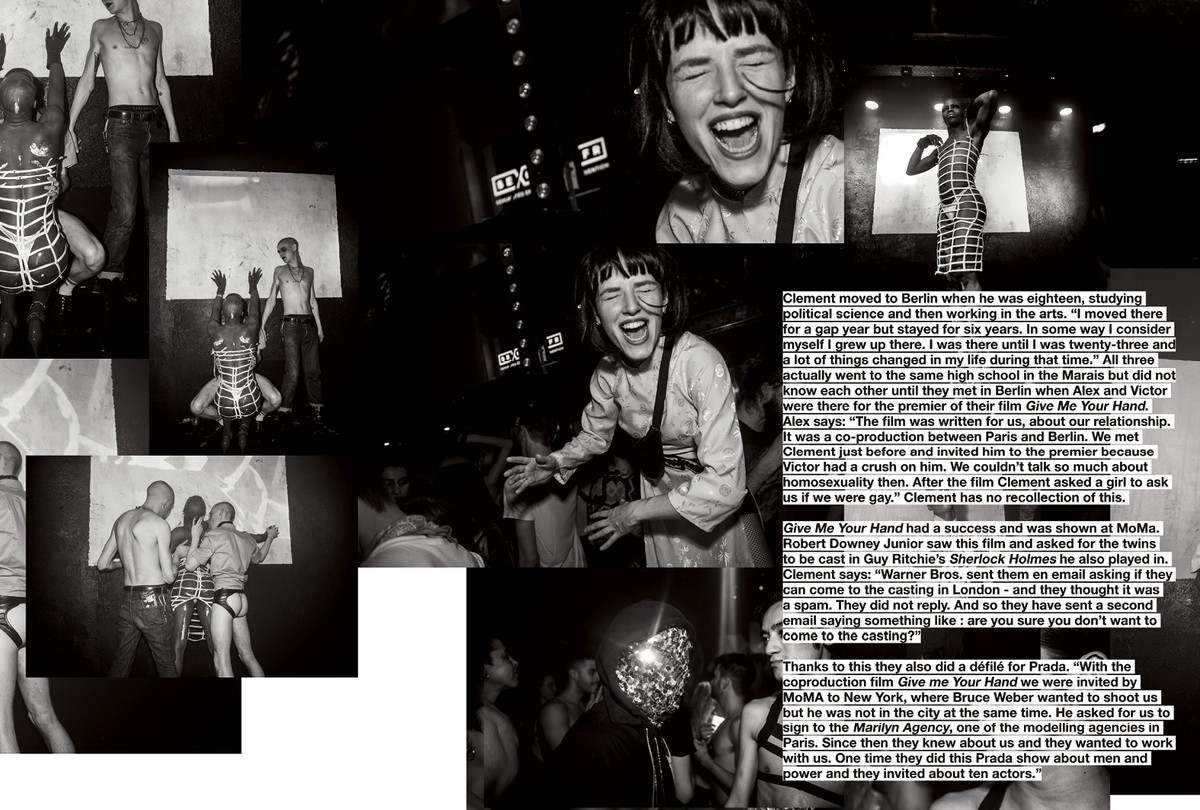
Aldo Buscalferri: For sure we would like to have more content, so adding more pages. Maybe in this issue we have two pieces about clubs, the first being the Kinky Club in Tokyo, and the other, the Extravaganza Club in Paris. Maybe in the next issue we take one club around the world. We came to New York and took advantage of our time here to meet some new people, do some interviews, collaborate with some people we didn’t expect to collaborate with—our work process is like that. We’re going to London in January, and we’re going to meet someone we discovered in Tokyo at the end of May, and we liked the music very much. So, we set up a meeting in Brooklyn—that’s how we create content. It’s also important to have a big part that you don’t know yet, so we can stay surprising you.
Dominika Hadelova: This is a really unique quality that Aldo has—it was something in the beginning that I was quite impressed by: the way he knows what he wants and what he likes or doesn’t, but his mind remains so open. You meet people, you can speak to them and you are always willing to try new things, and I think that is such an important quality in this industry—staying open.
What do you think is the role of art when it comes to shaping culture? How do you think we are affected by it?
Dominika Hadelova: I’m going to talk about this from the other side, from the perspective of someone who sees art but doesn’t make it themselves: I think art compels someone to question things, enables you to realize things about oneself, to ask questions that you would normally not have to ask if had a normal nine-to-five job. I think that can open up really interesting discussions and modes of thinking. Yeah, I would say to question things you formerly accepted as truth.
Aldo Buscalferri: To question yourself. Firstly, the work of art should talk to you emotionally, otherwise, without that vulnerability, your connection with the piece means nothing. Then, after this inward introspection, it should make you question the society that surrounds you.
Dominika Hadelova: Exactly. I think to be an artist, there are certain freedoms that you have to have, but those freedoms come with a lot of anxieties that most people in this realm don’t really talk about. These anxieties are exactly the reason as to why one questions how things work, and how these things could work differently. It’s something that can make a cut—to open up some wounds, bring about something fresh.
Aldo Buscalferri: Art should open up doors and windows—like you see something that you didn’t catch before. I think that art should give someone new vision, and it should resonate with you on an emotional level.
Dominika Hadelova: For us, seeing an art exhibition, to do those kinds of things, it’s like eating food—it’s something that I just can’t imagine not doing. I can’t imagine not doing all the creative things that I love.
Where does the title, MATTO, come from?
Aldo Buscalferri and Dominika Hadelova: The word MATTO means crazy in Italian. Even though we didn’t choose the title for any specific reason, we found it to be rather well-suited in the end because it is crazy to create yet another magazine. Now we like the word MATTO because it works nicely as an adjective attached—for example, we had this idea of making a sexy and glossy middle section of the magazine, which would be called Sessomatto, which translates to ‘crazy sex.’ Then there is MATTO Project—beyond making the magazine we also work on graphic design, produce video and writing as a creative studio.
Is there one thing that you now know, or an experience that gave you guys some sort of clarity you didn’t have when you began this process?
Aldo Buscalferri: You never realize the amount of time that you are going to spend on the project, quite happily though—it’s never a pain in the ass.
Dominika Hadelova: Sometimes we think we’re going crazy, you know? There are moments when you really think that you are on the borderline of insanity, and I think that really it makes you question so many things.
Aldo Buscalferri: But as I say, if you start a project like, ‘Okay, we’ll sit down at the table, what are we going to do? These economic factors… blah blah blah…’—you actually aren’t doing anything. Sometimes, it’s just about following your instincts and listening to that little voice inside your head. Then everything will figure itself out, even if it takes some time.
Dominika Hadelova: See, but it’s really quite amazing; I think that four months ago, Aldo and I didn’t know we could work in this way together. That discovery was incredible.
Aldo Buscalferri: I always told Dominika that I wanted to do a project just like this for a very long time—the project was never realized because I didn’t have the right person in front of me. But this partnership is just… fuck!
Dominika Hadelova: It literally feels like when you ignite something—I can’t believe that four months ago MATTO was just a thought that even we didn’t really believe in. Often it can feel really crazy because you’re just working from home on your own, and you have this idea in your head, and now four months later, we’re sitting here at this table talking about something we have created, something so real. It’s incredible how much your head can shift in that time if you stick with something. There were so many moments when we could have gone, ‘Fuck this,’ moments when we were exhausted, and all the emails and what not, but you just have to keep going.
MATTO Issue One is out now. Buy it here and at the office Newsstand.
Tell me about your work.
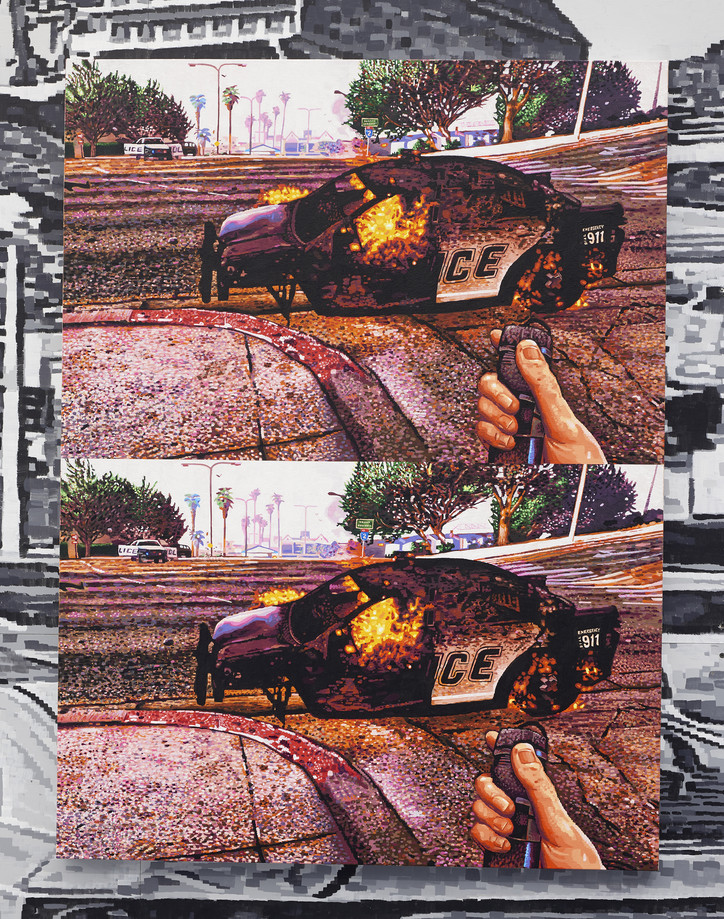
For the last two years, I’ve been making paintings that are sort of inspired by the digital world, in the broadest sense, before being more digital collage aesthetics, like Photoshop languages and traditional painting. So, trying to transform some of those digital gestures into gestures on the canvas. And then more recently I’ve been honing in a bit more and being a little more specific about what types of digital languages I’m painting from. The show that’s up at The Hole right now is exclusively from a game that came out in 2013, Grand Theft Auto 5, which is super popular—I think it’s the best-selling video game of all time. The reason I wanted drawn to it was because of how expansive it is—it’s an open world fan-box kind of game where players can kind of do whatever they want within that world; it’s not like a narrative that’s on rails—it’s more of a choose-your-own-adventure, there’s an immense amount of freedom in that. There’s also a great deal of beauty in the game—it’s like this parallel, bizarro Los Angelos—but there’s just amazing lighting and modeling and things like that—it really does feel like a world that you enter into, which is sort of a pre-cursor to virtual reality, maybe. To explore these kinds of exciting, new digital frontier ideas through painting is exciting for me.
Do you play video games?
I sure do, yeah. It’s part of the research now, but before I was making paintings from video games, I was still playing them, too. My relationship with video games goes all over the map, whether I’m obsessed with a game and really immersing myself in it or if it’s just like ten minutes of Rocket League or MarioKart or something that feels more arcade-y.
I love art that comes from video games. My brothers were gamers—I find it very strange when people aren’t into video games, just because they’re so everywhere. I remember when Grand Theft Auto came out and it was such an interesting concept, because I feel like it was one of the first open world games—there’s something about that open world concept.
There’s that game Second Life that got a lot of discourse, too. I never played that because it was on PC, but that had similar game play features, kind of like you can live your own life within this world, and it’s not like the game is telling you what, exactly, you should do.
I love the use of repetition and the focus on cars—that, to me was really incredible. What is repetition for you—how are you using that, why are you using that?
That’s a really good question. It was good timing too because the Warhol show is up at the Whitney right now, so I got to see that, but it was nice that it was open during the opening of my show, because Warhol was one who was using repetition in a really interesting way through screenprinting and I’m doing it through painting. To me, I’m interested in painting images more than once to subvert that idea that paintings are these precious, unique objects with auras, you know what I mean? In a way, they are—none of the copies I do are exactly the same, so maybe I’m not necessarily trying to subvert it, but I’m playing with that idea. If you look at a jpeg of one of these paintings, it looks like a simple tile function in Photoshop, from faraway they look like a very simple drag-and-drop gesture, not something that is painstakingly reproduced by the human hand.
Also, painting the same thing over and over again is almost like when you say the same word over and over again—it begins to lose its meaning, it becomes abstracted in a way, psychologically. That happens to me when I’m painting—I don’t think, ‘I’m painting a tire,’ it’s just like, ‘Here’s a pink brushstroke on top of a gray brushstroke.’ I guess a lot of painters think that way when they’re painting, but when you’re painting the same thing over and over again, you get to that meditative headspace even more. That’s interesting and engaging for me.
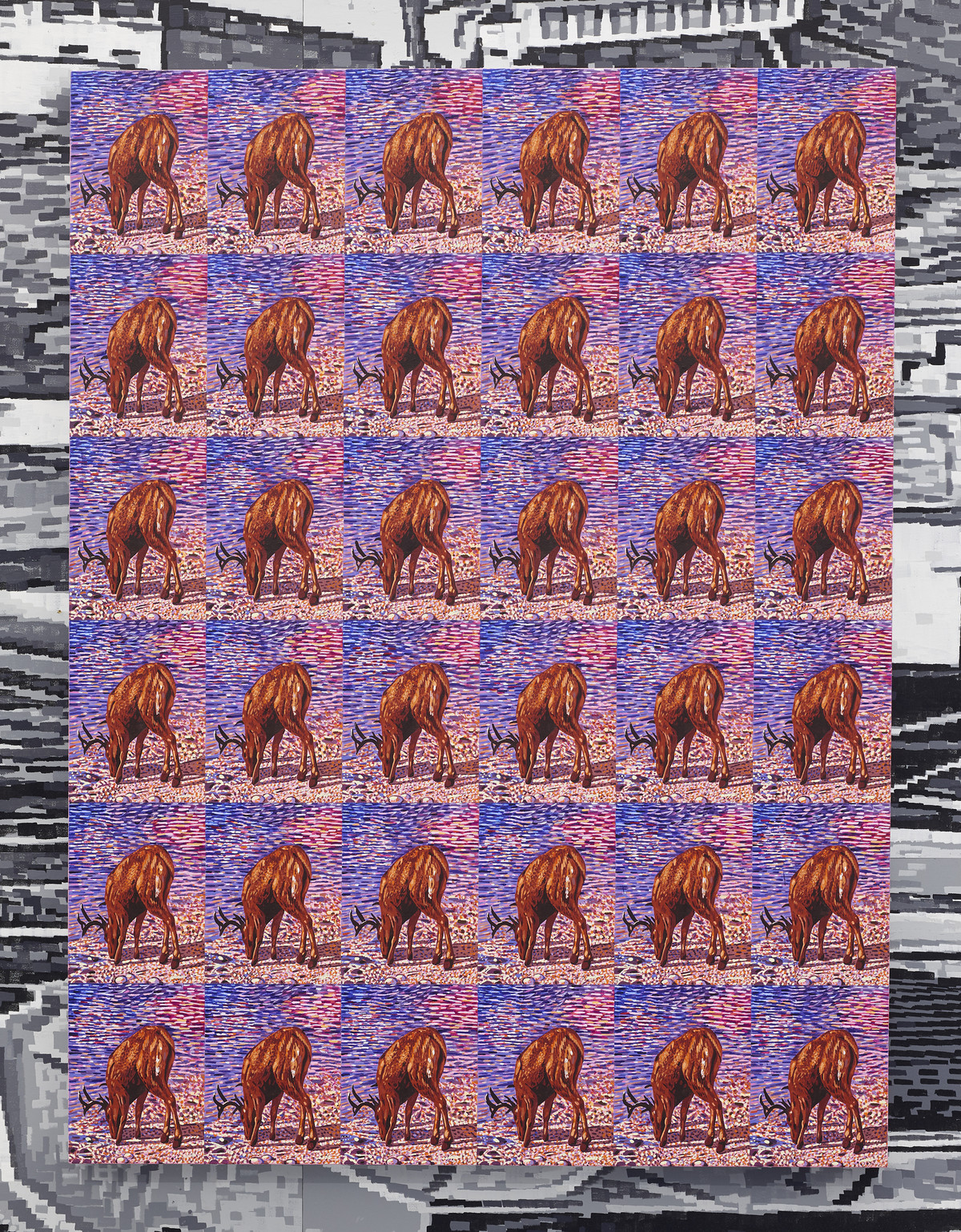
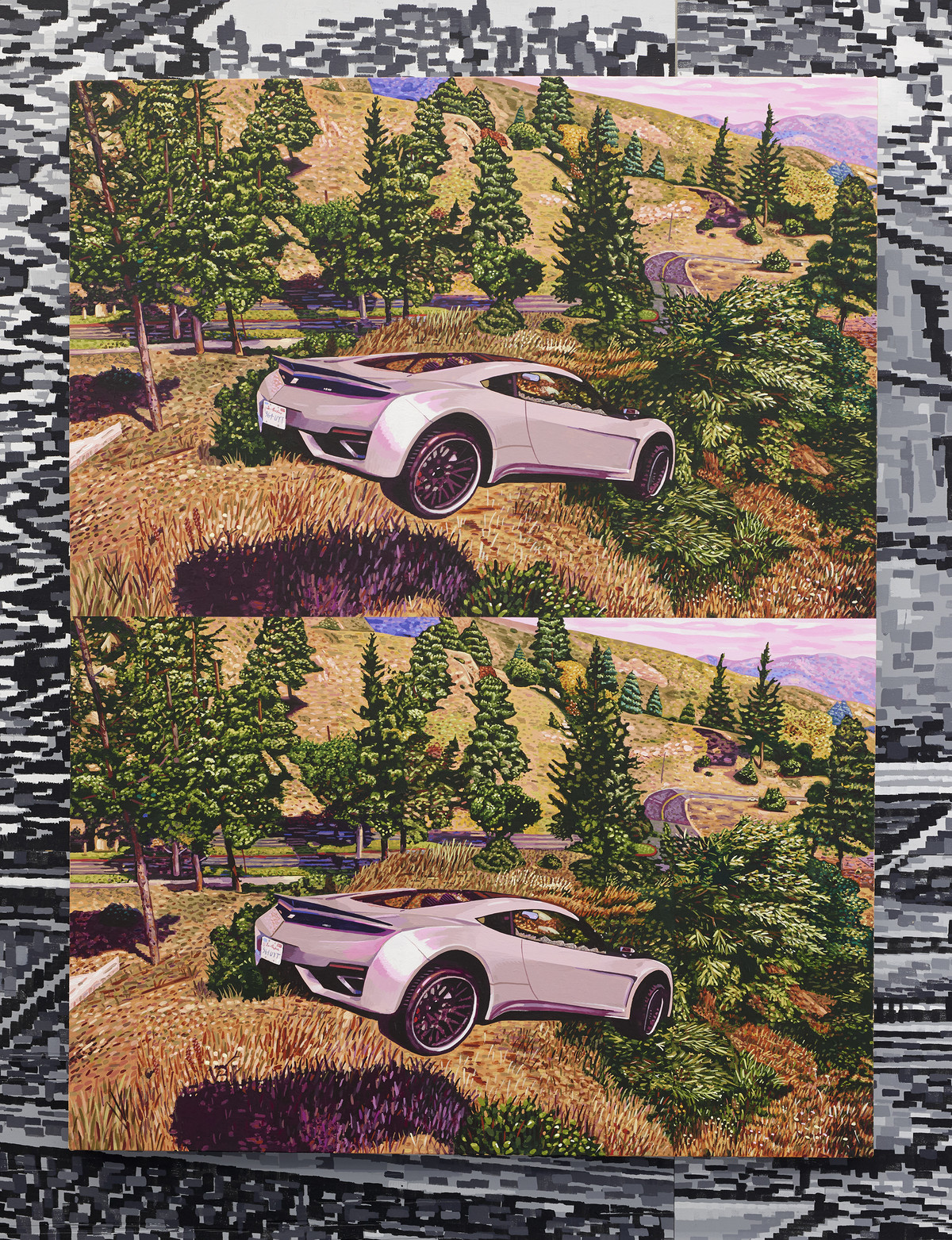
'Buck and Stream' and 'Five Star Jump.'
It feels important that it’s connected to a digital landscape. There’s something about this digitization—it almost felt like you were walking into the actual internet when you were entering your show. How did you end up coming up with the immersive element of it?
I think this is my most ambitious show in terms of the scale of the installation. I was interested in the idea of the viewer needing to experience it in person, what with Instagram and jpegs. People always say, 'Oh you need to see a painting in person,' but I also feel like with phones, now you really do get a sense of what the painting is like through this 4-inch screen in our pockets. I like the idea of the painting being so big that you walk into it and it surrounds you, which I think you were alluding to—it’s kind of like playing Grand Theft Auto, you’re no longer in our world, you’re in this digital world. So, in the case of the exhibition, you’re in this painted world, which references the digital world. I’m really interested in all sorts of popular culture and entertainment and I like to paint from that—I go to the movies a lot and I love seeing movies in IMAX because the screen is bigger and it feels like your in this tiny little seat that’s getting swallowed up by that rectangle. I’m wondering, can painting compete with an IMAX screen or 3-D movies or virtual reality? Or not compete, maybe, but how do I paint in a way that responds to other ways that images are being consumed now?
Have you worked with digital art? What is your opinion on it?
I haven’t, no. You know, I enjoy it, but I don’t know—it’s weird because I’m making these paintings from these digital worlds, but I don’t love spending a long time on a computer. I like playing video games and watching movies and stuff, but in terms of the making, you can imagine the paintings take a while to make. I guess I would just rather spend that time doing something physical with my hands—not that making works digitally can’t be physical, I just think, in the end, I’m finding ways to continue to make painting exciting for me.
There’s this idea of a car crash happening, or destruction—it almost felt kind of violent in a way.
It’s hard to make work about video games without being aware of violence. Some of the previous work I had done were paintings from early first-person shooter imagery, like Doom 2 or Wolfenstein 3D—early pixelated violence. That type of violence is different from violence in movies because you’re the one controlling it, which I think is different psychologically, the activity of it. Then the painting is not interactive, it’s a static image—but I guess paintings are always interactive, because viewers are interacting with it in some way.
In Grand Theft Auto, you’re constantly being chased by the police, whether it’s sideswiping a car on accident or hitting a pedestrian, or maybe you’re doing a mission that involves a violent act. I mean, it’s fun to do these things—they’re not the sort of thing you want to do in our world, but in that world, there are no ramifications for your actions. So, you can drive your car off a cliff and the car explodes and you die but you just wake up instantly at the hospital and do it all over again. There’s this kind of digital immortality that supersedes the violence, death and destruction. It’s just something that’s a game-ender, but just another chapter in the game. It’s not something you’d play with in the real world, but it’s something that you get to do in this virtual one.
It’s such an interesting impulse toward mayhem and chaos where it’s like weirdly fun. I always feel like it’s a specifically male thing for some reason—boys just love chaos and going crazy.
It’s funny because I like to drive my car fast in the real world, but I do it in a way that’s like, what’s the fastest I can drive without getting pulled over? Or if I do get pulled over it’s borderline ‘Can I get out of this?' versus like I said in the video game, there’s no negative—you can just wake up again and get in a shoot-out.
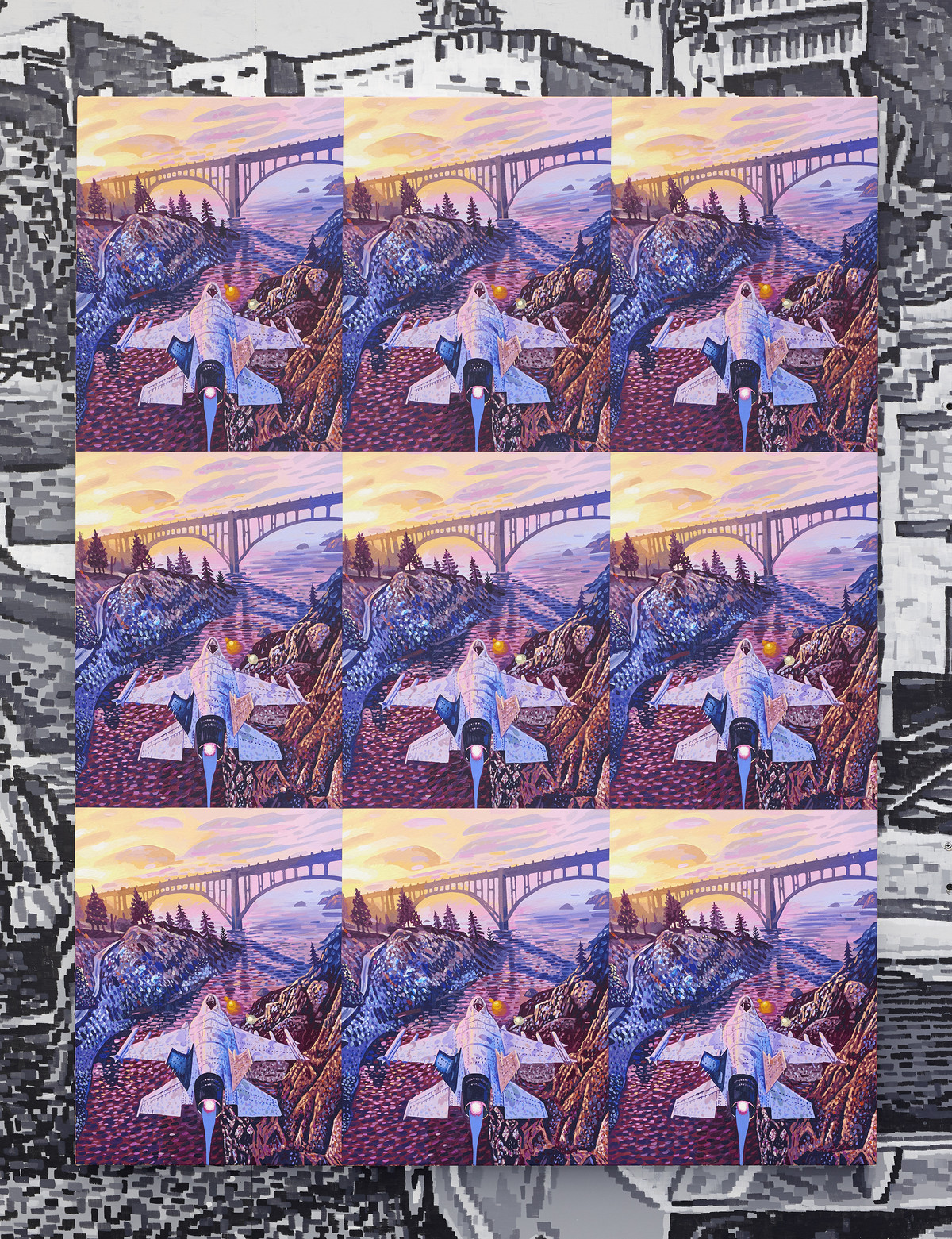

'Jet and Bridge,' and 'Comet in Canyon.'
I love the concept of no consequences. Do you feel like there’s a sense of mortality that you’re tapping into?
Maybe. Maybe the digital immortality makes you think about real-life mortality, because all of our stories have a similar ending in that way—we’re all going to die in the real world in some way. But again, there’s this playfulness with death in video games—it’s just really not that big of a deal. So, have fun with it.
What's your favorite video game right now?
I’ve been playing this new Red Dead Redemption game. It’s made by the same developers as Grand Theft Auto, so it feels Sandbox-y, and it’s very open world, but it’s weird because it’s so slow—it’s in the Wild West so you’re on a horse all the time, whereas in Grand Theft Auto you’re stealing jets. I like to bounce back and forth between them—it feels like I’m time-traveling. The gameplay is so similar, but the worlds are so different. And in this game, there are more consequences—there’s a morality thing where your character, if they do things that are looked upon positively, and if they do illicit, illegal things, they get a bad reputation and people run away from you in town. It's like the developers are starting to think about, 'Well, what if there are consequences in these digital spaces that we’re creating and how does that change how we play the game?' It’s changing how I play the game, because I’m trying to be good, and then you might accidentally shoot someone and then you have to earn enough money to pay off your bounty—it’s just such a different way of doing things.
The thing about video games—I don’t know if anyone even says this anymore—but back when I was growing up there was always this outcry of people saying that it was negatively shaping young minds. How do you feel about that?
I have mixed feelings on it. That was a very 1990s moment, but I have heard these rippling waves of that conversation. I think a lot of it has to do with all the mass shootings that have been happening—I think we’re all so confused and heartbroken over them that it makes sense that people turn to the violence in video games as a potential motive. I think it’s a bit farfetched—I think there are more obvious things to address before violent video games.
It’s one of those funny things where the argument can go either way, because you can argue that by playing the video game you’re actually getting those violent impulses out of your system—they’re like an outlet—but then you can also argue the other side convincingly.
I would also venture a guess that the people making that argument aren’t playing video games—they don’t get that you can do these really violent things in the video game and know that that’s fictional, and know that hurting people in the real world is awful and you’ll feel awful if you do it and you shouldn’t. I think it’s people saying that from the outside.
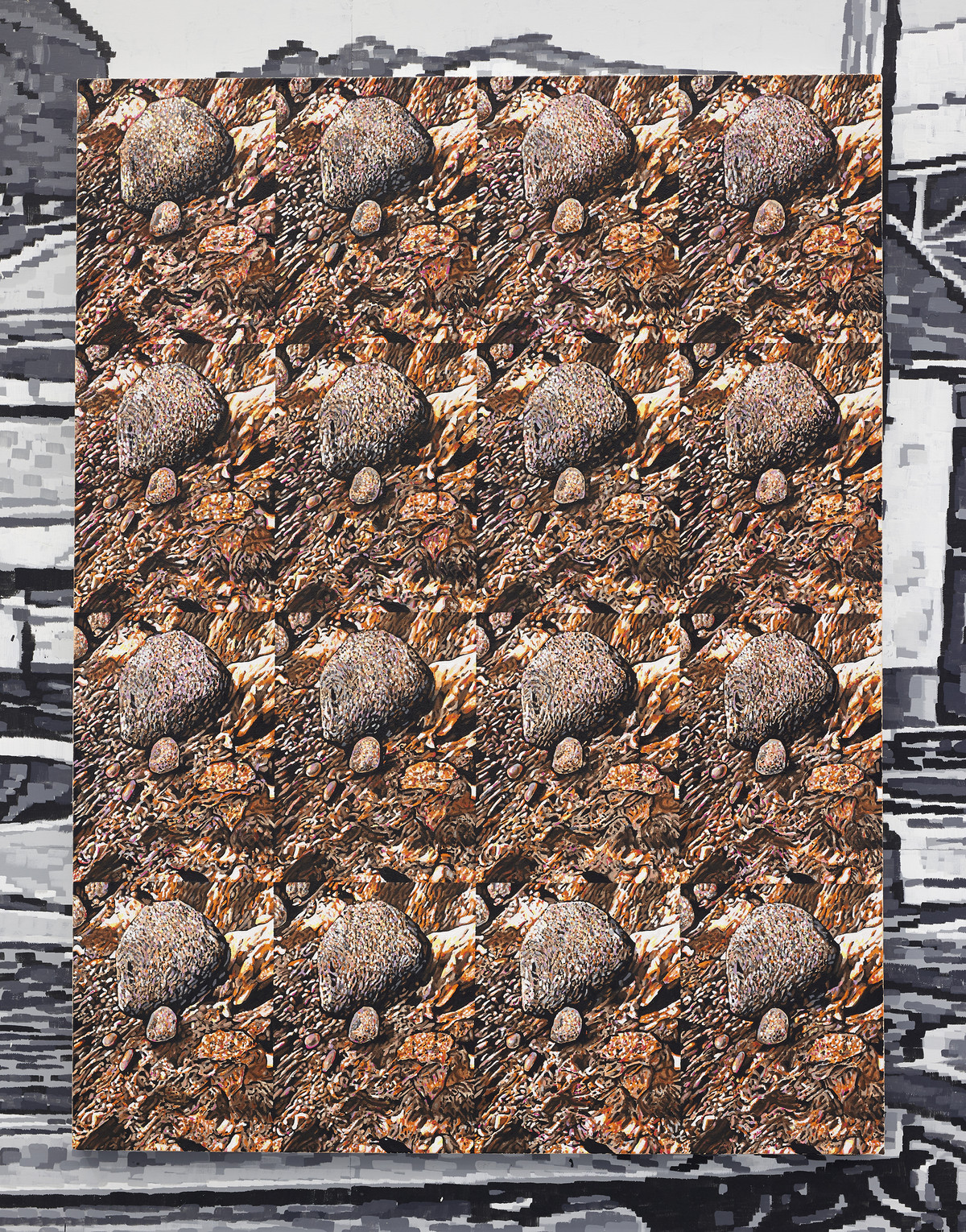
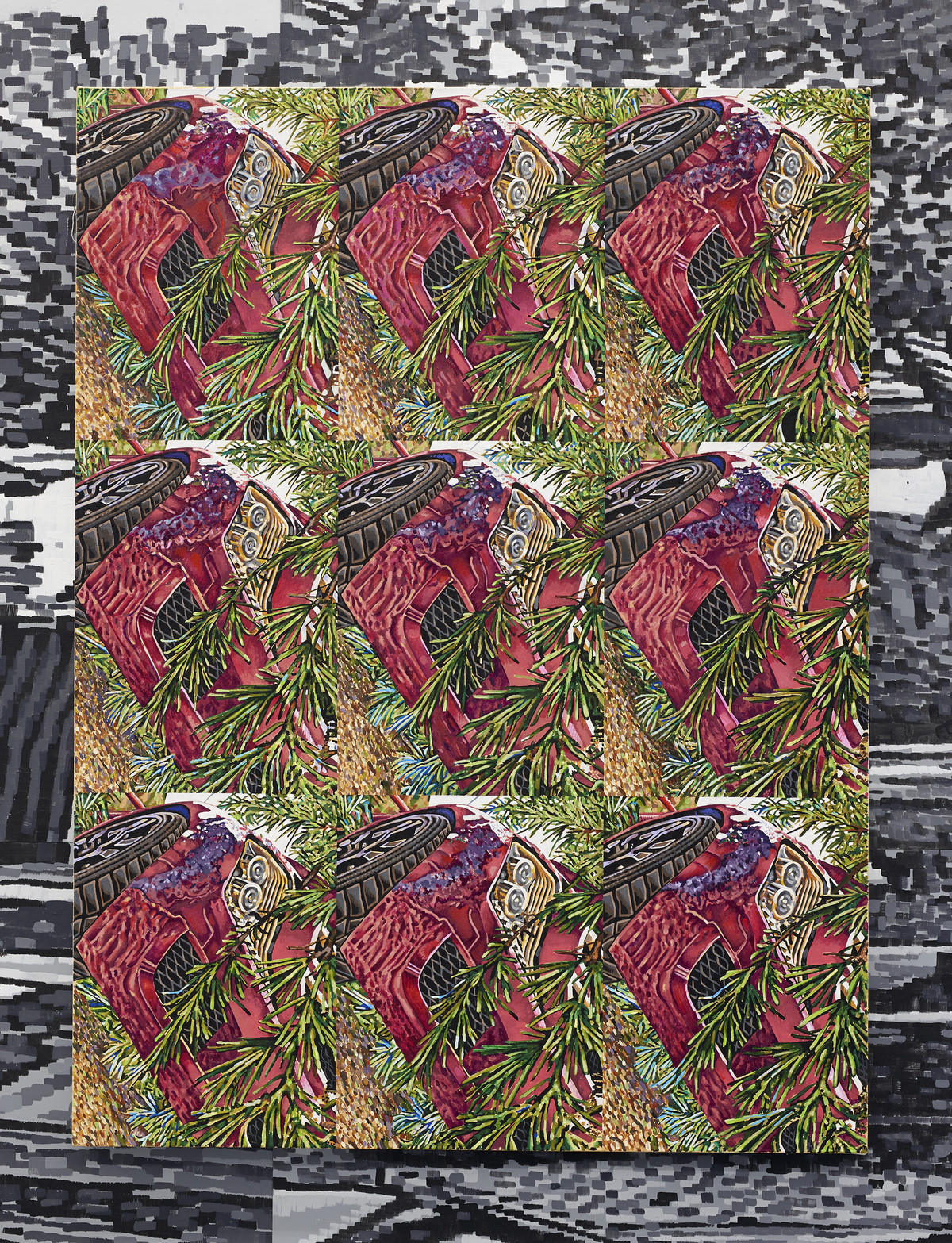
'Boulder and Sunset' and 'Car Crash.'
I was actually talking to a little kid about this—his mom doesn’t allow him to play violent video games so he plays mostly Minecraft, but even Minecraft has a little bit of violence in it. It’s just inevitable with these adversarial situations. I remember thinking about it, even in Mario you have to destroy the villain—it’s just the nature of a plot.
Even in other genres, like racing games you’re bashing up against other cars. I play sports video games from time to time—I’ll play an NHL game—hockey is my favorite sport, and it's pretty violent, so it gets violent in the game. It’s interesting too to compare it to movies, because movies aren’t talked about as being super violent, but how many movies have guns in them versus how often do you see a gun in real life? Dustin Hoffman made the point to not be in any movies where his character has to use a gun, and that’s a pretty wild move for an actor to do, because probably more than half the movies out there have guns in them and he just thought you could have more subtle interactions with characters in the movie without a gun, which is probably true.
I kind of do wish there were more video games that had less violence. I remember there was this game in the '90s on PlayStation about making soup—you would use your controller to chop the carrots, and you wanted to make sure it didn’t boil over. It would be nice if there were more mundane options for video games, too.
I personally really like it when people embrace the digital in art.
I mean, it’s everywhere. Painting can get pretty old-fashioned feeing pretty quick—I feel like it’s good to look at what’s happening now, and sometimes those things will feel alien on a canvas. It’s like, 'Whoa that’s weird to see that image painted by hand,' because we’re used to, historically, pastoral landscapes and reclining nudes—it’s just nice to inject some more current things in them. There are so many strategies other than looking at digital imagery, but that’s one thing that’s exciting for me, as a viewer, too, when something feels startlingly new.
It’s startlingly new and yet not at all. It really is mundane to us, but it makes you look at it differently—you realize it’s kind of cool.
I like the everyday-ness of it. I think of those train station paintings that Monet was making, and that being like a new technology, was—not shocking—but remarkable to see in painting in the 1880s.
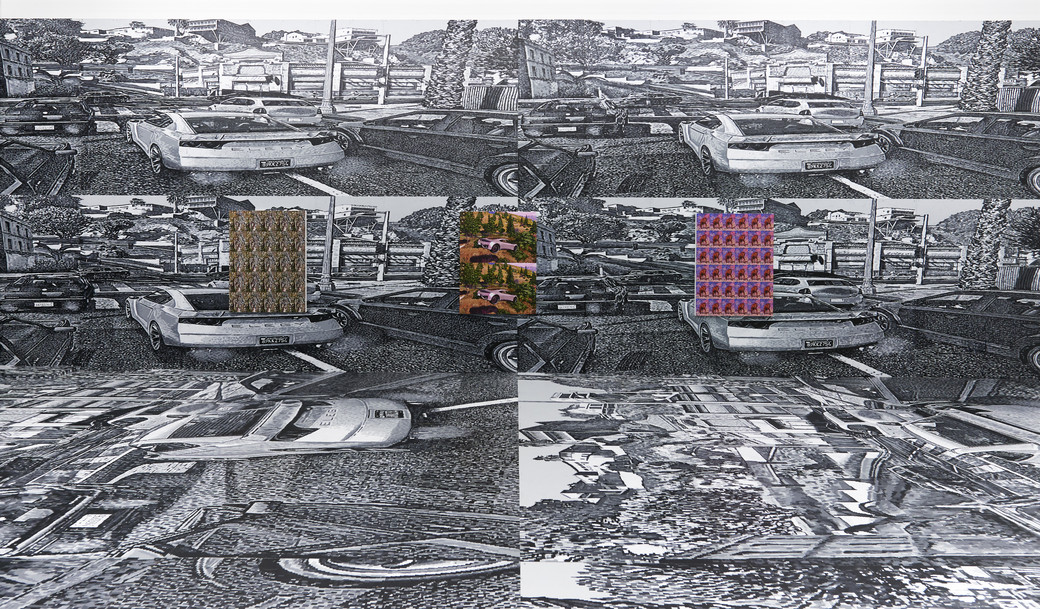
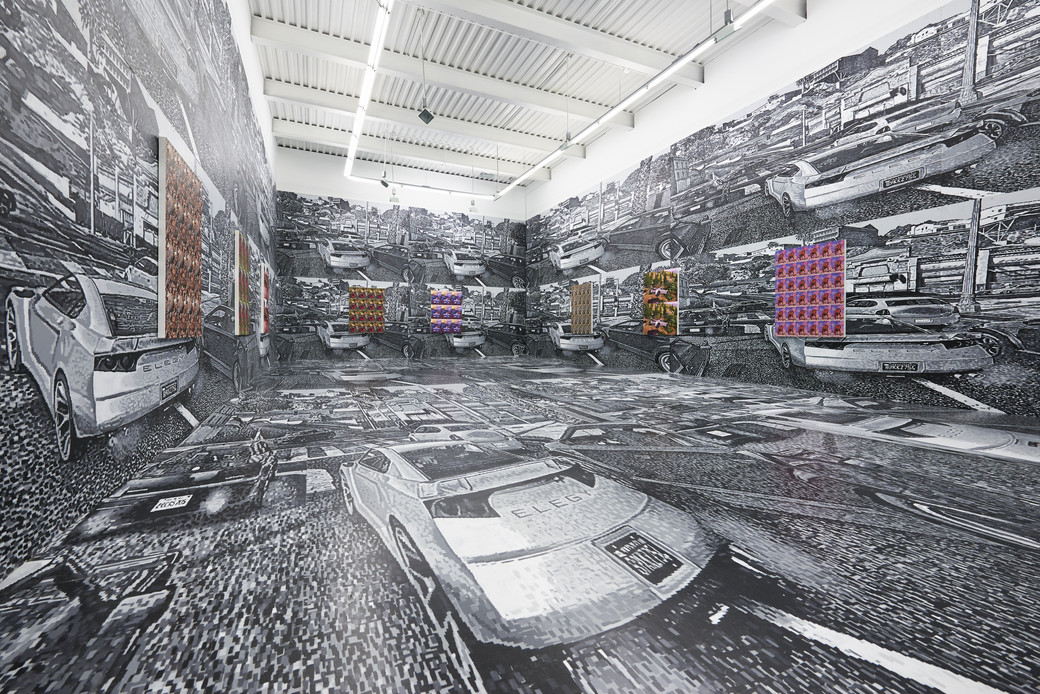
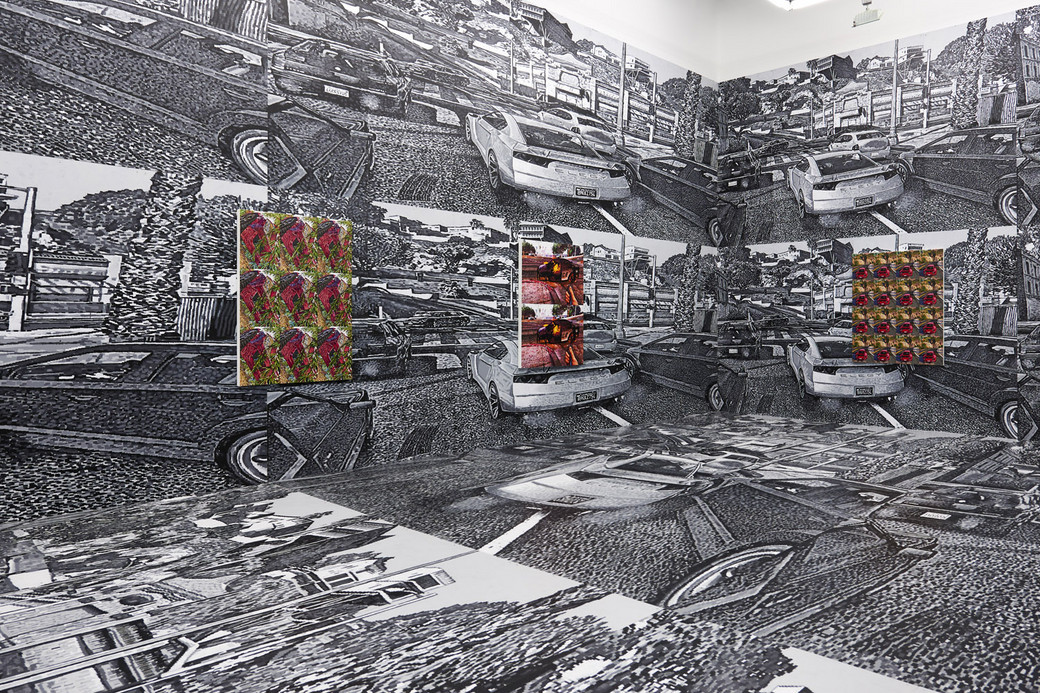
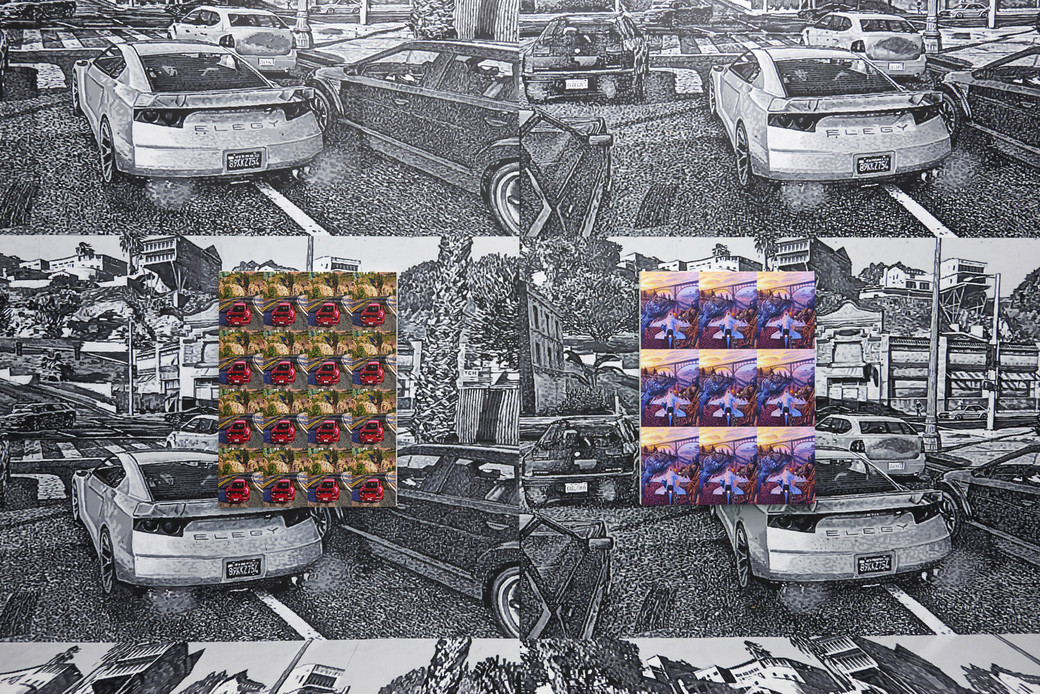
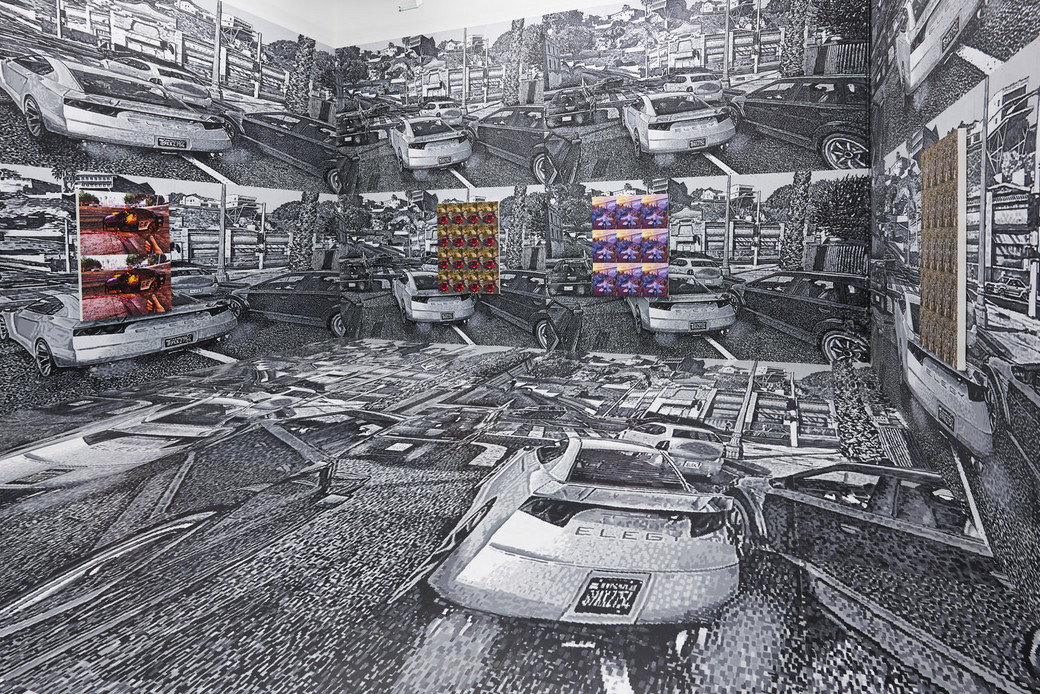
'Customizable Realities' will be on view at The Hole in New York City through February 10.
Lead image: 'Pipe Bomb and Police Car.' All photos courtesy of the gallery.

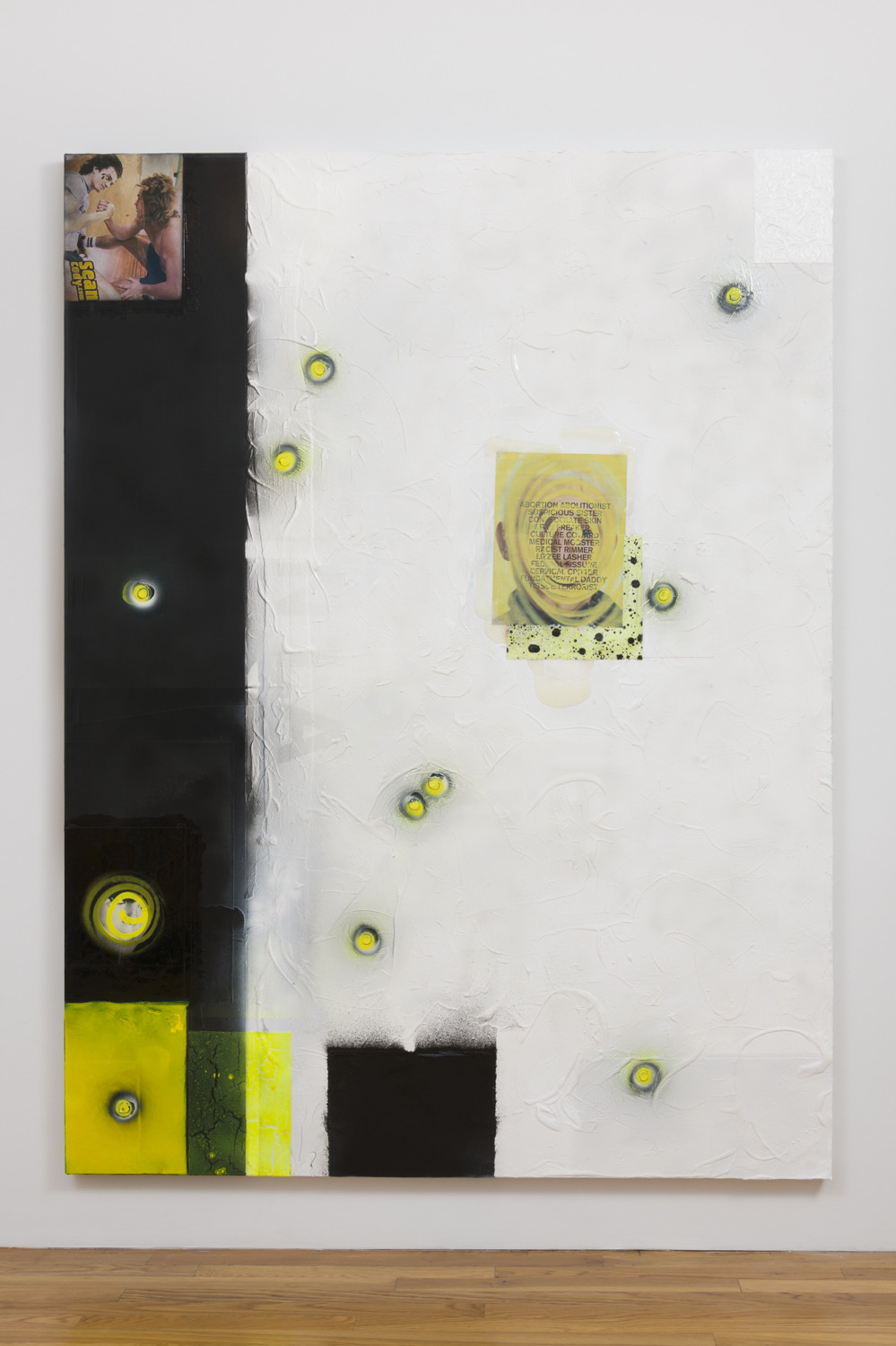
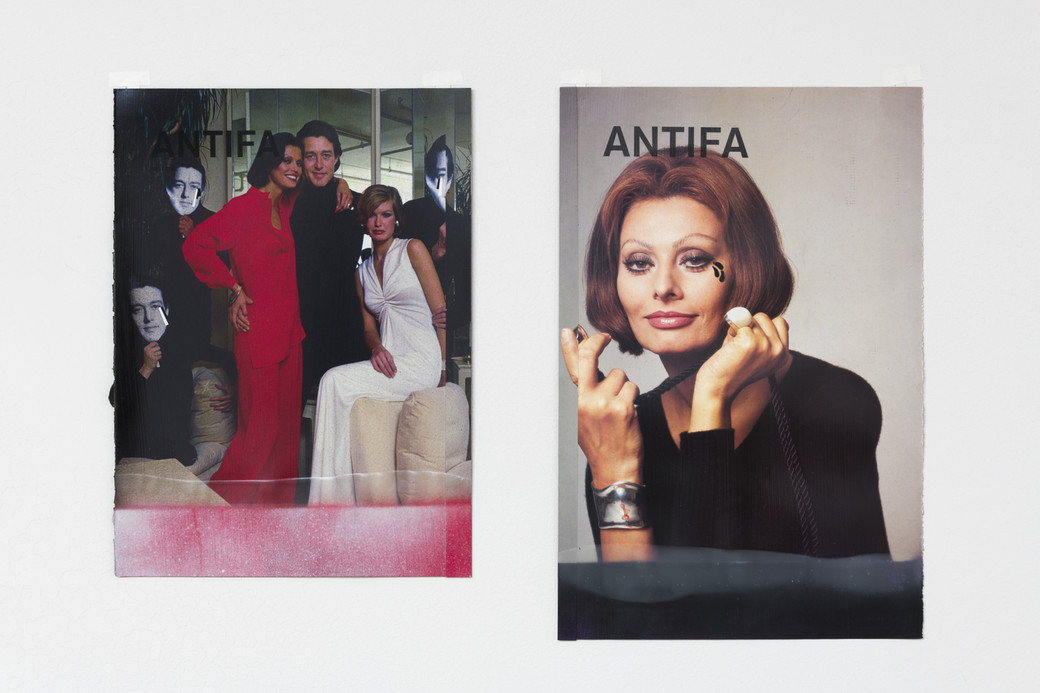
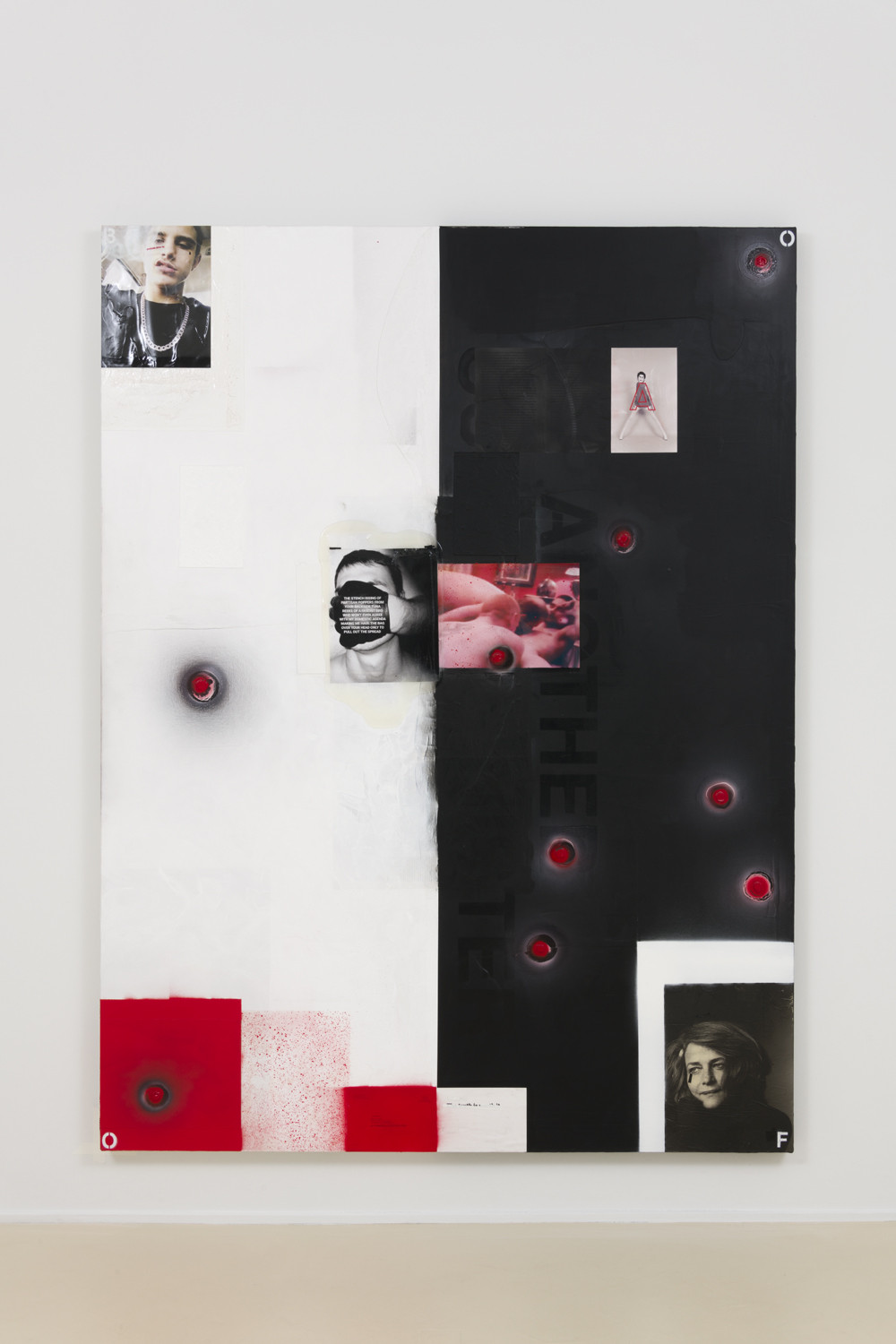
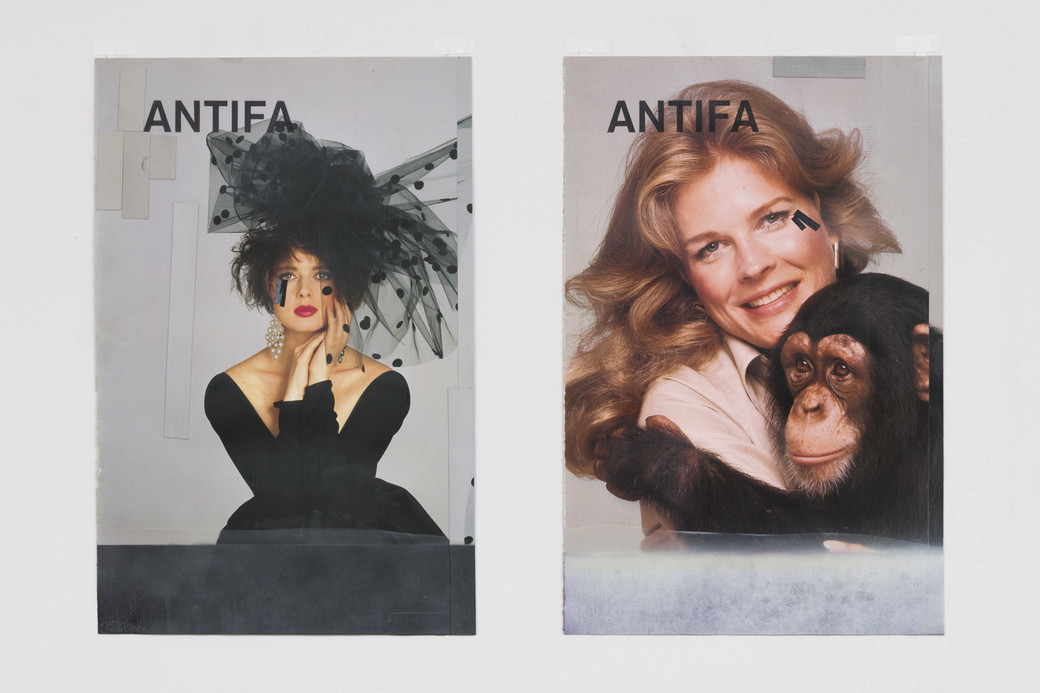
But clarity would ruin the effect, as is often the case with art. One is inclined to wonder if the artist himself isn’t the perpetrator of the ‘Poolside Drive-By,’ aiming his artist’s weapon, it would seem, at his own obsessions: celebrities and the glossy, unreal world they seem to inhabit, combined with a sense of political unrest and conspiracy theory. The drive-by has already occurred, after all, but was unseen and unheard other than by the artist. It is like a conspiracy theory in that way—an invention that seems perfectly plausible, but which is inlaid with a nagging sense of doubt even within its own creator.
Large-scale pieces that are marred with bullet holes are inlaid with scenes of candid intimacy, even a shot or two from gay porn—there is a connection to the sense of blatant sexuality in the imagery of the page tears that is virtually unnoticeable because we are so accustomed to such imagery, especially in regards to celebrities, but when we see the literal thing (porn), and the softer version (an embrace) we are reminded of where all this titillation really ends.
The pictures below the energetic layers of spray paint are like a tunnel of thoughts sparked in an innocent queen when he lays eyes on such beautiful bodies in magazines. Pictures of boys who aren’t necessarily famous but are nonetheless beautiful are referred to in the catalogue as ‘Trade,’ gay lingo for an especially good-looking man, one who could make a bit of coin with such looks (and, in this case, since these were paid models at some point, indeed have). A sense of shame pervades this almost-hidden explicit sexuality, but manages not to strip it of its power. The prickly political implications the show hurls around are like a sport that the stars therein play for fun—an inside joke in a menacing club that is glamorous from the outside, unnerving from within.
View some of our favorite pieces, below.

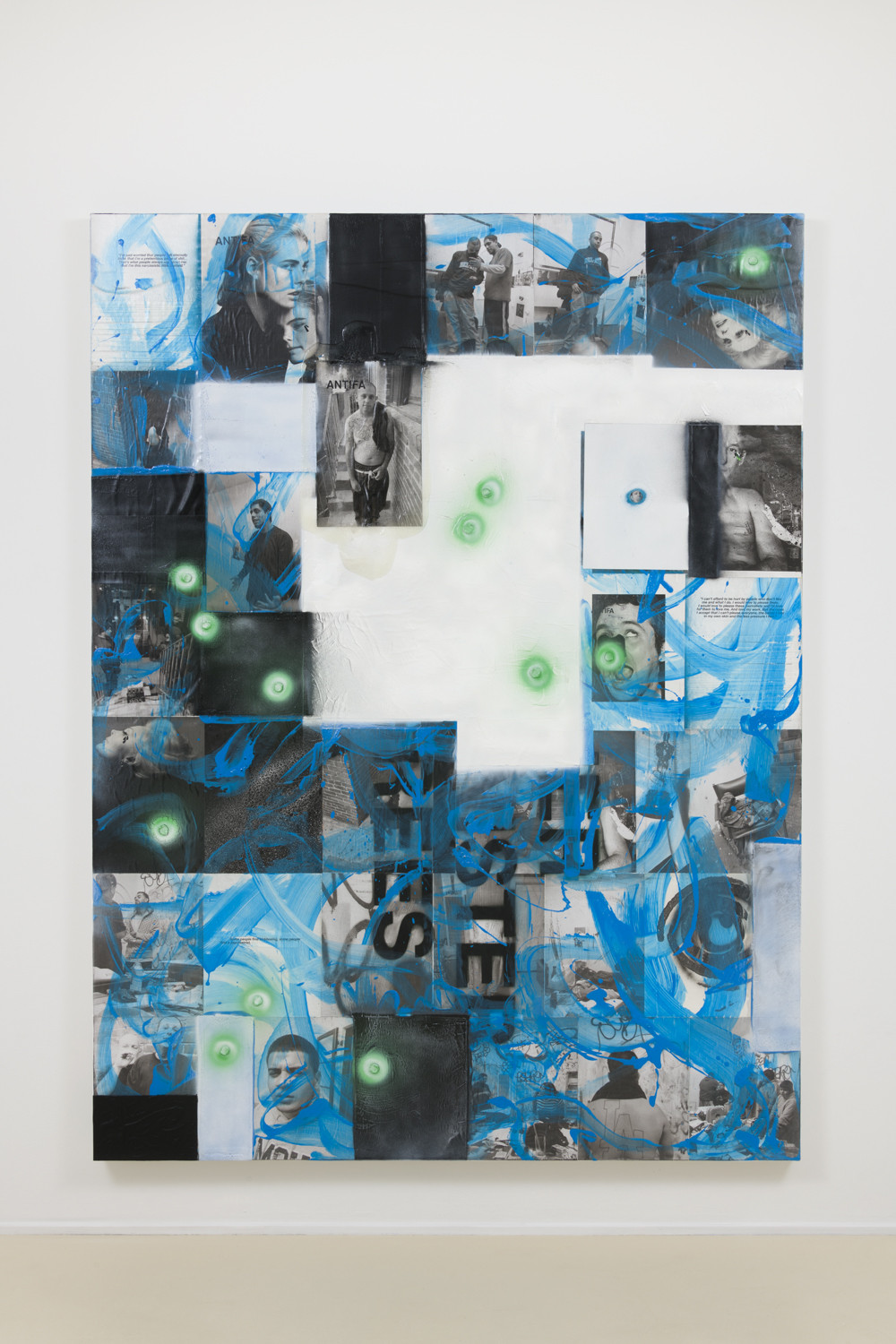
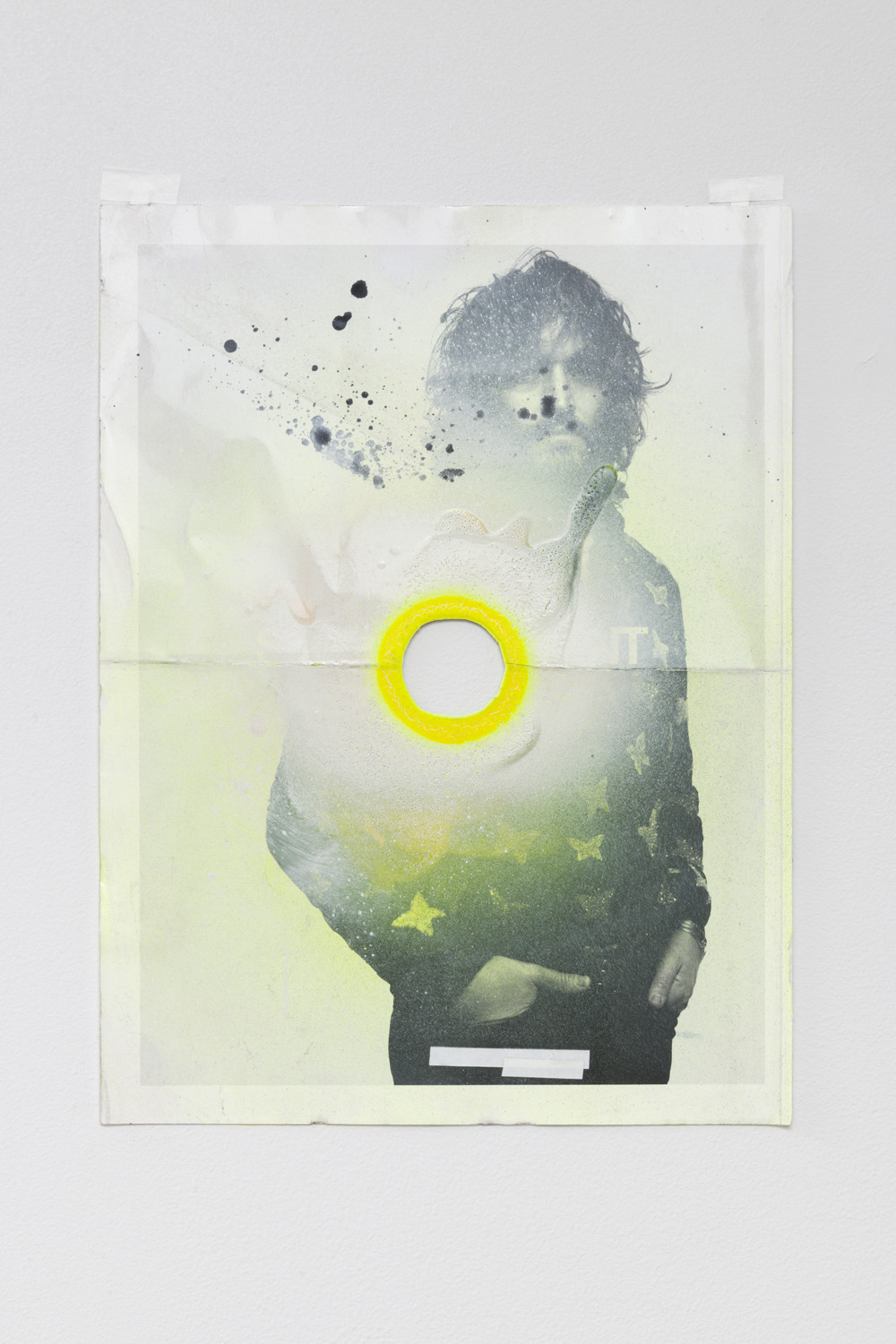
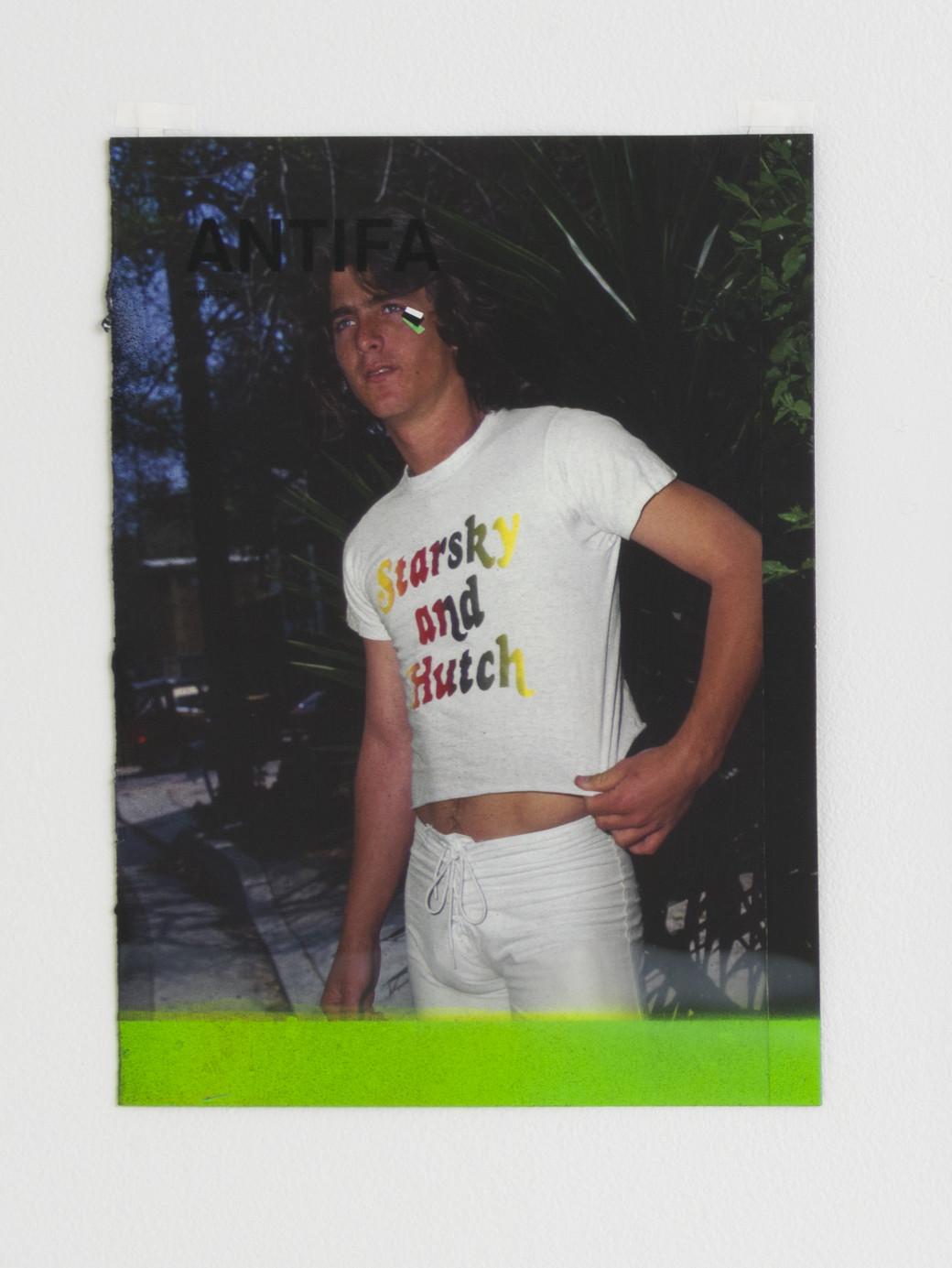
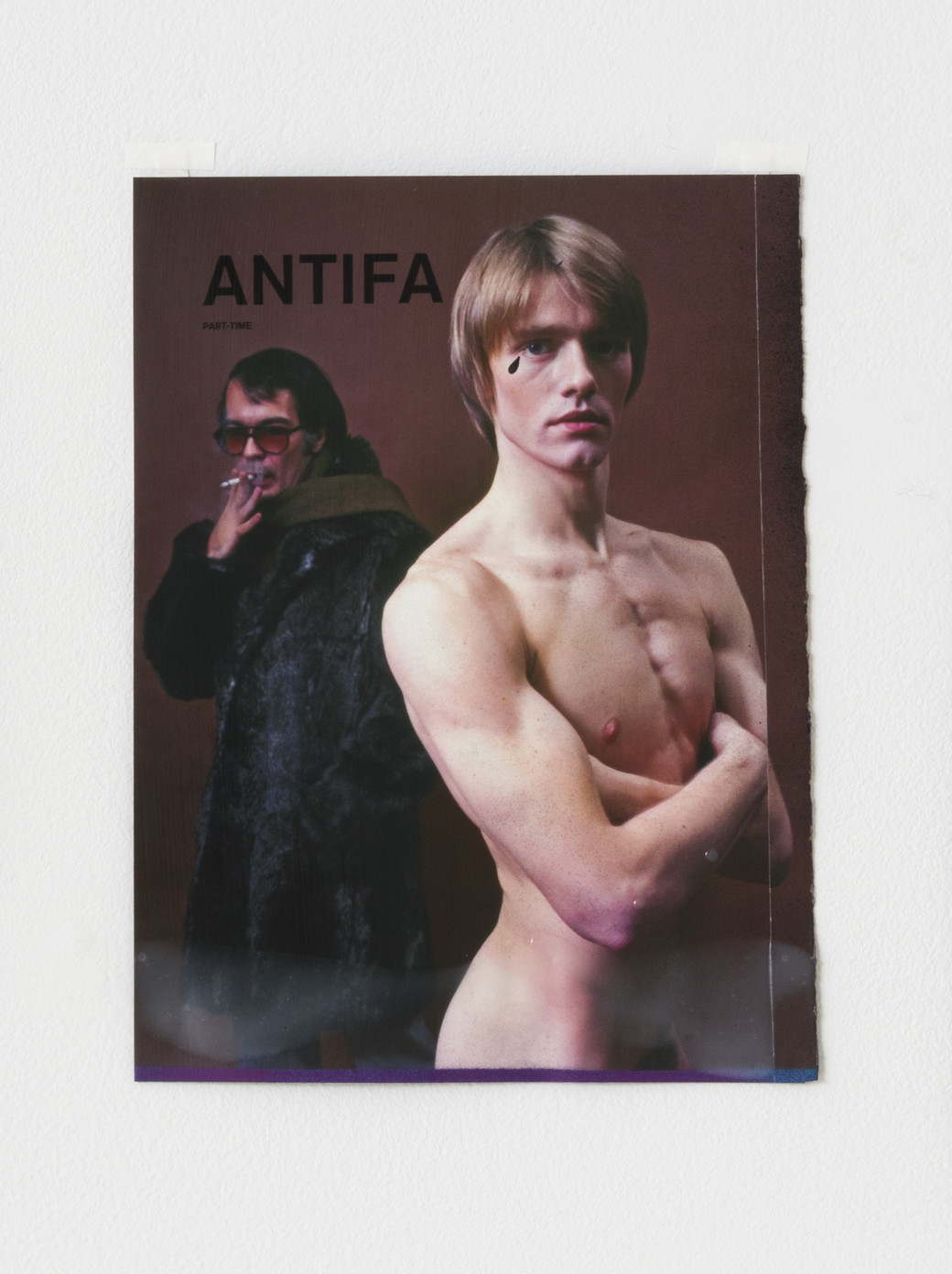
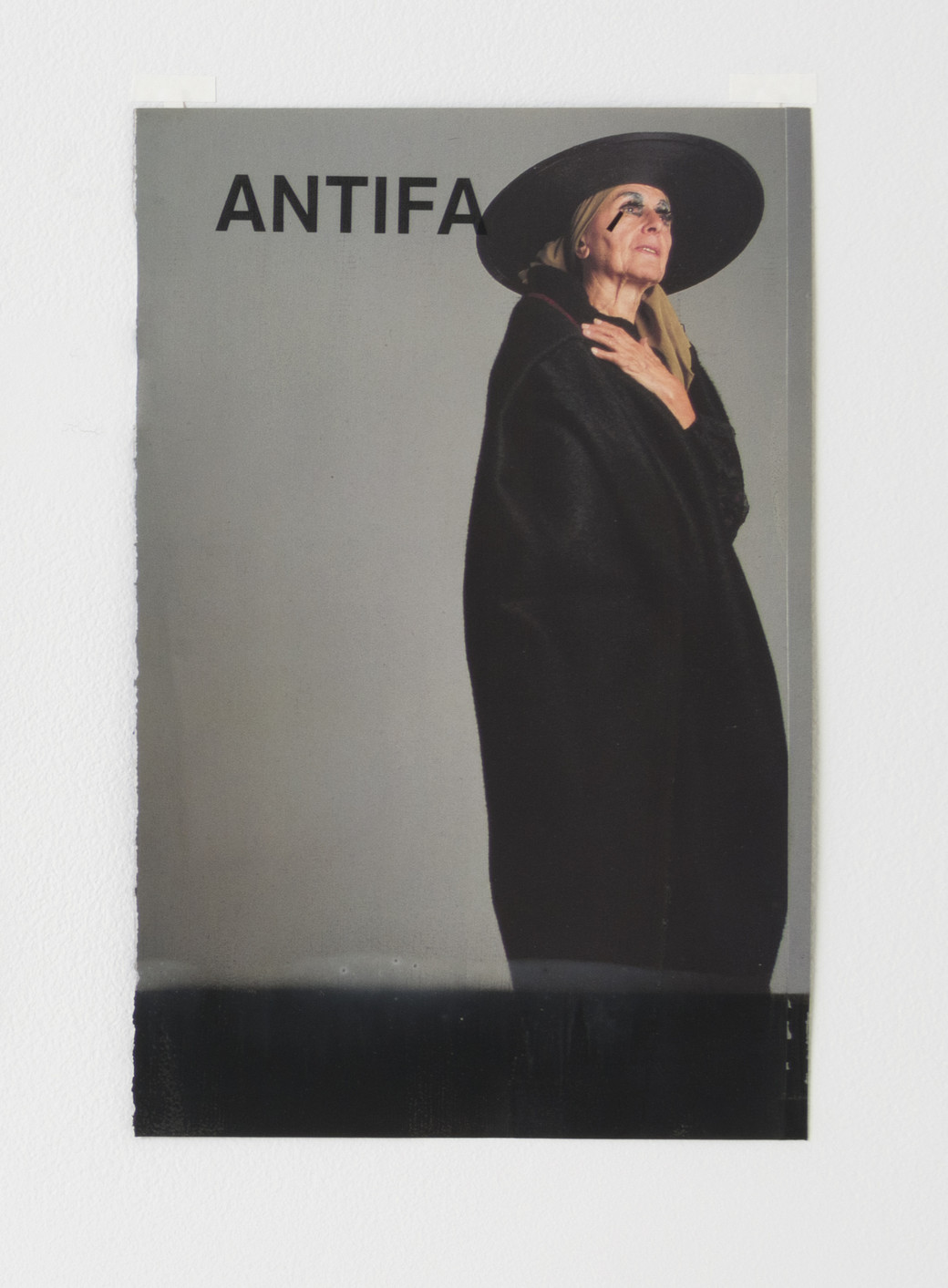
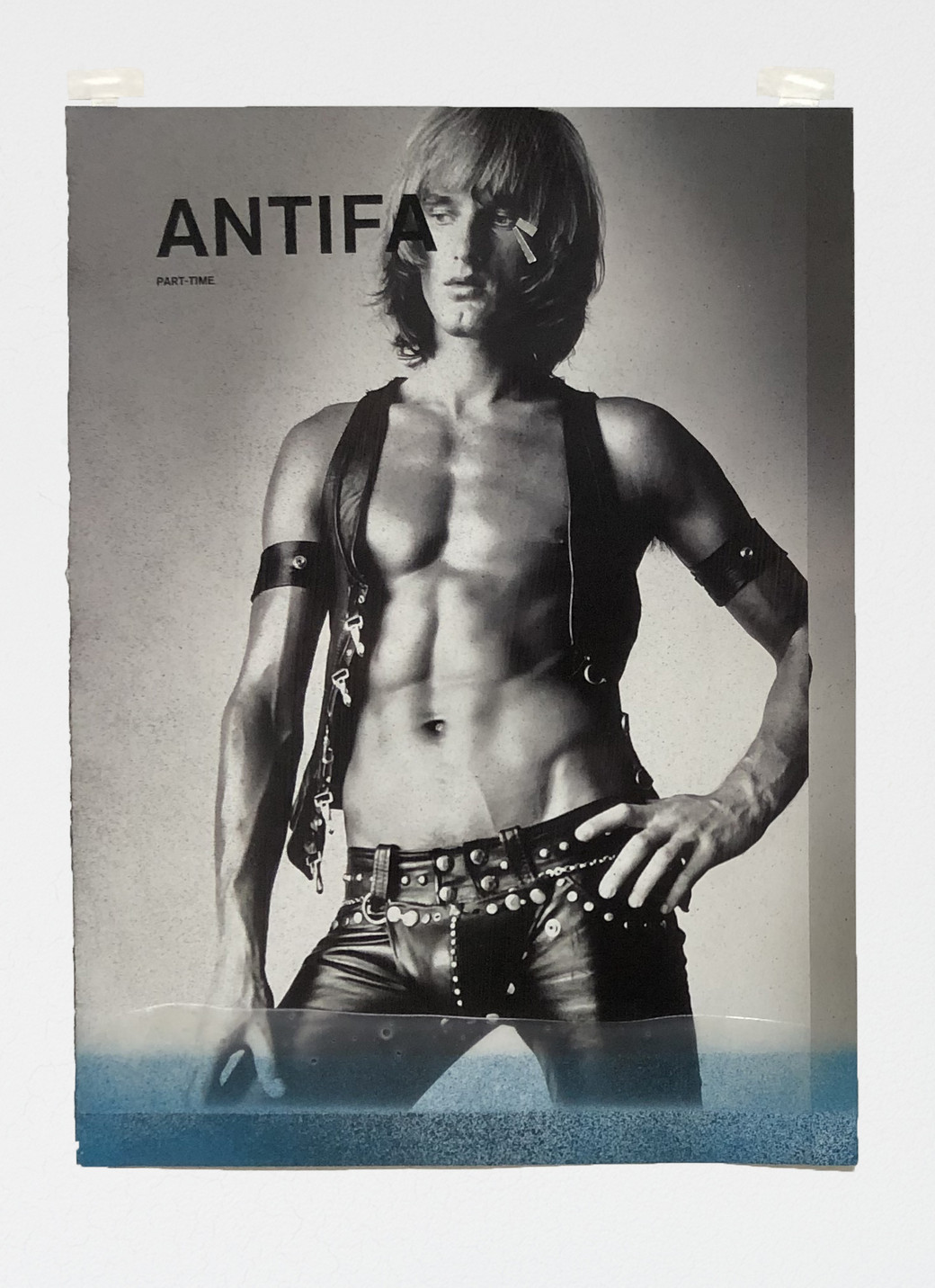
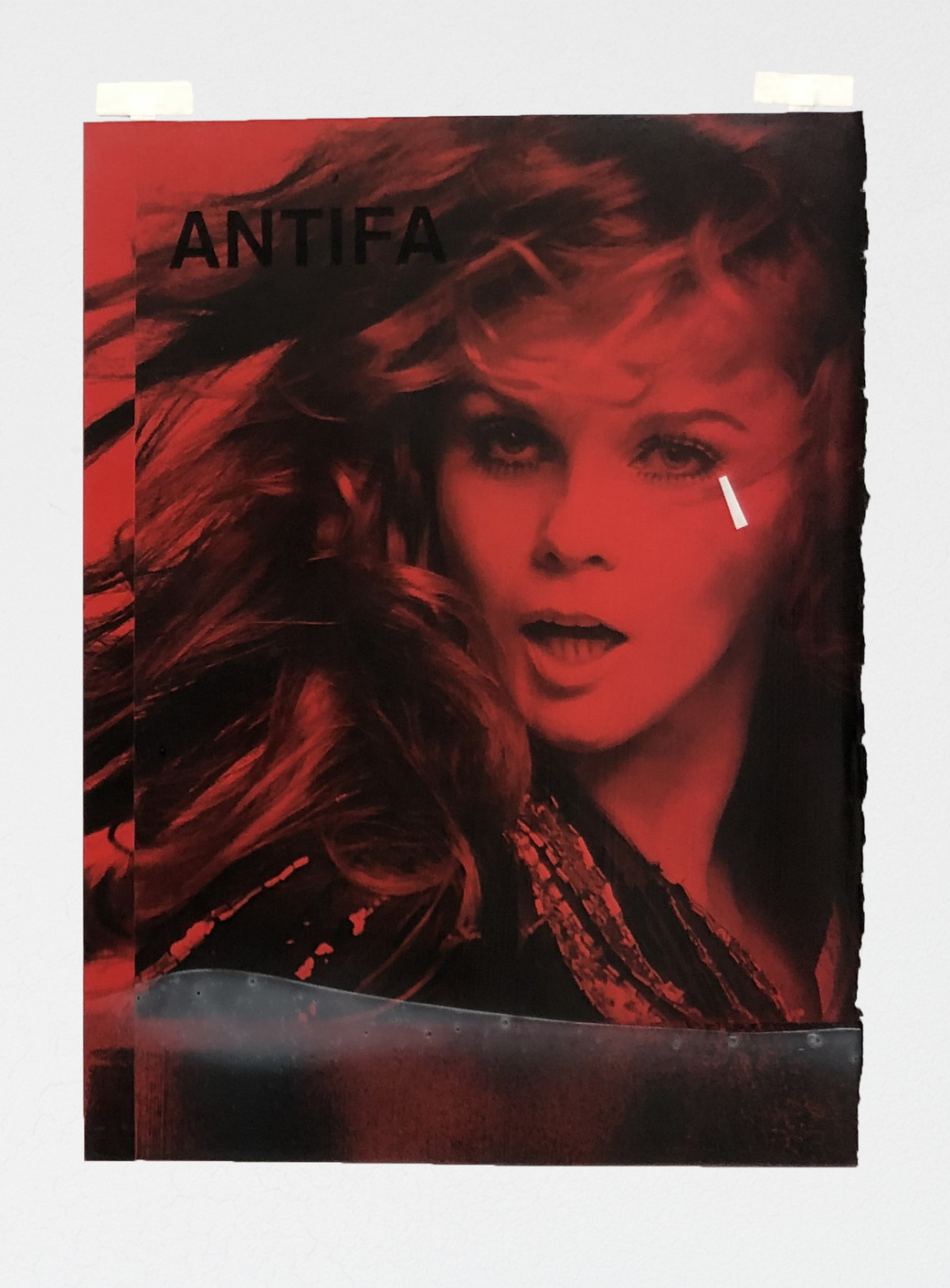
Mark Verabioff's 'Poolside Drive-by' will be on view at Team (bungalow) in Venice, California through February 17th. Images courtesy the gallery. Lead image: 'Yellow Hole.'