Vulvatious

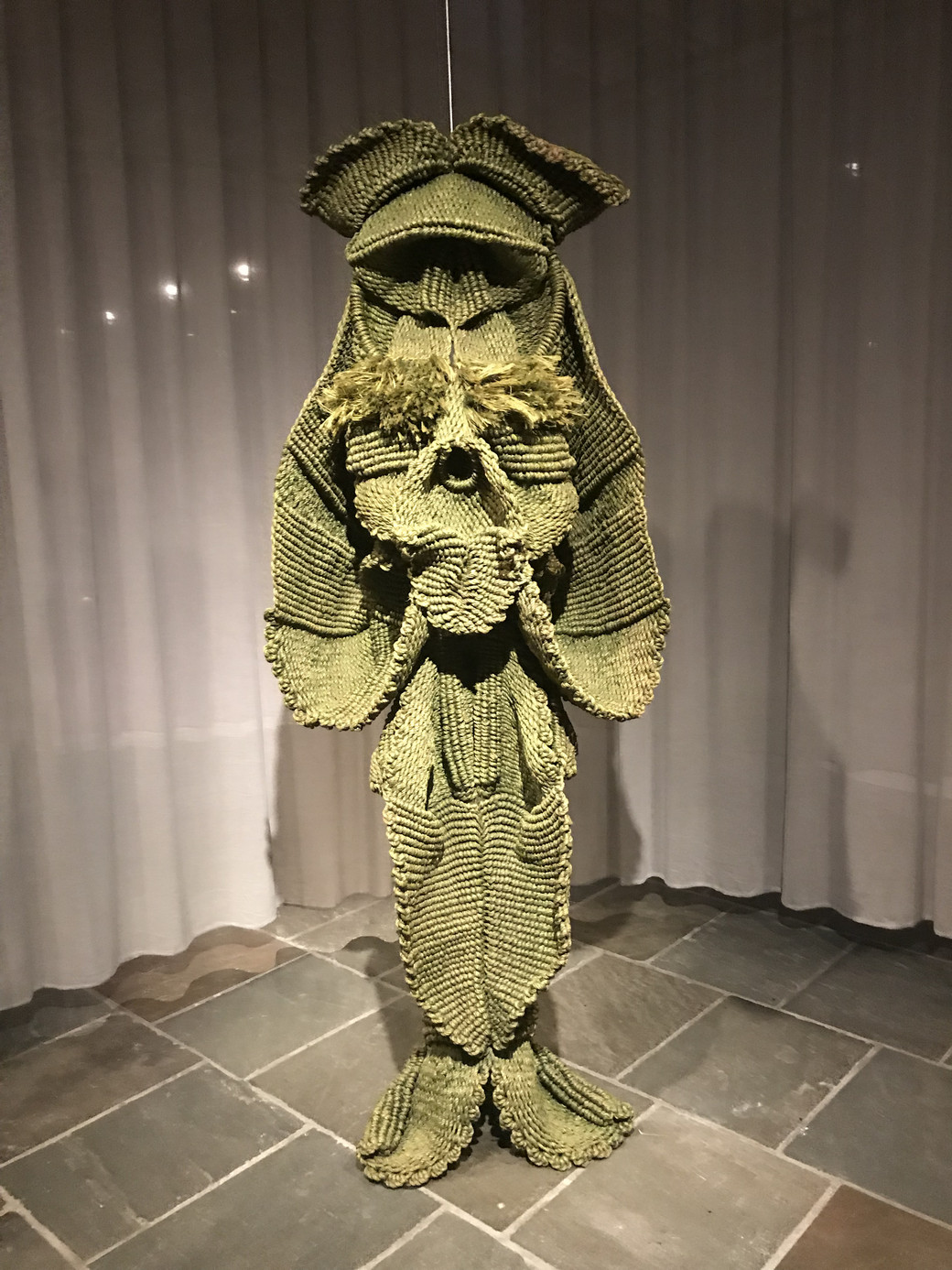
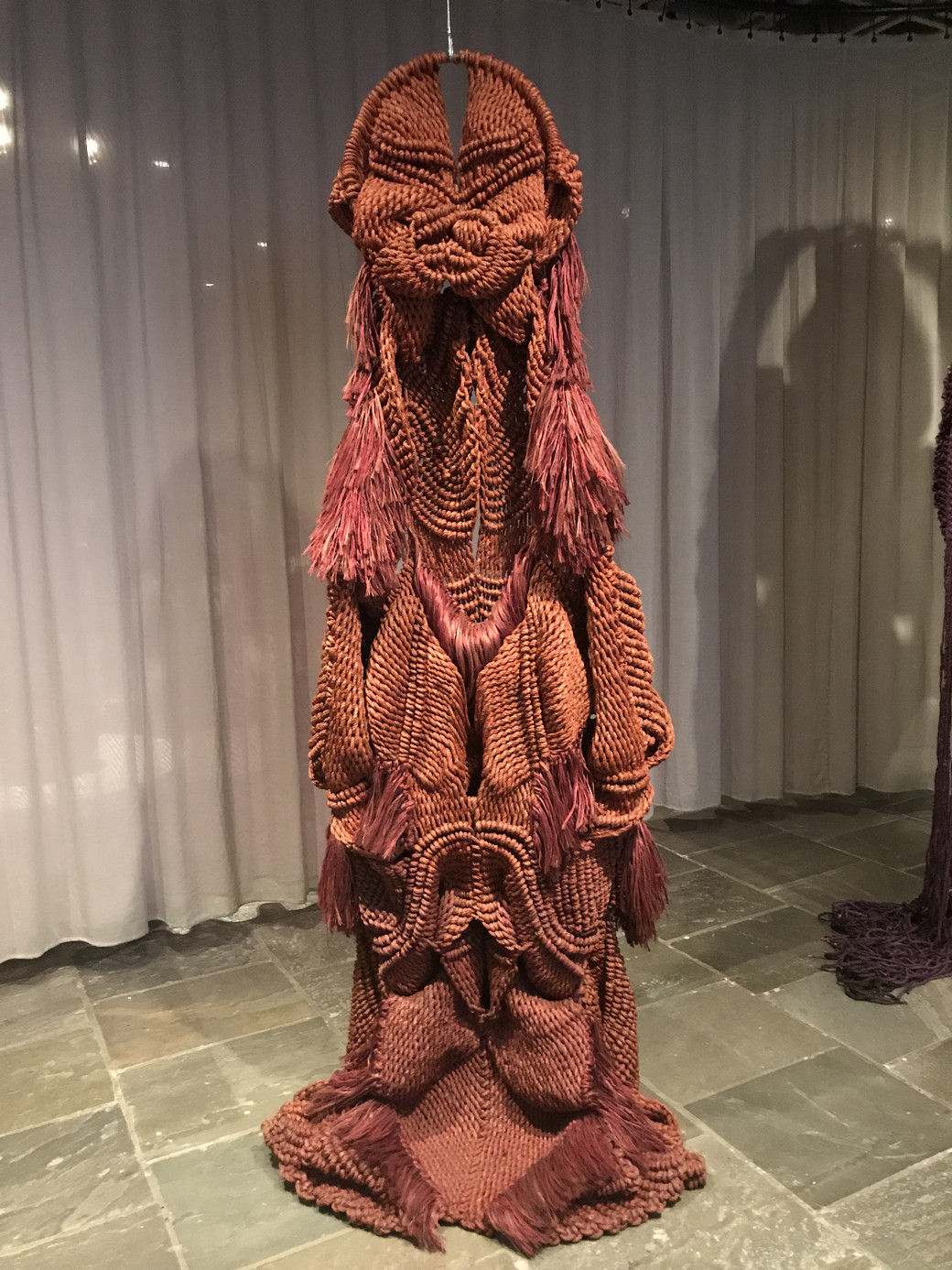
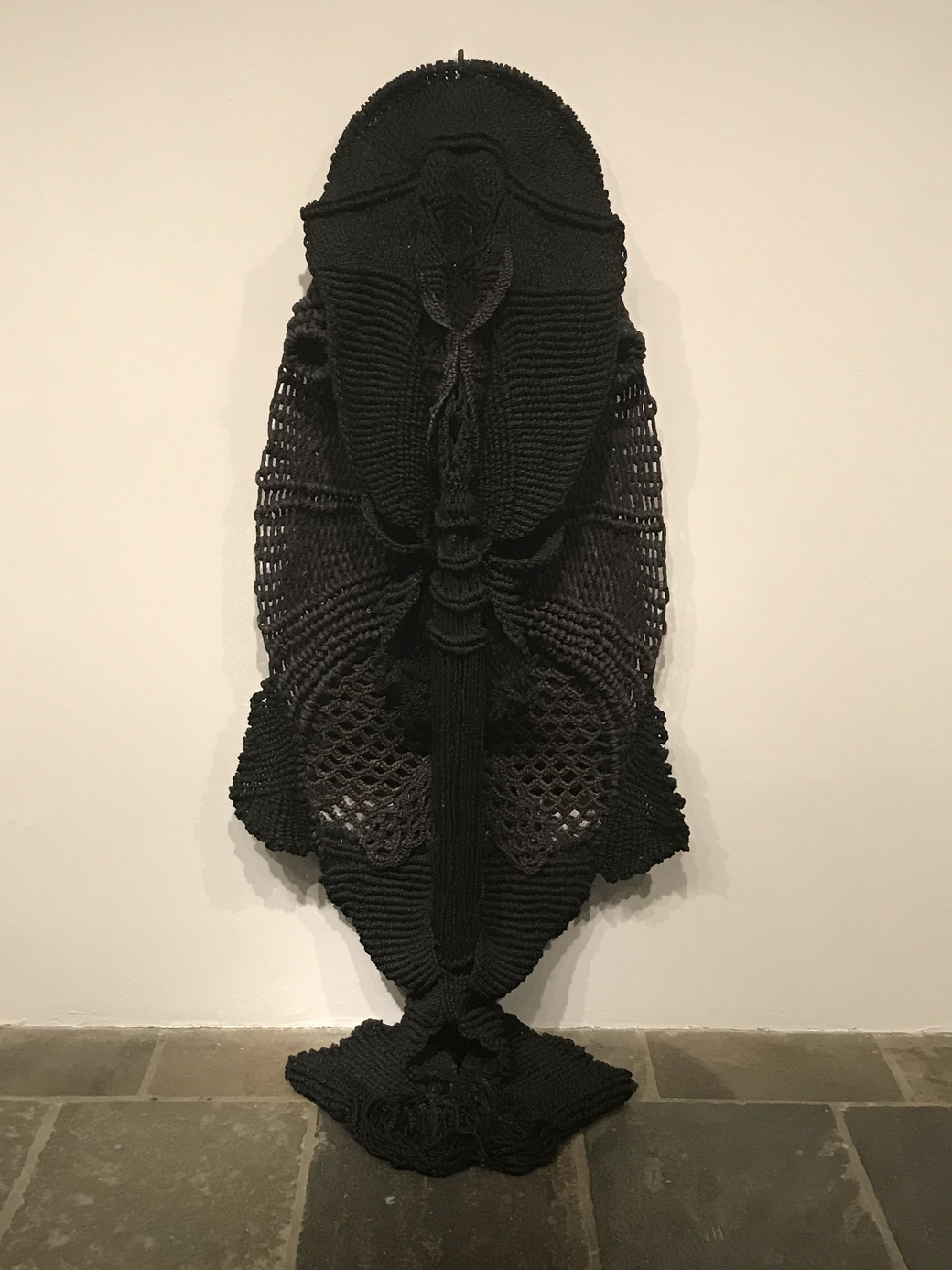
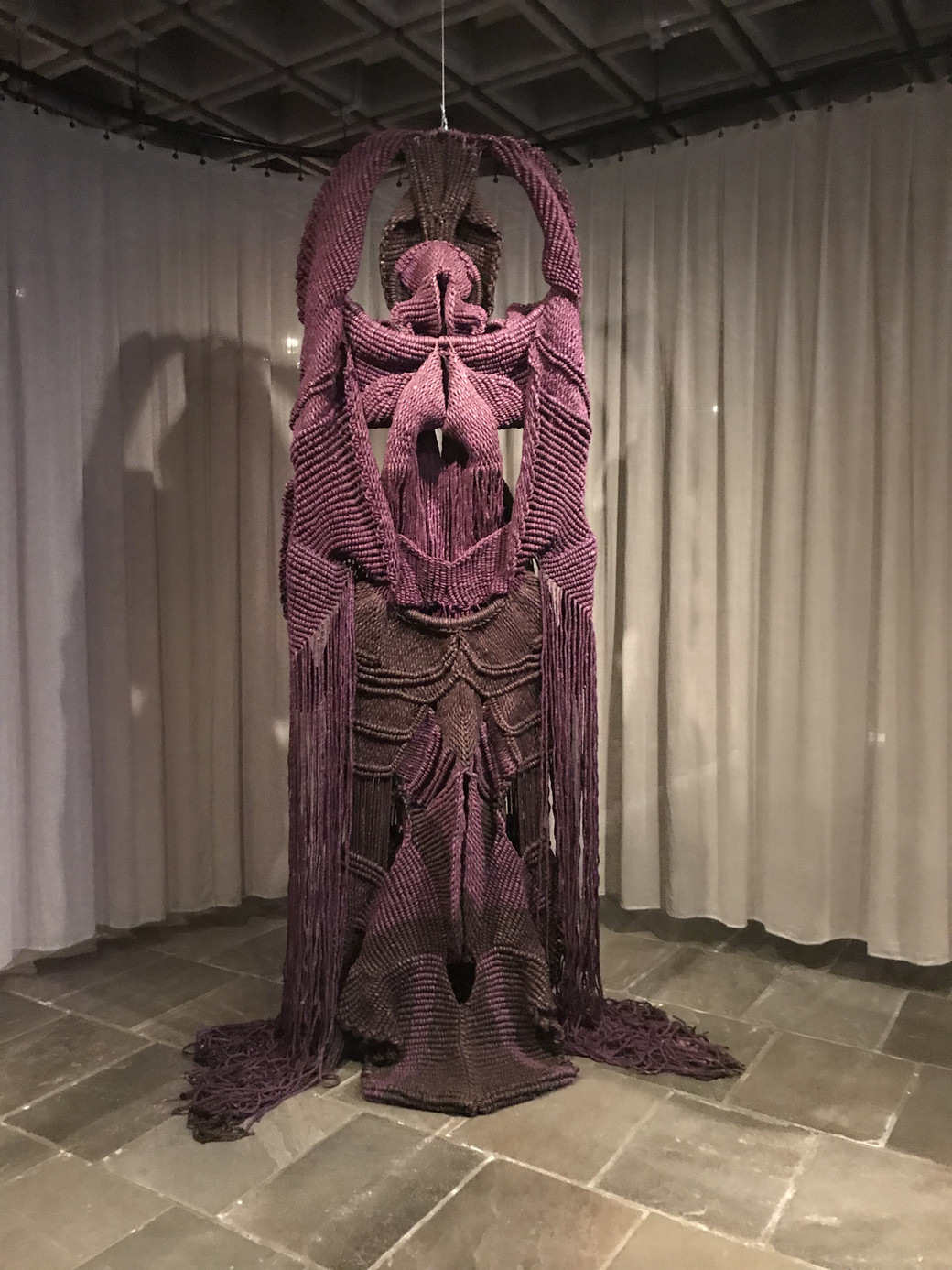
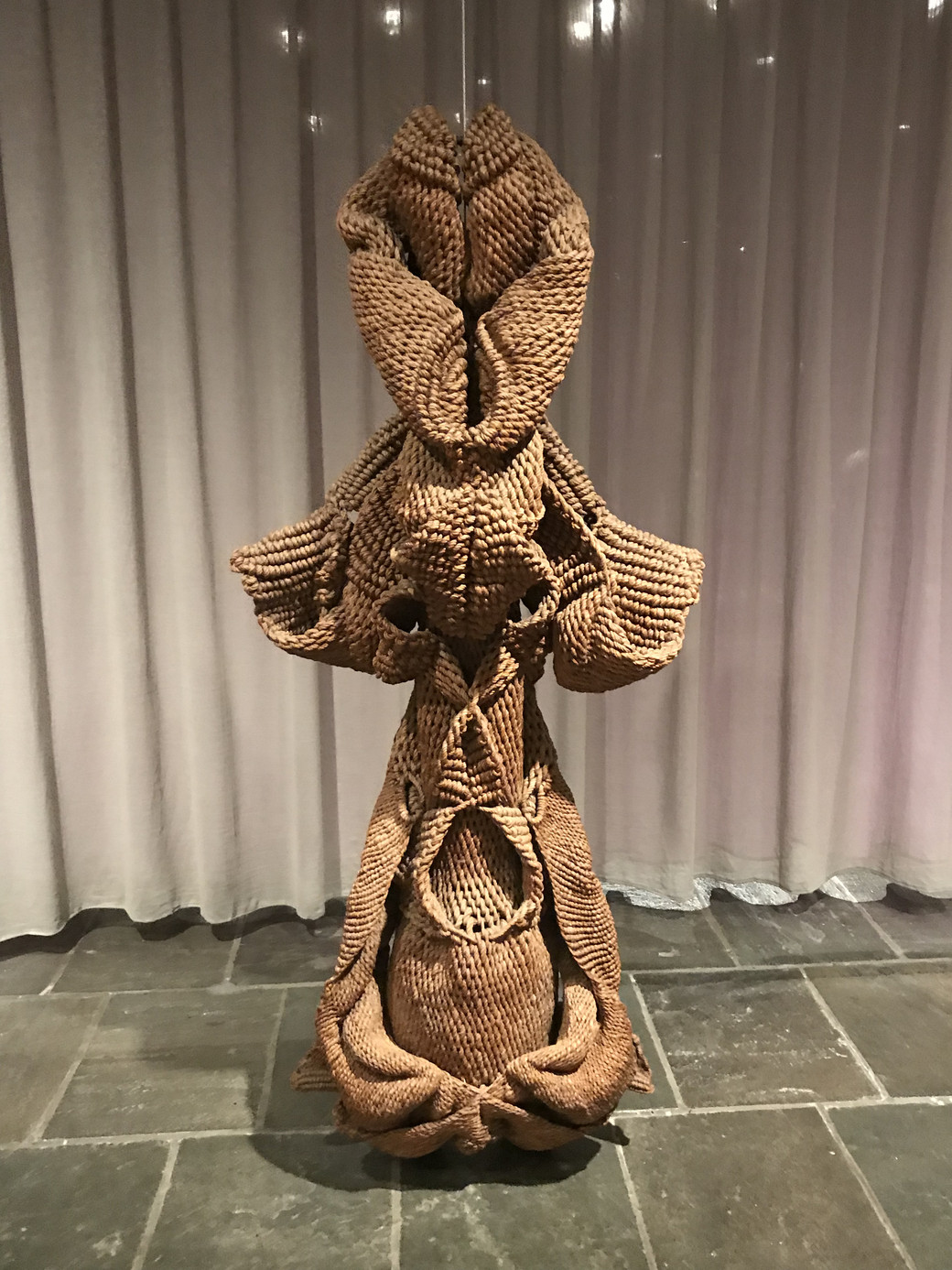
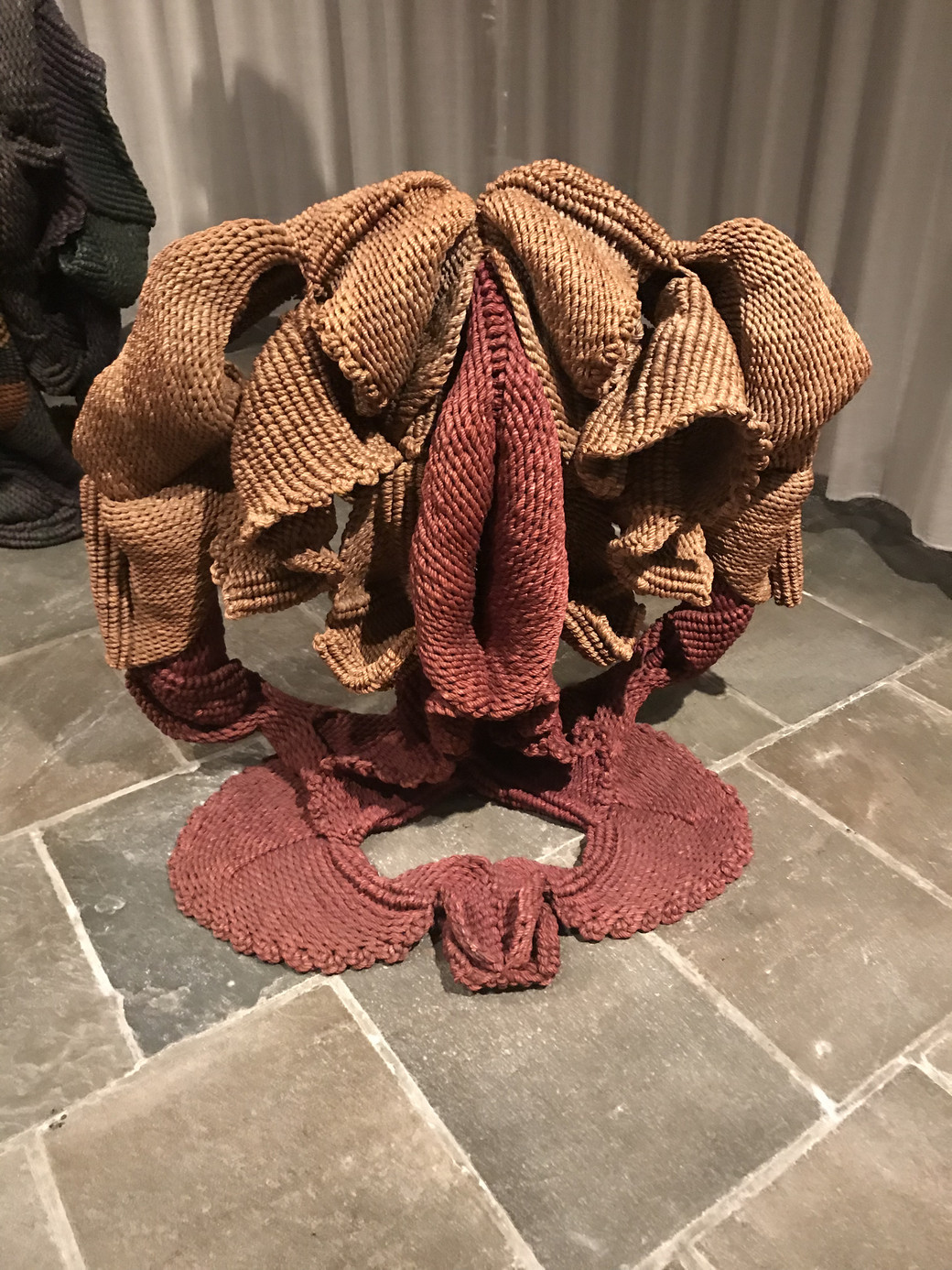
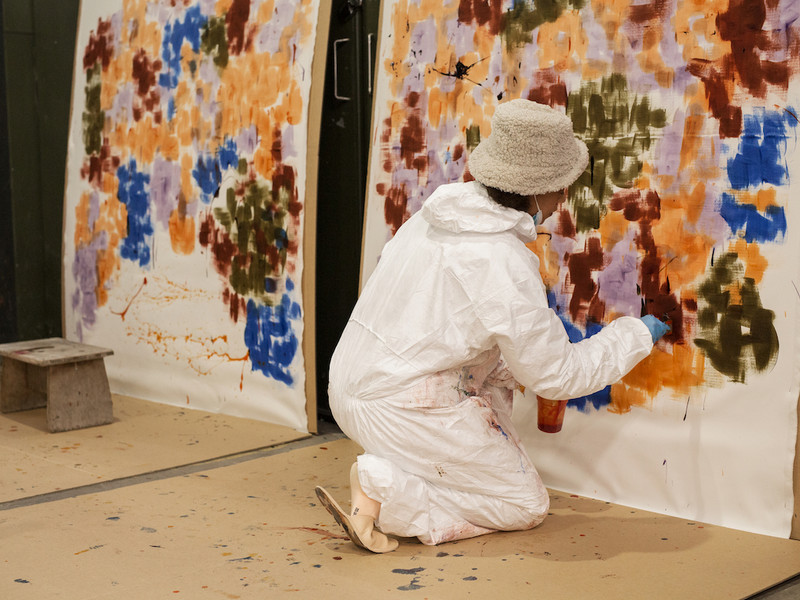
"Phenomenal Nature: Mrinalini Mukherjee" is on view at the Met Breuer through September 29th, 2019.
"Phenomenal Nature: Mrinalini Mukherjee" is on view at the Met Breuer through September 29th, 2019.

I would say she’s managing the balancing act with a certain amount of visionary millennial flair: the concept is extremely simple, which makes it approachable, fun, and cool. “If you can’t explain it in a sentence,” she said to me when I commented on this elegant simplicity, “then it’s too complicated to sell.”
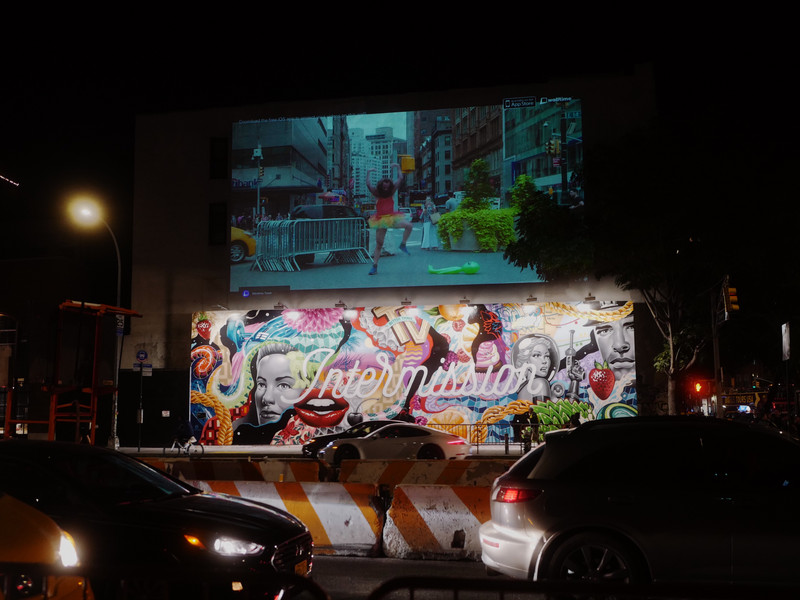
All the rooms are designed by her personally, and the Nightmare Machine was a delightful twist on the original Dream Machine concept—the floorplan was the same, and some of the rooms were simply a hellish version of those in the original Dream Machine, which pays homage to its own history as a project. In the most popular room, the mock laundromat, I commented that it was almost like a video game—Paige illuminated part of her creative process, explaining that the layout is meant to resemble the strange architecture of dreams, when we’re in a place we recognize but at the same time, it’s different.


The rooms are, as I’ve said, designed for the viewer to take psychedelic Instagram selfies, and therefore are almost less about the imagery within the rooms themselves and more about creating an environment to envelop the viewer—like sets which are empty until we fill the space with the most interesting missing link: ourselves. This postmodern reliance on viewer interaction is what makes the project, for me at least, so curious, so provocative. It stands in direct opposition to the far-removed art of a traditional installation; for example, It’s Alive! Frankenstein at 200, the current main exhibit at the Morgan Library and Museum, plays into the same Halloween-themed low-brow appeal to draw in a crowd, but includes works from William Blake and one of my personal favorites, "The Nightmare," painted by Henry Fuseli in 1781, along with a walk-through history of the Gothic in literature and art, which, all in all, presumably appeals to a more high-brow intellectual impulse.
But does it, really? Is it somehow “better” to walk around reading wall texts for hours and leave feeling overwhelmed and sleepy? Is it “worse” to romp around taking Instagram pictures in fun sets designed for that very purpose, sharing your experience through the current definition of reality: social media? Perhaps. But it’s an interesting play on the function of art in society, to say the least, and the accusations being hurled at installations such as Nightmare Machine feel awfully similar to those aimed at the avant-garde in the days of the Academy.
Leaving Nightmare Machine leaves you wanting more—the challenge for Paige Solomon is how to get art cred for her wonderful little project. To take it to another level of wonder seems inevitable, and it will be marvelous to see how she does it, if only for the 'gram.
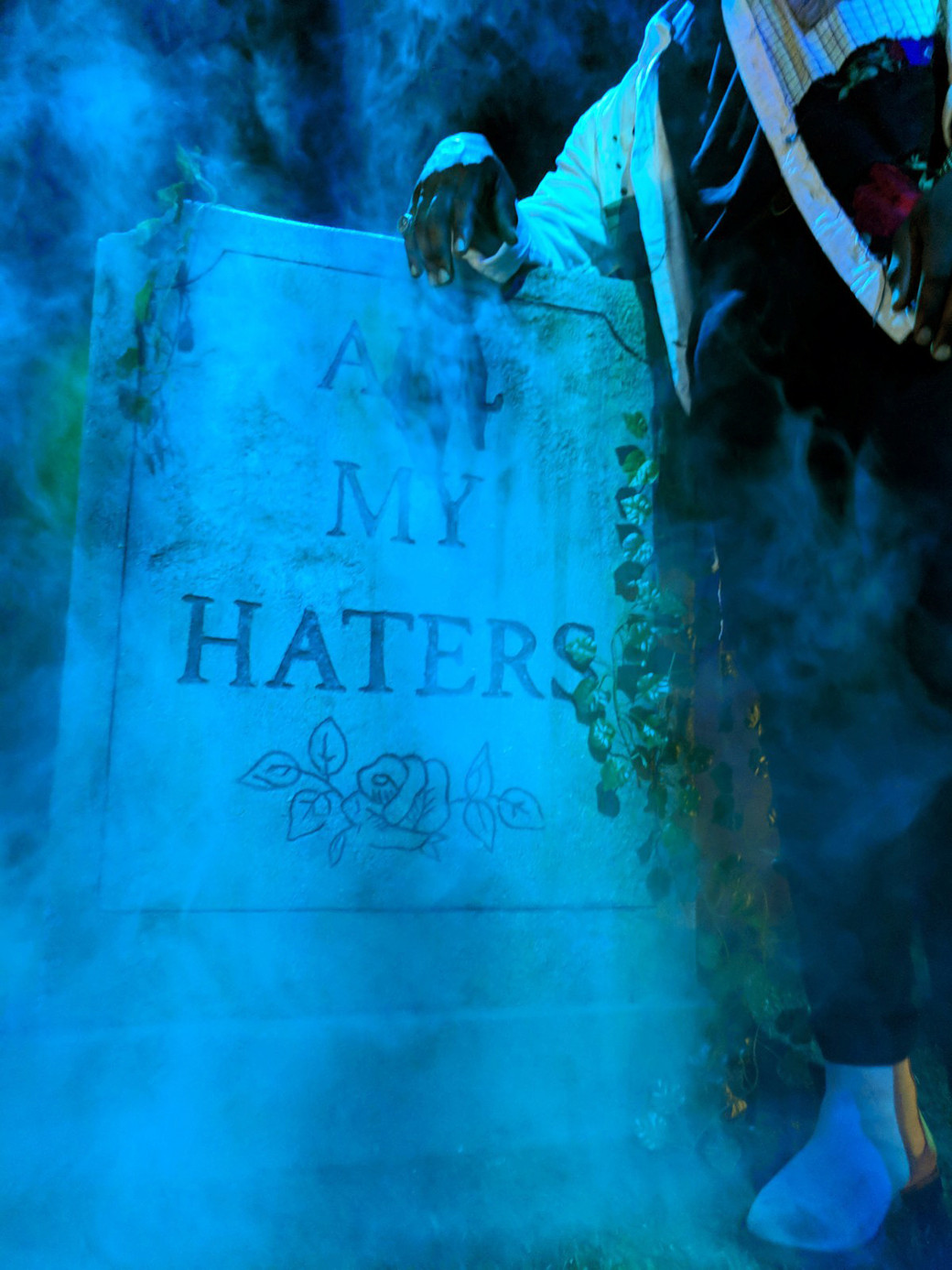
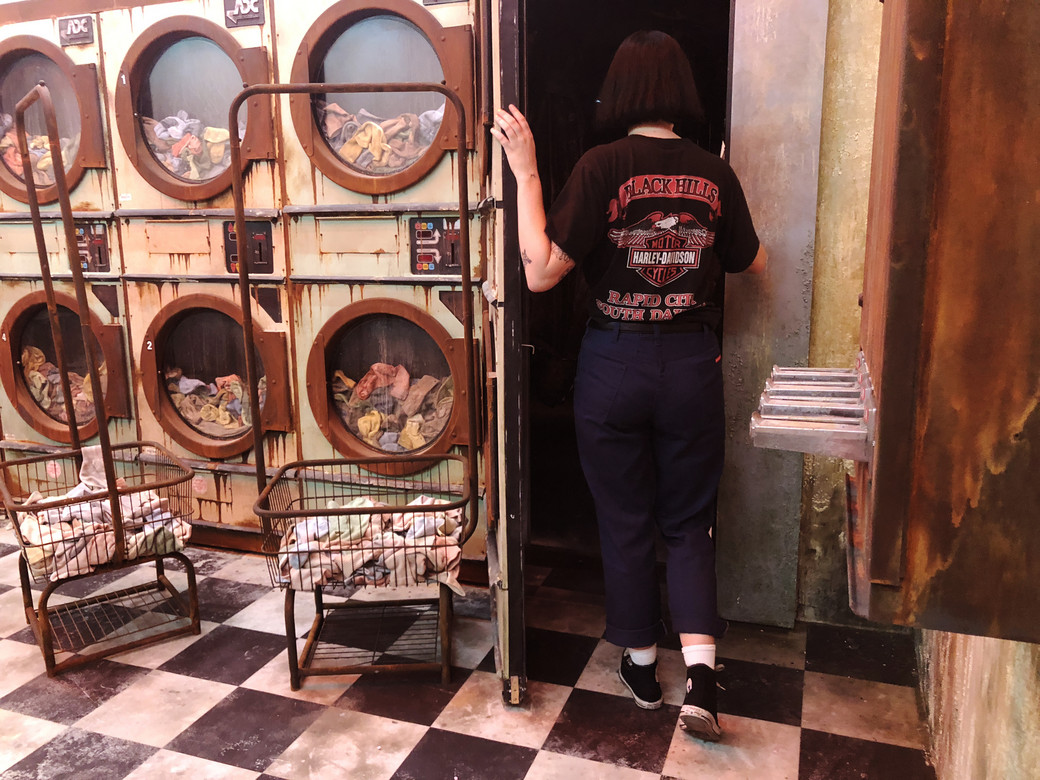
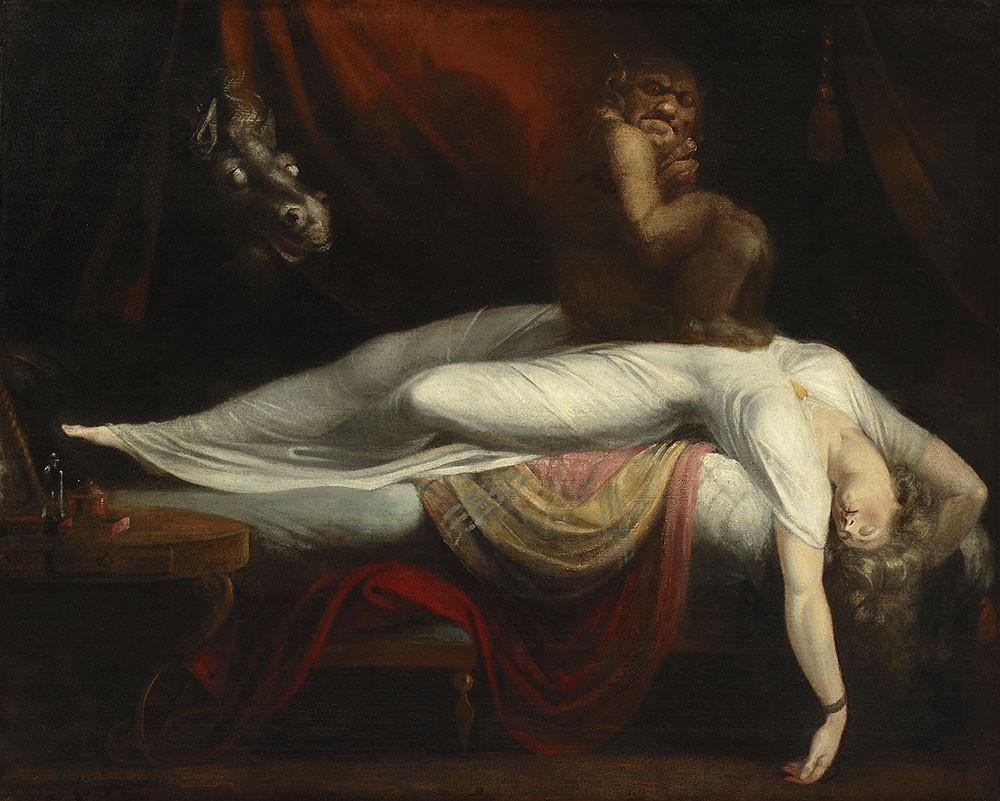
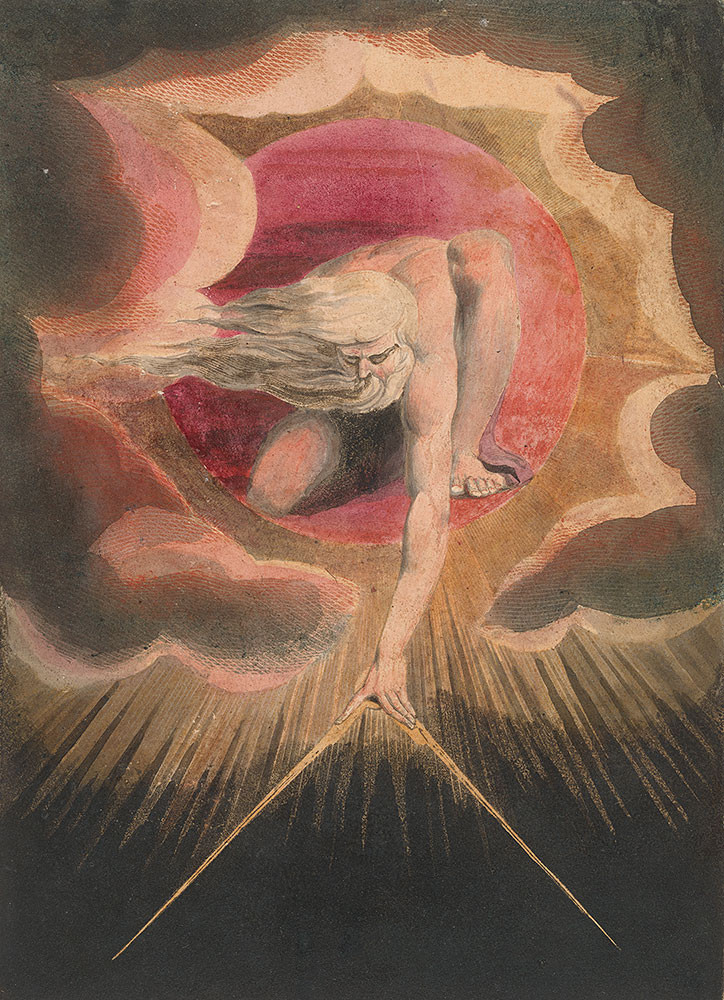
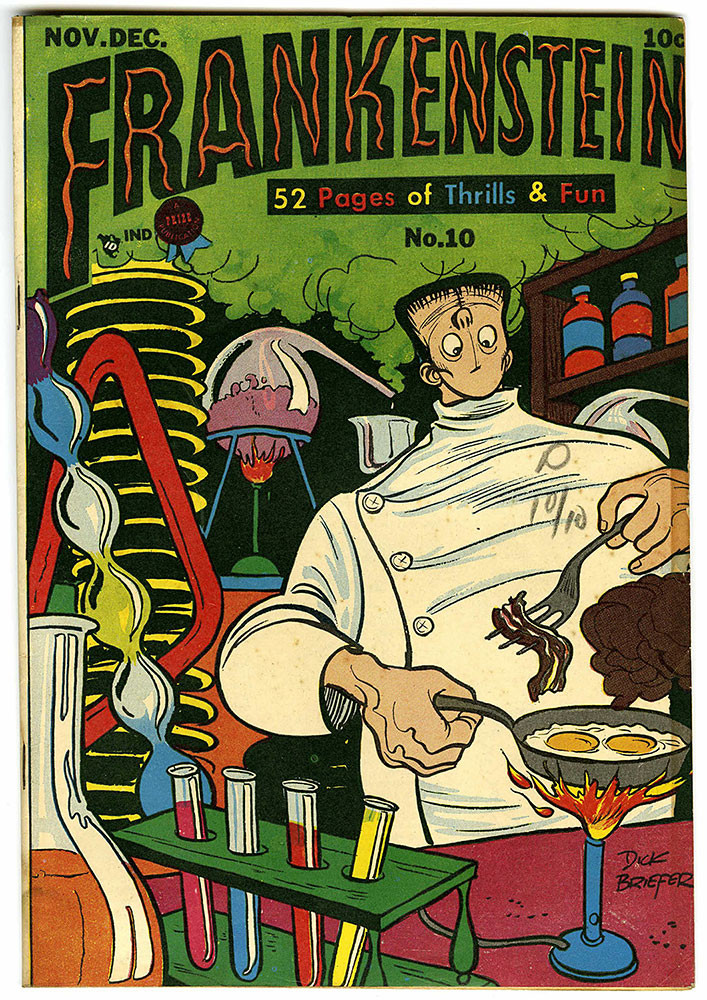
Photos courtesy of Nightmare Machine and The Morgan Library and Museum.
'Dream Machine presents Nightmare Machine' will be on view through October 31st, 2018. 'It's Alive! Frankenstein at 200' will be on view through January 29th, 2019.

Here’s a quick rundown of some of the artists who caught our eye.
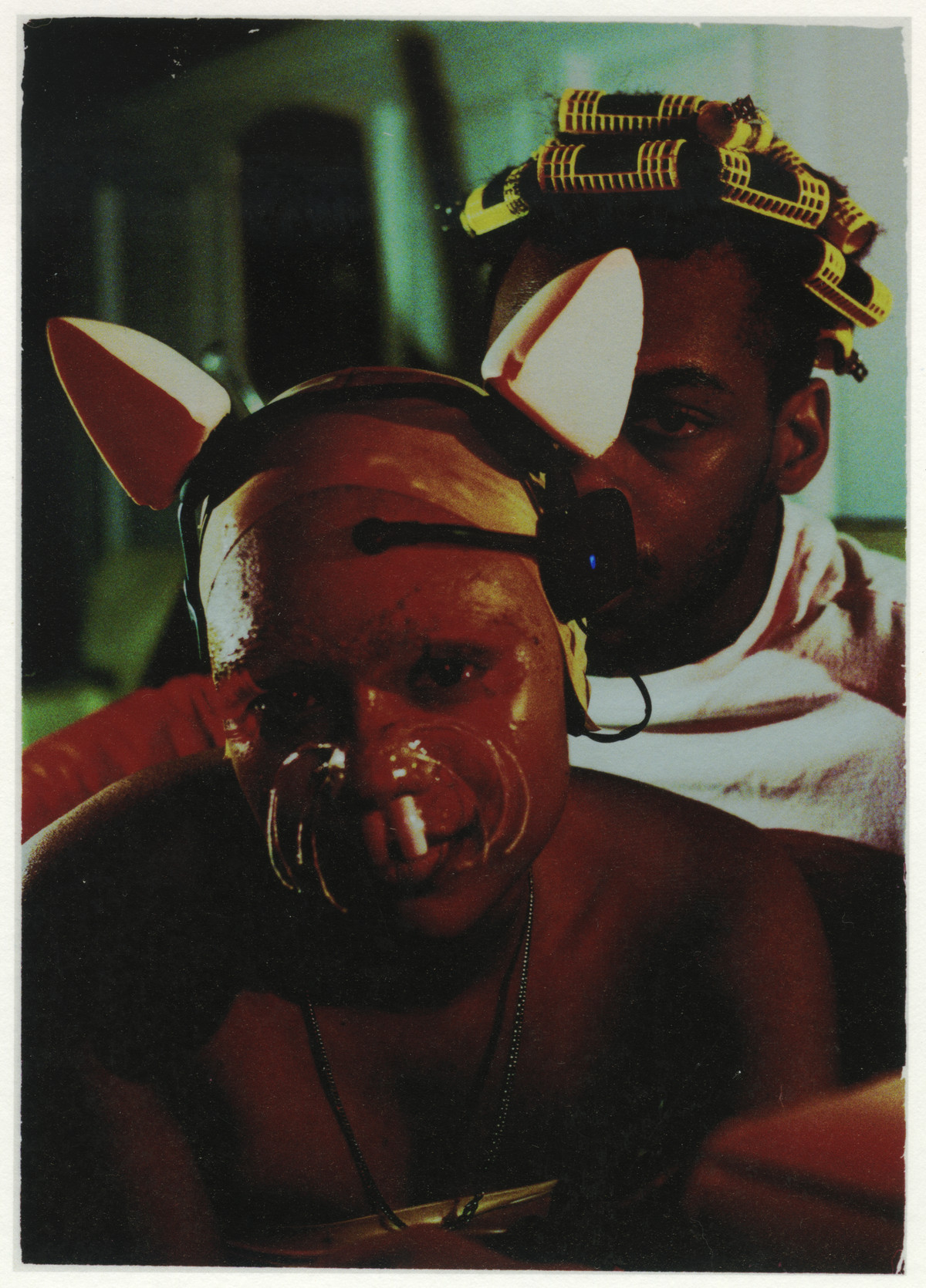
Javarius Jones
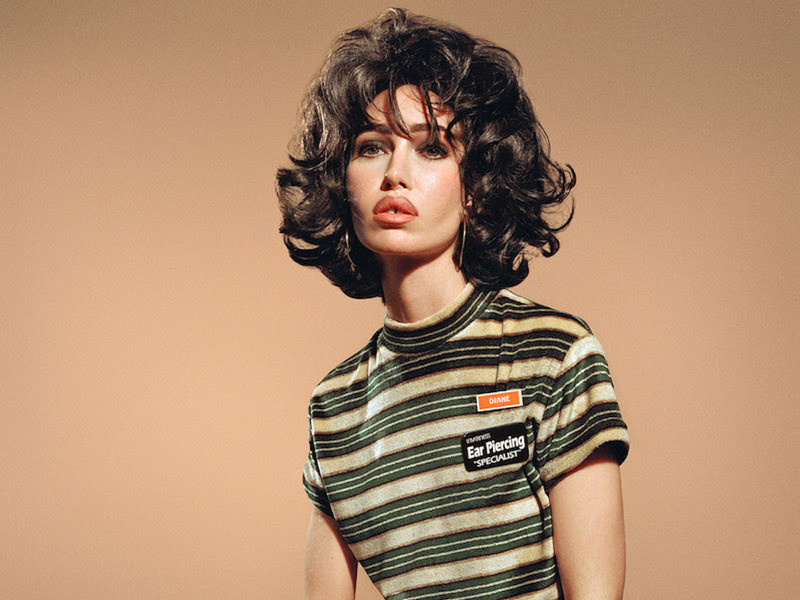
Jones’ captivating portraiture radiates Southern sweat and an understated sensuality. The Alabama-born artist captures friends and acquaintances, showcasing the first example we’ve ever seen of hair rollers and a hair fetish in a single photograph. With only two photographs in the show, the artist showed his dynamic range—and we’re excited to see more of his work in the future.
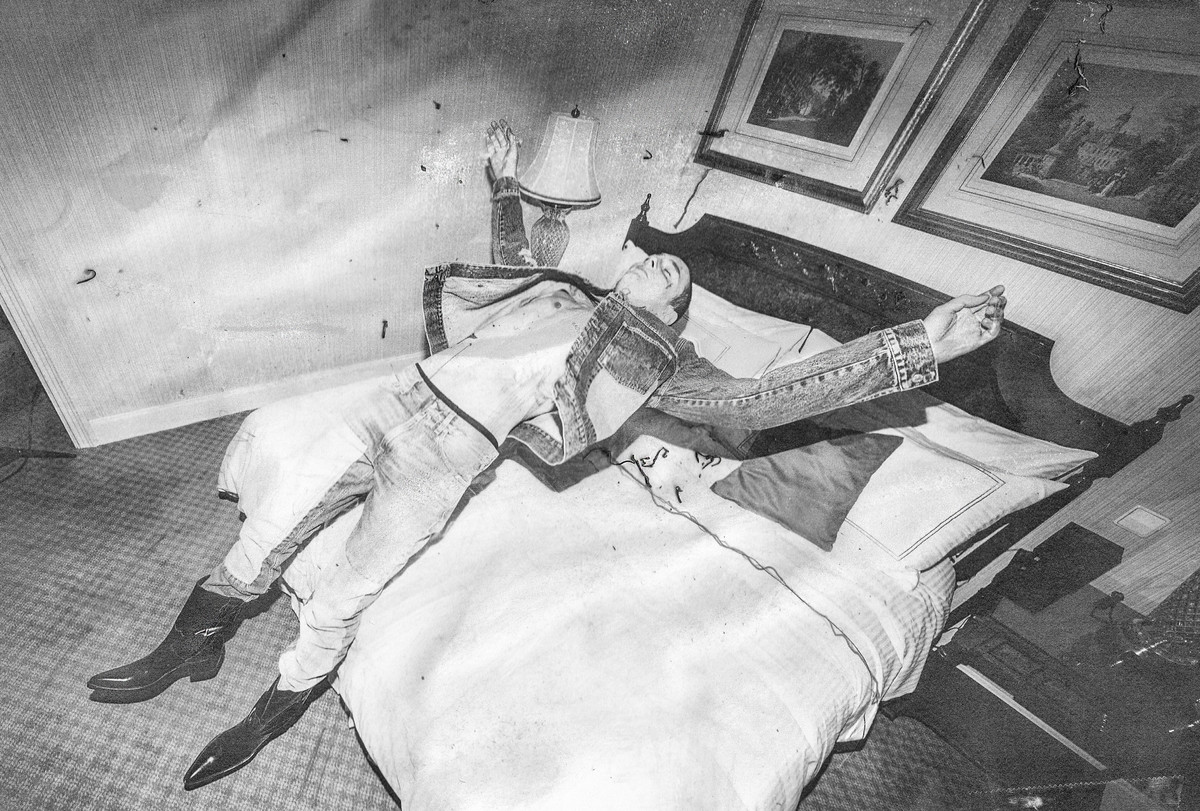
Jan Philipzen
Philipzen’s grainy black-and-white photos transported us to a hotel-motel-No Tell in Western Europe as we watched his face-tattooed subject levitate above the bed, like the spell—or hallucinogen—just kicked in. The artist’s decision to allow the film’s dust and scratches into the final image gave the entire scene a ‘found-photography’ look, and only serves to enhance the overall vision.
Andras Ladocsi
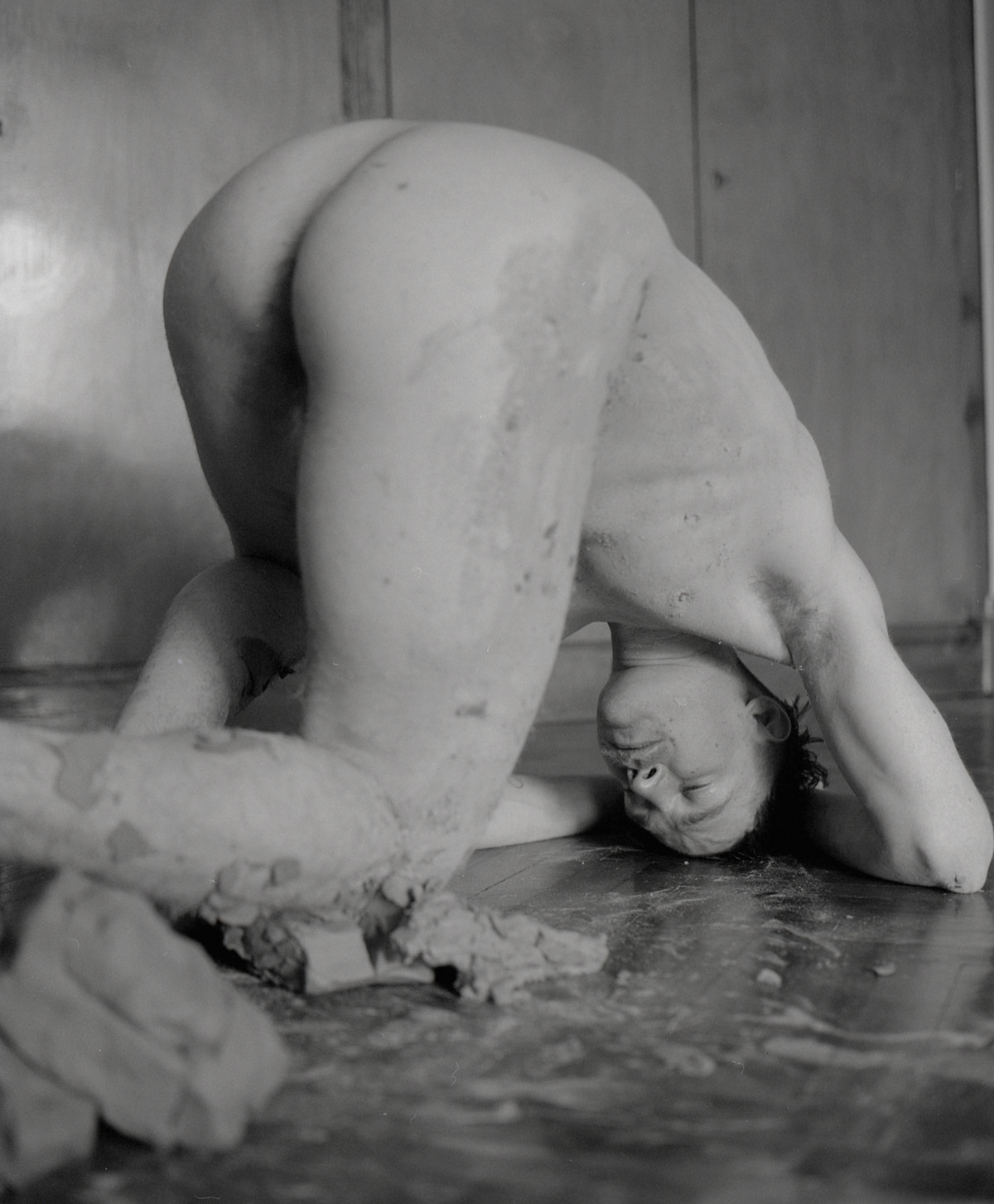
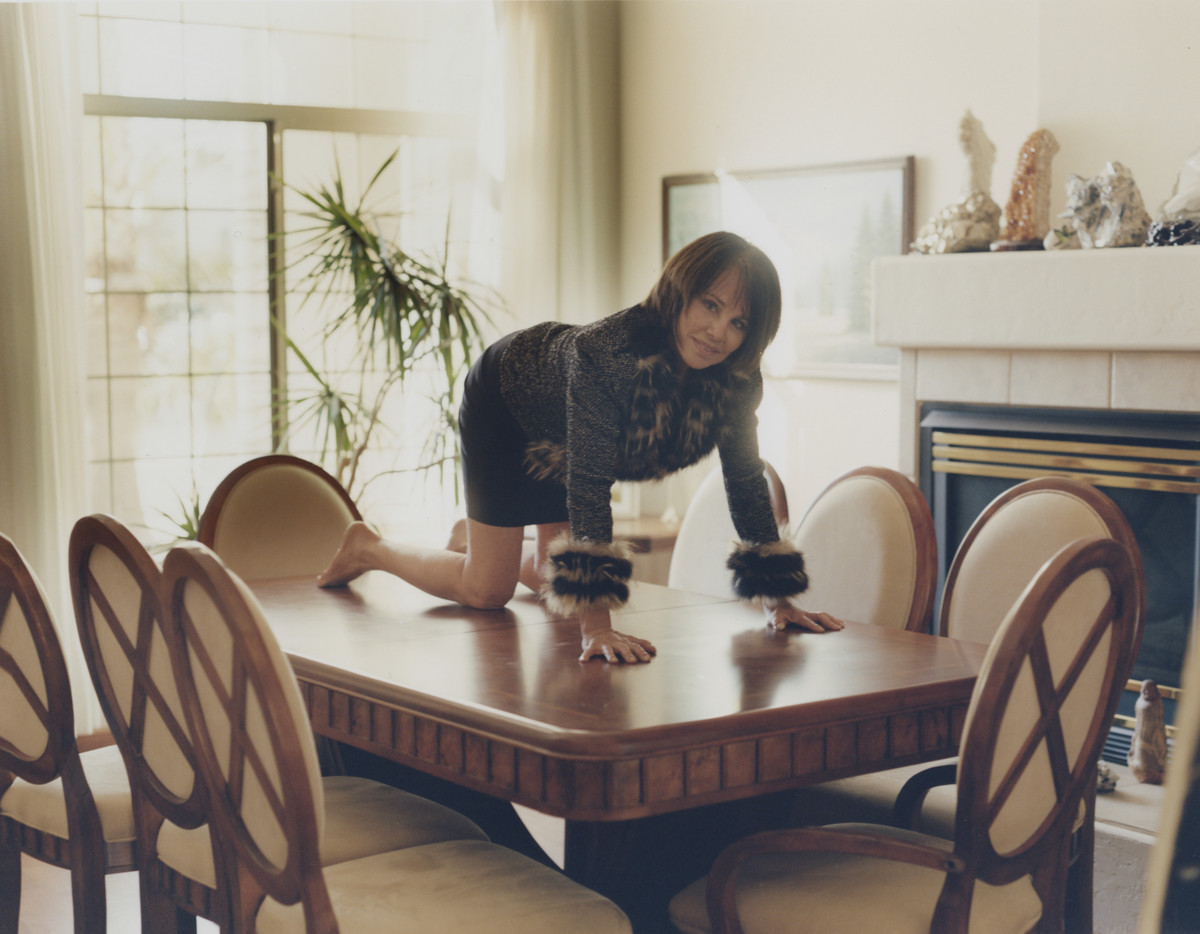
Transforming oneself requires a combination of discipline, mold-breaking and self-acceptance. These three elements are exceptionally represented Budapest-based photographer Andras Ladocsi’s images. A light-filled gymnastic space with rings and mats is show next to a portrait of a clay-covered man who looks as though he has just burst forth from a statue. Completing the trio is a portrait of a woman laying on the floor, bathed in sunlight and making direct eye contact with the camera. The three photos are perfectly paired, and display the artist’s talent for evoking abstract emotions through physical realities.
Alex Lockett
London and New York-based Lockett’s large-scale prints from his series, Arizona Moments, gave us full Southwestern-surrealist vibes and brought to mind the physical manifestations of old gods and new idols.

Vasily Agrenenko
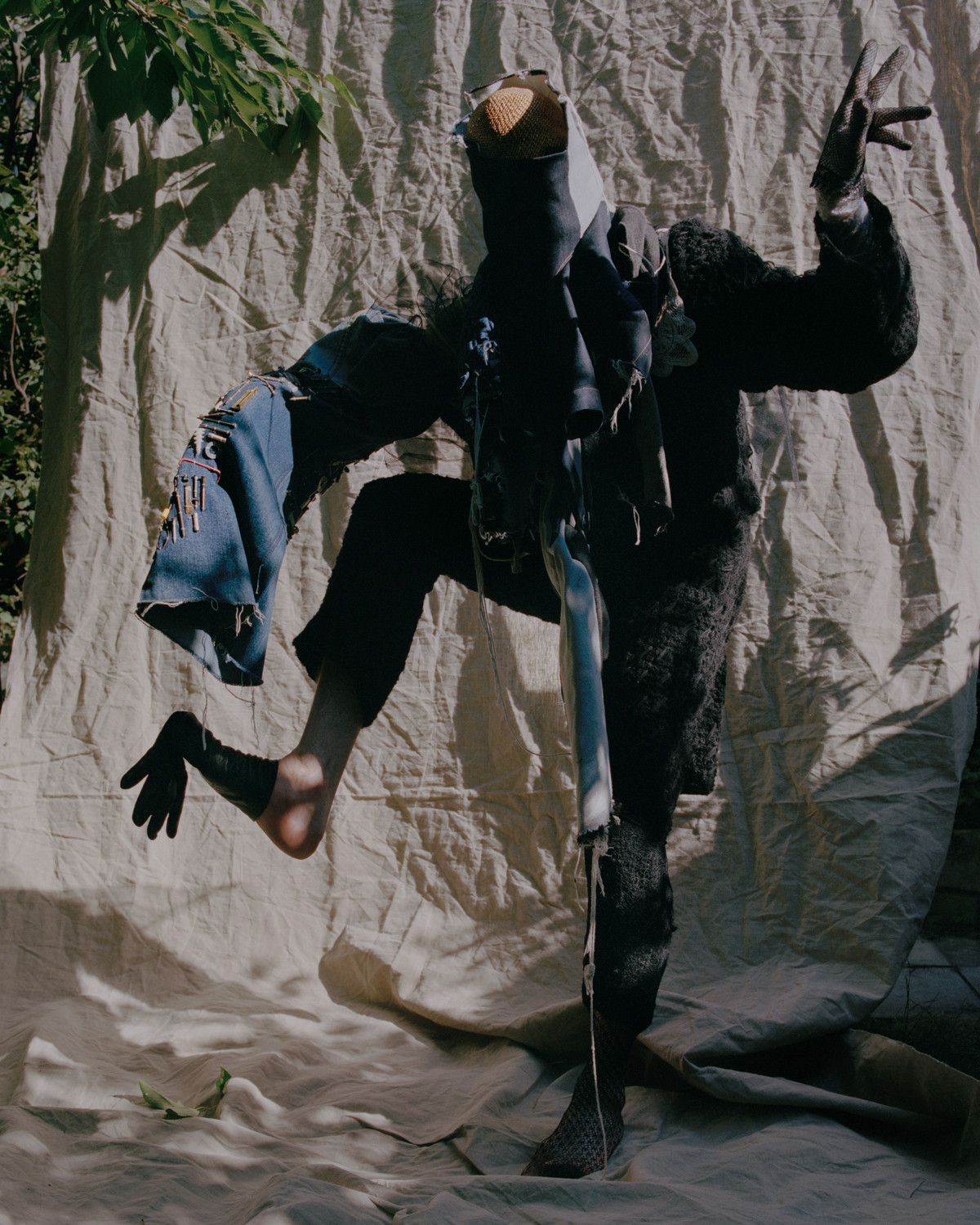
The human-esque forms in the three portraits shown by Vasily Agrenenko are perhaps what we’ll all look like once evolution, climate change and the effects of pollution eventually collide. While not quite resembling actual people, the forms at least allow us to envision a post-human world where style is still an option.
Luis Alberto Rodriguez
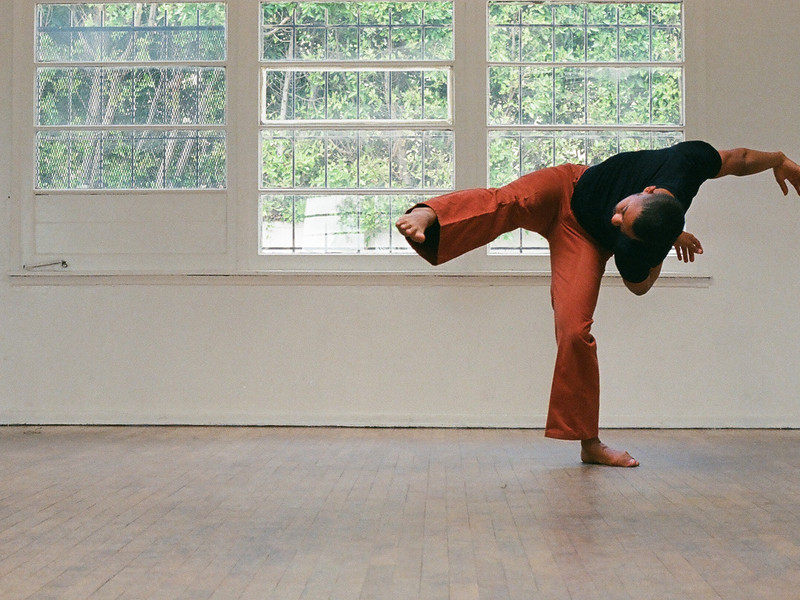
One of only artists to present just a single image during the show, Berlin-based Rodriguez captures a subject’s abstracted body that exudes strength and the kind of post-dance energy that perhaps only the likes of Teyana Taylor or Jennifer Beals could truly comprehend. The locker room setting and subject’s contorted form reminds us how it truly feels to move your body until you’re completely exhausted—and transformed.
Lucie Khahoutian
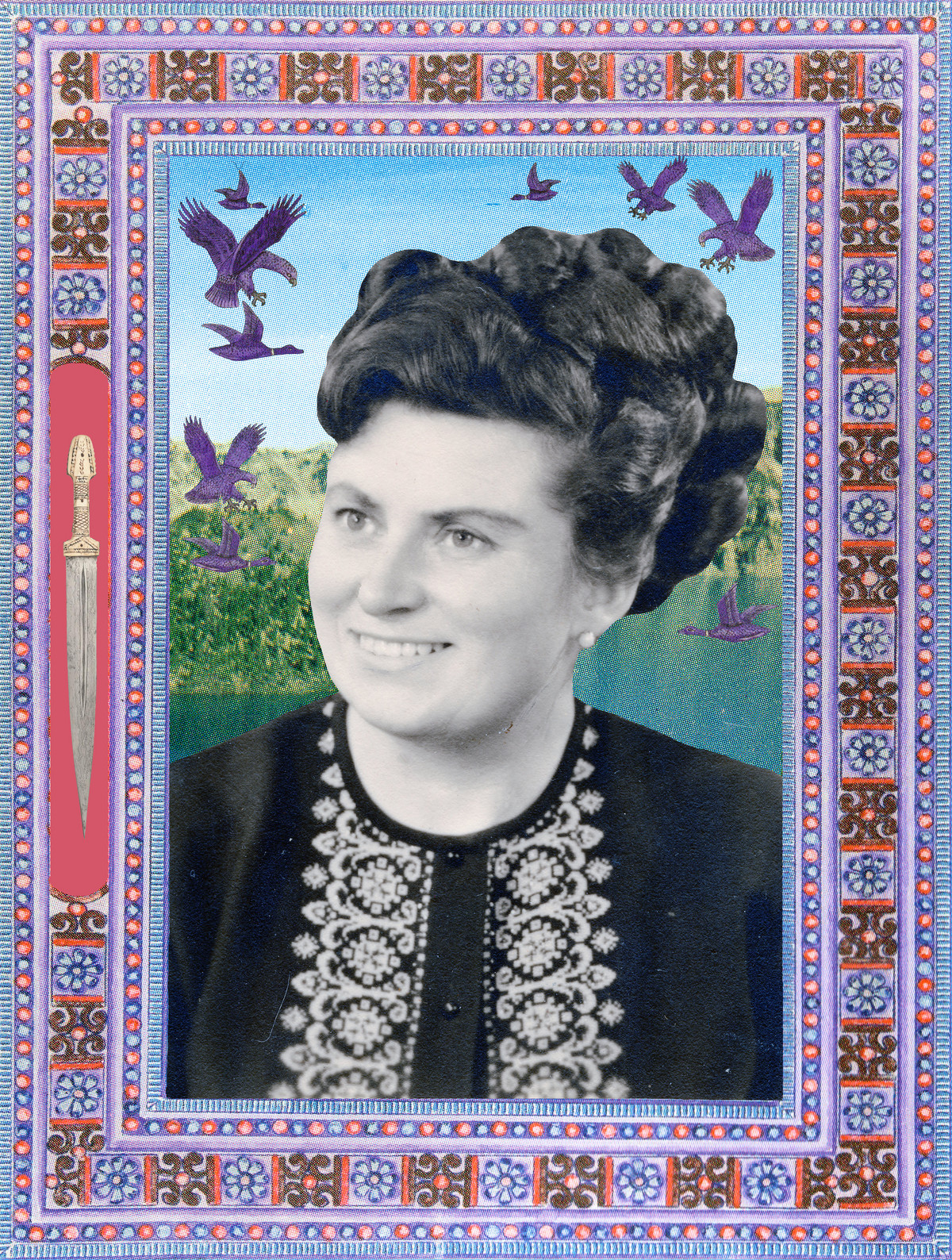
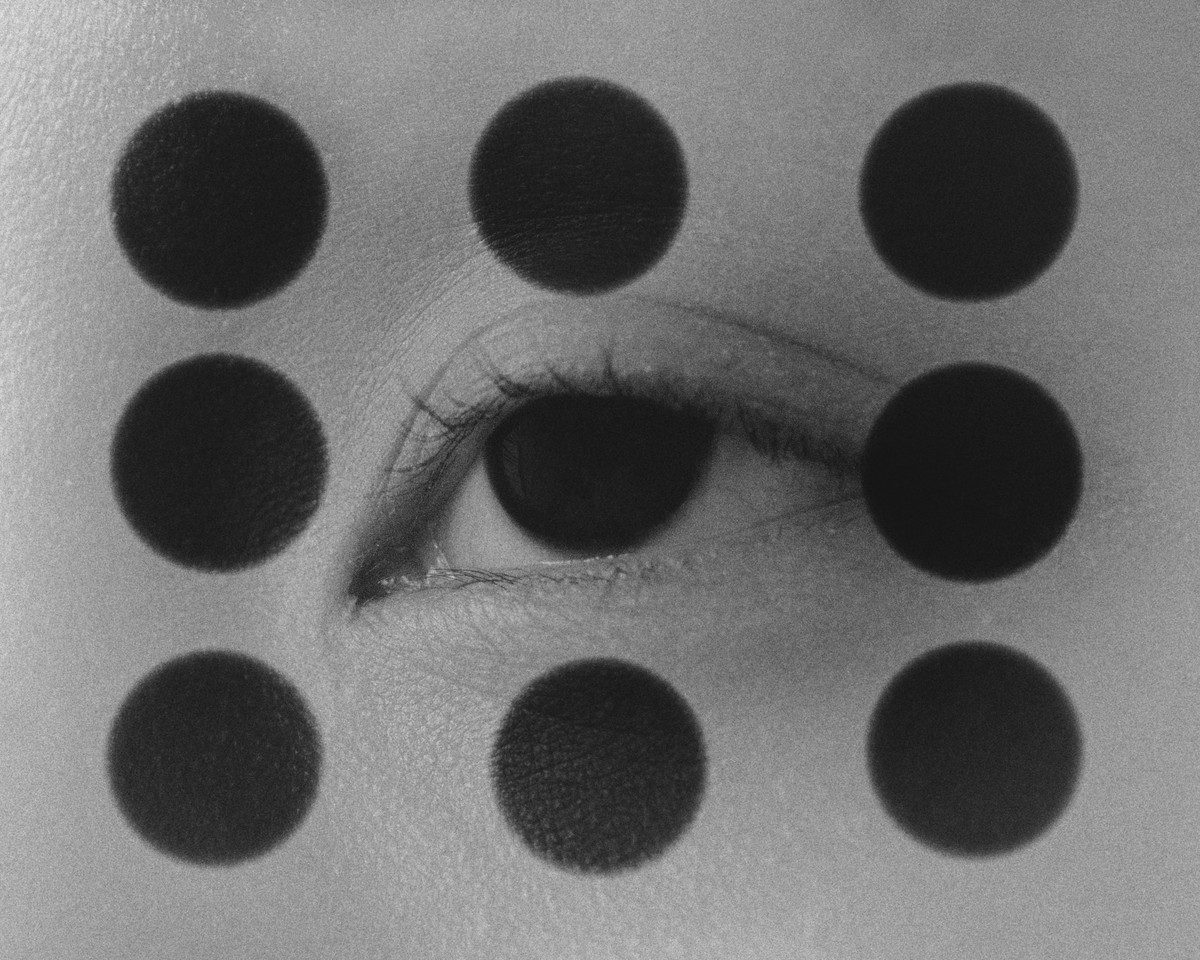
The four images shown by Armenian photographer Lucie Khahoutian blend elements of surrealism, collage and digital-reference that draw you in like a tarot card with a number of figures and symbolic details that would also be at home in a Magritte painting. Khahoutian’s work takes photography in a curious direction—you don’t know if the artist is using sourced or original imagery and each subject is surrounded with arcane details that bring on an alluring yet creepy look.
Bennie Julian Gay
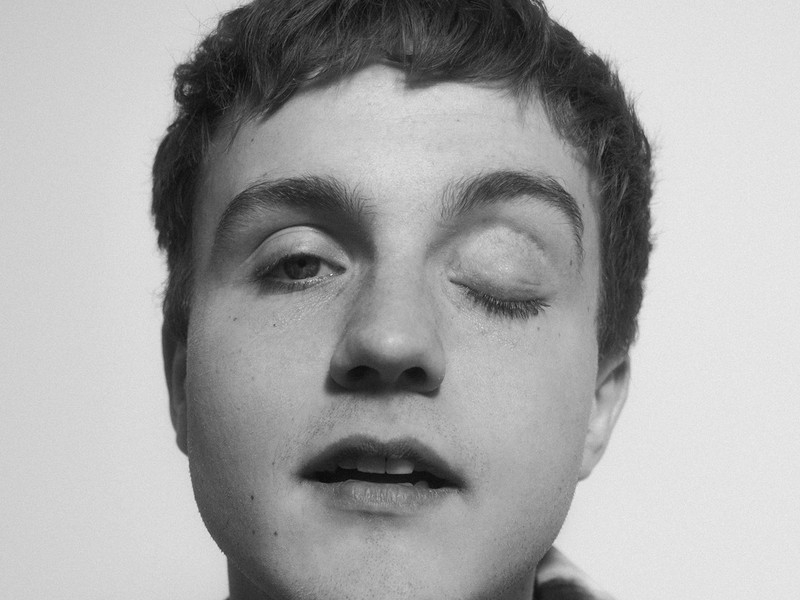
Berlin-based Bennie Julian Gay creates both color and black-and-white photos that bring together realism with a sort of softness that makes his work feel almomst unreal. His goal as an artist? To "[make] people see the world as they cannot see it themselves."
'The New Vanguard' is on view now at Aperture Gallery until October 23.
Lead photo by Etienne Saint-Denis; all photos courtesy of Document Journal.

I left the screening unsure of how to feel. It was a lot to take in.
Men are not raised to be sensitive, vulnerable beings. Jonah Hill explores this concept through the antics of a particular crew of skaters 13-year-old Stevie becomes involved with. You witness the contributions, both small and large, made throughout that latch onto Stevie's innocent mind, brainwashing him into believing and perpetuating the toxic behaviors and ideals that men so often celebrate each other for. And you can't do anything but watch.
While Stevie is the main lens from which we view this world, every character has their own specific narrative. We see the layered complexities of racism, homophobia, toxic masculinity and other problematic normalities we still experience within the skate community, and society at large. But at the same time, we see how these boys support, and help each other, serving as safe havens from various levels of abuse at home; as coaches and teachers when it comes to skating, music, girls, life. Like the characters’ own personalities, life, and most often, the truth, can be messy and of course, hard. But that’s the beauty of growing up. And Mid90s captures all of it.
office got the chance to sit down with Hill, surrounded by his crew of teenage skaters, to talk about the film and overcoming people’s perceptions. Read our interview, below.


First of all, congratulations!
Thank you.
I’m 23, so I have this flashback memory of being on my porch at home watching Superbad with my friends when I was 13. It’s amazing to see a film so starkly different from where you come from.
Long journey, guys.
So, how did this process begin exactly?
I mean, I guess you could start there in some ways. That was a seed planted for me. That was a group of filmmakers—Seth Rogen and Greg Mottola—that made a movie that was their exact voice and different from what they had seen, what had been missing. So, it was sort of a seed planted in my mind that you can make something that’s truly in your own voice. What’s interesting is that people do expect certain things from you, but as an actor, you’re a color in someone else’s painting. I’ve been a good green for a long time, and I love being green—it’s awesome—but if someone wants to paint purple over it, they’re going to do that. I spent my 20s kind of doing things that people thought I should do as opposed to who I genuinely was. I’m my own person, I have my own voice, and what do I want to say? What kind of filmmaker do I want to be? And when I look at my heroes, like Mike Nichols, or people who started in comedy and went on to be amazing filmmakers—you only get one shot at your first film, you only get one swing at it, and from the people I love and admire, it came from a very personal place. So, I waited until I really had something to say and knew what kind of filmmaker I wanted to be, and that’s why I chose Mid90s.
Have you always been interested in skateboarding?
Yeah, I grew up skateboarding in LA in the mid-90s.
Go figure.
I spent every day at the courthouse for four years—that’s a place featured in the film—and I never got great. Like, even being around these guys—becoming friends, making a movie—it’s exciting because I still would trade all of my filmmaking skills for Na-kel [Smith, who plays Ray]'s tre flip, you know? It gave me a real point of view and aesthetic, a group of friends, a family. It taught me about music, because everyone liked the right kind of music, dressed the right kind of way. It’s like, you either have that outlook or you don’t, so I knew it would somehow be a part of my first film.
How did you go about casting the project?
It was an unbelievable process. A friend of all of ours, Mikey Alfred, who I originally hired to just shoot skateboarding for the film and shoot behind the scenes, but he did a really great job and became a co-producer—he knew a lot of these guys and girls and brought them in. But Sunny, I saw a photo of him and then I saw him at his local skatepark. Then I brought Lucas one day to see what the vibe was like between them. I mean, it’s a long individual story for each person, but each one of these people brought this movie to life. Each one of them. And I’m so individually proud and excited to be a part of their journey in this way.
The film had a really organic, authentic feel to it.
The hardest acting really is naturalistic acting. They weren’t just playing themselves—they really had to become these characters, and that’s acting. So, to do that, and have it look like they’re just talking, and hanging out—that’s so much effort on everybody’s end. But that’s what makes you an artist—going out of your comfort zone. Man, I just can’t tell you how amazing it is to watch everyone here do their thing because the main thing about this movie, especially, is that if you give 99.9%, it’s a failure. If you don’t give 100% vulnerability, it’s corny as fuck. So, I’m just grateful for everyone giving that 100% because it’s really not easy to do.
Yeah, and this is most of their first time, right?
It blows my mind. Even watching it last night—it’s funny because I’ve seen it a bajillion fucking times, but I was watching them watch it, and it just fills my heart in a way I can’t even describe.
What’s really incredible is that you took so many actors and gave them roles that were totally different than everyone would expect—especially with Lucas Hedges.
Well, look at my career! I’ve made a career out of it myself.
Honestly, the film is uncomfortable to watch in some moments. Was that intentional?
100 percent. I mean, I’m actually glad you brought it up because we’ll have these amazing screenings, everything will be so positive, and there will be one person that misunderstands the blatant homophobia, toxic masculinity, the abuse—they view it as me celebrating that, and obviously it’s shown so explicitly to hold up a mirror to how we were in the mid-90s, and all the things we have to unlearn. The way they talk to and about women, the homophobic slurs—it would’ve been so disrespectful to have retouched it with a modern lens because that wouldn’t be the truth. The more poignant thing to do is to show how ugly it was, and have it be that blatant. In fact, I could have left that all out of the movie, but it was the only reason to do it.


I’m queer myself, and obviously hearing the word ‘faggot’ every other line at times, was not enjoyable for me. But you’re right, it’s the way it was and needs accountability.
Especially 20 years ago! When I grew up skating and people were saying that so regularly, one or two of those kids was actually gay. But the uglier it is, the more honest it is. And in regards to sexuality, the scene between Sunny and Alexa—he’s not even enjoying the experience. He’s terrified! It’s not like, ‘Hey, I’m about to go fuck this chick.’ He’s shaking. He only enjoys it when he realizes it’s currency to raise up within the group. Popularity, you know? That’s another important lesson to unlearn. To me, some of that stuff is the best stuff about the movie. So, it’s nice to have a thoughtful conversation about it.
Right, and there’s also, like you said, the fact that some people might see the film and think it’s totally normal. So, it’s really nice to hone in and flesh it out.
When Wolf of Wall Street came out, there was some major uproar. But we were making fun of those douchebags when some people thought we were celebrating it. I mean, I’m just here to tell the truth, and I respect the audience enough to take away what’s important. I think it’s ugly, I think it’s bad, but that’s what the truth is, and I need to it and have you walk away with something to really feel. Then, hopefully, we can get to a place where people realize, ‘I don’t want to be like that.’
Now that you’ve made your first film, what do you want people to know about you as a creator?
This is my first creation; my first album; my first painting. This is it, and all of my friends and family helped bring it to life. Hopefully, I’m lucky enough to make another one. But what I’ve learned, having had this long career and doing a lot of things that didn’t come from my heart, I just want to continue making art that means something to me. Living a human life is painful and joyous enough to write about constantly. I don’t need superheroes, or anything like that. To me, the human experience is a lot. It’s like, facts: I’ll always have a job because life will always be hard.