Vulvatious

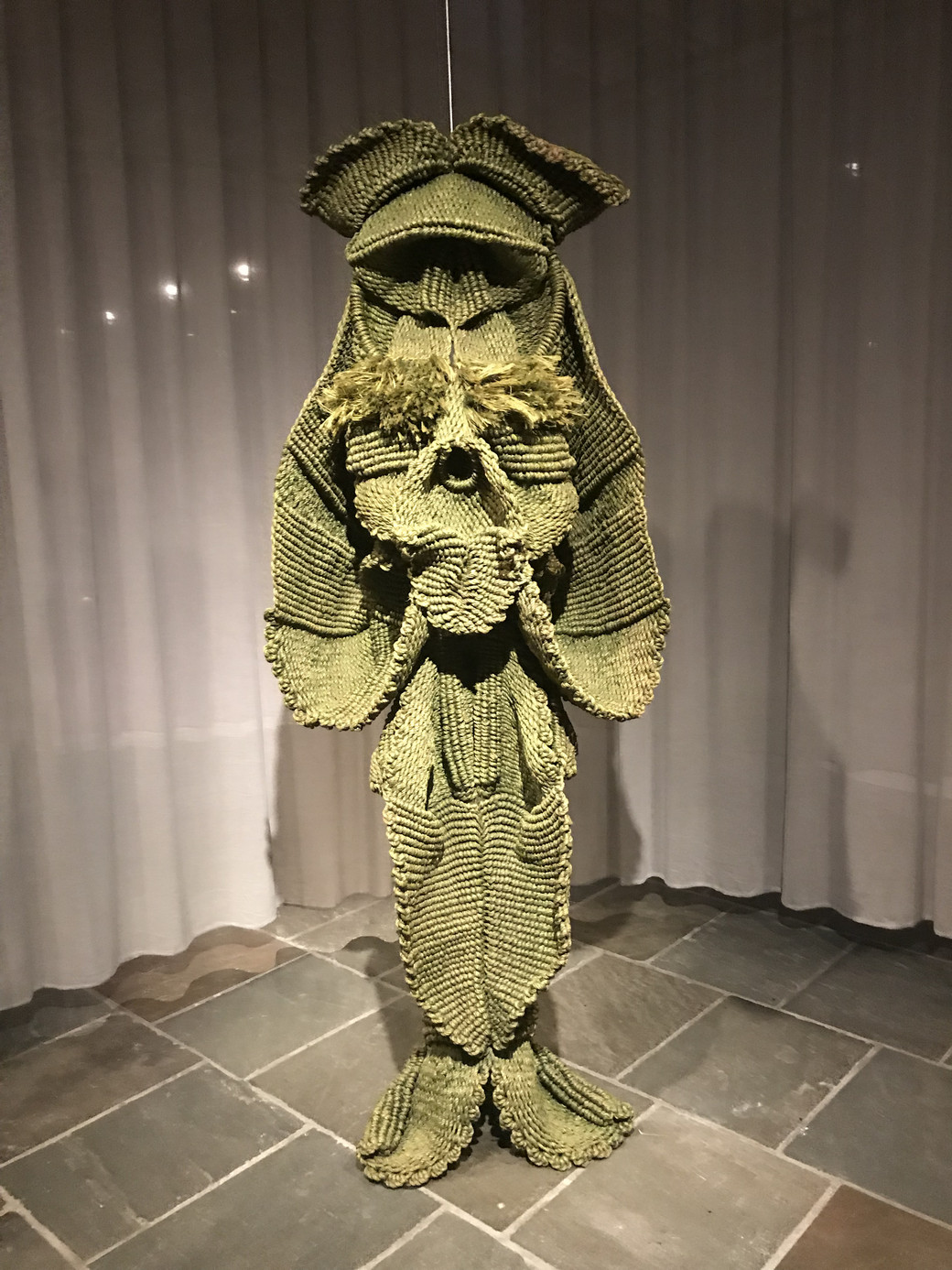
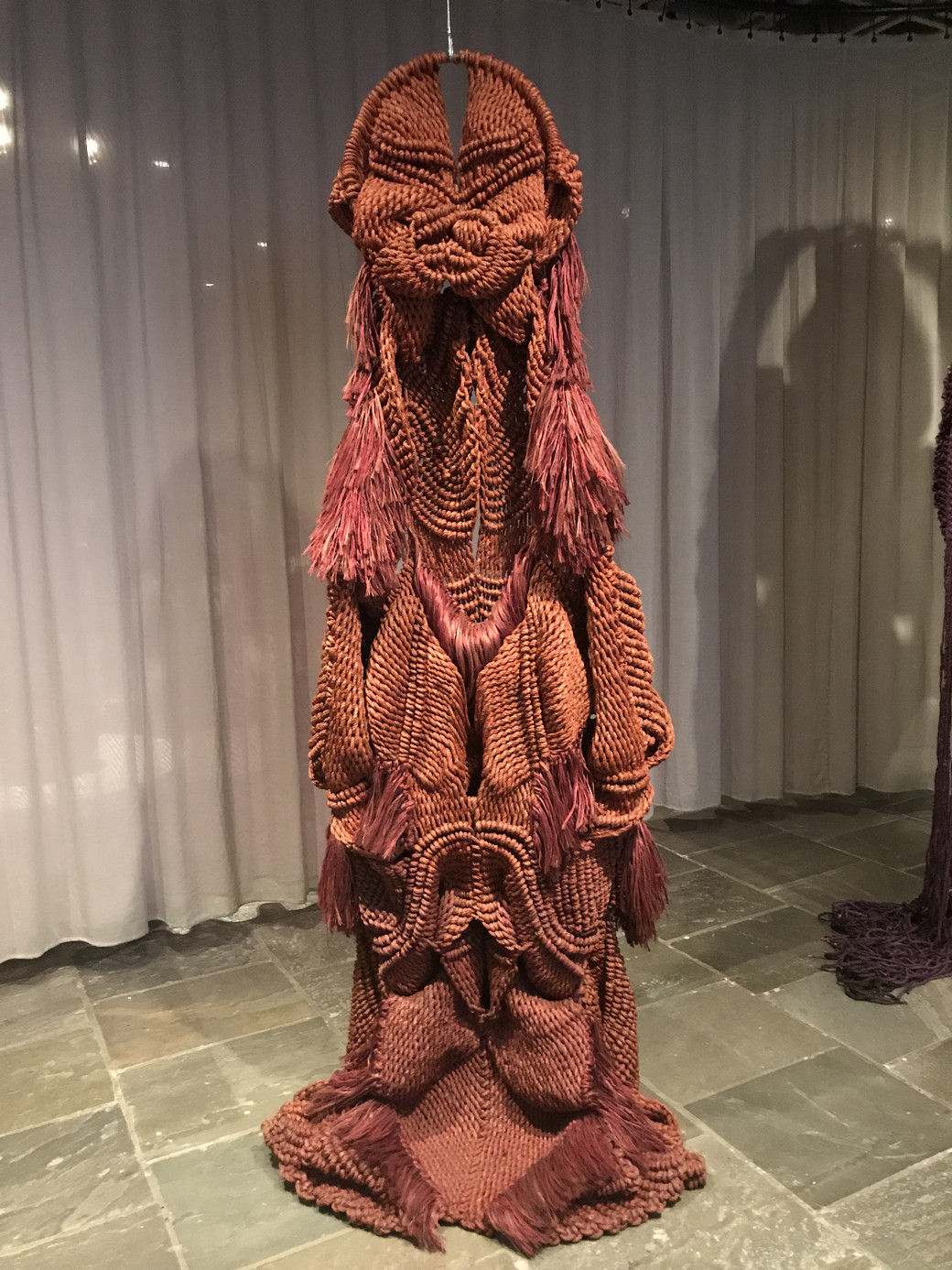
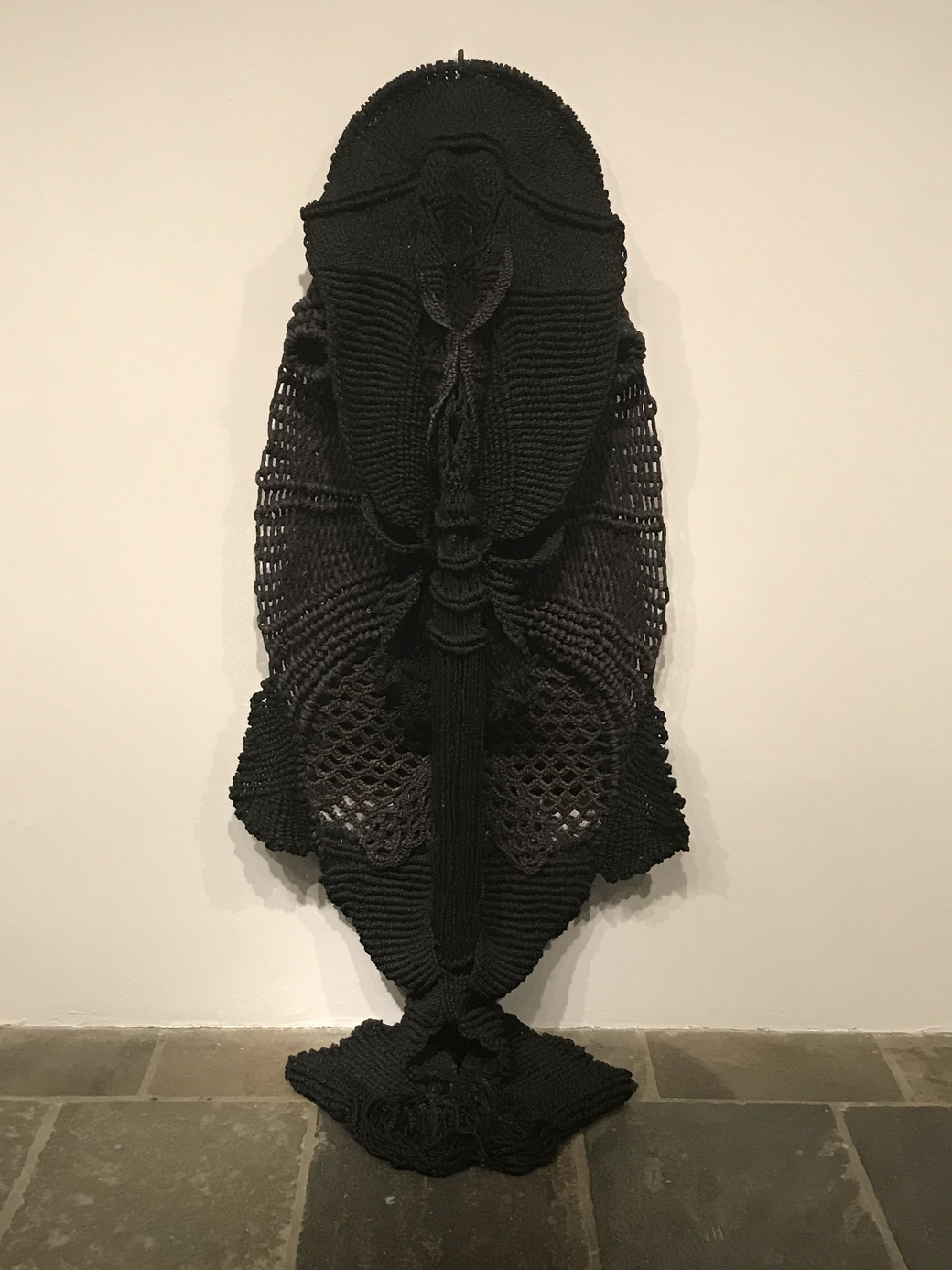
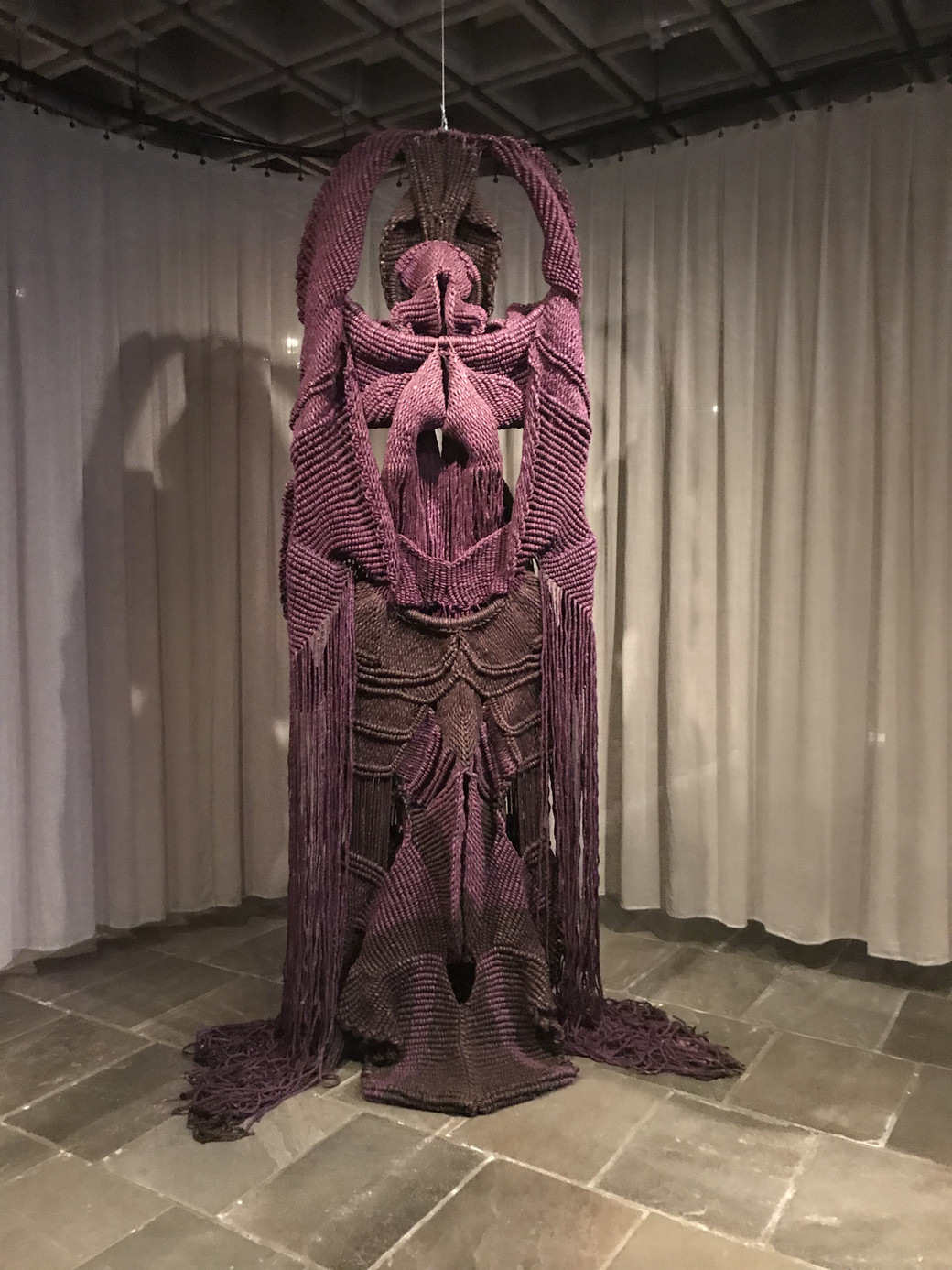
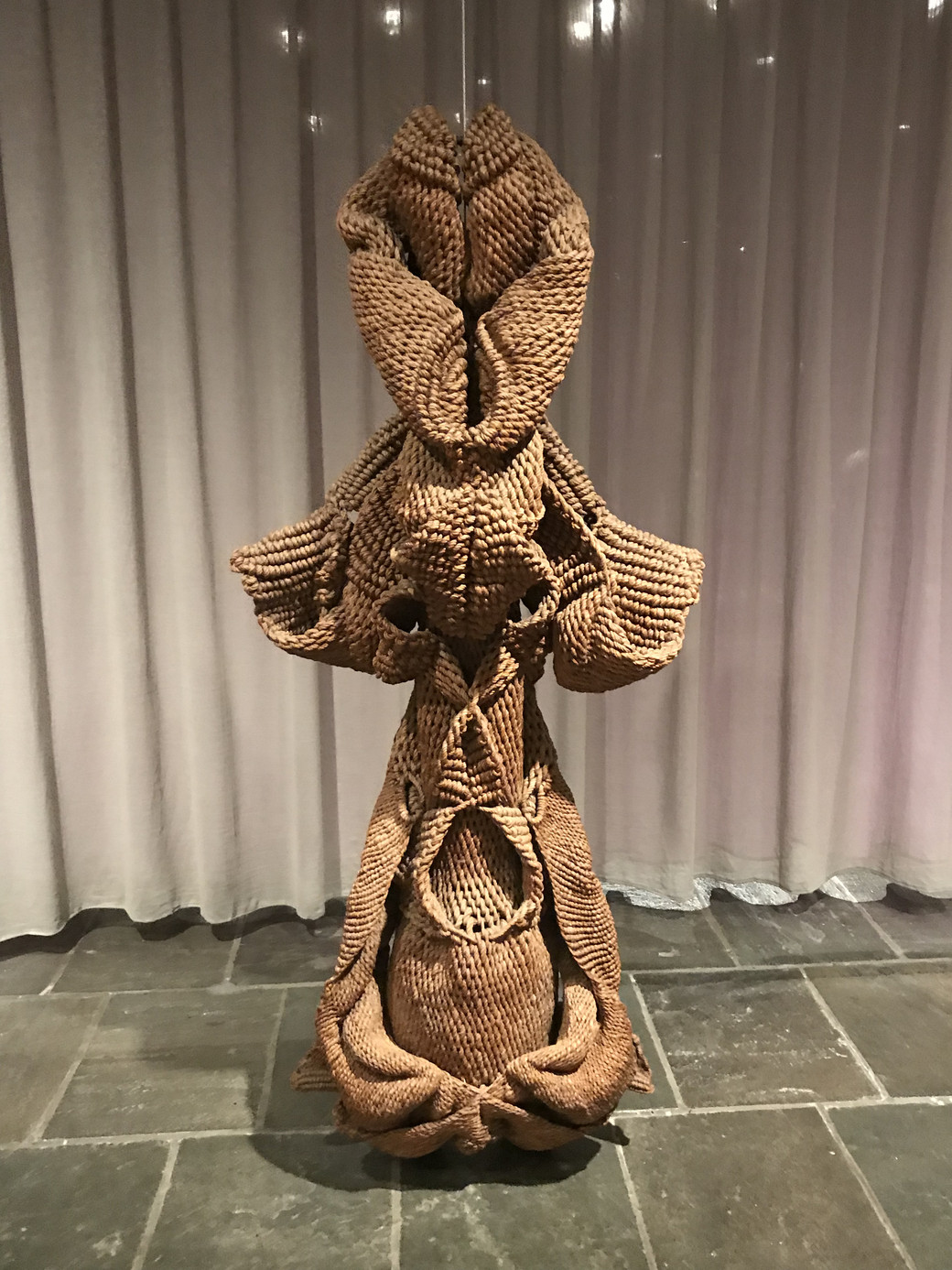
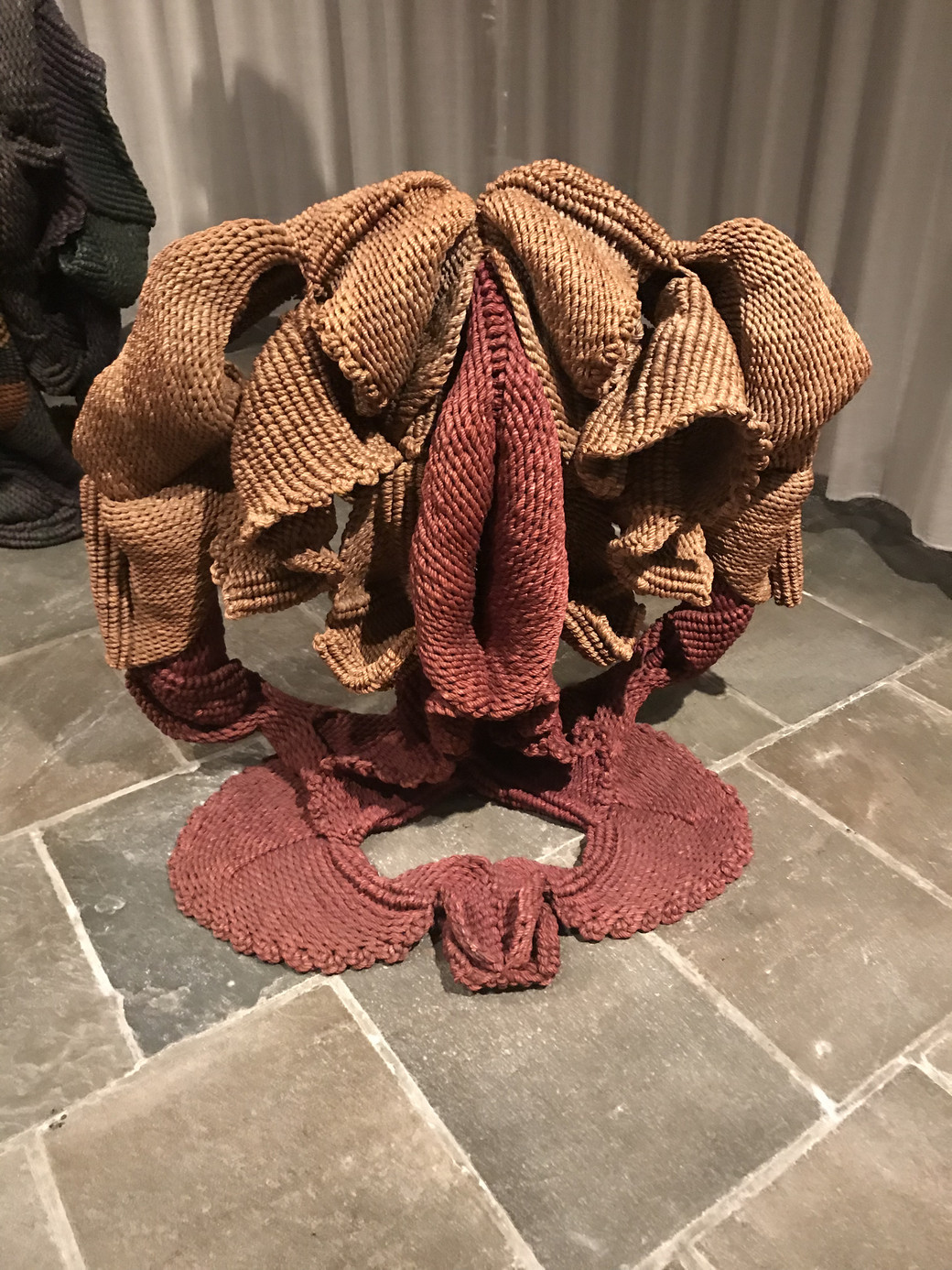
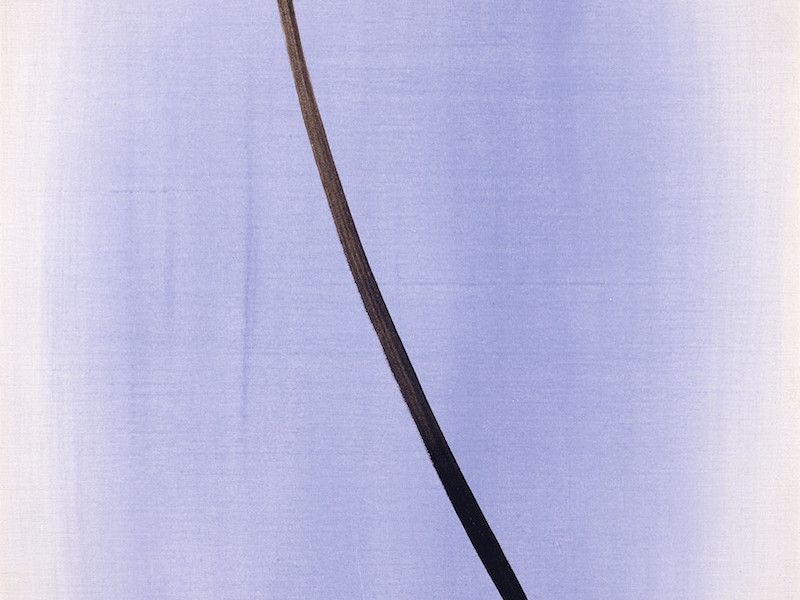
"Phenomenal Nature: Mrinalini Mukherjee" is on view at the Met Breuer through September 29th, 2019.
"Phenomenal Nature: Mrinalini Mukherjee" is on view at the Met Breuer through September 29th, 2019.

Through all of her mediums, however, Lucas explores violence and objectification, through disembodied limbs, substitution of anatomy for food and an unapologetic, ripe sexuality.
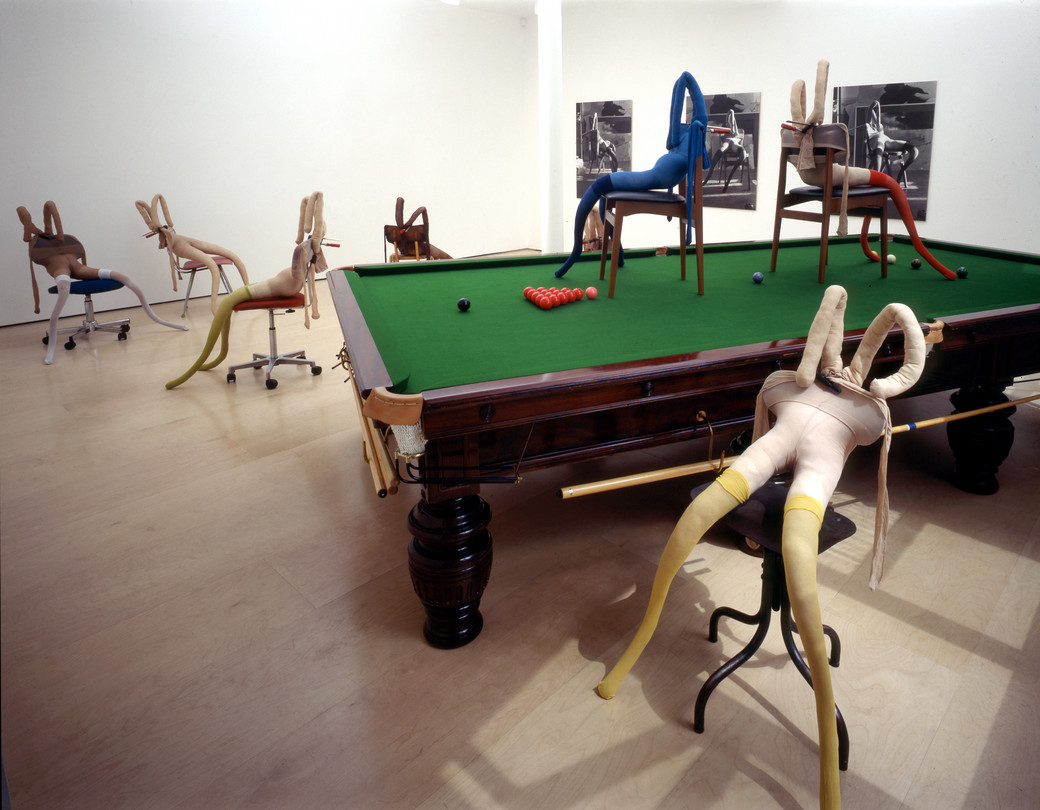
Since the late 1990s, most of her ventures in sculpture have used stuffed tights to recreate female limbs, acting as contemporary inflections of the Surrealist tradition. In the 1997 Bunny Gets Snookered series, women’s bodies look like two sets of legs fused together at the torso, or gawky bunnies with a second set of legs for ears; arranged around a billiards table, the correlation between the humanoid-rabbit-aliens and the Hefner-esque environment is telling.
Her more recent NUD series is more abstract, however, and revolves around the ambiguities of gender and intimacy. Lucas’ writhing masses of fluff-filled tights might emulate an embracing couple, an individual in anguish, or the synchronicity of both. Through the semi-opaque tights, the soft fibers in the stuffing look like hard veined marble–another compelling ambiguity.


Above: 'Bunny Gets Snookered #8,' 1997 and 'NUD 24,' 2010.
On the fourth floor of the gallery, the elevator doors open onto a massive car wreck. A 2003 Jaguar has been ripped in half and a giant self-portrait of Lucas overlooks the debris. Under her mischievous gaze, one half of the car is crushed and charred, while the other is in perfect condition, except for the fact that it’s covered entirely by cigarettes. The irony that the latter half is the one to survive the accident not only says that life and death live cheek-by-jowl, but that they are fully enmeshed for Lucas.
Pieces of the destroyed vehicle lay under 10-foot long cast concrete phalluses in the wake of the crash. The sculptures seem crudely referential of classic heroic nude statues; in combination with a contemporary car and a spirit of danger, it looks for a moment as if hyper-masculinity has had a hand in its own tragic downfall.


Above: 'Self-Portrait with Fried Eggs,' 1996 and 'Complete Arsehole,' 1993.
The final part of the show? Sausage Film (1990) is a video of Lucas being served a sausage and then a banana by an anonymous man. She maintains point-blank eye contact with the viewer–subverting fetishitic ideas of women eating on camera–and coolly cuts into and eats the food, crushing it up into little pieces and slicing it with an enjoyable detachment. At the end, she washes it all down with a glass of water, her gaze uncompromising, then gets up, and leaves the dishes behind at the table.
Work by work, Lucas is devouring the patriarchy.
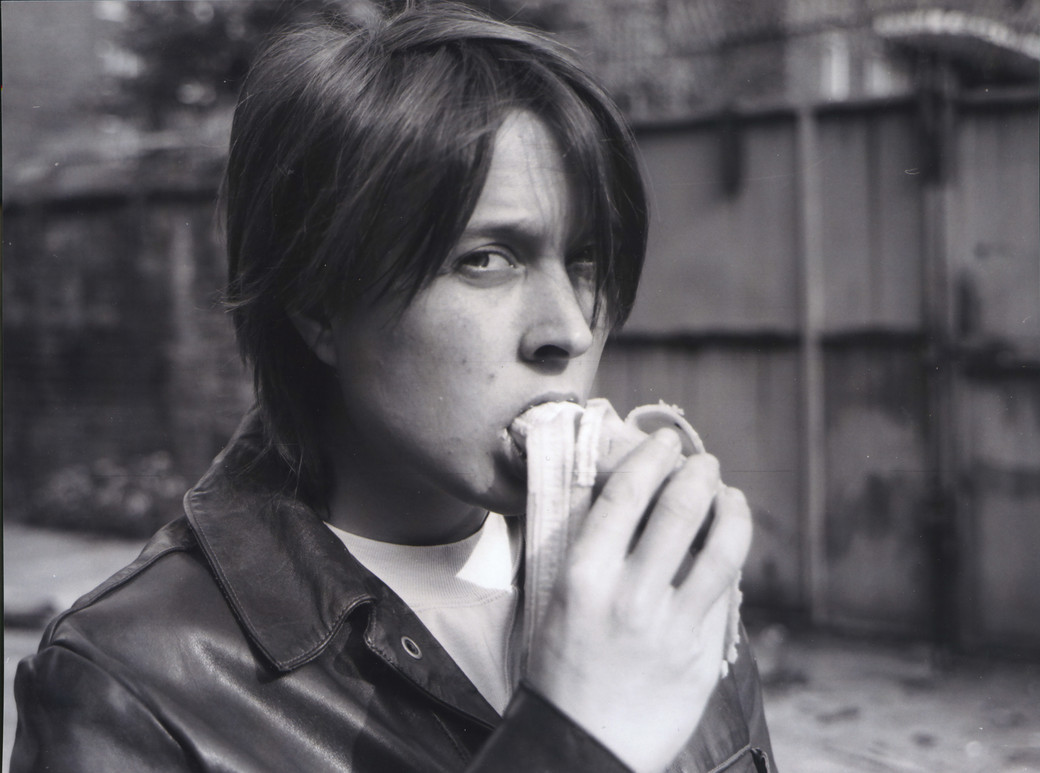
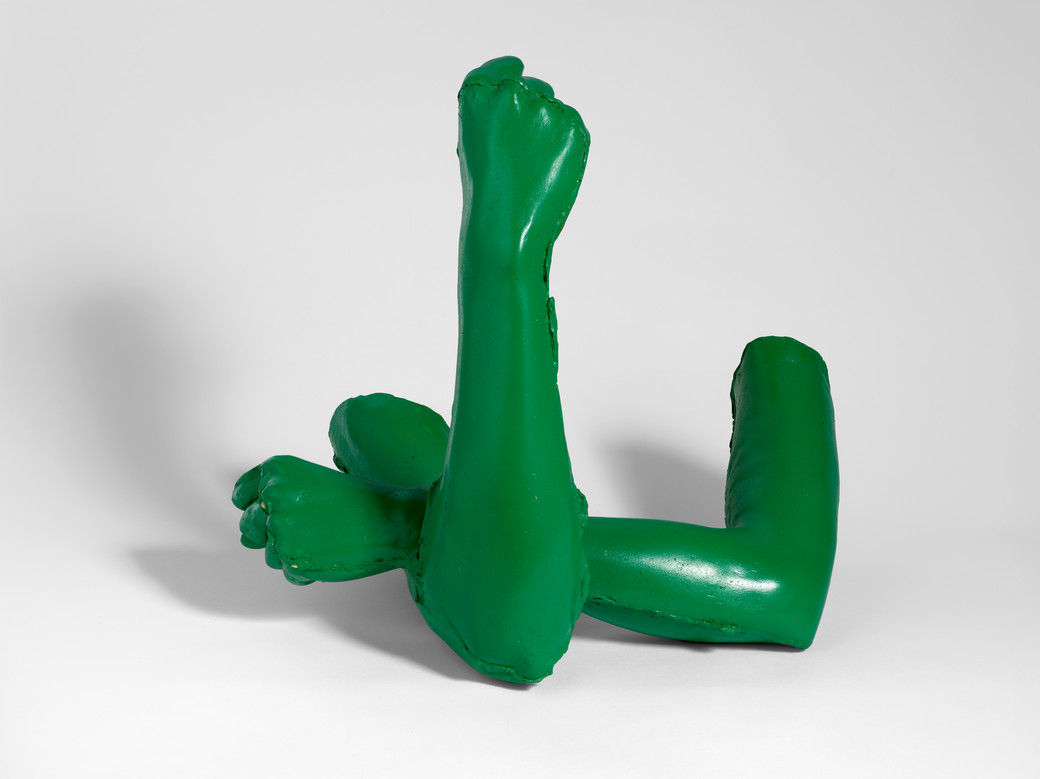

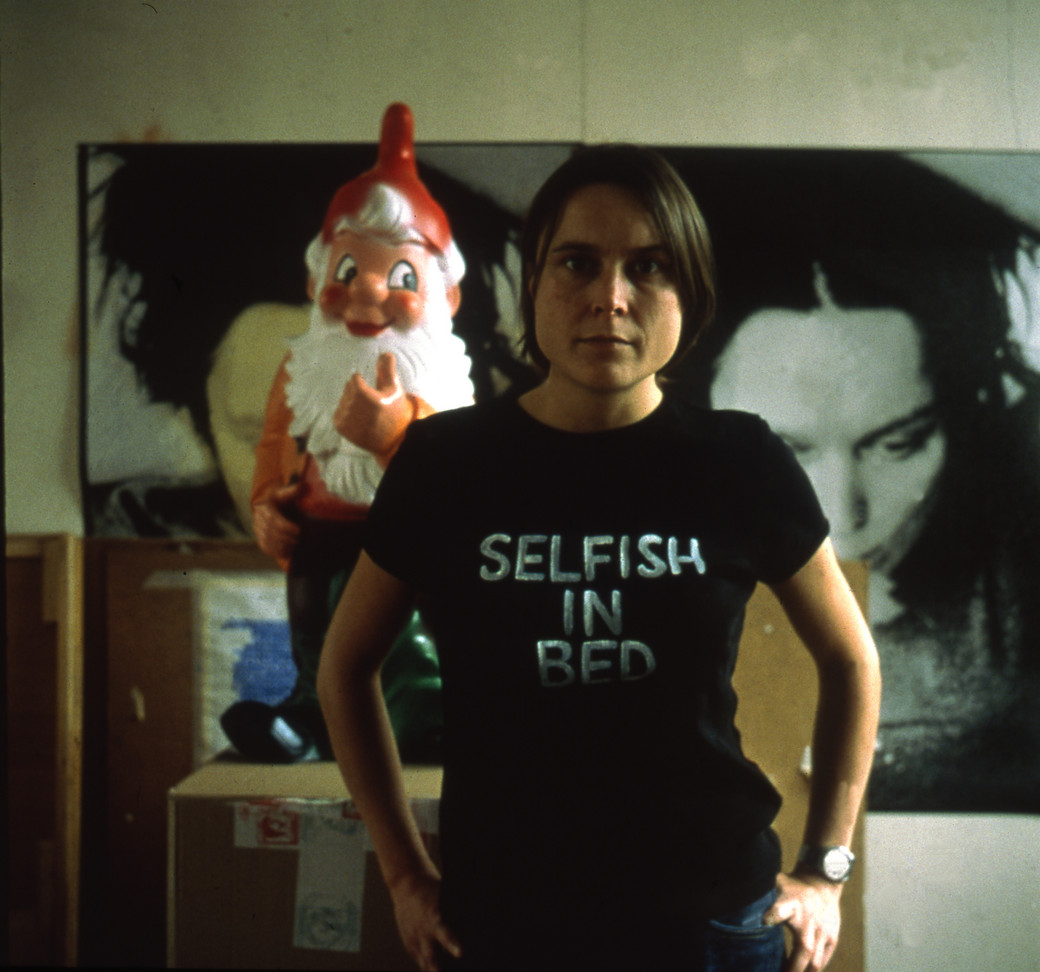
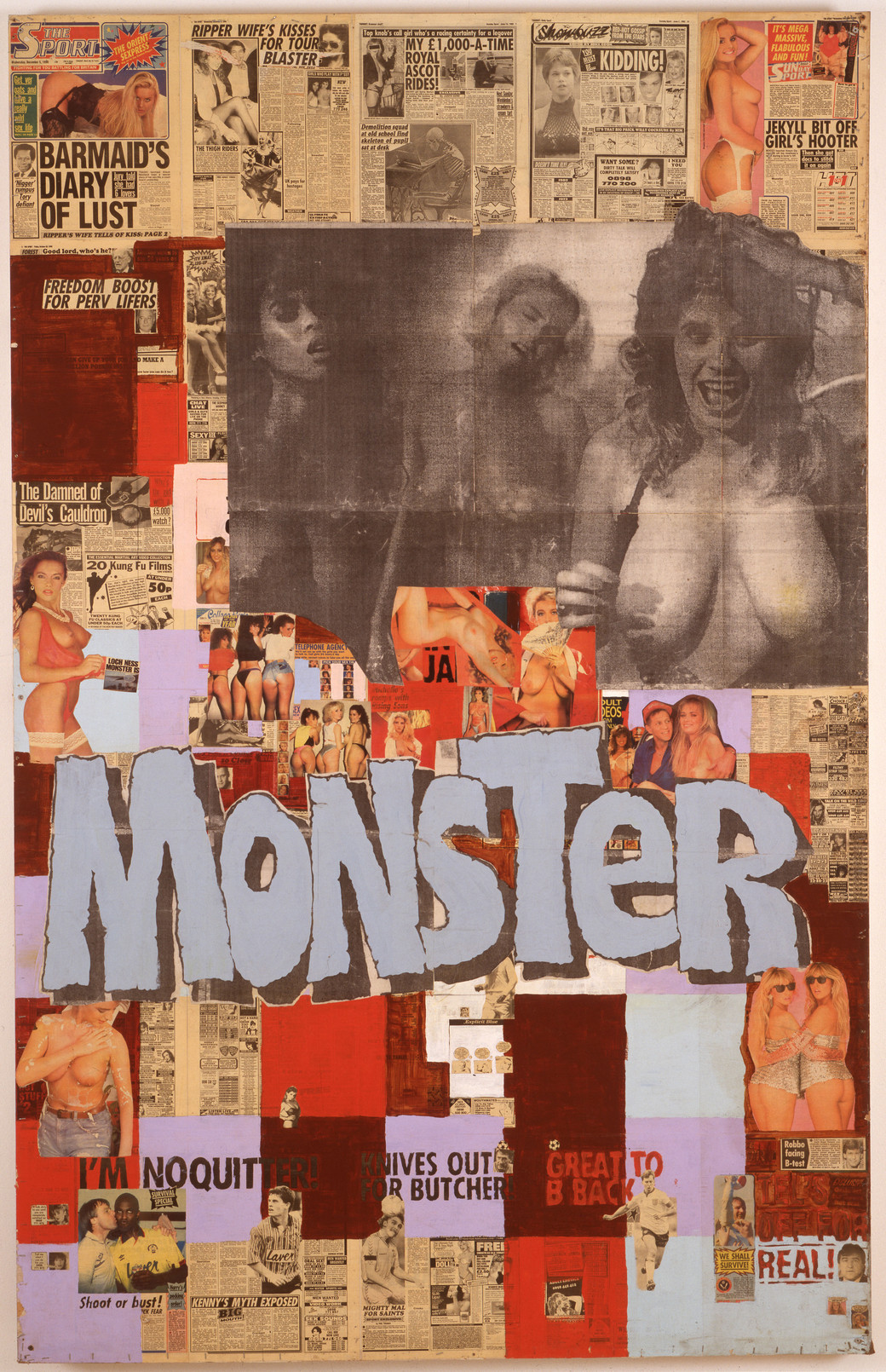
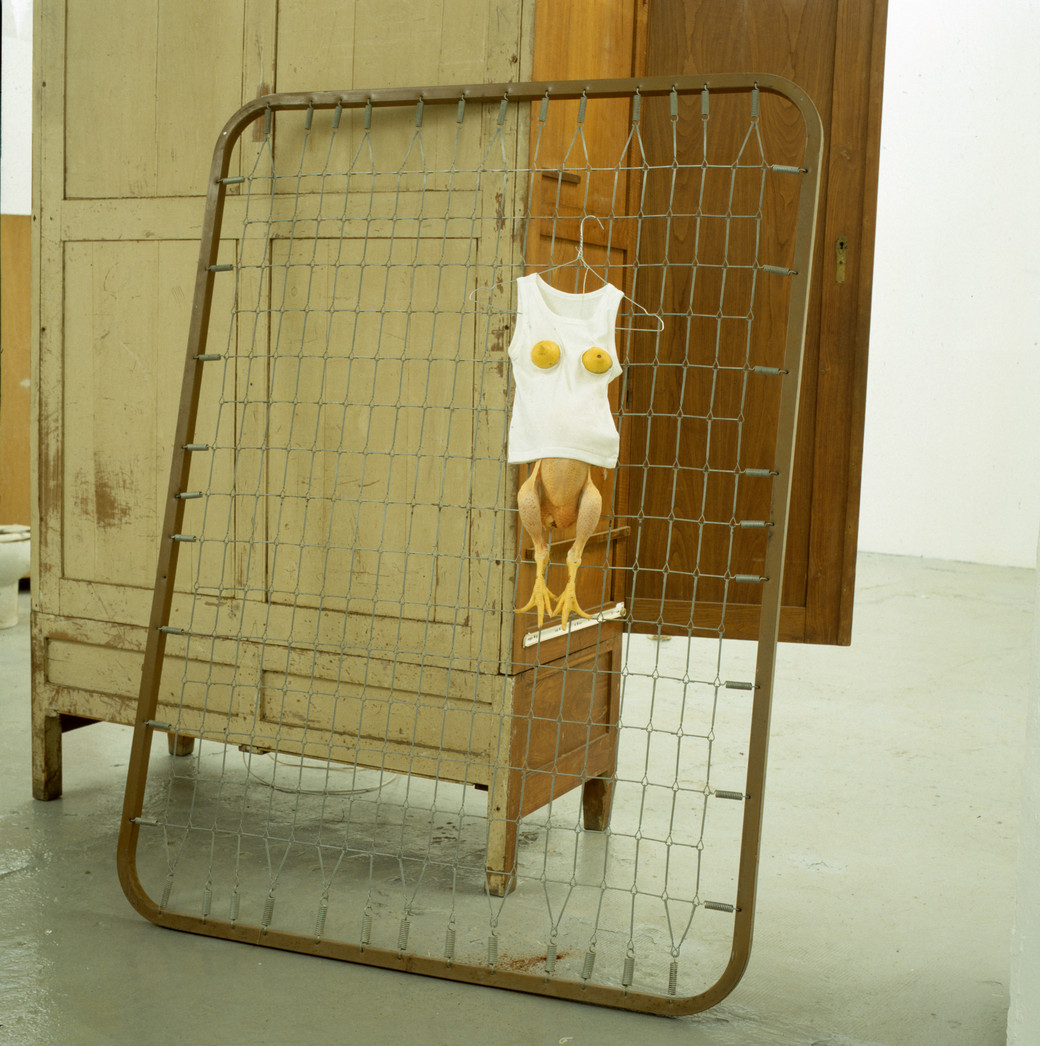
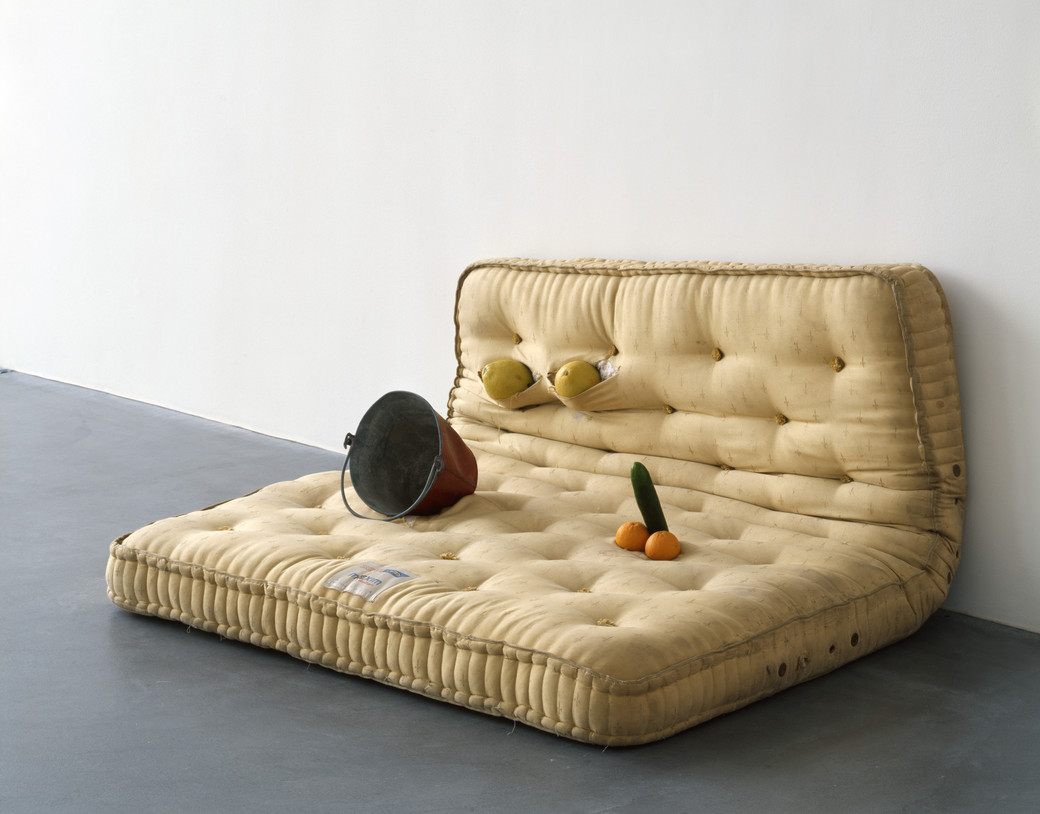
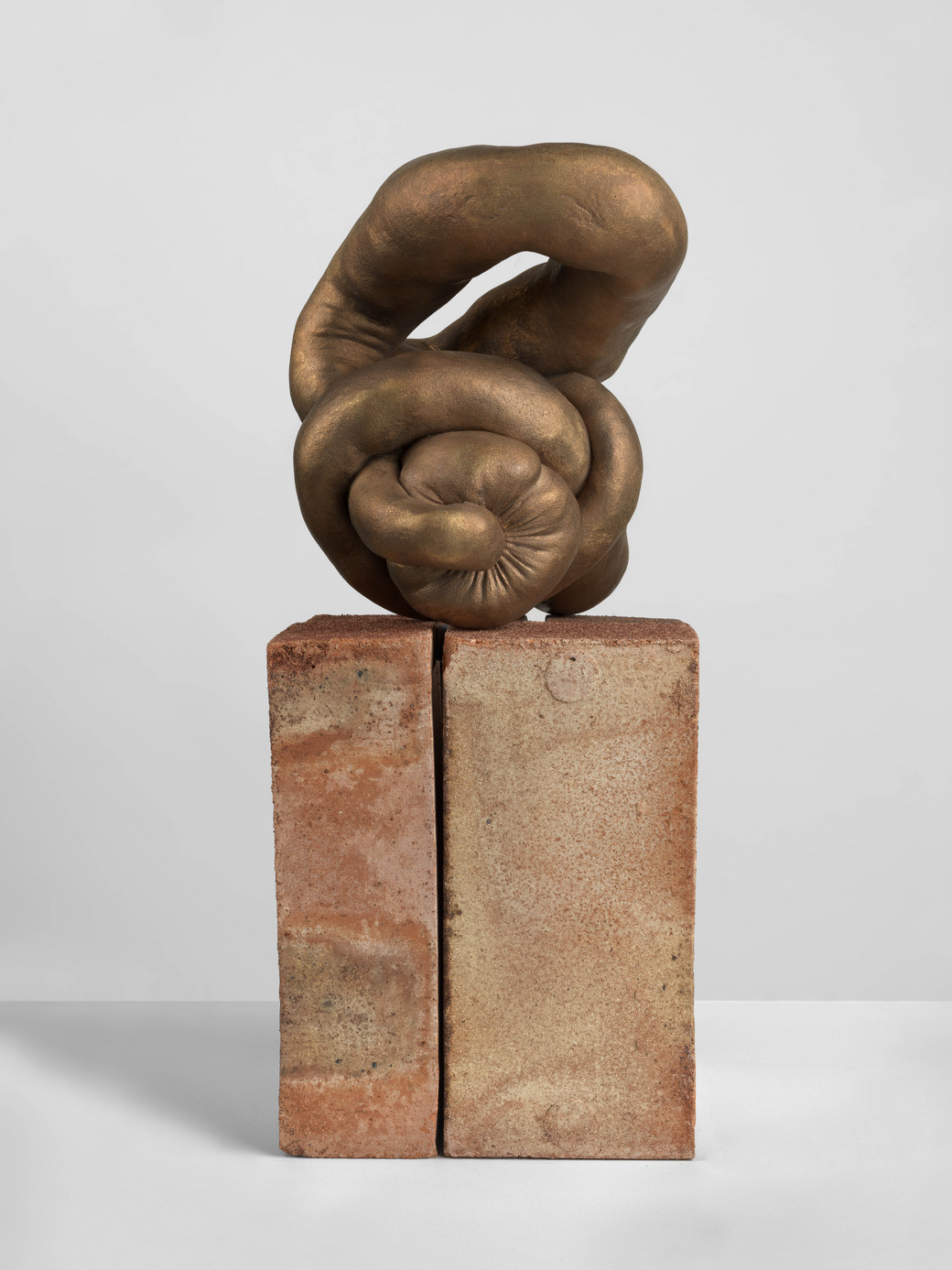
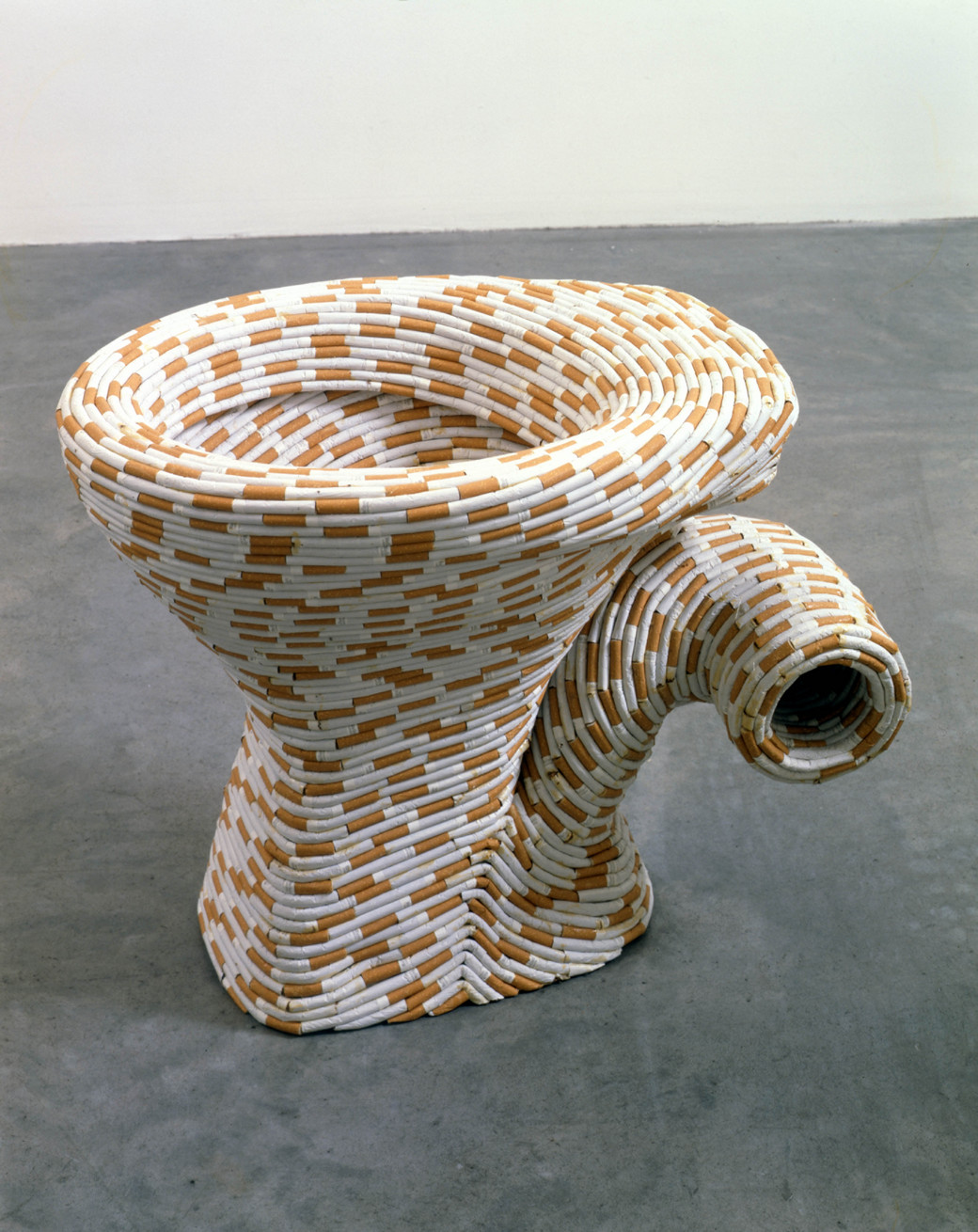
Lead image: 'Is Suicide Genetic?' 1996; all photos courtesy of Sadie Coles HQ, London.
'Sarah Lucas: Au Naturel is open now, until January 20, 2019 at the New Museum.

Painting the faces of her friends and longtime muses Lukas Ionesco and Joe Skilton in the classic black-and-white black metal style, she shot them among crowds of people near London’s most touristy spots.
“I didn’t have them dress up in anything black metal, because we’re not actually fans,” she said, “but it was fun to put the makeup on and run around.”
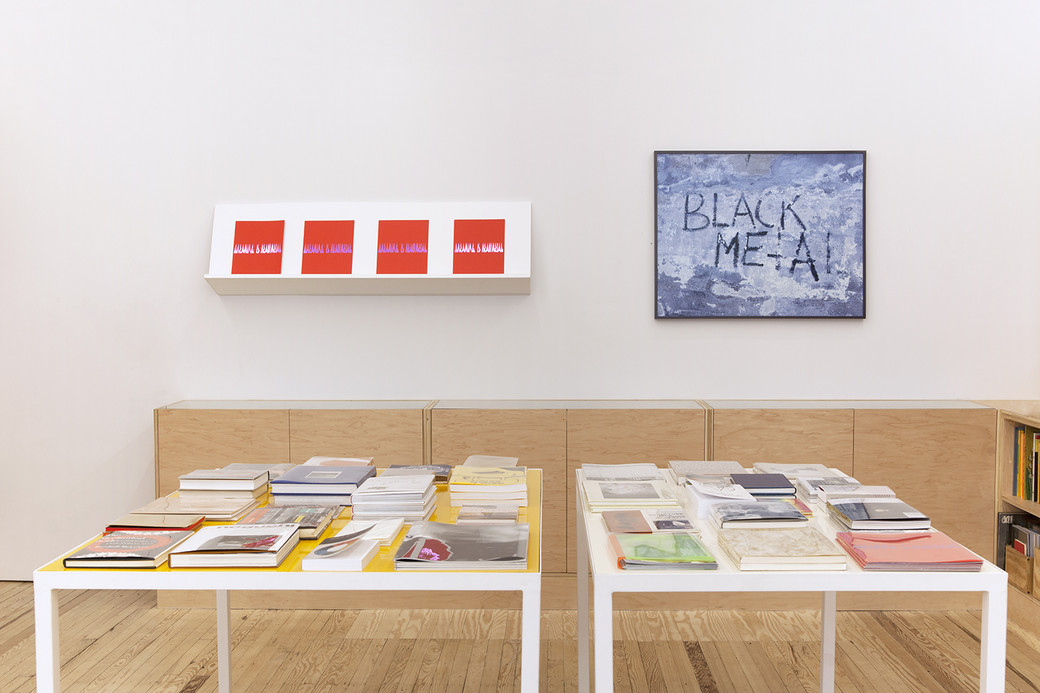
That lighthearted photoshoot, combined with cyanotypes she made from the zines, and lines from a manifesto she found in Helvete’s basement comprise the final product: Ahlbom’s own participation in black metal fandom.
Experimenting in the dark room, the 25-year-old artist cast photos in saturated blues and reds, blurring the line between which images are old and new. She used her iPhone to create light leaks on photos of the shop’s interior, which contains walls of artifacts untouched since the ‘80s, when it was a hangout for new bands on the scene. Throughout the developing process, Ahlbom took a labor-intensive approach––offering her own creativity to the fandom.
office spoke to the photographer about obsession between idols and fans.


How did you arrive at the title, Dreaming is Heavy Metal?
I found some zines [at Helvete] that were made in the early 2000s and one of them was a manifesto some kid wrote about how cool black metal is. Somewhere in the writing he said, ‘I can dream, can I not? Dreaming is heavy metal.’ With each image there’s also a title and every single title is plucked from the manifesto.
What took you to Norway?
I’m Norwegian and Swedish, so I was just there visiting family friends. I knew the black metal scene was kind of big in Norway, or at least it started there. Since I’m Norwegian, I was trying to find something I’d be more interested in than, like, going to the viking museum, or something you’re supposed to look at. So yeah, I just went to this black metal museum and my parents went to the viking museum.
Were you following black metal before your trip?
I don’t really listen to black metal, but I don’t think that’s the point. It’s more just about the fan culture and the overall––the props, the makeup, the whole theatrical performance behind it is what I’m interested in.


What’s appealing to you about getting immersed in a subculture that you aren’t naturally drawn to as a participant?
The whole fandom thing is what I’m interested in, in any subculture. But especially music. I went to Kurt Cobain’s bench in Seattle and all these kids were still standing around it, and these people just make shrines. It’s the following––how people go all out for these bands. If I went to one of these concerts, I’d rather be taking photos of all the fans looking towards the performer because they’re just so transfixed. They have the whole outfits on, they’re almost like a doppelganger––they look the exact same, they know everything about everything.
Have you come across any other fandoms or shrines?
I try to find these weird, niche things. I was in Spain and this crazy guy in Madrid started this Ramones bar––they only play The Ramones. The owner kind of looks like one of them, and I guess his story is that The Ramones once went into that bar for a drink, and now it’s the Ramones bar, forever. That’s one thing I stumbled into. I definitely want to just keep finding these gems.
Were there any scenes that you fanned out over growing up?
I grew up skateboarding, so I was into any of the music in skateboard videos. I loved those shows, Jackass and Viva La Bam. He always had crazy music in the show that I’d then go to Hot Topic and buy the band shirt. I’d buy all that merch. Back in those days, you’d have to go to a record store to hear music, or MTV. And the video games––I remember the Tony Hawk video games always had the best soundtrack.

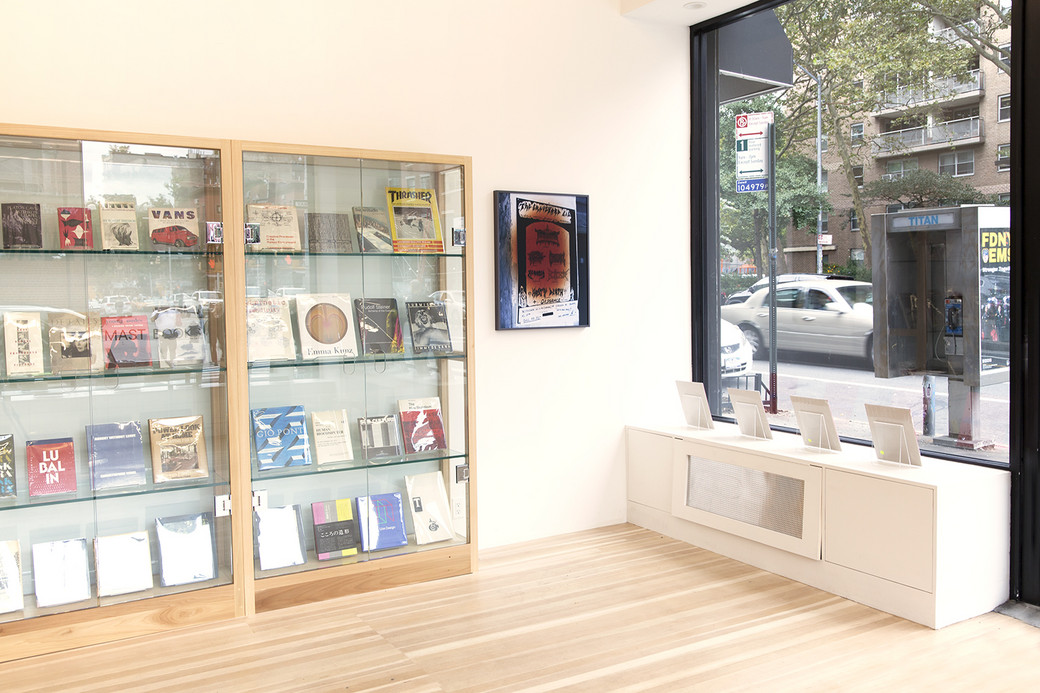
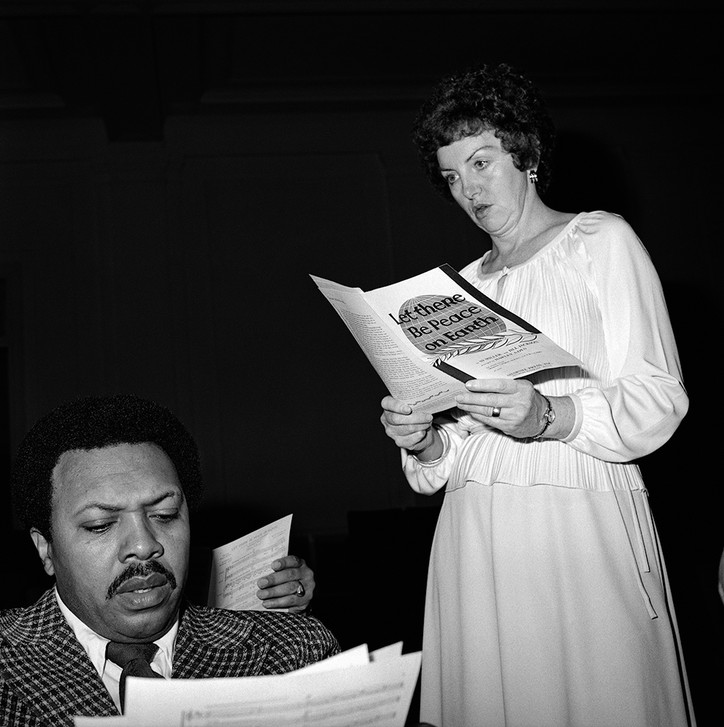
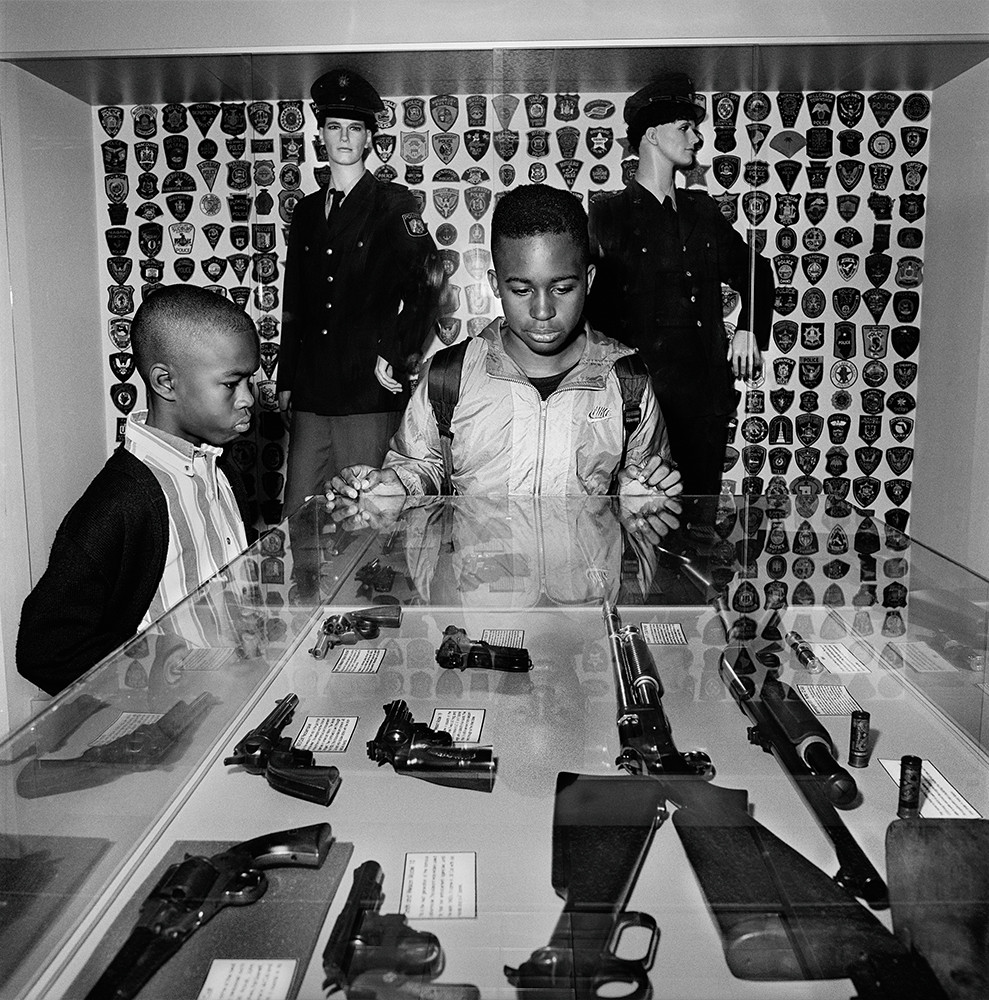
Taking its name from the only movie theater in Chattanooga, Tennessee, open to people of color at the time, Liberty Theater was shot on the lawns of the Scottsboro Courthouse in Alabama during a historic case of injustice which saw the incarceration of seven young men of color, falsely accused of rape. Highlighting pertinent divisions between the entitled and repressed—both of a time we thought was behind us and now—scenes of two young Black boys examining a cabinet of guns morosely embodies competing notions of liberty and violence as seen then—and today.
While it’s safe to say that we have come a long way since the days Fox Solomon writes about, her 25-year journey echoes a stark persistence of passive, and even active racism, still prevalent in parts of America in 2018.
Fox Solomon’s evocative reminder of just how important it is that we keep fighting inequality on the daily, further implores us to continue recognizing and documenting both the losses and the triumphs. The now 80-year-old photographer explains, “I made these photographs with an interest in portraying both the beauty and the sadness that I saw around me”—a statement which resonates heavily, particularly when considering everything happening today.

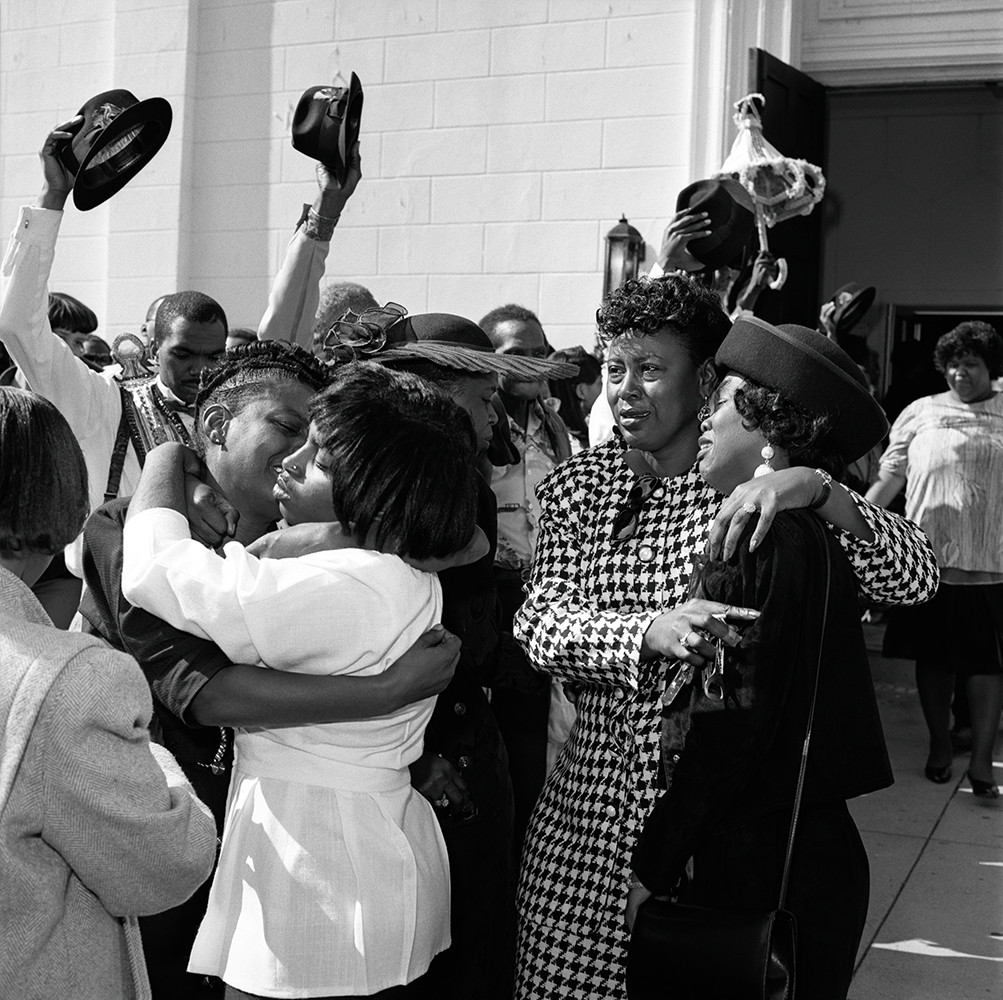
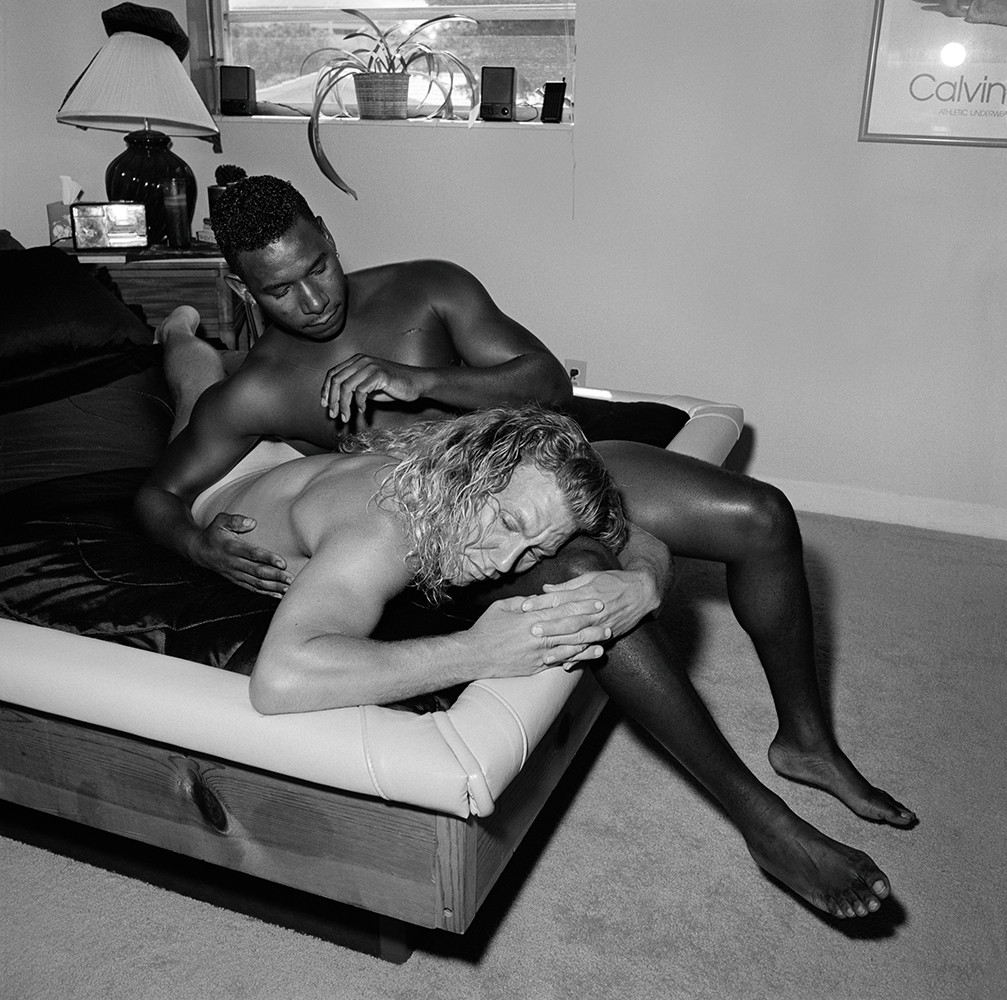
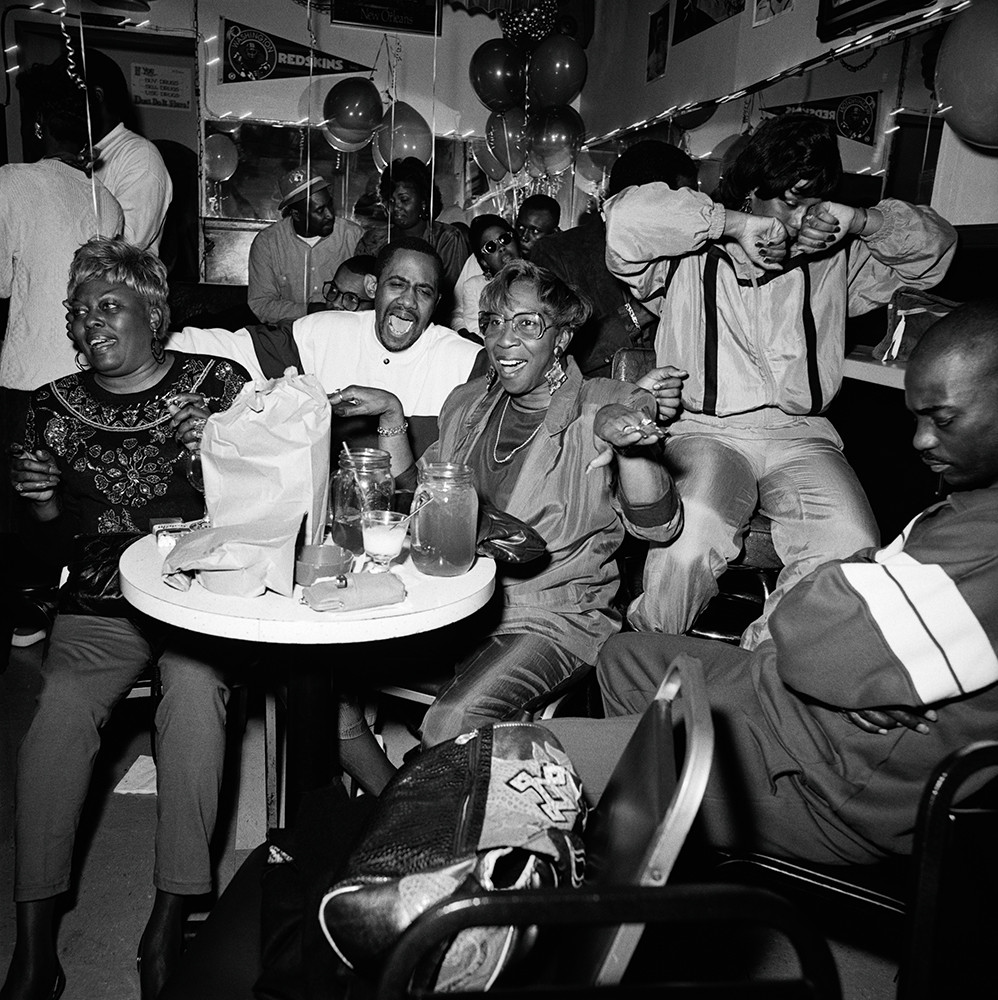
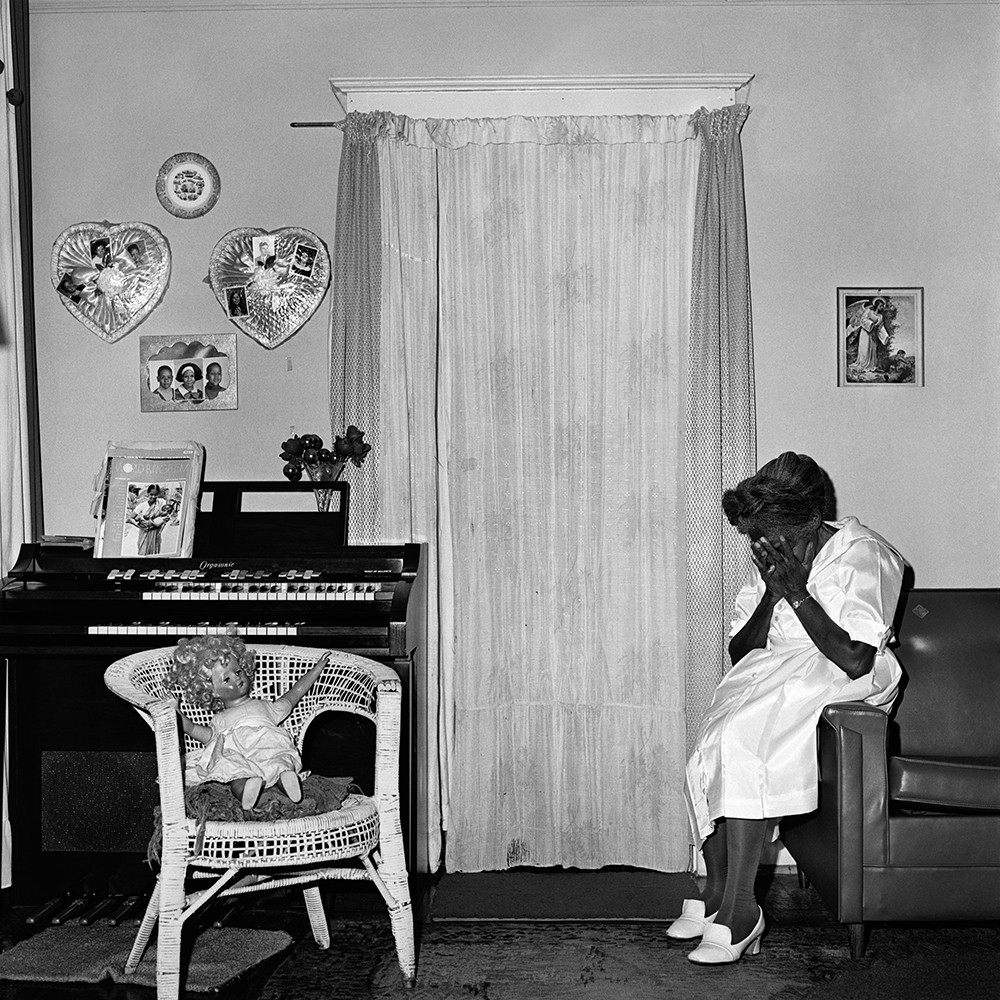
'Liberty Theater' is out now, via MACK.