Vulvatious

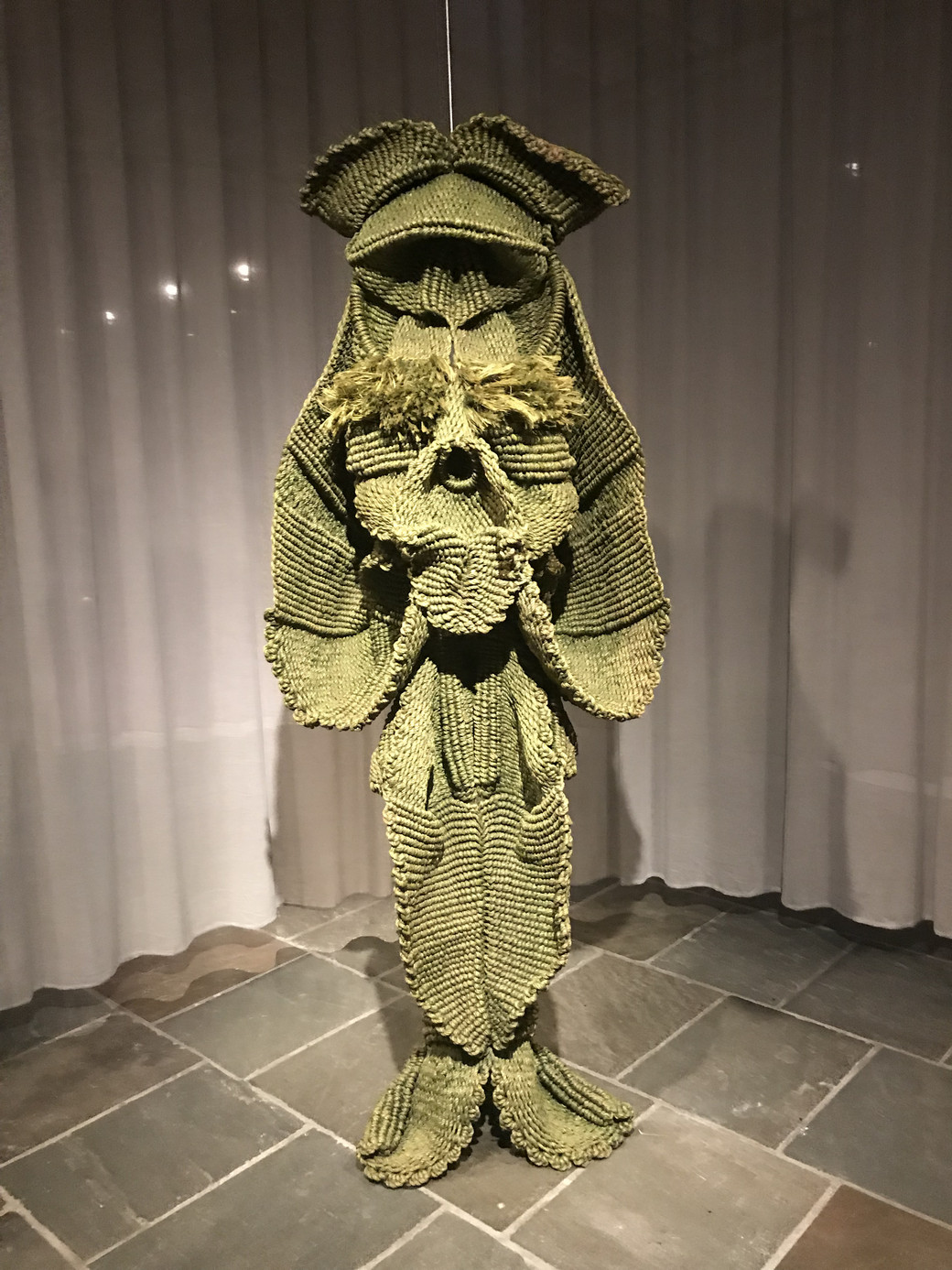
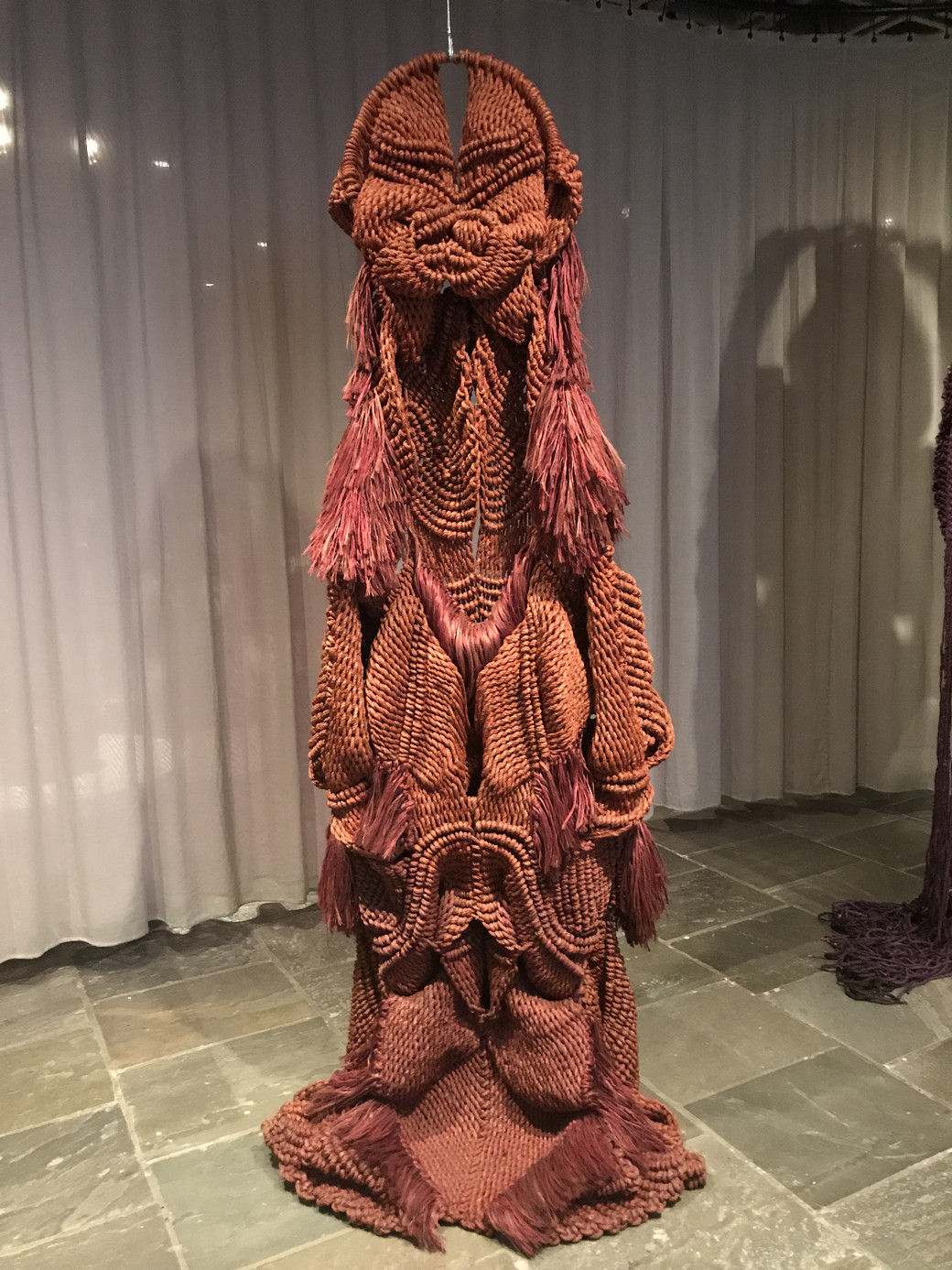
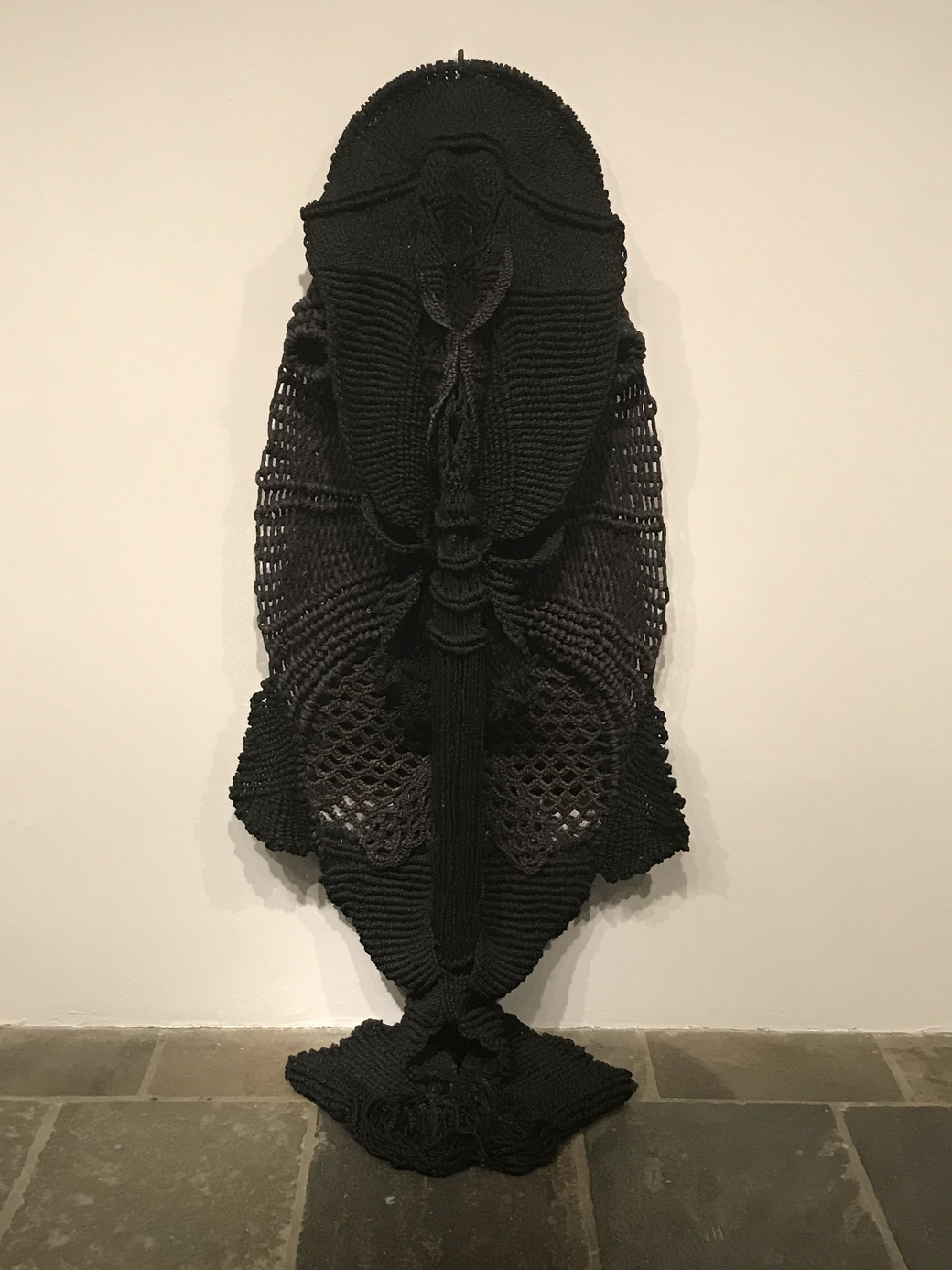
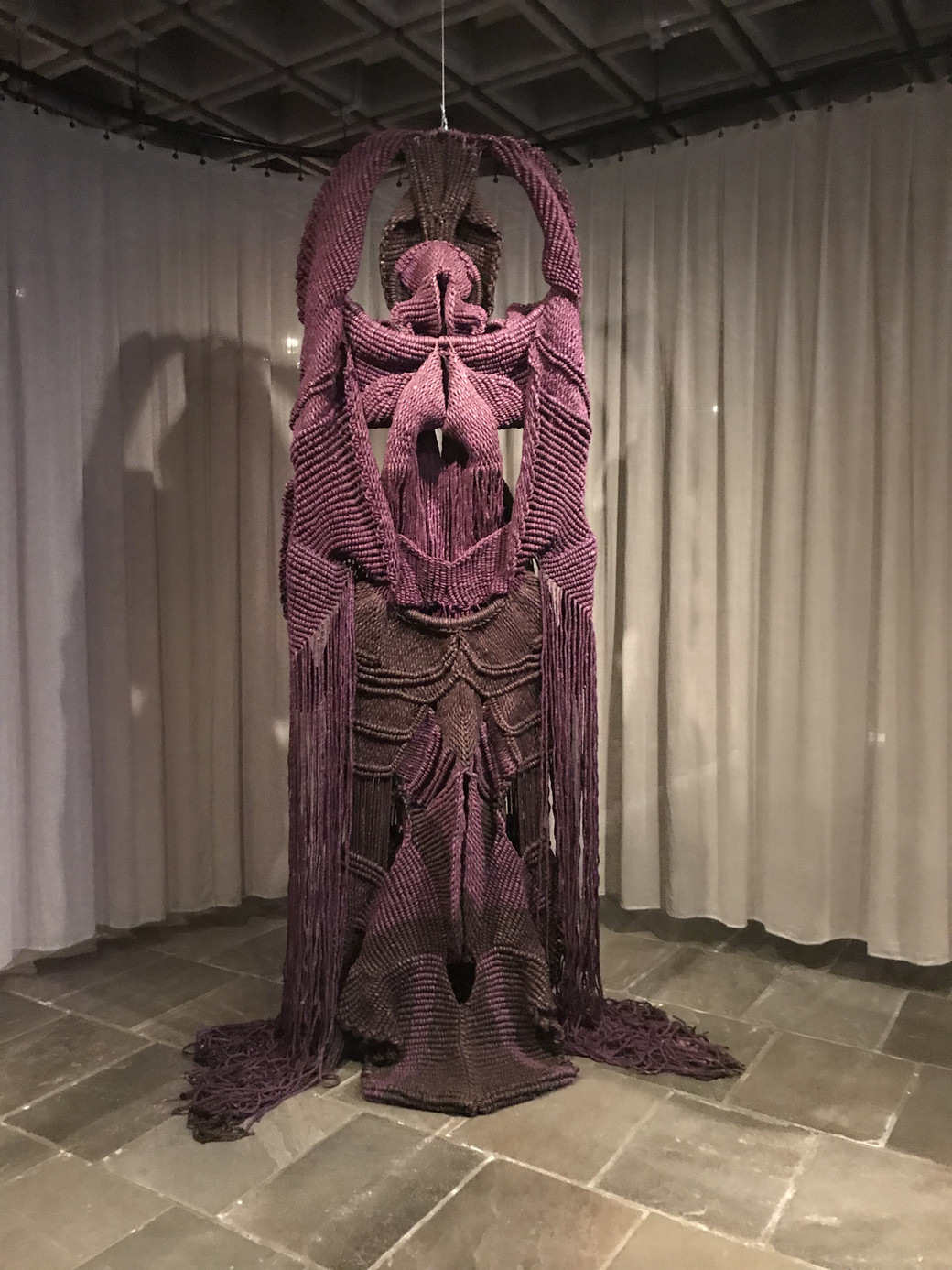
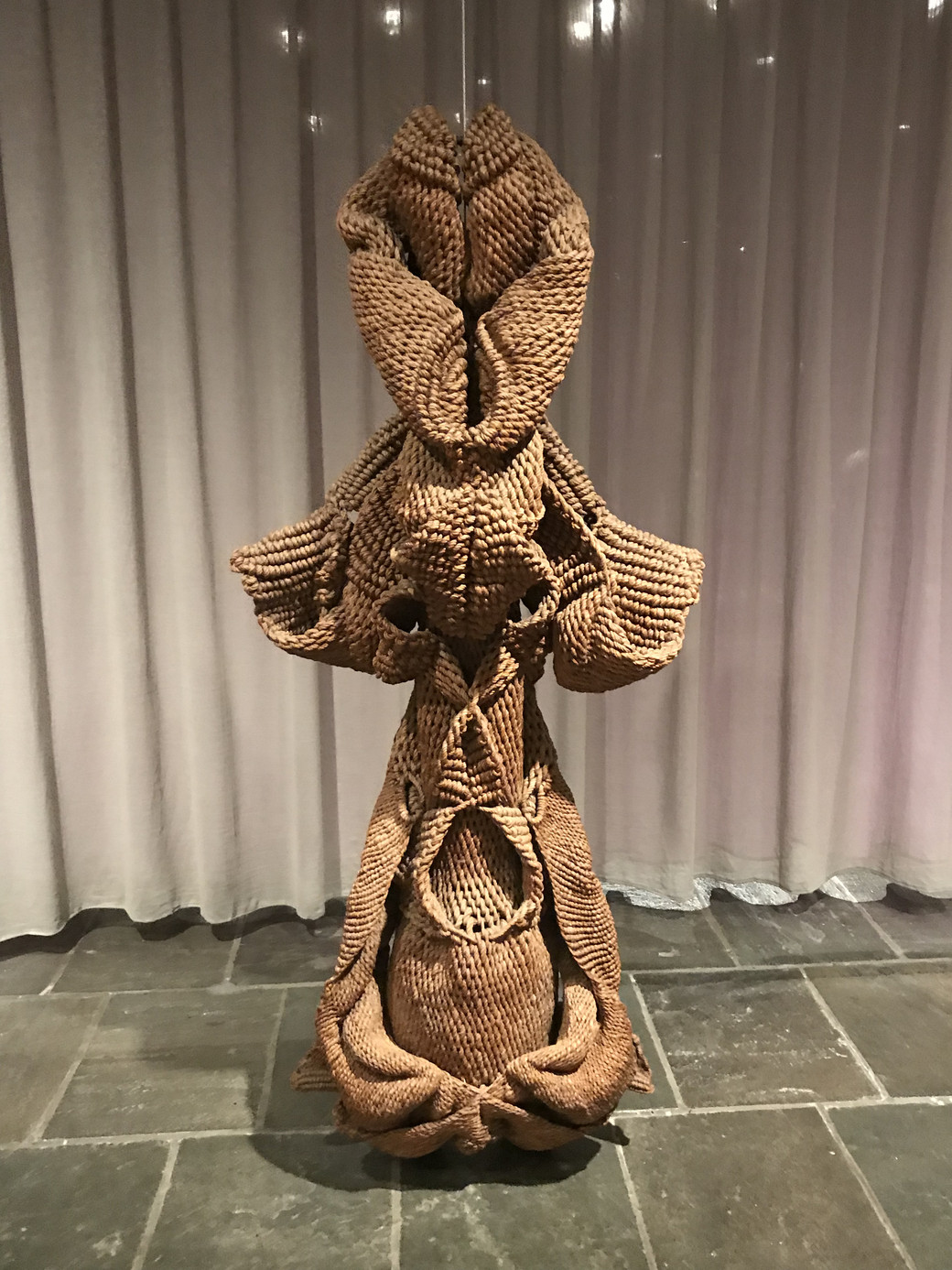
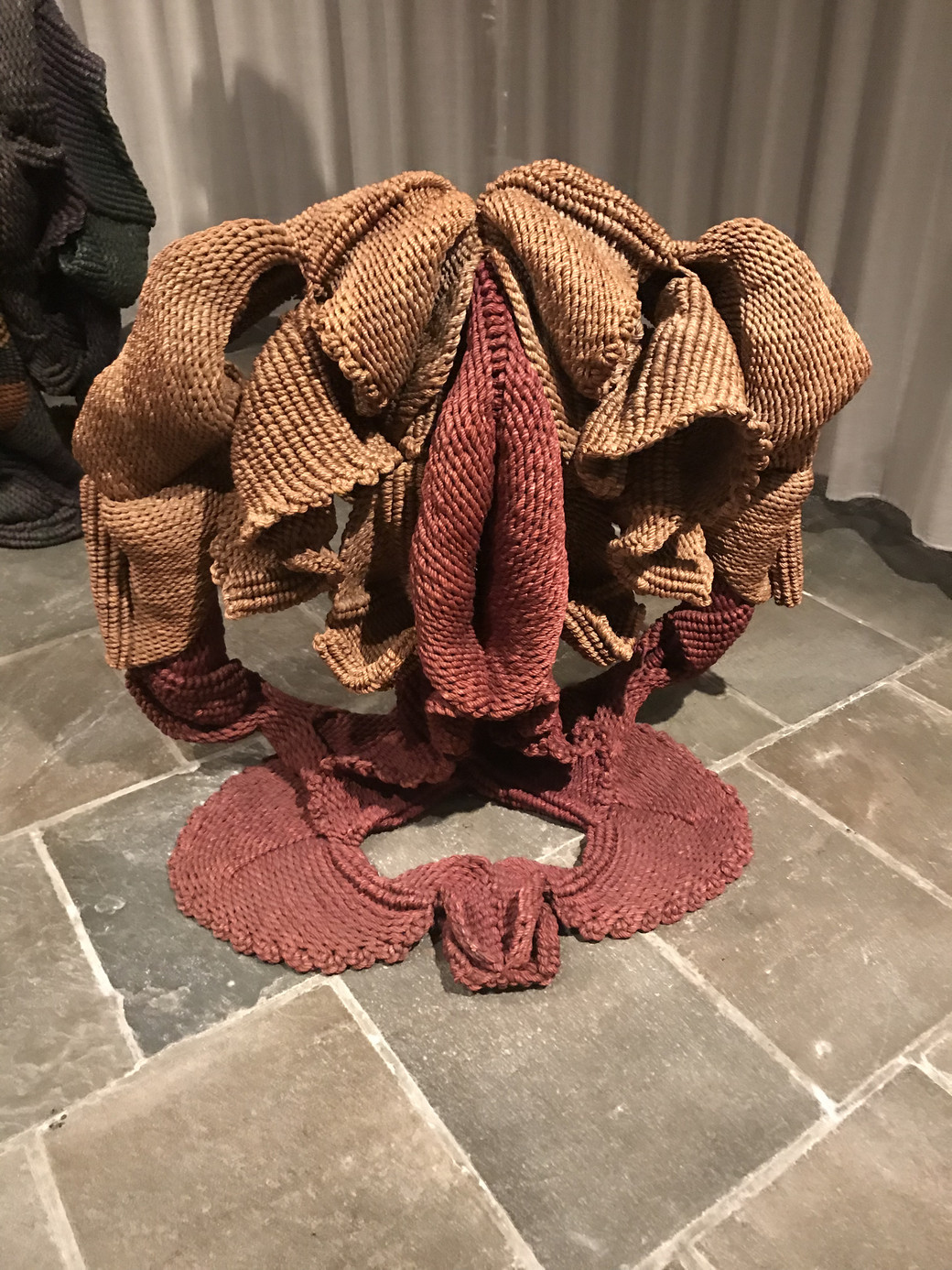
"Phenomenal Nature: Mrinalini Mukherjee" is on view at the Met Breuer through September 29th, 2019.
"Phenomenal Nature: Mrinalini Mukherjee" is on view at the Met Breuer through September 29th, 2019.

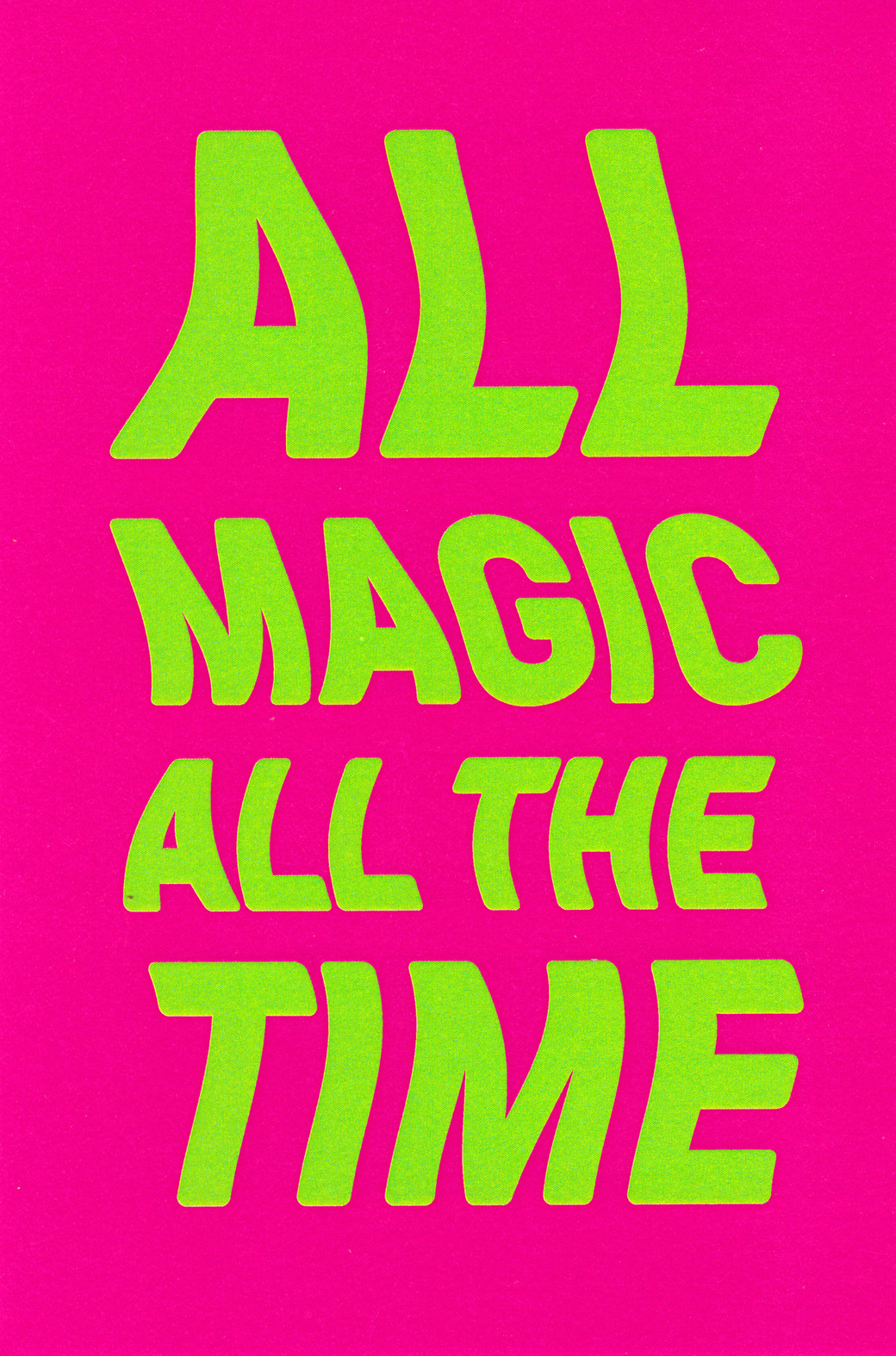
With a handful of stickers, we walked starry eyed through the endless sea of booths. And of course, put together a list of our favorites:
Snax Magazine
Who doesn't love a good logo? We definitely do, and while the silly tongue in cheek pin is what stopped us at Snax Magazine’s table, what kept us there was the intensely romantic curation of artists from all over the world. Their theme this year is resurrection and survival. Run by Ashley Buttercup, Snax Mag is dedicated to pulling at the heartstrings and making you look twice.
Undertone Collective
Showcasing their second issue, “On Body,” Undertone Collective is Cali-based collective of artists of color whose goal is to use radical vulnerability as a means to create space for women of color. In addition to their physical zine they also produce podcasts and host events. We’re here for all of it.
Lucciiferr
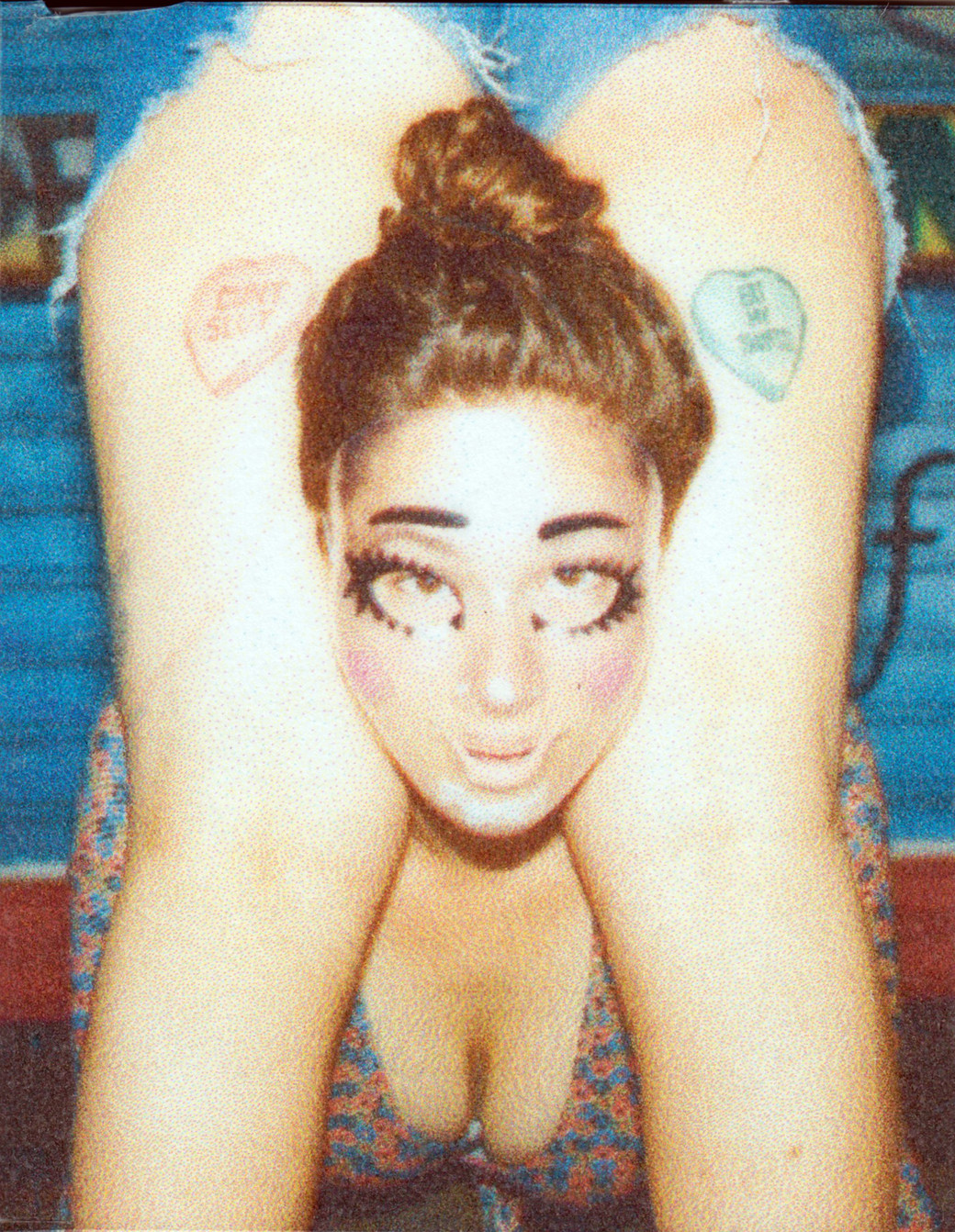
In her own words, Sacha Alexandra is “documenting what's left of my twenties on 35mm and instax film.” Judging from her booth, which is covered by her prints, her life is extremely eventful. By manipulating double exposures (and a lot of drunk friends), Sacha has captured something very real about today’s youth with her zine, Lucciiferr. It might be the insanity of it all, or the fun within that—but whatever it is, we’re just happy she shared it with us.


Above: Colin Stearns (left) and Untitled (right).
Bound Leather
Complete with a mag, stickers and posters, Bound Leather is the evocative zine we've been waiting for. A Brooklyn based endeavor, this saucy mag is a one man show, shot entirely by Steve Harwick. Over the weekend, the zine definitely grabbed our attention—but it might have been the “Tough Love Cum Rag” for sale.
Colin Stearns
Colin Stearns, a former photography professor at Parsons, is interested in the ways personal space intersect with cultural history. While abstract, this idea shows up in his latest photo book, Please. Inverted landscapes are placed next to smiling strangers on the train—it’s haunting, and no doubt what drew us in.
Dish Rag Magazine
Cultural fermentation you say? What ever could that be? Well, it’s what Dish Rag Magazine is all about. Issue 00 is photo heavy and paired with critical essays, feature pieces and fiction all relating to the theme: caves. It's all a tad creepy, but in a really satisfying way. Plus, the magazine's mascot is a Chihuahua, which sat proudly at the front of the booth.
See more of our finds, and favorites, below.



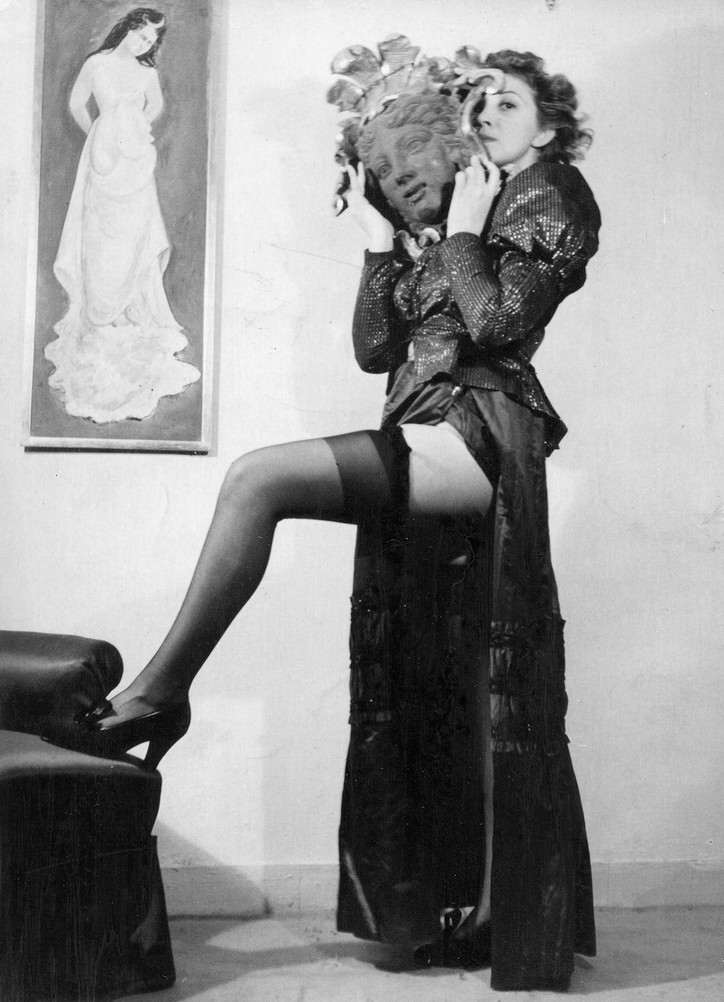
It’s a celebration of female power on a scale that is marvelous to behold: goddesses, witches, fashion design, film, masks for ballroom galas—Fini played with them all, and to grand effect.
Self-taught co-conspirator of the Surrealists, though never openly identifying with any specific movement, Fini is a low-key legend and one-woman march on the warpath of gender identity, artistic tradition and the unification of life with art.
If you're not obsessed with her yet, you will be.

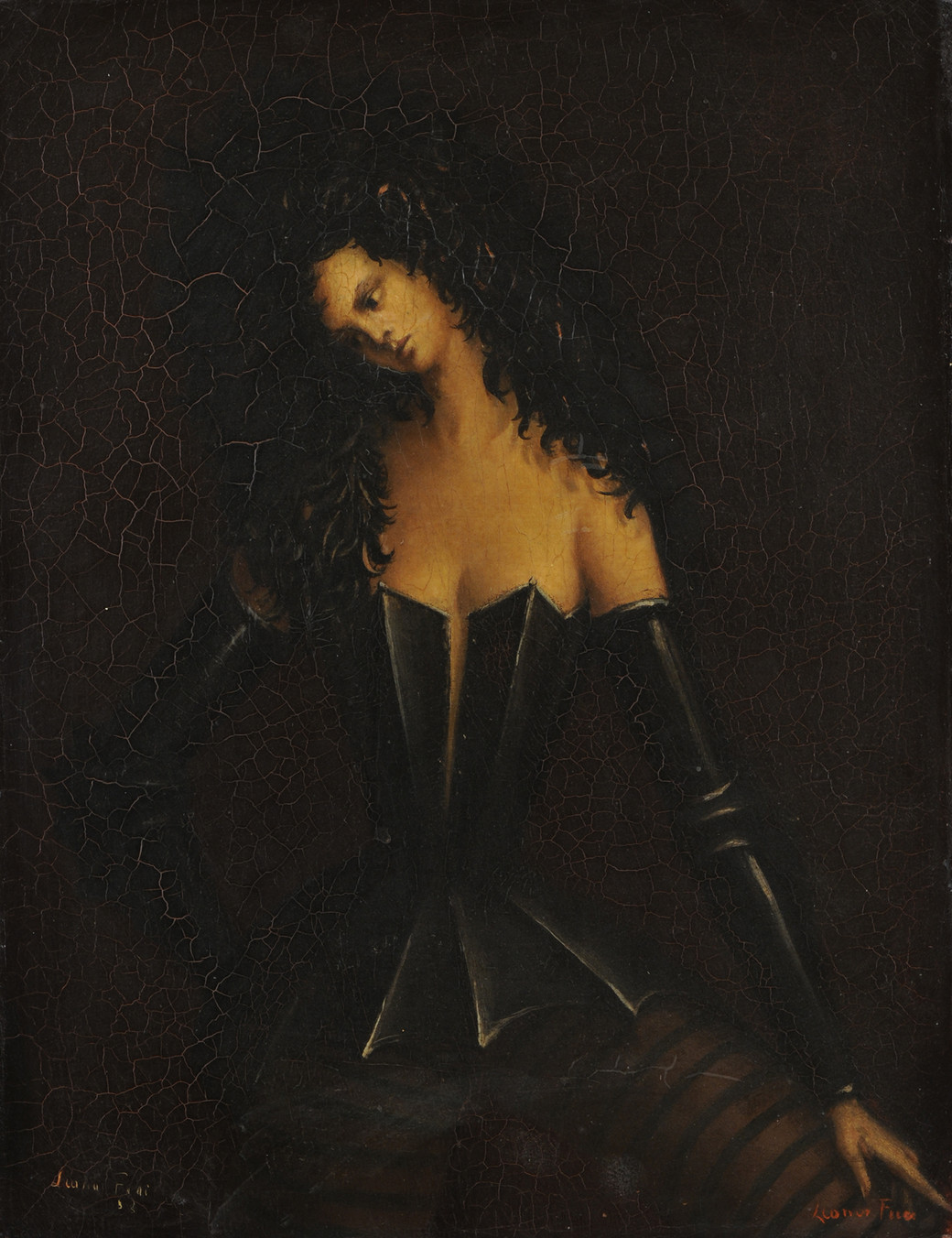
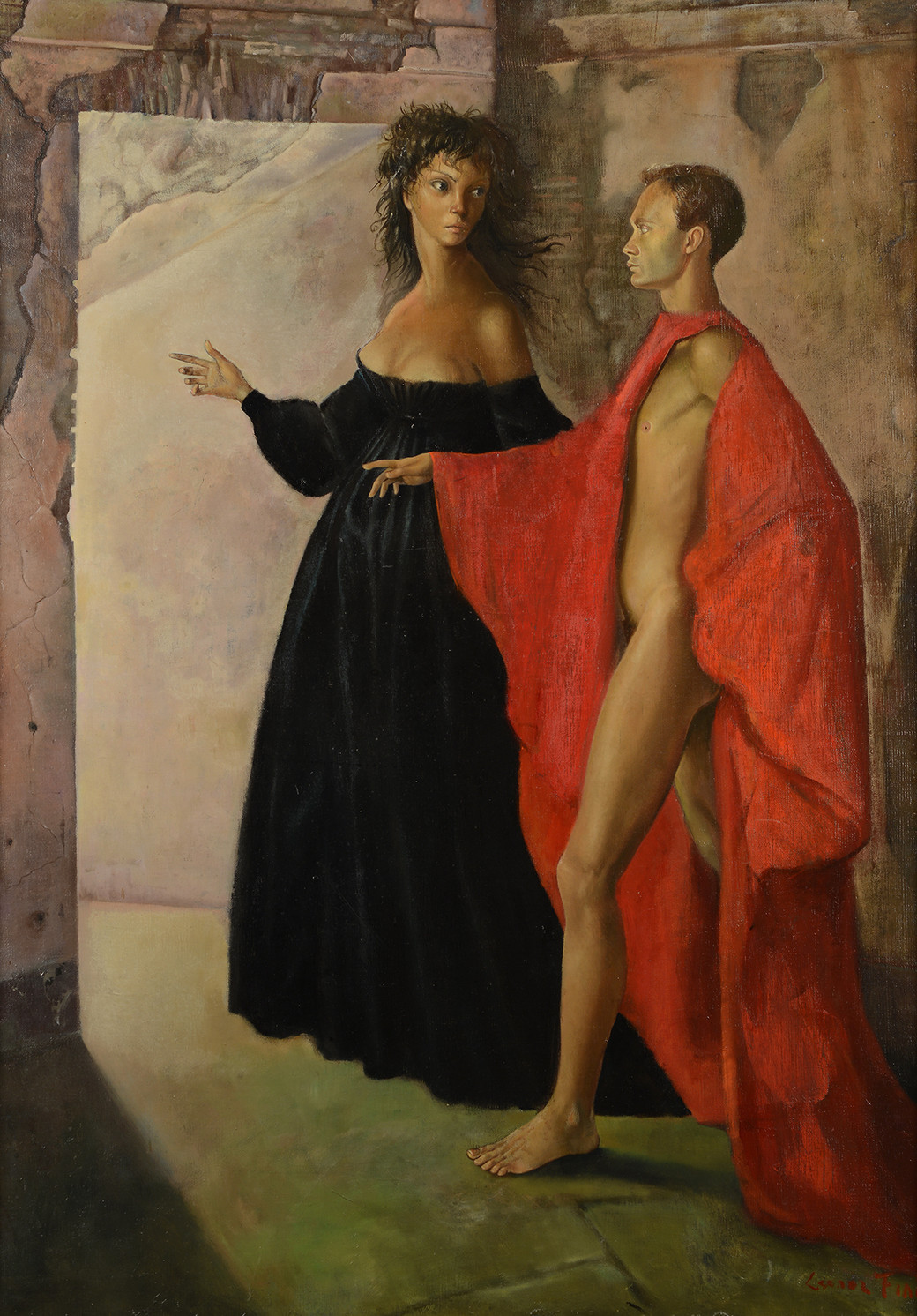


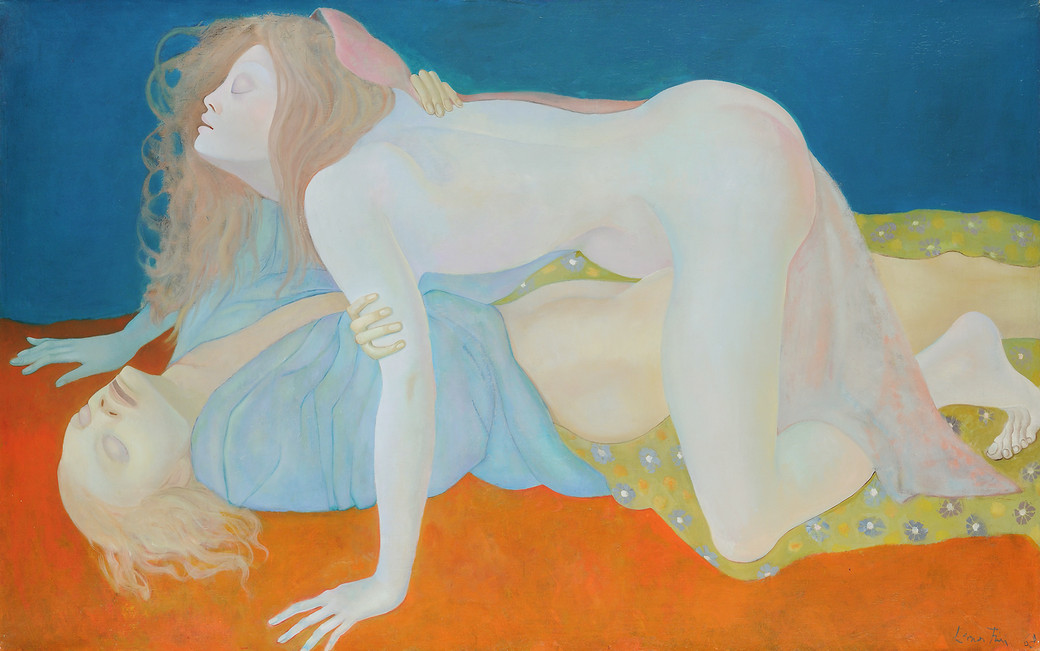


'Leonor Fini: Theatre of Desire, 1930-1990' is on view from September 28, 2018 through March 4, 2019 at the Museum of Sex.
All photos courtesy of Museum of Sex.
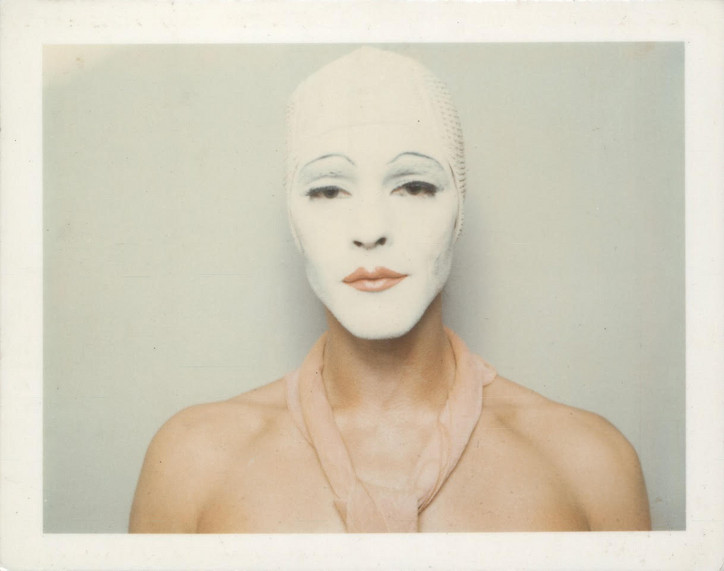
How splendid and exotic are these enduring creatures of the night, don’t you think? To meet their compelling gaze is to feel the story of a worldwide wonder: the slippery crux of what it means to be male, female and alive.
office spoke with curator Vincent Honoré about this fabulous exhibition.
It feels important that the works are self-portraits—how did this choice inform the show? Are these essentially elevated selfies?
As drag is about freedom of choice, firstly how an alter-ego is created and what kind of meaning is attached to an alter-ego, it was important for the artists’ work to speak their own language. It was also crucial for the exhibition to belong to the community of drag, and to avoid any voyeuristic approach. In the self-portraits, artists are both object and subject: one of the possible definitions of drag.
The span of the show goes back to the '60s. How do you feel drag has changed since then? Are there examples from before then that, if you could, you'd like to include?
Drag became much more widely used from the 1960s, which is the starting point of the exhibition. It coincided with the rise of performance art, and with visual art’s engagement with feminism and the civil and gay rights movements. Artists are turning their attention back to drag for the same reasons: because drag is by essence performative, and is a critical tool enabling artists to engage politically with society. As well as parodying and unsettling the very idea of gender, drag is also able to reveal and undermine other systems of oppression. In this exhibition, visitors are able to track several societal changes or issues in the exhibition: feminism with VALIE EXPORT and Eleanor Antin, civil rights with Samuel Fosso, gay rights with Luciano Castelli, and the AIDS crisis with Hunter Reynolds. Ming Wong uses drag to critique the depiction of cultural and racial stereotypes, while Jo Spence, Cindy Sherman and Paul Kindersley touch on class and consumerism. In the light of current societal debates and identities, drag has become a relevant way for a growing generation of artists to take on political dimensions.
If the exhibition would have explored art before the '60s, I would have included three particular artists: La comtesse de Castiglione, possibly one of the first bio drag in my opinion, Marcel Duchamp and Claude Cahun, who created some drag king images in the '20s.
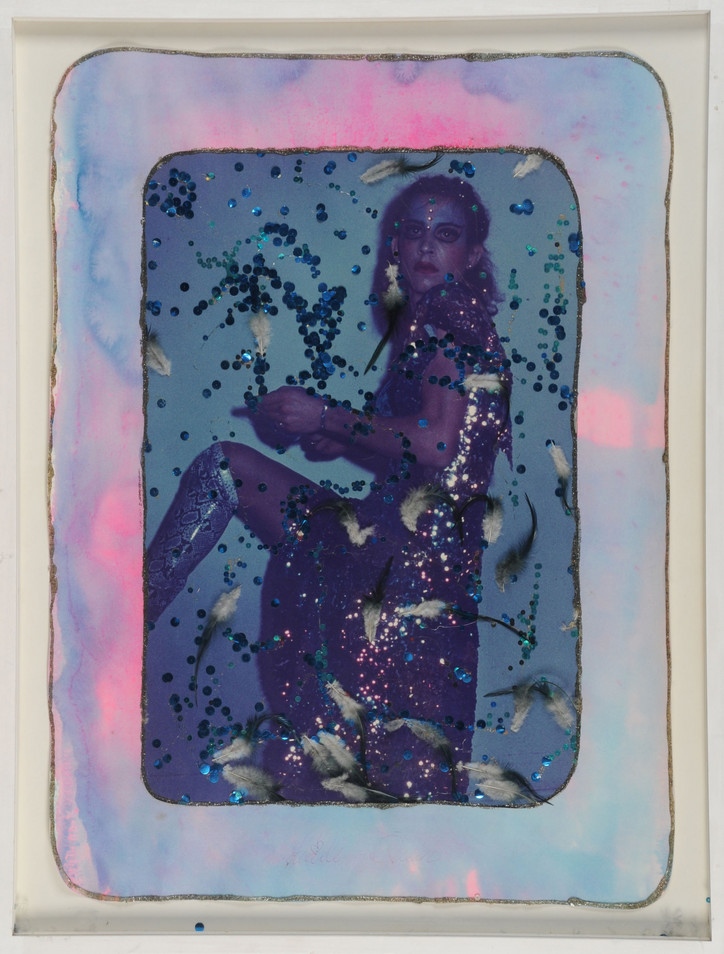

Above: 'His Majesty The Queen,' Hunter Reynolds, 1973 and '24 Heures dans la vie d'une femme/Phantasmes La Maternite,' Michel Journiac, 1974.
I do drag myself, and I often feel like drag queens are taking over the world. What do you think it is about drag queens that are so magnetic for the modern moment?
Drag queens and kings have always been magnetic, not only for our modern moment. Look at the Harlem Renaissance, in particular Gladys Bentley, for instance. Drag is fascinating because it hides and reveals at the same time, touching upon theatre, cabaret, music and fashion.
If you did drag, what would your name be?
I never thought of it! I asked my partner, who suggested ‘Bobby Cleo’.
Are there any good drag clubs in London?
Of course, London is one of the most vibrant drag scenes in the world.
RuPaul once said, “You’re born and the rest is drag.” How do you feel the show engages with this idea?
Drag allows a perpetual transition and a constant transformation of oneself. Drag kings, drag queens and bio drags not only offer a sharp and humorous parody of genders, they also question the notion of originality and the essence of social constructions. Drag reveals systems of oppressions, and proposes endless alternatives to reinvent oneself.

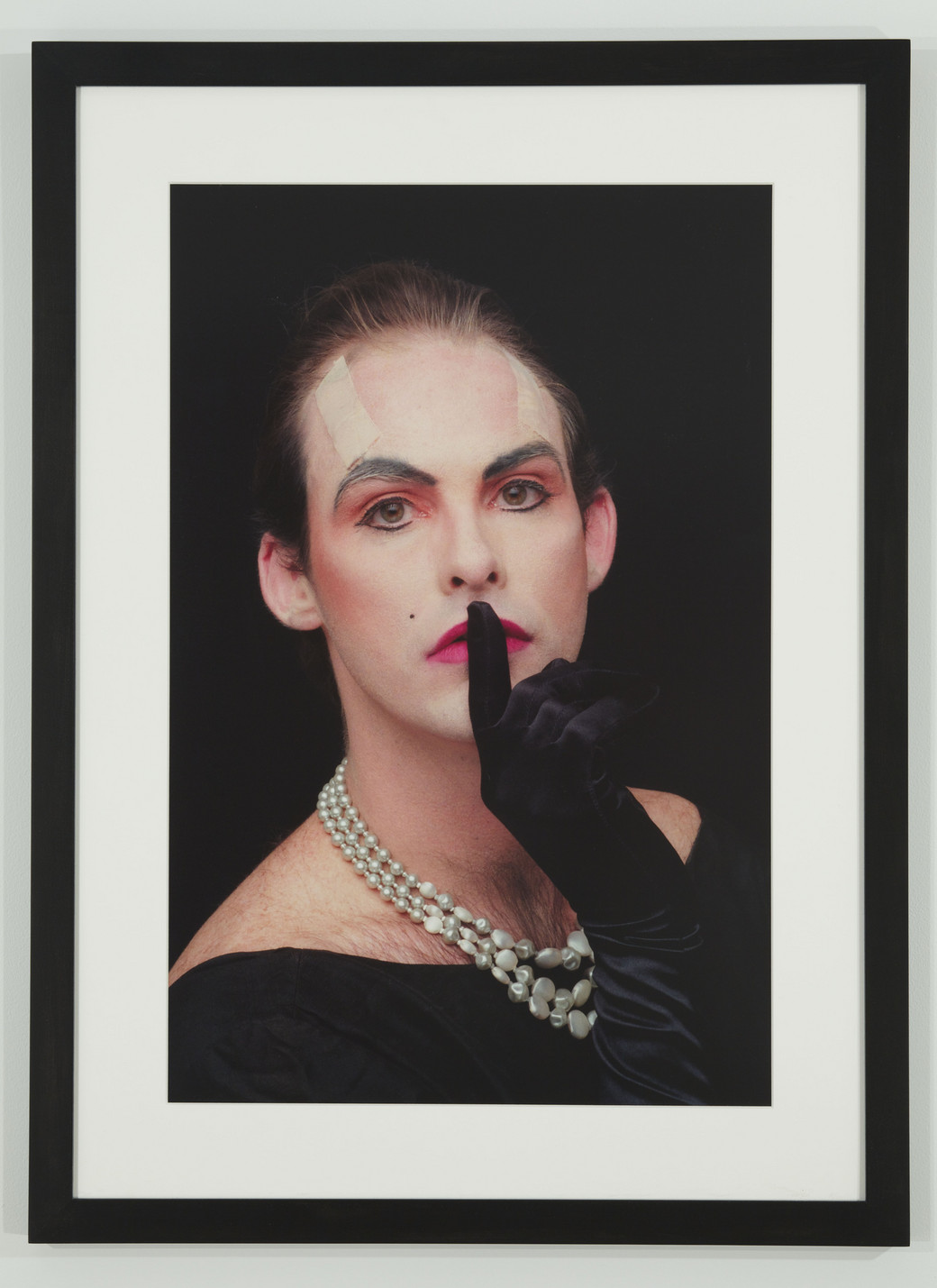
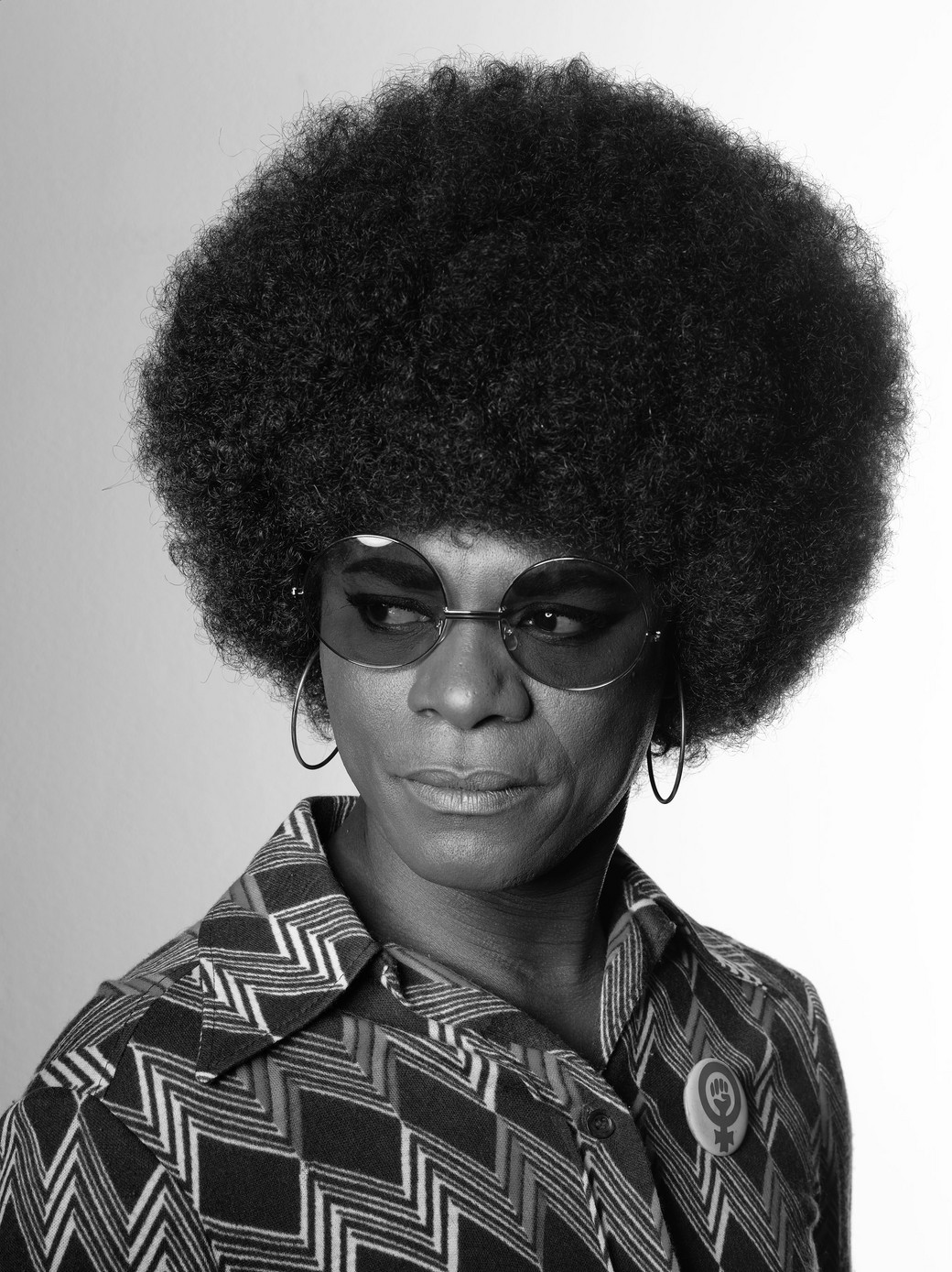
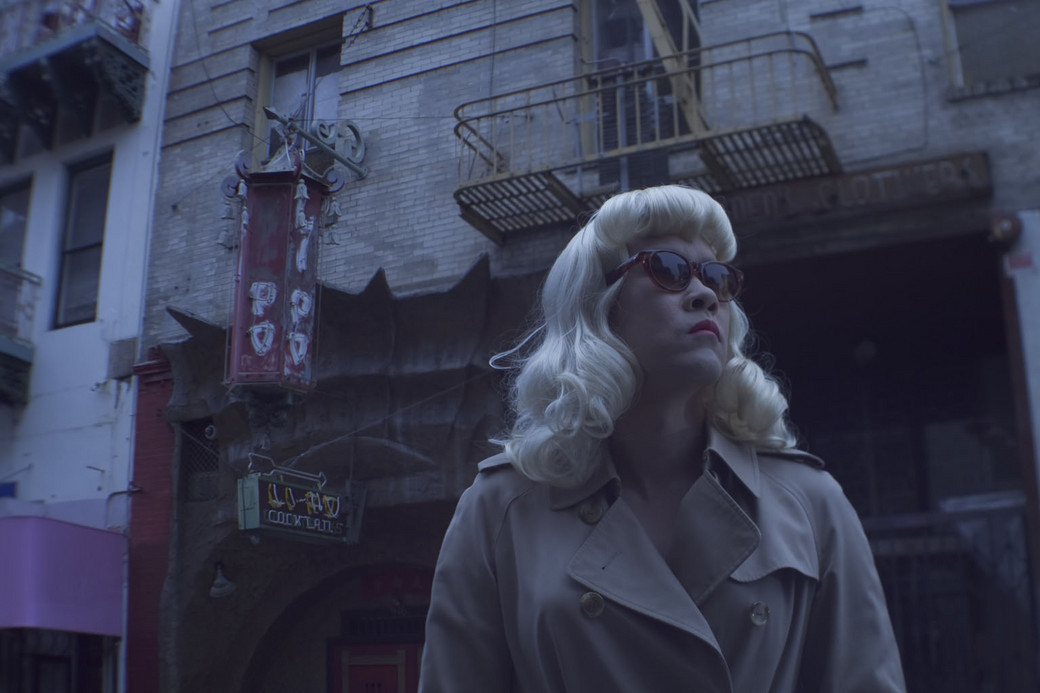
Lead image: 'Renais sense (White Mask),' ULAY, 1974/2014; all courtesy of Hayward Gallery, London.
'Drag: Self-Portraits and Body Politics' will be on view at Hayward Gallery in London through October 14, 2018.