Vulvatious

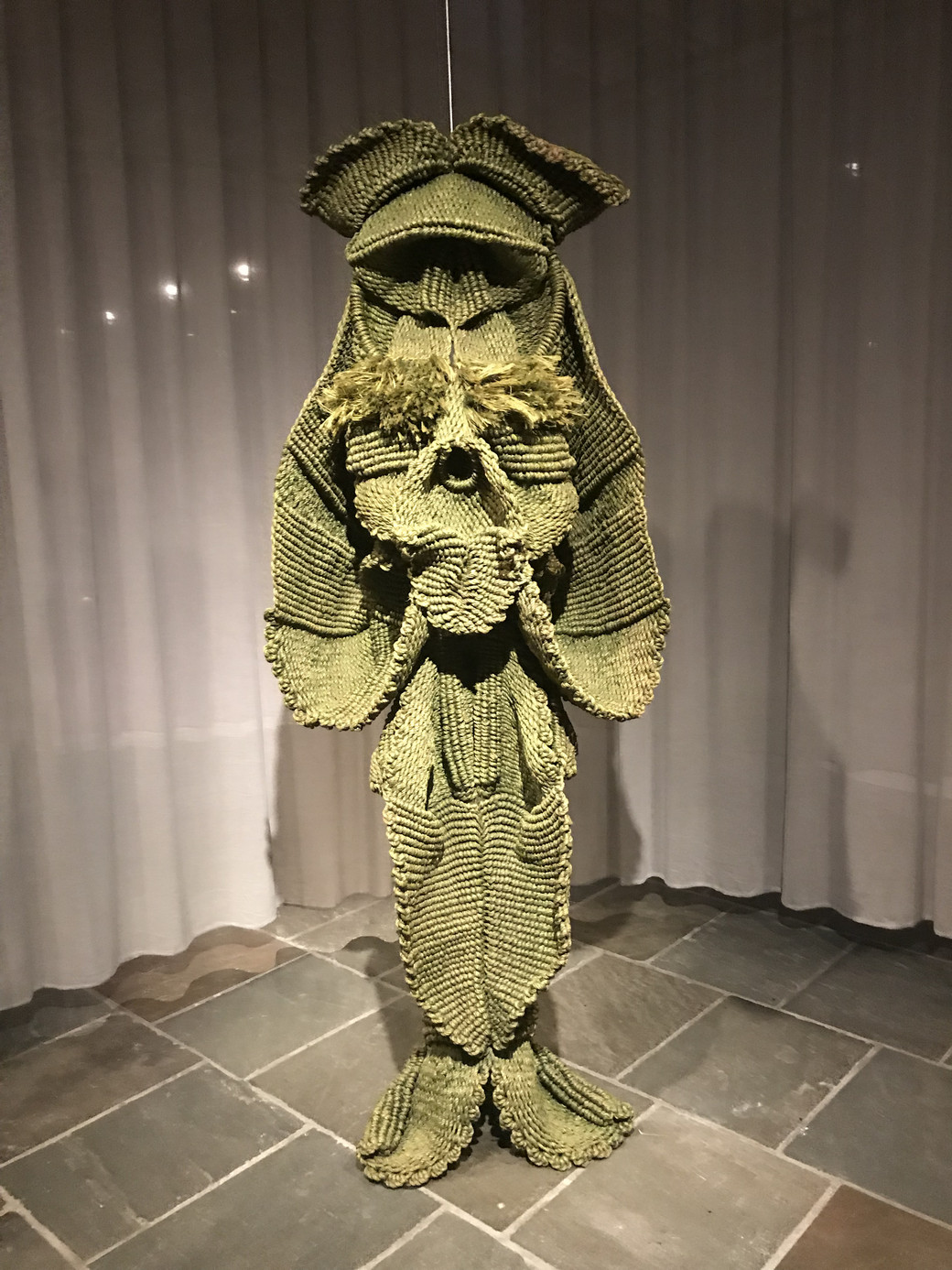
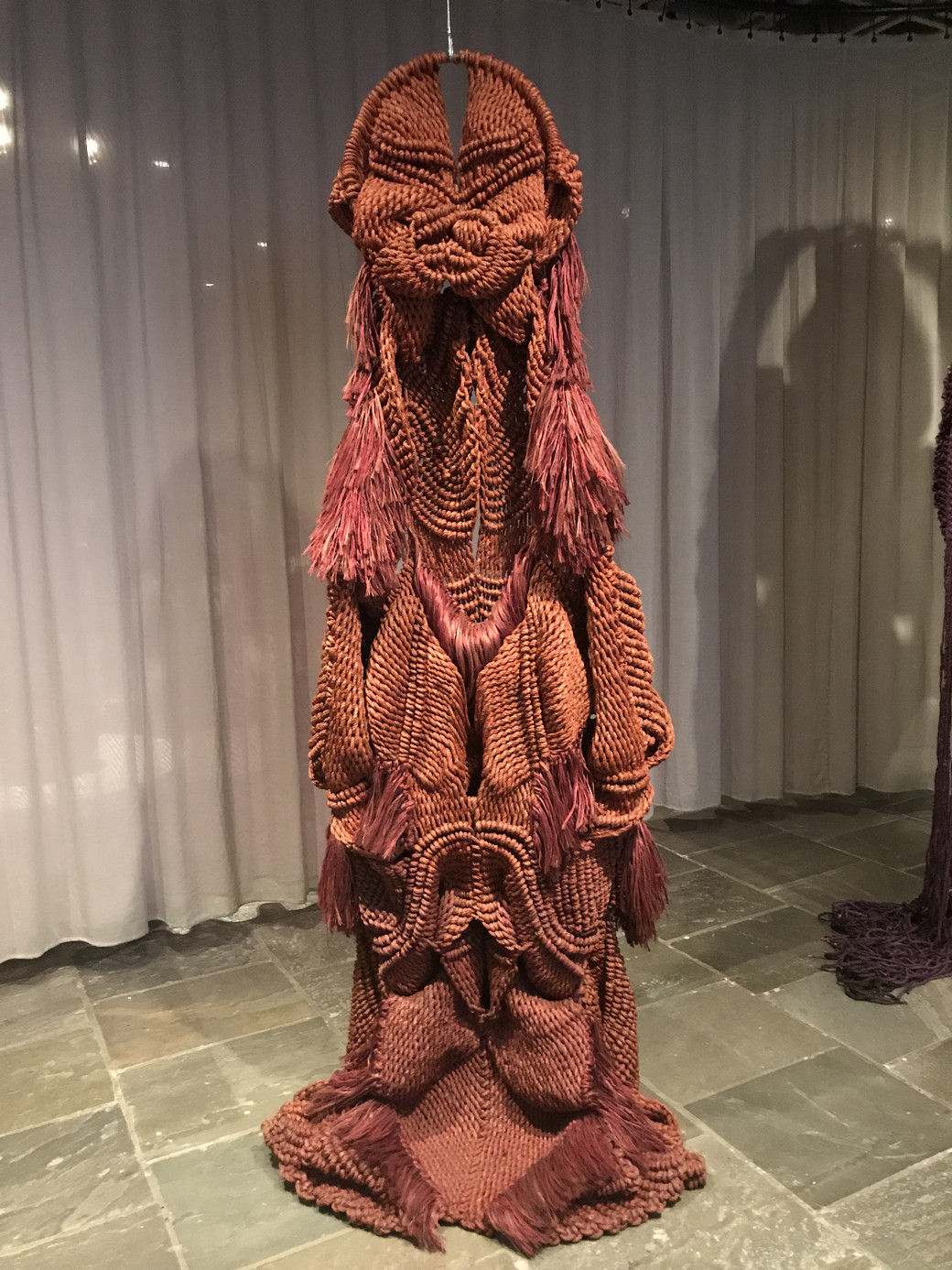
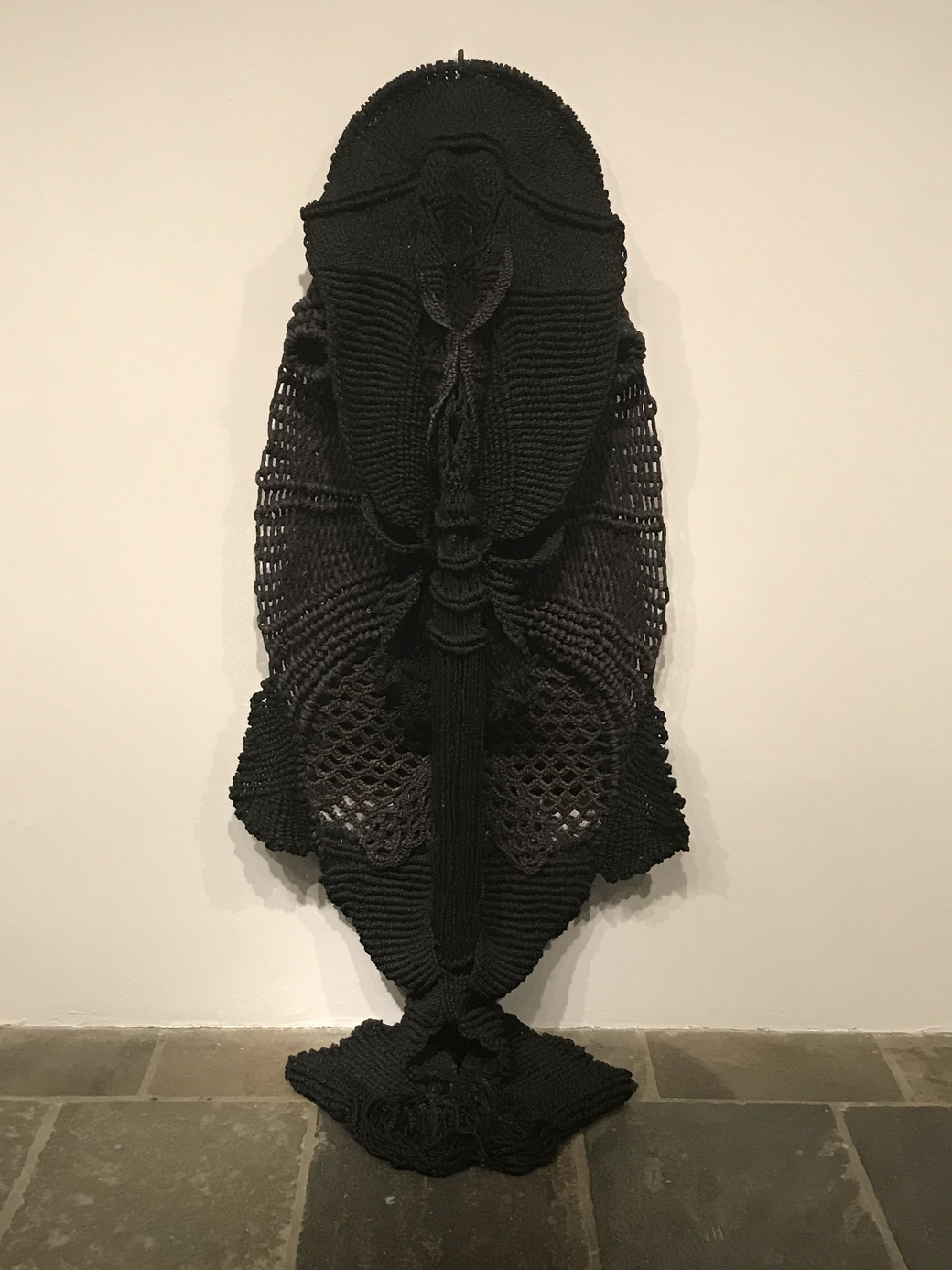
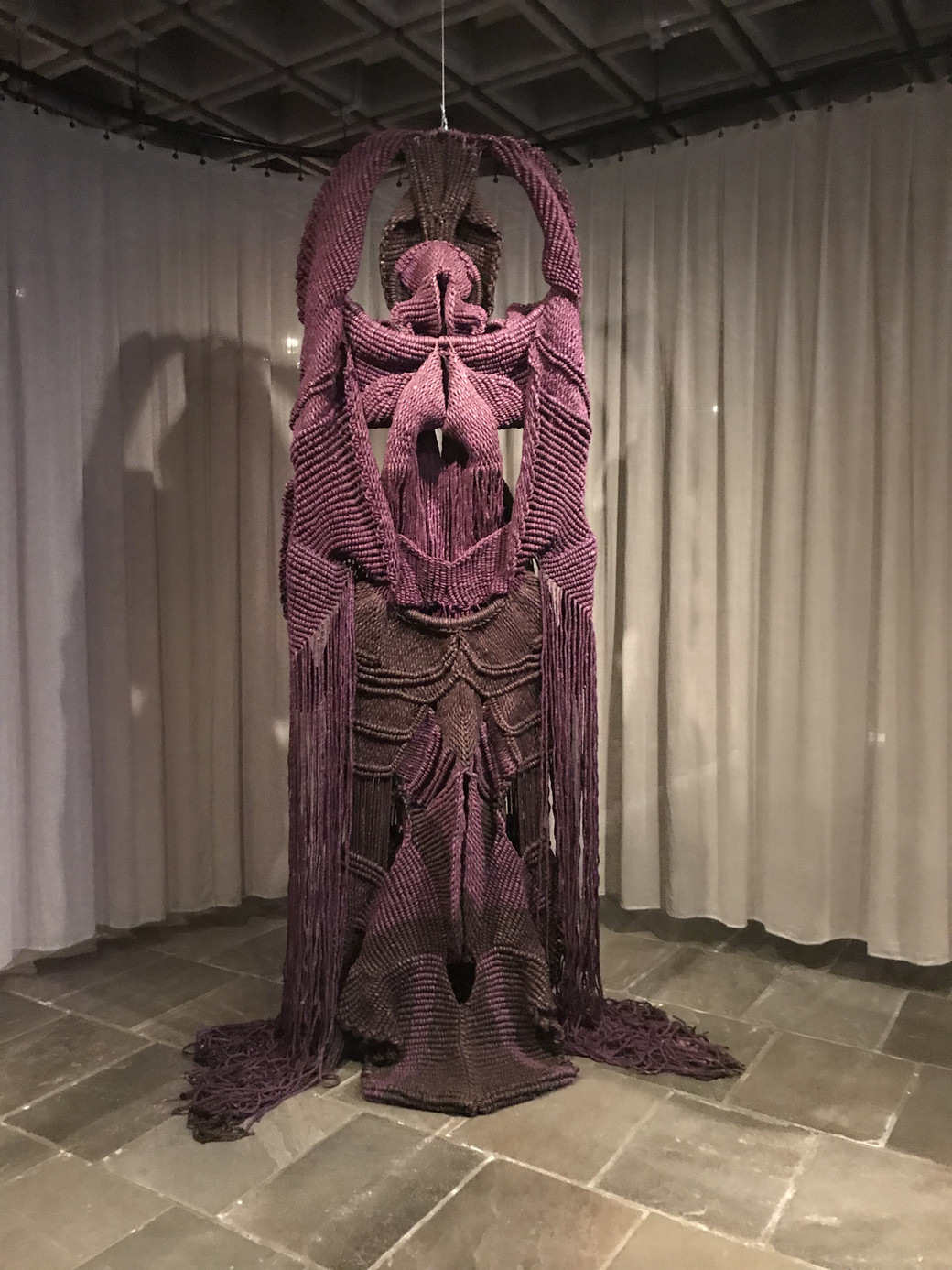
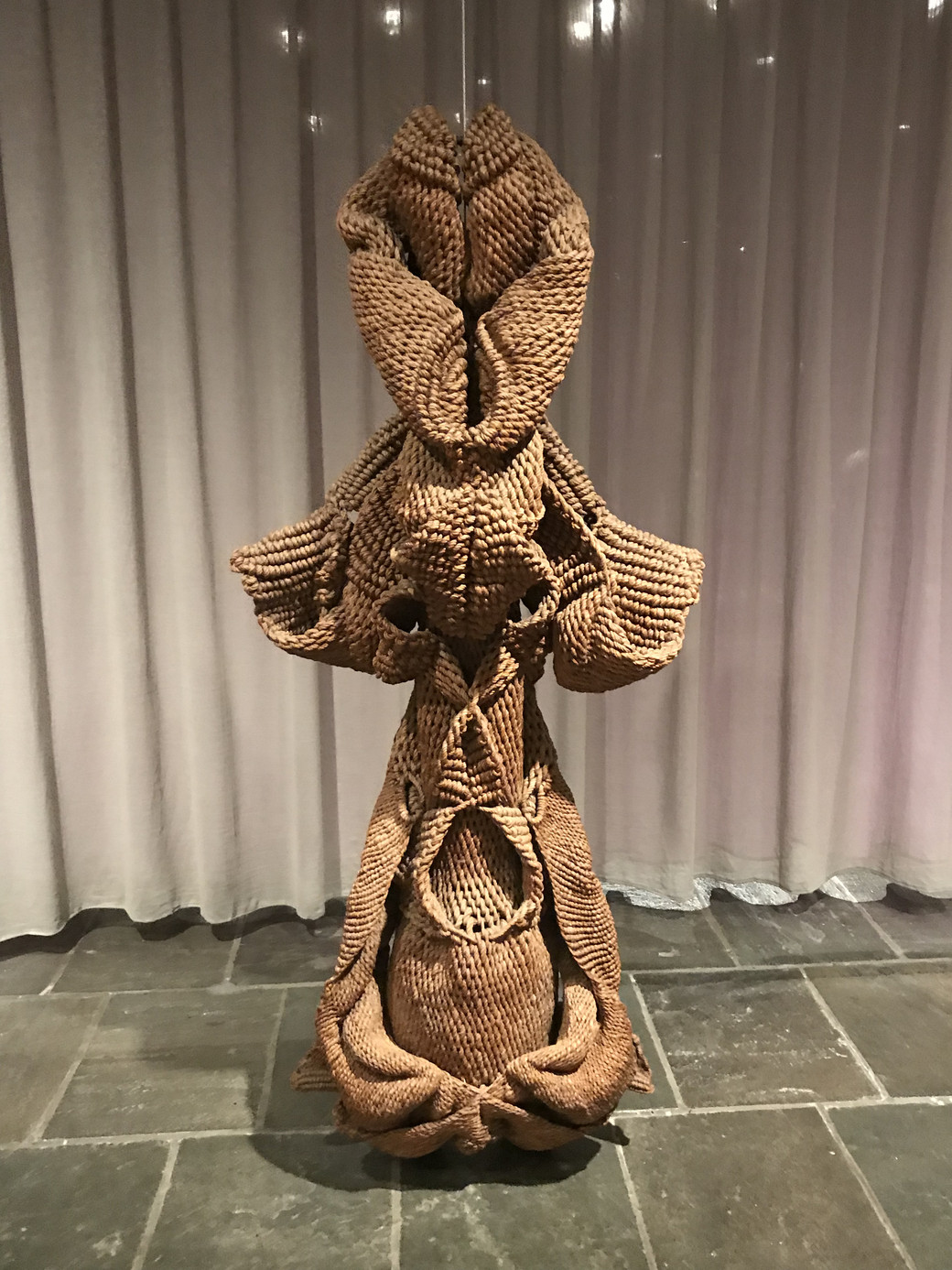
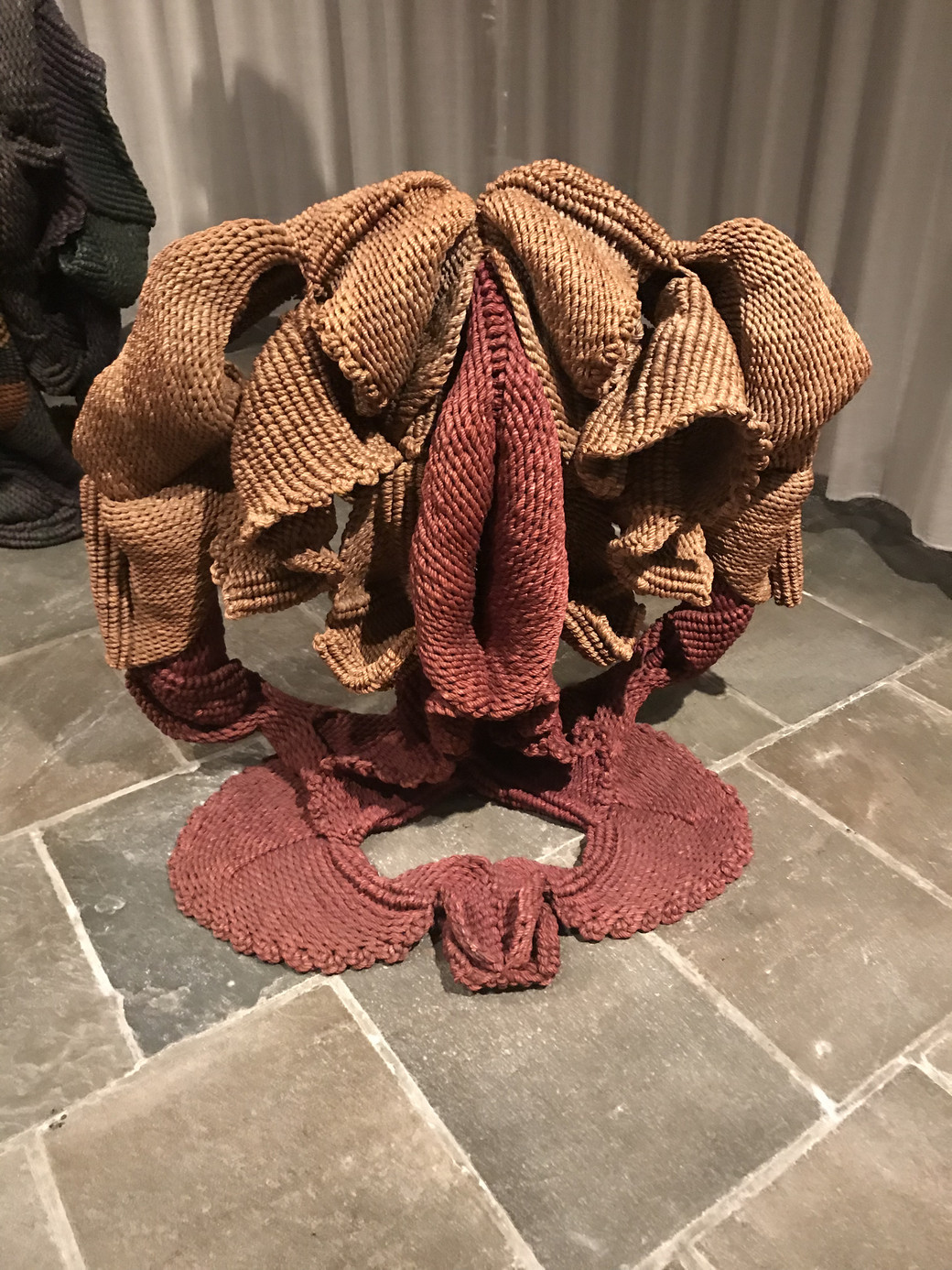
"Phenomenal Nature: Mrinalini Mukherjee" is on view at the Met Breuer through September 29th, 2019.
"Phenomenal Nature: Mrinalini Mukherjee" is on view at the Met Breuer through September 29th, 2019.
Can you tell me about the piece you did for The Chimney?
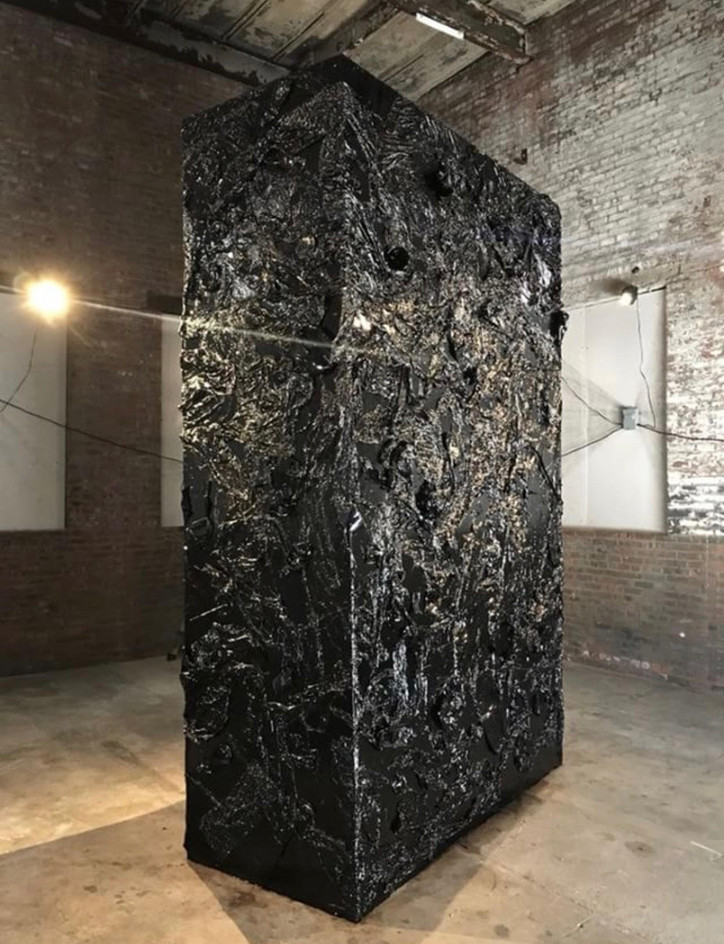
My exhibition is about the environment around The Chimney, especially the creek near the gallery. This creek is polluted—it’s the most polluted creek in the United States—and I was very interested in the subject. So, instead of bringing in some works from afar, I proposed to make a site-specific work for this exhibition concerned with the creek, which has been polluted since the 19th century because of the petrol refinery. So, this creek is very polluted by petrol, back to the Industrial Revolution. I work with materials like coal, and coal and petrol are the same family, sort of—they’re fossil fuels. So, I thought, 'Maybe I could work in the same idea through petrol this time.' So, what I’ve done, I’ve built a kind of Shinto shrine for all this negative history of this creek, and what's floating in it. It’s not to clean the creek with my work, but to purify the creek by the spirituality of this dark history.
It reminds me of something ancient.
Exactly, the title of the sculpture is 'Monolith.' I decided to make a monolith that suited this space—The Chimney has quite a high ceiling. Actually, this building was made as a petrol refinery. It’s an ancient power plant.
Do you always draw from things around the gallery?
I like to work site-specific, but not every time—it depends. Usually, I like to work on a conceptual level with the environment.
What drew you to this project?
I was interested in where this pollution was coming from, and what’s going on now, and what we’re going to do after. So, I made a shrine to this dark history, to here, to what’s going on, what happened in this creek, and I picked up a lot of garbage on the street around this creek to construct the Monolith—I picked up a lot of plastic garbage.
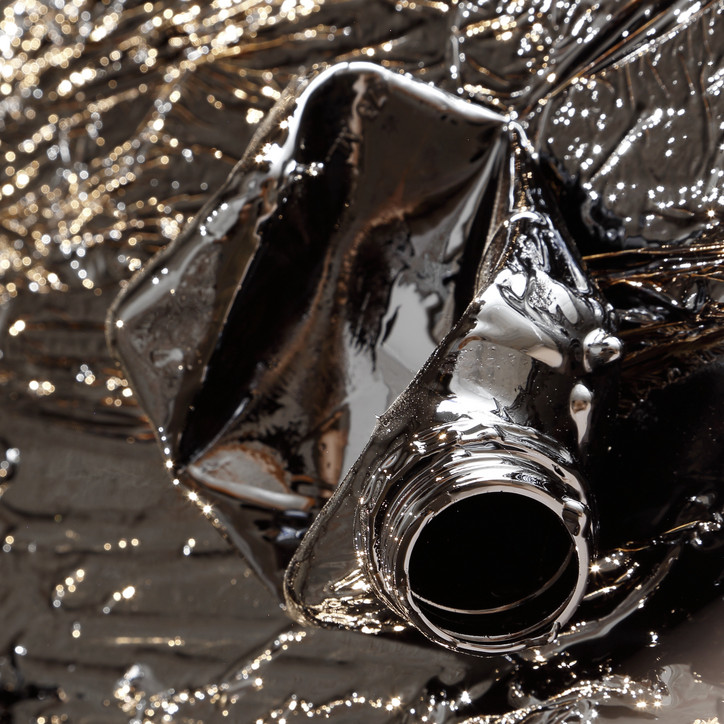
Is it a shrine to garbage? Is garbage the god of the shrine?
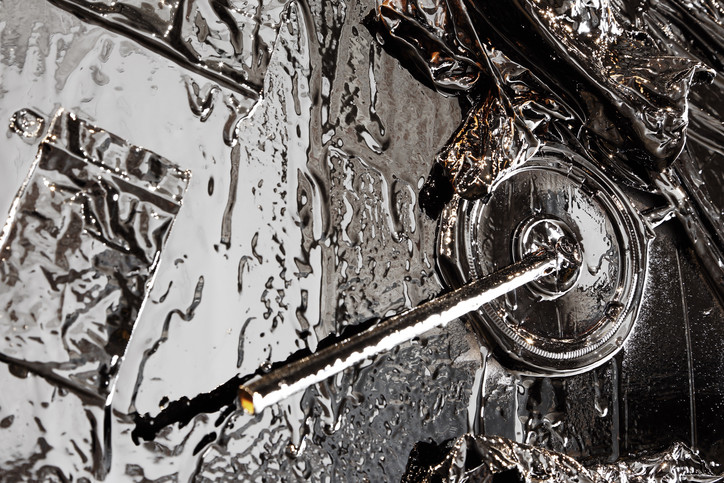
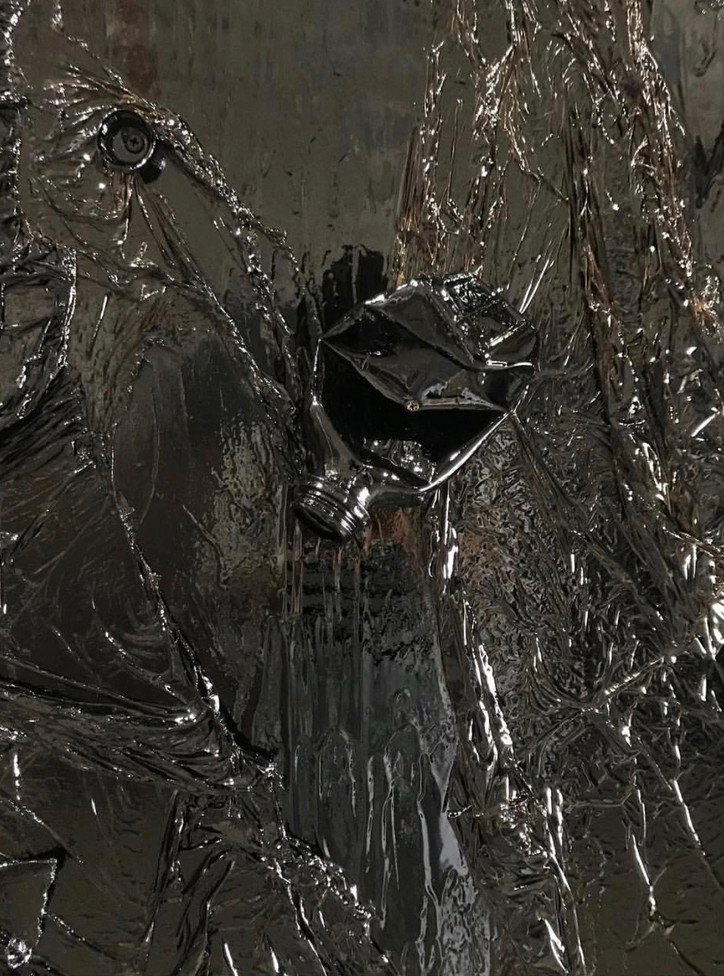
Yeah, kind of. There was a lot of plastic around the creek, so I picked up a calculator, bottles, even forks and knives, dental floss, very quotidian objects I found around the river—and I covered it with tar. It’s the same material as petrol—so everything in the sculpture is made by petrol.
Do you think these little plastic objects have a certain spirit to them?
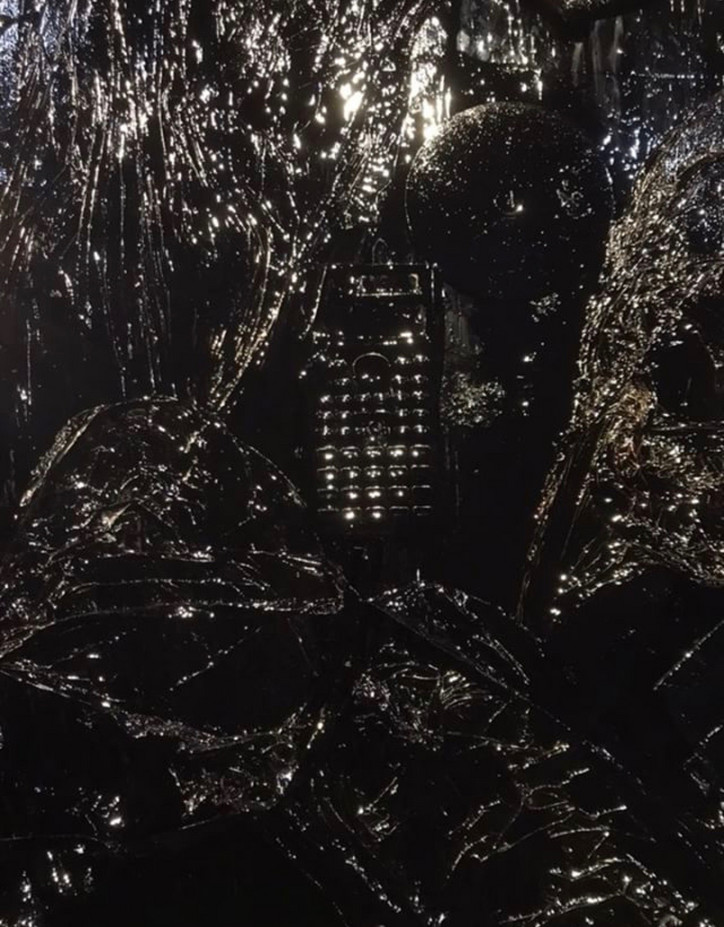
While I was producing this Monolith, I didn’t think there was a spirituality to this sculpture, but after I made it, I made a fresco on the walls near the windows, and actually this fresco is connected to all the electric power, which illuminates the space. And these are all connected with one cable—it’s just like the shimenawa wire that hangs in a Shinto shrine in Japan. So, this electric cable surrounds the sculpture to charge the spirituality of the negative history.
So, the wire is connected to the lights?
Yes.
How is it similar to a Shinto shrine? I don’t know much about them.
I was inspired by Shinto shrines for this installation. The wire helps to divide the spirit world and the human world, and also it helps to charge or keep the energy in the space. In Japan, there’s a lot of huge trees that are roped by large wire or rope to keep the power in. Since Fukushima [nuclear disaster] in 2011, I think about how I use electricity and power in my work. So, this is a good example of how I treat electricity and power in my installation, because after Fukushima there was no electricity, and most Japanese power plants run on coal. So, fossil energy, and today we still use petrol to create electricity—even in New York, they use mostly petrol for electricity still.
Have you ever considered using something radioactive in your work?
Not really, because I’m not interested in nuclear power, I’m more focused on fossil fuels. After Fukushima I didn’t know where our power was coming from. I realized it was so stupid to use nuclear power for electricity. We’re using nuclear power just to boil water, to turn on the lights—it’s such a simple thing to produce energy, why do we have to take so much risk just to produce energy when we can use solar or hydraulics?
I was very curious why we use coal and petrol, which produce so much CO2, but we use it because actually fossil fuels are made by ancient living things, like plants or animals, which are accumulated after they pass away. So, with this accumulation of energy, we remove it from the ground and then we burn it, so all the ancient powers are expanded today—that’s why we have so much energy in petrol or coal. But instead of energy we produce a lot of CO2, and the carbon from CO2 is a trace of these ancient living things. I think we release the CO2 as a kind of spirit energy. I don’t feel that it’s good to release the CO2—it’s just a question of should we release all this CO2 or let the fossils sleep in the ground? I tried to reveal the actuality of the situation, the real history.
It reminds me of diamonds, because that’s the next rung on the carbon ladder. Have you ever worked with diamond?
Not yet, because of financial problems, but I’ve worked with other carbon materials, like lead, carbon graphite. I like this exhibit because it really has to be experienced in person—there’s the smell of tar—you have to feel it with the five senses.
Is there sound?
I make a lot of sound works, actually. But sound was an important part of this exhibit, too, because I opened this huge gate—not enough to allow a human to pass through, but it’s an open gate to let the spirit enter the sculpture. Also, The Chimney is placed in front of a big avenue, so there are a lot of cars passing through. So, the sound of the cars is very important.
I love that little detail.
There’s lots of hidden details.


Above: The Chimney in Brooklyn; all photos courtesy of the gallery.
'Seek Hope, Who Enter Here,' will be on view every weekend through October 21, 2018.
'

The police arrived, he writes. They taped off the area with the yellow police line bullshit they use for occasions of the like. They asked us questions. One officer was in my face. He was demanding. ‘What happened?! What did you see!’ ‘I ain’t see shit! What would you do if you were working in a restaurant and some crazy mother fucker pull out and start shooting everybody?! Would you stay there like: ‘Oh. Umm. OK. Uhh. Lemme stay here so I’ll have something to tell the police when they get here. Fuck no! Get the fuck out of my face!’
The officer left me well alone. He must have felt like an ass.


We watched John Brown get arrested. They handcuffed him to a stretcher and carted him off. A day later he made the news. Just like his uncle. Who was also names John. Not Brown but Luger. I didn’t give a fuck about them. I had a fine woman, no job and rent to pay. SHIT!
Harlem Remembers The Bronx is Johnston's ode to New York City. And we can't get enough of it.
Peep some excerpts, below.
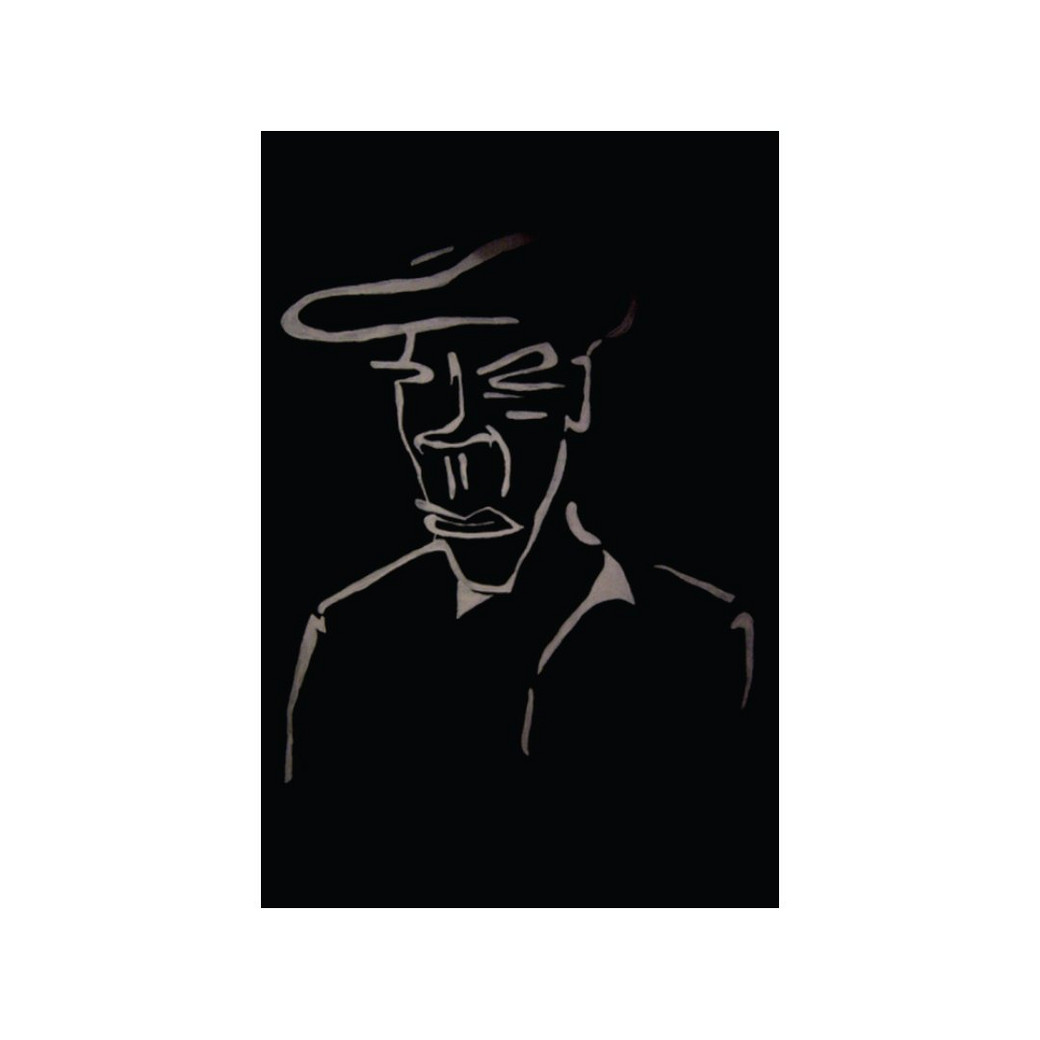

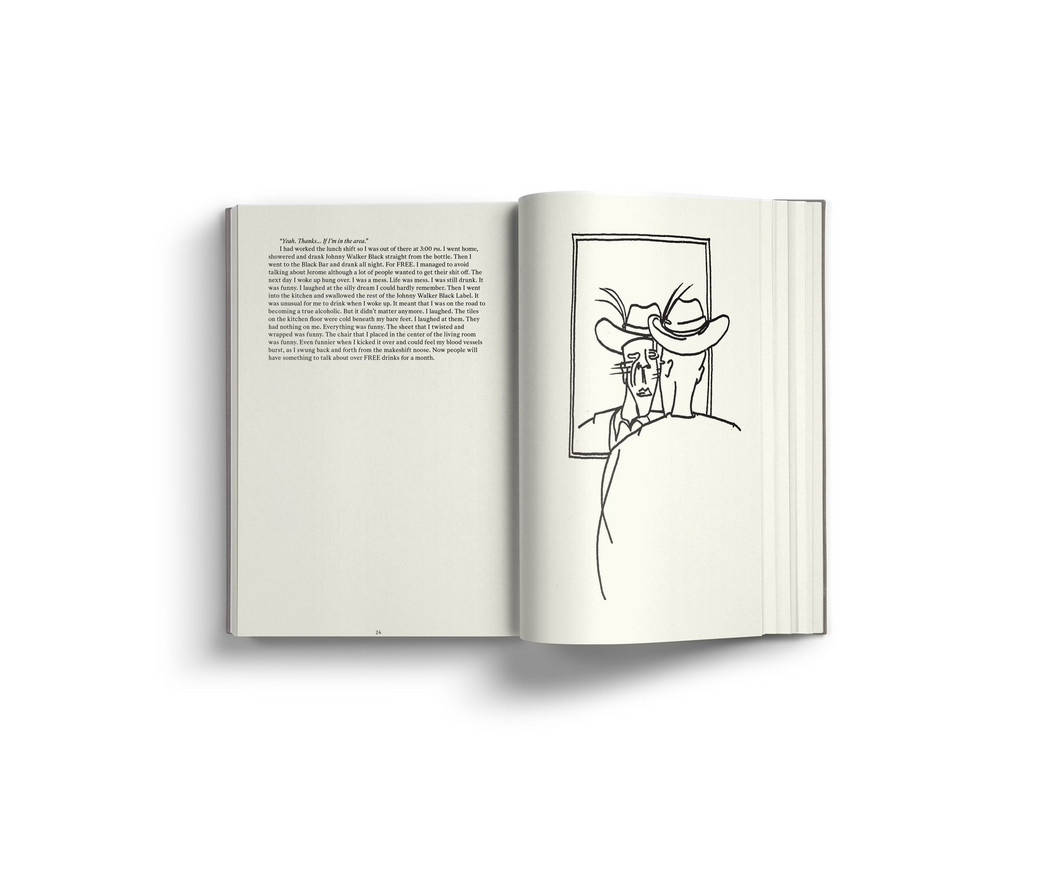
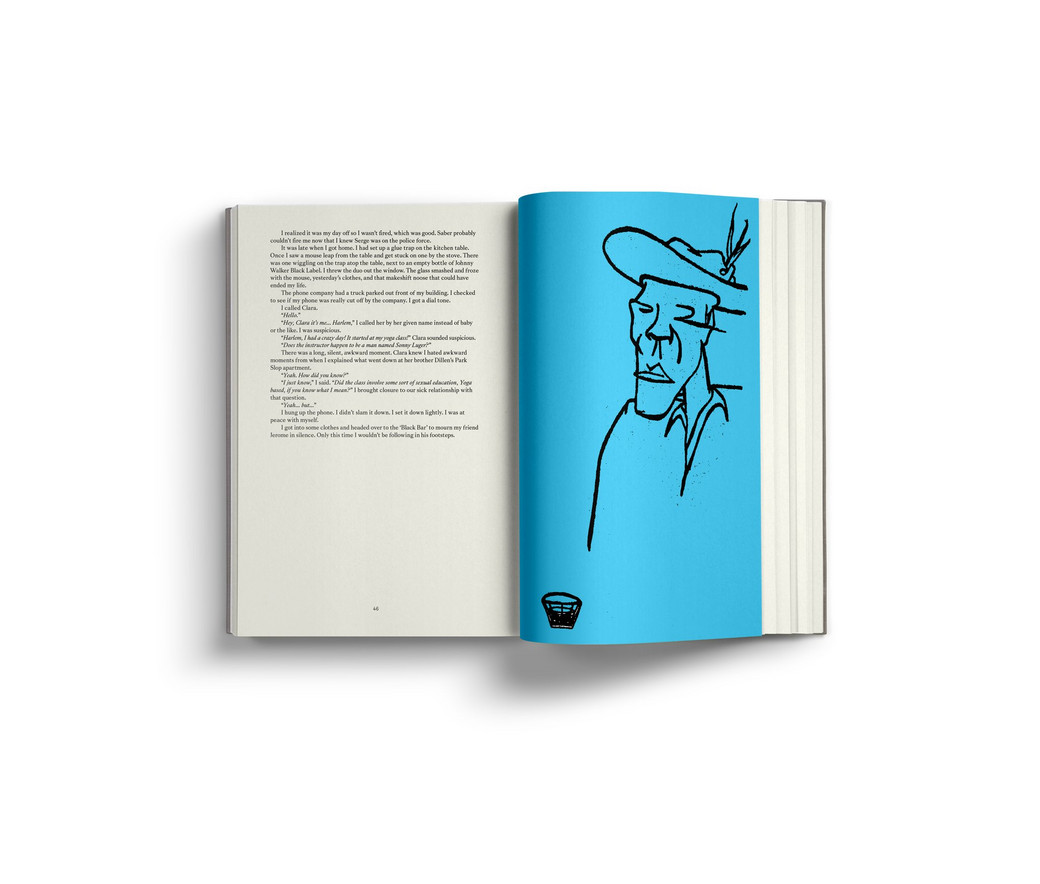
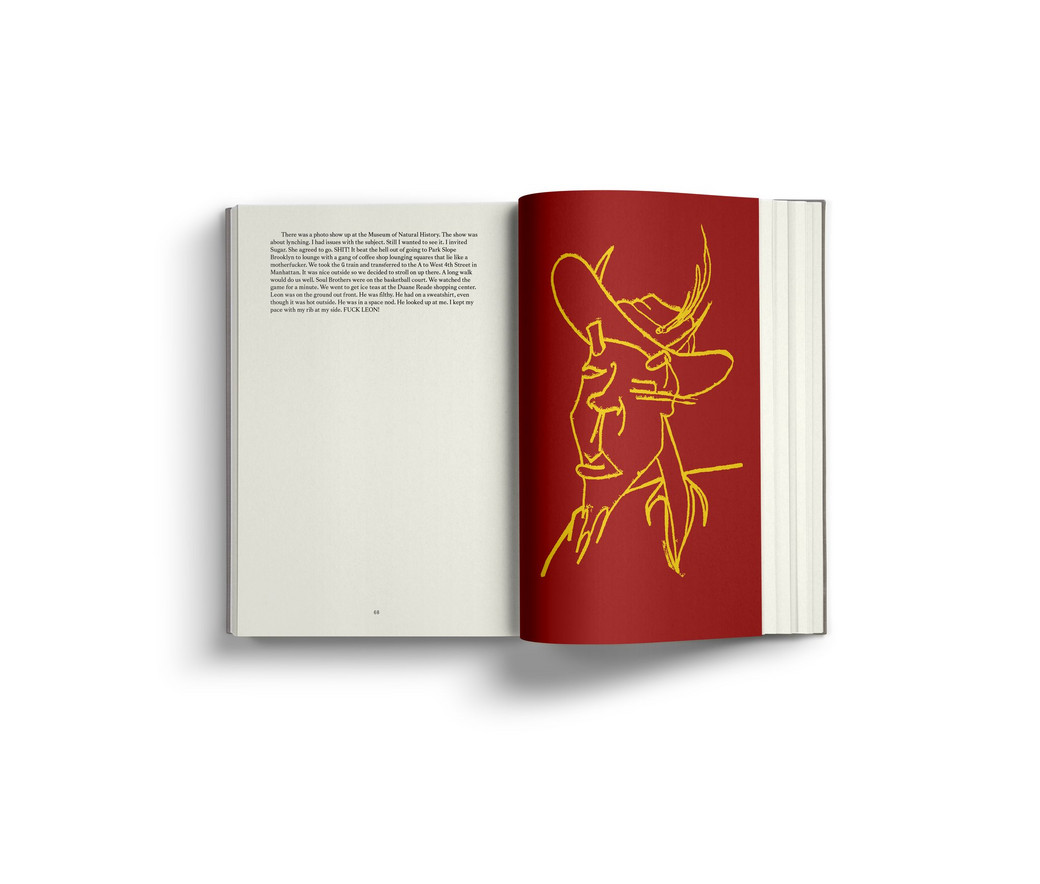
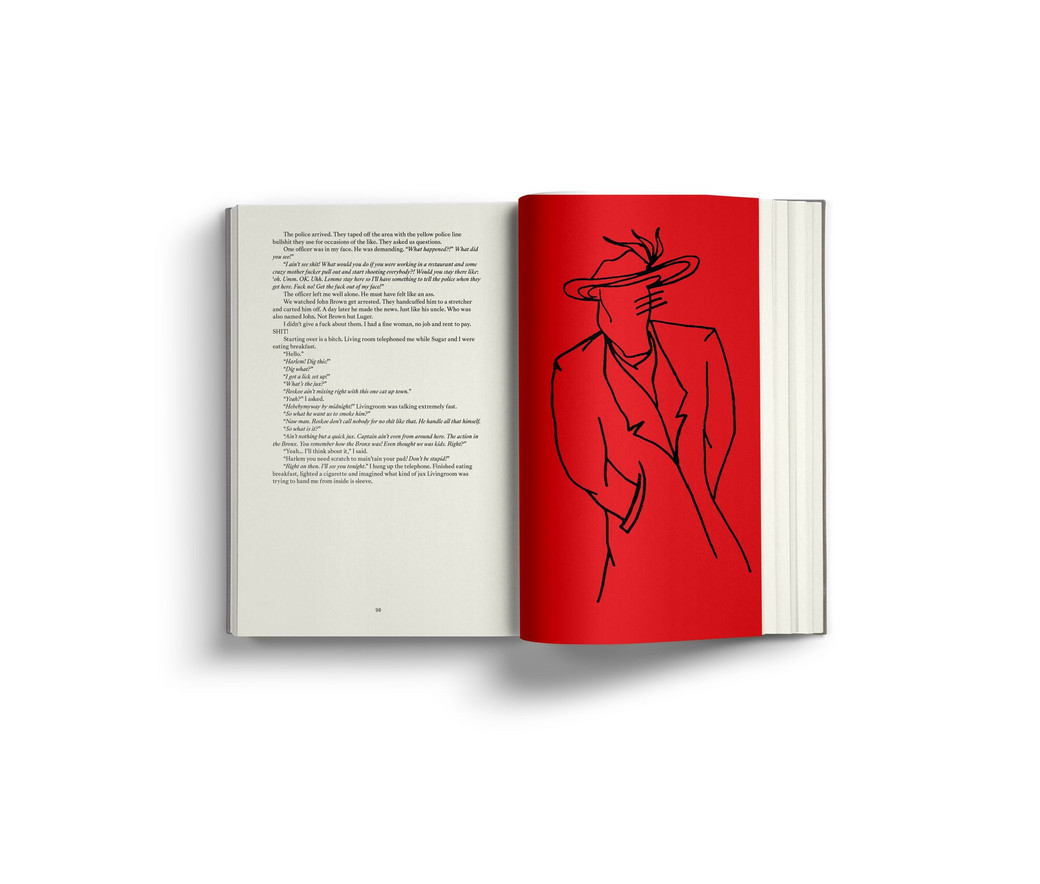
'Harlem Remembers The Bronx' is available now via Paradigm Publishing and will celebrate its official release tonight at The Flower Shop in New York City.
Photos courtesy of Paradigm Publishing and the artist.
Peep some of our favorites, and be sure to come by the office Newsstand for more goods and goodies.
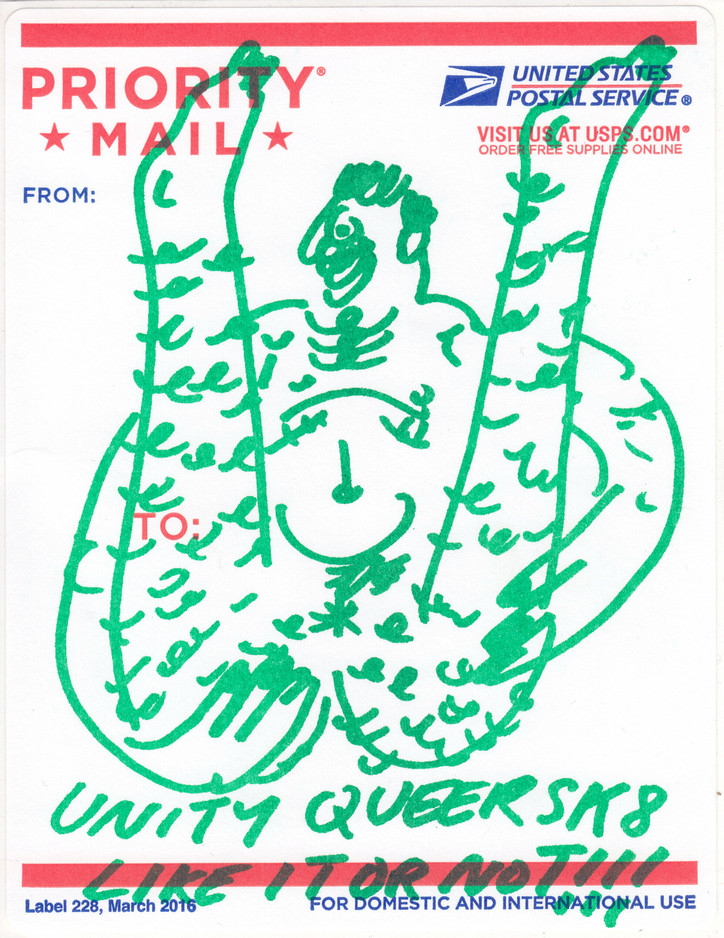
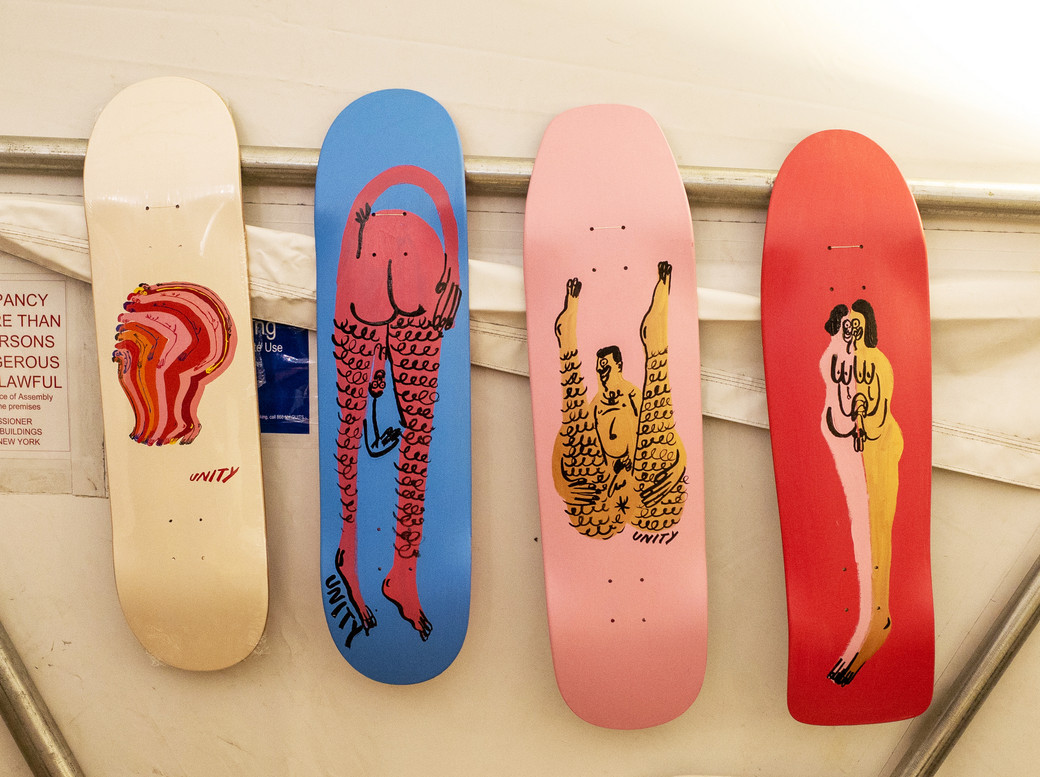
UNITY
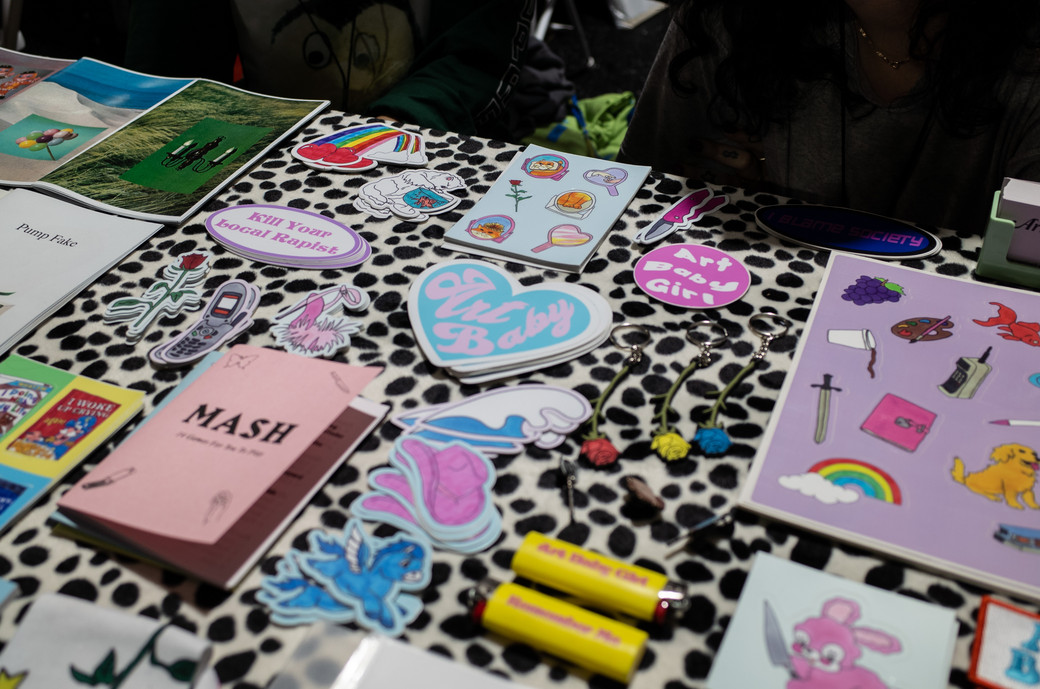
The queer skateboard collective hosted a table of t-shirts, boards and Riso-printed zines including Chomp, The Anonymous Sex Journal and Fag School. Expressing UNITY’s mission statement, table host Noor summed up what we love most about the fair as a whole: it’s a event that’s “cool, genuine and for the people.”
Jo Rosenthal & Friends
NYC-based artist Jo Rosenthal curated a table with work from her talented group of friends, including Rachel Wark, whose palm-sized puppy sculptures made of organite had us feeling balanced AF amongst all the creative chaos. And of course, shoutout Jo for the dope toucan drawing from her series of illustrations.
MATTE
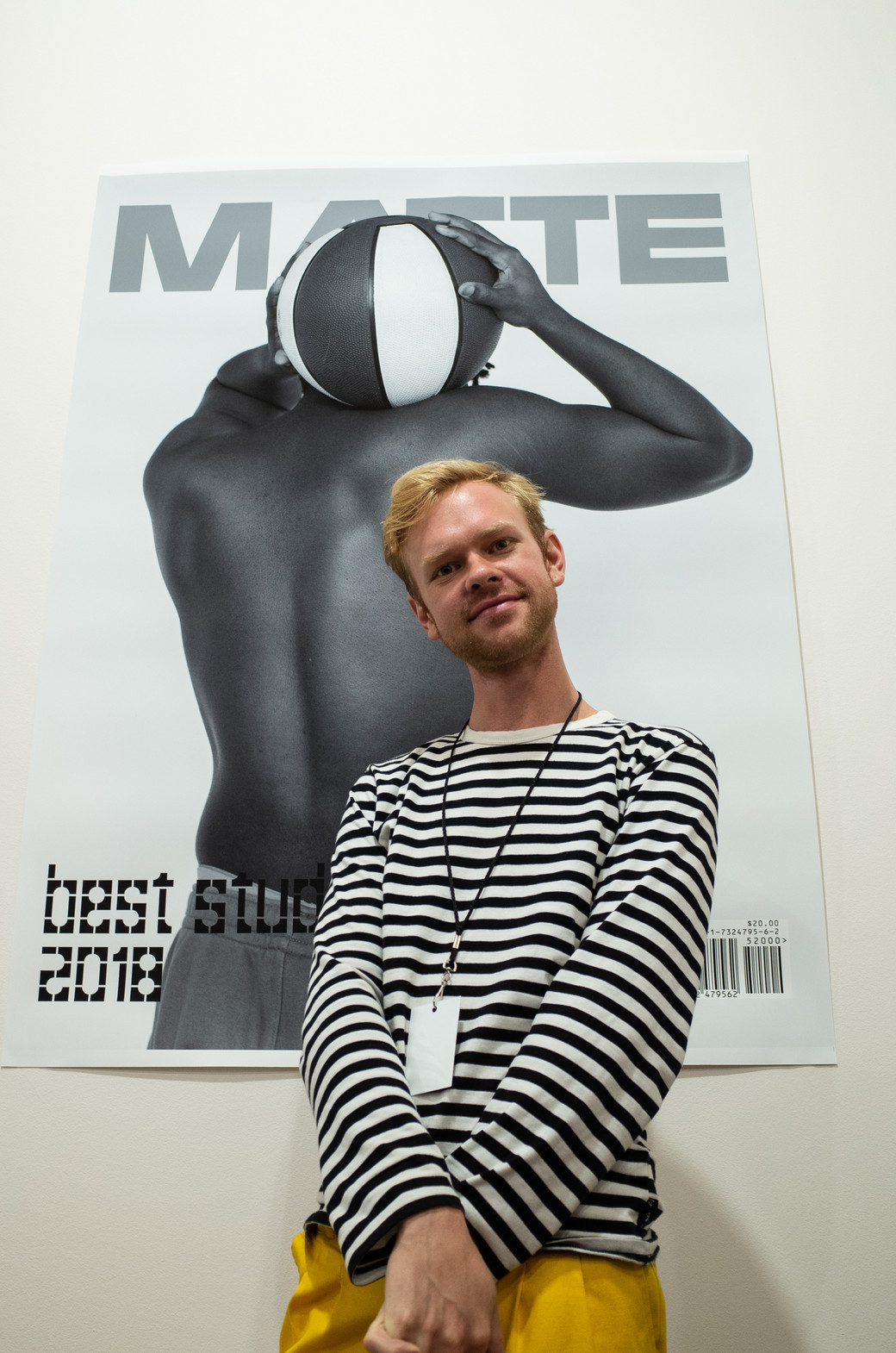
Artist Matthew Leifheit shows the latest issue of his self-published magazine MATTE, with the theme Best Students 2018 Anthology featuring work by students from top photography programs at Yale, Parsons, Pratt and SVA.


Coloured Publishing
This LA-based group is pressing a lot of the buttons that need to be pressed in our current socio-political climate with titles including No N-Word, I Don’t Wanna Sound Racist, But…, and enamel pins with the words 'FUCK I.C.E.' in big bold letters. Buy one for the whole family!
Manufactoriel
We’ve been fans of this Africa-based collective for quite some time, through their almost decade-long presence on Tumblr. Their table at this year’s fair offered a variety of art prints and zines, including Life Scenes, a visual essay portraying daily moments in Cameroon through a popular urban language called ‘Camfranglais.’
8-Ball Community
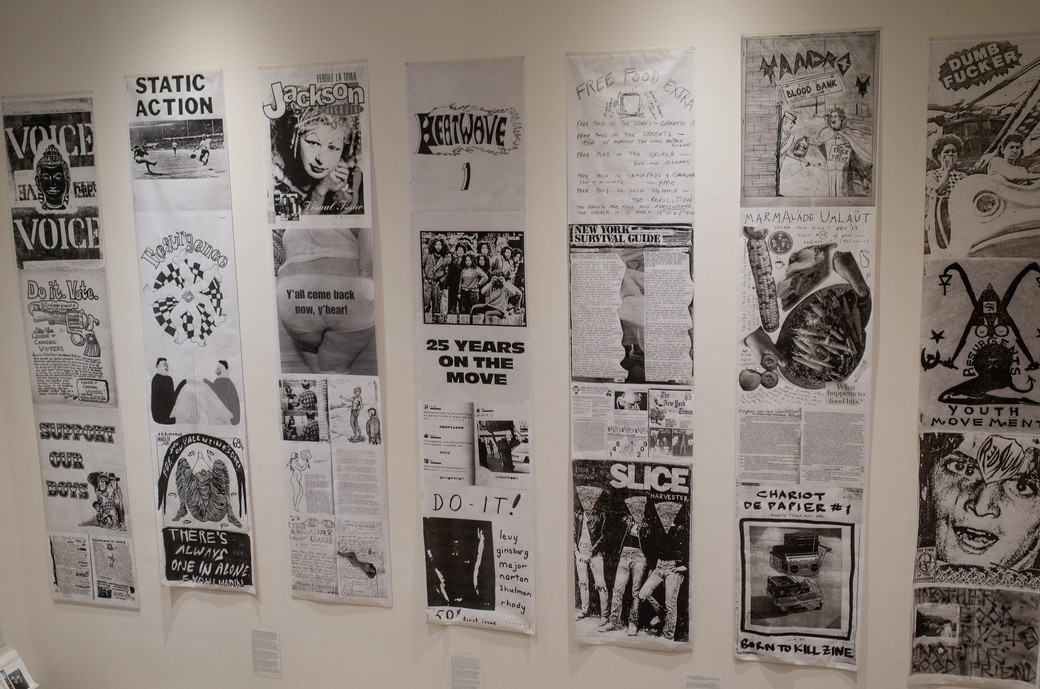
The deep-rooted zine and radio collective took us to the classroom at PS1 with their large-scale History Of Zines installation in the museum’s basement coupled with their table featuring standout titles including Femme In Public, Prison Survival and False Solutions to Climate Change. We happily purchased one of their logo’d hand fans to stay cool in hallways.
Water With Water
It’s impossible not to be drawn in by the printed graphic design work from Doha, Qatar-based collective Water With Water. Led by students, the table showed screen-printed hoodies and stickers alongside zines with experimental artwork based around Gulf culture. Get the one that glows in the dark!


Sun
The bi-coastal publishers had us clearing out closet space for hand-designed t-shirts by artist Anthony Tafuro and shelf space for Don’t Piss Down My Leg And Tell Me It’s Raining by Corey Presha.
Dashwood Books
Our favorite subterranean Bond Street shop filled their table with visual goodies including office Issue 09 contributor Nick Sethi’s latest book KHICHDI (KITCHARI) and Isabella Burley's SISTERS by Jim Britt, 1976 which tells the story of the titular photographer’s 1976 portrait of his daughters which would go on to become a pioneering ad for Comme des Garçons in 1988.
3 Dot Zine
Making inspired use of an entire room inside the museum, 3 Dot Zine founder Devin N Morris shows his publication alongside a curated selection of work including SUMMA TIME by Khari Johnson Hicks and the Free Black Women’s Library - a mobile collection of over 1,000 books written by Black women.
View more photos from the NYABF below.
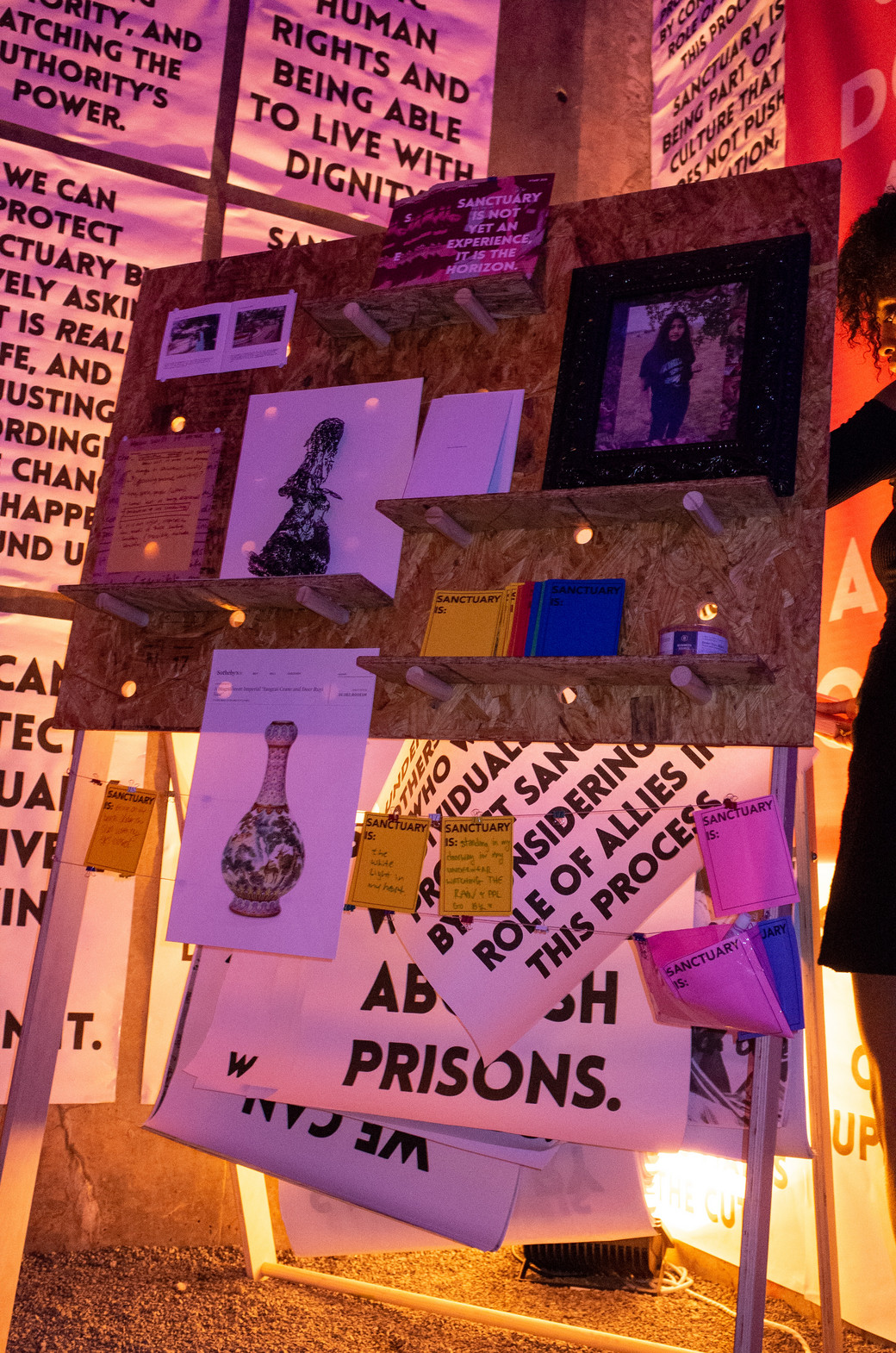
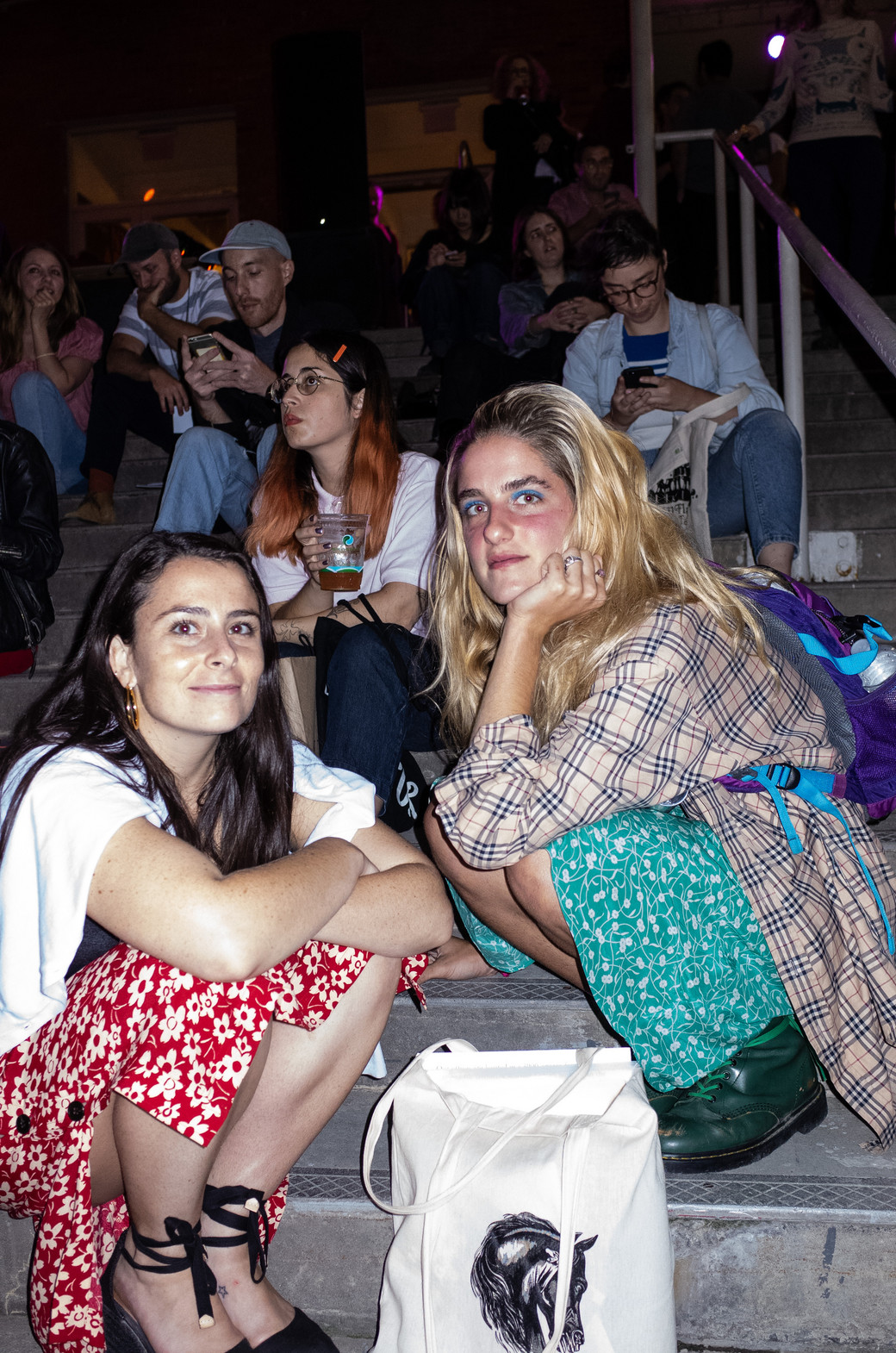
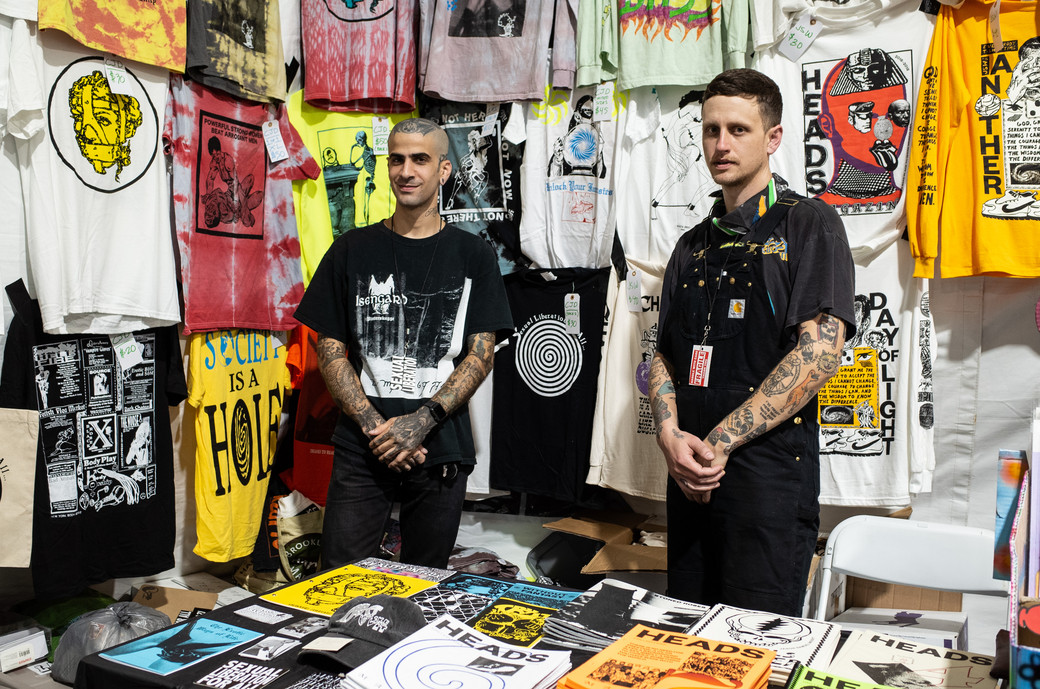
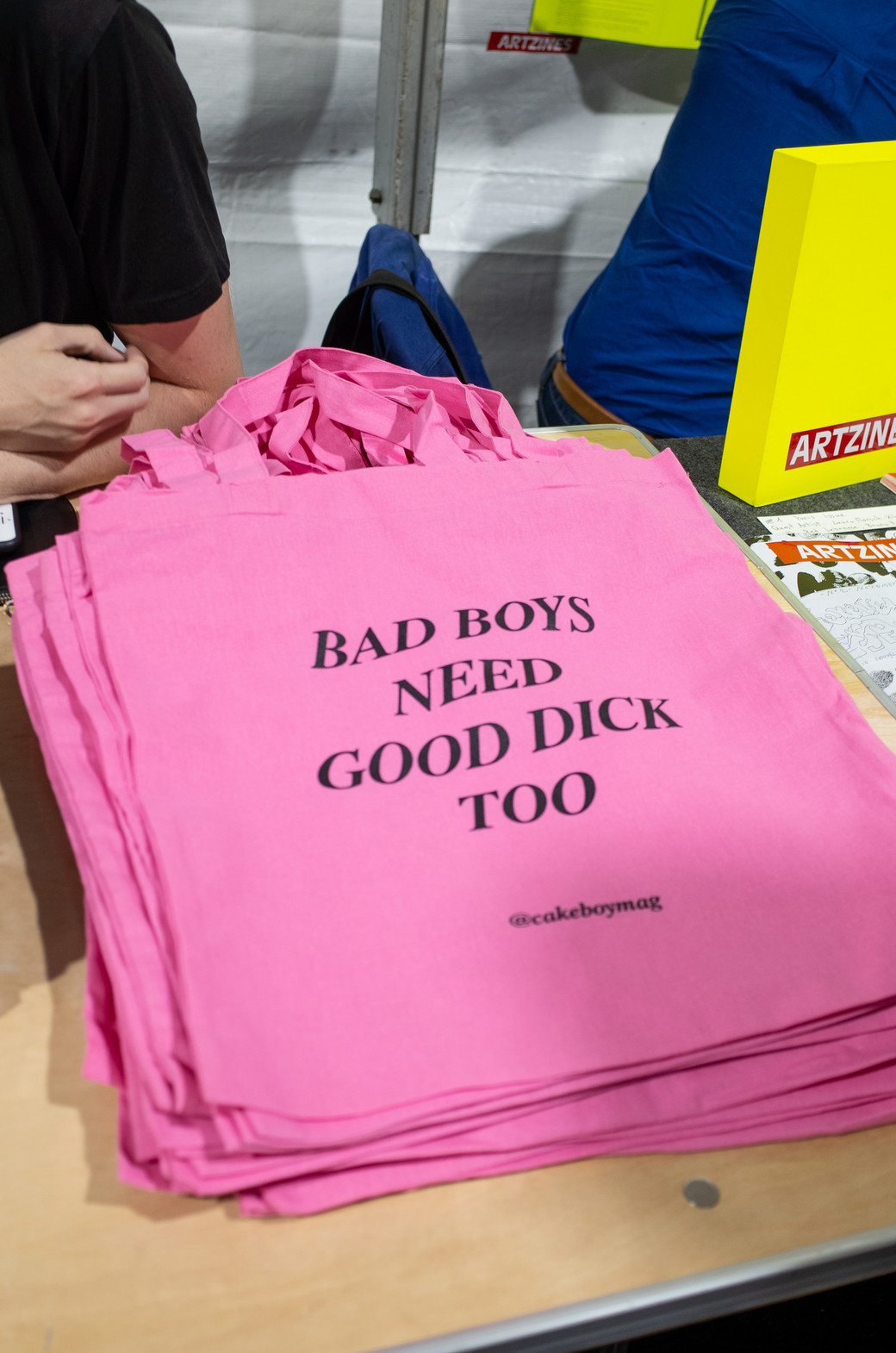
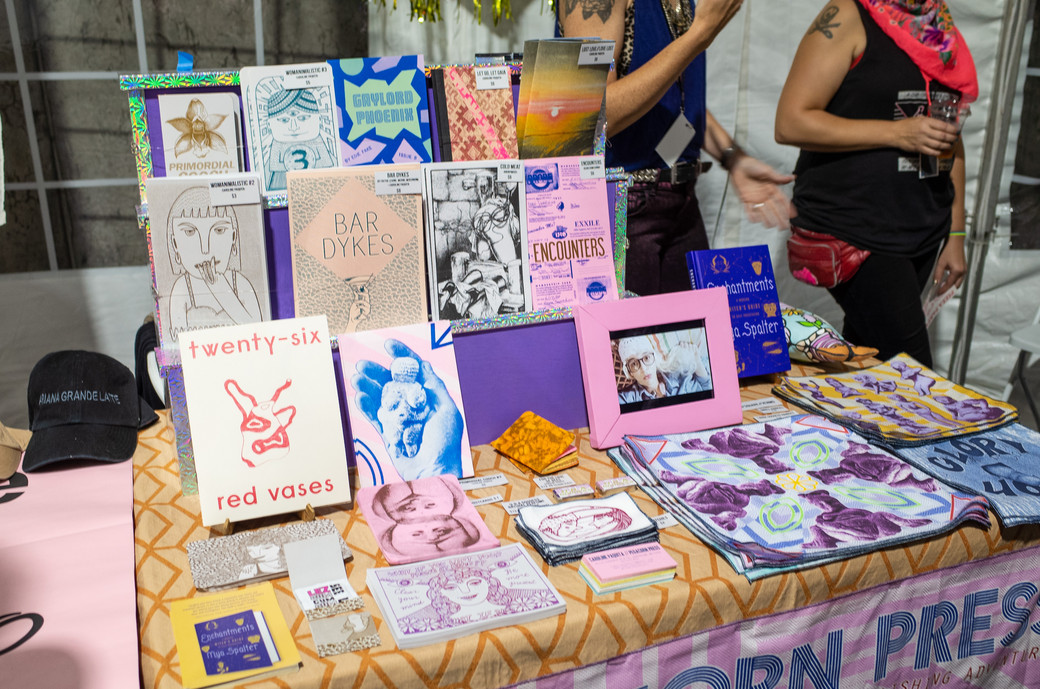
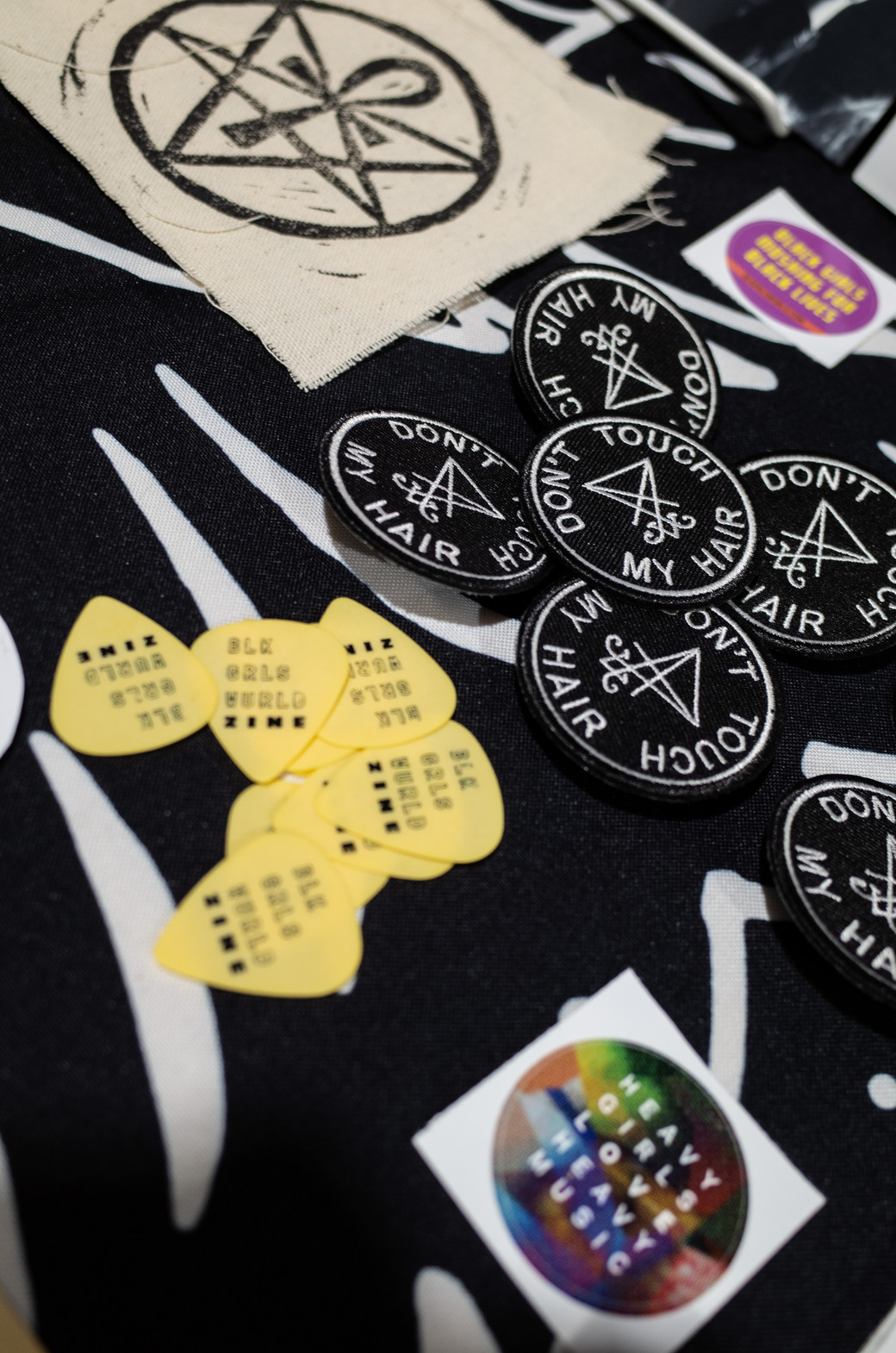
The New York Art Book Fair is open now, until September 23.