Vulvatious

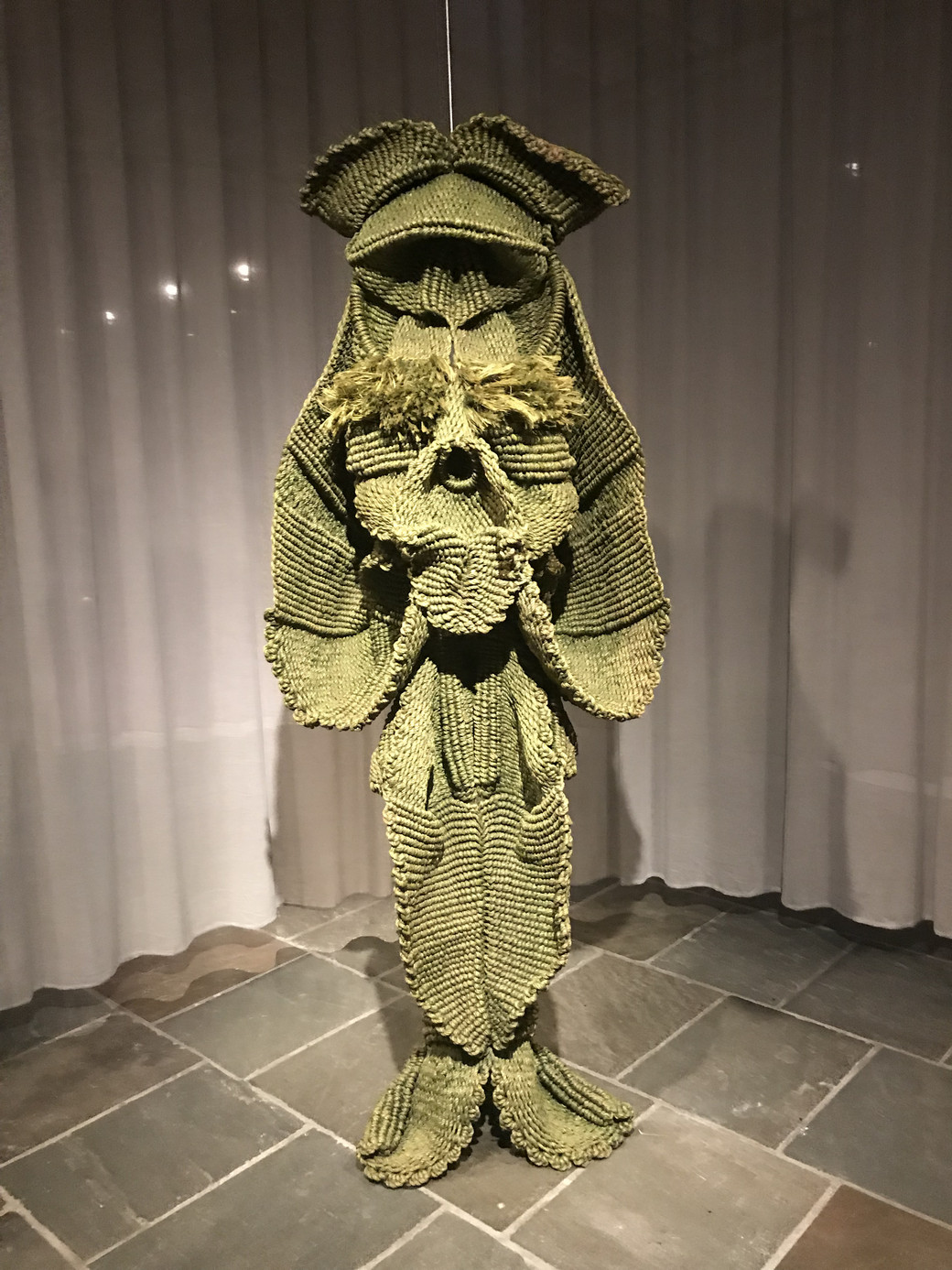
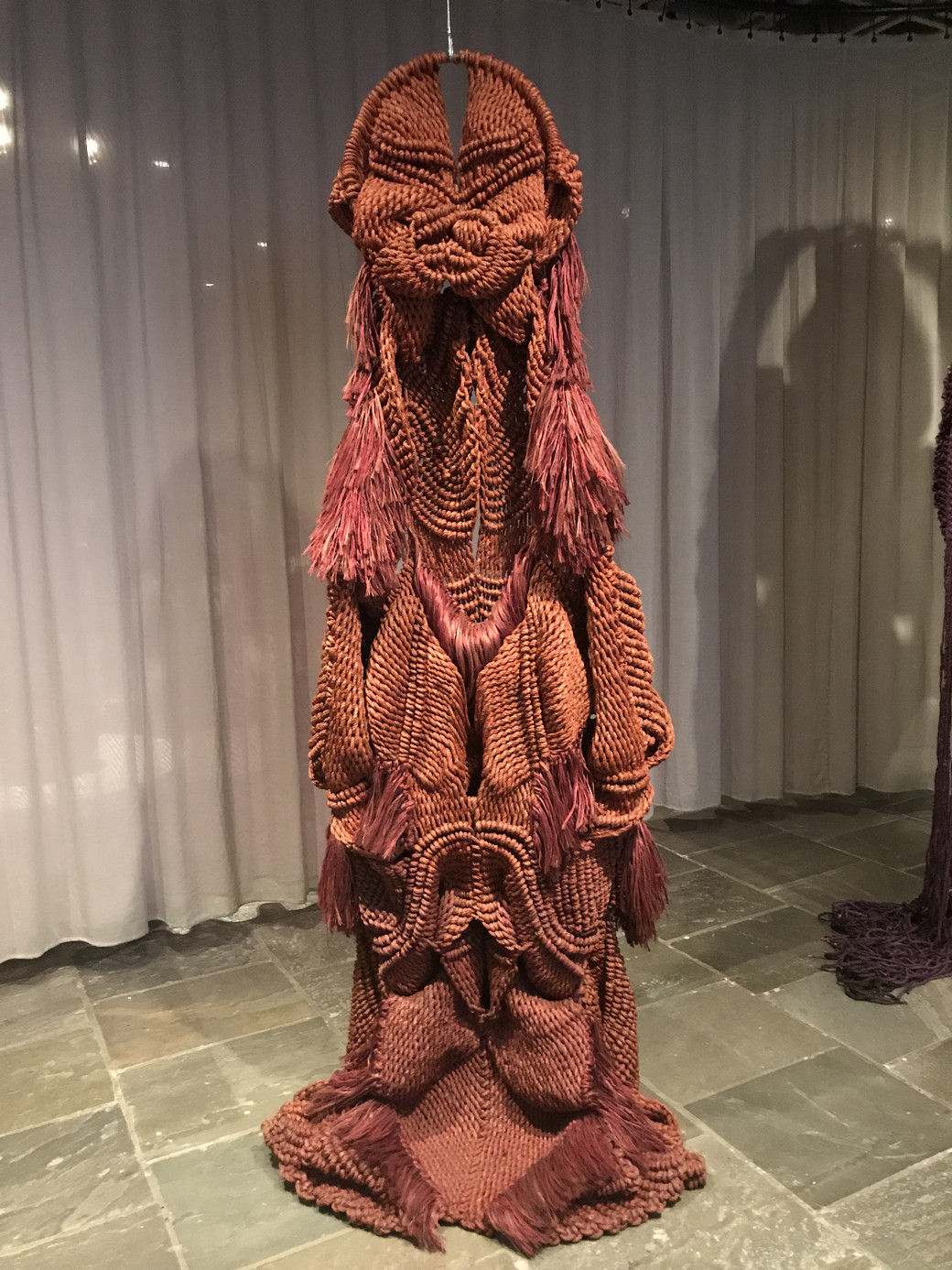
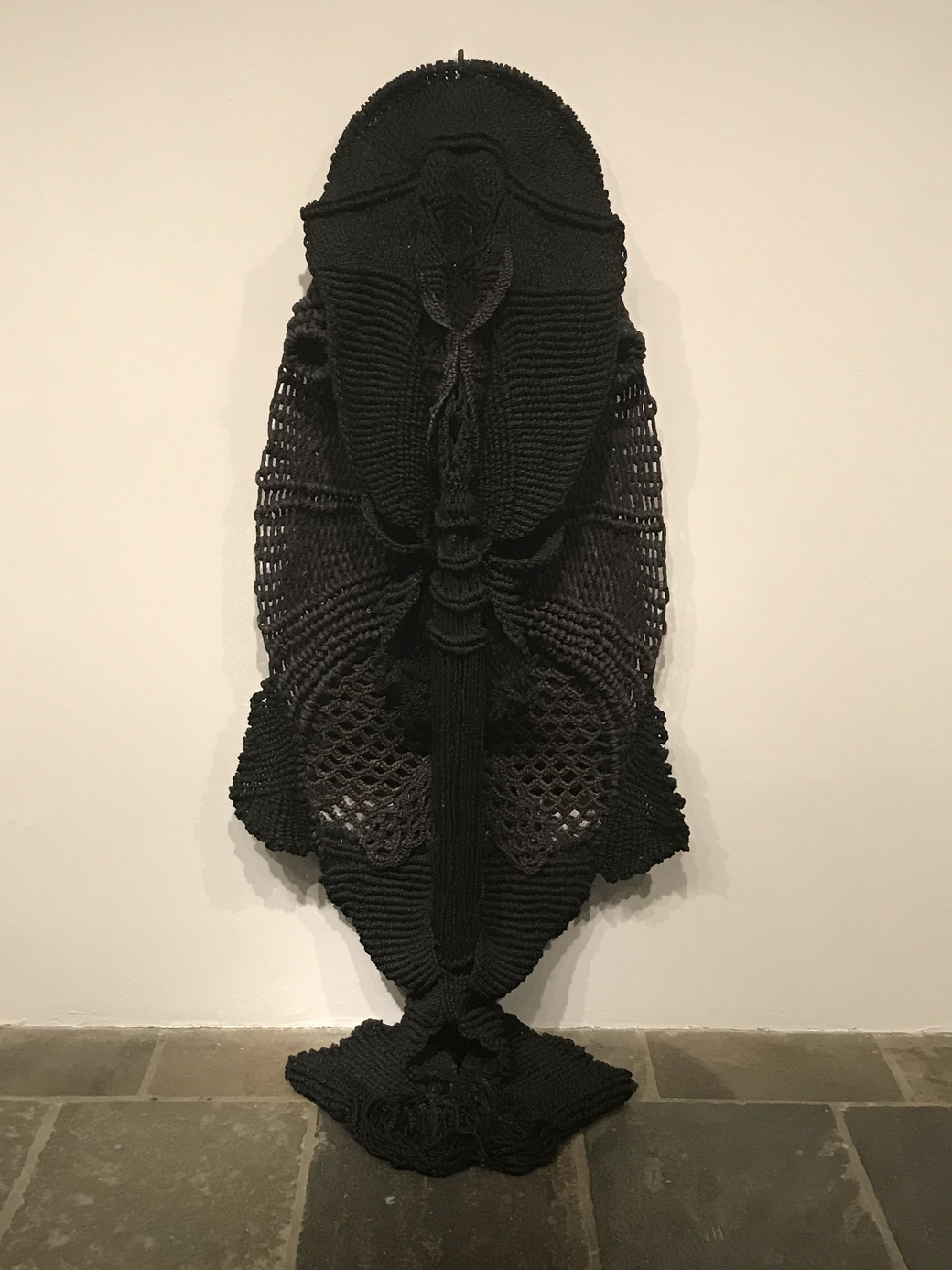
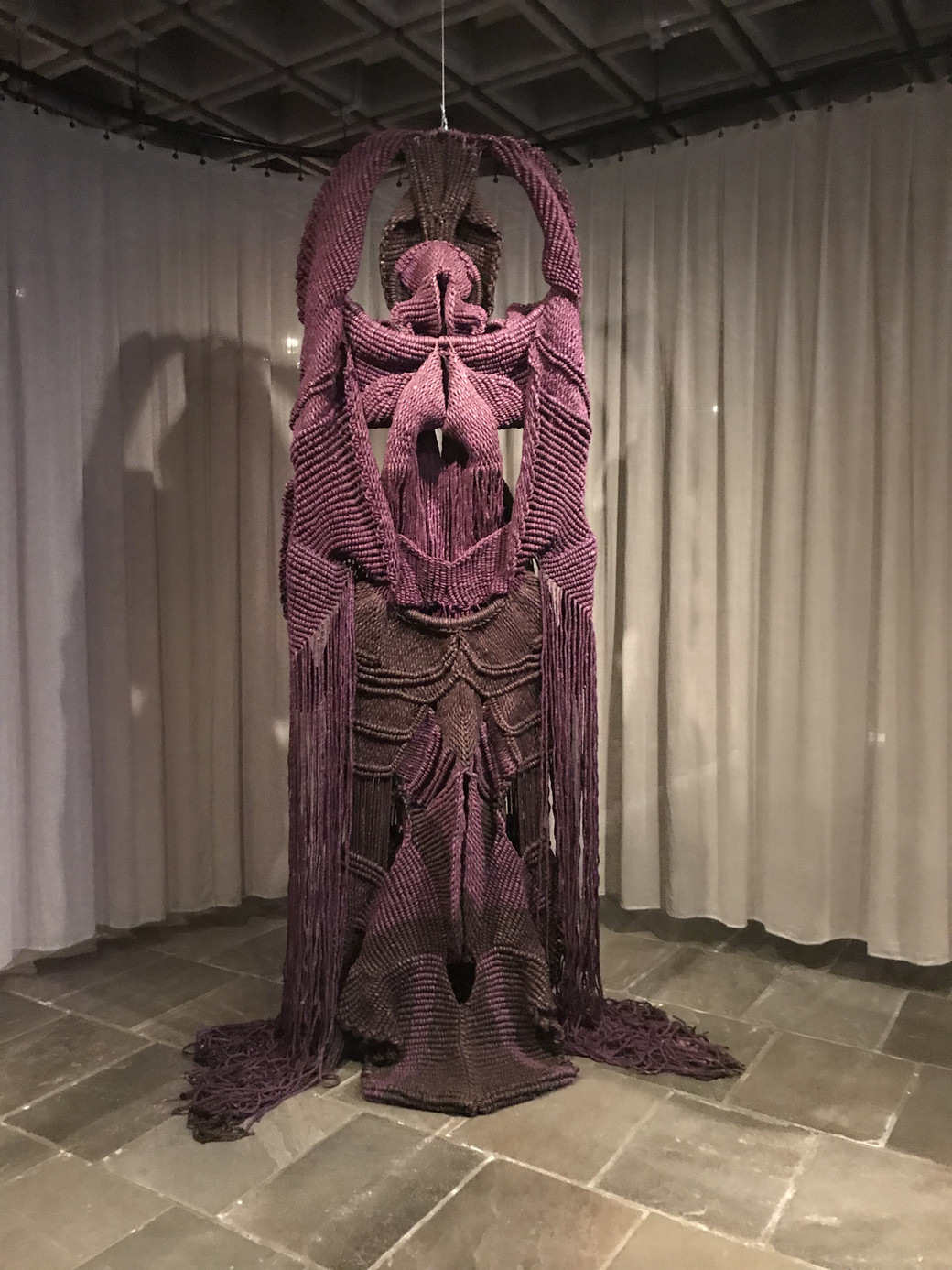
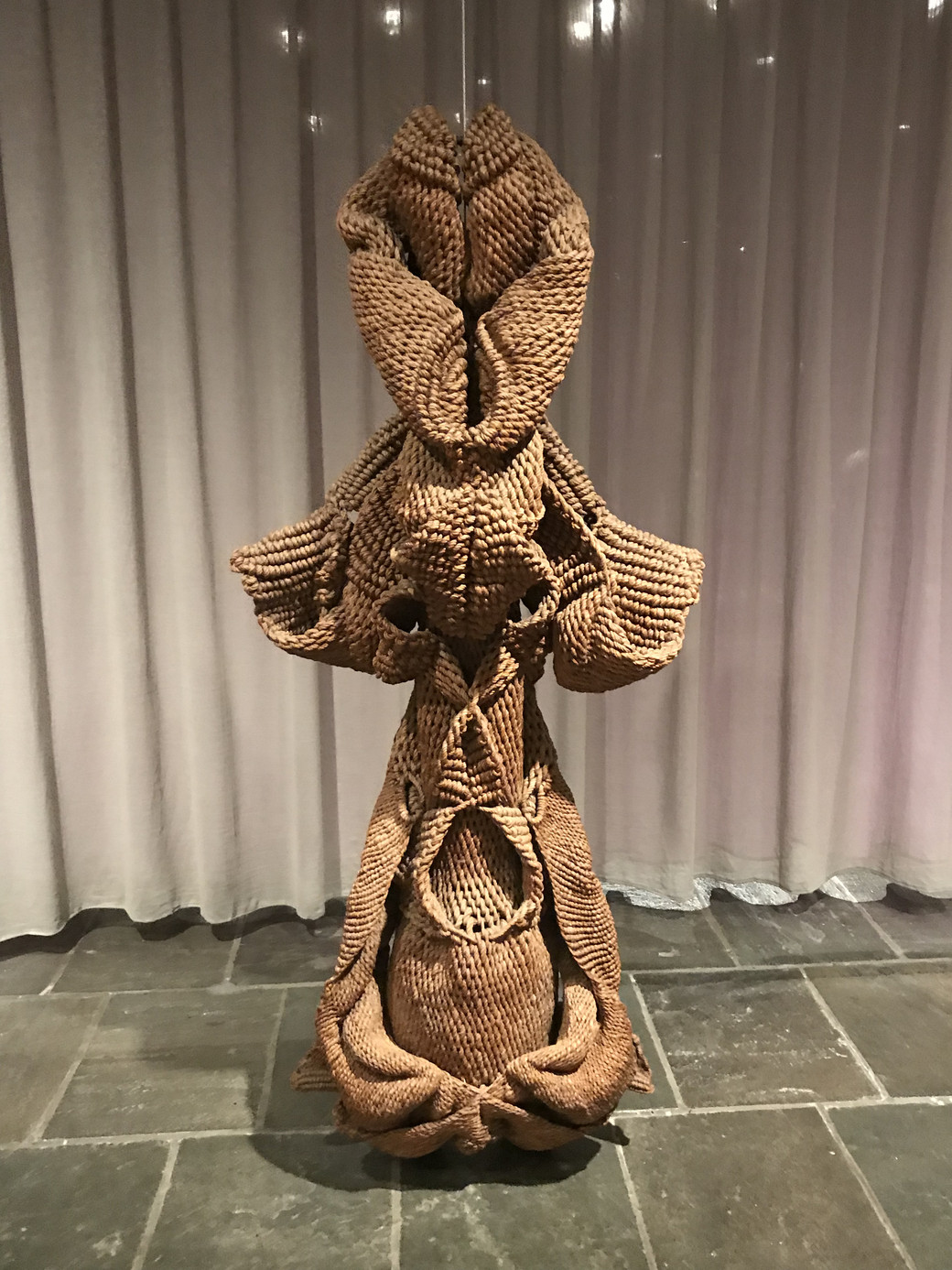
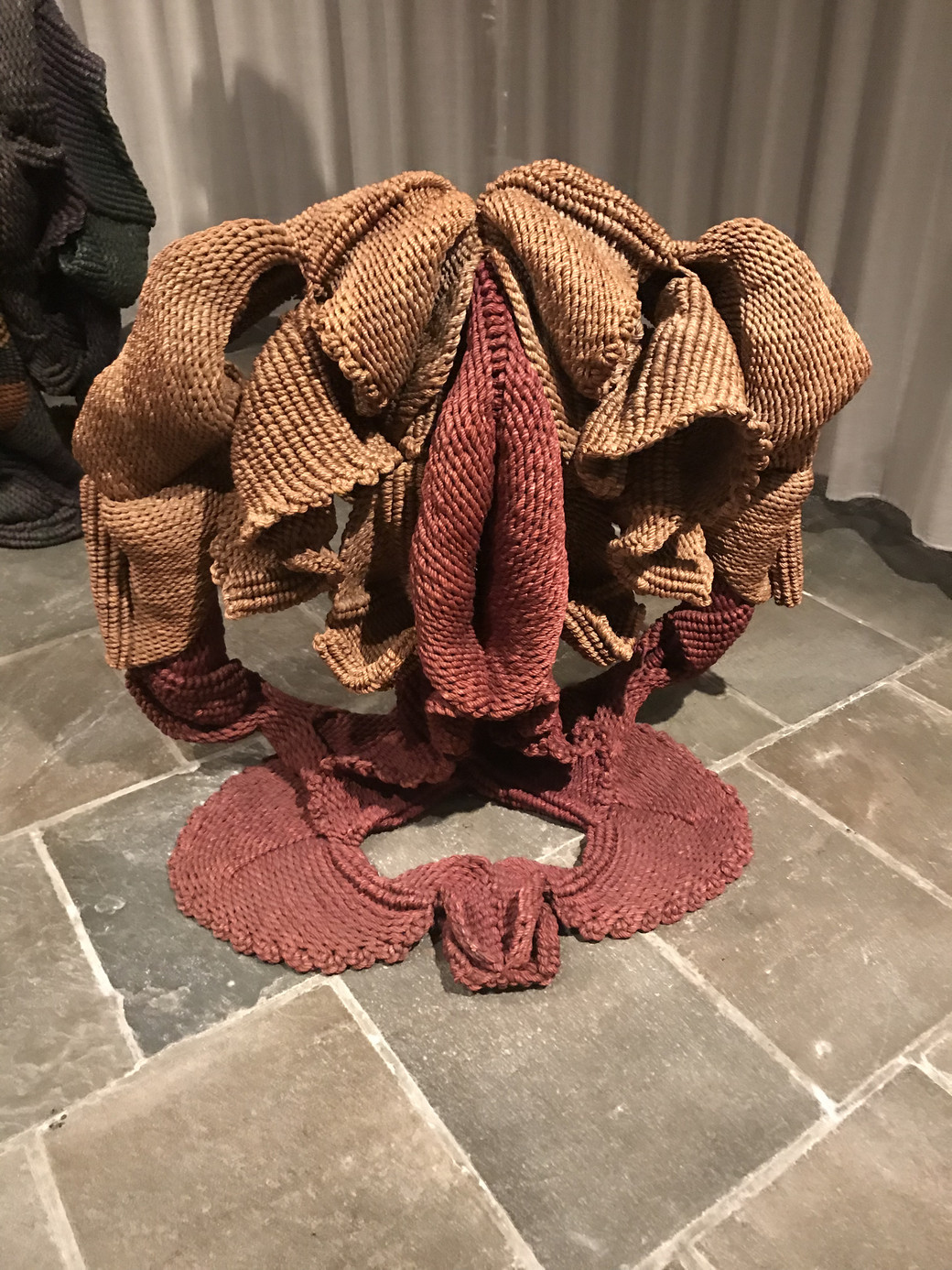
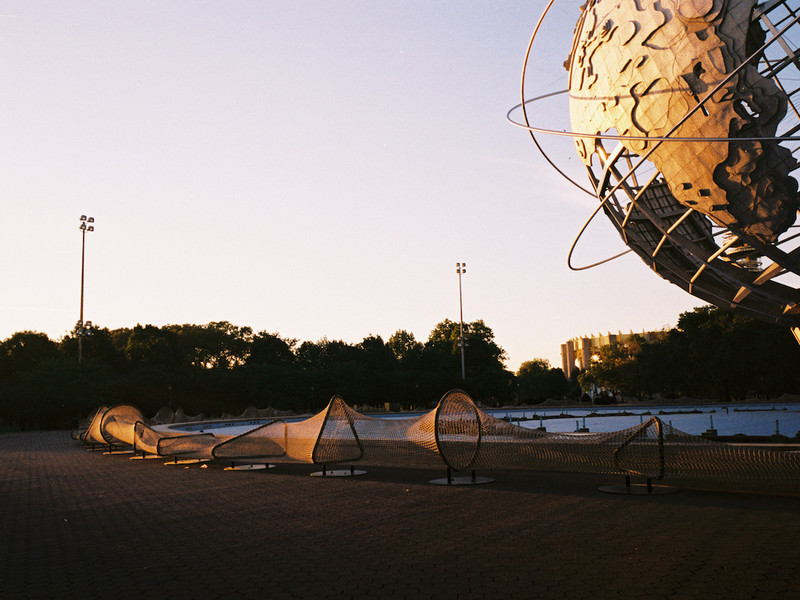
"Phenomenal Nature: Mrinalini Mukherjee" is on view at the Met Breuer through September 29th, 2019.
"Phenomenal Nature: Mrinalini Mukherjee" is on view at the Met Breuer through September 29th, 2019.
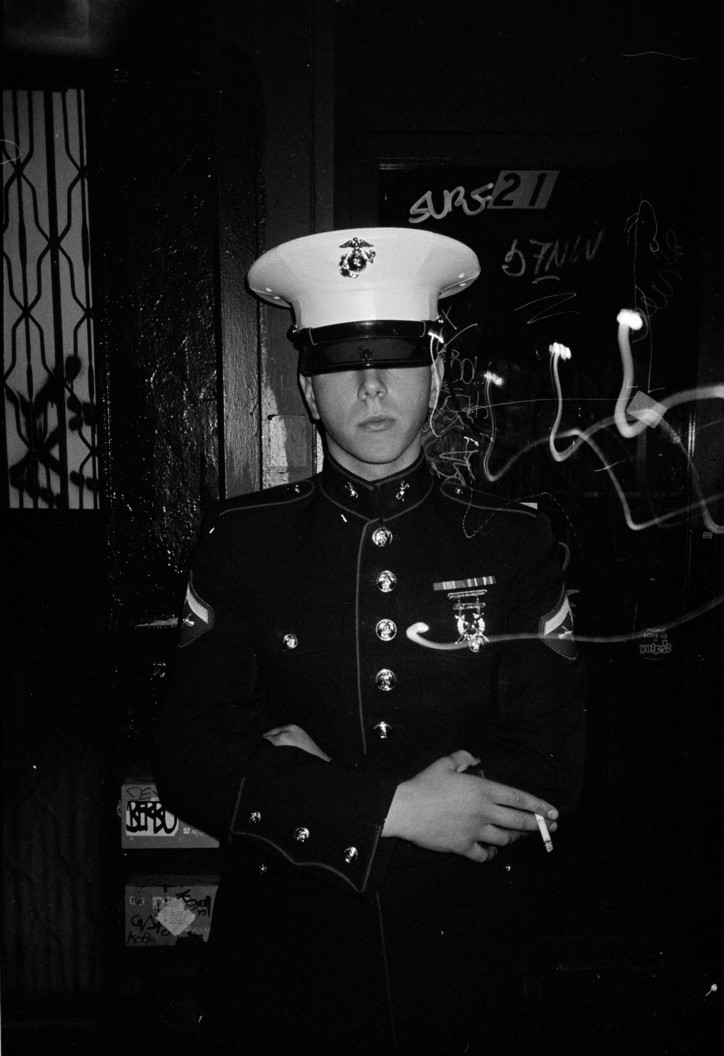
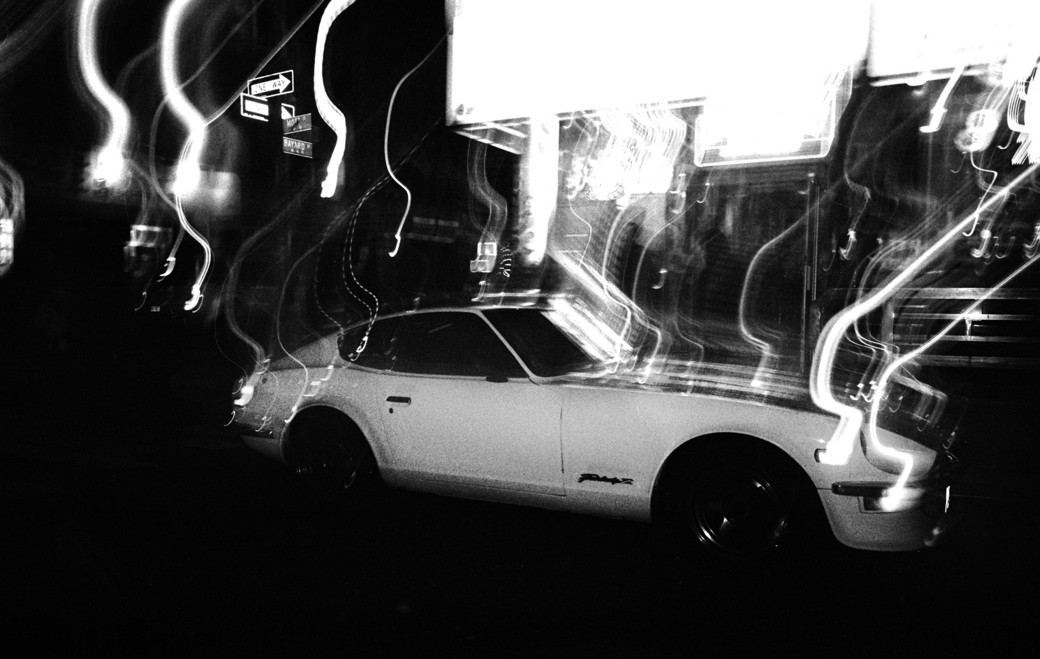
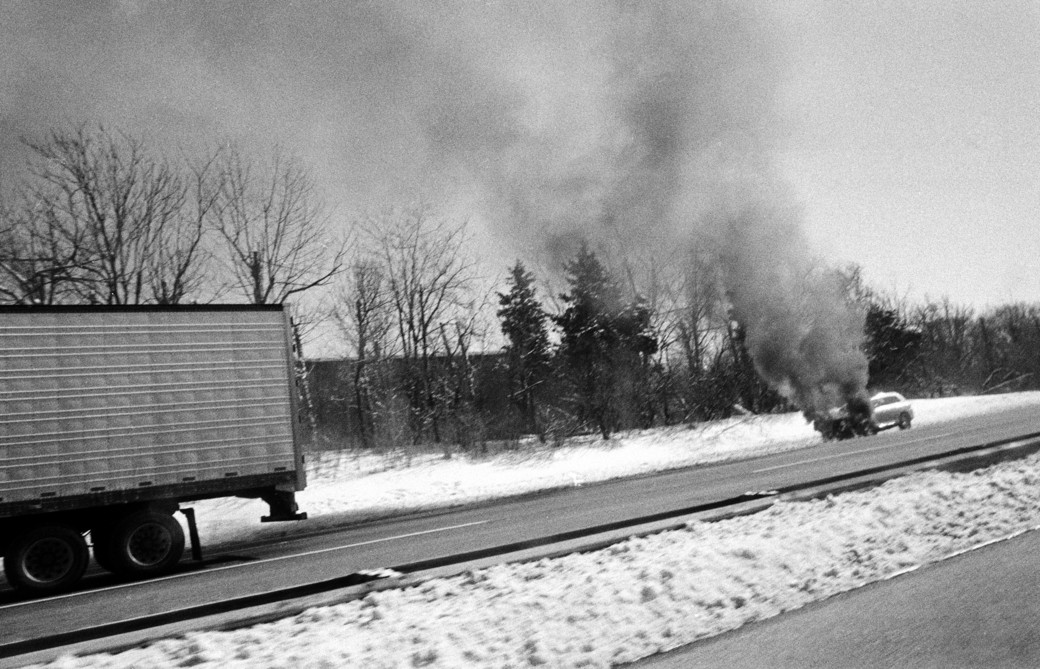
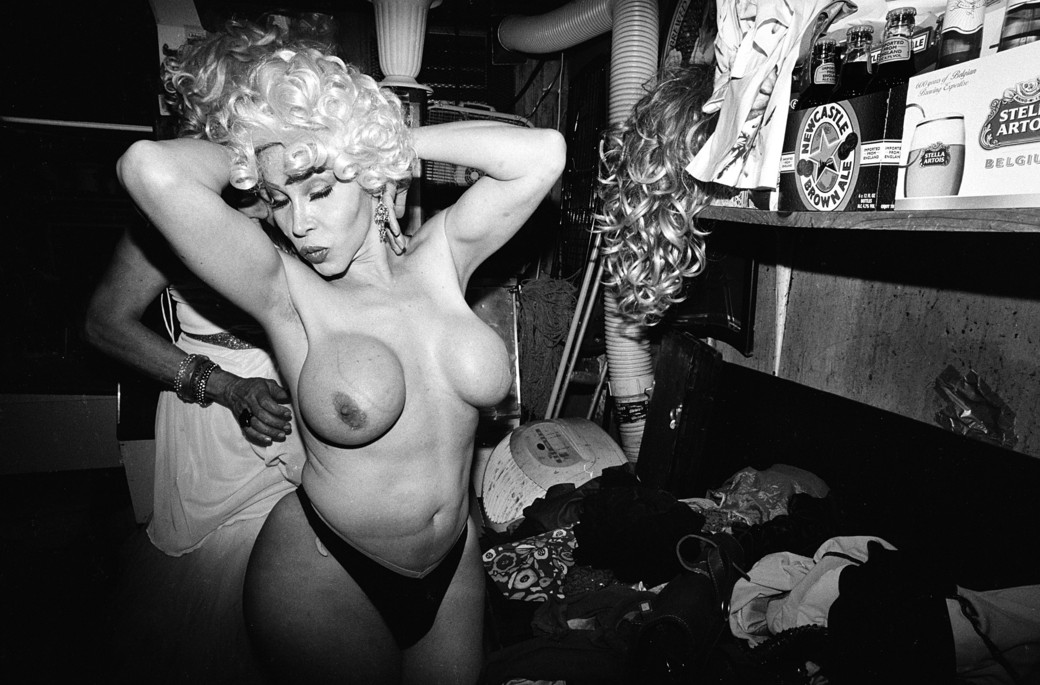
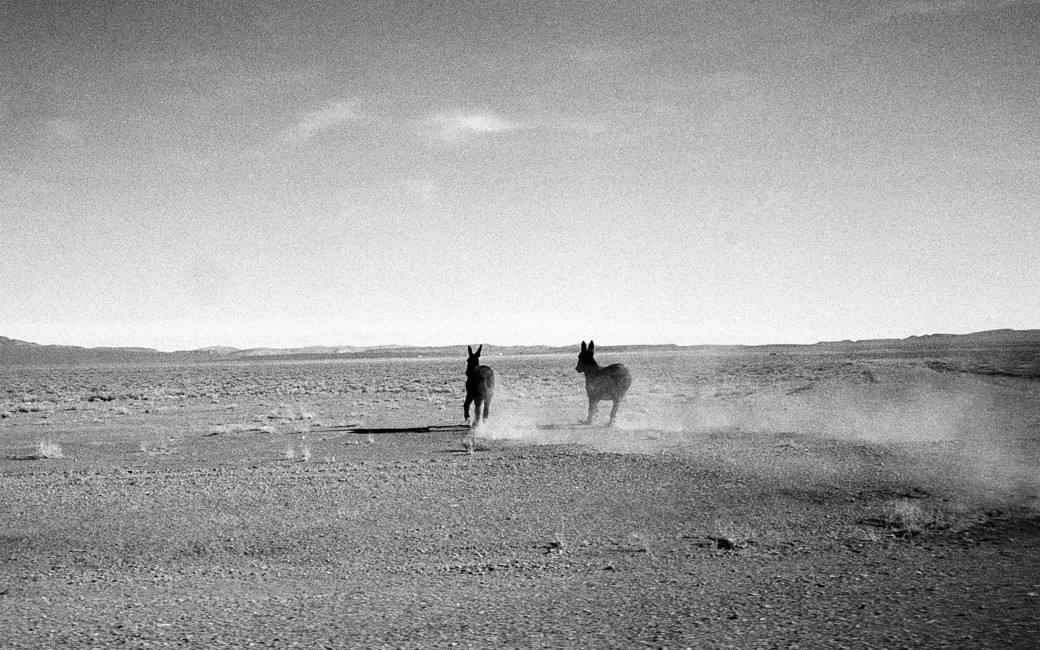
True Americana used to represent true freedom. But now, with our current political climate, the over-satured (and over-consumed) media landscape, and, of course, the constant and ever-looming threat of global warming, that freedom has turned into unbridled paranoia. But Cry Like A Man shows both sides.
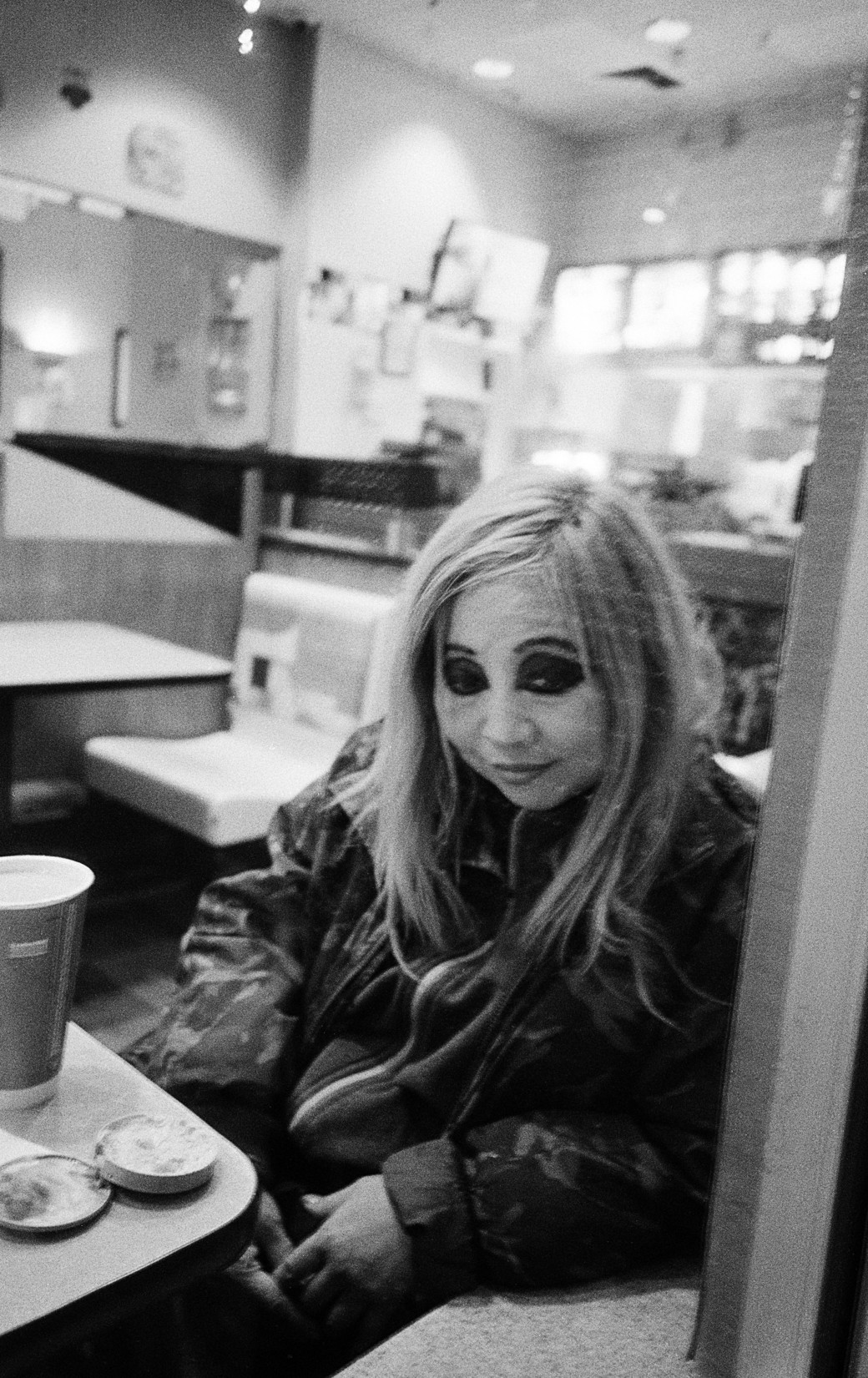
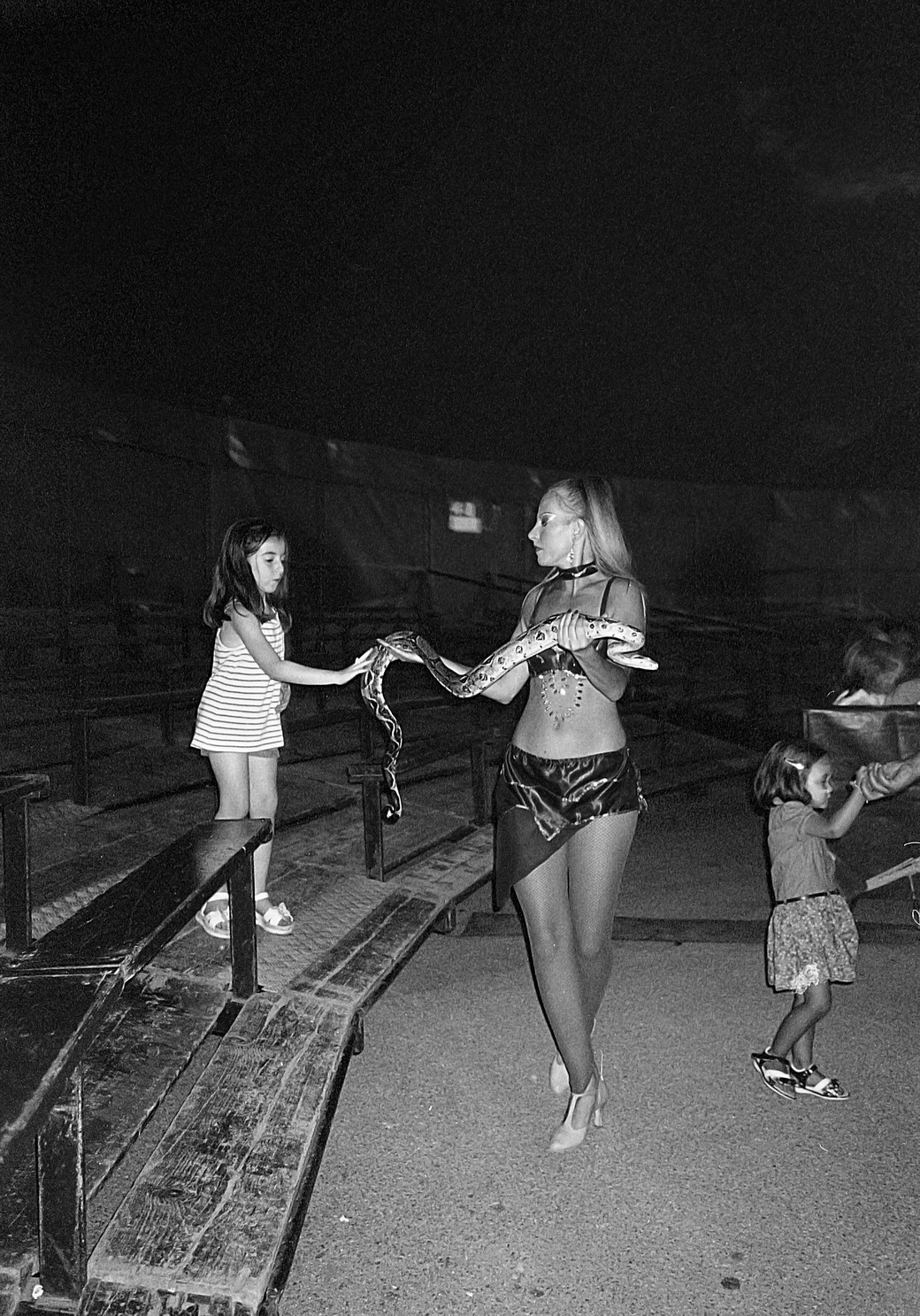
In his haunting photos, Olley captures the contrast between over-developed cities, and the remnants of unspoiled land. But almost more interesting are the similarities between the two. A stripper getting undressed backstage; an off-duty marine smoking a cigarette; those wild horses, untamed by man—the connection is in their reckless abandon. True freedom does still exist in America—you just have to look a little harder to find it.
Start with Cry Like A Man.

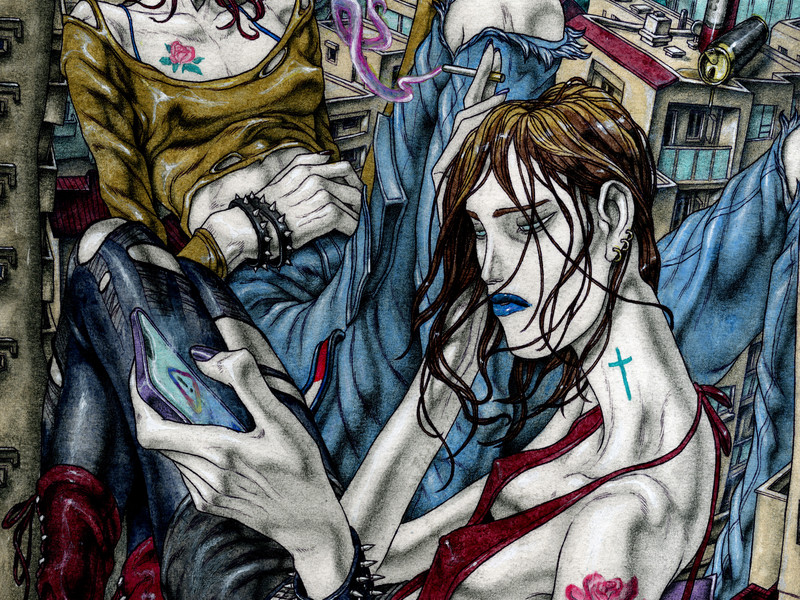
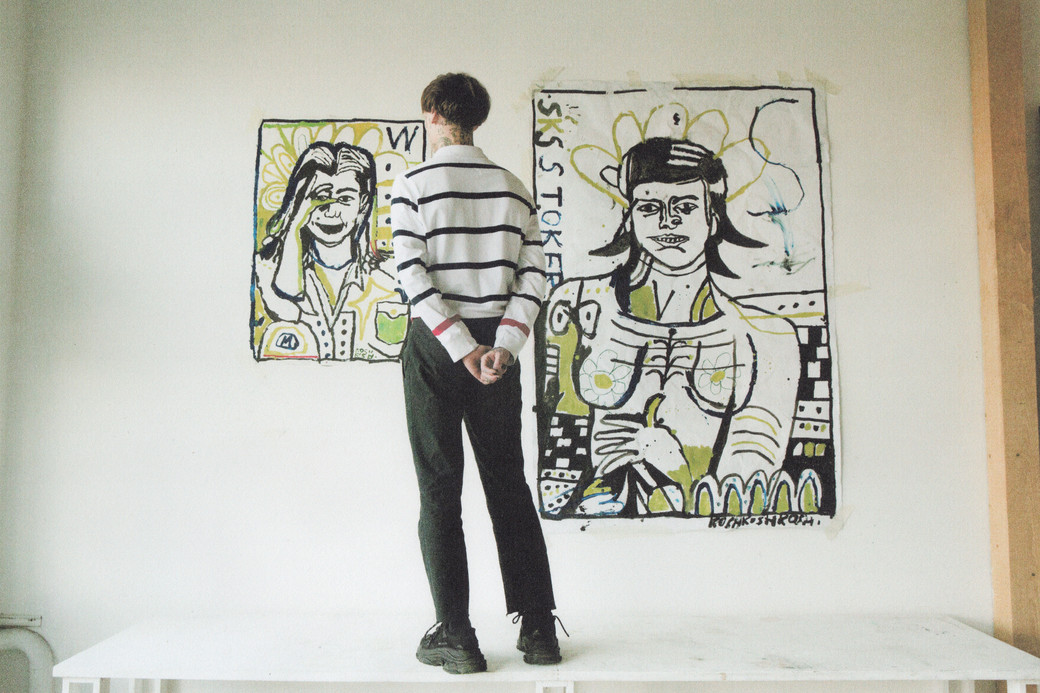
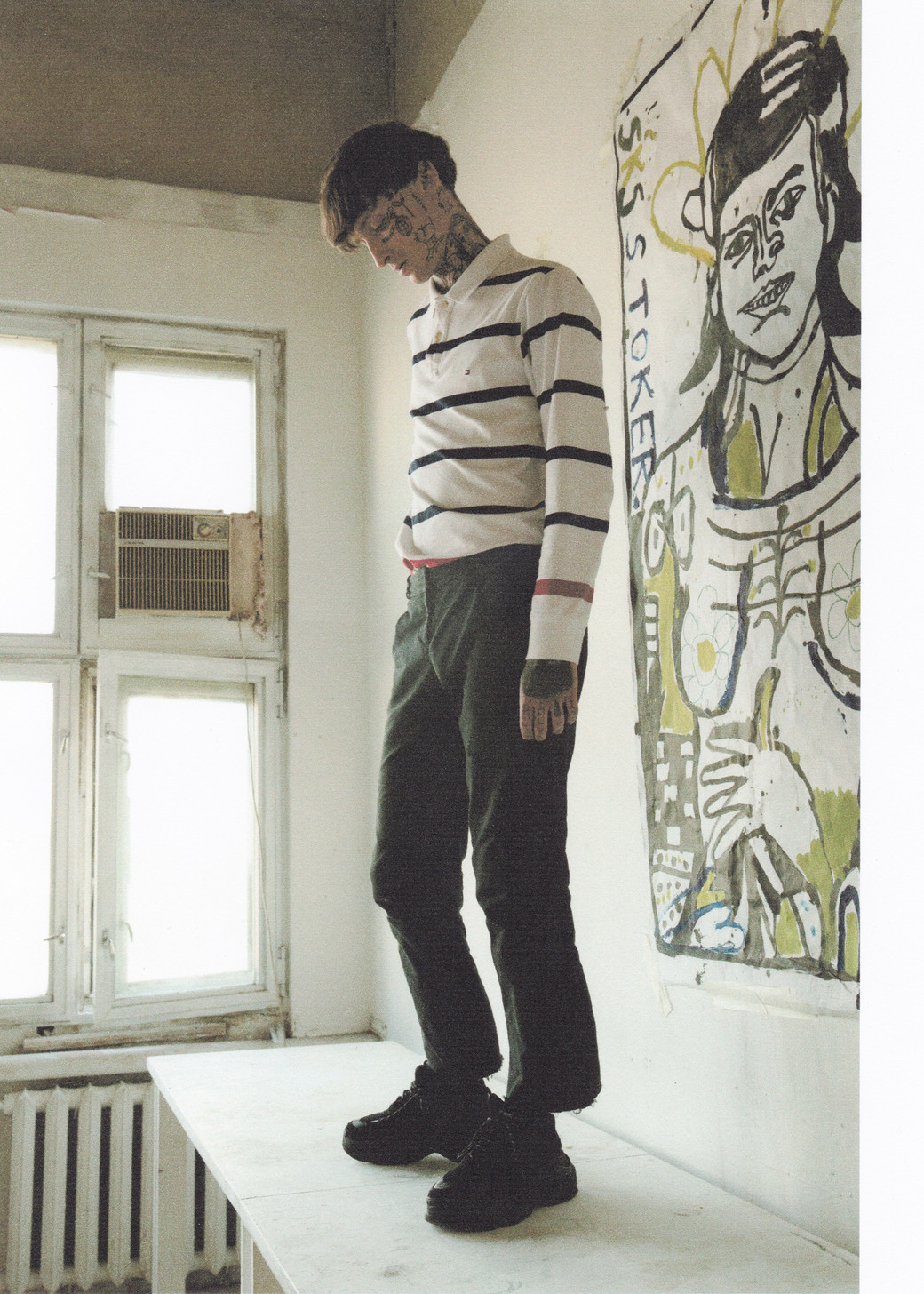
Moscow-based Koshkosh isn’t just an artist. He graffitis; he tattoos; he models; he publishes; he photographs. He’s even planning to transition into music. He’s a bridge builder—not only between East and West, but Then and Now.
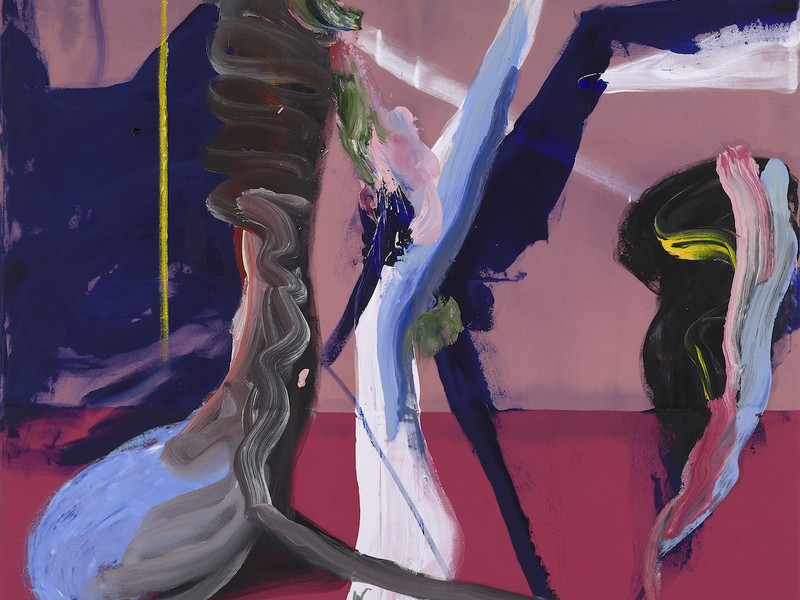
Abstract yet simple, his paintings are distinct in their unruliness—Orthodox imagery blurs with cartoons of his friends boxing, agricultural equipment and The North Face. They look like the result of Ivan Aivazovsky and Robert Rauschenberg, as commissioned by the ATL Twins.
What’s more is, Koshkosh is transparent. On Instagram, he shares everything from what he’s thinking, to who he’s looking at, offering up a refreshing dose of authenticity and honesty in a part of the world where rampant corruption is still the norm, not the exception. That combination—of curiosity, thoughtfulness and a no fucks attitude—as well as his ever-expanding artistic process, has made Koshkosh one of Russia’s most exciting new artists.
office had the chance to sit down with him in the Ukrainian city of Kiev, where he’s currently working. Fresh off a collaboration with Russian streetwear brand Volchok, and a solo exhibition at Moscow’s ART4, he walked us through his temporary studio and talked graffitti, Gosha Rubchinskiy and making art in war.
What you have been up to recently?
I moved from Mariupol, Ukraine to Russia three years ago when I was 20-years-old. I had to move because of the war. My parents got jobs in Moscow, so we went there. At the beginning, I was mainly taking pictures and publishing a magazine. Now, I’m painting. Back in Mariupol, I was mostly doing graffiti—not like the American style, the work was much more wild. I wanted to get some feelings from people—to create emotional reactions.
I was going to ask about the graffiti in relation to your paintings, which have such an immediacy to them. All of your work does.
From my childhood, I’ve always tried to be different from other people. It’s very important for me to move quickly.
Were you part of a community of graffiti writers or were you doing it by yourself?
It was all friends. We were doing this together, thinking in the same way.
And are a lot of them still doing graffiti?
Yes, they’re still putting their signatures on everything.
Your work covers a huge range of subject matter—sports, religion, fashion, even a little bit of politics. Where do you find your inspiration?
I paint everything that surrounds me. Religion is very present here, and I went to church a lot when I was growing up. So, it’s in my mind. I want to show what’s happening and deal with subjects that people see every day.
Religion isn’t part of daily life for me in the States, but here in Ukraine, I get the feeling that the church has a major presence. I imagine it’s similar in Russia.
One time, in Moscow, I was crossing the bridge and saw a huge crowd lining up to go to church. It made a huge impression on me, seeing them lined up to bow in front of dead saints and kiss their pictures.
You incorporate some familiar symbols in your work, as well. There are a few symbols that appear over and over again—birds, spiders, snakes, crosses. It’s almost like you have a secret vocabulary.
Yes, maybe.
We’re living in a moment where there’s suddenly a big interest amongst Western audiences in Eastern European arts and culture. I’m thinking about things like Gosha Rubchinskiy and the Garage Museum of Contemporary Art, but also the likes of KM20 and Mystetskyi Art Arsenal here in Kiev.
That’s true. But unfortunately, contemporary artists from Europe and the States are rarely on view here, despite the fact that there is huge interest—especially in the 14 to 30 year old age range. People are searching on Instagram, but they aren’t seeing it in person. What we can see here was already trendy five years ago. I’d like to be an artist they can watch and learn from.
You could make the argument that since Ukrainians and Russians aren’t seeing a lot of Western contemporary art here on the ground, there is more freedom to create your own style. But do you feel trapped by the more limited scene?
Sure, but I feel like as a byproduct, a lot of people here in Kiev and Moscow aren’t ready or equipped to create their own style. The galleries are like fifty years behind.
A lot of people in the States are aware of the tension in the Eastern border regions of Ukraine, but only in a shallow way, as a press headline. So, I’m curious—how does that socio-political situation influence your practice?
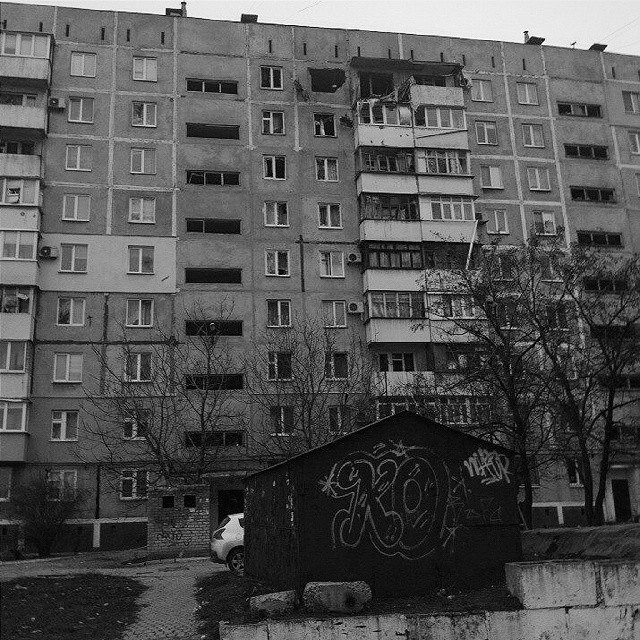
It’s totally changed everything. I used to live in a building that was shot at and shelled, and the ninth floor was completely bombed out and destroyed. It’s depressing and shocking to walk outside and see dead people. And yet, I don’t let myself feel like a victim.
I found your work through Instagram, which is clearly a big platform for you. I was just looking through some of the hashtags people use when describing your art, and they often add #YoungRussianArtist. But you’re Ukrainian. Does that bother you? Do you feel like you have to set the record straight?
That’s just the Russian spirit. [Kazimir] Malevich was from Kiev, but everyone thinks he’s a Russian artist. Both of us are Ukrainian, but we’re called Russian. And if I move to Berlin, maybe people will call me a German artist.
You seem to use your Instagram kind of like a sketchbook or moodboard. I was particularly fascinated by the pictures you shared of fossils from Ukraine’s National Museum of Natural History.
I like communicating with stuff that is ancient. I’m trying to do the opposite of what’s happening now amongst my peers, which is to focus on commenting on the USSR. Instead, I communicate with nature, biology and the distant past.
Right, and because of that, it’s very hard to place your works in a particular moment in time. You’ve used Balenciaga and Nike symbols—the latter of which you’re now collaborating with, on their new Tech Pack collection—which represent the contemporary, but you also incorporate a ton of references to antiquity. We live in a day and age where there is a 24/7 news cycle, but your paintings provide an antidote to that—they force us to pause and try to untangle them.
Two of the most important industries right now are art and fashion. Back then, visual artists were looking to poetry or literature for inspiration. But now, fashion is the language we’re all speaking.
Besides Nike, what’s next for you?
Right now, I want to make an album with a friend. We want to mix natural sounds like traffic and breaking glass with the piano. But mainly, I would like to move to Europe—especially Berlin. And after that, Los Angeles.
Special thanks to Ksenya Mikhyeyeva and Jana Woodstock.

Tell me about the show.
There’s two parts to it. One is this video installation, it’s a seven-channel video that I shot in 2014 of the house I grew up in in Denver. I found out that my parents were going to sell it. I had lived there for 18 years and they had lived there for almost 40 years at that point, and because of the neighborhood it was in, I basically knew that once they sold it it was going to be destroyed, and it was within a few months of shooting the video.
It looks really new in the video.
I guess it was well taken care of. I asked my parents to get all their stuff out of it as much as possible, and they did, and I helped them. They had recently painted their bedroom, which actually kind of annoyed me at the time. A lot of the other rooms still had marring and other stuff on the walls. But the other section is drawings that are based on photographs that I took of my first boyfriend in high school for his senior yearbook picture, and then I asked my second boyfriend, who’s an artist as well, to draw them. They’re called 'First Love as Drawn by Second Love.'
So your work primarily is video?
I would say that’s kind of the core, but I do a lot of other things, too.
What were you focusing on with this show? Architecture? Is that too obvious?
I like that it makes architecture into a kind of object. But it’s also a meditation on family, love, loss, memory — all those kinds of things. In general, with my work, I often have very personal, autobiographical things within the pieces, but then I treat them in a minimal, almost cold way, in order to flatten them out, in an attempt to make it more accessible to everybody. So, it’s taking very loaded information and loaded material and mashing it up against a minimal form.
I guess you can feel that. Just seeing an empty house gives you that feeling of, 'What happened?'
There’s a lot of suggestion of things that could’ve happened, but there’s not a lot of telling, I think.


Above: 'First Love as Drawn by Second Love (fences and pipes),' 2018, and 'First Love as Drawn by Second Love (public art)', 2018. Both: graphite on paper rendered by Benjamin Kress, acrylic frame, 20.25 x 17.75 inches, photo by Charles Benton.
How do you think the two sections engage with each other?
I think of that boyfriend in relation to this place, this house—it was where my bedroom was where we first got together, my first gay experience. They’re very much connected.
You’ve only ever had the two boyfriends?
No, no, I’ve had other boyfriends, those were just the first two.
Did you have to look up the second one?
No, he lives here in New York. My first boyfriend, we grew up together, we went to middle school and high school together, then went to college together. Then he broke up with me during the first year of college, decided he was straight, has a wife and kid now. We’re still close, but it took a while to get over it. And then I left college—I actually dropped out of undergrad. I don’t know if it was because of him, but I was devastated from the breakup, and just really depressed. I moved here to New York to try and pursue being an artist and then met who would become my second boyfriend, Ben Kress, who did the drawings. I was in awe—I’m still in awe—of his abilities as an artist. I can’t draw like that, I wish I could. So, it was important to me that he made them. When I look at them, I think to myself, 'Yeah, it took me kind of my whole life to get to this place where I’m even able to ask this person to make these as a part of the concept of my show.' It’s all of these relationships—the love and trust that worked together in order to create that, and I feel really happy about them because of that.
It’s almost like your whole life is this show.
That’s interesting—it is kind of like that! I keep telling people, it took me 41 years to make this show—and I’m 41 years old.
When did you move to New York—when did all of this occur?
I moved to New York in ’98. So, those portraits were shot in ’95, for our senior yearbook.


Above: Installation views, 'With You… Me,' 2018 at JTT.
It looks '90s, the things he’s wearing. What's that screen I'm looking at?
Those are glow-in-the-dark stars that I hung very meticulously on my bedroom ceiling as a child, and when I went back to shoot the house I found them there, and was amazed that they were still working.
What's this ambient noise I'm hearing?
This is pink noise, which is different than white noise. It’s lower than white noise. White noise, I think, is all the tones together, and pink noise has a lower register. I’ve always liked the sound of it and I was trying to figure out what, if any, sound I would use for this piece. There wasn’t sound in it for a long time when I was working on it. But when things are totally silent, it’s actually kind of hard to watch the piece, or to focus. It’s almost like the pink noise is similar to the sound of silence, and allows focus. When it’s totally silent you hear every little rustle of your clothes, things moving around, whatever. I always liked listening to pink noise, and I looked it up and it’s actually the sound that occurs most frequently in nature—our hearts make it, planets moving make it, electronics make it, different insects make it. So, it’s actually kind of this life force sound.
Are there other colors of noise?
There’s brown noise. But also, I love the name of pink noise.
It’s a very subtle nod at gayness.
Being a fag, yeah.
Is all of this information in the press release?
I try to make my press releases like a part of the show—as if they were another work in it. So, the main part of the press release is a correspondence between me and Lucas, who was my first boyfriend.
Oh! I got that email! It was weird—I didn’t really understand what was happening.
That’s probably my doing. We wrote a text that comes after the email, but I’m kind of opposed to doing that. I know people want it, but I sort of like that it’s clearly autobiographical, but that there’s still a lot left unexplained.


Above: 'First Love as Drawn by Second Love (the sun inside him),' 2018 and 'First Love as Drawn by Second Love (industrial stoop),' 2018, both: graphite on paper rendered by Benjamin Kress, photo by Charles Benton.
Cover photo: 'First Love as Drawn by Second Love (fences and pipes),' 2018. All photos courtesy of the artist and JTT Gallery.
'With Me... You,' will be on view ay JTT Gallery through October 21.