Vulvatious

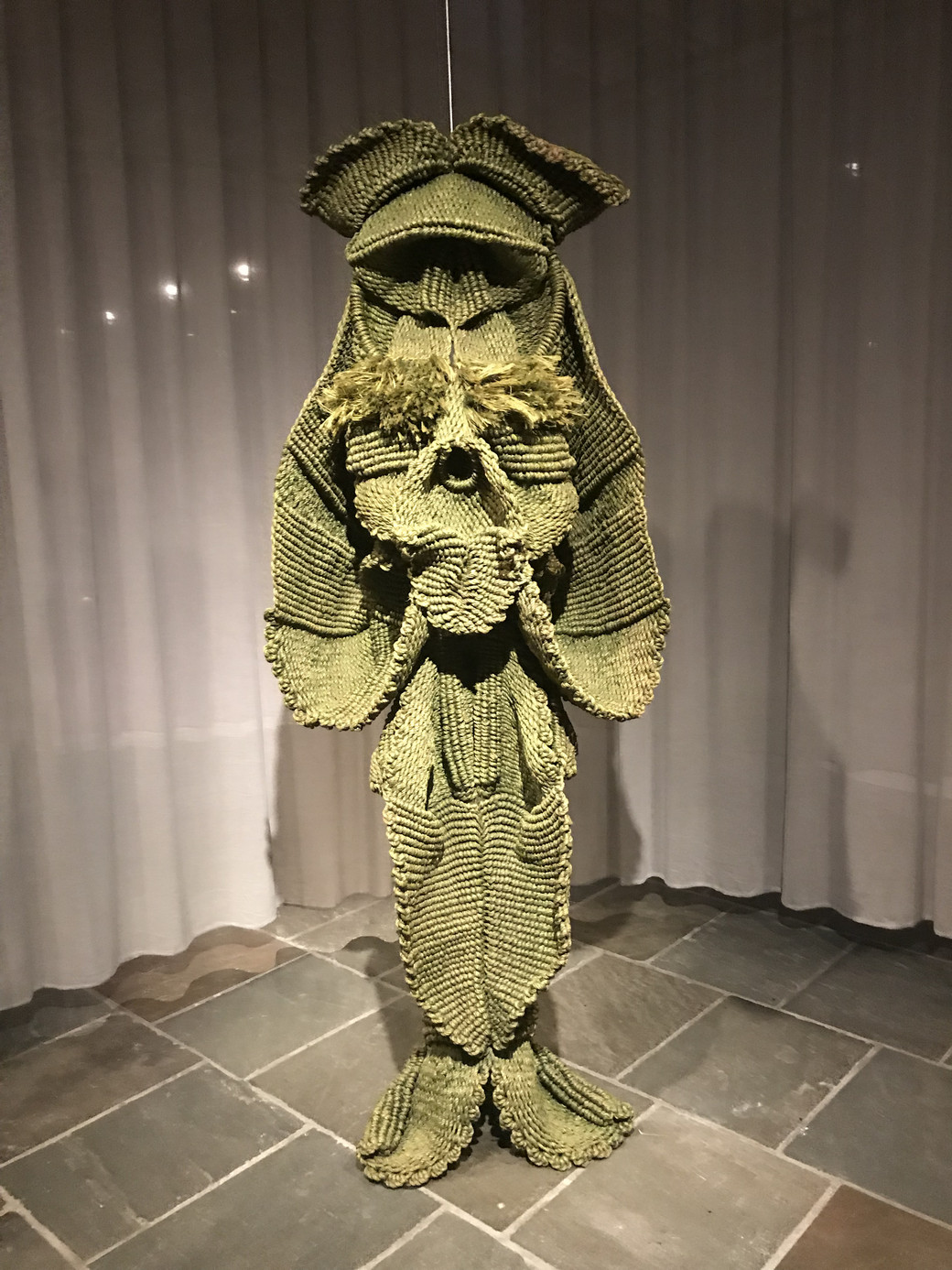
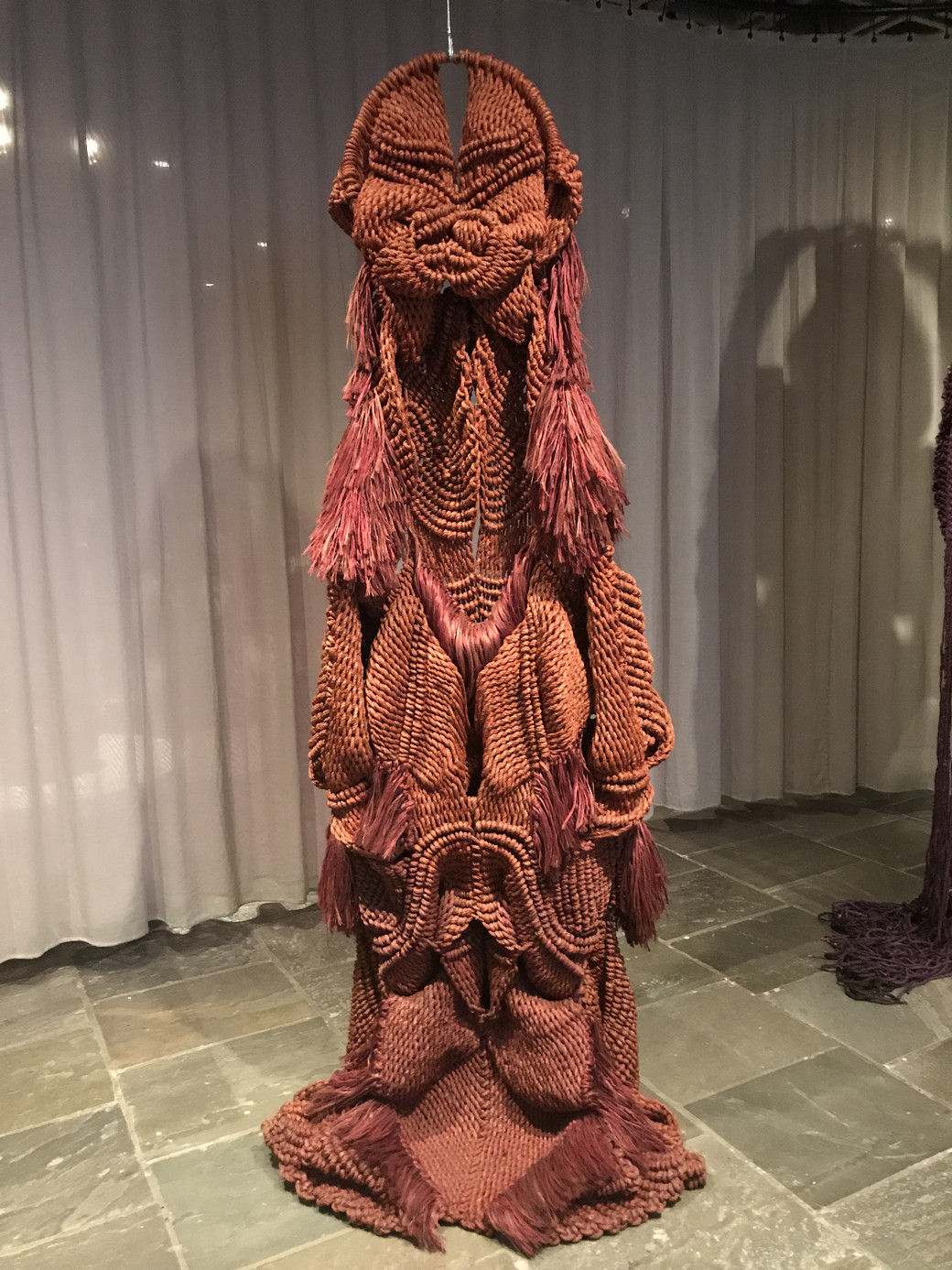
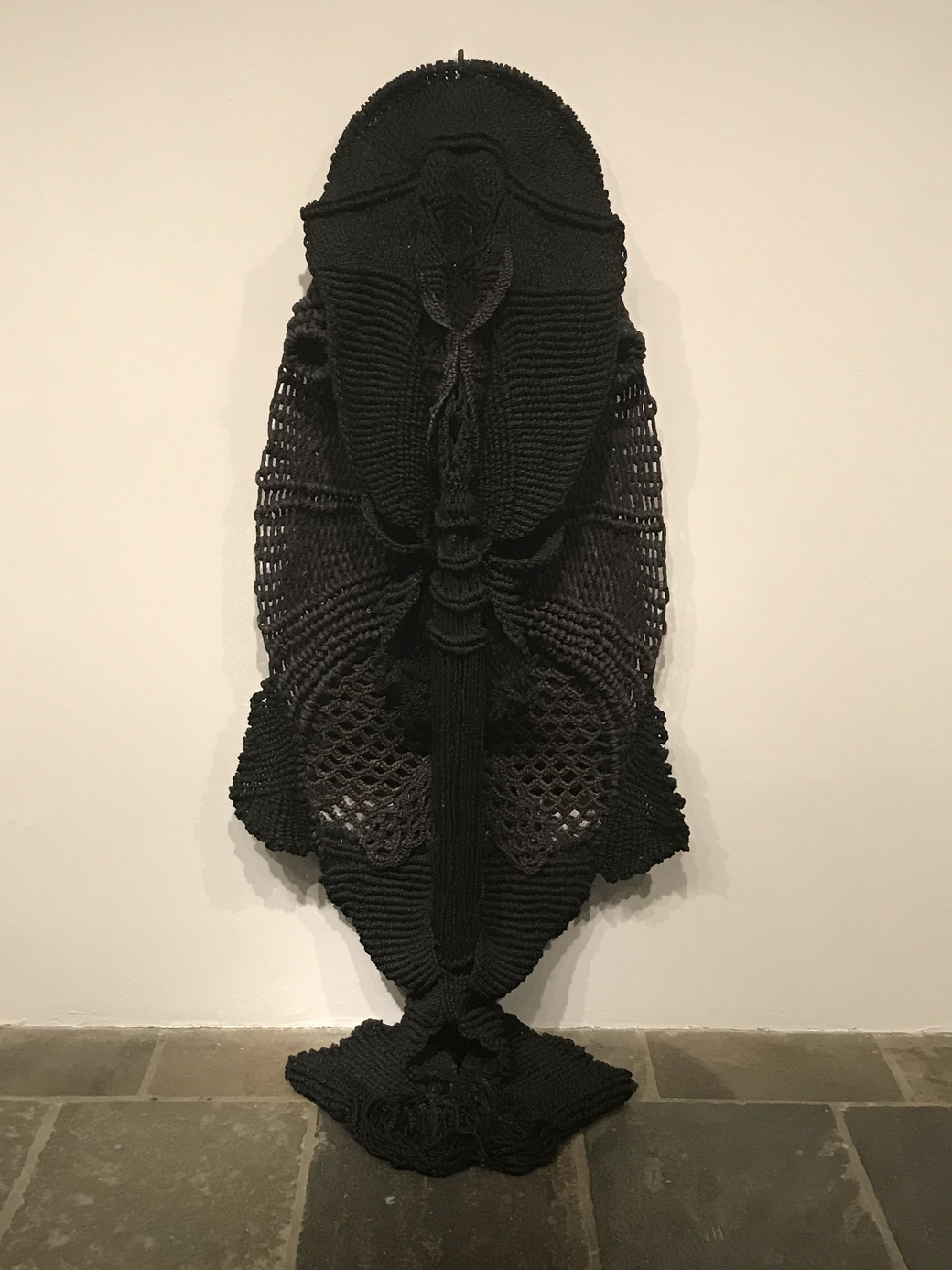
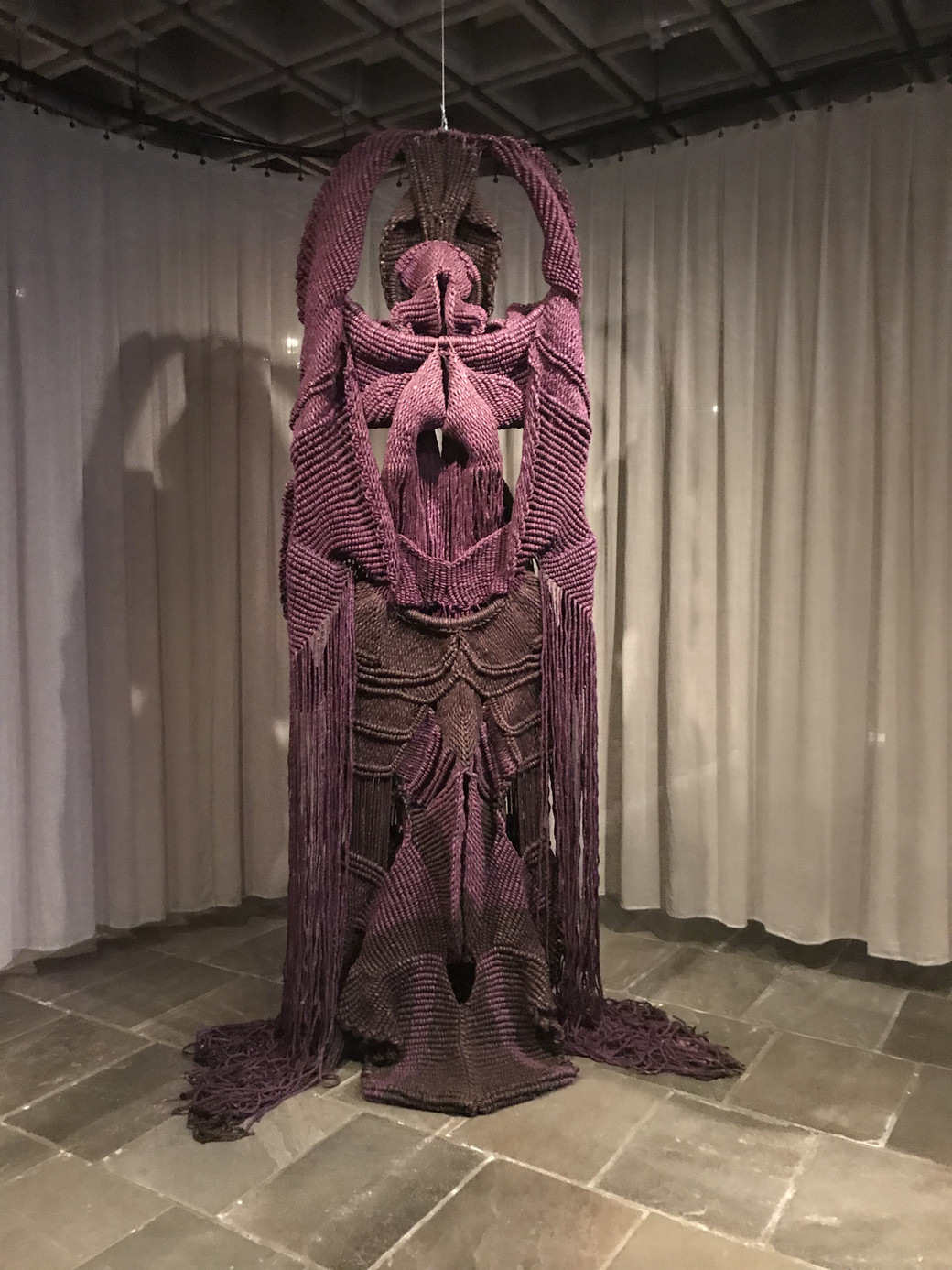
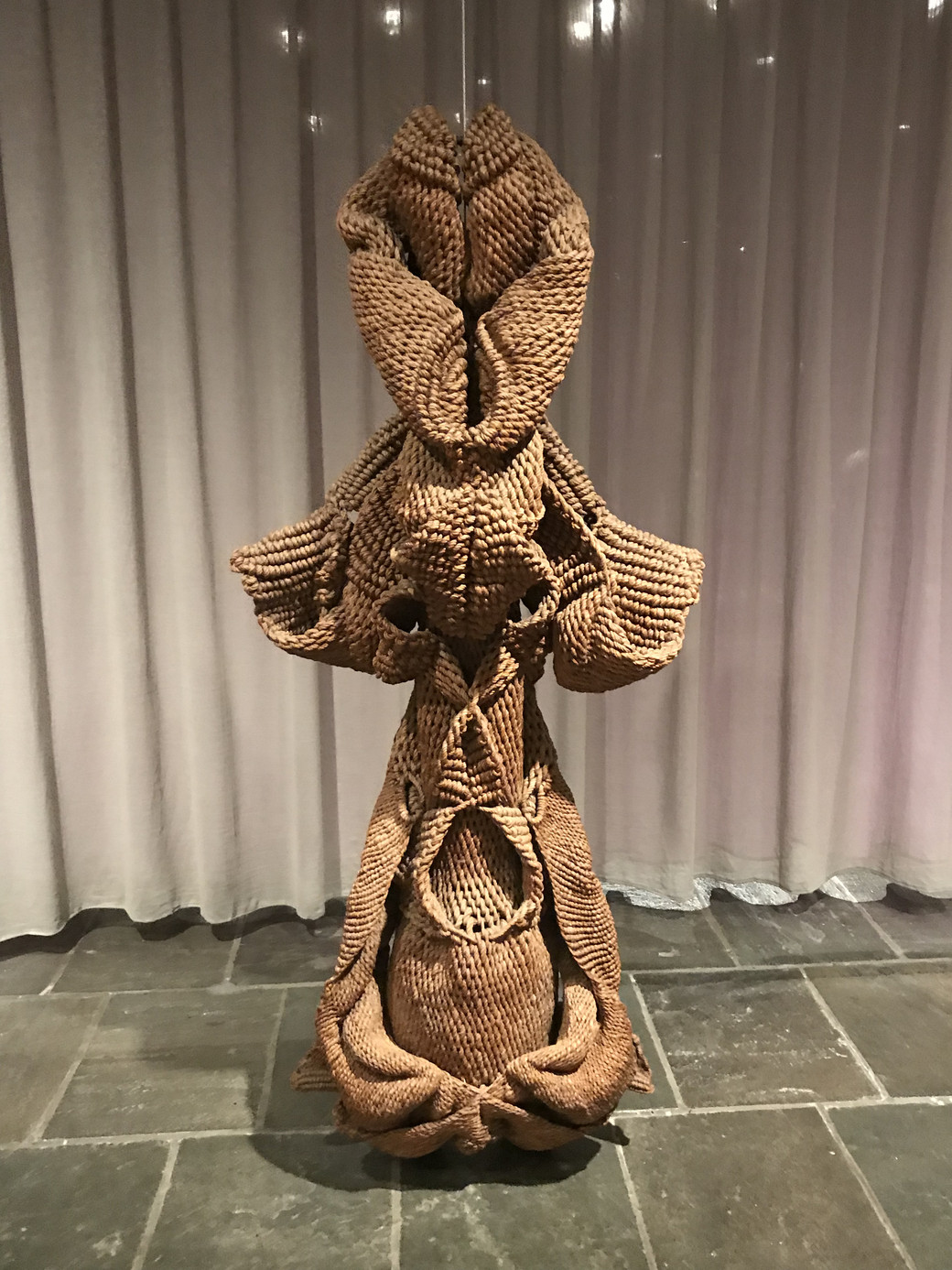
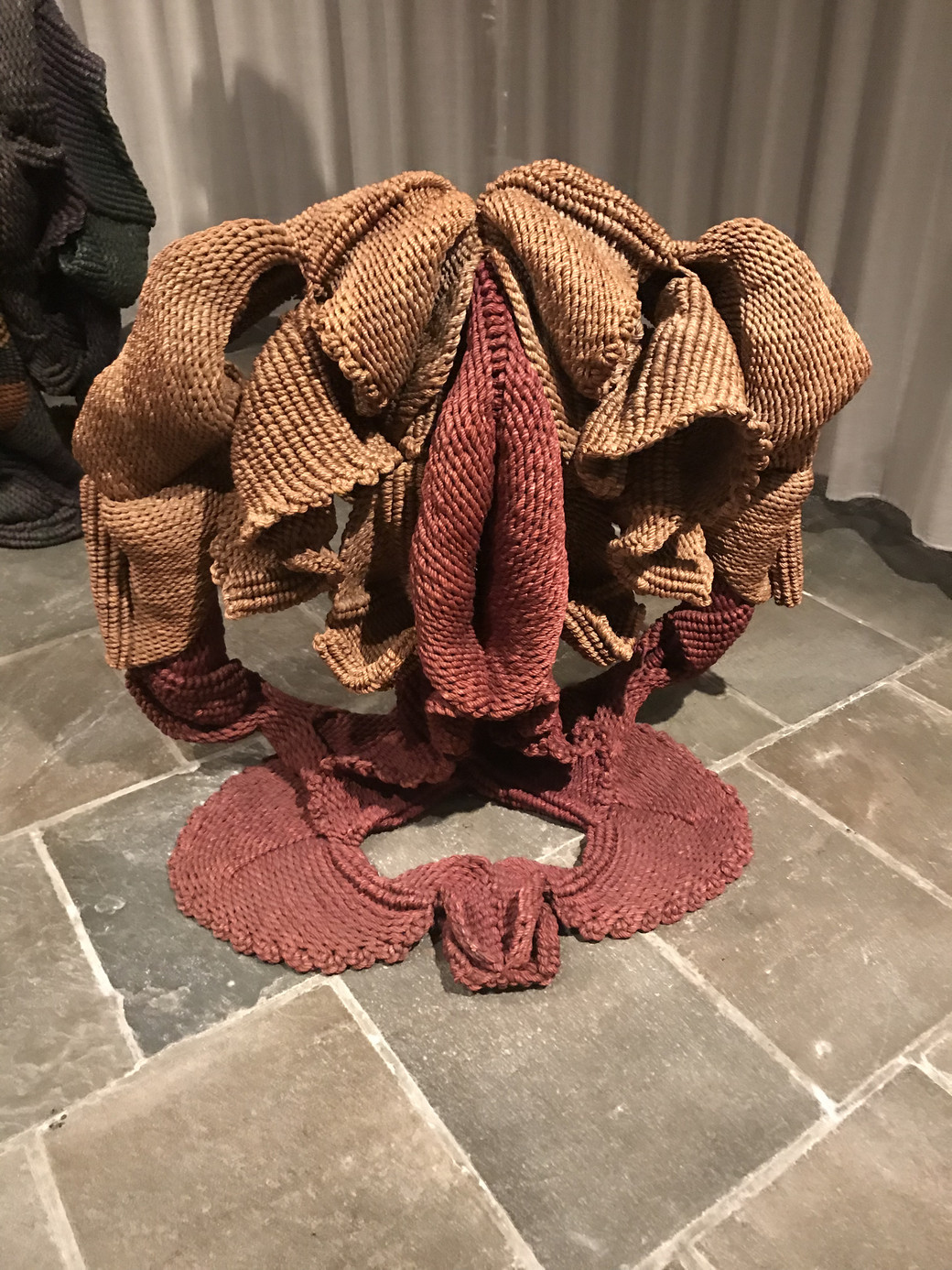
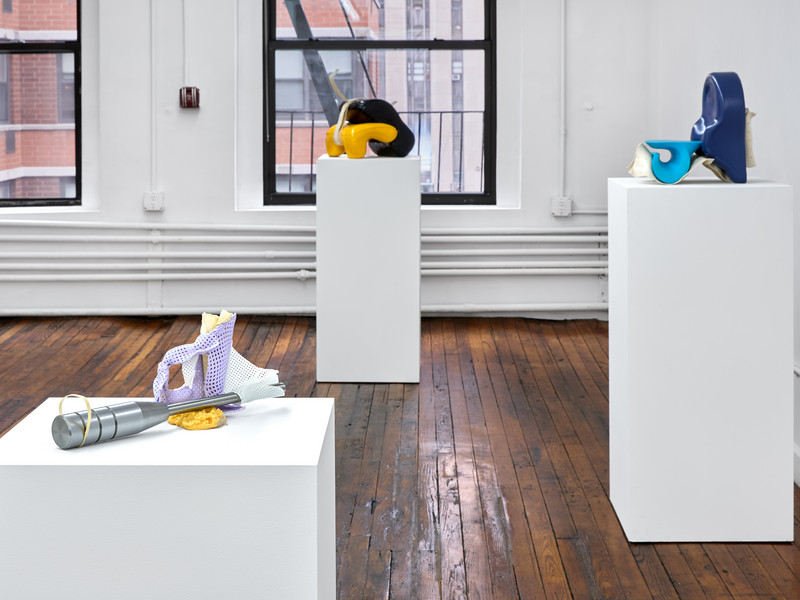
"Phenomenal Nature: Mrinalini Mukherjee" is on view at the Met Breuer through September 29th, 2019.
"Phenomenal Nature: Mrinalini Mukherjee" is on view at the Met Breuer through September 29th, 2019.

Could you tell us a bit about yourself?
I started Zioxla in 2014, and I made the first book when I was living in a small village in France, far away from almost everyone I knew. It was a flora-filled coping mechanism for a lonely expat. I compiled the second book after I moved to Barcelona, living on the 18th floor of a high-rise building without access to many plants (except for a cactus I precariously brought with me from France). I craved more interaction with plants, and so Strange Plants III was born.
Is there a connection between all three books?
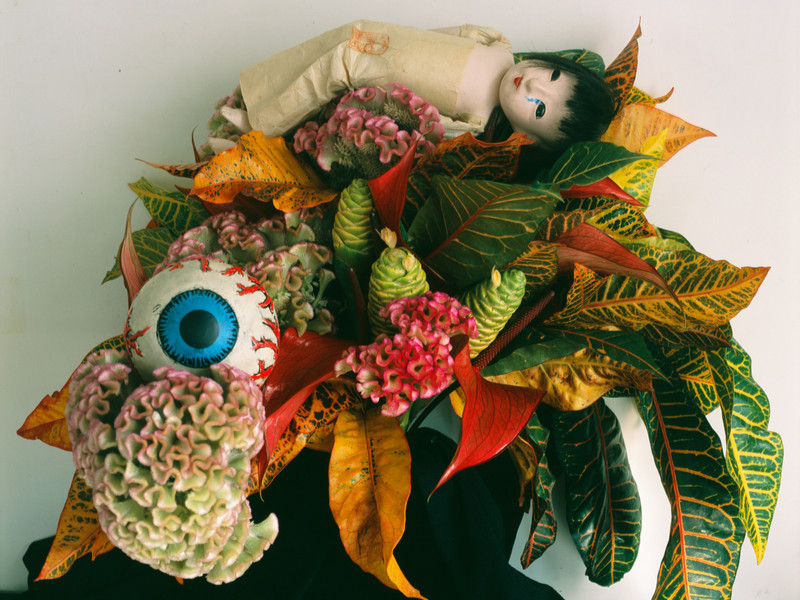
All three books investigate what artists think about plants and how they portray or interpret them in their work. But I suppose the connection is also my personal taste. I curate the books much in the same way a gardener selects plants and flowers — choosing favorites with a focus on variety. In the “Petals” section, for example, for which 15 tattoo artists created a piece of flash, I chose artists I would personally get tattooed by, across styles. The Magic Rosa, Charline Bataille, Fuzi Uvtpk and Soto Gang, among others, contributed one-of-kind designs, ranging from a big-breasted poodle with flowers in its fur to a Doberman wearing a daisy wreath.


What makes Strange Plants III unique from the first and second collection?
I made Strange Plants III in the California harbor town where I grew up. For this book, I had to find another way to push myself out of my comfort zone, as living in Europe had done before. So I included more artists than ever — 50 appear in this book — most of whom I have not worked with before.
What inspires you to continue to focus on nature?
The aim of Strange Plants III is to continue the compelling conversations about how we perceive and interpret both the bizarre and beautiful sides of art and nature. Since the release of the first book, a community of like-minded, inquisitive and creative people has grown up around these conversations, and I hope this community will expand with the publication of this book.
What is the relation between each artist and their chosen piece of nature? What is the significance in the correlation between the artist, the medium they use and its representation?
It’s different for every artist — each is drawn to different plants in the same way that they’re drawn to different mediums. And the plants symbolize different things in each artist’s work as well: For example, in Martin Basher’s paintings, palm trees and birds of paradise represent the excesses of consumerism. Othelo Gervacio uses his delicate compositions to question the ambiguous nature of flowers as gifts. Margo Wolowiec’s glitchy textiles of roses sourced from Instagram reflect the conflicts of digital culture.
What’s your favorite plant?
That’s such a tough question. I’m definitely on the anthurium bandwagon. I love its waxiness and heart shape, and its phallic spadix makes it sort of sexy. Water lilies have always been a favorite too, and Marilyn Mugot’s dreamlike photos of them made me even more obsessed. And the weirdly gigantic, foul-smelling corpse flower is also a fave, which Megan Marrin captured perfectly in her large-scale paintings.


Which collection within the book speaks to you most?
That’s another hard one. I only include works and series that speak to me in some way. But I love how Sojourner Truth Parsons series is about the emotions she attached to a garden outside her therapist’s office. I love how open she was about that, and that she channeled her feelings into these intensely beautiful paintings of water falling on roses. In a much smaller way, I did that with the first Strange Plants book. I transformed my loneliness and depression into a book. I like when people can admit to being fucked up and, at the same time, do something with it.
If you could live anywhere in the world, where would it be?
There’s a ton of places I’d like to live — from Cannon Beach in Oregon to Athens, Greece. But right now I’d love to have a little mid-century house in the desert surrounded by tangled and misshapen cactuses.
Can we expect a Strange Plants IV?
There was never supposed to be a Strange Plants III. Or even a Strange Plants II. But the first book prompted a second, and then the second book inspired a response. So, my answer is probably not. But that’s what I said about Strange Plants II and III, too.
Strange Plants III is out July 1.

After moving to the U.S. in 2011, she searched for a sense of belonging by photographing strangers she met on the streets. The images, like the people in them, don’t have much in common — they’re shot in different locations, over the course of many years and rarely include the same subject. But there is one thing they all share: Tomanova shot them, and in doing so, captured the intoxicating energy of today’s youth in New York City. This is Tomanova’s America. It’s diverse, it’s gritty and at times, angry, but with a palpable sense of hope for the future.
A few days before the opening of Young American, we caught up with the artist to discuss her work.
Tell me about Young American.
I’ve been shooting these portraits for a couple of years now. I guess it all started when I moved to New York City. My second week here, I saw Francesca Woodman’s show, which was basically the start of my photography career, because she really inspired me to take pictures. I started with self-portraits, but on the side, I was shooting all of these beautiful, young people I was meeting in the city. I realized I had a ton of these intimate portraits where I really managed to connect with the person, so I decided to put them into a show. It’s called “Young American” because all of these people represent what it means to me, to be a young American. As an immigrant who came to the United States, I was just really naive about what America was actually like. Once I came here, I realized it was totally different than I had imagined and it took me awhile to really carve out my own space here. But that’s the greatest thing about New York — everybody will eventually find their own people here. Taking these photos was really the way that I found mine. I’d spend a few hours with someone, shooting them, asking what their dreams were, and why they came to New York, just letting them tell me their stories.
Because of all of that, the photos themselves are incredibly intimate. They’re all close-up portraits and in a way, I think they show that we’re all the same. We’re all just humans who have dreams.


I know you have a background in painting. Does that affect how you approach your work?
The biggest struggle I had in the beginning was just timing. I used to paint one piece for a month, then move onto the next one. But with photography, I would take 500 pictures in an hour and be like, ‘Oh my god. How do I choose just one?’ I really struggled with editing down my work. The first couple of years were rough because I really didn’t have a process.
What do you think it is about photography that allows you to express yourself in a way painting didn’t allow?
It’s just the fact that I can shoot anybody I meet and really capture them in their own way. Like, I’ll meet people at openings, or on the subway, or I’ll see somebody I want to shoot on Instagram, and what photography does is allow me to actually create a real connection with them, and capture that in the photo.


I know most of your previous work has been self-portraiture. How did the process of shooting these images — of other people — compare to capturing yourself?
My self-portraits have been a lot about realizing who I am and that I am here, in the United States, and coming to terms with that. It was really a journey of discovery when it came to my identity and displacement. It was tough, sitting on a plane one day, leaving the Czech Republic and never going back. Then I went from a small town in North Carolina where nobody knew me to New York City. It was like starting over completely, where no one could judge me. Being from a small town, everybody sees you a certain way because they’ve known you forever. So, how people see you kind of becomes who you are. But here, I could be whoever I wanted, which was really freeing, but also really confusing, because I had moments where I thought I had lost myself, and didn’t know who I was or where I belonged. Taking self-portraits really helped me to see myself in the landscape and justify that I do belong here, that I can be wherever I want. With these portraits, I’m showing my vision of America and my experience in the United States through images of all these people I’ve met that reflect who I am. In a lot of ways, though, thy almost feels like self-portraits, because through them is my idea of America, the America I like and the America in which I feel I belong. That’s very important to me — to actually feel like I have a place here. So, looking at these people and their portraits I feel like, ‘Yes, I can relate to this. This is my America.’


Most of your self-portraits are in the nude. These photos don’t showcase nudity. Was that a conscious decision?
Honestly, it started because I was working as an au pair when I was in North Carolina, and I would take photos in the morning, or whenever I had time. So, I didn’t want to waste any trying to think of what to wear.
I really loved the performance aspect of shooting myself. I’d put down a tripod and find places to take photos. Nature here in the United States is so different than what I was used to at home, and it really amazed me — the smell of the soil, the texture of the moss. You experience it and feel it on your body. So, I really enjoyed walking around and climbing trees, seeing and touching all of these things I’d never seen before. But it also brought me back to my childhood growing up in the countryside, spending time on the vineyard or in a field. Even though I was in the United States, I was finding myself through these memories of my youth, and this sort of familiarity in the unknown. There was no room for fashion. It was about the body, and how the body fits, and literally creating space for myself by squeezing between tree branches or a patch of mass. My body became a representation for how I fit into this world, and the relationship between them.
Youth has always been such a fascinating topic for artists. I mean, we have the obvious example of Larry Clark, who has made a career out of documenting youth culture, but so many artists, from musicians to painters, have been inspired by kids. What is it for you that’s so captivating about them?
There’s a certain energy and honesty, and almost a naivety, in the way young people think, and dream. They have such strong beliefs and a real dedication to want to change things. I think that’s incredibly powerful. When you’re young, you’re not afraid, you’re not so cynical yet. You’re ready to change the world. It’s not like they’re going to some 9-to-5 job that they hate, with three kids, just desperate to survive. They still have their whole lives ahead of them, and so much potential.


Right now the whole concept of what is means to be an American is being hotly debated. You have Trump literally stopping people from coming into the country. What has been your experience as an immigrant in the current climate?
I know I’ve struggled a lot with feeling like I belong, and I think it’s so important to make sure everyone feels included. But with Trump right now, he’s making everyone feel the opposite, and it’s really terrifying. I asked my friend what he thinks the biggest shock will be for me when I go back to the Czech Republic because I haven’t been home in seven years, and his answer really resonated with me. He said, ‘I think you will have the hardest time with the lack of diversity’ because 90 percent of Czech people are white. So, before I moved to the U.S., I was never challenged with race questions, and I didn’t understand it for a very long time. That’s again why youth culture is so important — so they can deliver the opposite of what Trump is saying.
What does it mean for you to be ‘American’ then?
I spent my first year in the U.S. in North Carolina, and I just had no idea what I was getting into. I mean, I thought everything there was so big and fast and crazy, then I moved to New York and was like, ‘Okay, this is fast.’ But what I found here that was so important was all these young kids who actually have a voice, and they actually use those voices on social media. All of the important issues we’ve been talking about, like gun control and the #MeToo movement — they bring them up, and they keep bringing them up, until things actually start to change. They are the real America. Not Trump’s America, or corporate America, but the youth that’s here, and very real, and has a voice.
Young American is on display at the Czech Center New York from June 28-August 10.

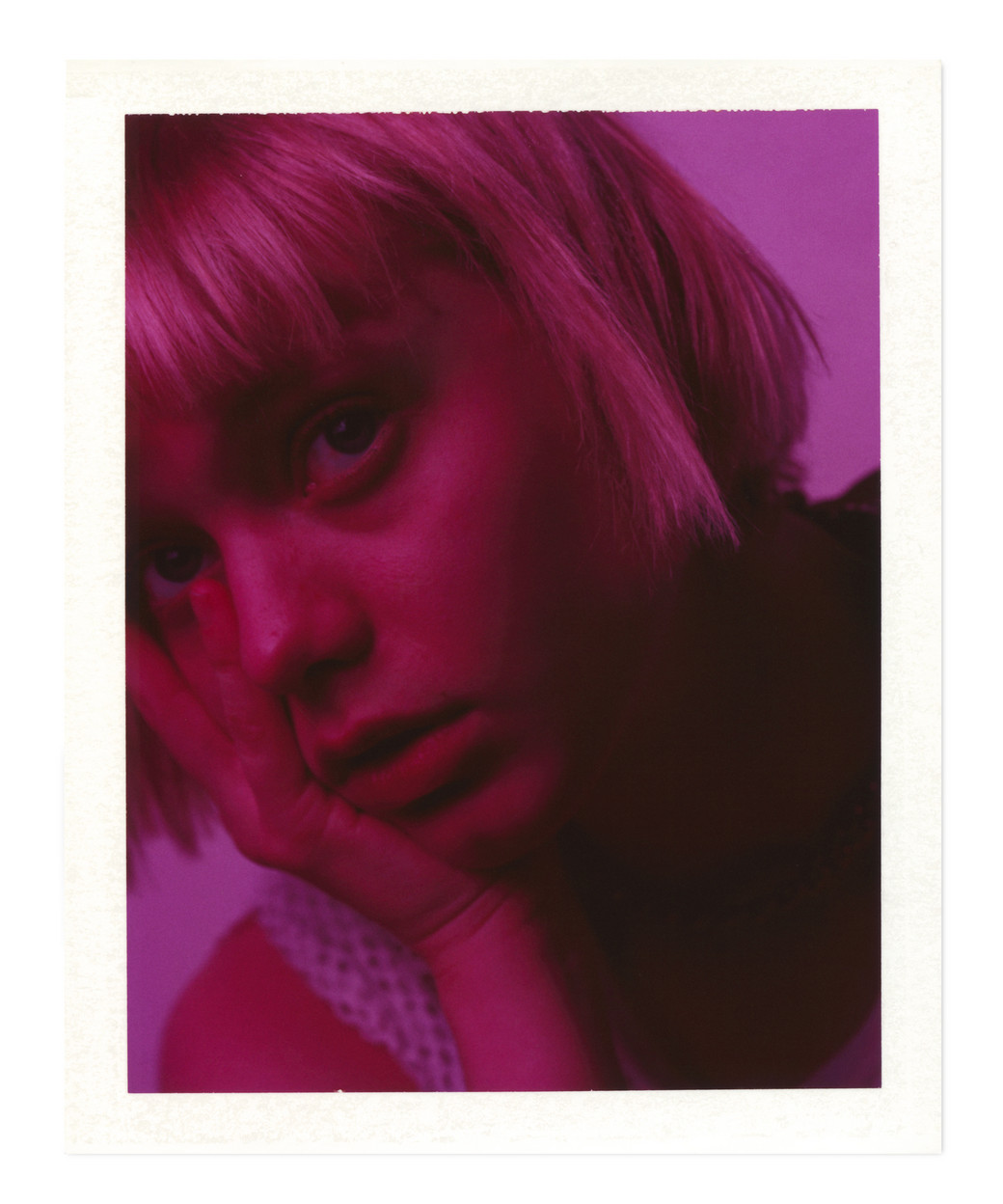
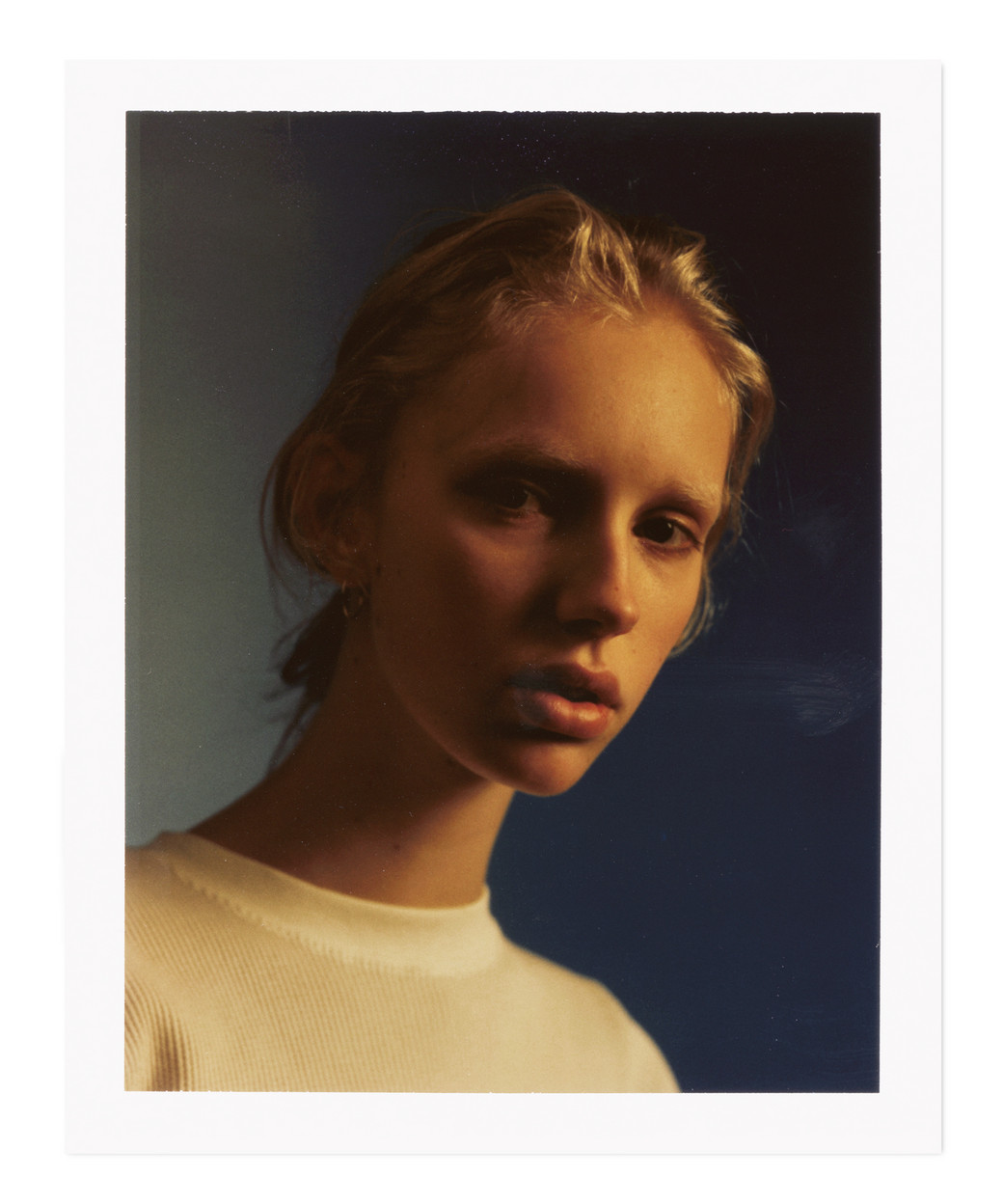
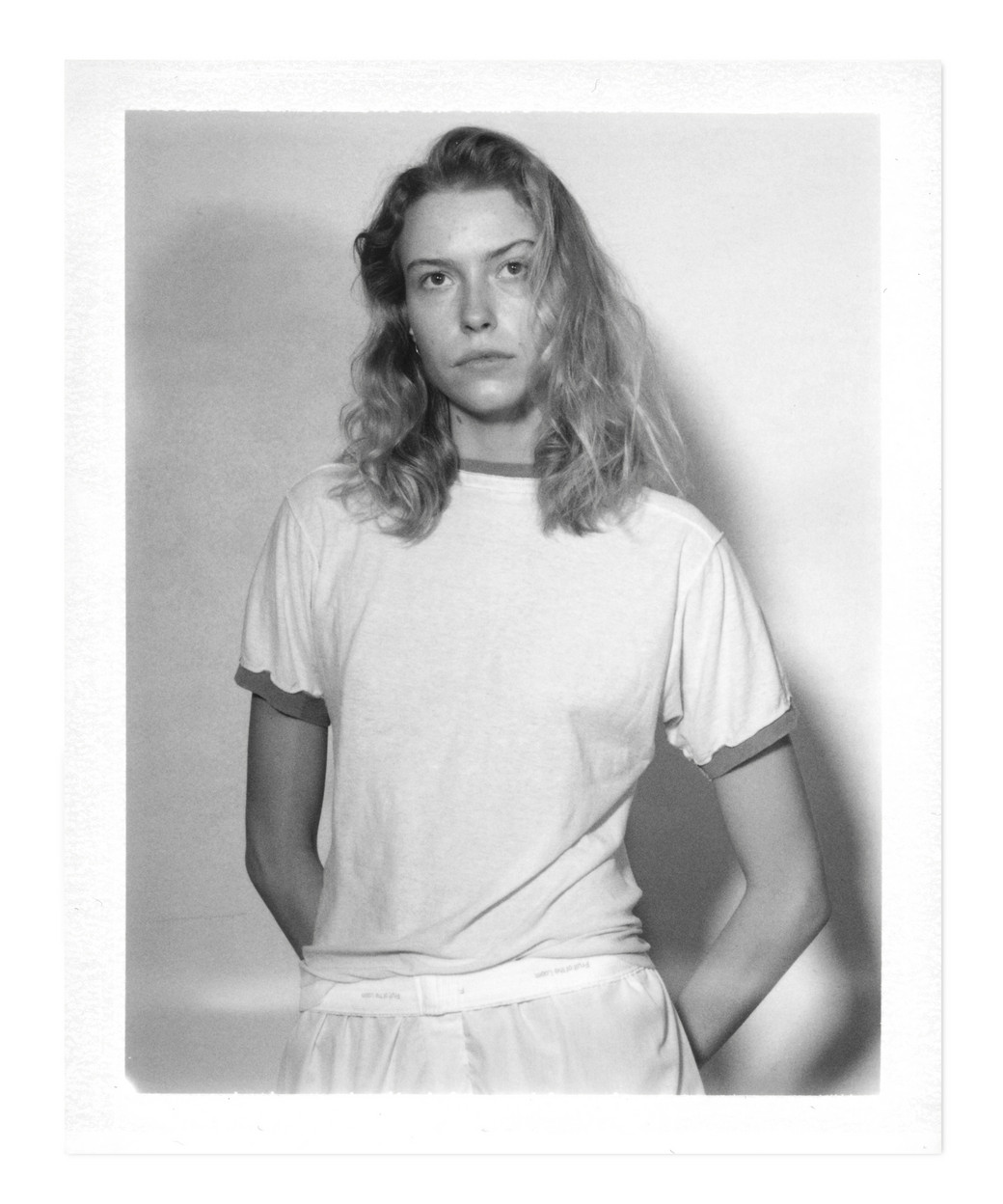
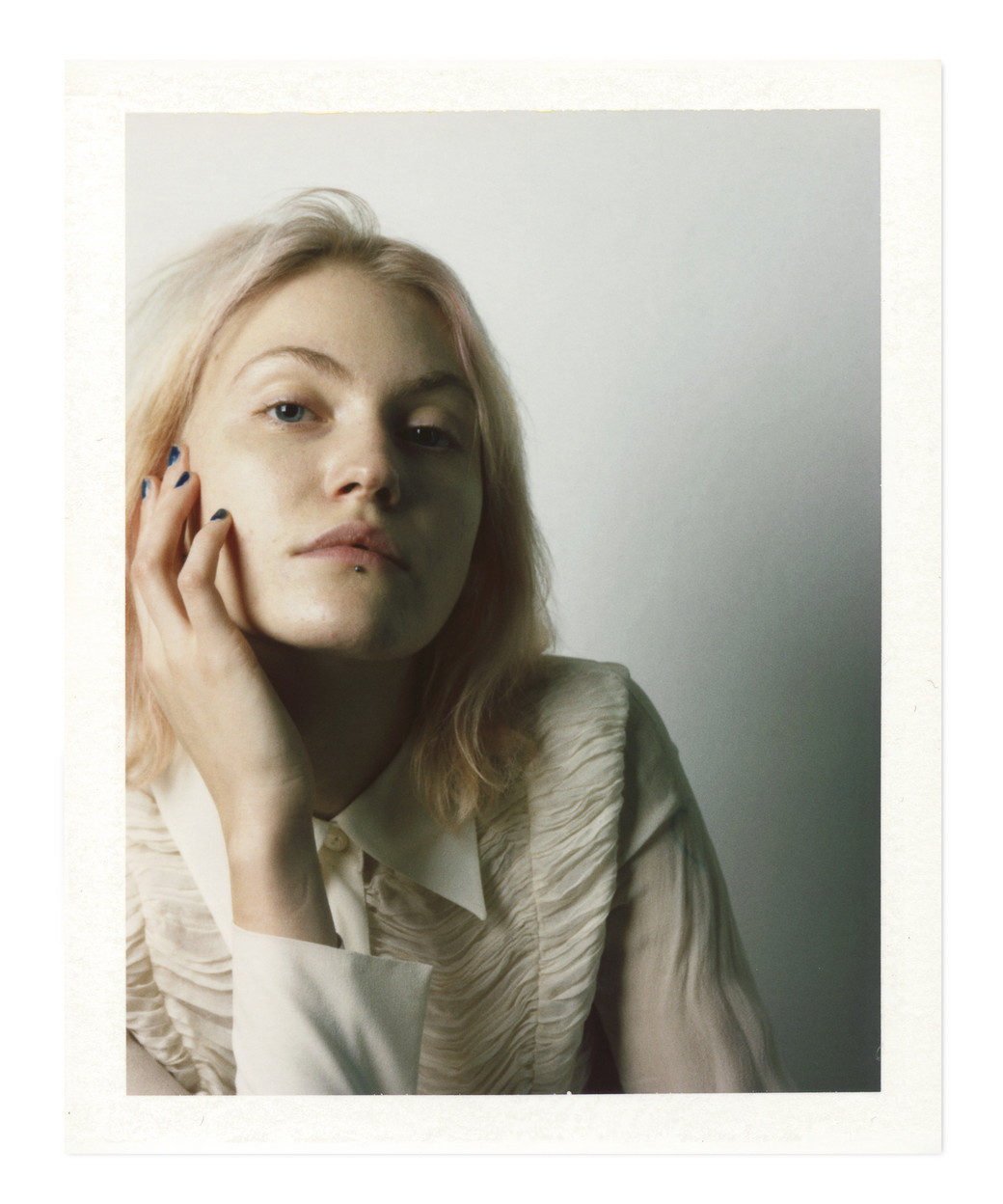
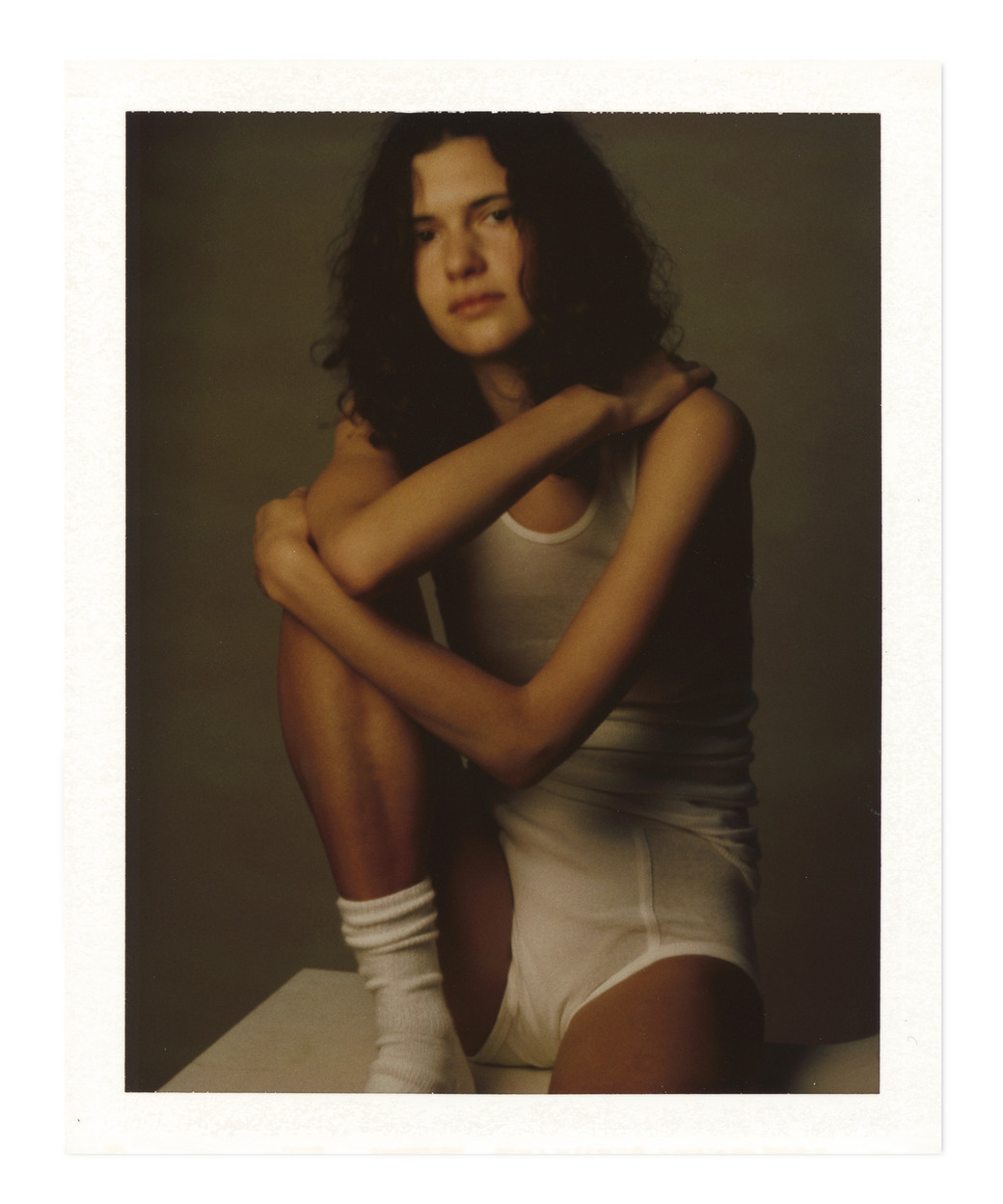
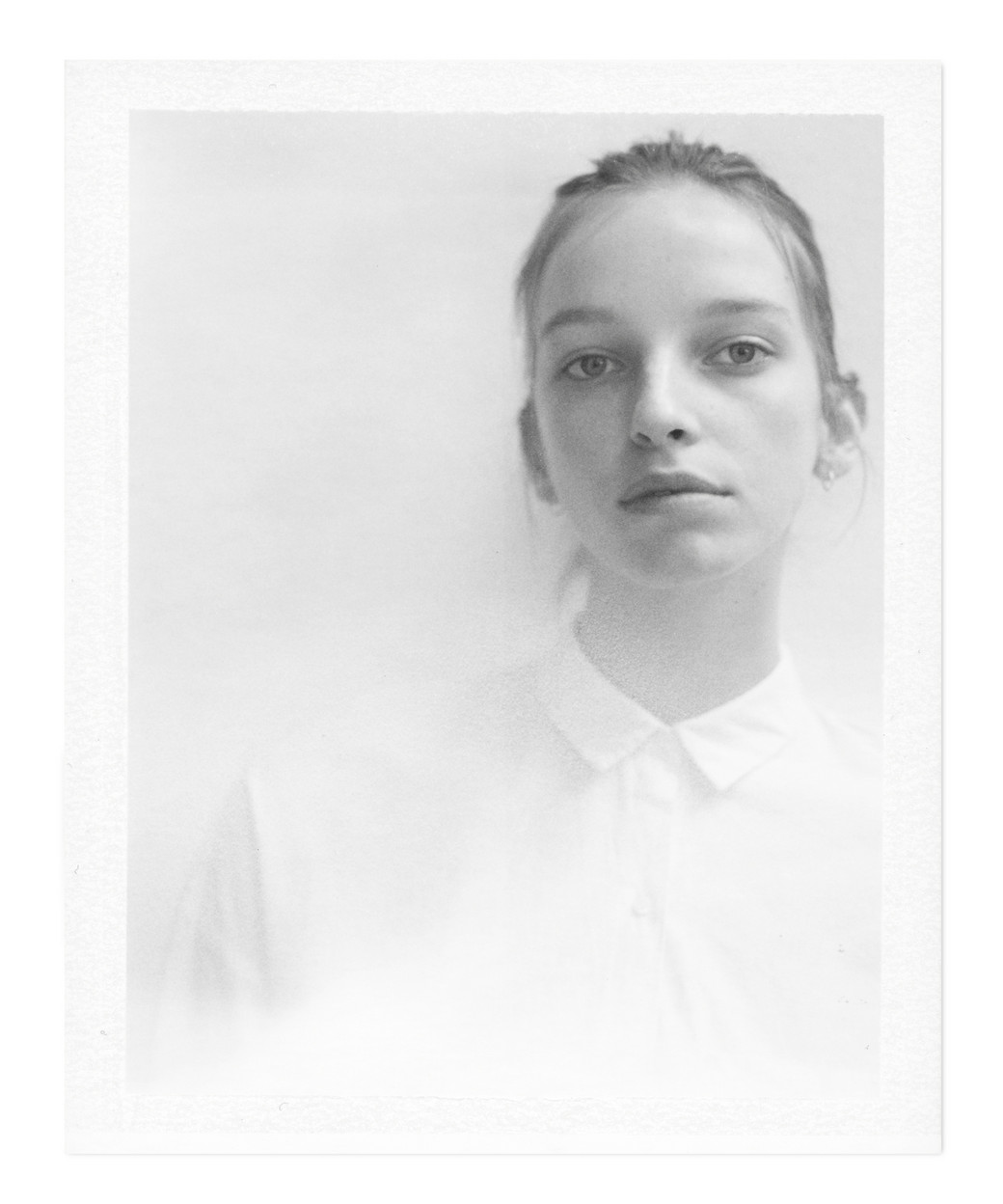
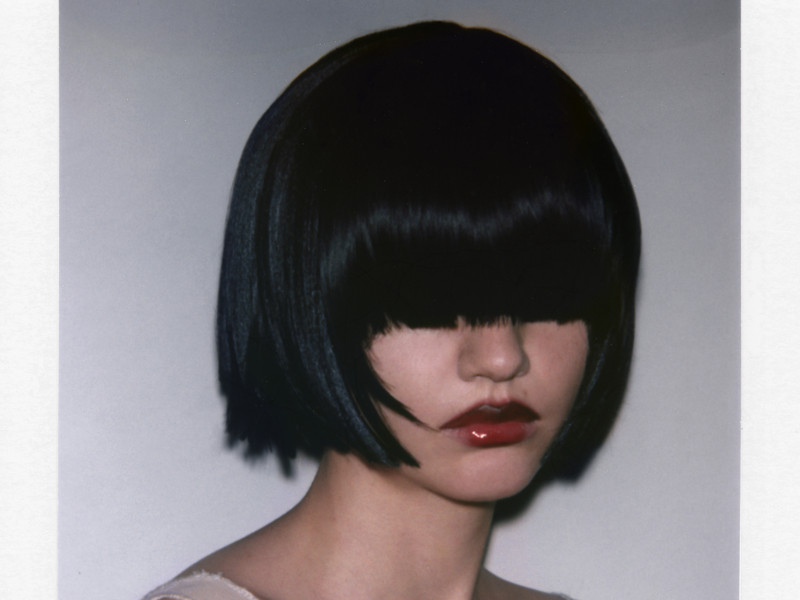
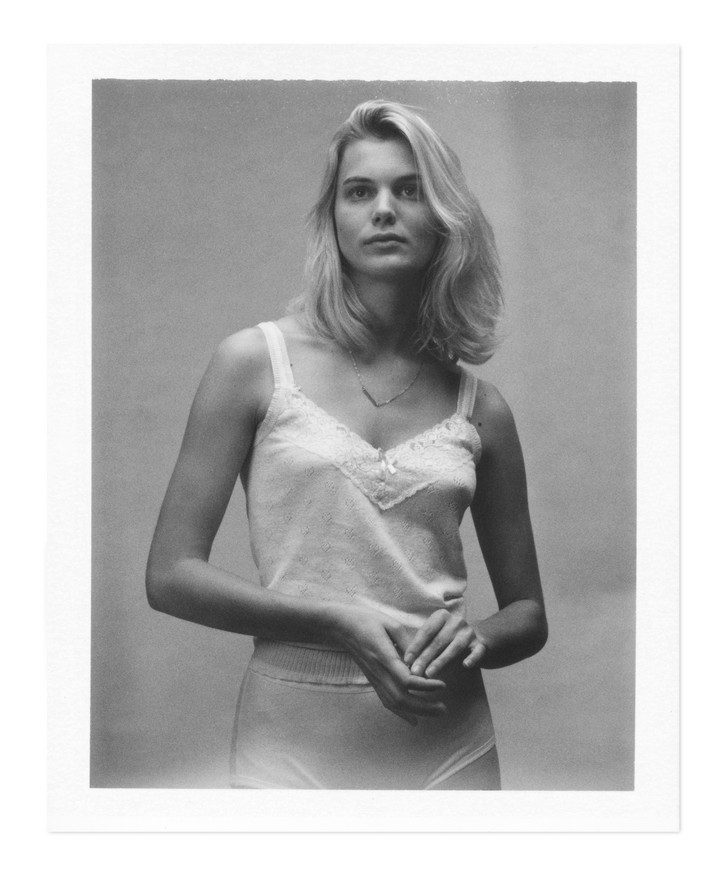
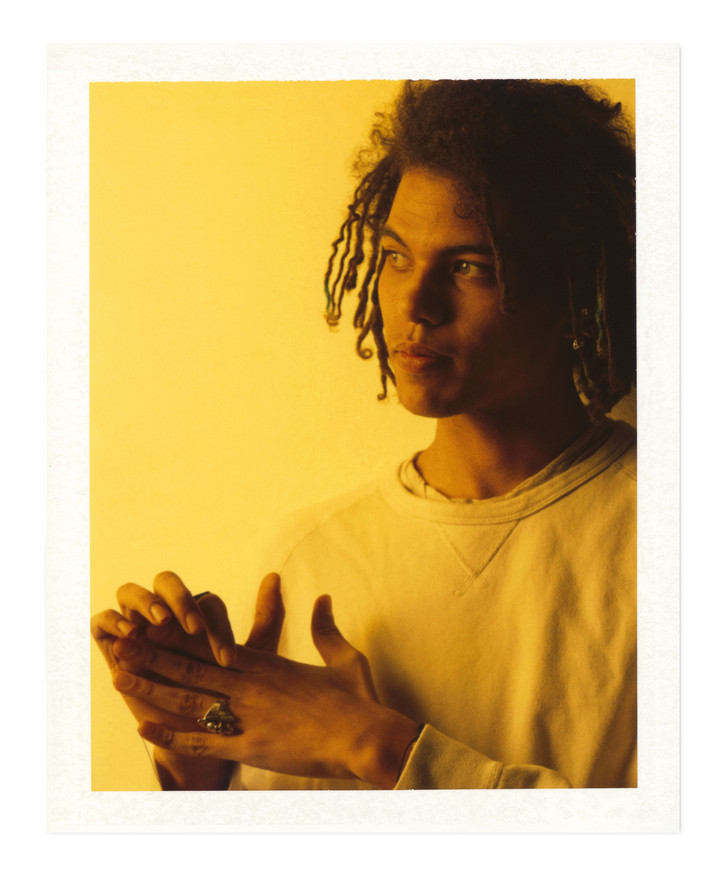
The result is Zeitgeister, a book of portraits whose meaning is contained in more than just its many beautiful faces, some of which you may recognize. Shooting with expired film and a fading medium, Kern proposes the future of photography: young models in all their soulfulness and potential. What it illuminates is the moment where past, present and future collide in energetic dialouge, and while it may mourn a lost practice, Zeitgeister most vehemently shows us that it is who we shoot that drives us foward, not how.
Now, in anticipation of his exclusive office book release and signing, we got a chance to pick the brain behind the book. Read on.
"Zeitgeist" is a German word for "the spirit of time" essentially. How is your book, Zeitgeister, in conversation with that concept?
It actually refers more to the spirit of a specific time, so "the spirit of its time," if you will. The project was shot after Fuji had announced that it would cease production of its large format instant film. I still had a fridge full of it, so I knew I had to do something that could only be done then, at that moment. And so I sat down with my good friend and hair stylist Adam Markarian and we came up with this idea: the last of this film, with talent that is of that time, shot by using technology that is of the past. A meeting of zeitgeists. In German the plural of zeitgeist is Zeitgeister.
In that vein, what was the significance of using expired film for the portraits?
The importance to me was less that the film would soon be expired, but that the technology was fading away. It marked the end of an era! Instant photography is now having a sort of revival, but much like vinyl its price point has raised it to a hobby for the enthusiast or well-off. And for large format photography there really is no replacement in sight and we’re left wondering if there ever will be. There was a magical moment with every picture shot on peel-apart instant film: that peeling of the film, the revelation of your creation, had a sense of ceremony that staring at a screen will never have. I think a little ceremony goes a long way on set.

When you were casting this, what were you looking for?
Adam and I needed help with the casting process and luckily we found a very supportive hand in Beth Dubin. Beth had this wild book of Fuji Instax shots of models and we folded through it looking for a good mix of raw and refined. We were thinking it should be kind of yearbook style, people we’d want to run into on the street with a unique style and spirit. We wanted to shoot it super fast, so we were looking for kids that would come with a strong sense of self.
One thing that sticks out when putting your hands on the book is the unique binding and double leafed pages, why that format?
I feel a book should be a whole piece, and every angle indicative of its content and purpose. So to really bring that point home of large format photography, the level of tedium, craft and manpower it takes to operate one efficiently, I reached out to Steve over at Digital Color Concepts and picked his brain. We found this Japanese binding style which is done by hand and then agreed that we should use a French fold to give it heft and gravitas. Together it came to make this book a really tactile experience.

Can you tell us what drove you to put this in print at all? As opposed to a digital feature.
To create something of this scope, at this aesthetic level, takes a lot of time and patience. I felt it warranted to make a lasting piece. Not to say that digital doesn’t have its place, but digital content is quite disposable. I guess one could say instant photography once was too, but large format instant photography is now a true relic of the past. Pictures shot with this process are bound to be a little more contemplative and static and less prone to the crassness of today’s like-driven imagery. I wanted people to take time with the visuals. Look as these people and also at how the film recorded them. I wanted them to bask in a level of nostalgia.
Hardest thing about the process of producing a book?
After looking at the images for so long, trying many different layouts, then paper stocks, then binding options etc etc, the hardest part is to look at it with fresh eyes. To see it the way an independent person would look at it and not see the strain that went in to making it.
Most rewarding?
The journey of creation is one of learning and I find that to be the best part. I learned a lot about a variety of topics, crafts, and even about myself in making this book and I look forward to applying this newly gained knowledge to my next projects.