Vulvatious

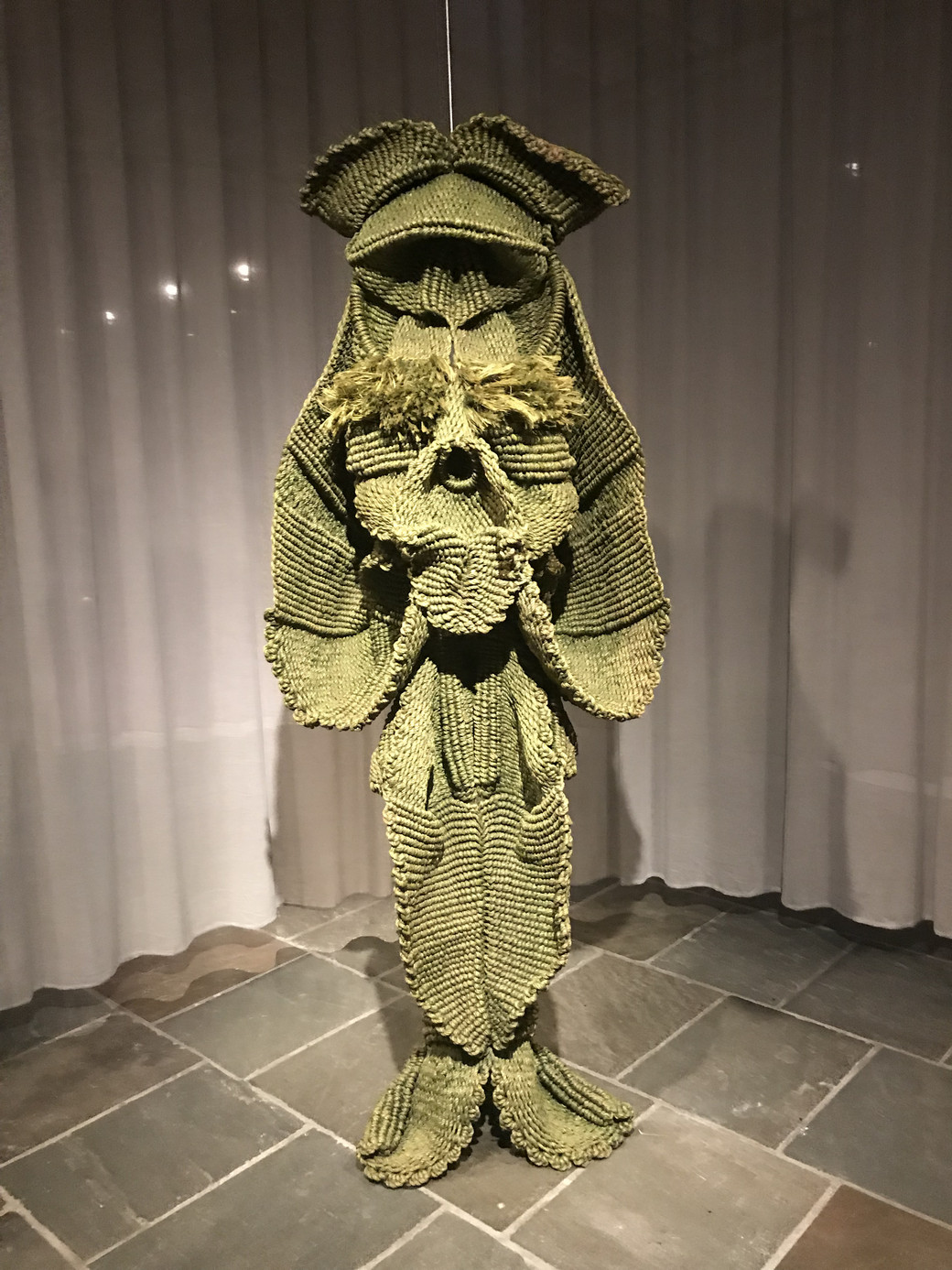
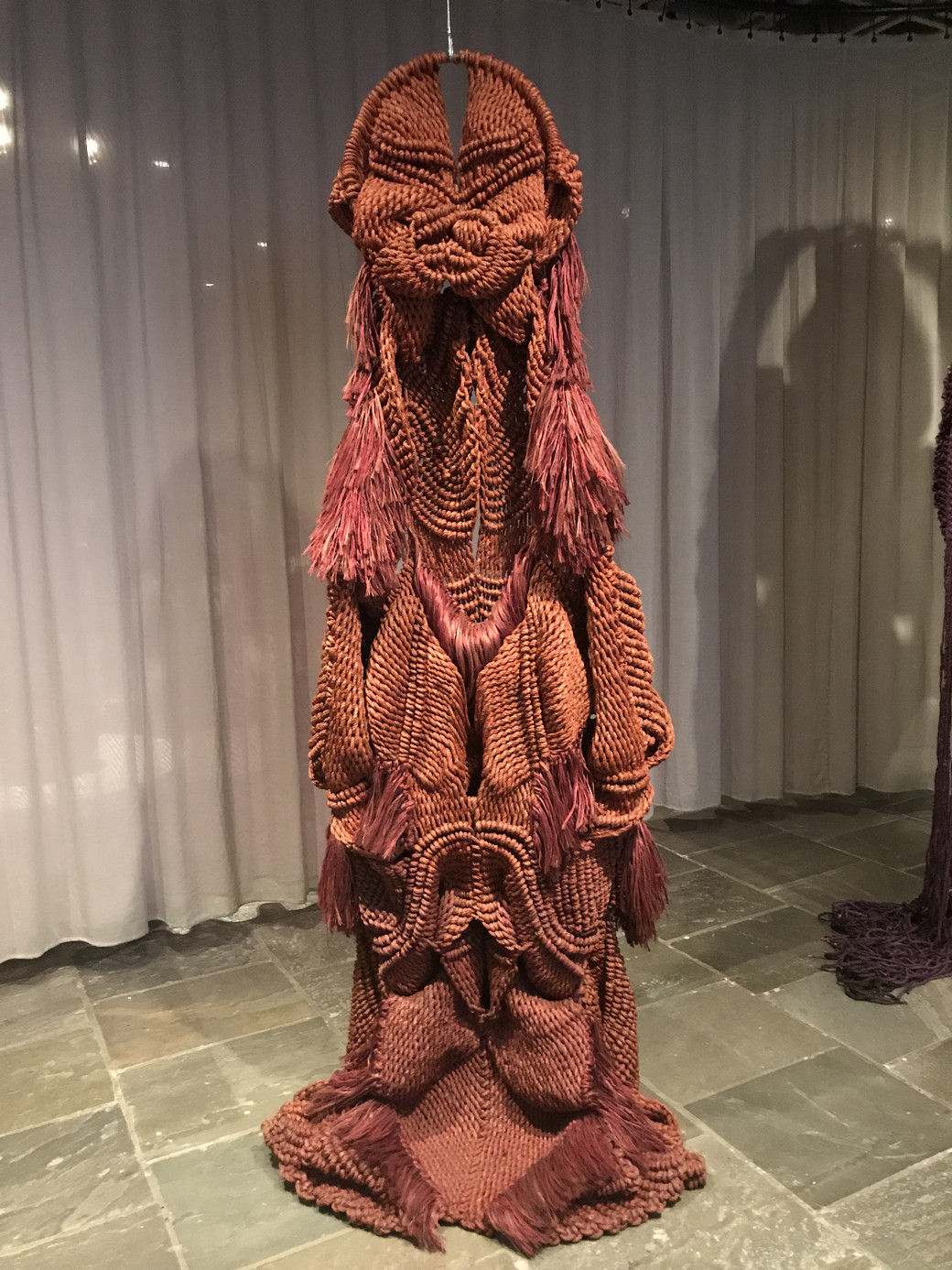
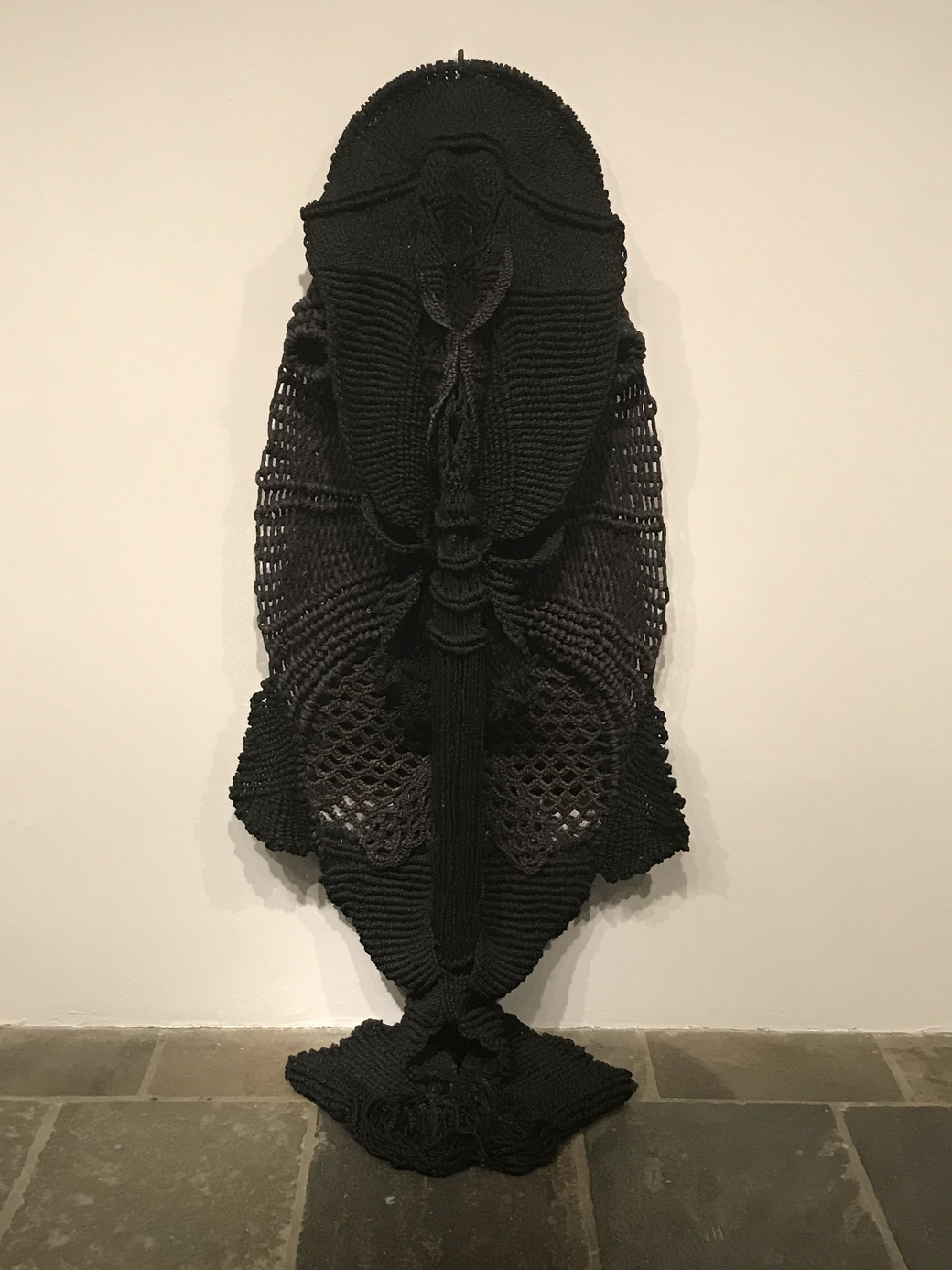
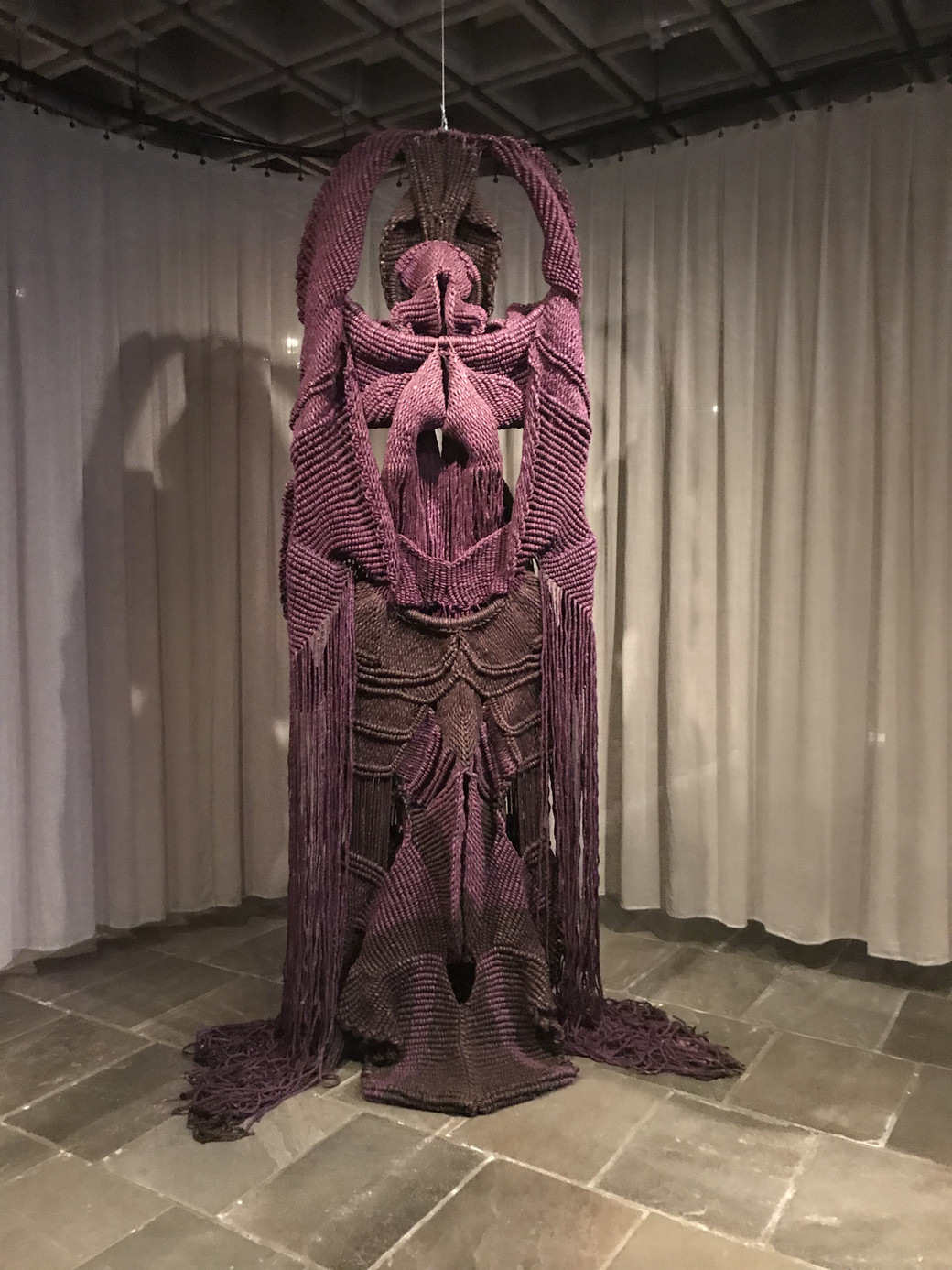
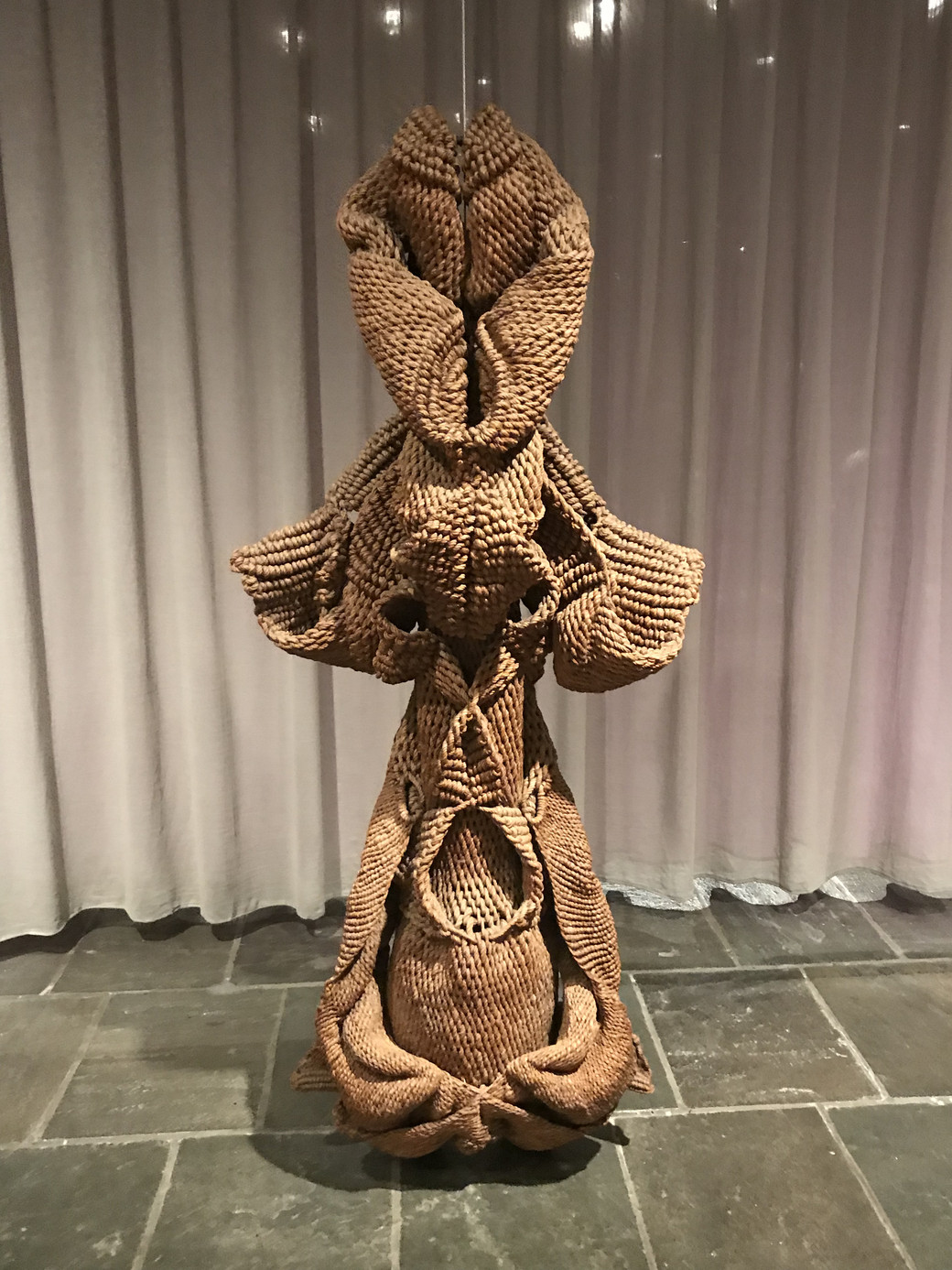
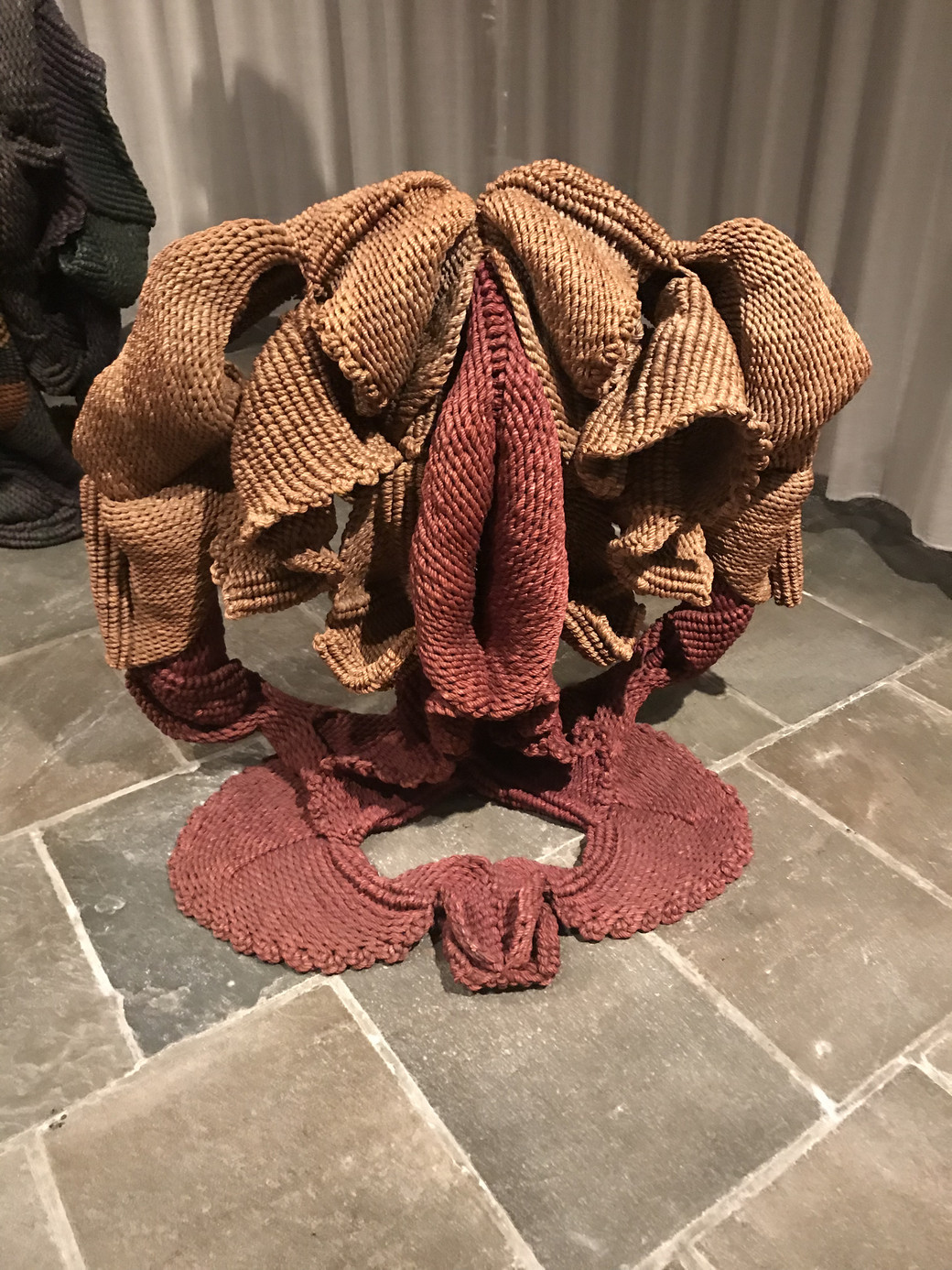
"Phenomenal Nature: Mrinalini Mukherjee" is on view at the Met Breuer through September 29th, 2019.
"Phenomenal Nature: Mrinalini Mukherjee" is on view at the Met Breuer through September 29th, 2019.

Tell me a little about Transmissions from Space? Is there any meaning (besides the obvious) behind the title?
I went into the studio in April to create a new body of work knowing that I wanted to experiment with transfers, but not much else. I wanted the process to guide and inspire me, as the analog method of 20 x 24 Polaroid always does for me. So I set up the first shot with just colored gels over lights as a portrait of my face to test the lighting. There was an accidental “tight gap," meaning the rollers were too close together for that reagent mix, and as a result the dyes are squeezed a bit, causing a mottle pattern.
Most photographers would consider this a mistake and throw away the photo, but to me it looked like a literal “Transmission from Space.” Like if a being was in outer space trying to make contact with earth, that’s what the image would look like transmitting to a screen on earth, hence the title. So I kept making them in different colors, then it led to the double exposures with the NASA images.
The desire to experiment with transfers (literally transferring the polaroid chemicals against a saturated piece of watercolor paper) came from my childhood on my grandma's farm in West Virginia. I found a late-70s Polaroid in her basement, which still used peel-off film, and I inadvertently came up with my own transfer method by pressing photos I'd taken of flowers onto paper. It was full-circle to execute these more sophisticated transfers via this giant camera of the same era.


I know you were formerly a model and muse for dozens of male artists. How does your past inform your artistic present in terms of form and content?
The education I received working with some of the greatest artists of our time was invaluable, but I would say the most important lesson that I use from my past is to trust my own instinct. Sure I learned lighting, form, composition, and everything else you need to make a photo or painting, but trusting myself is the most important. Just like in this series, I made a mistake that inspired a whole new body of work and I ran with it.


What current issue are you most passionate about?
Achieving full equality for women in the United States Constitution. We are only 1 state away from full ratification of the Equal Rights Amendment, ensuring constitutional equality for all sexes under law. After traveling to Illinois 5 times over the past few months while meeting with legislators, organizing protests, phone banking, and working as co-director of Equal Means Equal, Illinois finally became the 37th state to ratify the ERA. All of the state legislatures will be back in session in January, and I will be traveling all over the US with activists to make sure we achieve what the last and final state needs to change the Constitution once and for all.
What drew you to this specific photographic medium? Can you describe your artistic process for this series?
I’ve always loved Polaroids because they have a depth and immediacy that digital photography simply does not. You don’t have to wait for a lab to finish color correcting or printing. It’s right there in 20 x 24 inch format, take it or leave it.
My artistic process for this series on the polaroids was setting up colored gels over lights, which are placed strategically to paint light onto my face and hands. For the giant polaroid transfers, I manipulated NASA’s images from space and double-exposed them with myself, then I manually cranked the film out of the camera. Instead of letting the polaroid develop, I peeled the negative from the positive immediately and placed it onto wet watercolor paper for 5 minutes, then peeled the negative off to reveal a giant polaroid transfer.


Is there belief or idea that you had when you were the model that has now changed or been challenged since you have become the artist?
I’ve always been an artist. In the work other people made of me I was just a performance artist or a collaborating figure. So now I just feel more comfortable that I have control of the entire process.

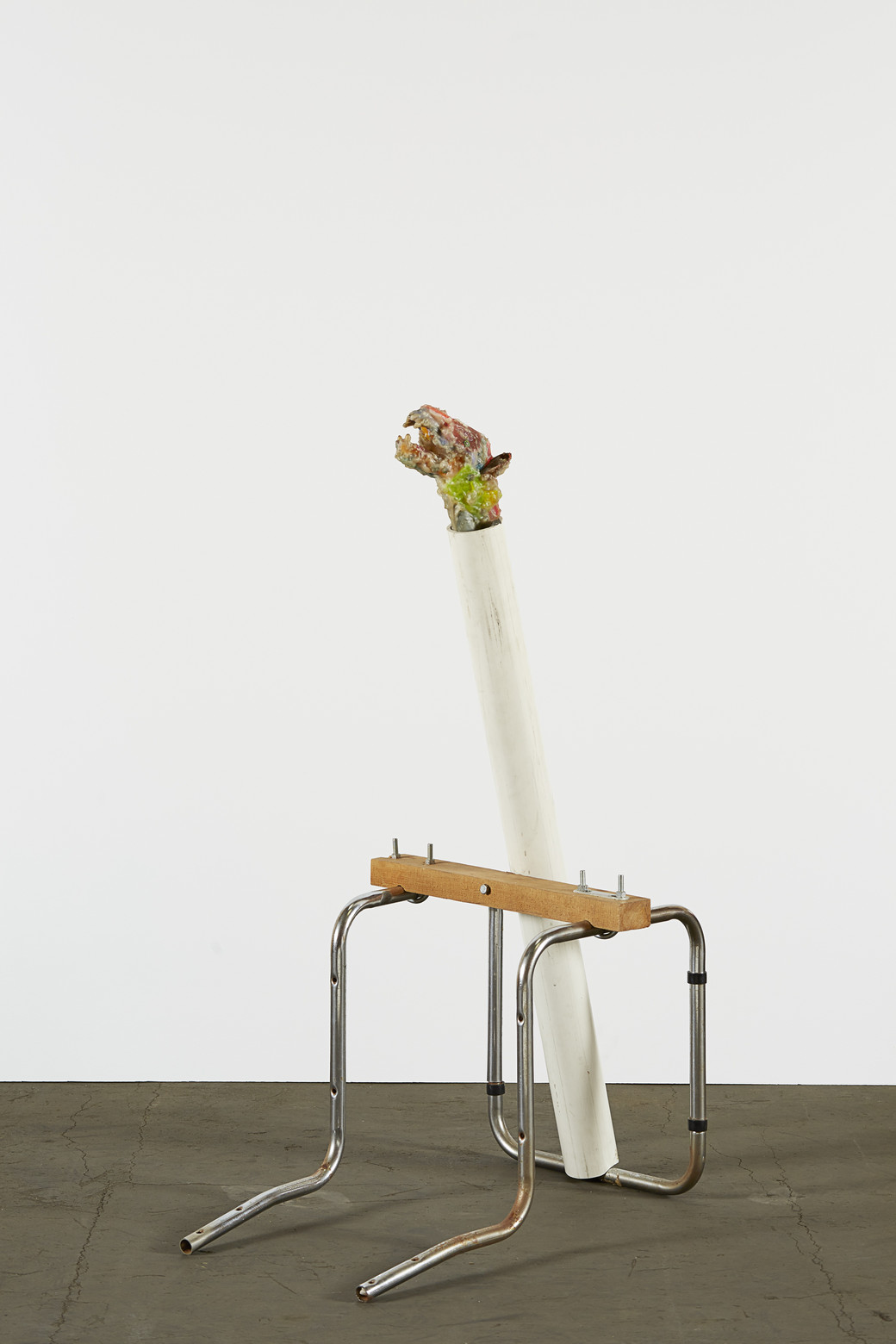
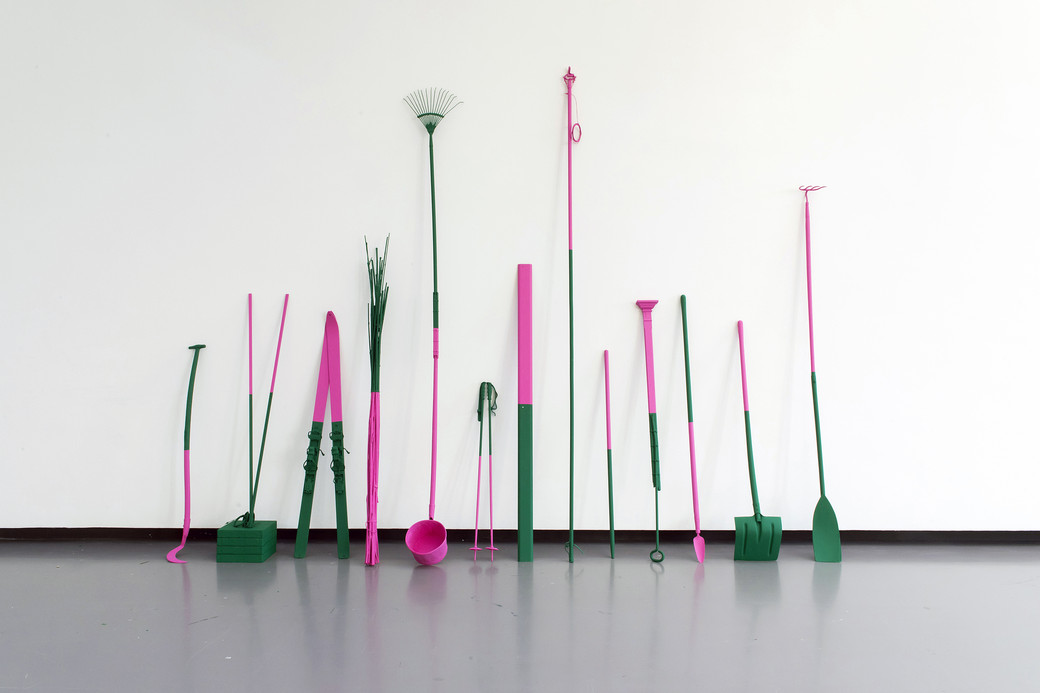
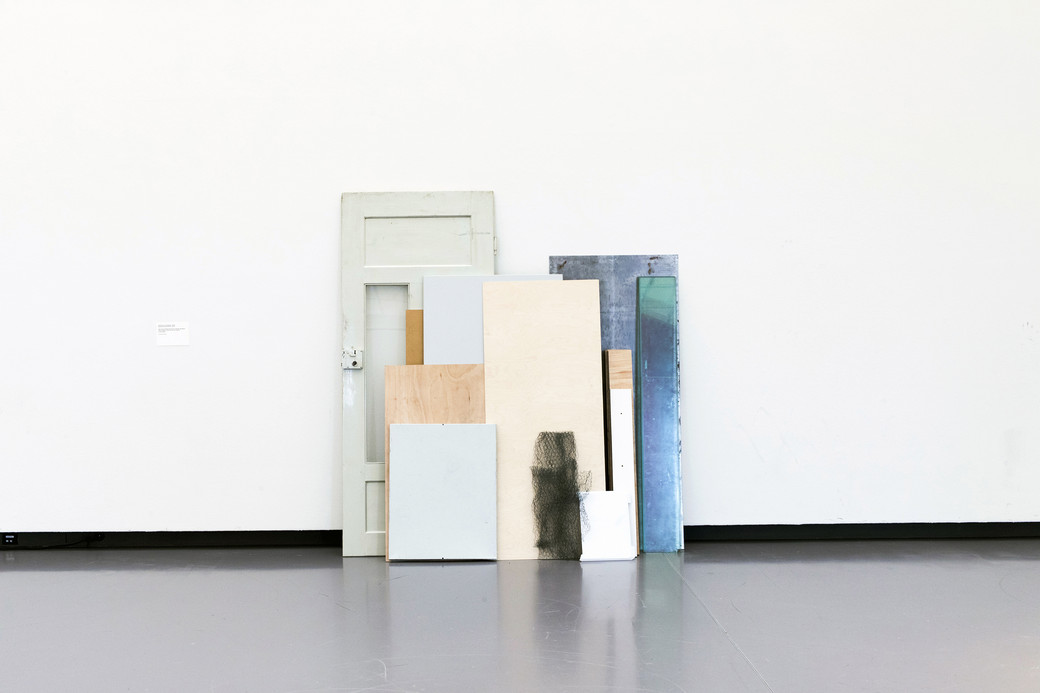
Abraham Cruzvillegas’ pink and green found objects from his ongoing ‘autoconstrucción’ project, building on a concept of drawing from the city around where the exhibit is staged (what wonders he finds!); Jimmie Durham’s strange and magical industrial-materials-meet-Native American iconography via movable sculpture; and a wonderfully weird darkling muppet-caught-in-a-blender piece by Haegue Yang.
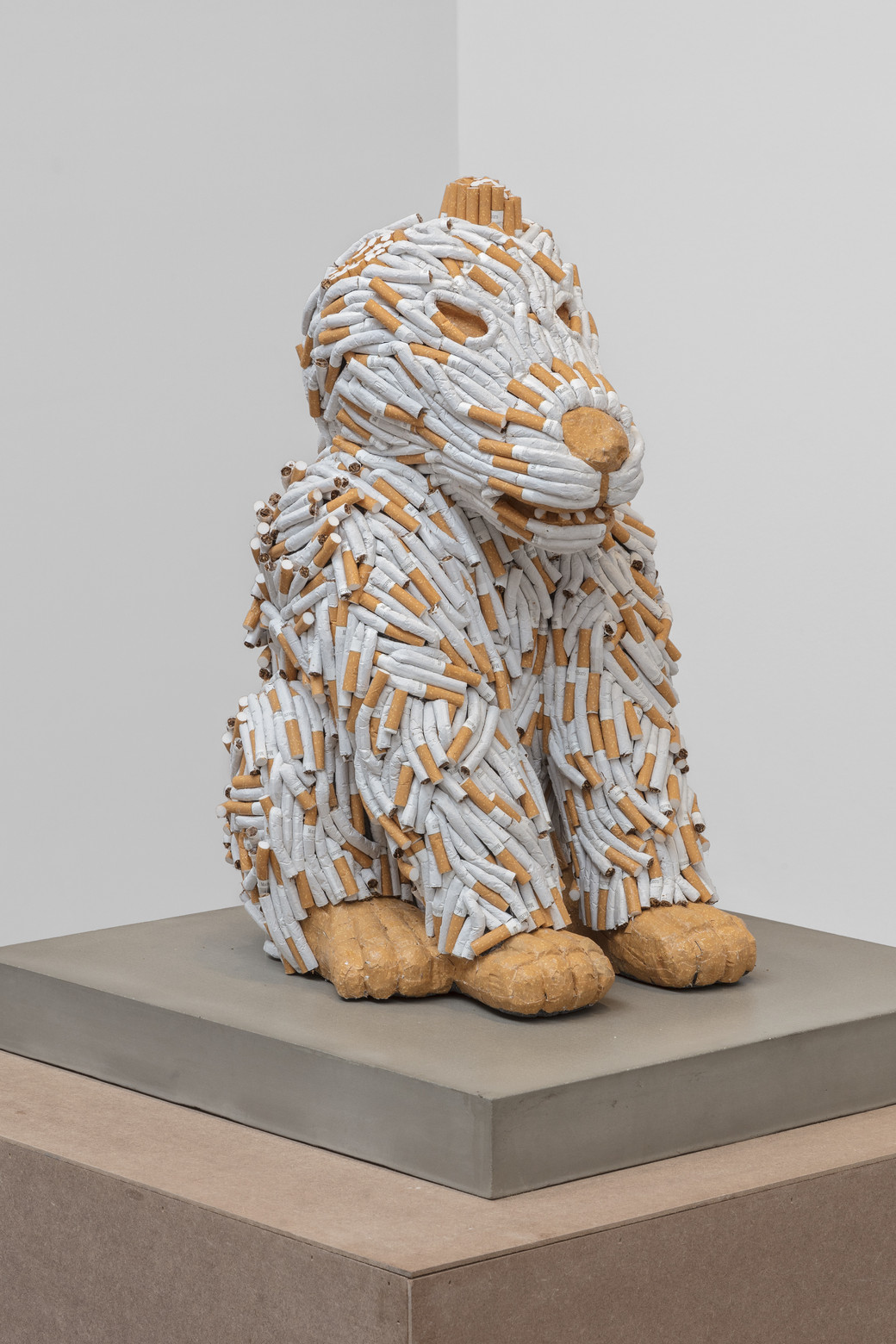
And there is, of course, Sarah Lucas’s marvelous standout: a dog-like guardian statue, standing at attention or shocked into silence, whose surface is made almost entirely out of cigarettes — is he about to ignite? Please do not smoke the artwork.


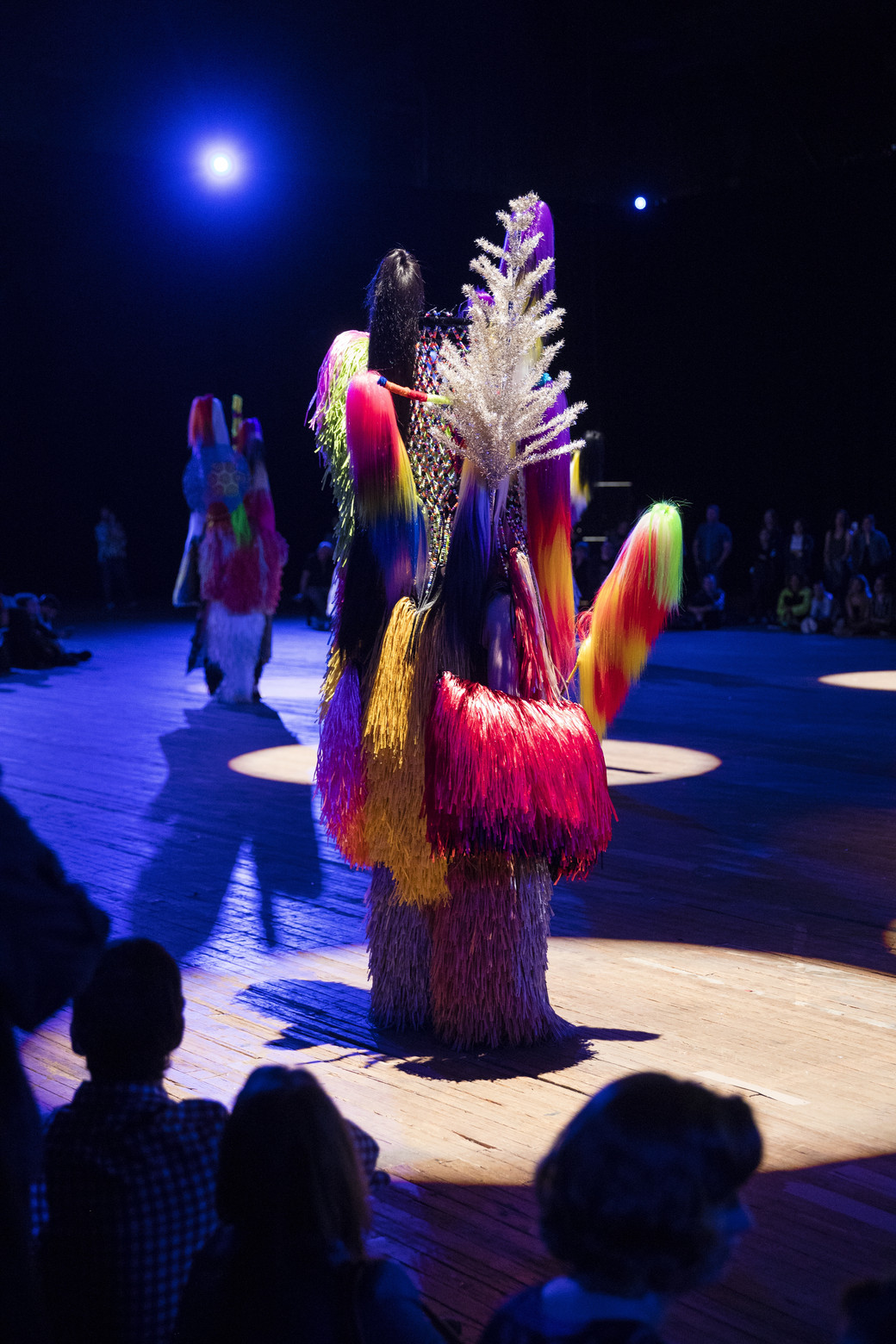
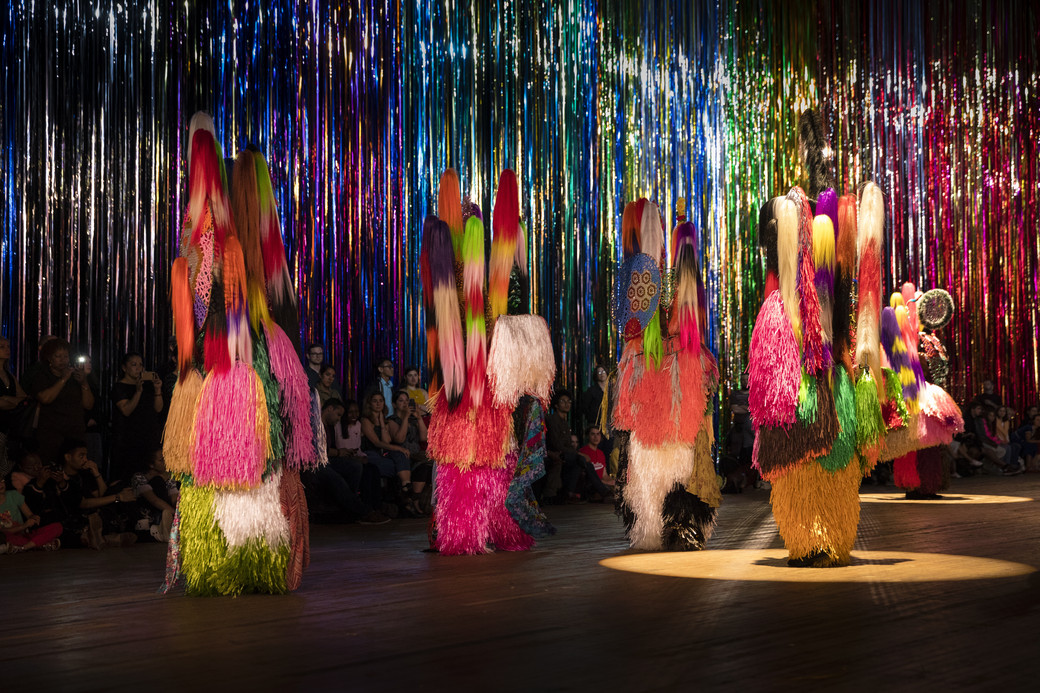
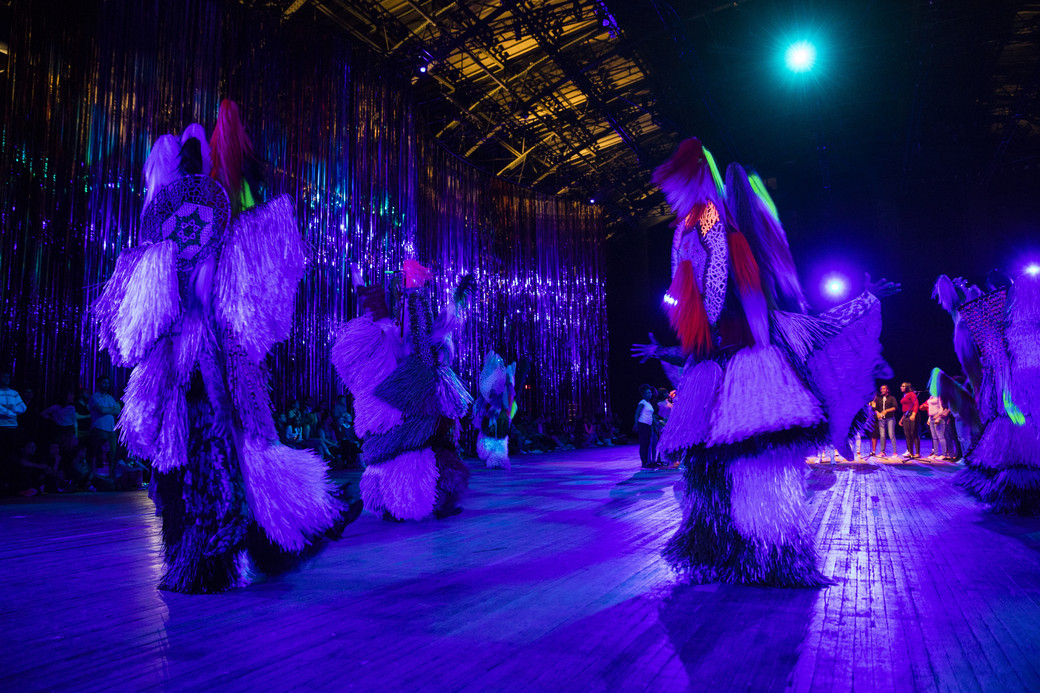
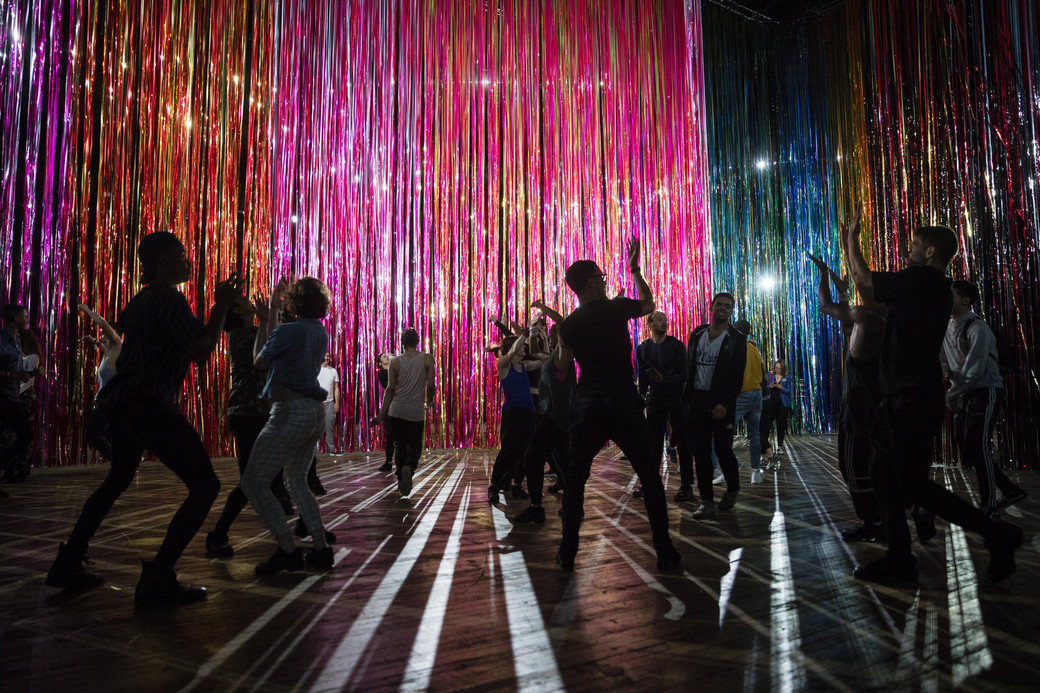
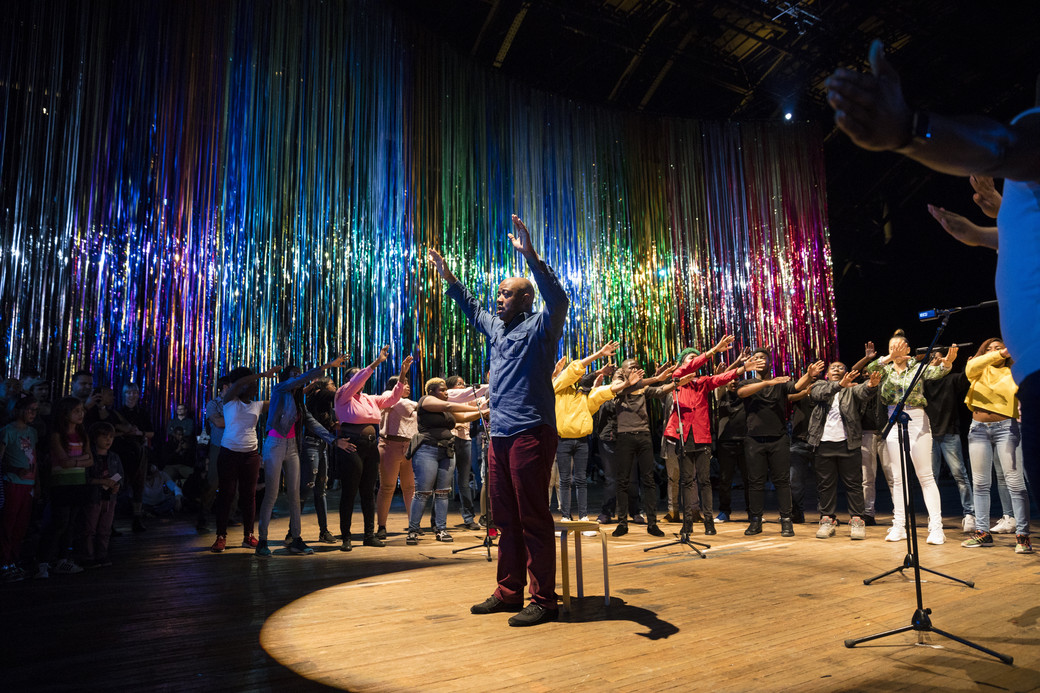
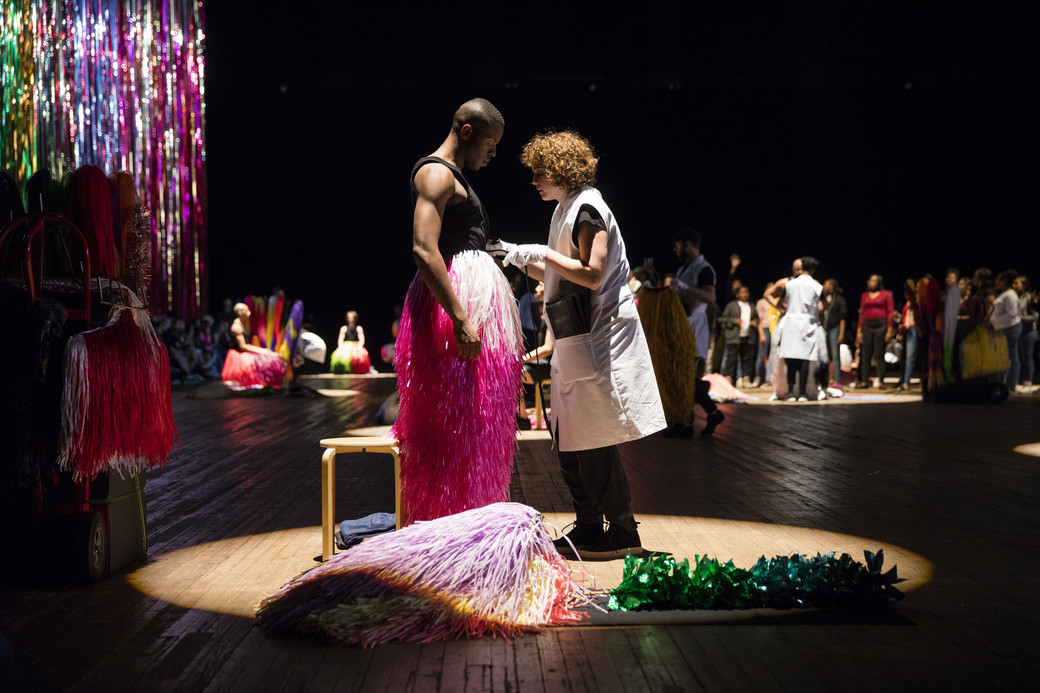
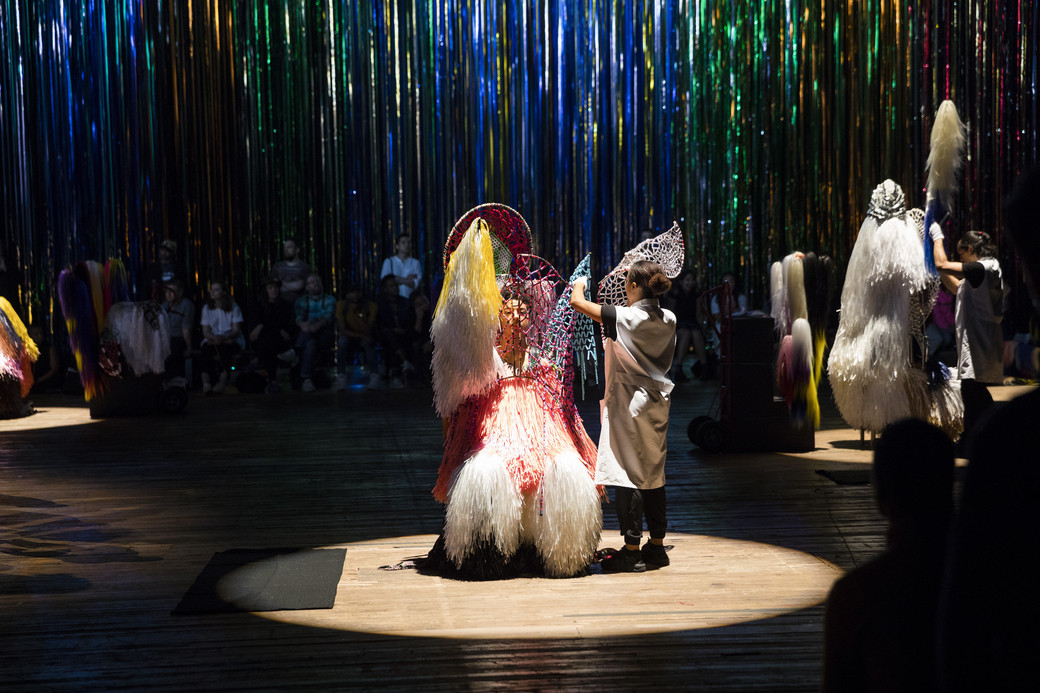
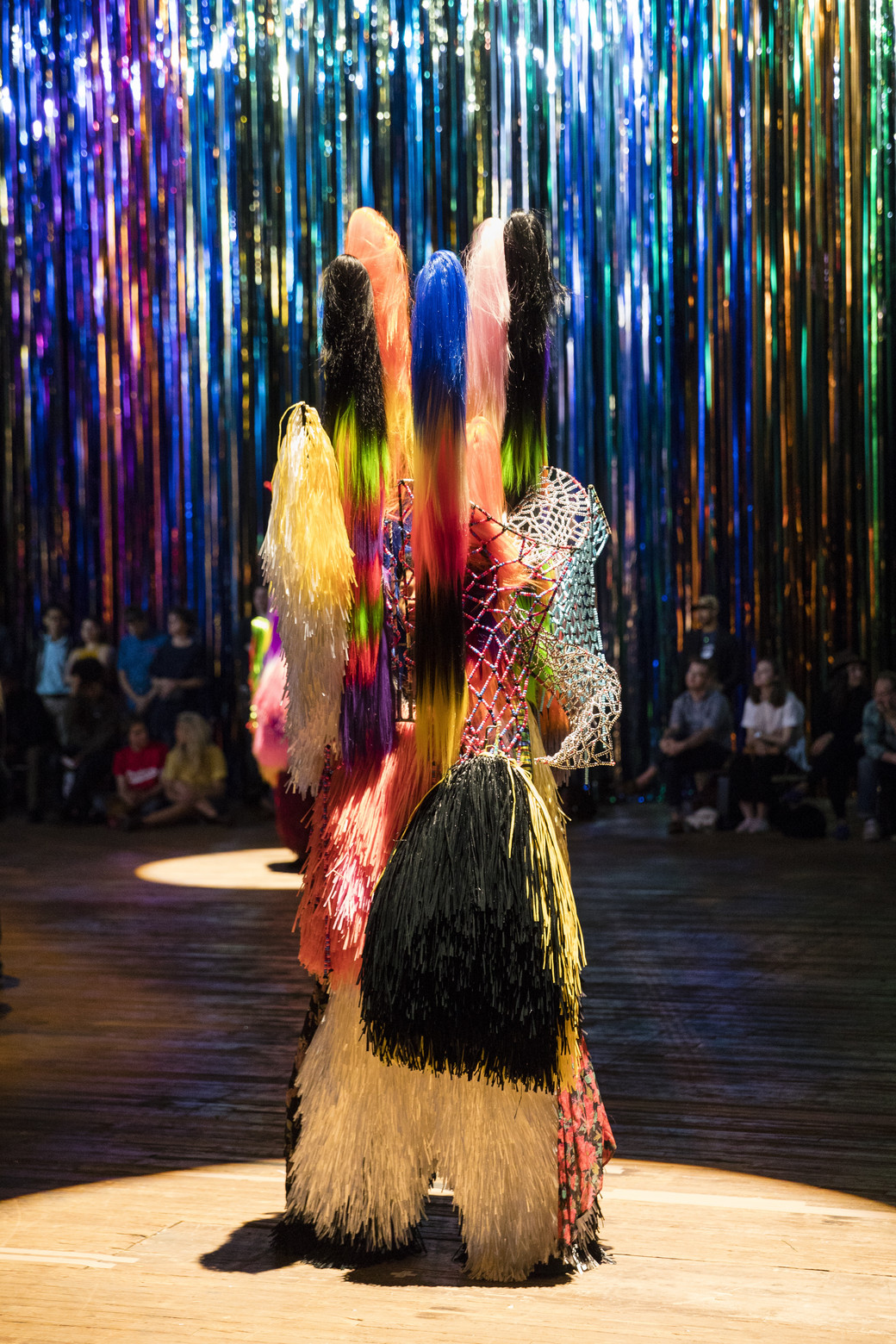
A madcap lineup of events include DJs on the weekends from 2-6pm, the activation of Cave’s legendary Soundsuits as a ceremonial, participatory dance spectacle, weeknights at 8pm (tickets are $35), and for the tame-at-heart: an installation that does include, fair warning, potential games of Twister with other visitors. It’s a jittery, glittery mash-up of sensational proportions with one single goal: to allow you to leave your baggage at the door and be swept away in a dream, to “let go” of the life you led before you met the characters of this fabulous story, and to return anew, a changeling of Nick Cave’s creation. One question remains: are you ready for the transformation?
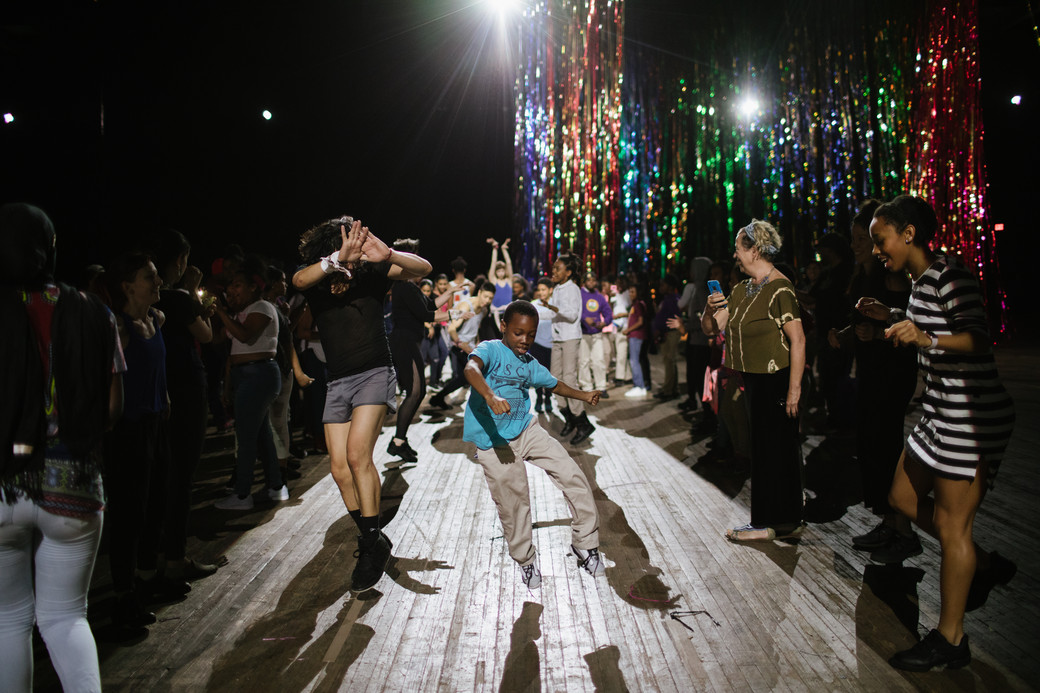


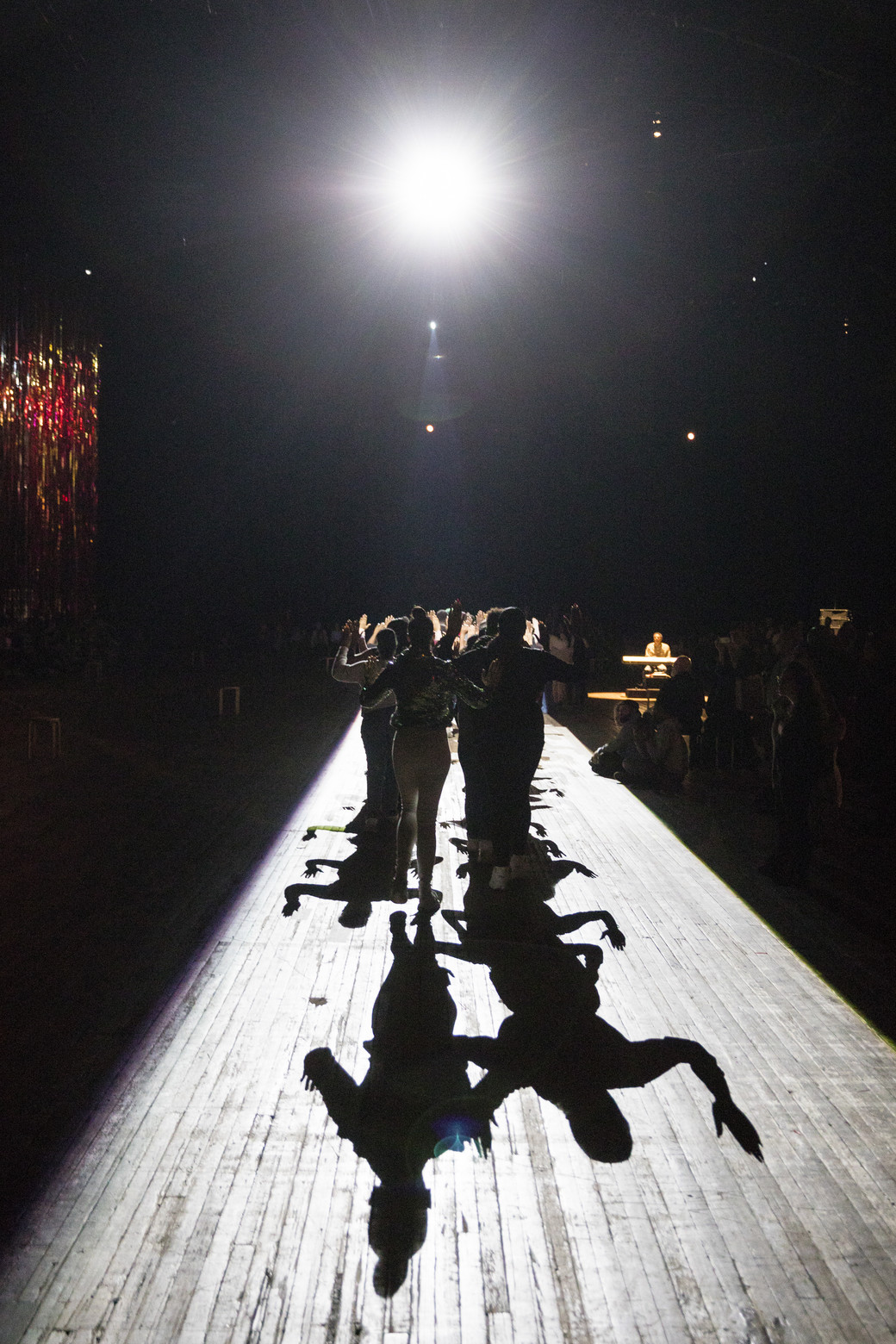
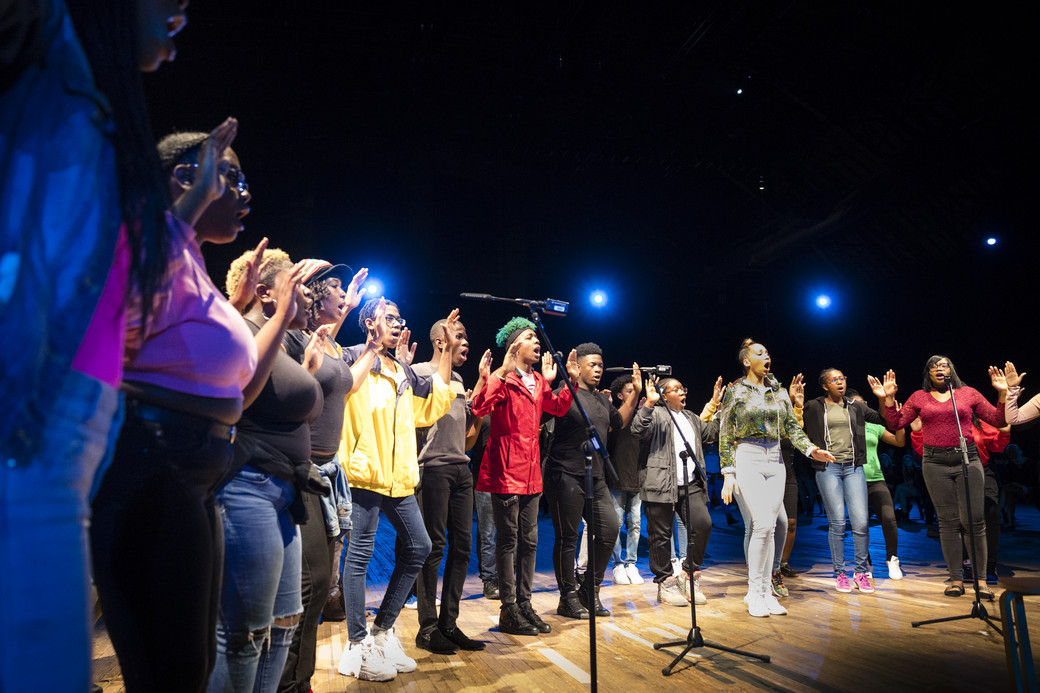
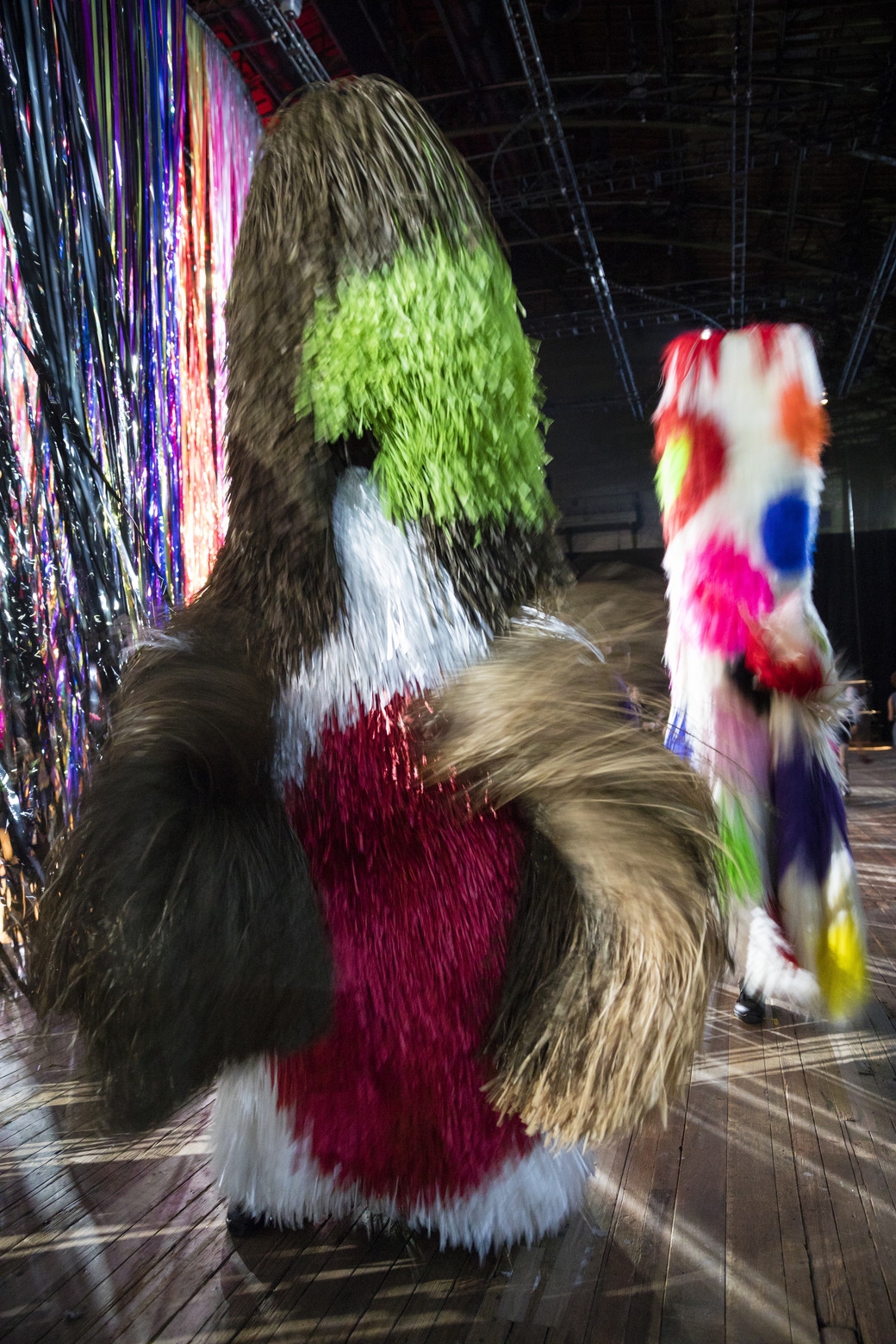
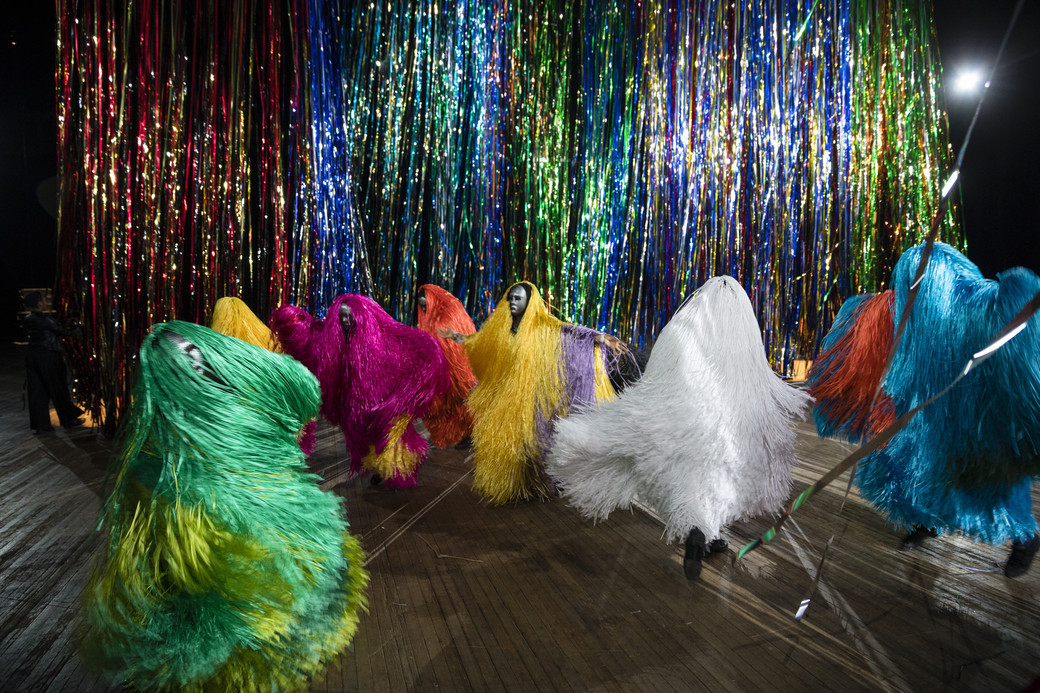
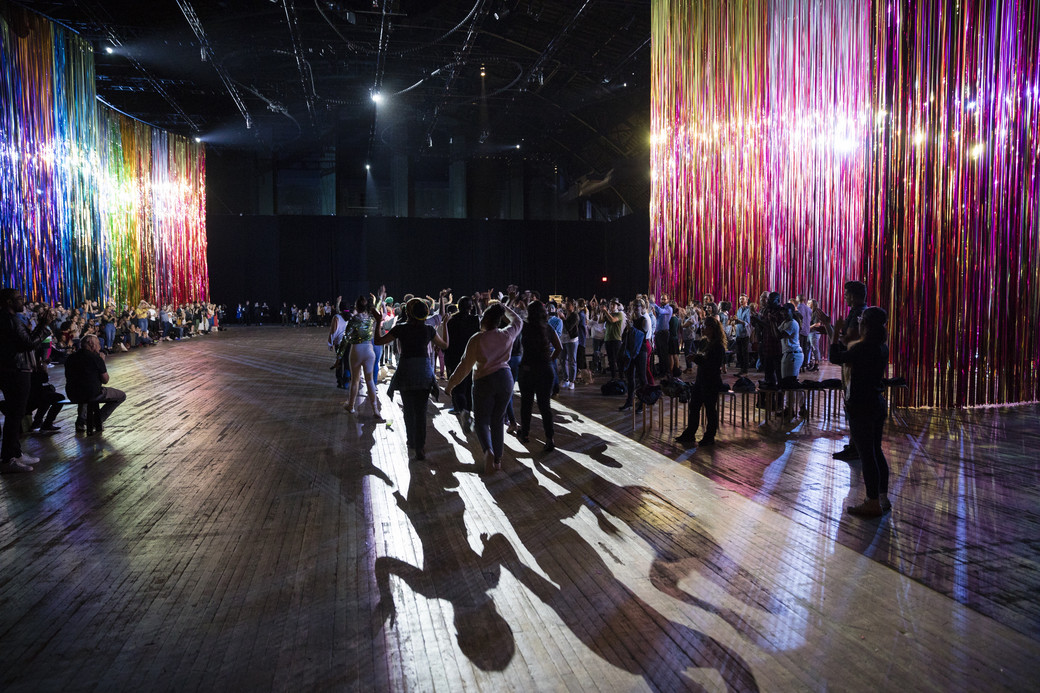
Hurry! The Let Go only goes until July 7th at the Park Avenue Armory, New York City.