Vulvatious

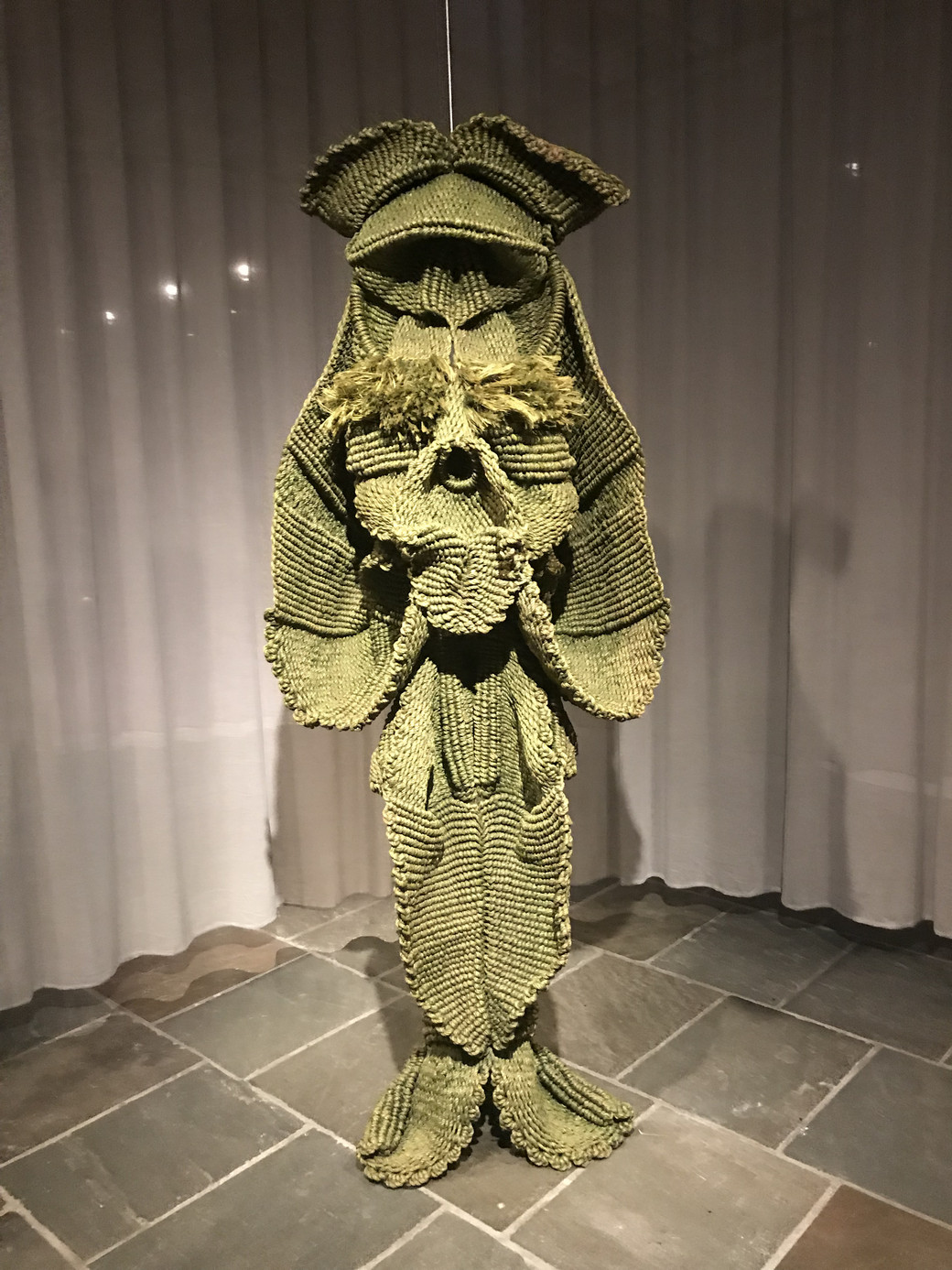
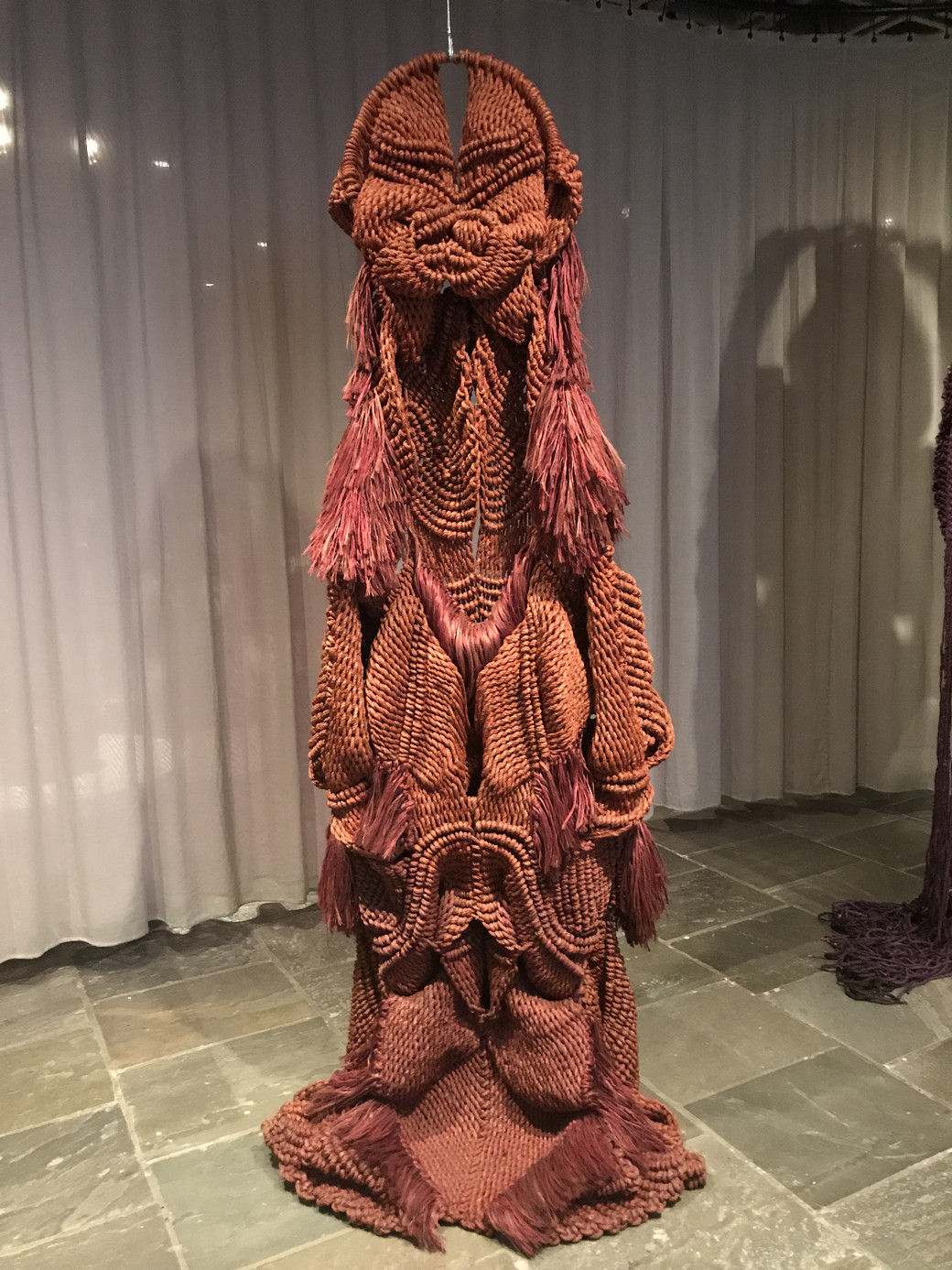
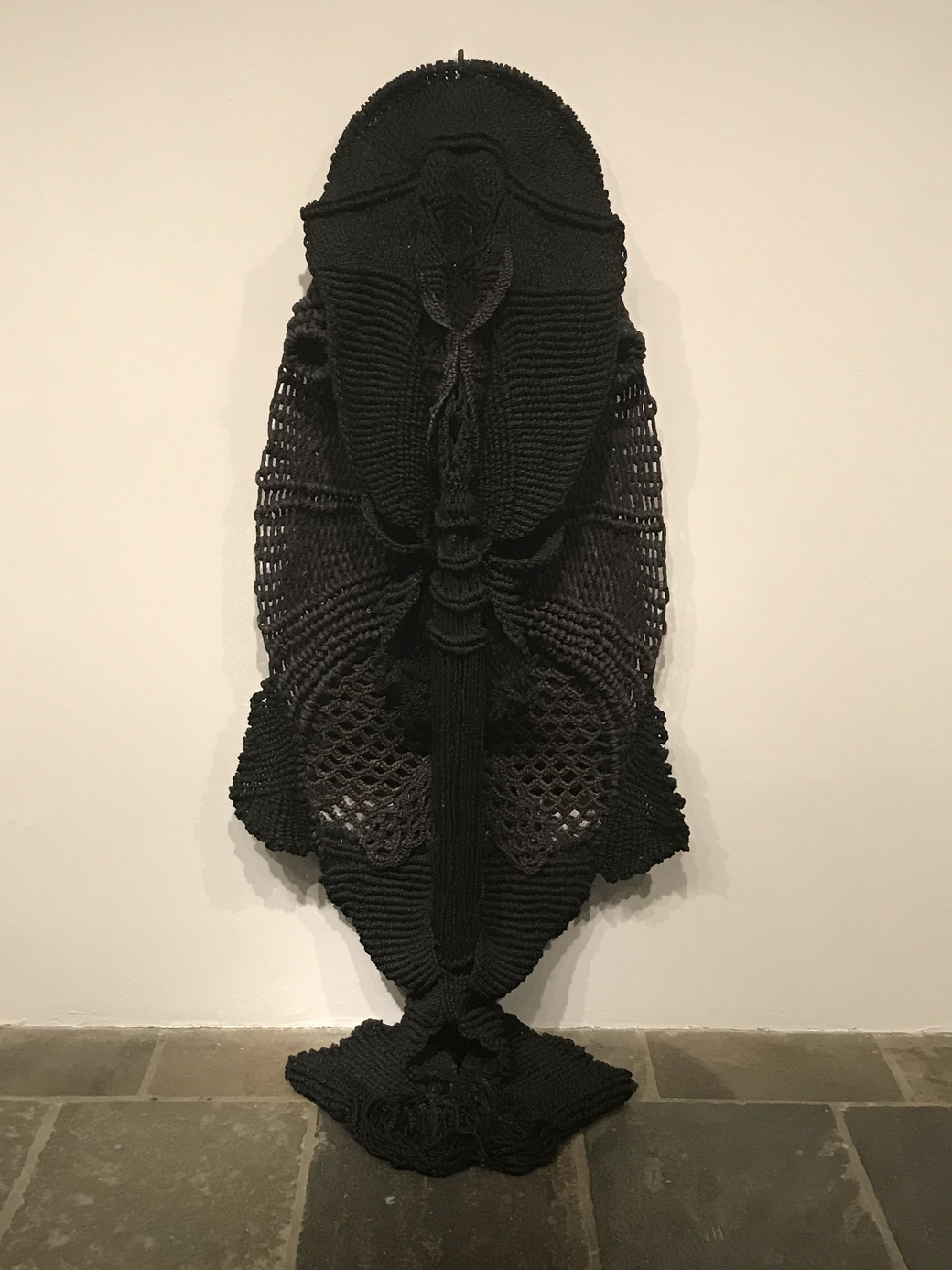
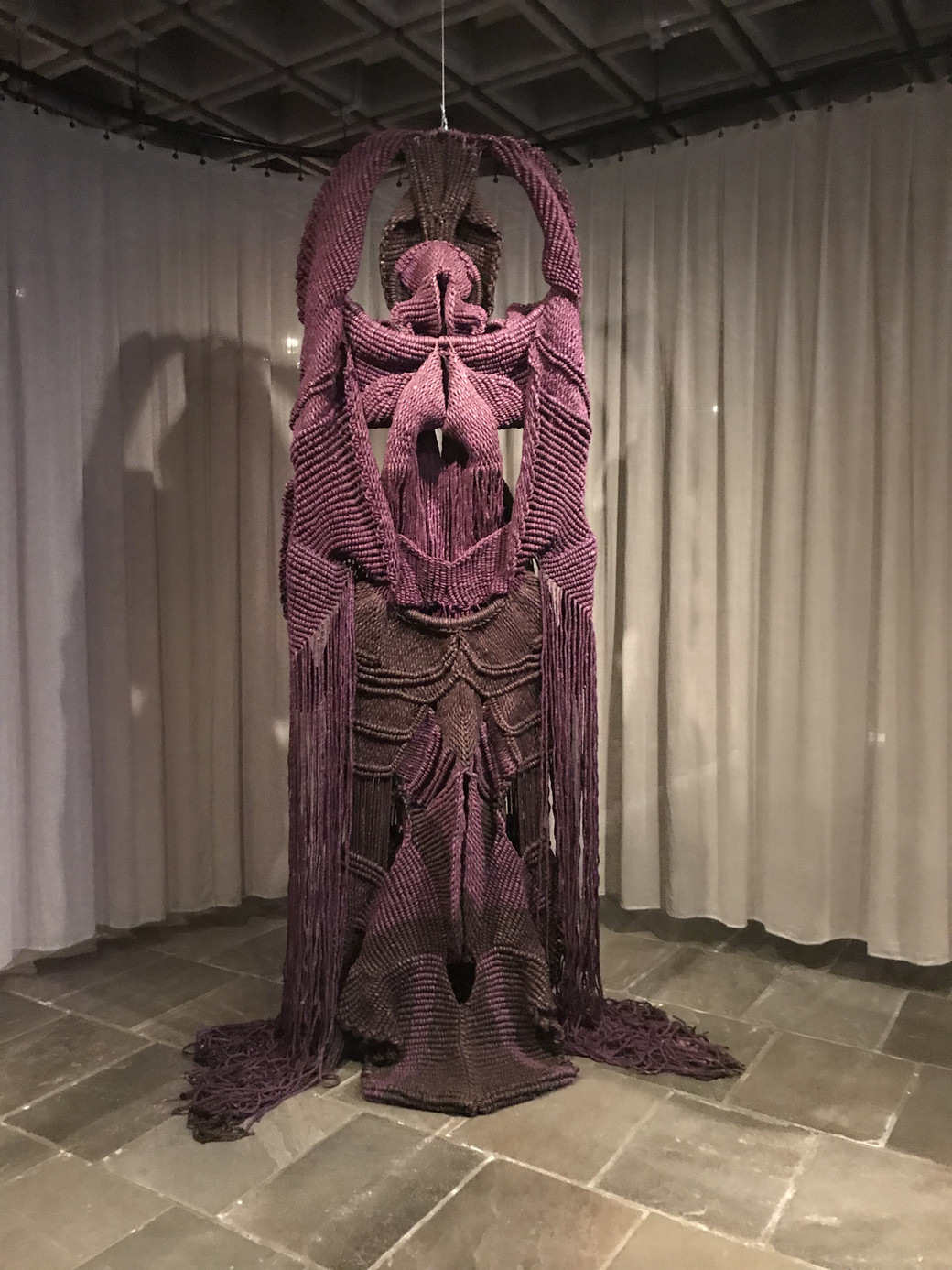
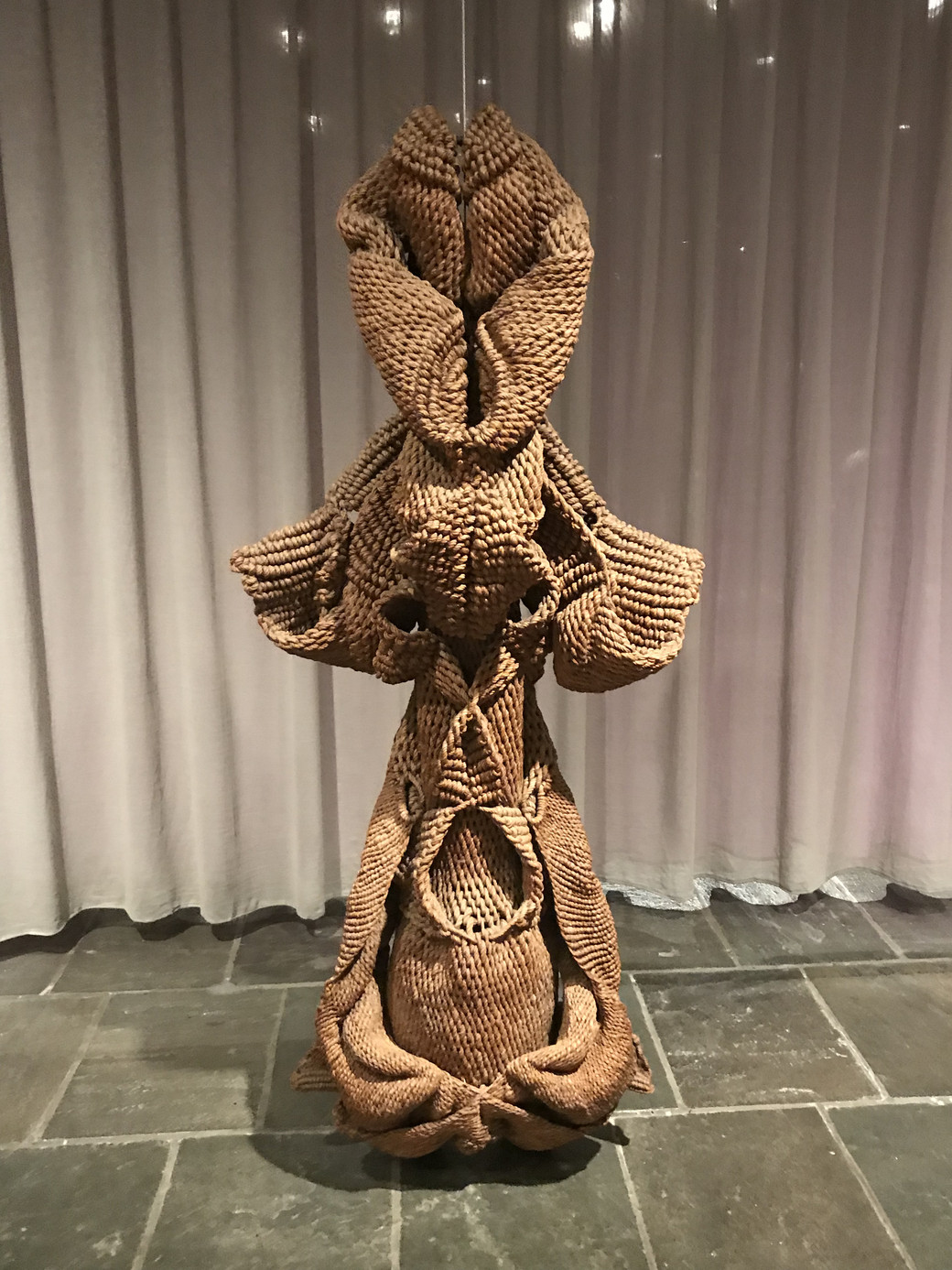
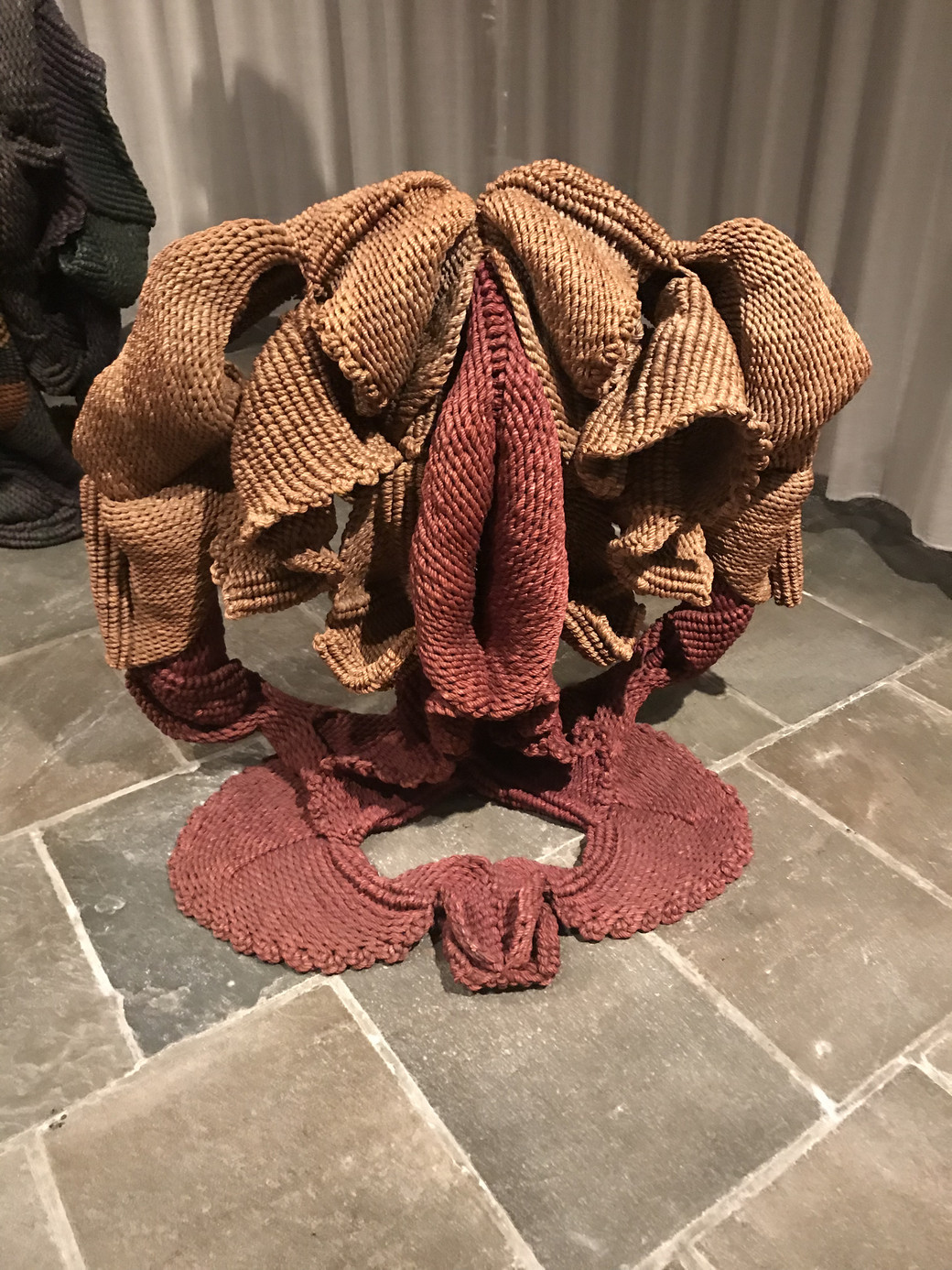
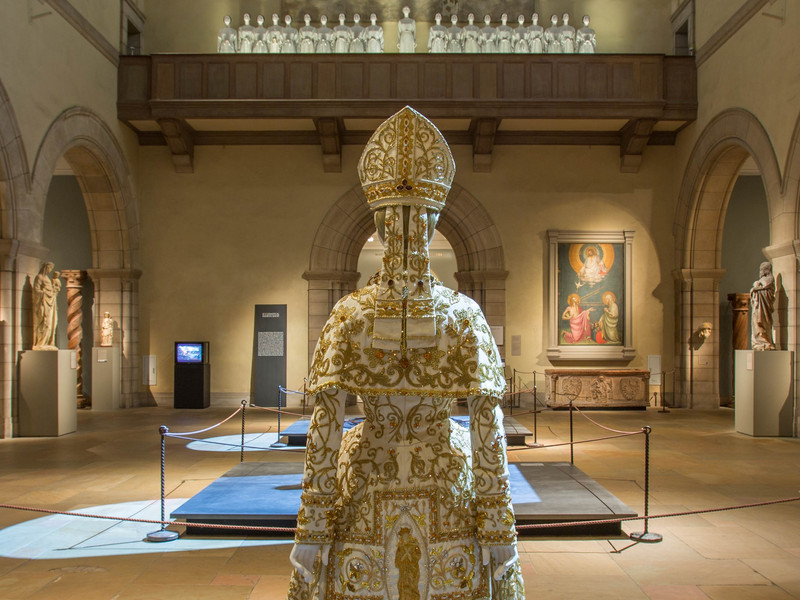
"Phenomenal Nature: Mrinalini Mukherjee" is on view at the Met Breuer through September 29th, 2019.
"Phenomenal Nature: Mrinalini Mukherjee" is on view at the Met Breuer through September 29th, 2019.
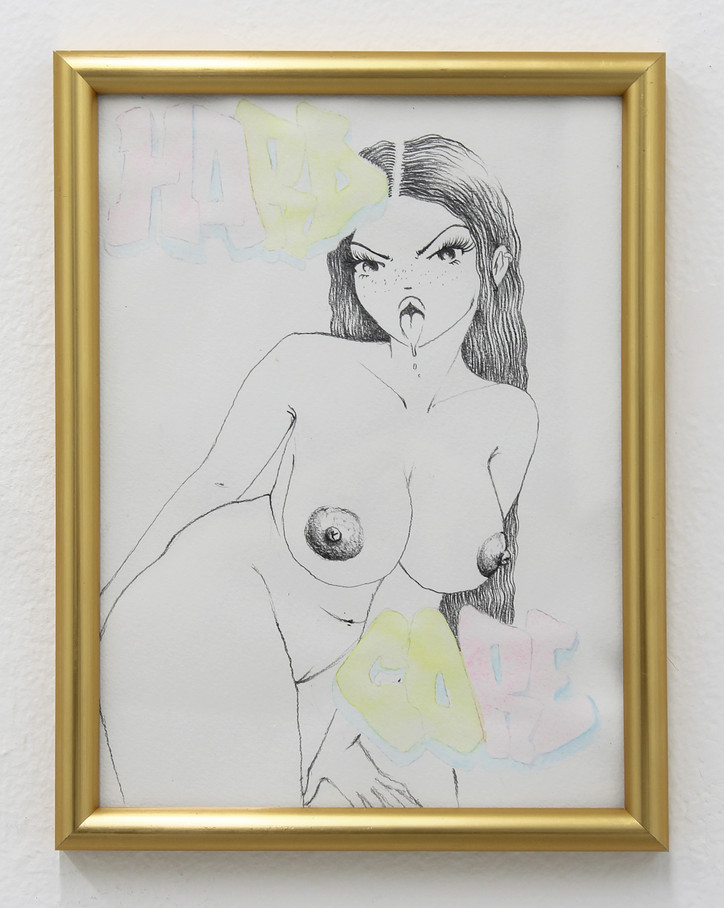
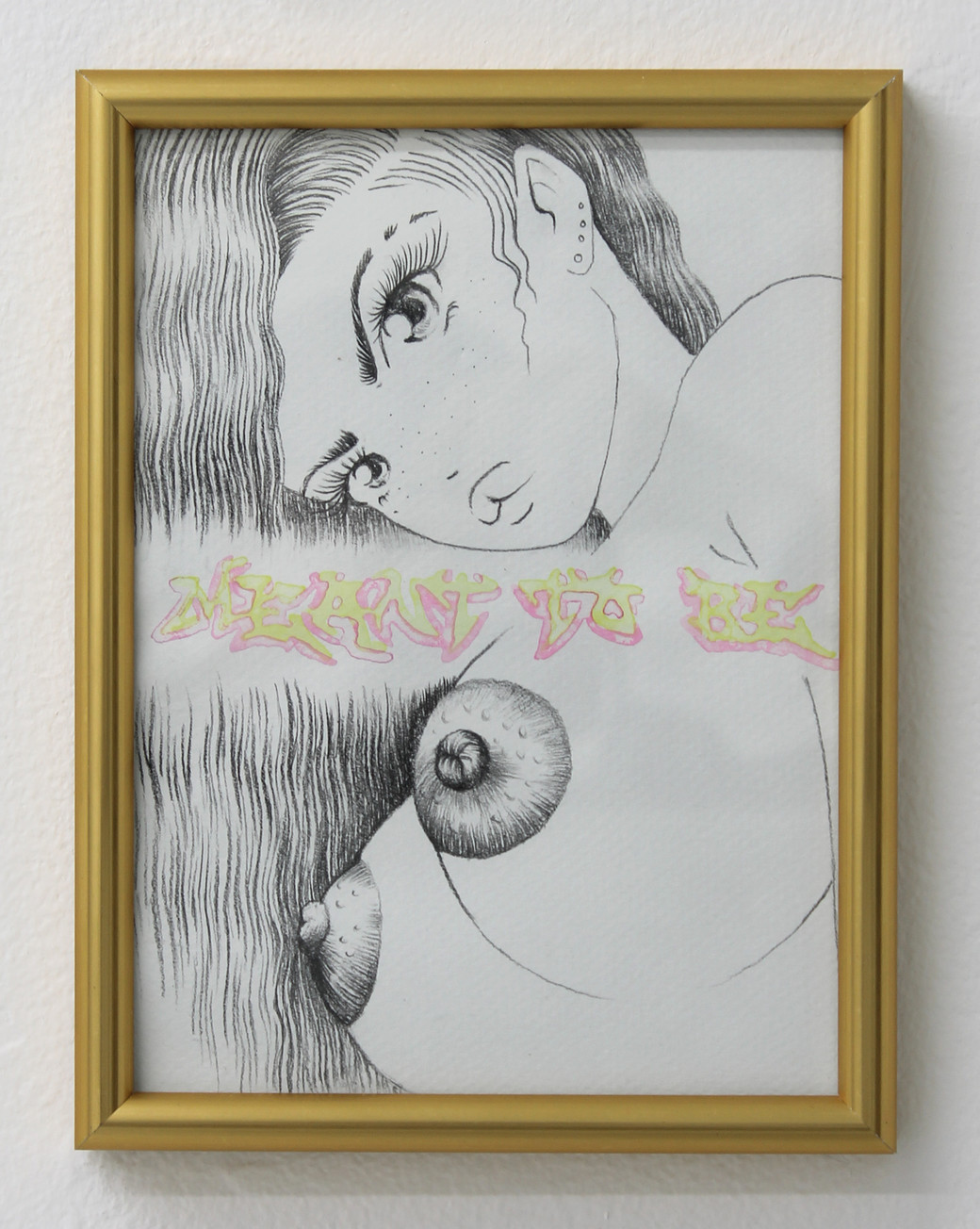
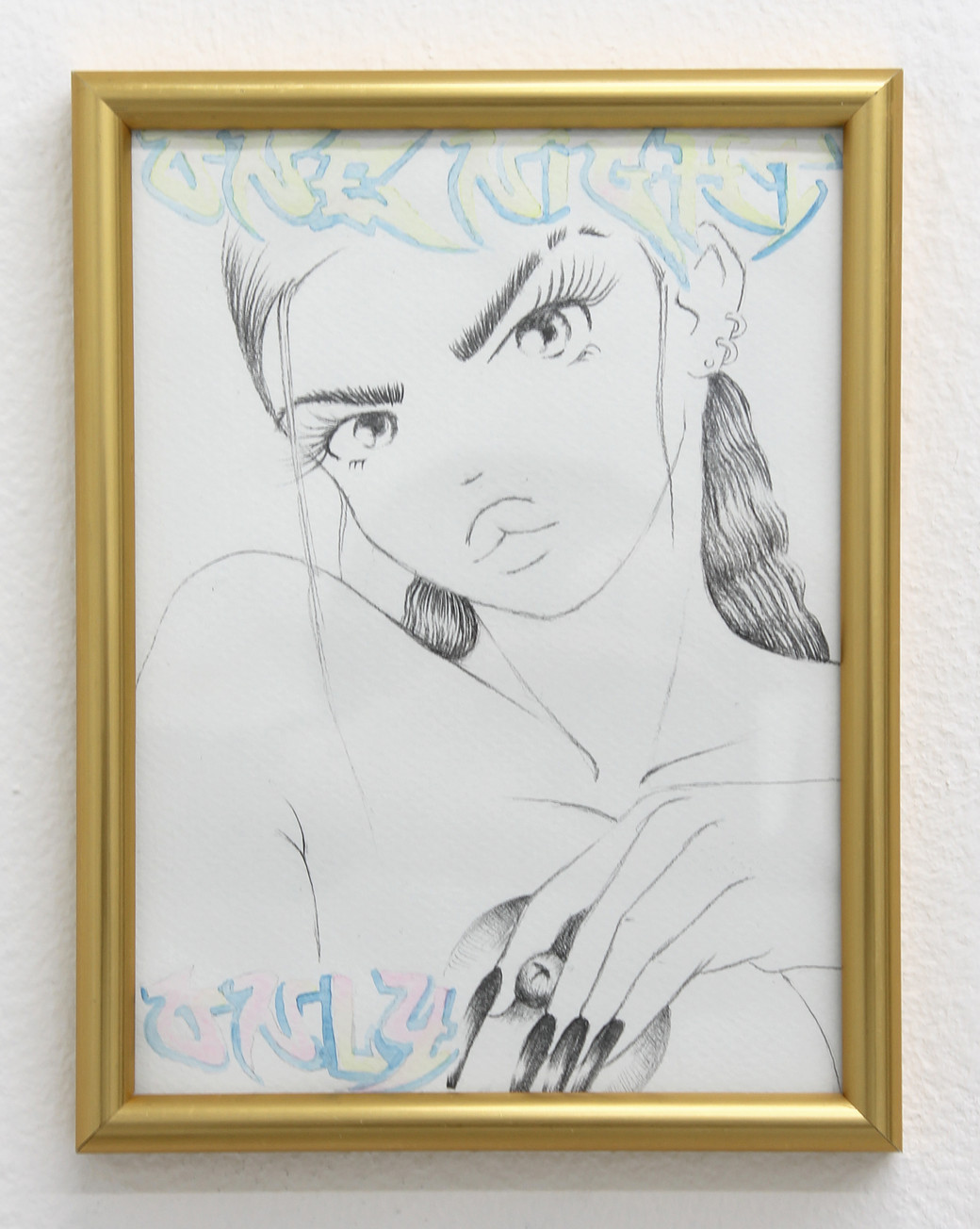
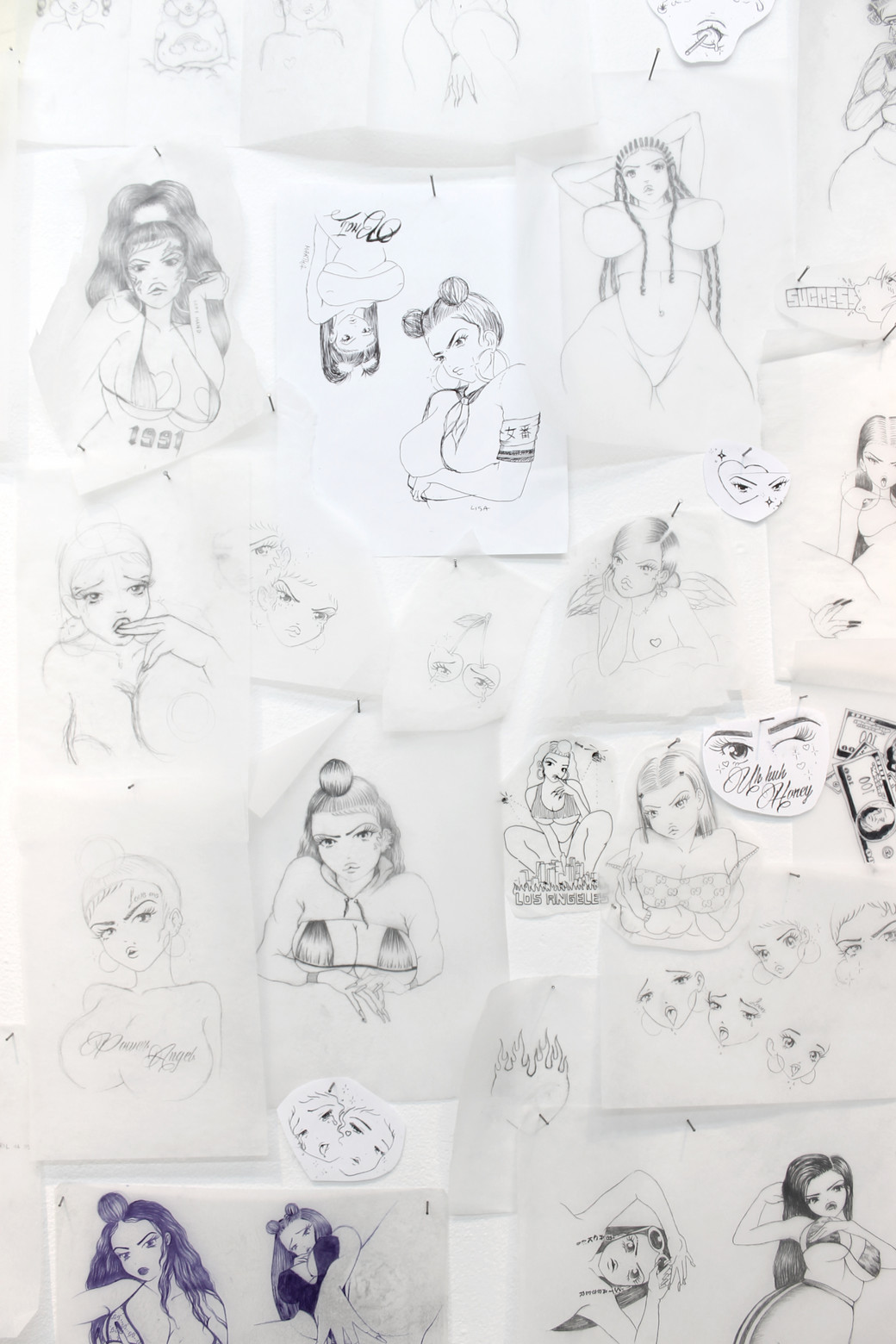
Sensual poses, bare breasts, and seductive grins that imply a level of agency transform instagram-baddie hentai into a feminist icon that represents modern symbols of sexual dominance and self-empowerment— of course fitted for 2018.
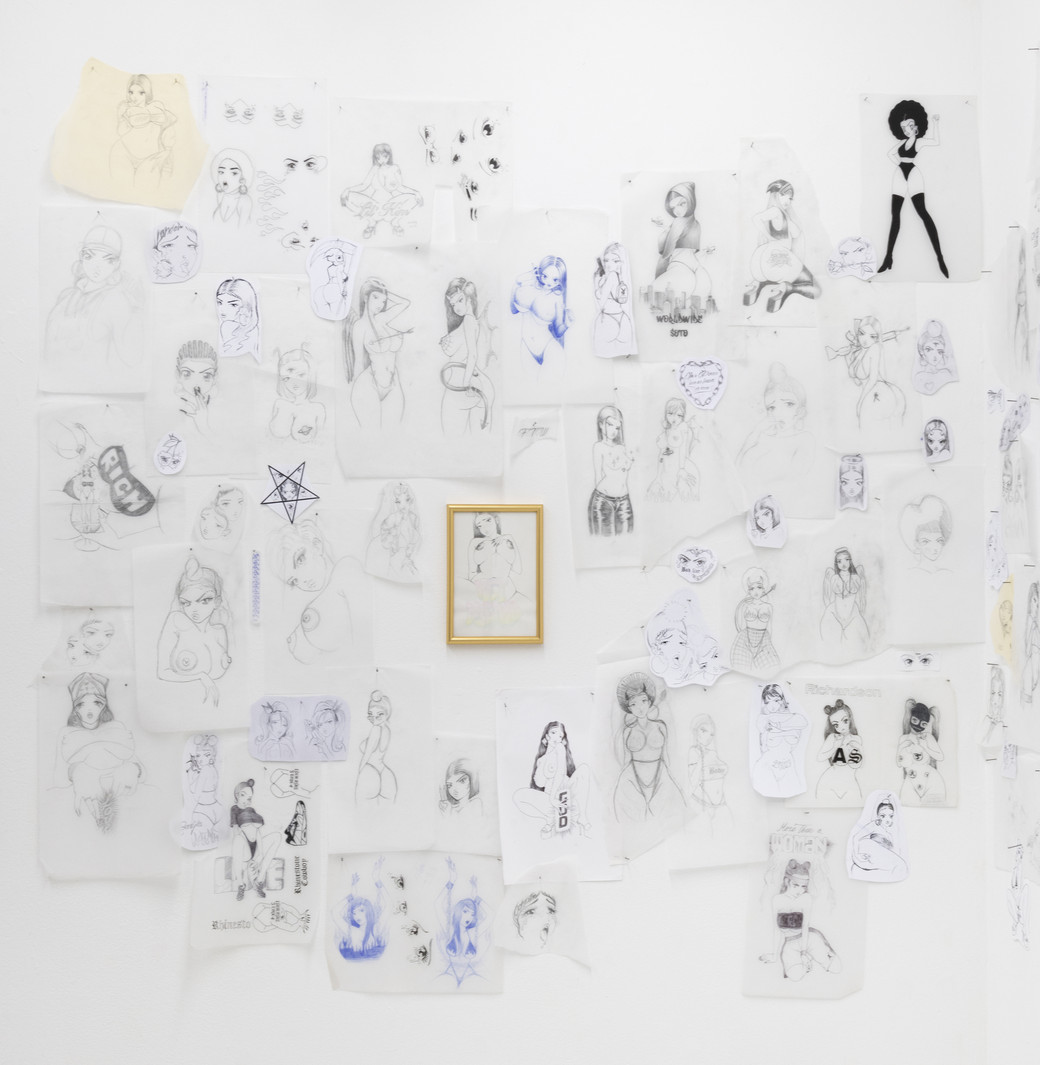
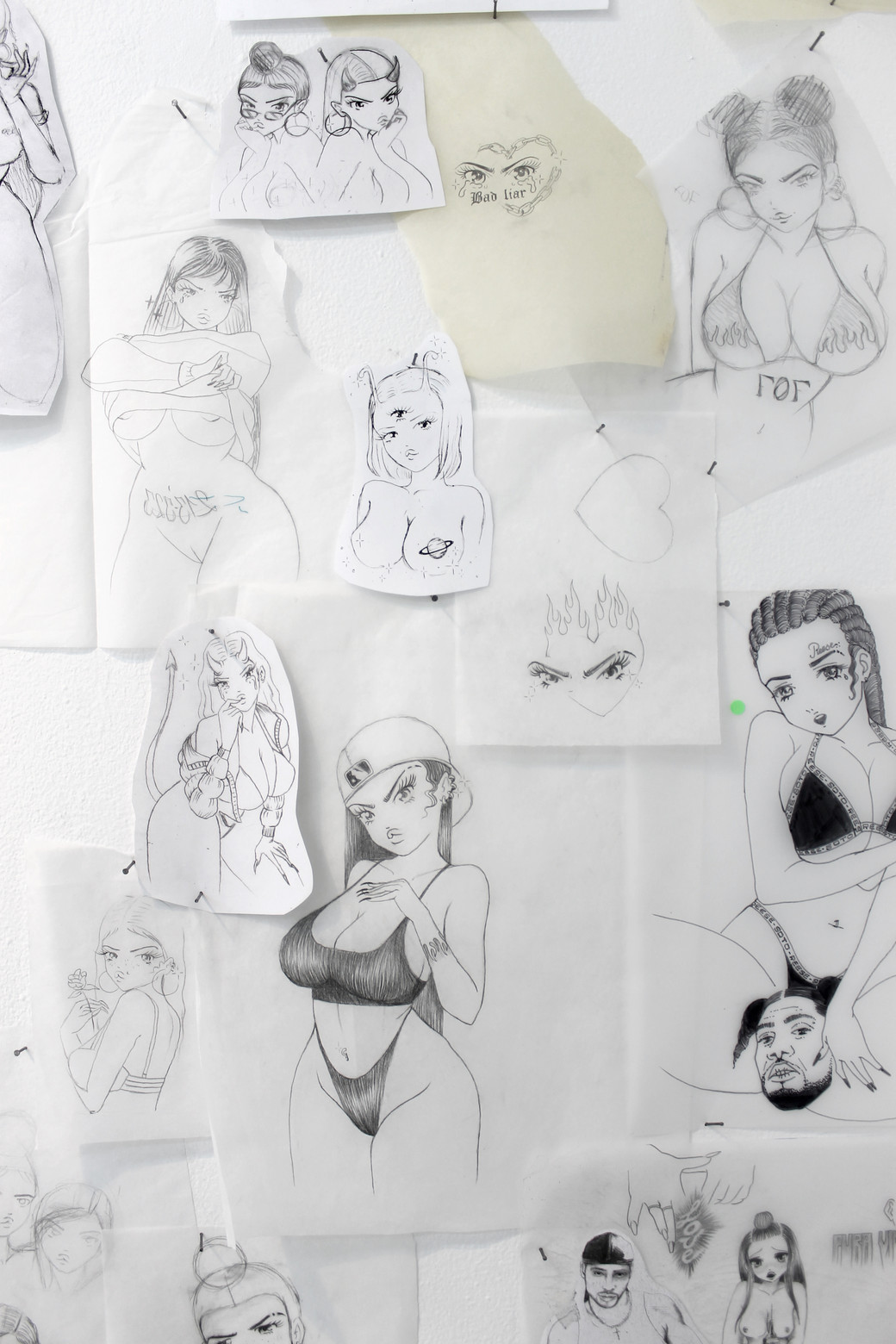
Soto’s work doesn’t just represent one body, like the diversity-conscious online communities they replicate, Soto’s tattoo stencils find inspiration across a plethora of cultures and forms, merging into incredibly accurate look-alikes of your favorite instagram girls.
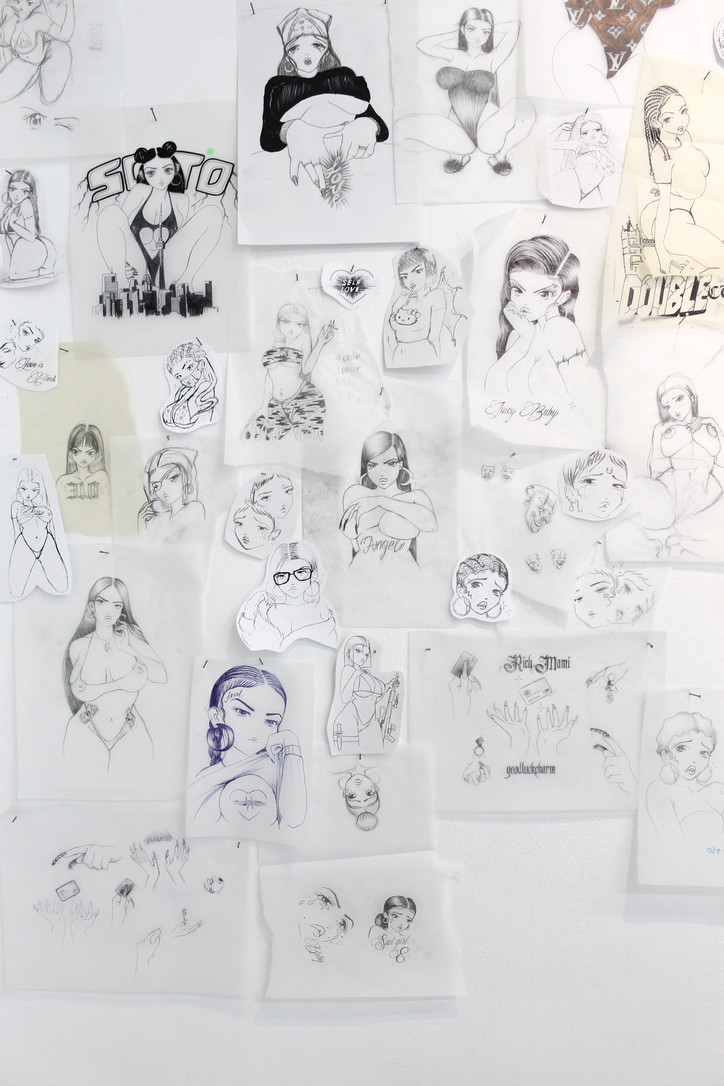
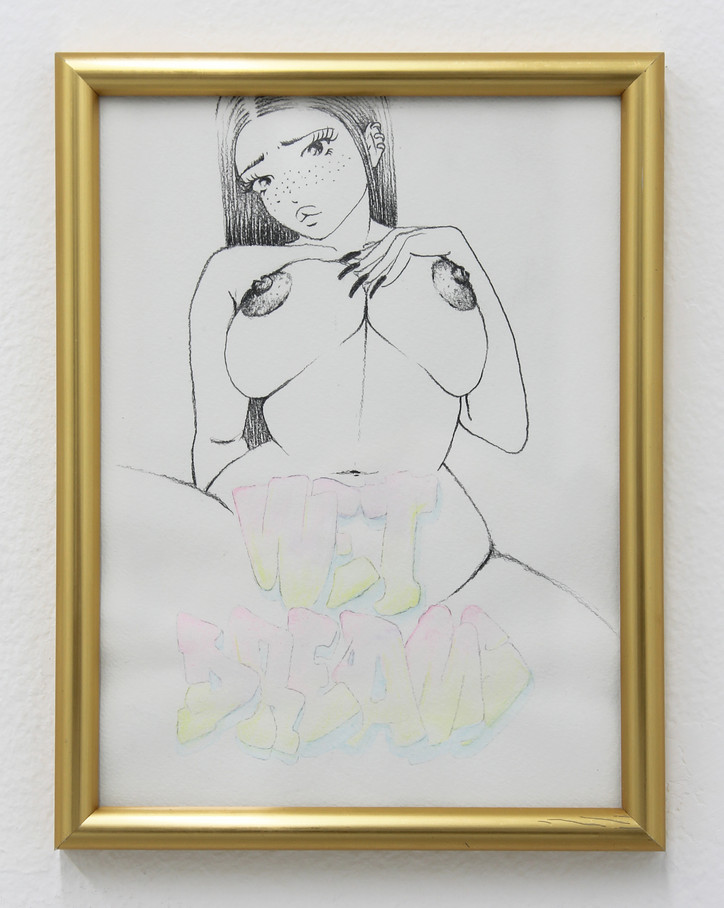
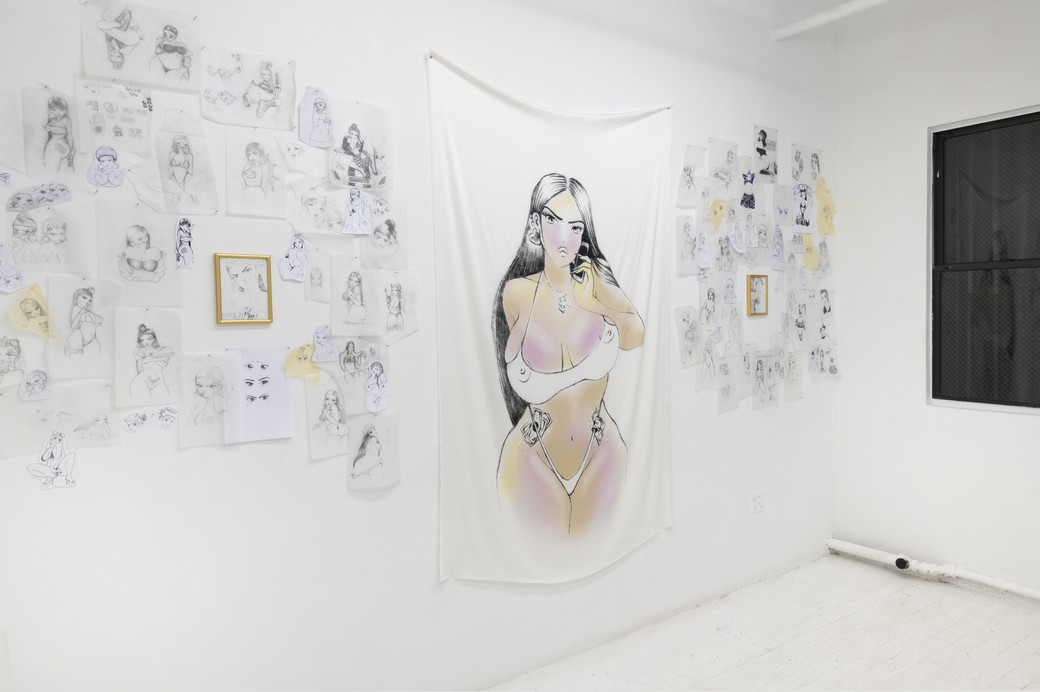
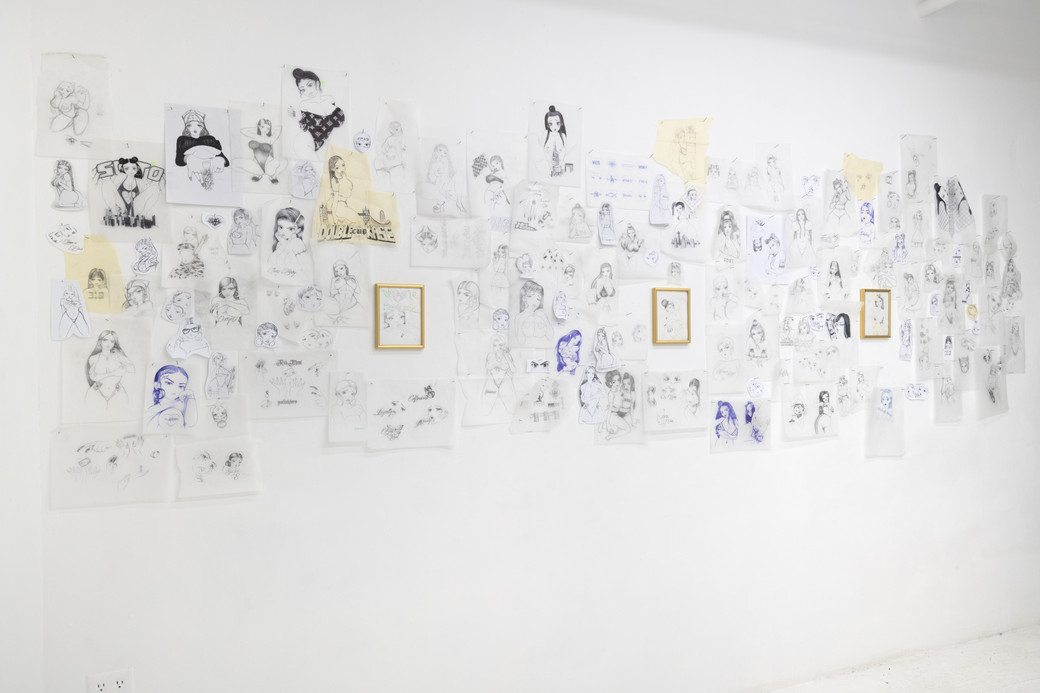
In a world where personal identities are contrived and curated to whatever is the most marketable on social media platforms, Meant to Be proves that the skin is merely a shell etching into whatever the next trend is, hoping to look unique amongst a sea of “empowered” women that are all trying to prove the same thing. Each form is similar in structure, mimicking the very aesthetic that garngers attention. Because, the difference between who you are and who you're meant to be is all a matter of simulation.
There's an irony in the caricatures that challenges the viewer's idea of empowerment and question what is done for aesthetics and what is done for the self that makes Meant to Be worth attending, but we'd understand if you were intrugied by the hentai covered gallery walls alone.
"Meant to Be" is on display at the Lubov NYC until July 8, 2018.



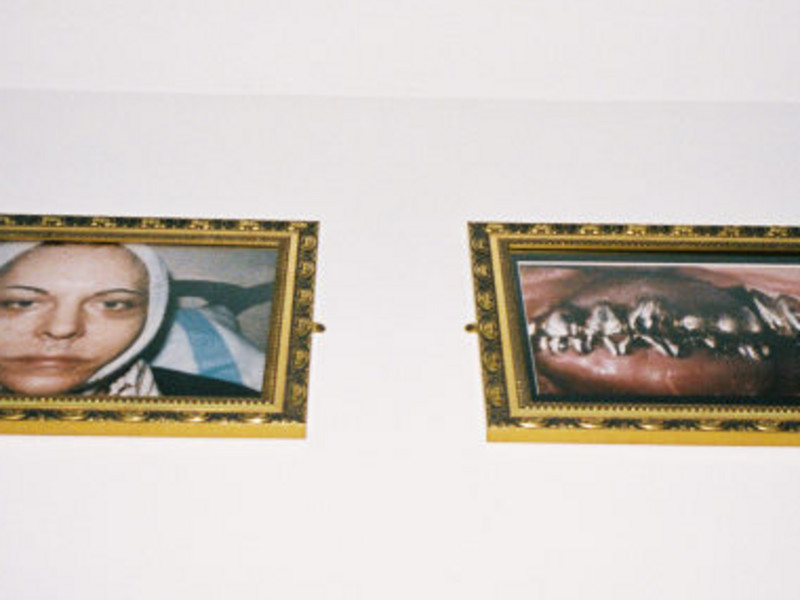
Andrew Jacobs combines still-life and portraiture, effectively blurring the lines between object and human. In the same vein, Pat Martin positions portraits of older women with fruit, dead roses, and children, invoking the cycles of rebirth and time. As you peruse the large cavernous space that is Red Hook Labs, a couple sets might particularly strike you. One of those is by Christopher Smith, whose self portraiture constituting of images of his bloody face, boxing gloves raised in limp defense, hangs next to a smiling toothless portrait. As Tyler Mitchell, shooter of our Spike Lee cover story for issue 07, and exhibition participant says, “photography should be a gut punch.” Smith’s work certainly is.


So is Mitchell's, but in a not so superficially distressing way. Shot in Cuba, New York and California, the set is rich with the sense of saturated mystery and beckoning for a visceral reaction – the kind of narrative Mitchell is interested in, as opposed to the “house, people, drama“ narrative so often forced on photography. Speaking on his work, Mitchell also conveys that, “on some level it's me trying to say “Hey here's my lived experience.” Which is usually that black men are not viewed in the way they should be. It's operating on that level but it's also operating on the level that this is what I want and am hoping for. It's both of those.”

But Tyler Mitchell knows that it's also not that simple. He knows that it is not enough to make black bodies the subject of his work, but instead, needs to be saying something more. Referencing Arthur Jafa, Mitchell relates that “putting a black person in a picture isn't necessarily black photography and it's not necessarily what Arthur calls black cinema. Imagery of black folks, which is what I'm making, it has to have something there.. It has to raise us above the level of being things.” While an incredibly paradoxical endeavor considering that pictures themselves are objects, Mitchell has never shied away from the work. The result is a particularly poignant “gut punch” – a manifestation of his courageous ability to not look away from the truth of his own reality and the hope that he has for the future.

And there is really no better place for the fruits of his labor to have arrived for public consumption because Red Hook Labs is not like many galleries. In fact, through their workshops and youth programs they have managed to do something we, including Mitchell, have not seen before. In addition to providing photography equipment and education to youth who may not have access, “what they're doing is showing kids ‘Oh here's a kid who looks like me, who acts like me who is kind of my age and being commissioned to take photos, maybe I could do the same thing.’” As Mitchell points out, photography has so long been a “rich man's art”. But with a young impassioned creative by the side of an art institution not (entirely) focused on money, that may be starting to change. If Mitchell keeps moving the way he is, and speaking as candidly as he does, it seems that things may change pretty fast. Finally.

Elliot takes simple ready-made pieces and recontextualizes them as pieces of art worth viewing by both the artworld and the wider audience, challenging what an individual considers as artwork and what isn’t.
By exhibiting objects that would normally merely be seen as a means of consumption, as art, the audience is forced to grapple with the wastefulness and thoughtlessness that is so prevalent in today’s cultural climate. The lifecycle of the products in Elliot’s installation doesn’t stop there though, these pieces of art remain buyable, allowing them to be reinjected into the consumer society, proving effortlessly that the balance between art and product is on a sliding scale and can interchange between the two depending on the context.
The idea is not completely unlike last year’s Items: Is Fashion Modern exhibit at the MoMA, but this time presented as a much more approachable and head on experience.
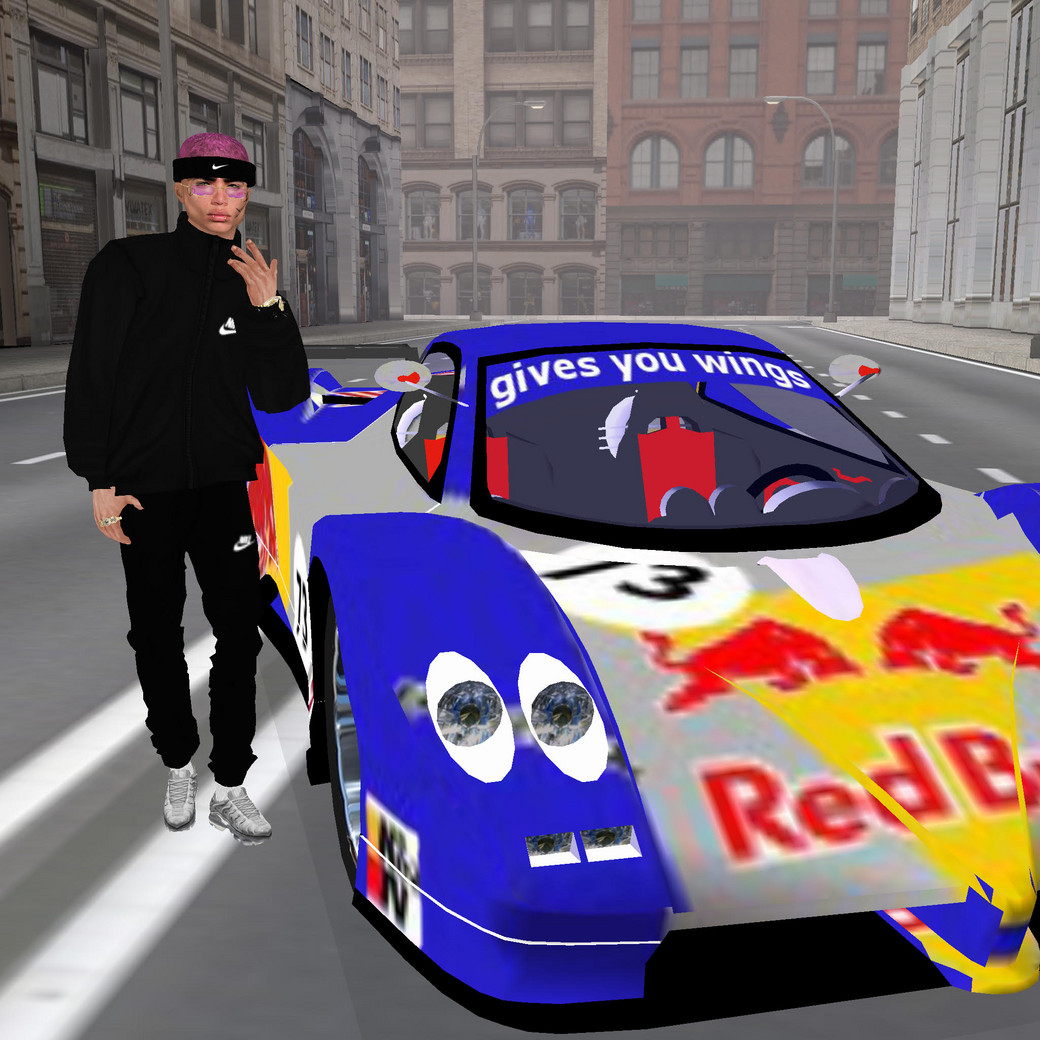
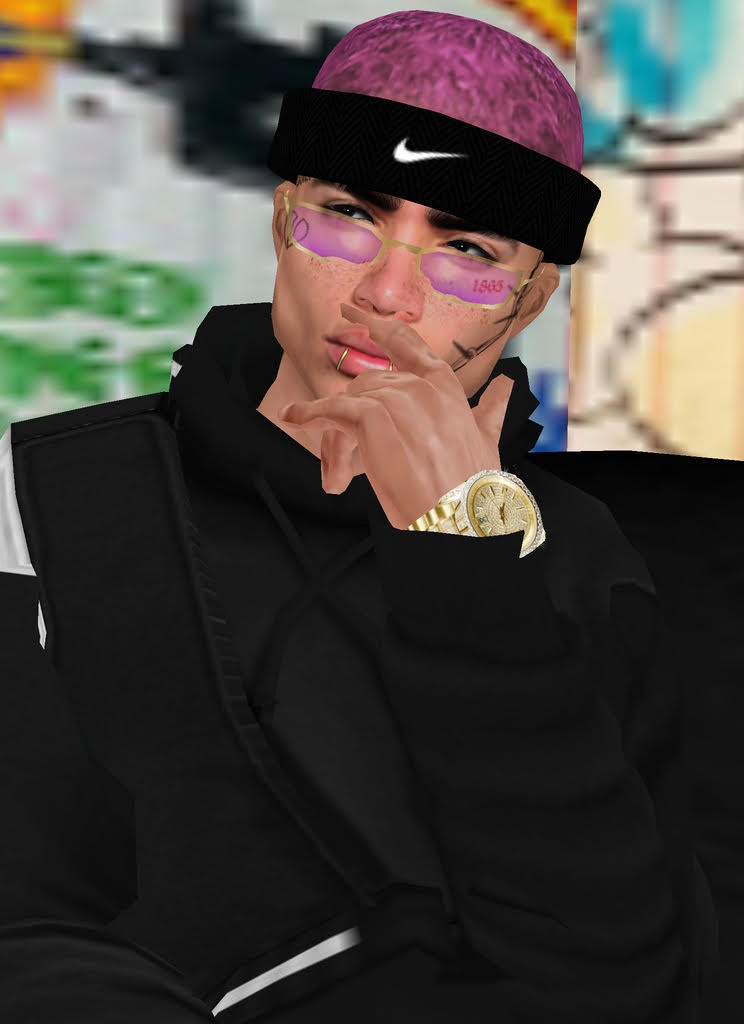
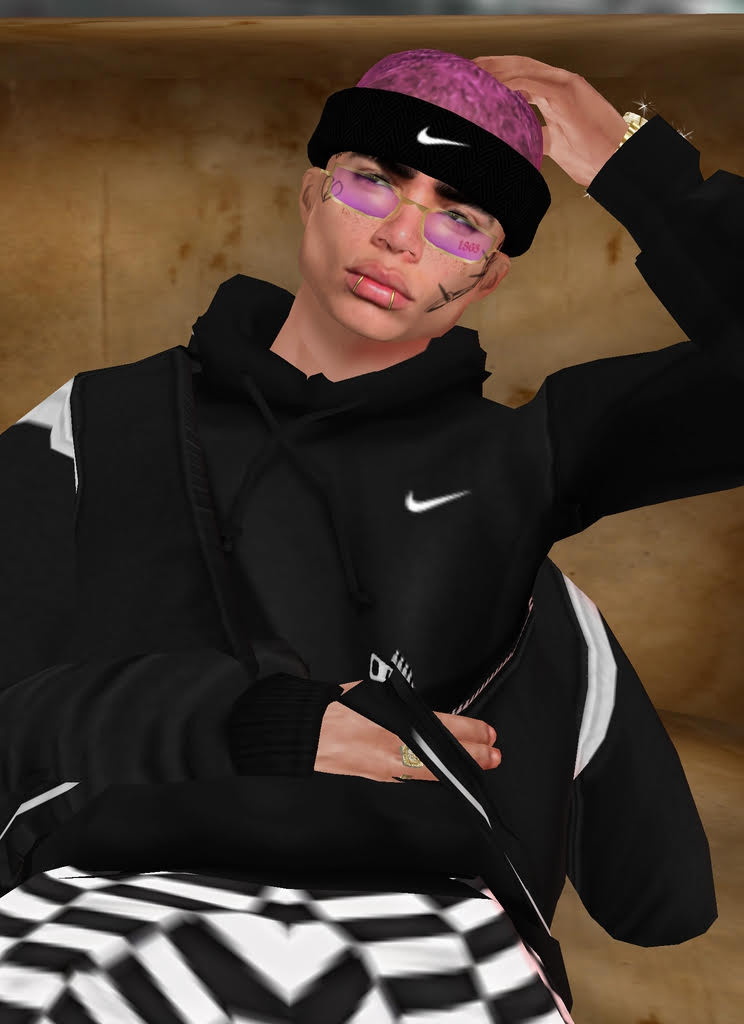
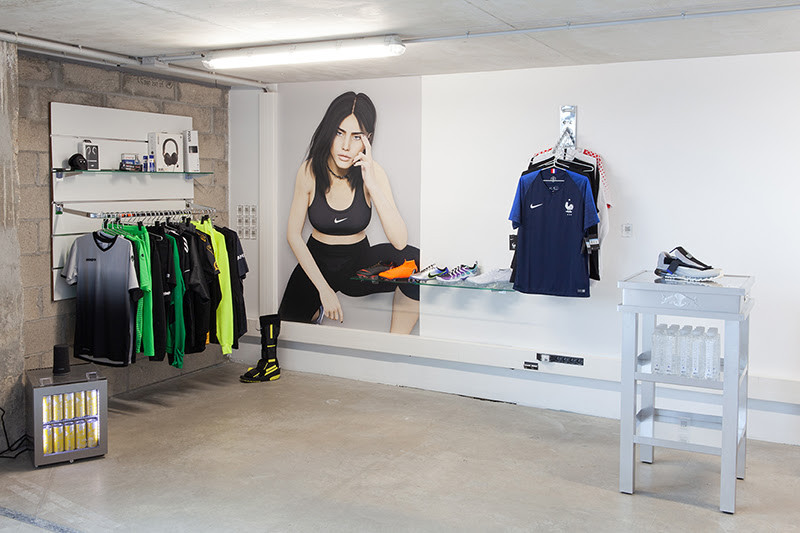
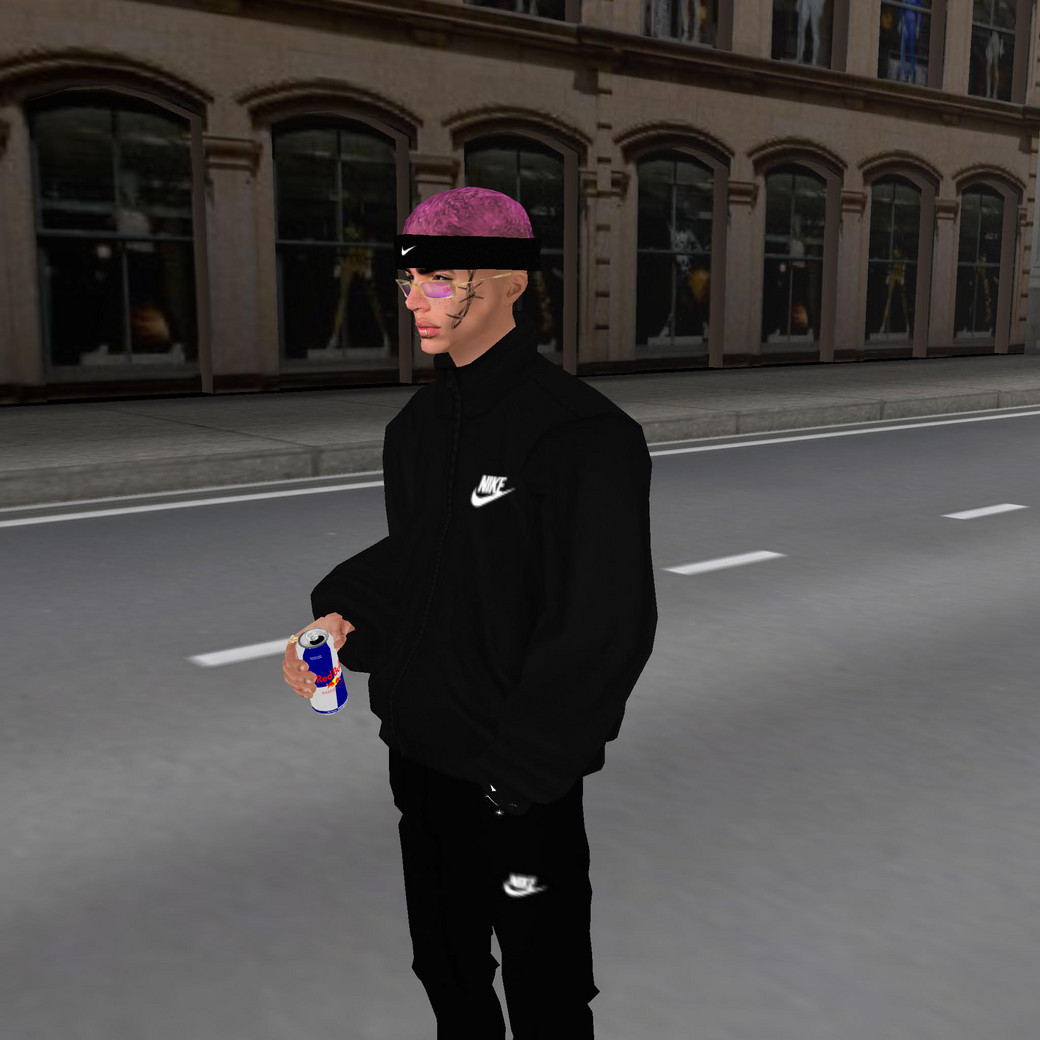
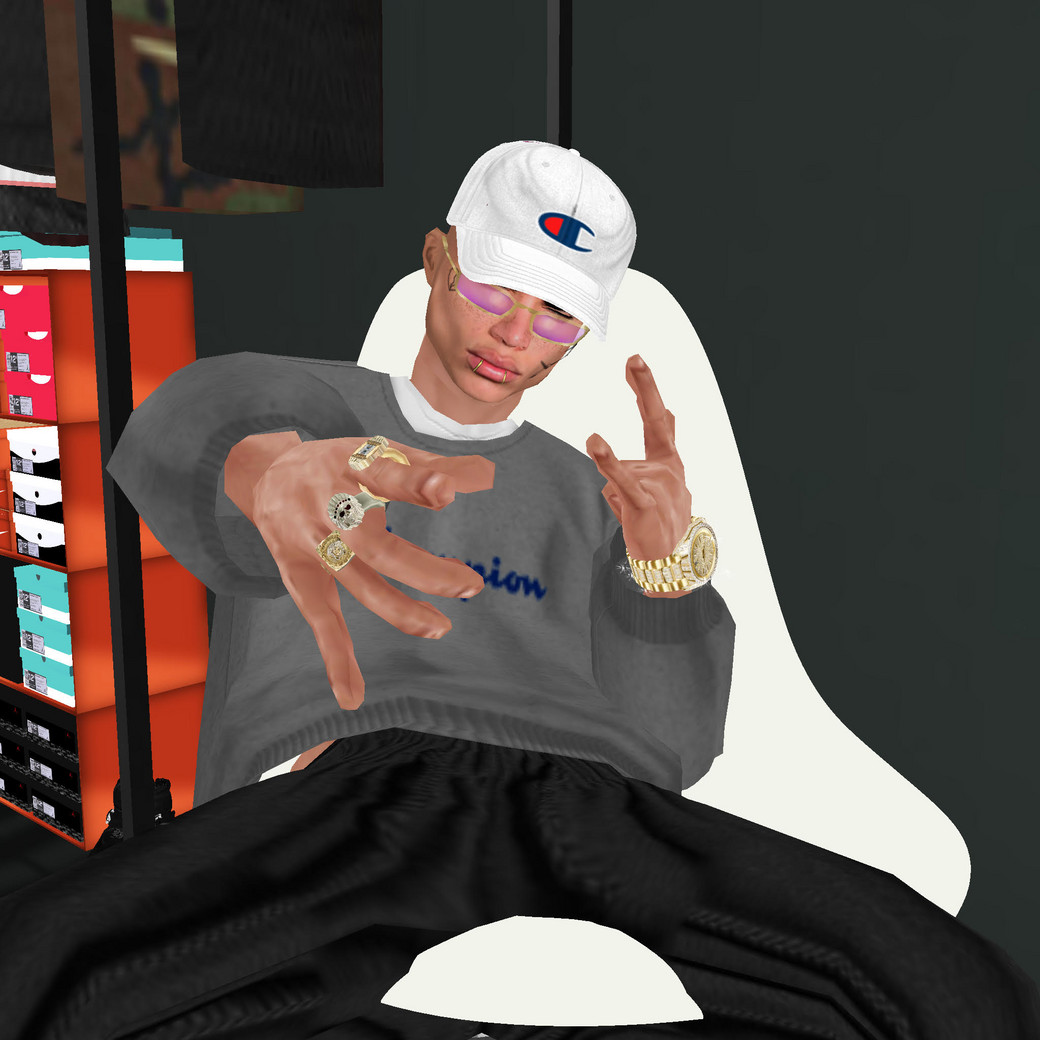
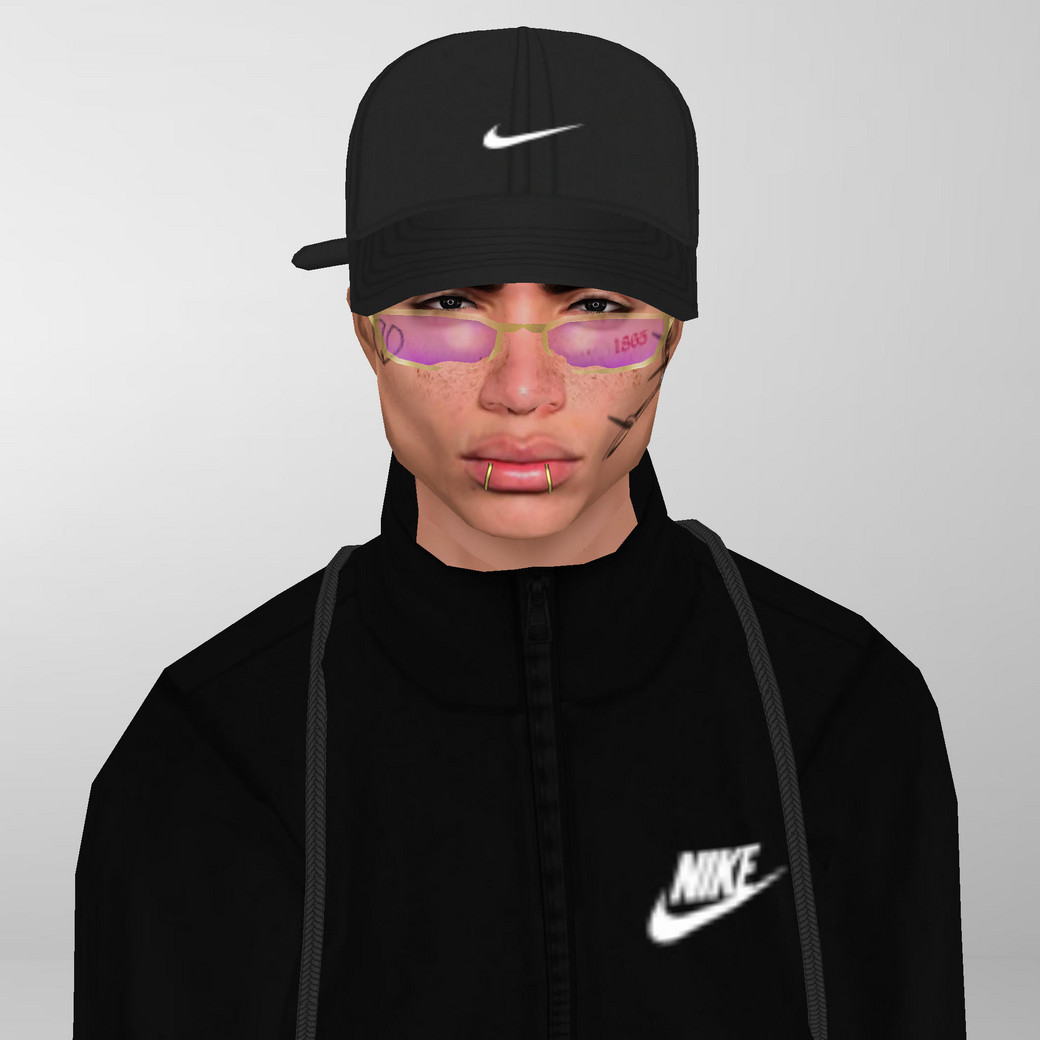
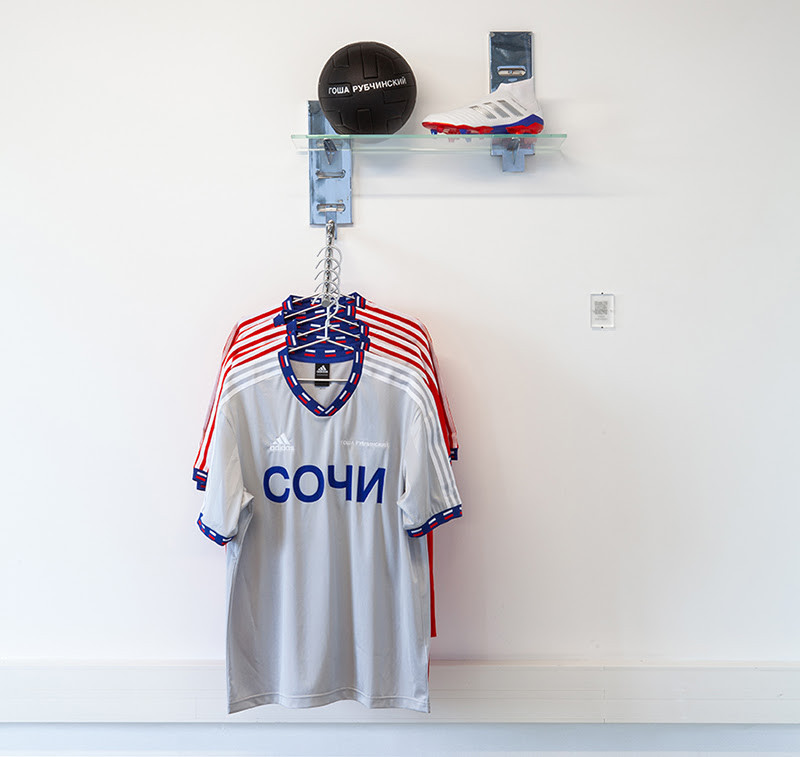
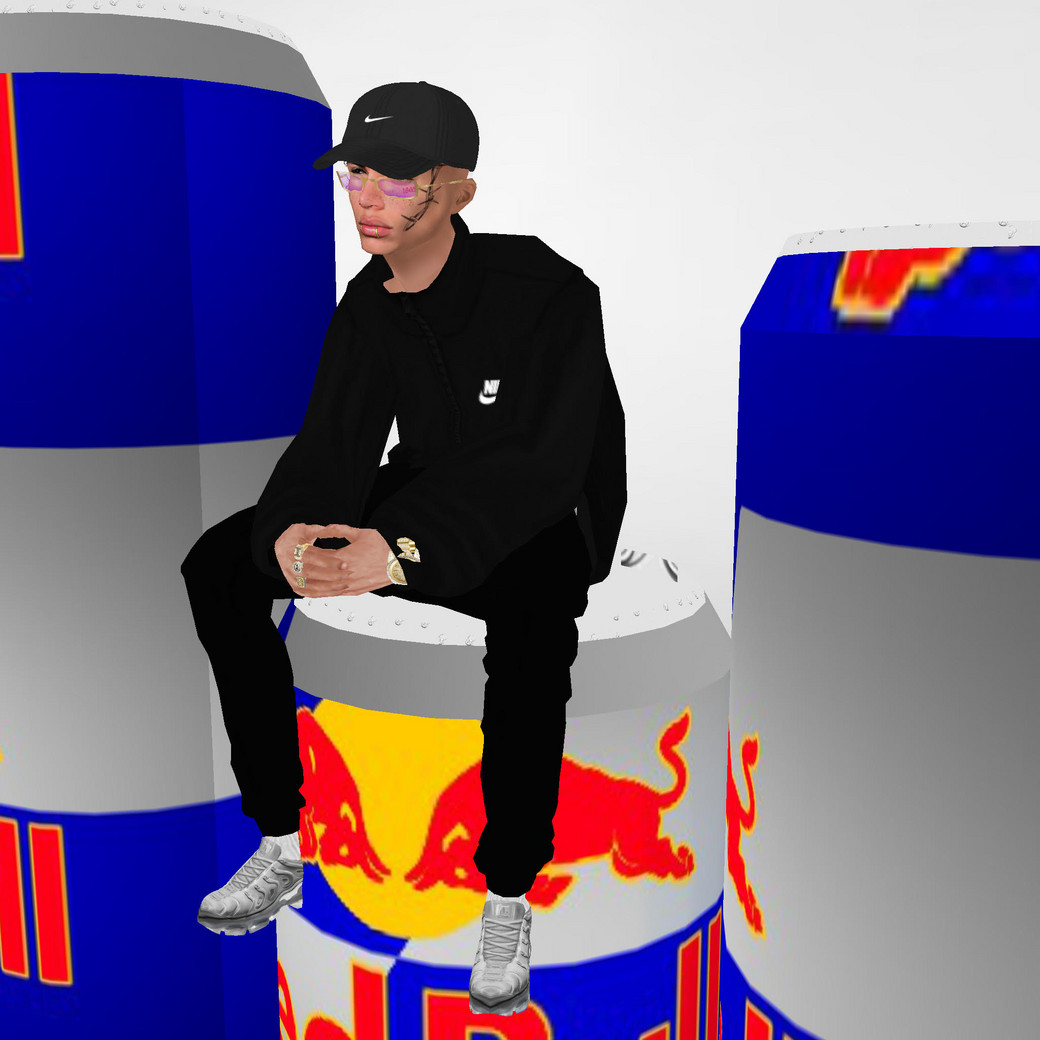
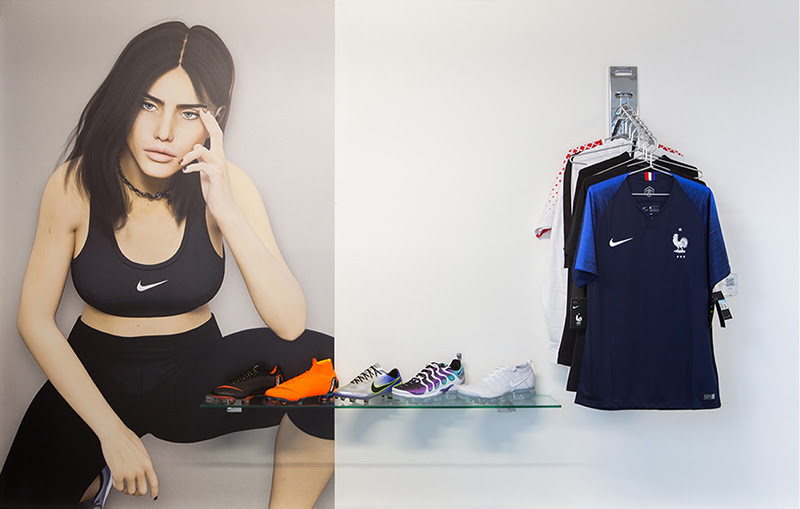
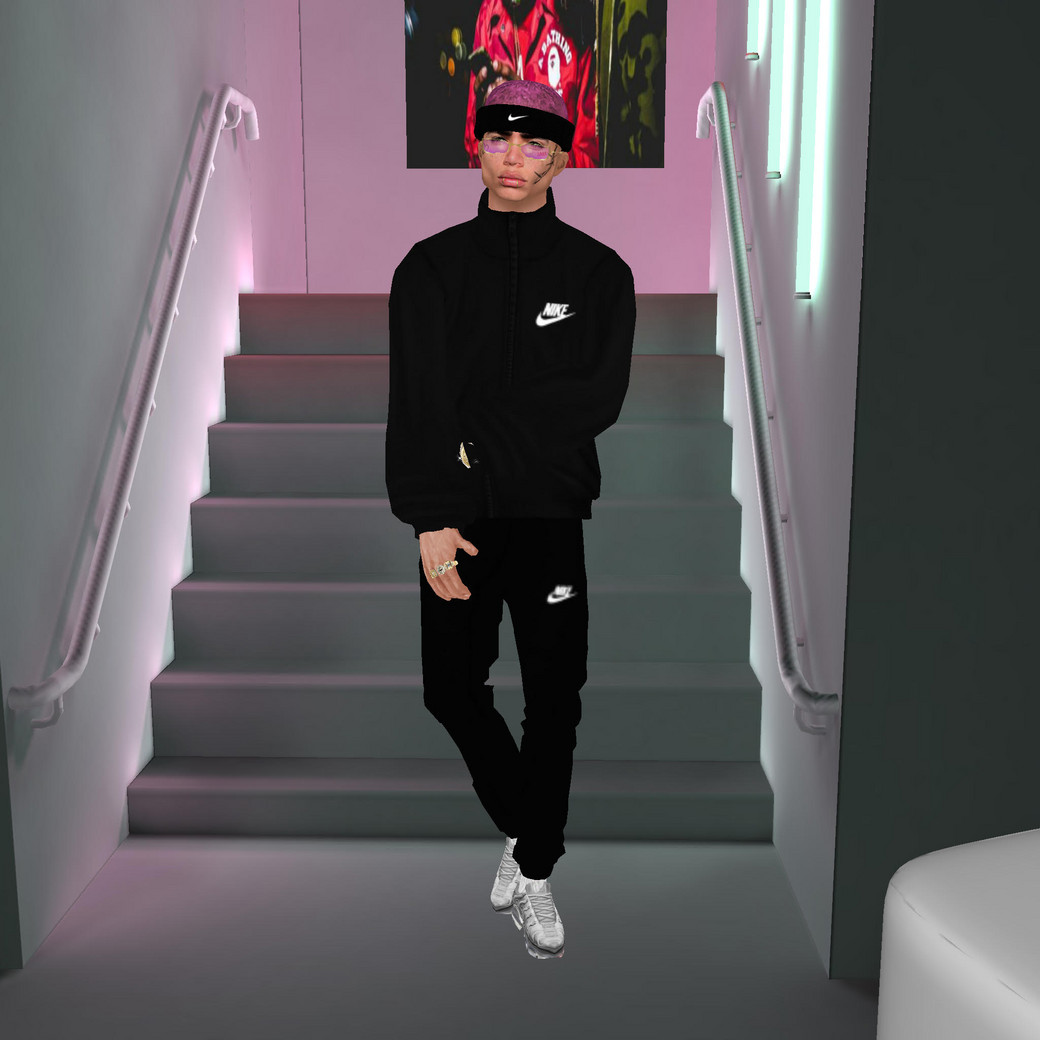
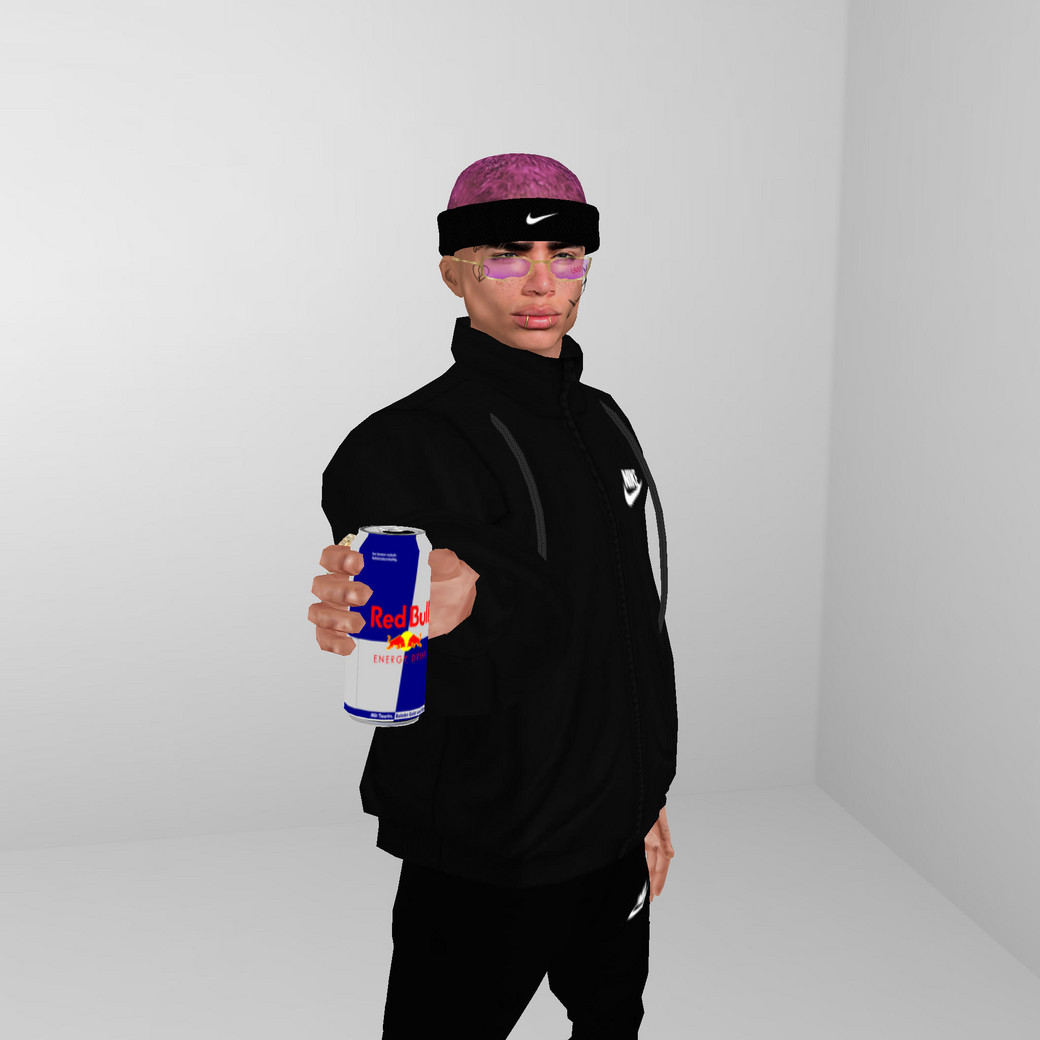
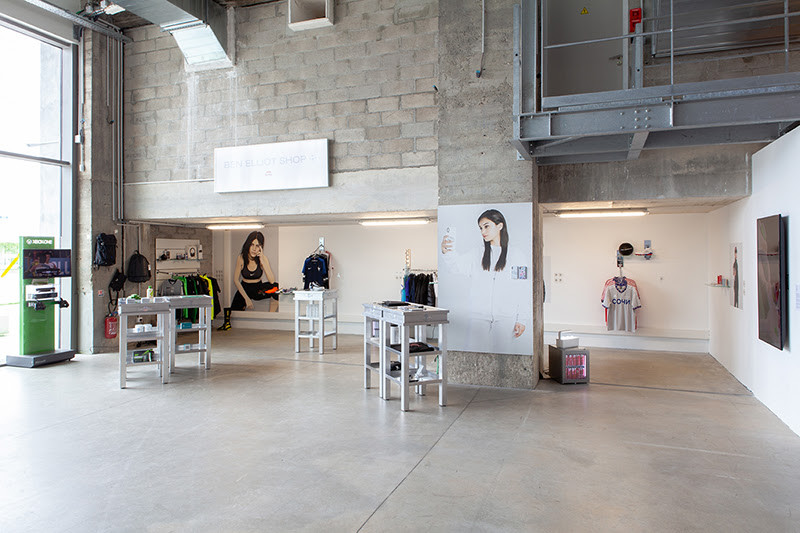
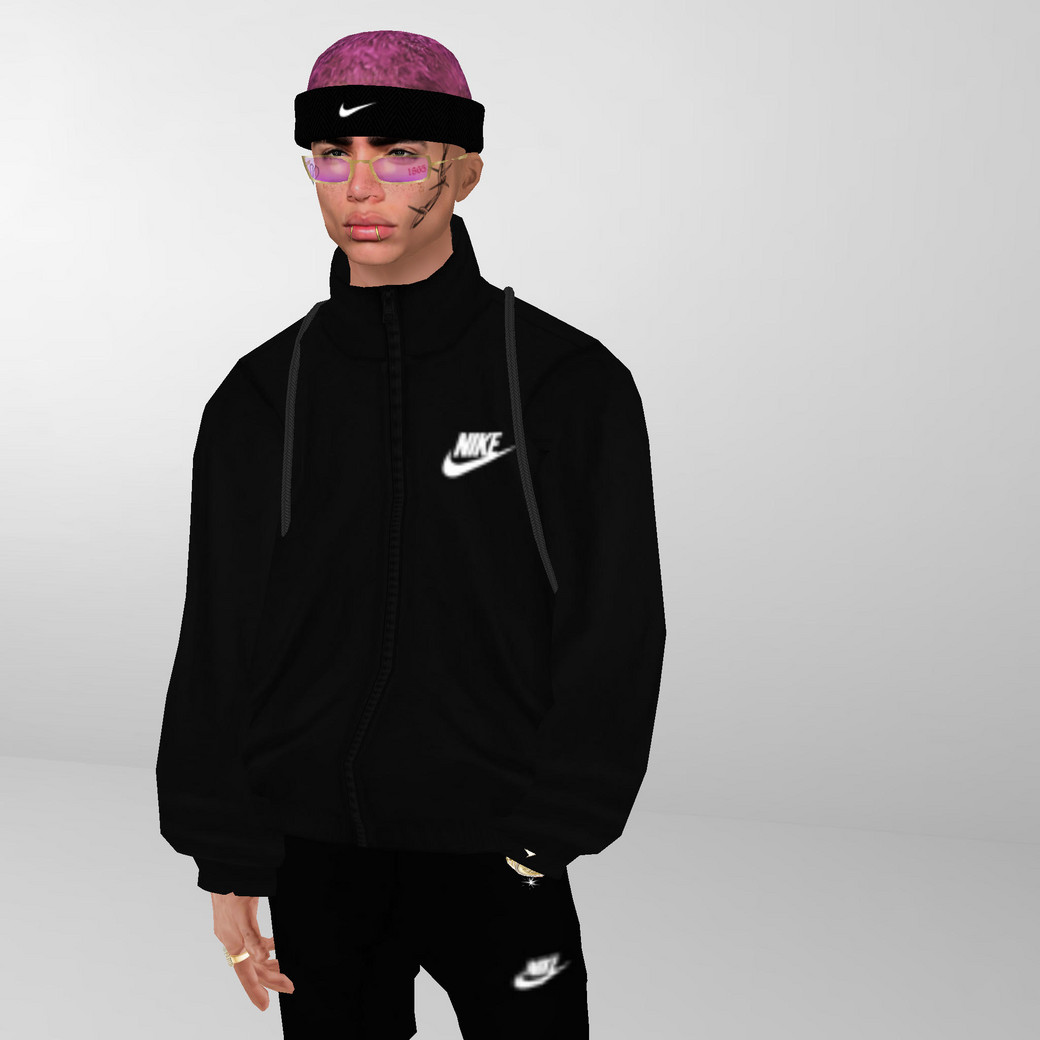
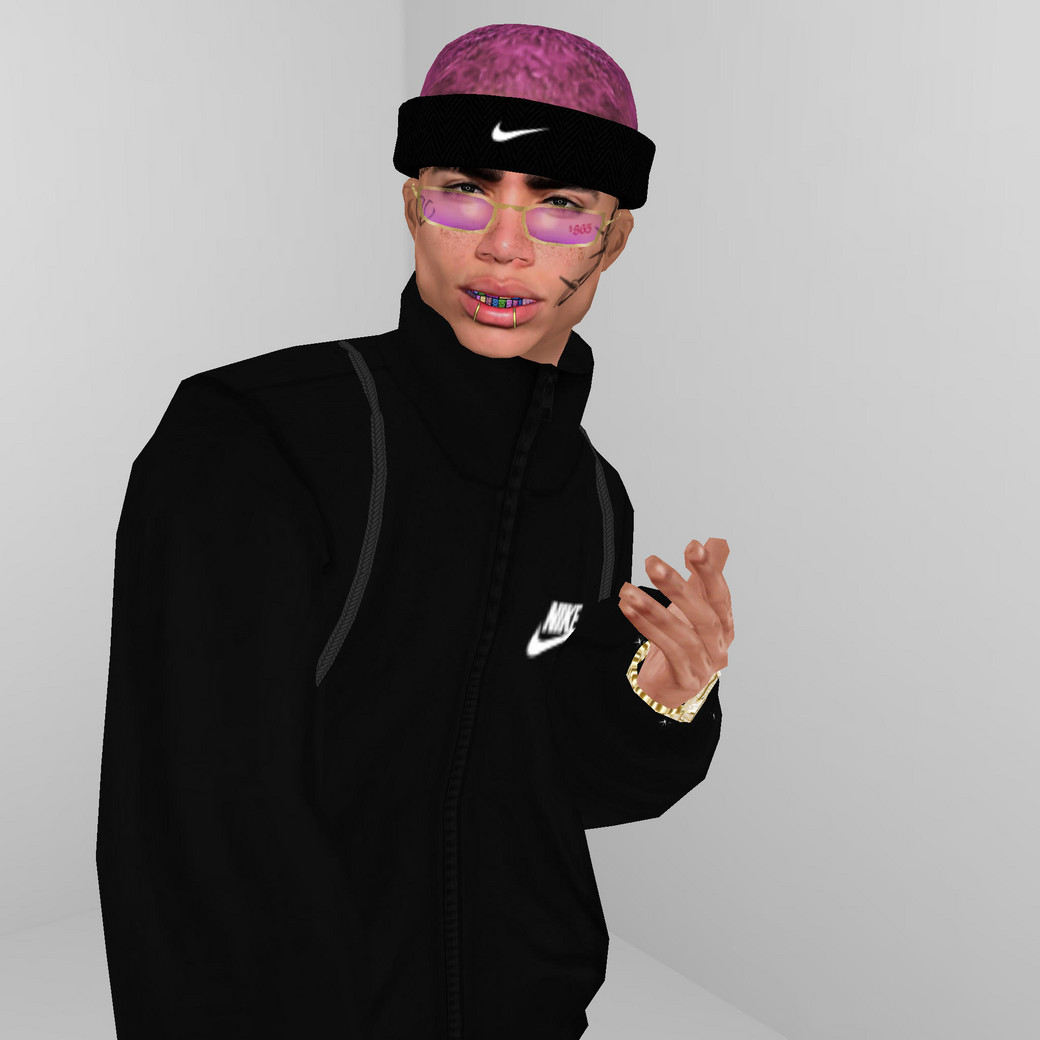
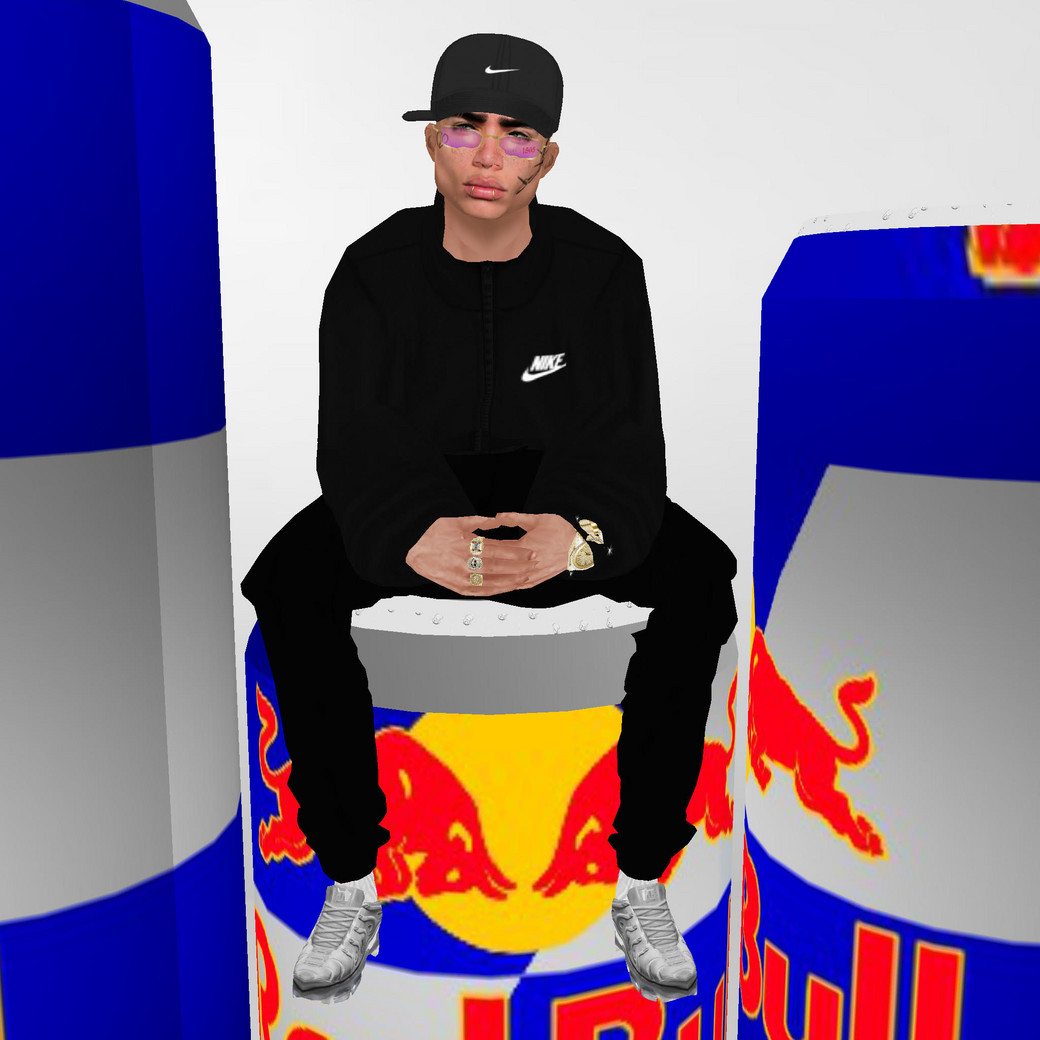
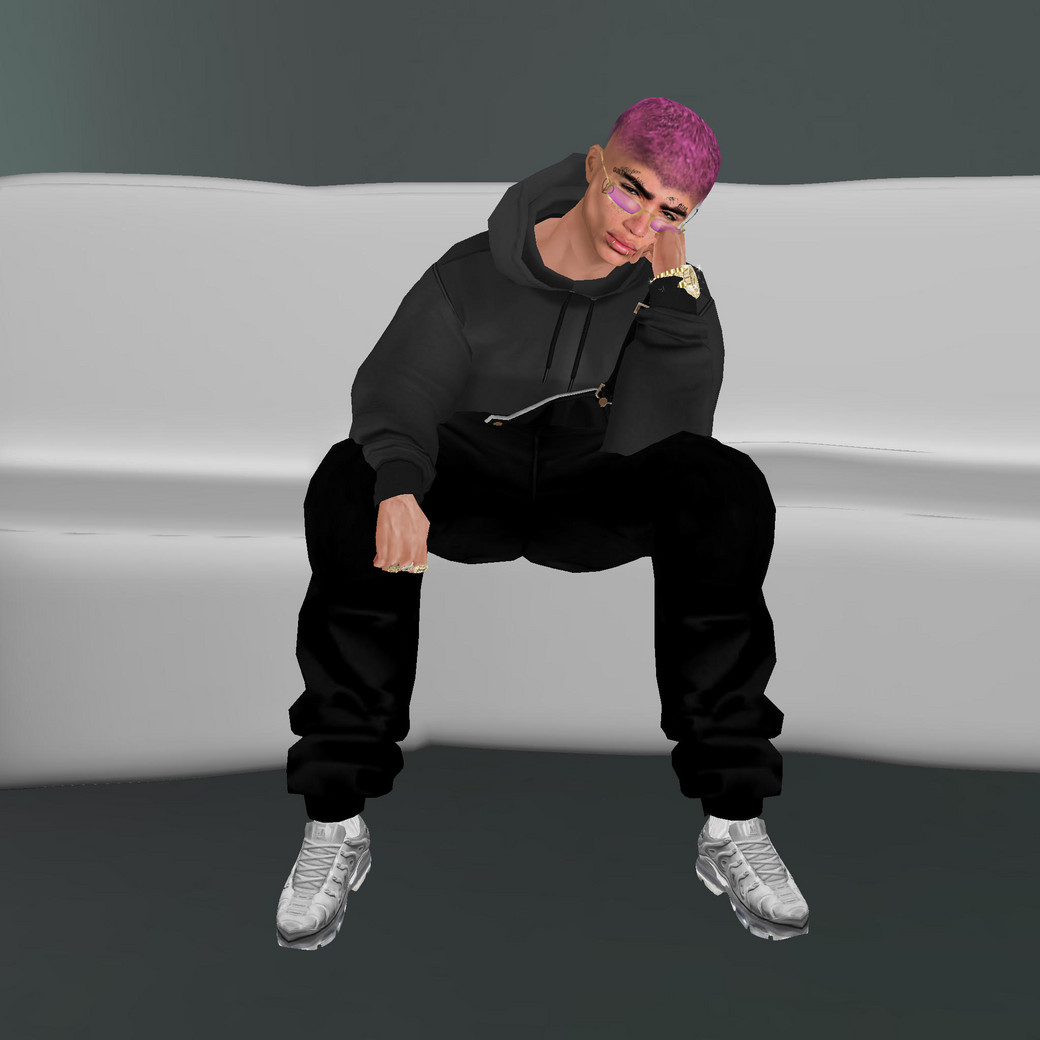
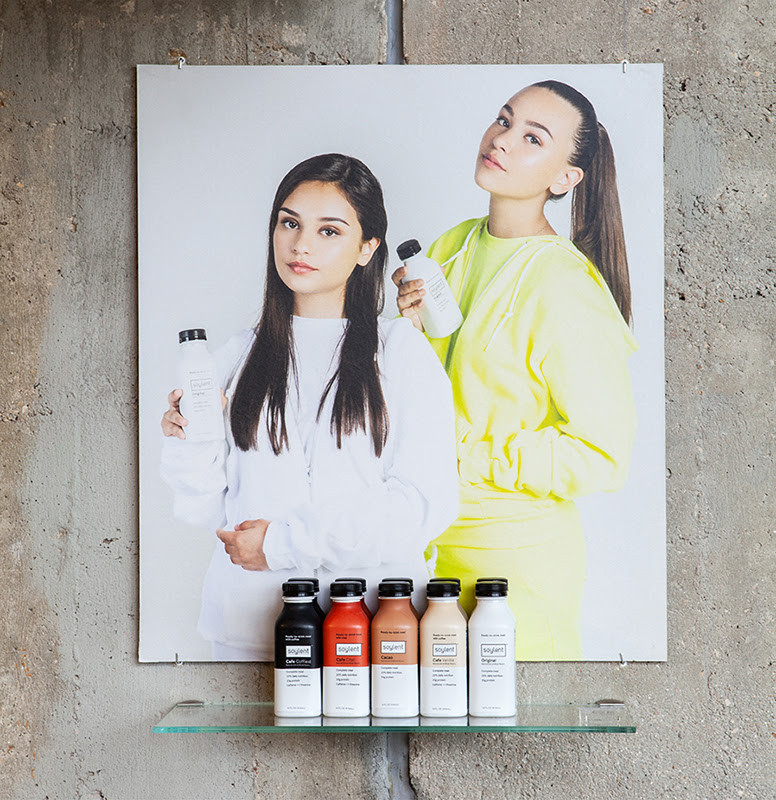
The Ben Elliot Shop Engerzied by Redbull is on display until August 5th, at Magasins Généraux 1, rue de l'Ancien Canal, 93500 Pantin as part of the exhibition Par amour du jeu 1998-2018