Vulvatious

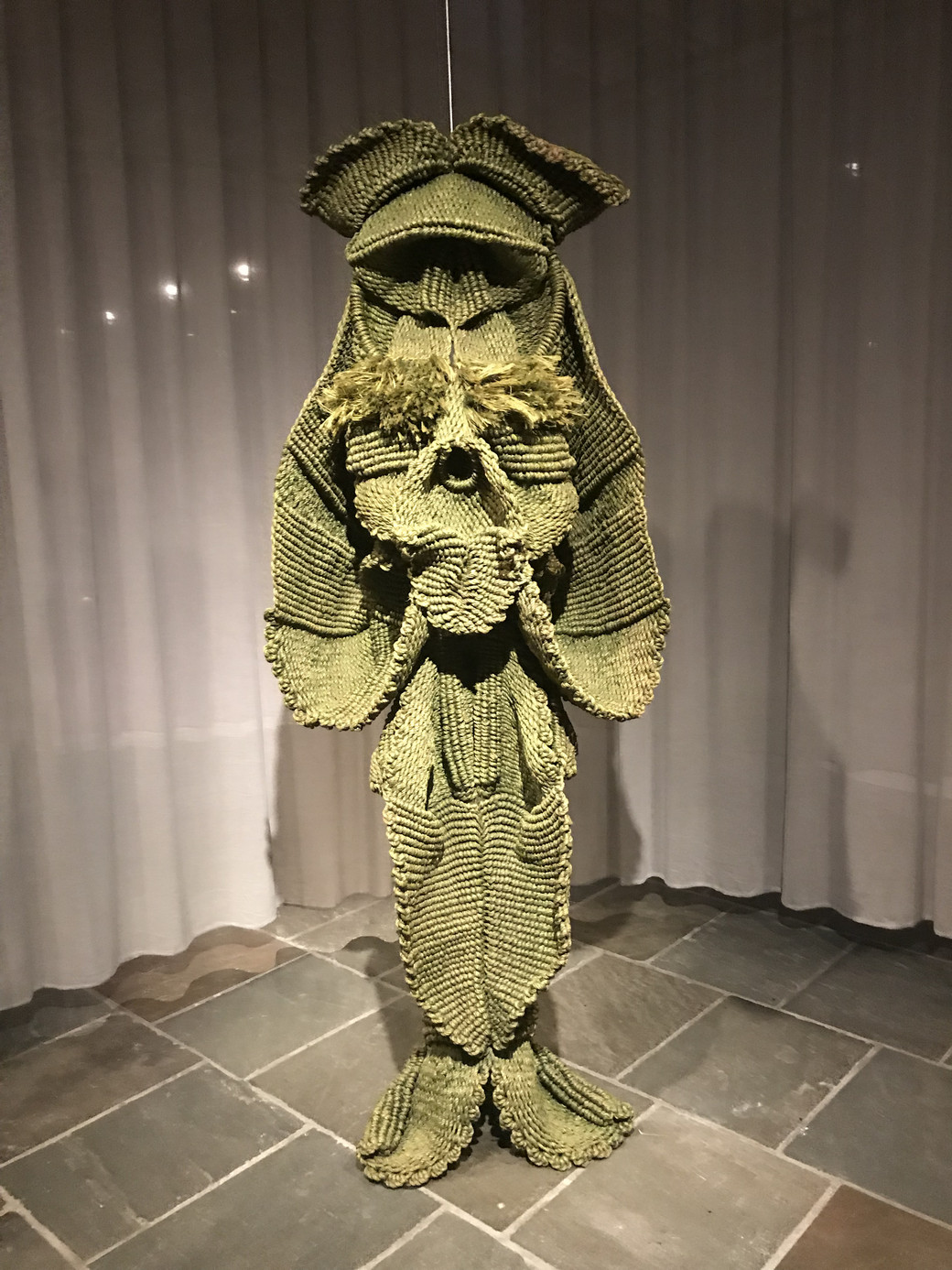
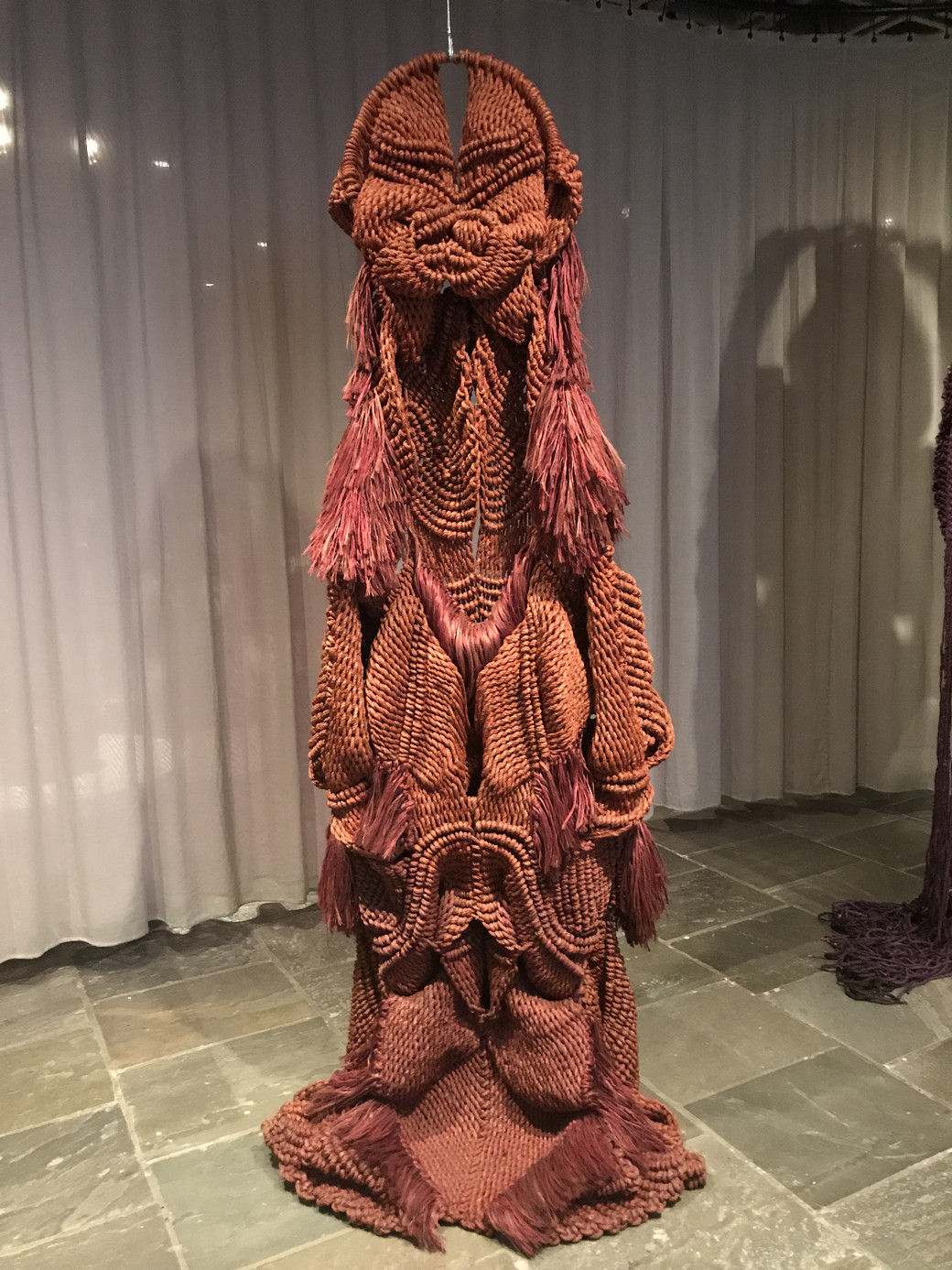
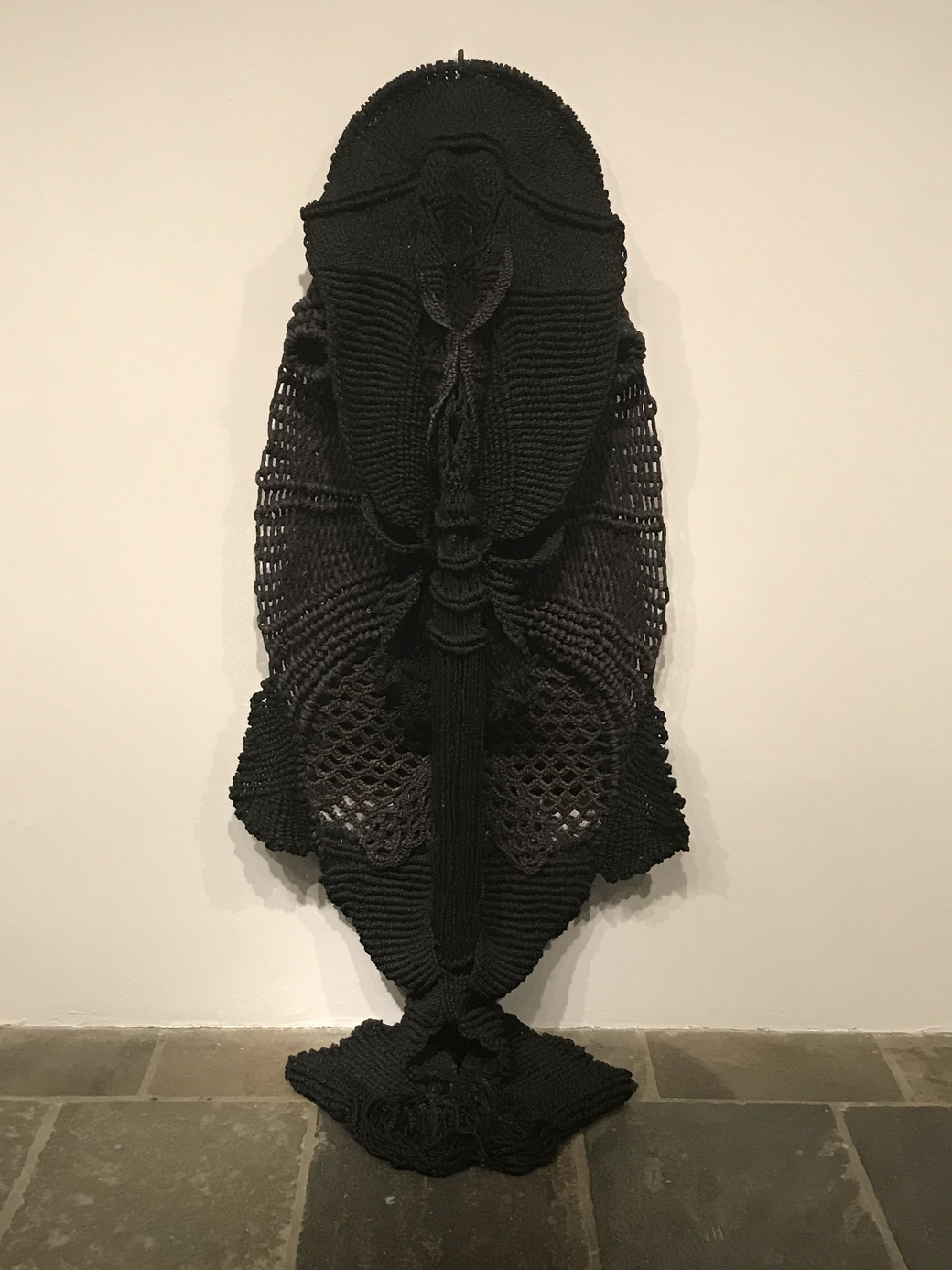
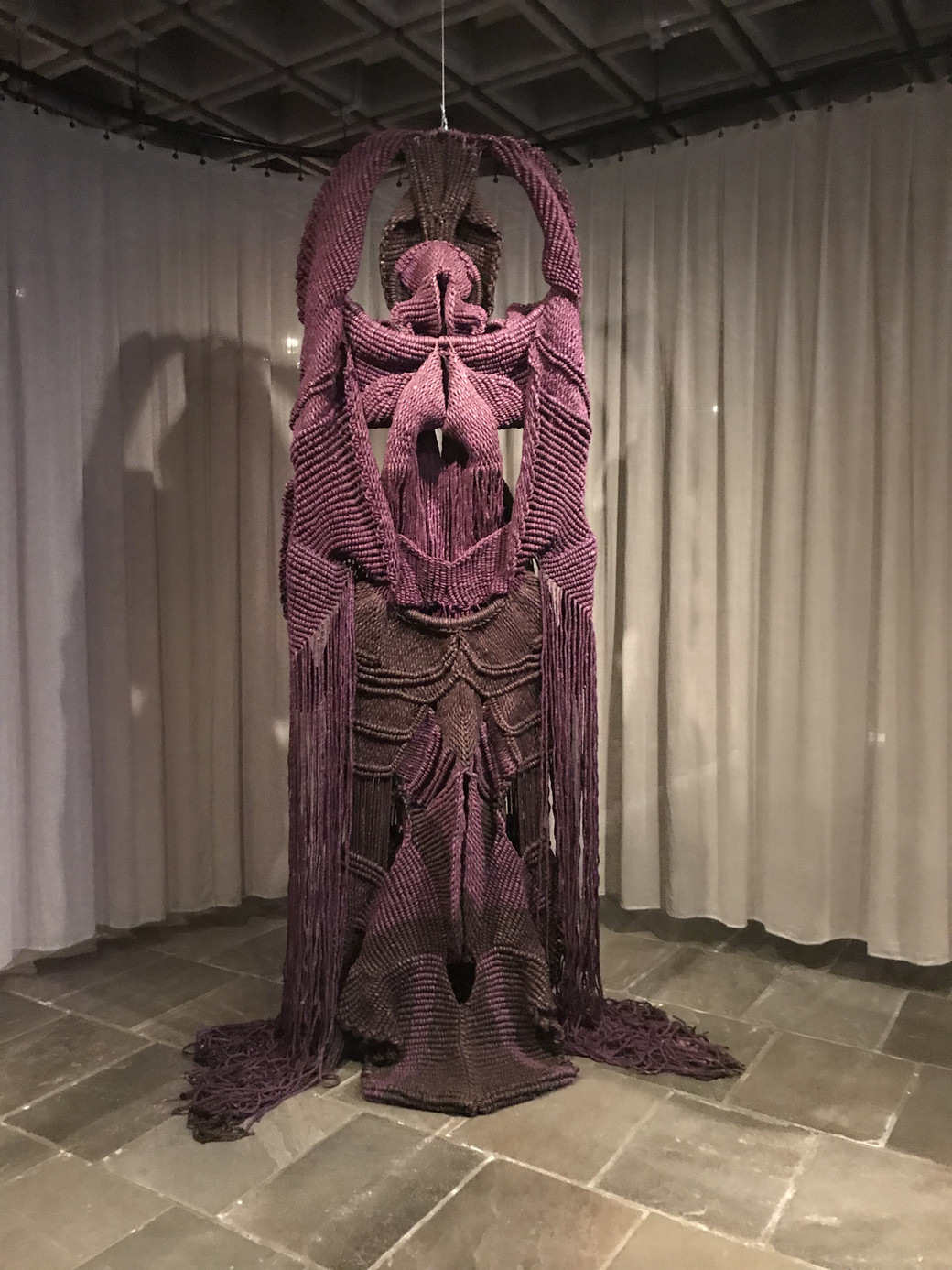
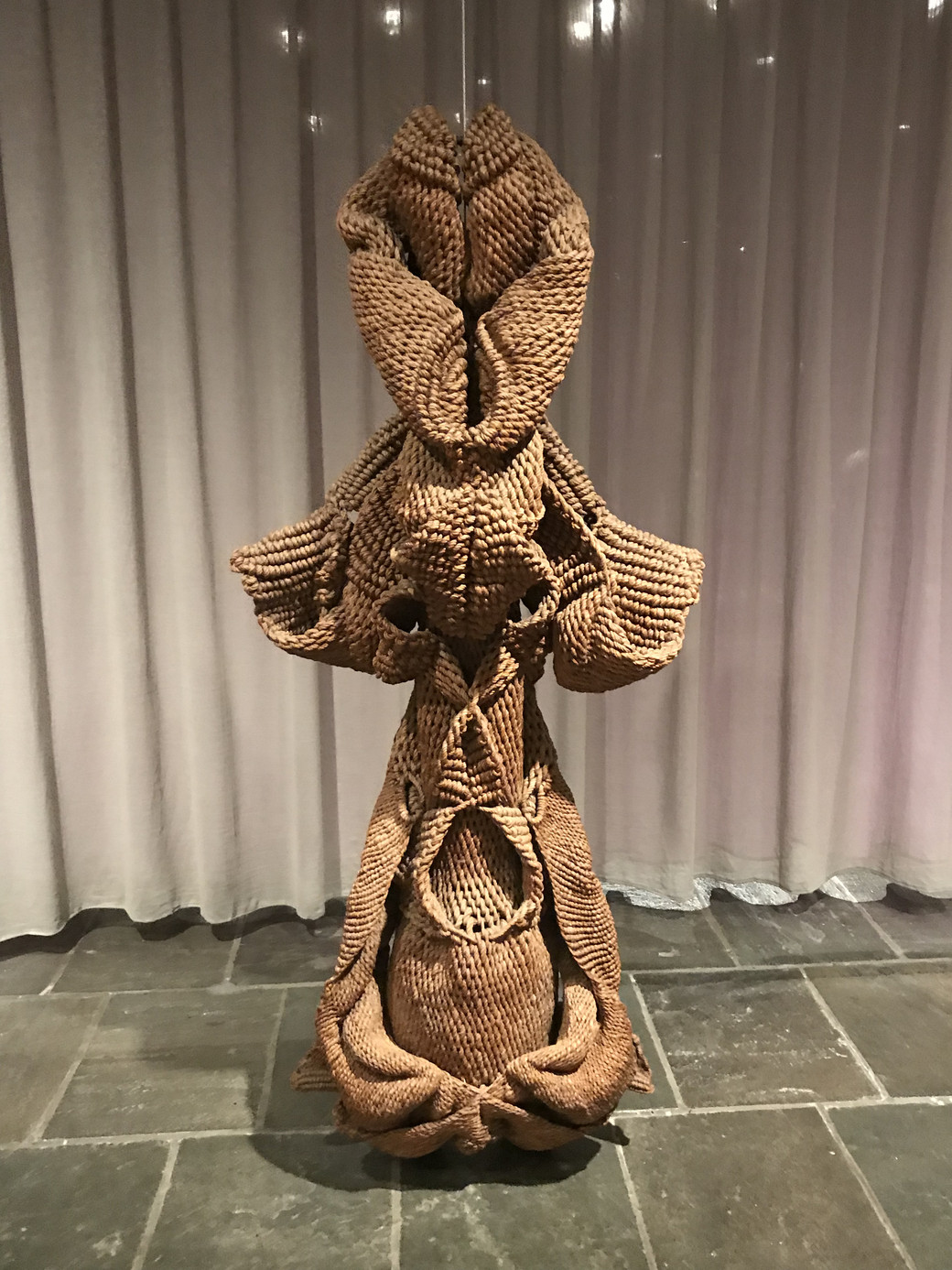
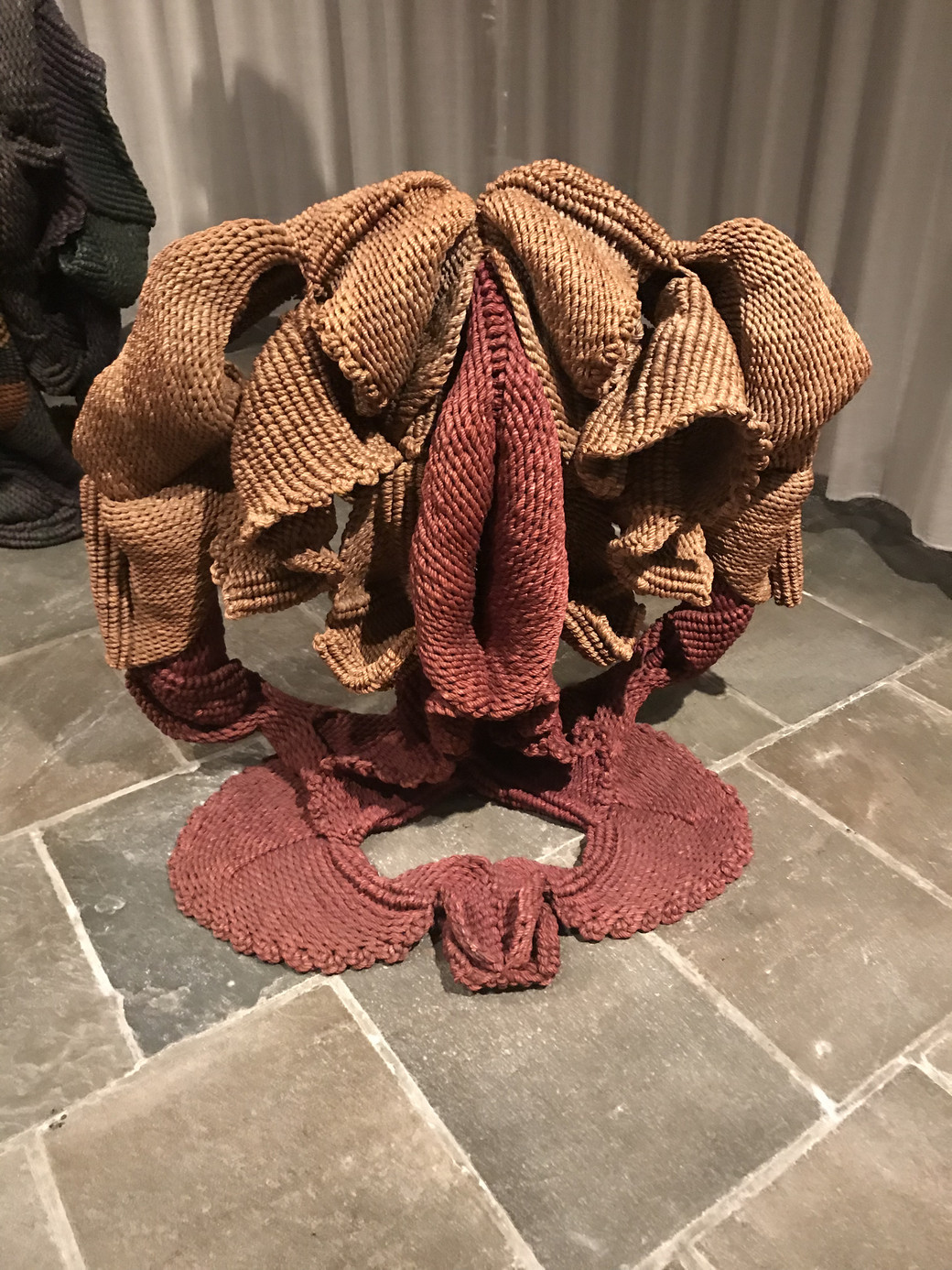
"Phenomenal Nature: Mrinalini Mukherjee" is on view at the Met Breuer through September 29th, 2019.
"Phenomenal Nature: Mrinalini Mukherjee" is on view at the Met Breuer through September 29th, 2019.

The project as a whole is a pretty charade meant to make viewers look closer at the things they find routine. Designated with a prime space for his exhibit at the fair––right at the entrance––and spreading into a few tiny rooms, Mistretta combined his passions for visual art and interior design in The Wrong Place. office sat down with the artist to talk about the absurdity of everyday life.
Tell me about the pieces you chose to display in The Wrong Place.
[This show] is the first time I’ve shown all the bookshelf pieces, which is the newest series I’m working on. The bookshelves are an opportunity to combine visual art and writing and sculptural elements, which are three things that I’m passionate about. They’re a good vehicle to make a hybrid of the three into one thing.
Does your exhibit center around a specific theme?
On the floor I’m showing buckets of dog bones that were cast out of cement and painted weird, bright colors. And I thought of those buckets as fruit baskets, or well-meaning offerings that you’d send to somebody, that are visually appealing but usually unwanted––things that nobody can use. That dichotomy of something being aesthetically appealing and sort of well-intentioned but being ultimately inaccessible was interesting to me. That’s why I decided to combine those works for the show.


How did you incorporate this year’s SPRING/BREAK theme of “Stranger Comes to Town” into this show?
I like the sensation of being in a weird environment that seems familiar––there are elements of familiarity, things like books or dog bones, but recontextualizing them so they’re not as you’d typically think of them. It’s just different enough to sort of not make sense, which is where the title of the show comes from––like you meant to go to the right place, but something feels weird.
What inspired the animal-centric phrases painted on canvas like, “Eaten by Shark” and “Trampled by Elephant”?
Those came from this newspaper-headline idea I had of tragic events at the hands of animals, that carry a double meaning depending on how they’re read. They could be book titles written by those animals, like “Swarmed” by Bees––as if the bees had written a book. I’m attracted to the ambiguity of the titles and things that are evocative. Having that type repeat over and over lends an absurdity to the piece and makes it feel maniacal.
Did you have any specific spatial references in mind when designing this installation?
I thought of it as a waiting room between reality and absurdity, and bridging the gap between something that appears to make sense initially but falls apart as nonsensical or is just too bizarre to rationalize.

Setting out to depict every aspect of the way women experience hotels, Cesarine has curated the work of over 20 female-identifying artists in building rooms 2348 and 2350 of the fair. Kat Toronto’s (a.k.a. Miss Meatface) polaroids featuring kinky sex games, and Cesarine’s own neon signs reading “LOVER,” “LUST,” and “YES,” riff on the positive experiences one might have in a hotel room. But her exhibit doesn’t skirt past the possibility of violence having gone down during the visits of past guests.
Katrina Majkut’s ominous cross stitch rendering of a “sexual assault evidence collection kit” hangs on the front door of the room, greeting guests as they enter. And a plush, old-school handgun lies on the bedside table. Pretty much everywhere you look in (Hotel) XX, there’s an intimate story being told through watercolor or weaving about all the bad and good stuff that happens behind closed doors in an unfamiliar space.


Tell me about the pieces you chose to display at (Hotel) XX.
I wanted to create an immersive experience of a hotel, and create the framework for the exhibit of women’s intimate experiences staying in hotels. I really wanted to capture this component of people having so many different experiences in these rooms, although [in this show] there’s a massive theme revolving around intimacy––whether that translates to the intimacy of an erotic scenario, or it plays out with doing something very mundane like lying in bed naked on the phone. Pretty much everything in the room is artwork, from the furniture, to the rug on the floor, to the camera made of porcelain. And they all touch on the different things that take place in rooms by the guests, and the mystery and the intimacy that occurs in private spaces.
Why did you choose to focus specifically on women’s experiences?
I prefer to focus on women’s experiences and the female gaze, that’s an ongoing theme in my curation and my work as an artist. I also feel like for thousands of years it’s been all about men’s point of view on everything, so with this year’s theme of SPRING/BREAK Art Show being “Stranger Comes to Town,” I felt like women’s points of view are often ignored when you look at movies and the history of many creative scenarios. It’s really important to, through this show, touch on the different voices women have in private spaces, particularly in hotel rooms, because the hotel adds this component of displacement, of a transient, mysterious place. Women’s experiences in a hotel are very particular as well, because if they’re traveling alone there may be a component of fear that I don’t think men would experience.

Right, and you illustrated that by juxtaposing dark works with renderings of more lighthearted experiences.
Obviously not everybody’s experience in a hotel is a good one––some people may go to a hotel and be sexually assaulted, or raped, or it may be a sex worker who gets assaulted with a client. I felt like it was important to add that element of danger that draws on what you would see at the scene of a crime. I think it’s important to juxtapose people that may be exploring fetish and BDSM, with [the idea that] maybe someone was murdered or assaulted. Each artist brought to the exhibit a very creative point of view on the subject.
What drew you to the mystery of a hotel room?
What takes place behind closed doors in hotels is not always mundane. A lot of times it can be dark, or erotic, or dangerous. And that element of mystery definitely was a source of inspiration from the artistic standpoint, versus someone just watching TV or sleeping in the room. There is a big mix though––the textile piece of a woman sleeping in bed, that one is almost romantic. There are pieces that are very empowering and positive explorations of intimacy and then there are the darker, more subversive components that add to the depth of the very experience of being a human. Hotels add to that drama.
Which is your favorite piece on display?
The entire installation, being there and exploring all those different pieces carries the most weight. I feel like they work together in a really strong way. But I love the piece by Joetta Maue, that is a work on the bed––her whole body of work explores what happens on bed sheets, whether there’s a couple sleeping in bed, or a woman sleeping, dreaming about her lover, or a pregnant woman. I also love above the bed, Suzanne Wright has a piece that’s very orgasmatic of a woman with legs spread and rockets shooting up around her. That’s such an expressive, captivating representation of the female orgasm.
What work did you contribute?
I do a lot of neons by hand so I featured a whole series of neons that I’ve been working on. I also premiered a portrait a series that I did with a sex worker by the name of Maidenfed, who’s a dominatrix. The experiences of a sex worker, where the hotel room is often their place of work, was an important piece to include.

As Barger travels back through his boyhood, he’s been busy, building on his bright, playful paper pulp “furniture”, shifting focus from the inherent formalism of functional design and finding catharsis in crafting abstract shapes akin to sculpture. Growing Up is about Thomas Barger, and by Thomas Barger. But it is the bones that belong to us all— family, furniture, creativity, coming-of-age. We sat down with the artist in his sunlit studio a week before the exhibition opening, and across the table, titled, My Family is Getting Bigger, spoke about feelings, art, furniture, and having his first solo show.


How did you start working with Jessi Reaves?
I was working in architecture at the time, and I met this guy, and he introduced me to her. I was interested in getting out of architecture, but still being within reach of design, so that type of transition worked. I wanted to learn through working for someone, rather than going back to school.
Where did you go to school for your undergraduate degree?
I went to University of Illinois, and I studied architecture and landscape. That’s where I’m from originally, Illinois.
Really? Where?
In Charleston-Mattoon.
I realize now I know absolutely nothing about Illinois geography, so not sure why I asked that.
It’s a small town, I’m from a farming area. I’ve only lived there and here, in New York.
How long have you lived here? Would you want to go back and live there again?
No, no not really. I really enjoy it here, it’s like everything home isn’t. I’ve been here four years. I came here right after graduation.
So that’s when you decided not to go back to school?
I’ve said that about working for people here is like a second education. I mean, being in New York you can learn so many things.
After interviewing a fair share of artists and creatives, it feels like anyone actually succeeding in the arts is either a dropout, or got their education with an entirely different focus than what they’re doing now. To be fair, I also ask because it makes me feel better, having dropped out of art school approximately five… to ten... times.
I feel the same way. My work is becoming less design and more sculpture, and I’m really excited seeing that transition happening.


Embarrassing, but I have always been confused about this: we have design, furniture design, architecture, sculpture, and mixed media. Is it on a spectrum? How do you define them? How do you decide what you are doing? Or do you…?
Well like, right now I think of my practice as sculpture. Coming from design school, I think about how designer makes a bench or a table, and then I think about the way an artist makes a painting— what those roles are.
What is the responsibility of an artist compared to that of a designer?
Oh, that’s a good question. I think the responsibility of a designer is to make something functional, and that is the primary goal. For the artist— at least I can speak for myself— it’s about expressing personal direction. And that’s where this work is going. This table called My Family is Getting Bigger is a family unit, which I’m adding on to because my brother and sister just got married this year, and the laundry unit is inspired by my mom folding and sorting laundry. This year, I came out to my family, and after coming out I noticed their absence. The two chairs reminisce my parents' core roles in my life highlighting our relationship. They are called Love me, Protect me, chairs.
That’s brilliant. This artful, sculptural basis— but, in the form of table. So, you say it’s such a personal piece, but regardless of someone knowing the story before, it’s somehow still relatable. And also, emotional— at least for me, my own shit comes up with this table. It’s such a strangely sensitive subject— furniture? Everybody has their own experience with it. It’s not just an abstract sculpture where you have to force feeling something, Even if it’s not intense feelings.
Yeah, that’s what I like about furniture. People all have their own reactions because everybody can relate to furniture, everyone has a past with it growing up, and a special memory. I don’t think that’s always the case with pure sculpture. So I like that connection for me, and for others. And even the materials are getting much more personal, this big circle bench is going to be covered in rocks — we have a pasture on the farm where the rocks come from, and the piece resembles a tractor tire. I guess I can see a clear departure from this design background.

So, is this stuff for the show, and you’re still working! It’s so soon! Is that stressing you out?
Yeah!
Sorry that’s such an awkward thing to say. Shit.
No it’ll all come together, it always done. But I am a little bit nervous. I guess like with palate, all the colors will come together. In this show, I’m painting things so it all works together in the gallery space. It’s like a culmination of the work that relates to my family, because I came out to them last year, and it’s been this intense relationship with them, where we don’t talk. And then I had to go home for weddings. It’s a lot to go through, and it reflects in my work.
Well, pain is can be a motivator.
It’s even seeping into it all in the weirdest ways. Like, this was my dad’s truck blanket, it was in his truck seat, that for some reason I have. And this chair’s not even related to it, but there is a touch of my growing up in everything that I’m doing right now.
How are you going to explain these things in the show?
It's interesting, I think of these things with explicit meaning, but other people think of them so differently. Like you were saying this table, but that’s what’s nice about these pieces– it’s inclusive for everyone.