Vulvatious

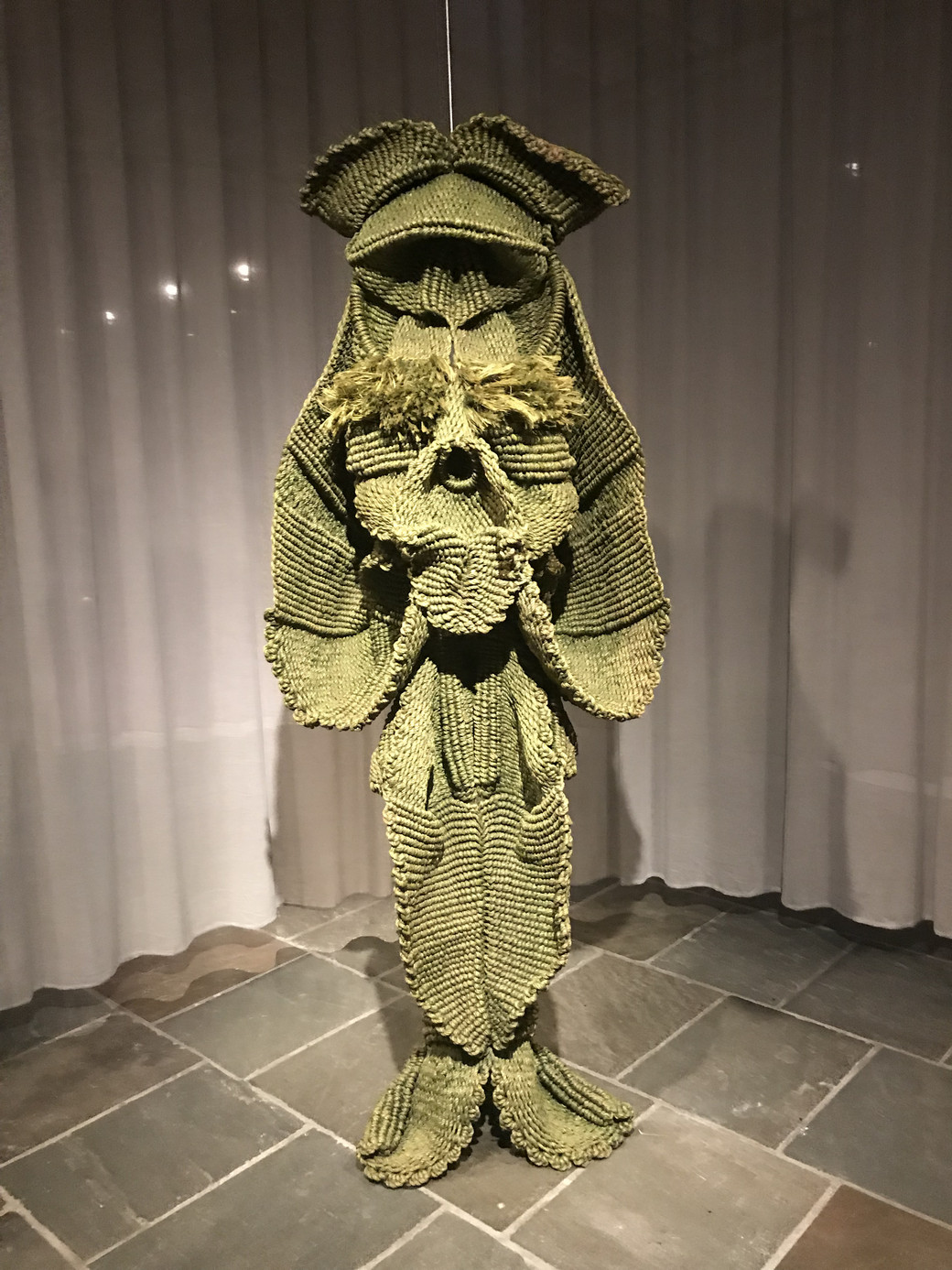
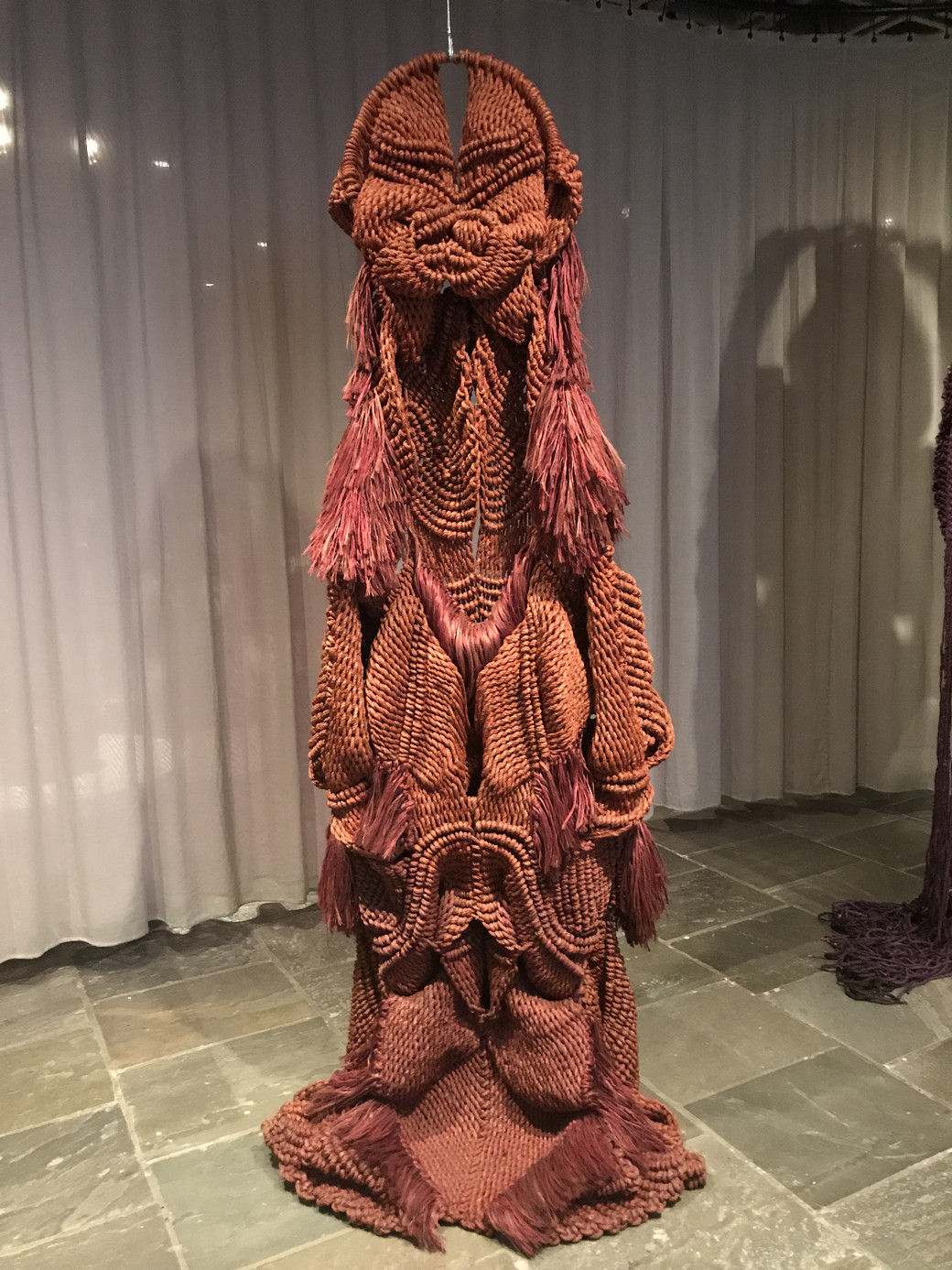
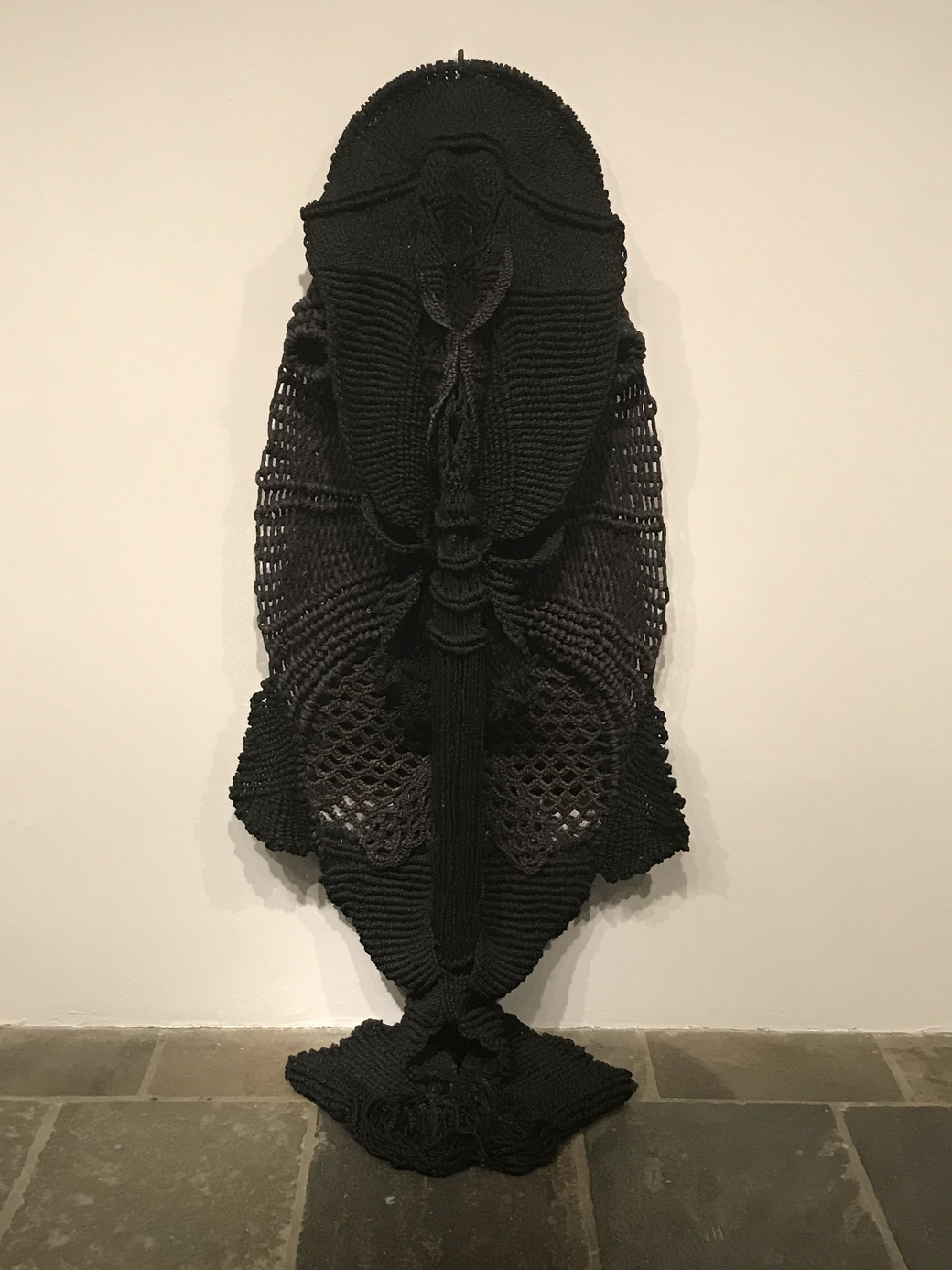
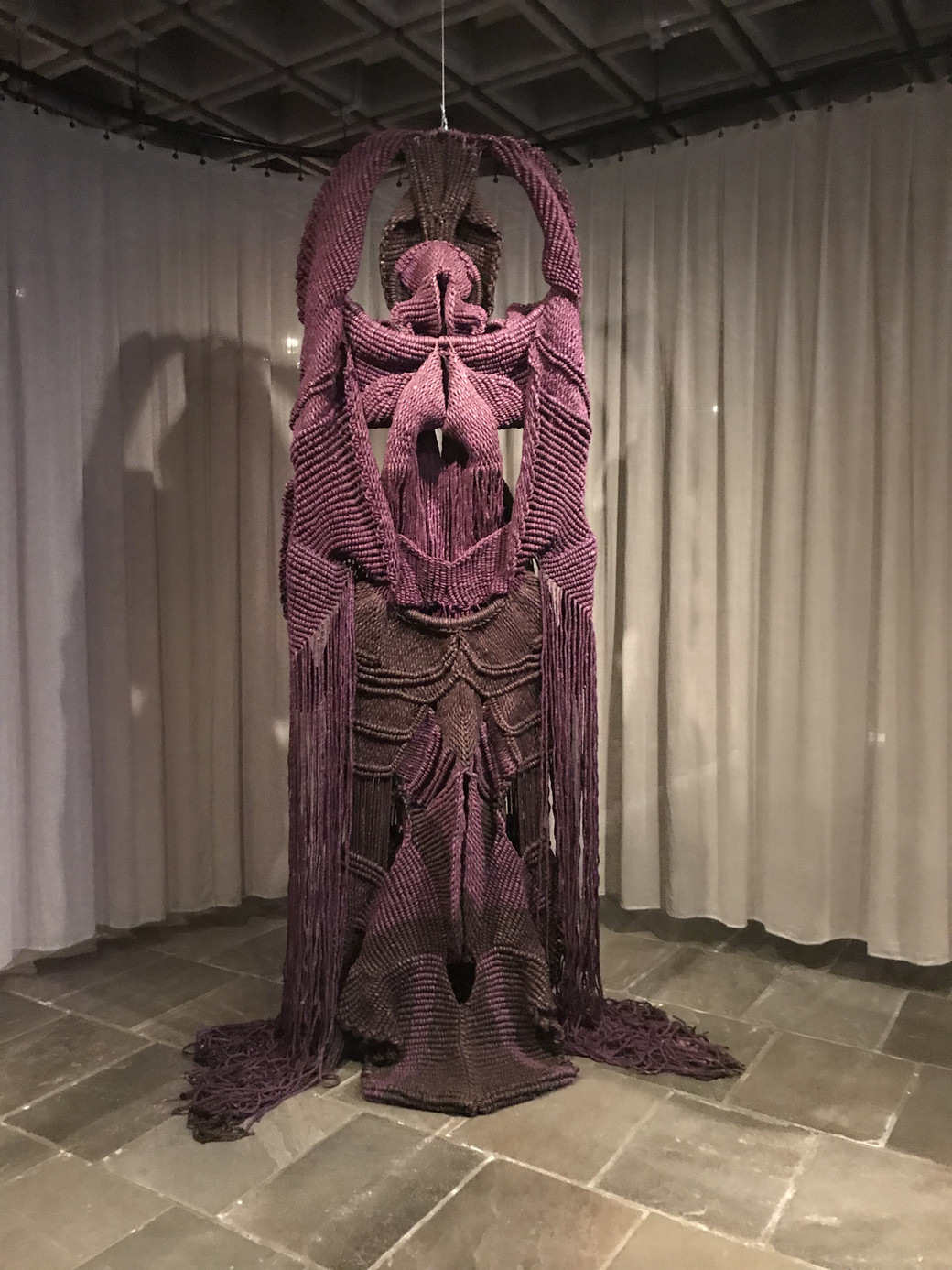
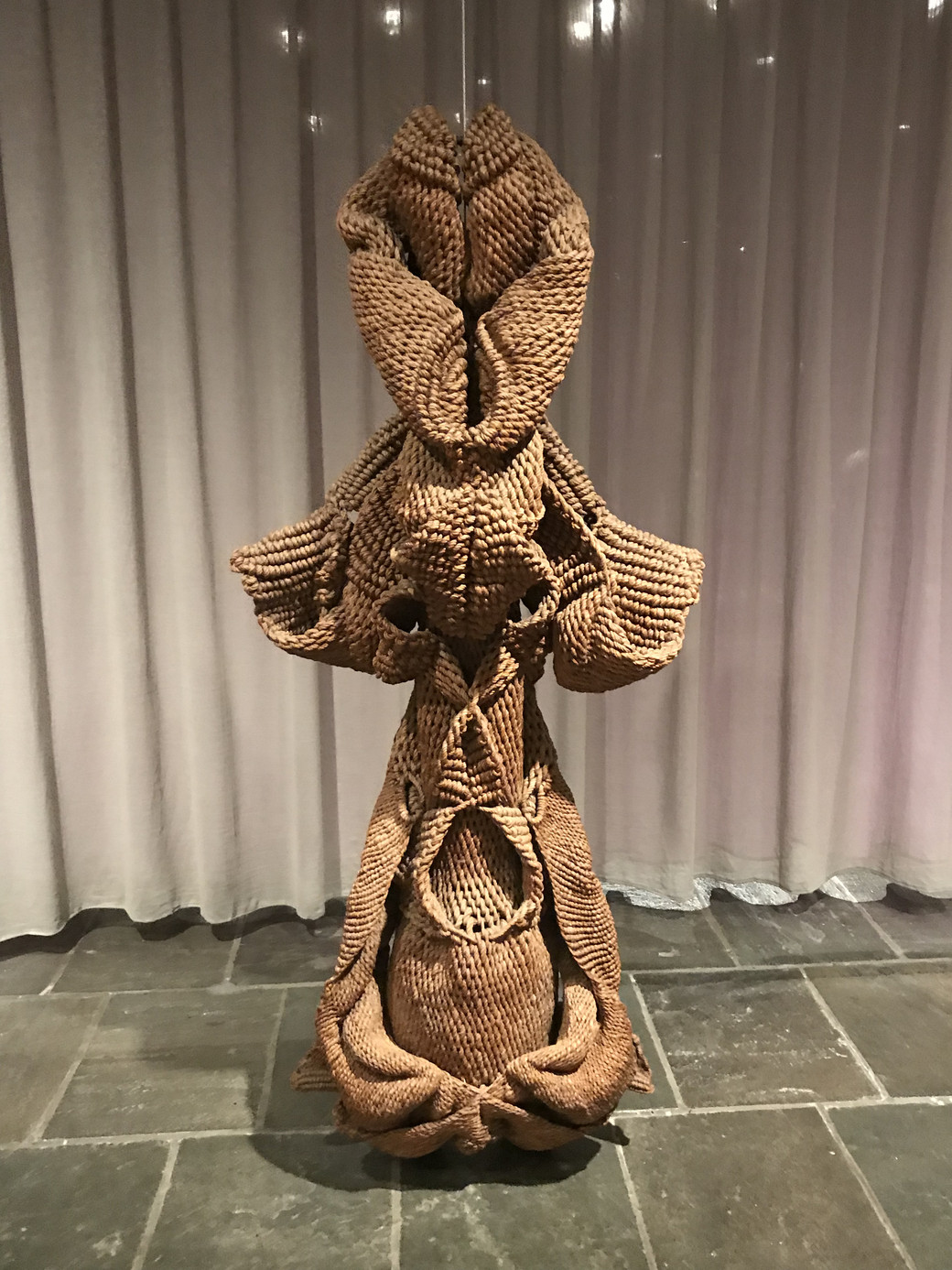
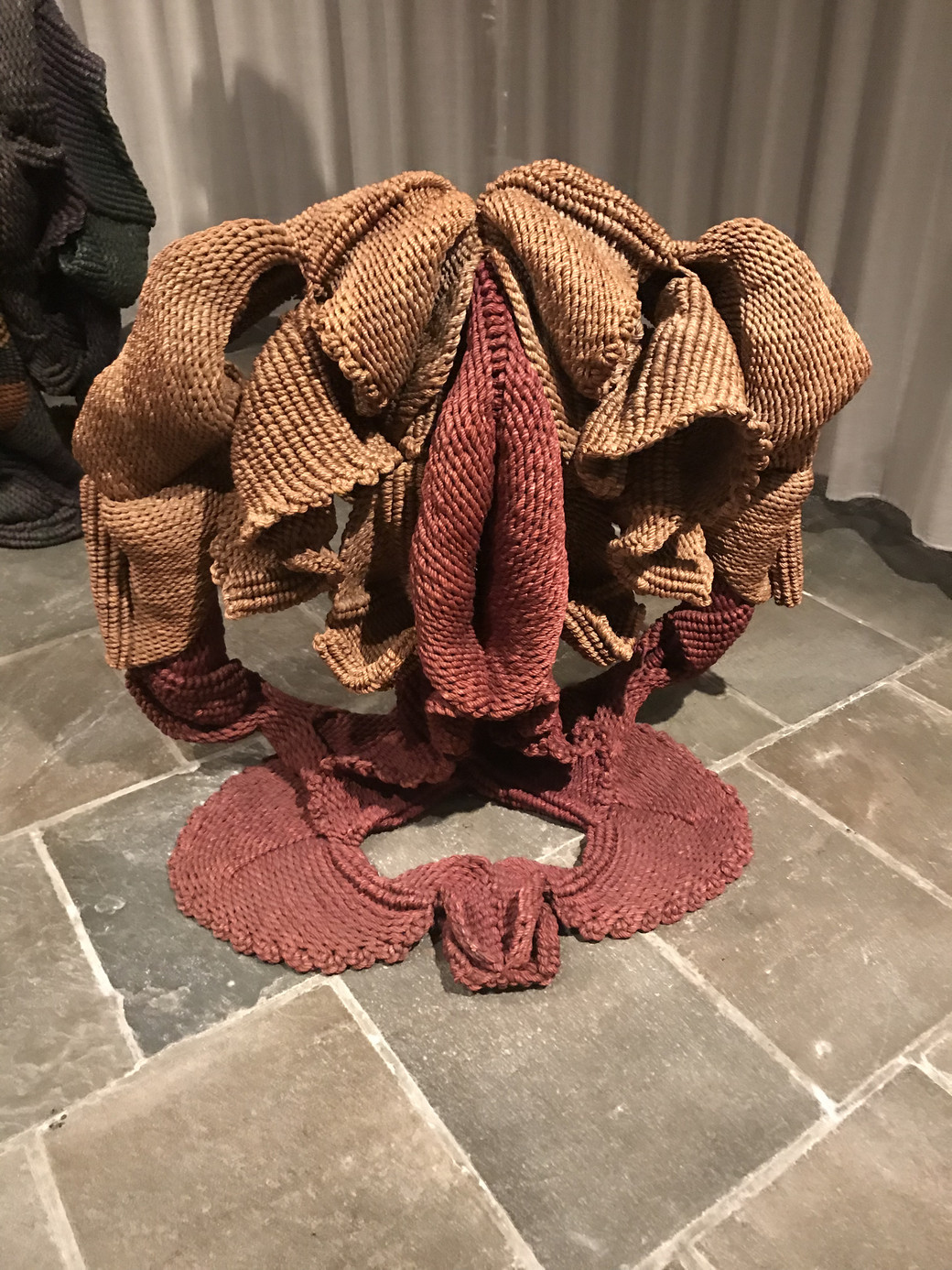
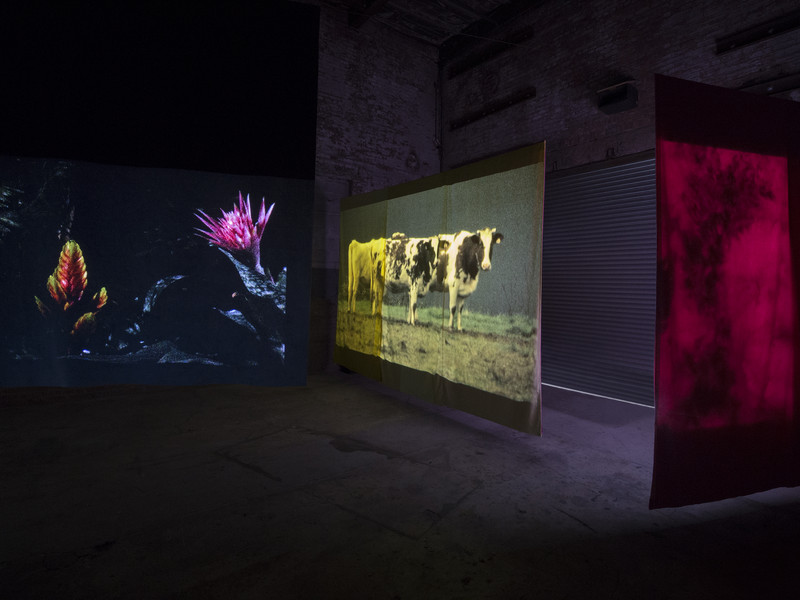
"Phenomenal Nature: Mrinalini Mukherjee" is on view at the Met Breuer through September 29th, 2019.
"Phenomenal Nature: Mrinalini Mukherjee" is on view at the Met Breuer through September 29th, 2019.

After years of living an egoless existence, Cali Thornhill-Dewitt, now 44, has decided to put on his first solo show in The City of Angels. Originally from British Columbia, Cali moved to Los Angeles with his parents at the age of three and fell into a deep love with the city that is the epitome of unconditional. He loves everything about LA - from the color of the concrete to the dead silence at night. After four decades of devotion, Cali reminisces fondly of the days when his city was a hallow, desolate landscape canvased with violence and just the right amount of degradation. Even while expounding upon his fondest memories that fester in gnats and decay, he enjoys a juice from the Green Grotto in the “new” downtown. It’s a testament to what a space can become and how detrimental time can be.


Cali views his stance as being anti-human as a harsh reality. Nonetheless, it's a reality. It’s difficult to come to terms with the idea of humans being the most cold-blooded species, but it is what it is. Beauty is tragedy. Always carrying a perverse sense of self-determination, Cali moved to New York, lived in a meat locker–literally– in the Meat Packing district, contracted scabies and measles, then, somewhere along the line, fell ass-backwards into art. This, after being a roadie for Hole and nanny to Kurt Cobain’s kid, but still 25 years before making Kanye West’s Saint Pablo merch.


Cali has submitted himself to every arena of creative expression including Some Ware, an on-going fashion project with artist Brendan Fowler, which lives as a means of cataloguing the production and consumption of goods, and the record label Teenage Teardrops founded by Cali in 2007 to support Los Angeles artists preferential to subversive sound and esoteric packaging. SAFE WORDS, like most of Cali's work, is an ode to our inhumanity. It’s about everything wrong with all of us and our tendency to straddle the line between pollution and contribution without caring to define the difference between the two.

Images and text courtesy of Karma International and Cali Thornhill-Dewitt

What was the selection process for finding the artists included in this show?
It was just people who I like, and I’ve been following on Instagram.
Oh, so they’re mostly from Instagram?
I wouldn’t say it’s all through Instagram, but I mean, isn’t that how everybody gets visual information these days?
True. Have you always used Polaroid? How long have you worked with Polaroid cameras?
Yeah, I think I’ve been using a Polaroid since... well... I guess everyone uses them through their whole life— but as an artist, since the late 1990’s.


What was your first Polaroid?
A polaroid 600. I got it at CVS. When I was at Parsons, they required for your first year, that you do architectural drawings of churches and stuff like that, and I was just really terrible at it. So, I would go back, take photos with a Polaroid, and then bring those back to use instead.
I get that. I dropped out of art school because I was a photo major, and when they asked me to do figure drawing— I was just like, “I can’t do this. I’m overwhelmed.”
Yeah! So, those were the first Polaroids I took in New York. But, then, mostly I would take pictures of people who would come over to my apartment. I just had this exhibition recently, this year, of a lot of my early work, and in the book there are a few thousand Polaroids of people who would come over. So every time they would come over to my apartment, when I first moved here, I would take a picture of them and I accumulated several thousand polaroids over five years.
How do you not lose them?
I‘ve always been like, very “dewey-decimal system” with my photographs.


What drew you to these artists specifically? What were you looking for?
Well, Myles Loftin, I love his work. His name on Instagram is actually “goldenpolaroid”... I just thought that was so appropriate. He shoots a lot of analog film focusing on young, queer, black culture, and I love that, and I think his photos are amazing. He’s a really talented artist. Rochelle Brock, her name on Instagram is “fat leopard.jpeg” which is also one of my favorite names.
I kinda want to legally change my name to that.
Ha, yeah. She focuses on a lot of body positivity and big bodied women and like just love. Whenever I look at her photos they make me so happy. Sabrina Santiago, I think she’s a really good, one of the best, young fashion photographers out there. Just the way she styles. And her casting. I think I always try to get, you know, when you curate a group exhibition you obviously want it to be very diverse and for it to vary.


Did you feel overwhelmed by the whole concept of having to “pass on the torch”?
No. I think that’s the best thing you can do. That is what photographers did for me. When I was in like my early twenties, so many photographers looked out for me, you know?
That makes me hopeful.
It’s just to be able to showcase people who certain people might not know about. I think that’s something that’s cool about Instagram also.
Ah, and then there is Hunter Abrams.
His stuff is not so analog, which stands out.
He does a lot of like paparazzi stuff, like at night. He’s like a nightlife photographer, but a great artist. So I wanted to bring that element to it. My favorite story is this guy Marcus Branch. He’s photo teacher in Philly by day, professional hip-hop dancer at night. And tonight he brought his whole crew with him.
Will they dance for us after the show?
Who knows. Hope so.


The artists included are Hunter Abrams, Myles Loftin, Sabrina Santiago, Rochelle Brockington, and Marcus Branch.
For more info on the Polaroid Original Project, check out the site.

Titled Tennis Elbow, the space is akin to the trendy one-night pop-up show, a concept that seems to have taken to the city as of late. But each exhibition in the Tennis Elbow space, located in the back of The Journal's Williamsburg building, offers each artist a seven day solo show. The project is derived from the sporting injury of the same name, the painful result of "playing the game". This tongue-in-cheek title epitomises the true avant-garde brilliance of Nevin as a gallerist, which is equally evident in this week's exhibition by artist Danielle Orchard.


For more on Michael Nevin, go back to our office people interview with him, from office Issue 6.