Vulvatious

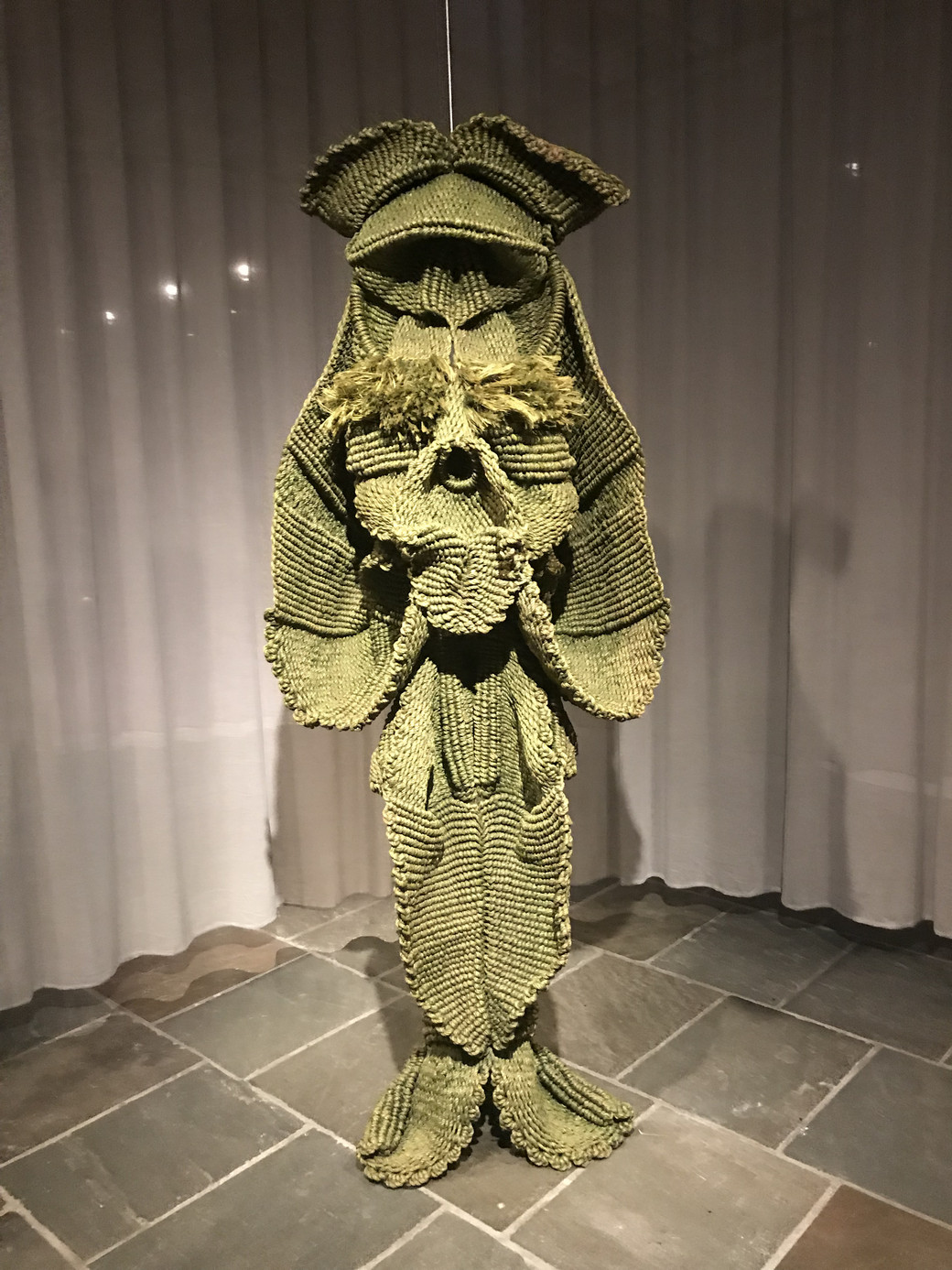
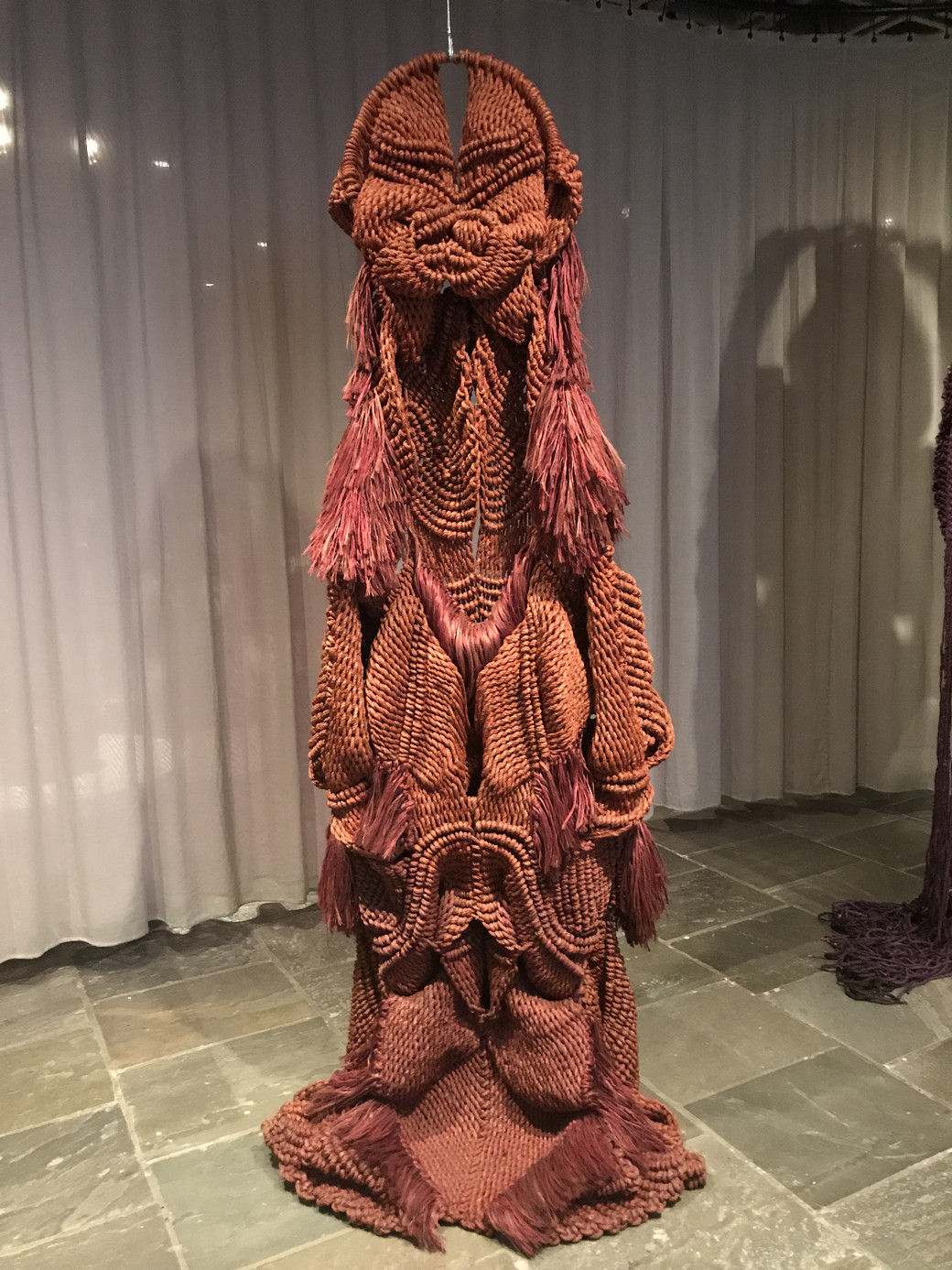
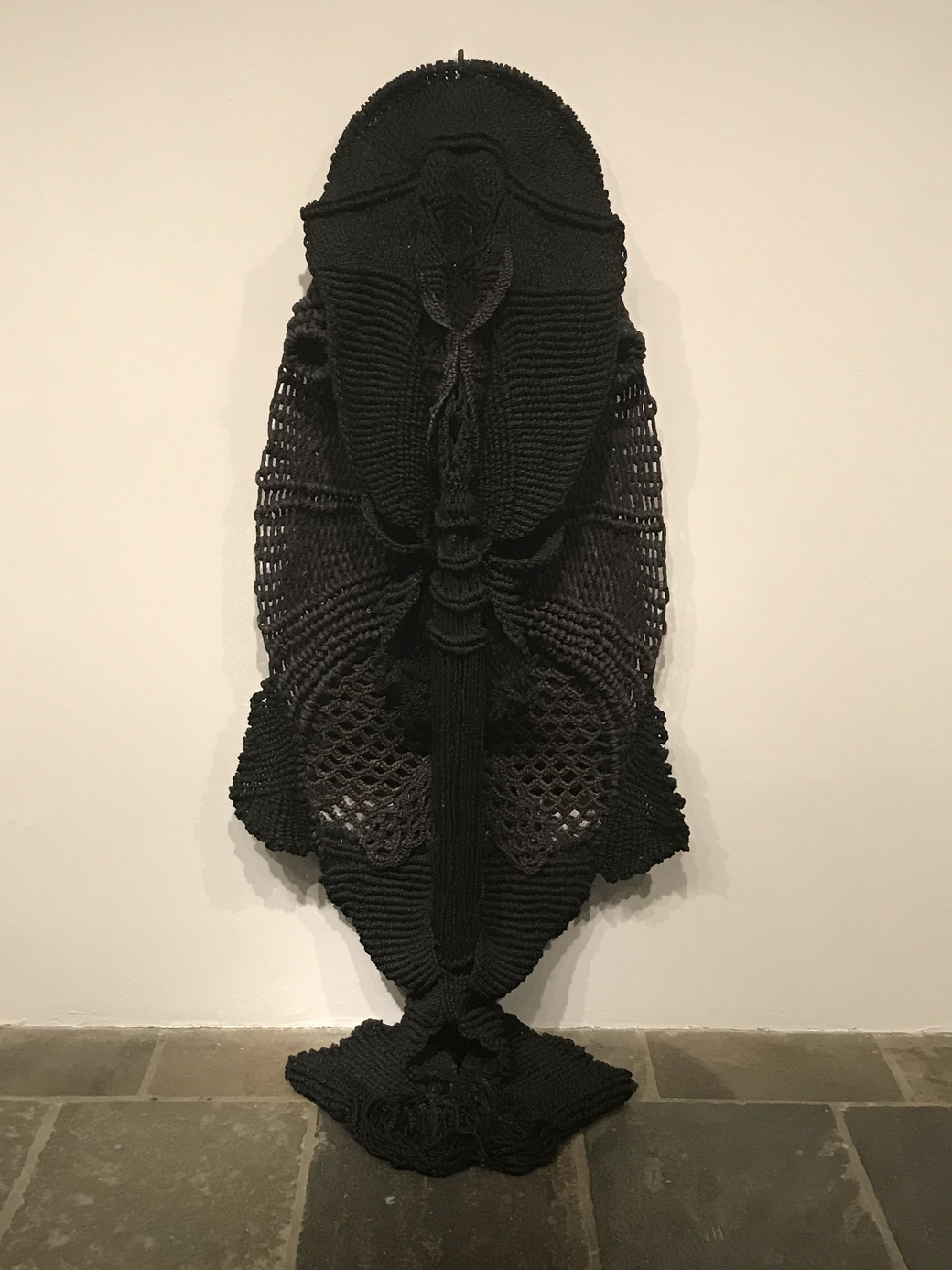
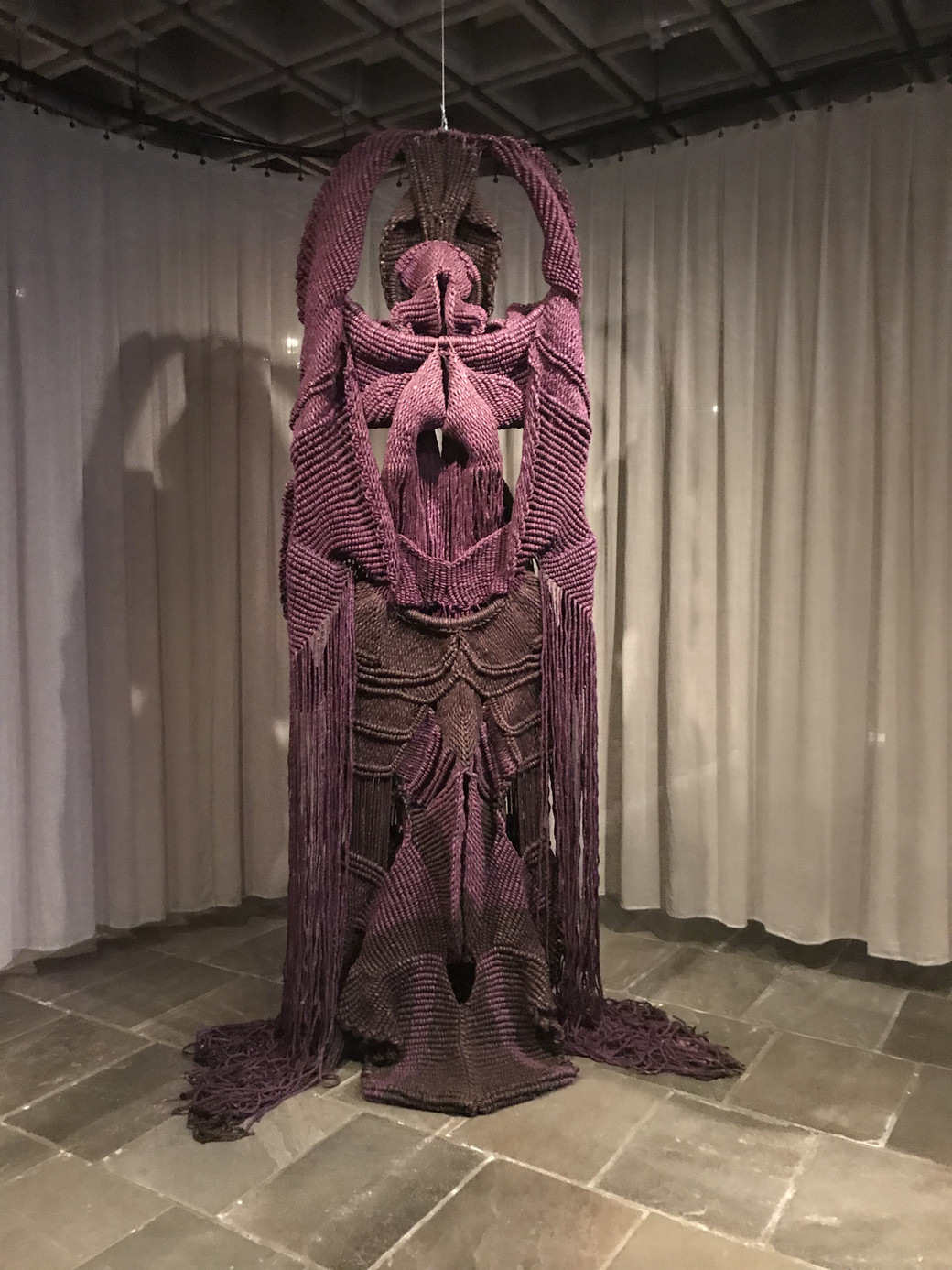
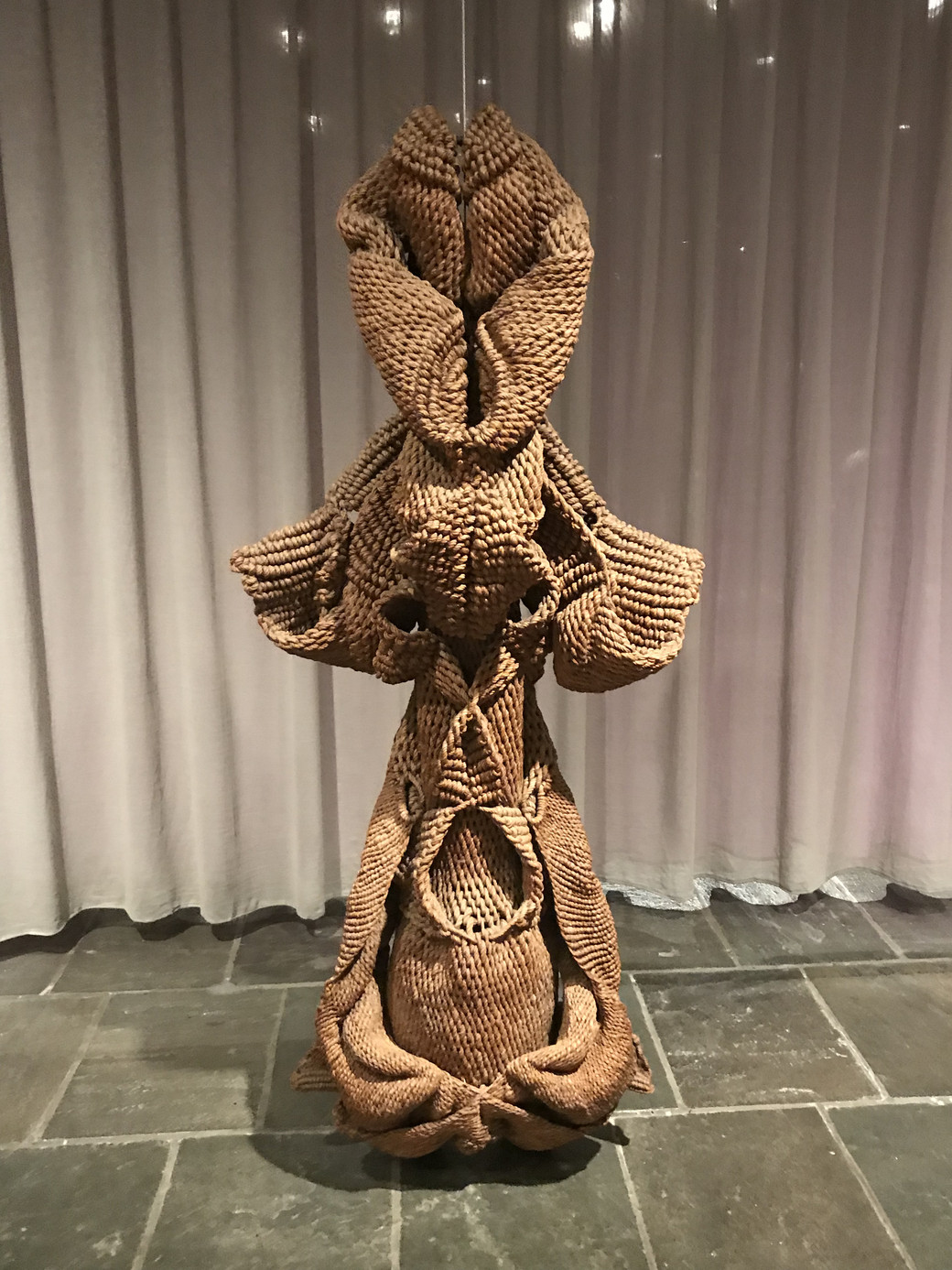
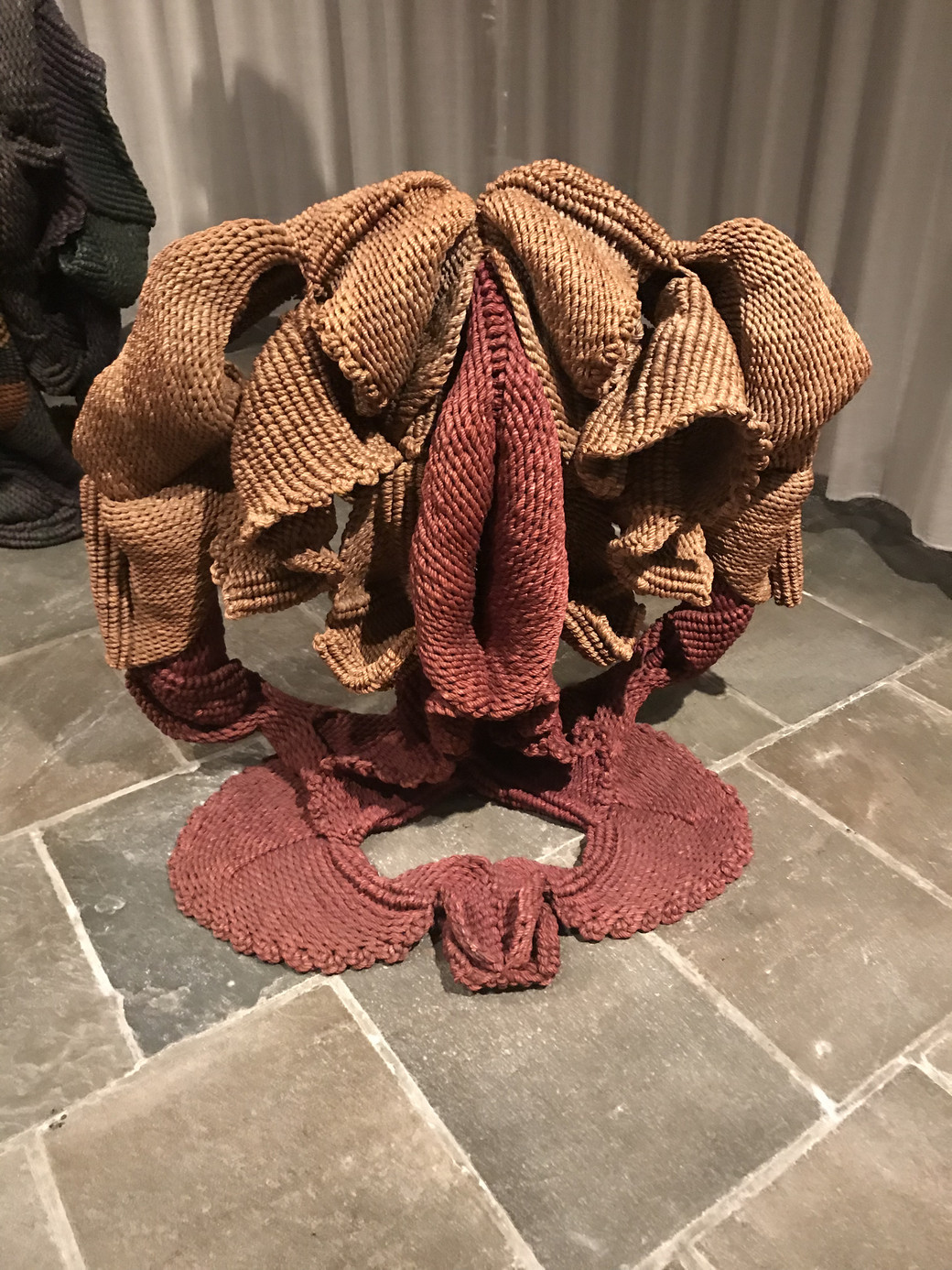
"Phenomenal Nature: Mrinalini Mukherjee" is on view at the Met Breuer through September 29th, 2019.
"Phenomenal Nature: Mrinalini Mukherjee" is on view at the Met Breuer through September 29th, 2019.

If you only have time to see one show this weekend, let it be Meriem Bennani's Siham & Hafida, her new multi-channel video installation at The Kitchen. Coming off her well-received debut institutional solo show at MoMA PS1 in 2016, the Moroccan-born artist continues her explorations of immersive, multi-screen video installations.
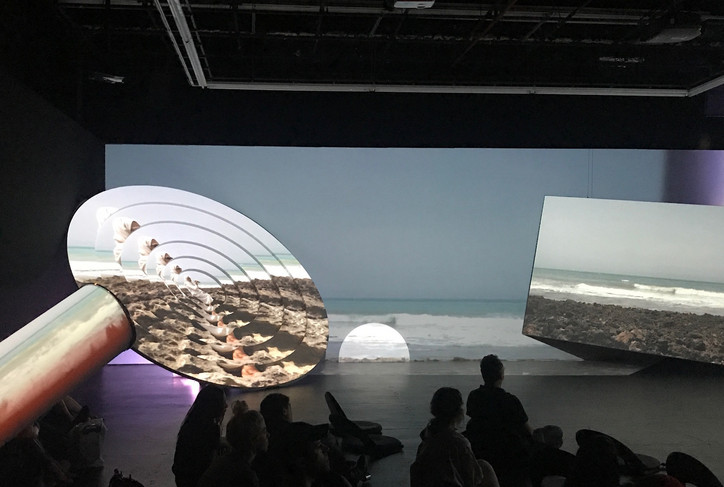
This time Bennani's video tells the story of two competing chickha performers from a provincial town in Morocco. Born in different generations, the two women perform vastly disparate femininities as they sing, dance and go about their everyday lives. One singer's identity is prescribed by ancient tradition, the other molded on a fascinating hybrid of Moroccan culture, social media, and globalized consumerism.
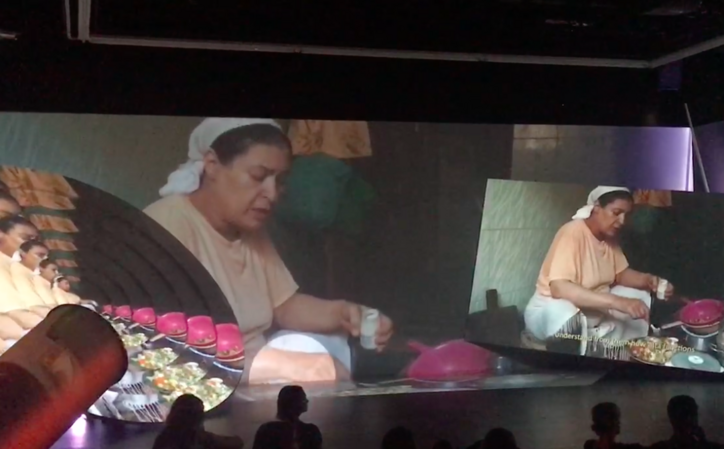
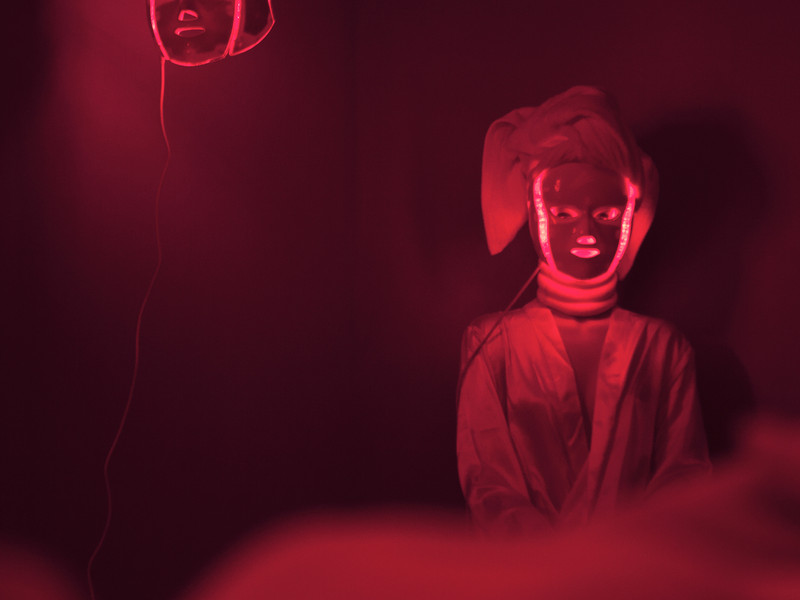
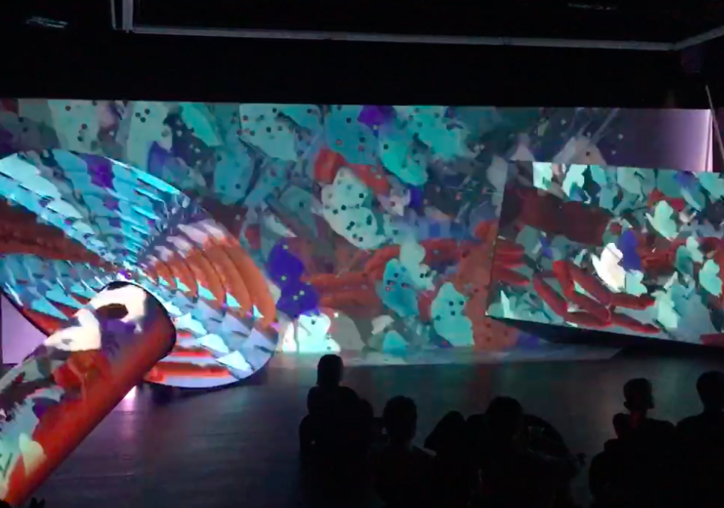
Using a hilarious range of effects, Bennani transform the women's crumbling Moroccan town into an internet-age wonderland surrounded by scuttling emoji-crabs, fluttering pixelated butterflies, and cartoonish sound effects.
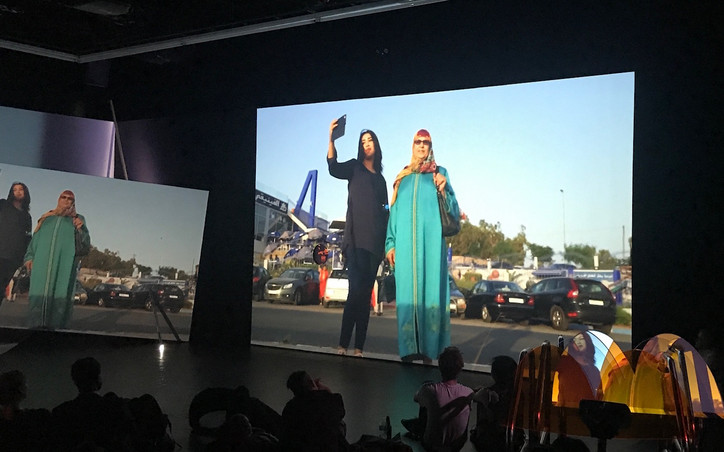
The artist's imaginative use of media (Bennani's Instagram account could be the funniest in the art world) and her brazen, playful imagery allows Bennani to create environments that feel like physical manifestations of online worlds. Reflecting the confusing, visually stunning, and attention-distorting age of the smart phone, Bennani's environments evoke a feeling of being inside the internet itself: often hilarious, sometimes stupefying, and always deeply enjoyable.

Smith states that "a café is not a place, but a state of mind," taking to the Mexico City cafe where Che Guevara, Octavio Paz, Roberto Bolano and Fidel Castro had sought out as their own cerebral commune. The project is a multifacted experience, a multimedia "landscape of the mind" through photography and performance, and takes the topic to a wider audience with a poetic billboard and a Cafe La Habana hotline— where 24/7 a call can access the ultimate artistic fantasy, Patti Smith with a personal Café La Habana Session.
Conceptual congregation is an element, but there is evidence in Smith's success in also finding a Formica tabletop, as Lenny Kaye, her longtime guitarist and legendary mind of music can attest to.
office spoke to Kaye in the spirit of the cafe, to discuss what sparks his artistic intuition and what a space can offer the mind in general.

This project deems the cafe as a creative hub, a mecca for artists. Do you feel your meeting Patti in the E. Village reflects this concept?
I do believe that the small and interactive world in which we moved helped bring myself and Patti together. I remember seeing her from afar with Robert Mapplethorpe, being struck by her inner light, and was happy when we found a common ground in the record shop where I worked, and the creative spirit we shared. This proximity, not only to ourselves, but to our potential audience, to which we would formally debut in front of in February 1971 at a poetry reading at St. Mark's church in the East Village, was invaluable in helping us to become who we might be.
What aspects draw you to a place to seek creativity? What is it about a cafe specifically that seems to ignite artistic insight?
I look to a place that simulataneously relaxes and inspires you. A cafe, where one can sit alone, or with like-minded individuals, interacting and conversing as the mood takes one, is an ideal place for the exchange of ideas. Its informal nature lends itself to a stream-of-consciousness association, and the coterie of individuals that frequent it often provide a sense of camaraderie that leads to surprising connections and associations.
In your opinion, does it differ between mediums (music, art, poetry, activism) how a location can be communal for creatives?
For me, I like when mediums blend together, when music and art and poetry and how they are activated blur their lines and become one. The more borders between arts are criss-crossed, the more interesting the song or the painting or the poem become. My ideal location would be where there's a little of everyone and nobody knows how it's all going to come together. Otherwise, life might become predictable; and we surely don't want that, because then there's no surprise in what's being created.
If a community does not have a unifying space, how do you think they could instigate one? What does that take?
What it takes is initiative, to create one's own space and thus time. I remember in New York's early seventies, when there was no place for a local band to play, a small bar on New York's Bowery became an unintended gathering place for the disaffected bands on the Lower East Side. That bar, CBGB, soon became a magnet and locus for a creative melting pot of musical inspiration that had no definition. Tom Verlaine of the band Television once famously said that all the bands there were like ideas-in-the-making; perhaps later it would be given a definition of punk-rock, after the Ramones template, but for me, I liked the fact that for the first couple of years it hadn't yet figured out what this new "scene" could be, and so was filled with infinite possibility.
What do you feel a public space offers dichotomous from a private space, both positively and negatively?
A public space means that one's door is open to the wild card that might enter, the unexpected, the thought not yet occurred. Sometimes that might prove distracting to the artistic concept, and so one needs a private space to gather and sort the path of one's creativity. In a perfect world, this blend of private and public will enhance the work at hand, since art itself has to function both on a private and public level: the journey from an artist's mind to the audience an artwork seeks. It is in this twilight zone that our communication becomes as one, conveying our emotions in the give-and-take of creativity.

How long have you been painting?
4 or 5 years. I’d been doing stuff my entire life; drawing, some design stuff. Painting was a desire that I’d had for a long time but I didn’t really have the time or discipline to do it.
Is discipline important?
In terms of being creative no, but it’s hard to create without it.
Do you think about the messages you are trying to convey in your work?
No. Sometimes something might have a message but it’s probably accidental. There are expressions in the painting, feelings, but there’s no intended message.
What are your preferred materials?
I like oil paints, but I don’t necessarily like them to dry like oil paints, so I mix them with things that will cause them to dry faster. I like heavy dilutions so that the paint drips and runs down the paper or canvas. I like the feeling of painting wet on wet.


Do you stick to one particular aesthetic?
I don’t think I’m even capable of sticking to a style. I paint things similarly for a while until I can’t take it any more and then I move on. My work is like my attention span - very short.
You have a history in the skate scene of both San Francisco and New York. Can you talk a bit about this?
I moved to San Francisco because I loved skateboarding and that was where everything seemed to be happening at the time. I slept on the street until I got adopted by some older skateboarders - I was 18 at the time. It was one of the best moments of my life. Living on the streets wasn't a bad thing - I wasn’t a standard homeless person; I had money, I took showers. I would just stash my stuff and skate all day. I went back to North Carolina when I was 19, had my daughter, and ended up back in San Francisco a few years later, during which time I was doing some graphics for a friend’s skateboard company.
Are there any principles that you learnt from your experience skating that feed into your work?
Obviously it changes the way you look at the world. Skateboarders see the world in so much more detail than anyone else. I don’t think there’s any activity that can make you more aware. Especially growing up as a street skateboarder - you see everything as a skate spot, so you notice everything. You notice where a tree is, how tall a handrail is, the positioning of everything, the surface on the ground, the traffic in that particular area. You’re aware of it all and I think visually, that will definitely affect your art. I don’t want the two intertwined though - skart [skateboard art] is the worst…


You are very environmentally conscious and also a vegan. How did you come to be this way?
The house of skateboarders that adopted me, especially Scott Bourne, sparked my curiosity, but I didn’t even go vegetarian until years later. Then I met a girl who exposed me to more information on the ethical side of things, and I decided I just couldn’t participate anymore. At that point I was just a vegetarian, but years later I let myself stop denying the fact that dairy was any different, and I became vegan.
Why do you think veganism is so important?
It’s the single most effective action you can take to positively impact the entire planet. There’s no other decision a person can make to have the same level of immediate impact in a positive manner.
What are the influences on your painting? Music? Other artists?
People, the human condition. Other artwork, but not other artists. Most of the things that I’m inspired by are really old. “Inspired” isn’t necessarily the right word; but interested in.
How interwoven are your life and your art?
I feel like for anyone that makes art because they feel compelled to do it, it’s completely interwoven. There’s not a moment that you’re not thinking about it; it’s always on your mind.
You are moving to Georgia (the country) for a few months soon. Can you talk a little about this move? Why Georgia?
To be far away from here, away from my daily distractions. I don’t have to go to anyone’s birthday parties or openings or concerts - I can work uninterrupted and not feel guilty for not participating. It’s also a more manageable setting, in a way that I imagine New York was when everything wasn’t so absurdly expensive. I want a whole new setting, and I want to be in a really ancient place, away from Americans.
You have travelled extensively, both in the States and in Europe. Which places have made the biggest impression on you, both positively and negatively?
Paris, Copenhagen, Indonesia. Just from a quality of life perspective. The pace people live, and knowing how to enjoy life and not be work-centric human beings. The negative stuff I don’t really need to dwell on, but the place I grew up had a negative influence. But at the same time I can look on it in a positive light, because it drove me to travel and gain perspective on the world outside of the small bubble.


How does New York influence your work?
The anxiety levels that this city creates in me make for a more frantic work, stylistically.
Can you see any themes moving directly from your personal experience into your art?
I try not to make it so literal. Everything is from my personal experience; everything is what is going on inside. It is an expression of my thoughts and emotions, and kind of a coping mechanism in a sense.
Do you think about the viewer when you make work?
I try really hard not to. That should never be an issue. I feel like if you’re painting for anyone else then you’re doing it for the wrong reason.
How would you like to be seen as an artist?
I don’t want to be conscious of it or think about what other people think, otherwise it keeps me from being honest.
Do you want your work to have a social and political message?
I’ve painted things that did in the past, but at this point I’m not doing that. I used to think that was really important, but I feel like we are so bombarded with that shit every single day, that sometimes it’s nice to have something that doesn’t mean anything. It’s just interesting to look at, that’s all it needs to be.