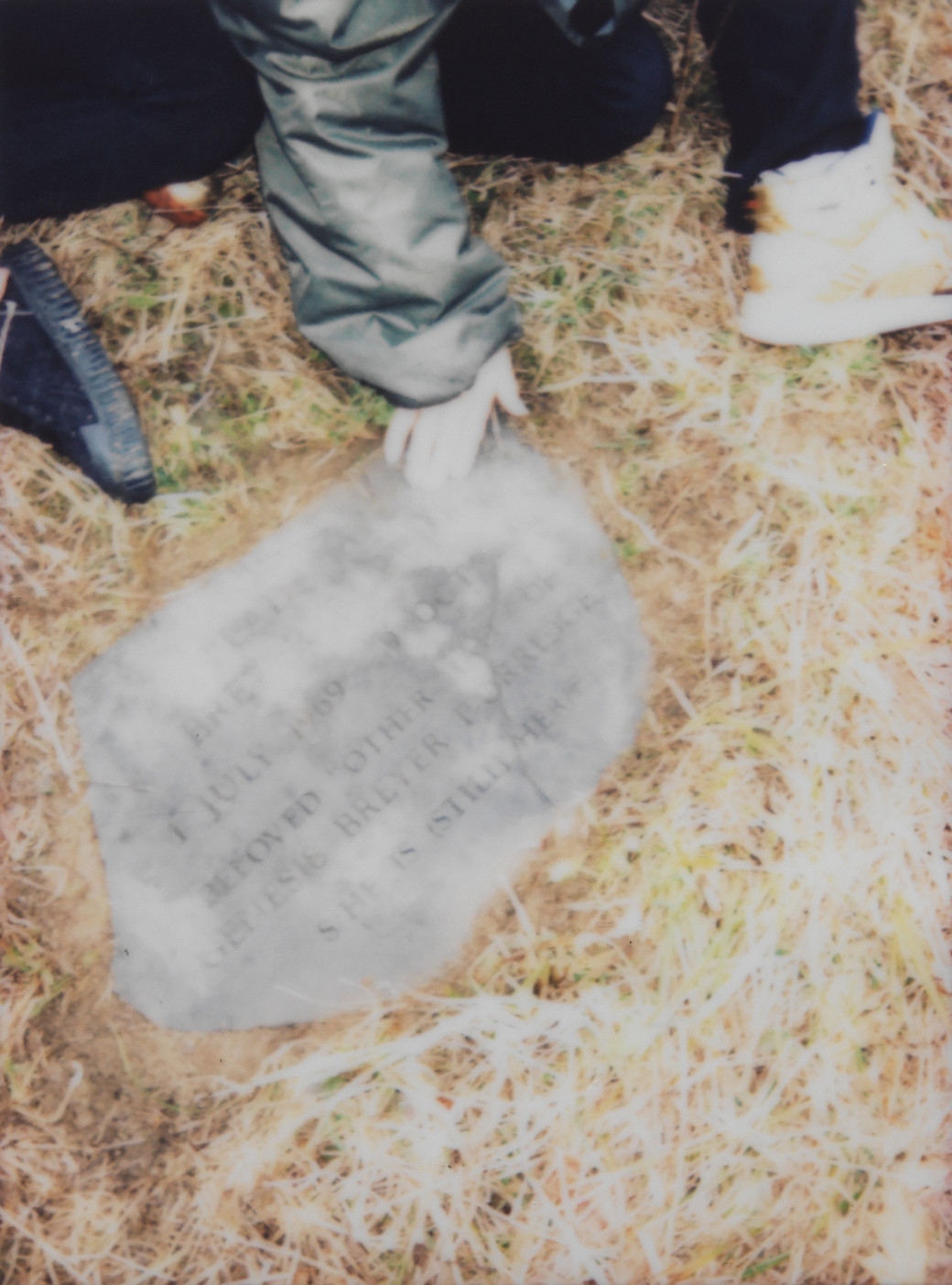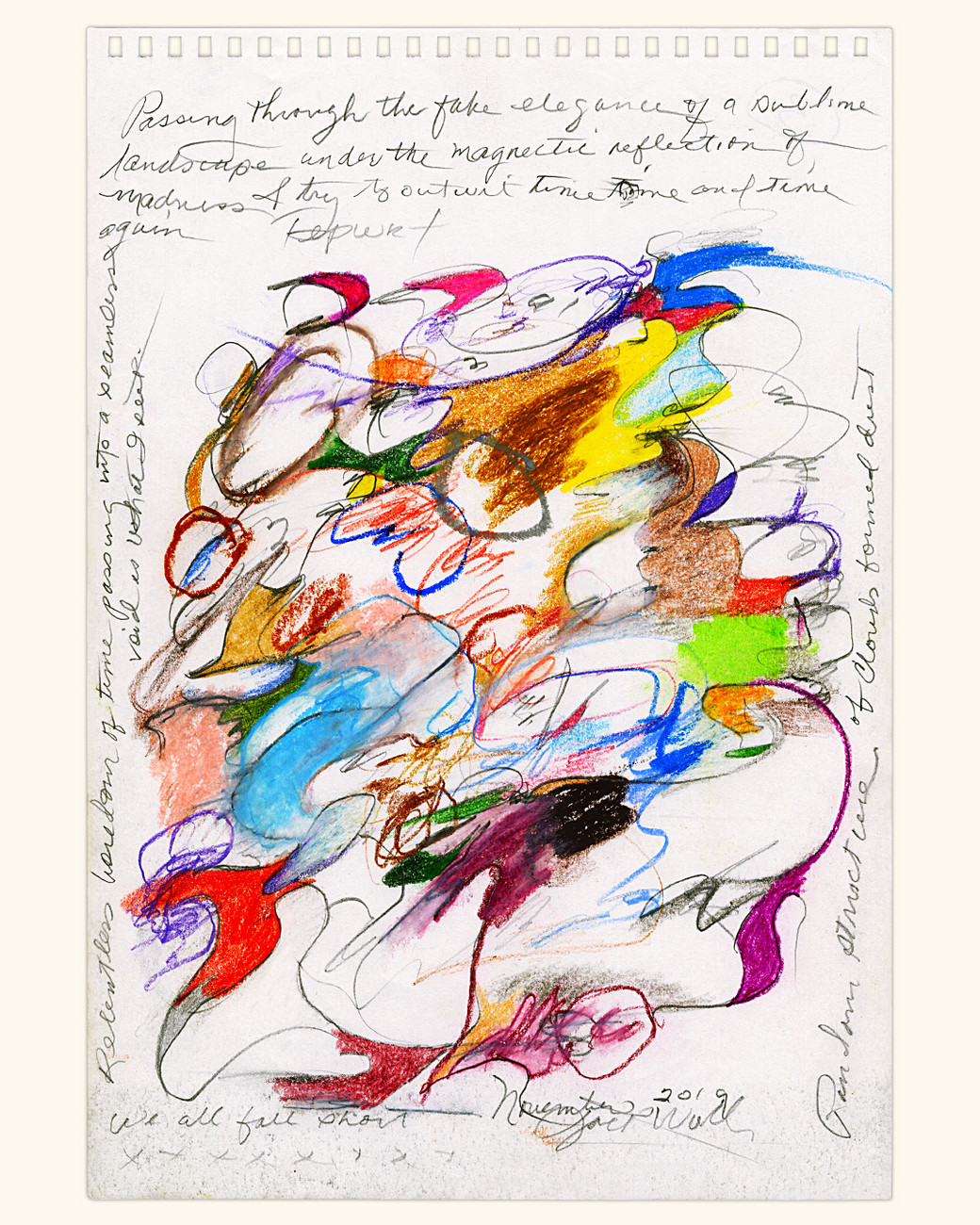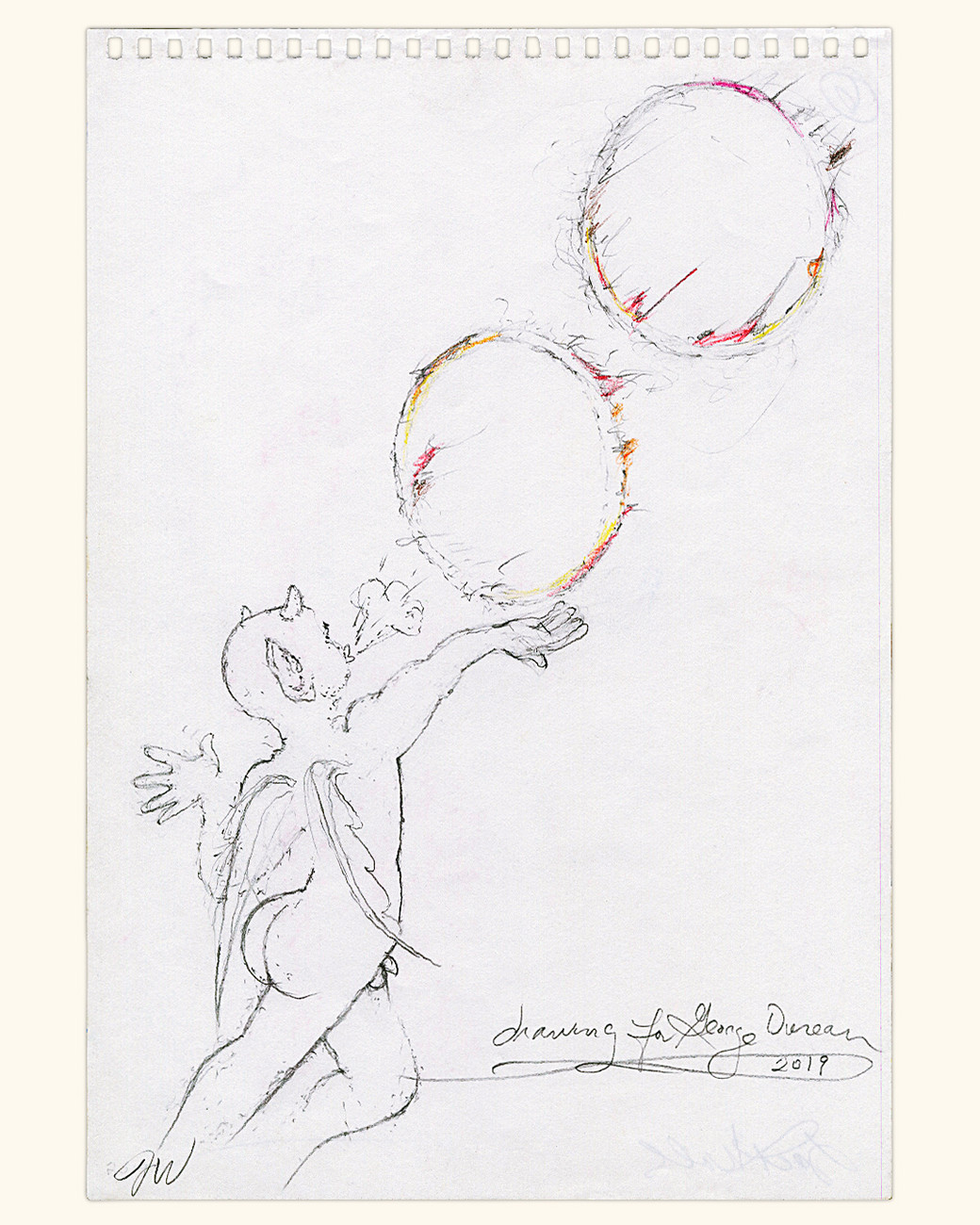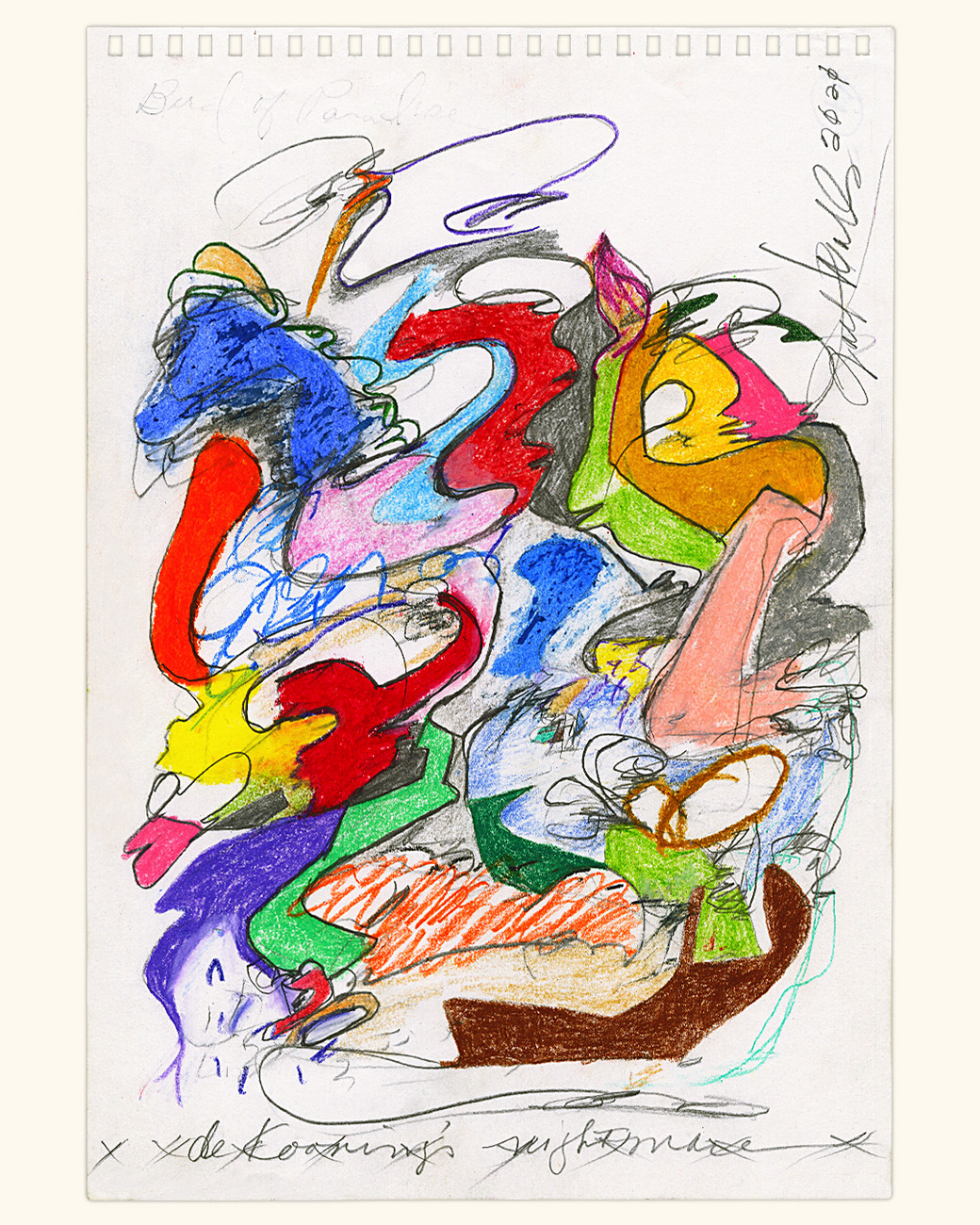
The Wedding Written In Stone
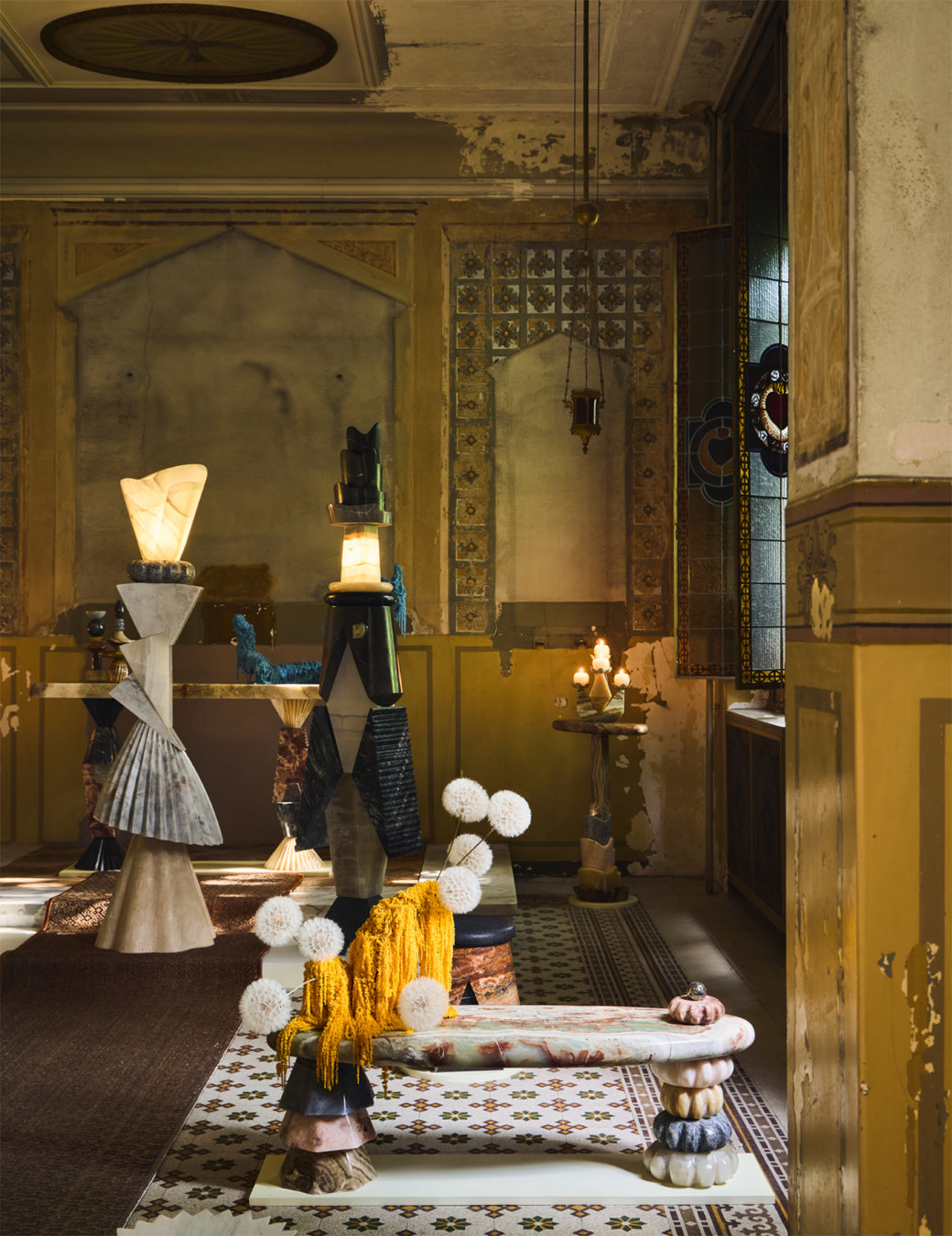
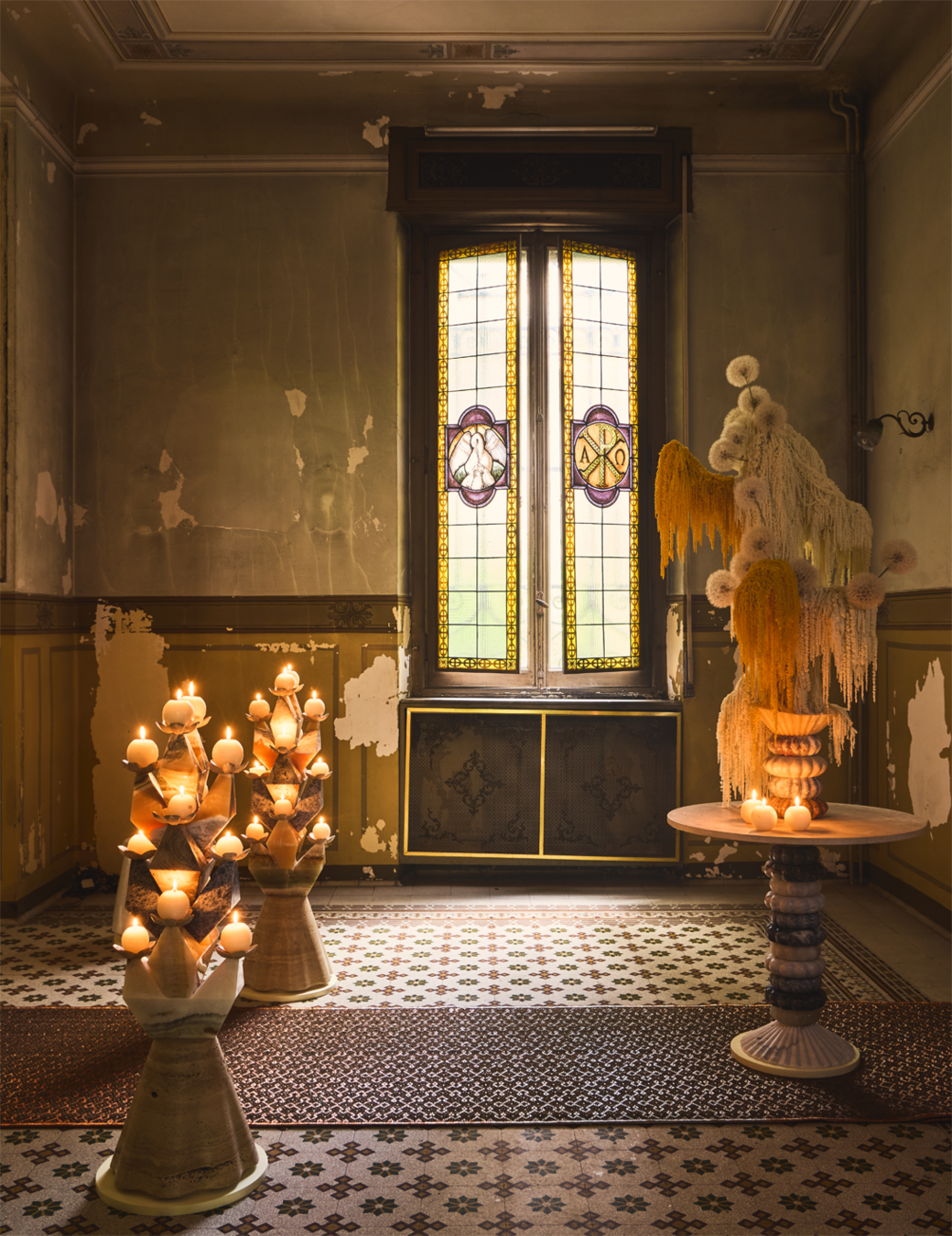
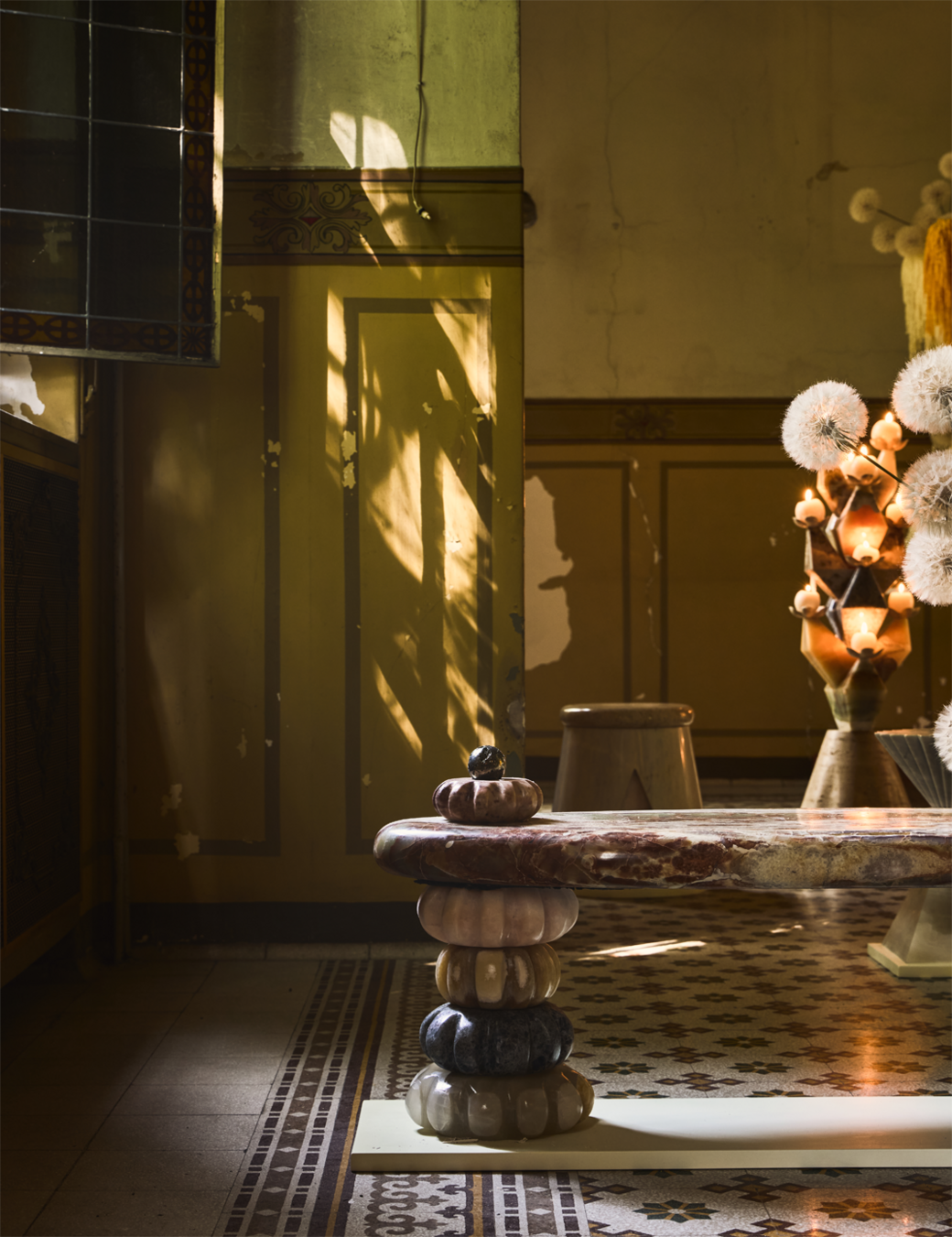
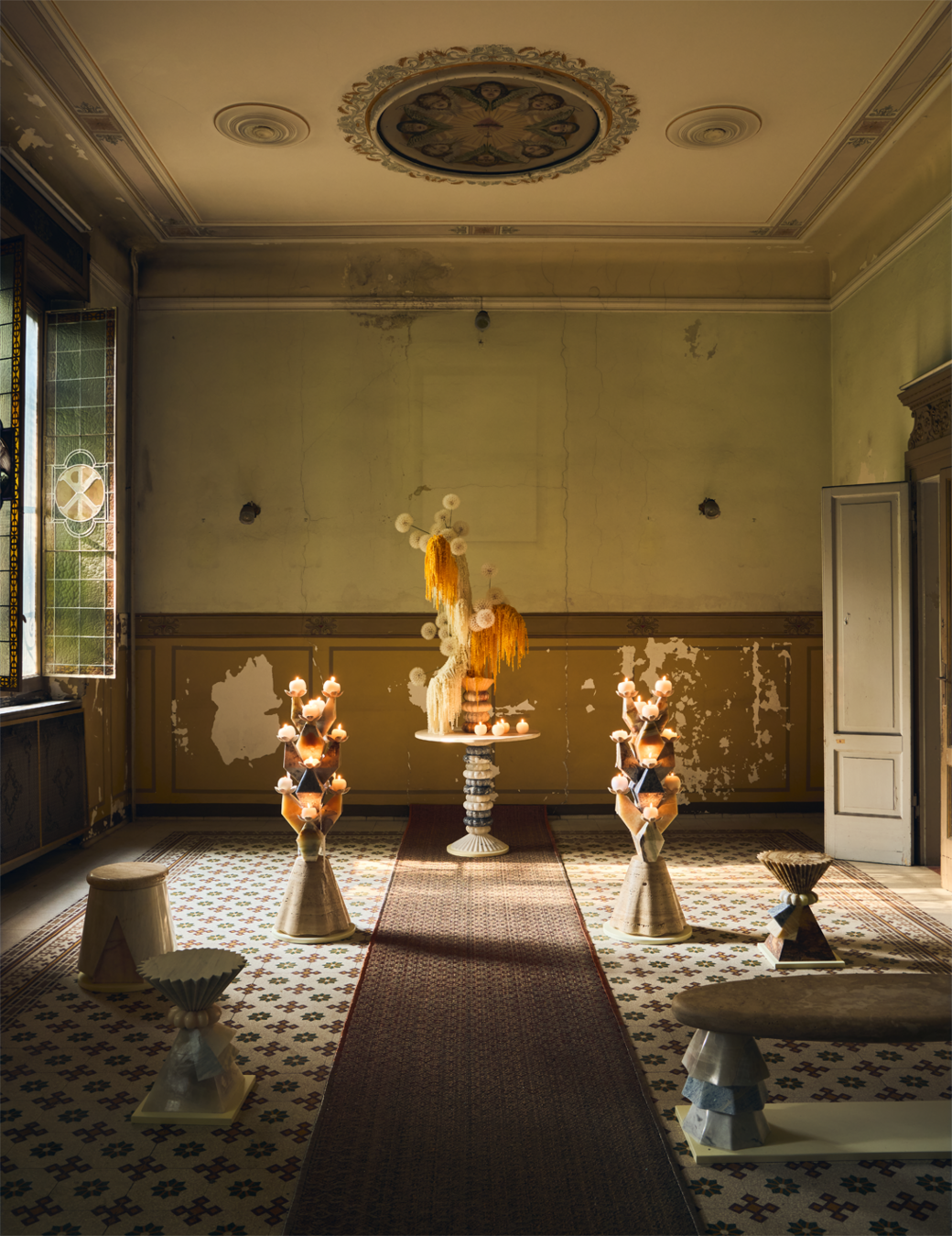
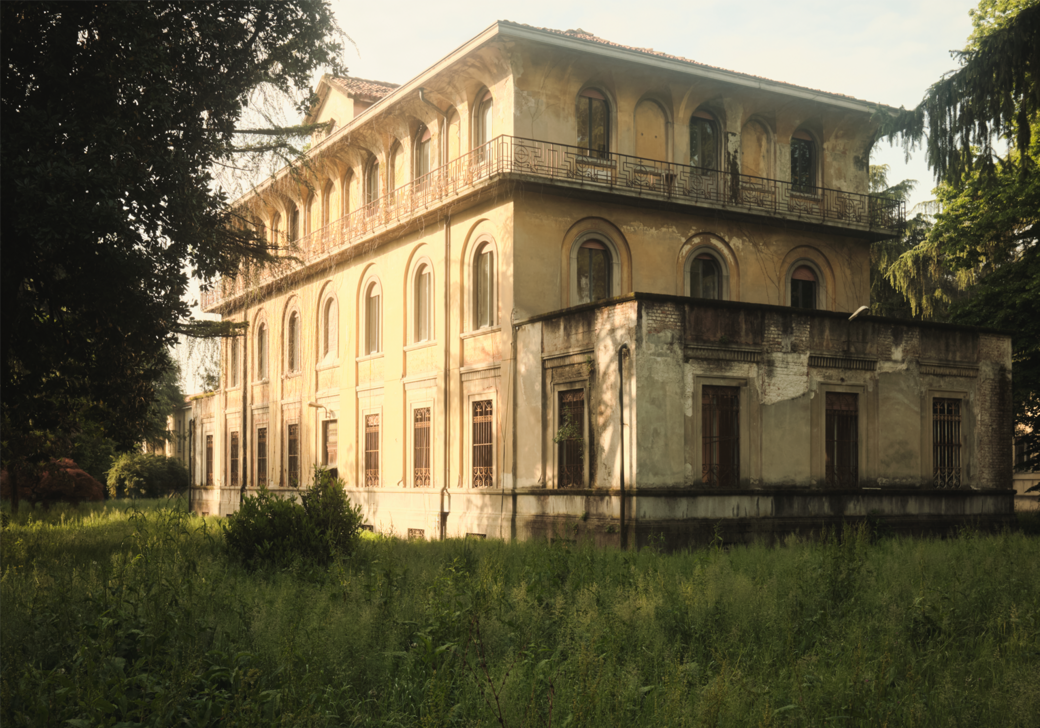
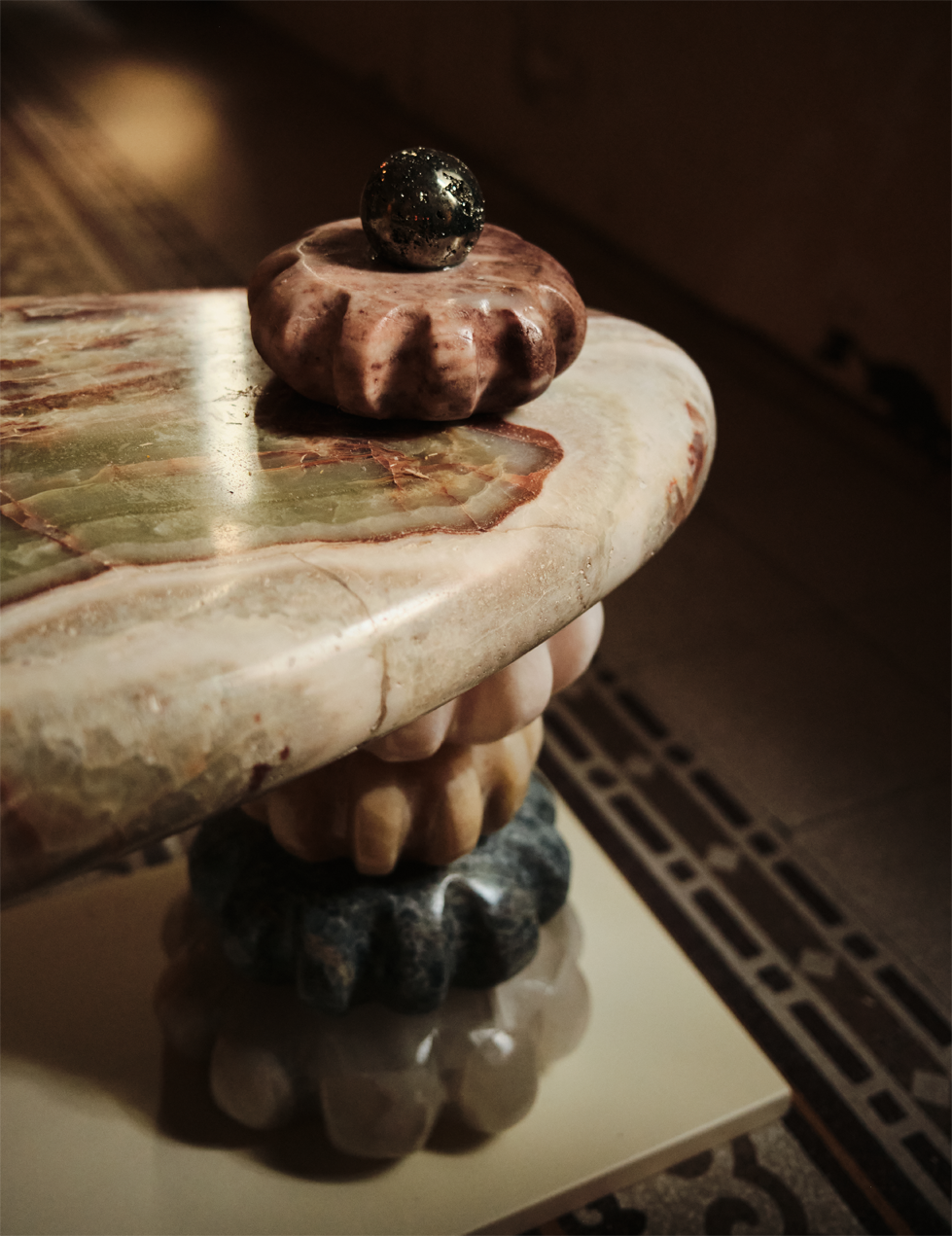
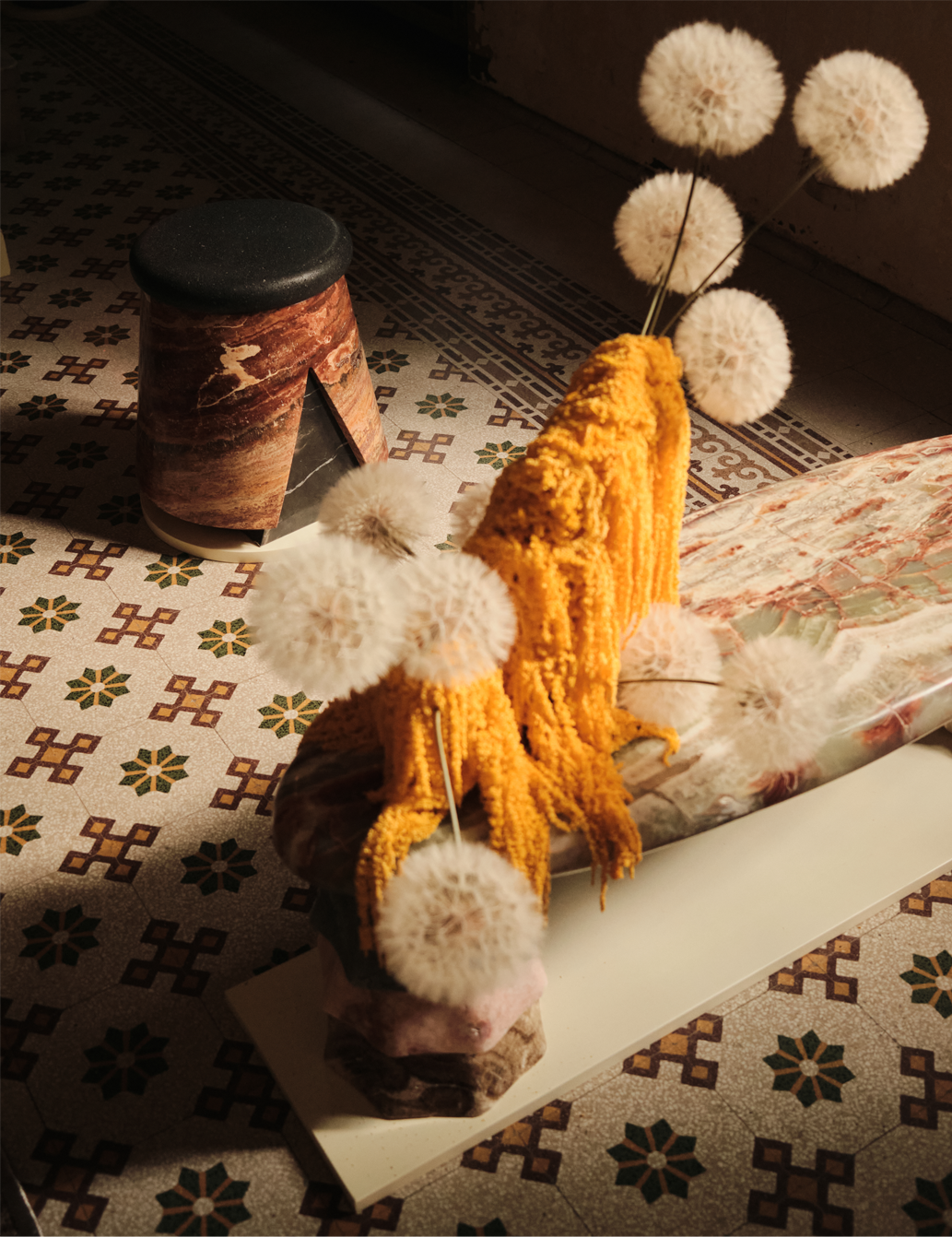
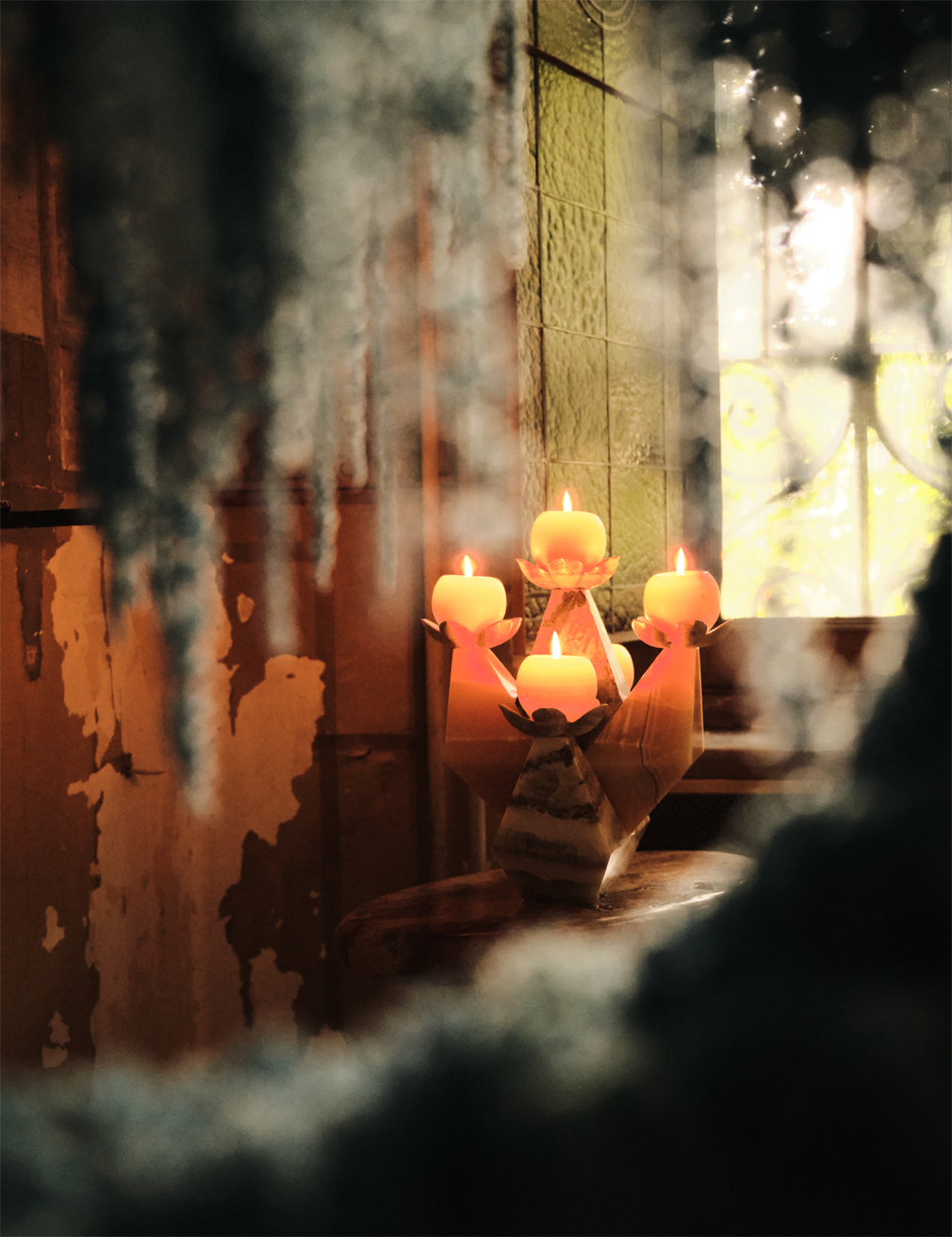
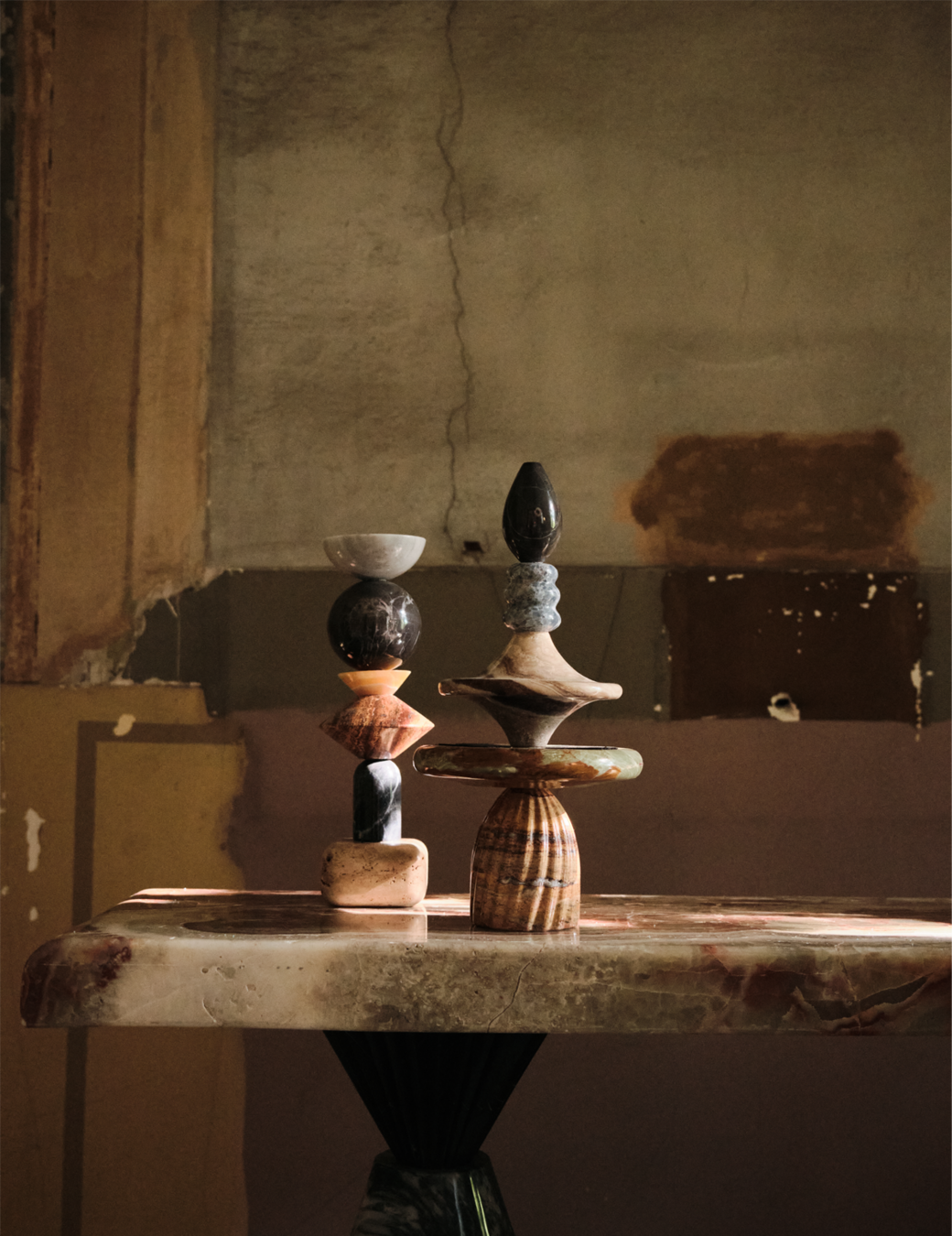
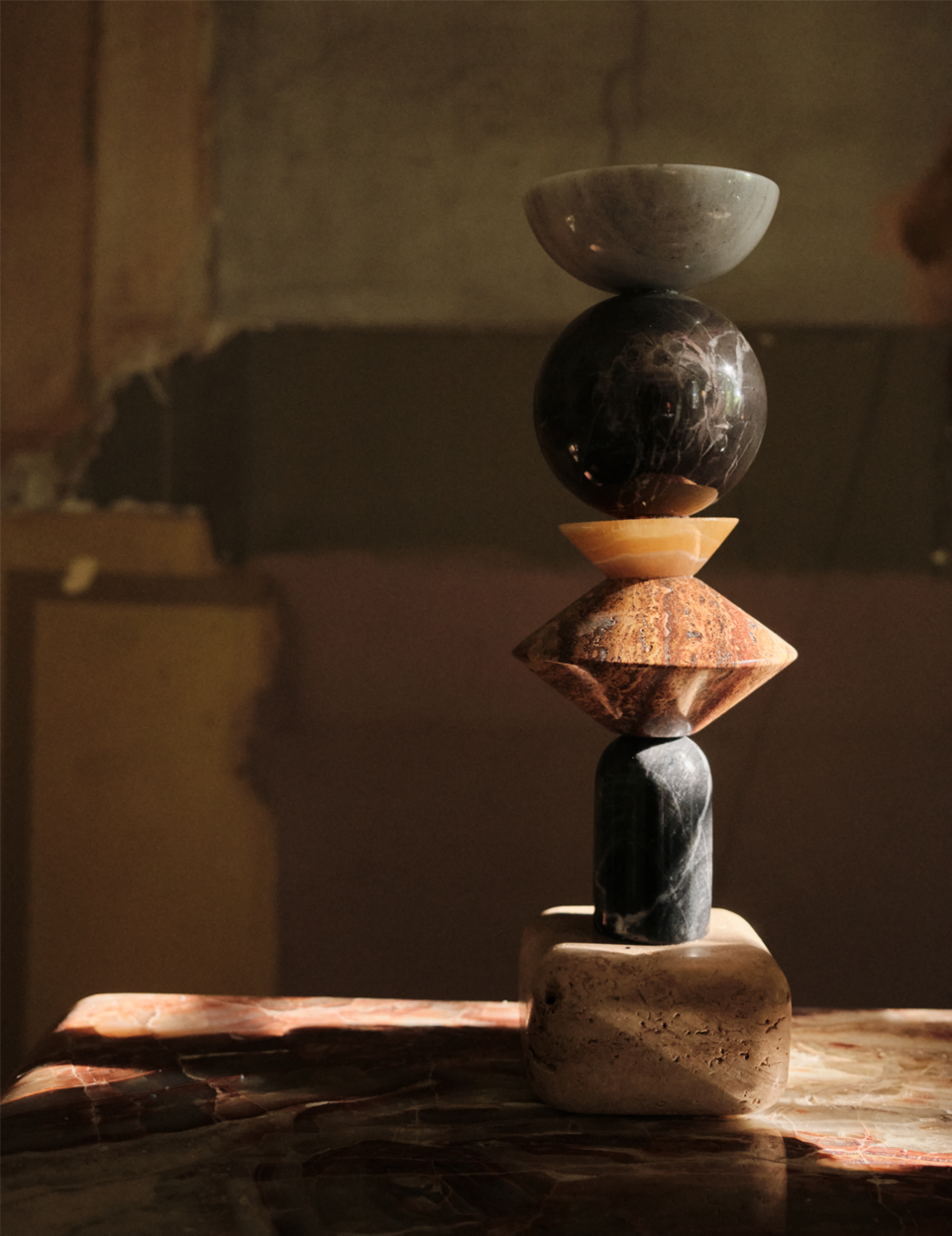
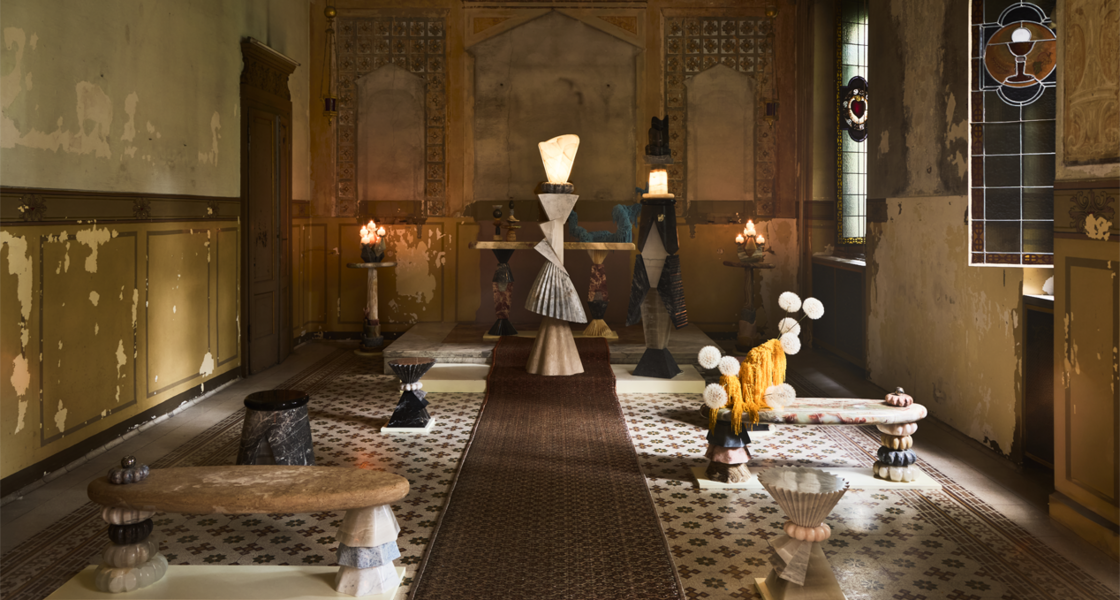
Sten Studio specializes in stones and crystals as decorative interiors, expanding on natural, Earthly beauty in man-made environments. Alcova temporarily transforms raw, abandoned, and unique urban spaces into immersive hubs of design, innovation, and heritage. The featured collection revitalizes the cathedral for a final reception celebrating life and all its momentary yet abundant bursts of joy.