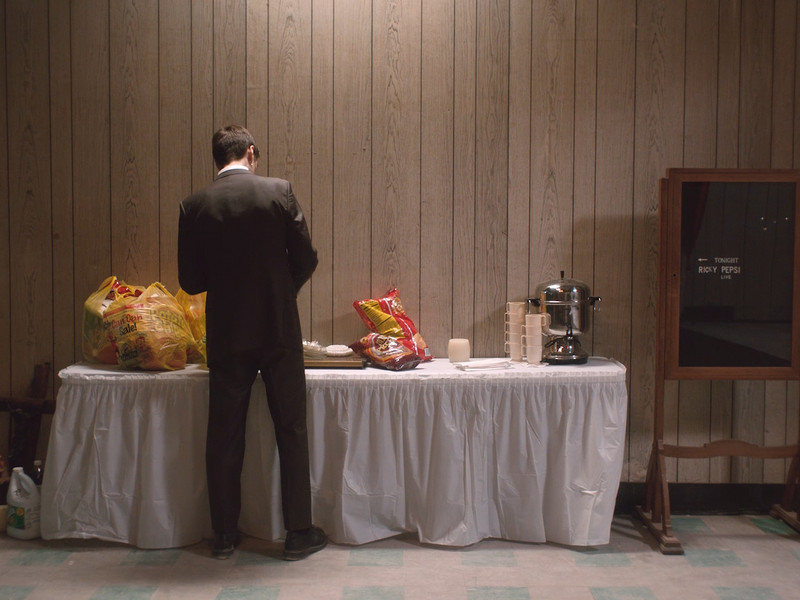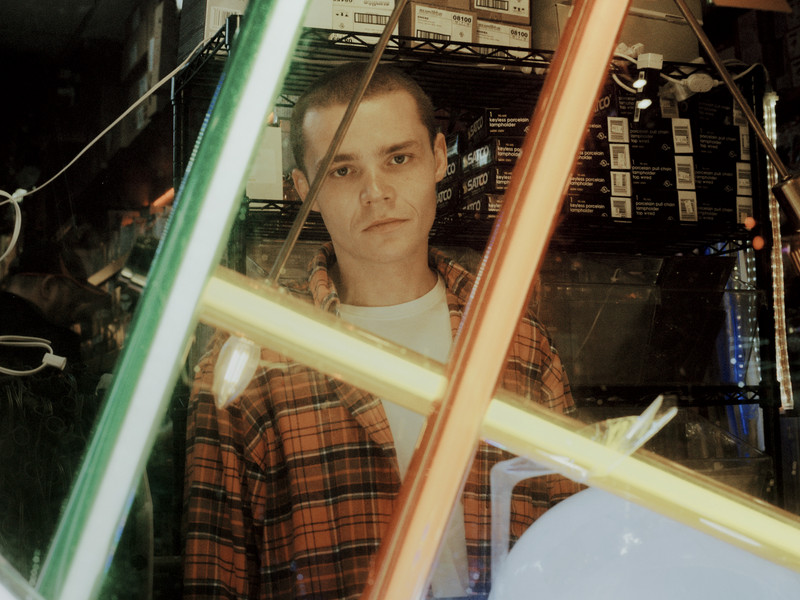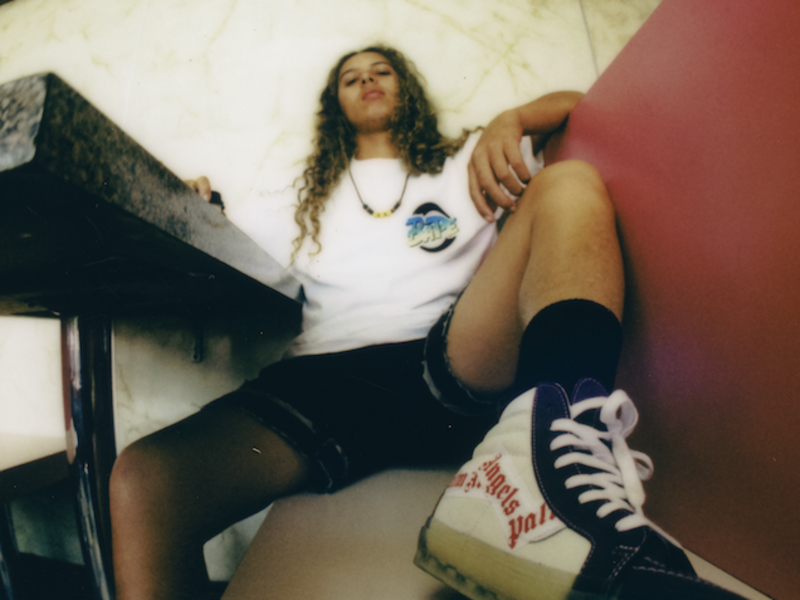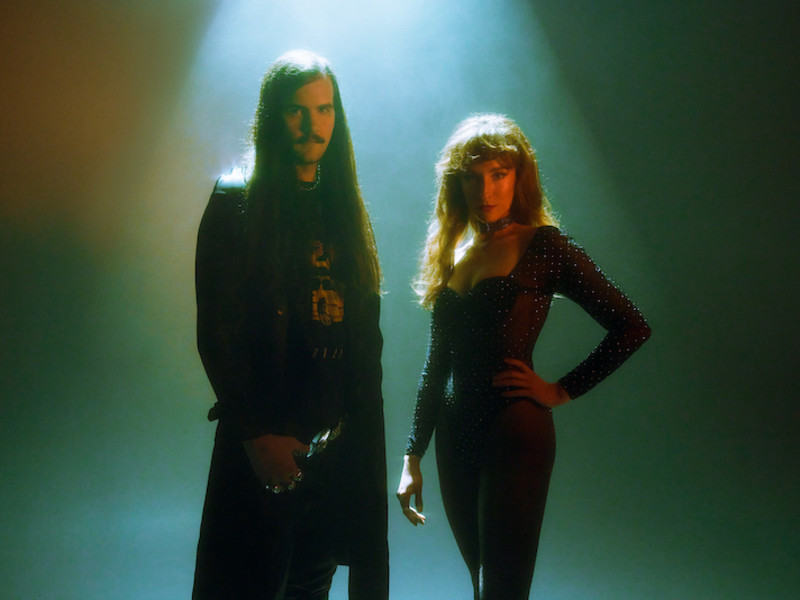

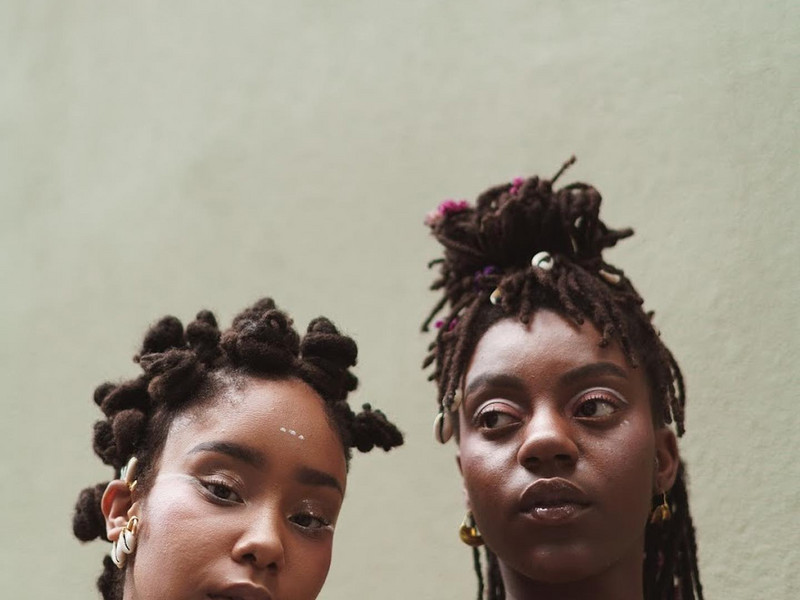
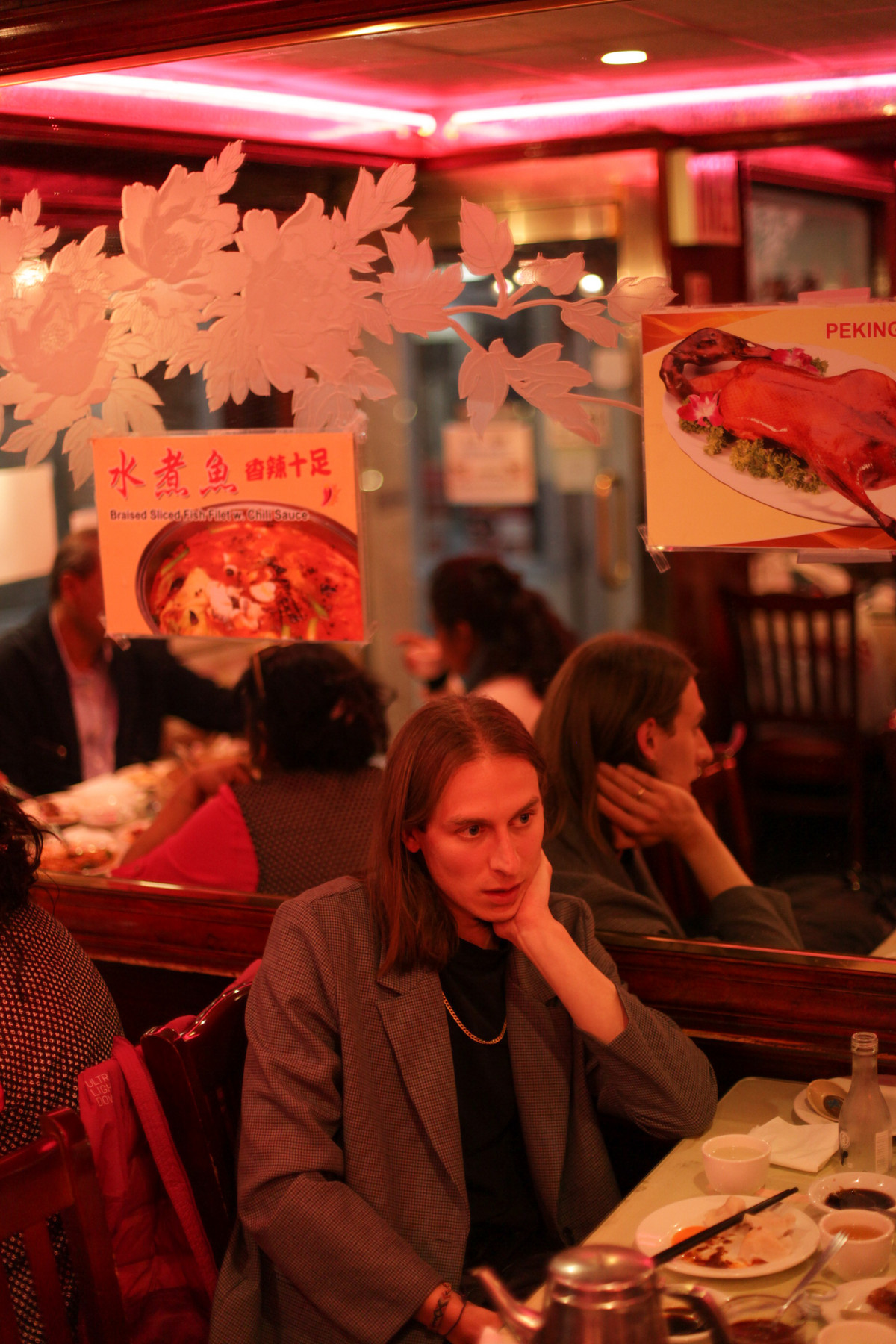
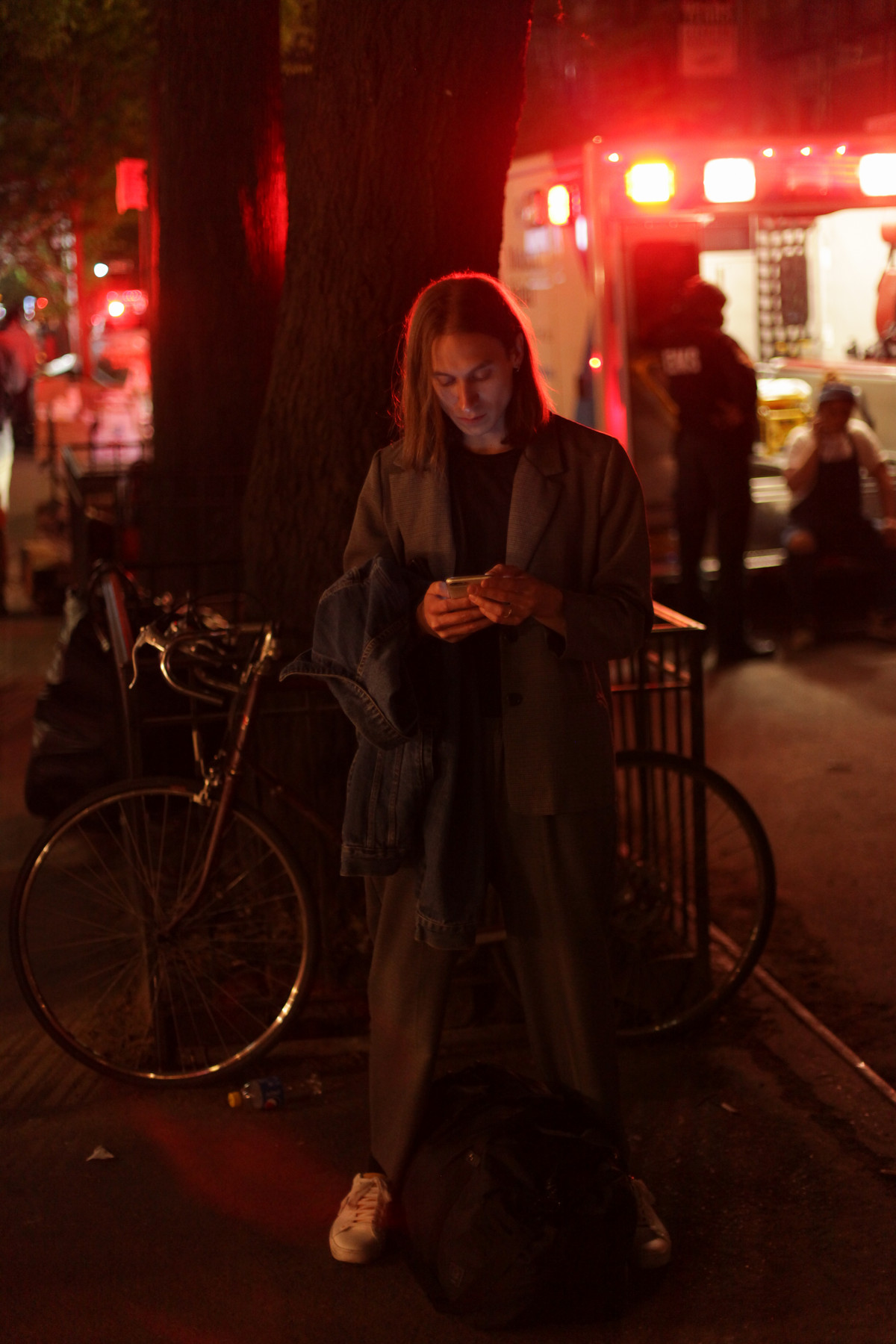
In the wake of Baltra's new album, Ted, office hung out with the artist for the day to chat about creativity, fashion and what living in NYC is like these days.
Stay informed on our latest news!

In the wake of Baltra's new album, Ted, office hung out with the artist for the day to chat about creativity, fashion and what living in NYC is like these days.
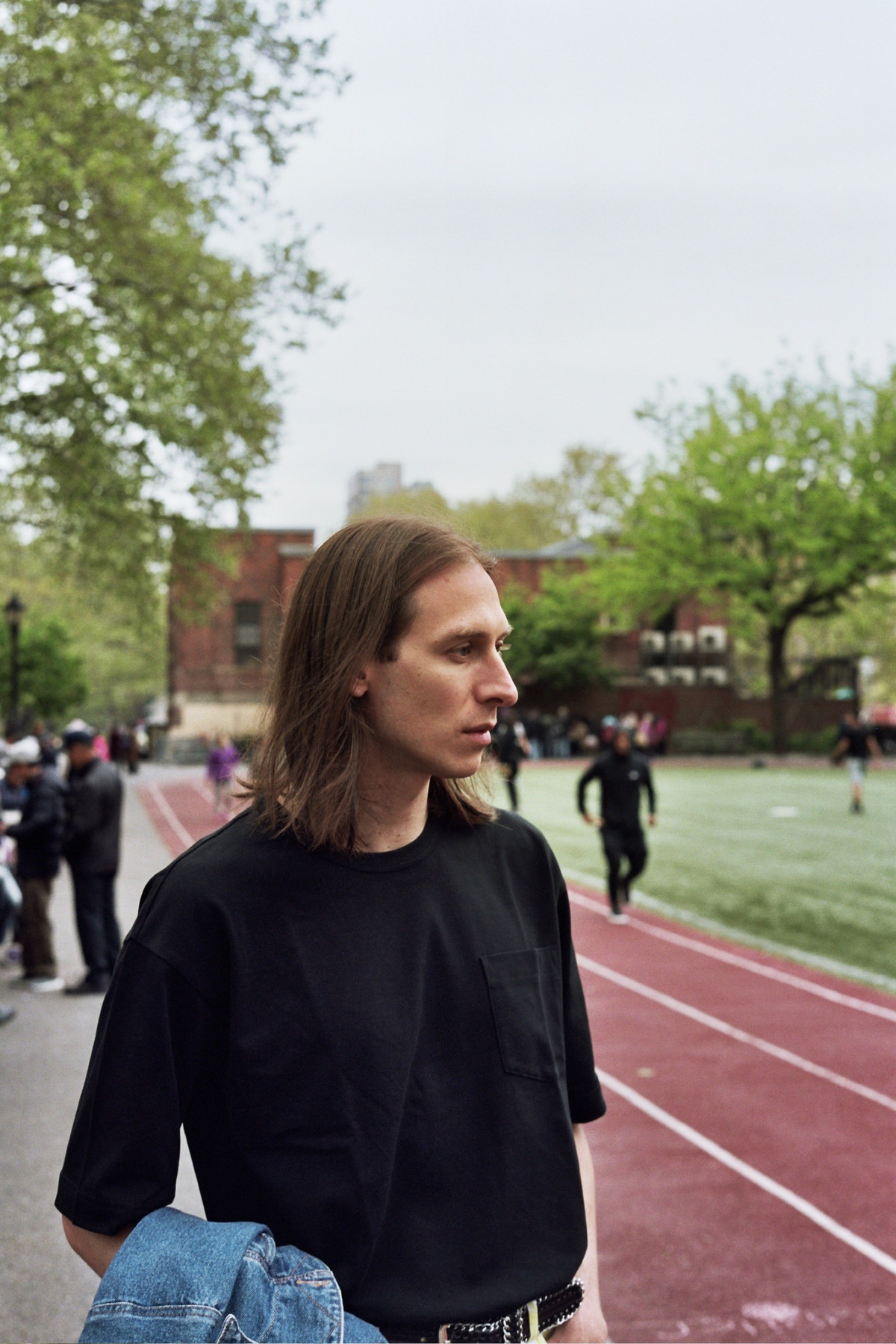
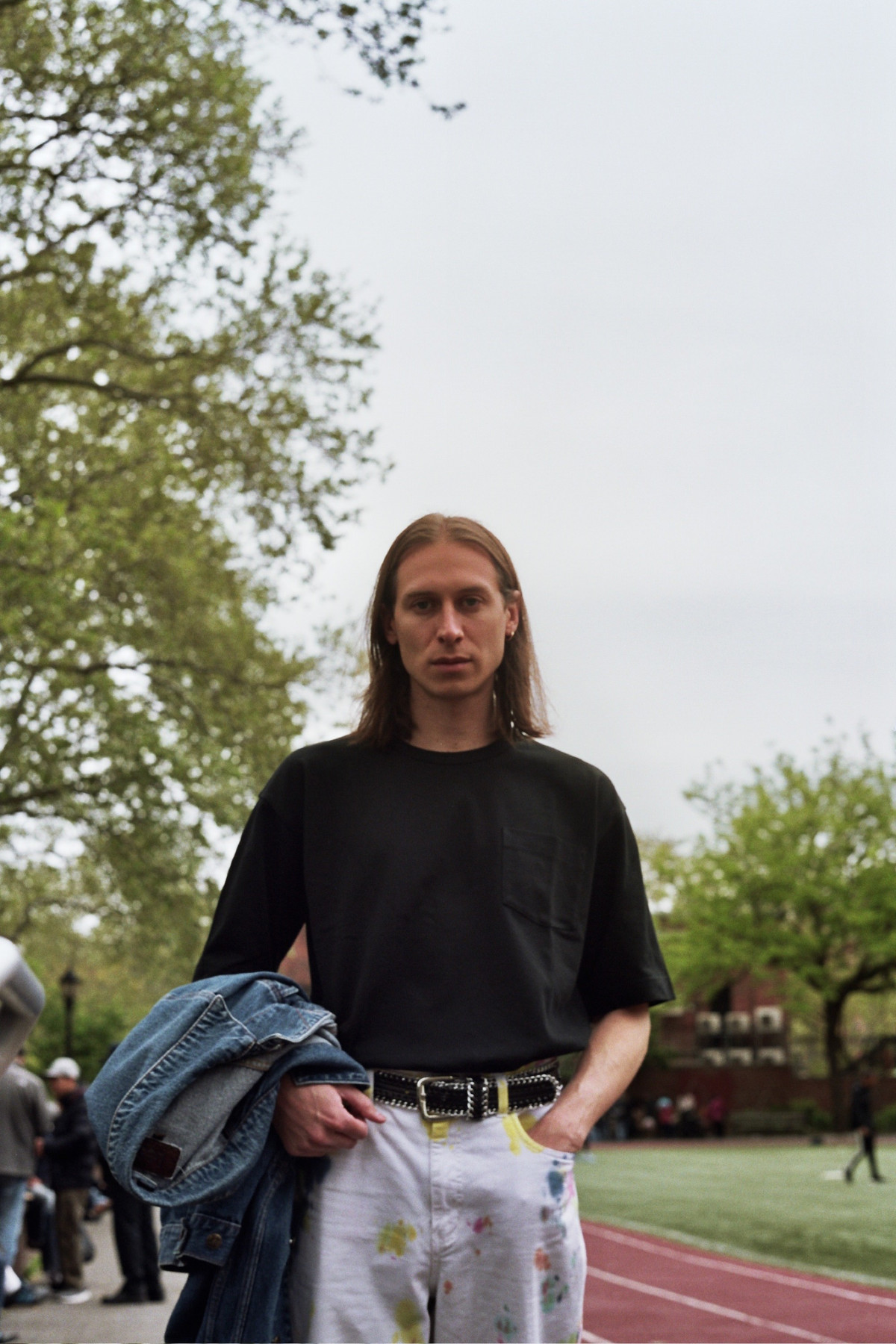
Where are you from?
I'm from Philadelphia, Pennsylvania. I was born there, and I reside in New York City. I've been here for nearly 15 years.
Do you think the city has changed from an artist's perspective?
Oh yeah, 100%.
Is it better or worse?
It's way worse. I think it's forced a lot of musicians to either move away from New York City or be pushed further out into different areas. The cost of living has become so high—it can definitely fuck with your creativity. It's do-or-die. I guess it's been that way for quite a while, or maybe it's always been that way, but it's more apparent now.
I personally find that there's cooler stuff going on now than in 2004. The city's gotten a whole lot worse, but it's also gotten a little bit better.
I think we had to go through that period to get to where we are now. People had to get tired of where things were going. I think that era pushed people to become more inspired, to get more creative.
You've been DJing in NY long before Bushwick turned into the new Meatpacking/club row. In the past few years there have been so many dance music oriented venues springing up all over Brooklyn.
Yeah, it's crazy. I used to play a semi-illegal party a few years ago before Elsewhere opened. It used to look like an airplane hangar- it was massive. The party was actually in the concrete yard in the back. You had to walk through this warehouse space that could've fit 2 or 3 airplanes. I'm pretty sure that is now Elsewhere—they bought that illegal rave space.
What are your thoughts on all the new venues and the current state of dance music in NY? Do you think that there's a new sense of community?
Yes, definitely. I think it's great. It's not easy being an artist in New York in 2019. More venues just give more opportunities for up-and-coming artists to play. I think it's also cool to see a combination of local homegrown talent and artists from abroad being put on bills together-artists that are really killing it in different ways, that are on the cusp and cutting-edge of whatever style of music they're doing. I really think having more venues available for club nights are keeping the city alive.
Your name is associated with lo-fi house. How would you describe that sound to someone who's not familiar with it?
Again, this goes back to talking about a certain era in time, where shit was just getting corny or going too extreme in one direction. For me, it was the music. It just became so overproduced and lacking in ideas and creativity that I became more interested in what the antithesis was. People tend to think that the definition of beauty is something being perfect. To me, it's not. I like when there's something unique and maybe off. That's normally where I find the beauty in things. I guess that's how I became interested in playing around with sounds that weren't considered high fidelity or perfect. Also, I didn't and still don't really have the technical wherewithal to produce really clean music. It became an aesthetic that I am now associated with. I like the juxtaposition of the raw and the clean. Lo-fi house is just low fidelity sounds—a lot of field recordings, fucked up stuff...you're either recording it through cassette decks, or analog tape, or whatever software that makes it sound like that. It’s got a sort of nostalgic feel; it's got an attitude!
Is this your first full length?
It's tricky. 'No Regrets' was seven songs but to me, it felt like a long EP, rather than an actual full length. I originally put it out on cassette tape and then the label ‘Of Paradise’ in London reached out about essentially doing a reissue, but on vinyl, so we did that. This album that I'm releasing in July has fifteen songs.

Congrats! It's a beautiful record. I was super happy to hear some drum and bass on there; some minimal and ambient stuff too.
Thank you! Yeah, it's just a lot of shit that I love.
Tell us a little bit about what informed this album.
I didn't want to have any sort of limits, or things that I felt like I had to have on the album. I kind of wanted to go and break outside of the realm of just being considered a lo-fi house producer. I really wanted to take full control of how I am categorized, too. I think in the media it's easy to hop on the train of a buzz-word, whatever's of the moment. For me, though, it's much more than that, you know? I'm not just trying to make trendy music. I’m just trying to make music that I am proud of and can stand behind, that's hopefully exciting to the listener. So, on this album I incorporated a lot of things I didn't really do prior to this; things like field recordings and instances where you'll hear a sound only once in the song, which is not really typical in house or techno music.
It was kind of like a soundboard of expression for how I've been feeling over the past two years after having lost my father. It's even cool for me to listen back and follow the journey of loss and mourning. I hope the album translates in a way that is super relatable in regards to loss and self recovery … not just in terms of losing a loved one or losing someone to their death, but just loss in any sort of realm. For me, the album turned into more of a coping mechanism. It was like an escape while I was going through so many emotions that I'd never experienced before- I've never really lost anyone. I mean, I've lost grandparents but I was very young when that happened. So this was my first monumental loss. It happened over a matter of months, and was very unexpected, so it was jarring … very surreal. I think the album was therapeutic for me. I wasn't exactly creating with any intent outside of making music.
I very often hear people describe your music as emotional.
It's a pet peeve of mine to hear club music that is completely emotionless. It's like, what are you even doing? I hear sounds all the time which don’t impact me at all. Then there could be a track consisting of just drums, but whoever made it is expressing something through it. I think every time I set out to make a song or sit down to create something, it has to resonate with me, otherwise I completely stop working on it. Some days, you have the creativity and some days you don't. It's natural, it’s human. I think that with music, there's the creative part, where you're just free to do as you wish, and then there's the aspect of composing it, of actually making a useful thing that someone can listen to and not just random sounds. It's like shooting a movie and then actually putting it together.
Your first single "Ahead Of Time" features Korean vocalist Park Hye Jin. How did you link up?
I heard her first EP and was really intrigued by it. I thought it was very cool and fresh. I was familiar with the label that she'd put it out on and having been to Seoul before I realized that we actually had a few mutual friends. So while I was finalizing the album, I reached out to her directly and asked her if she was interested in collaborating on a track. The original version of the song had an Aaliyah/Drake vocal sample and had gotten a really good response when I played it on a couple club nights. It turned out to be the track she wanted to hop on.
You just modeled for Raf Simons x Adidas. Describe your personal style! Are you into fashion?
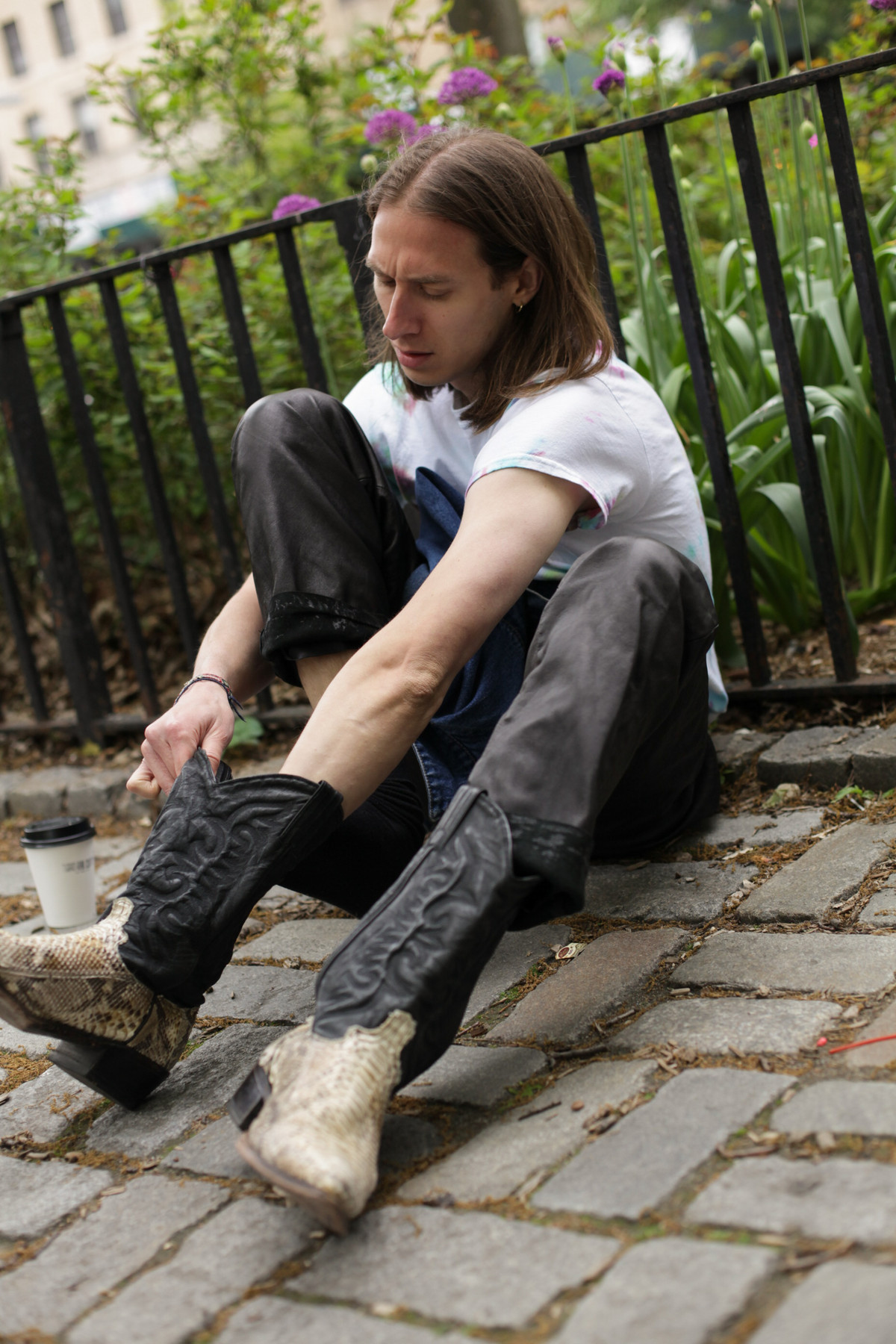
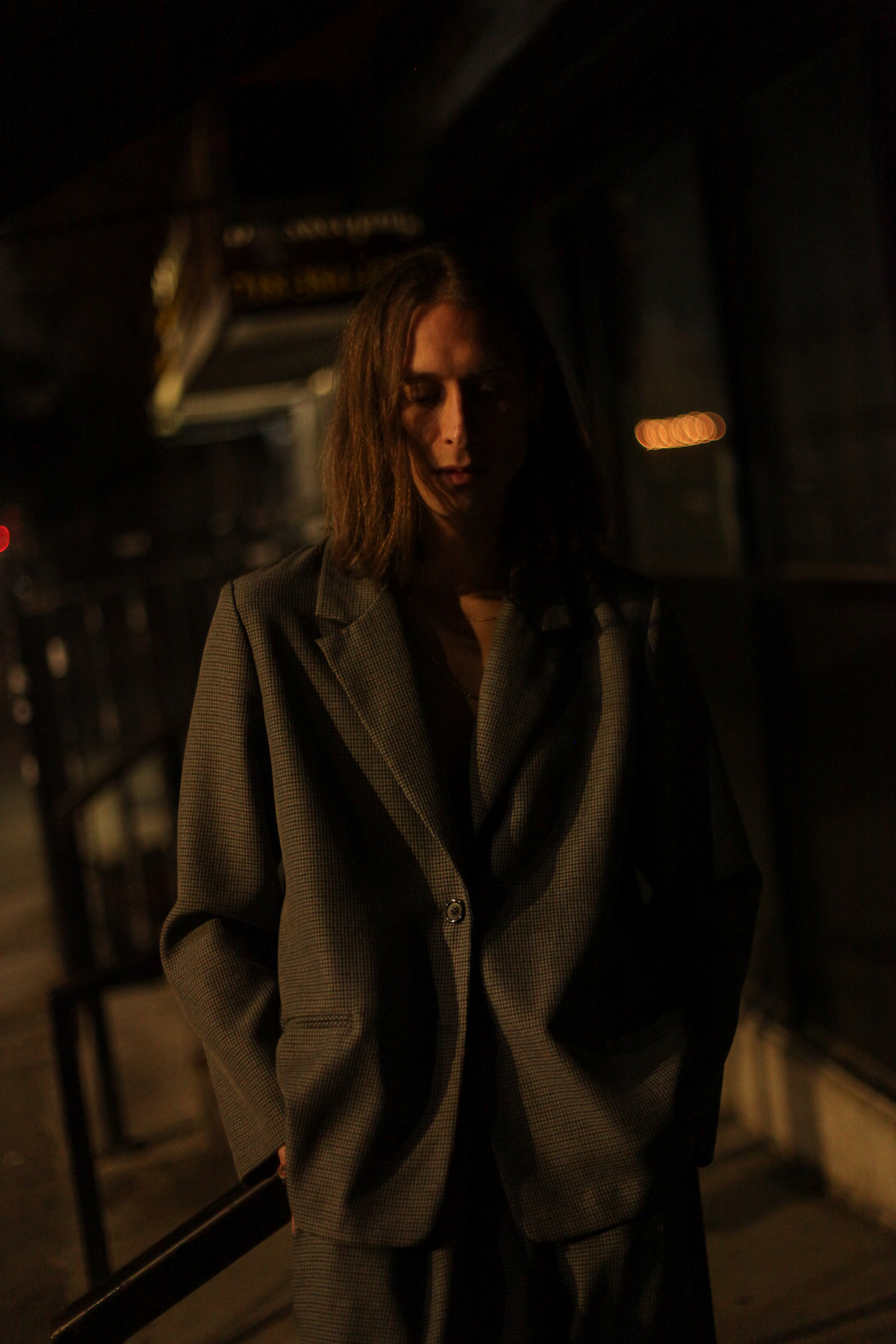
Yeah, quite a bit. I wish I could afford all the things I want to wear. I try to make do with what I can and what I have. It's such a cliche to say "I dress the way I feel" but it's pretty true for me—I like to mix things up. I feel that with vintage sometimes it's pretty serendipitous when you come across an amazing piece. You can't just go to a store and buy it the way you would buy the latest collection off a website. When you find it, it's because it’s the right time and the right place. My brother’s a fashion designer and is five years older than me, so he always introduced me to fashion and styles of music. There was enough of an age difference and this was pre-internet too, so I was learning about things earlier than other kids my age. So yeah, I think I've always been pretty keen about fashion.
What's your favorite piece or item that you own currently?
I have a vintage Margiela trench coat that I really like. Also, my Saint Laurent chelsea boots are a staple. They can be dressed up or dressed down-—they're kinda for any occasion.
What is getting your attention right now, music wise?
There's so much music out there right now that it's difficult to consume it all, but I try to put my friends at the forefront. There are a bunch of outlets these days. Avalon Emerson runs a website called buymusic.club which is great for finding new stuff that's on Bandcamp or whatnot. But yeah, I definitely try to push my friends forward and support them as much as I can, no matter what genre. Sometimes I need a break from electronic music and I’ll just listen to hip-hop, indie—whatever's new there.
What's the best thing about living in NYC now?
For me, it's always been about the diversity in culture and the attitude in New York. I think that's still what draws me in and attracts me—what will always make me love NYC as much as I do.
Another city or place in the world with an interesting scene?
London—there's always great shit going on there. Also, the crowd is always great and super open in Berlin. I've been to so many incredible places. Tblisi in Georgia has a very cool rave scene—Kiev and Moscow, too. A lot of the Eastern European countries are amazing.
They are! I'm Eastern European.
Me too, actually. I have relatives that are all from Eastern Europe. I was wondering what kind of last name Baltra is. It's Lithuanian—it was shortened when my relatives came here. It's funny, whenever I travel to play, everyone will always speak to me in the native tongue. They'll think I'm from there, no matter where I am… Moscow, Lithuania, France, even Finland. Everywhere I play, people think I'm from there.
Being relatable can be a good thing!
Well, people say it's good to be from New York, but truthfully, the ravers don't really give a fuck where you're from!
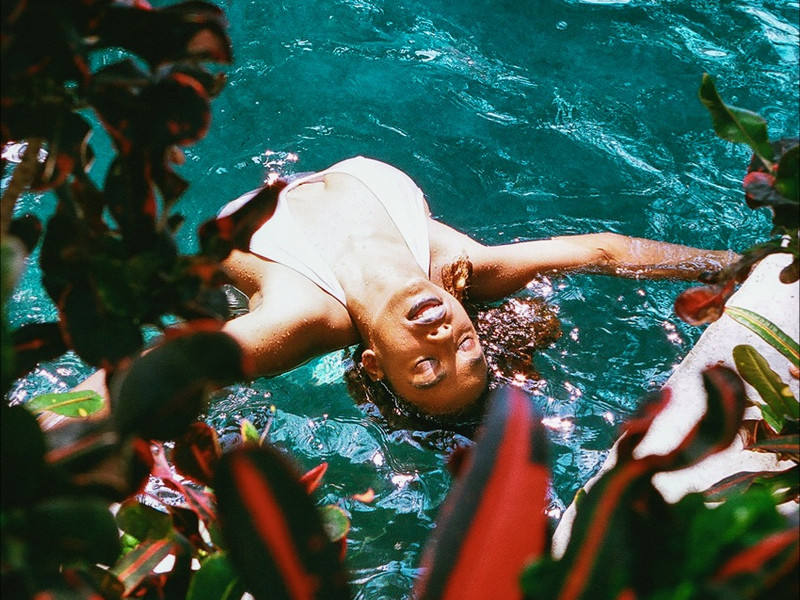
The 25-year-old singer/songwriter is a first-generation child of Sikh-practicing, North Indian parents. She grew up in both Queens, New York and Connecticut and started writing songs when she was about 13 years old. In 2017, Raveena released her debut EP, Shanti, after she graduated from NYU. She then quickly gained a following for her sweet voice and hard-hitting lyrics.
Maintaining full creative control over her art, Raveena intwertines her Indian heritage into her aesthetic and explores her personal identity within her music, even coming out to the world in her song “Temptation” from Shanti. But in her newest album, Lucid, she delves further inside herself. For Raveena, Lucid is just as healing to her as it is to her fans. And now she feels more sure of herself and her voice than ever before.
Read the interview with Raveena below.
Tell me a bit about Lucid and why you decided to go with that title.
The word lucid means finding clarity after a period of confusion, and that’s the narrative of the album. It’s about the journey through me experiencing trauma and then finding joy. Lucid also fits the ethereal, psychedelic, and emotional sound of the album.
How has your musical style evolved?
I pushed myself to explore territories that were hard to visit and to find ways to put that into music, like talking about sexual assault and abuse. My singing voice got a bit deeper, more womanly, and my lyrical voice became stronger as well. My band and I also got more experimental and made a concept album, which we’ve never done before. It’s really cohesive and tells a story that you can play from start to finish. It was such a journey, and I feel like I found my voice on this album.
Who are some of the people that you frequently collaborate with, and who did you work with on Lucid?
Because Lucid tells such a personal story, I wanted to keep the team very small. So I only worked with Everett, my producer, and the two members of my band. Most of it was made in my bedroom, and there weren’t a lot of collaborators or people behind it—it was just us making what we felt like sounded beautiful and good to us.
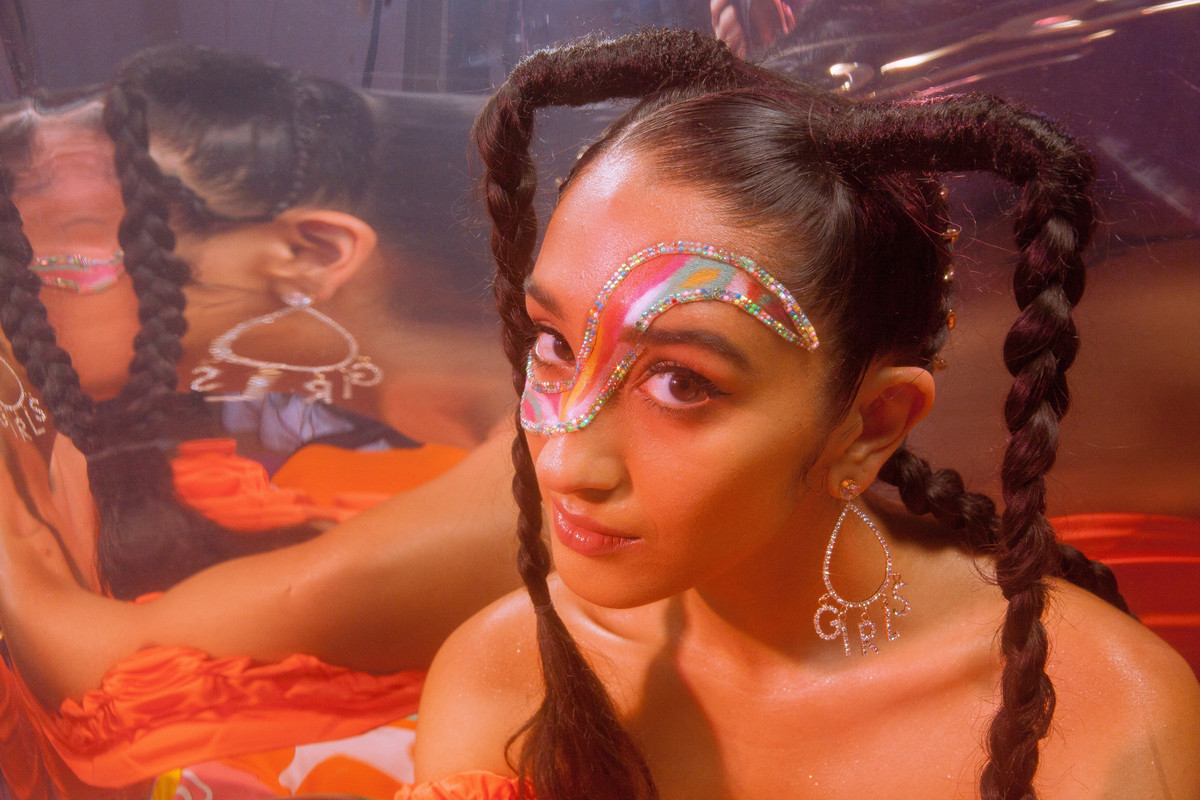
Tell me about the song “Mama” which talks about the relationship between you and your mother.
I feel like my family, my mom and grandma were both a part of the album’s story. They’ve just experienced so much in their lives and gone through a lot of trauma themselves. “Mama” is me imagining my mom coming to Queens after experiencing hardship. At only 25, she had gone through these crazy experiences back home and lost people in her life. I live in Queens now, and it’s kind of crazy walking through the streets and thinking of my parents first coming there and their first experiences. The song is about me holding a space of love for her, but also trying to better understand her.
Your mom came to the U.S. when she was your age?
She was a little younger. I think she was 21 or 22.
South Asian artists often have difficulty within media industries, because they’re forced to fit into a limiting, often one-dimensional, narrative. Has maintaining creative control of your work helped you to combat this? And what have been some of the challenges with doing that?
I think the hardest part about it is that the people at the top who make decisions are often straight, white men. Sometimes they have trouble seeing potential in South Asian artists and giving them the same opportunities because there just aren’t many contemporary examples of South Asian artists who have made it. So it’s very hard for them to see that we can appeal to a large audience. But I think that it is very possible for that to happen. It will just take a lot of time.
I think music that’s made from love and that’s made from pure intention will always stand out at the end of the day. Nowadays, people care less about what the person looks like and care more about the music they’re making.
Do you think that, because of SoundCloud and other social media and music sharing platforms, there is less gatekeeping within the music industry?
I think that the gatekeepers still exist; they just exist in different forms. Ultimately when you make music and make a living off of it, it’s tied to capitalism and this really archaic system. But now with social media you have the power to build your own following and have that community follow and share your art. And if you keep putting out good content, then I don’t see why you can’t carve out your own little niche. It’s about persistence and staying true to yourself. I think the gatekeepers are always a couple years late anyways, so they’ll just catch up to it in time.
In the song “Stronger,” you sing, ‘I was naive to think a man could be stronger than me.’ Tell me a bit about that song and what it means.
"Stronger" and "Saltwater" are both about overcoming sexual assault and abuse. When I was going through those experiences, I was in such a meager state of mind. But once I started to remove those energies and forces out of my life and started to really focus on healing myself, I realized what a strong woman I am.
What sounds were inspiring you? Was there any music you were listening to while making this album?
We were listening to a lot of soul music. We listened to Ashanti, Stevie Wonder, Minnie Riperton, Erykah Badu, Sade, a lot of the greats. We also listened to Outkast and Bjork. We definitely like to draw from a lot of different styles of music. We get inspired by whatever moves us and has a lot of feeling.
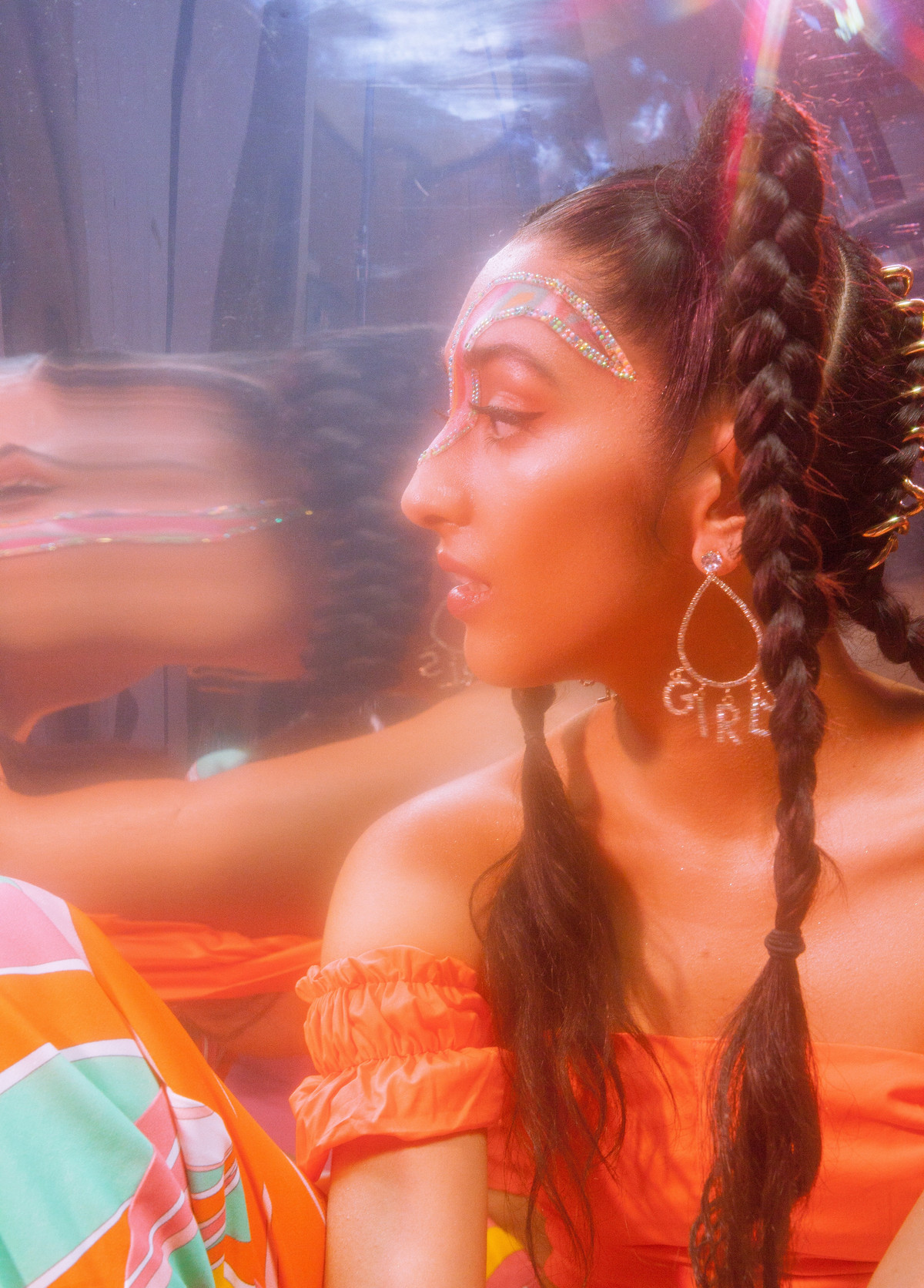
Some of your inspiration also comes from film. What is your connection to film and what films have influenced you?
I think film is the all-powerful and almighty medium, because it combines visuals, music and storytelling. There’s nothing that hits you more intensely than a good film. Music is a spiritual force, and it’s really powerful in that way, but film is where it all comes together. I’ve been really inspired by movies about space lately, like Interstellar and Gravity. I love space movies, even old sci-fi space movies like Barbarella. I also love Hayao Miyazaki and David Lynch, and I’m really inspired by Bollywood films.
When a movie is really artfully done, I’m so in awe when the script has such beautiful words and beautiful music along with it. I love diving deeper into films so that I can hopefully recreate the visuals and the feeling in music videos and long-form projects in the future.
Is there a particular decade that inspires you and why?
Definitely the ‘70s. That era really resonates with me. I’m really interested in psychedelics and the hippie movement, and people took a lot of risks in the ‘70s. It feels like the most fun, surreal and colorful, which are all of my favorite elements.
I can definitely see ‘70s in your style and your work—it seems very you.
Yeah, I love it!
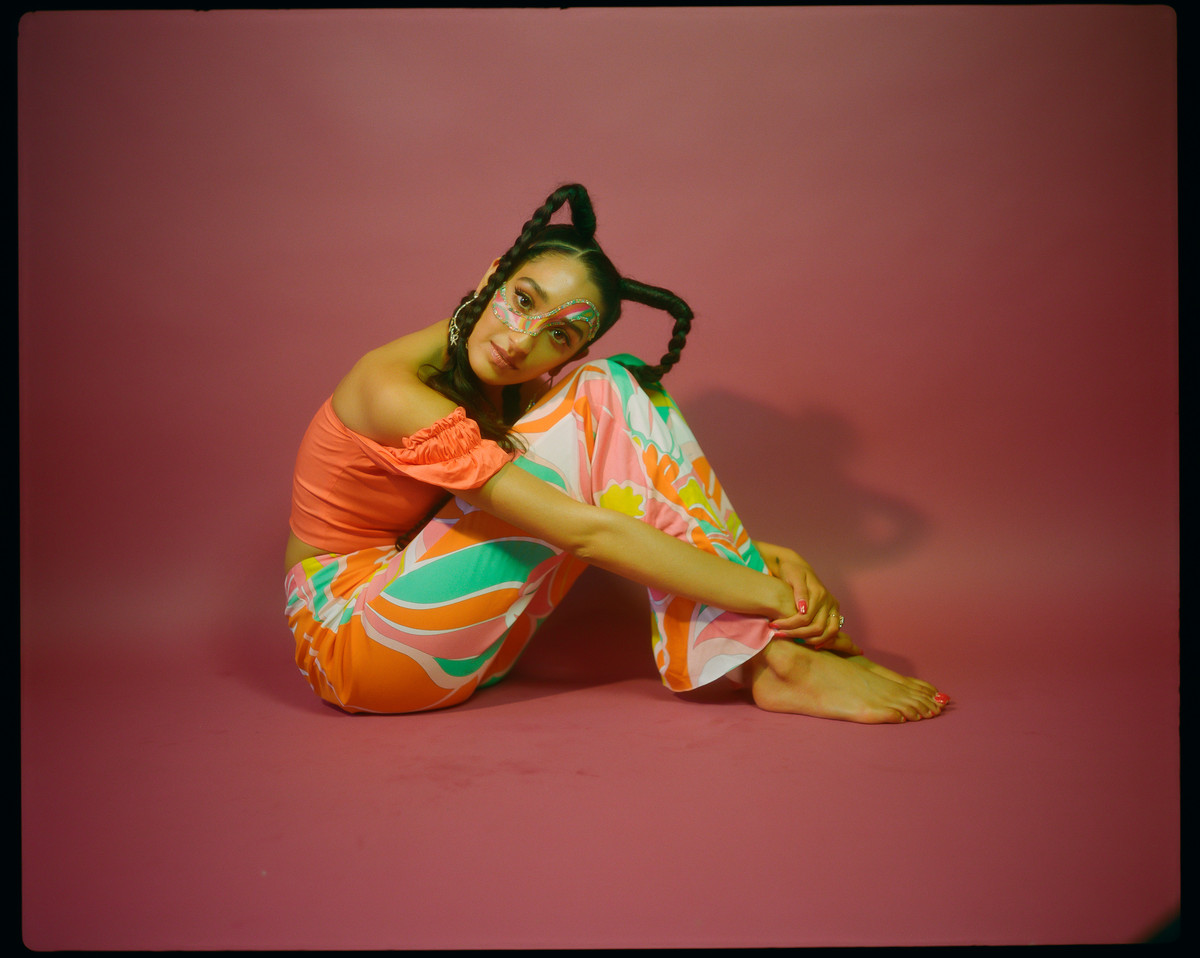
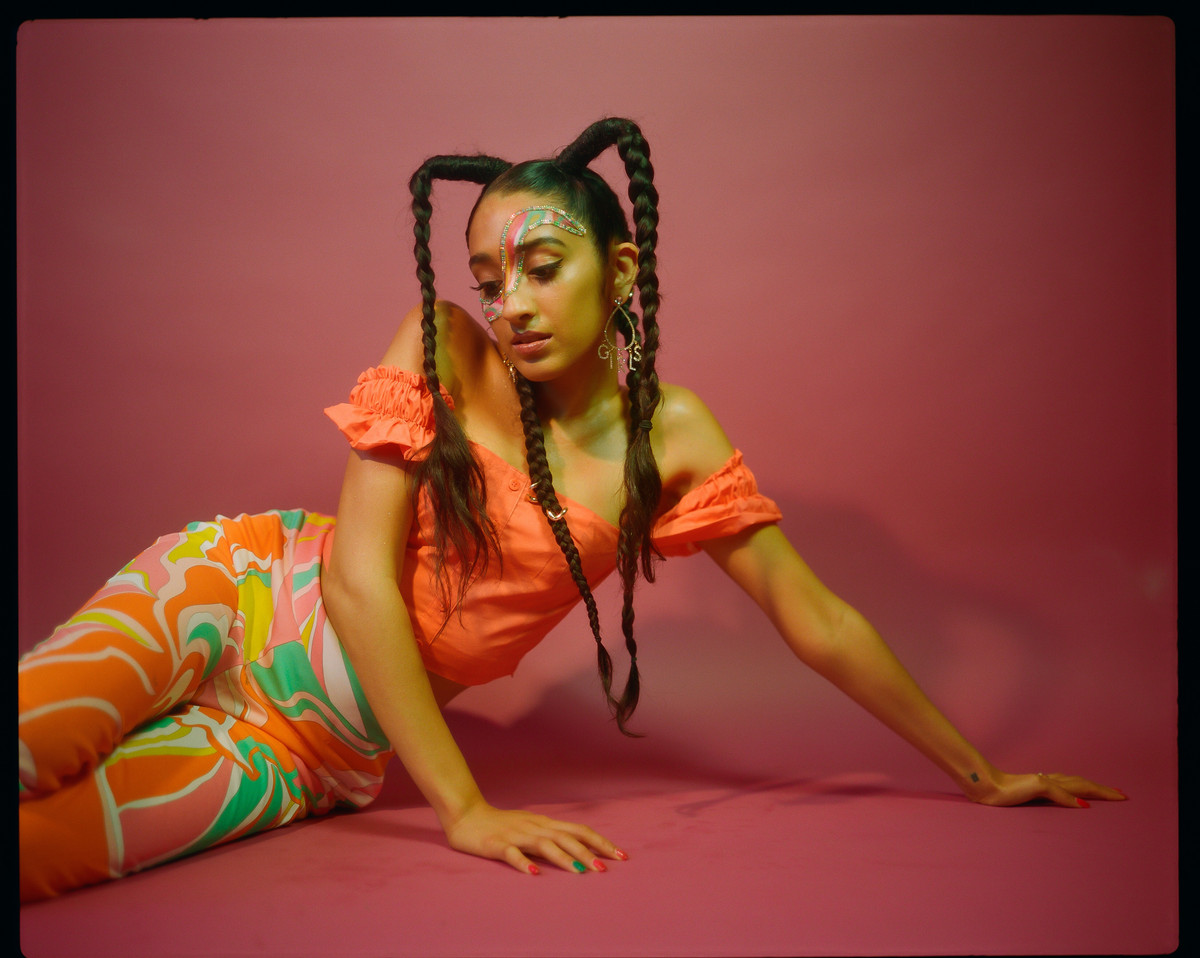
Talk a bit about your clothing style.
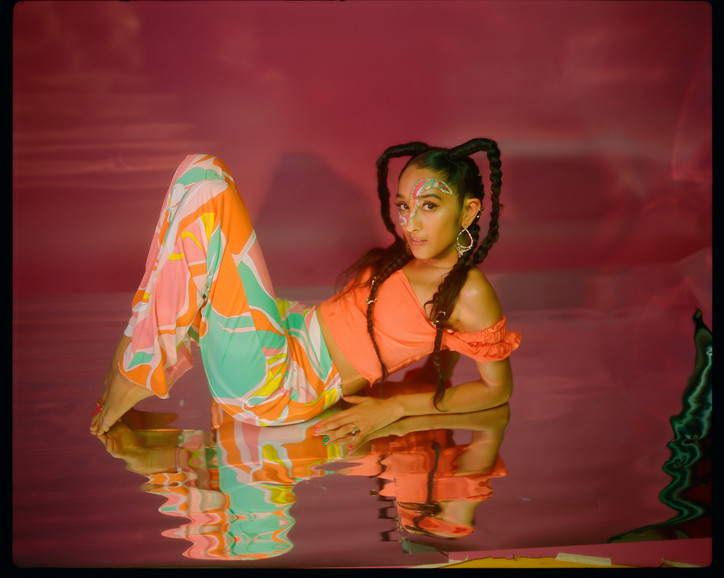
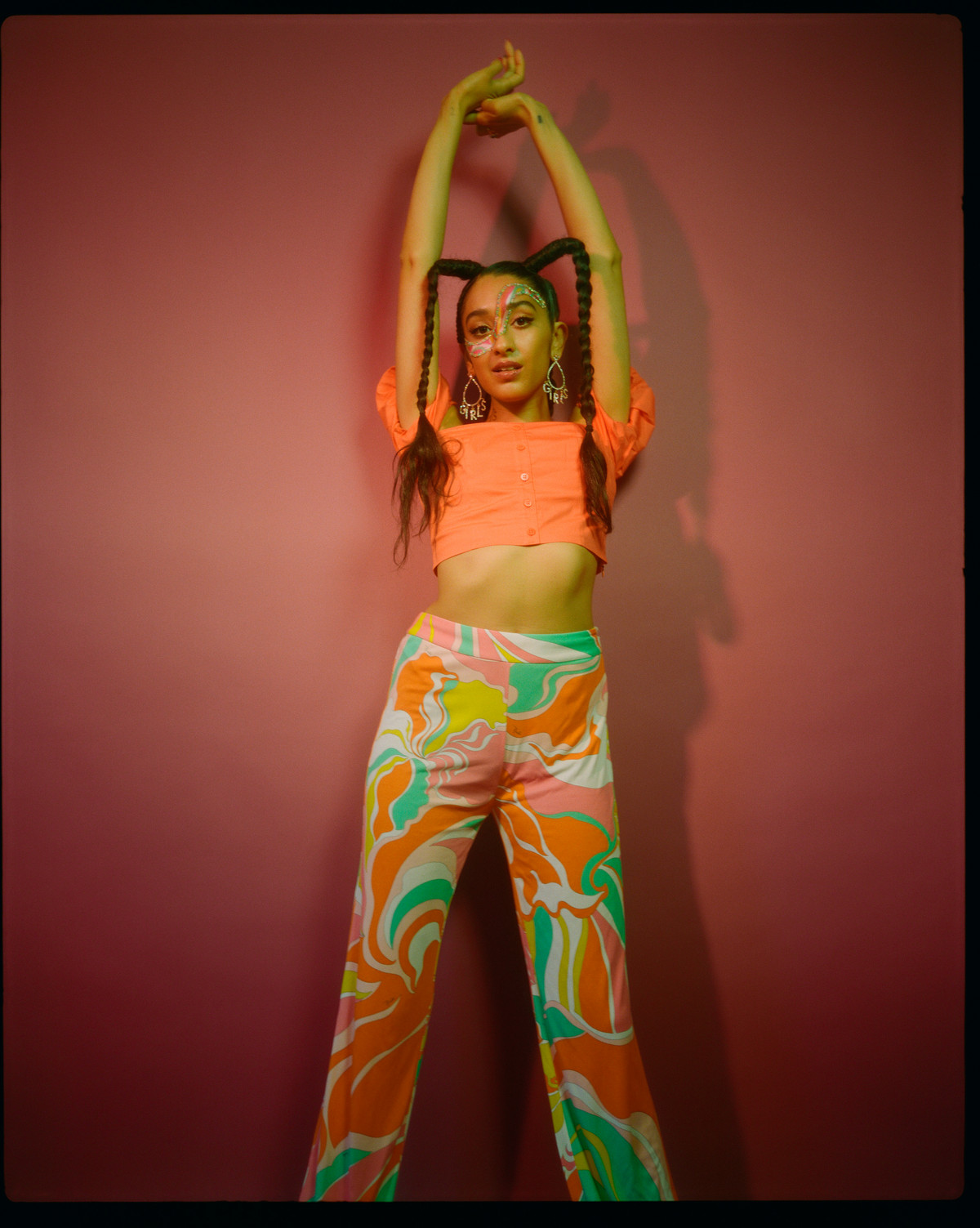
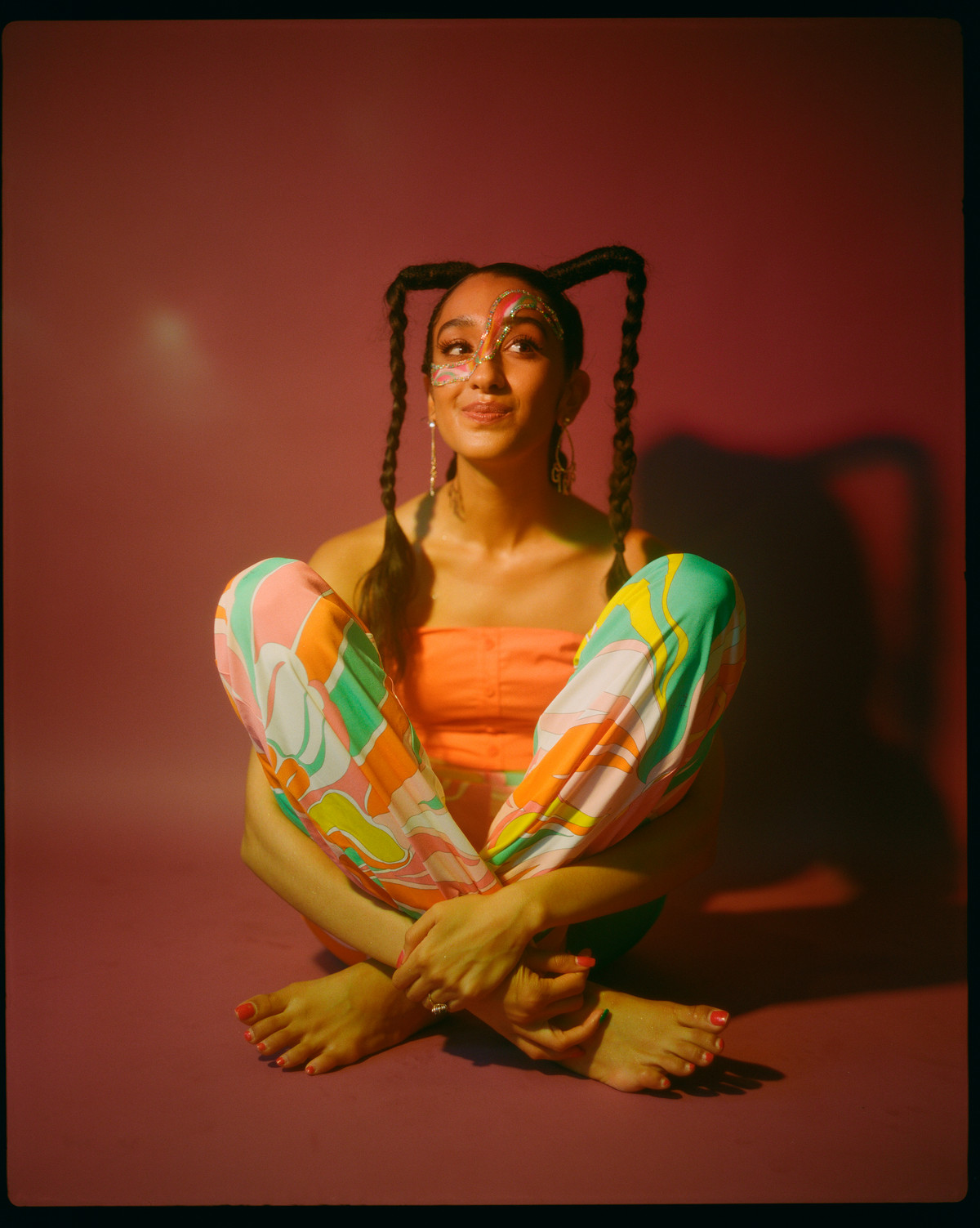
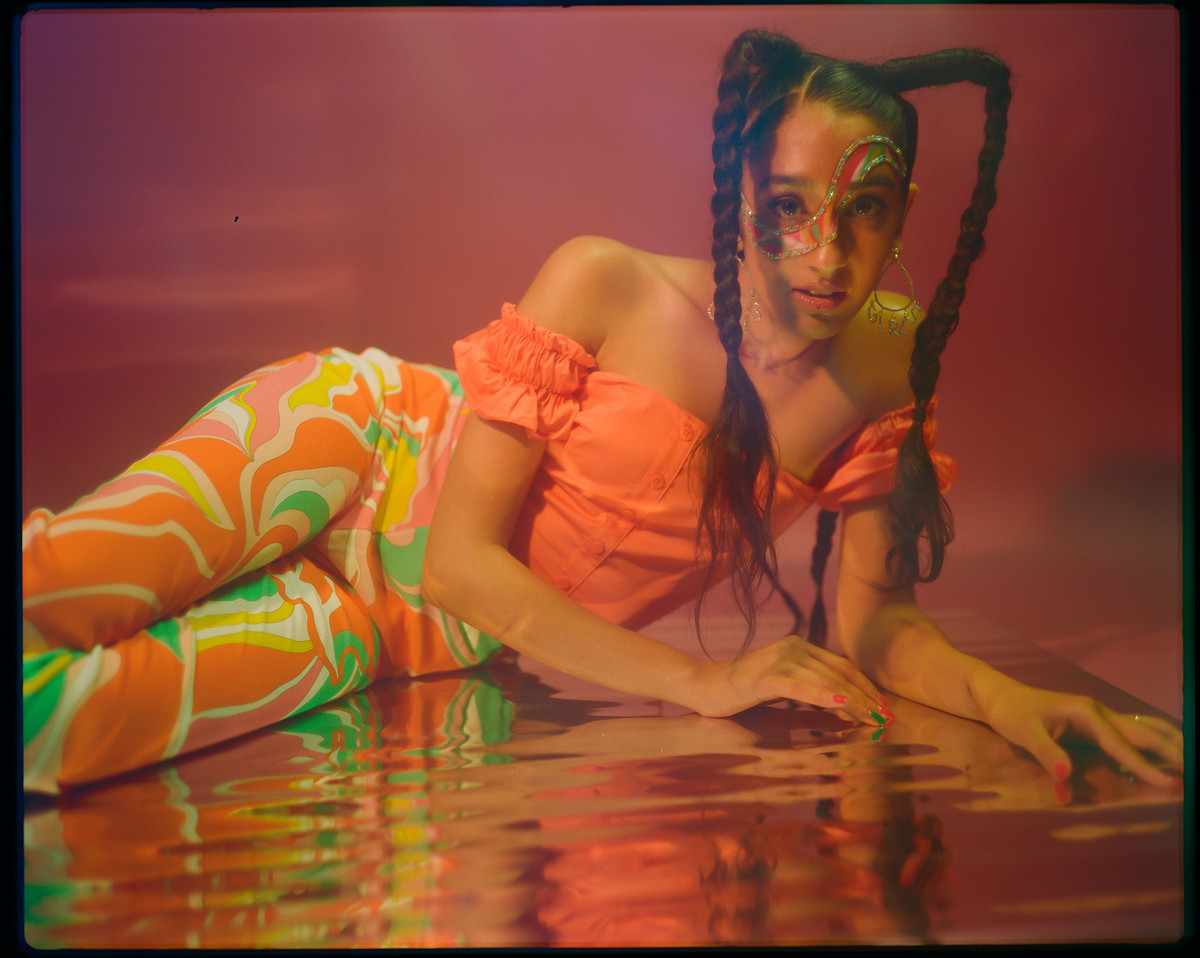
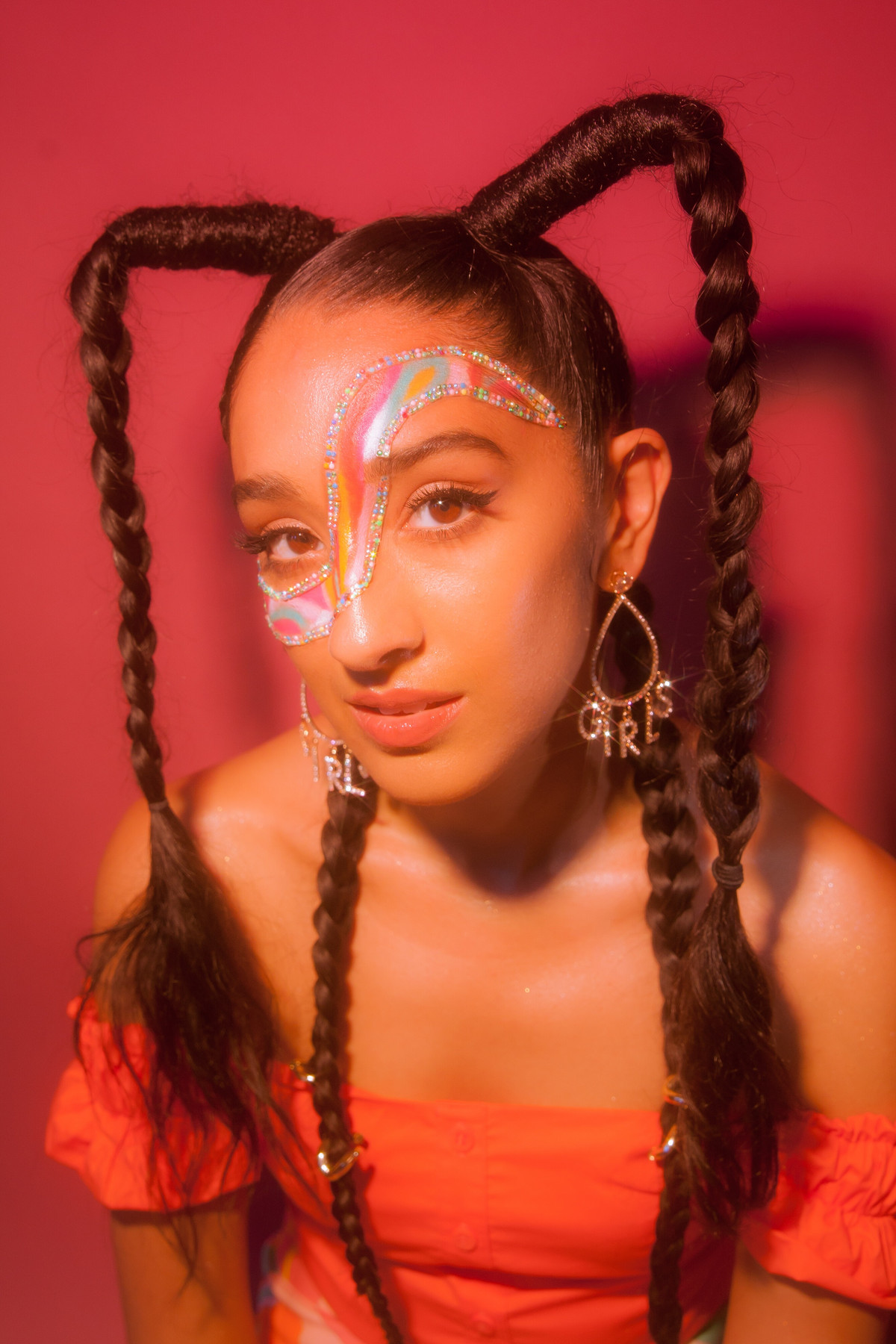
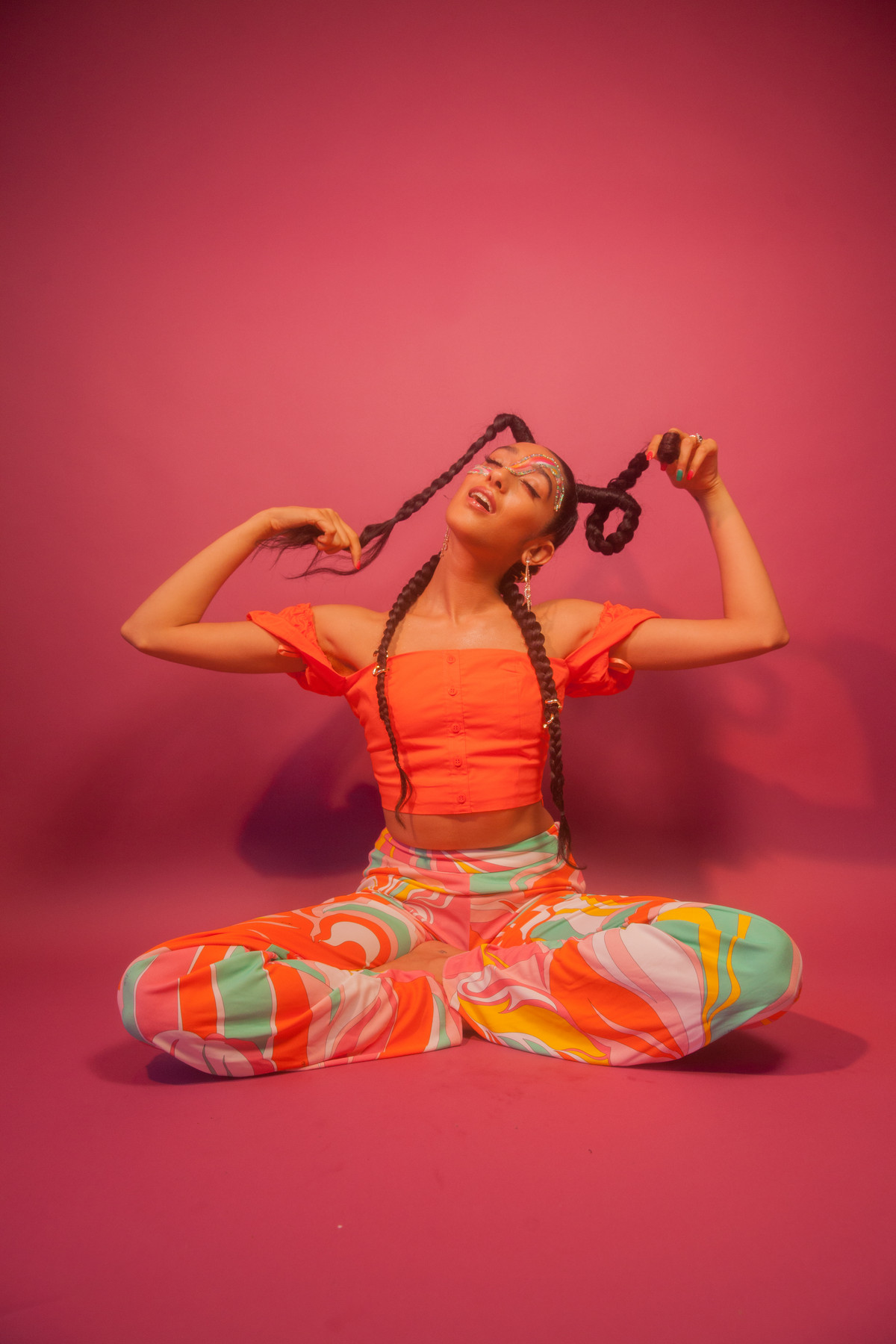
I’ve been wearing a lot of Pucci for this album cycle. I even wore it in the office shoot. There’s a colorful, ‘70s feeling to it. I love any designer that really experiments with color and has a light-hearted approach to clothes. I also like looking through old ‘70s clothes and finding whatever I can. You’ll never see me in black, grey or navy. I usually wear all of the colors of the rainbow.
Describe your perfect day.
It would probably be in Hawaii. We would go on a bike ride and go on a little hike. Then see a waterfall and get sushi. And then come home and write a really good song. I think that’s like the perfect day. Hopefully we’d catch a sunset too.

Throughout the dreamscape, Scott levitates as we watch, singing along to the words we all know too well by now, “said that pussy so good and that pussy so sweet.” After he surveys the perimeters, ultimately leaving with a clock that was his for the taking all along, Scott is left floating in his newfound reality.
Check out the video below.