Check out our interview with TJ below.
Stay informed on our latest news!

Check out our interview with TJ below.

Can you just say your name, where you’re from, how old you are?
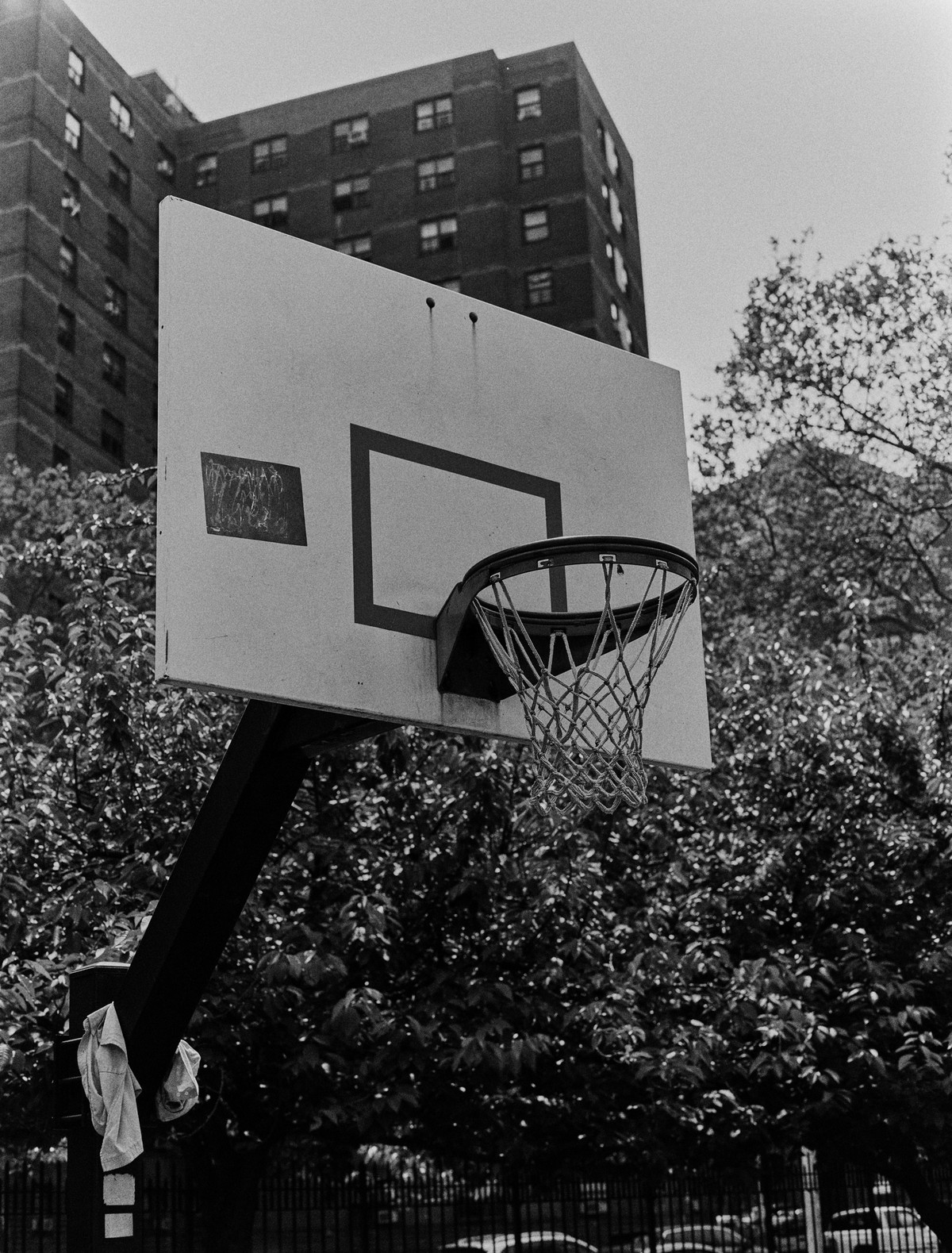
TJ Porter. I’m 19 and I’m from Harlem, East Side, El Barrio. Right here in the projects.
How is it doing your thing and still being a part of the fabric of this neighborhood. I find so often that people get famous, they “make it,” and then immediately dip out to greener pastures, move away from their home base. You’re still here in Harlem, you know all the cats on the block.
Just cause you get a lil' fame and stuff don’t mean you change up on your people, you feel me? That’s the quickest way to have your people not fuck with you—I just keep the same energy I been had with them. When I look out, I look out. You gotta let people know what it is from the jump—I tell ‘em not to expect too much from me.
Tell me about your album, what compelled you to make it, your influences?
It’s called “Voice of the Trenches.” I feel like I’m talking to people in trenches everywhere, not just one specific kind—there are many different kinds. I’m talking to everybody everywhere, letting them know I’m speaking for them. There’s stuff that they experience, that they talk about that people outside of the trenches can’t hear, and I got the reach to let the voices from below be heard by the other side , to get their messages across. I’m speaking for them, and people like that.
I was going to touch on just that. Many creatives use their medium to shed light on the darkness, which is what you’ve just expressed. You have clout, you have a following of people who listen and look up to you, so I was wondering if you find it important to use your platform as a means of illuminating certain issues?
Yeah, of course. I feel like there are things that people just need to hear, so I try to do my best to keep everything authentic—everything with me is real, authentic, I’m not one of those people to make stuff up. Everything I rap about I’ve either been through myself or I’ve witnessed. I just try to keep everything as real as possible.
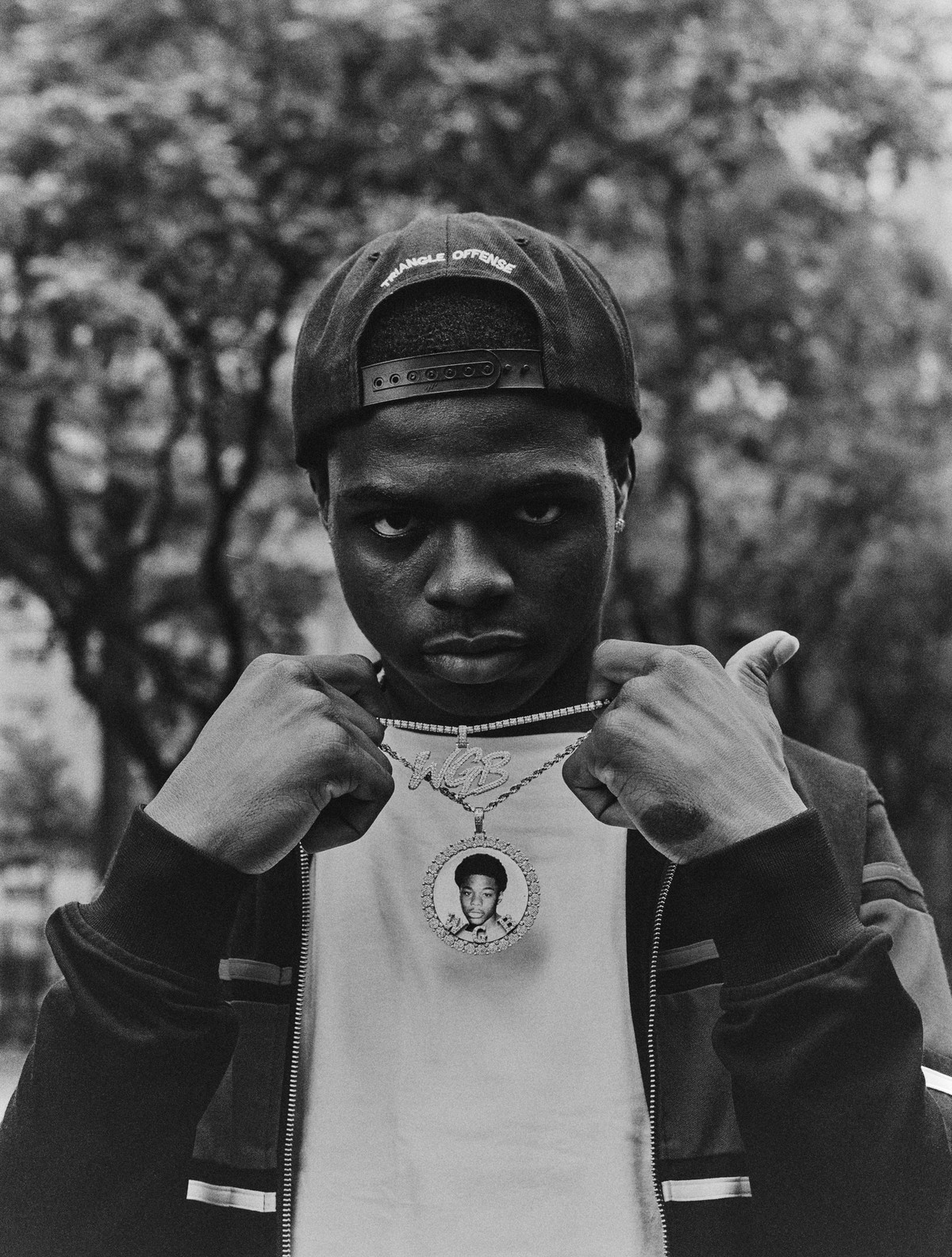

If you were a shoe, which shoe would you be and why?
I would be a pair of Air Force 1s, cause it got swag, everybody wear it, they comfortable—there’s nothing wrong with them, they so simple.
Why music? As a child, what made you decide that music is what you want to be doing?
My uncle came home from jail and he inspired me to start rapping. He had me listening to Nas, Jim Jones—all of Dipset used to be at my Grandma’s house across the street, I know them. I grew up around everything. I was always a music person, so it just came simple to me, it came easy.
You’re really young to be this deep in the game! In your time in the industry, have you come across people who haven’t taken you seriously because of your age? What are some of the struggles of navigating a “grown” industry?
If people don’t take me seriously, then you’re out of here, you know what I’m saying? That’s real stuff. Even at my label, I have to tell them yeah I’m young, but I’m not a kid. I had to mature at a very young age. I ain’t have my dad so I’ve always been the provider. Just the way y’all feeding your families I’ve been doing this probably for the same amount of time and y’all don’t even know, so you not about to just talk to be different because of my age. I’m very intelligent, I can keep up. You can’t spin me, is what I’m saying—a kid, you can spin. I’m 19, yeah, I’m a kid, but only in age. My mentality is different.
I like that. What’s one thing that you think music has the ability to do in a way that no other creative outlet can?
The pain, the story, it separates music from everything else. Music is unique because of the pain.


What’s your favorite song on the album?
Probably “True Feelings.” “Voice from the Trenches” has this really beautiful narrative quality to it—you can tell that sequence is a facet of the album in its own right. Did you choose the order? Yes, me and my managers. All of my songs have different messages, so we wanted to put the songs in the best place for the listener. I got some sad songs on there, but you won’t get too sad cause the next song is one that will build your spirit right back up.
Do you come from a religious background?
My family believes in God, they’re Christian. My grandma on my dad’s side of the family used to go to church every Sunday and she always used to take me when I was over there. I ain’t go to church since she died, that was like three, four years ago.
I grew up in Harlem as well, Sugar Hill, my whole family has roots here. Harlem is my home. There is something so unique, so magical about these streets. I just wanted to ask what qualities have these streets instilled in you?
Your attitude and the way you carry yourself. Some people say they way we carry ourselves is wrong, its aggressive-
We as in...
We as in the minority of Harlem, but I feel like you need that to survive. If I didn’t have that mentality, I don’t think I would be where I am today.
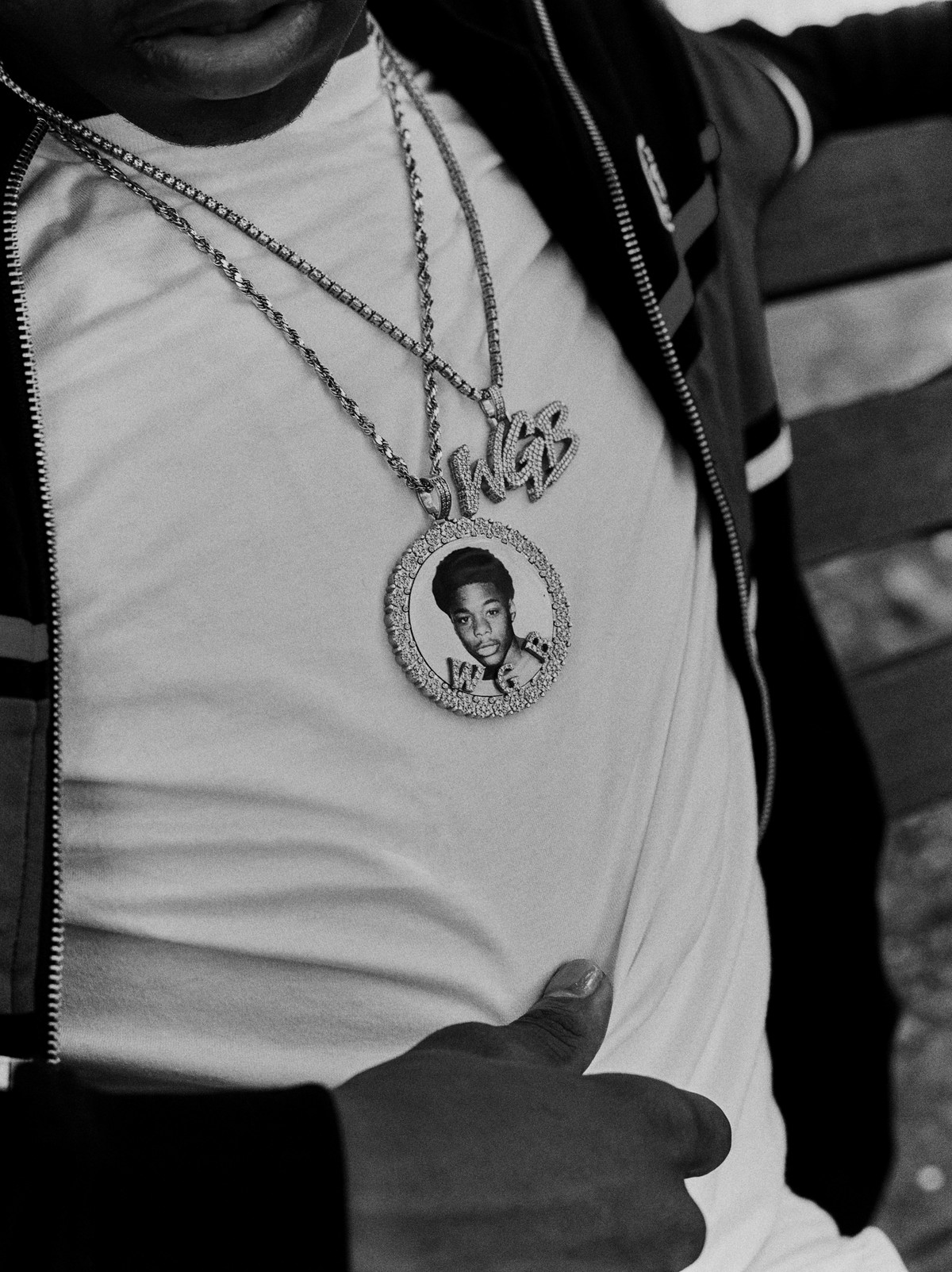


Proving time and time again to be a star power we can all see ourselves in, with his added verification, “...this shit is crazy, because I’m deadass a normal person,” maybe A-Boogie’s success isn’t solely reliant on his ability to curate a highly specialized voice or his attention-worthy hooks. Maybe it can be chalked up to the profound fact that the masses can relate and trust him to convey messages felt by an entire generation.
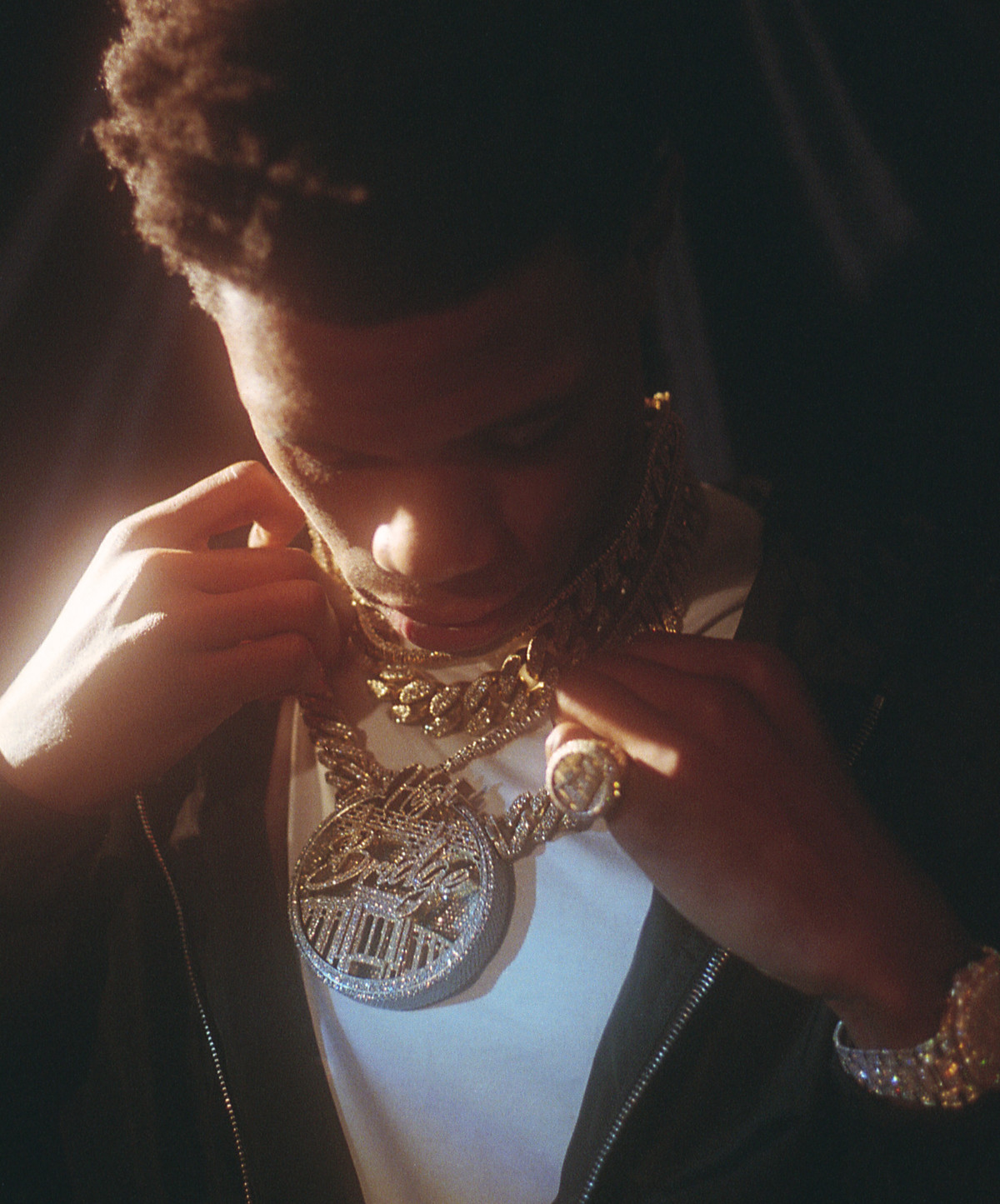
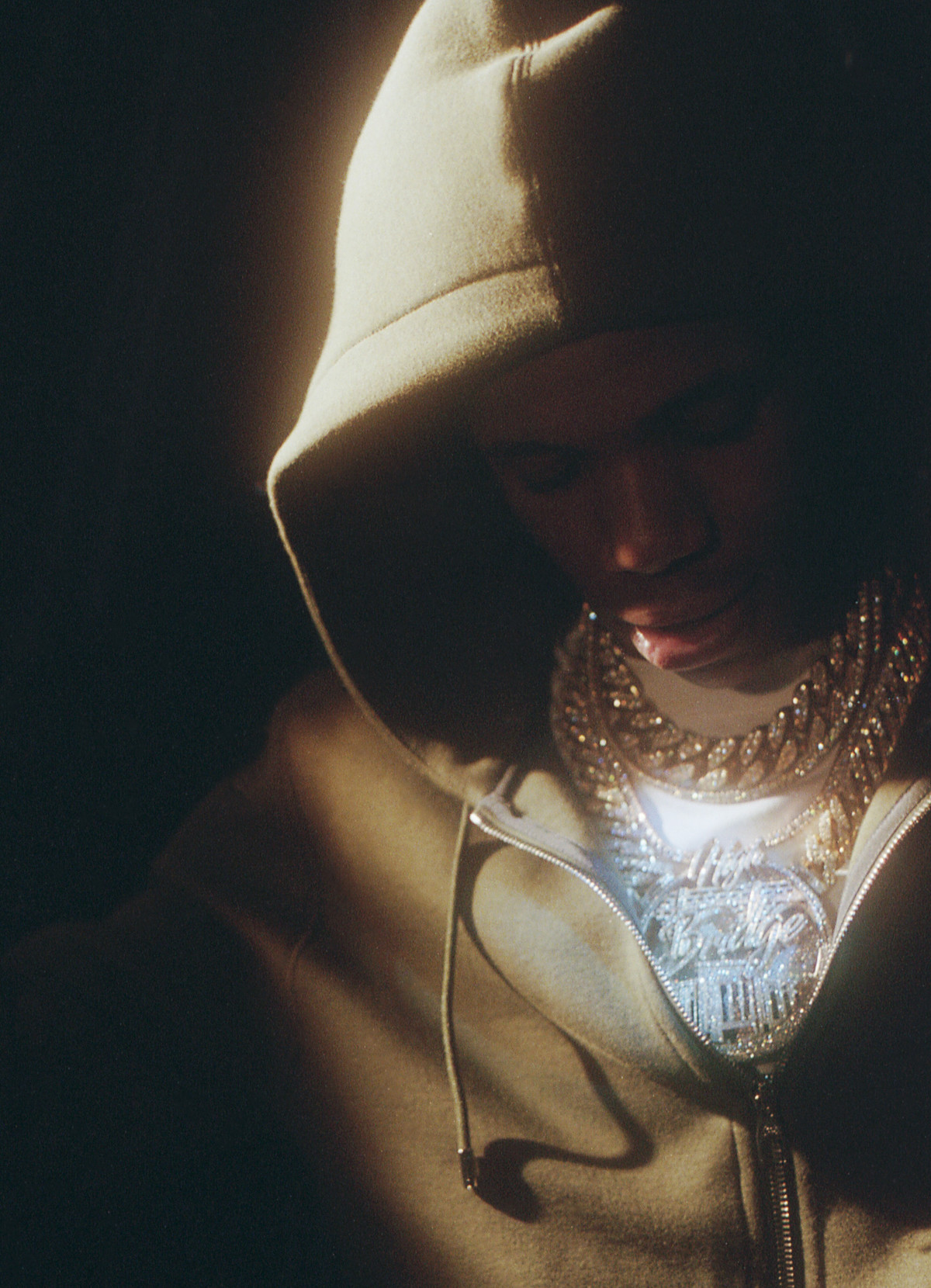
Tell me a bit about your earliest musical memory.
I remember hearing this Michael Jackson song pretty young that made my mom cry.
Which one?
It went something like, “I treated you bad.” It’s called “Who’s Lovin’ You.”
So who were you inspired by growing up? Any New York artists?
It was mostly people in New York, but as the era has moved on, it became everybody—everybody got a chance to shine. I know someone from Australia now, and I think they’re about to become pretty big in America. And that’s a whole 20 hours away from here! His name is Laroi, shout out to him.
Do you think your music has adapted from your inspirations, or are you in your own lane?
Music is a cycle. I’m not gonna say I copy, but I will say that I do get influence from certain artists that I grew up on. And nowadays, I just try to find new sounds. Ultimately, that’s why I always say I have my own sound, because I’m constantly trying to find something new. I know how the game works, people that follow behind the current era are gonna sound like this era a bit, because it’s hard to hit that target. For example, Lil Uzi. No one can sound like him if you think about it. People can try to use his voice a little bit, but that’s his style, and only one person can do that.
I read that you would rap at lunchtime back in school, is this true?
I wasn’t really performing. I was just having fun—banging on the table, freestyling. Everybody would get in the cypher and take turns.
Were those early thoughts of you thinking you wanted to make a living out of this?
I always dreamed of it. You know how you always think of something like, “damn, imagine?” It was one of those things, and you never really think it will happen. Because there’s so many rappers in New York, DC, Atlanta. Out of all those millions of rappers who are trying to be that one rapper, you’re like, “Damn, I can’t do it.” But then some people just go with it, because they’re talented, and you can’t stop talent.
So what made you want to keep going?
I saw the talent in myself. I knew I was going to make it. I had to really practice my craft to get to the level I’m at right now, and I’m still working on it. I always had a low voice—it isn’t really a singing voice, but I made it my own. I call it rapping with a melody.
Well it’s clearly been working well for you. I know you’re really well-known for collaborating—and the younger generation, especially within New York, definitely isn't afraid of working together. Do you think you’ve benefited as an artist being apart of this current generation?
It became a big advantage. Me and my manager were actually just talking about this in the car. This era has a head start if you compare it back to the Jay-Z era. They were selling CDs, and it wasn't hitting like streaming, or other ways you can more easily make money off music now. So we have a big head start, and imagine how that will change in the next 10 years. I feel like somebody like me could be a billionaire in half the time. Everything is speeding up. And you can see it in the stock market too.
I know you recently had a daughter, congrats! Which of your own songs do you sing to her?
I like to sing the hook to “Come Closer.” She likes that one, but she likes hard songs too.
What’s one thing you’ve learned since becoming a father?
When it comes to being a father, you learn how to balance yourself. Not even yourself—your family. You understand that you’re not just doing stuff for yourself anymore, it’s for your family. Your life becomes more valuable, because you want to leave your kid better than you were.
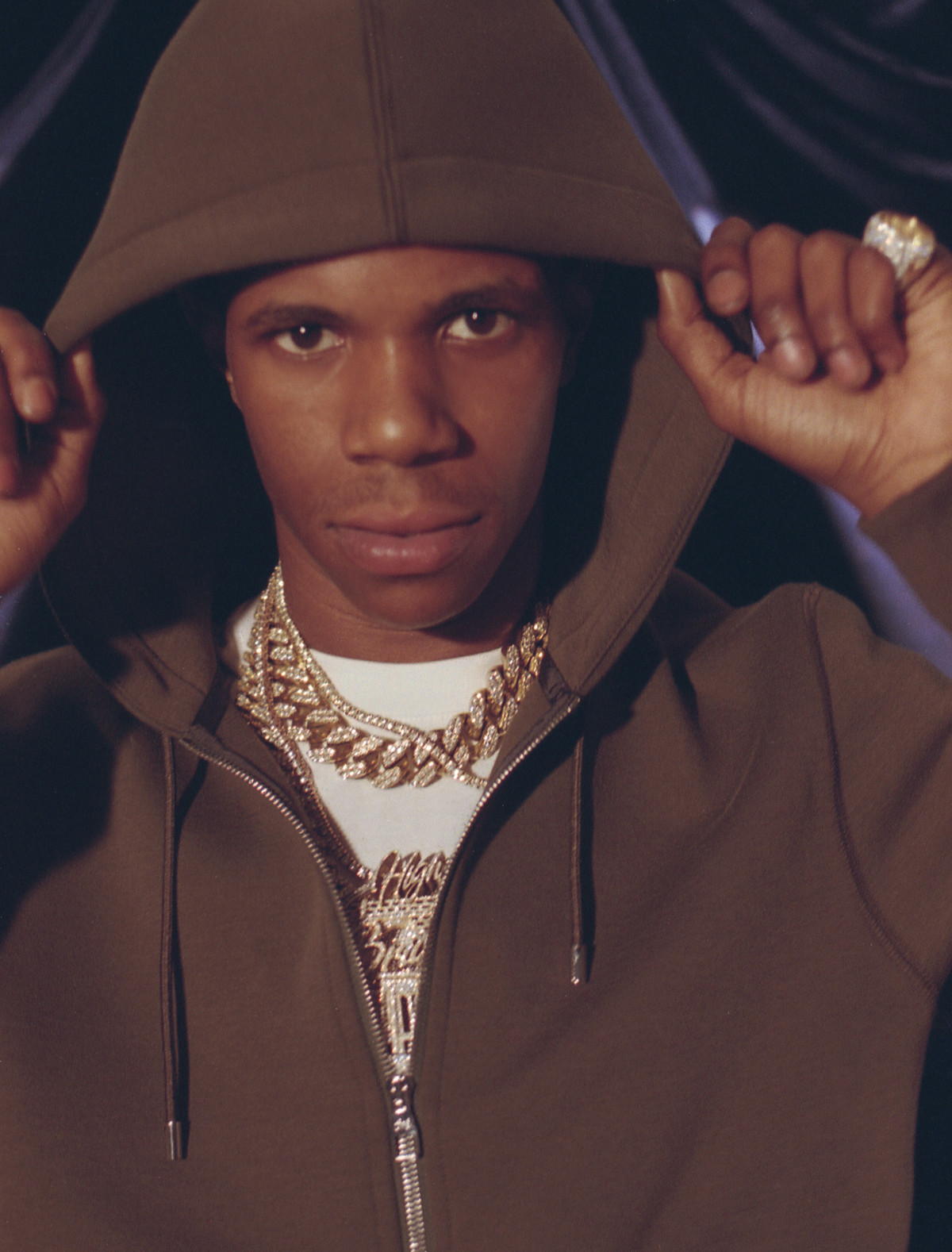
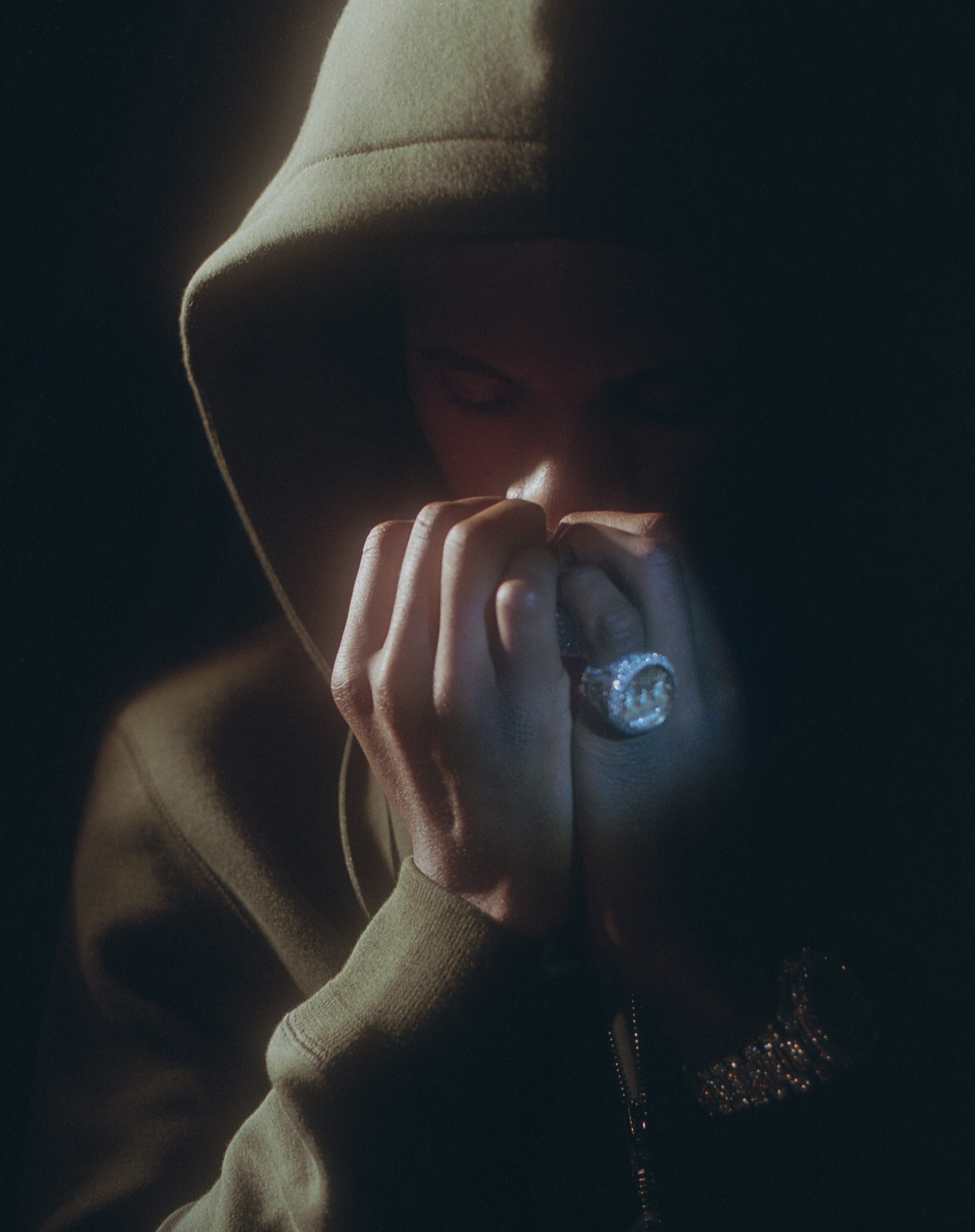
You recently instagrammed a picture with the caption, “I wish I was regular.”
Yeah, it’s a song I just made. It’s my new project—nobody would know though. You know when you want to talk about something, but you just keep holding it in?
Yeah, of course.
That’s one of those songs where I kind of just started venting and going back and forth. I never like to stay on one topic, especially when it comes to love songs. If it’s too lovey-dovey, I can’t listen to it.
Love isn’t all good parts anyway. It’s compromise and work.
Yup, I know that.
Tell me one thing that I don’t know about.
It’s a lot of things, but one thing? I don’t like to tie my shoes. I just slide them on. I don’t like that big bowtie look.
*Looks down at my tied-up sneakers*
Fuck, sorry.
So, what’s one thing about the music industry that surprised you?
You know how you see a person on TV as a kid, and you meet them? And then you learn, “Oh shit, this is actually a real person.” Now, I always have flashbacks to times like that, and I look at where I am now, and I’m really in their shoes. It’s hard to still think about how it feels in my own shoes.
What is that feeling like?
It’s a big accomplishment. It makes me want more, to become the best in the world. Imagine becoming the best in your lane, in your era.
What for you would mean being the “best”?
I don’t look at the most popular—I look at the numbers. I like numbers.
Tell me a bit about the creative process on Hoodie SZN.
A lot of artists have the same process, in a way. Everybody freestyles now. Freestyling isn’t freestyling anymore. You just go off the top. But when you get the bar, you can just try it over and over again. It’s easy now, because you can fix your mistakes, and people gotta realize that. A lot of people will just make a song and not pay attention to the actual quality.
Are you obsessed about each piece of the puzzle when you make a song?
Every word. I make sure every word is heard, and if not, it’s for a reason.
You have a lot of amazing features on the album. Who was the most interesting person to collaborate with?
These dudes be interesting. I ain’t gonna lie, this shit is crazy, because I’m deadass a normal person. I’m not too normal though, I be doing weird shit.
What are you listening to right now?
Artist 2.0.
Anything else?
Nah, Uzi and I have like seven songs I’ve been listening to lately. We just made them, but I’ve been listening to them all day.
Which is your favorite?
We did a reggaeton-type beat, and people won’t expect it. That’s why it’s fire.
If you could return to one time in your life, not to re-do it but just to relive it, where would you return?
There’s not too much shit I would go back to—I was bad back then. If i didn't move from New York to Florida for the rest of my high school years, I wouldn't be here. I’m good moving forward.
What’s next?
My next step is to show people instead of telling them.

“I see it all [the song, the video, the clothing] as different components of the same storytelling. I like to flesh an idea out with these different tools because each part is an opportunity to reveal a bit more of my position to people,” Gussy tells me over email. “I like the music video because of how it allows me to compose with images.” For their live performances — at least those that I have been fortunate to see — Gussy’s look transforms. They hinge on the way their body (classically trained in dance) reacts to the music, moving intuitively to the beat in a strapless dress and knee-high boots. It’s just as electric to watch, but Gussy unlocks a different code of gestures and temperament; they seem even more poised and stripped back singing live. The power of their work lies in its wavering contradictions; its unspooling multitudes.


Sydney was once a city renowned for its club scene. Oxford Street, a metropolitan thoroughfare, was known as the Gay Golden Mile in its heyday. In February 2014, the State Government — provoked by two fatal, and completely random, one-punch attacks that occurred in the infamous Kings Cross neighborhood — implemented lockout laws: bars and clubs closed their doors at 1.30am, and a call for last drinks for whoever was still inside at 3am. The contentious decision received notable dissent from two of Sydney’s richest cultural hubs: the live music scene and the queer community, whose late-night visibility and profit would undoubtedly disintegrate. As a queer performing artist, though, Gussy is skeptical of the conflation.
“I think it’s important to recognize that queer people can make community outside of the club,” they note. “Scene and community mean different things to me. A council that preferences gentrification and corporations over art and entertainment and fun is somewhat unsurprising to me, considering the country I live in.”
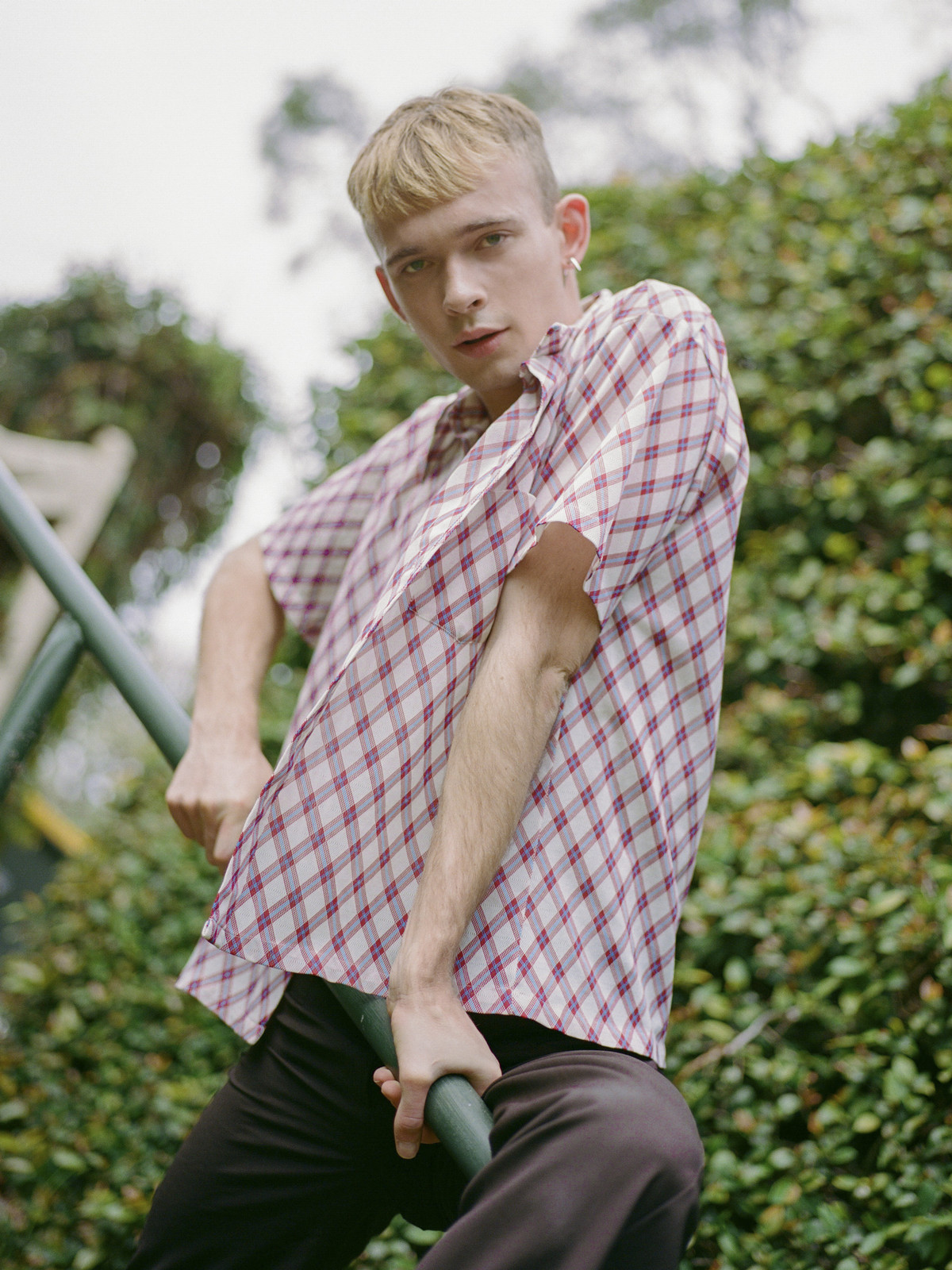
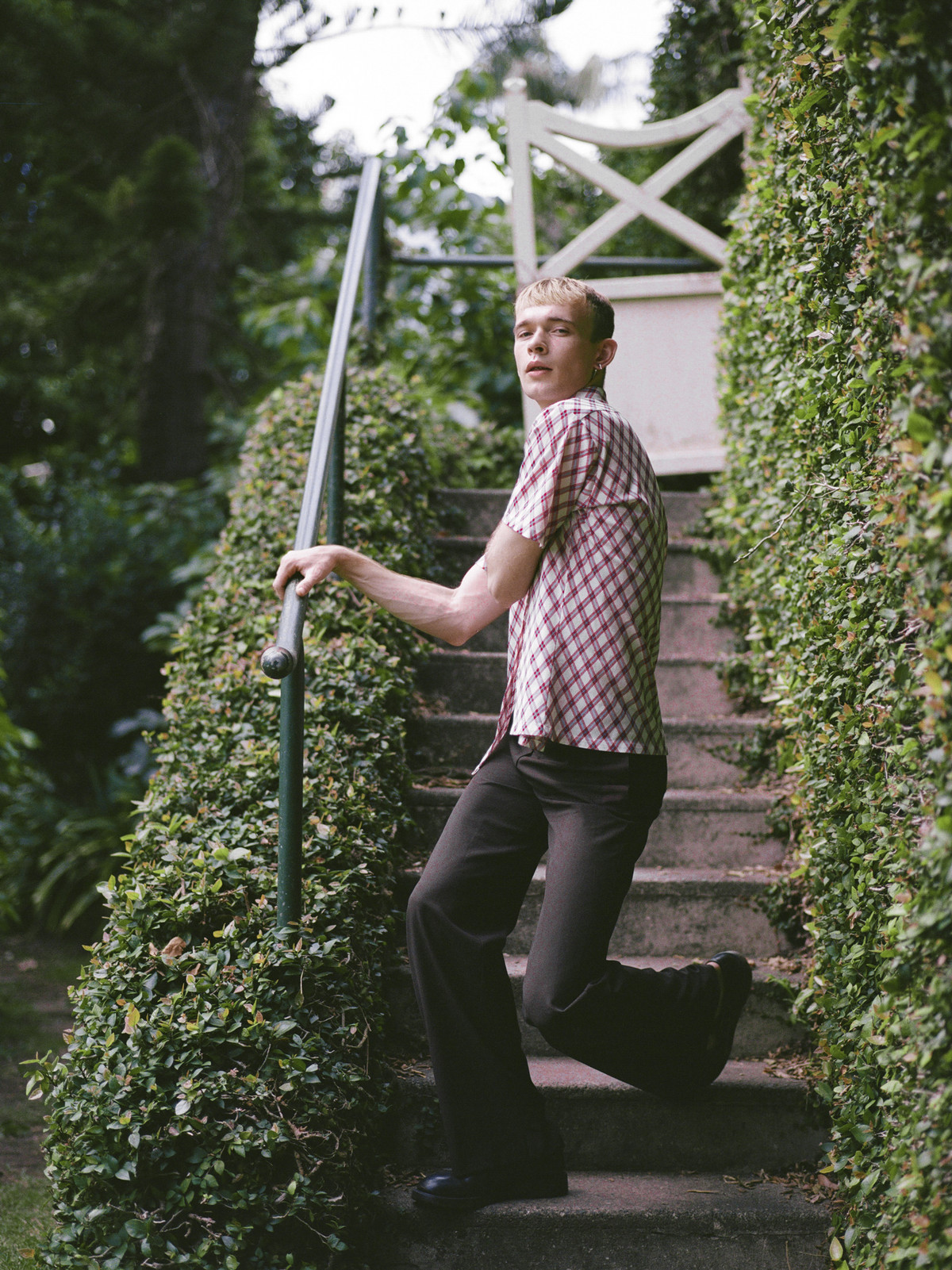
This tension between community and isolation has an influence on Gussy’s craft, particularly given the current climate of the music industry. “I don’t find my environment to be imprinted on my music in any tangible way… I’ve taken in sounds from around me because of proximity to other artists — and because my music is often co-produced with other people — but we are far less localized as artists today.” Such isolation may be particularly felt in a country as far removed as Australia, but the more international commercialization of queer artists — Janelle Monae, Christine and the Queens, Sophie and Kim Petras, to name a few — is still a profound and exciting rupture of the heteronormative zeitgeist. “I think it definitely instills confidence in emerging artists to see their experiences reflected and upheld in the industry,” Gussy says, although believes that the influence is more a result of their dynamic talent, rather than their explorations of gender identity. “I don’t think [these artists] are beholden to a narrative of queerness… their music speaks for itself entirely.”
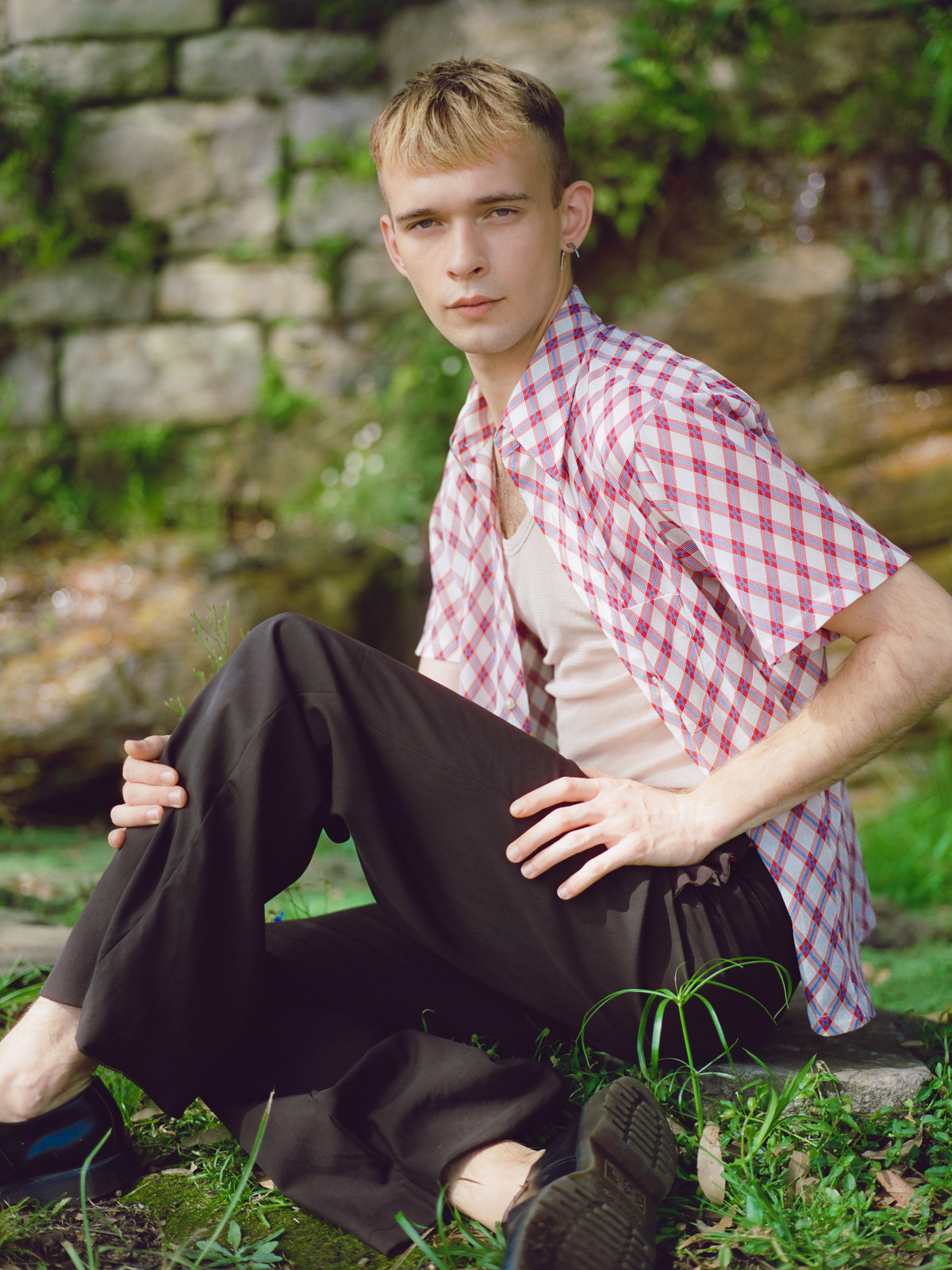

Gussy’s new EP, Tantrum, released later this year, comes after a two-year hiatus, and marks a new age for their sound. “I really sense a shift in how I feel about making music.” They acknowledge, too, the pertinent pressure to keep up appearances. “Maintaining self confidence [is hard]... I also really suffer from perfectionist’s procrastination, but I’m ready to let it go.” They’ve collaborated with Australian-based producers—Jikuroux from Sydney and CORIN from Melbourne—to tap into more of a club-ready vibe, but assure that their self-described “Neue emo lyrics” remain all over the record. “This feels like a really natural progression for me and I’m excited to put it out,” Gussy says. I, and all their other fans, wait eagerly for a new incarnation of their work; a mirror that reflects another fragment of their complex and evolving style.
Follow Gussy for more updates on Tantrum.