BLOCKBUSTER
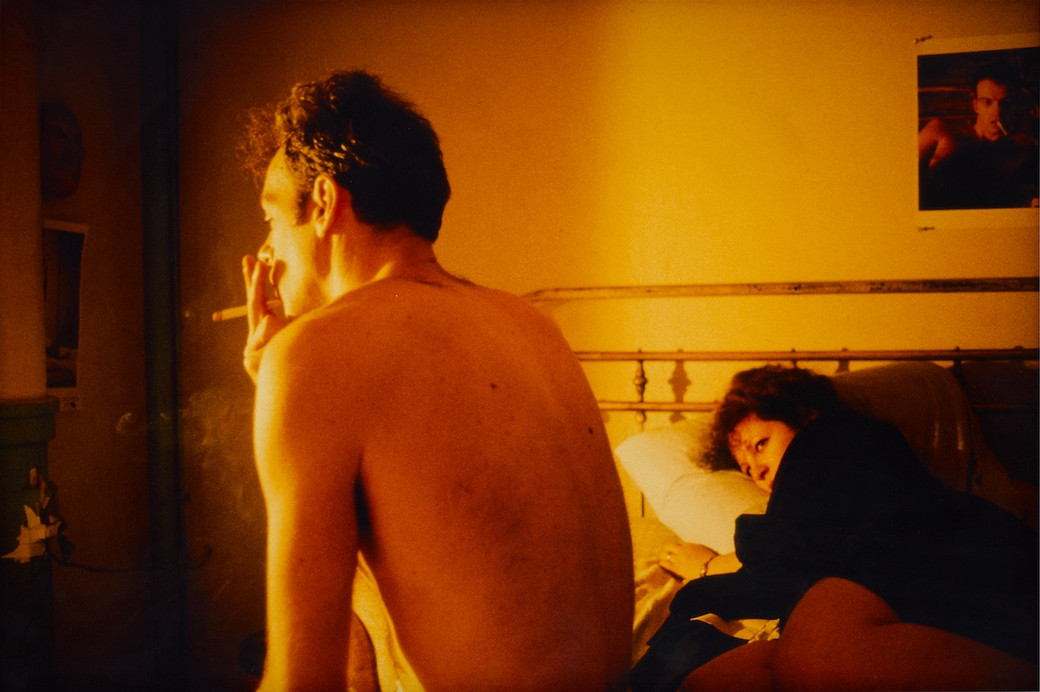
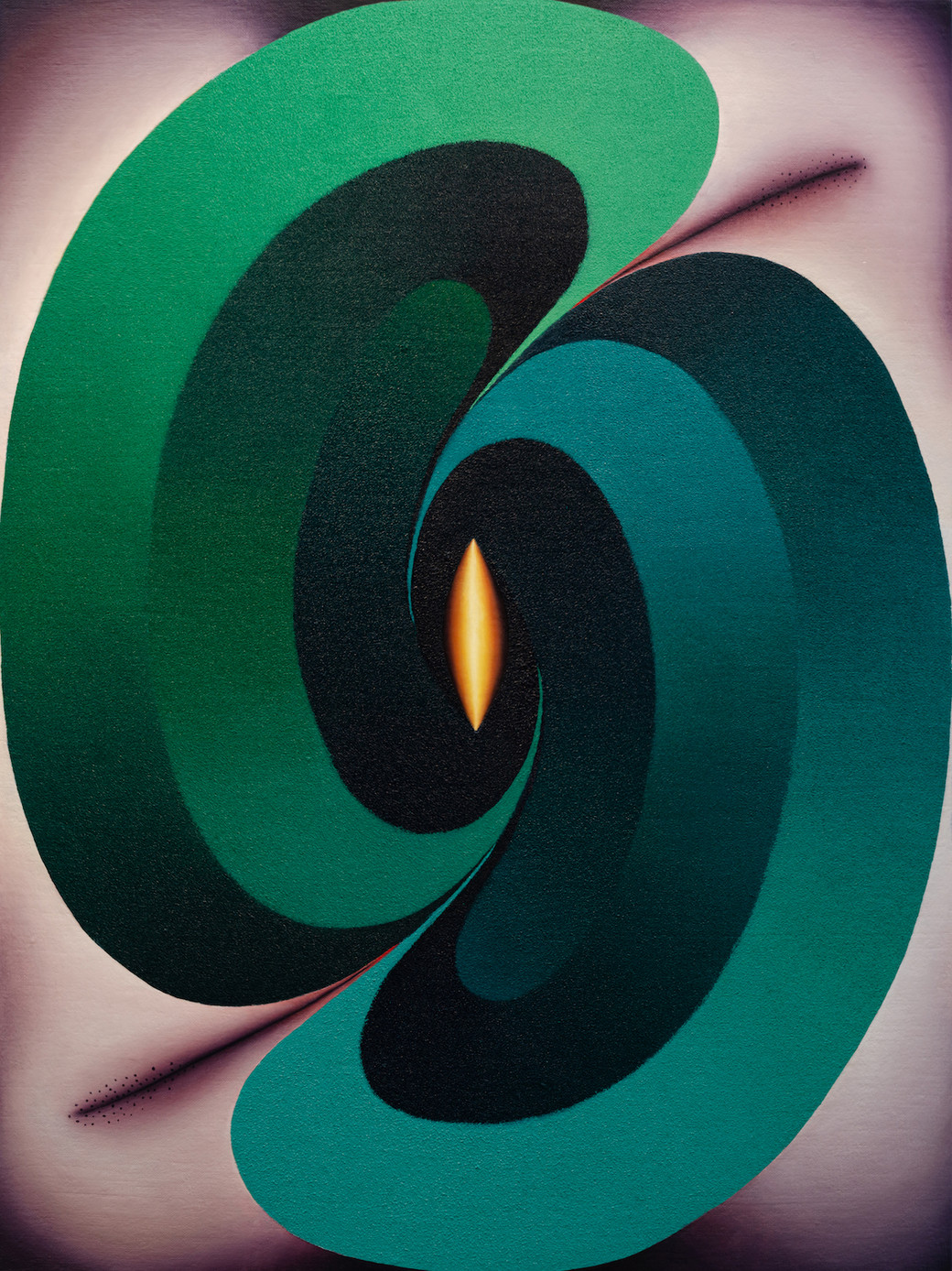
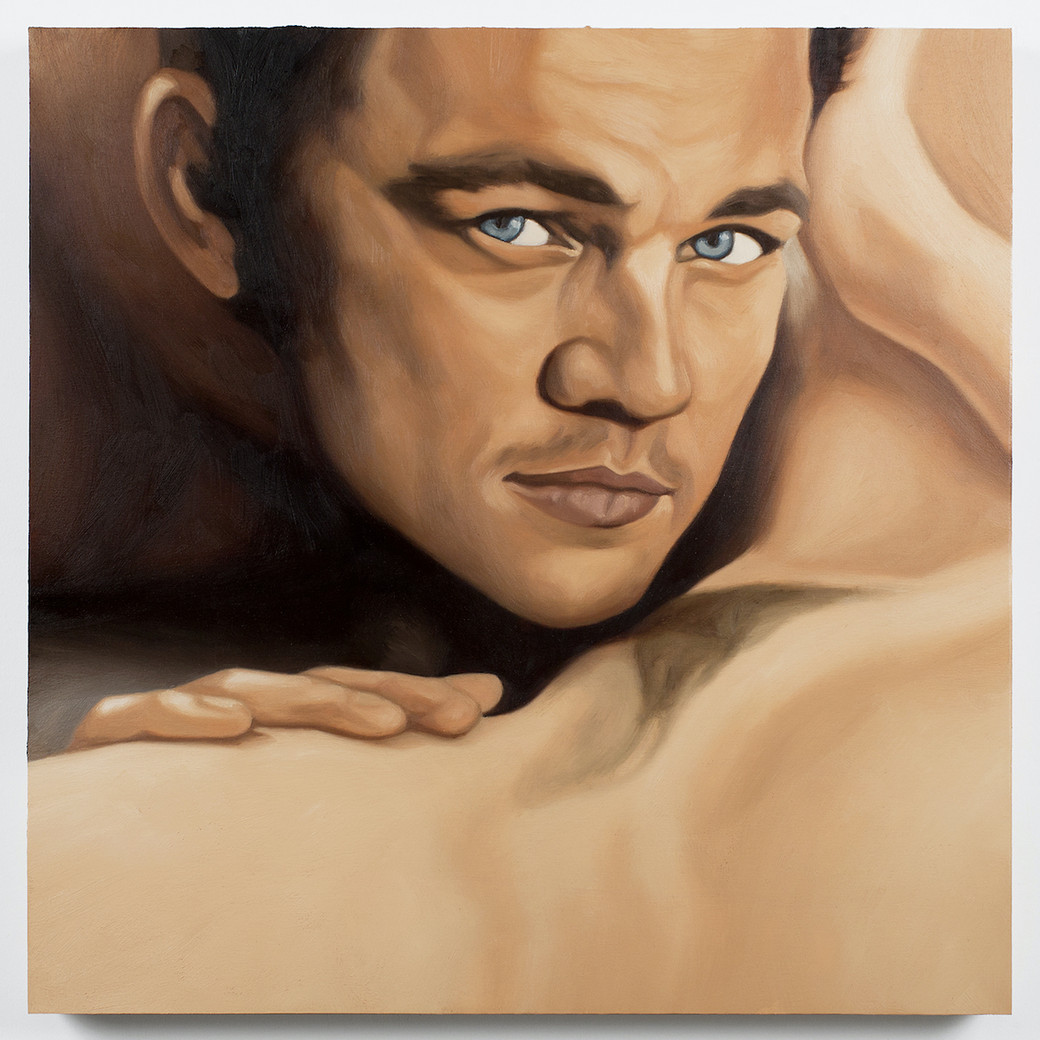
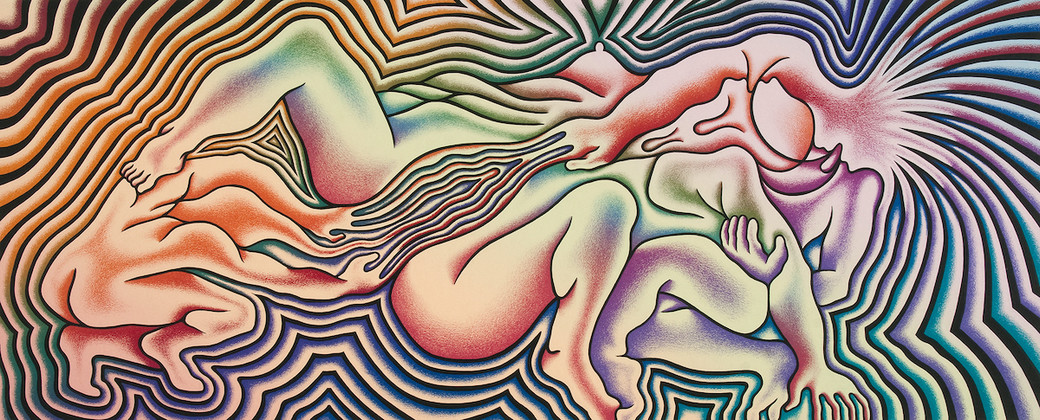
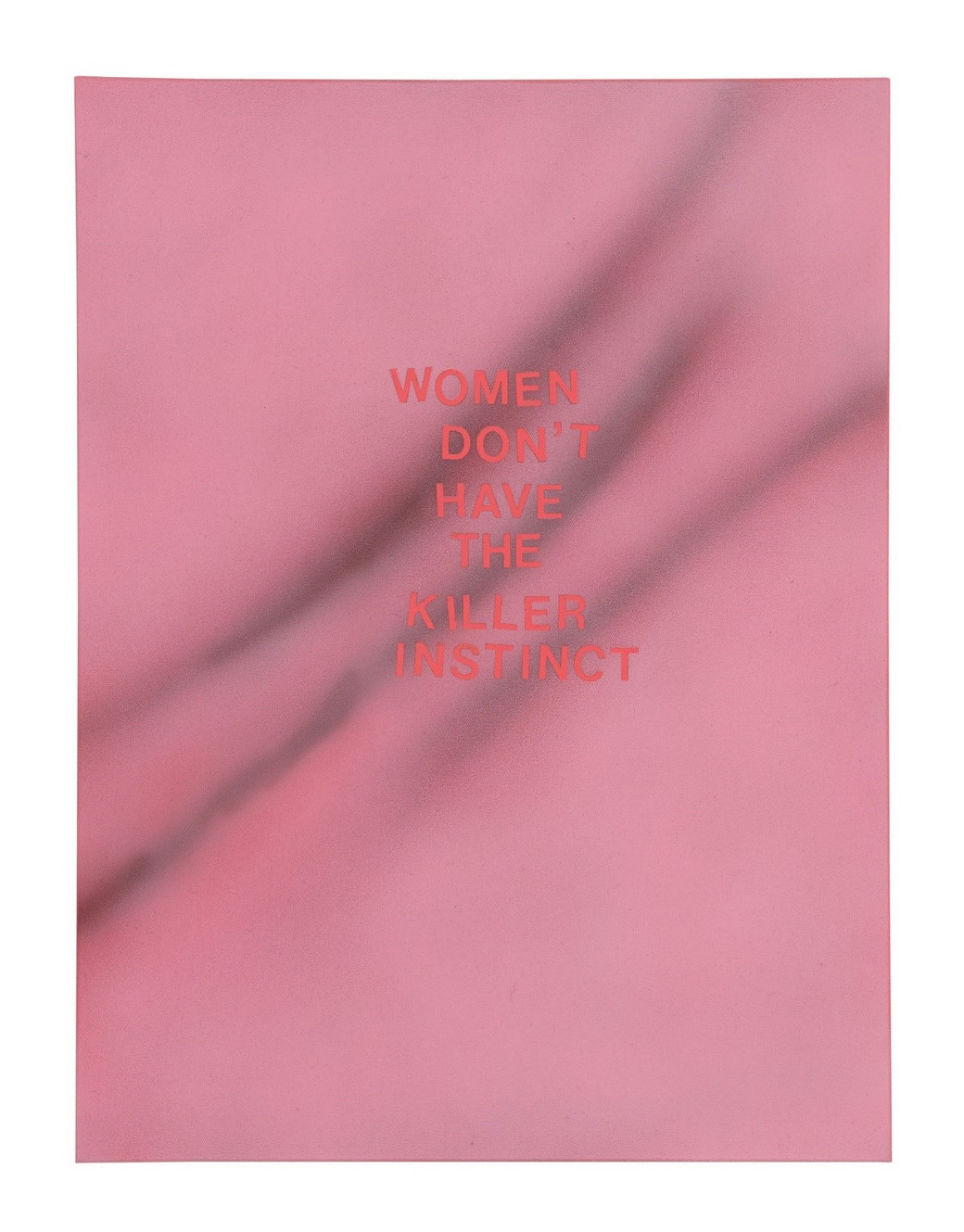
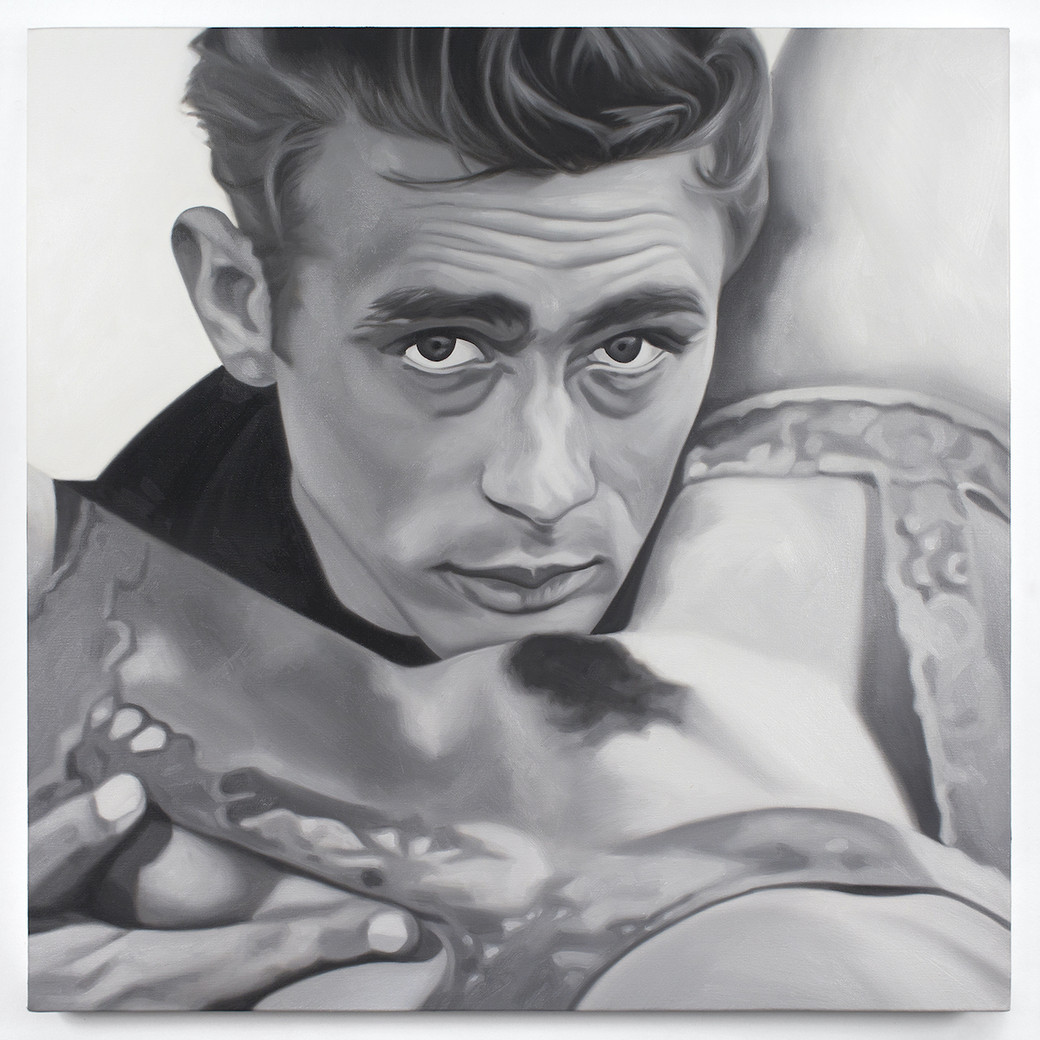
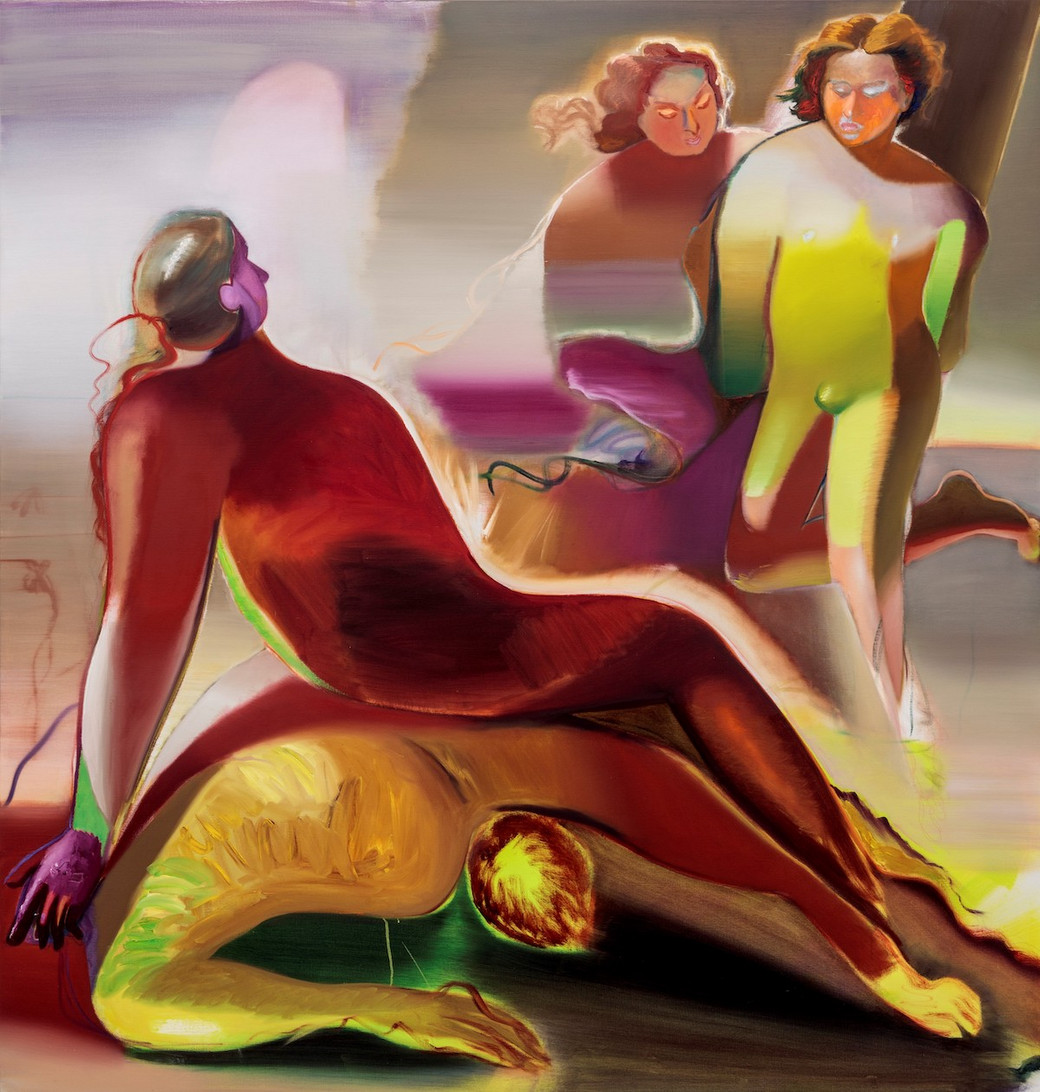
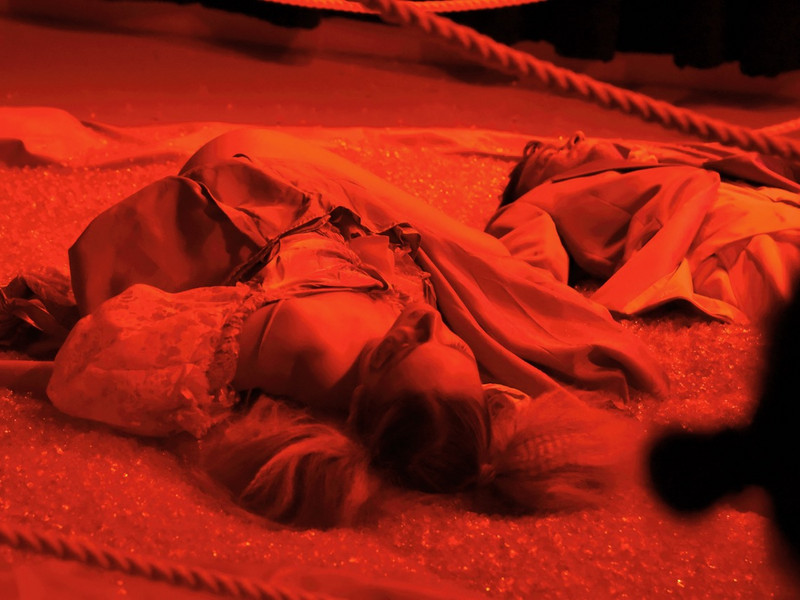
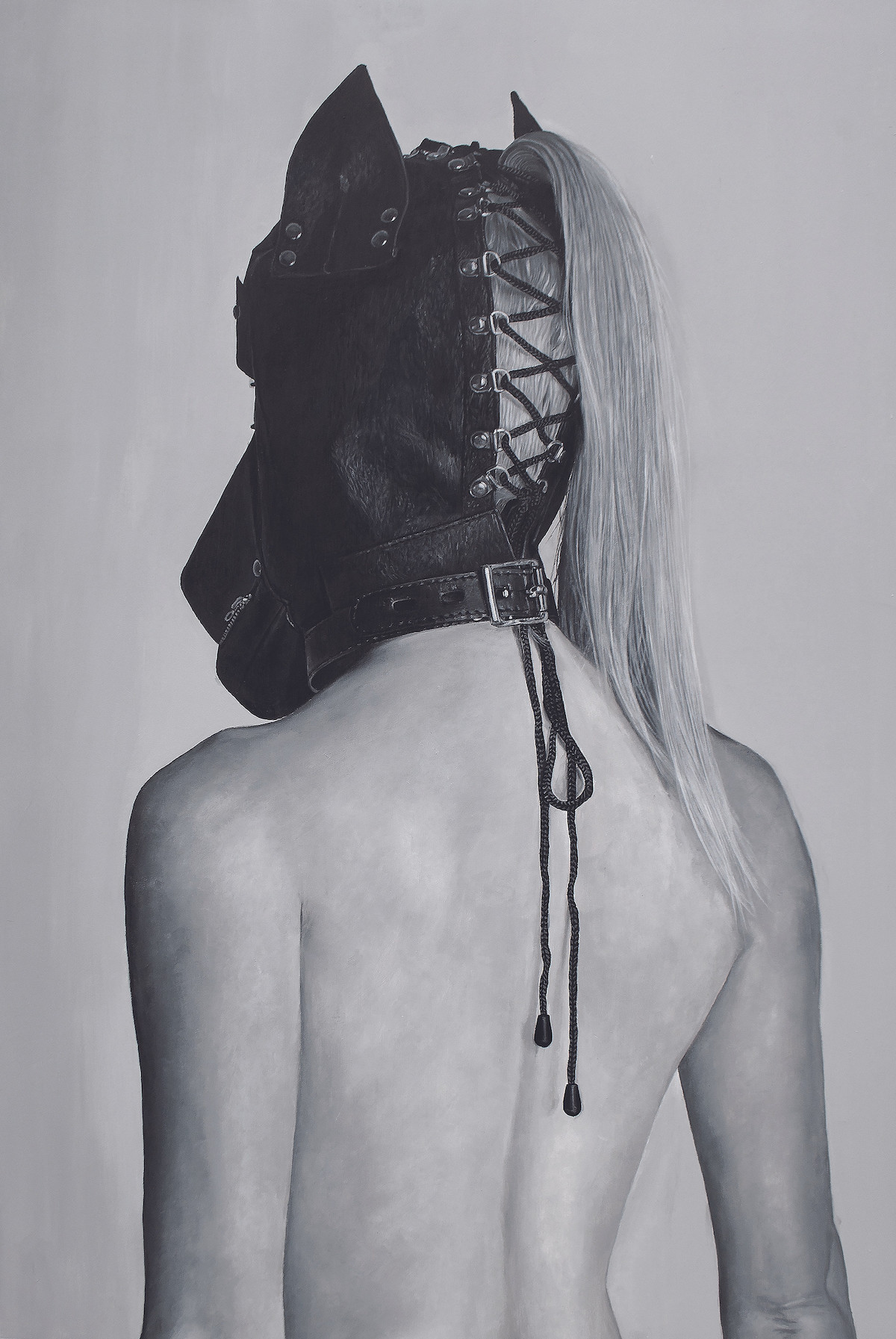
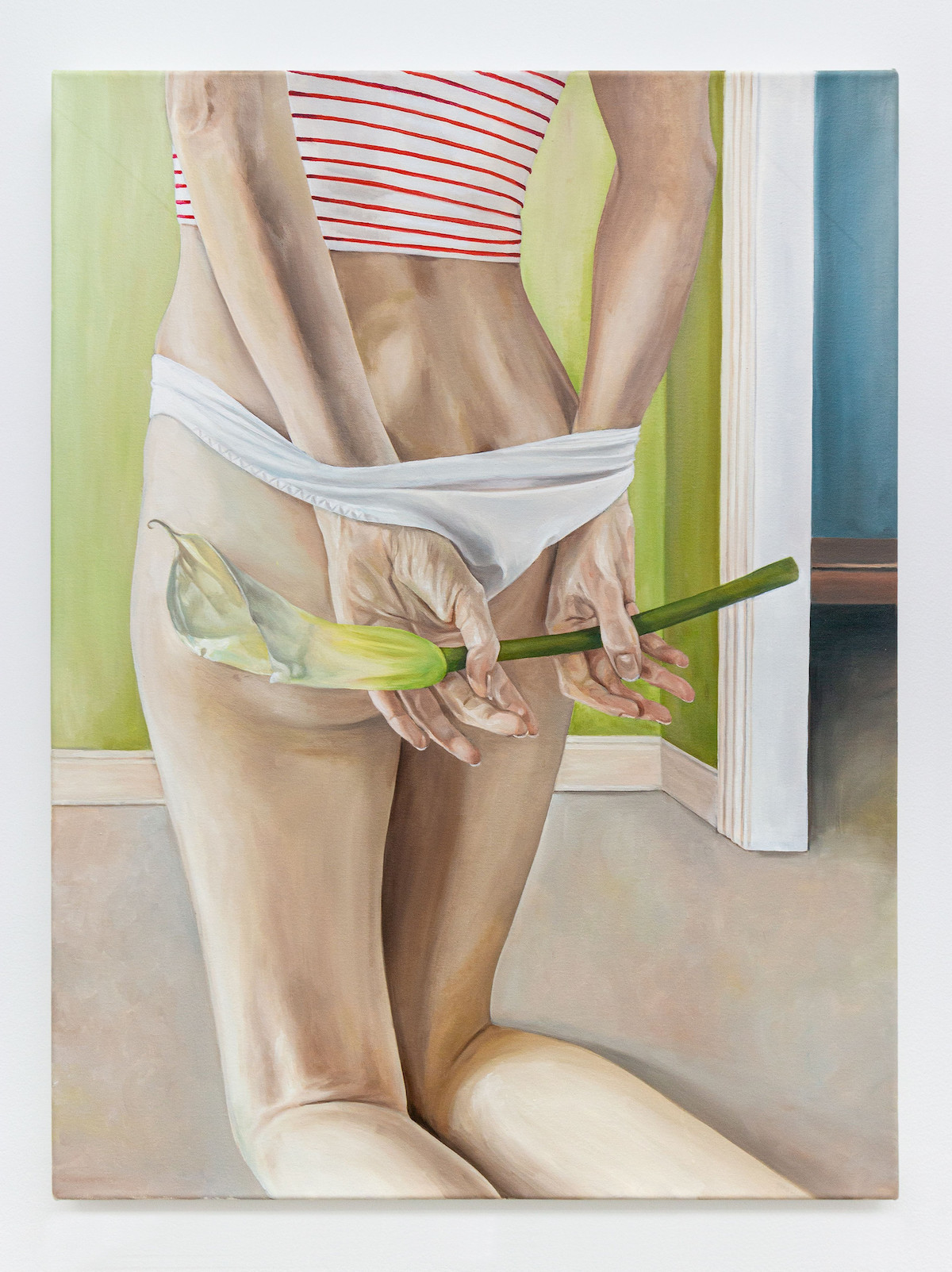
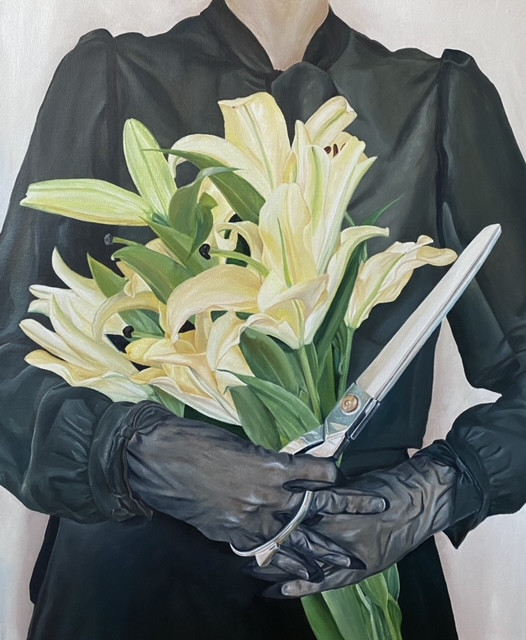
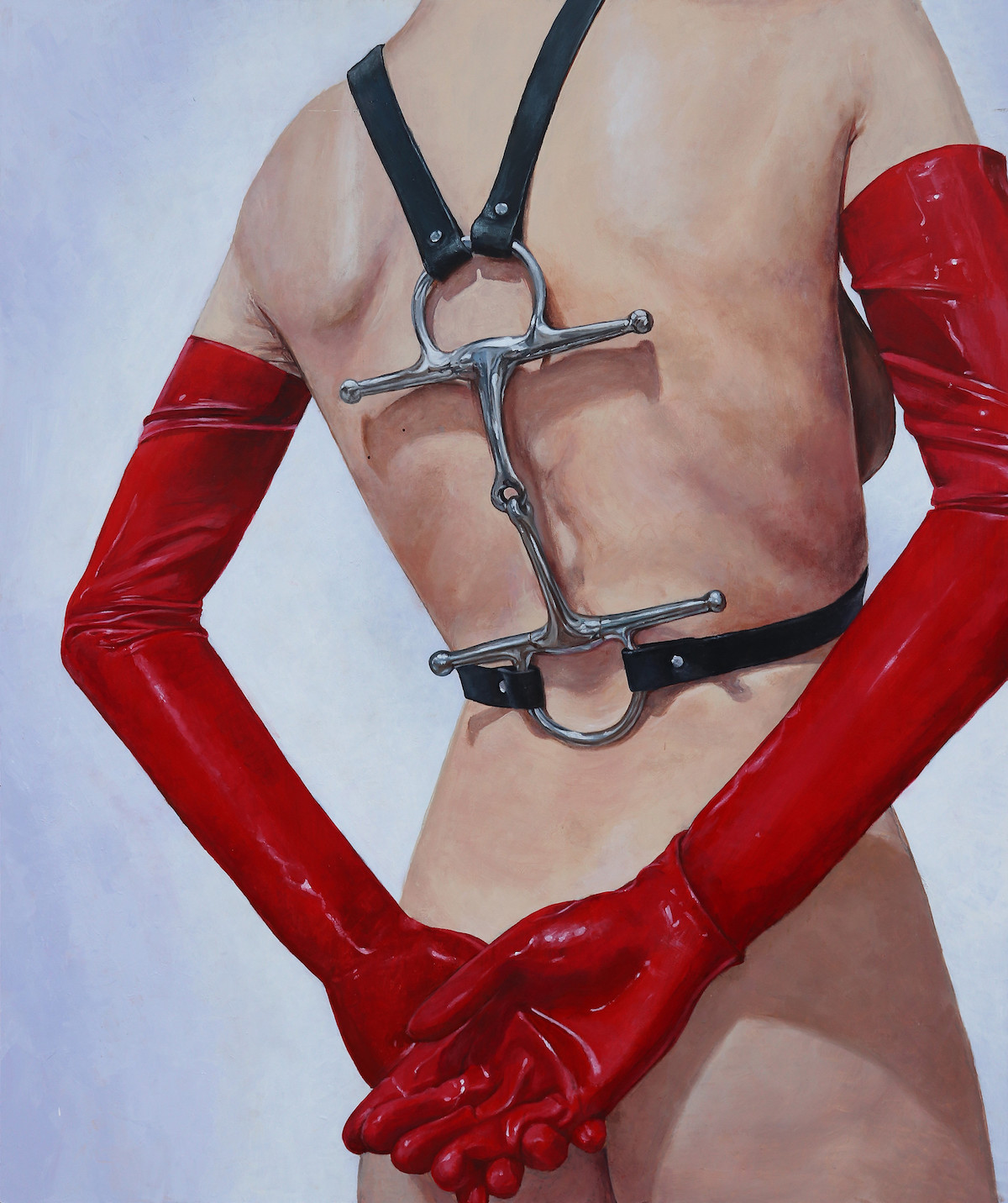
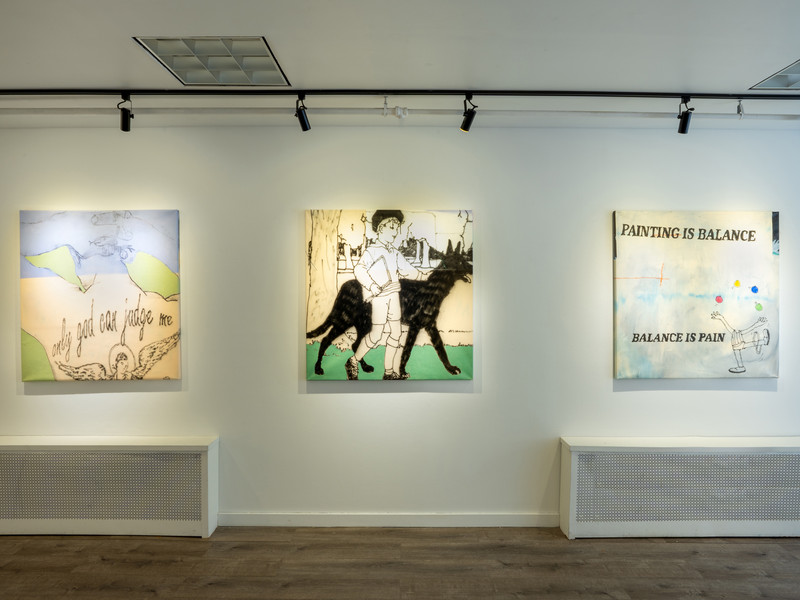
Be kind, rewind—and peep some of Korine’s pieces, below.
'BLOCKBUSTER' is open now until October 20, at Gagosian in NYC.
Lead photo by Sam Hayes; art photos by Rob McKeever; all courtesy of Gagosian.
Stay informed on our latest news!

Be kind, rewind—and peep some of Korine’s pieces, below.
'BLOCKBUSTER' is open now until October 20, at Gagosian in NYC.
Lead photo by Sam Hayes; art photos by Rob McKeever; all courtesy of Gagosian.

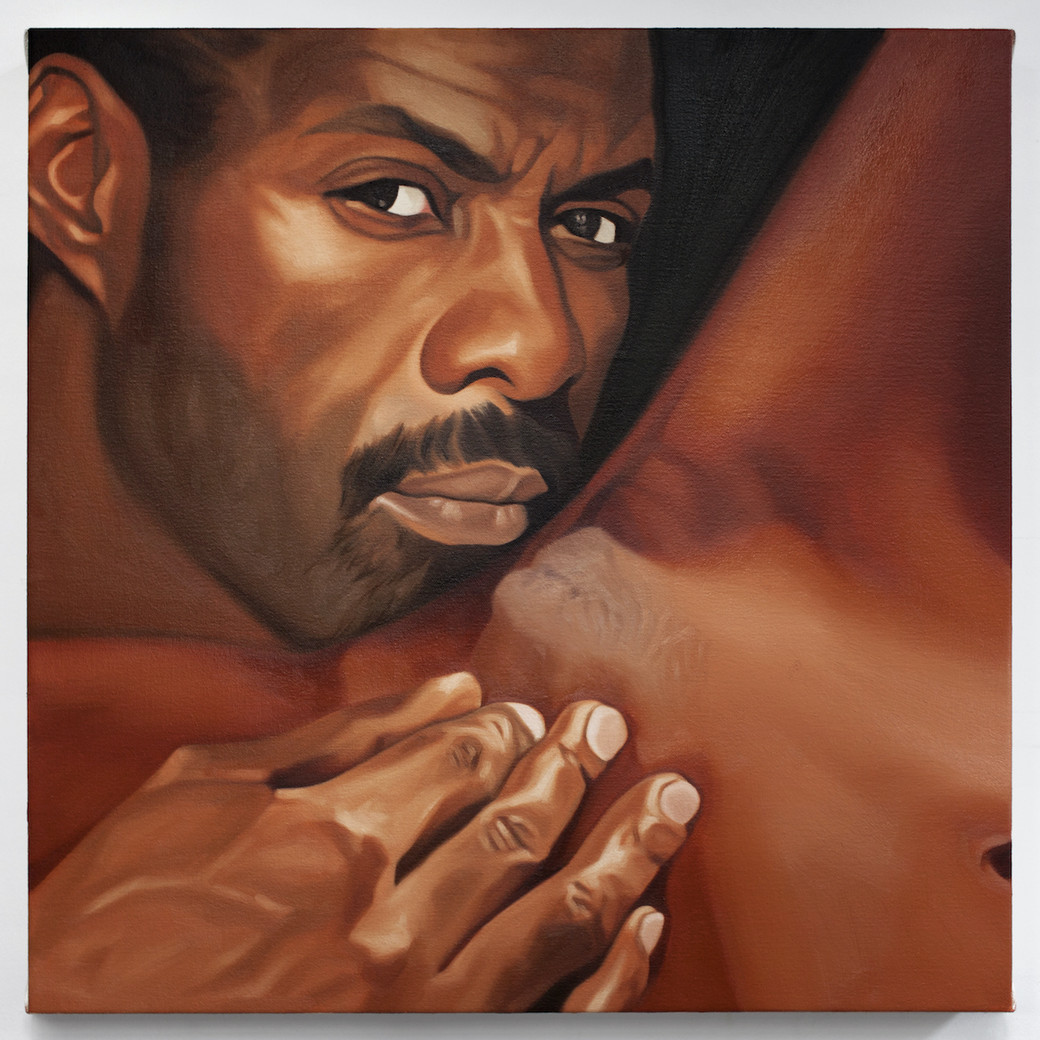
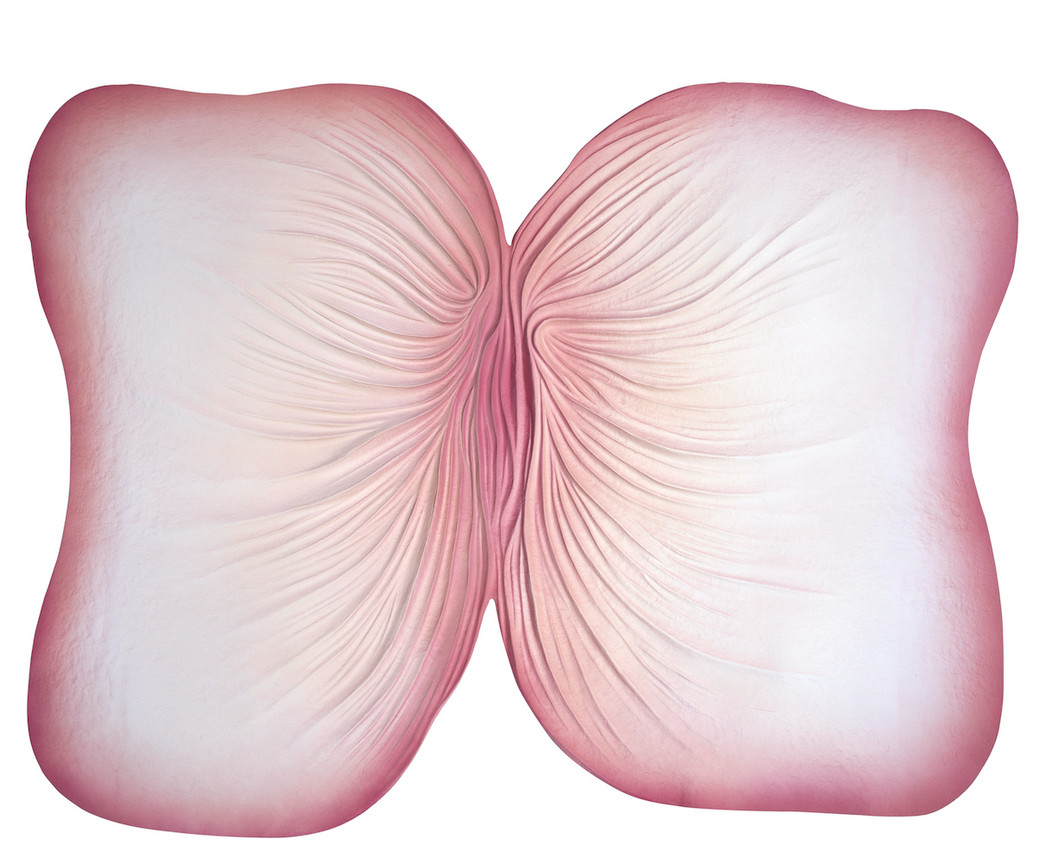
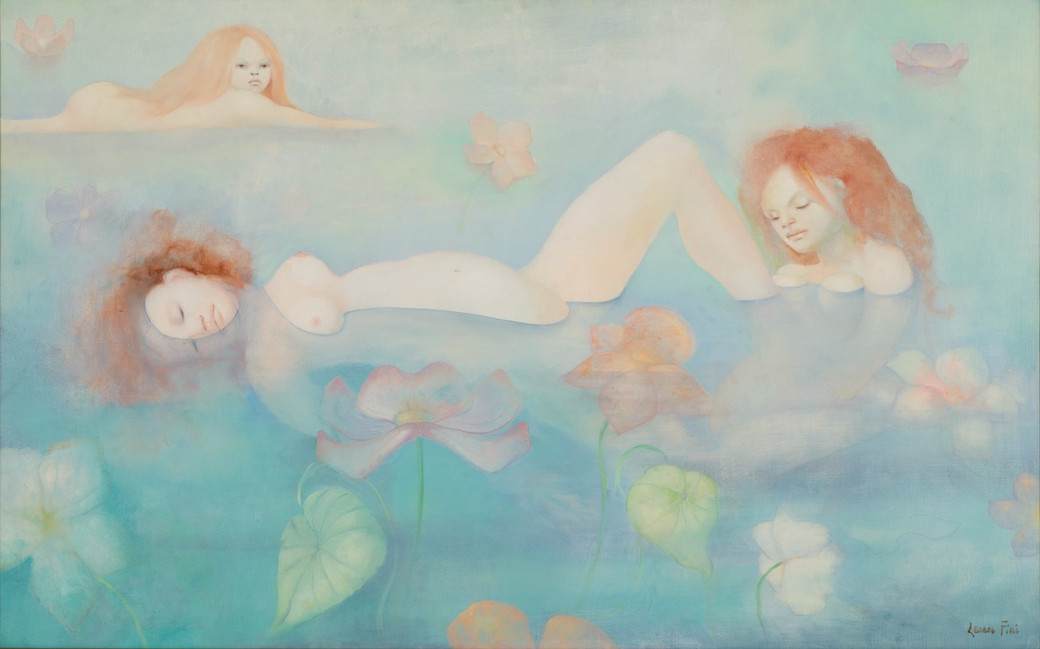
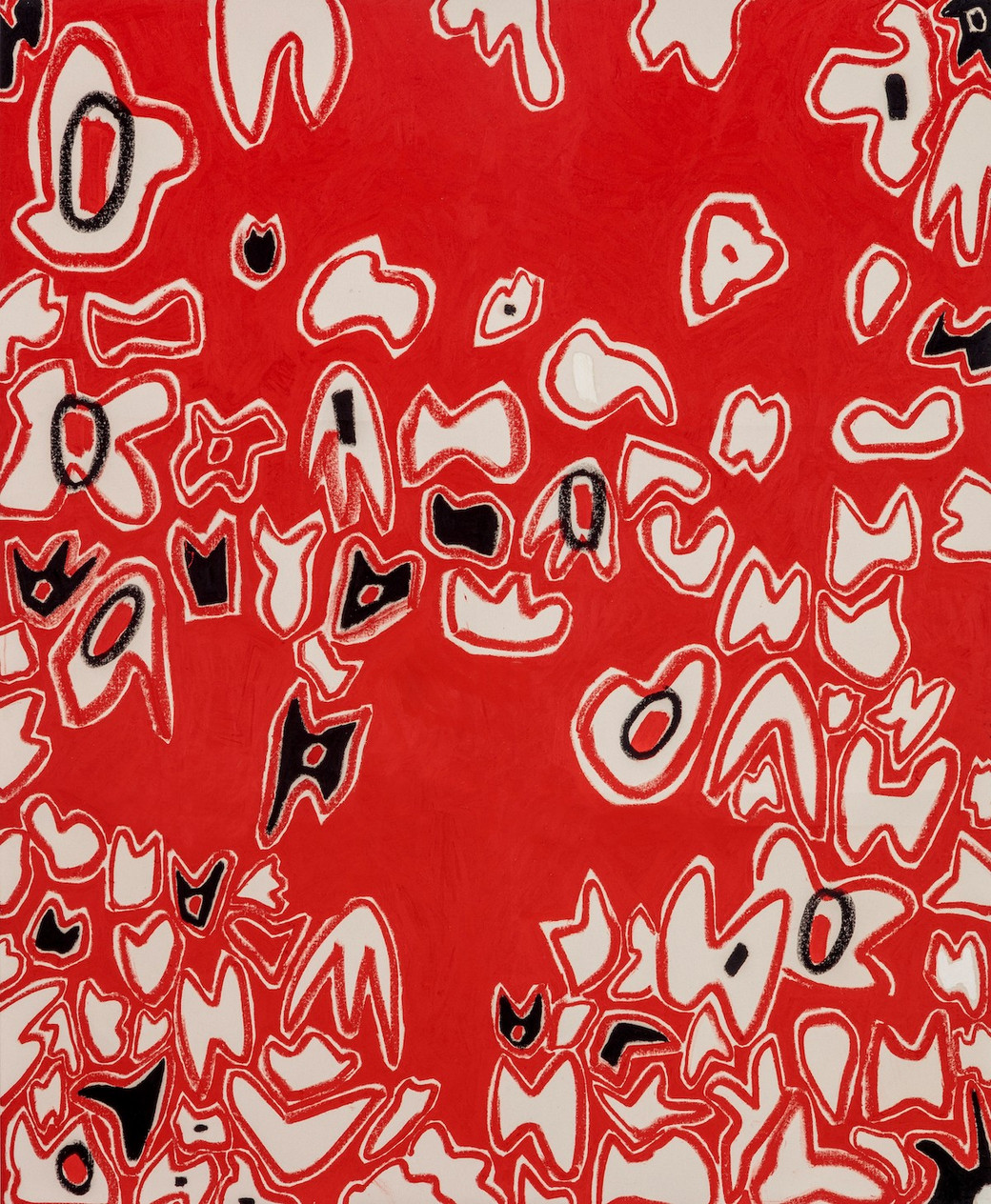
Through the many lenses of female artists, the display and intersection of pleasure within the realms of celebrity and social media along with other angles of womanhood like childbirth – these artists are showing not only sides of themselves but of us and how consume the woman’s body and psyche, while unbeknownst to us the subsequent audience, they are seeking or rather fighting for the right to own every curve and edge of their bodies.
Artists featured in the show were selected by BlackBook Presents because of the many stances and complexities that each have embodied. “What comes through in the Fini works is very different from the humor in Alexandra Rubinsein's paintings, or the kind of punk rock anger in Judith Bernstein's works," says director of the project, Alexandra Weiss. "And yet there's a connection. For us, it was really about celebrating those differences while highlighting the beauty of the female experience — and celebrating it, without apology.”
The artist line-up by features women who have dedicated their lives to a gaze that has yet to be categorized and may have been exploited many times over, woman’s sucesses and plights in the world such as Judy Chicago, Tracey Emin, Leonor Fini, Sophia Wallace, Georgia O’Keefe, and Louise Bourgeois.
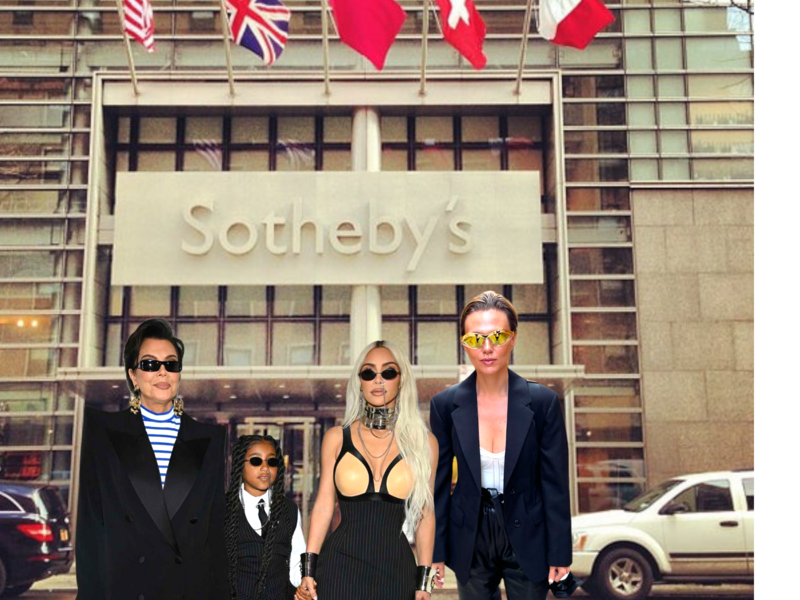
Don't wait too long to go see it, the exhibition is at Sotheby's Los Angeles until August 12, 2022.

Towers has been painting since she was six years old when her parents involved her in a grass-roots organization that allowed her to explore her early artistic desire. Noelia was the only child in the room, filled with adults far beyond her years. “Maybe as a child that wasn't really the best environment for me,” says Towers, “but in retrospect, it was really good. That's when I learned everything I know.”
At seventeen, she took a break from painting as a whole, proclaiming “I hate this, it's for pussies”. That lasted until she entered her Bachillerato after completing high school, meaning that for two years after her graduation, she would choose to study a subject she would like to continue in college. Encouraged by the people around her, she decided to reconnect with the artistic side that she had left behind.
Due to the personal nature of her work, pulling from both the past and present, Towers emphasizes the healing nature of her images, agreeing that the process in itself is a form of therapy. “Everything I paint is mainly very autobiographical,” says Towers, explaining that most of her inspiration is drawn from her own experiences, memories, and aspects of her formative years that were crucial to her development as an adult.


Although she expresses that words are not her forte, she undoubtedly has a talent for the intimate. In her zine "Harmless Confessions", published August of 2021, she fills the pages with writings and polaroids that share poetic, detailed accounts of some of her most formative moments. Tying into the themes and images in her paintings, Towers' work has an obvious and unique voice of its own, allowing us to catch a glimpse of what it is like to be in her brain.
As she paints, she feels she is uncovering aspects of herself that are “deeply rooted in the subconscious”. Even though much of her artistic motvation is drawn from major moments in her life, she continues to pull “the most mundane, basic things” out of the back of her mind. She has found that because of her work, she is learning more about how she functions.
“I feel like the moments of sadness or the moments of severe anxiety or depression are learning moments for me”, says Towers. “It's like after the storm, when the sun comes out. That's when I'm like, okay I'm going to reflect on what just happened and now I have the strength to go back and paint.” She feels that although she has tried many methods, she does not work like other people. “You hear of these troubled artists who are like ‘oh, he made his masterpiece while he was in a deep manic episode’, and I'm like, how? I can't do that. I don't understand how people can make such amazing artworks when they're at their lowest.” Towers unveils that fact that many seem to ignore: whether you like it or not, emotion rules all, both work and play.


The themes in many of her paintings seem to follow the relationship between pleasure and pain, contrasting a soft and traditionally feminine image with an omnipresent dark feature. In explanation for this, she expresses that “I always feel like there's a duality in me, and I'm sure it's the same way for a lot of people, but I feel like my paintings are a mix of that duality, and I think I am doing a really good job of exposing it the best I can.”
She describes the subjects in her paintings as “shadows” that work in juxtaposition to how she outwardly portrays herself. She compares it to how people explain astrology, with the sun and the moon representing how you present yourself to the outside world, saying ”I give you this side of me that I want you to know about, but I'm also showing you hints about this other side of me that I'm maybe not so proud of, or a side that I'm exploring and I'm not quite sure of”.
Without the face of the subject being explicitly shown, Towers is truthful to her narrative while allowing it to resonate with others. She explains that “it could easily be a person that relates to my work, and something that resonates with other people without having a face explicitly in it.” Although she wants to stay true to the fact that the picture draws back to her at the end of the day, she invites space for alternative narratives.
In Towers’ upcoming New York showcase at Half Gallery Annex in September, she revealed that a piece includes her face, but is missing a key feature. “My eyes are closed. I feel like the eyes give away a lot, so I wanted to keep that part hidden and still private.” She explains that she feels like she's being a bit more brave in this particular show and in her future art as a whole. She wants to play with leaving things to the imagination without being completely secretive, vulnerable but still resilient, reminding me that “sometimes what we don't say, what we don't show, are just as important as the things that are shown”.

When did you start working in ceramics?
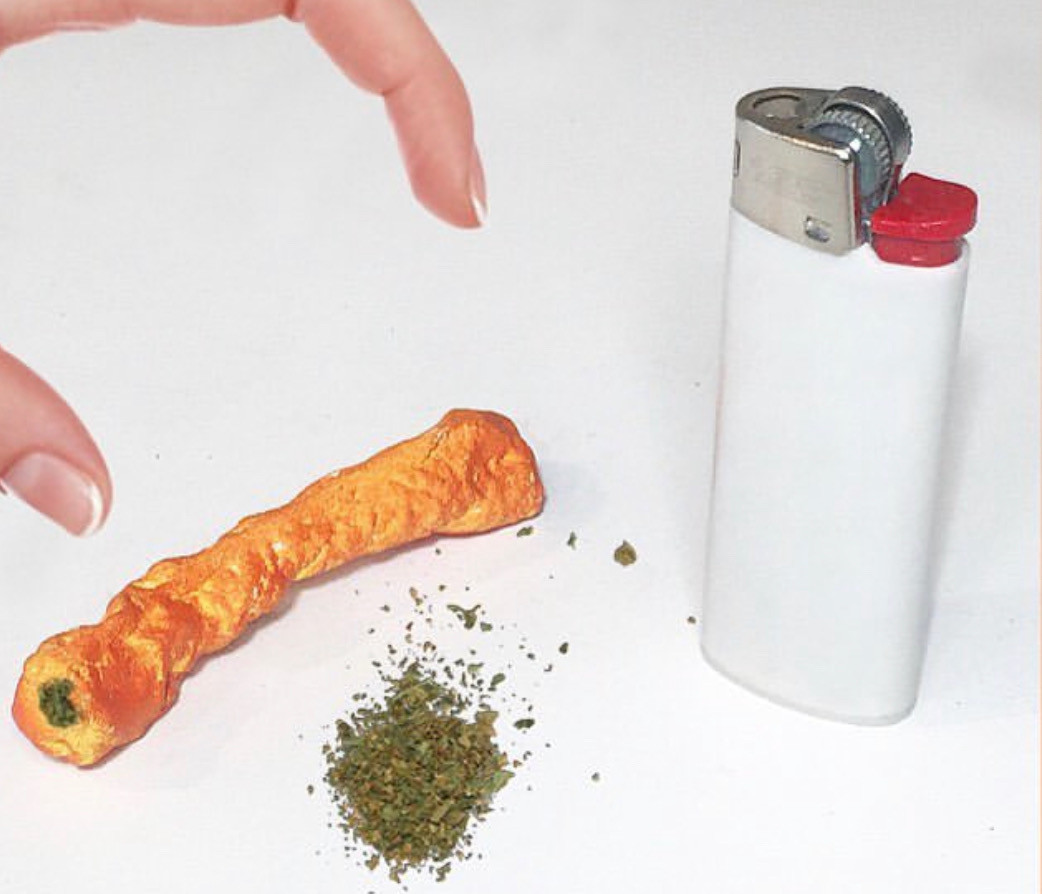
I got into art in high school and during my senior year realized I wanted to go to art school but I got denied form a bunch of them. I was pretty bummed out but realized that I just needed to make more art and get better at creating. I ended up going to a community college that was kind of known for its ceramics program— in the area, and I was immediately hooked. So I set my mind to it and made my first body of work, I would say, that I then applied to art school with and ended up getting into KCAI which has a well known ceramics program. But the curriculum was very extreme, classic art school shit — and it was a total whirlwind to me. They basically made you choose between vessel or sculpture, so I chose vessel which then resulted in making hundreds of cups and bowls and plates. Basically learning every skill I needed to get ready to create “real work.” At the time it was all very technical, so we would throw most of what we made out. When I got to my senior year of art school, I was very excited to just have some fun, and as a result ended up making bongs and ashtrays and pipes. Just all of these disapproved objects in ceramics. The taboo of it really interested me, but I was also just a shit-head stoner, so I was like “ah this is cool, I wanna make some bongs.” I realized that I was embodying that stoner kid that would sneak bongs through the kiln and try to make wacky, funny work that excited me. So from there I really started to explore making those taboo items, which is kind of where I’m at today.
I know it’s weird talking about high school and art school in an interview about my artwork now, but it’s also a part of my life, and that’s really how I started making art and I can’t forget about that. I’ve always tried to stay away from talking about that in interviews, but I don’t know, you can do what you want with it.
I think in our society there’s an unnecessary taboo around immaturity, so we try and separate our present selves from our youth, maybe it comes with trying to contrive nobility into adulthood, but we don’t want to bring the learned and matured versions of ourselves back down to that level of youthful naivety. At the same time it’s such a formative part of all of our experiences, whether you’re a creative or not, and I think it’s odd that we actively try to disassociate ourselves from perhaps the most formative part of our lives. I mean its still us, regardless of age. Something I like about the way you utilize your medium is that you don’t omit those youthful and nostalgic qualities. The pieces remind me of being in kindergarten, playing with air dry clay. But it’s elevated because the work isn’t coming from a kindergartener.
For a long time I’ve really thought about authenticity, and what I’ve realized is that, for me, a lot of this started because I wanted to replicate objects that I either couldn’t get or that didn’t exist. Recreating Supreme accessories, or making fake merchandise from brands that didn’t exist. And I’ve found that the most genuine output when creating that is to be able to render these objects very naively. The raw output is very important to the work, that raw naivety. So it really does come down to having the ability to make something very well, a high level of craftsmanship, but still being able to use it to say different things without compromising its utility or appearance. But it’s important to me to make it look naive, I think it adds a side of humor to the work. If I were to render a lot of these objects realistically, whatever that means, so much of it would get lost, it would lose its authenticity.

I think that ties perfectly back into what we were saying about this force that is youth. Naivety is one of the more central adjectives associated with youth, and if that’s something that pulsates throughout your work, I think it’s almost necessary to confront how it plays a role in your process.
Yeah, maybe that’s it. That’s a good point. I’ve considered the many ways I could make art, but when I think about it, it’s really just about total genuine output. So I’m not really conscious when I go to the studio being like I need to embody this shit-head high school kid. I’m not thinking, “what would this guy do?” But I do think there is a level of subconscious rendering that happens when I make stuff — I know I want it to look a certain way.
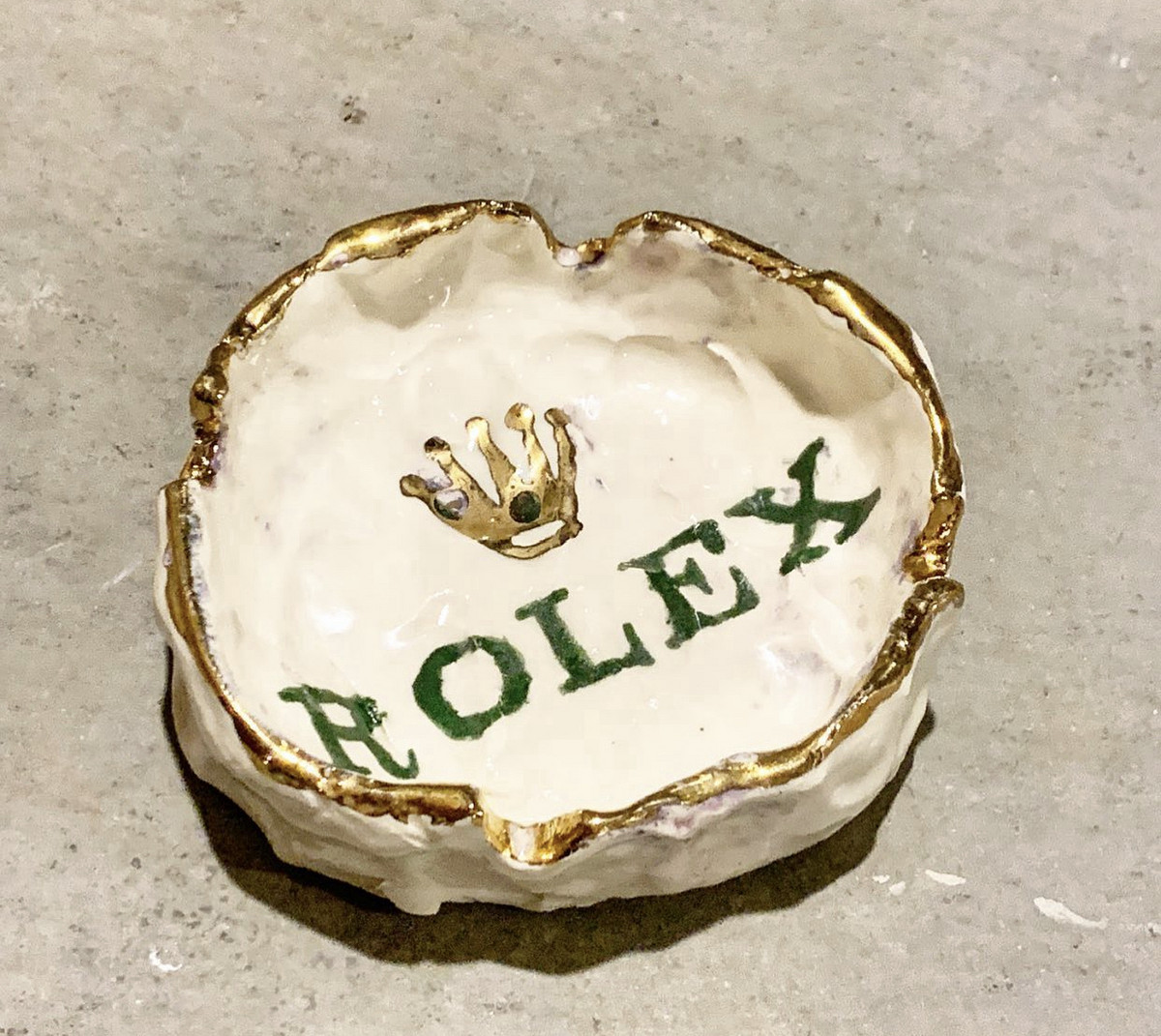
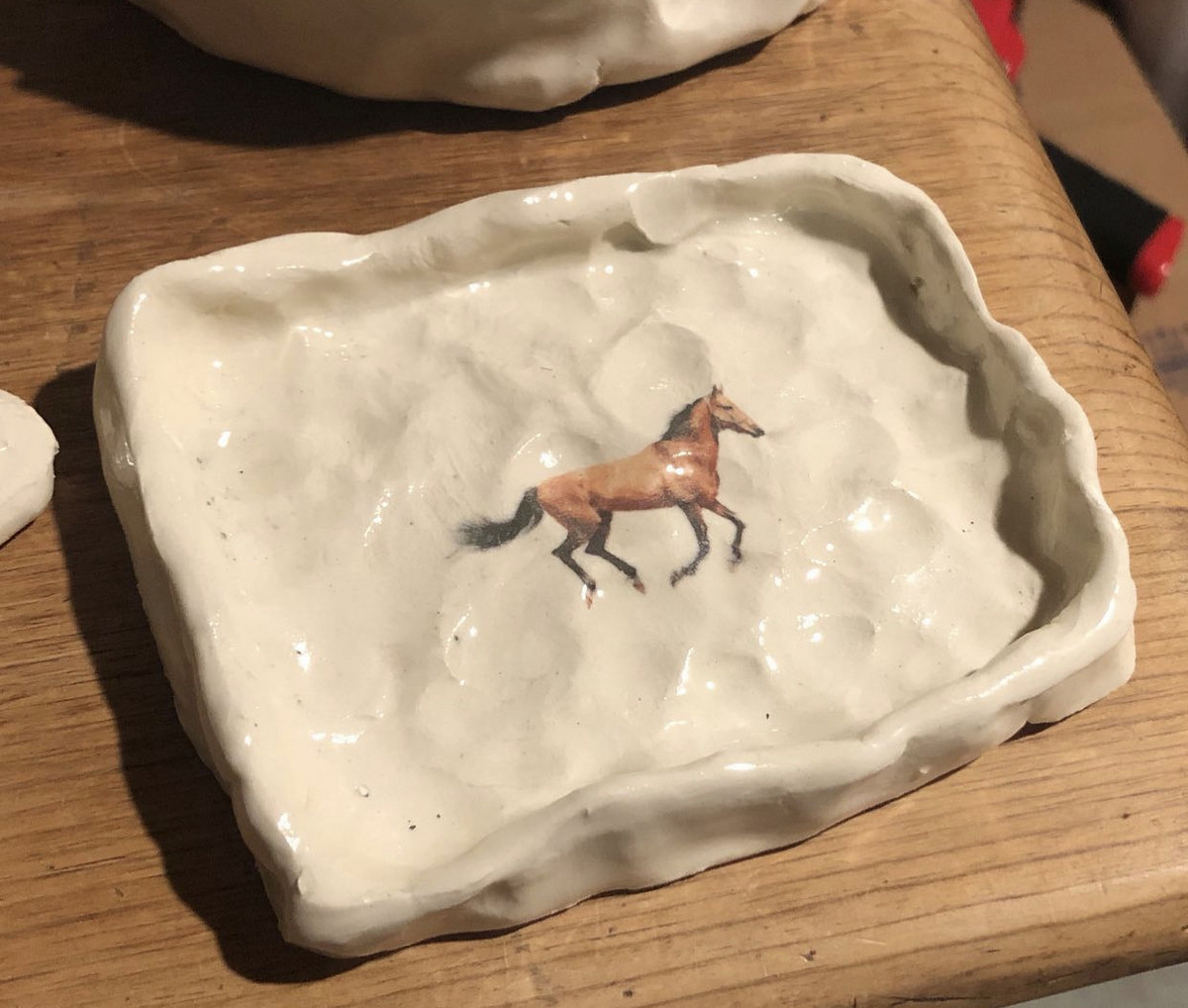
I need to ask this before I forget, my sister wanted to know. How do you do the transfer of those prints onto the clay — like the horse in the middle of the ashtray?
I use two main decorating methods. One is just hand glazing, and the other is using fire-on ceramic glaze decals. So those are printed by a specialty printer that actually has china paint — you add that to the ink hoppers and then it prints out images. And for me that’s been one of the most exciting aspects of my studio practice recently, just being able to take images and memes and fire them on.
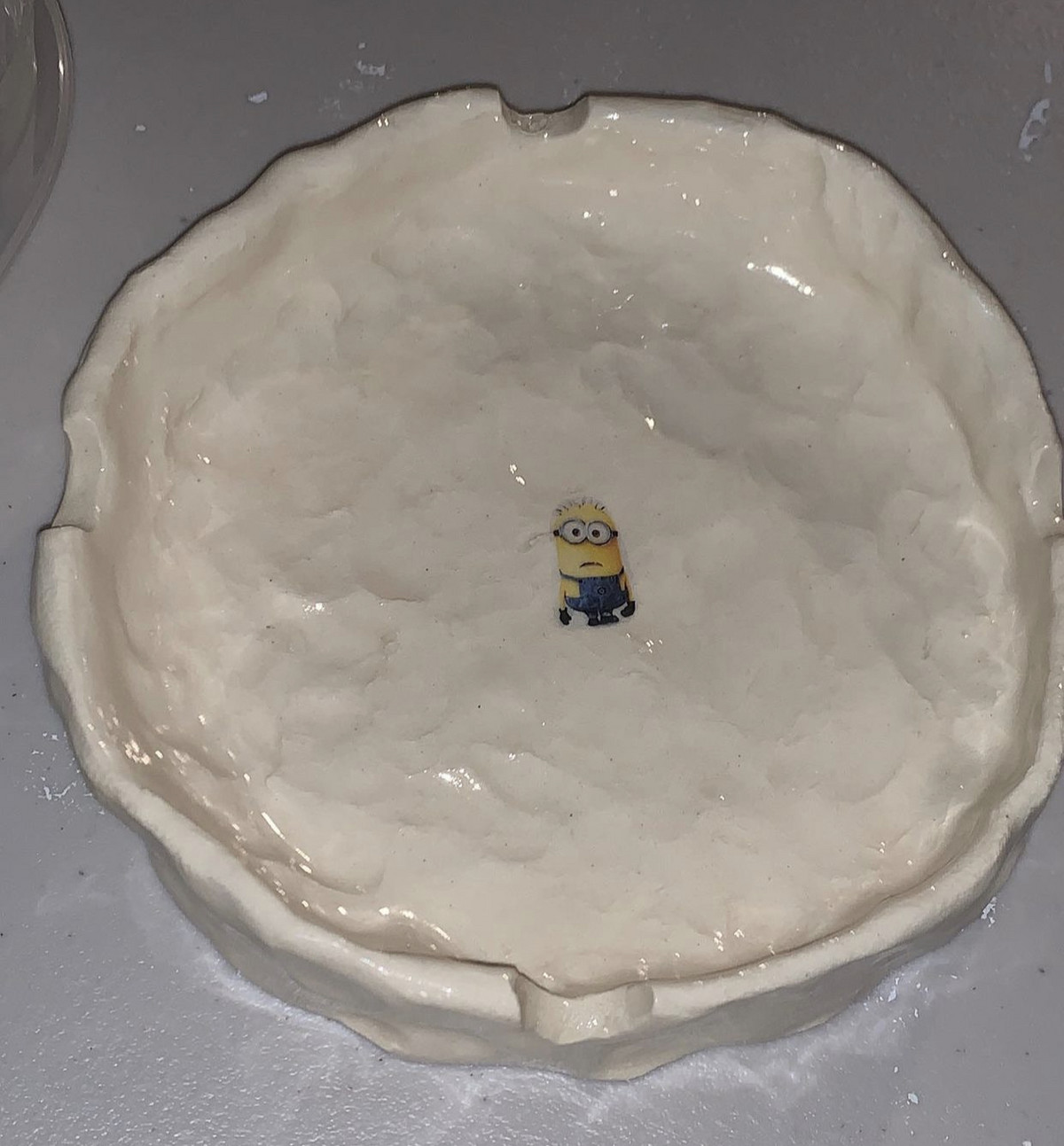
I'm obsessed with the minion ashtray.
Yeah dude. I’m obsessed. Just taking random stuff out of context and putting it on my work. For me its so fun because I have this ashtray form, a blank canvas for me to make as many pieces of fake merch that I want — an endless merch machine. One day I’ll be like minions are sick, or another day I’ll be like oh damn this Eames lounger decal is looking really fresh. Just making weird stuff — it opens up so much more for me. I do love the hand glazed look, but when you put a really crisp and clean image on a fucked up form, something happens.


Exactly. I love the contrast between those elementary pinched out vessels and the perfect decals. Something interesting about your work is that you could easily smooth all of those bumps and flaws out. You went to art school, your proficient in an abundance of ceramic techniques, but you make the conscious choice to keep it campy in a sense. And to have that tactile campiness of the clay in direct association with those computer printed decals that lack flaws is so funny and great.
I appreciate that. It’s fun because I really make everything for myself, to be honest. A lot of my studio practice is just based on random pairings. And it’s not like every time, again, I’m consciously thinking about it. But I do like to think of the notion of sympathetic magic. Do you know what that is?
I do not.
So basically it’s the idea of creating something with the idea that it’ll have an effect on the world in some way. So having a voodoo doll is a form of sympathetic magic. Another form of that is infinite pairings, bringing two totally random things together and making this random result — a one plus one equals one million kind of thing. So being able to have control over that equation is how I thrive in the studio and is one of the things I try to think about whenever I’m making my work. Which is why it does feel kind of random, because it totally is.


That idea of taking disparate elements and realizing them together through a work is very applicable to all mediums — not just ceramics. Are you considering taking that approach to projects outside of clay?
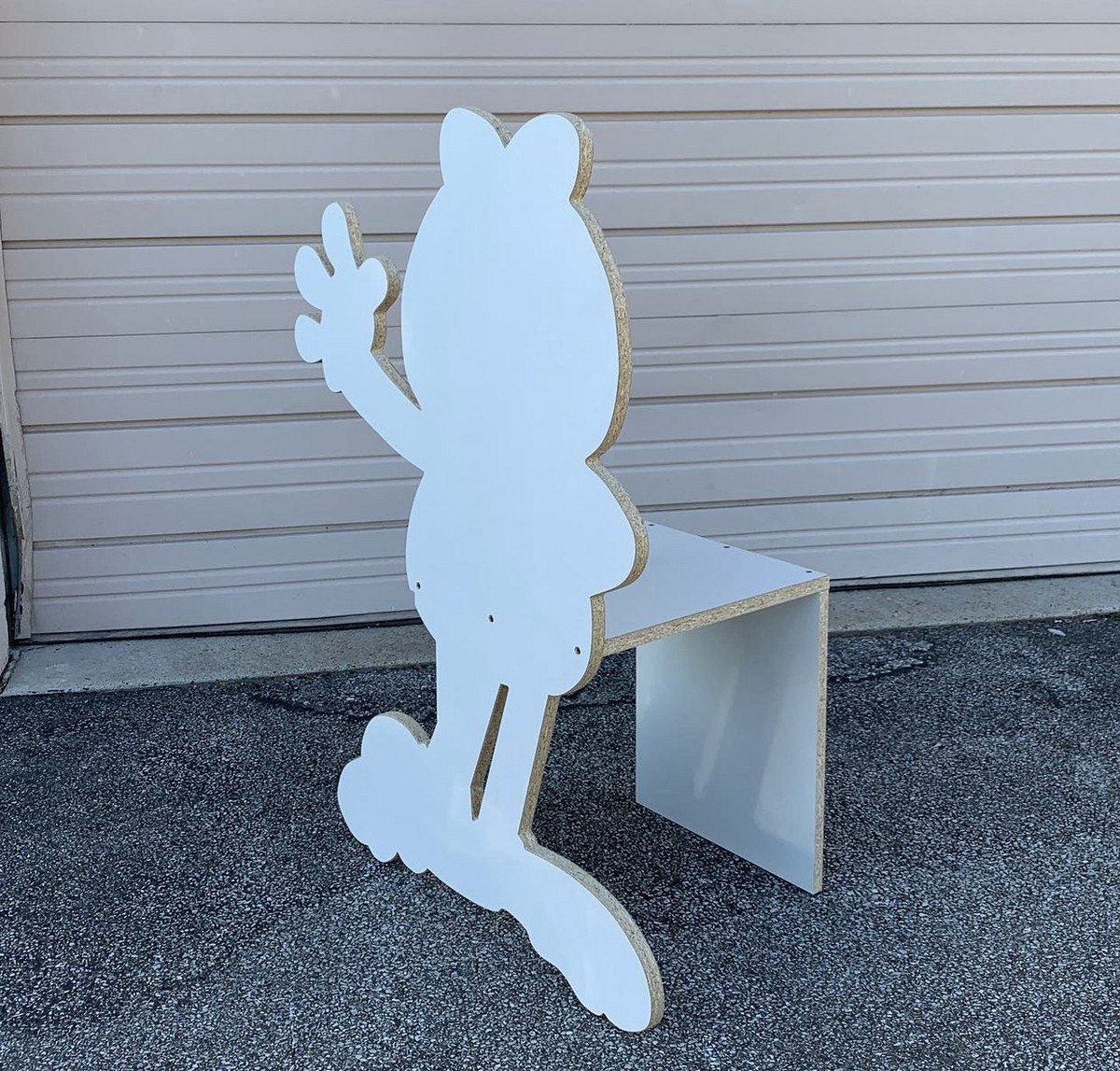
Always. A lot of my creative process involves making furniture or clothing or other home goods just as much as I’m making ceramics. Recently I made this Garfield chair. It’s like a Donald Judd Garfield chair — a flat pack pre-fab Ikea kind of thing. It’s really weird, but I’m really excited about it. I’m hoping to sell these soon, they’ll all be a flat pack assemble-at-home kind of thing. So there’s this interactive element to it that I’m not able to experiment with in ceramics. Theres a permanence to ceramics. Whenever I make something I think of its life span, how long a ceramic object can last buried in the ground for thousands of years, whereas this Garfield chair will eventually disintegrate.
But that’s liberating in a weird way, it becomes less sacred.
Yeah, for real. Like these ceramic pieces could be around forever. This Minion ash tray is gonna outlive the entire world. A future civilization will find this post apocalyptic object in the ground and be like the fuck is this? What is this shitty looking Minion ash tray?