BLOCKBUSTER
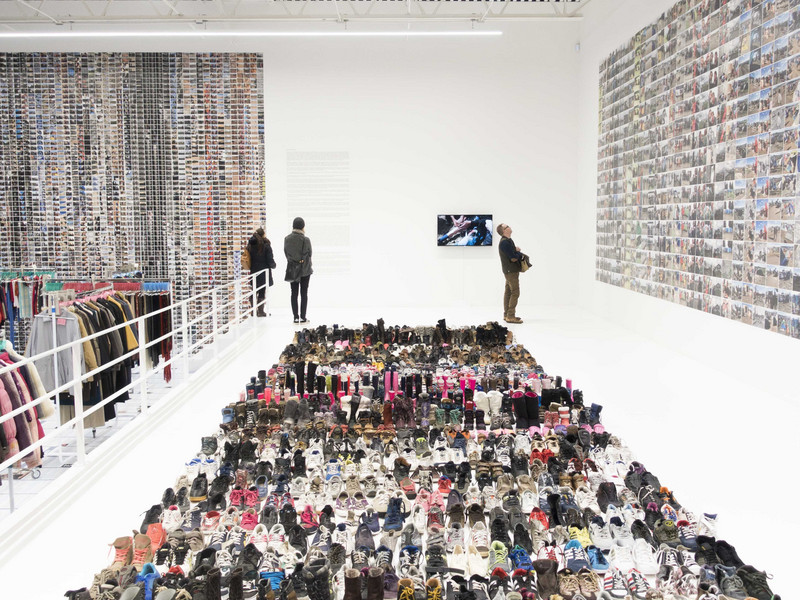
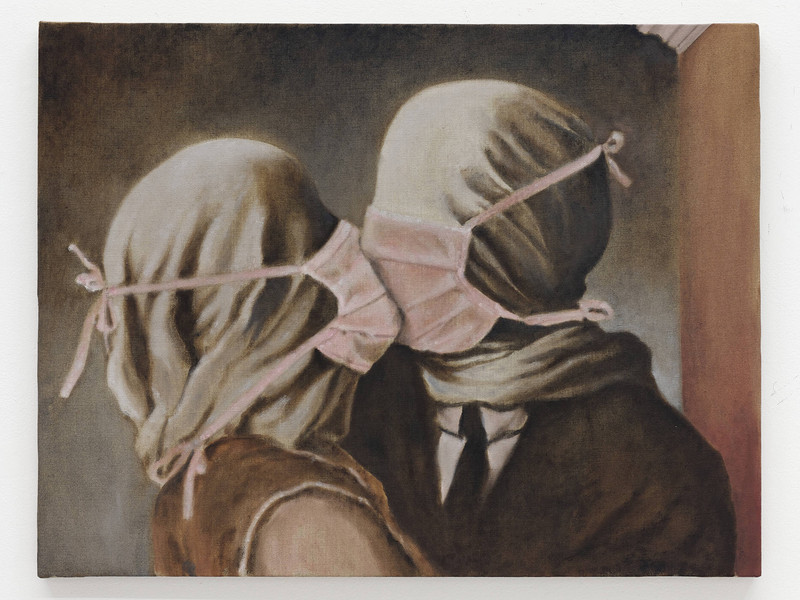
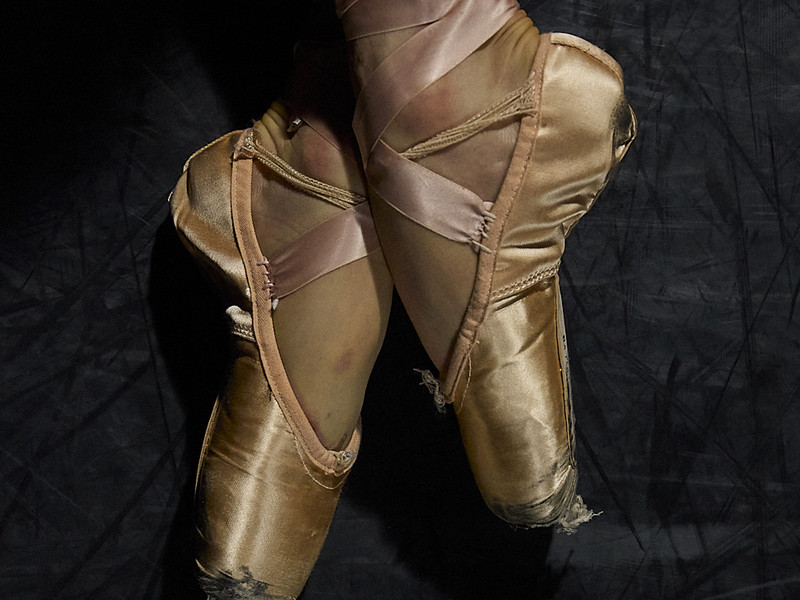
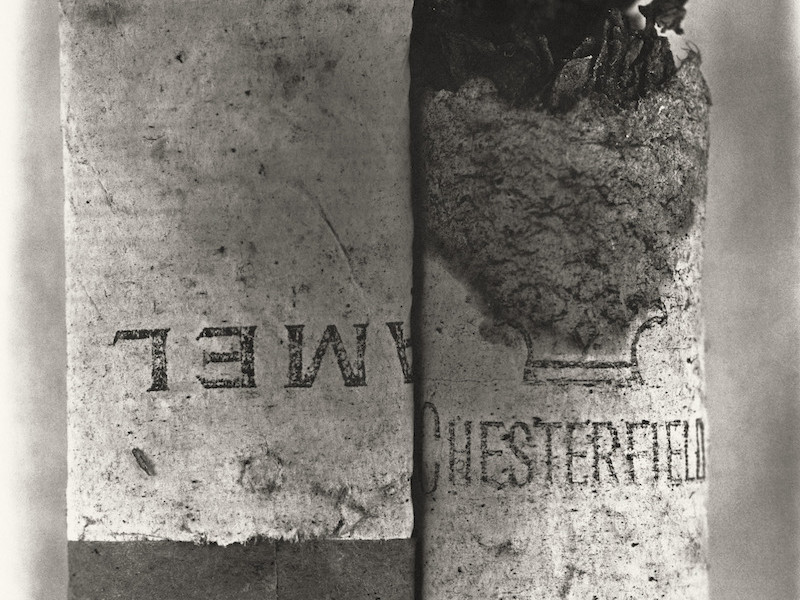
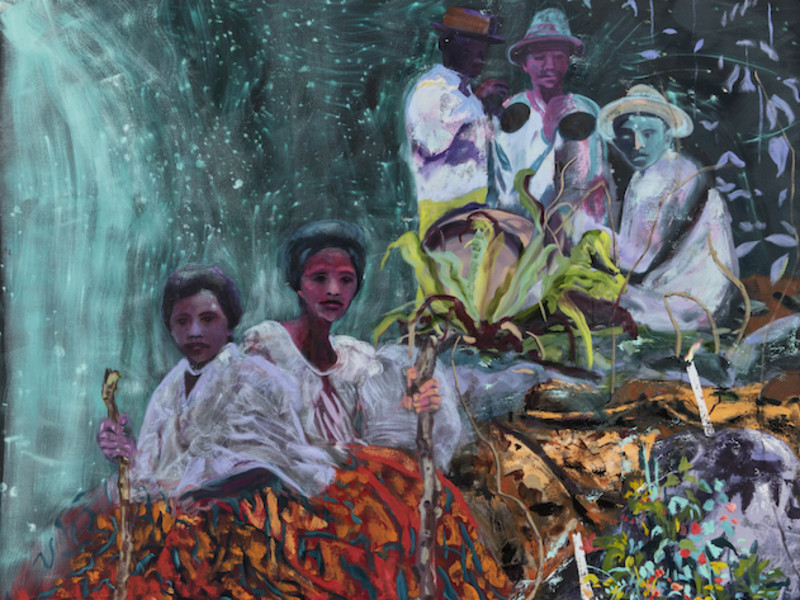
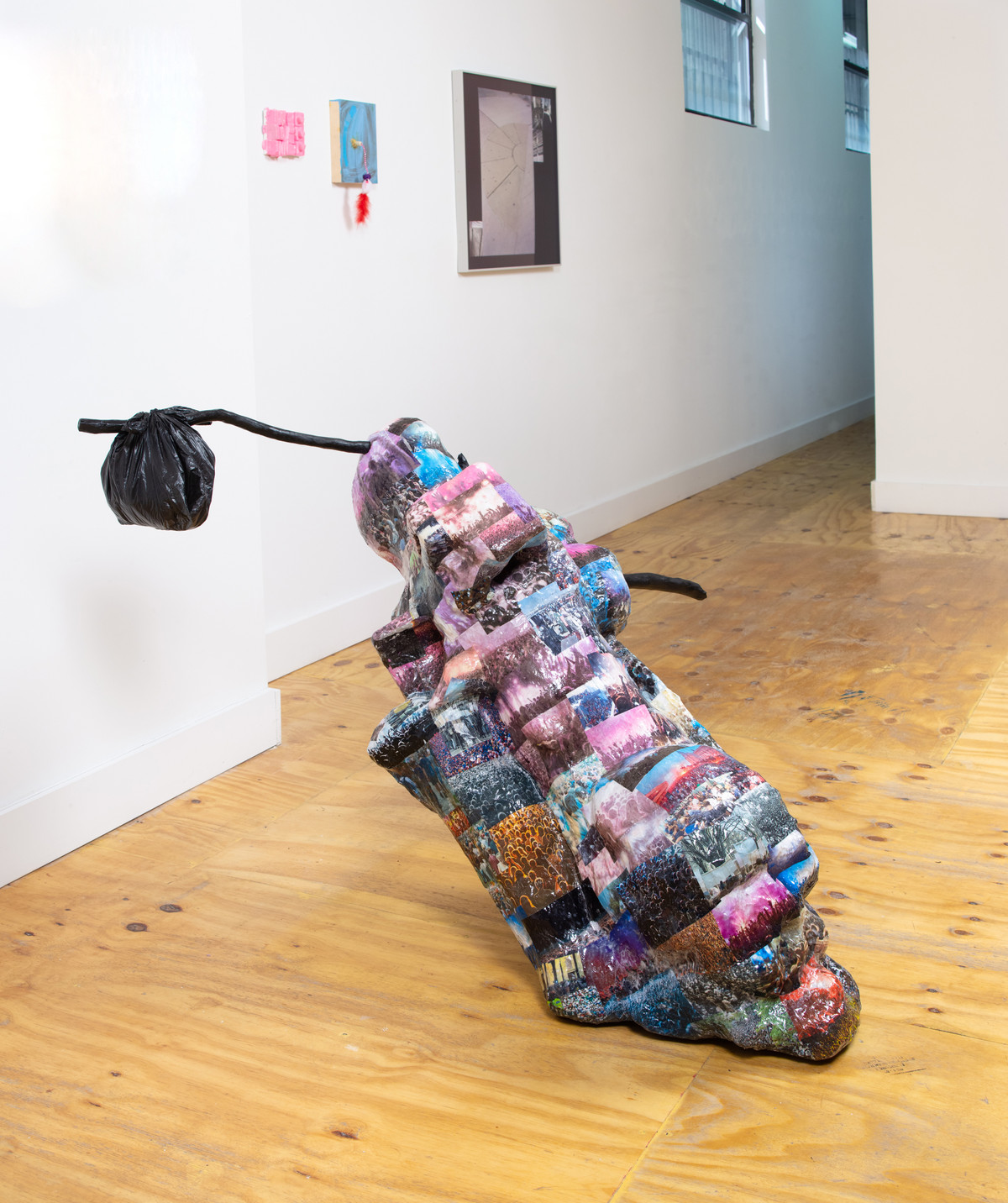
Be kind, rewind—and peep some of Korine’s pieces, below.
'BLOCKBUSTER' is open now until October 20, at Gagosian in NYC.
Lead photo by Sam Hayes; art photos by Rob McKeever; all courtesy of Gagosian.
Stay informed on our latest news!

Be kind, rewind—and peep some of Korine’s pieces, below.
'BLOCKBUSTER' is open now until October 20, at Gagosian in NYC.
Lead photo by Sam Hayes; art photos by Rob McKeever; all courtesy of Gagosian.

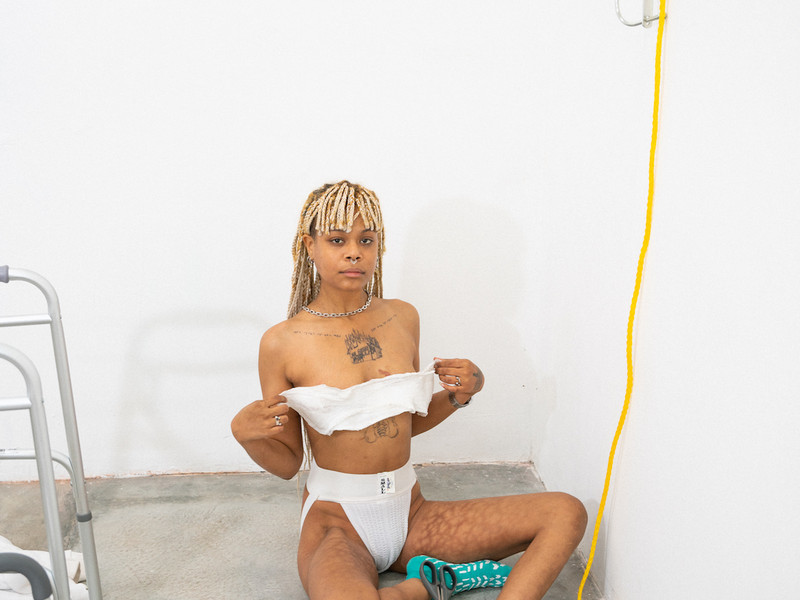
Simpson is a designer, a writer, and a painter, but beneath each expression of creativity, she reverts to photography and its ability to capture individuals beyond their physical form. Through iterations of digital editing, hand-crafted collaging, and image manipulation, Simpson’s abstractions of the human form gain a new kind of sentience converging her subjects with Simpson’s own sense of self at the time of their conception.
In a studio visit with office, Simpson pulled back the curtain to show us the method behind the magic with exclusive images from her latest shoot with Maija Knapp.

Can you walk me through your process with the photo you’re working on today?
In this one, she's pulling and pushing her face and the light around her is warped. It's not totally clear. I transferred it to a piece of fabric where I was able to pull thread out of it, which is my favorite part of this one, because when you pull out a thread, you're literally pulling out threads from the photo and material from the photo. So you're not only tearing apart the photo but tearing apart the model so it's less about the picture of her face and more about what she might be feeling. Then I sewed a piece of tight around her, and it's kind of like falling off the photo. There are webs that are going over her face and she looks trapped inside of it almost. I think I was almost building a cage for her because that's how it felt with her emotion and her pushing and pulling at her skin and the movement around her. I wanted to like build a cage for the photo to live in.
What about this photo made you feel like it was ‘the one’?
Well, I definitely enjoyed that in this photo, the model was crouching on the ground, and was holding her face and pushing and pulling at her skin. And it was right at the time where her face was in focus, but you could tell that she was completely in movement and I just thought that was perfect. I love when you can catch something really vividly like the face that makes it like really human and recognizable but then it's like her surroundings are like bending her and warping her. That's my favorite like kind of photo to capture.
It seems like each layer you add obscures your subject’s identity. What’s the importance of subjectivity to your work?
Fragmenting the body, I think, is the most fruitful method to clarify it and define it. So, all of the parts of a body of a person–someone that you love or hate or even yourself, someone that you would have like strong perception of you see all those things figuratively when when you think of them. So we perceive them as colors, or even music or all of the things that like represent them and remind you of them. I think that when you fragment an image of somebody and define the parts that are usually unseen it’s more meaningful than a literal image of them. And instead of a picture of somebody being a snapshot of them in time, it can be more of a translation of how you see them. And it’s all layered with how you perceive yourself, your worries your fears. It’s about how you feel about them.
How do you perceive yourself, figuratively, when you’re working on an image?
There’s this one specific photo that I had done with this model that has hot glue on the figure with a long exposure shot. She looked like more of just a ball of light and you could kind of tell it was a human because her legs were clear. And I added to that just by coloring it in a way that felt good. I put the hot glue over it and it kind of looked like it was almost a crying ball of light, which sounds extremely dramatic, but I felt it was extremely personal to me. And I remember looking at that photo and thinking ‘this is kind of how I see myself’ and sometimes that's how my photos feel to me. I can tell that it's always on some level a self-portrait.


How does it feel, then, to be literally represented, like the portraits we took?
I used to feel more comfortable modeling and that's like, how I got familiar with that side of the industry, but I think the more comfortable I get behind the camera, the less comfortable I am in front of the camera. I feel so comfortable with my control being behind it, that when it's out of my control–it's not that I want to edit them or alter them– it's more just like it just feels almost unnatural for me, but I think it's kind of cool too. Because I mean, I shoot so many people, I think I have to feel what it's like to be in front of it for a change. What was it like on set for these images? In this specific shoot, I shot at the model's house in her bathroom. And I went all over town to get a giant squid because there's a squid in some of the photos. She's such a trooper. I'm so happy. I love working with this Maija because she's just like that. She just wants it to be the best work ever. So she’ll do anything for the photo, and she enjoys it. I had her like lay underneath a piece of glass that I propped up on baskets. And then I put the squid on top of the glass and had her press her face so it looks like the squid is floating on top of her, but then by the end of it, she put some tentacles in her mouth and she put it on her head. She really committed to it.
Why…a squid?
I feel like I just like grotesque things. Especially when they're kind of beautiful, which a lot of people feel that way, but something about the squid with her skin and how it kind of blends into it. Both are just light and soft. And like it looks almost fragile, but it's also kind of sinister looking. It’s just weird and grotesque, you know? But, yeah, I also put pearls on her to like balance with the squid juice…

Do you keep them?
A lot of them I put on my wall because I love the way that they look or I keep them around kind of with my other materials. I definitely need art everywhere. It's inspiring, you know, especially like work that I've done, because I can see like what I've done before and what I might want to take from that and what I might do differently. I keep everything. I like to keep the photos. I began keeping all of the ones that I did on paper, because I wanted to be able to reuse some of the textures I created. Or some colors or collage with them. But at this point I think it's more of just like I don't know. This gives me the privilege of keeping my work in multiple stages and being able to have all of those stages present. So like all of the final images that I might post or that people would are just one stage of the photos’ lives because after I scan it I pull it apart again. So this is like many different stages at the same time and I get to have all of them.
Do you feel like because your “finalized” work, like you said, has a kind of truth to it, is there any discomfort now peeling back these layers for the public eye?
I feel like I can still remain comfortable because no one's here touching the photos. Like they’re mine. They feel like they're mine. I feel very attached to everything that I make, but in a way where I am able to not be possessive over it. I like the idea of sharing the lives that they've lived. Sometimes I feel protective over my work but not about sharing the process, I think probably just breeds more life into them. So I don't mind that.

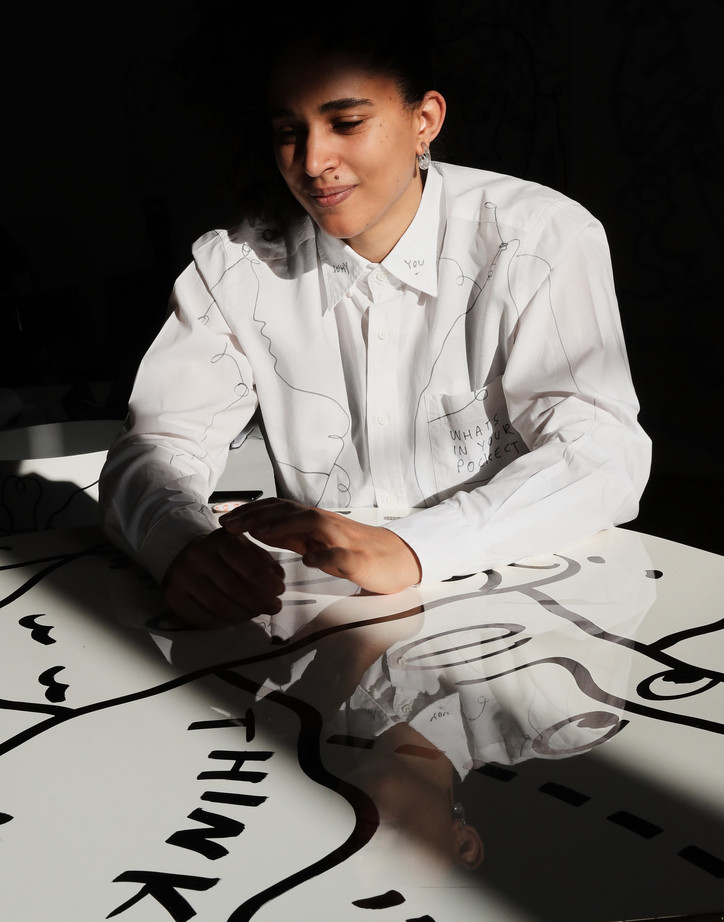
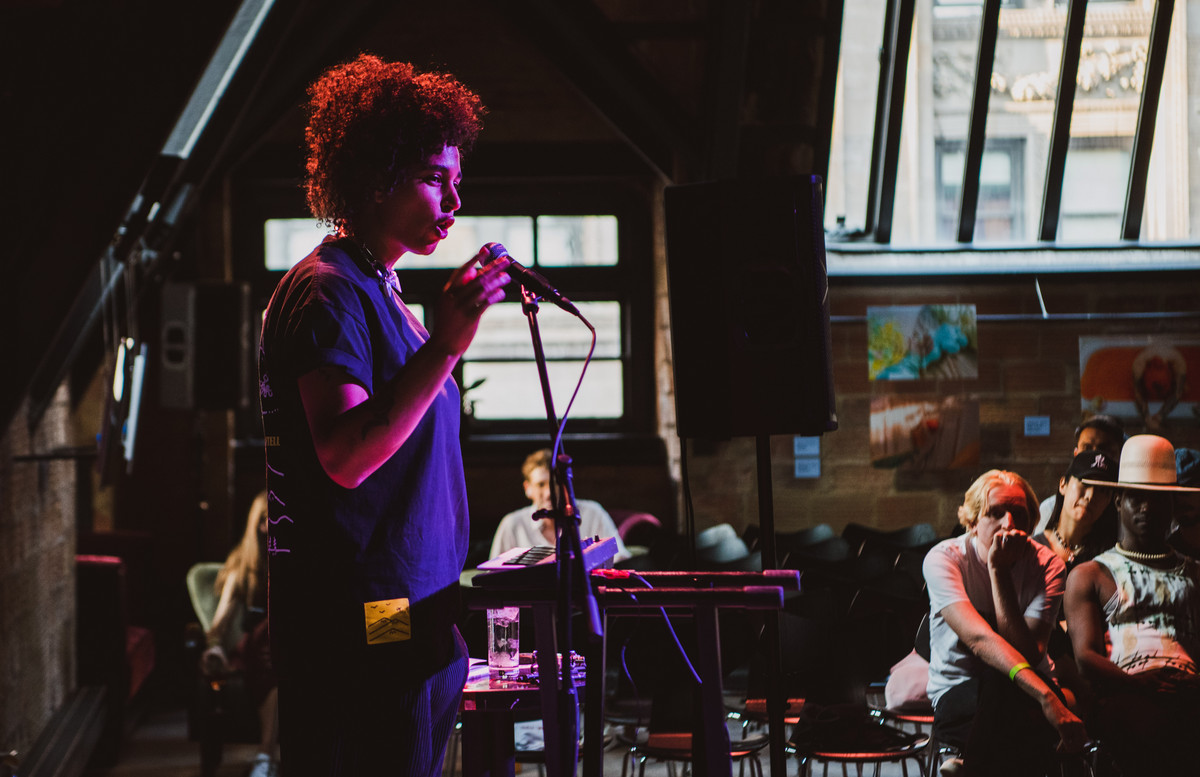
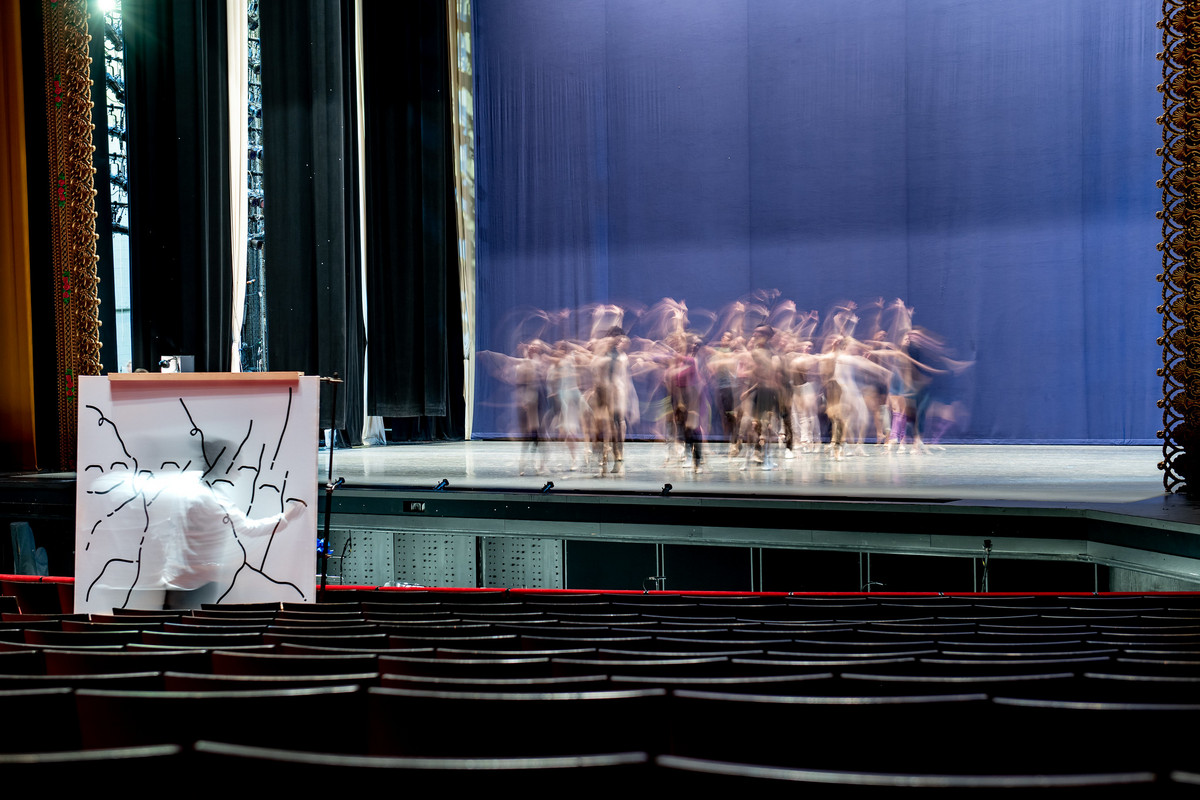
There’s a common trope associated with the persona/title of “artist.” A nocturnal being that sacrifices sleep and anything remotely associable with self-care for the sake of art. This isn’t Martin, and god are we lucky. A remarkably organized and stable being, Martin glows with positive energy — and she deserves to. Known primarily for her drawings which have appeared all over the globe at places like Lincoln Center, the Oculus, the Boston Ballet, the New Britain Museum of Contemporary Arts, and 92Y Gallery, she has also collaborated with the likes of Kendrick Lamar and The North Face. This performance marks her endeavor into the sonic realm while still incorporating drawing through a set of visuals that played alongside her performance. Taking words from various audience members, Shantell engaged in all things auditory, featuring word play and music sampled on her keyboard.
How do you prepare for an event like this?
For me, I don’t really have to prepare because a lot of my work is spontaneous, it’s improvised. So the preparation is just making sure I have everything I need. There’s more prep on the venue’s side than mine because I don’t know what I’m gonna do. So I just show up. But I want to make sure I have the right tools to just show up. What’s the extent of your structure going into this performance? So the extent for this night — I don’t think I’ve really done anything like this where I’m just doing the musical side… I haven’t figured out how to really term it so maybe you could help me out after you’ve seen it. Maybe you could give me some suggestions?
[laughs] I’d love to help.
You know I have a one woman show which is a mixture of three different chapters — a lecture, a live drawing part, and a live musical part. So this is almost like extracting the live musical part and just doing that section. Tonight I have about 20-25 minutes, I have a keyboard — a nice little Yamaha keyboard —, I have some pens, some paper, and a microphone and I’m just gonna show up and improvise some stuff. I might be asking the audience for some words and then use those as a springboard to create a drawing, but instead of the drawing being on a surface, the lines are words and keys. So imagine what I’m doing tonight is like making a drawing, it’s just a different medium.


How long have you been working in music?
Only a couple of years. I had a keyboard hanging out in my studio for a long time and never used it, and then one day I just felt like — I just wasn’t having a good day. So I banged on the keyboard and it felt good! As one does. And I think, as creative people, when your main medium becomes, for lack of a better word, your main focus, your job, you don’t really then have that as an outlet to get stuff out anymore. And so the music, it can be angry, it can be sad, it can be all these other things, because at the core it’s my happy place, it’s the place where I get to express things. And then the work — the drawing — that I’m mostly known for is like my focus place. So that’s where I focus and where I try and master it and get better at it. Whereas the music, I can make all the mistakes I want to make because I’m just exploring with that medium.
So you try to establish a degree of separation between the two mediums.
Yeah. But I’m also bringing them together slowly. Like for tonight, I created some visuals specifically for this, so in that way I get to bring visuals into this.
You have such a distinct and specific style for your drawings, does bringing music into that world help keep you entertained? So you don’t get tired of a specific style or medium?
Well the thing is that at your core there is a you, and I feel like it’s our purpose in life to figure out who that you is, instead of running away from it. And so for someone like me, I started my career in Japan as a VJ — making visuals for Dj’s, dancers, and musicians — and having drawn live for hours and hours and hours in Japanese clubs allowed me to extract my style, allowed me to extract my fingerprint, my identity, my self. And so when you know who you are, why would you work to change that? The thing is, I’d never get bored of my style because the medium’s always changing. I just choreographed my first ballet, I’ve been a scholar at MIT, a fellow at Columbia, an adjunct for many years at NYU. I work with brands, I work with museums, I’ve made printed circuit boards, I’ve made clothing, I’ve worked in code. There’s such a wide spectrum of where my lines live, so the foundation is my style, the foundation is this core, but if you dig deeper into that you’re gonna see that there are so many different variations, different colors, line thicknesses, philosophies. Essentially I like to think of myself as a philosopher, someone that thinks and questions, and it often takes the form of the drawing. But drawing can also change its medium between industries, and if you look back on the work I’ve done, it does.
Well that’s where spontaneity comes back into play. You have yourself, a vessel for creation, but the medium can ebb and flow — it’s just a different body of water. So it’s very situational, like here tonight you’re doing it through music, you’re in Tokyo at the beginning of your career VJ’ing at clubs, you’re at Boston Ballet choreographing dances, drawing at Lincoln Center. It’s ever-changing, and that’s something that I think is great about you — you’re able to adapt to your settings while still maintaining your “line.” Which is perhaps why you’re so prolific. In addition to that adaptability, how else do you manage to do so much?
You just put one foot in front of the other and keep going. And you stay curious and you stay open and you stay playful. Everything I’m doing I enjoy doing, I’m excited to do it. Why else would you want to make art or be an artist if it’s not to have that freedom of creation, to do what you want when you want and how you want. And then eventually, overtime, that builds a large body of work.
When did you first start developing your style? Was it in Tokyo? Was it in art school?
It’s always been there. I’ll be doing something now that I think is new, and then I’ll find a sketchbook from 20 years ago and I’m like oh shit I was doing it back then too. It comes back to that idea that there is this core of you. We think that we evolve, we think that we change, and yes we do and the scenery also changes, but there is a core of us that is ultimately seeking the same questions. And those questions might be different for all of us but ultimately there is a core of us that doesn’t change, that isn’t evolving. And that’s not a bad thing. I think we have this cultural thing where if you’re not growing, or changing, or evolving, that’s considered a negative thing. But if you’re secure and confident and understand who you are, then everything around you can change, and you actually invite that change. And so there is always change within that kind of stability, it’s just that now you have a strong foundation to build on top of. And that foundation is pretty solid, but what you build on top of it just like any building can be different and look different and change for anyone.
You make a really great point about the idea of change and how there is a lot of societal pressure to continue evolving. And like you’re saying about scenery, setting can often create an illusion to us and make us feel like it’s ourselves who are changing so drastically, and there’s that pressure to do so, instead of attributing any of it to the impact of setting and scenery. But like you said, there is a certain level of stability one can find within all of that change, forcing one to not only think internally but externally as well, observing the world around you and exploring how that interacts with your psyche and internal stability. Is that something you found through creating?
Yeah, definitely. I’m so grateful to have been and be an artist, because it gives me that power of reflection to look back at myself, physically, through the things I create. It gives me the power to look back at things I’ve thought, and the different versions of me as time goes on. But it also gives me the ability to create connections and have experiences in different ways that perhaps you couldn’t do in other spaces and other careers.
You’ve done so much, you’re so prolific. Do you feel a pressure to keep that up?
It’s funny people always ask me “Shantell what are you working on now?” I say “nothing.” And then they look really strangely at me and I say “Yeah it’s really hard.” And then they say “Huh?” Because as creatives there’s this constant pressure to always be making always be creating. And if I say well look in the last two years I released my first monograph, I did a TED Talk, I had a museum retrospective, I had a museum show, I had a gallery show, I choreographed a ballet, I took over the Whitney Museum shop. You know, I’ve done enough things in the last 24 months, and now I can focus on doing nothing. But nothing isn’t an absence of something, nothing is a vast place where you can discover so much and be creative in that place. So I‘m excited to embark on this next chapter of discovering peace and quiet and in the process seeing what creativity comes from that.
Founded by twin brothers Sam and Daniel Kapp, the gallery recently moved to a new location at 86 Walker Street in Tribeca. Lingua Franca marks the first attempt by either brother to break off on one’s own to curate — however Daniel made it clear to me that including Richard Tuttle in the show was his brother’s idea, and a brilliant one it was. In addition to three Tuttle pieces, this democratic show also includes work from Hannah Beerman, Brian Belott, Justin Chance, Clare Churchouse, Susan Cianciolo, Mary Manning, Louis Osmosis, and Rachel Eulena Williams. On view through July 29, Lingua Franca is a must see. While in the gallery, I had the pleasure of talking to Daniel Kapp about Lingua Franca and curation in general, see below for the interview.
After being walked through the show by Kapp, and him graciously waiting as I marinated in the works for an obnoxious amount of time, we sat down in the gallery’s backroom to discuss the show and his curatorial process.


Left: Various Masses by Louis Osmosis, Right: Puff Painting by Brian Belott
You said earlier that the show’s been growing with you for nearly six years, what was the original concept exactly? What was the seed?
There are a couple of artists in this current show that have been a part of the thinking since the beginning. Hannah Beerman was the genesis of the show but Susan Cianciolo was an artist I was considering from the very beginning. Brian Belott was an artist I was considering from the very beginning. I think these were the artists who I was more simply considering as painters painting on other media, or bringing other media into their painting. But it began to grow and change from there. That simple concept of an artist who can’t simply be boxed into one medium, I think maybe that was the simplest curiosity I had that led me into the show. And it still rings true, I’m just even more curious now. I went in with the smaller idea of this being a painting show and while putting it together realized that there was more to be considered.
So it continues to stick with you.
Yes. And ironically, or perhaps not ironically at all, I feel like this show has been a really strange siren — like a literal siren — to the community of artists who work in this sort of “common language.” I’ve met around five or six great artists who retroactively would be perfect for this show, who’ve come in because they felt a connection to the artists and the work here, which I think just maybe proves the thesis of this show true. If it’s going even beyond what was curated within these walls to speak to other artists out there, outside of this gallery, that’s maybe the coolest thing out of all this.

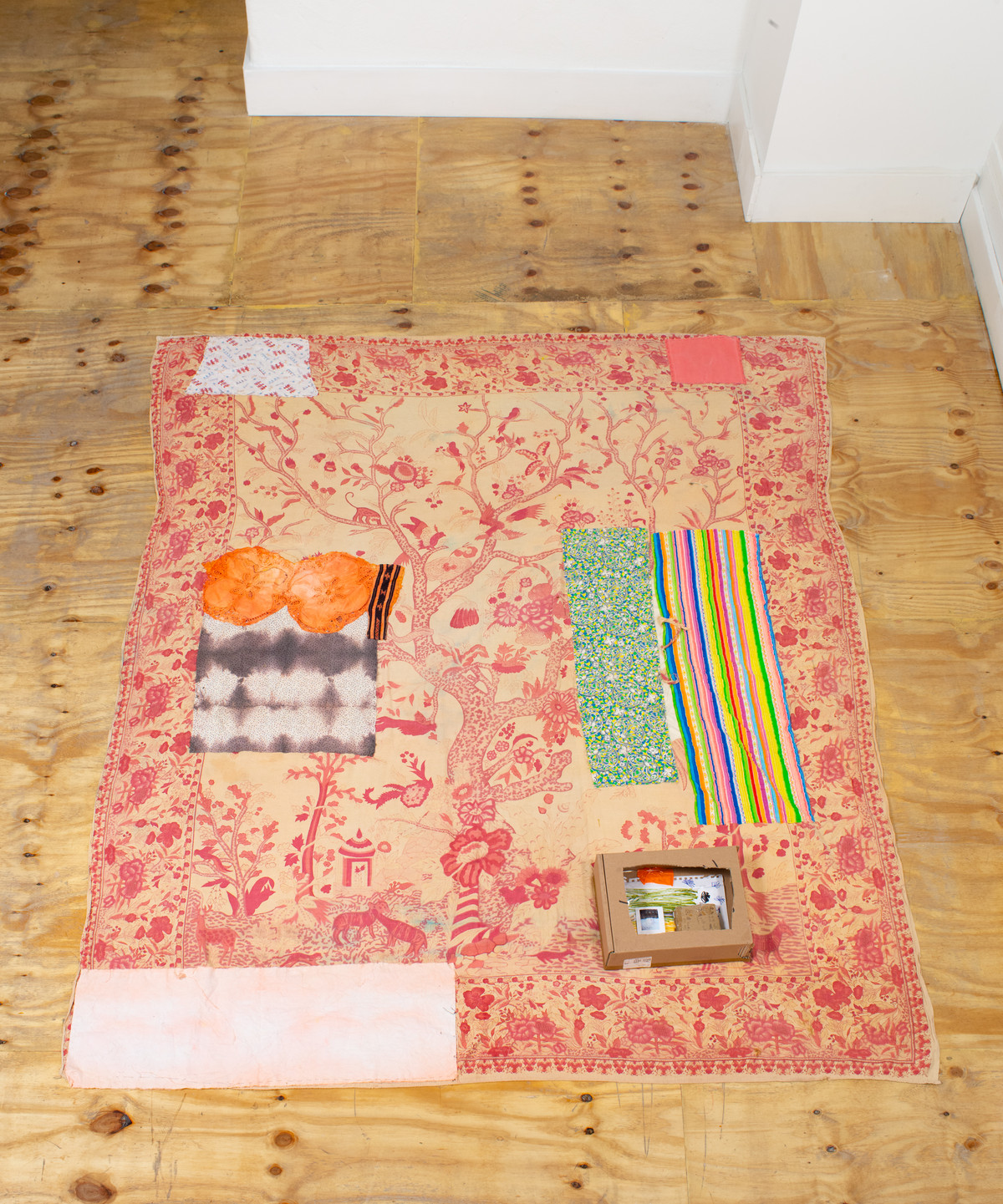
Communicating Telepathically and energetically, ("I LOVE YOU") by Susan Cianciolo
It must feel very validating to receive that kind of reaction.
Totally. And I think artists are always a great source of validation — as you probably feel and know too. Artists are always ahead of the game, ahead of the rest of the art world. That has been some of the biggest praise I’ve gotten, is from artists. And to me, that is the most meaningful praise I could hear.
That’s refreshing to hear. I think a lot of curators and gallery owners — that side of the art world — will say that, but it doesn’t necessarily translate into their practice. More than anything, it’s just a box they check verbally so that they don’t get yelled at.
[laughs] Yeah.
But the fact that you have artists growing with you — the evolution of Kapp Kapp isn’t just a metamorphosis shared exclusively between you and your brother — the artists that grace the gallery inherently become part of your team by association. It’s very communal. And it’s seen in the shows — especially in this one.
Thank you!
Language and community operate in tandem, and I think that’s another way this show could be described; it defies media and medium to create not just a dialogue, but a community of artists and their art.
Something you have me thinking about — regarding the artists we work with — is the act of creating context for them. When we consider representation or consider building a legacy for the artists we work with, context is such a huge part of it. Obviously to have solo shows as a part of the greater gallery program context is one thing, but I think it’s so important for galleries to contextualize the artists’ work or the artists they work with — beyond their program even. And that’s what I think a group show can be so special for. It gives galleries the wiggle room to work with artists and other galleries that might be off limits otherwise. But that’s something we always feel dutiful for, building that context so the world can understand the artists we work with. I think this show is just a step further into that.
You make a really great point about context, I think that’s an idea that should be so frequently associated with curation, practically a synonym.
Totally. In the same way that we were saying before, Lingua Franca could be a completely different show — you can really take any artwork and that could become the new basis of a Lingua Franca show. Considering that context is so important.


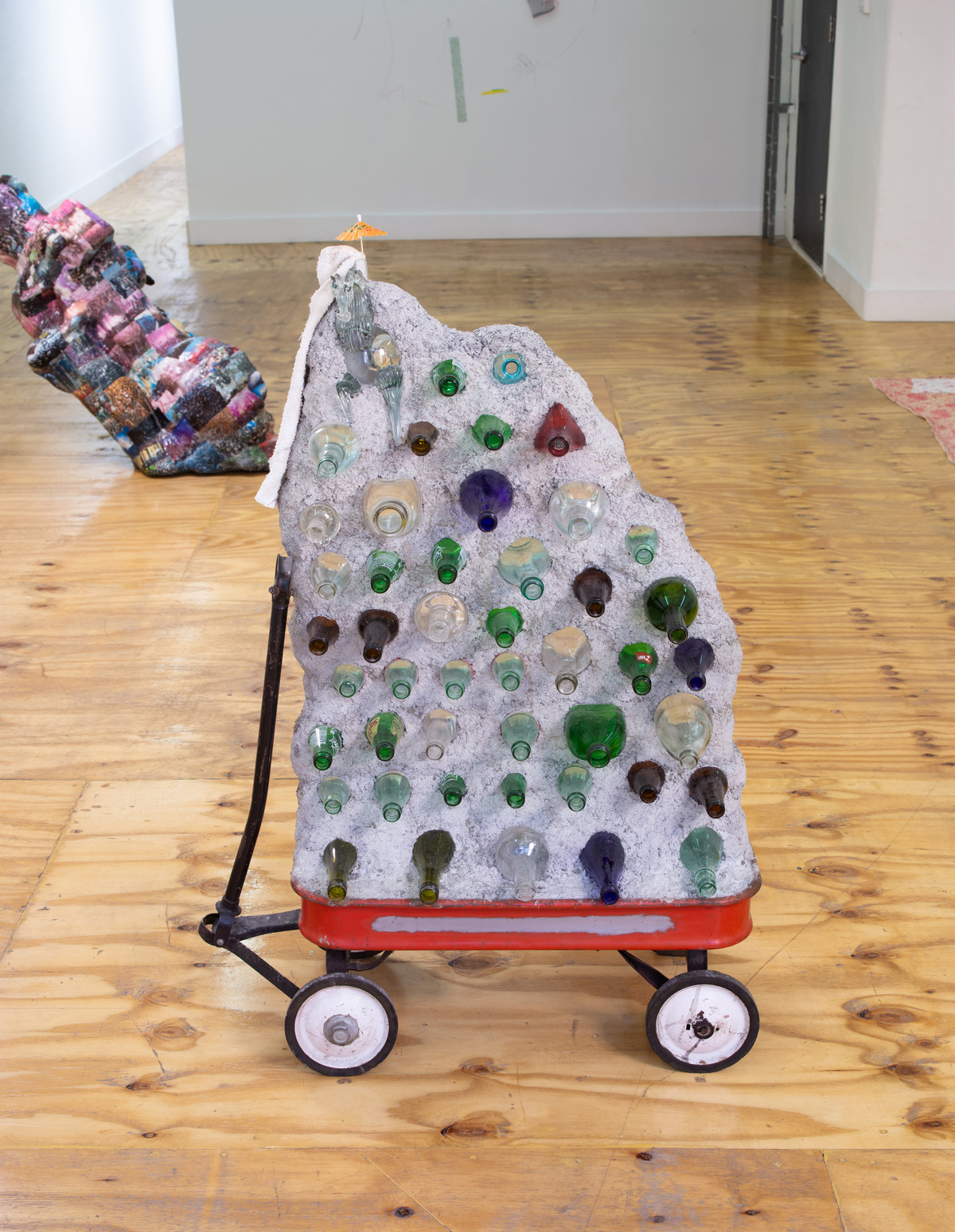
Left: Bottle Wall by Louis Osmosis, Right: Twice (Epletrærne) by Justin Chance
The thesis of the show is very applicable to art on the whole, which is why you could in some way or another substitute different works, and it would fit the scheme. It would create a completely different conversation, but in that is a “Lingua Franca.”
Even just that is interesting to think about; what changing one piece in a show like this would mean, how that could instantly alter the conversation itself.
It really personifies the works when we talk about them in terms of having a conversation. And I guess the most immediate personification of one’s work is the artist themself.
And that’s another thread that pulls through this show. Performance. I see performance in all of these works, just like I see painting and photography and everything else as well. I absolutely feel that, that the artists are here representing themselves in some way. They aren’t distant. Yes.
What role did spontaneity play in the curation of this show?
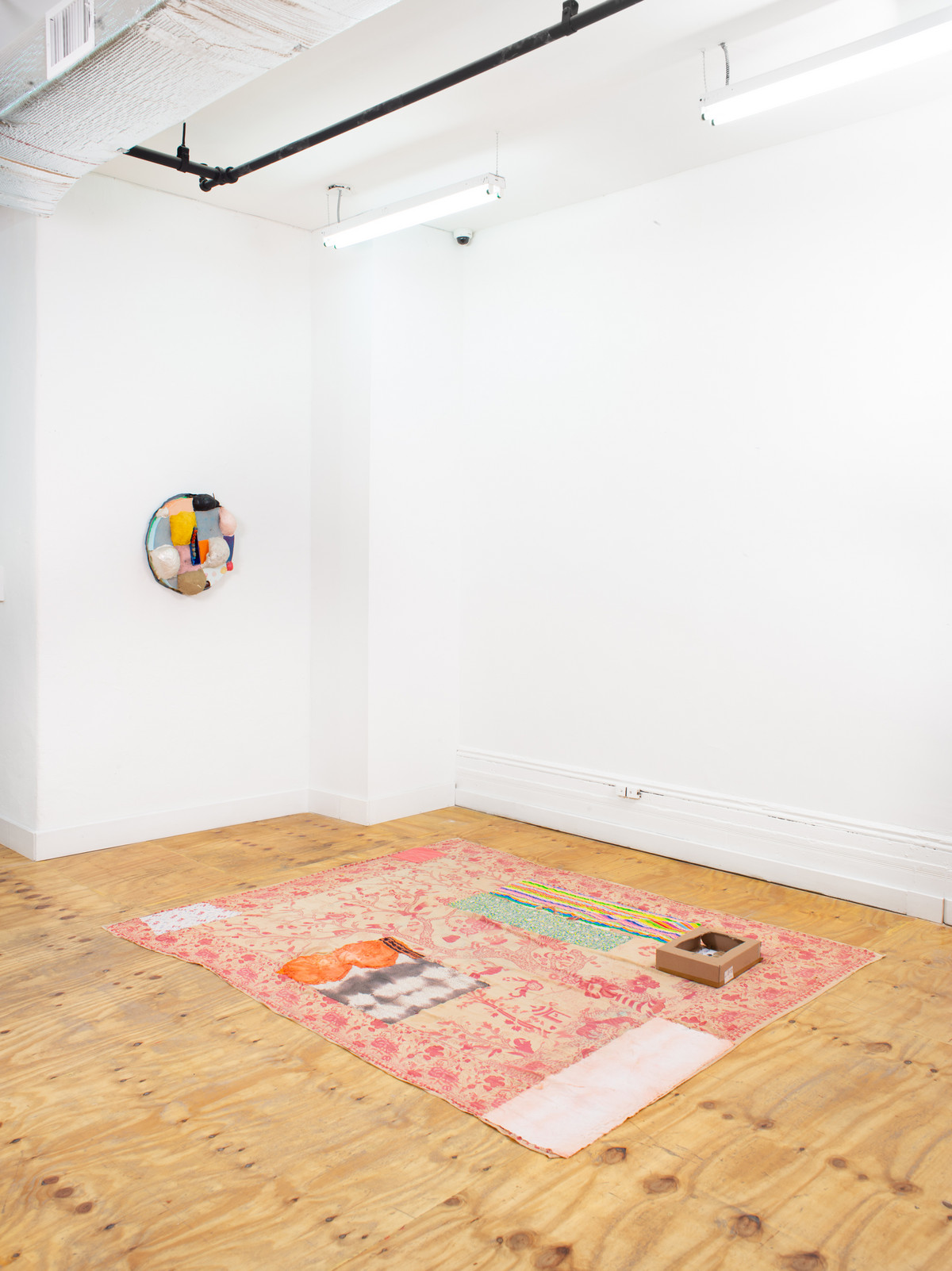
About half of the works in the show I knew specifically, exactly what they would be leading up to putting the show together. And about the other half of the show was a surprise to me, when the work arrived was when I learned what it was or what size it was or what have you. And I think that to me was the final element of the show and the conversation going on in the show. You could really take any artwork from any of these artists, put them in a show together, and there will inherently be a conversation. But the element of surprise is what I think really took this show further. Like with Susan Cianciolo’s piece which I originally thought was going to be hung on the wall before it arrived here, and now looking around the show, I don’t think there’d be enough visual breathing room with Susan’s tapestry on the wall rather than the floor. And I personally couldn’t have envisioned it that way, but I think it’s even better than it would have been. There really were some beautiful moments of accidents and surprise, and that just speaks to the spirit of the show — the artistry that each artist approaches their work with. I think somehow that was similarly reflected in the spontaneity and organization of the show.

You make an interesting point about “breathing room.” In many ways that would seem antithetical to the idea of conversation, but as we know, one of the most important aspects of dialogue is what’s left unsaid.
Exactly. That was something I was very conscious and careful of this whole time. Even meeting 5 or six artists who would fit so naturally in, equally there were near a dozen artists who I felt could fit so naturally into this show, but just considering the space and that breathing room I wanted, something I always intended was to keep this a really quiet show. “Quiet” ironically because there are so many expressive artworks out here, but without that breathing space the conversation would be lost entirely. With so much noise there wouldn’t be room to listen to it. That was something I intended this whole time, to make it both quiet and powerful. Especially knowing the show would fall over the summer and considering the flurry of summer group shows that pop up during this time of year. Getting closer my concern was will this show slip into the ether of summer shows? My retaliation to that was to keep it subtle and quiet. And in that way I feel it was antithetical to the summer group show. Which is so typically just a salon of gallery artists. But I feel, and this seems to be the popular response, that this doesn’t have the air of a summer group show, it has the air of a group show, and that’s what I was going for.
This show is sort of a reclamation of the “summer group show” in a way.
Well thank you, I love that.