At The Circus

Oh and the peacock feathered suit was killer. See it, and our other favorite looks from backstage at the presentation, below.
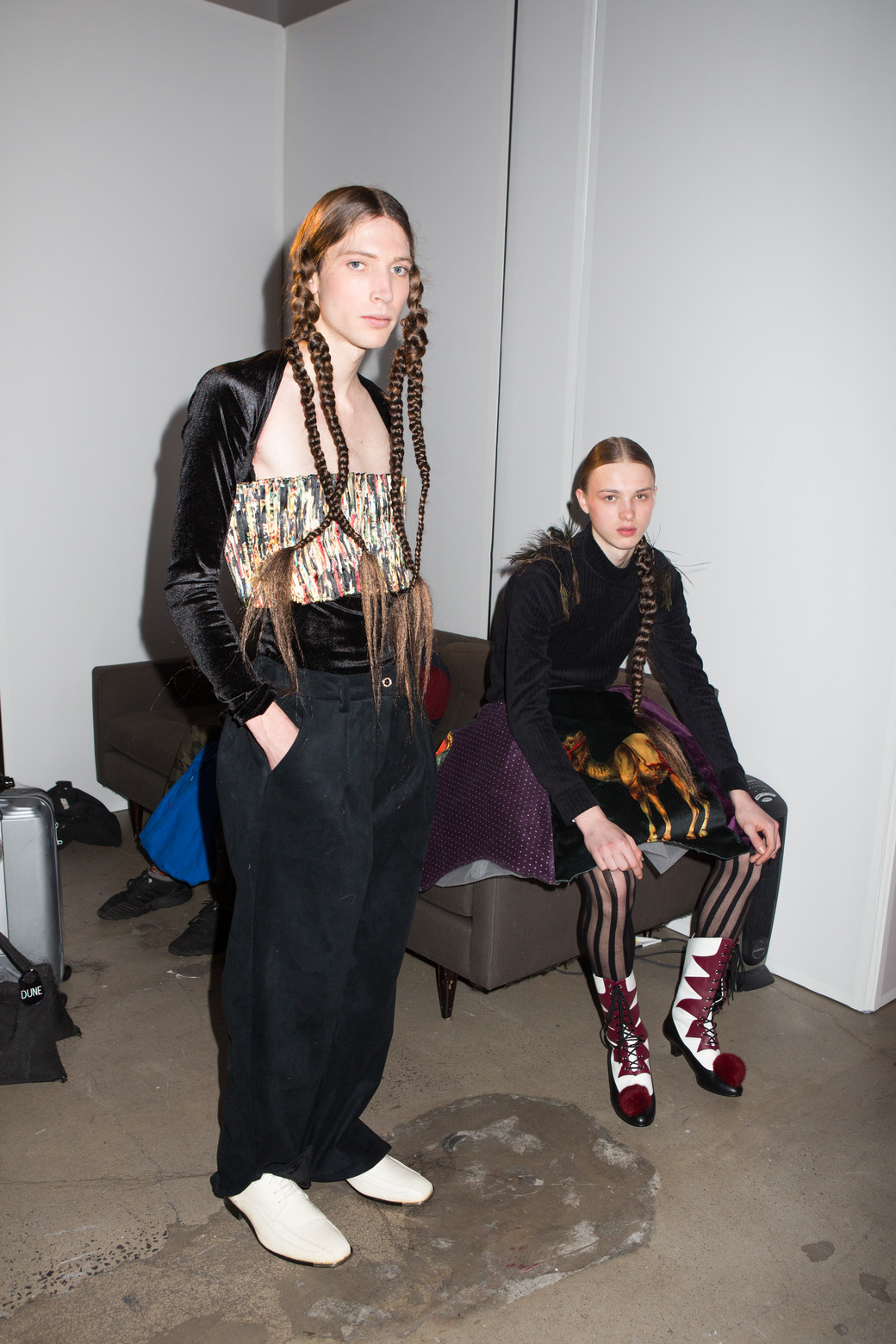
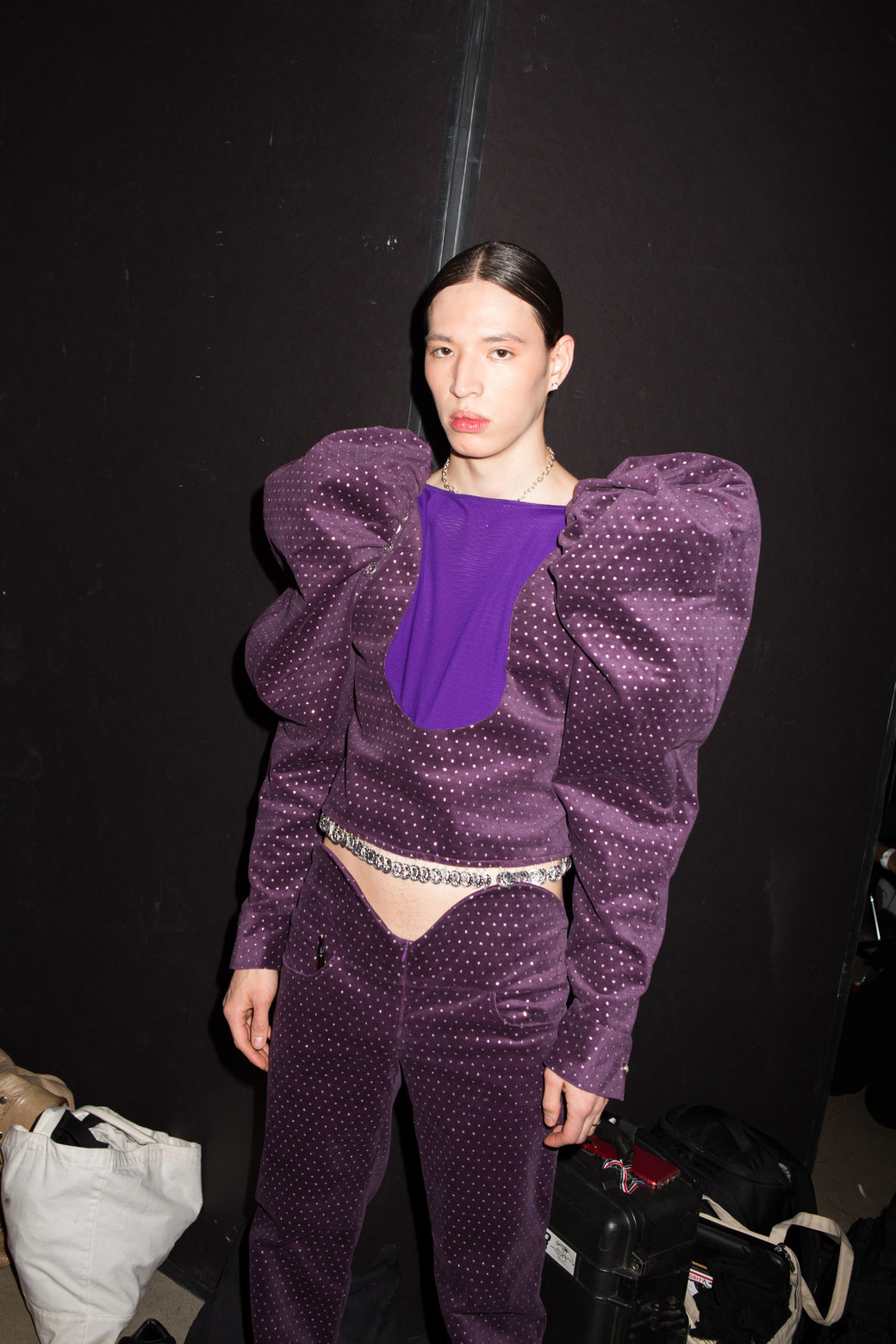


Oh and the peacock feathered suit was killer. See it, and our other favorite looks from backstage at the presentation, below.
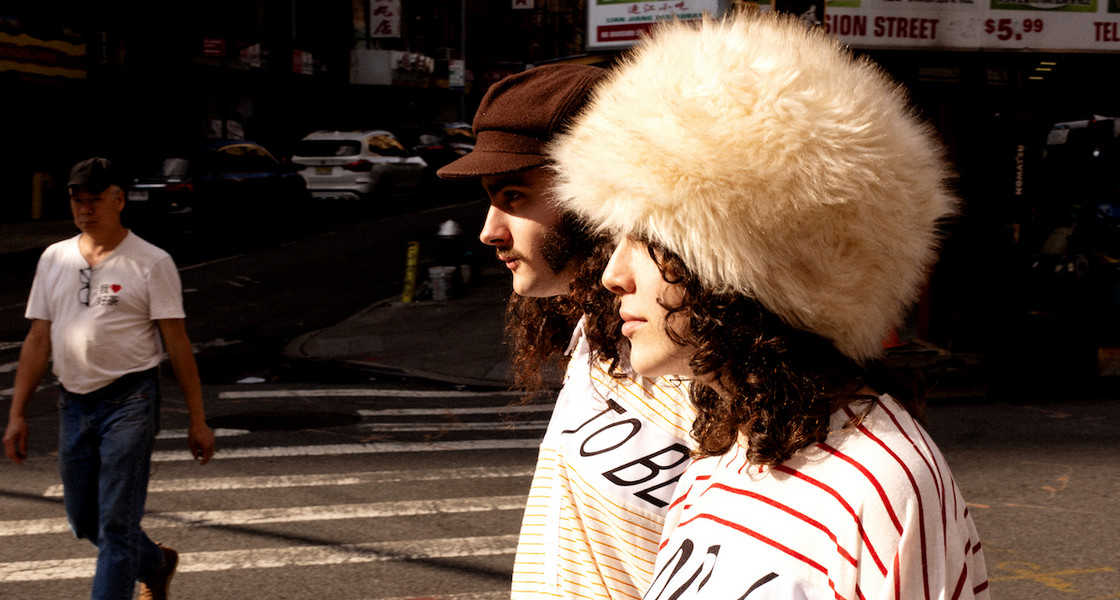
When fashion designer Mohamed Khattabi contemplated starting his own brand, these were some of the questions he asked himself. Used to seeing beautiful, exciting—new—things all the time on social media, he yearned for more than just mere replication. “How could what I make help people?” he asked. “How could I start a brand and maintain the motivation to go on and keep doing it with all that is present out there?”
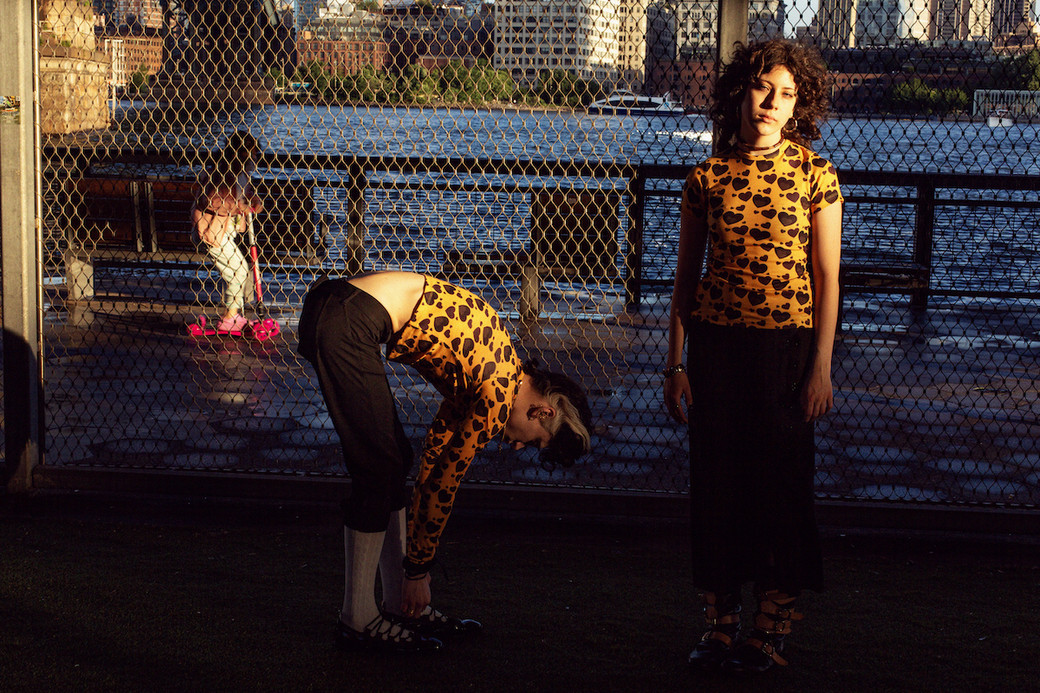
Born in Tetouan Morocco—a small town next to Tangiers—Mohamed’s ten year sojourn in Paris has granted him a nuanced perspective on the shifting interplay of cultures, particularly in centralized hubs, like Paris, New York, or London. These crucibles are where immigrants balance what they know with what they learn, where countercultures emerge to antagonize established norms.
For years, Mohamed grappled with the question of migration and displacement, deciding how to best depict this through clothes and visuals. One day while browsing through the archive at the Fondazione Prada in Milan, he discovered Kurt Cobain’s rag-tag journal of song notes with the words “Reward if Found” scrawled across the front cover. To him, it was a fated discovery; he already planned to include Rif in the name of whatever project he started – after the mountains in Morocco where the country’s independence was forged – so naturally, Reward if Found fit seamlessly.
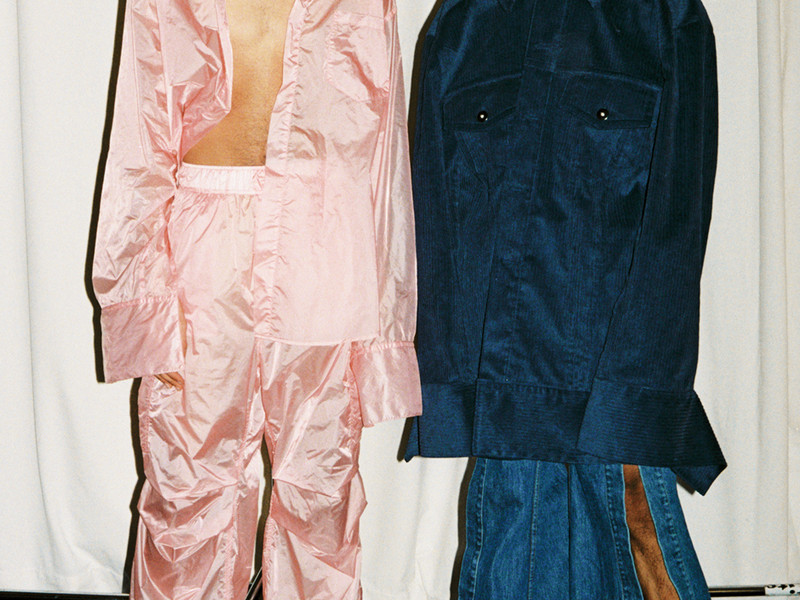
The brand, founded in 2020, is both self-actualization and transgression from the norm; a punk spirit imbues both its designs and its social advocacy. There are bubble tees with phrases like ‘end discrimination before it ends you,’ ‘down with this sort of thing’ and ‘who will?’; striped long-sleeve tops and camo iterations with ‘sex is good but have you tried fucking the system’ across them; more conceptualized garments like tartan bubble skirts, gelato fringe sweatshirts, moppy zip ups, and mermaid denim skirts.
Mohamed even partners with organizations like Famille Au Grand Coeur which welcomes, supports, and finds host families for LGBTQ+ individuals, asylum seekers, and refugees. He creates all of his patterns digitally, uses deadstock materials, and intentionally weaves a thread from one collection to the next. RiF is almost an homage to the world of fantasy of pioneers like Vivienne Westwood and Jeal Paul Gaultier and yet as contemporary as tried-and-true New York fairytales Vaquera and Eckhaus Latta. RiF transcends temporality, establishing a general feeling of belonging through interwoven cultural moments.

When Faisal reached out with the idea to bring Mohamed's creations to life with friend and photographer Marc Ludwigsen, we were all for it. The South Asian-French New Yorker, stylist and creative's project cements RiF in the downtown scene with a pictoral narrative that embodies the punk DIY spirit of the brand.
Faisal's cast, made up of friends that inspire him, is a window into the niche community that inhabits the lower part of Manhattan. In Faisal’s words, “the entire cast is true to their core, espousing and paying homage to various moments from the past, be they punk, New Romantic, indie eras, in line with the brand's ethos of disruption and migration. When we thought about the project and how and with whom we could shoot it, we didn't even really think about punk or music or transgression, it just sort of came together naturally.”
Sabina Sas, who introduced Faisal to the Tompkins, LES, and Chinatown music scenes – as committed as he to “reliving different eras, to camping the visuals of Nancy Spungen one day and Stevie Nicks the next.”
Charles “Bobo” Therese, a born-and-raised New Yorker who lives down the block from Faisal, and “inhabits today’s music scene so profoundly, with a strong nod to 70s visuals, like someone out of Rolling Stone profile from yesteryear.”
Rob Yaegar, a proud sex worker, writer and New Yorker who believes in his “ethical commitment to serving others, creativity, meditation and compassion, all while living outside convention.”
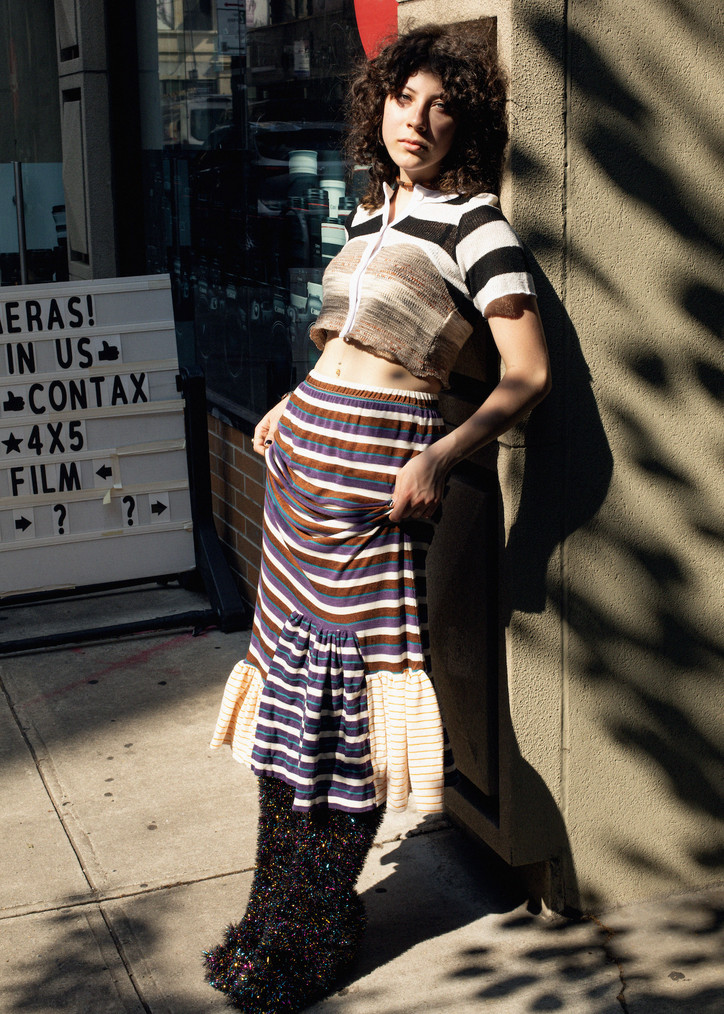
Sabina Sas
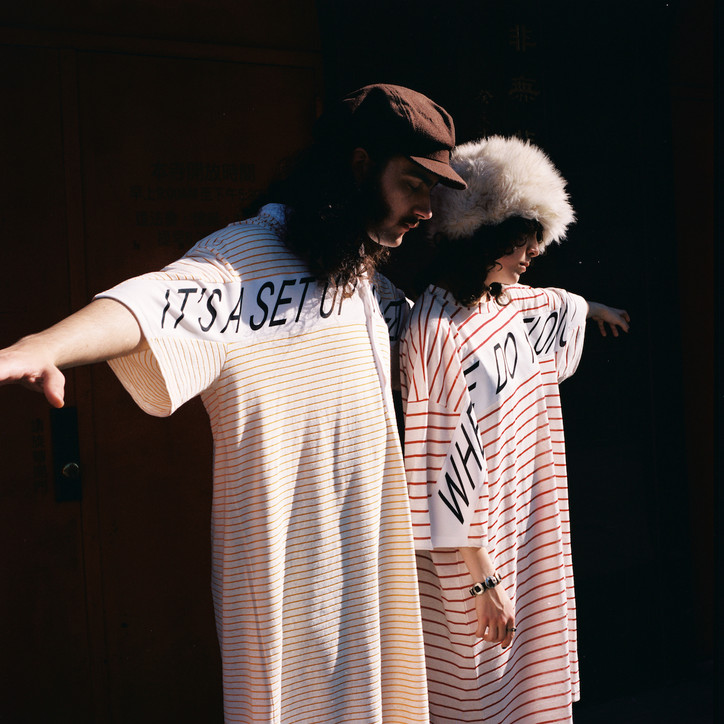
Charles "Bobo" Therese, Sabina Sas
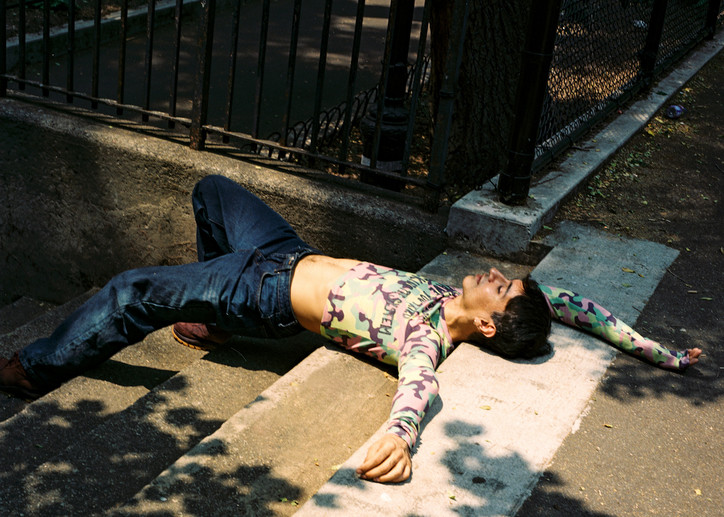
Faisal Hasan
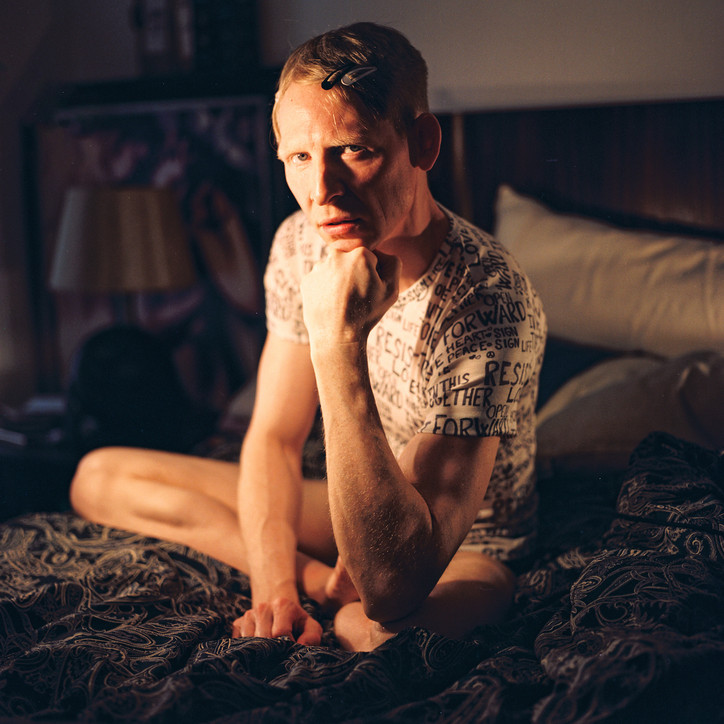
Rob Yaegar
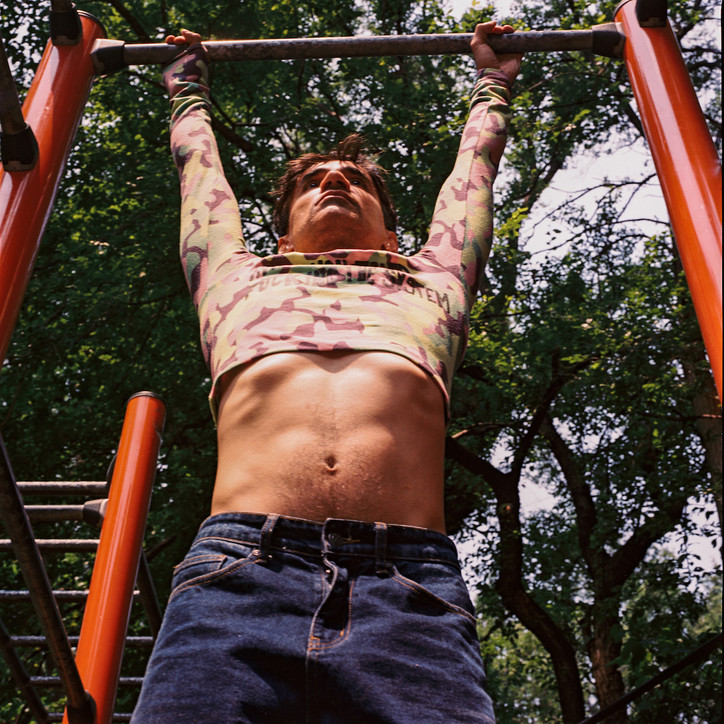
Faisal Hasan
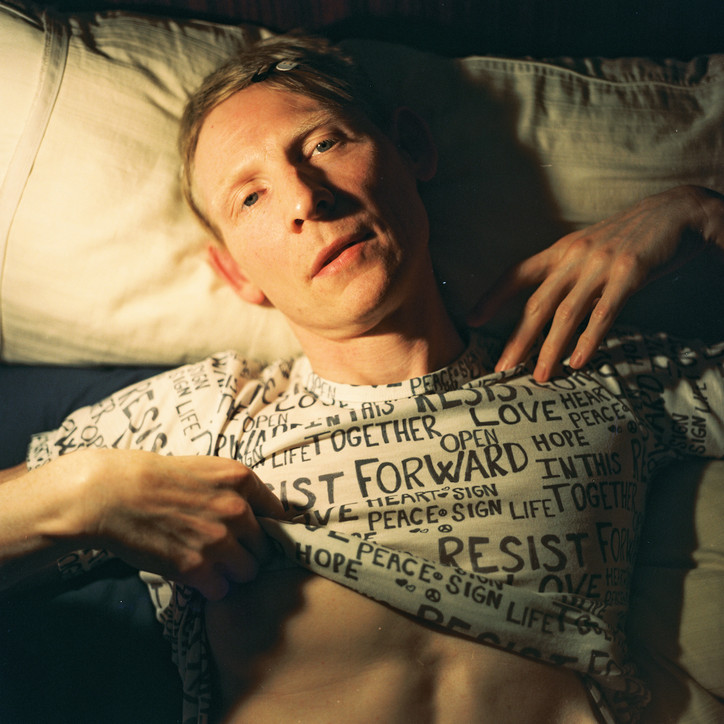
Rob Yaegar

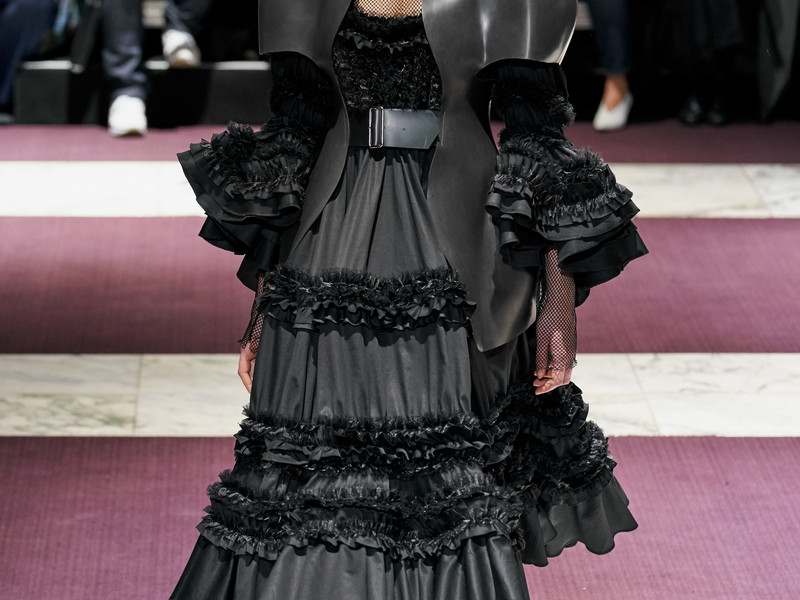
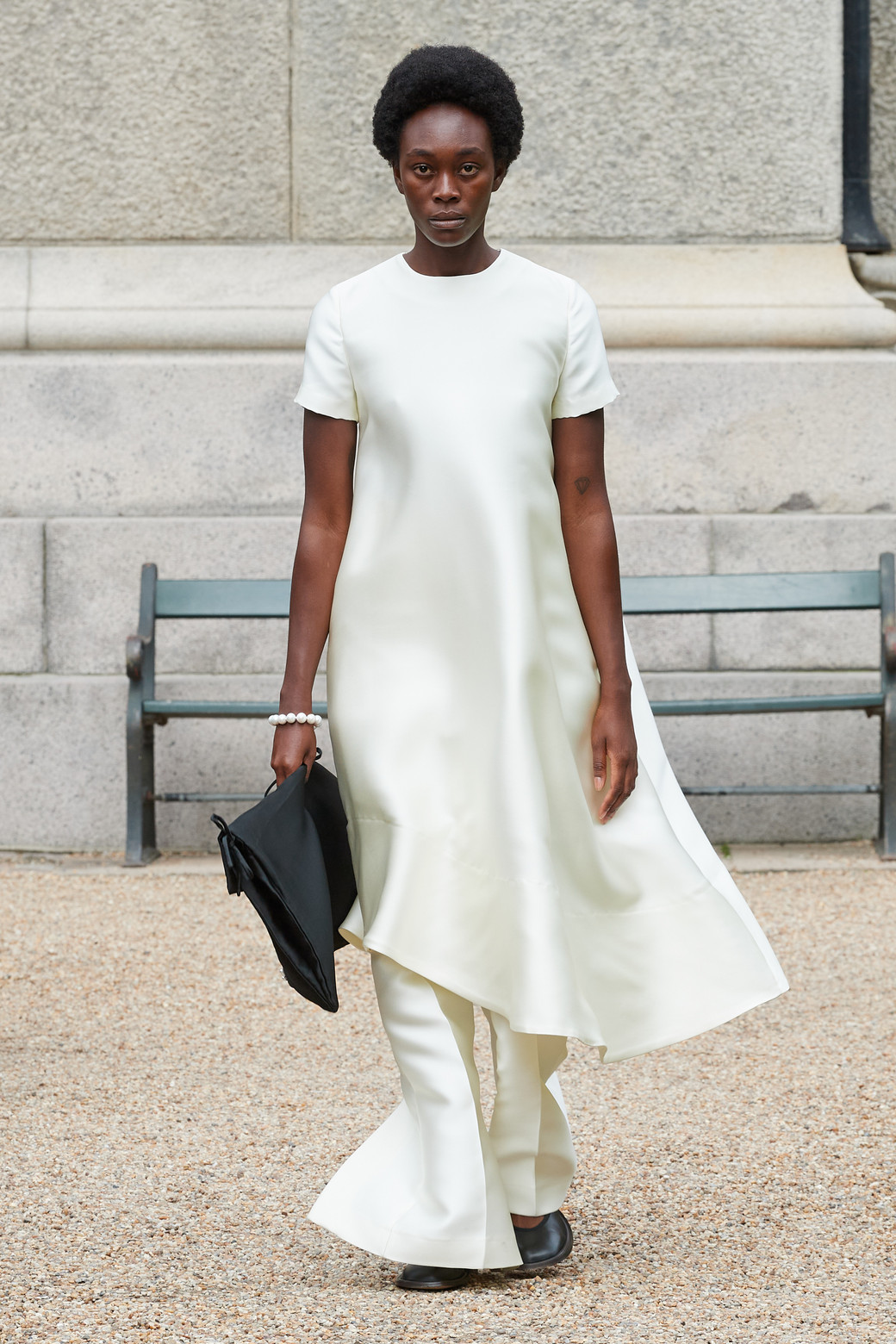
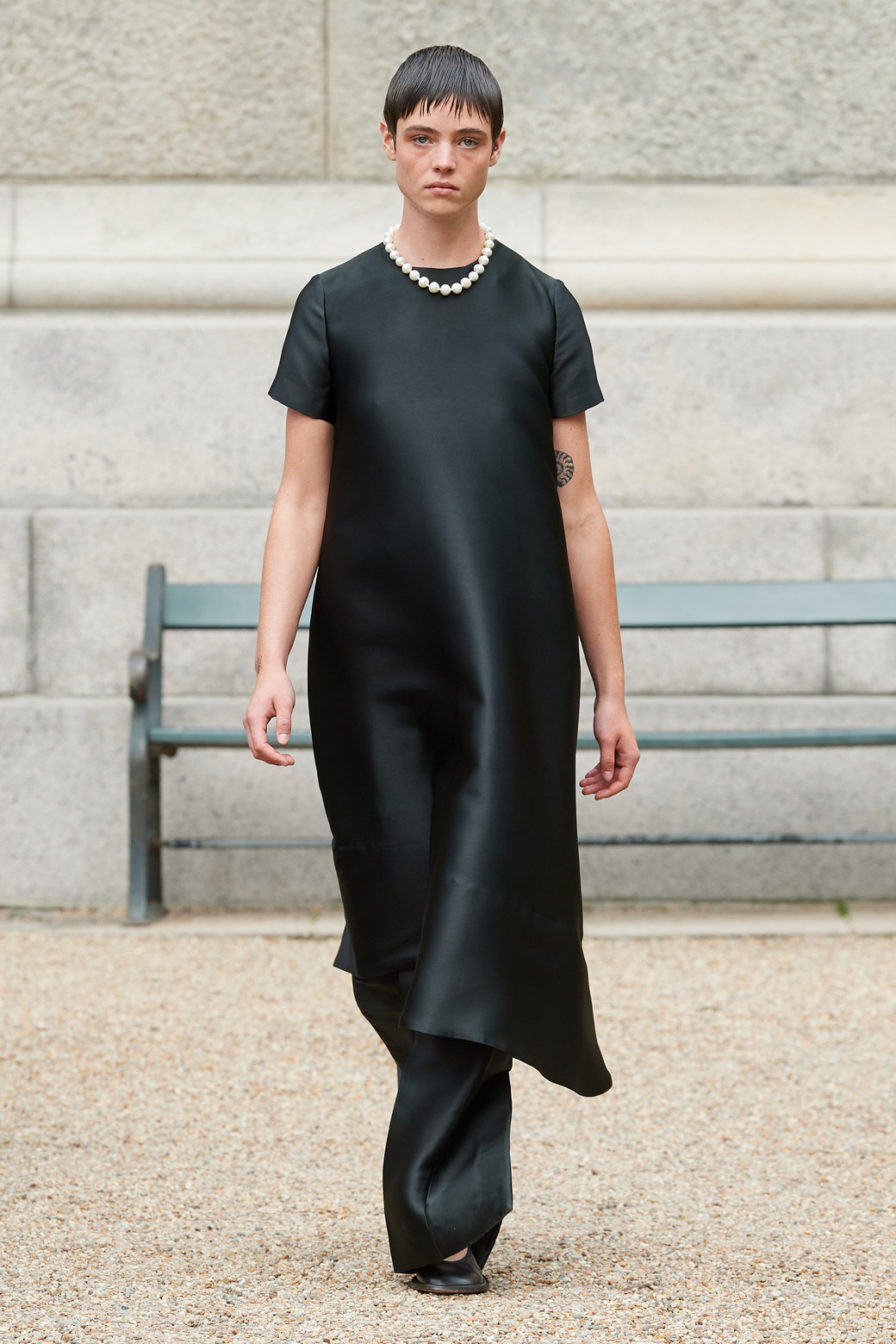
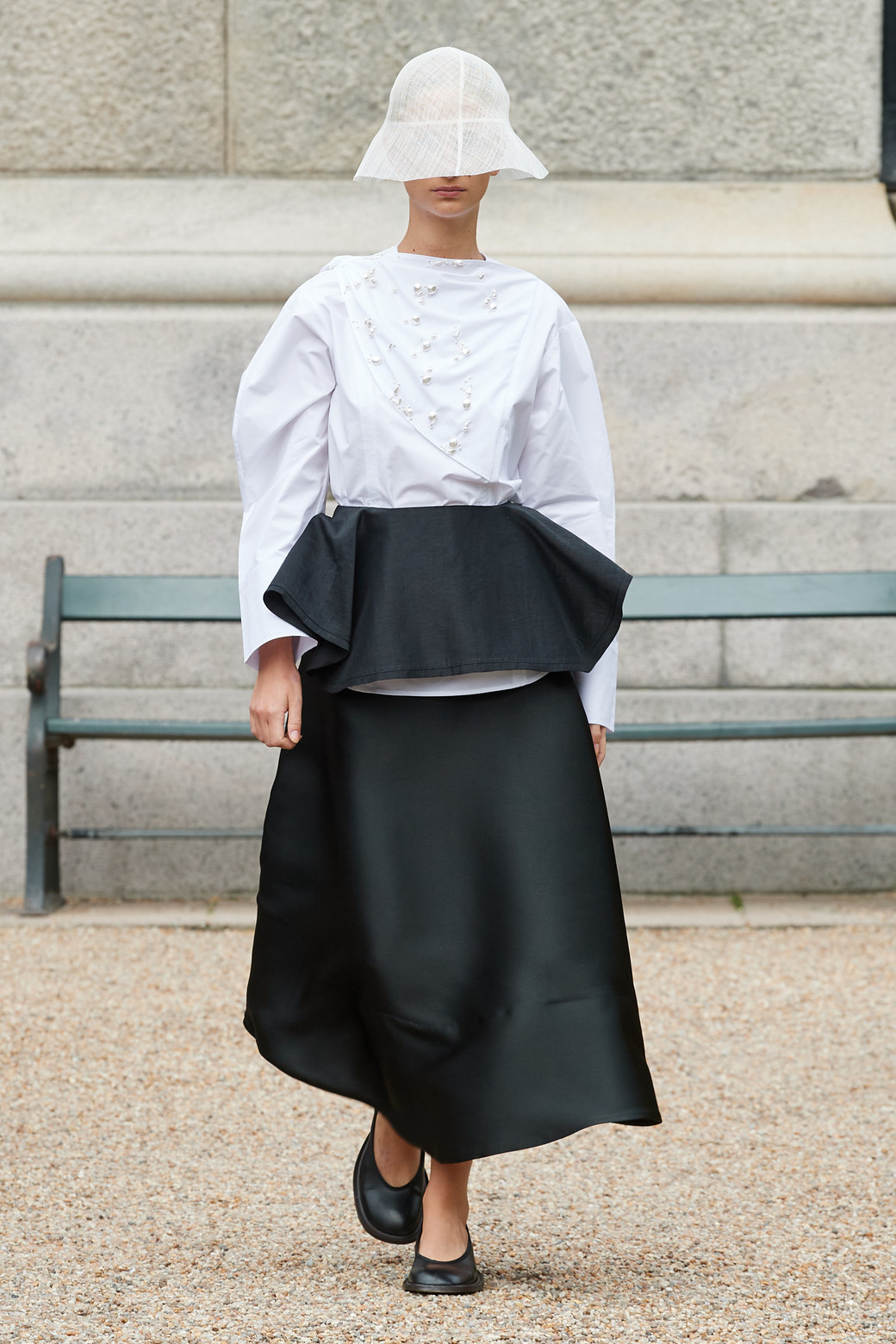
This collection was also marked by its greater focus on artisanship and beading, many of them, like the terrific pearls, culling inspiration from Korean diving women, known as the Haenyeo, which literally refers to ocean women. “For generations these women have dived off the southern coast of South Korea without oxygen,” detailed the notes,” explaining that “some of them are up to 90 years old.” And so, this dynamic played out here on the elevation of craftsmanship (this season introduced the brand’s atelier collection), with a soft-meets-tough attitude that was evident in surface embellishments that resembled water droplets trickling across the fabric.
One of the collection’s standouts, a squarely-sized white collar in shades of wick teamed with exquisite embroidery and peplum hemlines, offered a promising hint to a stellar proposal of easy-to-wear elegance that would nicely translate to the world’s sidewalks and beyond. To wit — at a time where designers rely too much on hype and loony experimentation, Mark Kenly Domino Tan is out to prove that ease might be the best resistance.
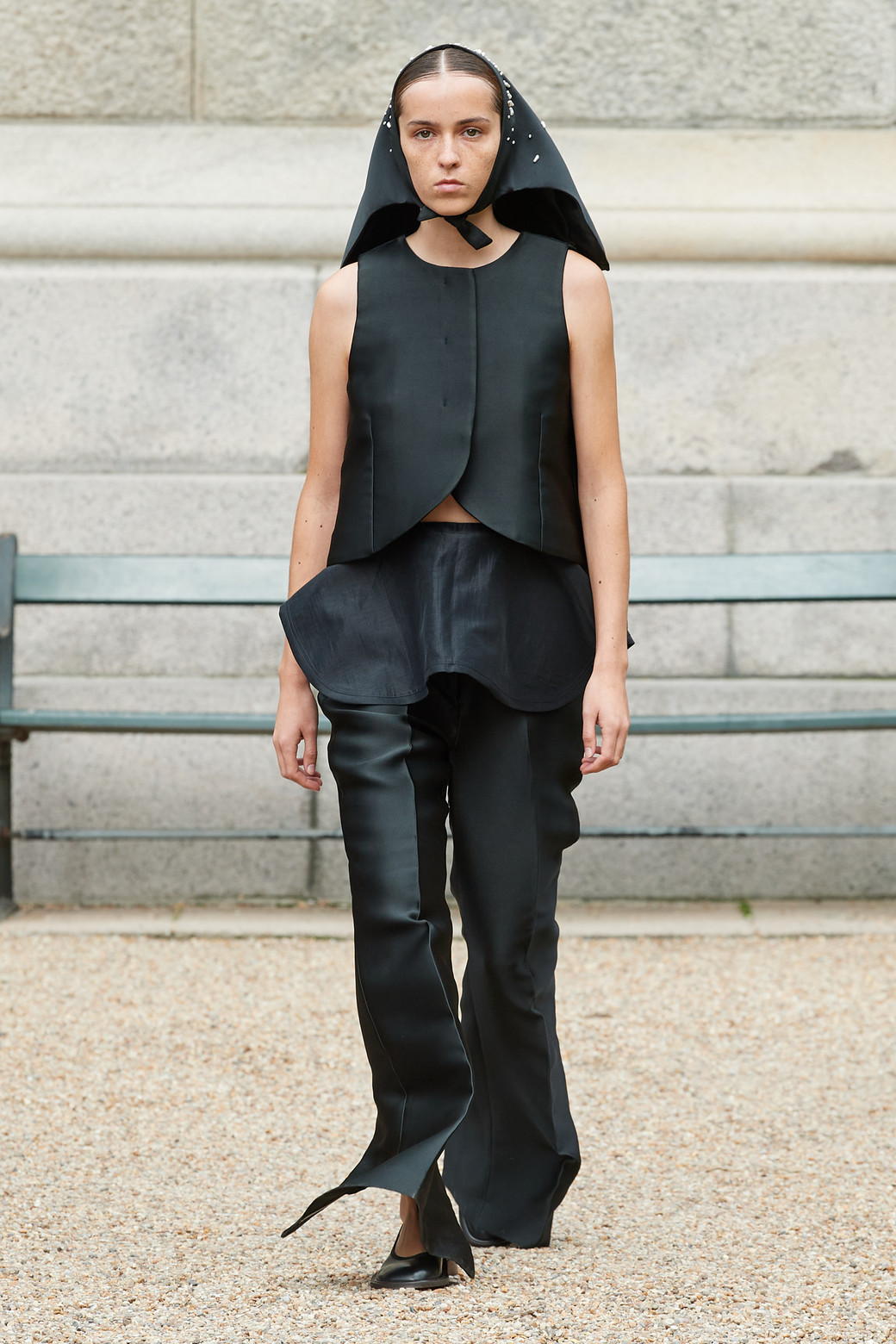
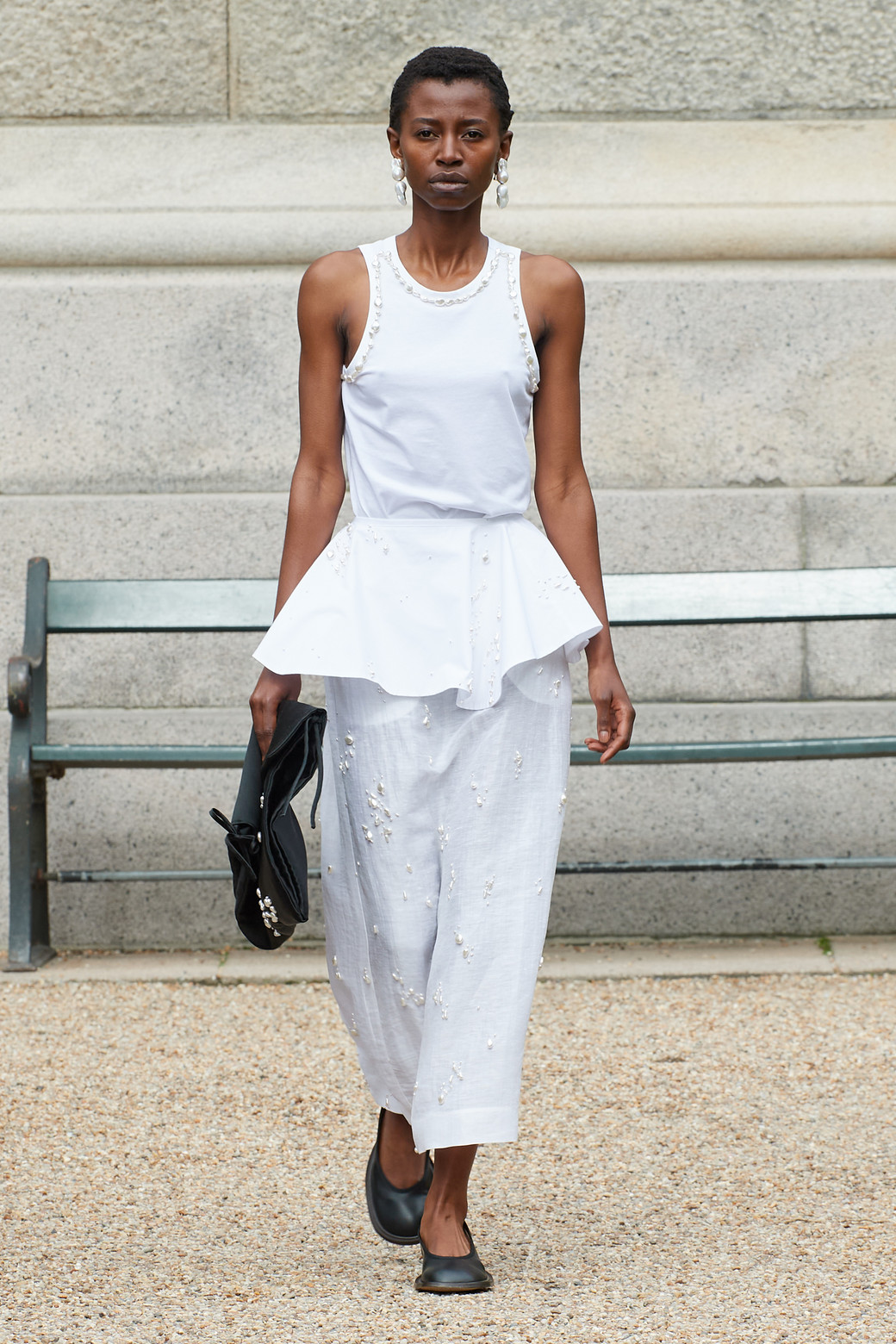
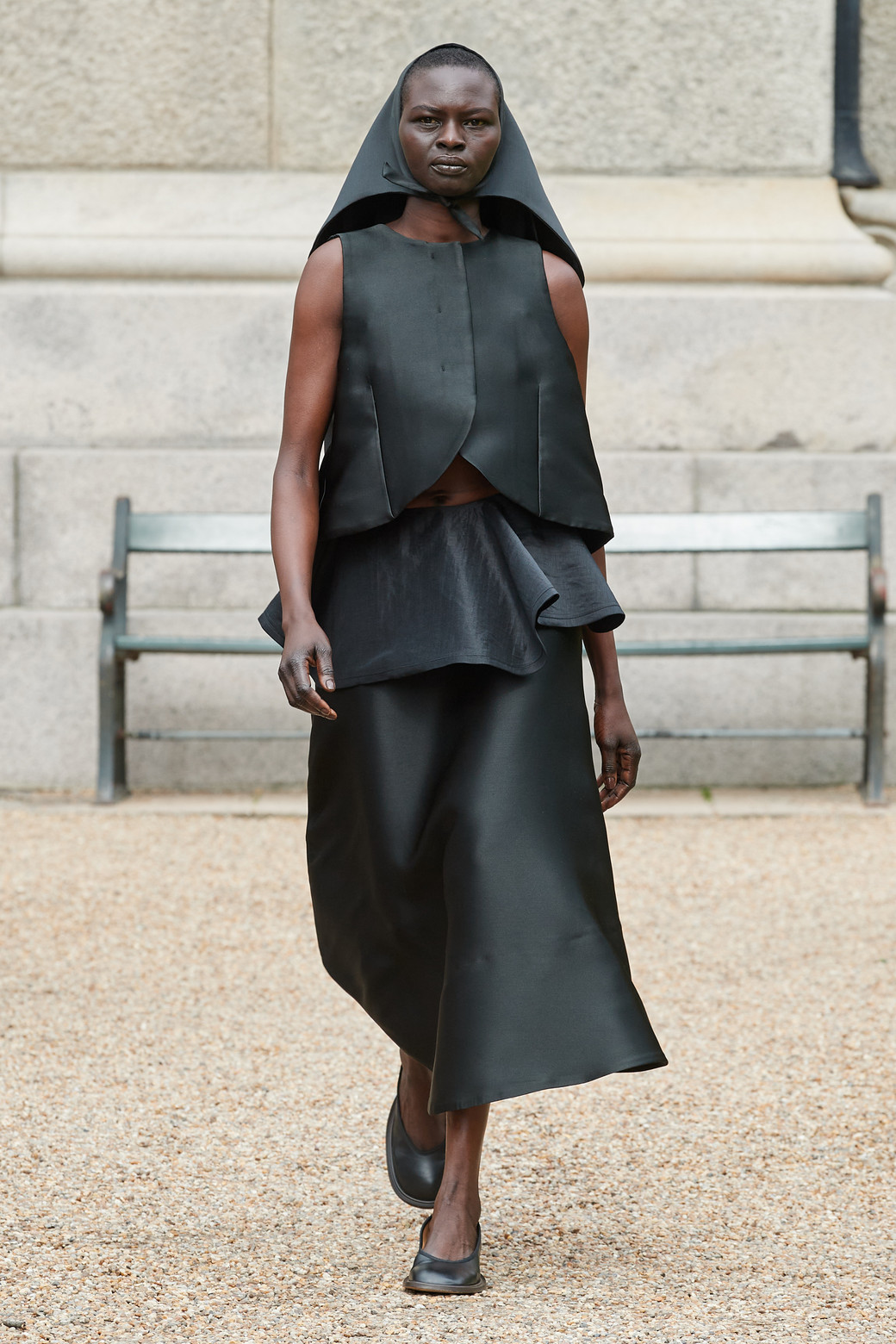
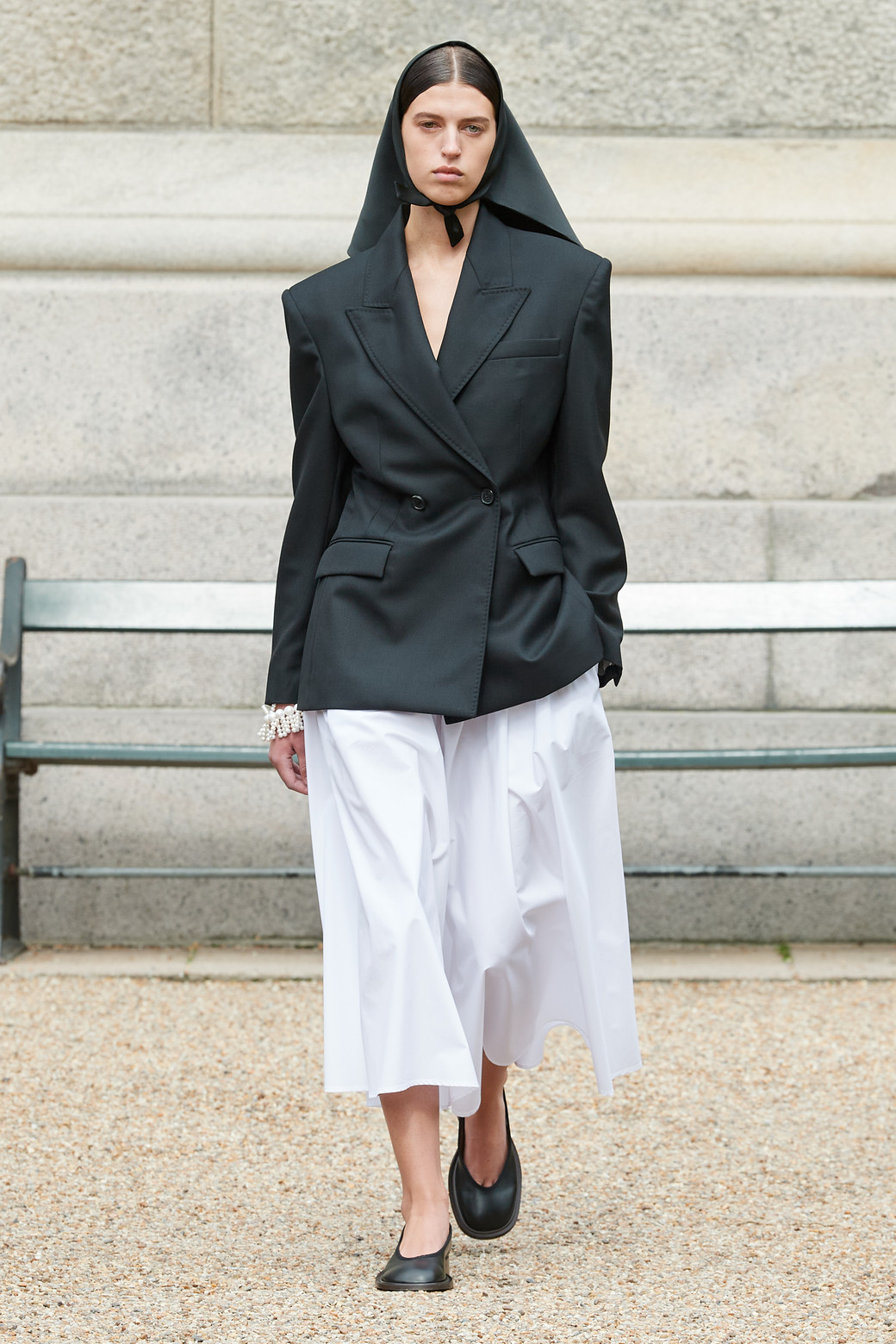
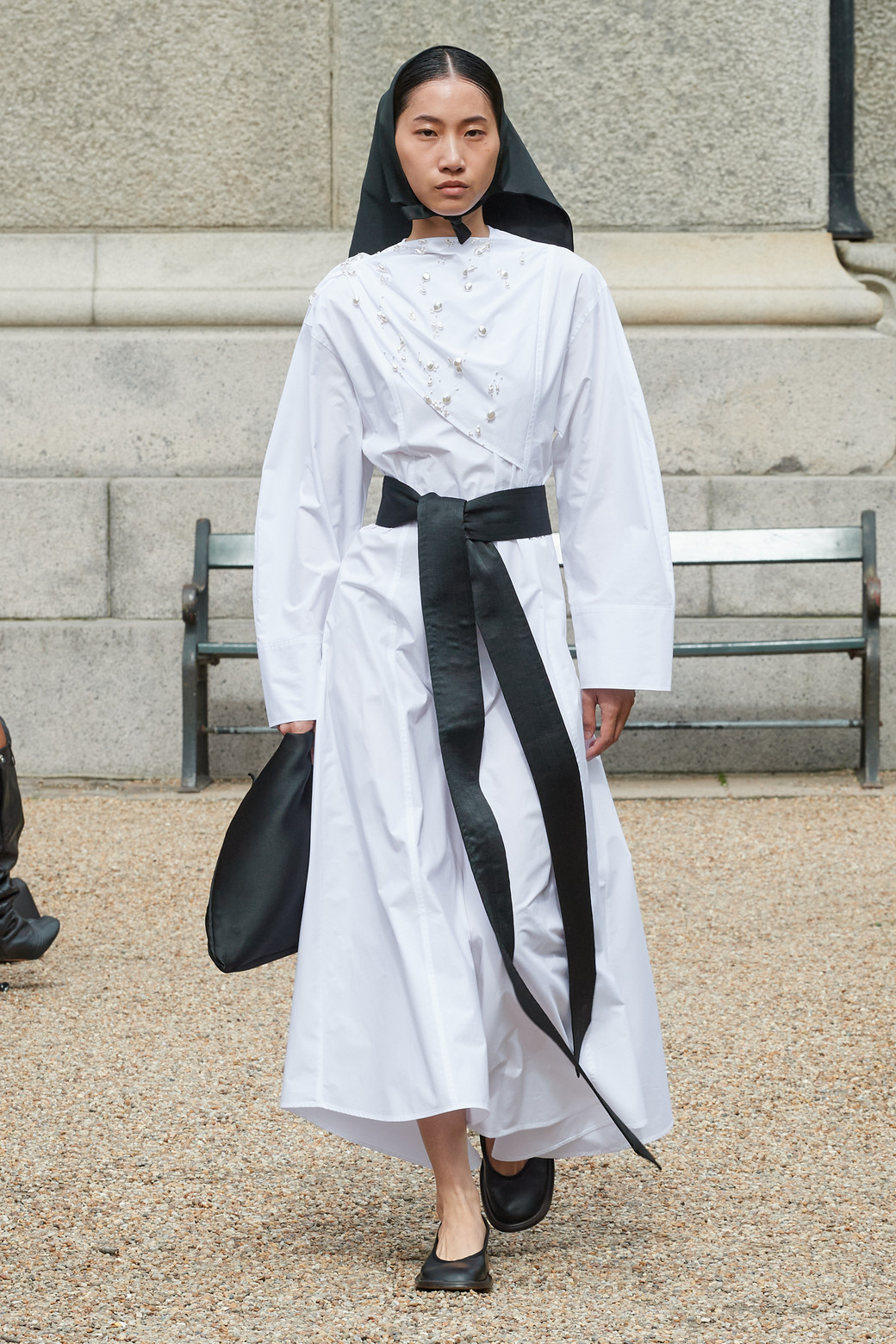
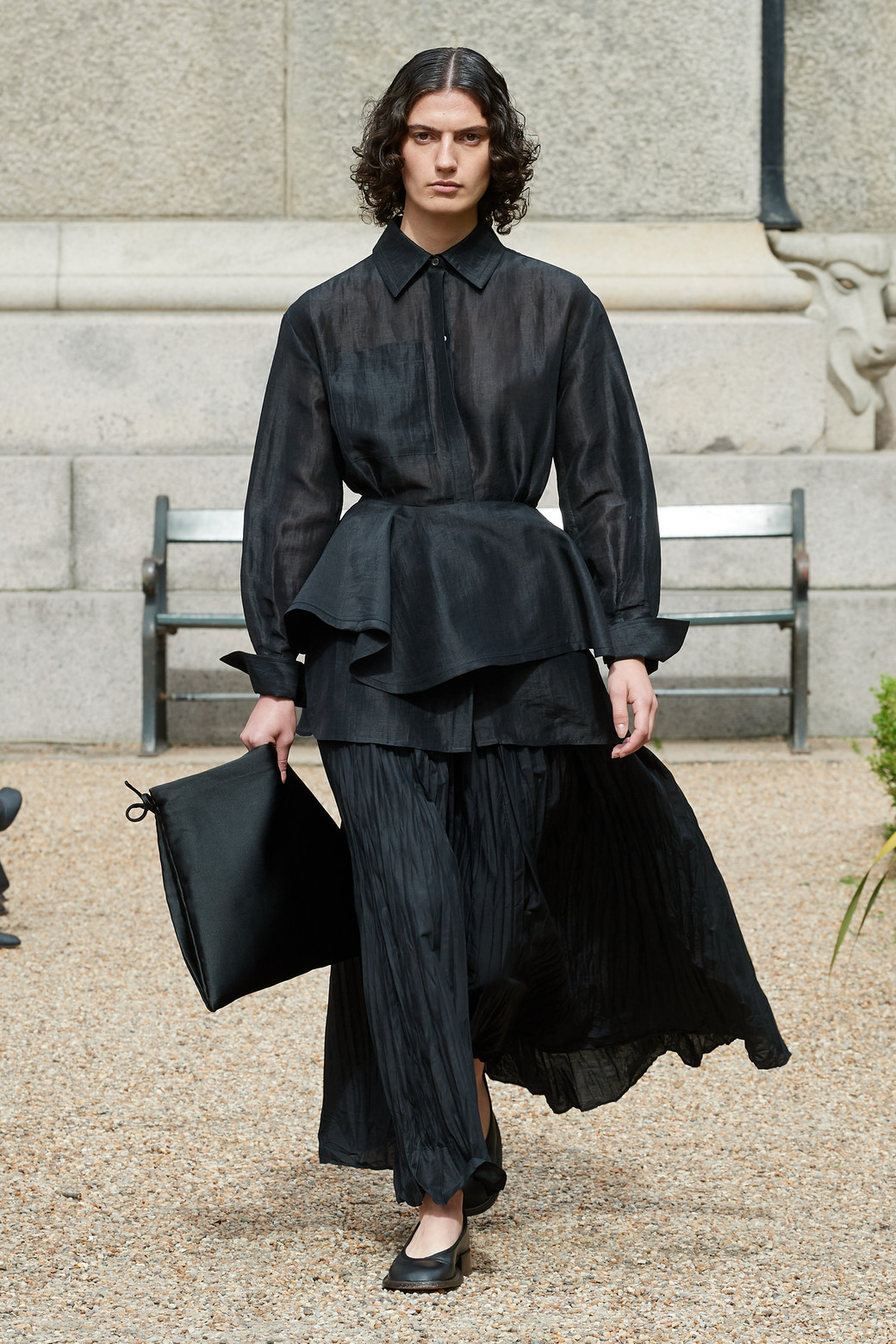
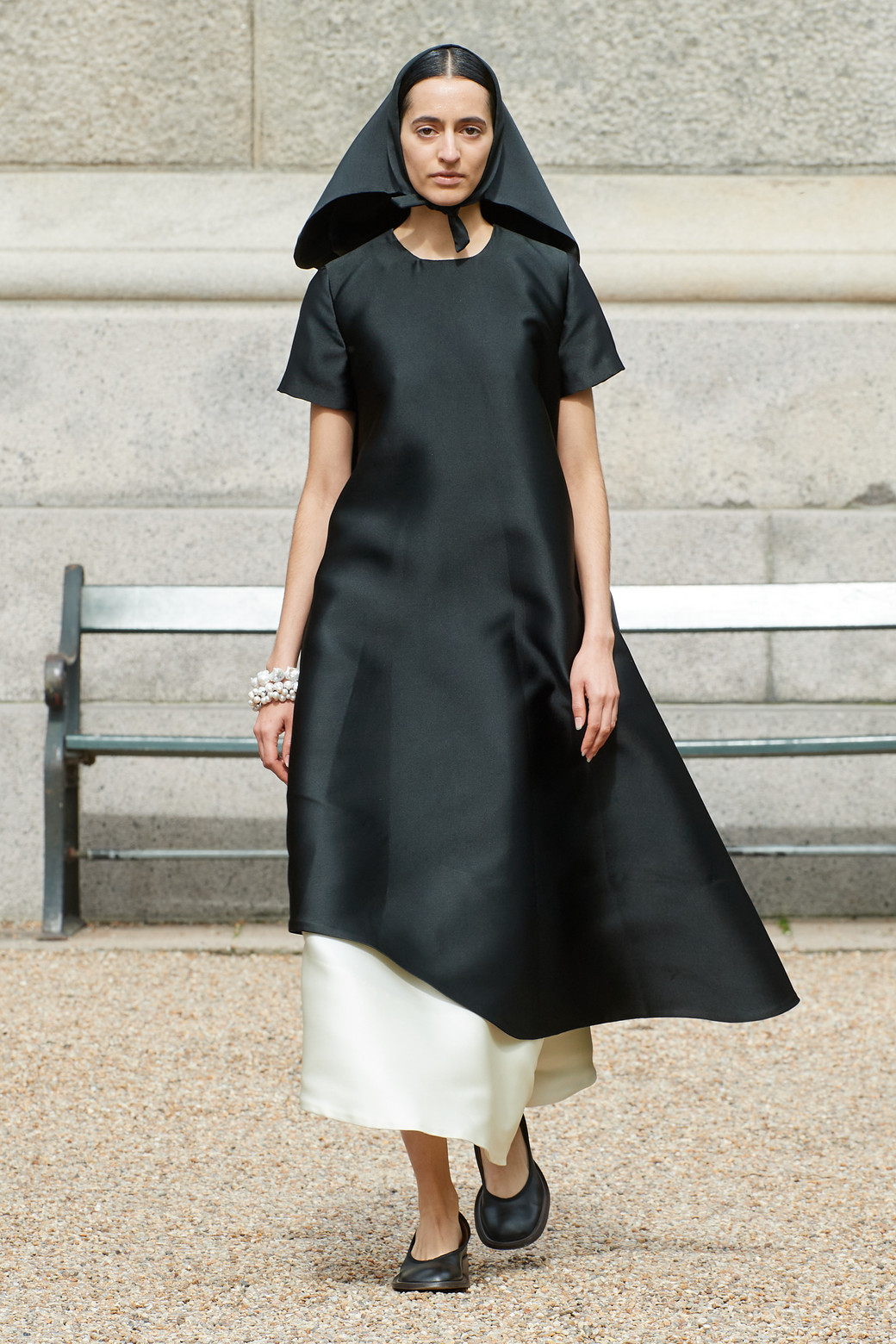
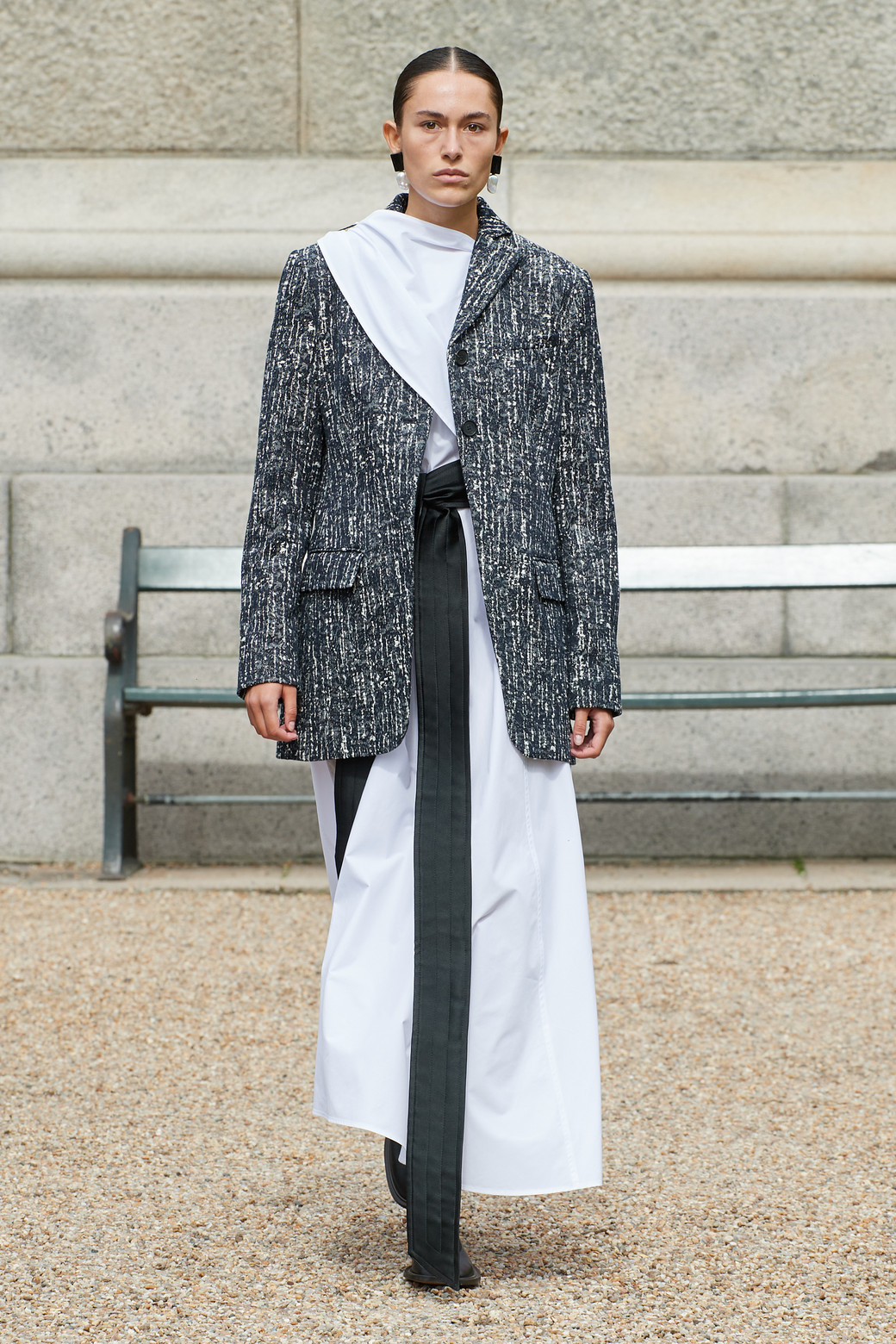
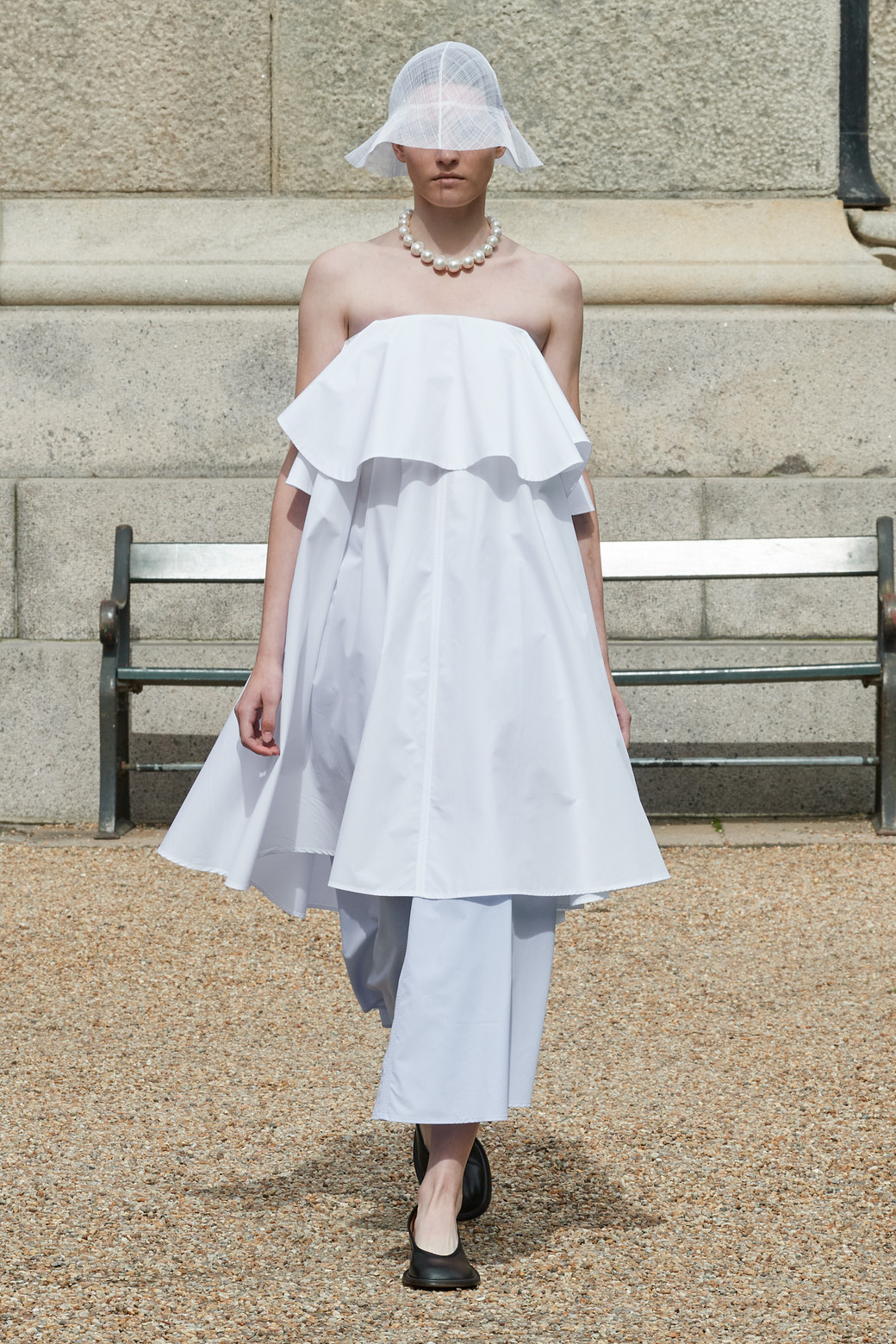
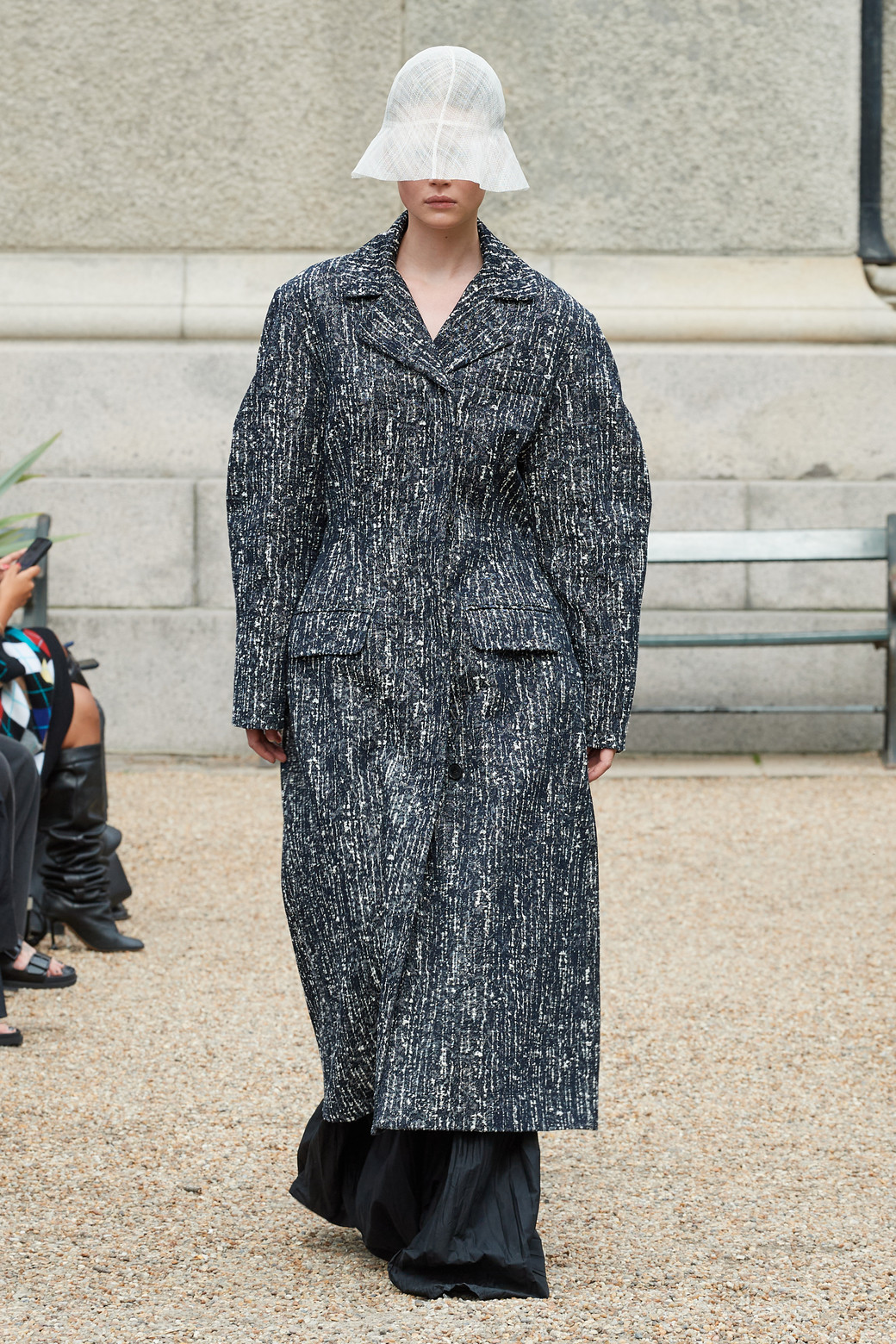
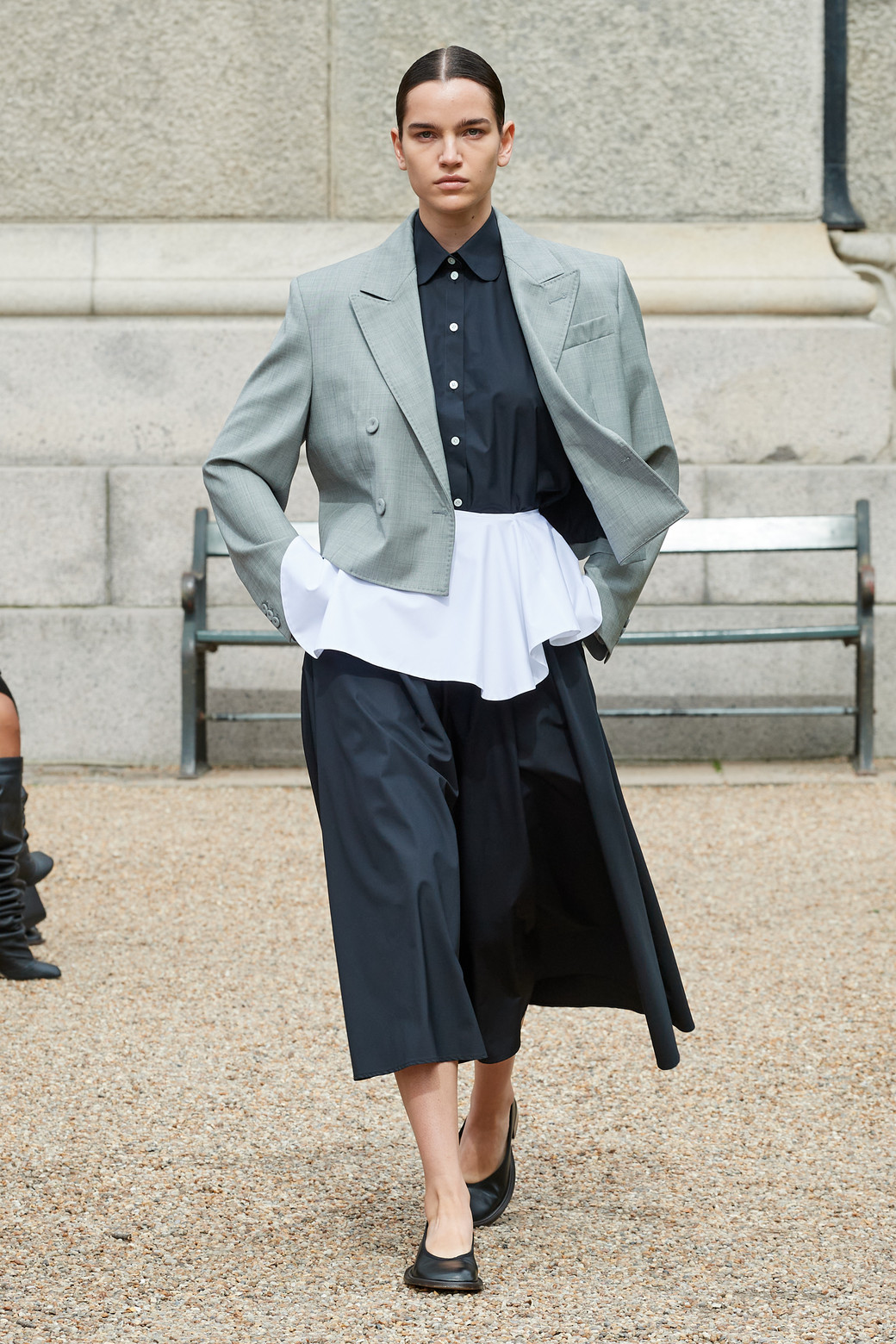
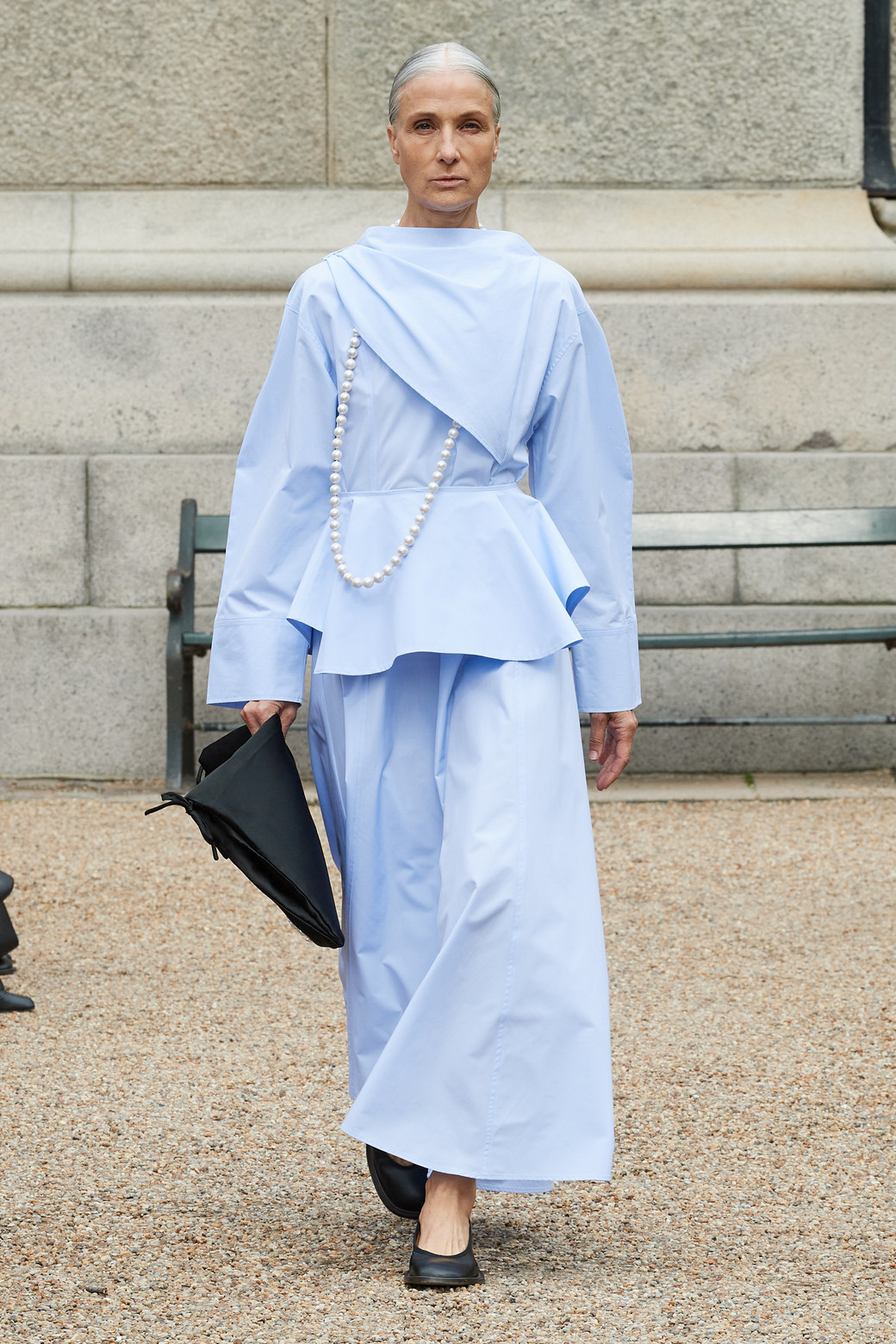
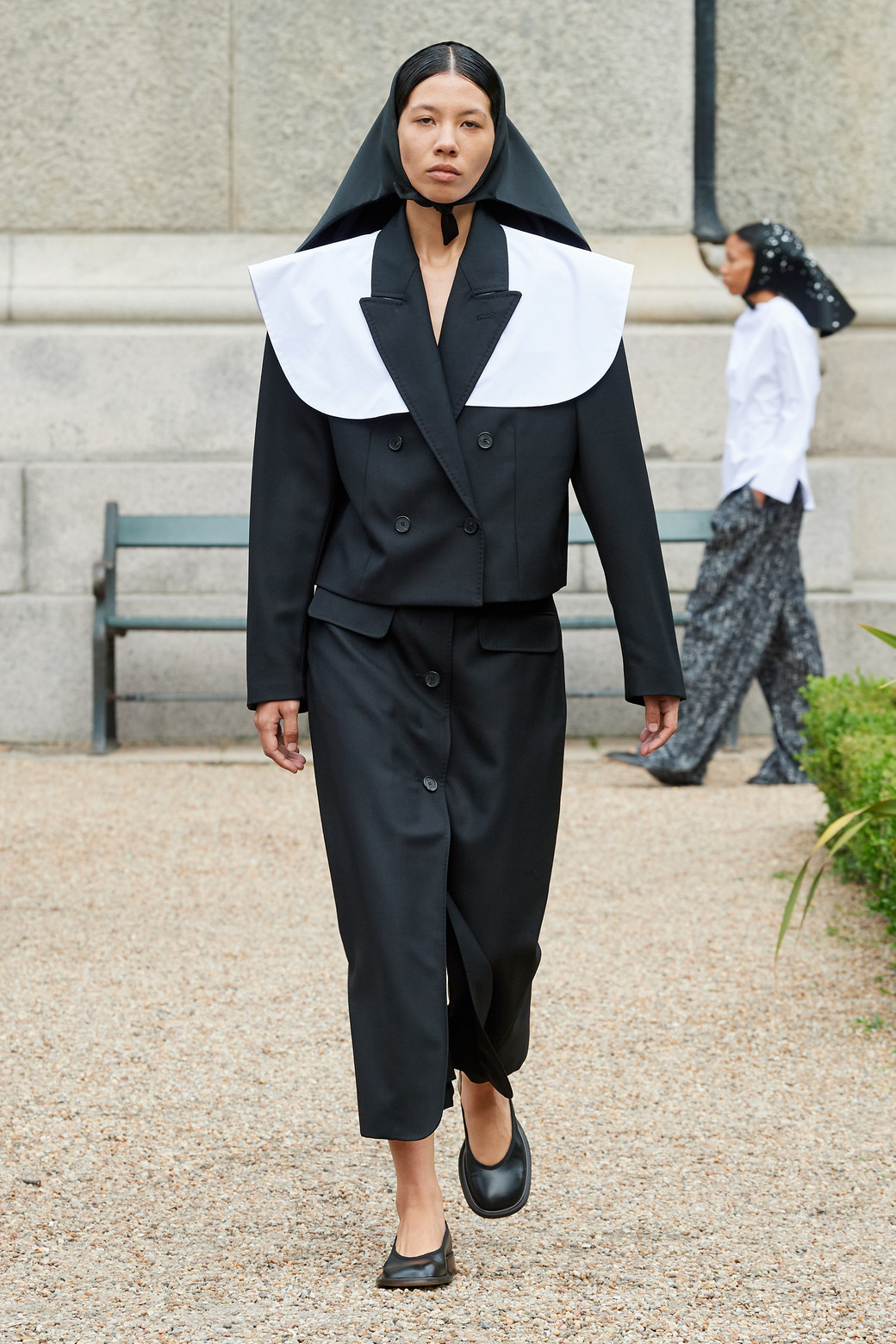
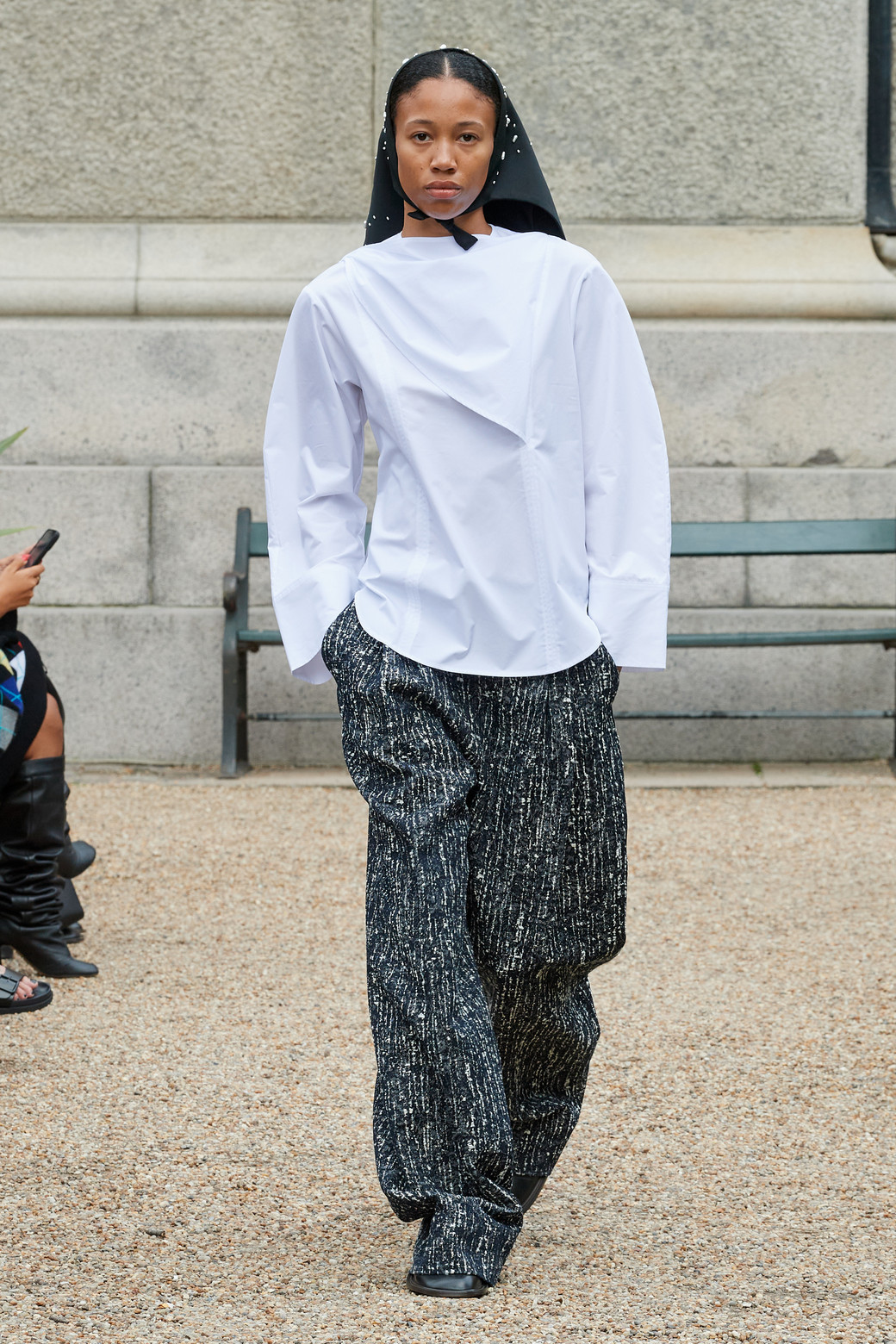
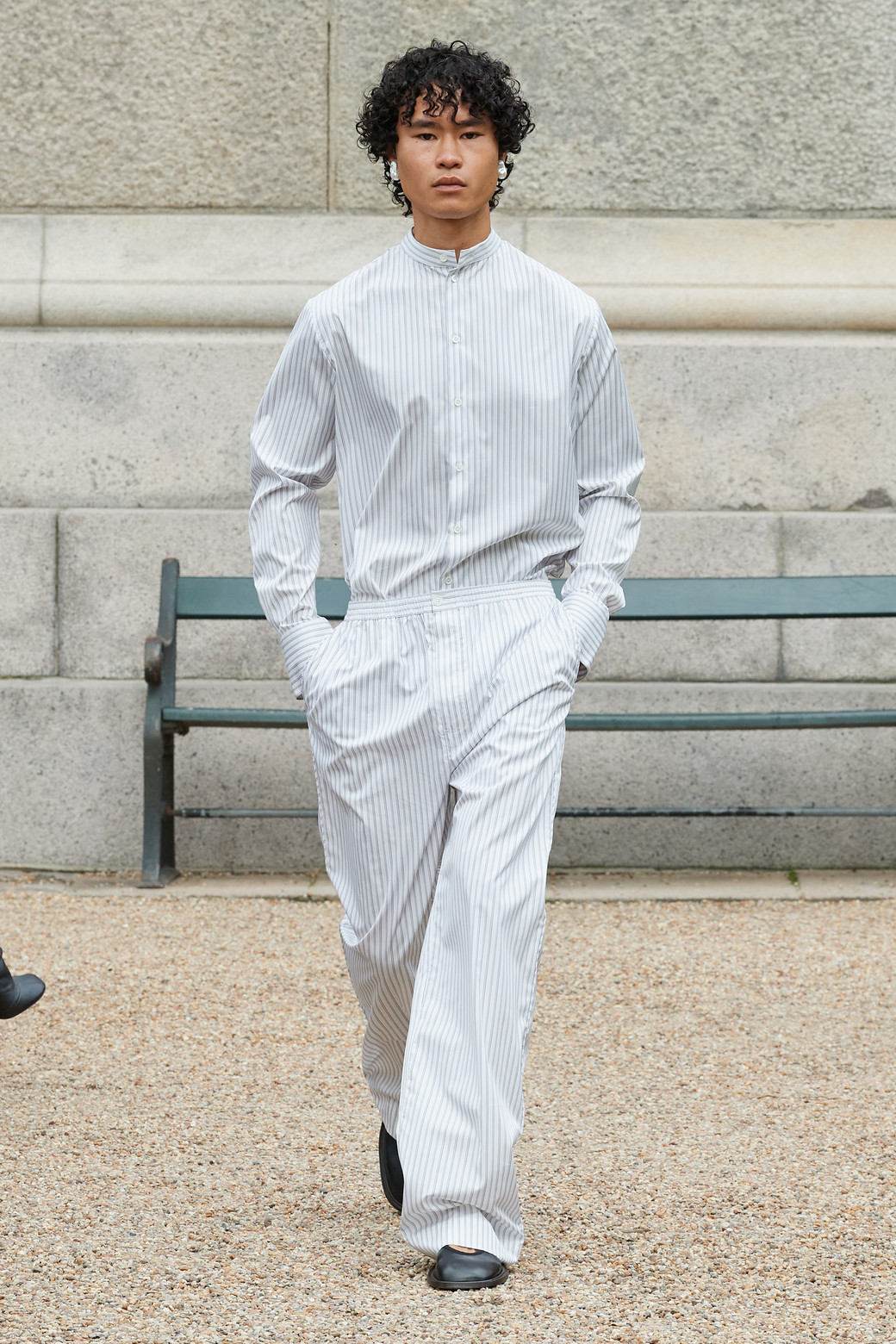
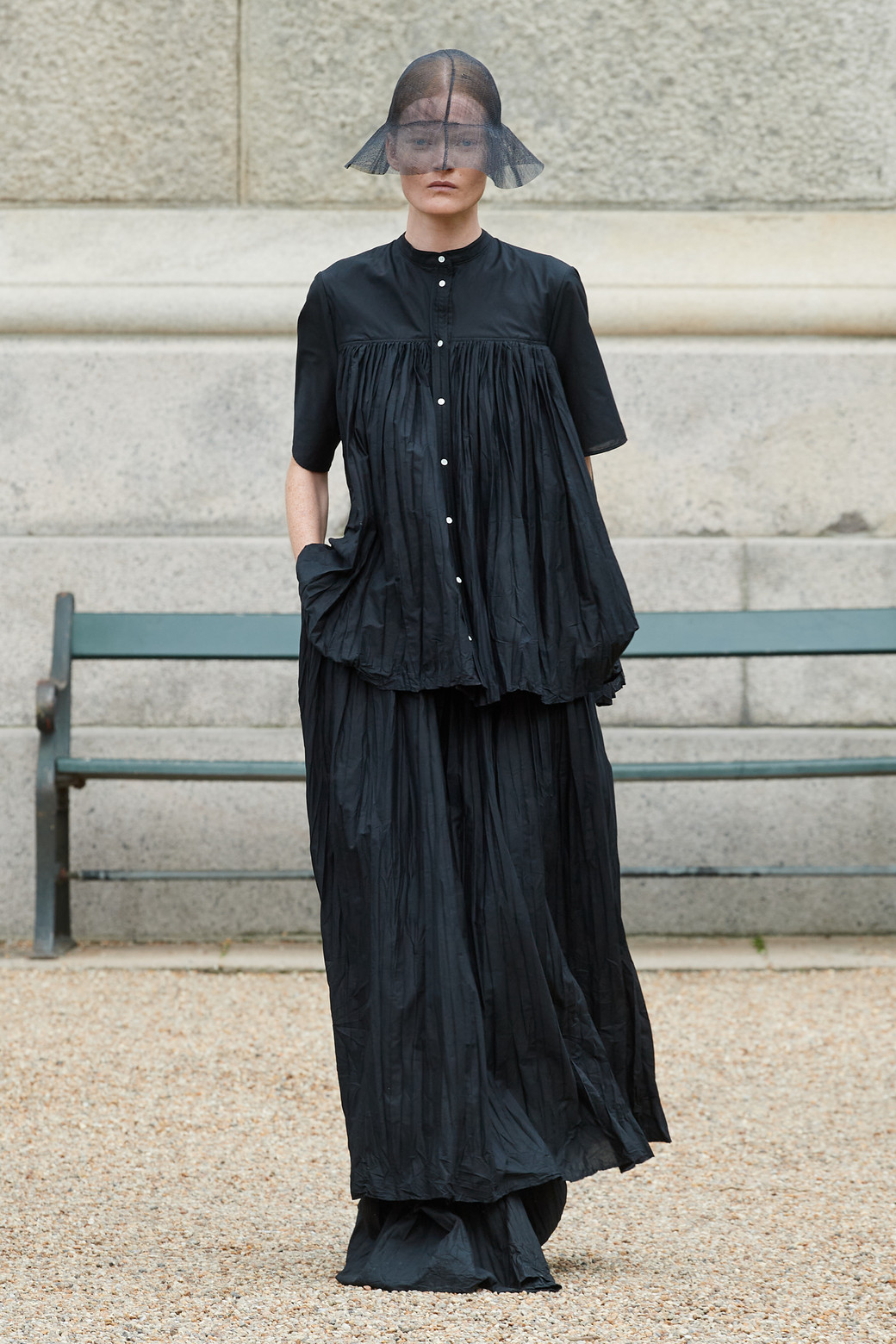
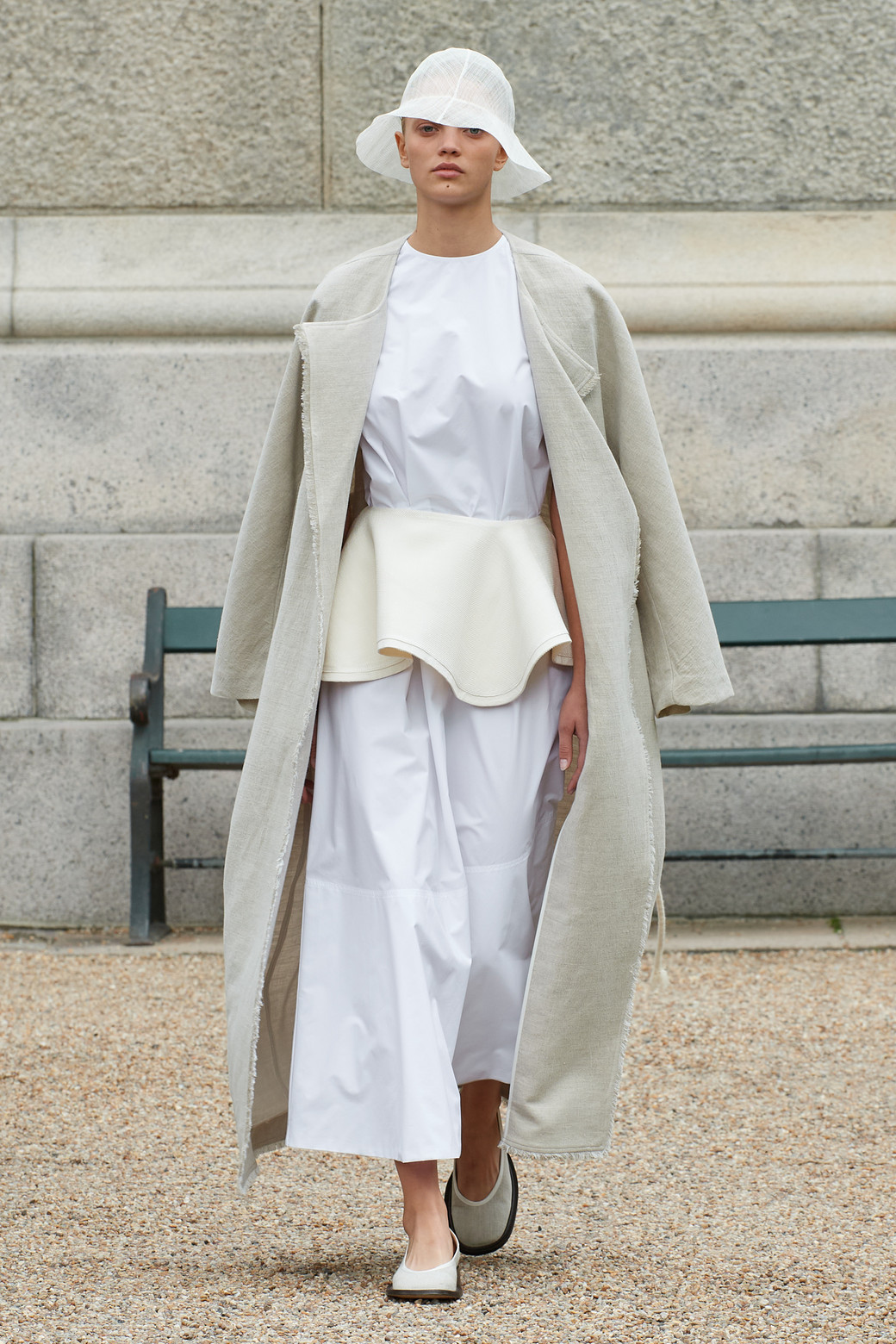
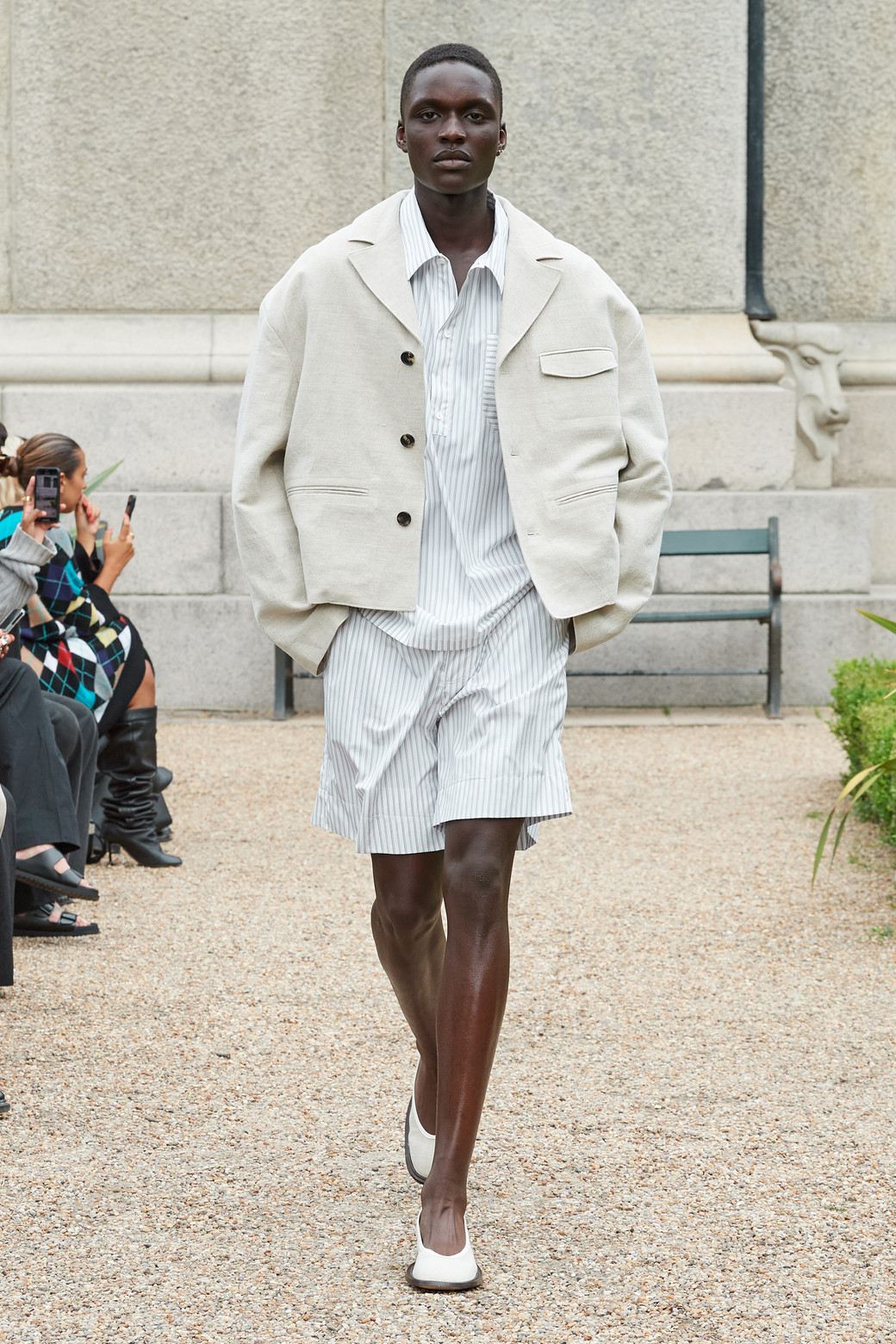
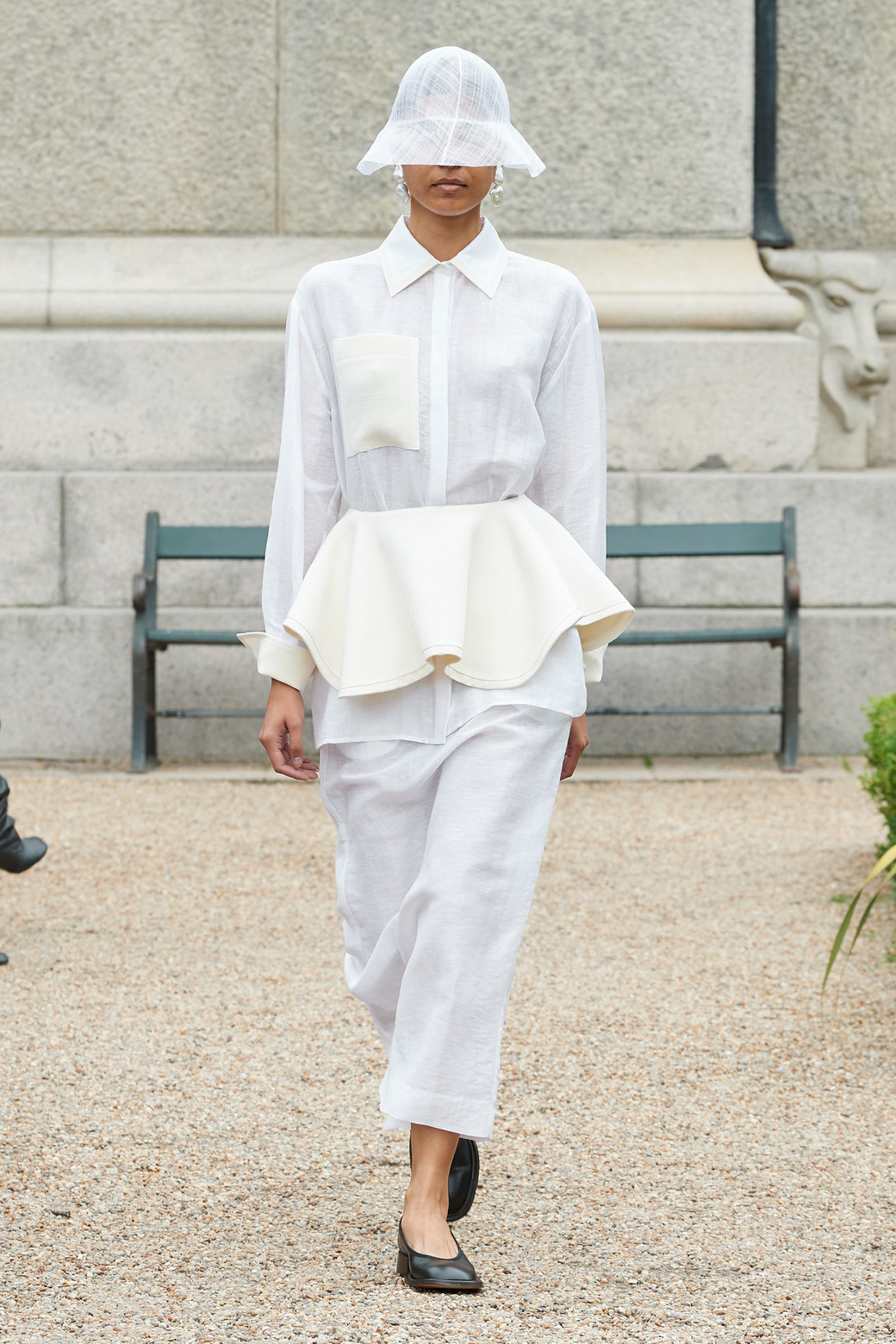
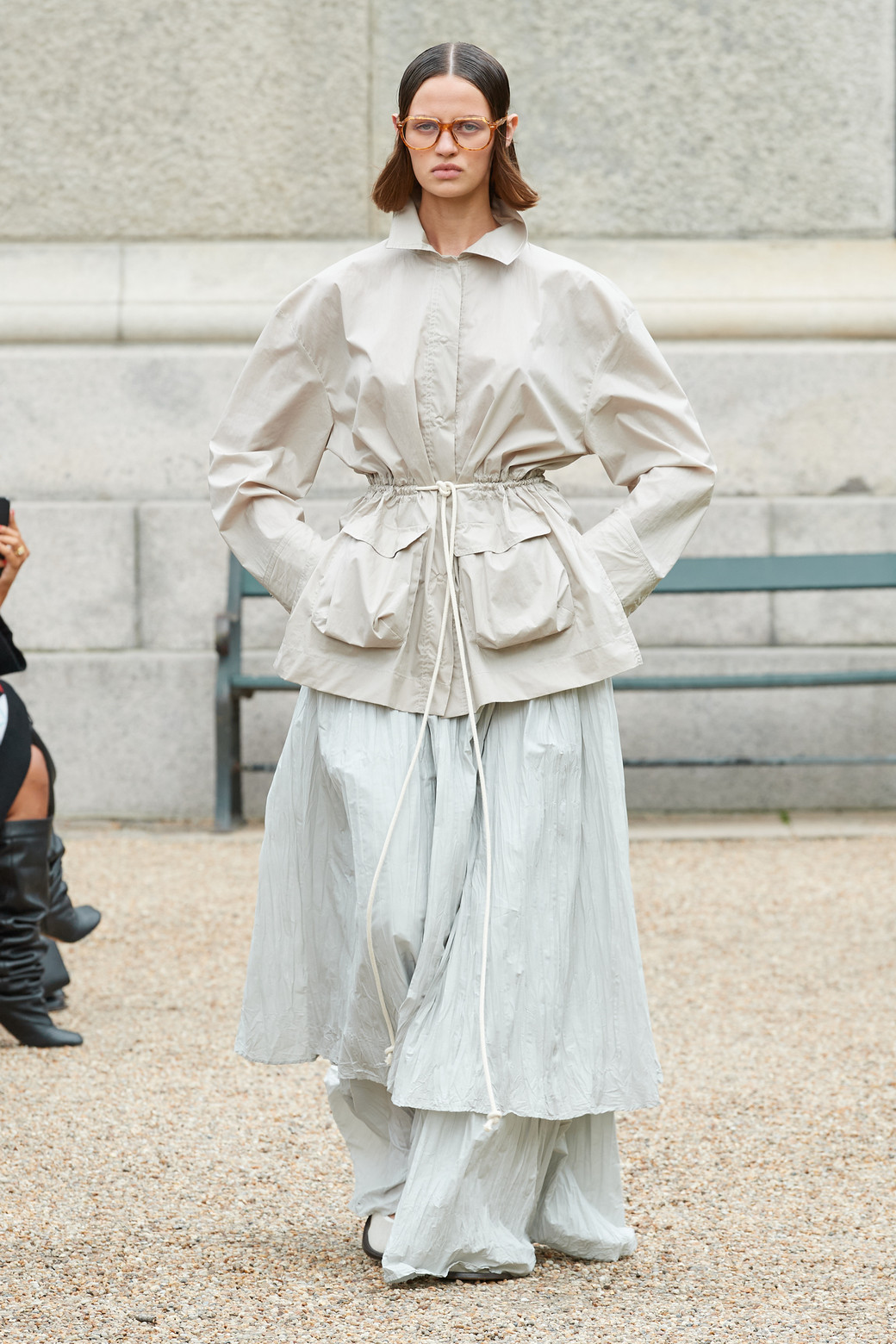
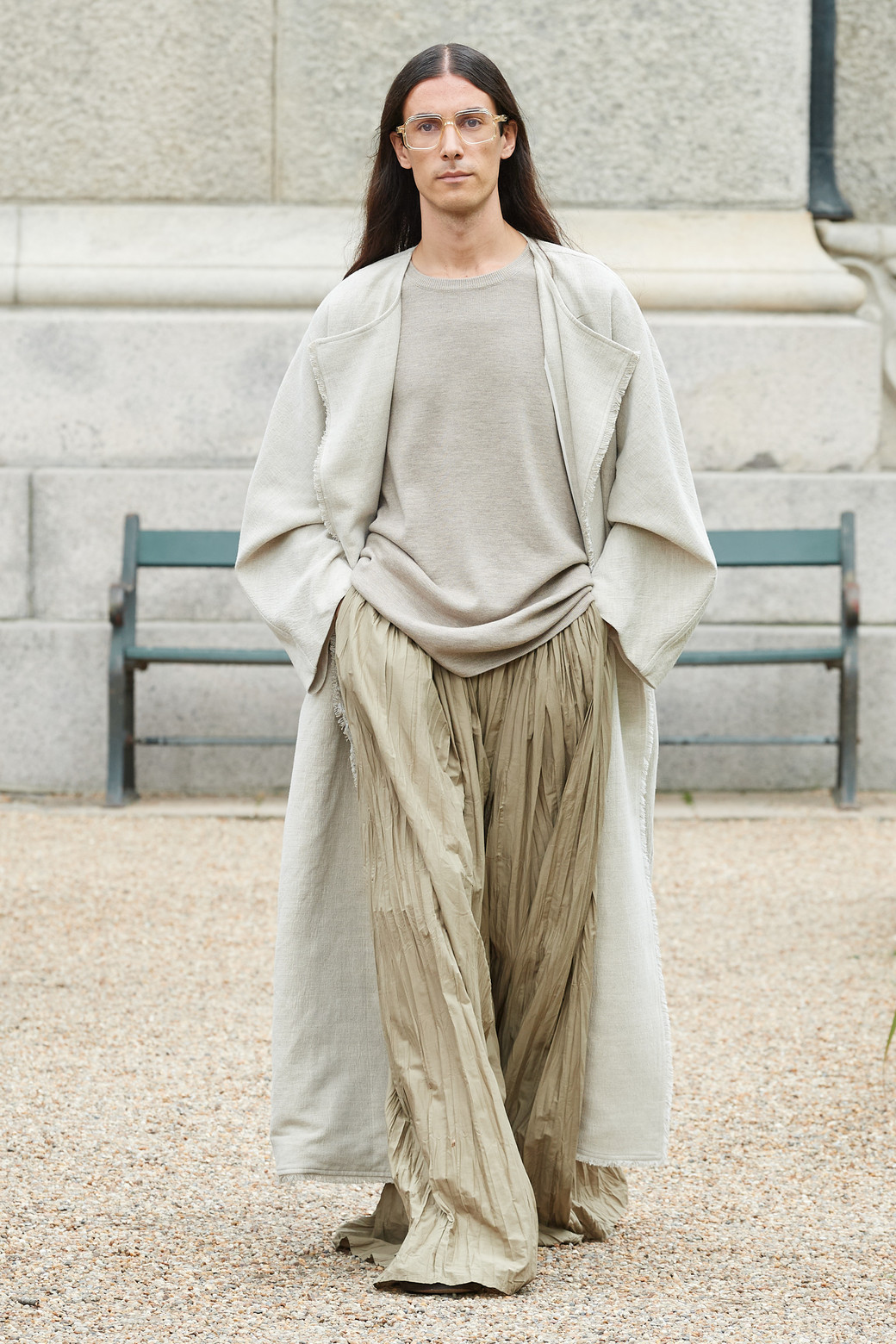
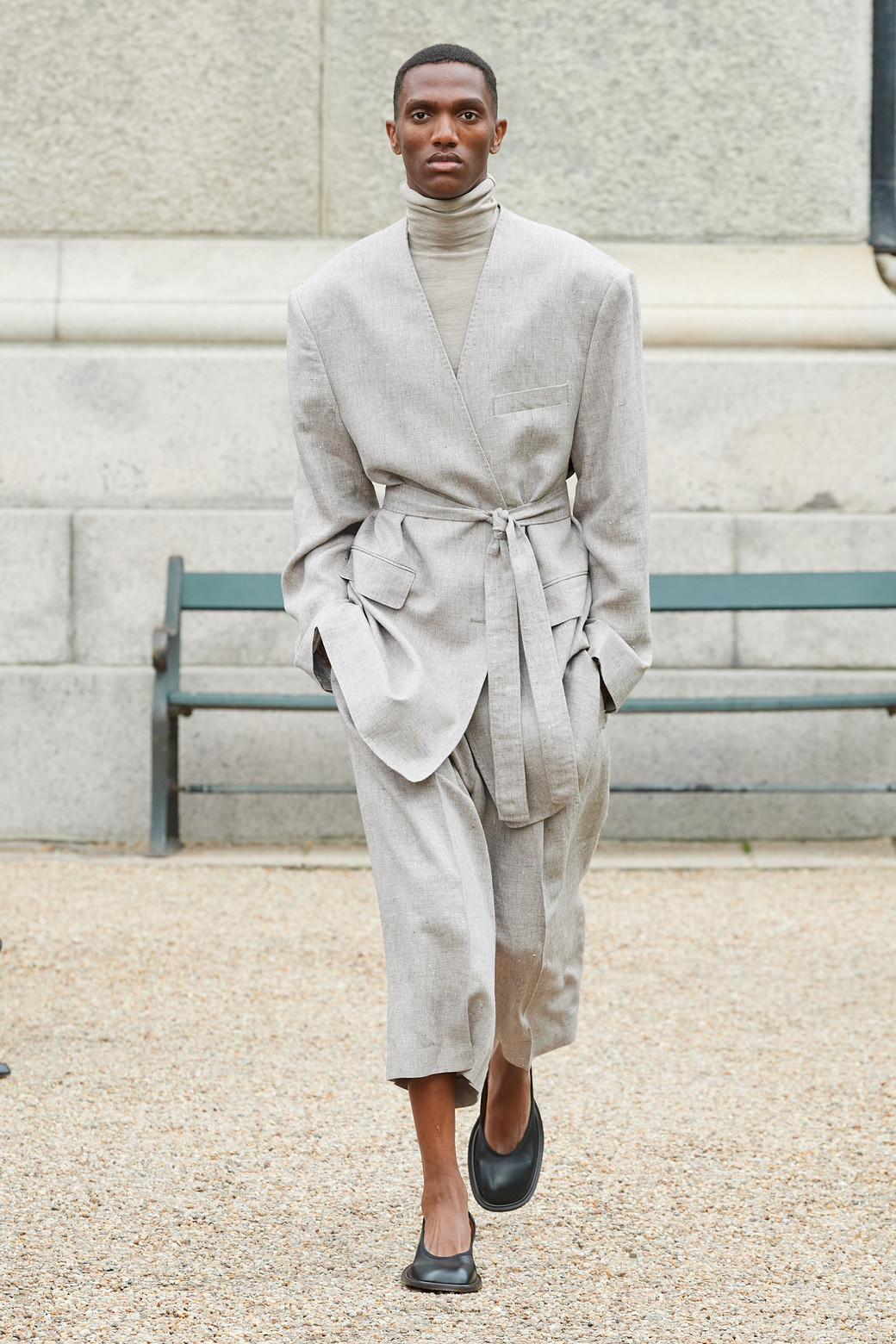
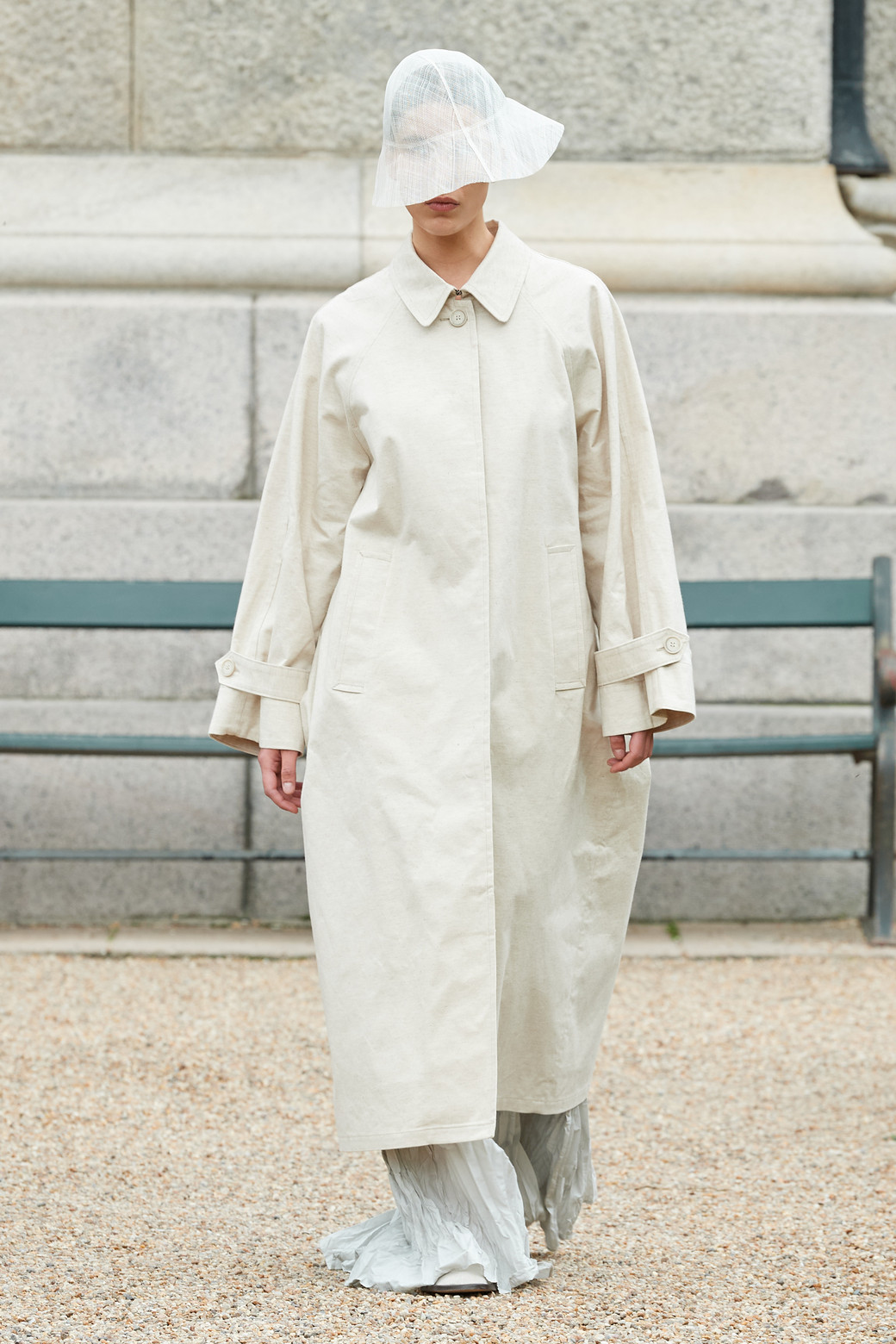
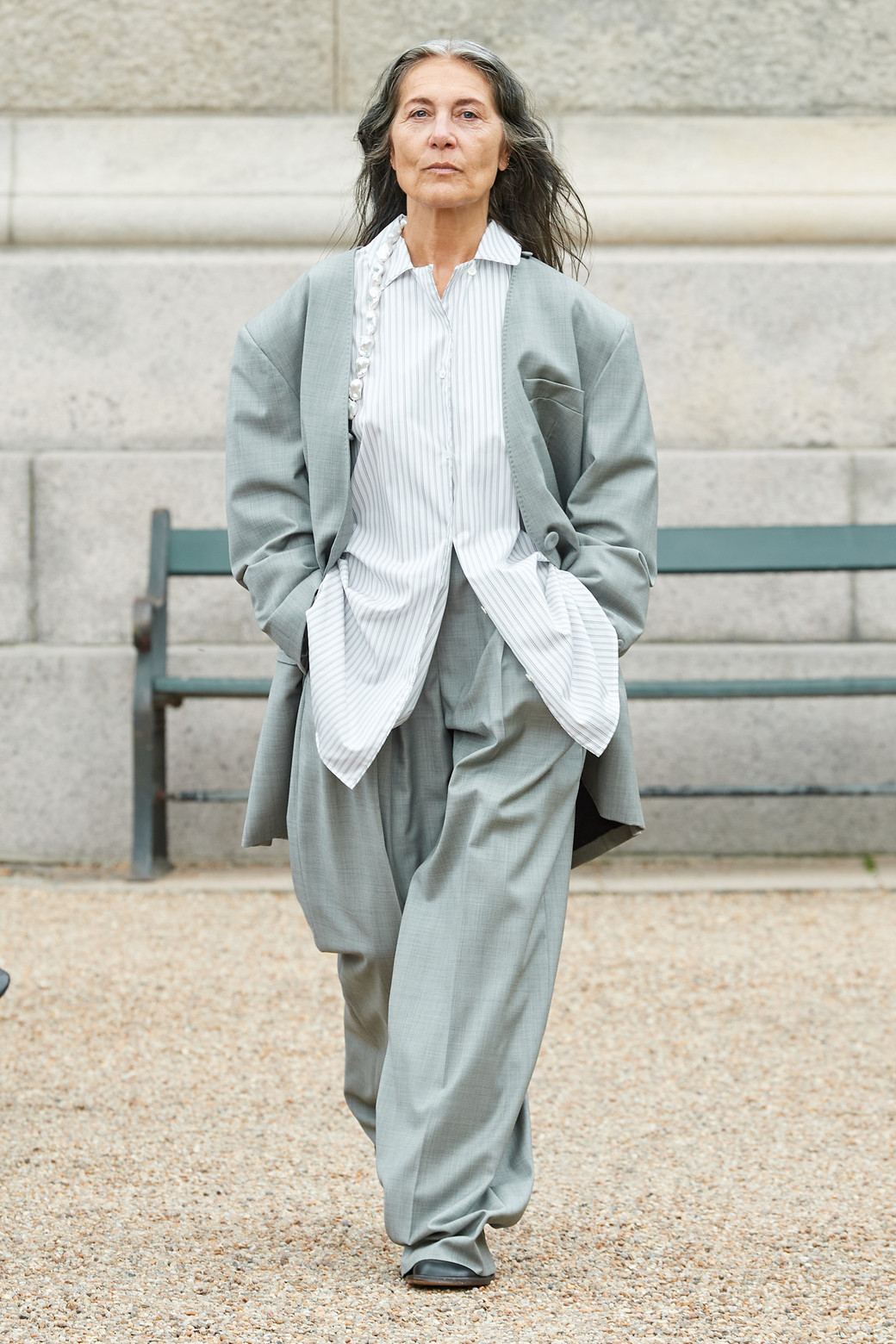
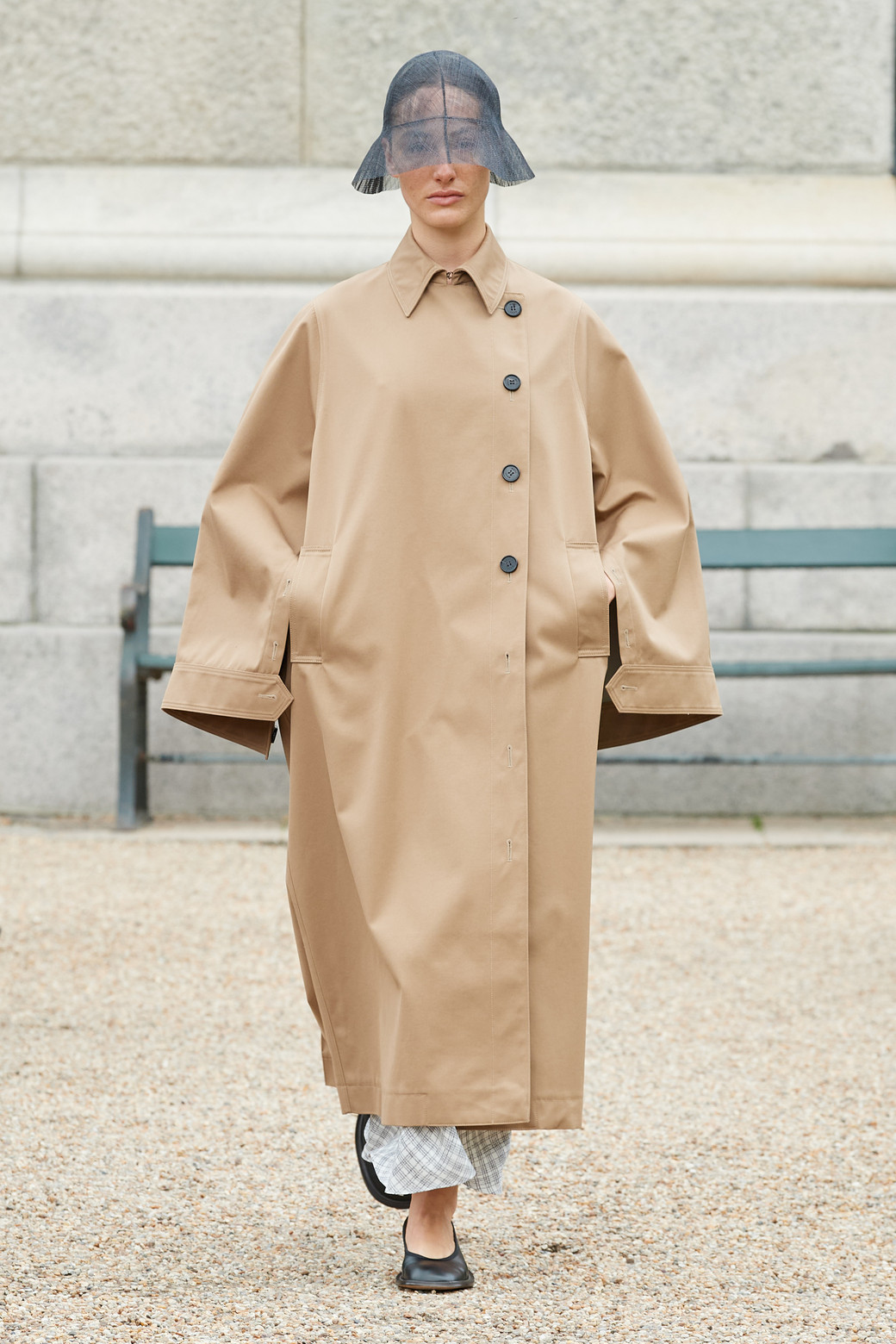
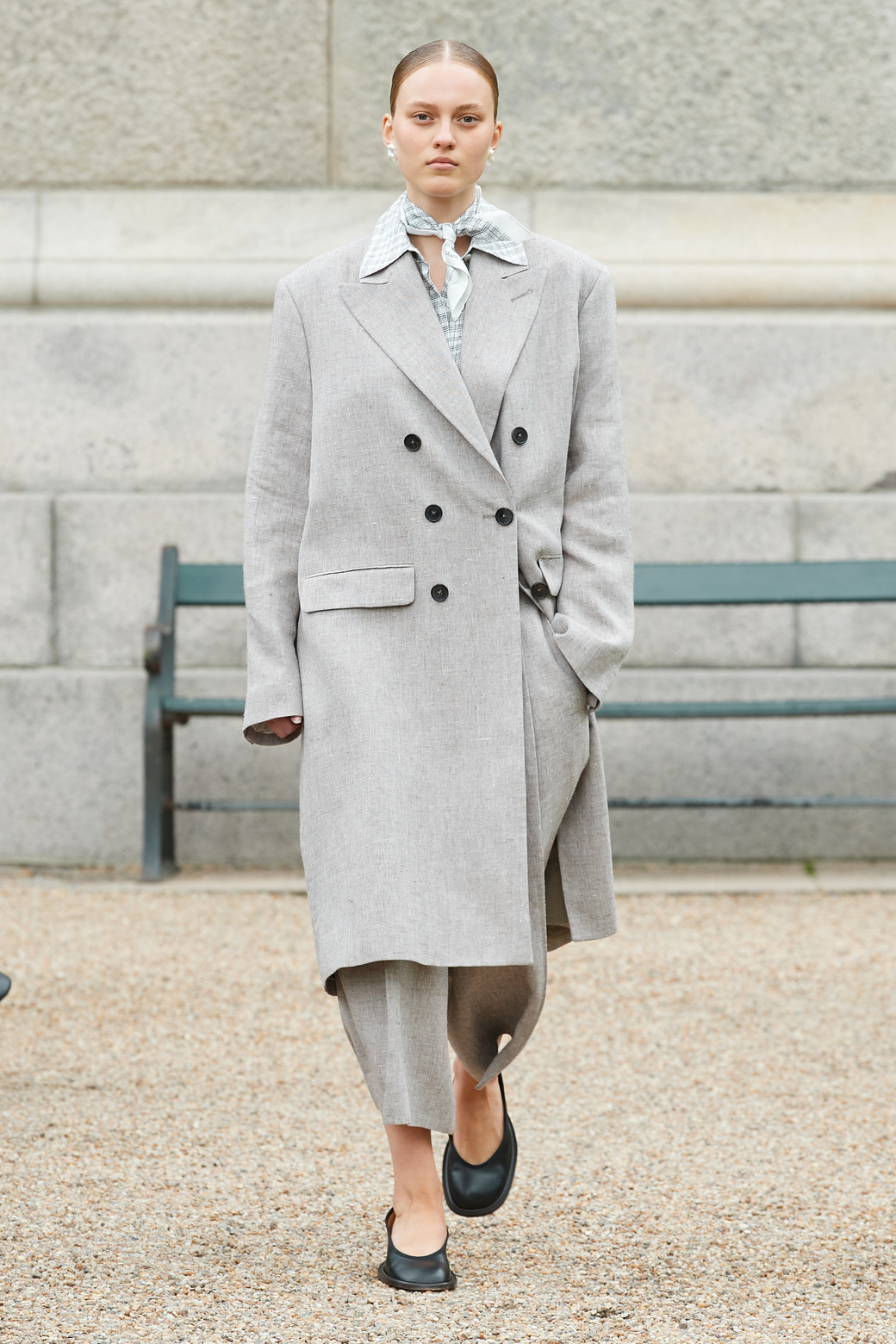
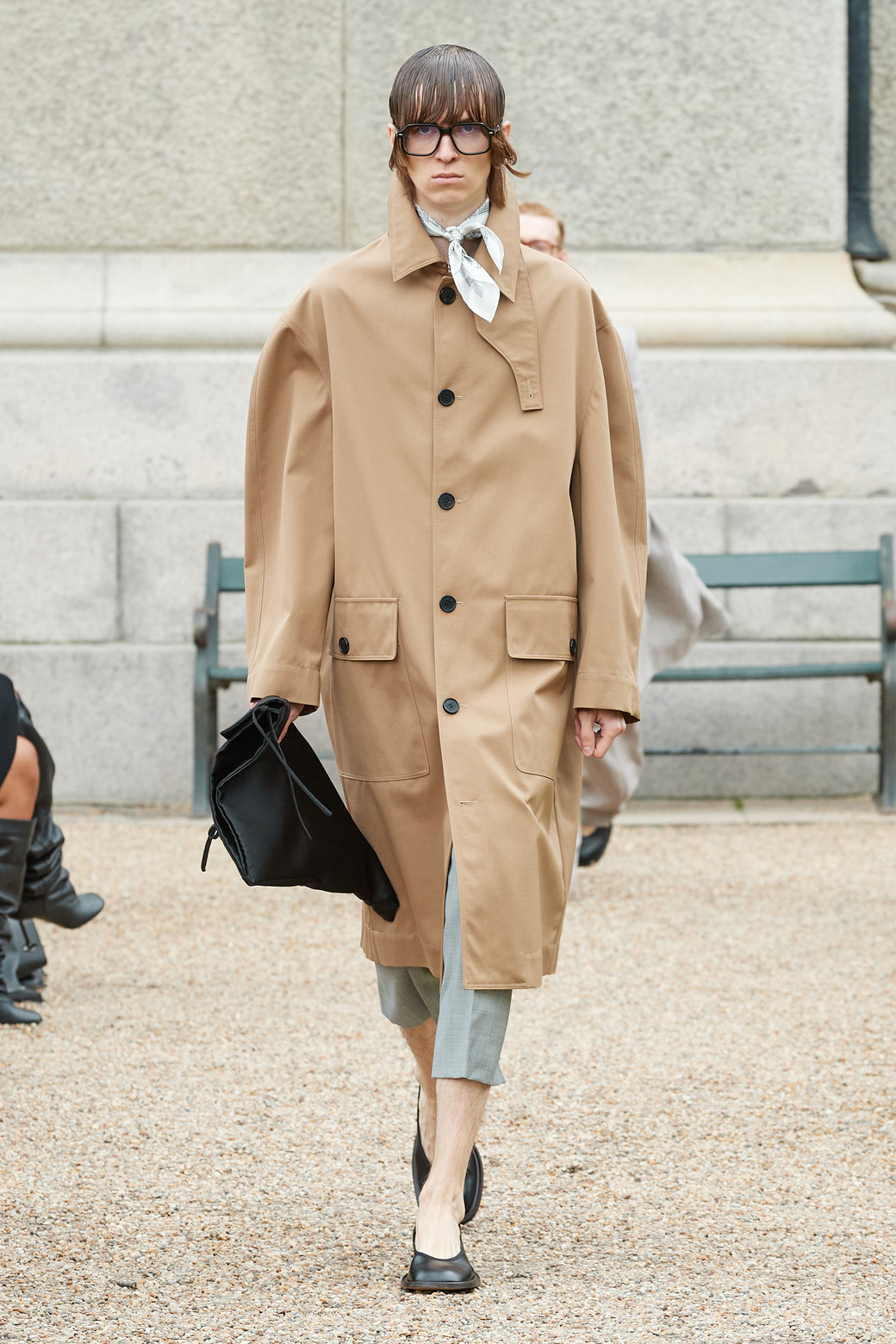
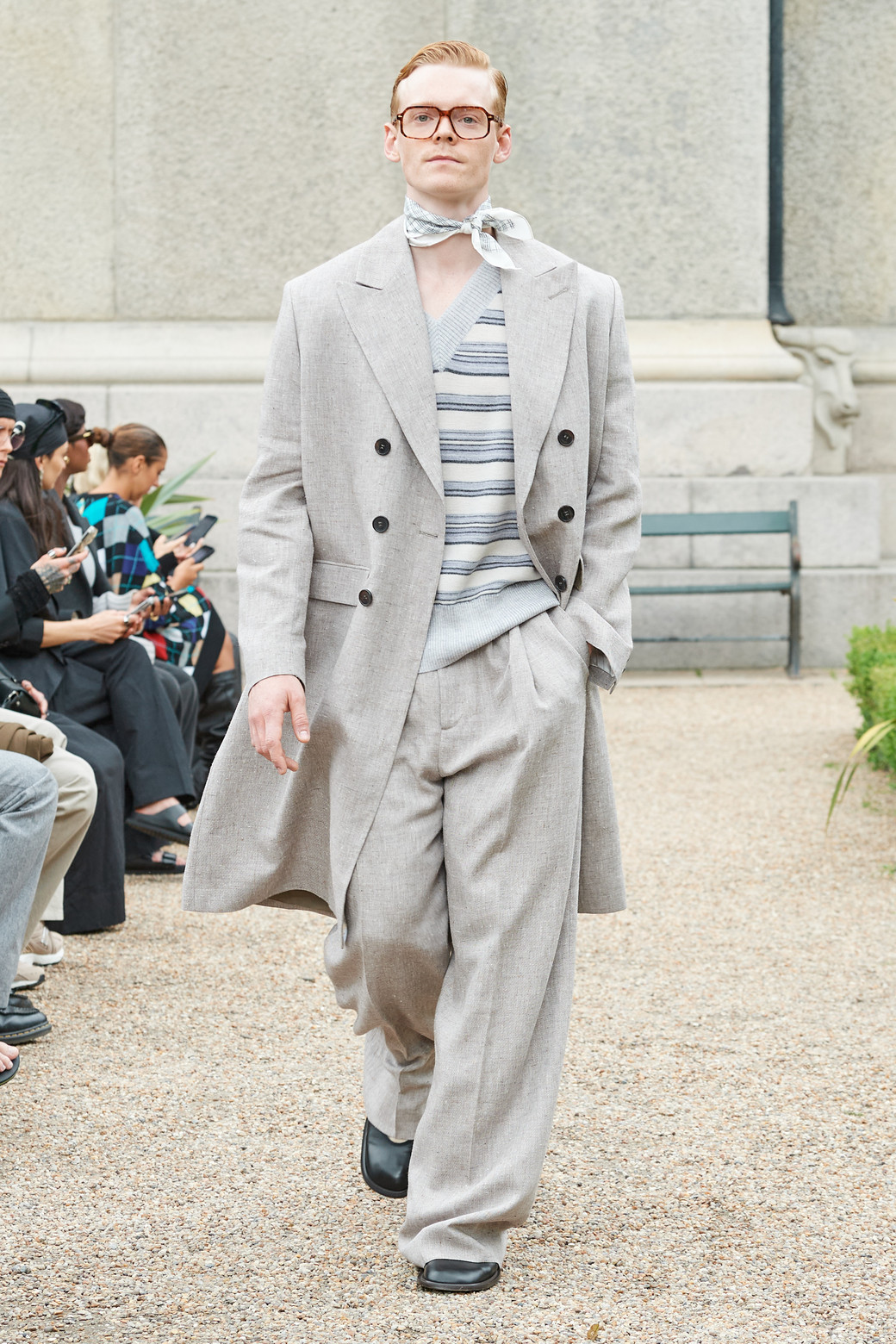

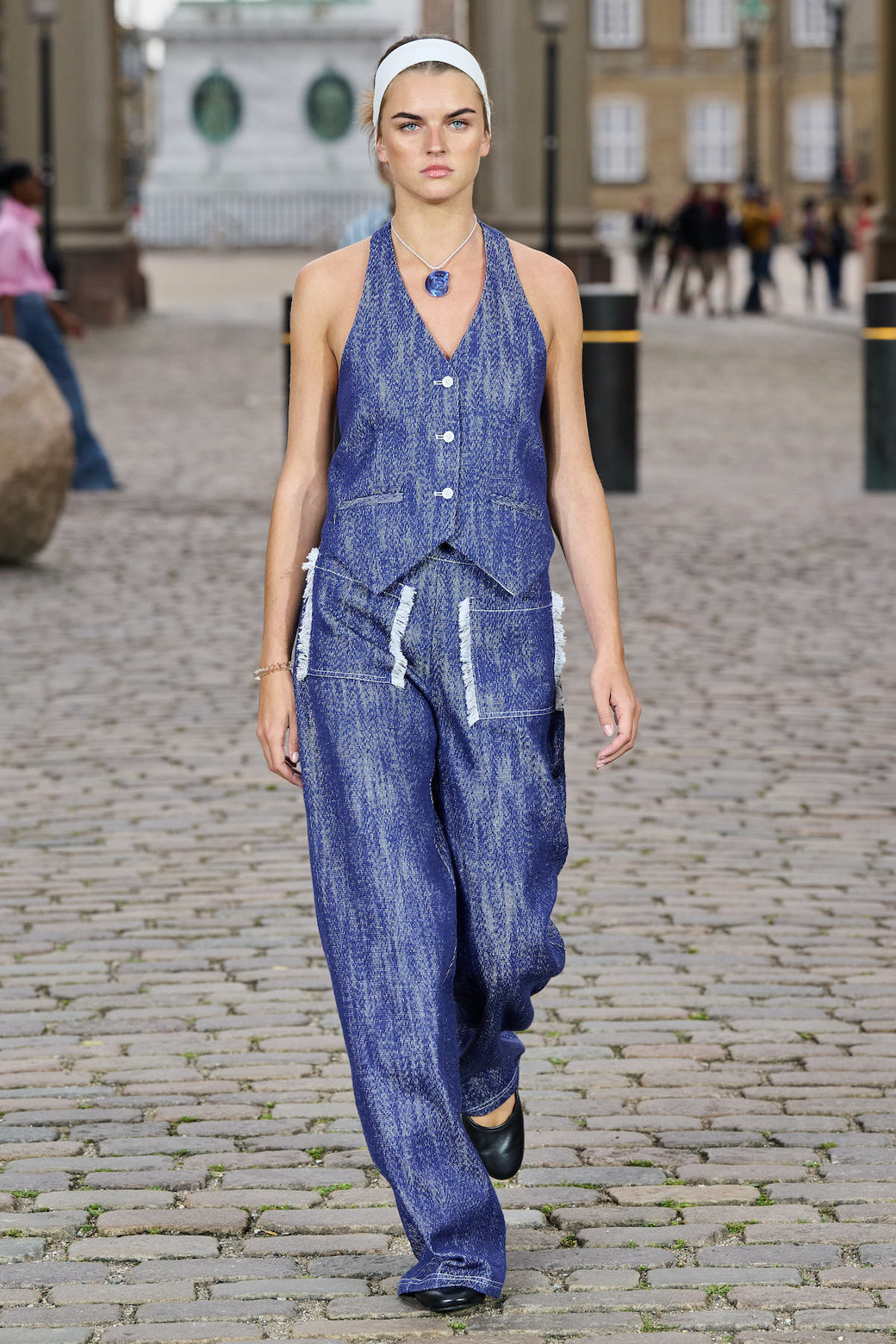
Still, for all the delightfulness of Baum und Pferdgarten’s detail (like the sleeveless toppers built on flowery textiles), it’s Helle Hestehave and Rikke Baumgarten’s references that put a really big tongue firmly placed in cheek. Titled “A Postcard from Copenhagen,” this season explores the city through the eyes of a tourist. An unusual vision for a label that’s been around since the ‘90s, but with its lovely charm and blithe spirit, it has a point.
Innocent yet gently conceived, the designers’ love for deliberately feminine clothes runs directly to the prevailing spectrum of Scandi offerings through a sporty, wearable sensitivity that has, as it turns out, chosen to champion local communities and tradition in this season’s presentation. “Every summer hoards of tourists descend on the city, filling the streets and joining the people of the city in celebrating the sun and reveling in the beauty of such an iconic place,” read the notes. Exactly right. “Maritime life is still inherent and used by Copenhageners: in the winter they jump into the water before running to the sauna, while in the summer they gather at the harbor baths, soaking in the Nordic sun and taking a dip to cool off.”
So, how did the clothes turn out? There were breton stripes, denim sailor hats, striped knit bags and a plethora of deep navy and crisp white. From there in, Hestehave and Baumgarten’s transpositions got just a little wilder — twirling emblems adorned the Queen’s guards uniforms, while Japanese cherry blossoms that bloom at the King’s Garden were fused into prints across the collection; what’s more, crisp cotton patterned with a new brand monogram and quilted textiles were decorated with rich pink florals. A hard sell, for some. But happily for Hestehave and Baumgarten, the Danish market is one of the few that is still bouncing along as if nothing too commercial is entrenching its creative vein. So kudos to them for the focus.