Come in, We're Open

The Gift Shop will be open until December 11th from 5-9pm at 22 Ludlow, stop by and treat yo' self!
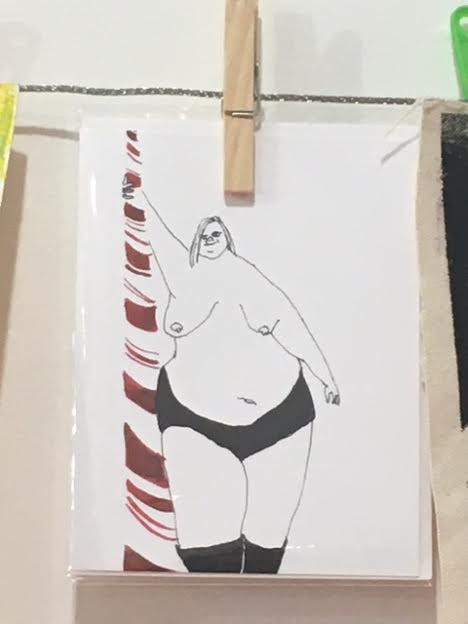
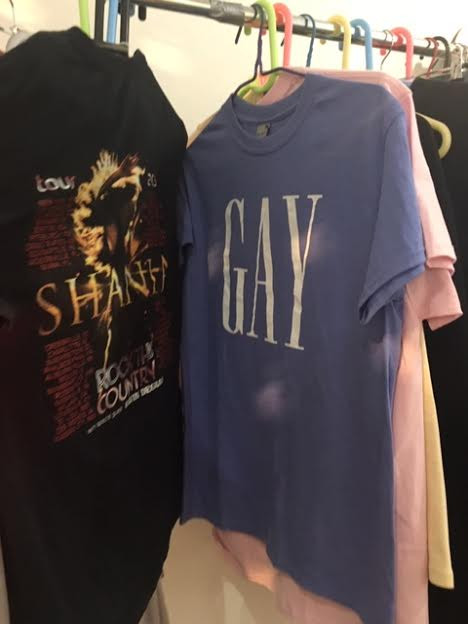
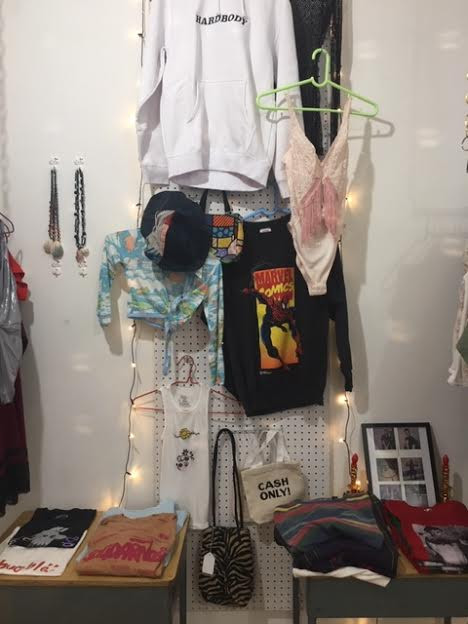
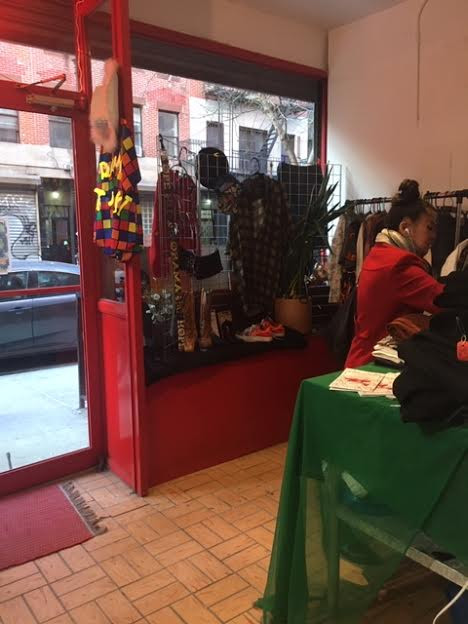
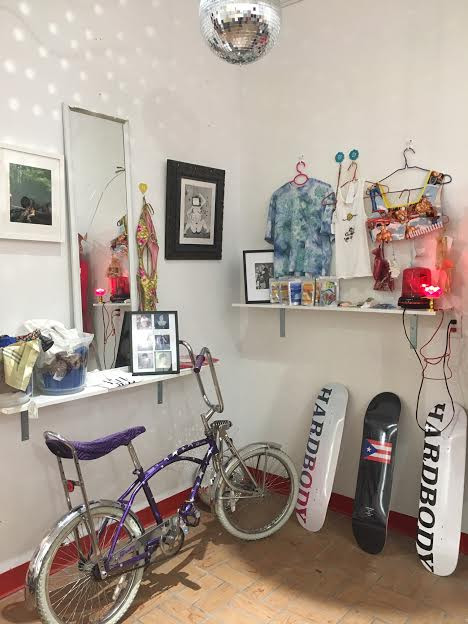
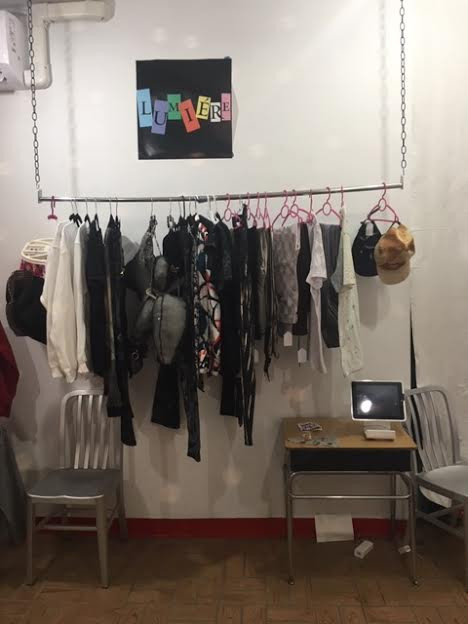

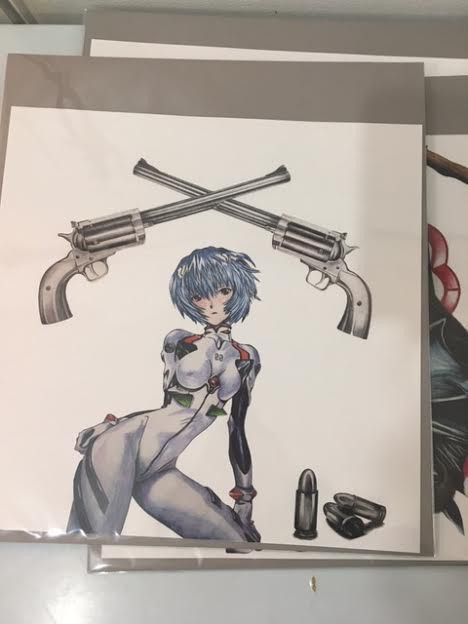
The Gift Shop will be open until December 11th from 5-9pm at 22 Ludlow, stop by and treat yo' self!

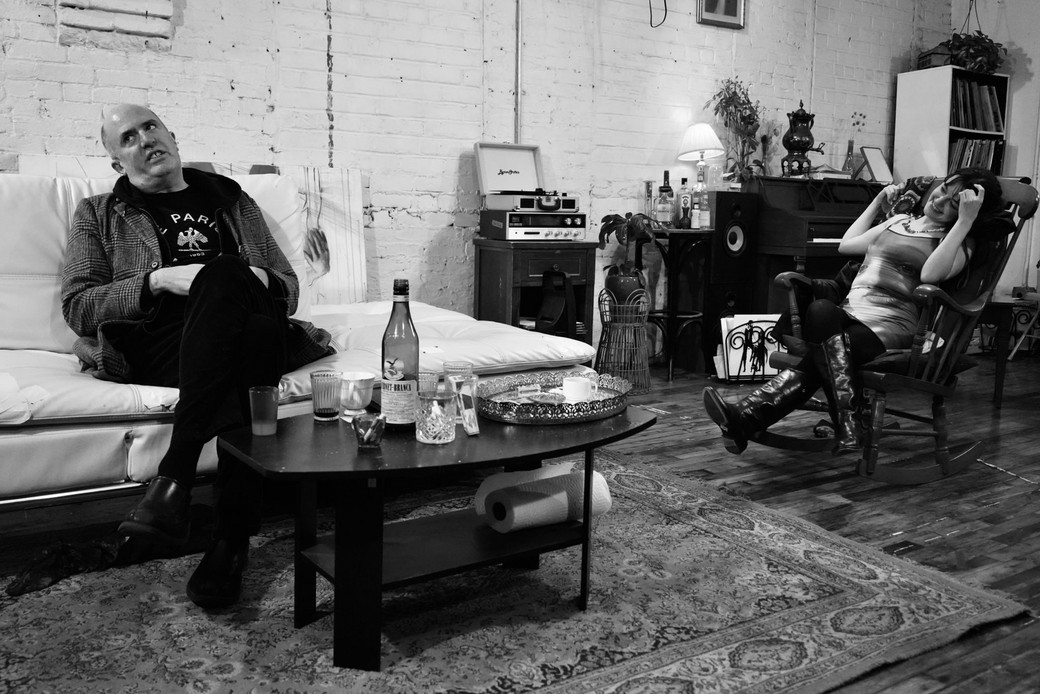
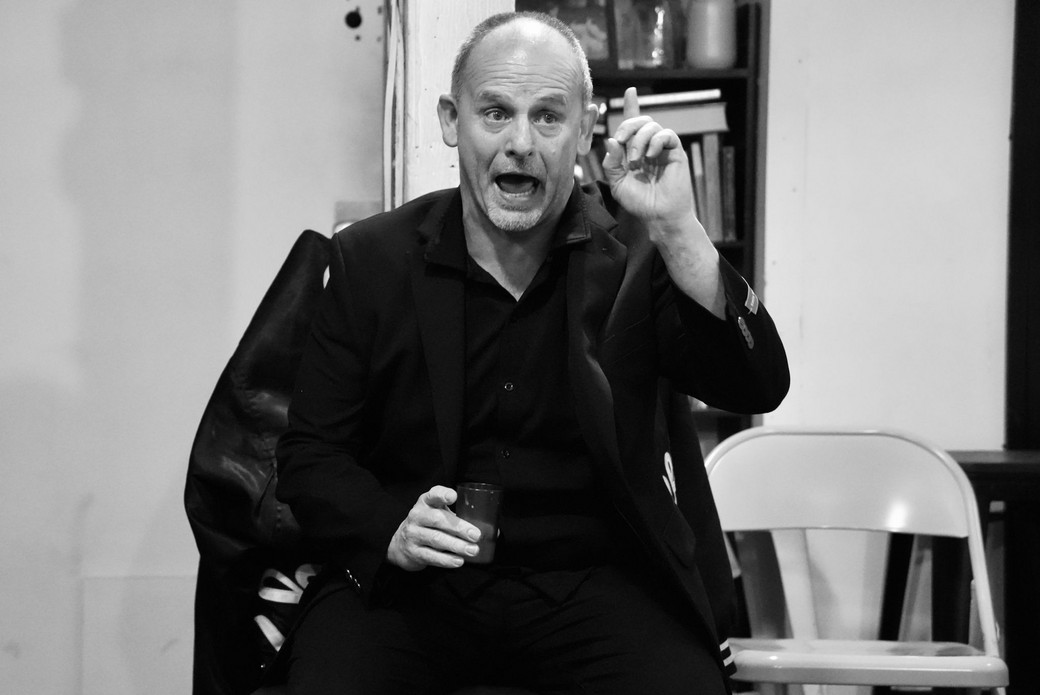
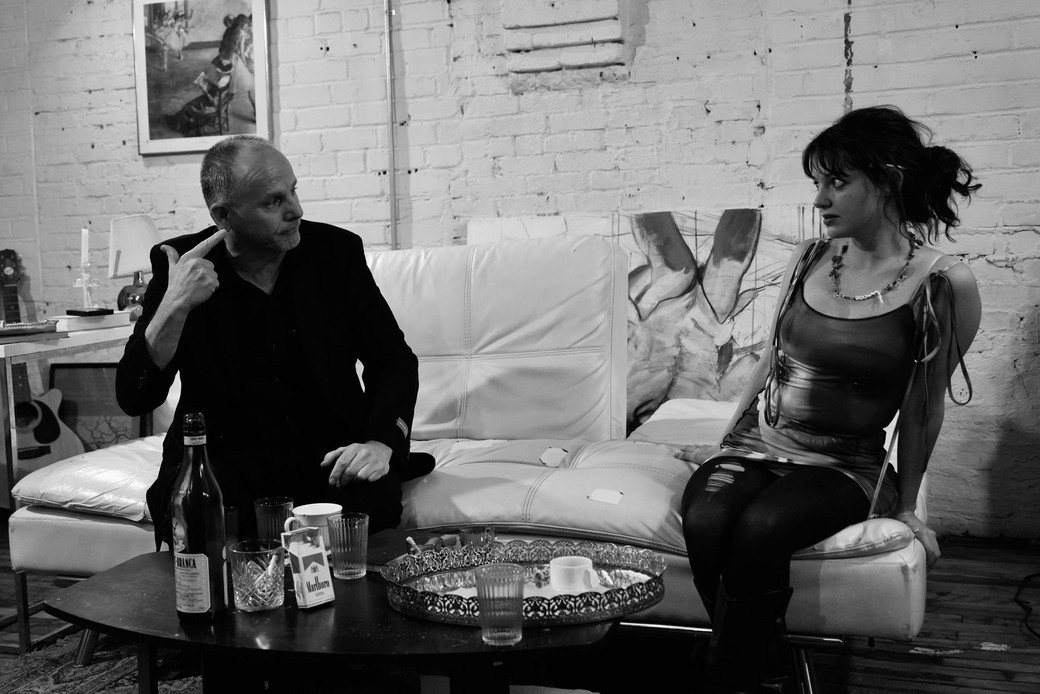
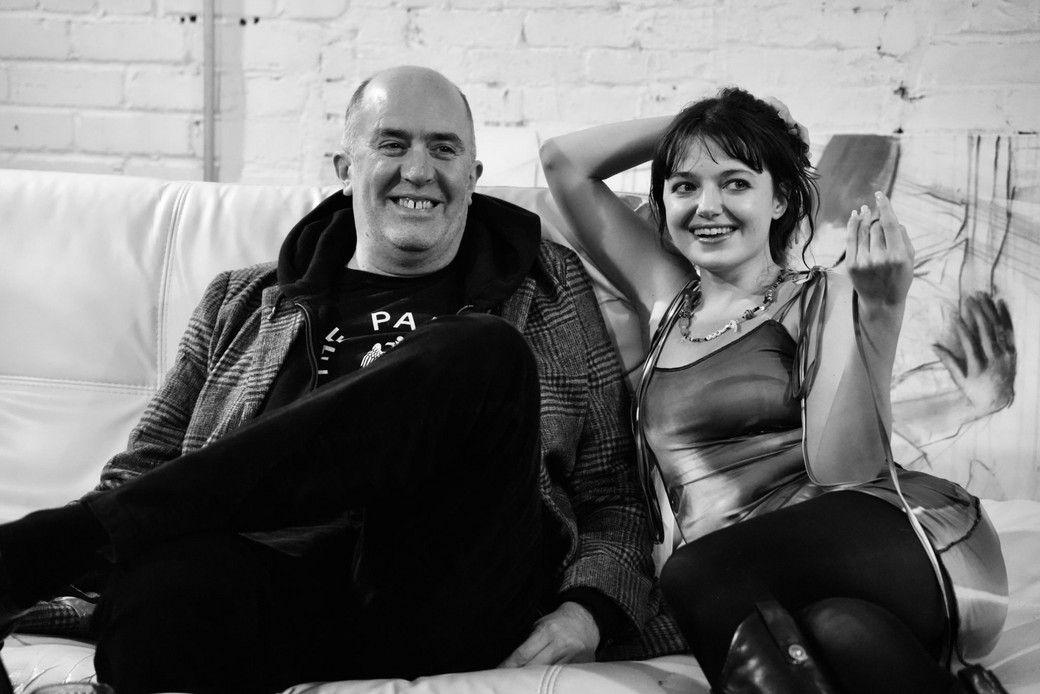
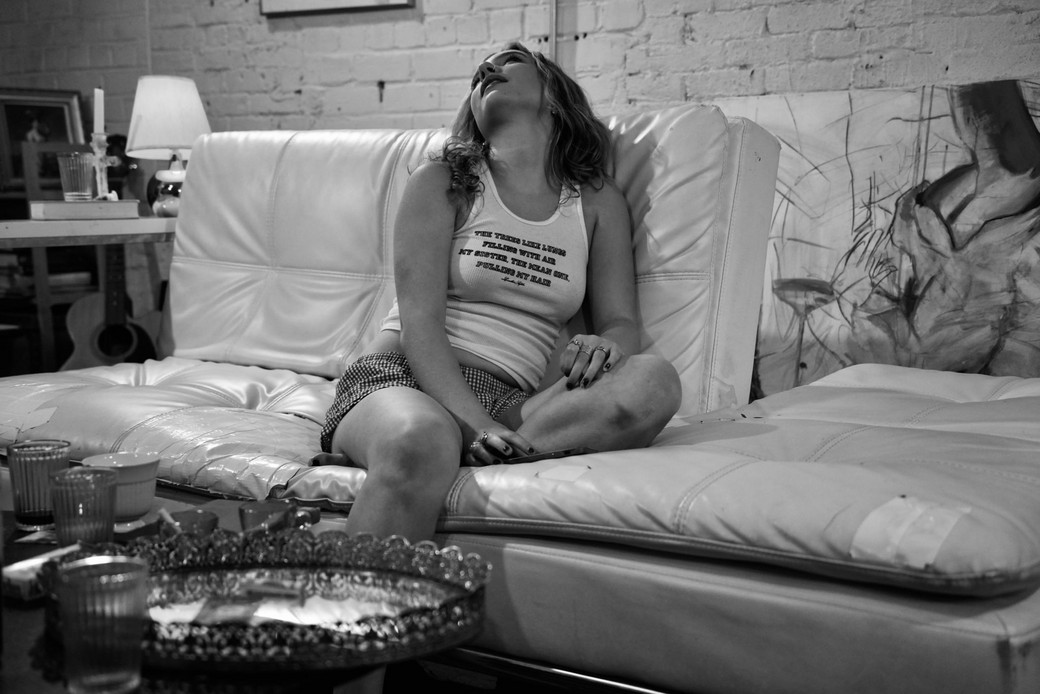
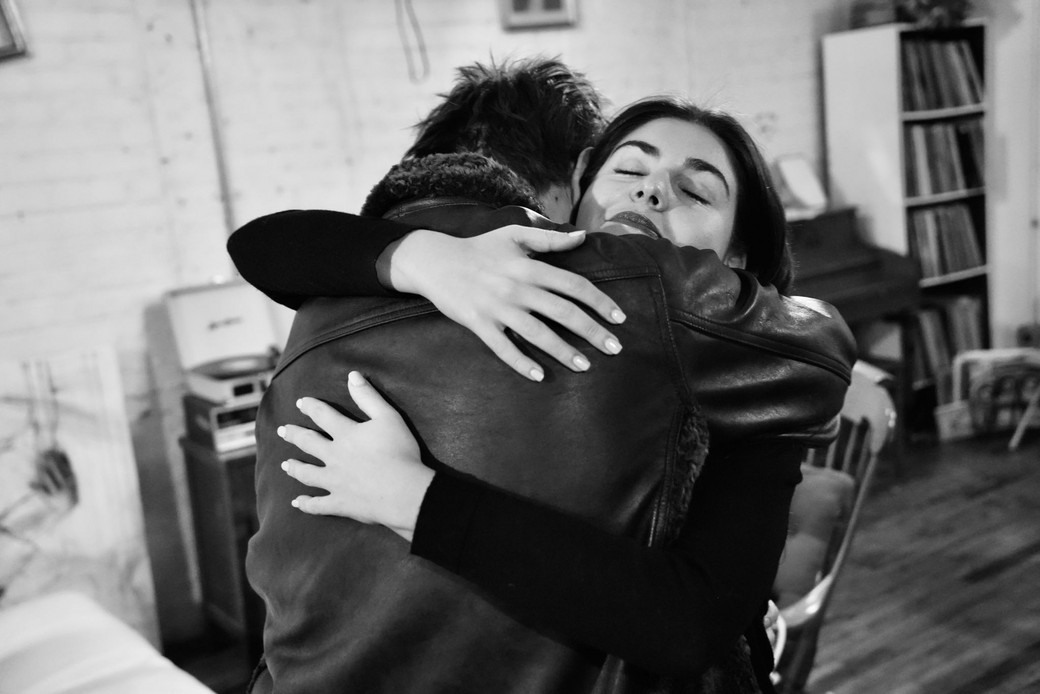
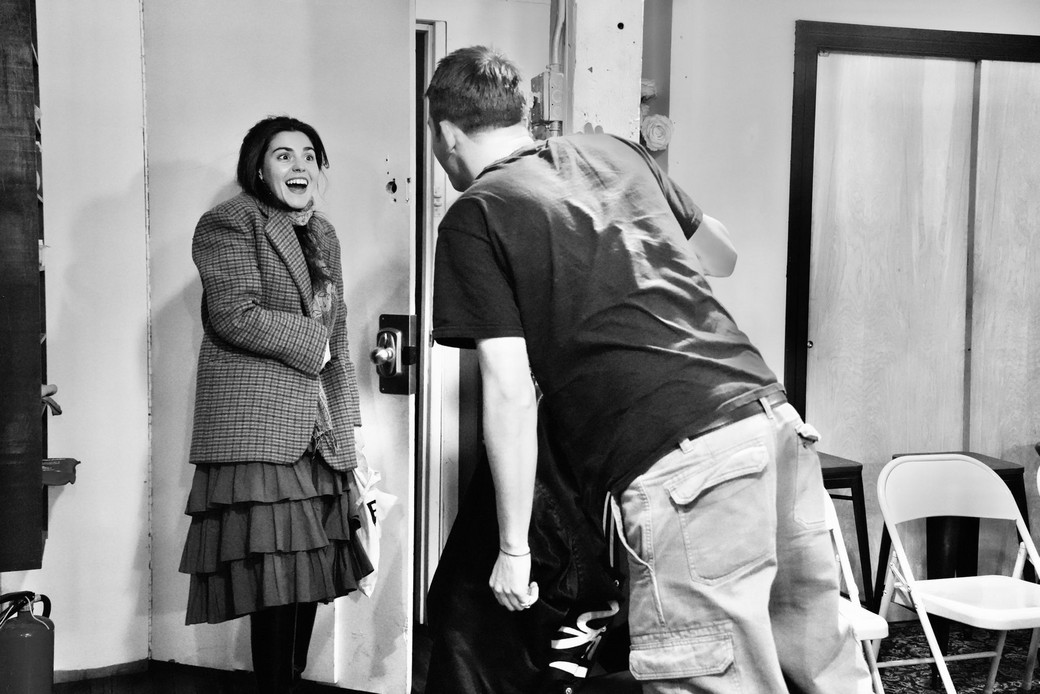
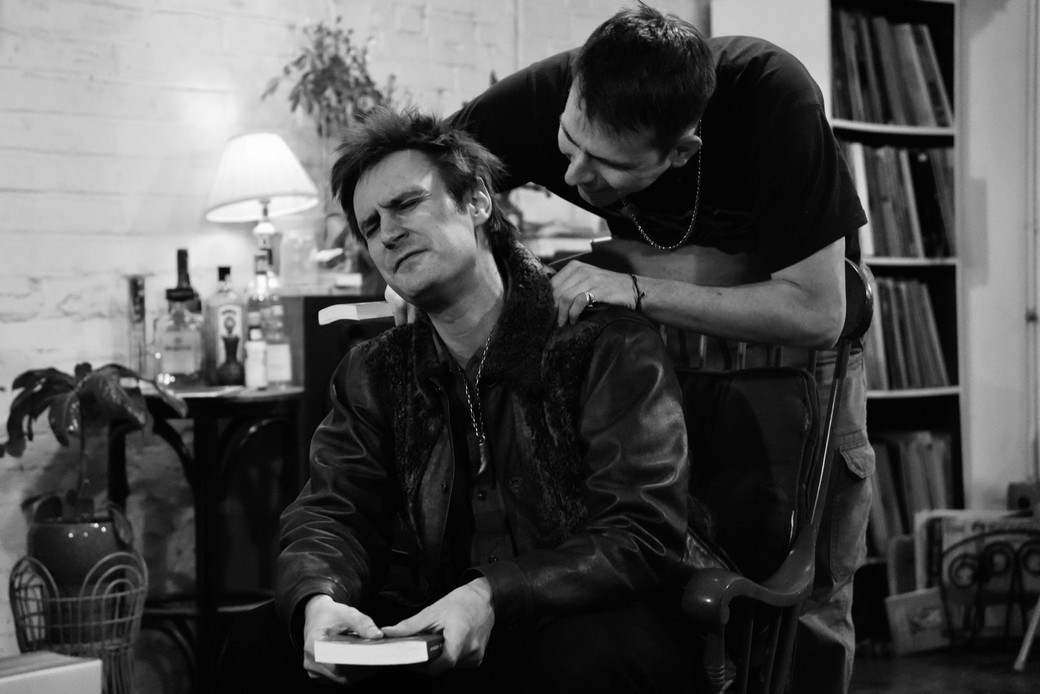
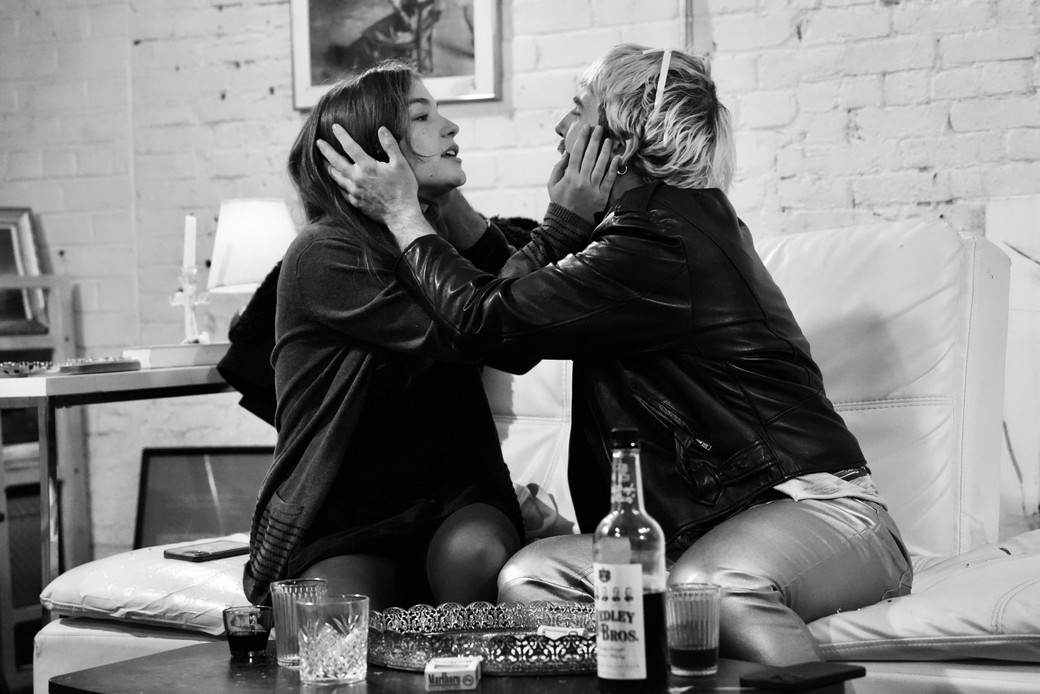
The show has mostly shed its original cast, save for the literary critic Christian Lorentzen and writer-actor Bob Laine; they play a pair of aging novelists (Dave and Chris, respectively), welcomed with open arms by a group of downtown twentysomethings, mostly for their willingness to share a lot of coke. Dimes Square is anchored by its living-room set; the ensemble comes and goes—up to the roof, into an Uber, down to the bodega for a pack of cigarettes—but the couch and the coffee table stay put. Stefan (played by Dan Blick), a young, hot author with a Netflix deal, offers up the apartment as his circle’s home base. A constant stream of media types filter in to snort lines, talk shop, drink Fernet, monologue, flirt, gossip, and so on.
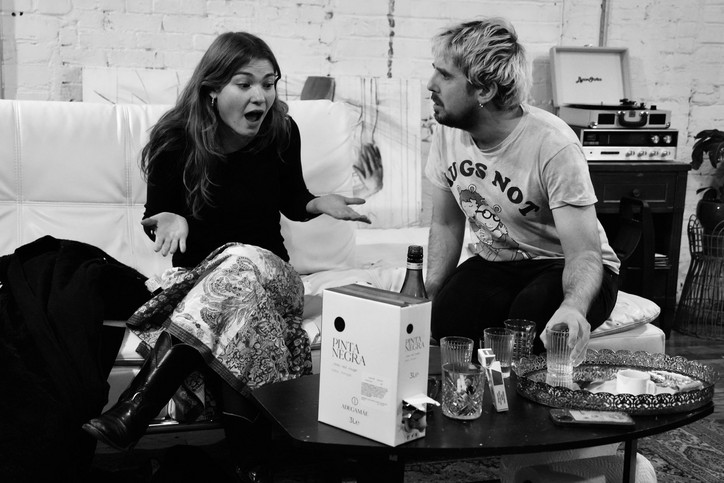
The other characters are Nate (Nick Walther), a recently-cancelled musician grappling with the dissolution of his relationship with Iris (Sadie Parker). Iris is perhaps an aspiring poet. Klay (Malcolm Callender) is a social-climbing, flirtatious magazine editor. Rosie (Anastasia Wolfe), a bisexual painter who feels above it all. Ashley (Colette Gsell) is Stefan’s undergrad girlfriend. Olivia (Cosima Gardey), his cousin and the daughter of a famous novelist. (Side note: On Dimes Square’s first run, Fernanda Amis took on this part—the daughter of Martin Amis.) Finally, there’s the filmmaking duo Bora (Asli Mumtas) and Terry (Sean Lynch), suffering from the legitimate success of their debut feature. Bora did the camera work; Terry wrote and directed.
Gasda joked that Dimes Square would transport us all the way back to 2021—a period piece, he called it, evoking recent history. The show’s debut coincided with the general moment people got sick of hearing about those few blocks between Allen Street and Seward Park. Too many thinkpieces! Clout-chasing in the name of art! Freeform made that scoffed-at TV show, The Come Up, following Gen Zers as they chased their dreams down Canal, protecting their dignity as best they could as they scanned for a seat outside Clandestino.


Whatever. Today, it’s just as cringe to hate Dimes Square as it is to really love it. Gasda’s play is cynical toward the scene in, I think, an original and generous way. He comes at it as an insider-outsider, but mostly as an insider: a writer who drinks Fernet and wears scarves inside, a contrarian amongst contrarians. Its comedy was solid—referential without going overboard, amusingly true-to-life—as was the flow of the dialogue, especially for rowdier scenes in which everyone spoke at once.
In 2022, the critical consensus was that Dimes Square dealt in the universal—and that rang true for this run, too. Though the characters (intentionally) verge on caricature, and though their era is niche and almost too recent to look back on even-handedly, it all comes together to paint a poignant, candid, relatable picture of “making it” as a young person in a city like New York, where optics get rewarded before passion. The bigger question than whether it held up, was why resuscitate it now?
“I wasn’t sure that I would ever do Dimes again,” answered Gasda. “But I was meeting so many people who said they moved to New York after the original run closed who wanted to see it. At first I dismissed it, but then I realized those requests were genuine, that the play was a phenomenon, that it’s part of the lore—and that people should get what they want, in a way. He went on:
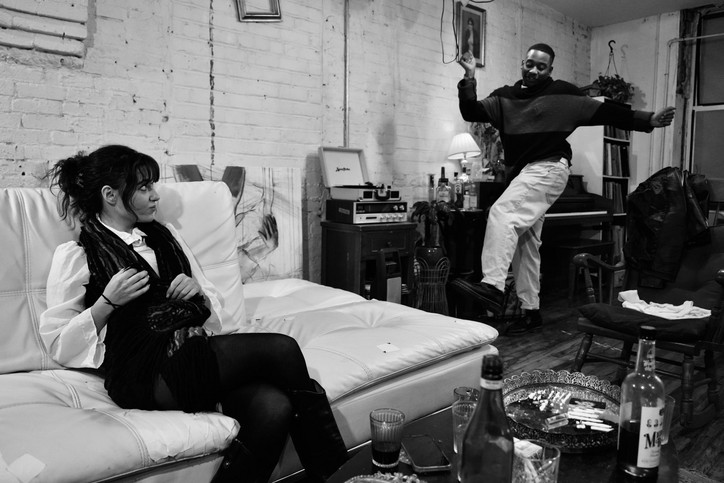
Something Dimes Square has undoubtedly achieved: new dialogue about new theater. Gasda makes being an “audience-member” uniquely accessible, ushering the uninitiated toward his other plays (like the upcoming Vanya on Huron Street, which Laine and Mumtas star in) and toward the other artists he supports via BCTR, his dedicated performance space in Greenpoint. Beyond that, he casts from his own community. He makes art about right now, against an era of nostalgia. And at the end of every show, he leads the charge to a nearby bar, staff and cast and ticket-holders welcome. It’s an interesting contrast to the vapidity or the exclusiveness of the stereotypical scene—a pessimistic play, within an optimistic project.







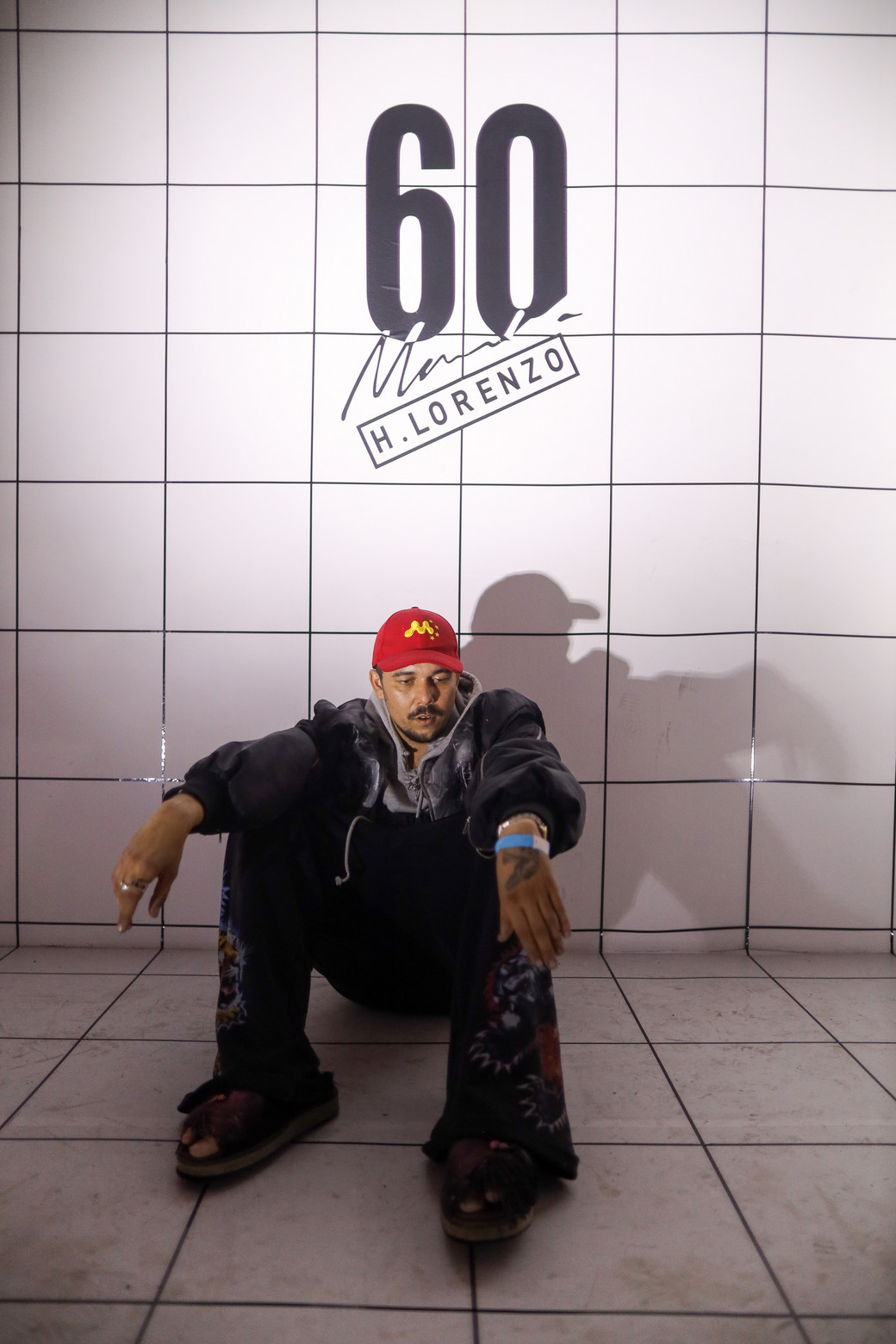
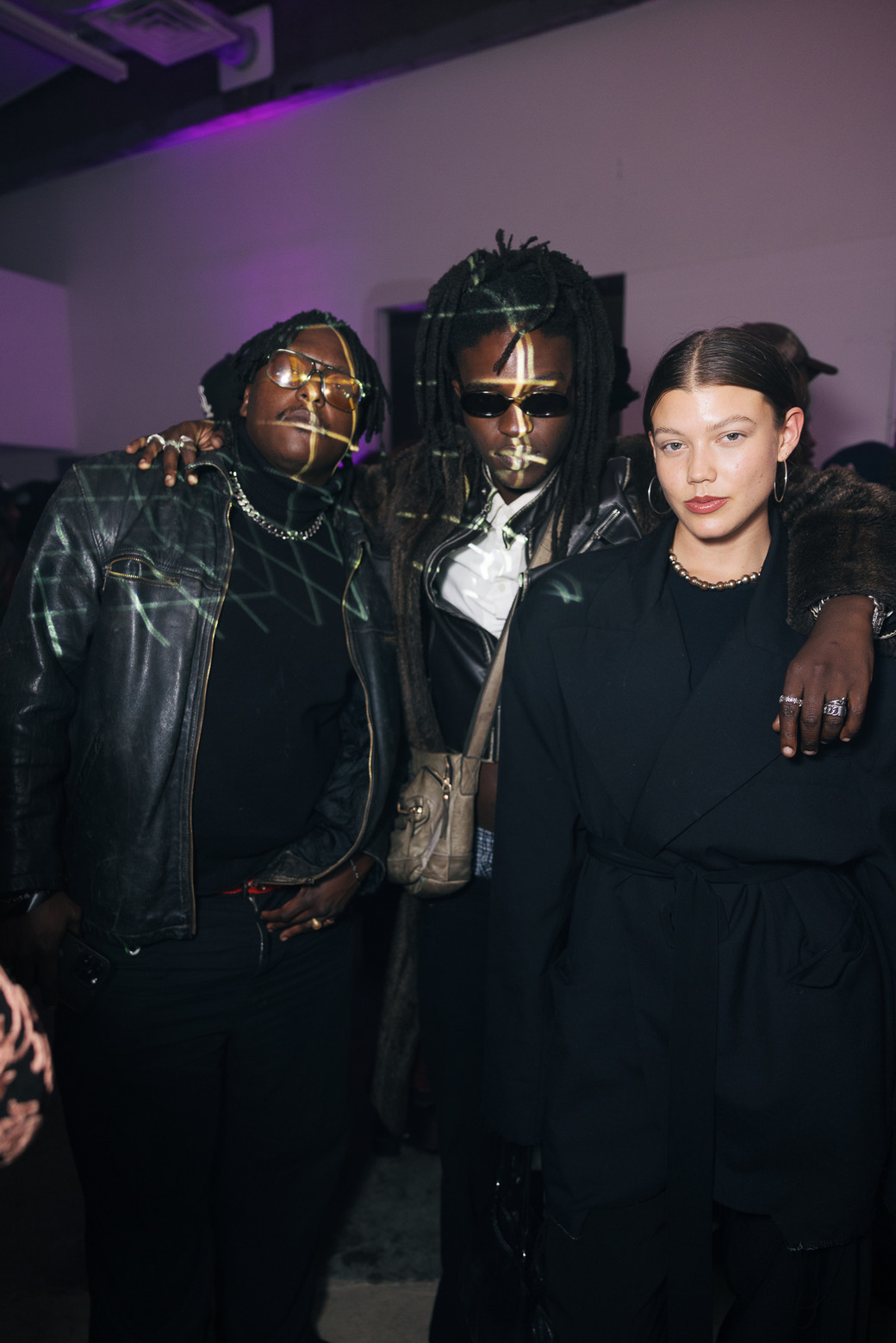
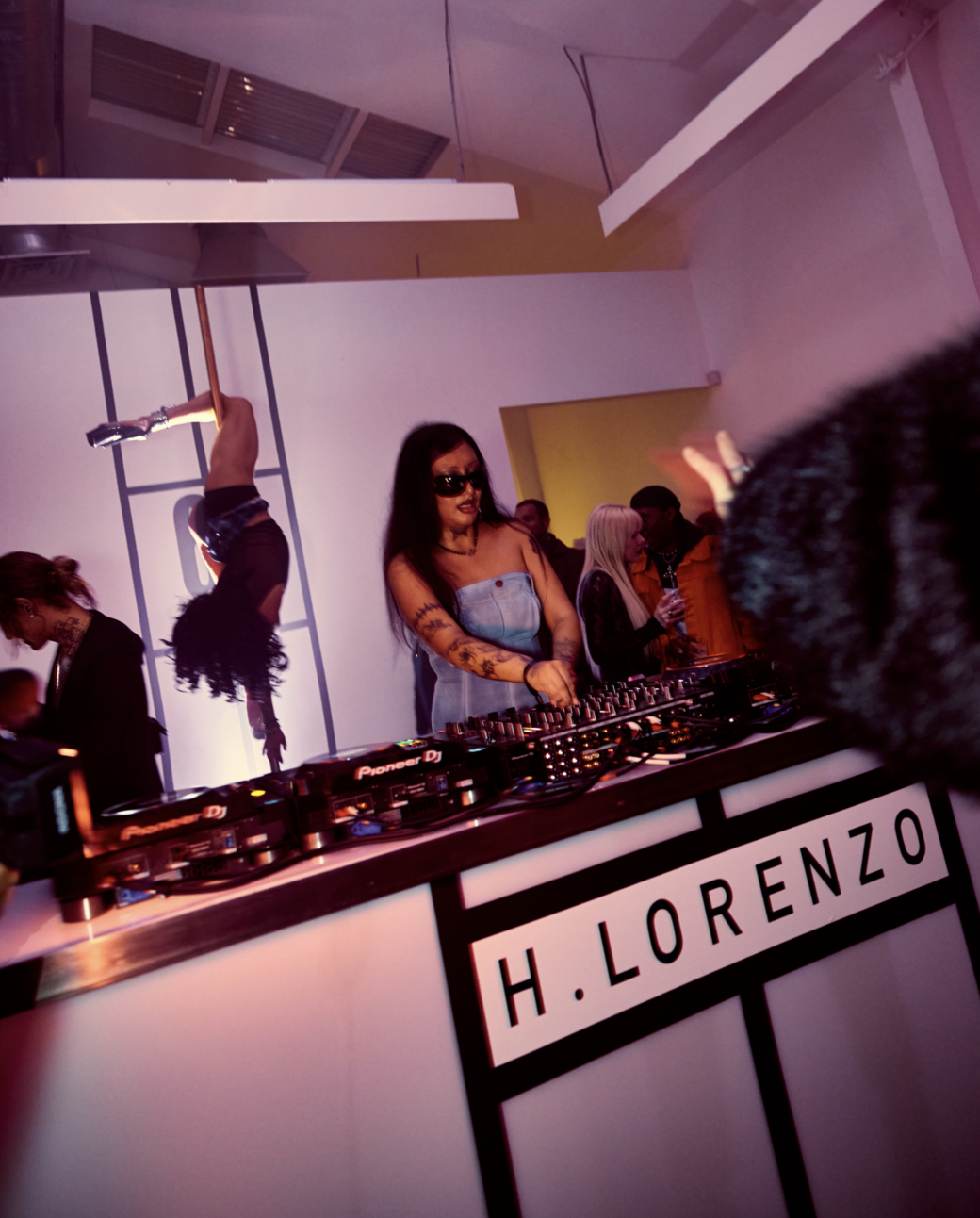
I swing my legs over the ropes that guard the VIP entrance. Always over (I’m 5’10), never under. I’m late to the H. Lorenzo x Mowalola event, and the line wraps around the block. I don’t want to be an asshole, but I hate waiting in lines; it just ruins everything.
“Hey, my friend is DJing right now. My name should be down,” I say.
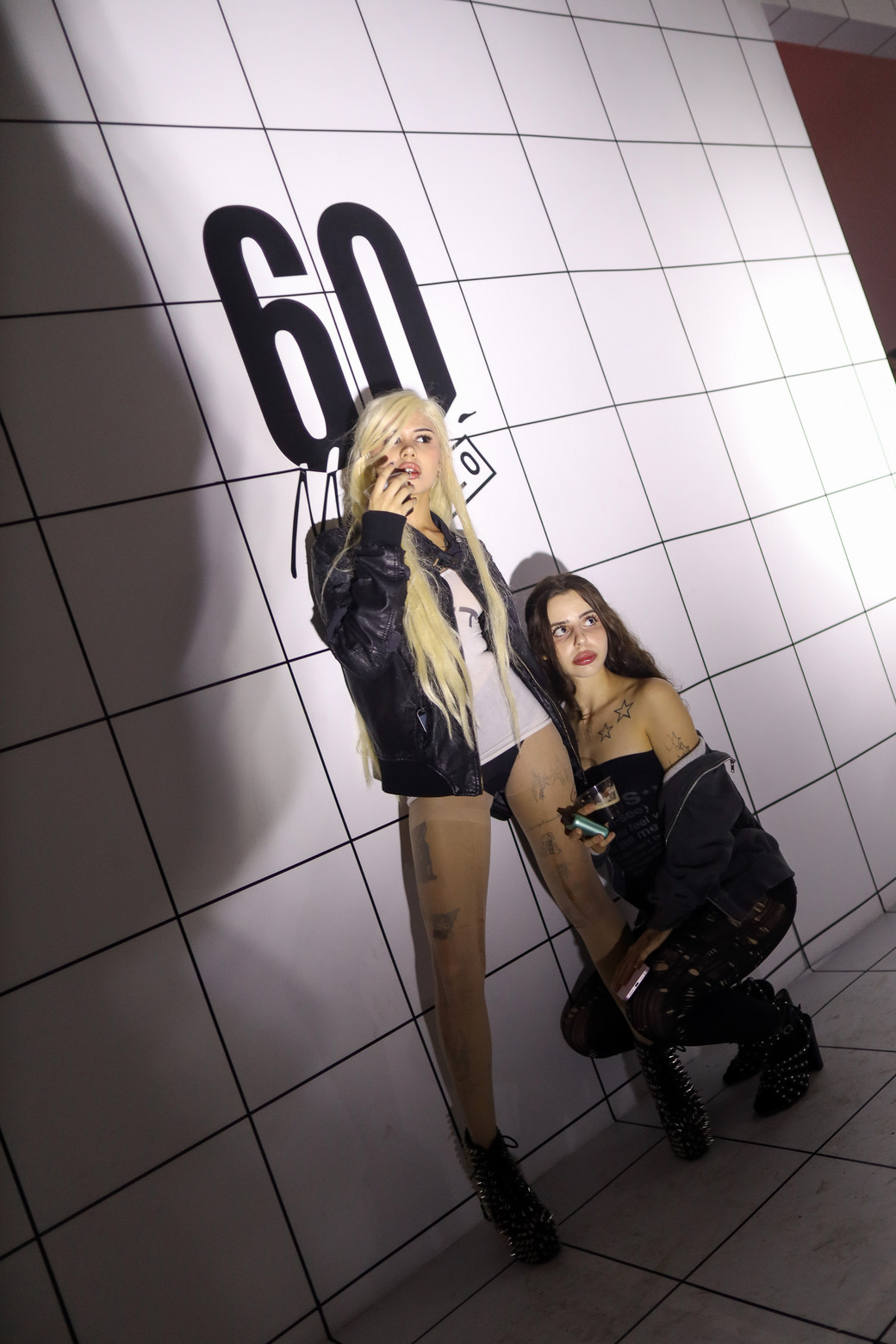
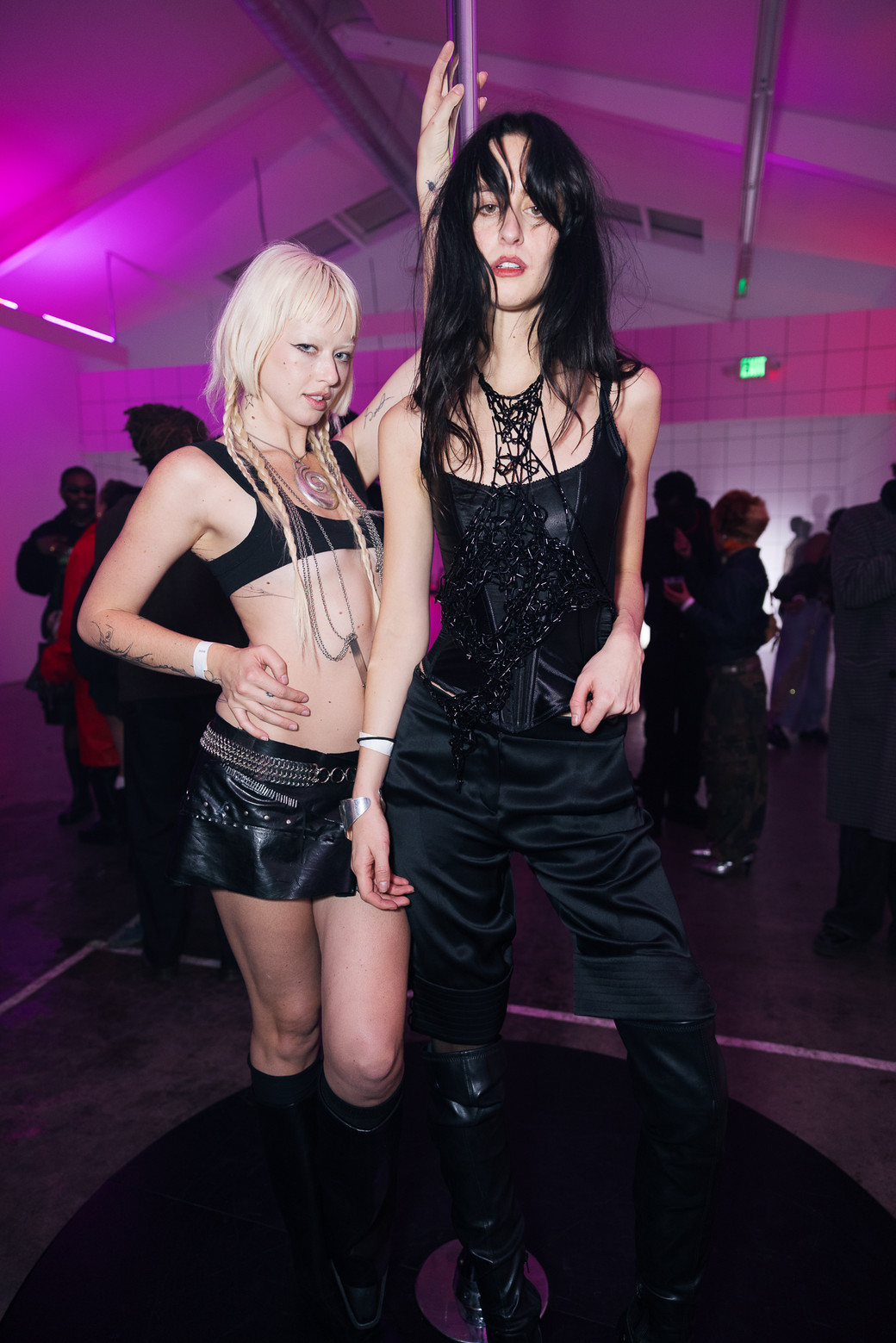
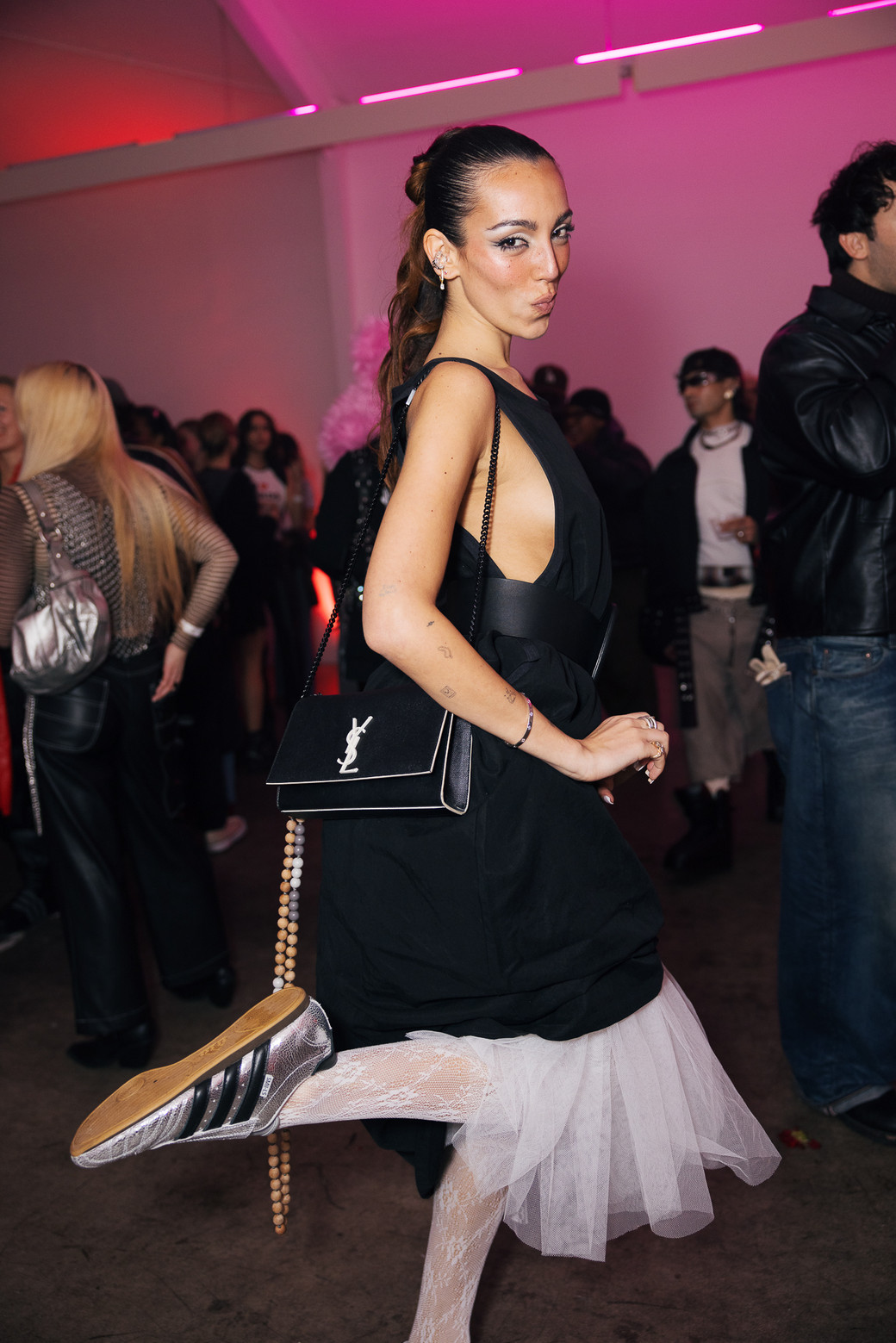
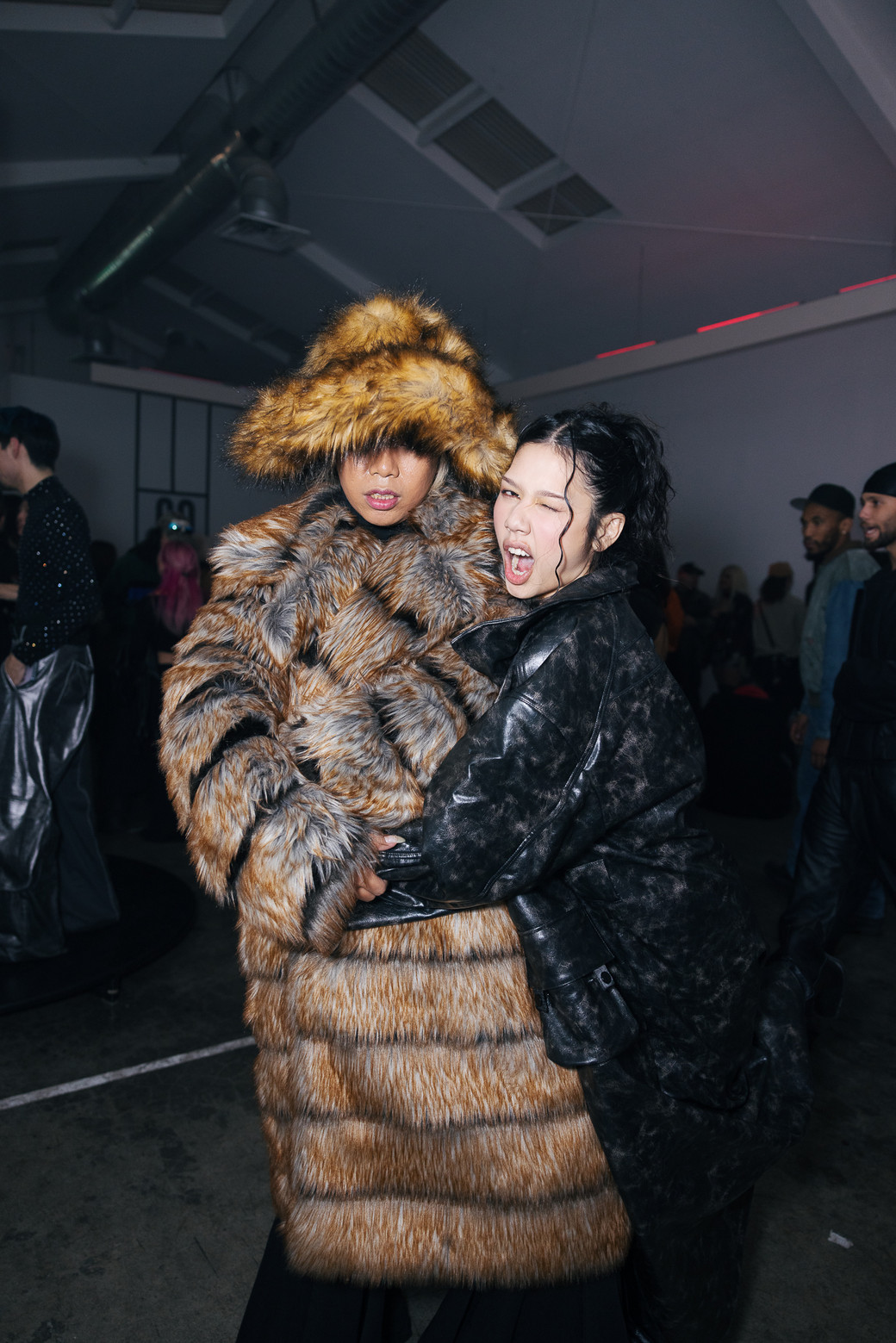
The youngish security guard looks me up and down. I have made an adventurous choice for this type of crowd. Neon pink hoodie, bright orange vest, my Raimundo jeans, and Jeremy Scott animal print sneakers. I let him take me in and look over his shoulder. Hmmm… I will be swathed in darkness when he lets me in. Dark night, dark clothes, dark makeup, furs, hoods, leather accessories, and sunglasses. I don’t recognize anyone, but it’s hard to tell who anyone is because I can’t see after 8 pm without my glasses. Night blindness. I can still catch a vibe though.
“She’s in the bathroom,” Mr. Guard says, interrupting my squinting.
“Who?” I ask.
“The woman in charge of the list.”
That’s a drag. I want to dance. Lately, I’m going out in the name of music.
“So…can I go in?” I ask.
“Just wait for her to get back.”
That sounds fine. I wait. The outdoor smoking area is packed. I hope the inside mirrors this, maybe with people dancing instead of blowing smoke in each other’s eyes.
“You got instagram?” The guard asks me after about ten minutes of flirting.
“Can I go in?” I said.
He laughs. He lets me in the event without a wristband.
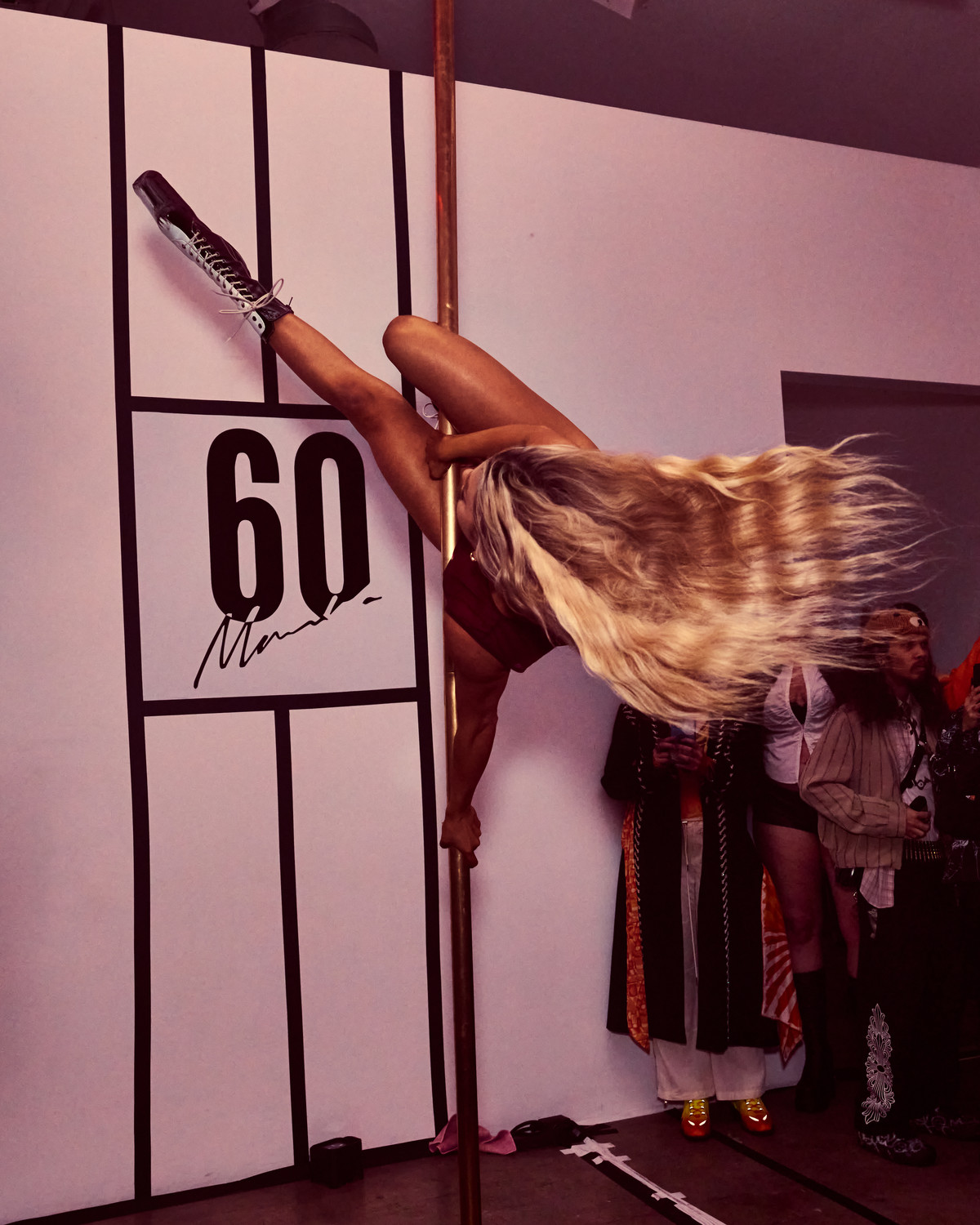
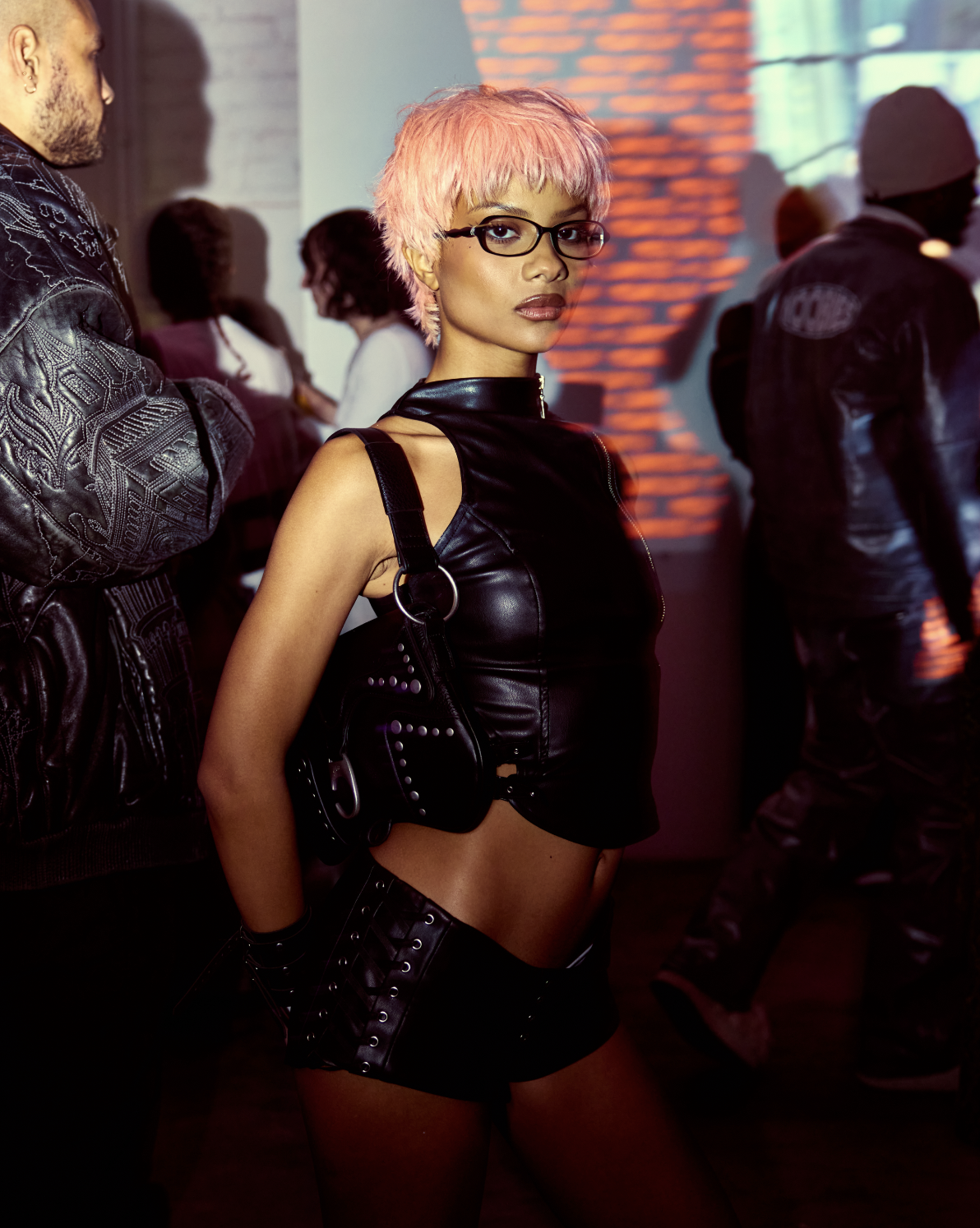
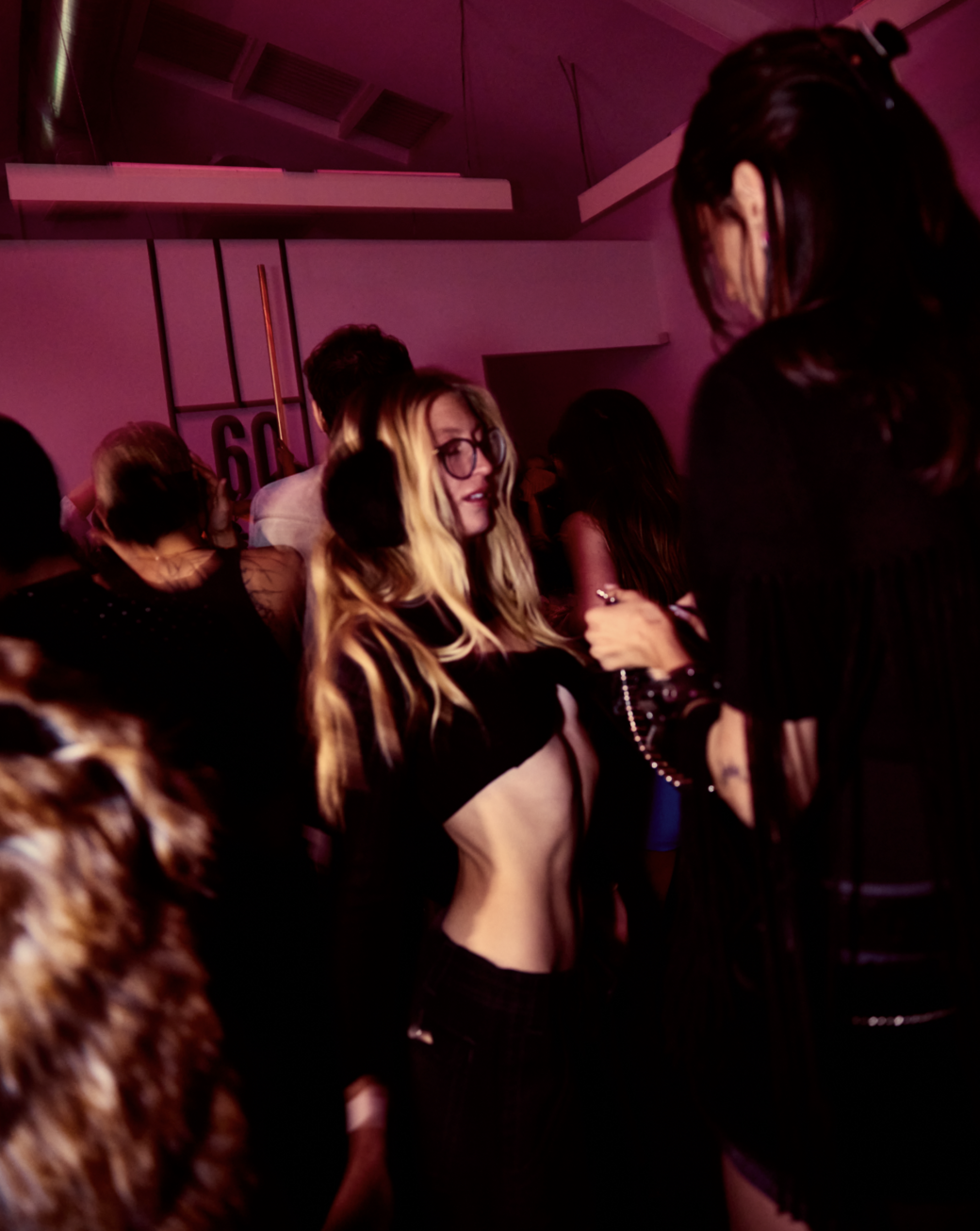
Inside, I understand why the other guard was gone for so long. I make a mental note to not drink too much liquid; the bathroom line is almost as long as the line to get in. The party is popping, far from a flop.
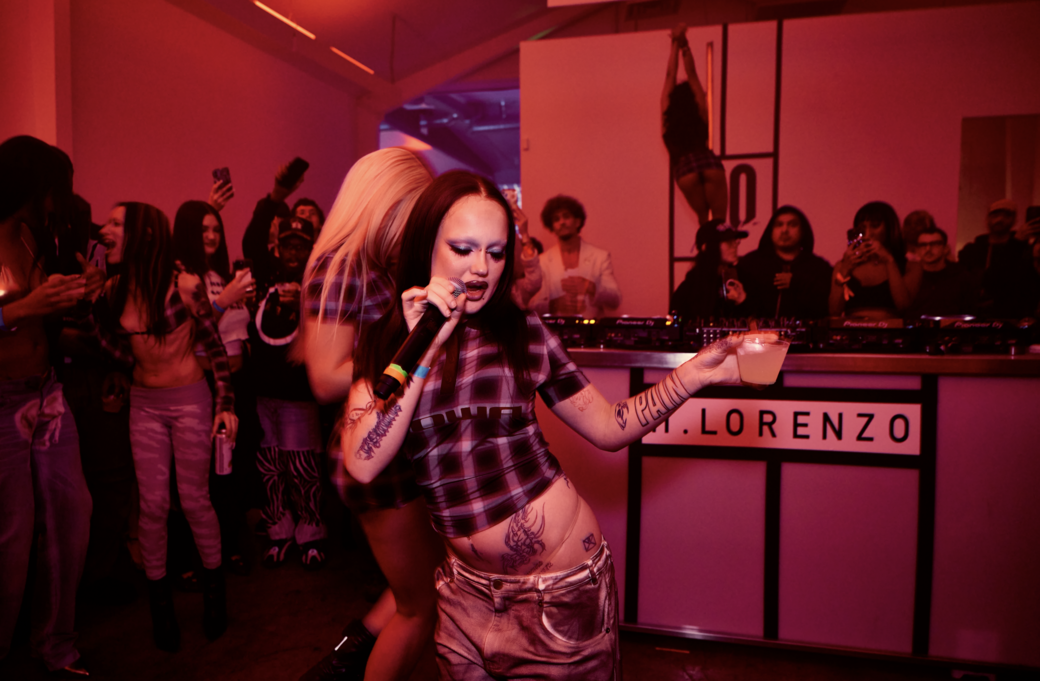
I push through the crowd solo, following the speakers to the DJ booth. The immersive visuals provide me with enough light to make out Mowalola in a gold bikini and her low rise denim. My pulse races like the horse printed on the front of her coochie. That’s the point of the collection, obviously.
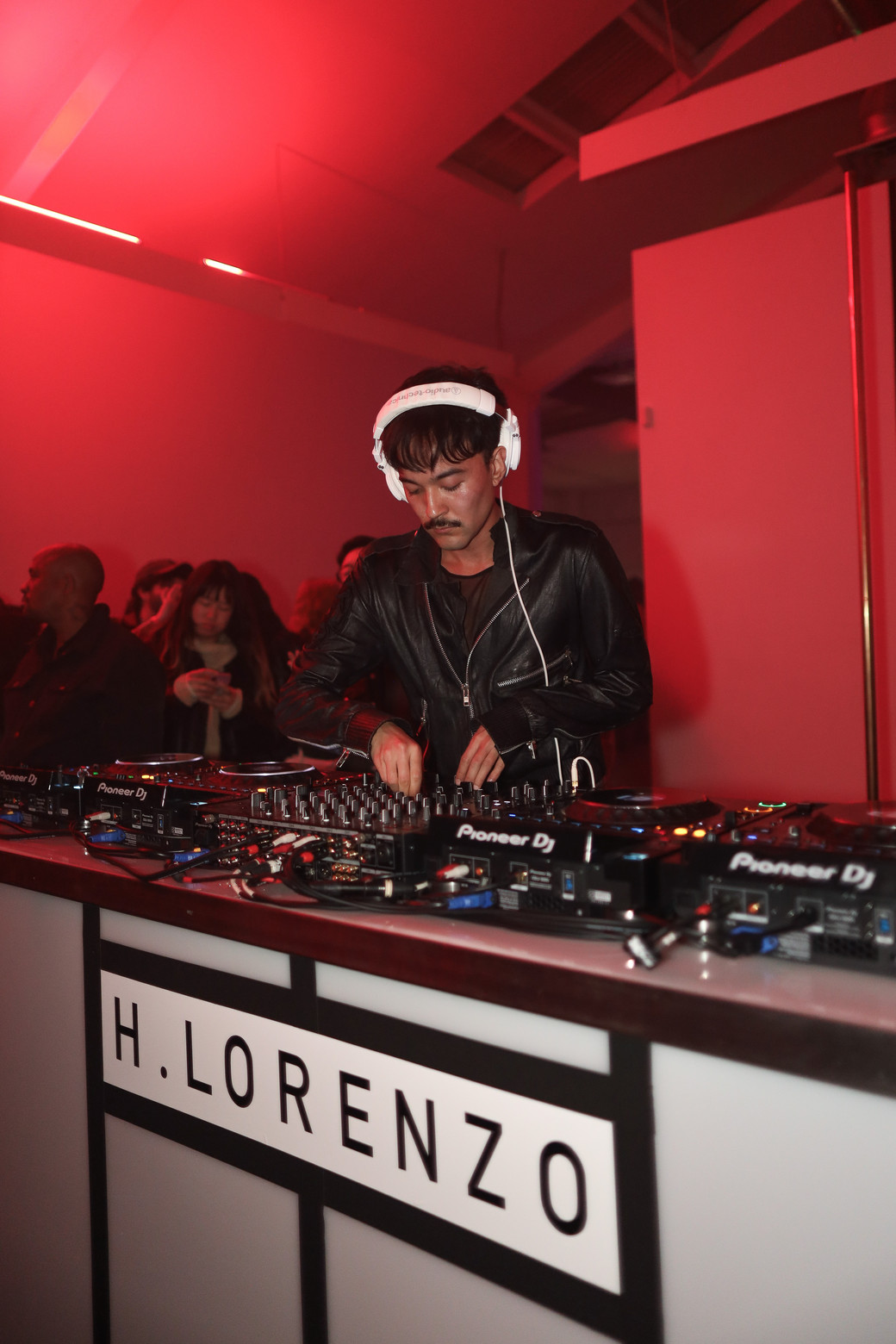
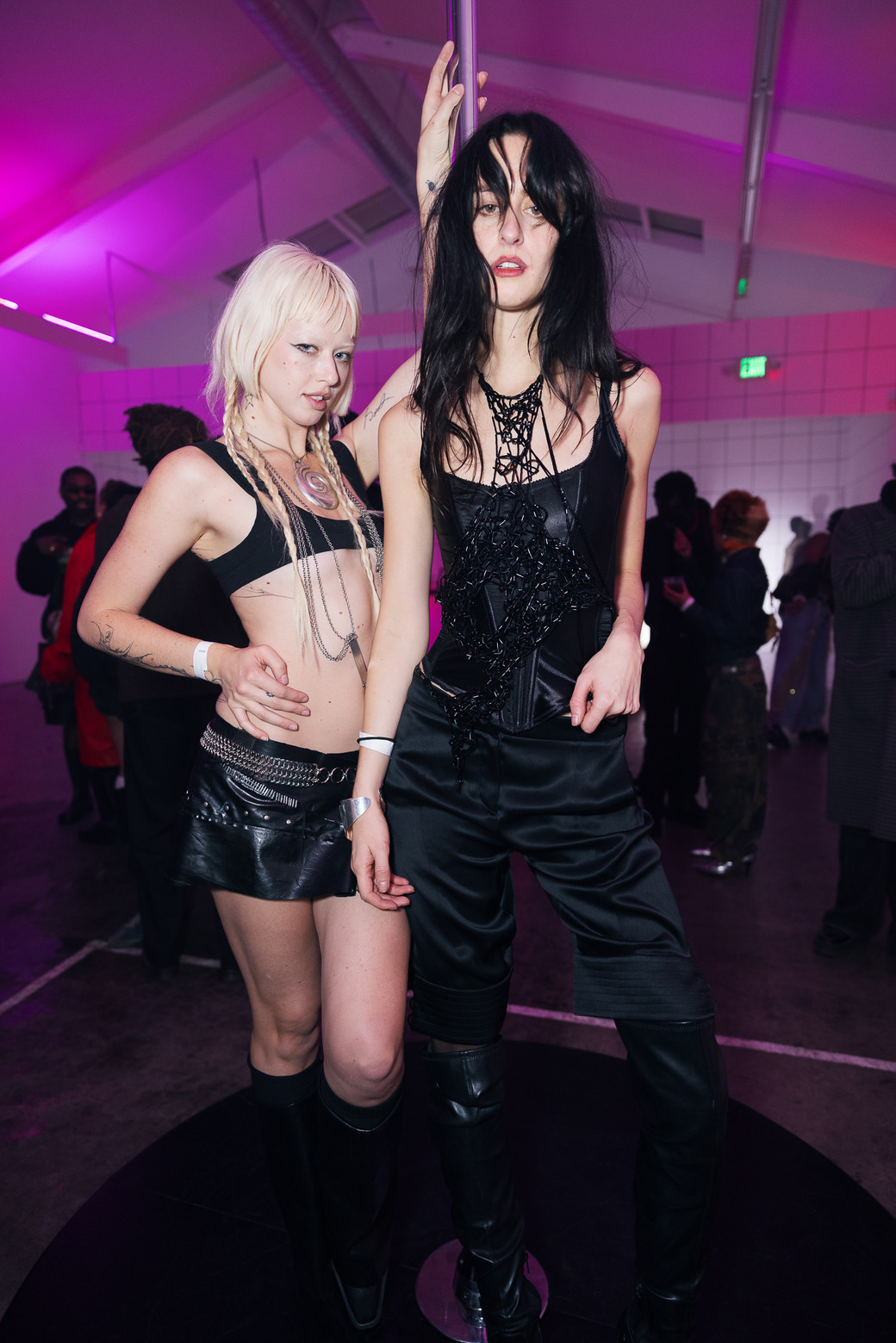
I spend a good thirty minutes grinding my hips before swaying to the open bar. I smile to myself, noting that it’s a mezcal forward menu. I see a drink that disgusts me, so I order it without hesitation. It’s a mezcal coffee concoction. My heart ’s ran through already, why not go all in? I hear Shigecki’s set start so I head back to dance. I’m jumping around, sweating, and I yelp when I pause for a beat. Strippers have materialized and are working poles opposite and behind the DJ booth. Good. Events should be sexy.
I end the night smoking my friend’s Korean strawberry cigarettes taking in the air of cool- when a man comes up to me wild-eyed exclaiming that we look just like one another. I look at him- no, not at all. I turn slowly, remembering what I should be doing: listening to DJ G2G’s set. Back inside, she is playing reggaeton type beats with lasers beaming out of her headphones (I want these). A rave in it of herself.
Too bad all the events end at 2 am in LA.


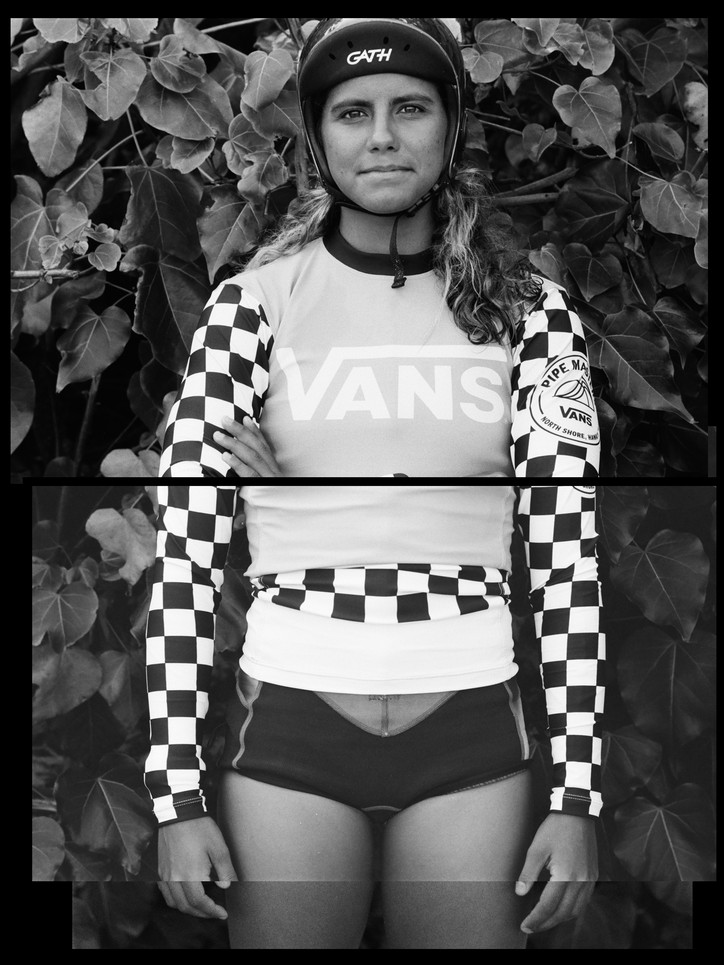
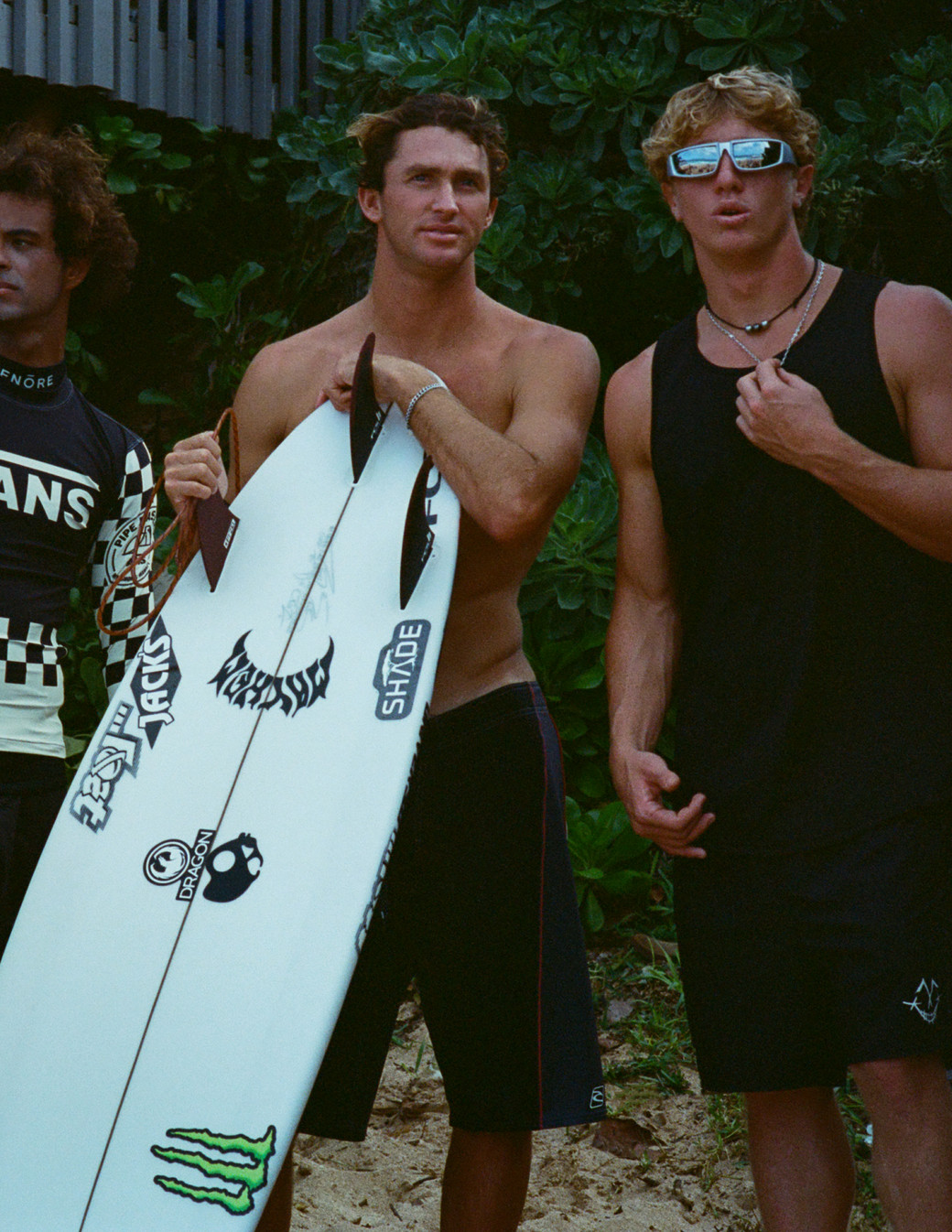
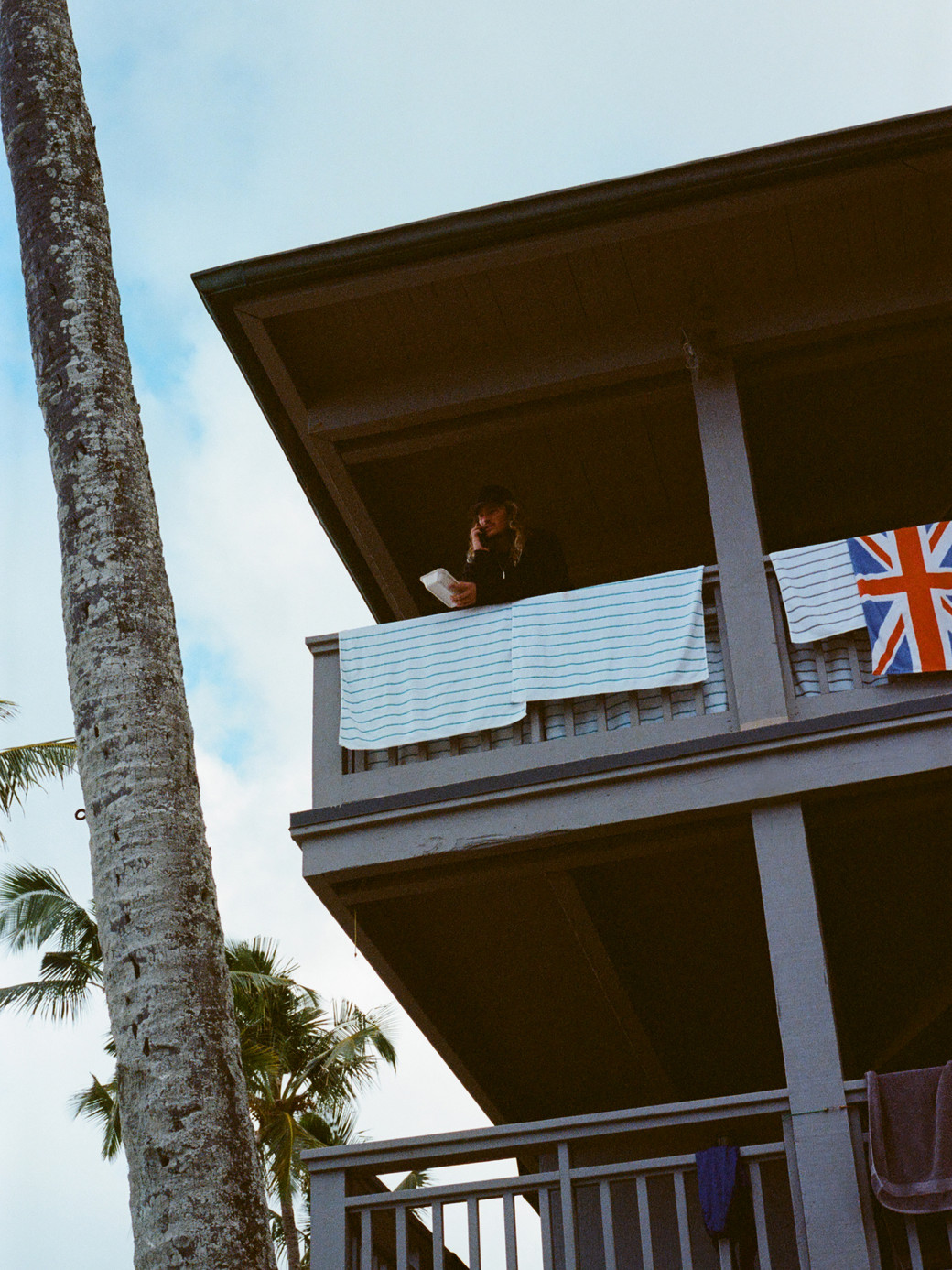
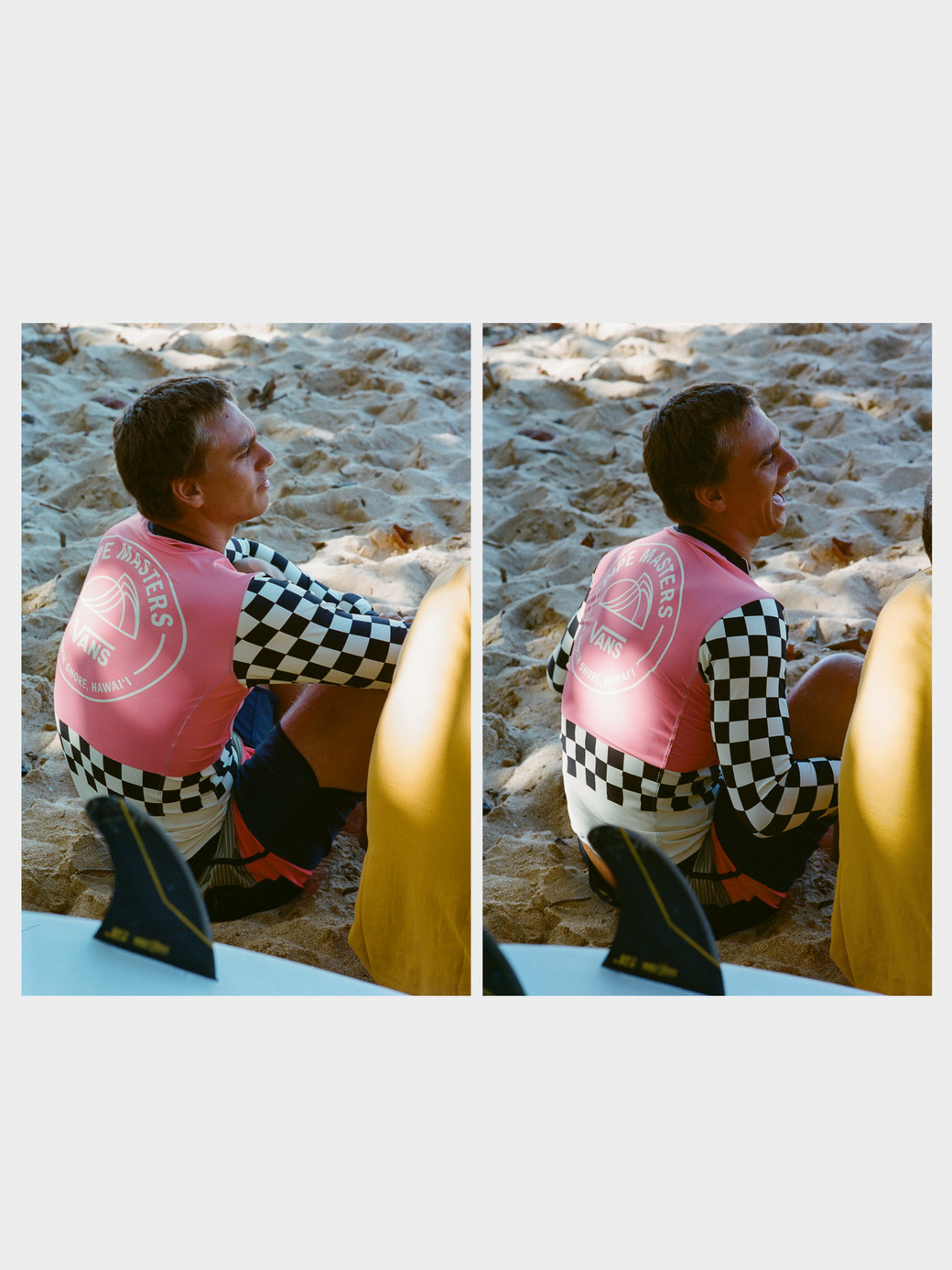
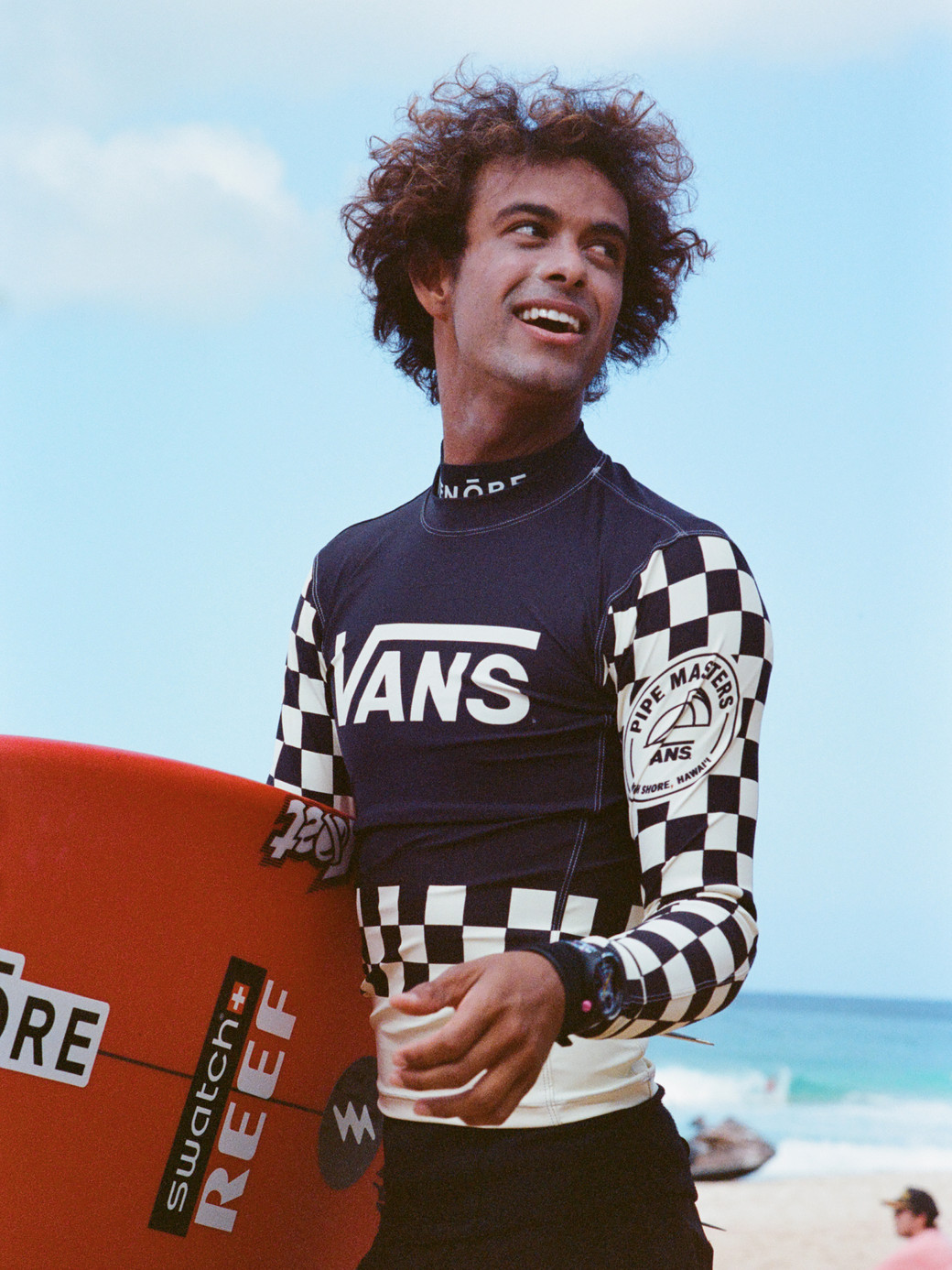
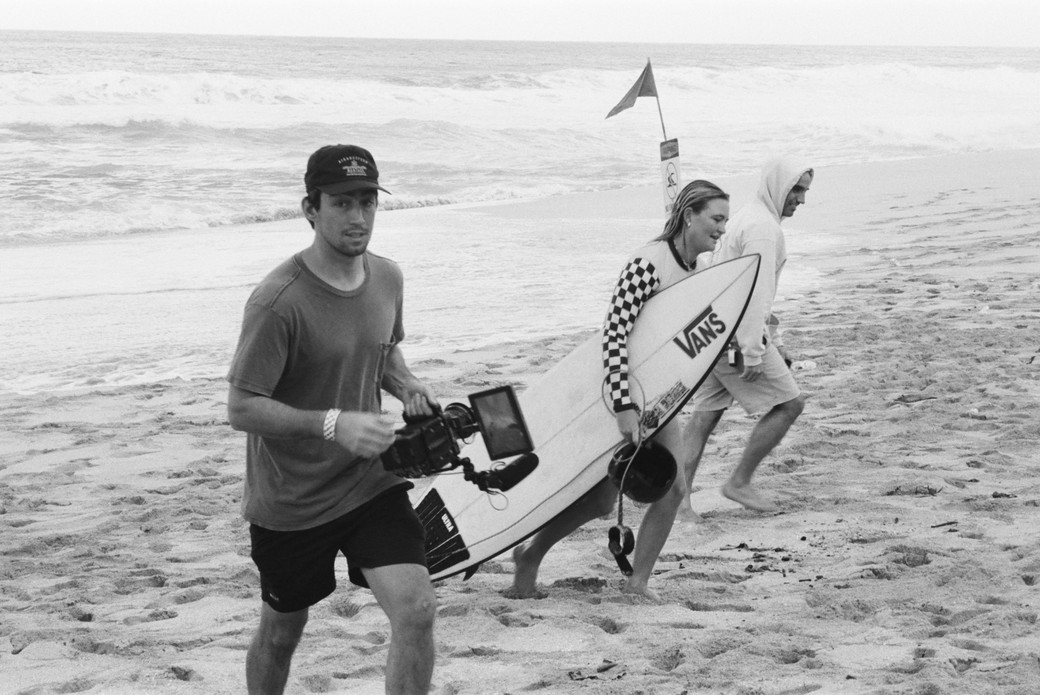
On the first night, Steve Van Doren and the Vans team hosted the heat draw for the competitors at a casual backyard barbecue. The son of Vans’ co-founder Paul Van Doren, Steve has worked in the family business for decades, and is now known as the Ambassador of Fun. Wearing a Hawaiian shirt and a cowboy hat made out of old shoes, he was definitely dressed for the part. The surfers, along with family and friends gathered in a relaxed setting as 40 men’s and 20 women’s names were drawn from a shoebox. The competition would run in 3 rounds, the top 4 men and 4 women with the highest scores moving onto the finals. When asked about their strategies, most gave answers along the lines of “get waves.” Refreshingly simple.
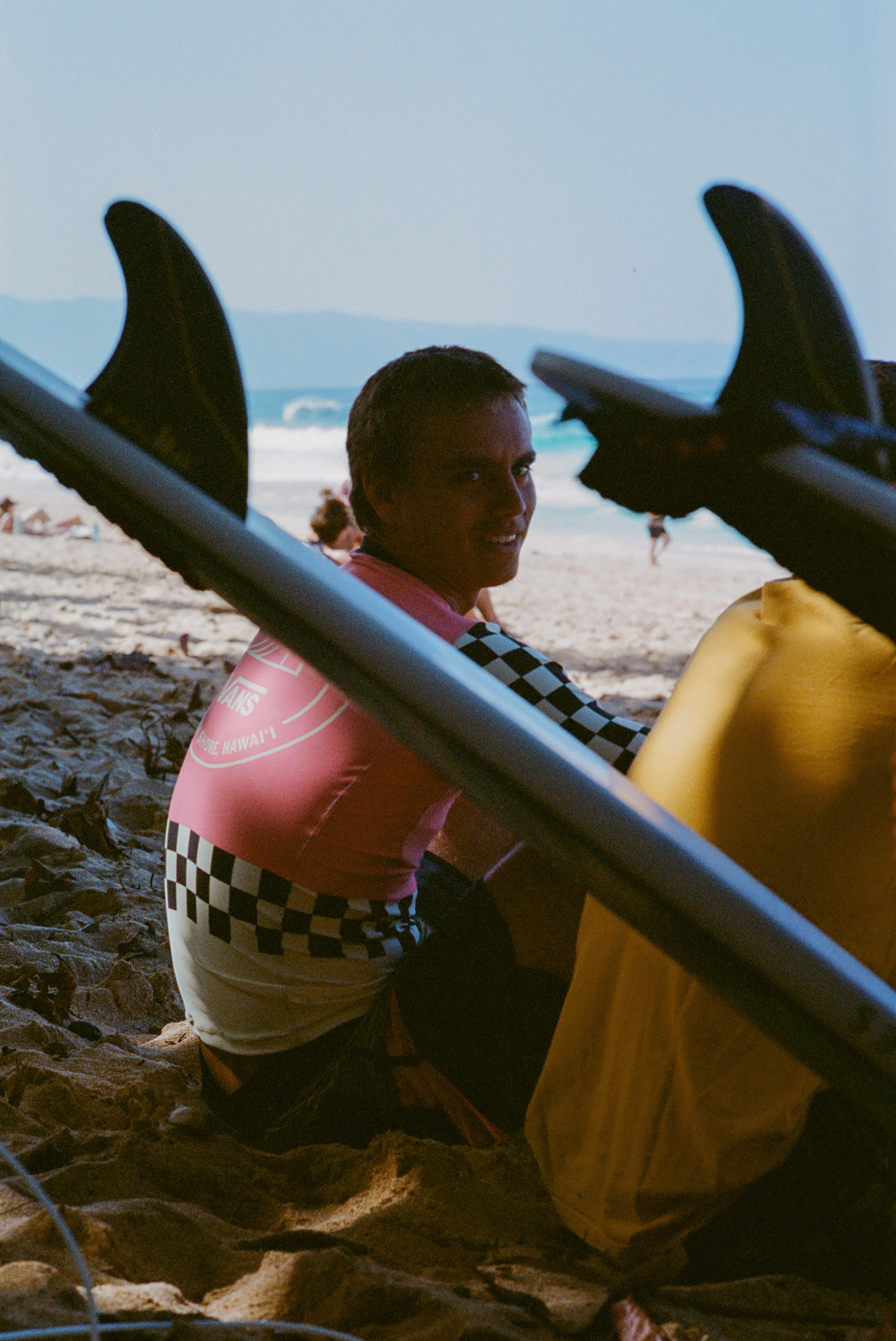

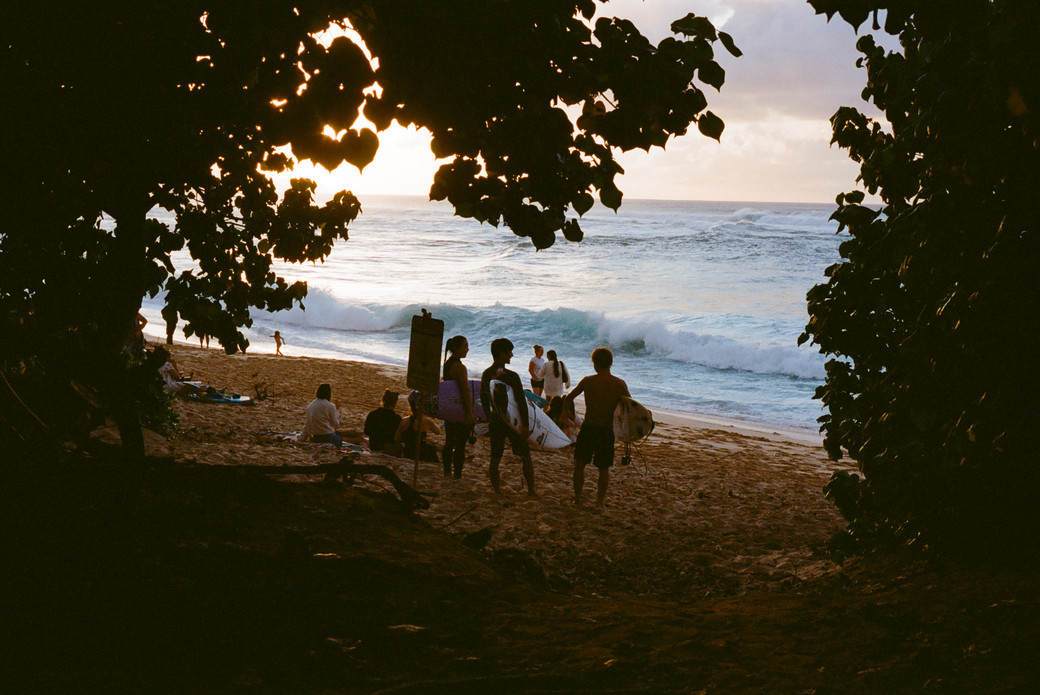
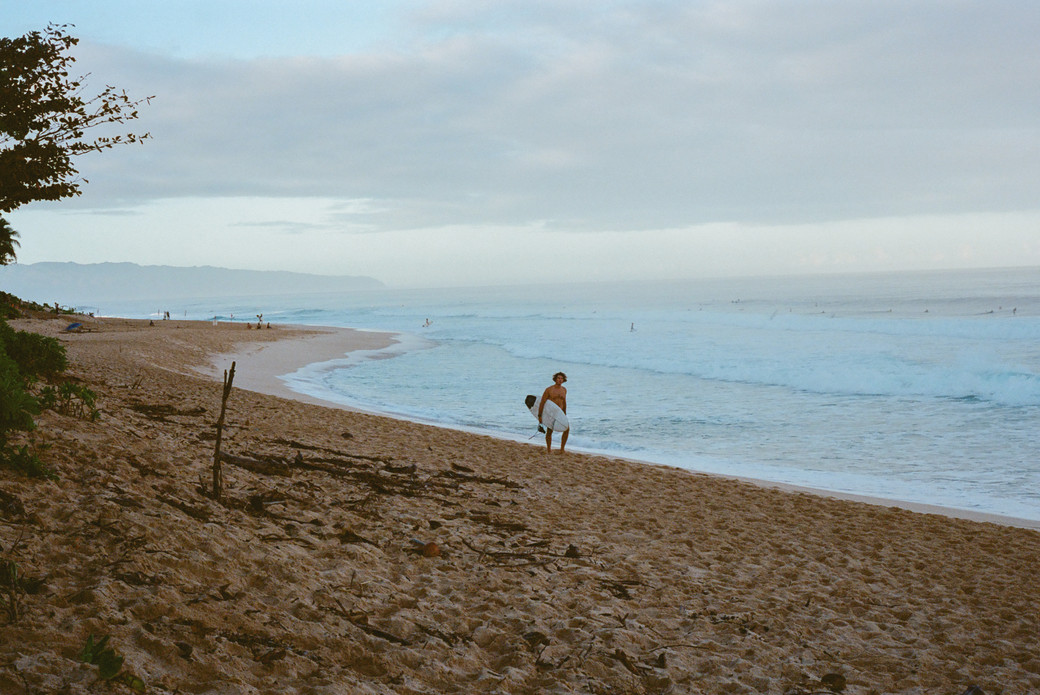
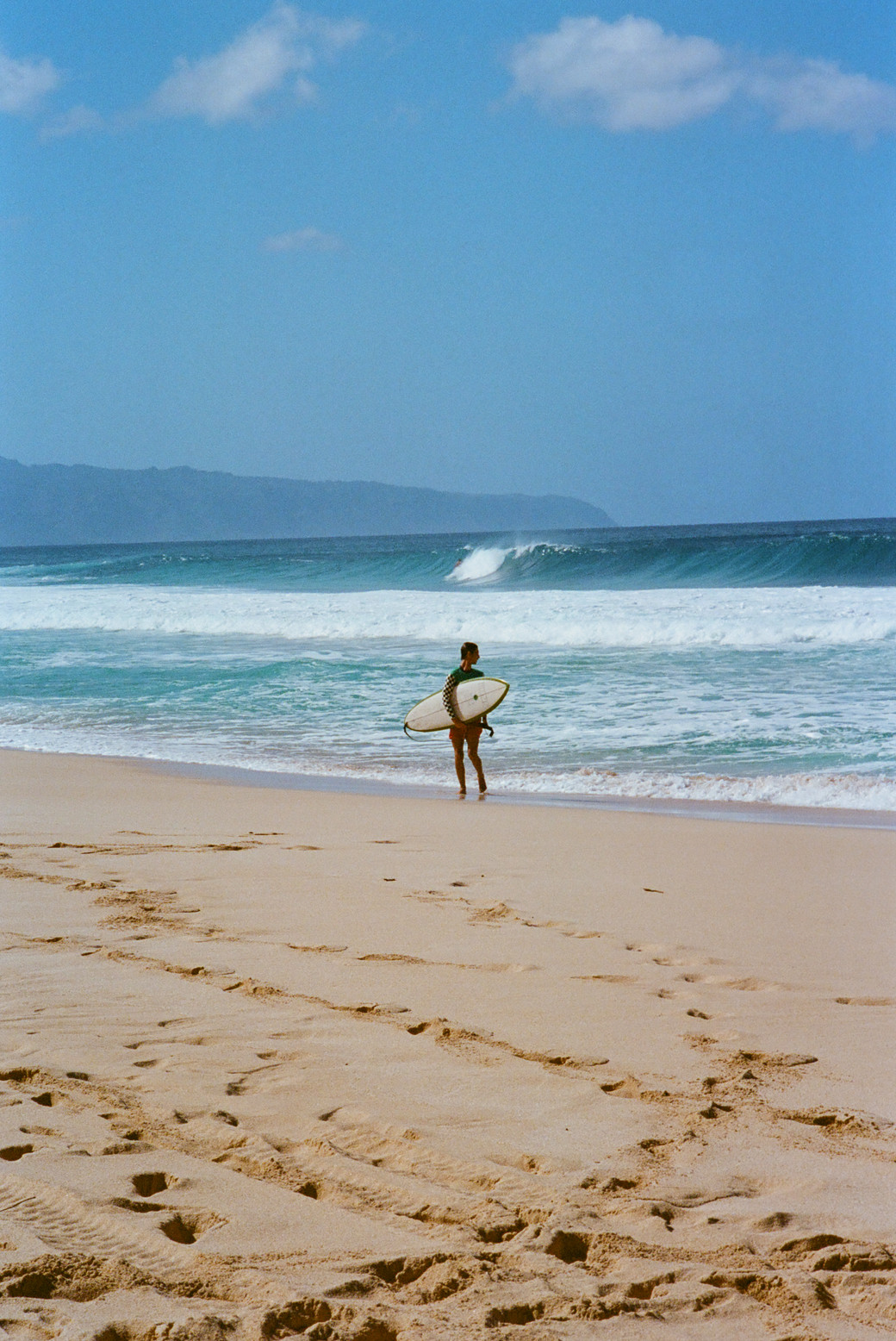
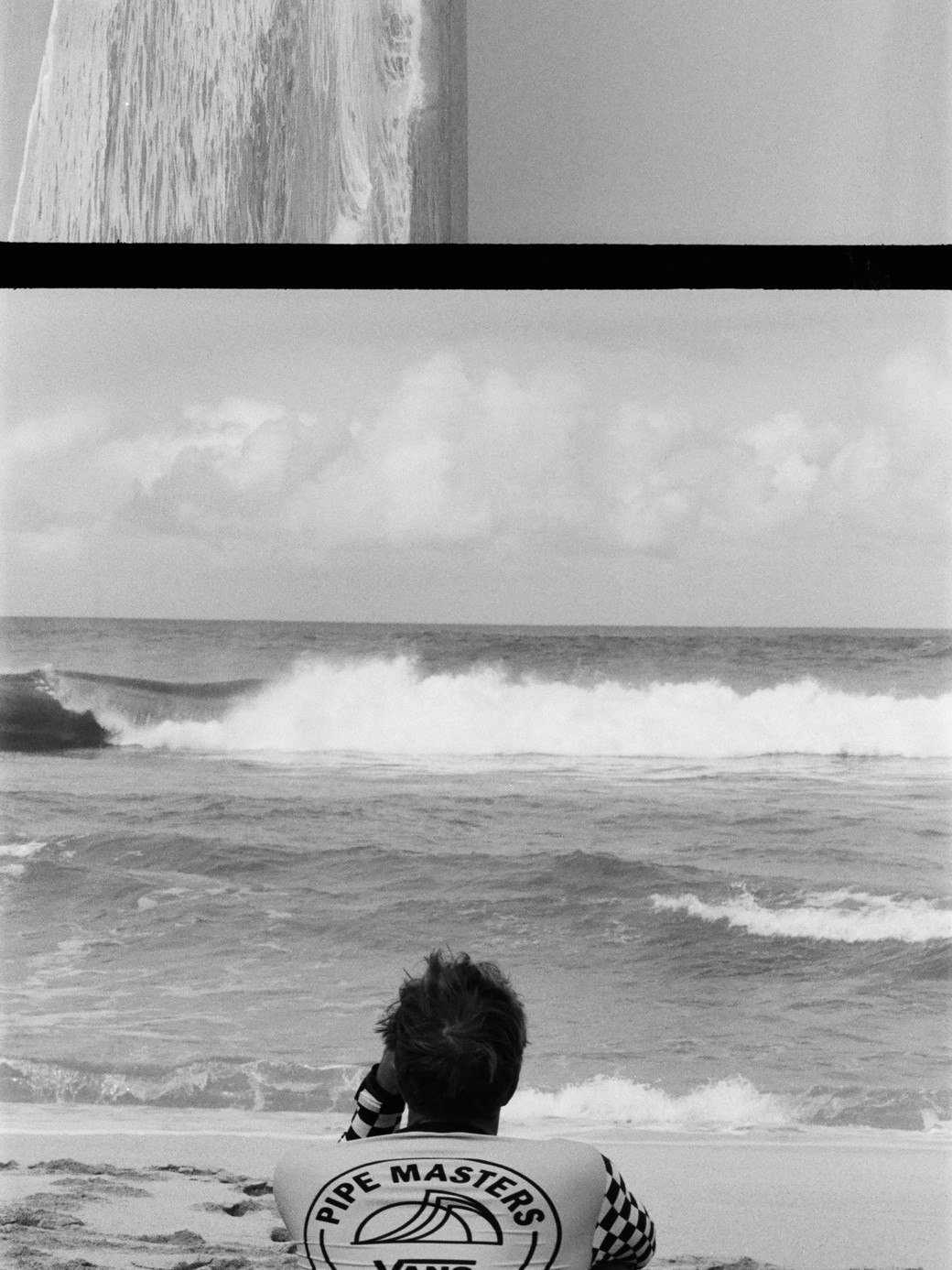
After waiting a few days for favorable conditions, the first day of competition kicked off with Women’s Round 1. It was finally time to see Pipeline in action. Banzai Pipeline is known as one of the most dangerous places to surf due to the powerful waves breaking over shallow and sharp reefs. With the potential to crash into the rocky edges or have leashes caught in caves, it takes a ton of skill–-and even more courage–to surf here. No stranger to these risks, the first heat included favorites Caity Simmers and “Queen of Pipeline” Moana Jones Wong, who showed off exactly why they’d been successful here in the past. Midway through the heats, Mother Nature decided to throw in another element as a light drizzle turned into a proper downpour. Rain or shine, the athletes went out unfazed, focused on getting their first points on the board.
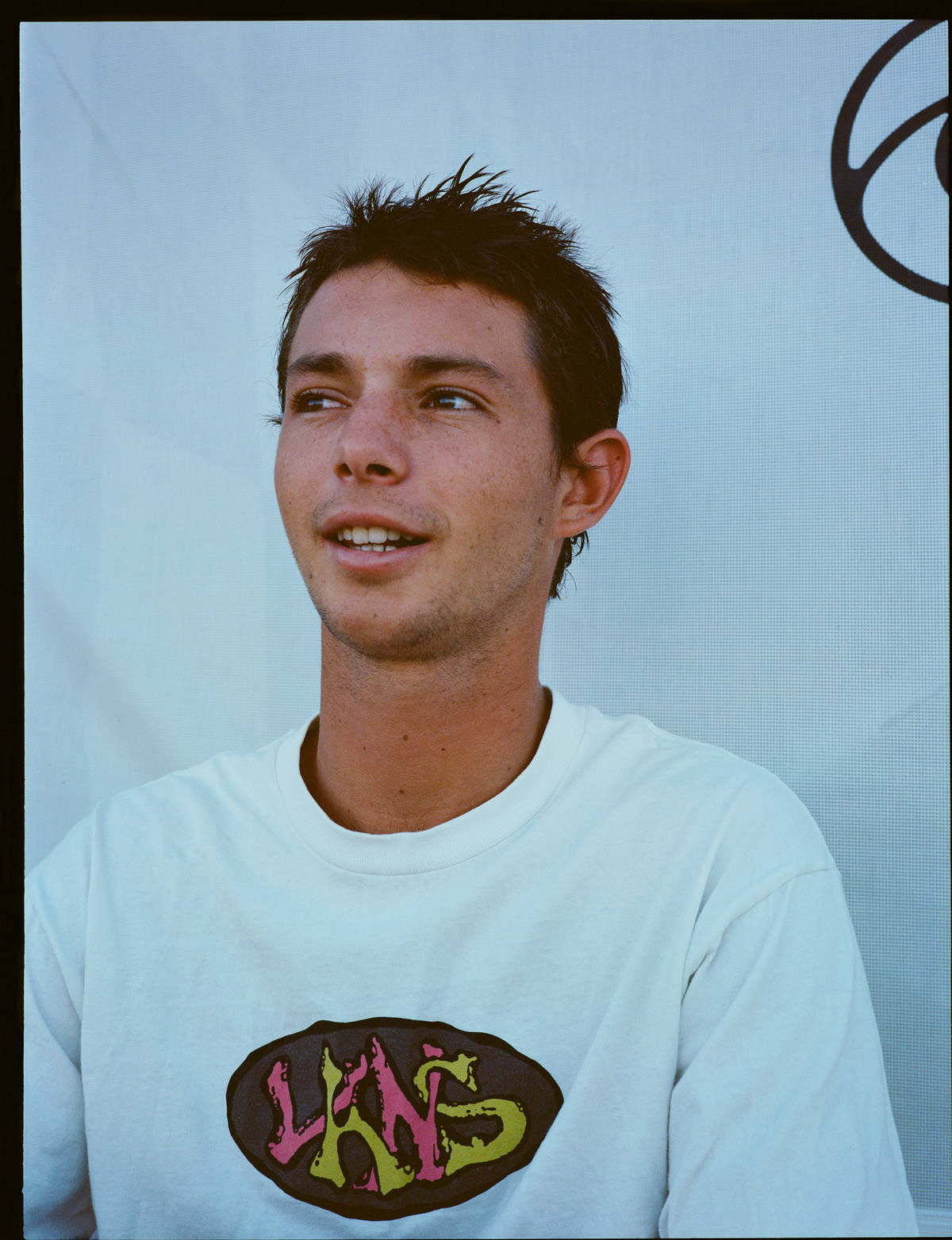
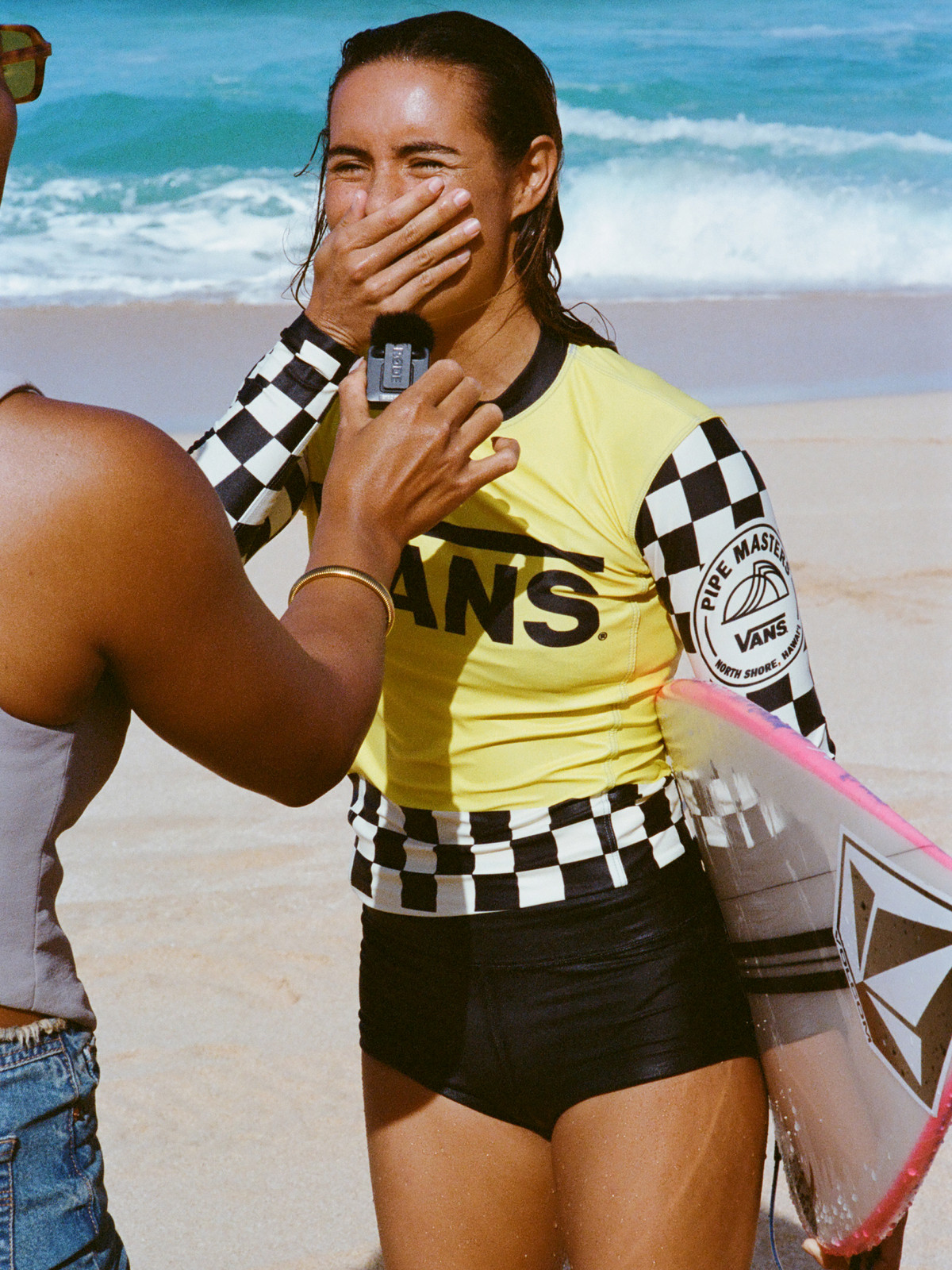
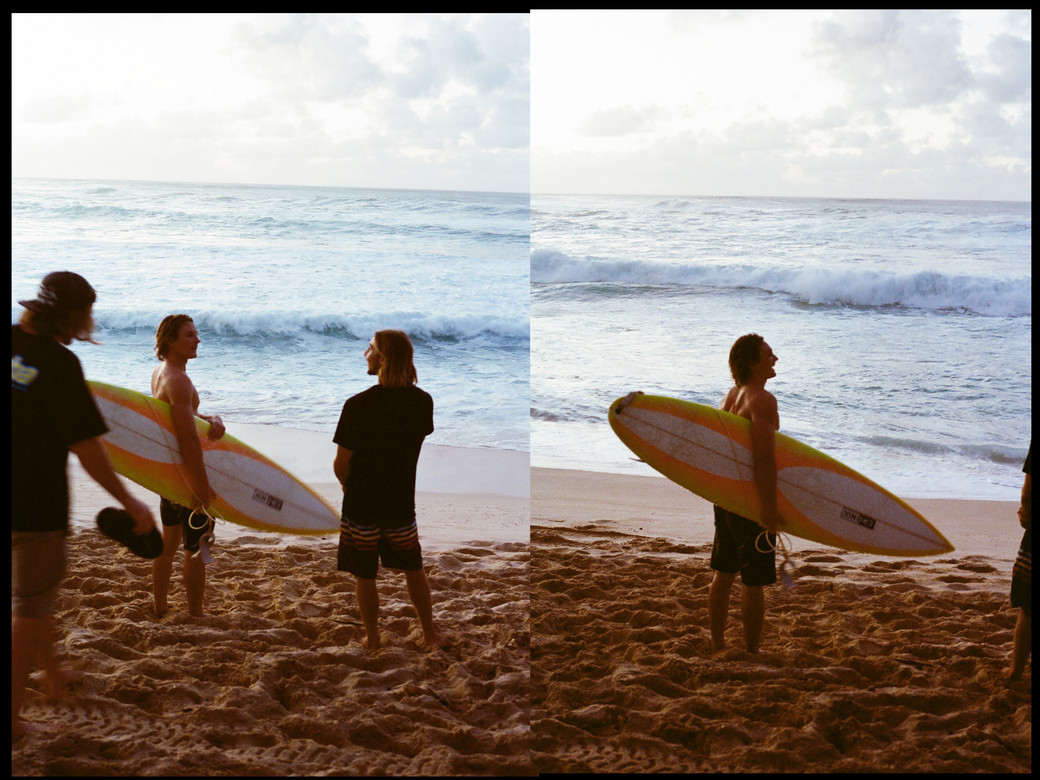
After another short day’s break, the competition continued with the women’s second round and the men’s first. The beach was filled with spectators, locals and tourists alike, as the competition was free for all to attend. While fans rooted equally for the women and men, the most popular were the local Hawaiian athletes, which made up about half the competition. The women started off the day again, hyping up the crowd with incredible rides. One ride by Bettylou Sakura Johnson earned the first Bag of Cash of the day– a cash prize (of undisclosed amount) awarded in a brown paper bag to any surfer that pulls off a wow moment, excites the crowd, and pulls off something spectacular regardless of what the conditions might look like.
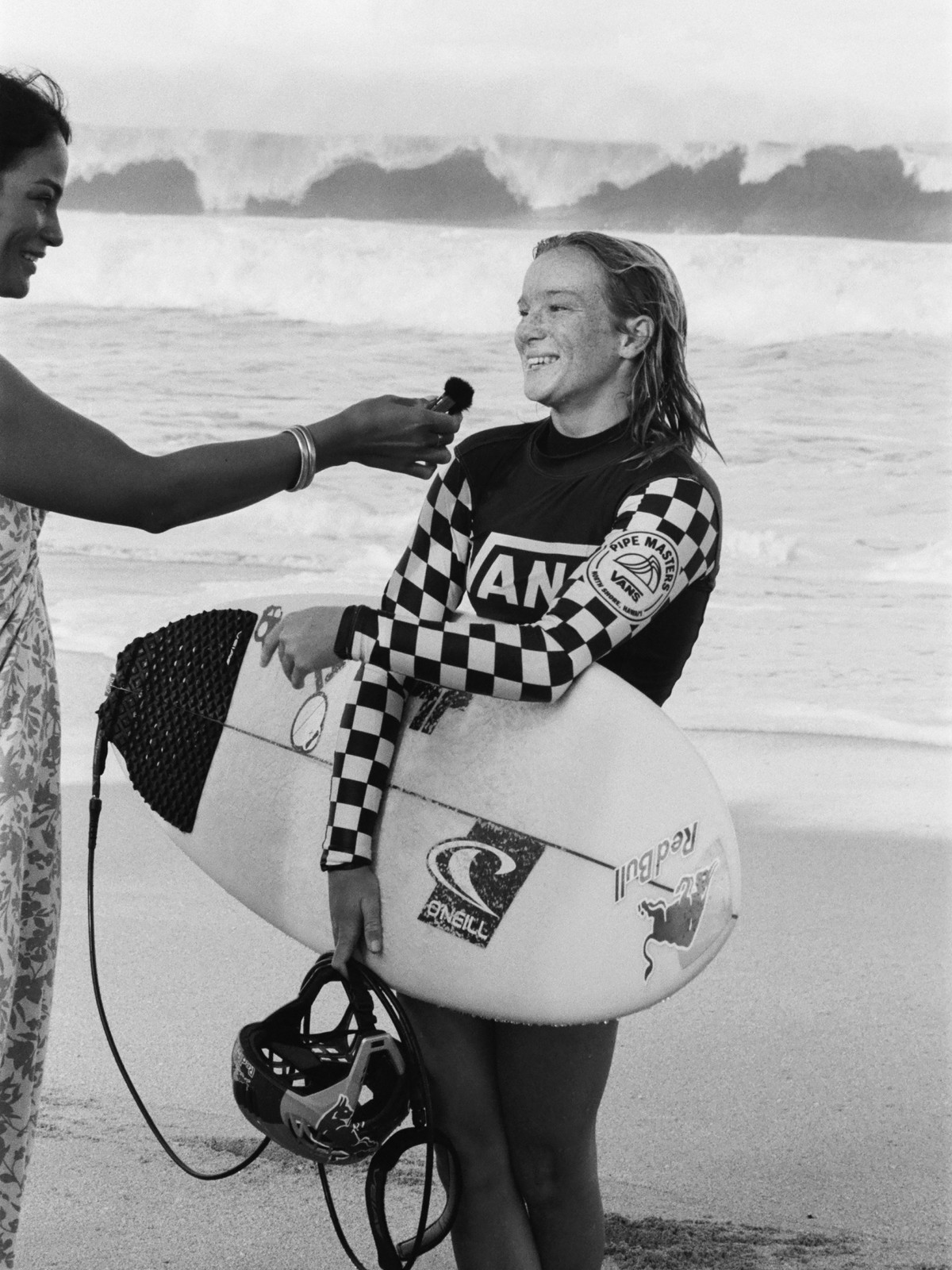
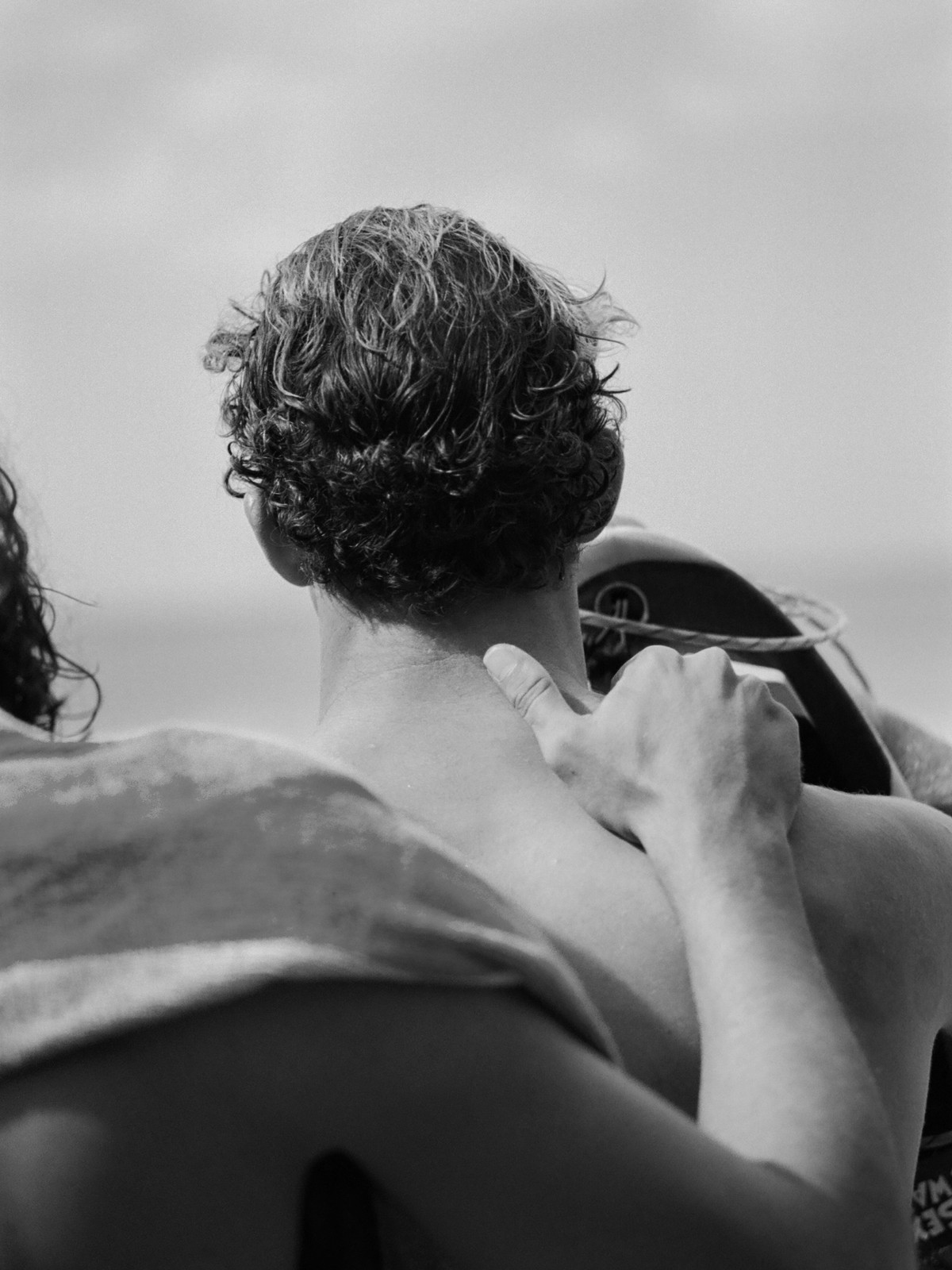
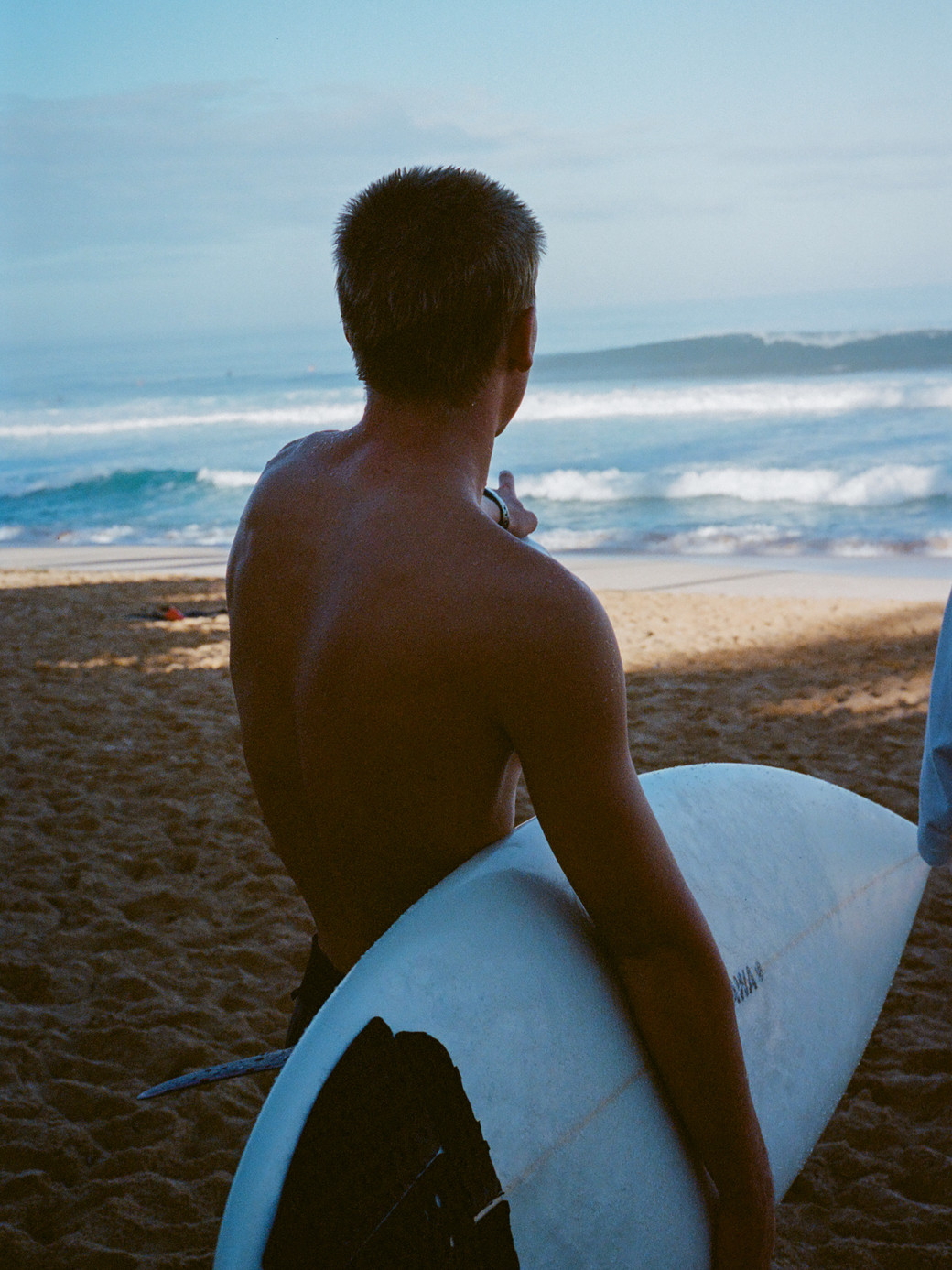
Winds picked up as the men’s competition began and two strategies quickly emerged: an aggressive approach, targeting any decent waves to build small scores; and a patient approach, waiting for the perfect wave to chase a high single score. Even the waves that were unrideable were a spectacle in itself. The sheer size, illustrated by the length of surfboards riding up and over, and the following crash of white water spray was hypnotizing. Then imagining having to experience it out on the water, duck diving under or being lifted over, brought a renewed respect for the surfers.

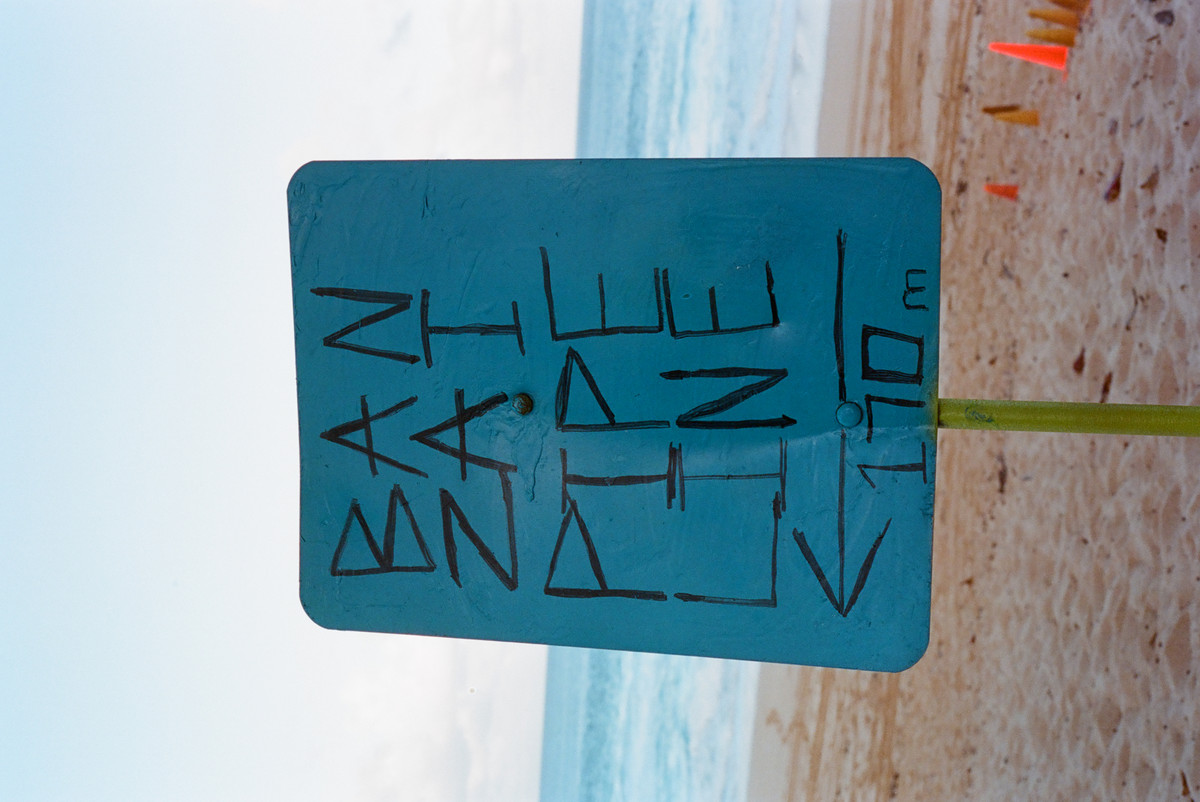
After watching these early rounds, it was time for office to head back to the cold. With the competition officially spanning from December 8-20, it seemed the forecast was gearing up for some massive waves— and it didn’t disappoint. Following from afar through Vans’ Instagram and live updates, we saw the full extent of what it means to surf at Pipeline. After a series of electrifying and daring surfs, the 2024 winners were crowned: Erin Brooks and Nathan Florence.


The thrill of watching top athletes compete at the highest level of their sport, even remotely, never fails to inspire. Few sports surrender so completely to the forces of nature as surfing does. And at its core, surfing is all about having a deep respect for the ocean—its unpredictable whims, its immense power, and its ever-changing moods.