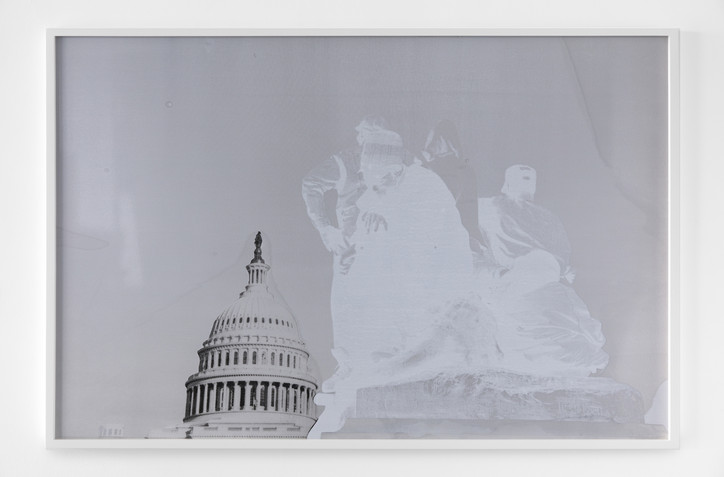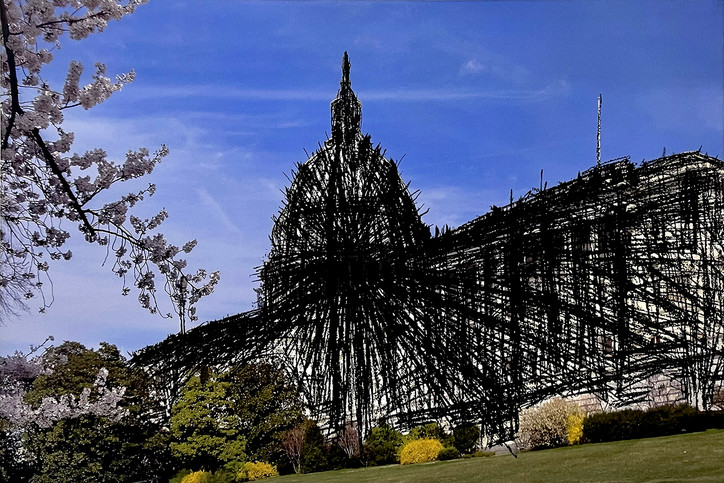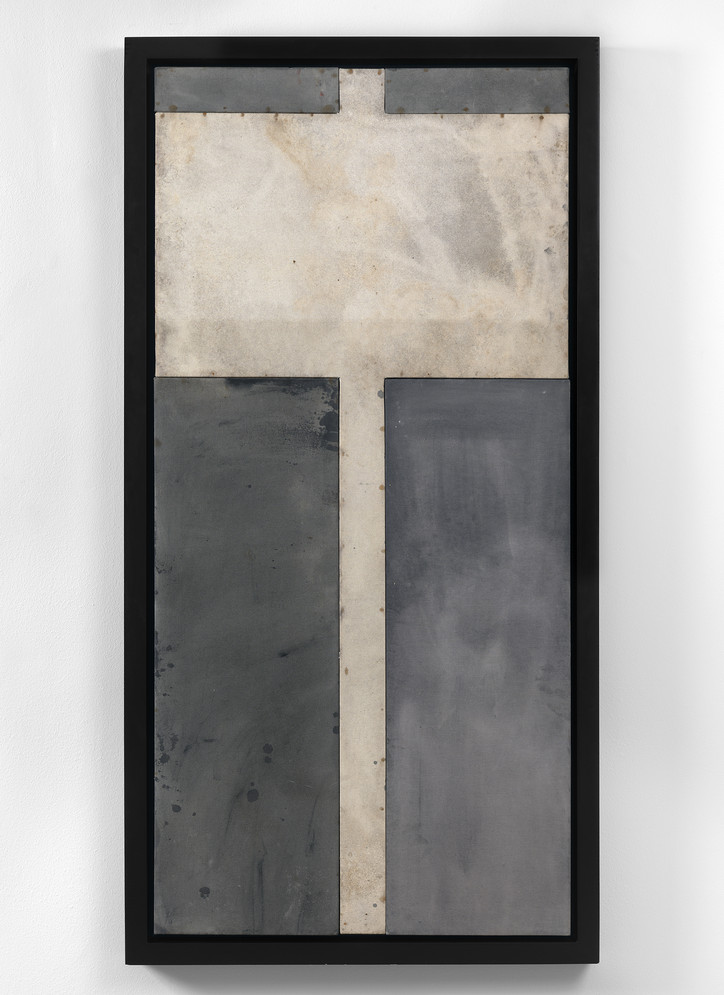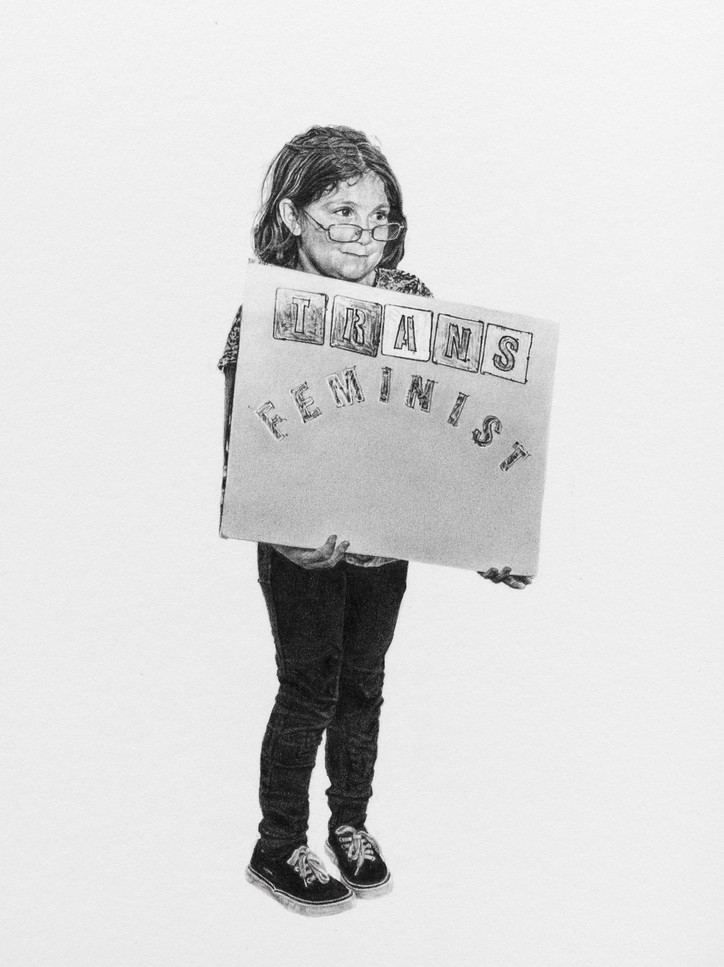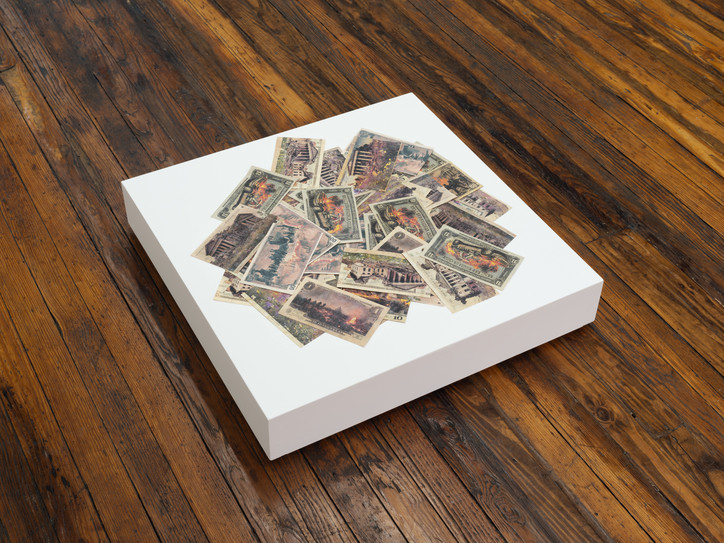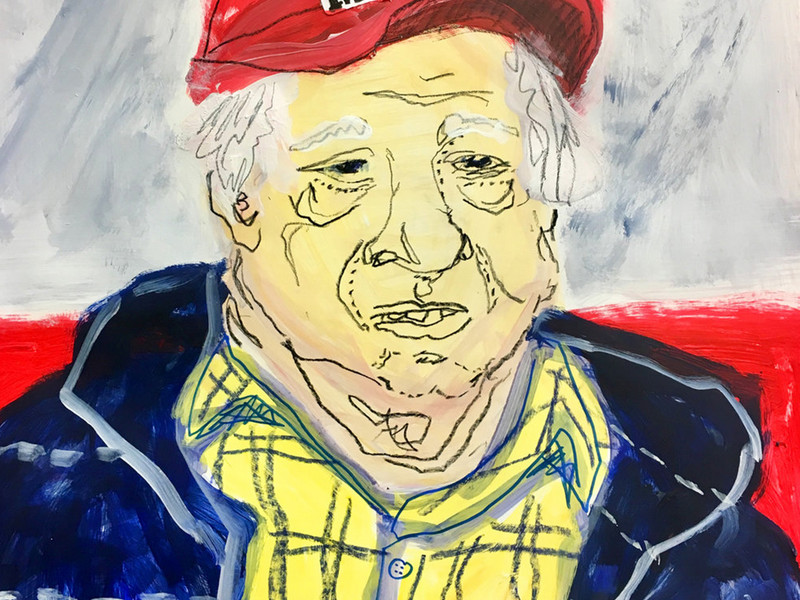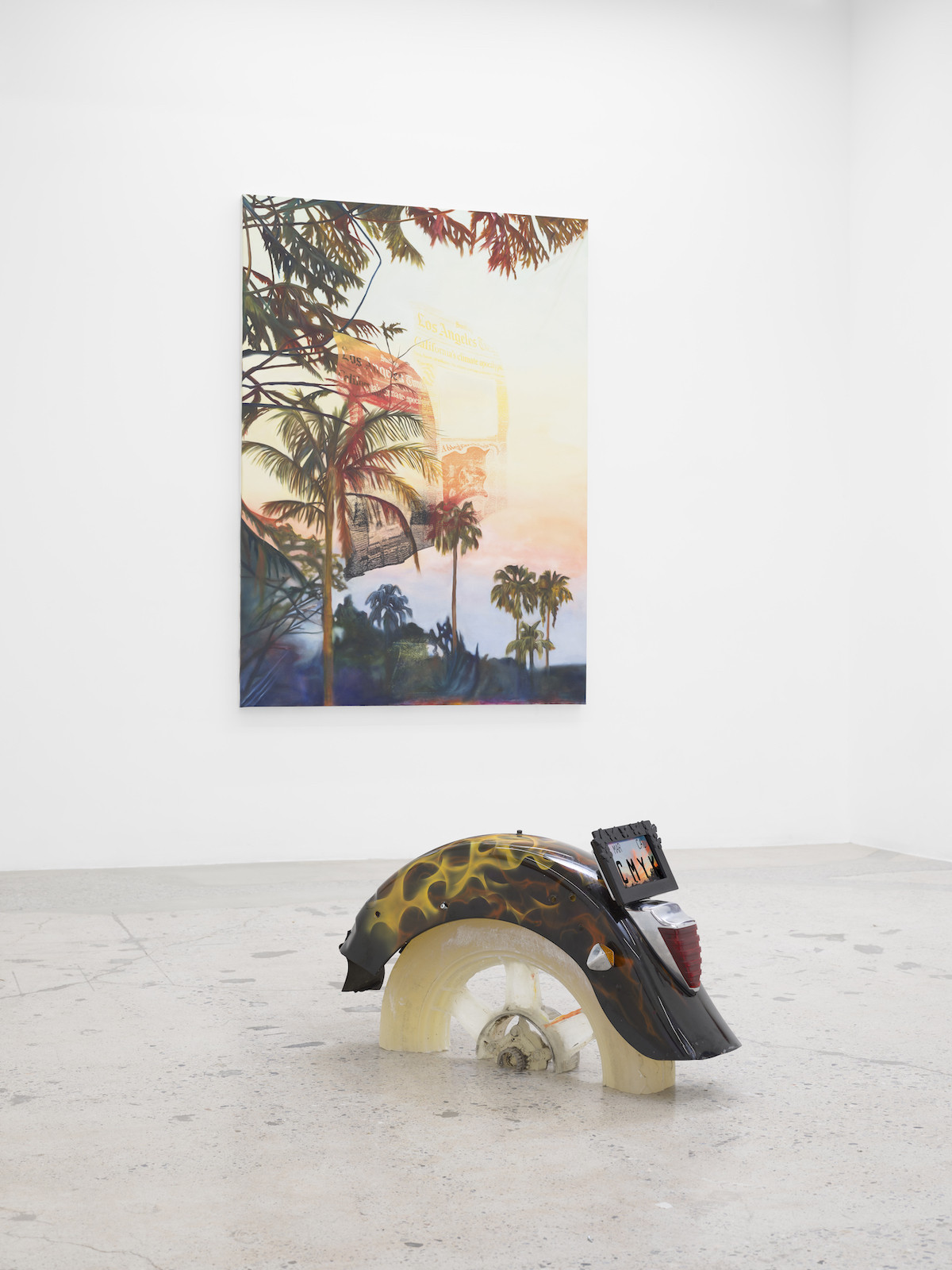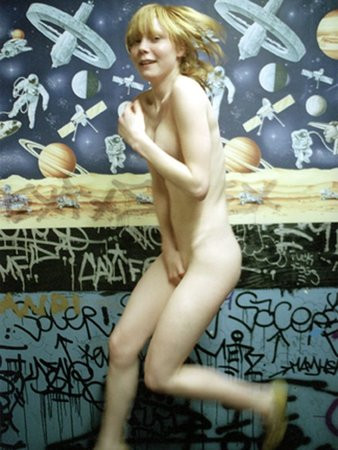

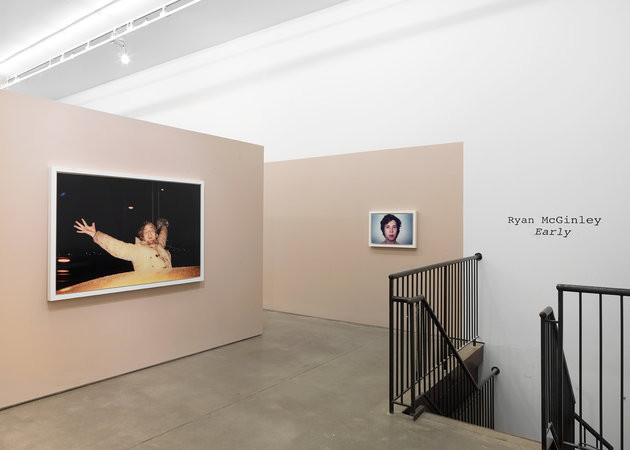
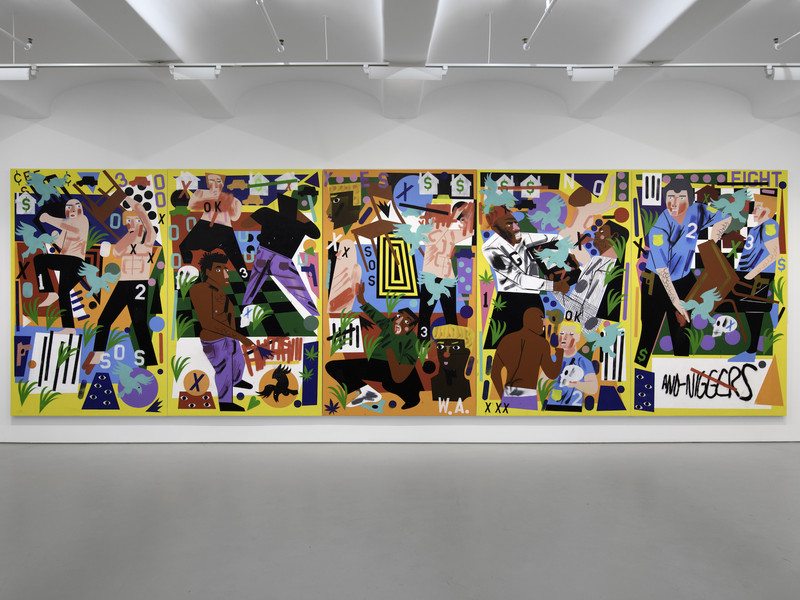

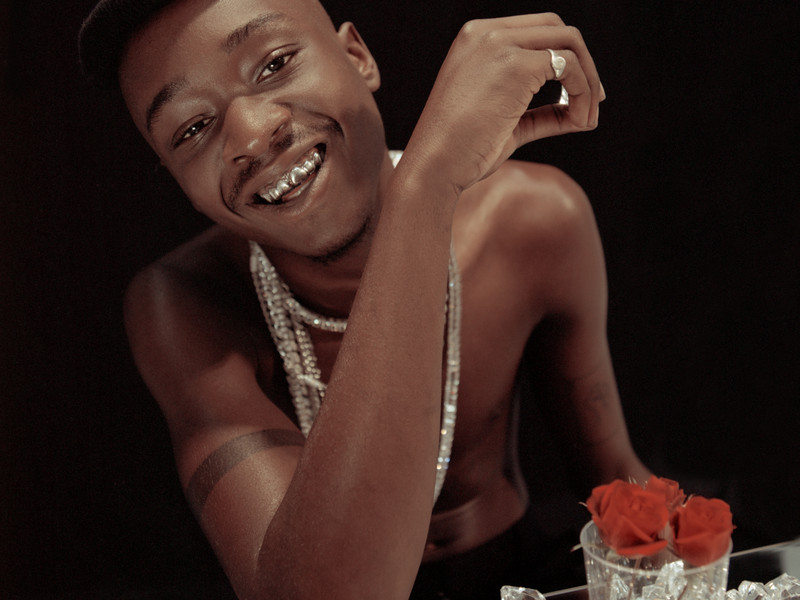
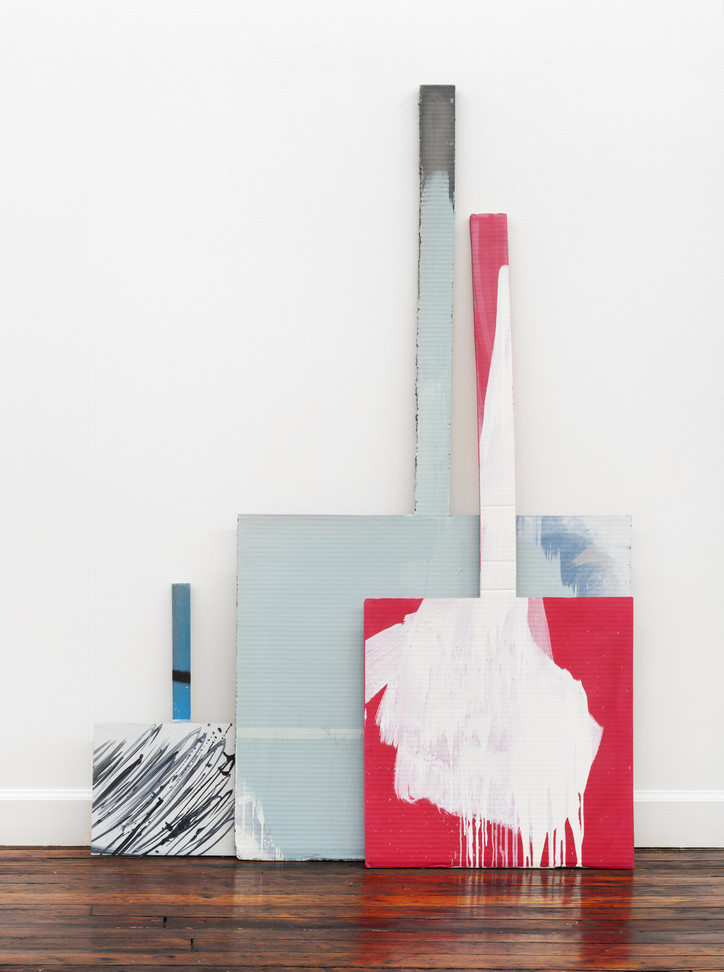
No space is neutral, an idea which is exemplified quite dramatically in Paint the Protest. And for many of the works featured in the show, the guise of agitprop — an otherwise unsubtle medium in its use of punchy, to the point language — becomes recontextualized in the gallery space, granting works the luxury of obscurity and complexity. In the world of Paint the Protest, nothing can be taken at face value — a closer look into Richard Prince’s mostly blank placard sign paintings don’t communicate an absence of meaning, but rather a vessel for projected dissent — an exercise that requires the critical participation of a viewer.
In this vein, Spector realizes how vital the relationship between viewer and art is, because without the engagement of an external participant, the art in its essence presents no steps toward change, or activism for that matter. They are merely objects. However, it is not just this relationship — between artwork and spectator — that is a necessary part of the show’s equation, but a third part is present as well: the recognition of the space, a space that implicitly causes us to treat these works differently than those on the street, for better and for worse, and in its own way, contributing its valued voice to the spectrum of activism.
This show, which speaks to the idea of space and presentation so heavily, is also Spector's very first gallery show. Considering her long and impactful career in museums and as chief curator and artistic director of the Guggenheim, it's a momentous occasion that she is entering a non-institution and a white cube. office had the chance to talk to Spector about Paint the Protest, who offered important insights into her process while constructing the show. Read the interview below.